


21st Century Museum of Contemporary Art
Guide to the 21st Century Museum of Contemporary Art in Kanazawa
Photos are for illustrative purposes only.
In the historic city of Kanazawa, famous for samurai streets and traditional gardens, the 21st Century Museum of Contemporary Art stands out as a bold circle of glass and light. For first-time visitors to Japan, this museum is a gentle, inspiring introduction to contemporary Japanese creativity, presented in a way that feels playful rather than intimidating.
Opened in 2004 and designed by the internationally acclaimed architectural duo SANAA (Kazuyo Sejima and Ryue Nishizawa), the museum is known for its transparent, circular building, immersive installations, and strong focus on interaction between art, space, and everyday life. It is widely considered one of Japan’s must-see contemporary art museums, alongside Naoshima’s art islands and Tokyo’s major galleries.
Why Visit the 21st Century Museum of Contemporary Art?
The 21st Century Museum is ideal for travelers who want to balance traditional Japan with something unexpected and modern. After strolling through Kenrokuen Garden or Kanazawa Castle, stepping into this minimalist glass pavilion feels like moving from Edo-era Japan straight into the future.
Several features make this museum especially appealing to international visitors:
- Iconic, photo-friendly installations you may already recognize from magazines or social media.
- User-friendly design with open spaces, English signage in key areas, and a relaxed atmosphere.
- Family-friendly, interactive works that invite you to look, listen, touch (where allowed), and move through the space.
- Easy access from central Kanazawa, near other top sights.
Architecture: A Circular Museum Open to the City
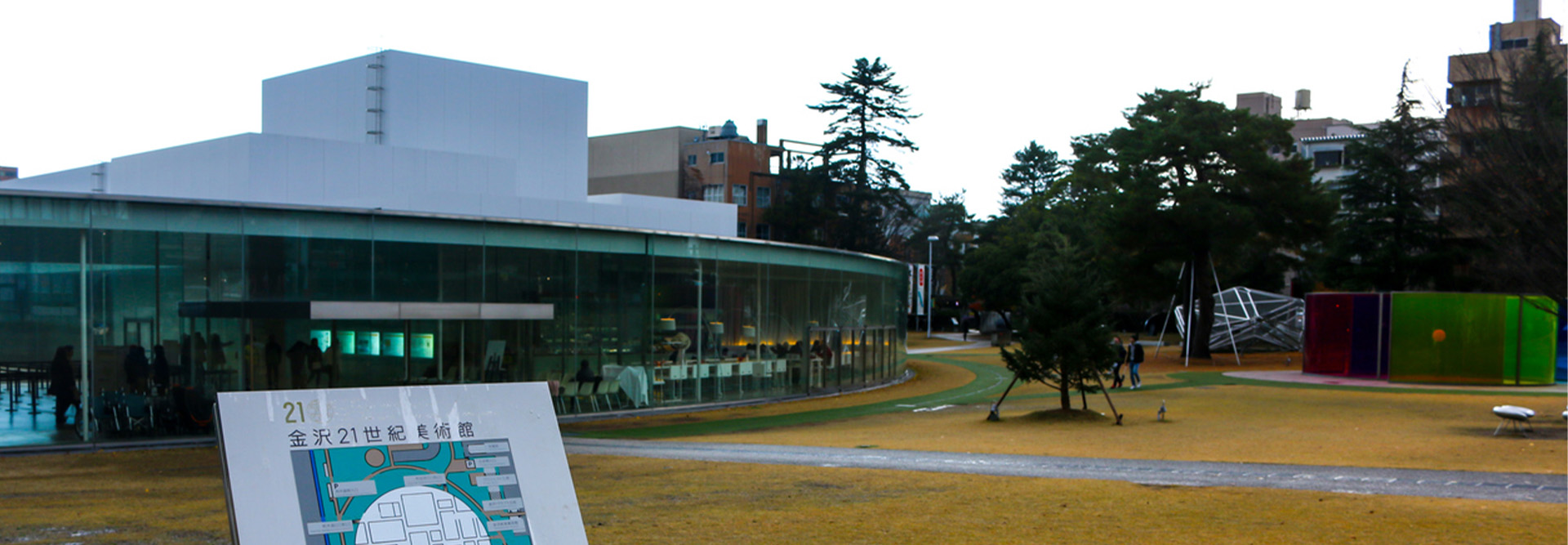
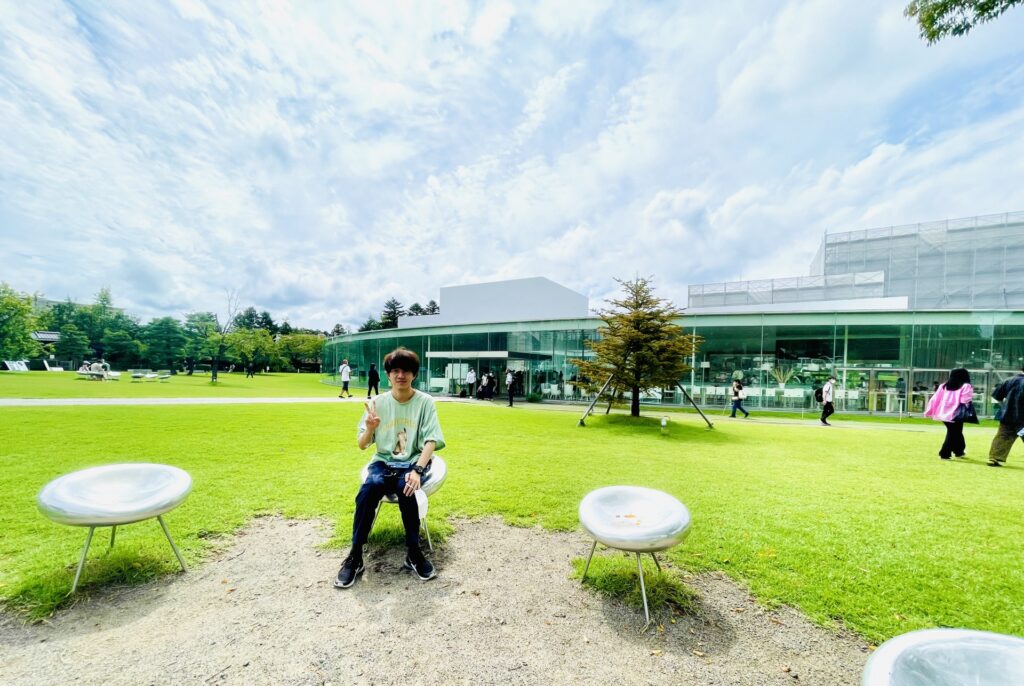
The building itself is one of the museum’s main attractions. Instead of a grand, intimidating facade, the 21st Century Museum appears as a low, simple glass circle resting lightly on the ground. There is no obvious “front” entrance; you can enter from several sides, reflecting the idea that art should be accessible from many directions, both literally and metaphorically.
The circular plan means you can walk around endlessly, discovering small courtyards, sunken spaces, and corridors that frame surprising views. Transparent glass walls erase the boundary between inside and outside: you see the city, and the city sees the art. This openness is a subtle response to the common perception of museums as closed, formal spaces.
From a Japanese cultural perspective, this transparency also mirrors the concept of ma — the meaningful space between people and objects. Light, distance, and silence are part of the experience, not just the artworks themselves.
Highlight Installations You Shouldn’t Miss
Exhibitions at the 21st Century Museum change regularly, but several permanent or long-term installations are particularly beloved by visitors. Check the museum’s current exhibition information before your visit to confirm what is on display.
“The Swimming Pool” by Leandro Erlich
This is the museum’s signature piece and a must-see for first-time visitors. From above, you’ll think you’re looking down into a real swimming pool, complete with a shimmering water surface and people walking “underwater.” In reality, you are seeing an illusion created by a thin layer of water above a glass ceiling, with a room beneath it.
You can experience the work in two ways:
- From the top, via the courtyard, where you gaze down into the pool.
- From underneath, if you enter the room below, where you feel as if you’re standing at the bottom of the pool.
The work is playful but also philosophical, questioning the boundaries between inside and outside, viewer and artwork. It’s one of the most photographed spots in Kanazawa, so expect a short wait for the best vantage point and be prepared to take turns with other visitors when taking photos.
James Turrell’s Light Installations
James Turrell is known for artworks that use light as a physical material. At the 21st Century Museum, his installation spaces (available in certain periods and sometimes by timed entry) invite you to slow down and simply sit with pure color and light. The experience is meditative and distinctly Japanese in its appreciation of subtlety and atmosphere.
If you’ve just come from the busy streets around Kanazawa Station, these quiet, glowing rooms feel like a moment of reset.
Interactive and Family-Friendly Works
One of the museum’s strengths is its emphasis on art you experience with your whole body. Depending on the current program, you may find:
- Rooms where sound responds to your movement.
- Installations that encourage you to walk through, sit inside, or manipulate simple objects.
- Pieces that rethink everyday things like furniture or interior spaces, prompting you to see daily life differently.
This makes the museum particularly enjoyable for children and first-time museum-goers. You do not need any specialist knowledge of art history to enjoy yourself; curiosity is enough.
Temporary Exhibitions and Events
Alongside its permanent and long-term works, the 21st Century Museum hosts rotating exhibitions by Japanese and international artists. These shows often highlight topics such as technology, urban life, the environment, or personal memory. You might see immersive video installations, large-scale sculpture, or experimental design.
The museum also organizes workshops, lectures, film screenings, and community projects. Some events are conducted in Japanese, but even if you cannot follow every word, it’s worth checking the schedule — watching local families and students engaging with art is part of the cultural experience.
How to Experience the Museum Like a Local
In Japan, museums are often places for quiet reflection rather than quick consumption. To get the most from your visit to the 21st Century Museum, try slowing down and allowing the architecture and atmosphere to guide your path.
- Take a full walk around the exterior before entering. Watch how the glass reflects the sky, trees, and people passing by.
- Sit for a moment in one of the courtyards or rest areas. Notice how sound changes as you move through different spaces.
- Visit both in and out of peak hours if your schedule allows. A quiet morning visit can feel completely different from a lively afternoon filled with families and school groups.
Photography is permitted in many parts of the museum, but not always in special exhibitions. Follow the signs and staff instructions; in Japan, respecting rules and the shared experience is considered part of good museum manners.
Location and Access
The 21st Century Museum of Contemporary Art sits at the heart of Kanazawa’s main sightseeing area, making it easy to combine with other famous attractions.
- From Kanazawa Station: The museum is roughly 2 kilometers from Kanazawa Station. You can take a local bus (including loop buses serving tourists) from the station’s east exit and get off at a stop near the museum. The ride usually takes about 10–15 minutes.
- On foot: Walking from the station takes around 25–30 minutes, passing through shopping areas and local neighborhoods. It’s a pleasant way to see everyday Kanazawa.
- By taxi: Taxis are readily available at Kanazawa Station. The ride is short and convenient, especially if you’re traveling in a small group or in bad weather.
The museum is located near Kenrokuen Garden and Kanazawa Castle Park, so many visitors plan a full day moving between these three highlights.
Tickets, Hours, and Practical Information
Before visiting, check the latest details on opening hours, closed days, and special exhibitions, as these can change. However, several general points are useful for planning:
- Opening hours: Typically, the museum opens from late morning to early evening. Certain galleries or facilities may have different hours.
- Closed days: Many museums in Japan close one day a week, often Monday, and may also close for New Year holidays and exhibition changeovers.
- Admission: The circular public space and some areas may be free to enter, while special exhibitions and certain installations require a paid ticket. You can usually buy tickets on-site; for popular shows, consider arriving earlier in the day.
- Payment: Ticket counters often accept cash and major cards; some facilities may support IC transport cards or digital payments, but carrying some yen is still wise.
Lockers, restrooms, and a museum shop are available, making the museum a comfortable stop even if you are traveling with luggage or in a group.
Museum Shop, Café, and Nearby Dining
The museum shop offers a curated selection of design goods, art books, postcards, and unique souvenirs you won’t easily find elsewhere. Items often reflect themes from current exhibitions or the museum’s own collection, so it’s a good place to pick up something memorable and compact for your suitcase.
The café and nearby restaurants serve light meals and coffee in a relaxed atmosphere. Because Kanazawa is famous for its seafood and traditional kaga ryōri (local cuisine), many visitors enjoy a modern art morning followed by a lunch of fresh sushi or seasonal set menus in the neighborhood.
Cultural Tips for International Visitors
Japanese museum etiquette is simple but worth understanding to ensure a smooth visit:
- Volume: Keep your voice low, especially in quieter galleries. Conversations are welcome, but loud talking or phone calls are discouraged.
- Photography: Look for camera icons or signs. Some works allow photos without flash, while others prohibit photography entirely.
- Bags and umbrellas: Larger bags and wet umbrellas may need to be stored in lockers or at the cloakroom.
- Food and drink: Eating and drinking are usually restricted to designated areas like the café or rest zones.
Staff are generally polite and helpful, though not all will speak fluent English. A simple “Sumimasen” (excuse me) before asking a question, plus basic gestures and a smile, usually go a long way.
Combining the Museum with Other Kanazawa Sights
Kanazawa is one of Japan’s best cities for blending the traditional and contemporary. A typical day for first-time visitors might look like this:
- Morning stroll in Kenrokuen Garden, one of Japan’s most celebrated landscape gardens.
- Walk to the 21st Century Museum of Contemporary Art for a few hours of immersive modern art and architecture.
- Head to the nearby Nagamachi samurai district or Higashi Chaya geisha district for preserved streets, teahouses, and traditional townscapes.
- Finish with dinner at Omicho Market or a local restaurant serving seasonal Kanazawa dishes.
This combination gives you a rounded impression of Japan’s cultural layers: feudal past, living traditions, and bold contemporary expression, all in one walkable city.
Is the Museum Right for You?
If it’s your first time in Japan and you’re wondering whether to include Kanazawa and the 21st Century Museum in your itinerary, consider the following:
- You enjoy design, architecture, or Instagrammable spaces: The museum’s building and installations are visually striking and rewarding.
- You’re traveling with family or friends with mixed interests: The interactive nature of many works makes it accessible even to those who usually don’t visit art museums.
- You want a break from crowded big cities: Kanazawa offers a slower pace with plenty to see, and the museum adds a modern counterpoint to its historic charms.
Even if you’re only slightly interested in contemporary art, the 21st Century Museum is worth visiting for its architecture, atmosphere, and the way it gently invites you to see both art and the city from new angles.
Final Thoughts
The 21st Century Museum of Contemporary Art in Kanazawa is more than a place to look at paintings on walls. It is an evolving space where everyday life, architecture, and creativity blend into one experience. For first-time visitors to Japan, it offers a fresh, approachable introduction to contemporary Japanese and international art, all within walking distance of some of the country’s most beautiful historic sites.
Plan a few unhurried hours, keep an open mind, and let the circles of glass, light, and water show you a different side of Japan beyond the temples and neon.

Access Map
Recommended spots in Ishikawa
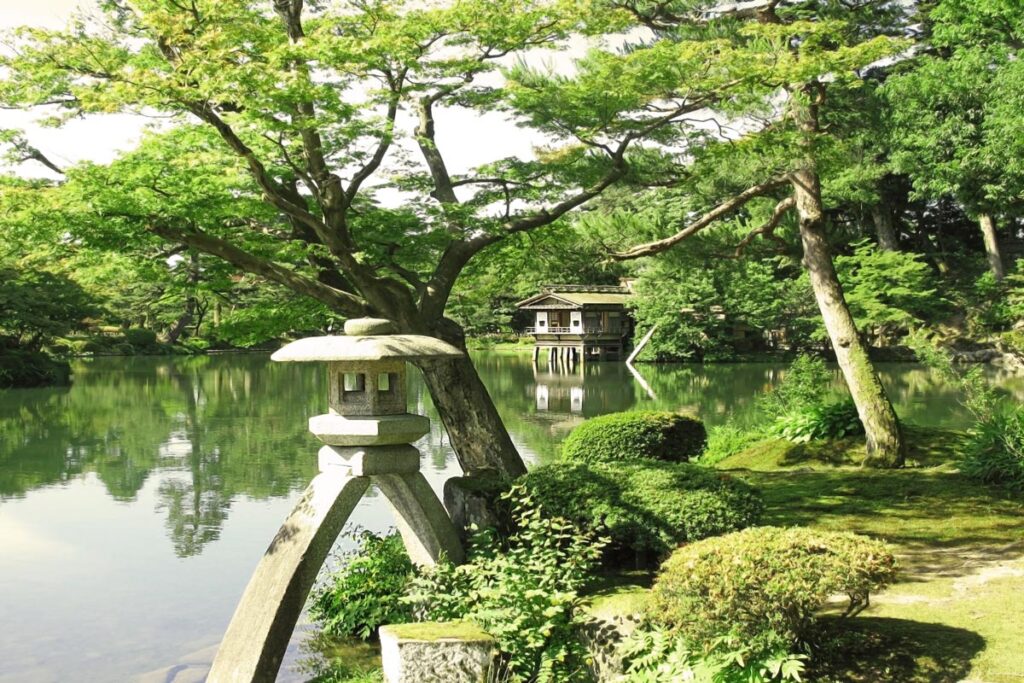
Kenrokuen
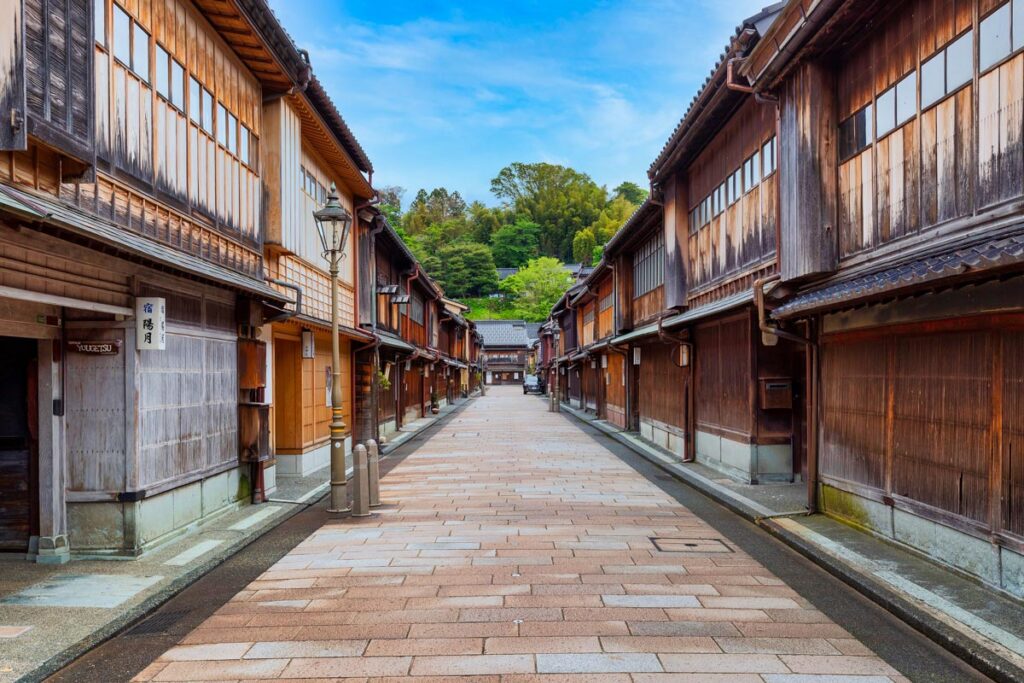
Higashi Chaya District
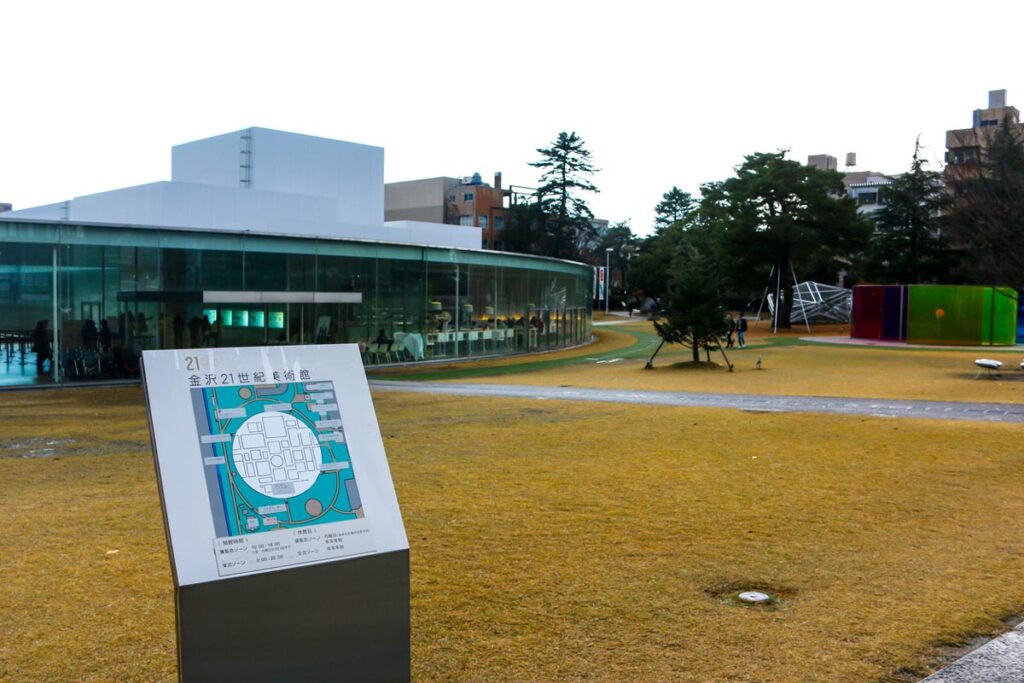
21st Century Museum of Contemporary Art
Top destinations in Chubu/Hokuriku
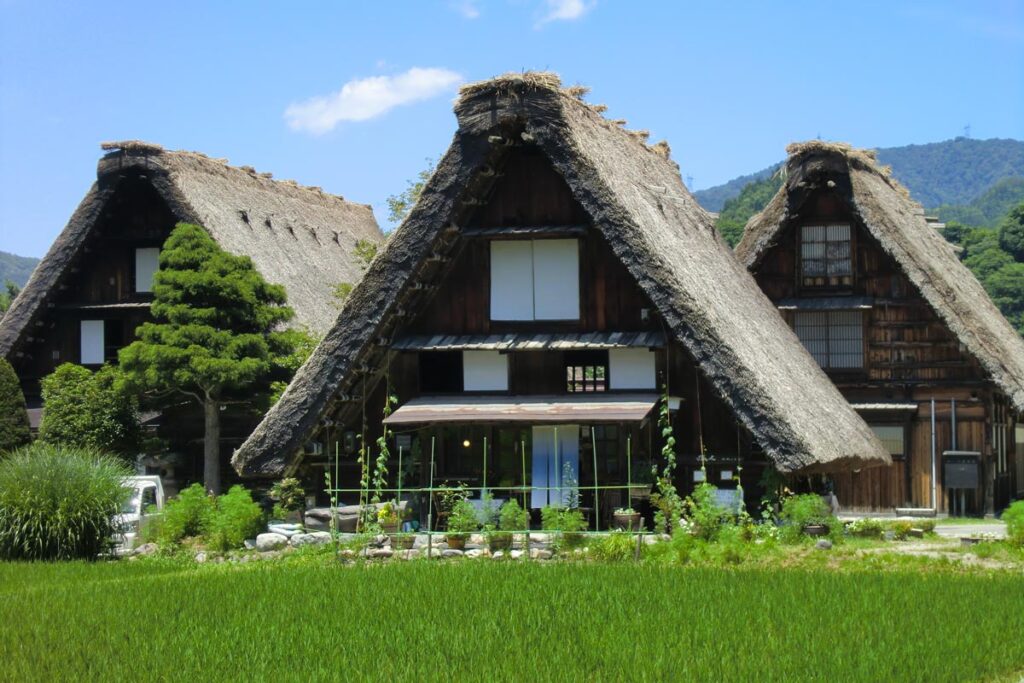
Gifu
Nagano
Aichi