3-star Hotels
3-Star Hotels in Japan: A First-Timer’s Guide to Comfort and Value
For first-time visitors to Japan, choosing the right accommodation can feel overwhelming. Luxury hotels are easy to understand, and capsule hotels are famously tiny. In between, however, lies a sweet spot that many international travelers overlook: Japan’s 3-star hotels. Affordable, clean, and surprisingly well-equipped, they are often the smartest base for exploring cities like Tokyo, Kyoto, Osaka, and beyond.
This guide explains what to expect from 3-star hotels in Japan, how they differ from other options, and how to make the most of your stay.
What Is a 3-Star Hotel in Japan?
Star ratings in Japan broadly follow international standards, but with a strong local twist: even modest hotels tend to prioritize cleanliness, safety, and efficient service. A typical 3-star hotel in Japan offers private, en-suite rooms, a front desk with regular staffing, and a range of practical amenities for tourists and business travelers.
Think of 3-star hotels as the middle ground between simple business hotels and full-service international brands. You will not usually find grand lobbies or concierge teams, but you can expect reliable comfort, modern facilities, and an excellent location, often close to train stations or popular districts.
Typical Features of Japanese 3-Star Hotels
Room Size and Layout
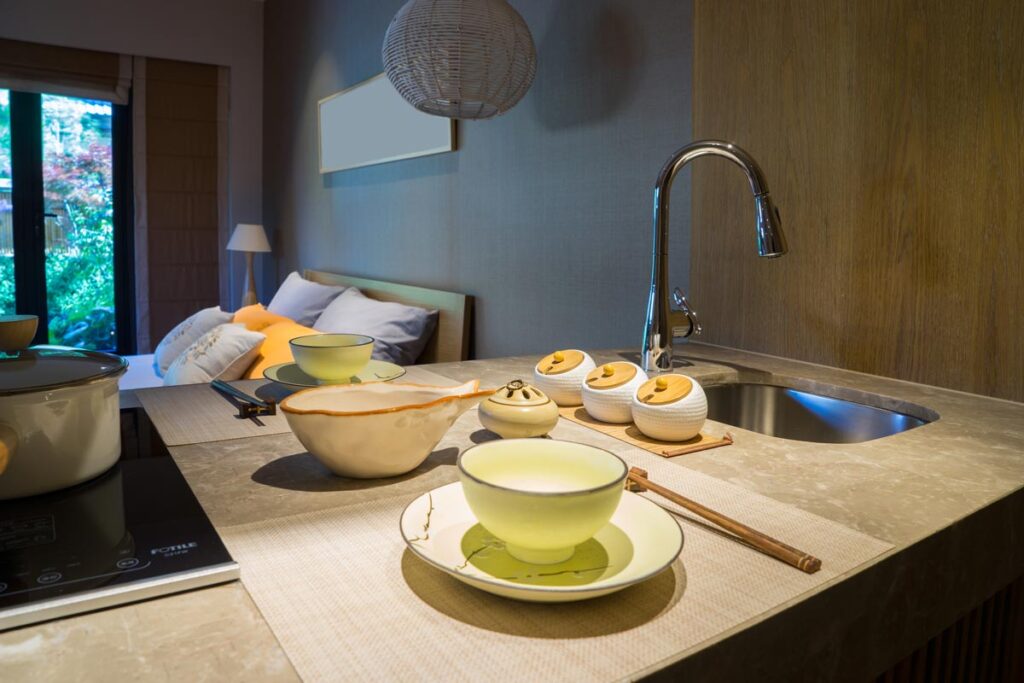
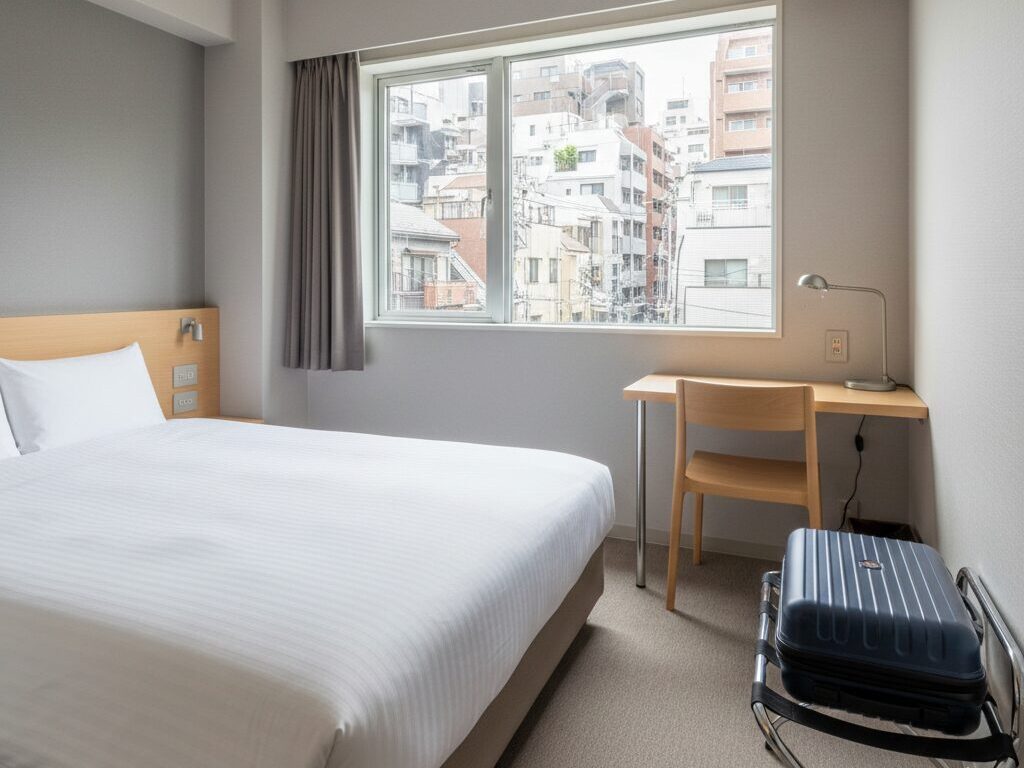
For visitors from North America or Europe, the first surprise may be the room size. Japanese 3-star hotel rooms are compact, especially in major cities where space is expensive. Double rooms can range from about 12–18 square meters, and even “twin” rooms may feel smaller than you expect.
Despite the size, design is remarkably efficient. Beds usually reach to the wall, furniture is streamlined, and storage is cleverly integrated. You may find:
- A double or semi-double bed (slightly narrower than a Western double)
- A desk or small table with a chair
- A compact wardrobe or wall hooks with hangers
- A mini-fridge and electric kettle
- A small suitcase stand or space under the bed for luggage
Ensuite Bathrooms
Most 3-star hotels in Japan have private, prefabricated “unit bathrooms” inside each room. These are small but functional, with a deep bathtub, shower, toilet, and sink all in one molded unit. Water pressure is usually good, and amenities are generous.
You can commonly expect:
- High-tech toilet with bidet functions
- Shampoo, conditioner, and body soap in refillable bottles
- Toothbrush and toothpaste, comb, cotton swabs, and razors
- Hair dryer mounted on the wall or stored by the sink
Cleanliness and Housekeeping
Cleanliness is a point of pride in Japan, and even modest hotels are generally spotless. Daily housekeeping is standard, though some chains now offer eco-options where you can decline full cleaning in exchange for small perks such as free bottled water or points.
Trash is emptied, towels replaced, and beds made each day unless you request otherwise. If you prefer privacy, use the “Do Not Disturb” sign; staff will usually still leave fresh amenities in a bag outside your door.
Common Amenities and Services
Front Desk and Check-In
Most 3-star hotels have a staffed front desk from early morning until late at night, sometimes 24 hours. In larger cities, basic English is typically available, especially in tourist areas. Increasingly, you may also encounter self-check-in kiosks with multilingual options.
Official check-in time is often between 14:00 and 16:00, and check-out around 10:00–11:00. Early check-in is not guaranteed, but hotels can usually store your luggage for free before check-in or after check-out, which is very convenient for sightseeing.
Wi-Fi and Business Facilities
Free Wi-Fi is standard in Japanese 3-star hotels. Speeds are generally good enough for browsing, streaming, and video calls, though they may slow slightly at peak evening hours. Some hotels offer a small business corner in the lobby with computers and printers, useful for printing tickets or confirmations.
Laundry and Vending Machines
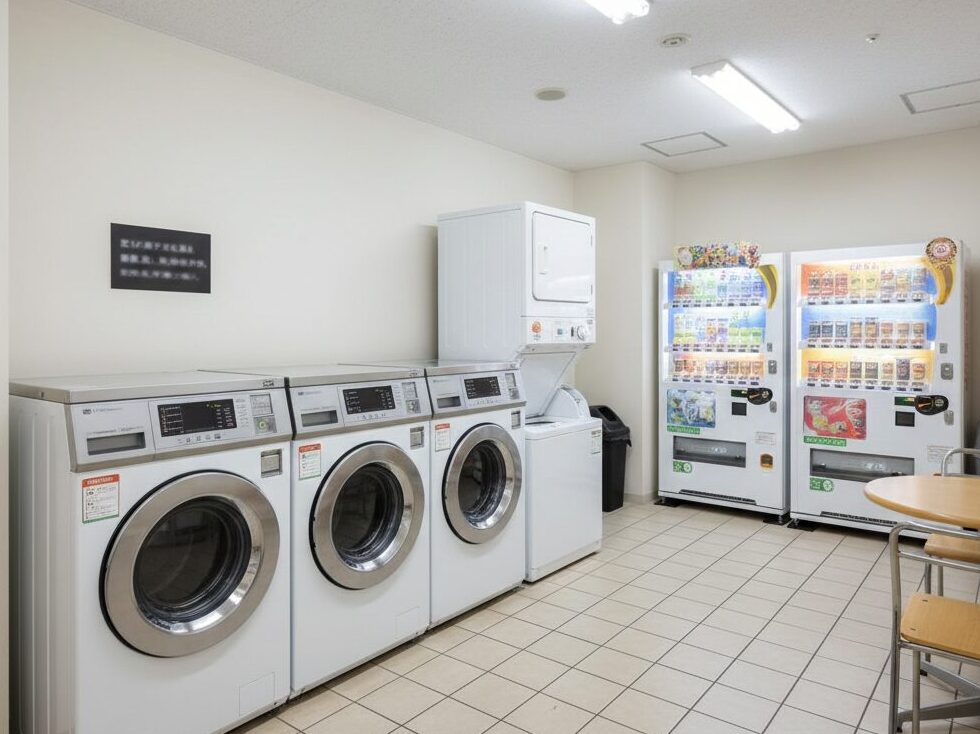
For longer stays or multi-city trips, the presence of coin-operated laundry machines is a huge advantage. Many 3-star hotels have self-service washing machines and dryers, often on a dedicated floor. Instructions are usually easy to follow, and detergent is either built-in or available from a vending machine.
Speaking of vending machines, you will often find floors with drinks and sometimes light snacks or microwave meals. Ice machines are also common, and some properties provide a shared microwave near the lobby.
Breakfast Options
Breakfast is frequently available for an additional fee, either as a simple buffet or set meal. Expect a mix of Japanese and Western items: rice, miso soup, grilled fish, pickles, scrambled eggs, sausages, salad, bread, and coffee or tea.
If breakfast is not included in your room rate, decide whether it suits your travel style. Convenient hotel breakfasts can save time on busy days, but local bakeries and convenience stores (konbini) nearby often offer cheaper and more varied options.
Location: Why 3-Star Hotels Are Ideal for Sightseeing
One of the biggest strengths of 3-star hotels in Japan is their location. Many are clustered around major train stations and busy districts, making them perfect bases for exploring cities without long commutes.
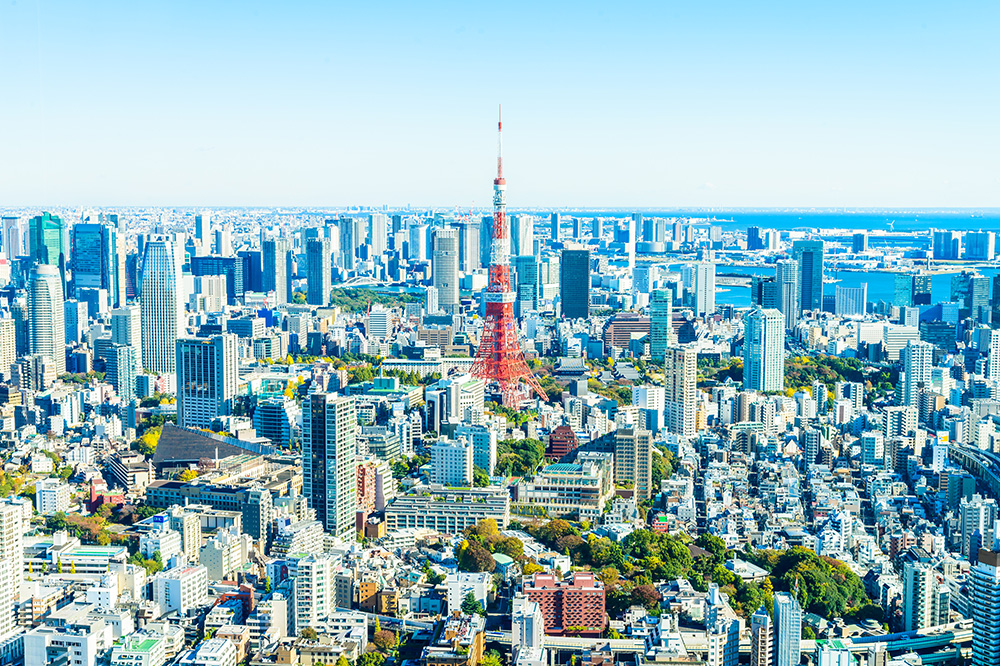
In Tokyo, for example, you might find 3-star hotels near Shinjuku, Ueno, Asakusa, or Tokyo Station. In Kyoto, the area around Kyoto Station or Shijo-Karasuma is packed with mid-range properties, while in Osaka, Namba and Umeda are popular hubs. These neighborhoods offer quick access to subways, JR lines, and buses, as well as convenience stores, restaurants, and shopping streets.
Being close to a train or subway station is far more important than having a large room. In Japan, where you will likely spend most of your day out exploring, a compact but well-located hotel can save hours of travel time.
Room Types and Bedding in Japanese 3-Star Hotels
Understanding room categories helps you book the right space for your needs and budget.
Single, Semi-Double, Double, and Twin
Common room types include:
- Single Room: Designed for one person, with a narrow bed and minimal space.
- Semi-Double Room: Popular for couples on a budget. The bed is slightly wider than a single but smaller than a full double. Cozy for two, spacious for one.
- Double Room: Standard bed for two adults, though often still smaller than Western-style doubles.
- Twin Room: Two separate single beds, typically with a bit more floor space. A good choice for friends or family members traveling together.
If you value sleeping space, check bed dimensions carefully in the room description before booking. Traveling with large suitcases? Consider a twin room for a little extra floor area.
Family and Triple Rooms
Some 3-star hotels offer triple or family rooms, especially in tourist-focused cities. These can include:
- Three single beds arranged in one room
- A combination of beds and a sofa bed
- Occasionally, Japanese-style tatami space with futons for children
These rooms are limited in number, so book early if you are traveling during peak seasons such as cherry blossom (late March to early April), Golden Week (late April to early May), or autumn foliage (November).
Japanese Hotel Etiquette and Cultural Tips
Staying in a 3-star hotel is also a chance to experience aspects of everyday Japanese culture. A few customs are different from what many international travelers are used to.
Quiet and Consideration
Japanese hotels are generally quiet. Hallways are calm, and guests rarely speak loudly in corridors or rooms. Soundproofing can vary, so it is polite to keep voices and TV volume low, particularly at night.
If you are arriving late, try to handle suitcases gently and close doors softly. These small gestures are greatly appreciated.
Shoes and Slippers
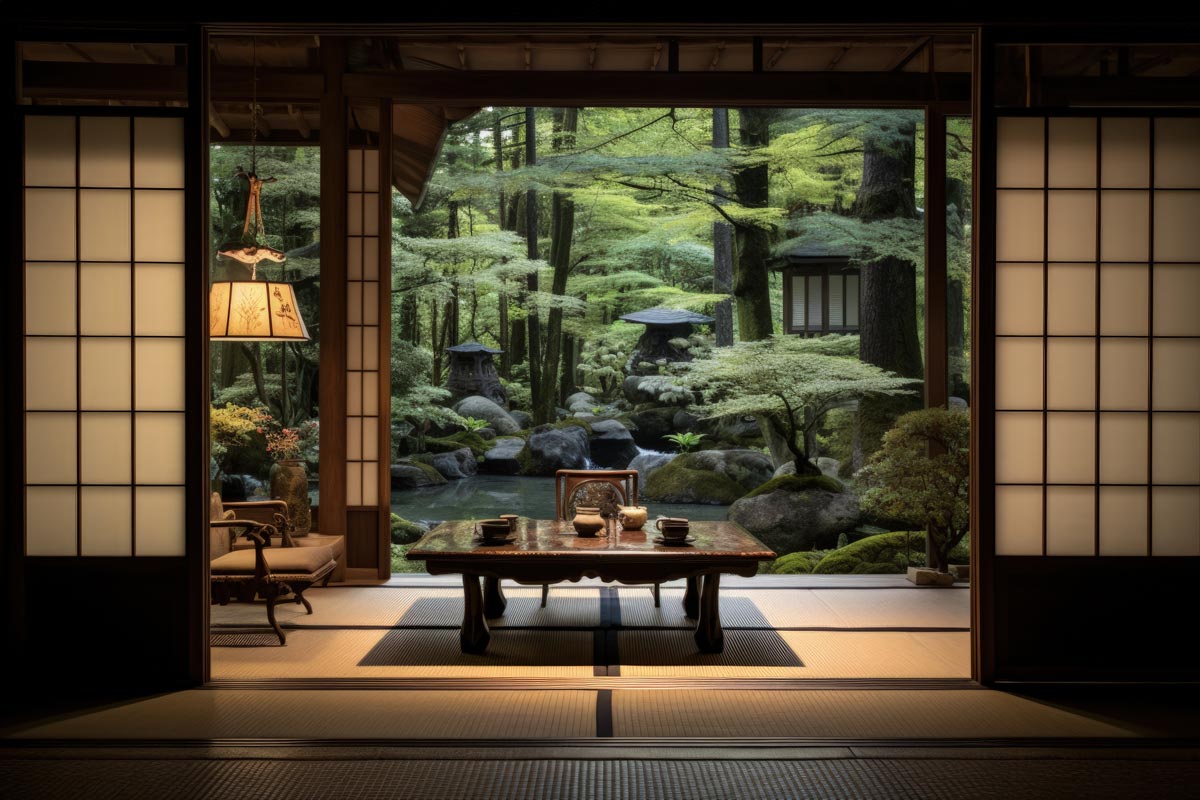
Unlike traditional ryokan inns, most 3-star hotels do not require you to remove your shoes in the lobby. However, once inside your room, it is customary to take off your shoes and use the provided slippers. This helps keep the floor clean and reflects Japan’s broader culture of separating “outside” and “inside.”
Bathing and Amenities
If your hotel has a public bath (onsen-style or sento-style), there will be clear rules. You must wash thoroughly at the shower stations before entering the shared tub, and swimsuits are not worn. Tattoos may be restricted at some properties, though policies are gradually becoming more relaxed; check ahead if this is a concern.
Inside your private bathroom, you will find many disposable amenities. To be more eco-friendly, consider bringing your own toothbrush, razor, and reusable items.
How to Book 3-Star Hotels in Japan
International travelers have several options for booking 3-star hotels, and each offers different advantages.
Online Travel Agencies and Booking Sites
Popular global booking platforms list thousands of Japanese 3-star properties with photos, reviews, and English descriptions. Filters let you sort by price, location, non-smoking rooms, breakfast options, and more. You can often pay by credit card in advance or choose to pay at the hotel.
Reviews are especially useful for understanding room size, staff friendliness, and noise levels. Pay attention to comments from other international guests regarding language support and ease of check-in.
Hotel Chains vs. Independent Hotels
Japan has many domestic hotel chains specializing in mid-range and business accommodations. Chain hotels often provide consistent quality, similar room layouts, and reliable facilities such as coin laundry and stable Wi-Fi. Independent hotels, on the other hand, may offer more unique design or a boutique feel.
If you are nervous about your first trip, choosing a well-known chain can provide peace of mind. As you become more comfortable, you might enjoy trying smaller, locally run properties in regional cities.
Booking Windows and Peak Seasons
Japan’s most popular travel seasons fill up quickly. For 3-star hotels in major cities, aim to book:
- 2–4 months in advance for cherry blossom and autumn foliage seasons
- 1–2 months ahead for summer and winter holidays
- A few weeks ahead for off-peak weekdays
Prices fluctuate depending on demand. Weekends, public holidays, and big events can significantly increase rates, while weekday stays are often more affordable.
Budgeting: What Do 3-Star Hotels Cost?
Prices vary by city, season, and proximity to train stations, but you can use these rough estimates per room, per night for two people:
- Tokyo, Kyoto, Osaka: Approximately 10,000–20,000 yen
- Regional cities and smaller towns: Approximately 7,000–15,000 yen
These ranges typically include tax but may exclude breakfast. Some hotels offer non-refundable discounts, early-bird promotions, or packages including breakfast. If you have a fixed itinerary, non-refundable deals can save money, but be sure of your dates.
Advantages of 3-Star Hotels for First-Time Visitors
For many travelers experiencing Japan for the first time, 3-star hotels strike an ideal balance between cost, comfort, and cultural immersion.
Key advantages include:
- Reliability: Clean, safe, and professionally managed across the country.
- Location: Often steps from stations, restaurants, and attractions.
- Privacy: Private bathrooms and secure rooms compared with hostels or capsule hotels.
- Convenience: Luggage storage, laundry, vending machines, and flexible check-in hours.
- Value: Reasonable prices that free up budget for experiences, dining, and transportation.
Tips for a Smooth Stay in a Japanese 3-Star Hotel
To make your stay more comfortable and efficient, keep these practical tips in mind:
- Pack light where possible: Smaller rooms mean less space for large suitcases. Consider one medium case plus a carry-on each.
- Use luggage delivery services: If you have big bags, Japan’s luggage forwarding (takkyubin) services can send your suitcase from airport to hotel or between hotels, so you travel light on trains.
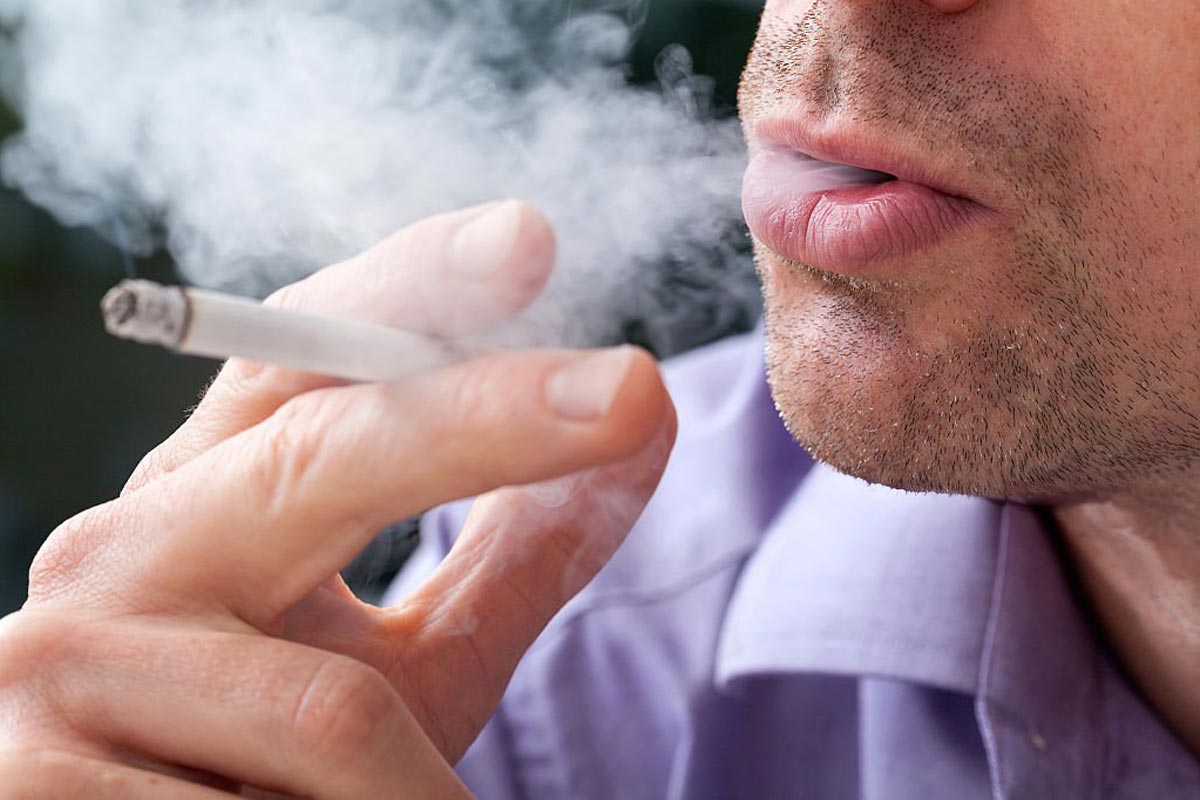
- Confirm smoking preferences: Many hotels still have smoking and non-smoking floors. Always choose “non-smoking room” if you are sensitive to smoke.
- Carry your hotel address in Japanese: Keep a printed card or screenshot of the hotel name and address in Japanese for taxis or if you get lost.
- Check the last train times: If your hotel is near a station, know when the final trains run so you can return comfortably after evening activities.
Choosing the Right 3-Star Hotel for Your Itinerary
When comparing 3-star hotels in Japan, consider the balance of these factors:
- Location: How close is it to the lines you will use most? Being near a major station can dramatically simplify your travel.
- Room type: Is the bed large enough? Do you need twin beds or space for children?
- Amenities: Is breakfast important? Do you need laundry facilities or a public bath?
- Reviews: Are there consistent comments about noise, cleanliness, or friendliness of staff?
- Price: Does the rate leave room in your budget for experiences such as a special kaiseki dinner, a day trip by Shinkansen, or entrance fees?
Once you prioritize these elements, you will find that the mid-range hotel scene in Japan is rich with choices. From efficient business-style properties near stations to more design-conscious hotels in trendy neighborhoods, 3-star accommodations can support almost any style of trip.
Final Thoughts
For first-time travelers to Japan, 3-star hotels offer an excellent introduction to the country’s approach to hospitality: efficient, polite, and quietly thoughtful. You may not have the luxury touches of a high-end resort or the tradition of a ryokan, but you will enjoy clean rooms, smart locations, and a level of everyday comfort that allows you to focus on what matters most—discovering Japan’s temples, neon streets, mountain landscapes, and unforgettable food.
With careful planning and an understanding of what to expect, Japan’s 3-star hotels can become a reliable home base throughout your journey, turning a complex itinerary into a smooth and enjoyable adventure.
Explore Other Hotels
Deluxe Hotels
3-star Hotels
Traditional Japanese
inn (Ryokan)
Capsule Hotels