

Osaka Castle
Osaka Castle Travel Guide for First-Time Visitors to Japan
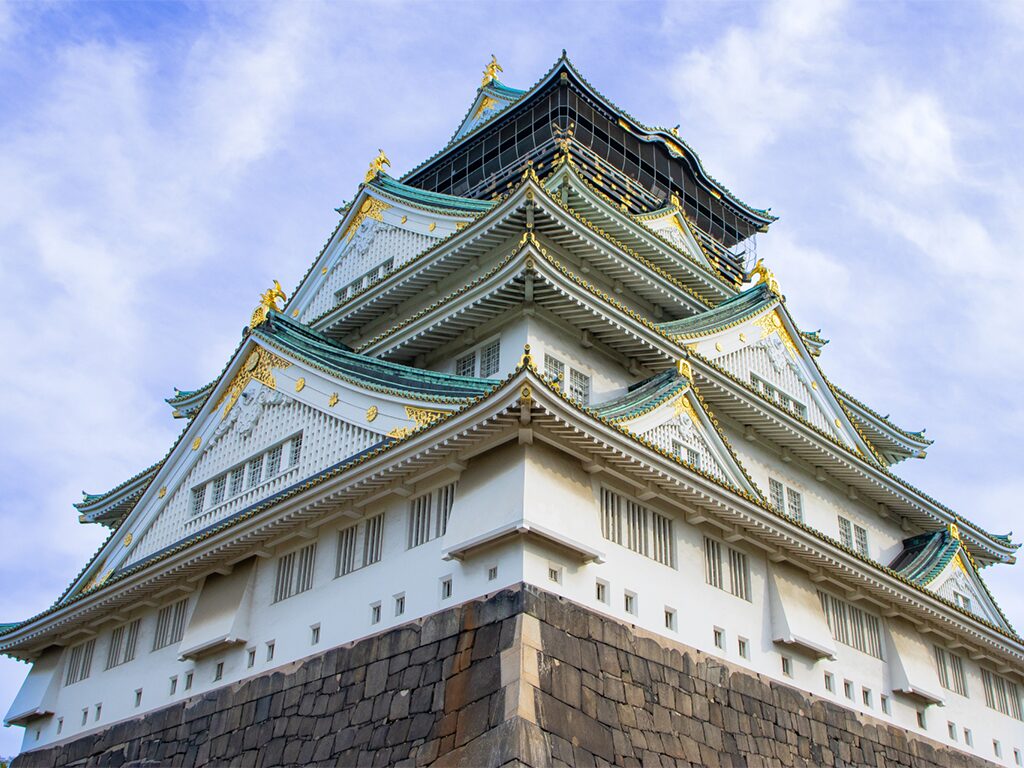
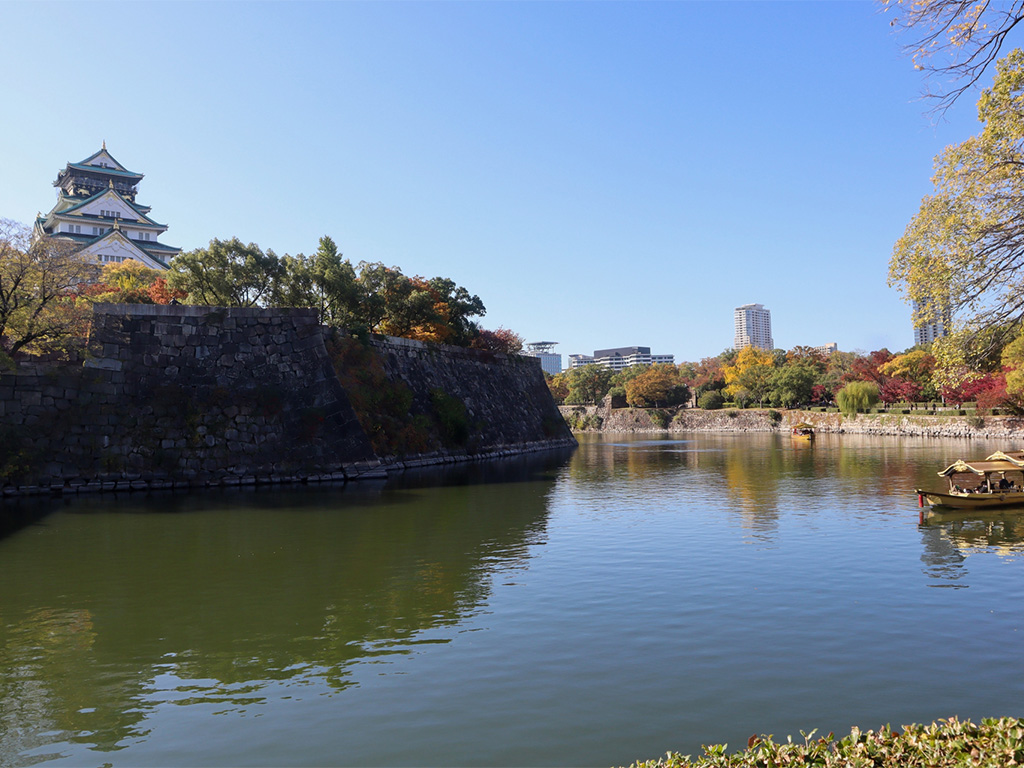
Osaka Castle (Osaka-jo) is one of Japan’s most iconic landmarks and a must-see for first-time visitors. Rising above a wide moat and sprawling park in the heart of Osaka, this striking white-and-green fortress blends samurai history, panoramic city views, and relaxed green spaces where locals jog, picnic, and enjoy seasonal flowers.
If you’re planning your first trip to Japan, Osaka Castle is a perfect introduction to the country’s feudal past and modern city life. This guide explains what to see, how to get there, when to visit, and how to make the most of your time at one of Japan’s most famous castles.
Why Osaka Castle Belongs on Your Japan Itinerary
Osaka Castle is more than a photogenic building. It represents a turning point in Japanese history and offers an easy, enjoyable cultural experience even for travelers new to Japan. Inside, you’ll find an engaging museum; outside, broad lawns, cherry trees, and stone walls create a surprisingly calm oasis in a busy metropolis.
For first-time visitors, the castle area has several advantages:
- Easy to access from major train stations and subway lines
- Great introduction to samurai history with English explanations
- Beautiful in any season, especially cherry blossom and autumn
- Panoramic views over Osaka’s skyline from the top floor
- Relaxed, family-friendly park with plenty of open space
A Short History of Osaka Castle
Understanding Osaka Castle’s past adds depth to your visit. Although today’s main keep is a modern reconstruction, the site itself has been at the center of Japan’s power struggles for centuries.
The Vision of Toyotomi Hideyoshi
Osaka Castle was originally built in the late 16th century by Toyotomi Hideyoshi, a powerful warlord who helped unify Japan after a long period of civil war. Construction began in 1583 on the grounds of a former Buddhist temple. Hideyoshi wanted the castle to symbolize his strength and ambition, so it was designed on an enormous scale for its time: high stone walls, vast moats, and gold-decorated towers.
For a brief period, Osaka became the political center of Japan. Merchants, artisans, and samurai gathered here, and the city’s reputation for trade and good food began to grow — a reputation Osaka still enjoys today.
Sieges, Destruction, and Rebuilding
After Hideyoshi’s death, the castle became the stage for a decisive conflict. The Tokugawa clan, based in Edo (modern Tokyo), fought the Toyotomi forces in the early 1600s. In the famous Summer and Winter Sieges of Osaka, the Tokugawa army ultimately destroyed much of the original castle, securing control over Japan and starting more than 250 years of Tokugawa rule.
The castle was later rebuilt under the Tokugawa shogunate, but lightning, fires, and wars repeatedly damaged the structures. The current main tower was reconstructed in reinforced concrete in 1931 and underwent major renovations in 1997, when its museum exhibits and observation deck were modernized. While the building itself is not original, important historic features such as the moats, stone walls, and many gates and turrets date back to earlier periods.
What to See at Osaka Castle
Osaka Castle is more than just the central keep. The site includes a large park, multiple defensive rings, and several cultural facilities. Allow at least two to three hours for a relaxed visit, longer if you plan to explore the museum in detail or enjoy a picnic.
1. The Main Keep (Tenshukaku)
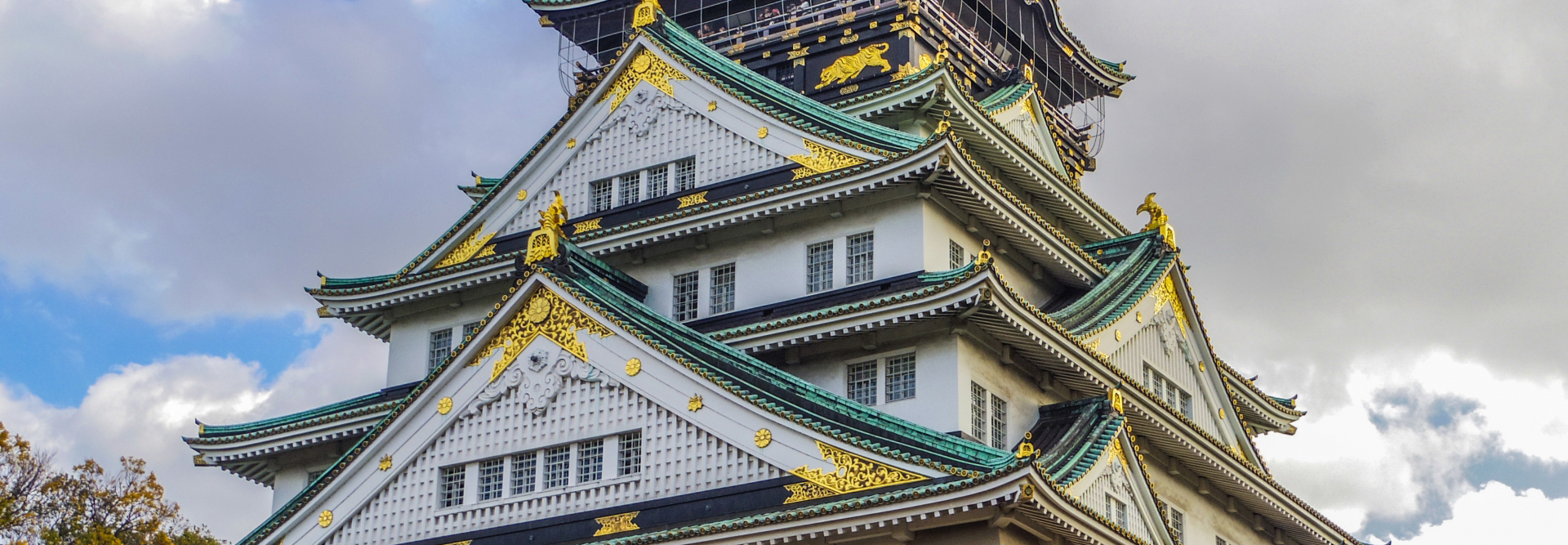
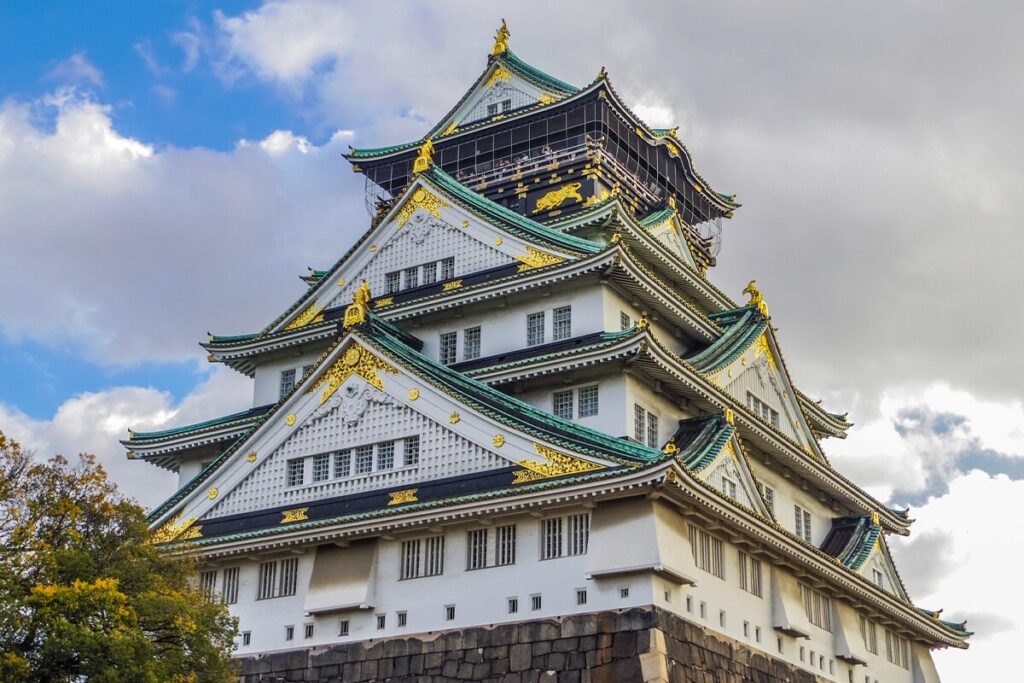
The eight-story main keep is the most recognizable feature of Osaka Castle, with white plaster walls, green-tiled roofs, and gold-leaf ornaments shaped like tigers and mythical dolphins (shachi). Inside, it functions as a museum dedicated to the life of Toyotomi Hideyoshi and the history of the castle.
Highlights inside the keep include:
- Exhibits on samurai warfare, armor, and weapons
- Dioramas and models showing the sieges of Osaka
- Artifacts related to Toyotomi Hideyoshi and his unification of Japan
- Multilingual explanations, including English signage and audio guides
There is an elevator to higher floors, though some stair climbing is still needed. The castle can be busy, especially on weekends and during cherry blossom season, so expect lines for the elevator and observation deck.
2. Observation Deck
The top floor offers a 360-degree outdoor observation deck, one of the best city views in Osaka. From here you can see:
- Osaka Business Park’s modern skyscrapers
- The green canopy of Osaka Castle Park
- Distant mountains on clear days
This is a great place to appreciate the contrast between old and new Japan. It’s also popular for sunset photography, when the light softens over the city and the castle’s golden details glow warmly.
3. Osaka Castle Park (Osaka-jo Koen)
Surrounding the castle is Osaka Castle Park, more than 100 hectares of lawns, trees, sports fields, and walking paths. Locals use the park for jogging, cycling, and seasonal festivals. For visitors, it’s a pleasant break from the dense urban streets of Osaka.
Within the park, you’ll find:
- Cherry tree groves that transform into a sea of pink in spring
- Open lawns perfect for picnics with bento or convenience-store snacks
- Moats and stone walls that offer scenic reflections and photo spots
- Street performers and food stalls during weekends and events
4. Nishinomaru Garden
On the western side of the castle, Nishinomaru Garden is a landscaped area with a wide lawn, around 600 cherry trees, and excellent views of the main keep. There is usually a small separate admission fee for the garden, especially during cherry blossom season, but many visitors find it worthwhile for calmer surroundings and prime photo opportunities.
5. Gates, Turrets, and Stone Walls
As you walk from the train station through the park to the castle, pay attention to the massive stone walls and imposing gates. These defensive structures are original or historically reconstructed and show the engineering skills of the time.
Notable features include:
- Otemon Gate, one of the main entrances with heavy wooden doors
- Sakura Gate, framed by cherry trees in spring
- Impressive corner turrets (yagura) overlooking the moats
- Giant stone blocks, some weighing hundreds of tons, fitted precisely without mortar
Best Time to Visit Osaka Castle
Osaka Castle is open year-round and each season has its own charm. The experience, however, changes significantly with the weather and crowds.
Spring (March–April)
Spring is the most famous season, especially late March to early April when cherry blossoms (sakura) are in full bloom. Osaka Castle Park becomes one of the city’s top hanami (flower viewing) spots. Families, friends, and coworkers gather under the trees with picnic sheets, food, and drinks.
Expect:
- Peak crowds, especially on weekends
- Extended opening hours and illuminations some evenings
- Food stalls selling festival snacks like takoyaki and yakitori
For first-time visitors, experiencing hanami here can be a memorable introduction to Japanese seasonal culture. Arrive early to avoid the busiest midday crowds.
Summer (June–August)
Summer in Osaka is hot and humid. The park is green and lively, but daytime sightseeing can be tiring. If you visit in summer:
- Go early in the morning or late in the afternoon
- Bring water, sunscreen, and a hat
- Take breaks in shaded areas or indoor museum spaces
Summer evenings in the park can be pleasant, with people relaxing and sometimes enjoying seasonal events or fireworks in the wider city.
Autumn (October–November)
Autumn is an excellent time to visit. Temperatures are comfortable, and the castle is framed by red and gold foliage from late November. Compared to spring, there are usually fewer crowds, making it easier to enjoy the views and take photos.
Winter (December–February)
Winter is quieter and can feel atmospheric, especially on clear, crisp days. While snow is not guaranteed in Osaka, a light dusting on the castle roof, if you’re lucky, makes for beautiful scenes. Dress warmly, as wind can be strong on the observation deck.
How to Get to Osaka Castle
Osaka Castle is centrally located and easy to reach using public transportation. Several train and subway lines surround Osaka Castle Park, giving you multiple options.
Nearest Stations
- Osakajokoen Station (JR Loop Line)
From JR Osaka Station or Tennoji, take the Osaka Loop Line to Osakajokoen Station. From there, it’s about a 10–15 minute walk through the park to the castle. - Morinomiya Station (JR Loop Line / Osaka Metro Chuo Line)
This station offers another convenient entrance to the park, especially if you plan to walk a bit through green areas before reaching the castle. - Tanimachiyonchome Station (Osaka Metro Tanimachi & Chuo Lines)
Located near the southern side of the park, this station places you closer to the main keep and certain museum facilities.
If you’re arriving from other cities on the shinkansen, head first to Shin-Osaka Station, then transfer to local lines or the subway to reach one of the stations above.
Tickets, Opening Hours, and Practical Info
Details such as prices and hours can change, so always check the latest information before your visit. The following is a general guideline for what to expect.
Opening Hours
- The main keep is typically open during daytime, roughly from mid-morning to late afternoon.
- Last entry is usually around 30–60 minutes before closing.
- Osaka Castle Park itself is open 24 hours a day, and entry to the park is free.
Admission Fees
- Main keep (museum and observation deck): a modest entry fee, with discounts for children and sometimes for groups.
- Nishinomaru Garden: separate small fee, especially during cherry blossom season when special events or illuminations may be held.
Many visitors find it worthwhile to pay for both the main keep and the garden for the full experience of history and scenery.
Facilities and Accessibility
- Elevator: Available inside the main keep, useful for those who prefer not to climb all stairs, though some steps remain.
- Restrooms: Located around the park and inside the main building.
- Lockers: Coin lockers can be found at nearby stations and sometimes in the park area; use them to store large luggage.
- Food and drink: There are vending machines, small food stands, and cafes in and around the park. Bringing your own snacks for a picnic is common and acceptable.
Etiquette and Cultural Tips
Visiting Osaka Castle gives you a chance to observe how Japanese people enjoy public spaces and seasonal events. A few simple customs will help you blend in and show respect.
- Picnic manners: During hanami, people spread blue sheets or picnic blankets under the trees. Avoid blocking paths and take all your trash with you when you leave. Trash bins may be limited.
- Quiet in museum areas: Inside the main keep, use a low voice and avoid touching exhibits. Photography may be restricted in certain areas; follow posted signs.
- Respect nature: Do not break branches or shake trees for blossoms. Enjoy the scenery with your eyes and camera only.
- Shared space: Joggers, cyclists, families, and tourists all use the same paths. Keep to one side and be aware when stopping for photos.
Photography Tips and Best Viewpoints
Osaka Castle is highly photogenic, but a few specific spots stand out for first-time visitors.
- Moat reflections: Approach the castle from the west side and look for angles where the white walls and green roofs reflect in the still water.
- Nishinomaru Garden: This area offers one of the best unobstructed views of the castle framed by cherry blossoms in spring or colorful leaves in autumn.
- Stone walls close-ups: Photograph the enormous stone blocks with people in the frame to show their scale.
- Observation deck: Capture Osaka’s skyline and the spread of the park below. Early mornings or late afternoons usually have softer light.
Combining Osaka Castle with Nearby Sights
Because Osaka Castle is centrally located and well-connected, it’s easy to combine with other attractions in the city. Many travelers visit the castle in the morning and then head elsewhere in the afternoon or evening.
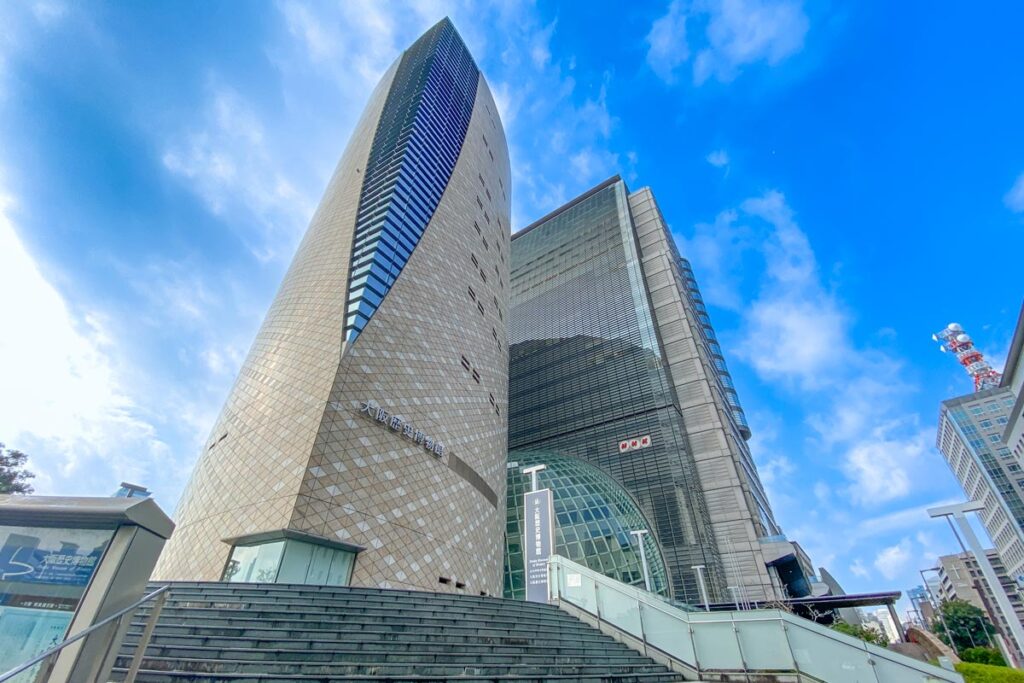
- Osaka Museum of History: Located near Tanimachiyonchome Station, this museum uses models and exhibits to show how Osaka evolved from an ancient capital to a modern city. It pairs well with a castle visit for those interested in history.
- Umeda and Osaka Station area: A short train ride away, this district offers shopping, dining, and observation decks with city views.
- Dotonbori and Namba: After a day of historical exploration, experience Osaka’s famously lively nightlife and street food in this neon-lit entertainment district.
Final Tips for First-Time Visitors
Osaka Castle is an ideal place to ease into Japan’s mix of tradition and modernity. To make your visit smooth and enjoyable:
- Arrive early, especially in cherry blossom season, to avoid the largest crowds.
- Wear comfortable shoes; you’ll walk on gravel paths, stone steps, and park trails.
- Check the weather and bring an umbrella or sun protection as needed.
- Consider combining museum time with a relaxed stroll or picnic in the park to experience how locals use the space.
Whether you’re drawn by samurai stories, seasonal beauty, or simply a peaceful green escape in the middle of the city, Osaka Castle is a memorable highlight for any first-time trip to Japan.
Access Map
Recommended spots in Osaka

Kaiyukan Osaka Aquarium
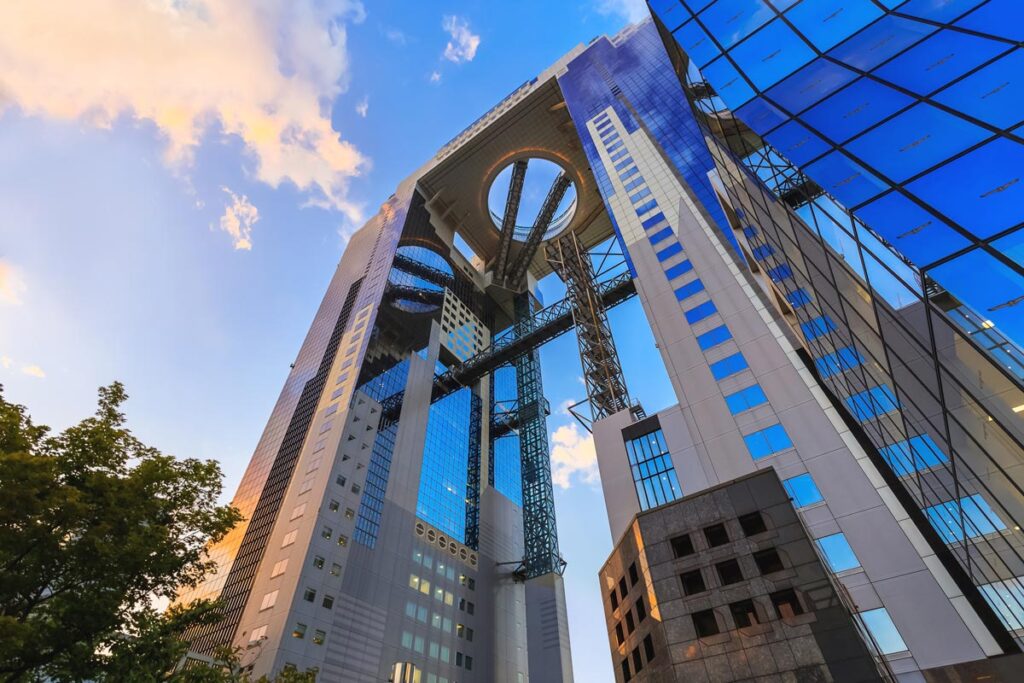
Umeda Sky Building (Floating Garden Observatory)
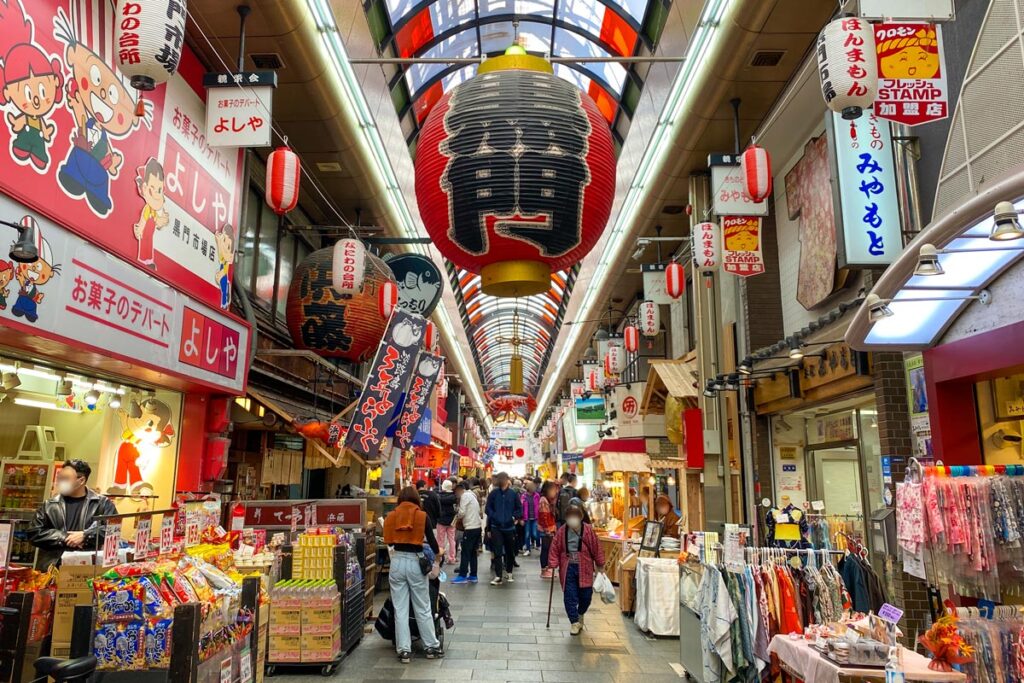
Kuromon Market
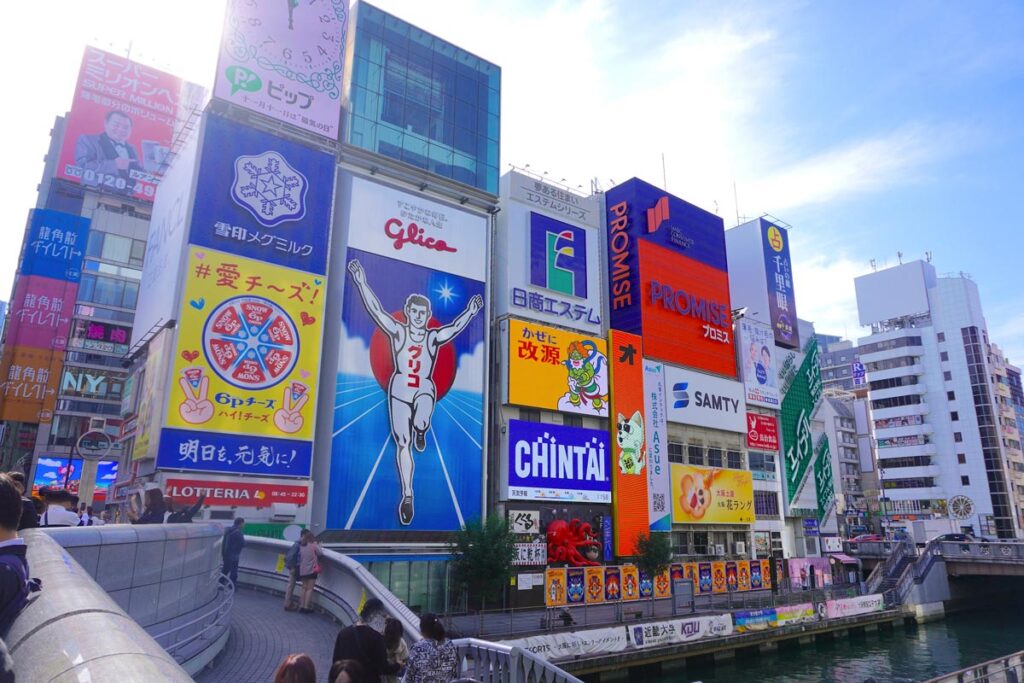
Shinsaibashi

America-mura
Nakanoshima
Osaka Castle
Osaka Museum of History
Umeda Dungeon
Katsuoji Temple