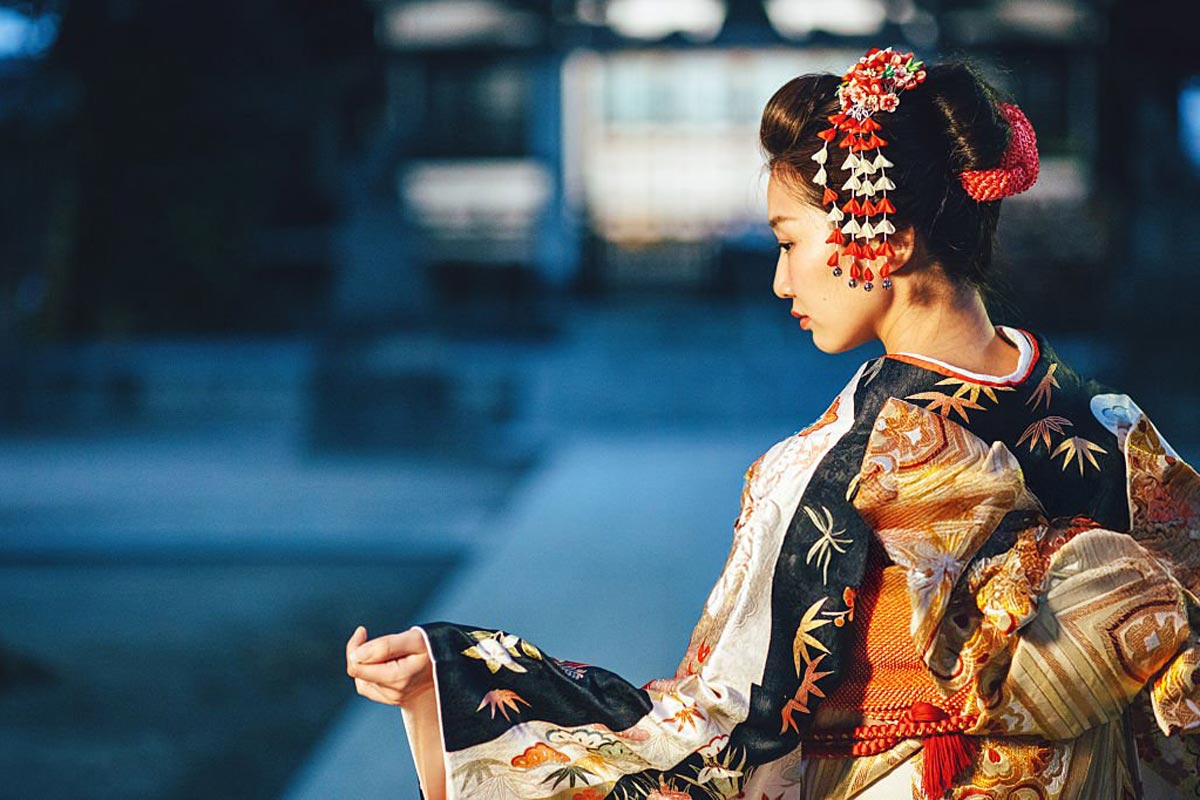
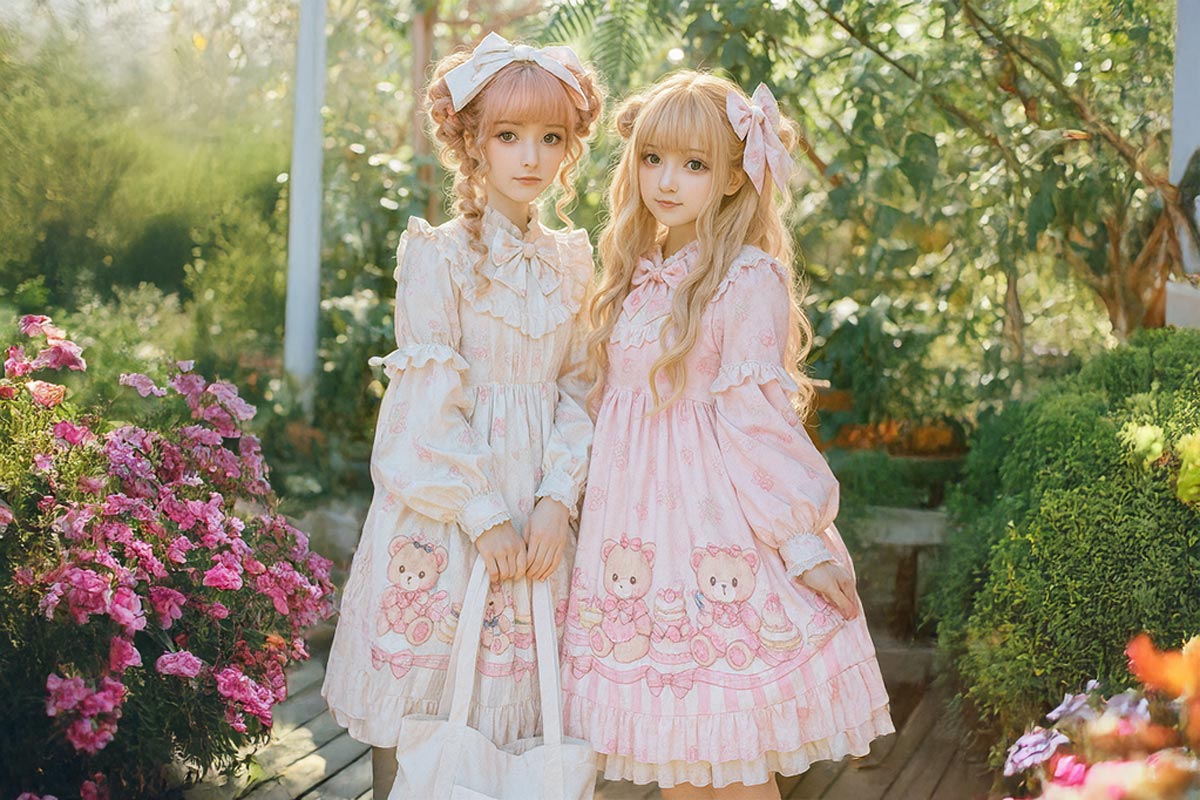
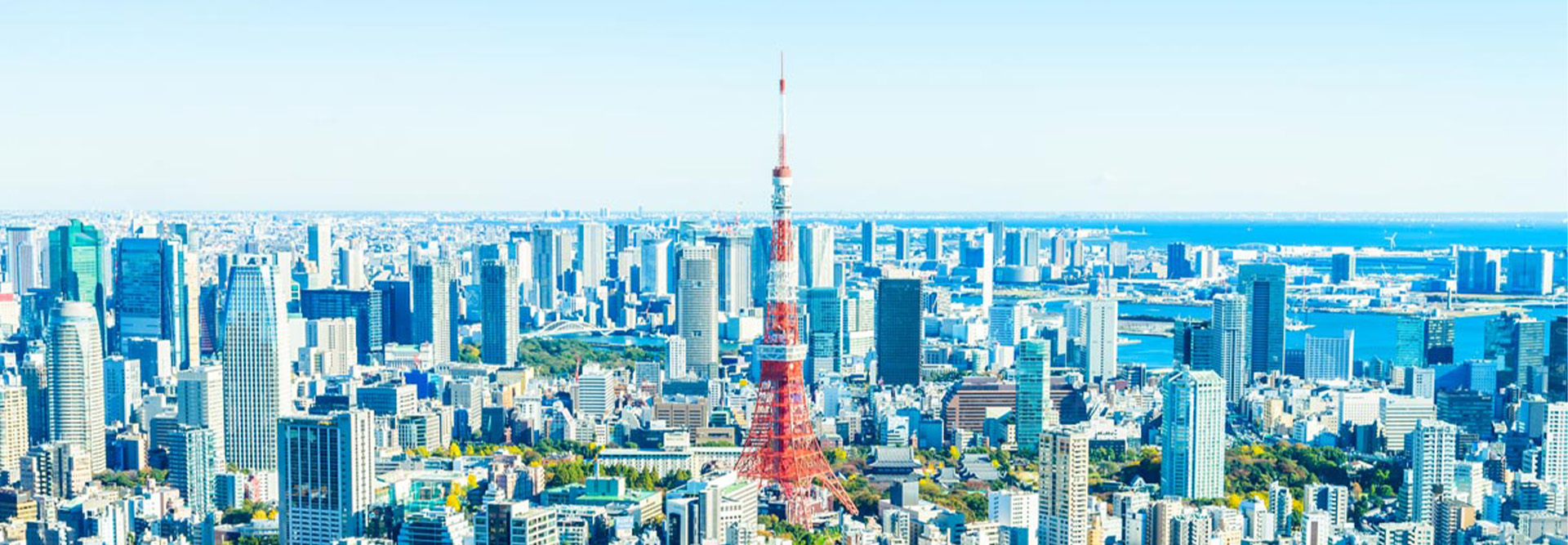
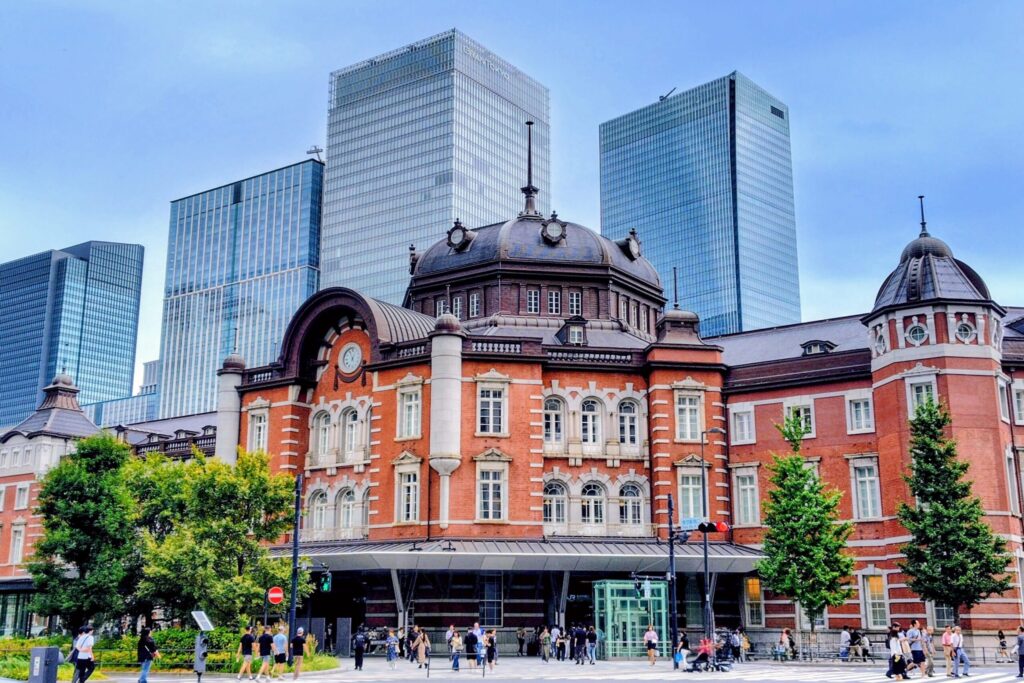
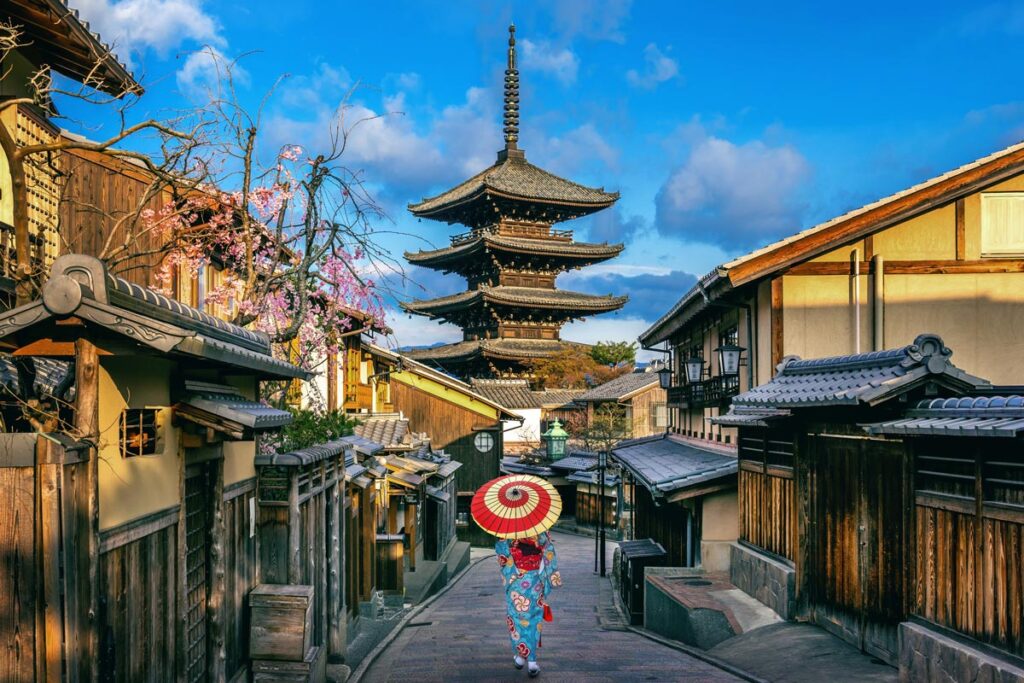
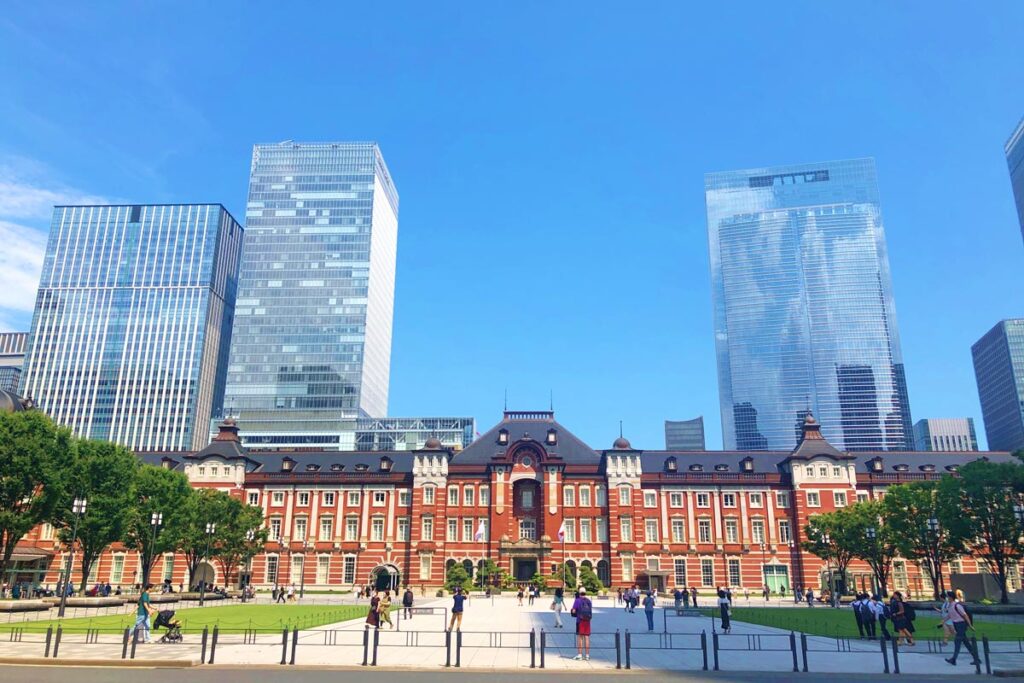
Tokyo is often the first stop for international visitors to Japan, and for good reason. This immense metropolis blends centuries-old temples with neon-lit skyscrapers, quiet shrines with buzzing anime streets, and refined dining with late-night ramen counters. For a first trip, Tokyo can feel overwhelming, but with a bit of structure you can enjoy its highlights without stress.
Understanding Tokyo: A City of Villages
Tokyo is less a single city and more a patchwork of distinct neighborhoods, each with its own personality. Trains and subways stitch these areas together, making it easy to hop between sleek business districts and cozy backstreets in a single day.
Shinjuku: Neon, Nightlife, and Skyscrapers
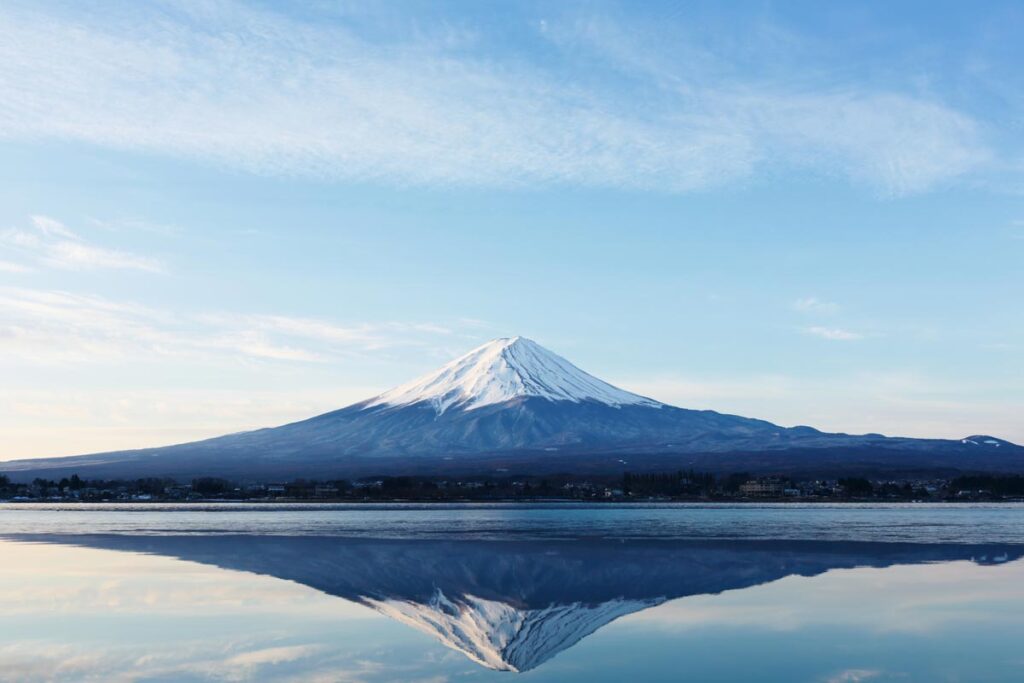
Shinjuku is one of Tokyo's busiest hubs, famous for its dizzying train station, entertainment districts, and towering office blocks. At its heart stands the Tokyo Metropolitan Government Building, whose free observation decks offer sweeping views of the city; on clear days you may glimpse Mount Fuji on the horizon.
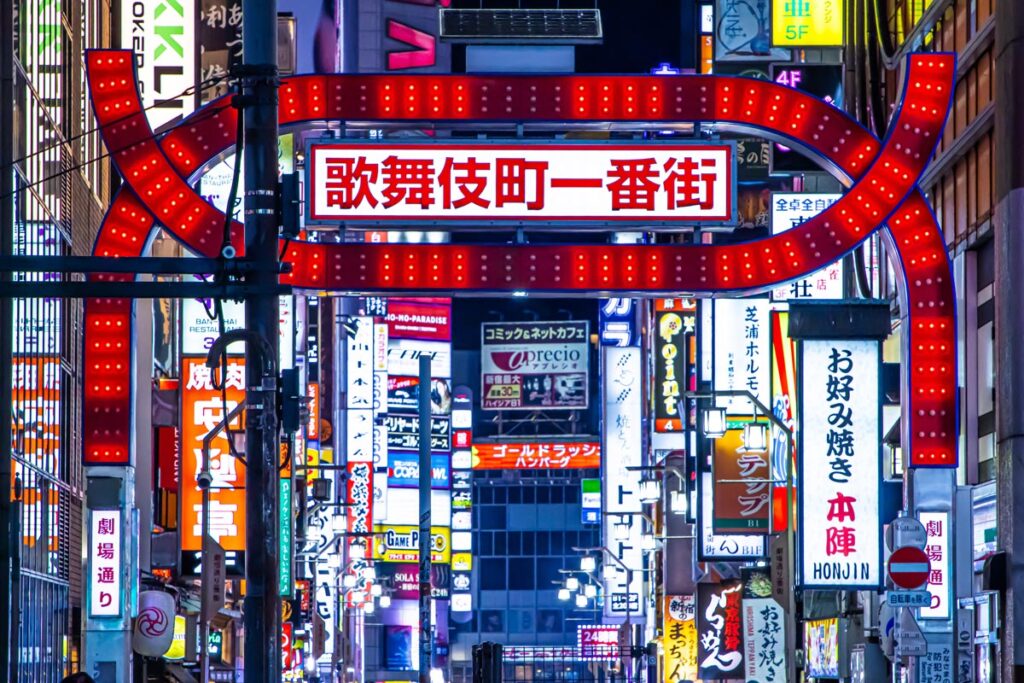
East of the station, the streets glow with billboards and karaoke signs. This area has department stores, game arcades, and izakaya (Japanese pubs) tucked into narrow alleys. West Shinjuku, by contrast, features skyscrapers, business hotels, and calmer streets perfect for an evening stroll.
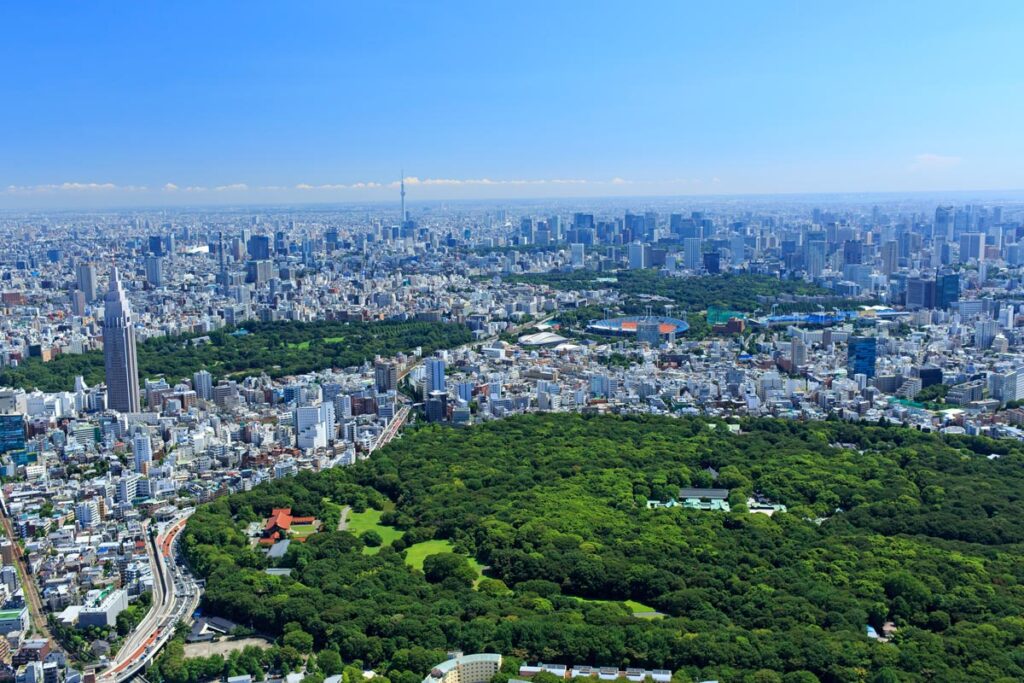
Just behind the high-rises lies Shinjuku Gyoen National Garden, a tranquil escape with spacious lawns, landscaped ponds, and a classic Japanese garden. In spring, the park becomes one of Tokyo’s best spots for cherry blossom viewing, while autumn brings vivid maple foliage.
Shibuya: Youth Culture and the Famous Crossing
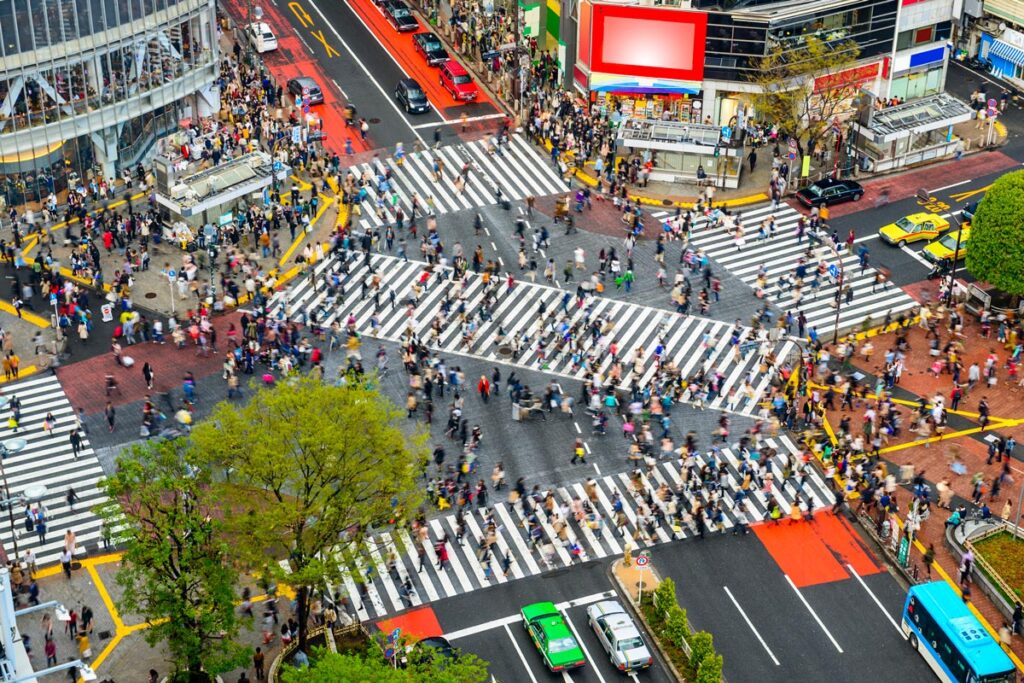
Shibuya is synonymous with youth culture, fashion, and the iconic Shibuya Crossing, where hundreds of people stream across the intersection in every direction when the lights change. Watching the crossing from a nearby café or station viewing spot is a modern Tokyo rite of passage.
Beyond the crossing, Shibuya offers shopping complexes, trend-setting boutiques, and streets filled with music and streetwear. It is a good place to sample modern Japanese cafés, dessert shops, and casual dining, especially in the evening when neon reflections shimmer across the wet pavement after rain.
Asakusa: Old Tokyo and Senso-ji Temple
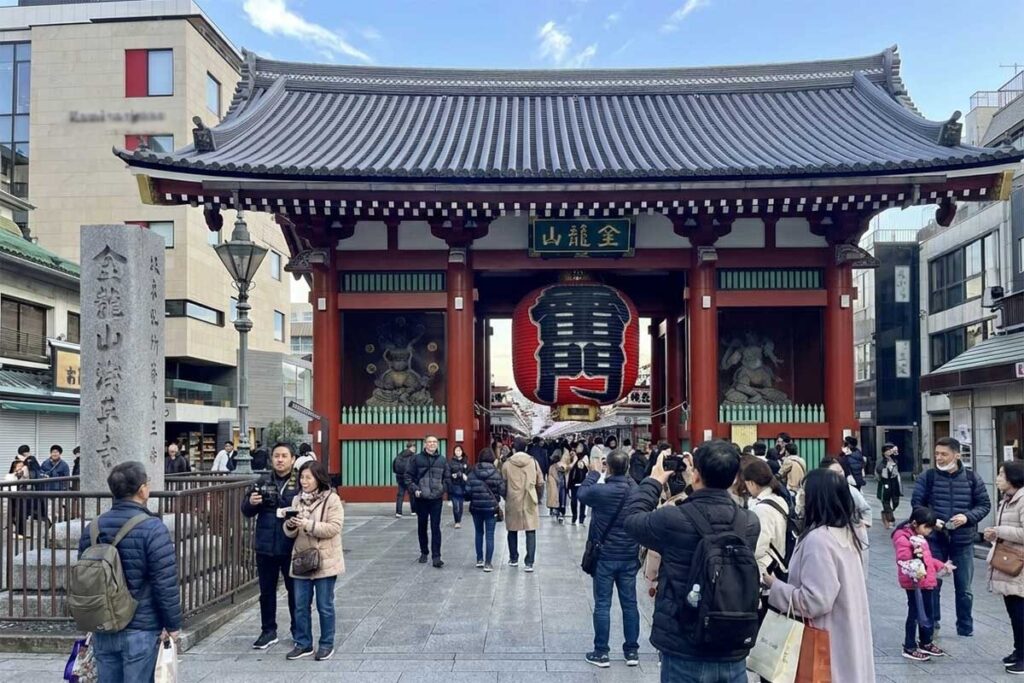
At the other end of the spectrum is Asakusa, a district that preserves a taste of old Tokyo. The star attraction here is Senso-ji, Tokyo's oldest Buddhist temple, whose bright red gate and giant paper lantern make it instantly recognizable.
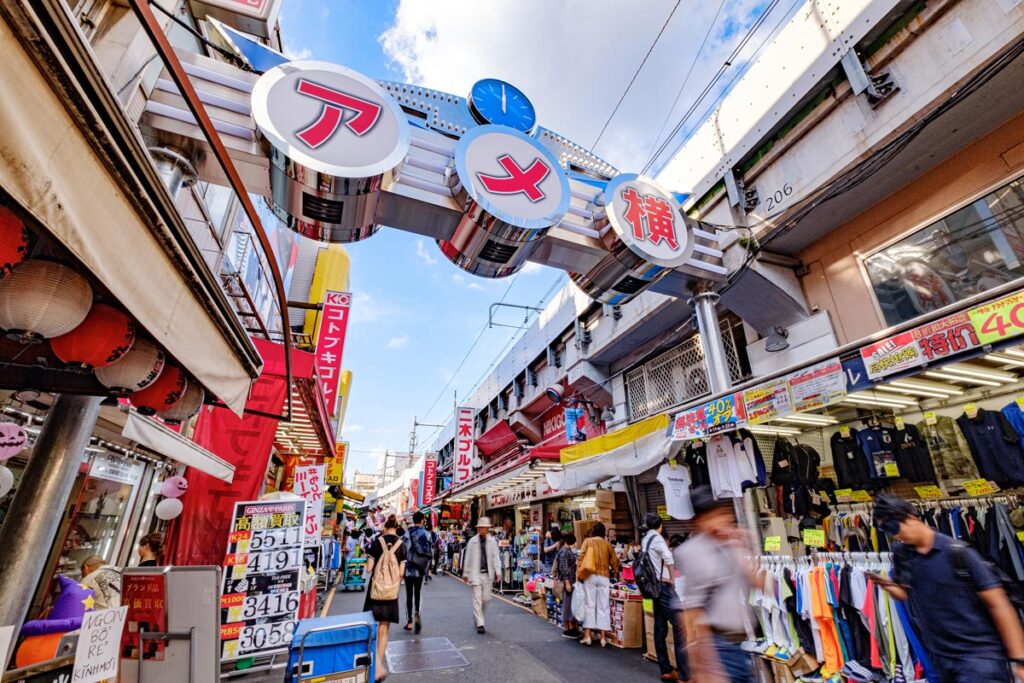
The approach to the temple, called Nakamise-dori, is a traditional shopping street lined with stalls selling rice crackers, sweet red bean treats, and souvenirs such as folding fans and yukata (light cotton kimono). Although it can be busy, visiting early in the morning or in the evening allows a more contemplative experience, with incense drifting through the air and temple bells echoing.
Akihabara: Electronics, Anime, and Otaku Culture
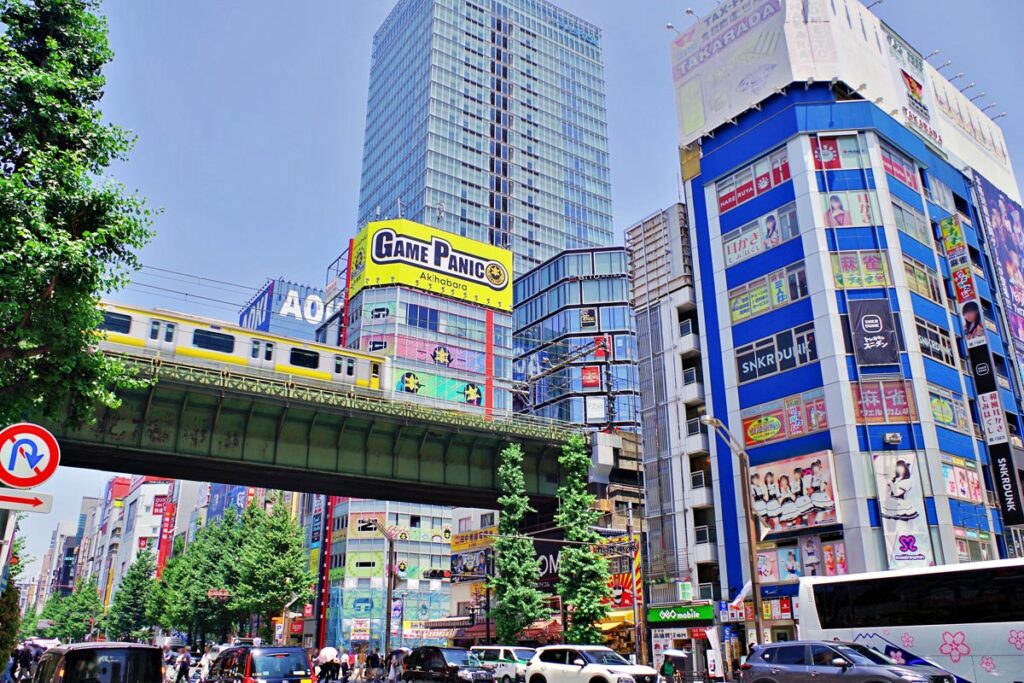
Akihabara, or “Akiba,” is Tokyo’s electronics and anime playground. Originally known as an electronics market, it has evolved into a center of pop culture, with multi-floor stores selling everything from cameras and laptops to figurines, manga, and retro video games.
Brightly colored signs advertise themed cafés and arcades, and visitors interested in Japanese gaming, animation, or collectibles can easily spend hours exploring. Even if you are not an anime fan, Akihabara offers a fascinating glimpse into a subculture that has influenced global entertainment.
Ginza: Luxury Shopping and Refined Dining
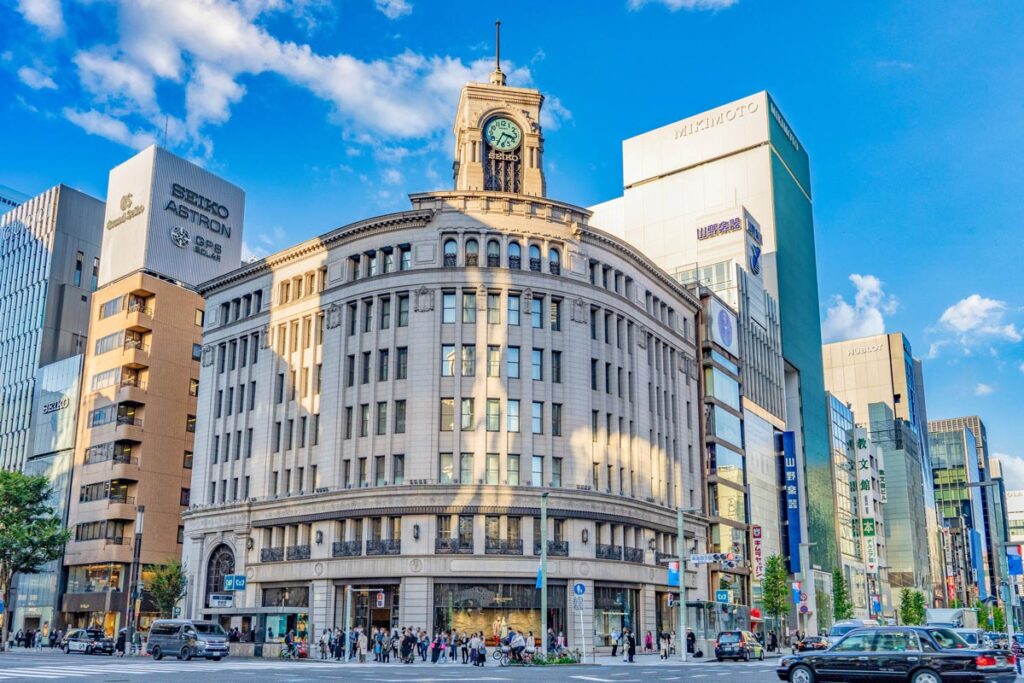
Ginza is Tokyo's elegant shopping and dining district, home to flagship stores, art galleries, and high-end restaurants. Wide boulevards, polished storefronts, and carefully designed window displays make it an inviting place for an evening walk.
Although Ginza is known for luxury brands, you will also find long-established stationery shops, refined tea houses, and basement food halls in department stores offering beautiful bento boxes and confectionery. On weekends, sections of the main street turn into a pedestrian-only zone, creating a relaxed atmosphere for strolling and people-watching.
Harajuku & Omotesando: Fashion and Subcultures
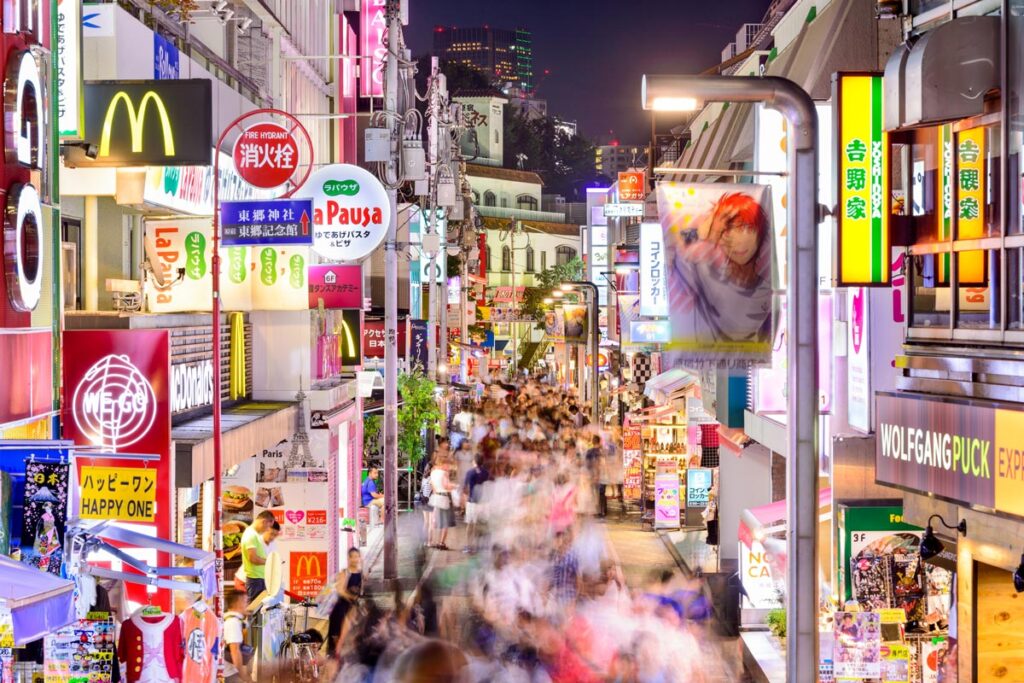
Harajuku is famous for youth fashion and creative street styles. Takeshita Street is a narrow lane packed with colorful boutiques, crepe stands, and character-themed shops popular with teenagers. It can be crowded, but the energy is part of the experience.
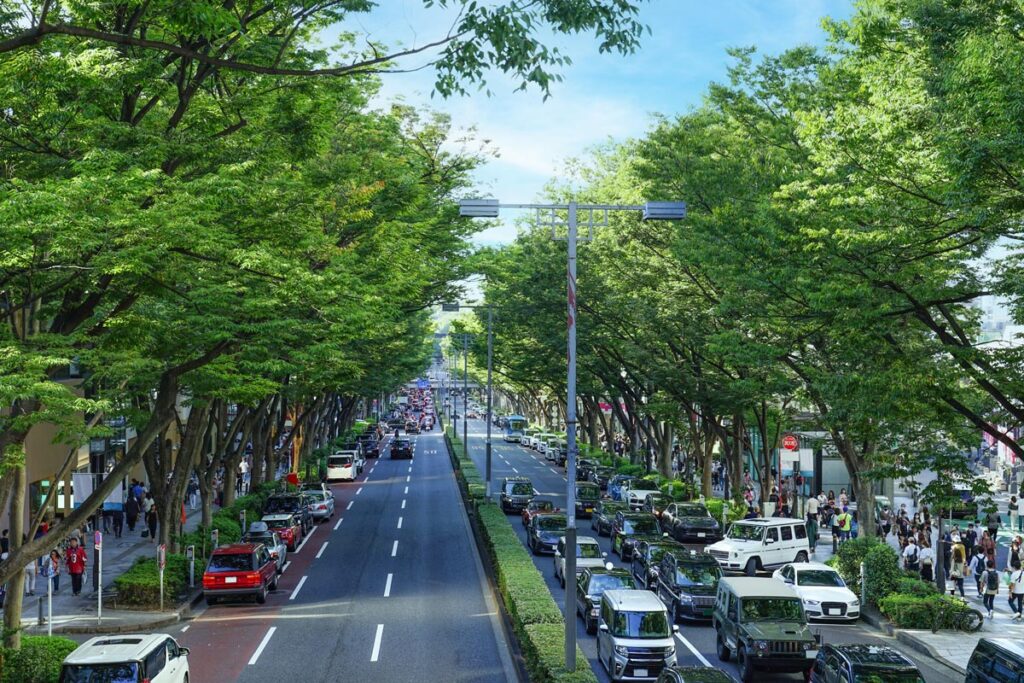
Just steps away, the broad, tree-lined avenue of Omotesando offers a more grown-up feel, with stylish architecture, design-focused cafés, and international brands. Combine a visit to Harajuku with nearby Meiji Shrine for a blend of playful street culture and serene tradition.
Essential Tokyo Experiences
Tokyo Skytree and Tokyo Tower
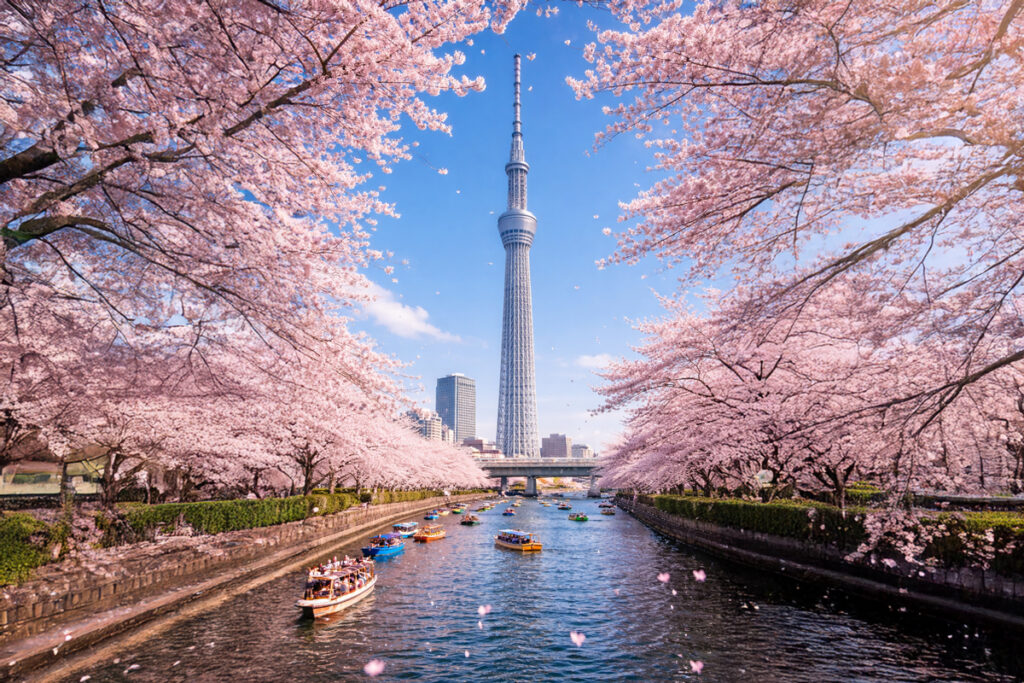
To grasp the scale of Tokyo, head up one of its towers. Tokyo Skytree, in the Sumida area, is one of the tallest structures in the world and offers expansive views from its observation decks. At its base is a shopping complex and aquarium, making it an easy half-day outing.
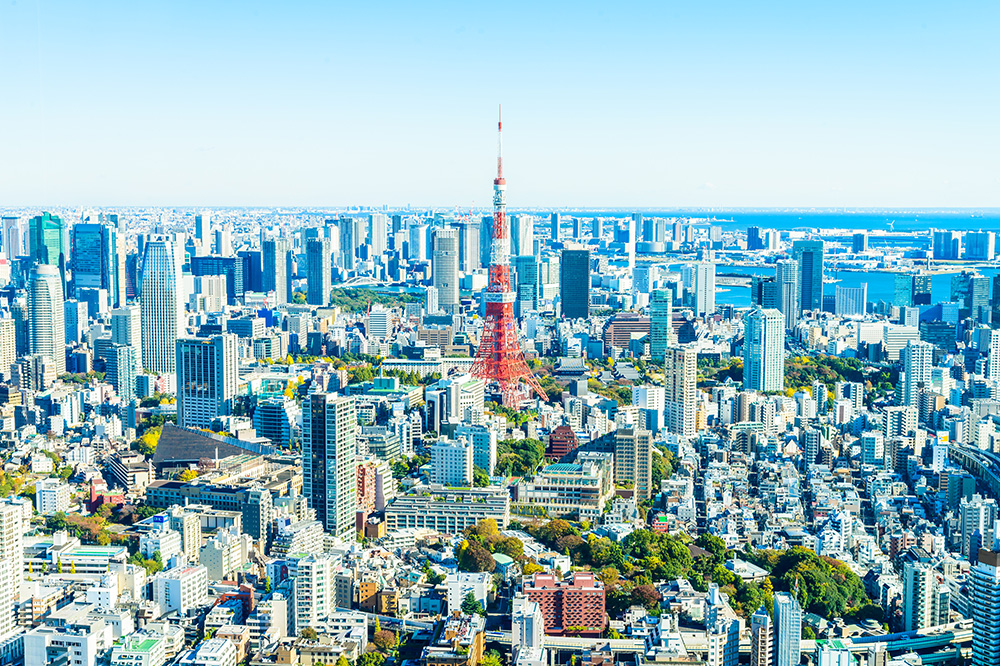
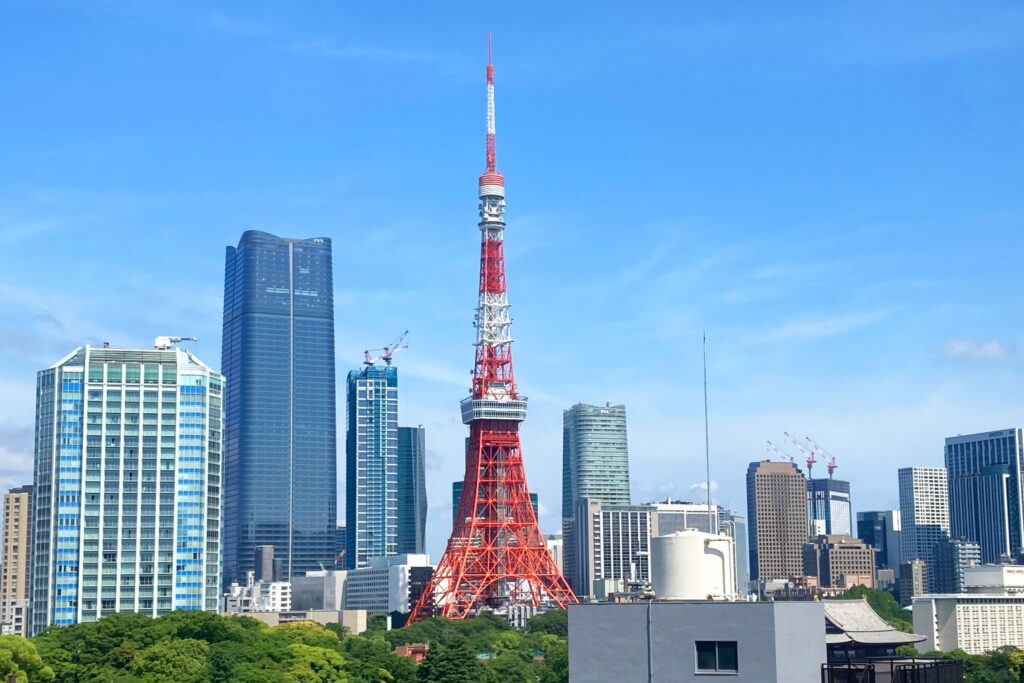
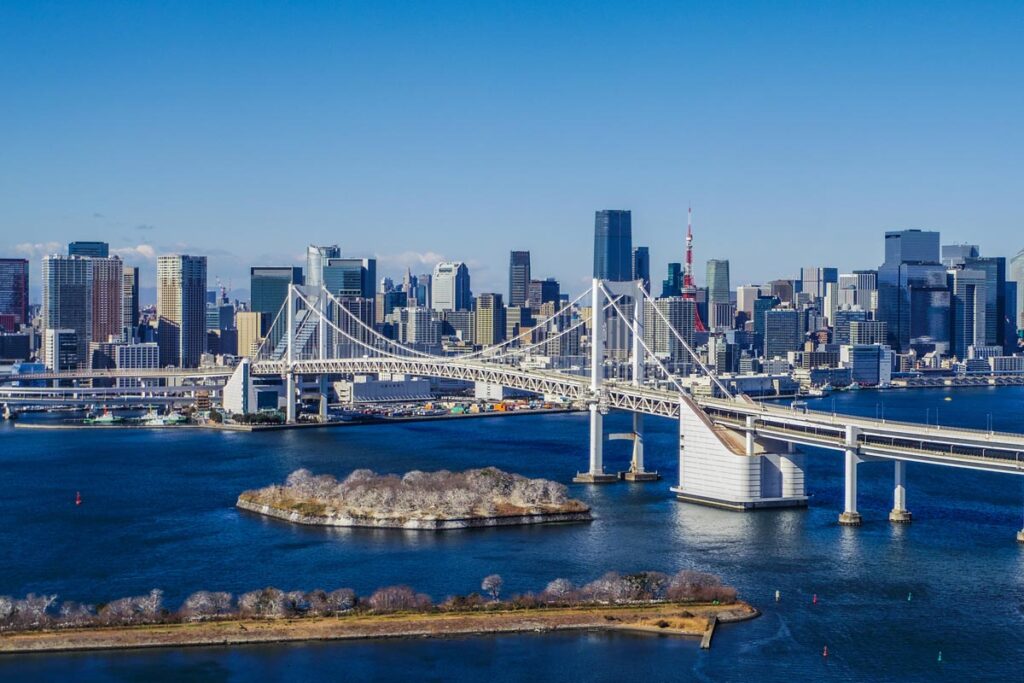
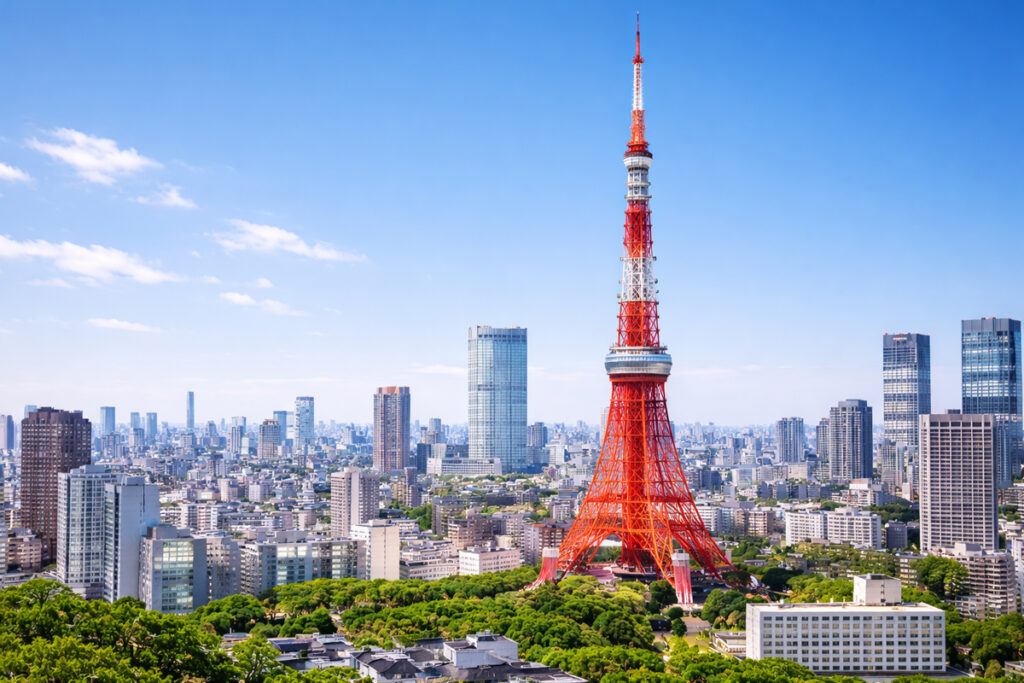
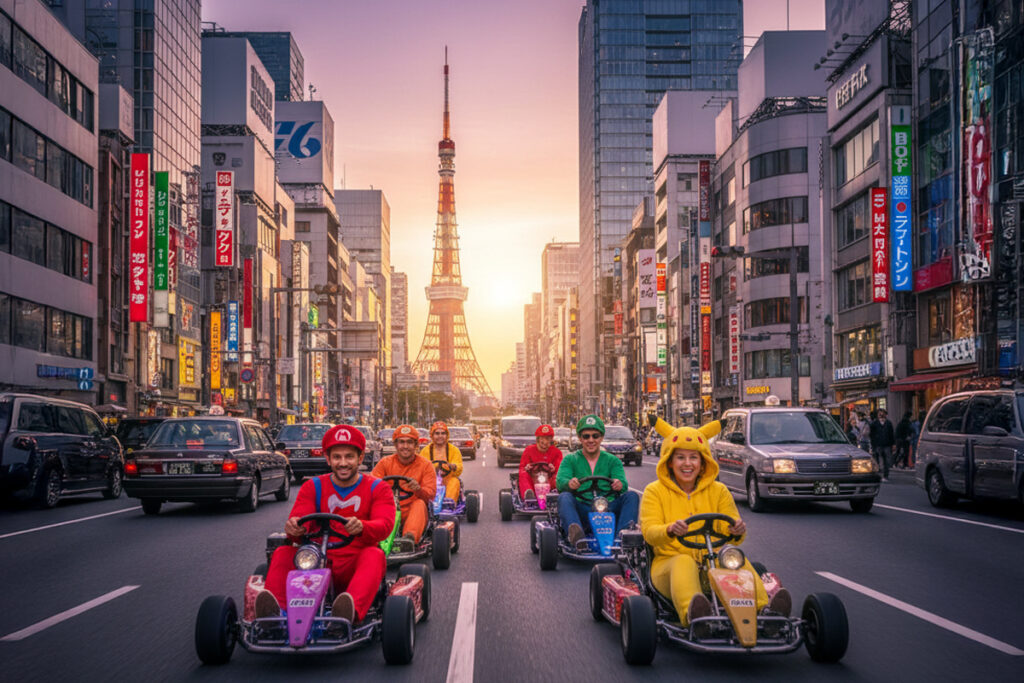
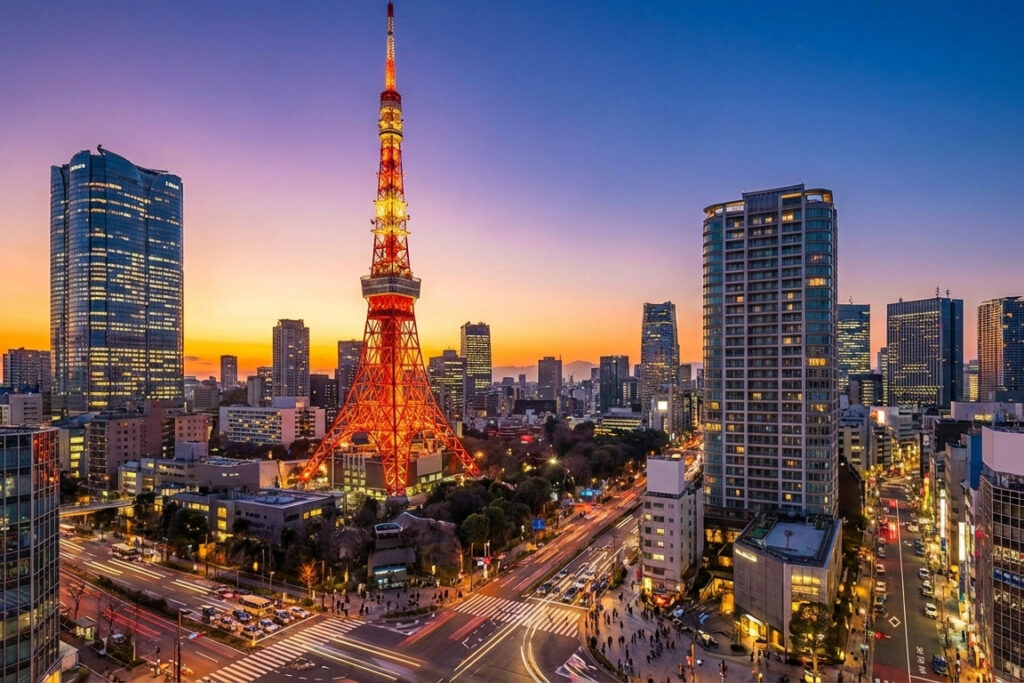
Tokyo Tower, inspired by the Eiffel Tower, is smaller but has a nostalgic charm and offers great nighttime city views. Located near Roppongi and several temples, it fits well into an evening sightseeing plan.
Shrines, Temples, and Quiet Corners
When visiting a shrine, it is customary to bow lightly at the torii gate, purify your hands and mouth at the water basin, and offer a small coin before praying with two claps and a bow.
When visiting a temple, the basic procedure is to bow at the gate, purify your hands and mouth at the water basin, and offer a small coin before joining your hands and a bow.
Many such places are free to enter and reward visitors with a different perspective on city life, especially in the early morning or at dusk when lanterns begin to glow.
Getting Around Tokyo
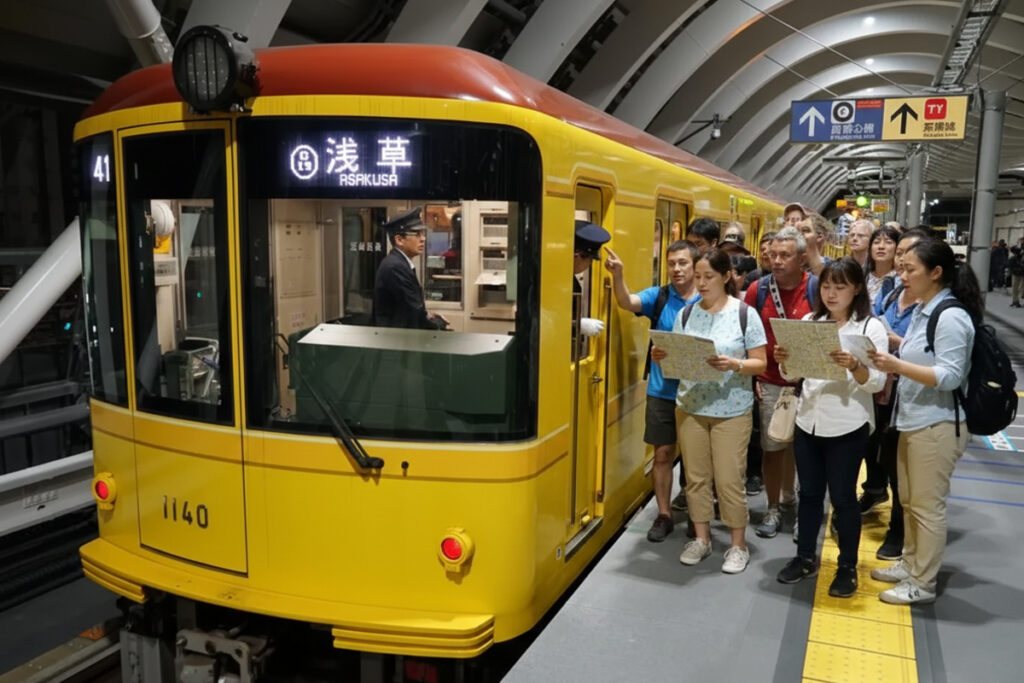
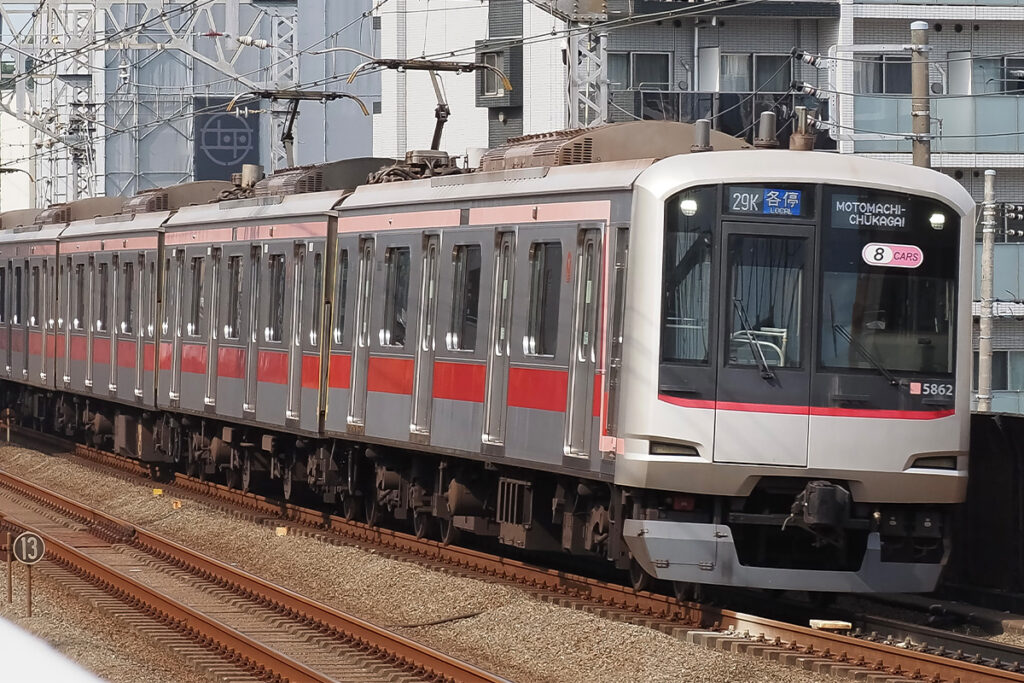
Tokyo’s rail and subway networks are extensive, punctual, and well-organized. For first-timers, the system may look intimidating, but basic preparation goes a long way.
IC Cards and Tickets
Rechargeable IC cards such as Suica or PASMO (often available in physical or digital form on compatible smartphones) allow you to tap in and out of most trains, subways, and buses. They eliminate the need to calculate fares and can also be used in convenience stores and some vending machines.
If you plan to move around frequently in a single day, consider a one-day subway pass. For travelers using a Japan Rail Pass, remember that the JR Yamanote Line, which loops around central Tokyo and connects major districts, is included.
Navigation Tips
Most stations have English signage, and train announcements are typically made in Japanese and English. Station exits are numbered, and many attractions recommend a specific exit, which can save you time and confusion. Using a map app that supports offline use can be helpful, especially when navigating large stations with multiple underground levels.
Rush hour (around 7:30–9:30 in the morning and 5–7:30 in the evening) can be extremely crowded. If you prefer more space and a slower pace, e.g. if you have a large suitcase, plan major transfers and longer journeys outside those times.
Food and Dining in Tokyo
Tokyo is one of the world’s great food cities, from Michelin-starred dining rooms to standing noodle counters. You can eat very well at almost any budget if you know what to look for.
Everyday Japanese Classics
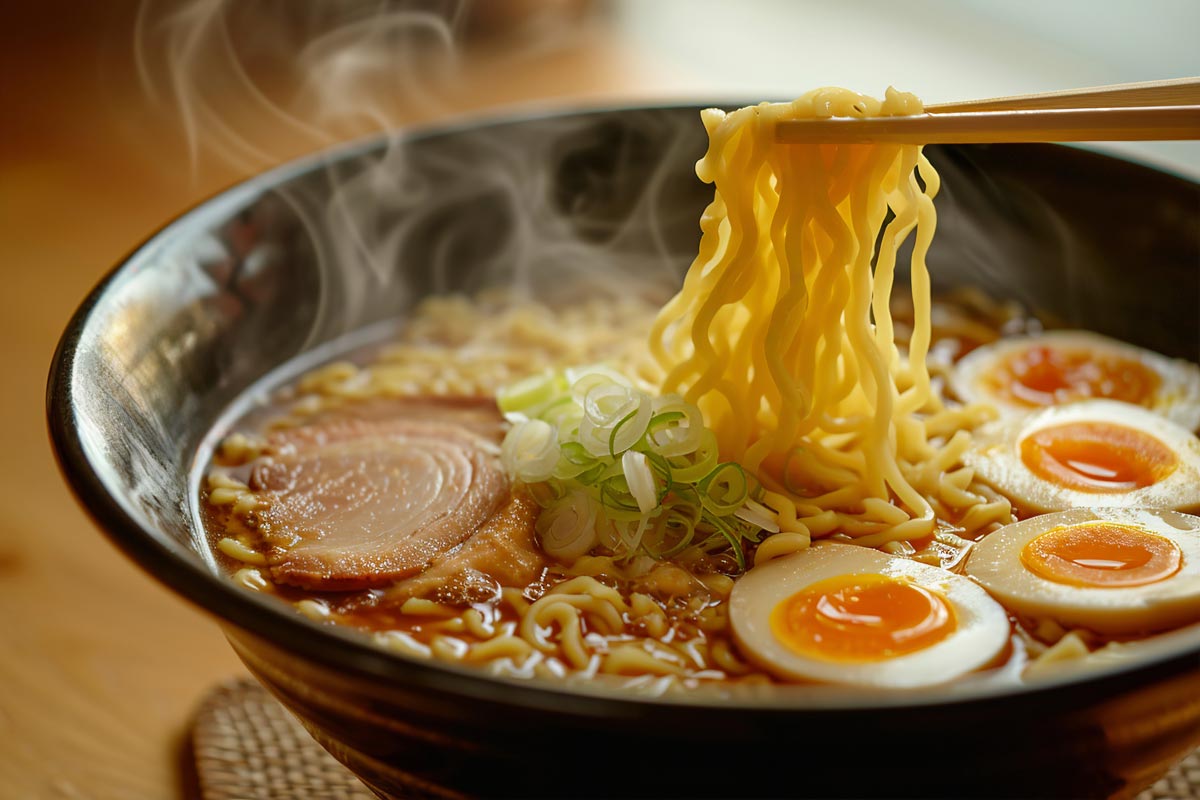
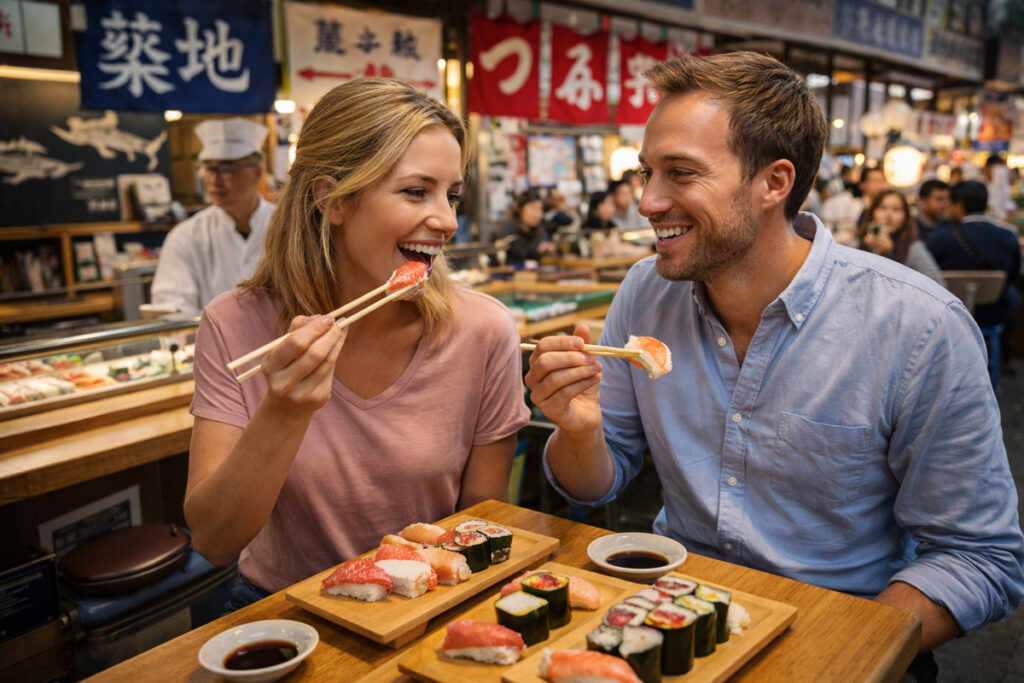
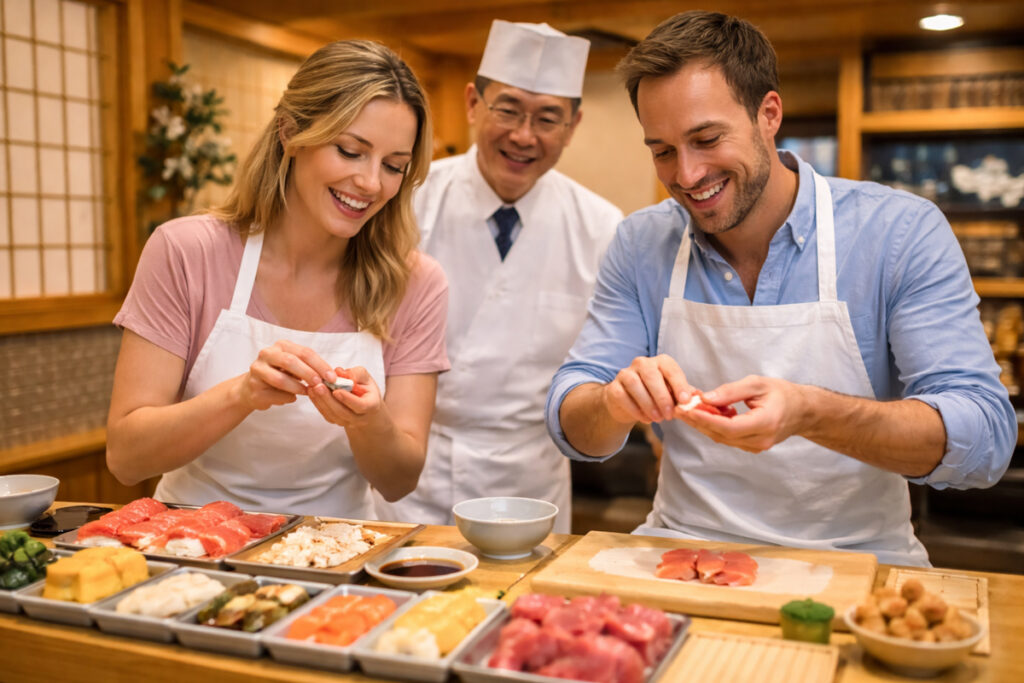
For an introduction to local flavors, try ramen shops, conveyor-belt sushi, and izakaya. Many ramen restaurants use vending machines at the entrance where you select and pay for your meal; you then hand the ticket to the staff. This system is convenient even if you don't speak Japanese.
Department stores and large stations often house food halls in their basement levels, known as depachika, full of beautifully arranged bento, tempura, grilled fish, and sweets. They are ideal for picking up a picnic to enjoy in a park or back at your accommodation.
Etiquette and Practical Tips
In many casual places, water and sometimes tea are self-service and complimentary. Tipping is not customary in Japan, and staff may even refuse it; good service is considered part of the job.
Some restaurants display plastic food samples of dishes or photo menus, making it easier to order. If language is a concern, look for places with picture menus, or politely ask, “English menu, please?” Many establishments, especially around popular areas, will have one.
Etiquette and Cultural Pointers
Understanding a few basic customs will make your time in Tokyo smoother and more enjoyable, and locals generally appreciate the effort.
In Public Transport
Trains and subways are generally quiet. Speaking softly, avoiding phone calls, and setting your phone to silent mode is the norm. Priority seats are reserved for the elderly, pregnant women, people with disabilities, and those with young children; even if the carriage seems empty, try to leave these seats free or be ready to give them up.Also, be aware that there may be women-only carriages.
Cash, Cards, and Convenience Stores
While card payments are increasingly accepted, especially in major chains and hotels, smaller shops and older restaurants may still be cash-only. Convenience stores such as 7-Eleven, Lawson, and FamilyMart are ubiquitous and offer ATMs that usually accept international cards, along with ready-made meals, drinks, and travel essentials.
Trash and Cleanliness
Tokyo is remarkably clean despite a noticeable lack of public rubbish bins. Visitors are expected to carry their trash with them until they can dispose of it at their hotel, a convenience store, or a station bin. Carrying a small plastic bag in your daypack is a simple solution.
When to Visit Tokyo
Tokyo is a year-round destination, but each season offers a different atmosphere.
Spring and Autumn
Spring, especially from late March to early April, is cherry blossom season. Parks like Ueno Park, Shinjuku Gyoen, and the riverside paths in Sumida draw crowds beneath the blooming trees. Accommodation during this period can be in high demand, so booking early is recommended.
Autumn, from late October through November, brings comfortable temperatures and colorful foliage in city parks and temple grounds. Skies are often clear, making it an excellent time for city views and outdoor exploring.
Summer and Winter
Summer in Tokyo is hot and humid, but also festival season. Local shrines hold traditional celebrations with food stalls, games, and sometimes fireworks. Light cotton clothing and frequent breaks in air-conditioned cafés will help you cope with the heat.
Winters are typically crisp and dry with relatively mild daytime temperatures compared to many other countries at similar latitudes. Illuminations and seasonal decorations brighten shopping streets and public squares, creating a festive nighttime atmosphere.
Suggested Itinerary for First-Time Visitors
For a first visit of three or four days, consider dividing your time between historic districts, modern shopping areas, and viewpoints.
- Day 1: Explore Asakusa and Senso-ji, then head to Tokyo Skytree for an afternoon or evening view.
- Day 2: Visit Meiji Shrine, stroll through Harajuku and Omotesando, and end the day in Shibuya at the crossing.
- Day 3: Discover Shinjuku’s garden and observation deck, then experience izakaya dining in the evening.
- Optional Day 4: Spend time in Ginza for shopping and art galleries, or dive into Akihabara’s electronics and anime culture.
This outline balances tradition and modernity, busy streets and quiet spaces, ensuring that your first encounter with Tokyo is both manageable and memorable.
Final Thoughts
Tokyo can initially feel like a maze of train lines and endless neighborhoods, but once you understand its structure and customs, it becomes an inviting, endlessly interesting city. With efficient transport, welcoming locals, and a blend of old and new at every turn, it is a rewarding starting point for any journey through Japan.
Take time to wander side streets, step into small shrines, and sample unfamiliar dishes. In doing so, you will discover that beyond the famous sights, Tokyo's greatest attraction is the everyday life unfolding all around you.