
Shibuya Scramble Crossing
Shibuya Scramble Crossing: First‑Timer’s Guide to Tokyo’s Busiest Intersection
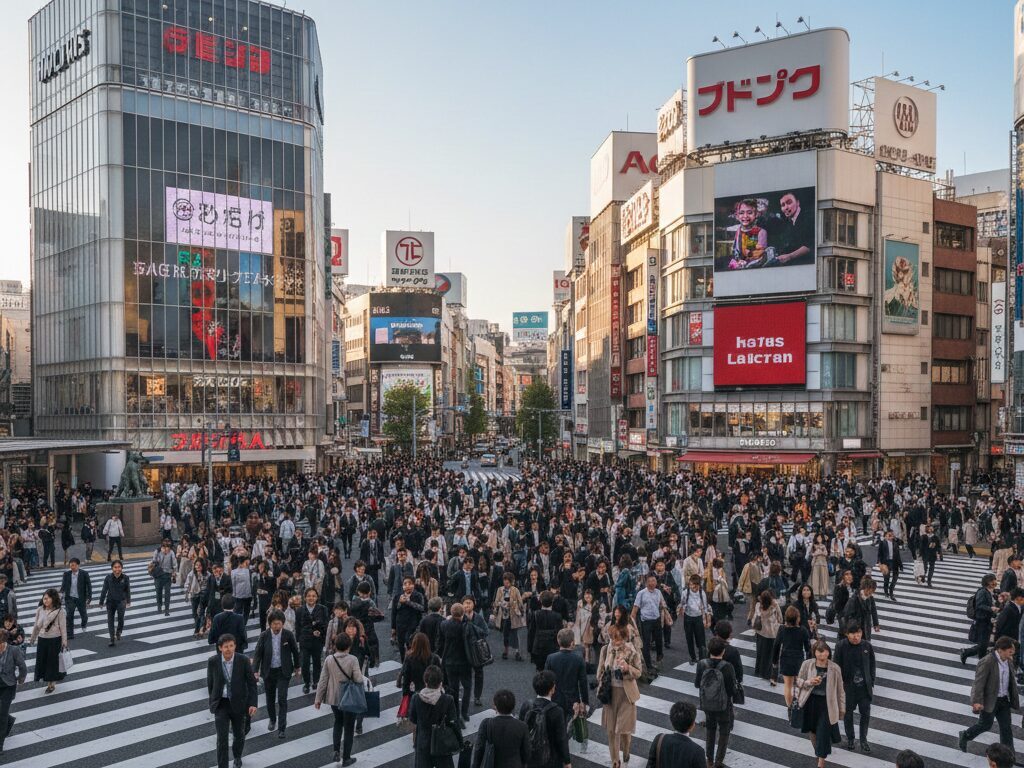
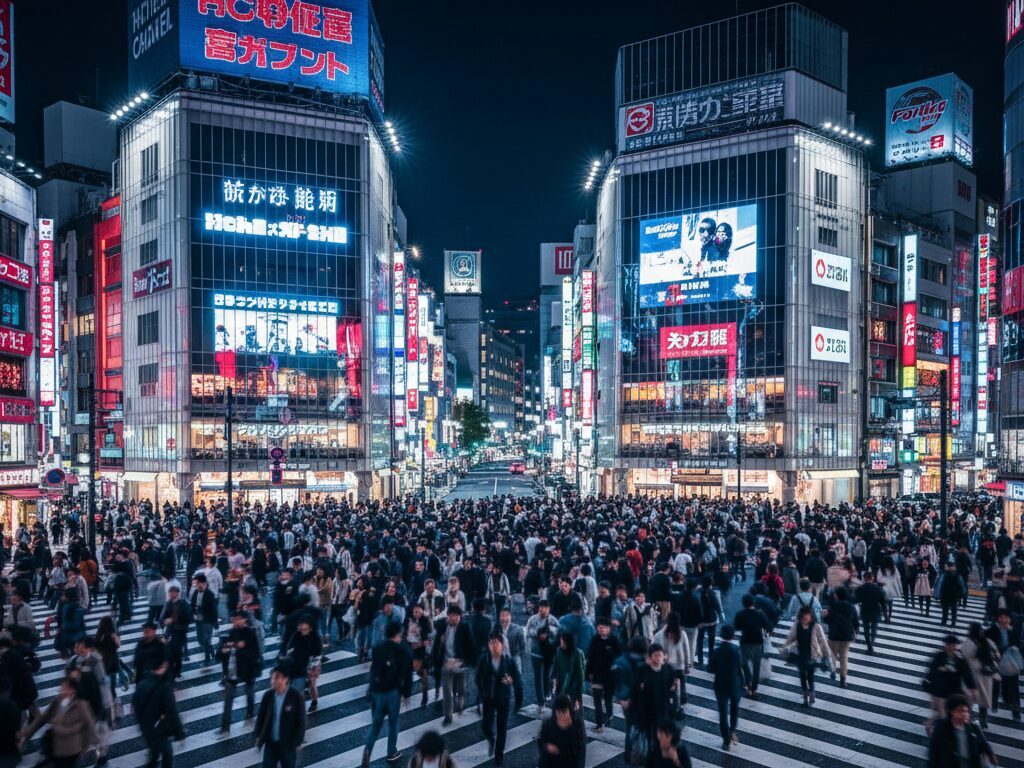
Photos are for illustrative purposes only.
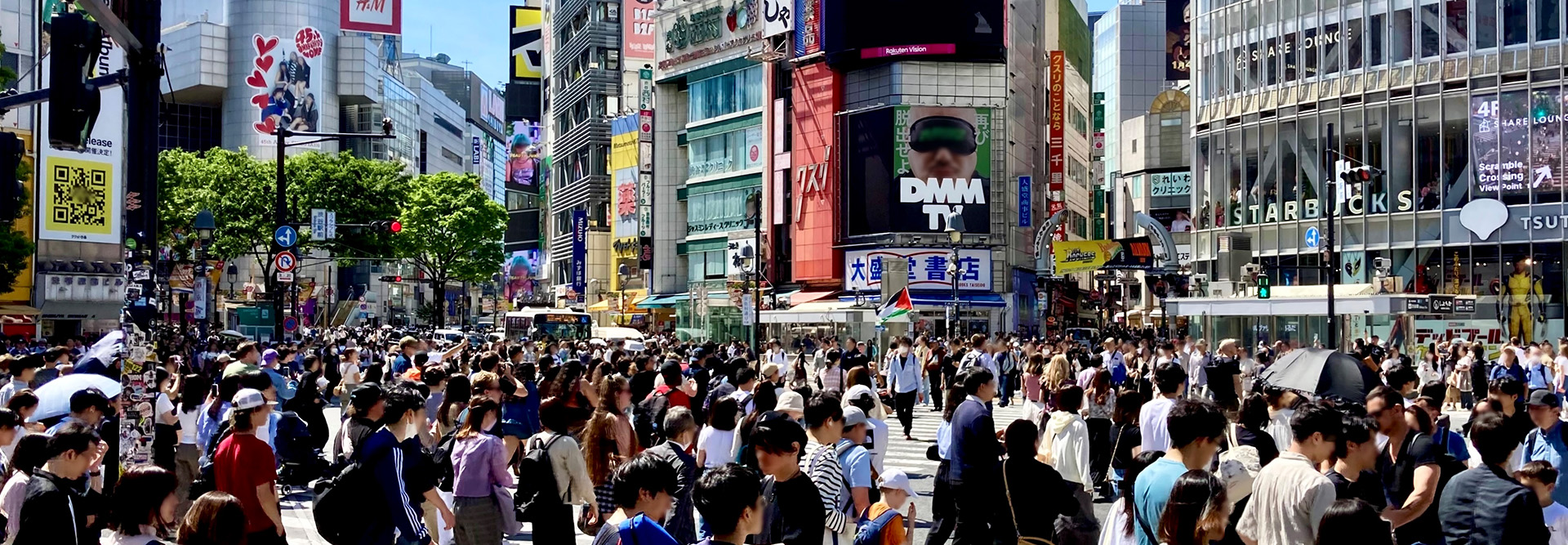
Shibuya Scramble Crossing is one of the most iconic sights in Japan: a sea of people flowing in every direction beneath giant neon screens and towering buildings. For many international visitors, this bustling intersection represents modern Tokyo itself. If you are planning your first trip to Japan, a stop at Shibuya Crossing is almost essential – not just for a quick photo, but for the full experience of organized chaos, city lights, and youth culture that surrounds it.
What Is Shibuya Scramble Crossing?
Shibuya Scramble Crossing is the large multi-directional pedestrian crossing located just outside Shibuya Station’s famous Hachiko Exit in central Tokyo. When the traffic lights turn red in all directions, hundreds – and at peak times, thousands – of people stream across simultaneously. Locals call this type of intersection a “scramble crossing” because pedestrians can move diagonally as well as straight, creating an impressive visual swirl of movement.
The crossing is not just a tourist attraction. It is part of daily life for commuters, students, shoppers, and office workers. The constant motion, bright advertisements, video screens, and music make the area feel like a live movie set. Many films, TV dramas, music videos, and commercials have used Shibuya Crossing as a dramatic backdrop, which adds to its worldwide fame.
Where Is It and How Do You Get There?
Shibuya is one of Tokyo’s major districts, located on the city’s western side and easily reachable from popular areas such as Shinjuku, Harajuku, and Tokyo Station. Shibuya Station is a major transport hub, served by multiple JR lines and private railway and subway lines.
From Major Areas in Tokyo
- From Shinjuku: Take the JR Yamanote Line (green loop line) directly to Shibuya Station. The ride takes about 7 minutes.
- From Tokyo Station: Take the JR Yamanote Line directly, around 20 minutes to Shibuya.
- From Asakusa: Take the Tokyo Metro Ginza Line to Shibuya. The ride is roughly 30–35 minutes.
- From Shinjuku or Harajuku by JR: You can also use the JR Saikyo Line or JR Shonan‑Shinjuku Line, which stop at Shibuya.
Once you arrive at Shibuya Station, follow signs for the “Hachiko Exit” or “Hachiko-guchi”. This will lead you to the famous Hachiko statue and directly in front of Shibuya Scramble Crossing.
When Is the Best Time to Visit?
You can visit Shibuya Crossing at almost any time of day, but each time slot offers a slightly different atmosphere.
Daytime
During the day, especially on weekdays between late morning and early afternoon, the crossing is still very busy but slightly less overwhelming. Daylight makes it easier to shoot clear photos and see the surrounding streets. This is a good time for families or travelers who prefer a calmer vibe.
Evening and Night
The crossing is at its most dramatic after sunset. Neon signs and giant LED screens light up the entire area, creating that quintessential “Tokyo at night” scene. Crowds are heaviest between about 5 p.m. and 9 p.m., particularly on Fridays and Saturdays. If you want dynamic photos and video of crowds, this is the perfect window.
Seasonal Considerations
- Spring (March–May): Mild weather and clear skies mean comfortable evenings. It is easy to combine Shibuya with cherry blossom viewing in nearby parks.
- Summer (June–August): Humidity and heat can be intense, especially during the day. Nights are warm and energetic, but bring water and dress light.
- Autumn (September–November): Cool, pleasant evenings and crisp air make this one of the best times to walk around Shibuya.
- Winter (December–February): Cold but generally dry. Illuminations and Christmas lights add to the night-time atmosphere, especially from late November through December.
How to Experience the Crossing Like a Local
Watching the crossing from above is impressive, but actually walking across it is the core experience. Here is how to make the most of it while respecting local manners.
Step 1: Start at Hachiko Square
Exit Shibuya Station at the Hachiko Exit and you will find yourself in a small plaza. Here stands the bronze statue of Hachiko, the loyal dog who famously waited for his owner at the station every day, even after the owner passed away. This statue is one of Tokyo’s most popular meeting points, both for locals and visitors.
Take a moment to look around: directly ahead is the massive crossing, framed by digital billboards and tall buildings. You can already feel the energy of the area.
Step 2: Time Your Walk
Watch the traffic lights. When they switch to red in all directions, a chime or audible signal sounds, and the pedestrian lights turn green. This is your cue. Locals cross quickly and confidently, so it helps to start moving as soon as the light changes.
Step 3: Walk, Don’t Stop
It is very tempting to stop in the middle for photos, but this can be dangerous and inconvenient for others. Japanese pedestrians usually walk directly to their destination without sudden stops. If you want a photo from within the crossing, keep moving and use a quick snapshot or short video rather than posing in place.
Step 4: Soak in the Scene
As you cross, look around at the river of people: students in uniforms, office workers in suits, shoppers with bags, tourists from around the world. The crowd looks chaotic, but there is an underlying sense of order. People naturally avoid colliding with one another, and the crossing clears in a surprisingly short time once the lights turn green for cars again.
Best Viewpoints for Photos and Videos
One of the main reasons visitors come to Shibuya is to capture the crossing from above. Several buildings around the intersection offer excellent viewpoints.
1. From Inside Nearby Buildings
Many travelers head into shopping and entertainment complexes that overlook the crossing. Upper floors with large windows typically house cafes, restaurants, or observation areas. These locations allow you to photograph the entire scramble from a comfortable indoor spot, which is especially welcome on rainy or hot days. When using these spaces, be a considerate customer: order at least one drink or snack and avoid occupying window seats for too long during busy hours.
2. From Footbridges and Side Streets
Some of the streets leading away from the crossing provide interesting side angles, especially if you prefer capturing people’s faces and expressions rather than a wide overhead shot. Elevated walkways, where available, can also give you a slightly higher vantage point while still making you feel close to the action.
Photography Tips
- Use burst mode or short video clips to capture the flow of people during the peak of the crossing.
- If shooting at night, stabilize your camera or phone against a railing or window to avoid blurring.
- A slightly higher angle helps show the crossing lines and the full pattern of people moving.
- Respect privacy: avoid close-up photos of individuals, especially children, without permission.
Cultural Insights: What Shibuya Represents
Shibuya is not just a busy intersection; it is a symbol of modern Japanese urban culture. The district is strongly associated with youth, fashion, nightlife, and trends that often spread across the country.
Youth and Fashion Culture
For decades, Shibuya has been a center of youth style and street fashion. Nearby streets are filled with clothing boutiques, music stores, game centers, and themed cafes. Trends that start in Shibuya often appear in magazines and spread to other cities. Even if you are not into shopping, walking through these streets offers a close-up look at contemporary Japanese lifestyles.
Order in the Midst of Chaos
To many visitors, the crossing seems wild and chaotic. Yet Japanese cities balance density with an emphasis on safety and courtesy. Despite the crowds, you will notice that people rarely push or shout. Most follow traffic signals carefully, and even the busiest moments feel calm once you get used to them.
Shibuya Crossing captures an important aspect of Japanese culture: the ability to share limited space peacefully and efficiently. This is part of what makes urban Japan feel safe, even late at night.
Nearby Attractions You Should Not Miss
Shibuya Crossing is just the starting point. Within a short walk, you can easily explore several different sides of Tokyo life.
Hachiko Statue
Just beside the crossing, the small statue of the dog Hachiko commemorates a true story from the 1920s and 1930s. Hachiko waited at Shibuya Station every day for his owner, a professor, to return from work. After the professor passed away unexpectedly, Hachiko continued to wait for him daily for almost 10 years. This story of loyalty is widely known in Japan and has inspired books and films. Today the statue is a beloved meeting spot and a place where visitors pay quiet respect.
Shibuya’s Shopping Streets
Once you have crossed the scramble, dive into the side streets and shopping areas:
- Department stores and malls: Around the station you will find large commercial complexes filled with fashion, cosmetics, electronics, and restaurants.
- Side alleys: Narrow streets branching off from the main avenues reveal independent boutiques, izakaya pubs, and small bars.
Prices range from budget-friendly fast fashion to high-end designer brands, making the area appealing to many types of travelers.
Cafes, Bars, and Nightlife
Shibuya is one of Tokyo’s liveliest nightlife districts. After dark, the area fills with people heading to izakaya (Japanese pubs), karaoke rooms, live music venues, and bars. Many establishments are located on upper floors or in basements, so look up and down as you wander.
For first-time visitors, it is easy to start with an izakaya that offers English or picture menus. You can sample skewered chicken, sashimi, and local snacks alongside Japanese beer, sake, or soft drinks. If you prefer a quieter evening, there are also stylish cafes open late into the night.
Practical Tips for Visiting Shibuya Crossing
Safety and Crowds
- Pickpocketing is rare, but always keep your belongings zipped or secured, especially when filming or taking photos.
- The crossing is stroller-friendly, but families with small children might prefer daytime or early evening, when the crowd is slightly thinner.
- During heavy rain, umbrellas can make the crossing feel tighter. Walk slowly and watch where you are going.
Etiquette and Local Manners
- Do not block the crossing for a long photo shoot. Cross with purpose, and move to the sidewalk to adjust settings or review your photos.
- Avoid loud shouting or playing music from speakers. Shibuya is lively, but public behavior is usually moderate.
- If you visit cafes or restaurants overlooking the crossing, order something, keep your belongings compact, and be mindful of other customers waiting for seats.
Language and Navigation
Many signs in and around Shibuya Station include English, and younger people in Shibuya often speak at least basic English. Still, having the station name “Shibuya” written in Japanese (渋谷) on your phone or a note can be handy if you need assistance.
Free Wi‑Fi is available in some station areas and cafes, but not everywhere. Downloading an offline map before you arrive in Tokyo is a good idea, especially if you plan to wander side streets without relying on constant data access.
Suggested Itineraries Including Shibuya Crossing
Because of its central location, Shibuya fits naturally into many Tokyo sightseeing plans. Here are a couple of easy itinerary ideas for first-time visitors.
Half-Day: Harajuku to Shibuya
- Morning: Visit a peaceful shrine or park in nearby Harajuku.
- Early afternoon: Explore Harajuku’s youth fashion streets and casual eateries.
- Late afternoon: Walk or take the train one stop to Shibuya.
- Evening: Experience Shibuya Crossing at sunset or after dark, followed by dinner in the area.
Full Day: Shinjuku, Harajuku, and Shibuya
- Morning: Start in Shinjuku with a city view from a high-rise observatory.
- Midday: Move to Harajuku for lunch and a stroll through fashion streets.
- Afternoon and night: Finish in Shibuya for shopping, the scramble crossing, and nightlife.
Making Shibuya Crossing Part of Your Japan Story
Whether you visit for ten minutes or spend an entire evening exploring the surrounding streets, Shibuya Scramble Crossing gives you a vivid introduction to modern Japan. The swirl of people, the lights, the music, and the constant motion show a side of the country very different from traditional temples and quiet gardens, yet just as essential to understanding contemporary Japanese life.
For first-time travelers, standing at the edge of the crossing as the lights change and stepping into the flow can feel symbolic – a moment when your own journey in Japan truly begins. With a little planning and awareness of local customs, you can enjoy Shibuya’s energy safely and respectfully, and return home with unforgettable memories and images of one of the world’s most famous intersections.
Access Map
Recommended spots in Tokyo
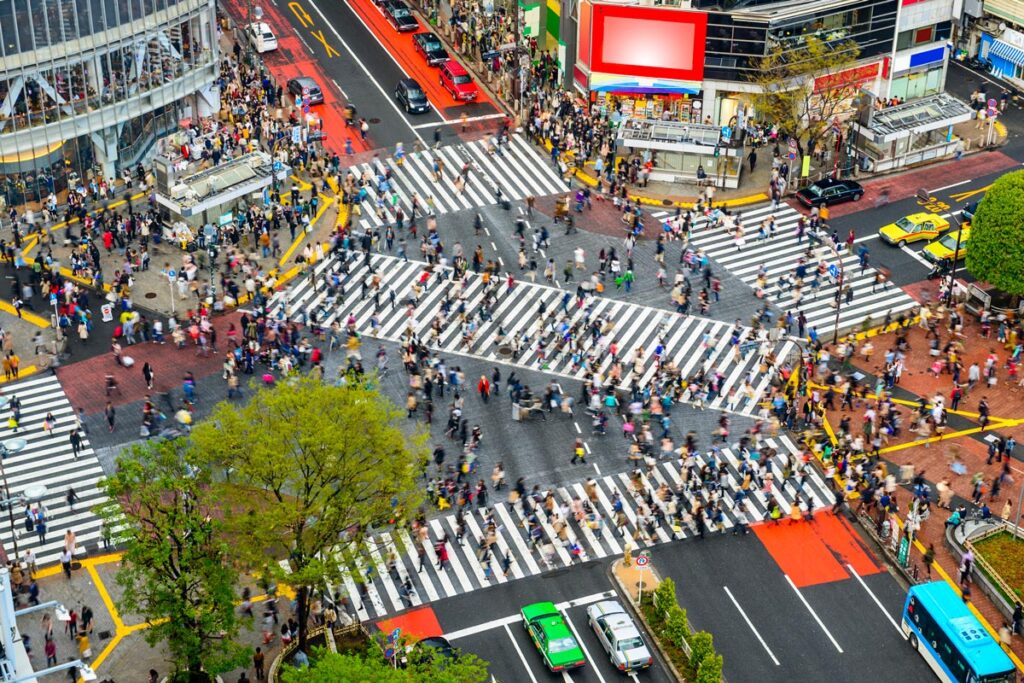
Shibuya Scramble Crossing
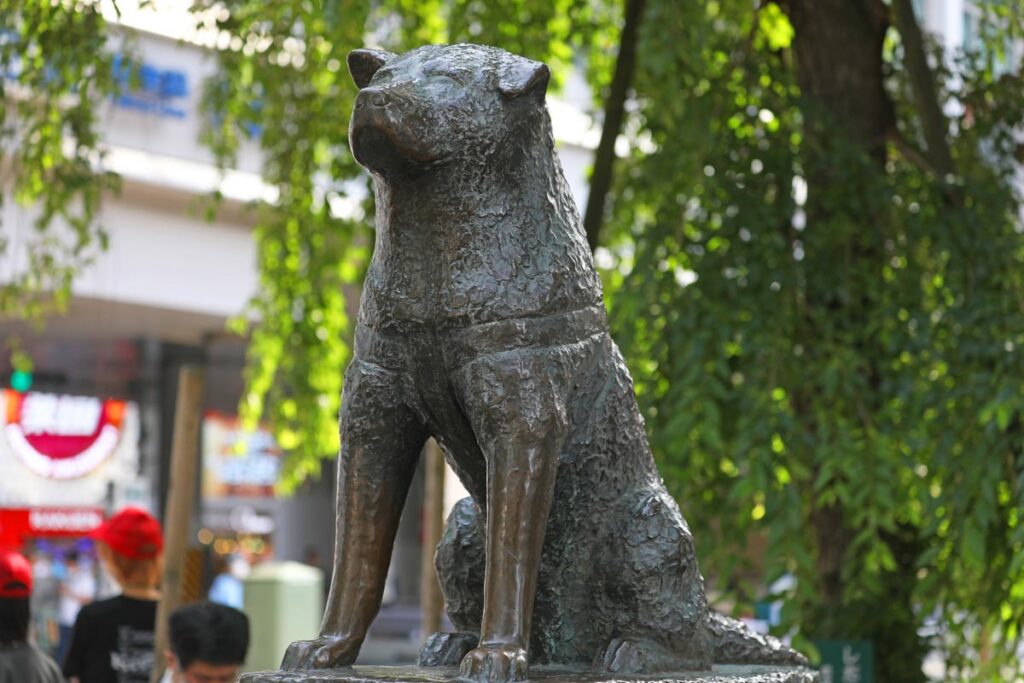
Hachiko Statue
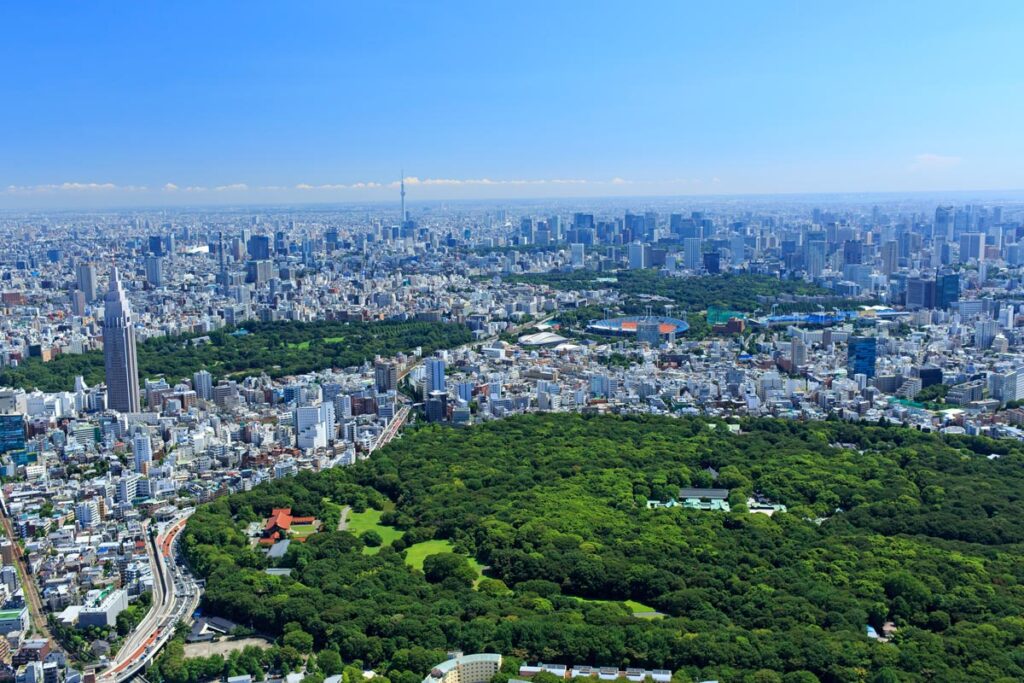
Shinjuku Gyoen
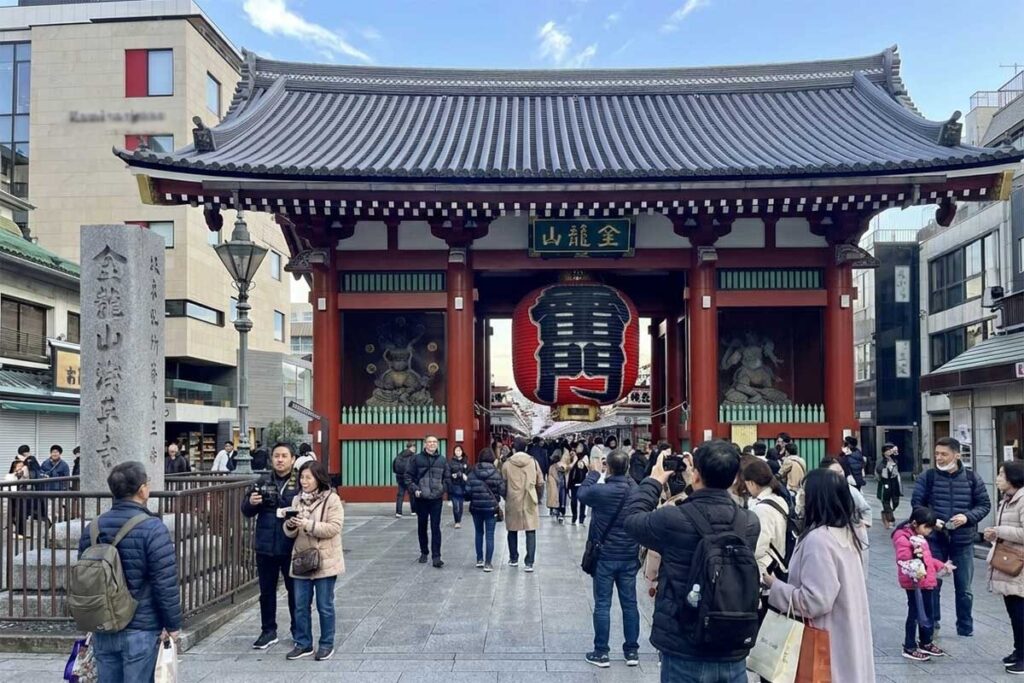
Asakusa
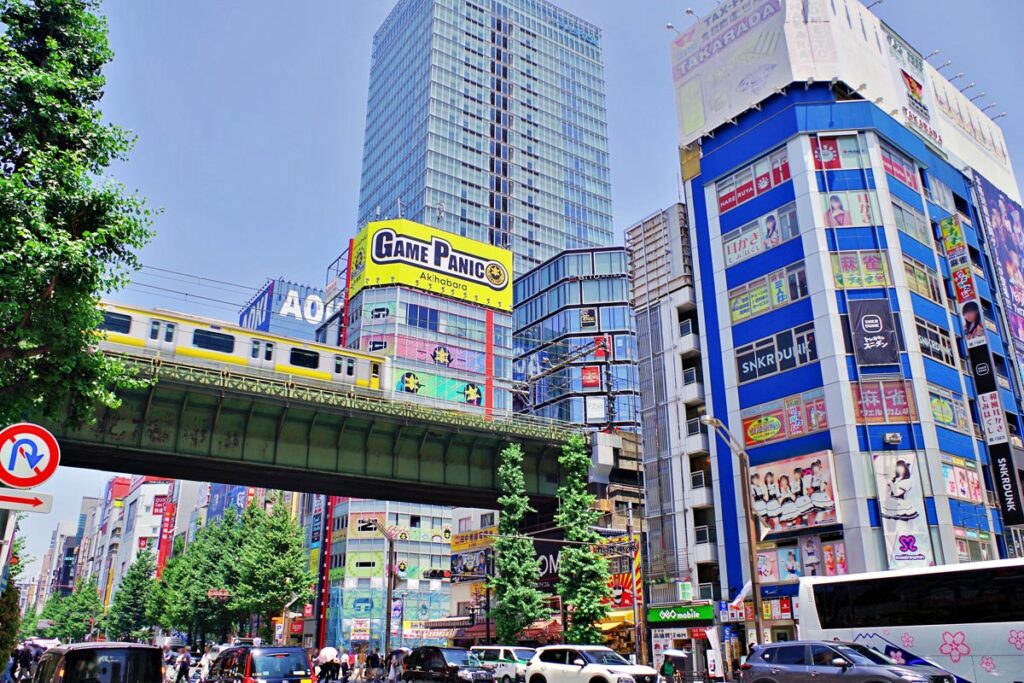
Akihabara
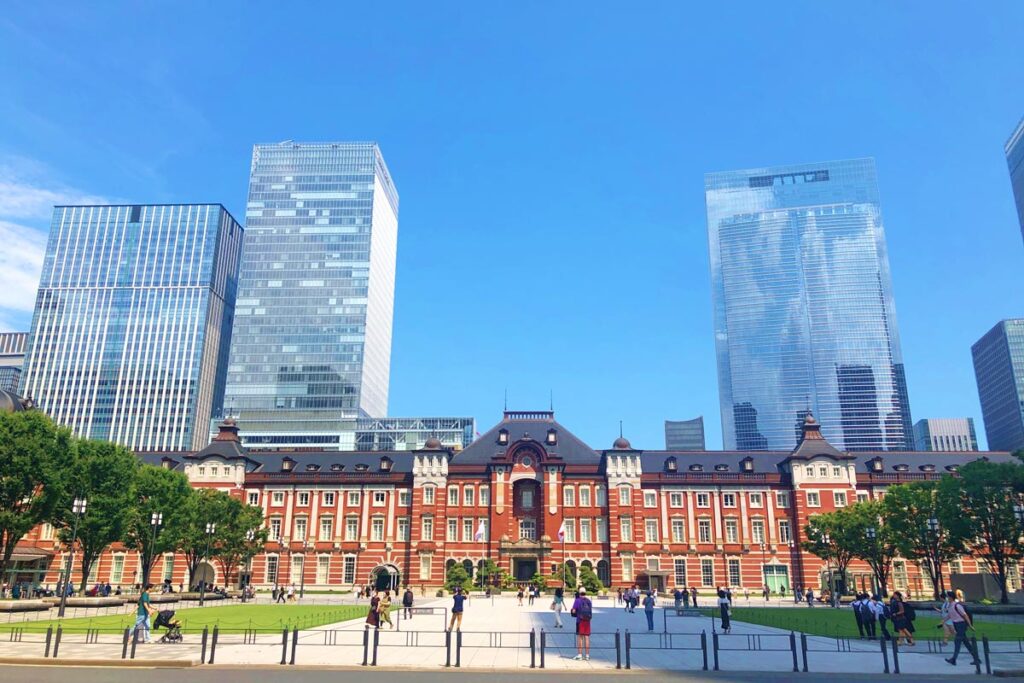
Tokyo Station
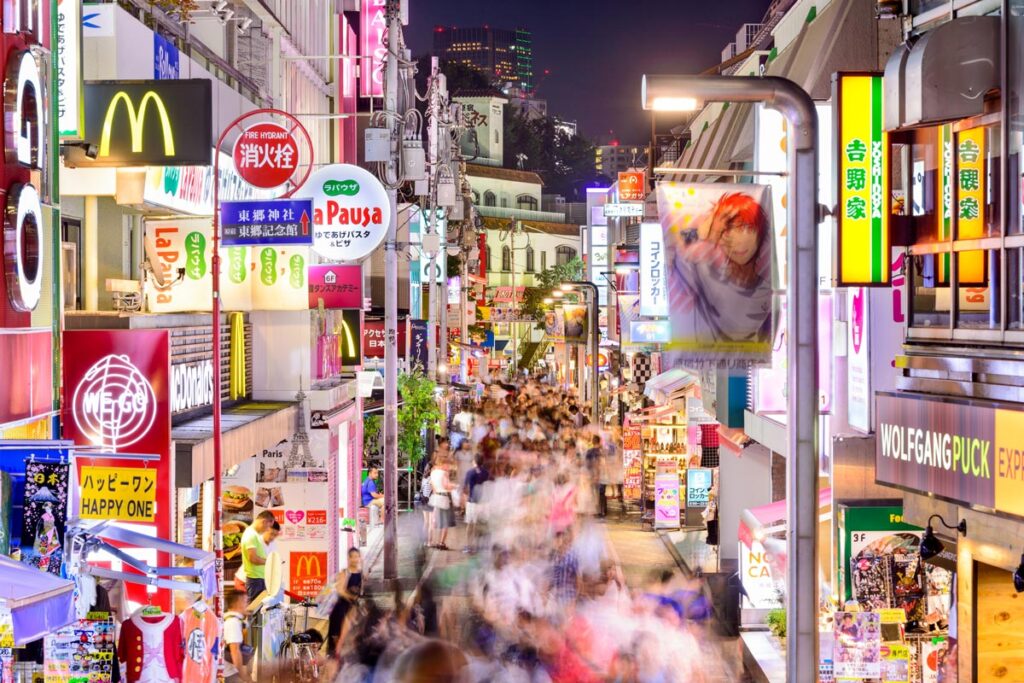
Takeshita Street (Harajuku)
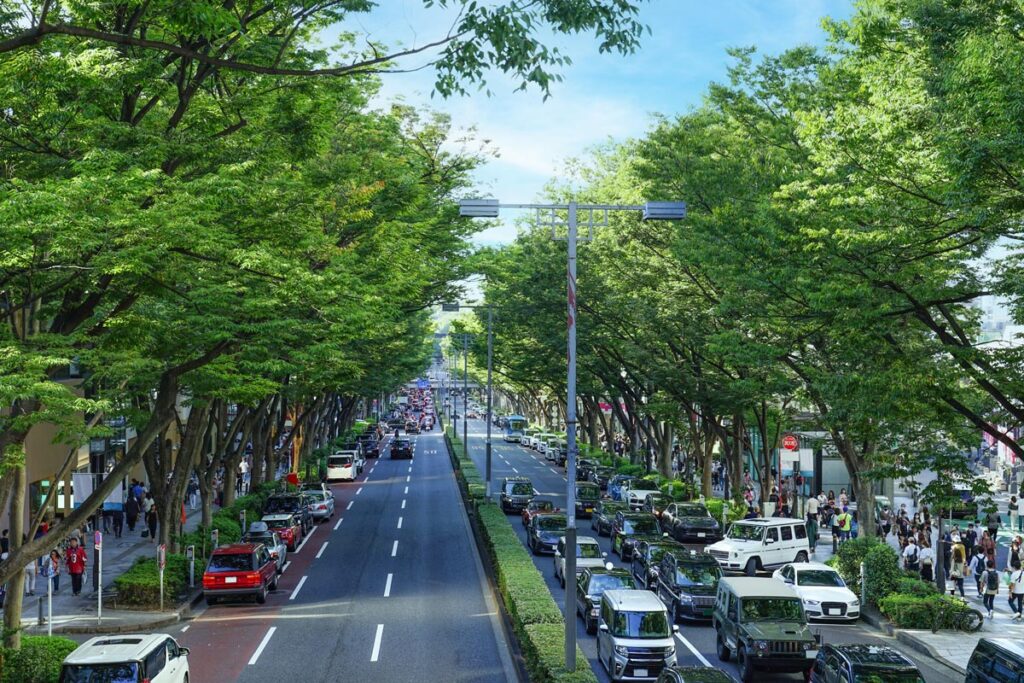
Omotesando
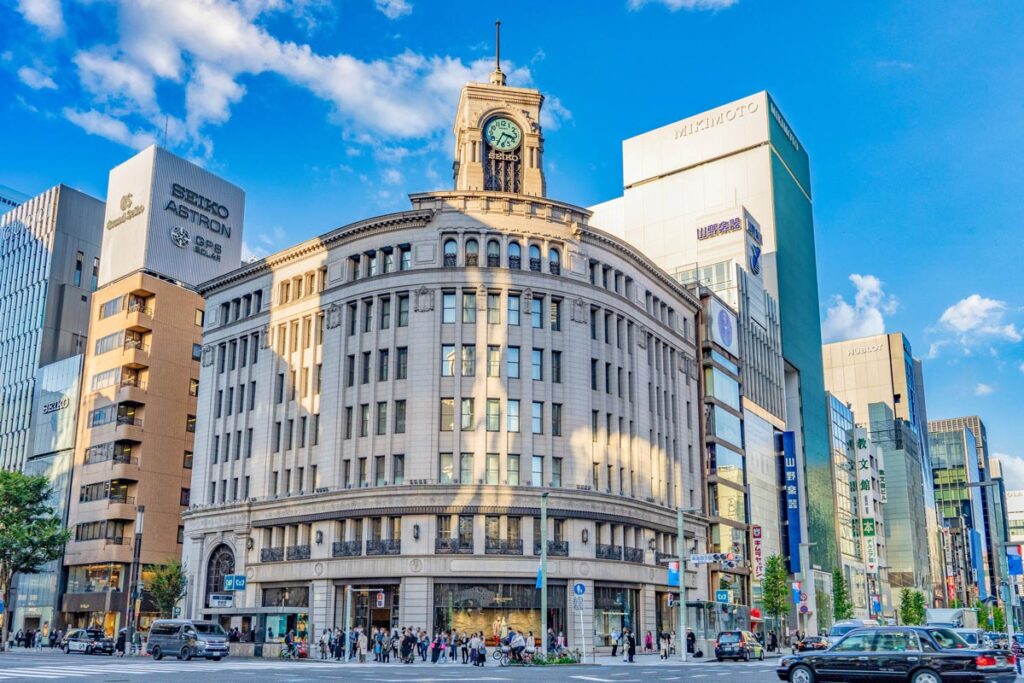
Ginza
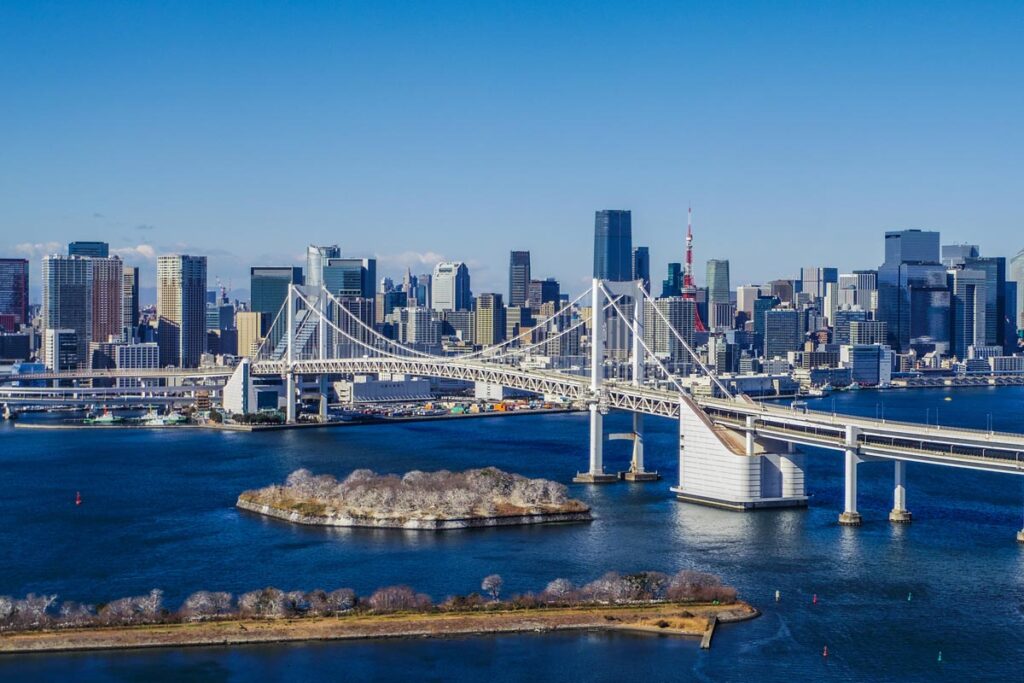
Odaiba
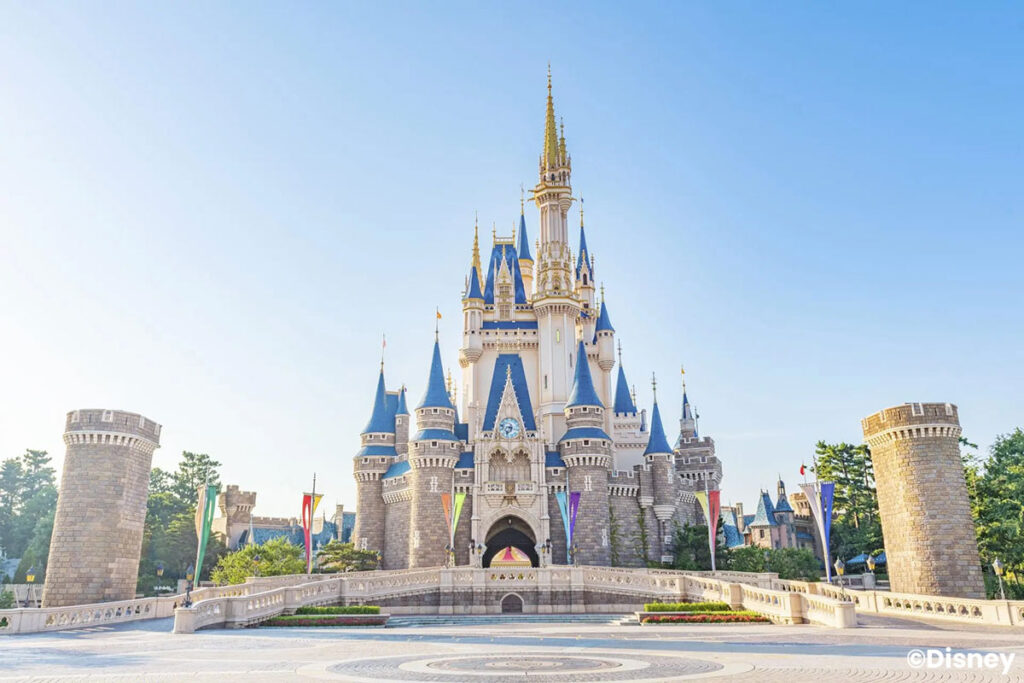
Tokyo Disneyland

Tokyo DisneySea
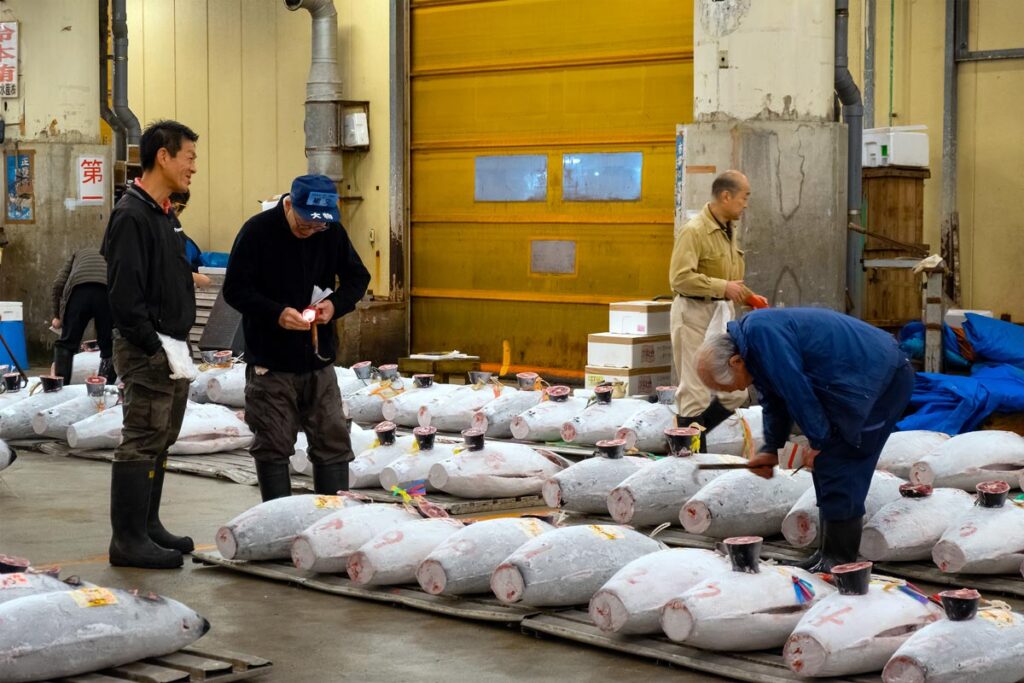
Toyosu Market
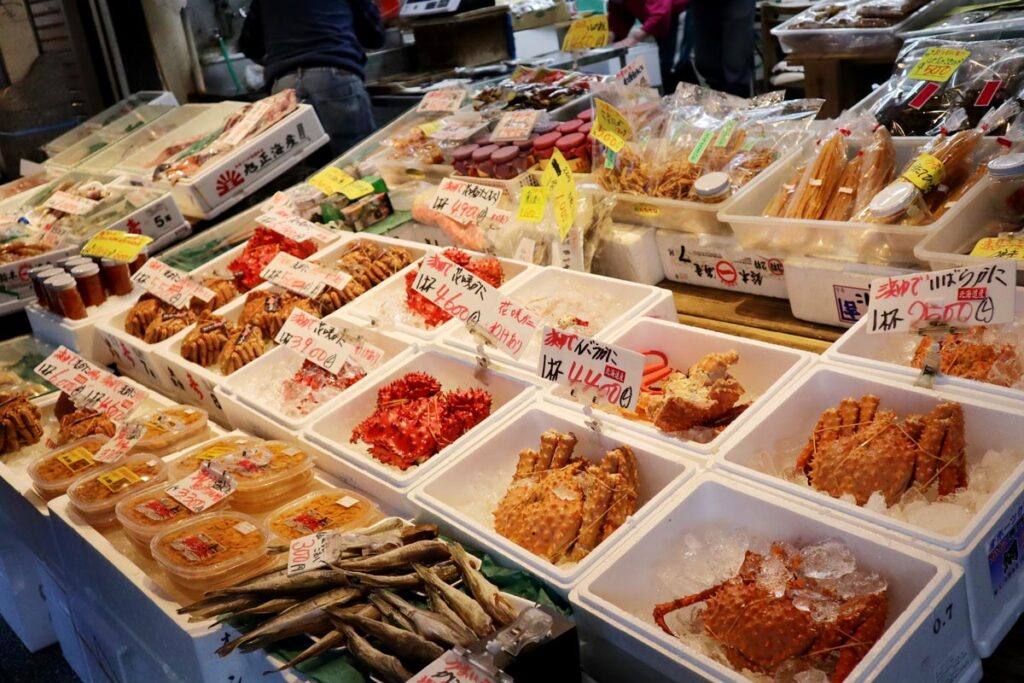
Tsukiji Outer Market
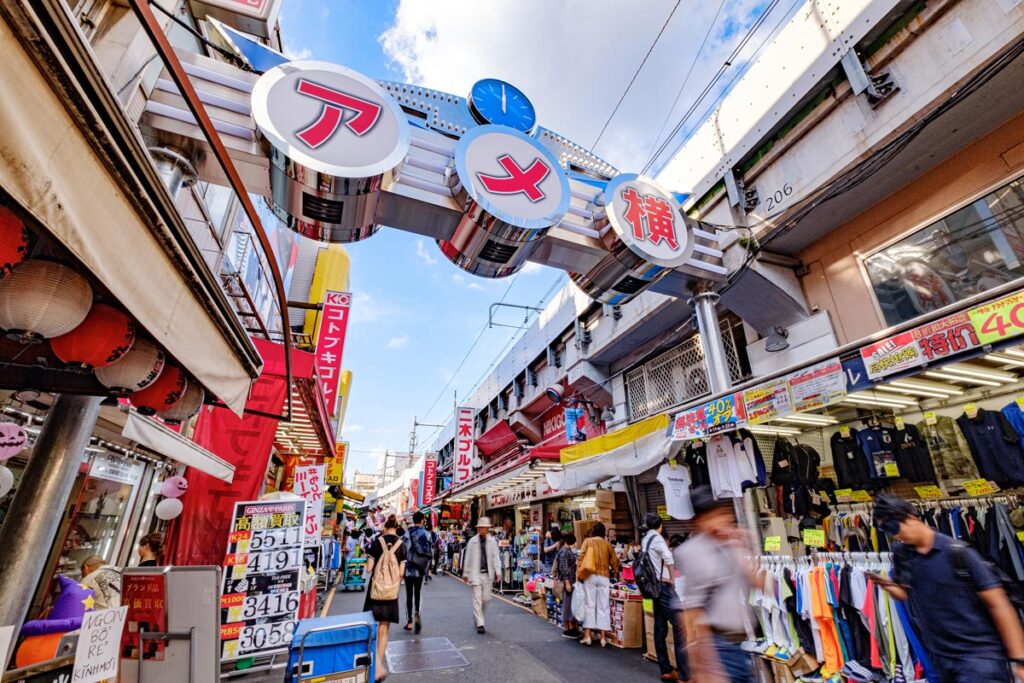
Ameyoko
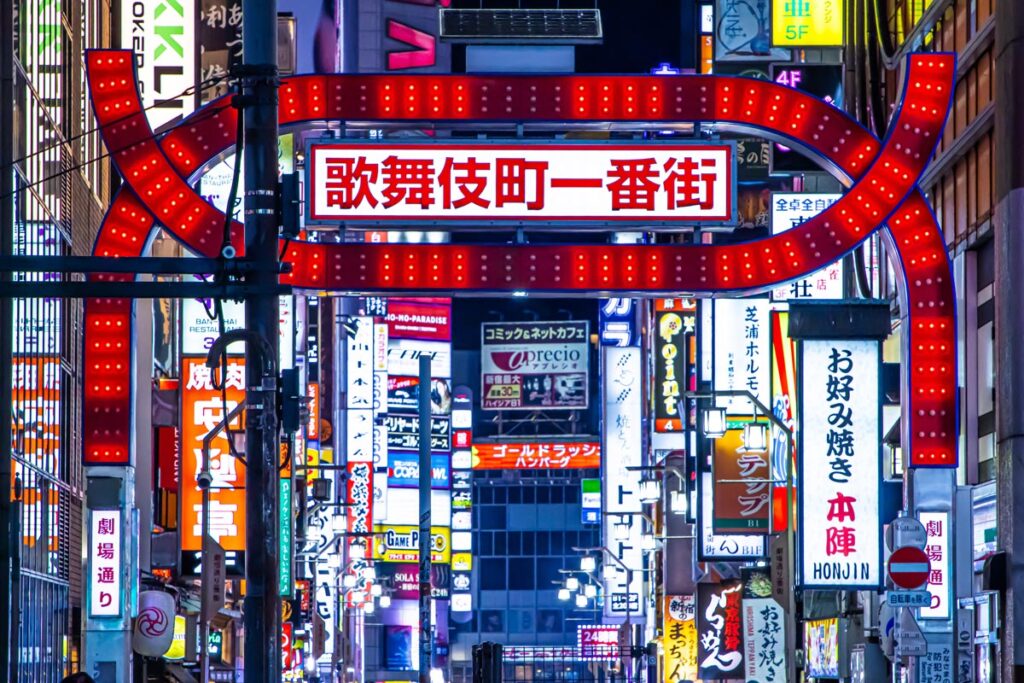
Kabukicho (Shinjuku)
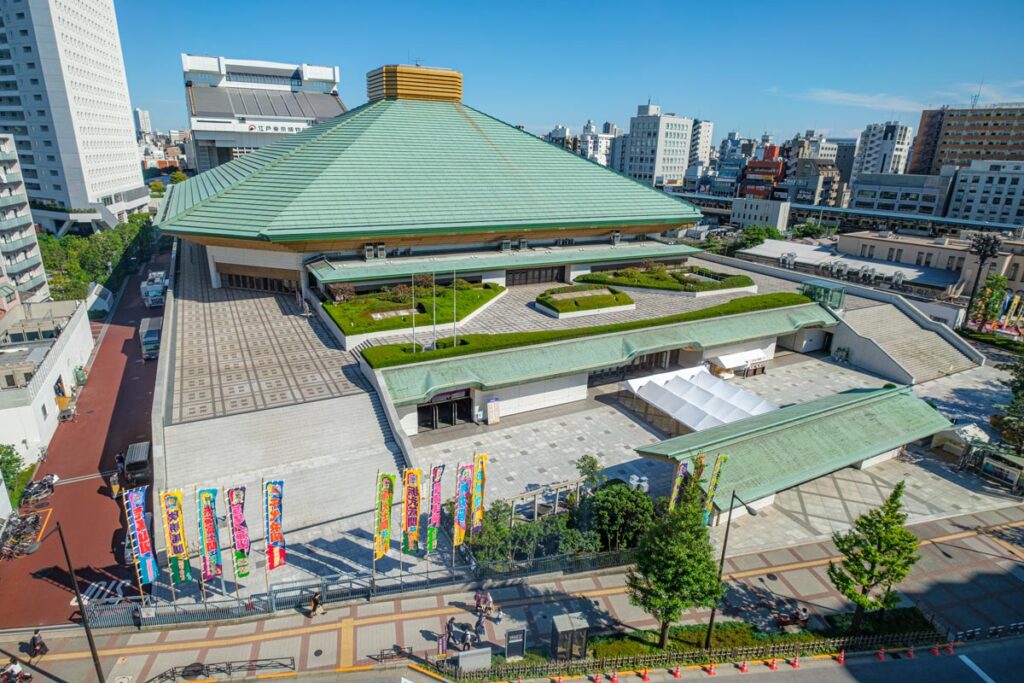
Ryogoku Kokugikan
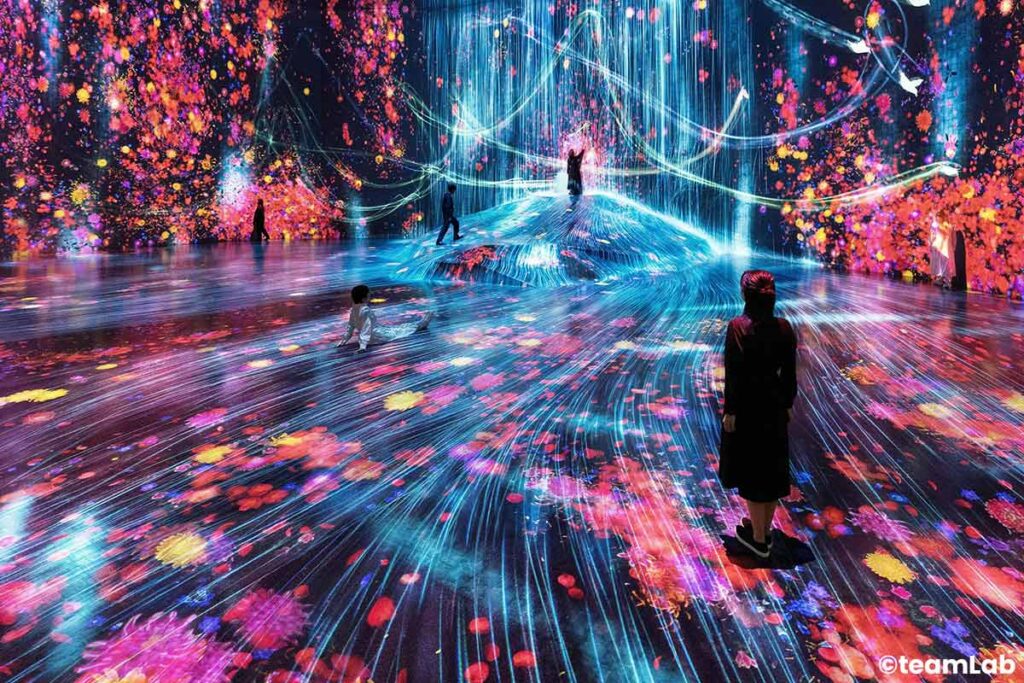
teamLab Planets
Toyosu
Ueno Park
Other Top Cities
Mt. Fuji
Kyoto
Osaka