For many first-time visitors to Japan, the Hachiko Statue in Tokyo’s Shibuya district is more than just a quick photo stop. It is a small bronze monument with a huge story behind it: a true tale of loyalty that has become part of modern Japanese identity. Right beside one of the busiest train stations in the world, this faithful Akita dog quietly reminds millions of commuters every day of the power of devotion and waiting for someone you love.
The True Story of Hachiko: Japan’s Most Famous Dog
Hachiko was an Akita dog born in 1923 in northern Japan. As a puppy he was brought to Tokyo by Professor Hidesaburo Ueno of the University of Tokyo. The professor commuted daily from Shibuya Station, and Hachiko quickly developed the habit of walking with him to the station every morning and then returning in the afternoon to wait for his train.
In May 1925, less than two years after Hachiko arrived, Professor Ueno suddenly died while at work and never returned to Shibuya. Yet Hachiko continued to come back to the station almost every day at the same time, patiently waiting at the ticket gates for a master who would never arrive. Local shopkeepers and station staff began to notice the dog that kept returning, regardless of rain, heat, or snow.
Over time, newspapers picked up the story of this loyal dog, and Hachiko became a national symbol of chūsei — unwavering loyalty. People brought him food, patted him on the head, and looked for him whenever they passed the station. Hachiko kept up his routine for nearly ten years, until he passed away in 1935 near Shibuya Station.
Today, the Hachiko Statue stands where he once waited, and his story is taught in schools, retold in films, and remembered by countless visitors from around the world.
Where Is the Hachiko Statue? Location and Access
The Hachiko Statue sits directly outside the Hachiko Exit of Shibuya Station in central Tokyo. Shibuya is one of the city’s busiest entertainment and shopping districts, famous for neon lights, vast video screens, and the Shibuya Scramble Crossing.
How to Reach Hachiko Statue
Shibuya Station is served by multiple train and subway lines, making the statue very easy to access:
- JR Lines: Yamanote Line, Saikyo Line, Shonan-Shinjuku Line
- Tokyo Metro: Ginza Line, Hanzomon Line, Fukutoshin Line
- Private Railways: Tokyu Toyoko Line, Den-en-toshi Line, Keio Inokashira Line
Follow station signs for the “Hachiko Exit”. As soon as you step outside, you will find a small plaza; the bronze dog statue is just a few meters from the doors, usually surrounded by people taking photos and meeting friends.
What to Expect When You Visit
The Hachiko Statue area is compact but lively. It functions both as a historical memorial and as one of Tokyo’s most popular meeting spots. If you are imagining a calm, quiet corner for contemplation, be prepared for a more energetic scene.
The Statue Itself
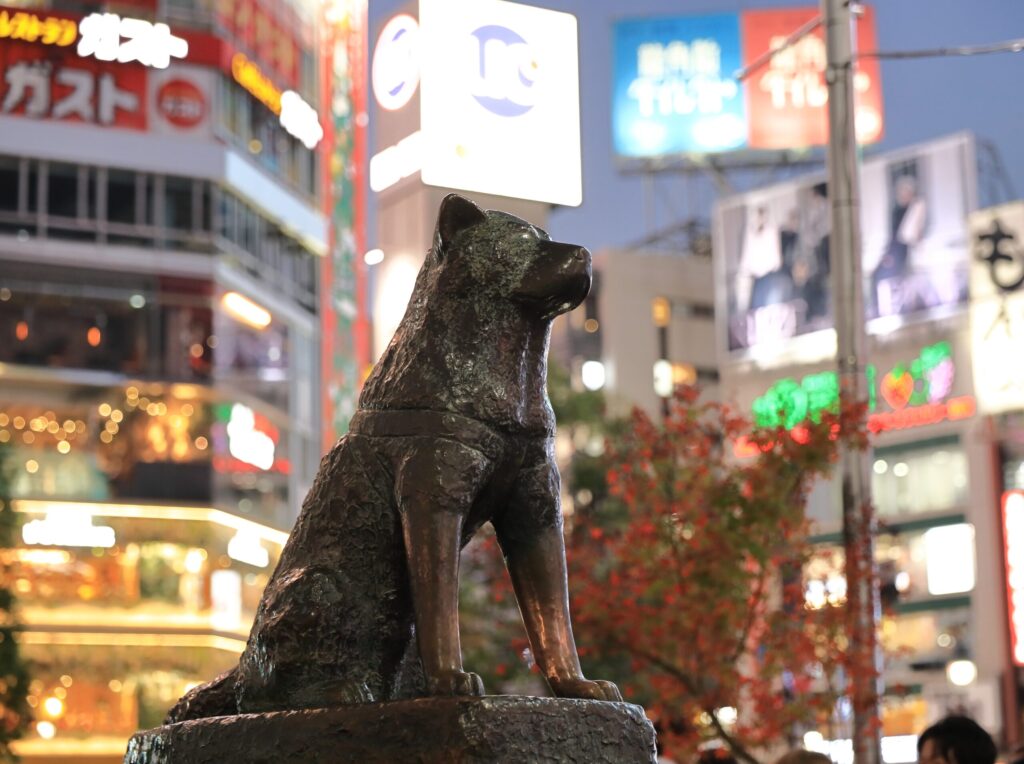
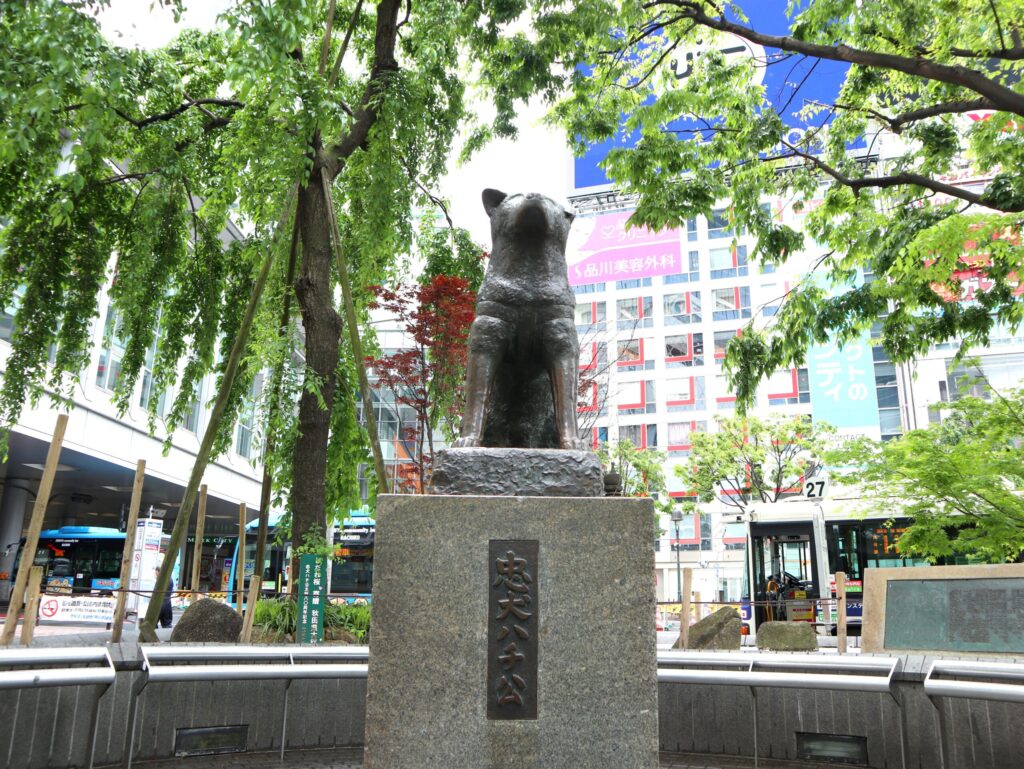
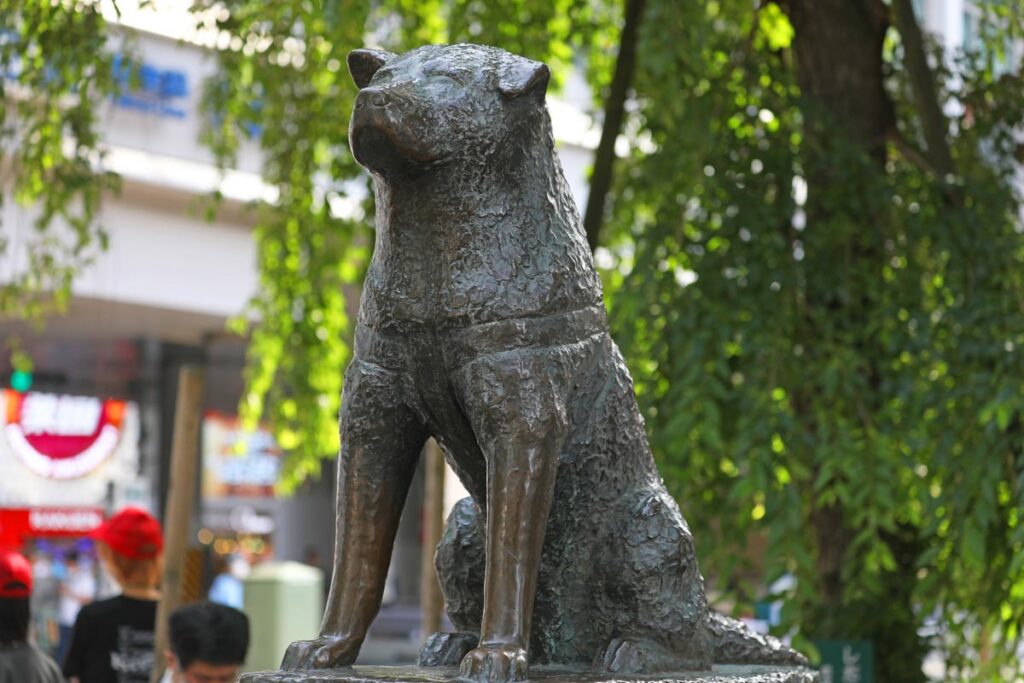
The current statue is a detailed bronze sculpture of Hachiko sitting attentively, facing the station as if still waiting. The original statue was erected in 1934 during Hachiko’s lifetime, but it was melted down during World War II. The present version was recast and placed here in 1948, and has since become an enduring symbol of Shibuya.
The plinth carries an inscription in Japanese, but there is no long explanation on site. Knowing the story in advance will help you appreciate the simple, dignified pose of the dog. Many visitors gently touch Hachiko’s head or back before taking a photo, a small gesture of respect to his memory.
Busy but Atmospheric
The plaza can be extremely crowded, especially on weekends and evenings. Locals often say, “Let’s meet at Hachiko,” so you will see groups waiting, couples reuniting, tourists queuing for photos, and a constant flow of commuters pouring out of the station.
Even though it is busy, there is something charming about the contrast: the steadfast bronze dog next to the fast-paced life of modern Tokyo. If you stand back for a moment, you can sense why Hachiko has captured Japanese hearts for generations.
Best Time to Visit the Hachiko Statue
You can visit the Hachiko Statue at any time of day, but the experience changes depending on when you go.
- Early morning (before 9:00 a.m.) – The quietest time. Ideal if you want photos without large crowds or if you prefer a more reflective atmosphere.
- Daytime (10:00 a.m. – 4:00 p.m.) – Steady crowds of tourists and shoppers. Easy for people-watching and combining with nearby attractions.
- Evening rush hour (5:00 p.m. – 8:00 p.m.) – Extremely busy. Energy is high, lights are bright, and it’s perfect if you want that “bustling Tokyo” feeling in your photos.
- Late night – The plaza gets quieter, but Shibuya’s neon-lit mood remains. Trains run until around midnight, but check the schedule if you are staying in another part of Tokyo.
There is no admission fee and the statue is outdoors, so you can simply walk up whenever suits your itinerary.
Experiencing Local Culture Around Hachiko
Hachiko’s story resonates deeply with Japanese cultural values such as loyalty, perseverance, and devotion to loved ones. Many visitors are surprised by how emotional locals can be when they talk about him, even though he has been gone for almost a century.
Meeting Point Culture
The statue is one of Tokyo’s classic machiawase basho—meeting spots. Just as some cities have “meet under the clock,” Tokyo has “meet at Hachiko.” Teenagers, office workers, and visitors all use the statue as a landmark, giving it a living social role beyond its commemorative purpose.
Watching people greet each other here is a simple way to experience everyday Japanese urban life. Friends might bring small snacks, couples check their phones nervously as they wait, and groups gather before heading off into Shibuya’s side streets.
Seasonal Events and Decorations
At times, Hachiko receives seasonal decorations. Around New Year, he may wear a traditional ceremonial rope or festive adornment. During major events in the city, you might see him wearing a themed costume or sash. These light-hearted touches show how the dog has become a beloved local “resident.”
Practical Tips for First-Time Visitors
Taking Photos at the Hachiko Statue
Because the plaza is small and busy, a little patience goes a long way for photography:
- Form a loose line and wait your turn; most people will quickly take one or two photos and move aside.
- Ask someone nearby to help if you want everyone in your group in the picture—many locals are used to such requests around Hachiko.
- If you want a shot with fewer people in the background, angle your camera slightly upwards or visit early in the morning.
Staying Safe and Respectful
Shibuya is generally safe, but crowds can make it easy to be separated from companions or misplace belongings. Keep an eye on your bags and agree on a backup meeting point (for example, under the nearby station clock) in case you lose mobile signal or your battery dies.
Locals treat Hachiko with quiet respect. Avoid climbing on the statue or blocking the entire plaza for extended photo sessions. A quick, considerate visit will keep the atmosphere pleasant for everyone.
Weather Considerations
The statue is fully outdoors with little shelter. In summer, expect strong sun and high humidity; in winter, it can be windy and cold. Carry an umbrella in rainy season (June–July) and be cautious of slippery pavement. If the weather turns bad, you can quickly retreat into Shibuya Station or nearby cafés.
Top Things to Do Near the Hachiko Statue
One of the best reasons to include Hachiko on your itinerary is its excellent location. Within a few minutes’ walk, you can enjoy some of Tokyo’s most iconic sights.
Shibuya Scramble Crossing
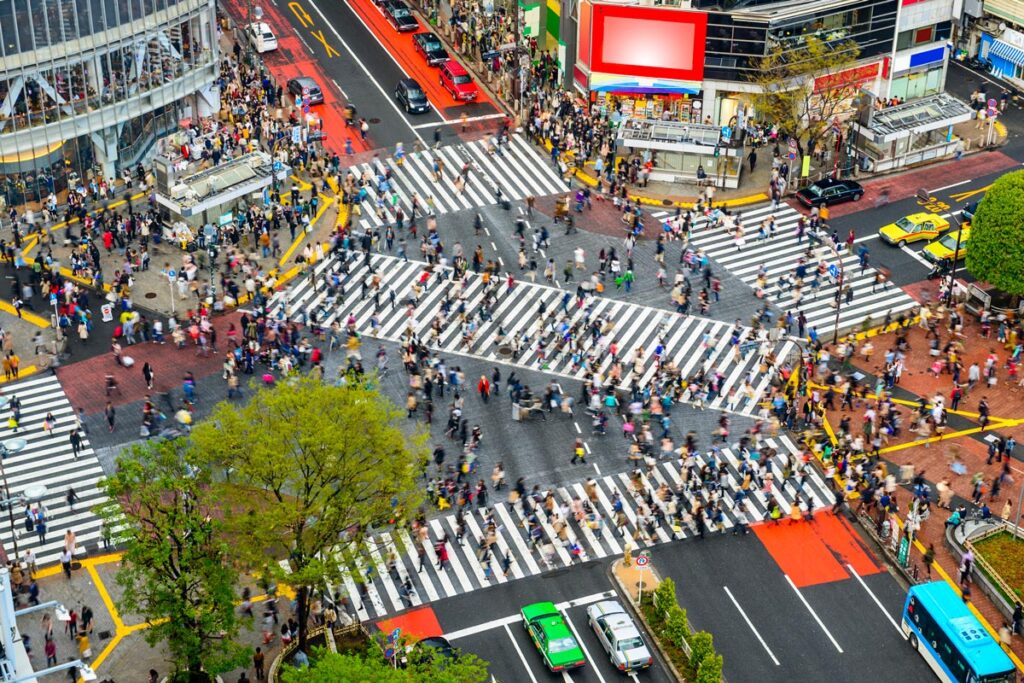
Just in front of the Hachiko plaza is the legendary Shibuya Scramble Crossing. When the traffic lights turn red in all directions, hundreds of people cross at once from every corner. Watching this organized chaos from street level, or from above in a nearby building, is a classic Tokyo experience.
For a good elevated view, head into one of the shopping complexes or cafes that overlook the intersection. Some offer designated observation spots where you can take photos of the crisscrossing crowds below.
Shibuya Center-gai and Shopping Streets
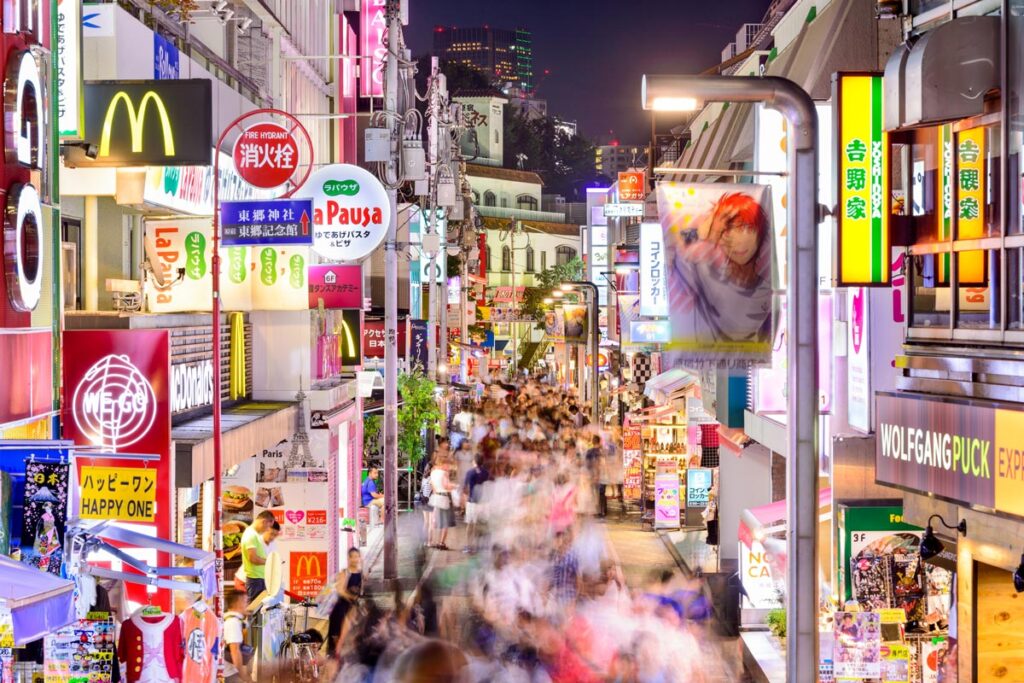
Walk a few minutes from the statue and you will find yourself in narrow pedestrian streets packed with fashion boutiques, arcades, restaurants, and karaoke boxes. This area, often called Center-gai, is popular with young Tokyoites and gives a lively snapshot of contemporary urban culture.
From budget-friendly chain eateries to stylish dessert shops, you will not run out of choices for a quick meal or snack after visiting Hachiko.
Shibuya Sky and City Views
For a panoramic view of Shibuya—including the Scramble Crossing and, on clear days, distant city skylines—consider visiting one of the rooftop observatories in the district. A short walk from the Hachiko Statue, these observation decks provide a dramatic contrast to the ground-level bustle of the plaza.
Short Train Ride to Harajuku and Shinjuku
Because you are already at Shibuya Station, it is easy to continue your journey:
- Harajuku – Just one stop on the JR Yamanote Line. Famous for youth fashion, crepes, and the serene Meiji Shrine.
- Shinjuku – A few stops away on the JR Yamanote Line. Home to skyscrapers, nightlife areas, and one of the world’s busiest train stations.
Many travelers combine Hachiko, Shibuya Crossing, Harajuku, and Shinjuku into a single, full day of exploring western Tokyo.
Suggested Itinerary: A Short Shibuya Walk
If you are visiting Shibuya for the first time, this simple route works well:
- Arrive at Shibuya Station and exit via the Hachiko Exit.
- Visit the Hachiko Statue, read a brief version of his story on your phone, and take a photo.
- Cross the Shibuya Scramble Crossing at street level to feel the flow of people.
- Head into a nearby café or building for an overhead view of the crossing.
- Stroll through the shopping streets around Shibuya Center-gai for food and browsing.
- Return to Shibuya Station and continue on to your next destination, such as Harajuku or Shinjuku.
Why the Hachiko Statue Belongs on Your Japan Itinerary
In a city overflowing with high-tech attractions, towering skyscrapers, and dazzling lights, the Hachiko Statue stands out precisely because of its simplicity. It is small, free to visit, and takes only a few minutes to see, yet it offers a direct connection to a story that has touched generations of Japanese people.
For first-time travelers to Japan, Hachiko is an easy and meaningful stop: a real-life tale of loyalty set against the backdrop of one of Tokyo’s most vibrant neighborhoods. Visit the statue, pause for a moment beside the faithful Akita, and then step into the flow of Shibuya, carrying his story with you as you explore the rest of Japan.