


Akihabara
Akihabara Travel Guide: How to Enjoy Tokyo’s Electric Town
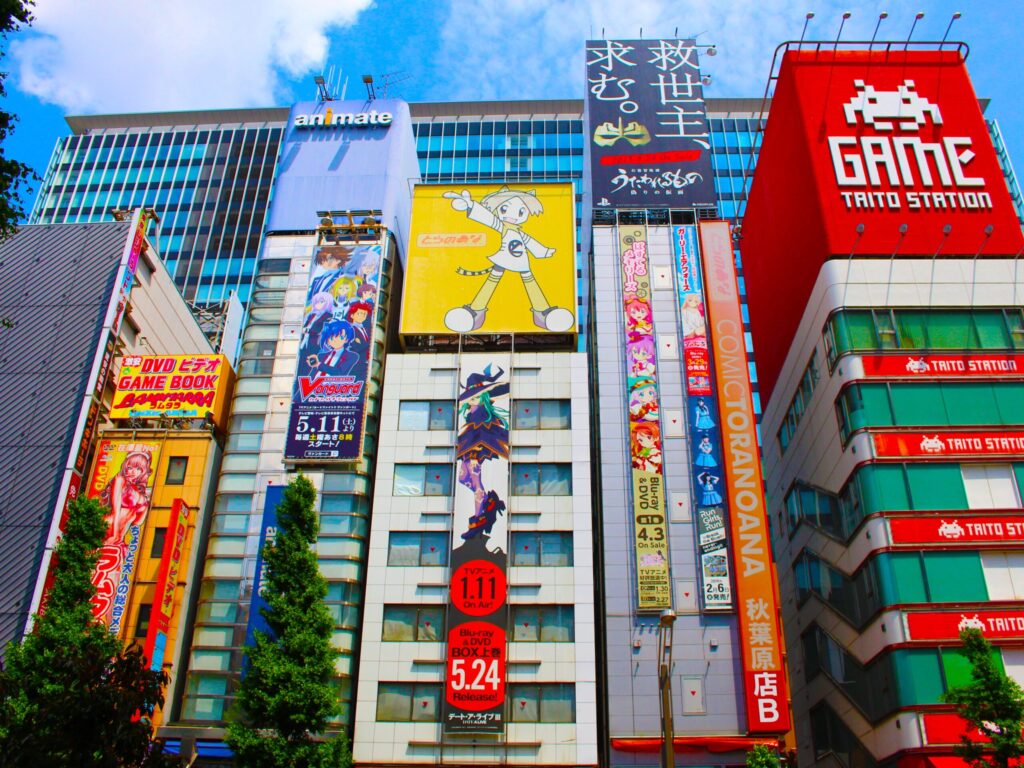
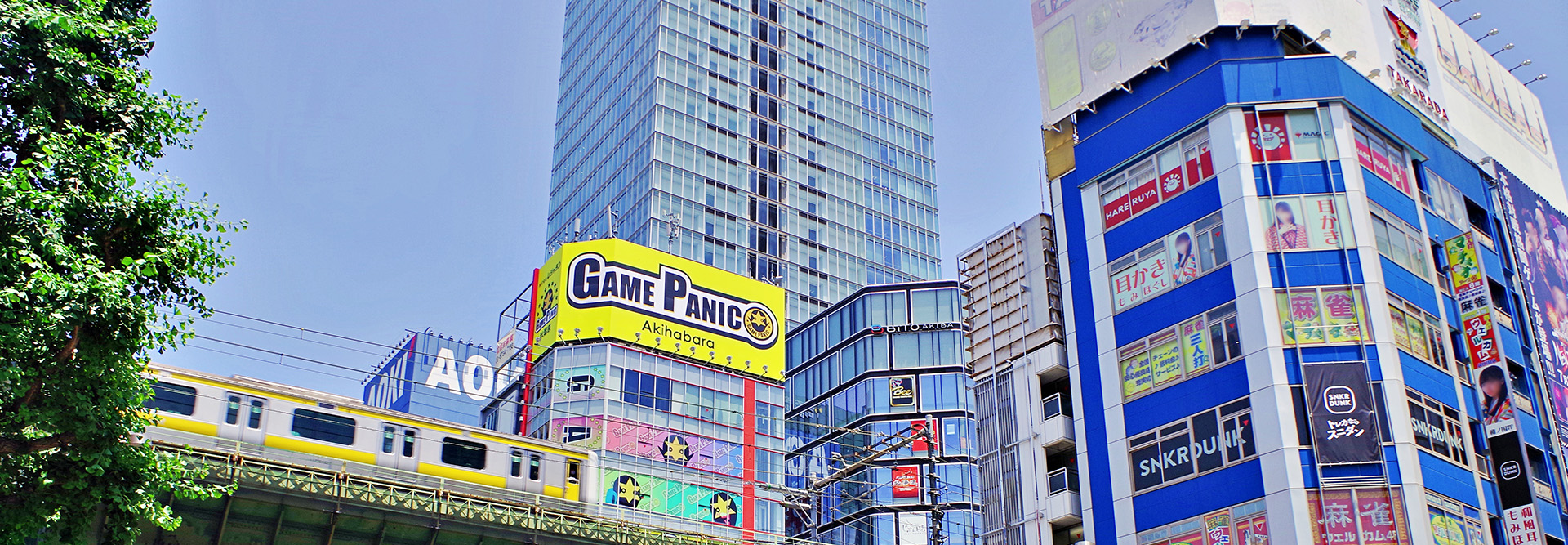
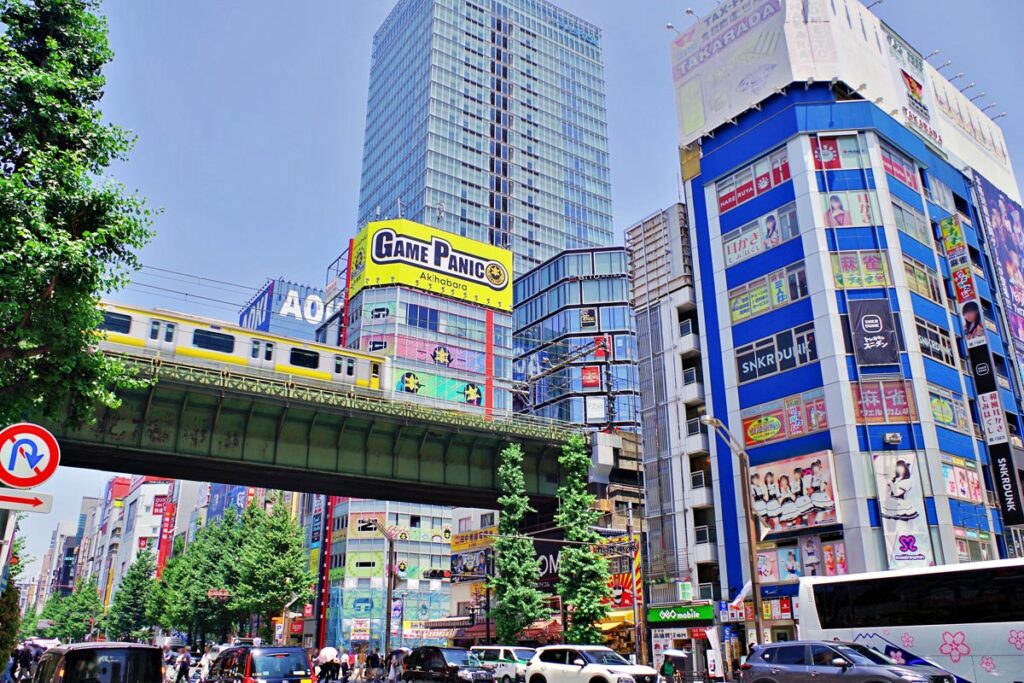
For many first-time visitors to Japan, Akihabara is the Tokyo they have imagined for years: towers of glowing billboards, anime characters on every corner, and entire buildings devoted to video games and collectibles. Often called “Electric Town,” Akihabara is the heart of Japan’s otaku culture, a word that broadly refers to enthusiasts of anime, manga, video games, idols, and other pop culture.
This guide is designed for international travelers visiting Akihabara for the first time. You will find practical advice on how to get there, what to see, where to shop, and how to enjoy the area respectfully and comfortably.
What Is Akihabara and Why Visit?
Akihabara, located in central Tokyo, began as a post-war electronics market where small shops sold radios and spare parts. Over the decades it transformed into a dense cluster of electronics stores, game centers, anime shops, and themed cafés. Today it is one of Tokyo’s most distinctive neighborhoods and a must-visit for fans of Japanese pop culture.
Even if you are not an anime or gaming fan, Akihabara is fascinating for its neon streetscapes, multi-story arcades, and deep dive into a side of modern Japanese culture you will not find anywhere else. It is also a convenient stop between major areas like Tokyo Station, Ueno, and Asakusa.
How to Get to Akihabara
Akihabara Station is extremely well-connected and easy to access from most parts of Tokyo.
By JR Train
Akihabara Station is served by several JR lines, which are covered by the Japan Rail Pass:
- JR Yamanote Line: The green loop line connecting major hubs like Tokyo, Shinjuku, Shibuya, and Ueno. Akihabara is one stop from Ueno and two from Tokyo Station.
- JR Keihin-Tohoku Line: Runs parallel to the Yamanote Line and also stops at Akihabara.
- JR Sobu Line: Runs east–west across Tokyo; Akihabara is a convenient stop between Ryogoku (sumo area) and Shinjuku.
By Subway
If you are using subway passes, you can reach Akihabara via:
- Tokyo Metro Hibiya Line: Get off at Akihabara Station (different platforms from JR but connected).
- Toei Shinjuku Line: Bakuro-yokoyama Station is within walking distance, but most visitors prefer the JR or Hibiya lines for simplicity.
Once you arrive at Akihabara Station, follow the signs for the Electric Town Exit. This brings you out right into the heart of the anime and electronics district.
Getting Oriented: Main Areas of Akihabara
Akihabara is compact, but the sheer number of buildings can feel overwhelming. It helps to think of the area in a few simple zones:
- Electric Town (west of the station): The classic Akihabara scene with anime billboards, game centers, and multi-story shops. Start here if you are visiting for the first time.
- Main Avenue (Chuo-dori): The broad main street lined with major electronics retailers, tax-free shops, and big-name anime stores. On some Sundays and holidays, it becomes a pedestrian paradise with car traffic blocked off.
- Backstreets and Side Alleys: Narrow lanes packed with specialist shops—retro game stores, hobby shops, and small electronics parts vendors. These are perfect if you enjoy browsing and discovering hidden gems.
Top Things to Do in Akihabara
1. Explore Anime and Manga Stores
Akihabara is one of the world’s largest concentrations of anime and manga goods. Even casual visitors can enjoy browsing floor after floor of colorful merchandise.
- Character Goods and Figures: Many buildings are dedicated to collectible figures, model kits, plush toys, and keychains. Each floor often focuses on a particular genre or franchise, from long-running classics to the latest seasonal anime.
- Manga and Art Books: Large stores offer Japanese-language manga, art collections, and guidebooks. Even if you cannot read Japanese, the artwork and book design make for interesting souvenirs.
- Doujinshi: Independent, fan-made manga and books, sometimes sold in specialized sections. These are a unique aspect of otaku culture that you rarely see outside Japan.
Allow plenty of time to browse. Floors can blur together, so consider taking photos of signs and store names (where allowed) to help you retrace your steps.
2. Visit Multi-Story Game Centers
The bright, noisy game centers of Akihabara are an essential part of the experience. You can simply walk in and try a few games, even if you only stay for 10–15 minutes.
- UFO Catchers (Claw Machines): Try to grab plush toys, snacks, and anime-themed prizes. Staff sometimes help you position the prize if you look lost—just be prepared that winning is harder than it looks.
- Rhythm Games: Watch skilled local players on elaborate music and dance machines. Even observing them can feel like a live performance.
- Retro Arcade Games: Some older-style game centers and floors feature classic arcade titles, fighting games, and shooting games popular since the 1980s and 1990s.
Most machines take 100-yen coins. Bringing a pocketful of coins or using the change machines on each floor keeps things simple.
3. Dive into Electronics Shopping
Akihabara’s roots are in electronics, and you can still find everything from mainstream gadgets to highly specialized components.
- Big-Box Electronics Stores: These feature smartphones, cameras, laptops, home appliances, and beauty gadgets. Look for tax-free signs; many accept foreign credit cards and offer multilingual assistance.
- Parts Shops: In the backstreets, tiny stores sell cables, LEDs, PC components, soldering tools, and niche items for hobbyists. Even if you are not building a computer, the atmosphere is unique—like stepping into a hardware bazaar.
- Second-Hand Electronics: Shops deal in used cameras, laptops, and gaming consoles. Japan’s second-hand electronics are often in excellent condition due to strict grading standards.
When buying electronics, always confirm voltage compatibility, plug type, and language settings. Warranty coverage may be limited outside Japan.
4. Experience a Maid Café (Respectfully)
Maid cafés are one of Akihabara’s most well-known—and most misunderstood—attractions. Staff dressed in maid costumes greet customers with playful phrases and serve food and drinks in a lighthearted, fantasy-themed environment.
If you decide to visit:
- Expect a table charge or time-based fee, plus the cost of food and drinks.
- Photography rules vary; often you cannot photograph staff without paying for a specific “cheki” (instant photo) option.
- These establishments focus on a cute, theatrical atmosphere rather than anything explicit; however, if you are traveling with children, choose family-friendly cafés by checking reviews in advance.
Use basic etiquette: be polite, follow staff instructions, and remember that performers are workers, not personal acquaintances.
5. Hunt for Retro Games and Consoles
For gaming fans, Akihabara is a treasure trove of retro titles and old consoles. Specialized used game shops stock cartridges and discs for systems like Famicom (NES), Super Famicom (SNES), Game Boy, PlayStation, and more.
Things to keep in mind:
- Region Lock: Many old consoles and games are region-locked. If you want to play them at home, check compatibility or be prepared to modify hardware.
- Condition: Items are usually graded. “Junk” shelves can be incredibly cheap but may not work properly.
- Collectible Prices: Rare titles can be very expensive. Compare prices among multiple shops before buying.
6. Browse Hobby and Model Shops
Beyond anime figures, Akihabara has extensive hobby stores selling model kits, trading cards, railway models, and plastic model tools. If you are into model railways, miniature cars, or plastic kits like Gundam (Gunpla), you can easily spend hours exploring.
7. Enjoy Akihabara After Dark
Akihabara is most atmospheric in the late afternoon and early evening when neon signs glow and the area feels like a real-life anime set. Many shops stay open until 8–10 p.m., and game centers often run later.
Nighttime is also a good chance to take photos of the brightly lit facades and billboards. Stay mindful of privacy—avoid close-up photos of individuals without their consent, particularly in front of stores or cafés.
What to Buy in Akihabara
Anime & Character Souvenirs
Popular items include keychains, clear files, stickers, and small figures—easy to pack and budget-friendly. Limited-edition goods linked to current anime series may only be available for a short time.
Electronics and Gadgets
You can find headphones, portable chargers, USB gadgets, and unique Japanese home appliances. Many big stores offer tax-free shopping if you spend over a certain amount and show your passport.
Gacha Capsules
Gacha-gacha machines dispense small toys in plastic capsules. They range from cute animals and mini food replicas to very niche, humorous designs. They are cheap, fun, and highly collectible—ideal if you need low-cost souvenirs for friends and colleagues.
Stationery and Art Supplies
Japan is famous for its stationery. In Akihabara you may find character-themed pens, notebooks, washi tape, and sketchbooks used by local artists.
Where and What to Eat in Akihabara
Akihabara’s dining options reflect its mixed personality: quick, efficient meals for locals and themed cafés for visitors.
Quick and Casual Meals
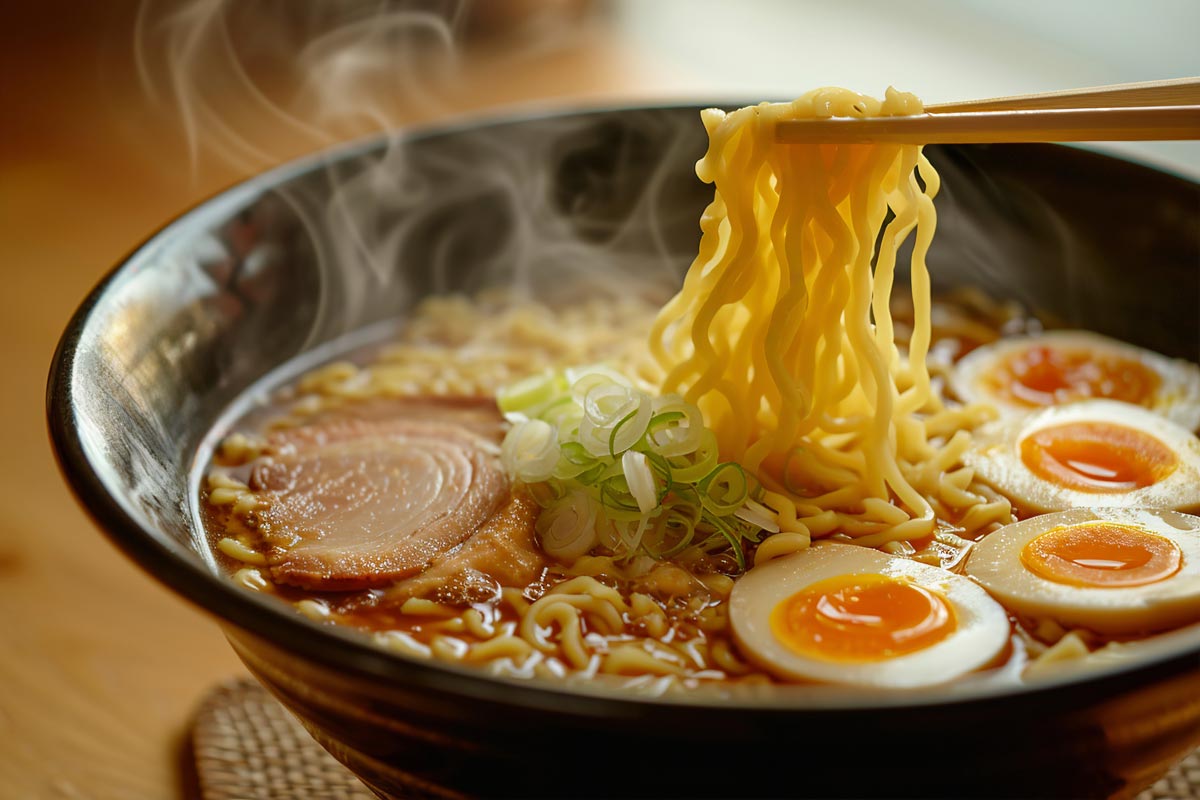
- Ramen Shops: Slurp a steaming bowl of noodles at a standing counter or tiny shop. Ordering is often done via a vending machine at the entrance—insert cash, select your dish, and hand the ticket to staff.
- Curry Rice: Japanese-style curry is mild and comforting, usually served with rice and pickles. Chain curry restaurants are plentiful and foreigner-friendly.
- Gyudon (Beef Bowl): Fast, inexpensive rice bowls topped with simmered beef and onions. Menus often have photos and English translations.
Themed Cafés and Sweets
Beyond maid cafés, Akihabara sometimes hosts limited-time collaboration cafés based on popular anime or games, where menus and decorations revolve around a specific series. These can require reservations, and information is usually in Japanese, so checking English-language blogs or tourism sites in advance helps.
For snacks, look for crepes, taiyaki (fish-shaped cakes filled with sweet bean paste or custard), and convenience stores where you can grab onigiri (rice balls) and drinks.
Practical Tips for Visiting Akihabara
Best Time to Visit
- Time of Day: Late morning to evening is ideal. Many specialty shops open around 10–11 a.m.
- Weekdays vs Weekends: Weekends are livelier and more crowded, with more street promotions and events. If you dislike crowds, aim for a weekday afternoon.
- Pedestrian Paradise: On certain Sundays and holidays, Chuo-dori is closed to traffic, creating a relaxed, festival-like atmosphere.
Language and Payments
Many larger stores have some English signs or multilingual staff, but smaller shops may not. Pointing, using simple English words, or showing product photos from your phone is usually enough.
Cash is still common, especially in small shops and older game centers. Larger retailers, chain cafés, and convenience stores accept credit cards and digital payment apps, but it is wise to carry some yen.
Etiquette and Cultural Considerations
- No Street Photos of Staff Without Permission: You may see staff in costume handing out flyers. Avoid taking close-up photos without asking.
- Respect Restricted Areas: In some stores, photography is prohibited to protect intellectual property or customer privacy. Look for signs near entrances.
- Keep Noise Moderate: Game centers are loud, but streets and trains should remain relatively quiet. Avoid shouting or blocking sidewalks in large groups.
- Line Up Properly: Japan has orderly queues for elevators, escalators, and shop entrances. If people are standing in a line, join the back rather than clustering at the front.
Staying Safe and Comfortable
Akihabara is generally very safe, even at night. Petty crime is rare, but as with any busy area, keep an eye on your bags and pockets.
The neighborhood involves a lot of indoor–outdoor walking between buildings. In summer, heat and humidity can be intense; in winter, winds along the main streets can be chilly. Wear comfortable shoes and carry water, especially if you plan to spend hours exploring.
Suggested Itinerary for First-Time Visitors
If you are visiting Akihabara for half a day, consider this simple plan:
- Late Morning: Arrive at Akihabara Station and exit via Electric Town. Stroll through the main streets to get oriented.
- Lunch: Try a local ramen or curry shop for a quick, satisfying meal.
- Early Afternoon: Visit a multi-story anime and hobby store to browse figures, manga, and character goods.
- Mid-Afternoon: Drop into a game center to try claw machines and arcade games. Take a break with a drink or dessert.
- Late Afternoon: Explore the backstreets for retro game shops and electronics parts. Pick up souvenirs and gacha capsules.
- Evening: If you are curious, visit a themed café or simply enjoy the neon-lit streets before heading back.
Combining Akihabara with Nearby Attractions
Akihabara’s central location makes it easy to combine with other classic Tokyo sights in one day:
- Ueno: Just one stop away on the JR Yamanote Line, Ueno offers museums, a large park, and Ueno Zoo.
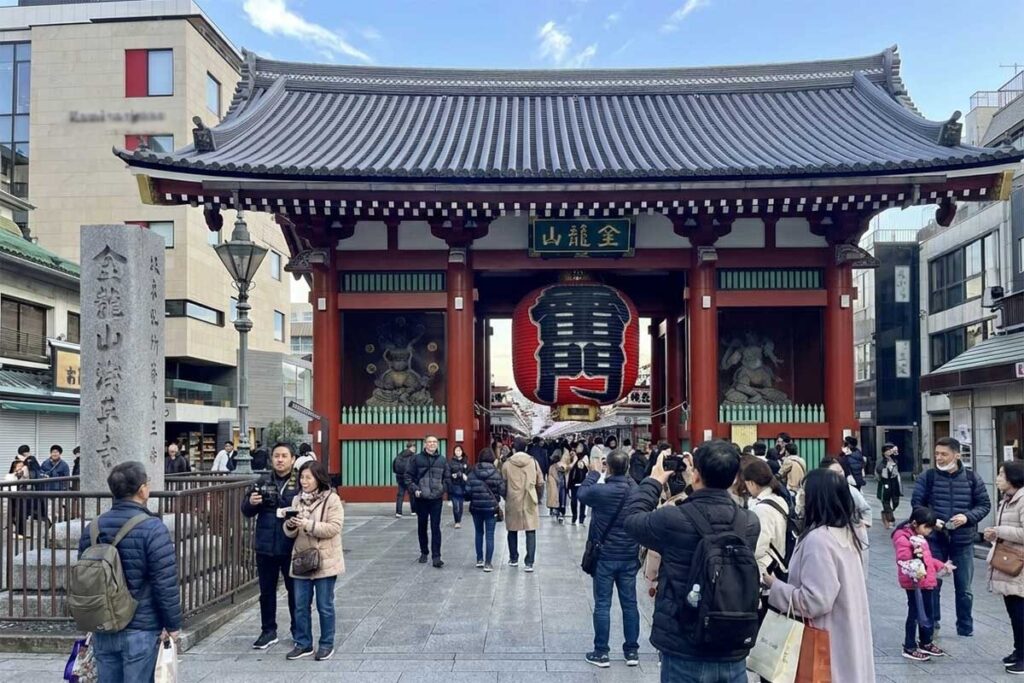
- Asakusa: A short ride via nearby stations, Asakusa is home to Senso-ji Temple and traditional shopping streets, providing a strong contrast to modern Akihabara.
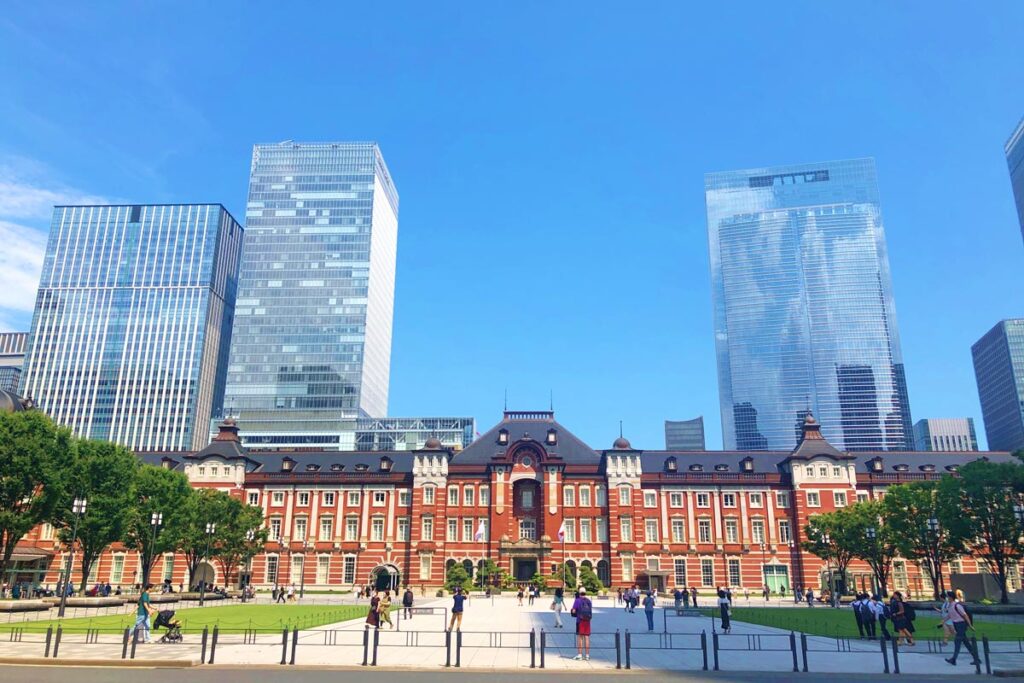
- Tokyo Station Area: Reachable in minutes on JR lines, ideal for upscale shopping, dining, and catching long-distance trains or the Shinkansen.
Final Thoughts
Akihabara is more than just a shopping district—it is a vivid snapshot of contemporary Japanese pop culture, technology, and urban energy. Whether you are a devoted anime fan or simply curious about the country’s modern side, wandering its streets offers an experience you cannot replicate anywhere else in Japan.
Give yourself time to wander, explore different buildings, and follow your curiosity. From glowing game centers to quiet back-alley shops, Akihabara invites you to step into a world where technology, imagination, and everyday life merge into one unforgettable stop on your journey through Japan.
Access Map
Recommended spots in Tokyo
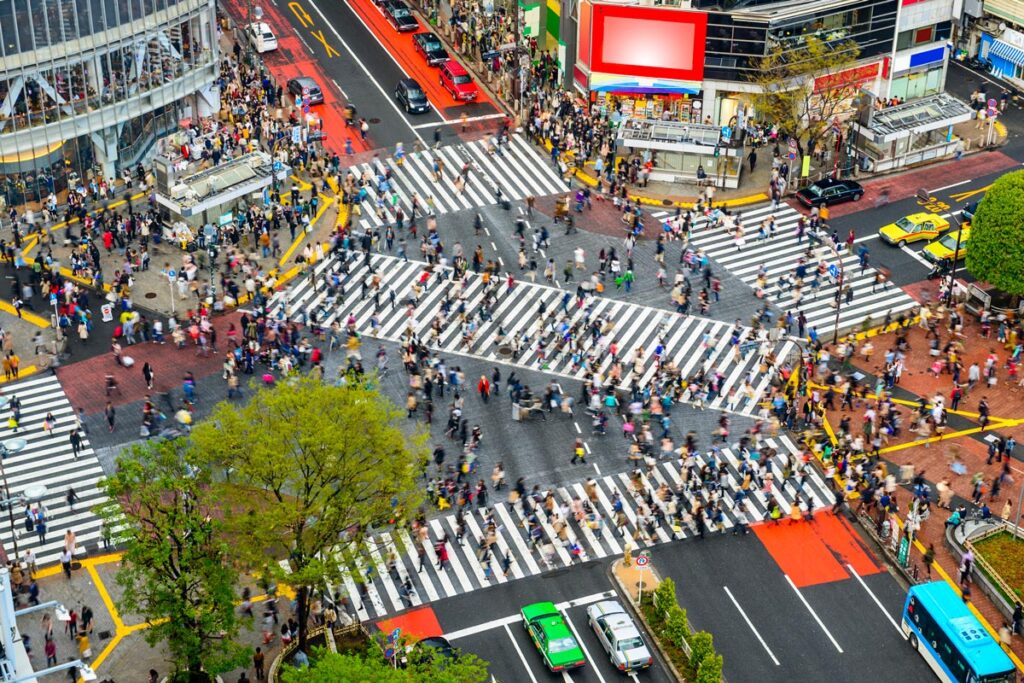
Shibuya Scramble Crossing
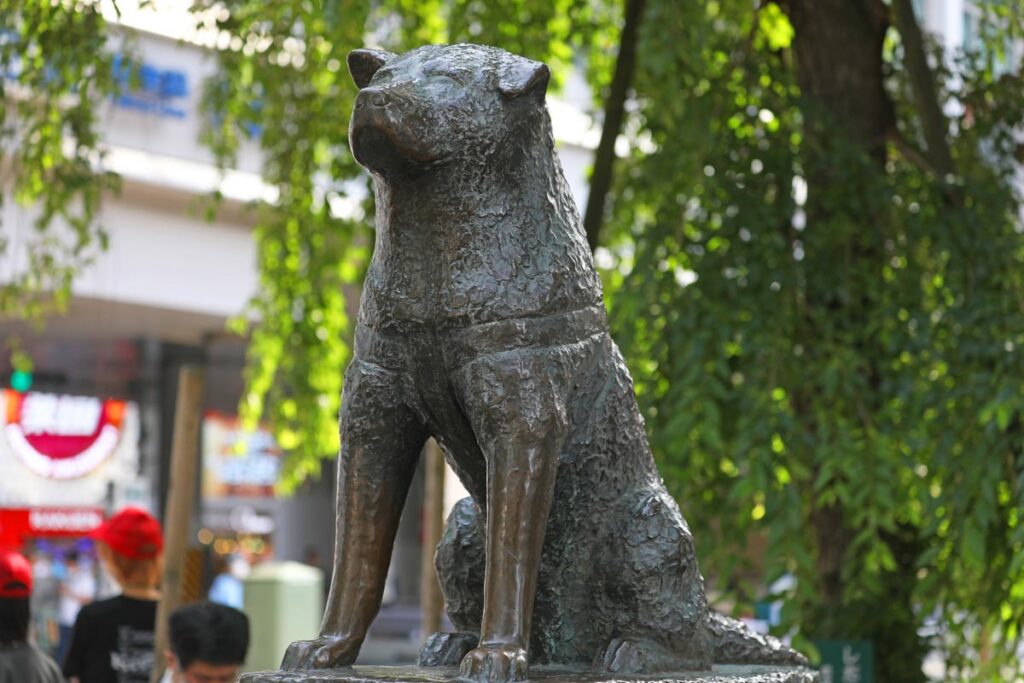
Hachiko Statue
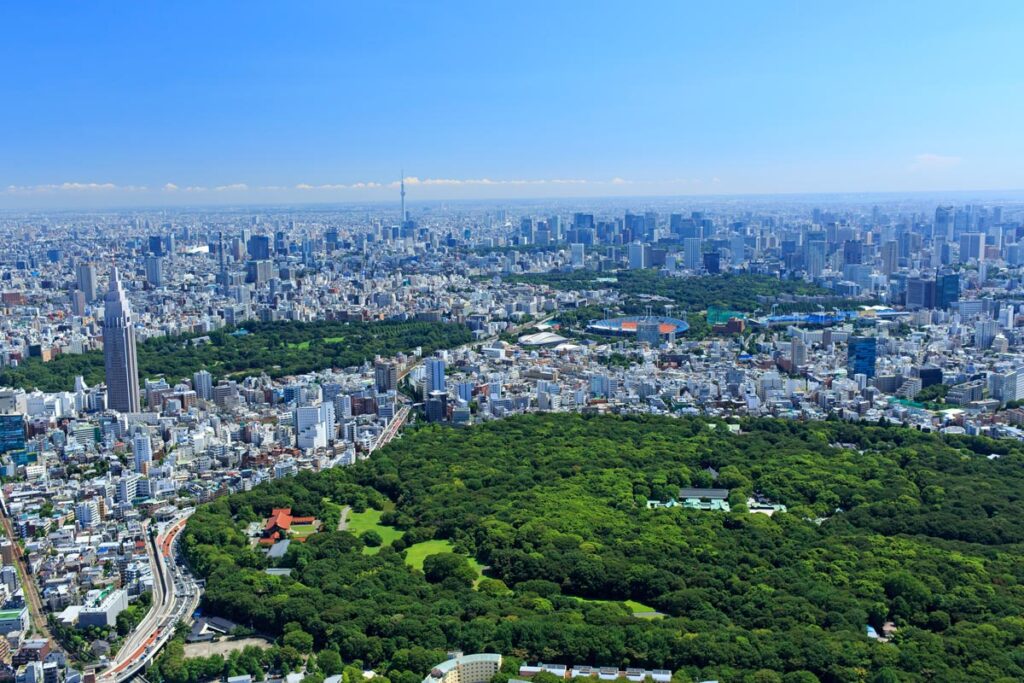
Shinjuku Gyoen
Asakusa
Akihabara
Tokyo Station
Takeshita Street (Harajuku)
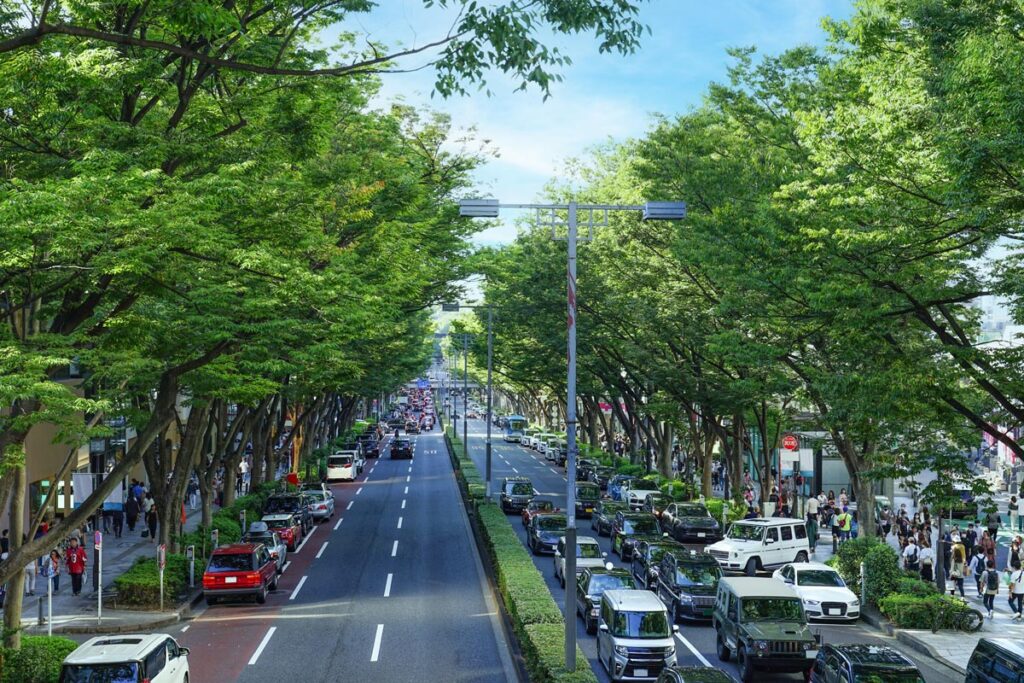
Omotesando
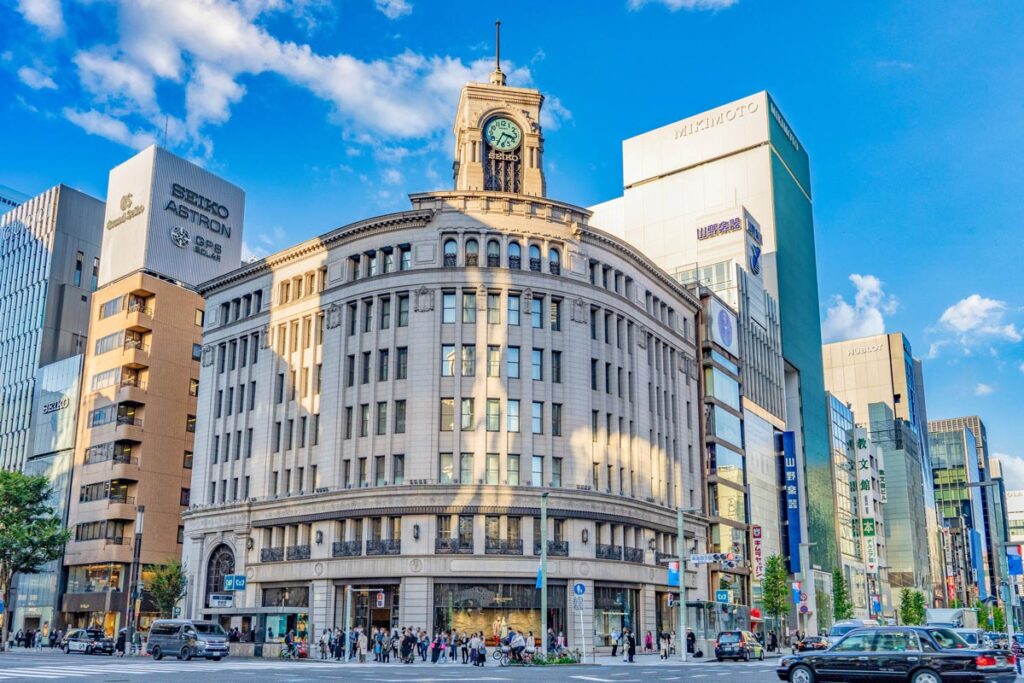
Ginza
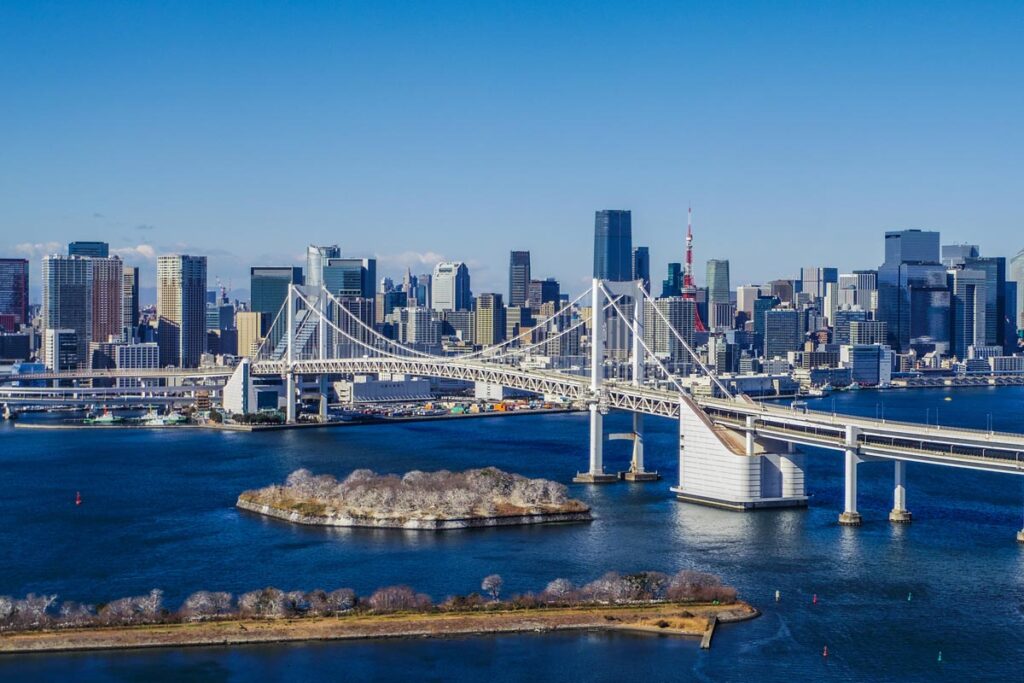
Odaiba
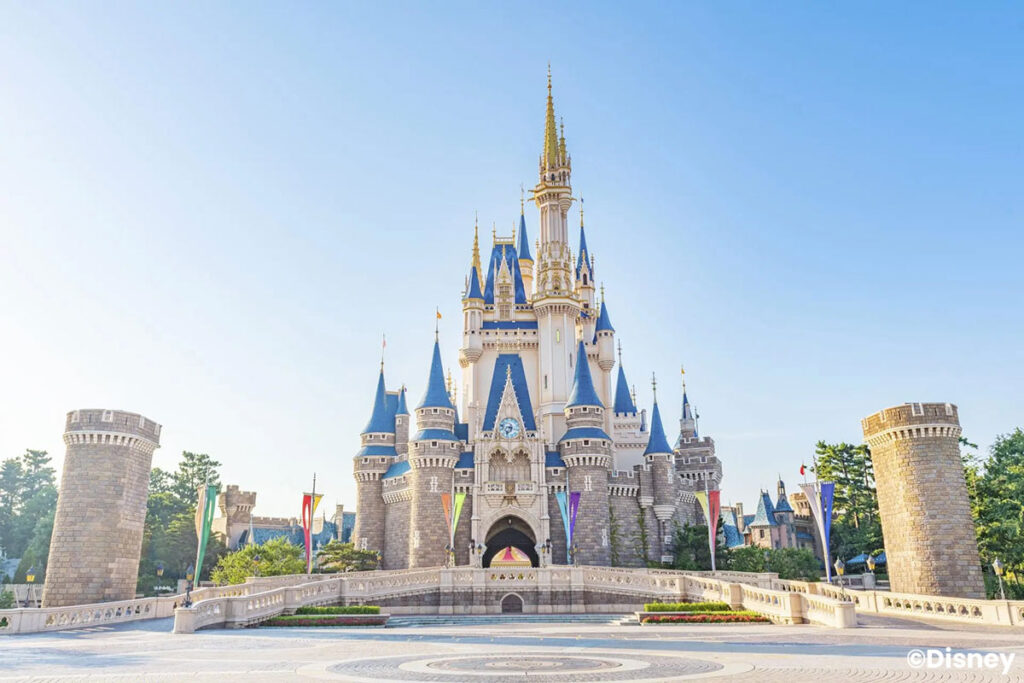
Tokyo Disneyland

Tokyo DisneySea
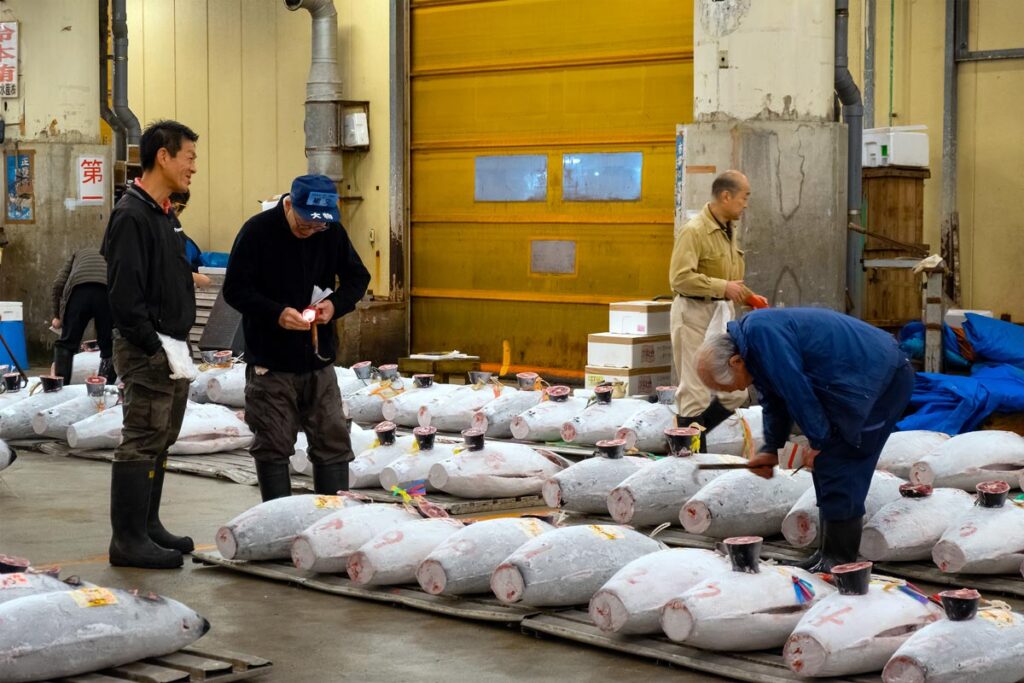
Toyosu Market
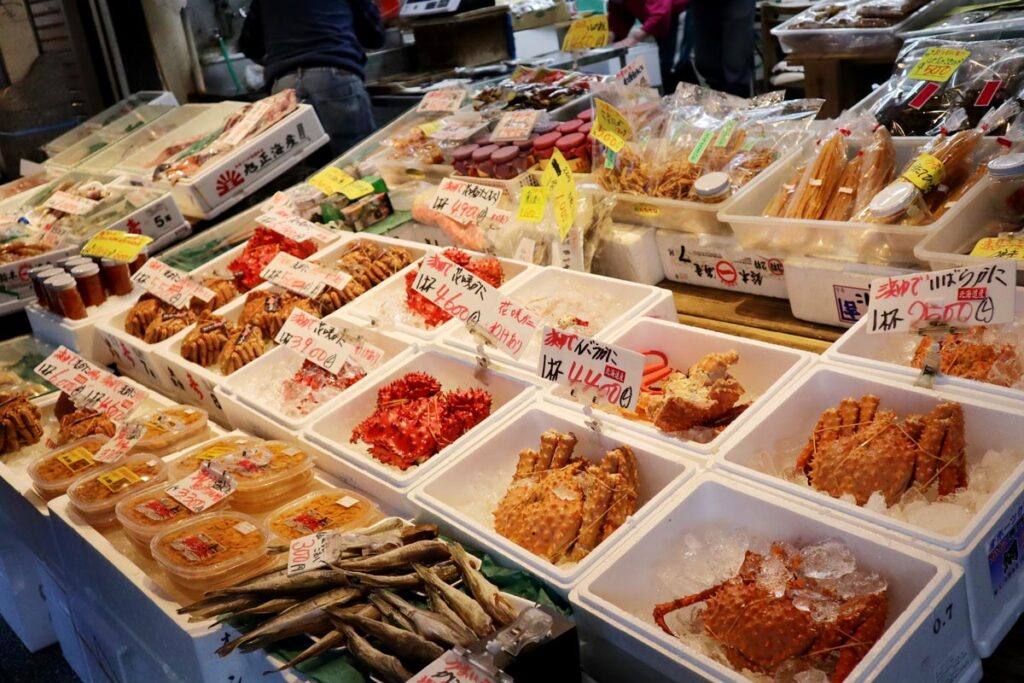
Tsukiji Outer Market
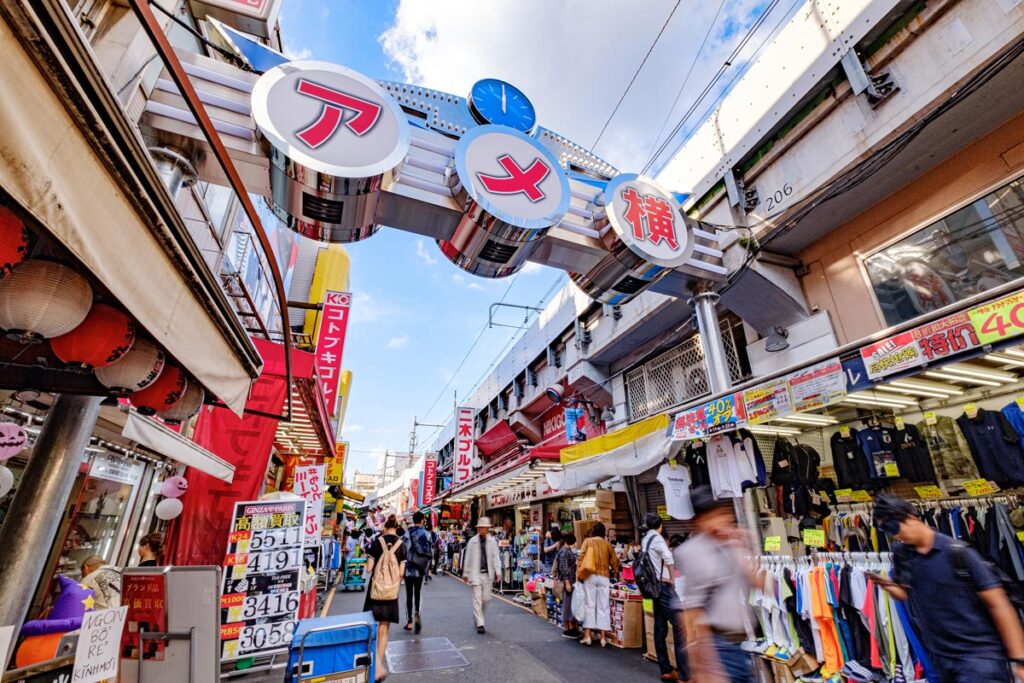
Ameyoko
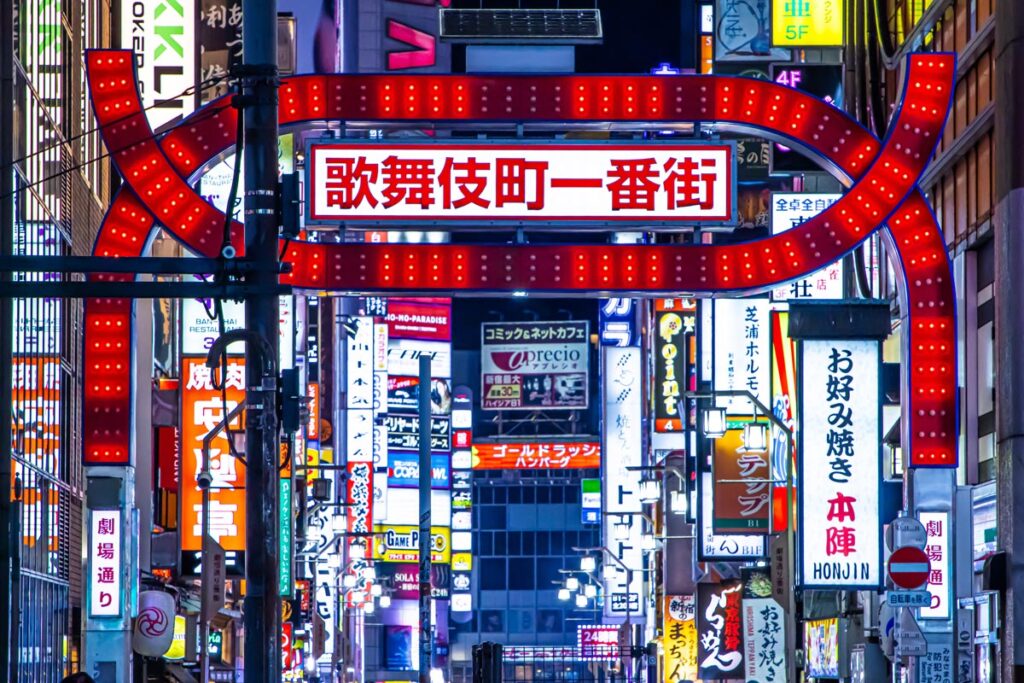
Kabukicho (Shinjuku)
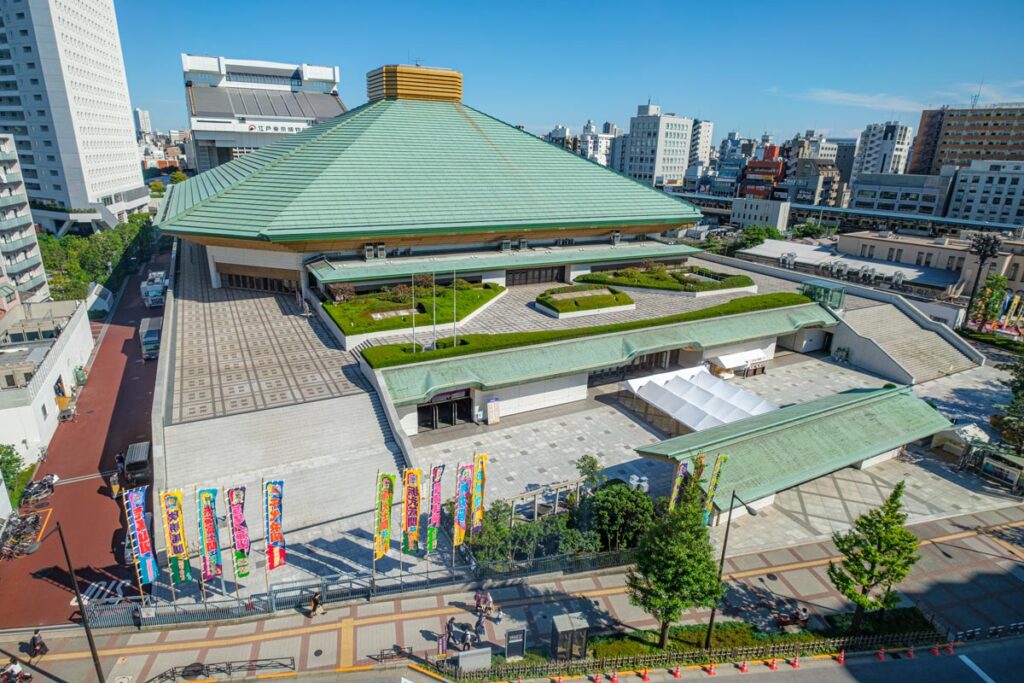
Ryogoku Kokugikan
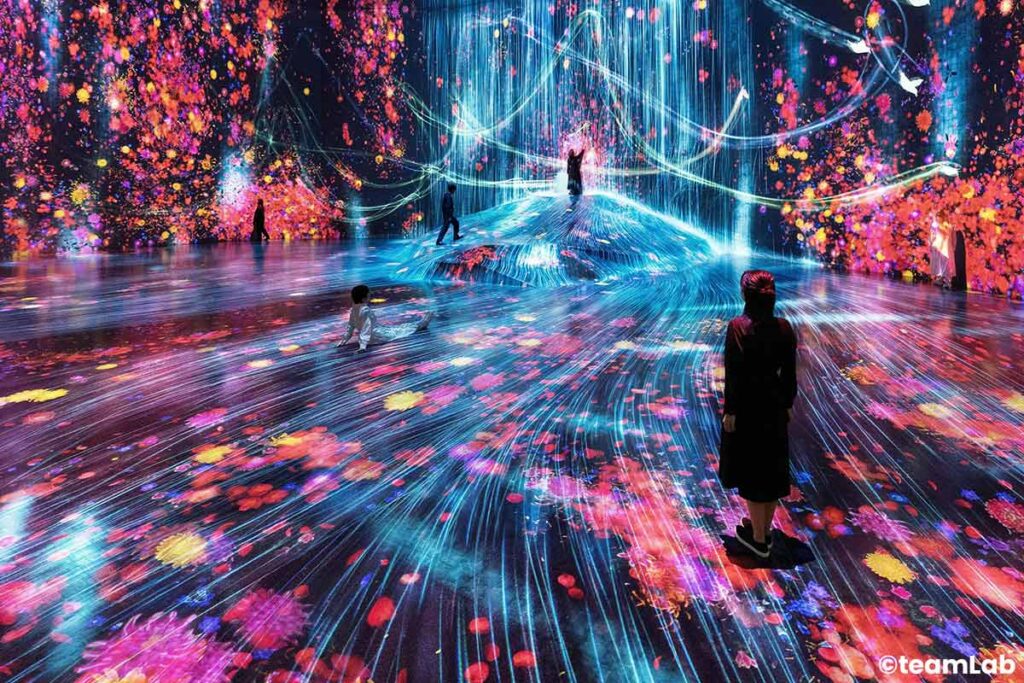
teamLab Planets
Toyosu
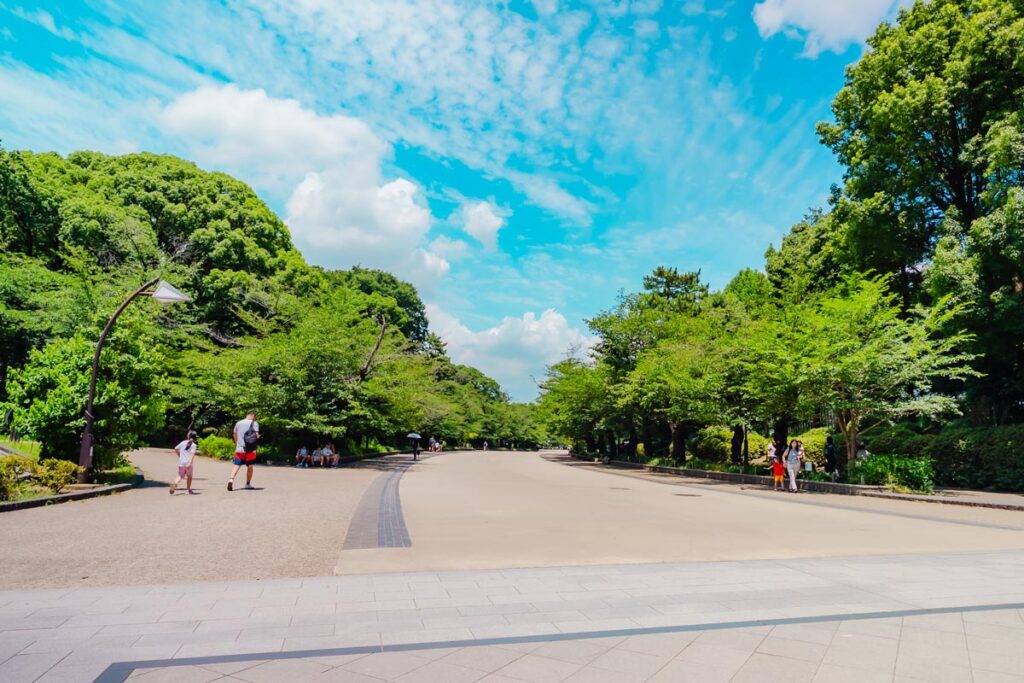
Ueno Park
Other Top Cities
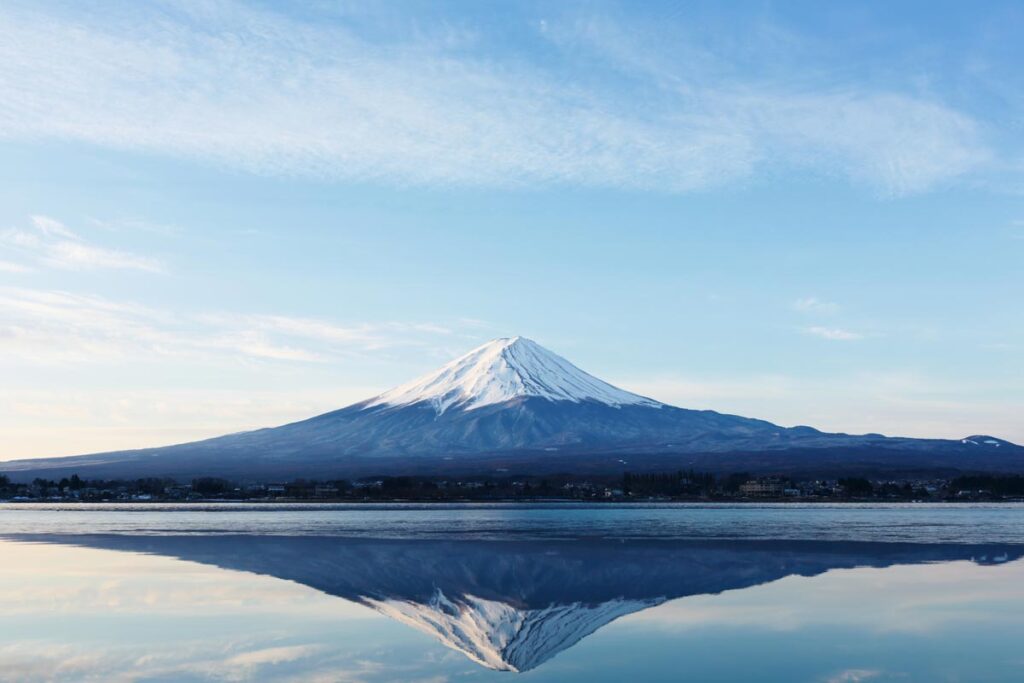
Mt. Fuji
Kyoto
Osaka