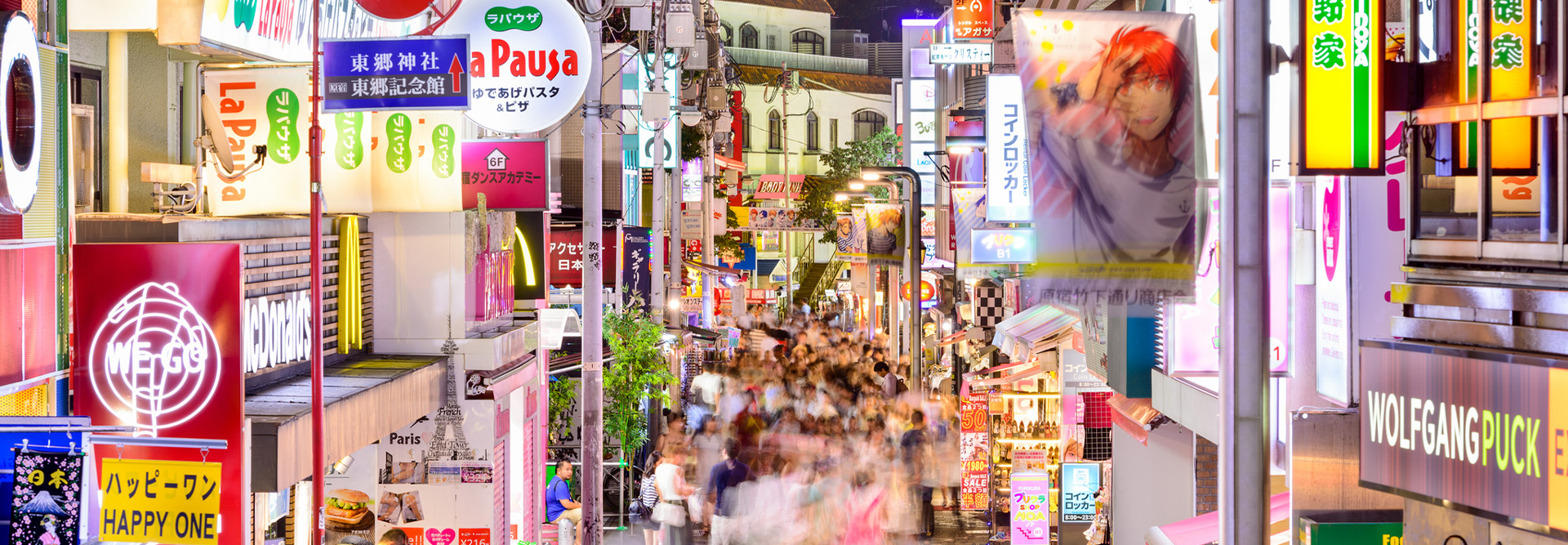
Just steps from one of Tokyo’s busiest train stations lies a street that feels like a different universe. Harajuku’s Takeshita Street is a narrow, 350-meter lane packed with colorful fashion boutiques, character cafés, and an almost nonstop parade of Tokyo youth culture. For many first-time visitors to Japan, this is where modern Japanese pop culture becomes real: loud, playful, and unmistakably “kawaii” (cute).
This guide explains what to expect, how to get there, when to visit, and how to enjoy Takeshita Street respectfully and comfortably on your first trip to Japan.
What Is Takeshita Street?
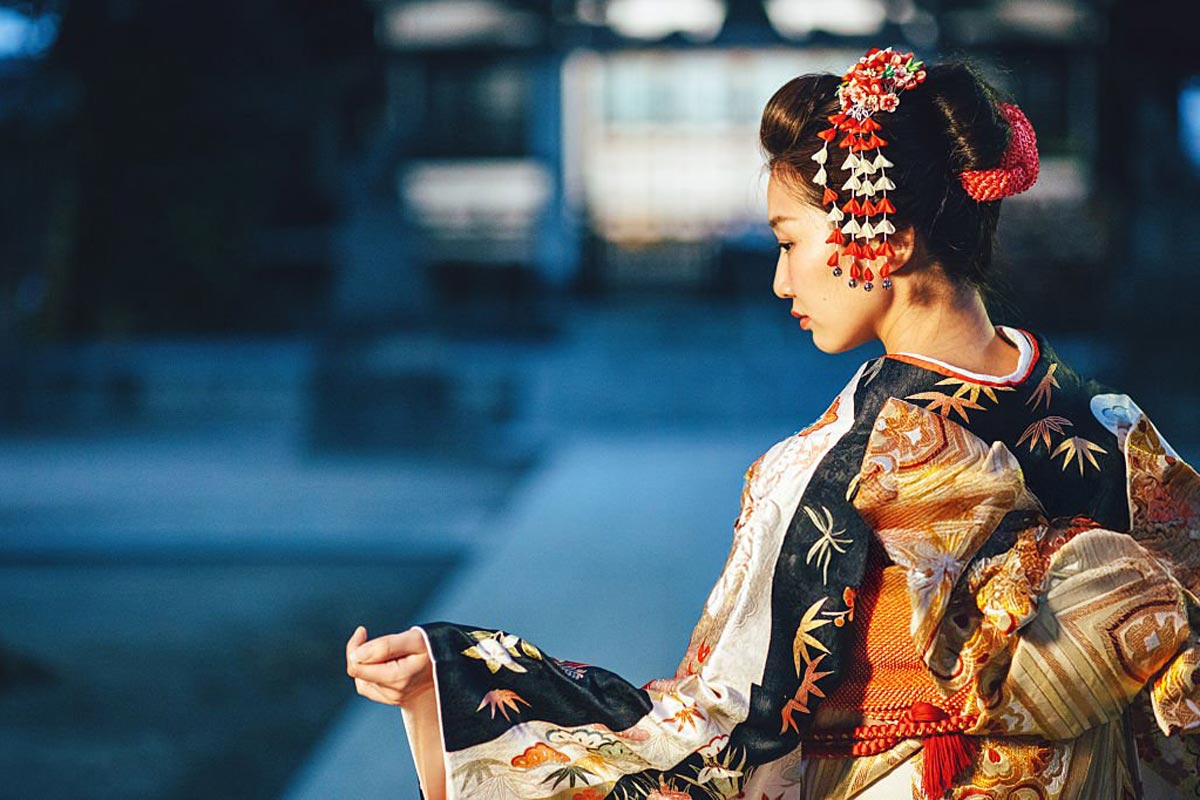
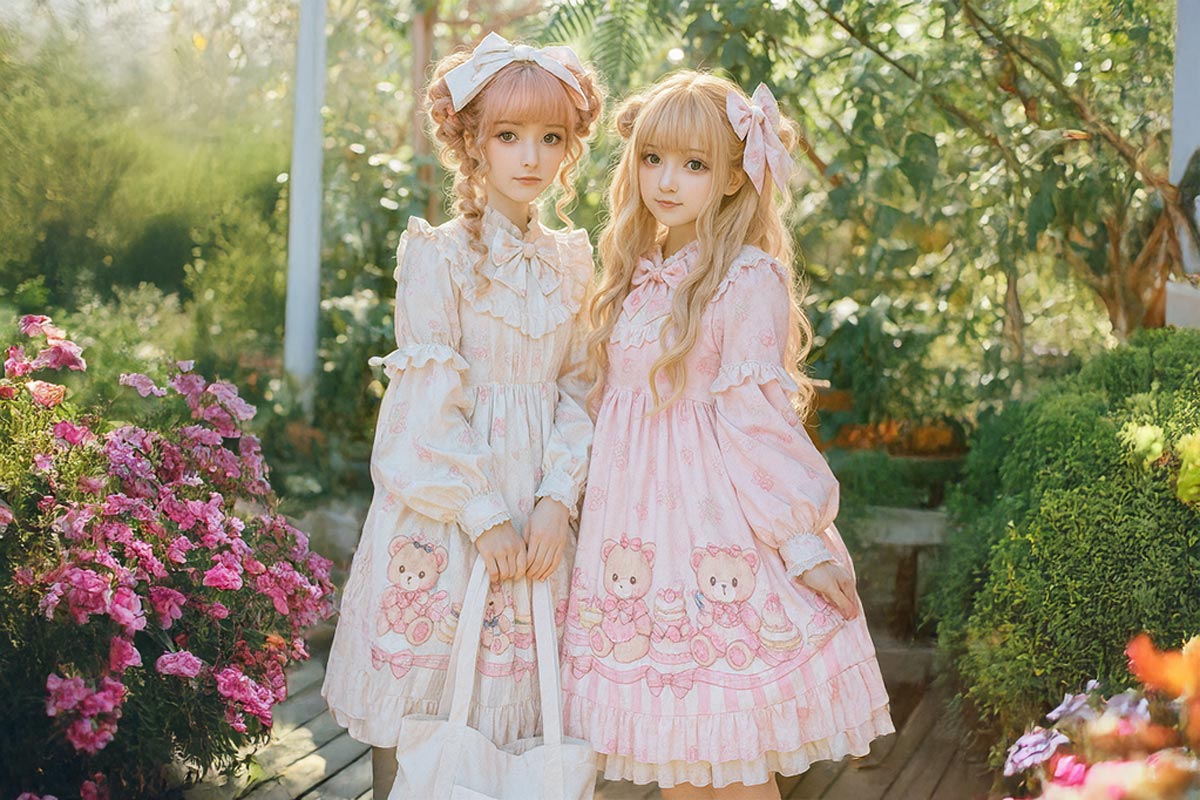
Takeshita Street (Takeshita-dori) is the main pedestrian shopping street in Tokyo’s Harajuku district. It is famous for its youth fashion, colorful sweets, themed shops, and lively street atmosphere. For decades, this has been a gathering point for teenagers, trendsetters, and fashion subcultures, from Lolita and gothic styles to cosplay and pop-idol looks.
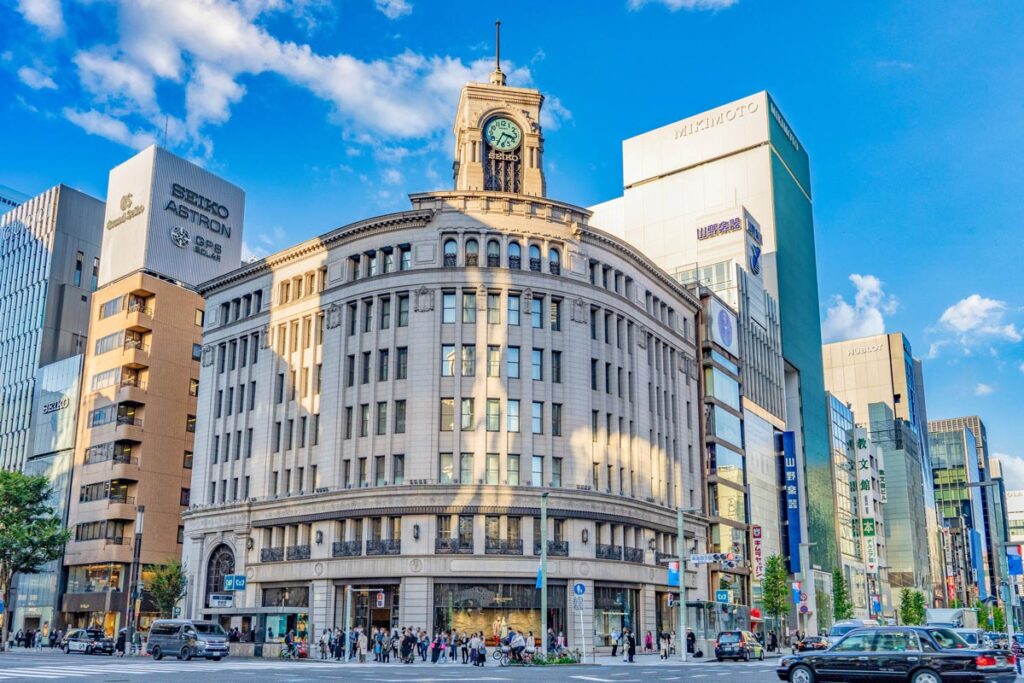
Unlike luxury shopping avenues in nearby Omotesando or Ginza, Takeshita Street is casual, affordable, and a little chaotic. You will find budget-friendly clothing stores alongside specialty shops selling character goods, accessories, and items you did not know you needed until you saw them in neon pink.
How to Get to Takeshita Street
Nearest Stations
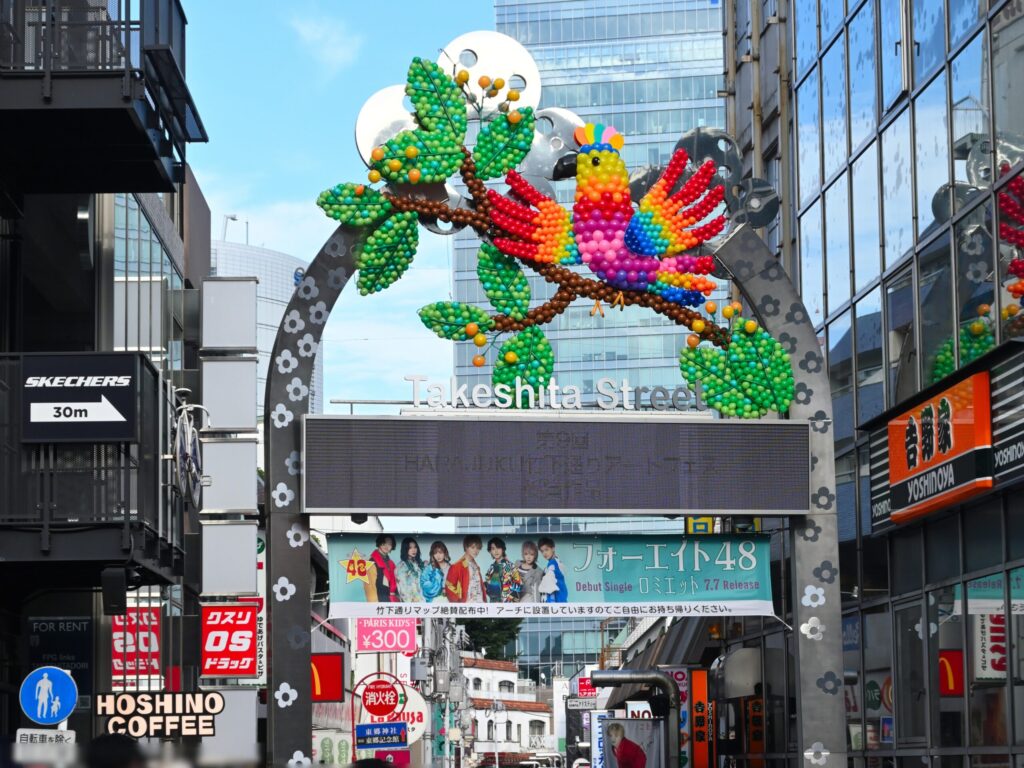
The iconic entrance archway of Takeshita Street is directly across from Harajuku Station on the JR Yamanote Line, one of Tokyo’s main loop lines.
- JR Harajuku Station: Take the Takeshita Exit; the street begins right in front of you.
- Meiji-jingumae (Harajuku) Station (Tokyo Metro Chiyoda/Fukutoshin Lines): Follow signs for Exit 2 or 3 and walk a few minutes toward Harajuku Station.
If you are staying in popular areas like Shinjuku, Shibuya, or Tokyo Station, reaching Harajuku is usually a short ride on the JR Yamanote Line or a quick metro transfer.
Navigating the Area
Takeshita Street is pedestrian-only and quite short; you can walk from one end to the other in under 10 minutes without stopping. In reality, you will probably take much longer: the entire street is lined with eye-catching shops and food stands. Side alleys lead to smaller boutiques and cozy cafés, so allow at least one to two hours to wander.
When to Visit Takeshita Street
Takeshita Street is open year-round and has a different flavor depending on the time of day and week.
Best Days and Times
- Weekdays, late morning to early afternoon: Less crowded, easier for families or visitors who prefer a gentler pace.
- Weekends and holidays, afternoon: Very crowded, but this is when Takeshita Street feels most energetic, with more locals, students, and sometimes people dressed in elaborate fashion.
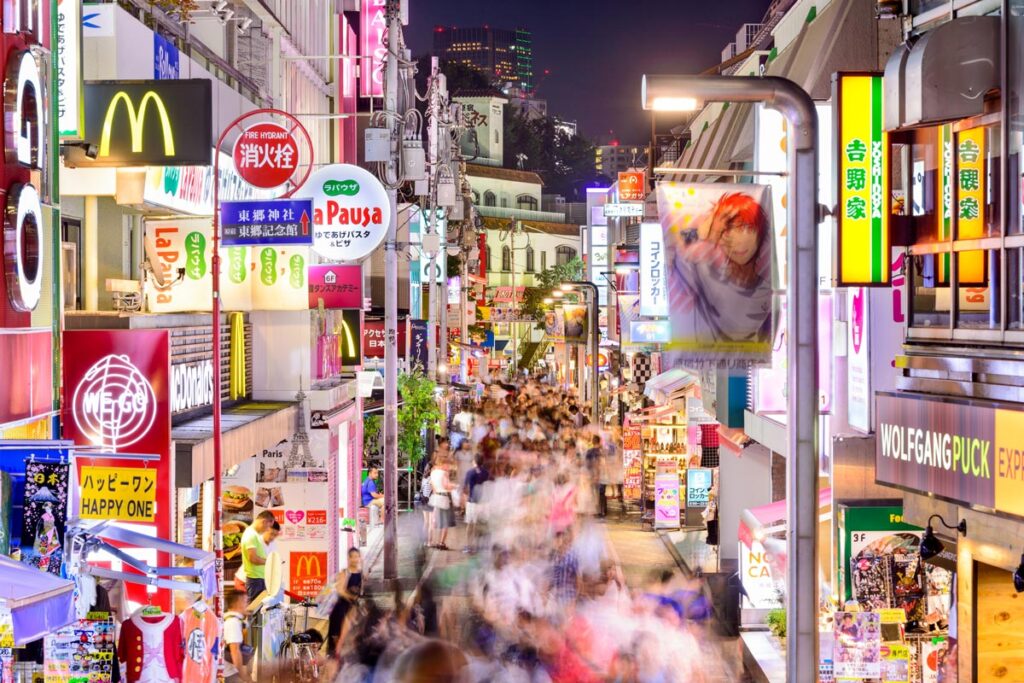
- Evenings: Many shops stay open into the evening, and the neon signs and shop lights make the street feel extra lively.
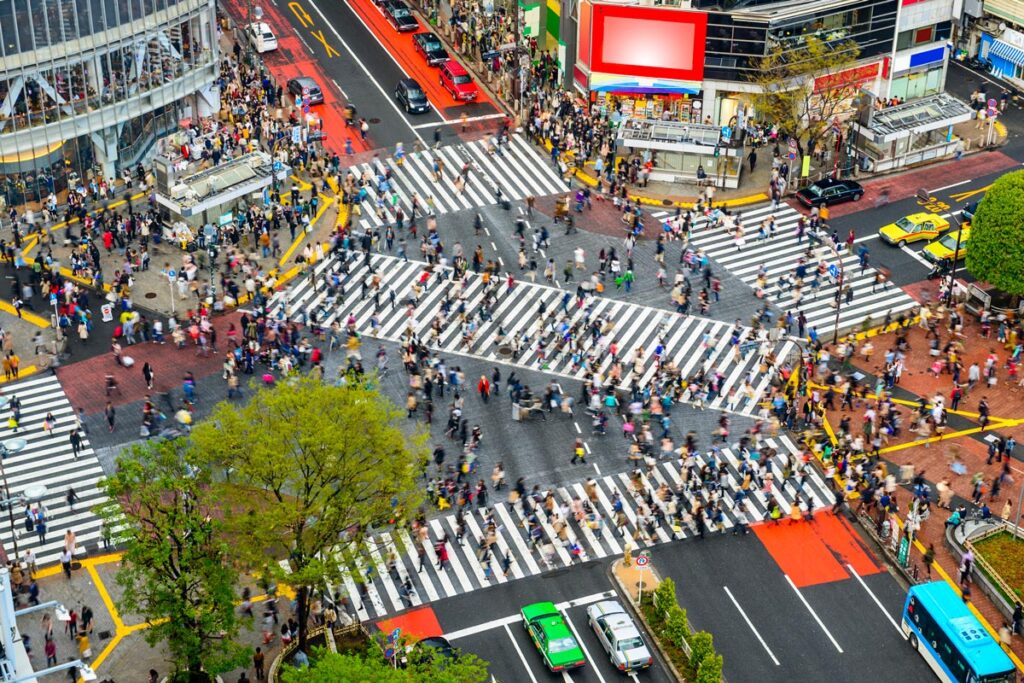
If you dislike packed crowds, avoid Sunday afternoons and national holidays. If you want the stereotypical “crazy Harajuku” experience, those busy times are exactly when you will see the street at its peak.
What to Expect: Atmosphere and Culture
Stepping under the Takeshita Street archway, you enter one of Tokyo’s densest pockets of youth culture. Bright shop interiors spill onto the sidewalk. Pop music drifts from boutiques. Sweet smells float from crepe stands and dessert cafés. Street vendors call out daily discounts in Japanese and sometimes English.
Harajuku has long been associated with fashion tribes: Lolita fashion with frills and lace, gothic styles in black, pastel fairy-kei outfits, and cosplay inspired by anime and manga. While you may see fewer extreme outfits than in decades past, Takeshita Street still showcases experimental style, from thrift-shop layers to bold makeup and accessories.
For many Japanese teens, visiting Harajuku is a rite of passage, a place to express themselves outside the uniformity of school and work. As a visitor, you become part of the scene simply by walking through, but it is important to remain respectful: people are there to have fun, not to be treated as attractions.
Shopping Highlights on Takeshita Street
Takeshita Street packs a remarkable variety of shops into a very small area. Stores change frequently, but some themes remain constant.
Youth Fashion and Accessory Shops
Fashion is the main draw. You will find a mix of low-priced chains and quirky independent boutiques selling:
- Streetwear and casual fashion aimed at teens and young adults.
- Kawaii accessories: hair clips, socks, bags, hats, and smartphone cases with character designs, pastel colors, and glitter.
- Harajuku-style clothing featuring oversized silhouettes, layered looks, and playful prints.
Trying on clothes is common, but remember to remove shoes if the store requests it, and handle garments gently. Sizes may run smaller than in Western countries; check fitting policies and ask staff if you are unsure.
Character Goods and Idol Culture
Many shops specialize in characters from anime, manga, and games. You might find:
- Keychains, stationery, and plush toys featuring famous characters.
- Photo stickers, badges, and posters of J-pop idols and K-pop groups.
- Limited-edition collaborations between brands and popular franchises.
These make excellent souvenirs: they are light, affordable, and uniquely tied to Japanese pop culture.
Vintage and Second-Hand Stores
Takeshita Street and its nearby side roads have a long-standing vintage culture. Look out for second-hand shops offering:
- Retro denim, jackets, and T-shirts.
- Pre-loved Lolita or alternative fashion pieces.
- Unique accessories not easily found in mainstream malls.
Thrift shopping in Harajuku is part of the local fashion ecosystem, where old trends are constantly recycled into new looks.
What to Eat: Crepes, Sweets, and More
Food on Takeshita Street is just as photogenic as the fashion. Many visitors come here mainly to snack their way from one end to the other.
Harajuku Crepes
Crepes are the classic Harajuku treat. Inspired by French crepes but transformed to match Japanese tastes, they are served rolled up in a paper cone and filled with combinations of:
- Whipped cream and custard
- Fresh fruit like strawberries or bananas
- Ice cream and chocolate sauce
- Savory ingredients such as ham, cheese, or tuna
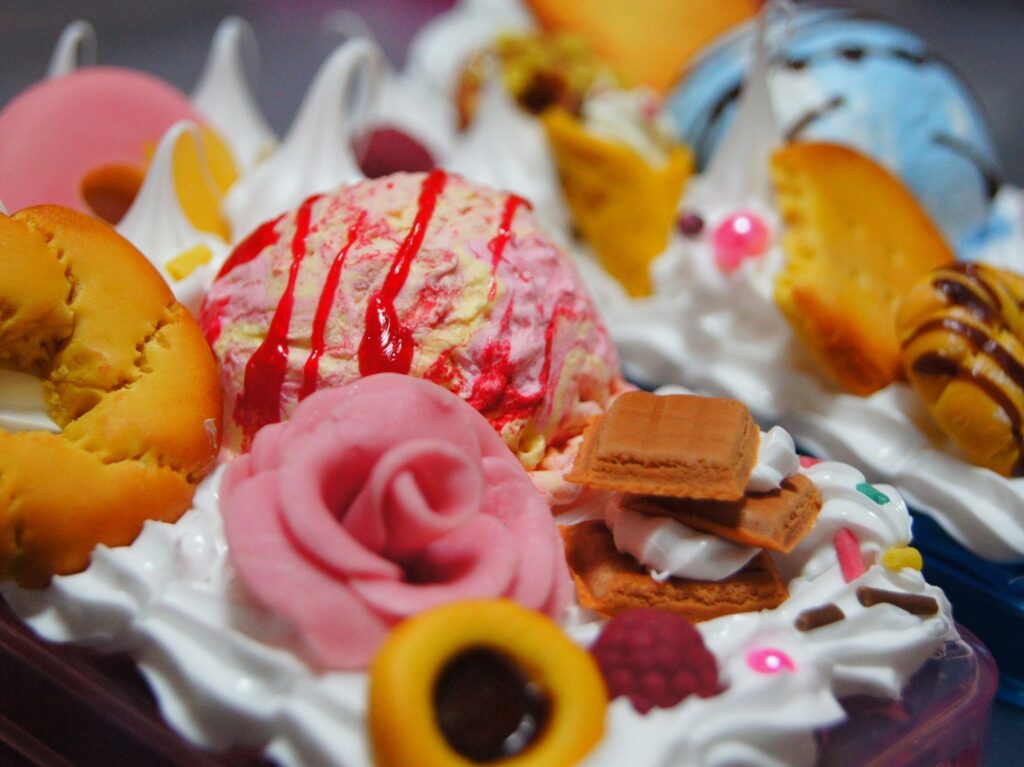
Many crepe stands display plastic models of the menu items in glass cases. Point to the one you want if you are unsure how to order in Japanese. Eating while walking is more accepted here than in many other parts of Japan, but be careful in tight crowds and dispose of trash in the nearest bin or at the shop that sold you the food.
Kawaii Sweets and Dessert Cafés
Beyond crepes, Takeshita Street offers an ever-changing lineup of colorful sweets:
- Cotton candy towers in rainbow colors.
- Soft-serve ice cream with creative toppings.
- Bubble tea (tapioca drinks) in countless flavors.
- Character-themed snacks shaped like animals or popular icons.
Some cafés include photo-ready interiors designed for social media. Ordering something small is generally enough to sit for a while and recharge, but avoid occupying tables for long periods during peak hours.
Savory Options
Although sweets dominate, you can also find quick savory bites such as fried chicken, corn dogs, or Japanese street snacks. For more substantial meals, consider stepping off Takeshita Street to nearby backstreets or crossing into the Omotesando area, where there are many restaurants and cafés serving everything from ramen and sushi to international cuisine.
Nearby Attractions: Make It a Half-Day in Harajuku
Takeshita Street is best enjoyed as part of a wider Harajuku and Shibuya itinerary.
Meiji Jingu Shrine
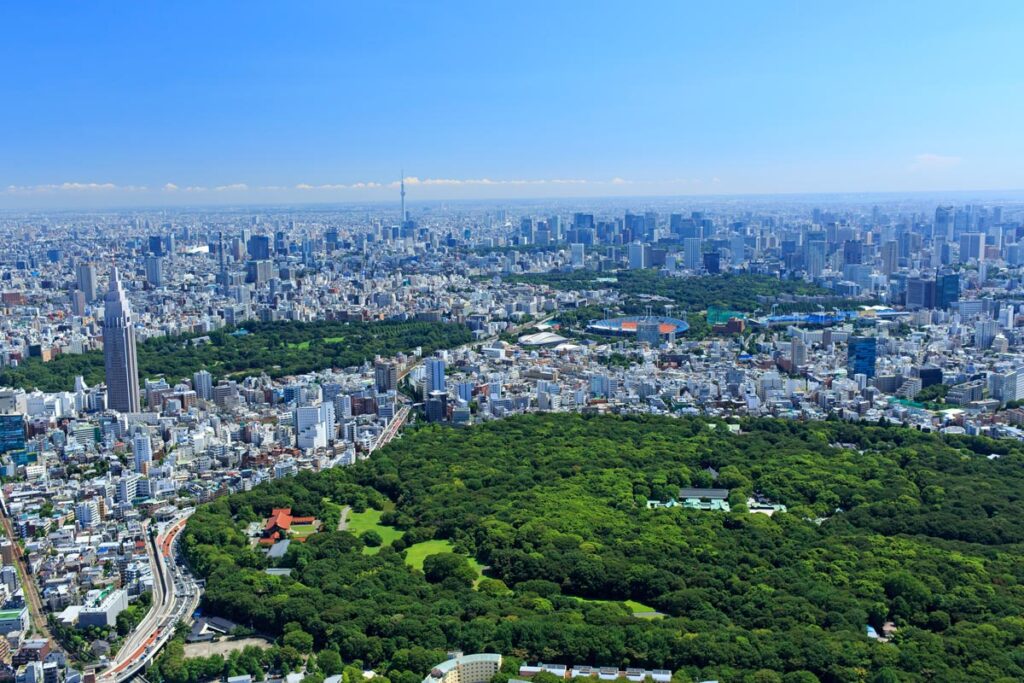
Just a short walk from Harajuku Station, Meiji Jingu is one of Tokyo’s most important Shinto shrines. Passing through its giant torii gates and strolling along the tree-lined path feels like entering another world after the crowds of Takeshita Street. Visiting both offers a memorable contrast between modern pop culture and traditional spirituality.
Omotesando Avenue
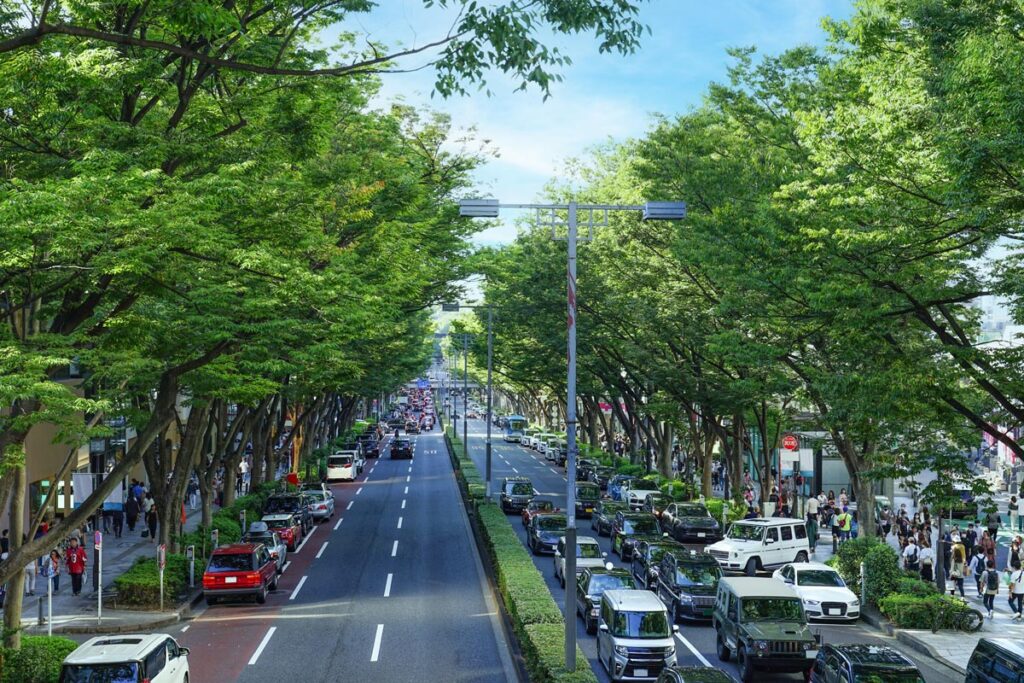
South of Takeshita Street lies Omotesando, a wide boulevard known for sleek architecture, designer boutiques, and sophisticated cafés. While Takeshita Street showcases youthful, playful style, Omotesando reflects Tokyo’s high-fashion side. Walking from one to the other reveals the diversity of the city’s fashion culture.
Cat Street and Backstreets
Farther along, Cat Street and the surrounding lanes between Harajuku and Shibuya are home to independent boutiques, small galleries, and stylish coffee shops. If you need a break from the intensity of Takeshita Street, these quieter backstreets provide a more relaxed atmosphere.
Practical Tips for Visiting Takeshita Street
Money and Payments
- Most shops and cafés accept credit cards and modern payment methods, but some smaller vendors may prefer cash.
- Convenience stores (konbini) nearby often have ATMs that accept international cards.
- Prices are generally affordable, making it easy to overspend on small purchases. Set a budget if you are concerned.
Language and Communication
- Basic English is spoken in many stores, especially chain shops, though not always fluently.
- Menus often include pictures; pointing works well if language is a barrier.
- Simple Japanese phrases like “konnichiwa” (hello) and “arigatou” (thank you) are appreciated.
Crowds, Safety, and Etiquette
- Takeshita Street can become extremely crowded. Keep valuables secure and backpacks worn on the front in tight spaces.
- Follow the flow of foot traffic; avoid stopping suddenly in the middle of the lane for photos.
- Always ask permission before taking close-up photos of people, especially those in distinctive fashion or with children.
- Dispose of trash properly; if you cannot find a bin, carry your waste until you return to your hotel or a station area.
Accessibility
The street itself is flat, but the density of the crowds can be challenging for wheelchair users or travelers with mobility issues. Visiting on weekday mornings, when it is less busy, can make navigation easier. Some older buildings may not have elevators, and staircases can be narrow.
Cultural Notes: Understanding “Kawaii” and Self-Expression
To fully appreciate Takeshita Street, it helps to understand the cultural significance of “kawaii.” While it translates to “cute,” the concept is broader, encompassing a style of self-expression that values softness, playfulness, and sometimes deliberate childishness. For many young people, dressing in kawaii fashion or alternative styles is a way to create personal identity in a society that can feel strict and conformist.
Harajuku became a symbol of this freedom. Magazine photographers once scouted these streets for new trends, and global fashion designers drew inspiration from the neighborhood’s bold looks. Even if trends evolve, the spirit of experimentation remains. As a visitor, observing this creativity is part of the experience—just remember that the people around you are not performers; they are simply living their lives in a place that welcomes individuality.
Suggested Itinerary for First-Time Visitors
If you are visiting Tokyo for the first time, here is a simple way to include Takeshita Street in your plans:
- Morning: Arrive at JR Harajuku Station, visit Meiji Jingu Shrine for a calm, traditional start to the day.
- Late Morning to Lunch: Walk to Takeshita Street, explore fashion shops and character stores, and enjoy crepes or other street snacks.
- Afternoon: Continue to Omotesando for café time and window-shopping, or wander toward Cat Street and eventually Shibuya.
This route lets you experience three very different sides of Tokyo—spiritual, playful, and stylish—in a single day, without long transit times.
Is Takeshita Street Worth Visiting?
For most international visitors, Harajuku’s Takeshita Street is a highlight of Tokyo: a place where Japan’s pop culture, fashion, and food collide in a narrow, buzzing alley. Even if you are not interested in dressing up or shopping, the atmosphere alone is memorable. It is crowded, sometimes overwhelming, and occasionally a little over the top—but that is exactly the point.
Approach the street with curiosity and respect, take your time to explore side alleys and nearby areas, and you will come away with a better understanding of the playful, creative side of modern Japan.
Whether you leave with a bag of accessories, a phone full of colorful photos, or just sticky fingers from a crepe, Takeshita Street offers a taste of Harajuku that you will not soon forget.