



Odaiba
First-Timer’s Guide to Odaiba: Tokyo’s Futuristic Island Escape
Photos are for illustrative purposes only.
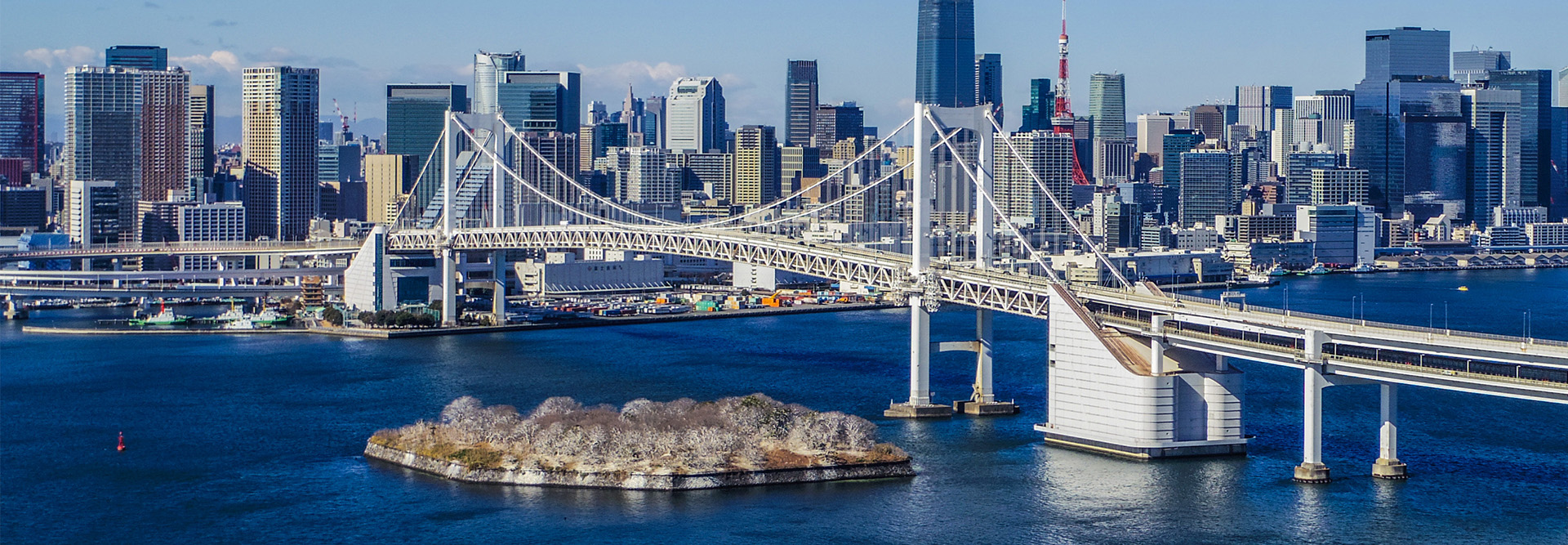
Floating in Tokyo Bay and linked to the city by the iconic Rainbow Bridge, Odaiba is where Tokyo shows off its playful, futuristic side. Built on reclaimed land, this high-tech entertainment district mixes seaside views, giant robots, digital art museums, onsen baths and panoramic cityscapes, all within easy reach of central Tokyo.
For first-time visitors to Japan, Odaiba is one of the easiest places to experience the country’s love of innovation, pop culture and leisure in one compact area. This guide walks you through what to see, how to get there and smart tips to make the most of a half-day or full-day visit.
Why Visit Odaiba?
Odaiba feels different from the rest of Tokyo. Instead of tight alleys and hidden shrines, you get wide promenades, futuristic buildings and a breezy seafront. It’s popular with couples on dates, families with kids, and visitors who want a slower-paced break from inner-city crowds.
Reasons Odaiba is worth adding to your Japan itinerary:
- Futuristic cityscape: Space-age architecture, glowing ferris wheel, Rainbow Bridge and Tokyo’s skyline all in one sweeping view.
- Waterfront relaxation: Stroll along the bay, watch boats pass and enjoy sunset over central Tokyo.
- Hands-on attractions: Digital art, science museums, VR experiences and interactive exhibits suitable for all ages.
- One-stop shopping and dining: Several large malls with Japanese and international brands, plus plenty of restaurants and cafés.
- Easy access: Connected by monorail, boats and buses, and very walkable once you arrive.
Getting to Odaiba
Odaiba lies across the bay from central Tokyo. Part of the fun is simply getting there, and you have several scenic options.
By Yurikamome Line (Most Scenic)
The automated, driverless Yurikamome Line is the classic way to reach Odaiba. Trains depart from Shimbashi Station and cross the Rainbow Bridge, offering sweeping views of the bay.
- Route: Shimbashi → Odaiba-kaihinkoen / Daiba / Aomi / Telecom Center etc.
- Travel time: About 15–20 minutes from Shimbashi to Odaiba-kaihinkoen.
- Tip: Sit at the very front of the train if you can; there’s no driver’s cabin, so it feels like riding a slow-motion roller coaster through the skyline.
By Rinkai Line (Fast and Convenient)
The Rinkai Line connects Odaiba with major stations like Shibuya and Shinjuku via transfers. Get off at Tokyo Teleport Station, which brings you directly into the shopping and entertainment zone.
- From Shinjuku/Shibuya: Usually one transfer (often at Osaki).
- Travel time: Around 20–30 minutes depending on the starting point.
By Water Bus (Relaxed and Scenic)
For a slower, more atmospheric approach, take a water bus from areas like Asakusa or Hinode Pier. Boats glide along the Sumida River into Tokyo Bay, offering a different perspective on the city.
- Best for: Good weather days and travelers who enjoy photography and a relaxed pace.
- Note: Services can be less frequent than trains, so check schedules in advance.
Top Things to Do in Odaiba
1. Stroll Odaiba Seaside Park and Beach
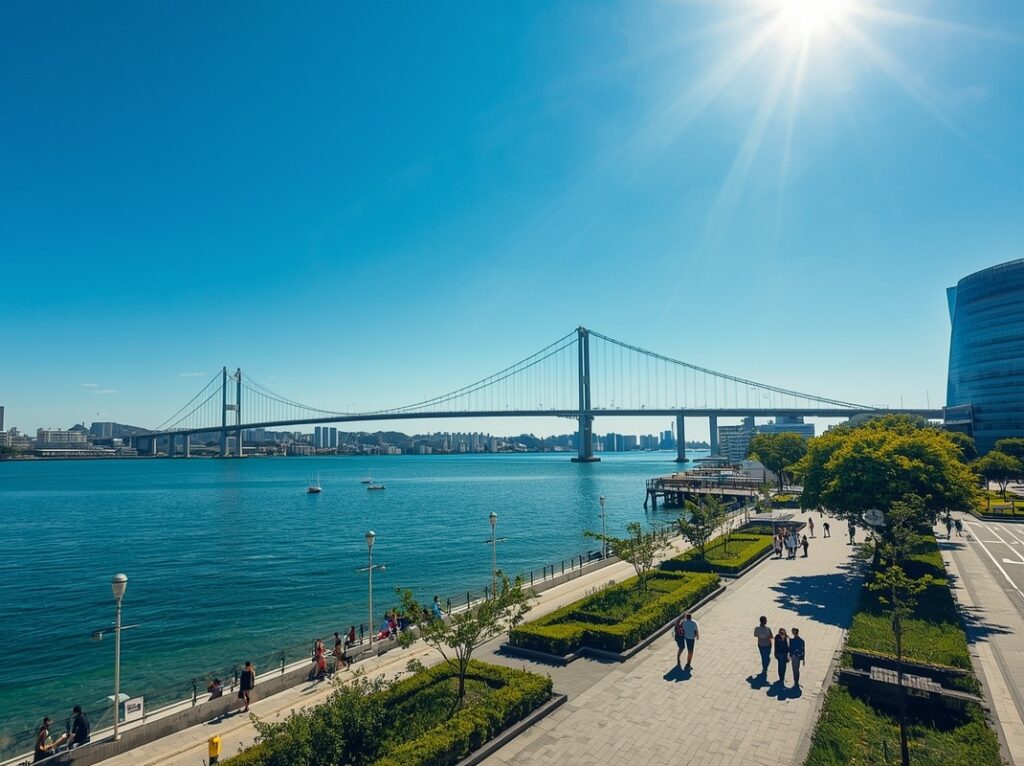
Odaiba Seaside Park (Odaiba Kaihin Koen) curves along the waterfront, with sandy stretches, lawns and boardwalks facing Rainbow Bridge and the skyscrapers of central Tokyo.
While swimming is generally not allowed, the artificial beach is perfect for a peaceful walk, sitting on the sand or enjoying an impromptu picnic. Locals come here to unwind, and on clear days you get postcard-worthy shots of the bridge and the Tokyo Tower or Tokyo Skytree peeking from behind the skyline.
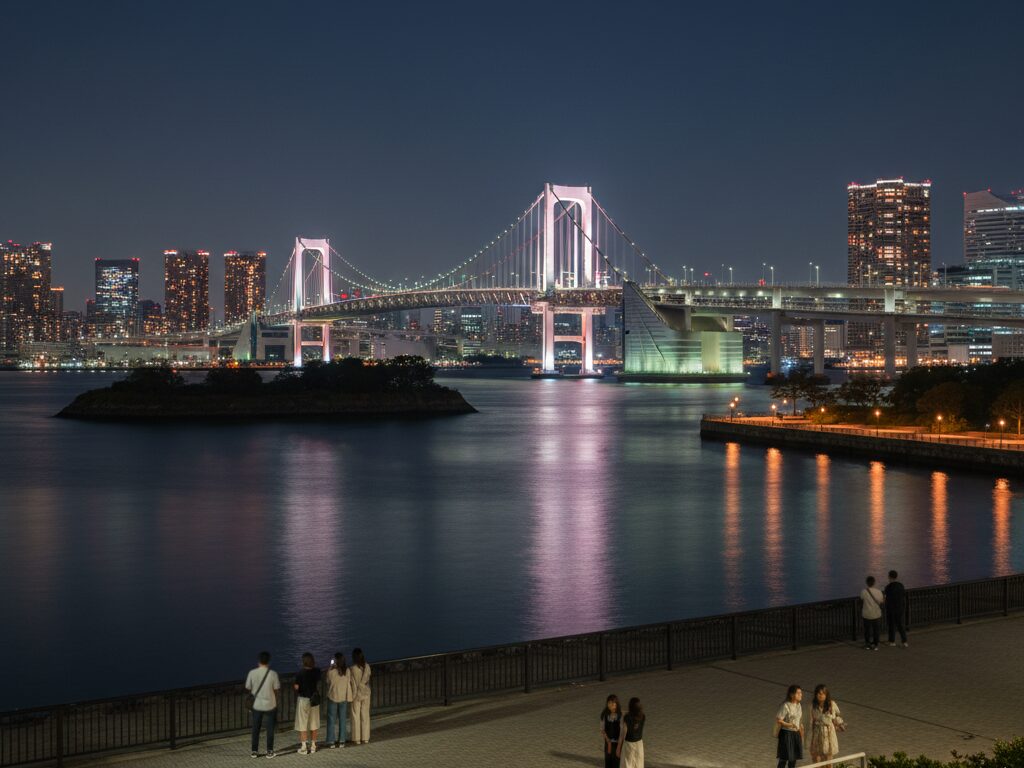
In the evening, the bridge lights up and the city reflections shimmer on the water, making this one of the most romantic night views in Tokyo.
2. See the Rainbow Bridge Up Close
The Rainbow Bridge is one of Tokyo’s most recognizable structures, linking Odaiba with the mainland. By day its white towers stand out against the blue bay; by night it’s lit with colorful illumination.
If you’re feeling active, you can actually walk across the Rainbow Bridge. There are pedestrian walkways on both sides (the north side facing the city and the south side facing the bay). The walk takes about 20–30 minutes one way and offers dramatic views. Note that bicycles must be pushed, not ridden, on the bridge, and access times may vary by season.
3. Visit the Statue of Liberty Replica
Near Odaiba Seaside Park stands a replica of the Statue of Liberty, originally erected as part of a cultural event and later made permanent due to its popularity. The pairing of this miniature Liberty with Rainbow Bridge and Tokyo’s skyline behind it makes for a uniquely “only in Japan” photo spot.
Come at sunset or early evening for the best photos, when the sky glows behind the bridge and the city lights begin to sparkle.
4. Explore Odaiba’s Shopping and Entertainment Complexes
Odaiba is home to several large complexes that blend shopping, dining and entertainment under one roof. They’re especially handy if you’re traveling with a group and want plenty of options in a compact area.
DiverCity Tokyo Plaza
DiverCity Tokyo Plaza is famous for the giant Gundam statue standing outside. Fans of Japanese pop culture will instantly recognize the towering robot, which often features light or sound performances at set times. Inside, you’ll find fashion stores, restaurants and arcades, along with anime and character goods.
DECKS Tokyo Beach
DECKS Tokyo Beach has an open, boardwalk-inspired design that fits its seaside location. Inside you can find retro-themed attractions, seasonal illumination events and family-friendly entertainment. Many terraces here offer excellent bay views, and there are restaurants where you can dine while looking out across the water.
Aqua City Odaiba
Aqua City Odaiba sits right by Odaiba Seaside Park, with a wide selection of shops and a cinema complex. It’s a convenient place to grab a meal after walking the waterfront, and upper floors have restaurants with windows framing Rainbow Bridge.
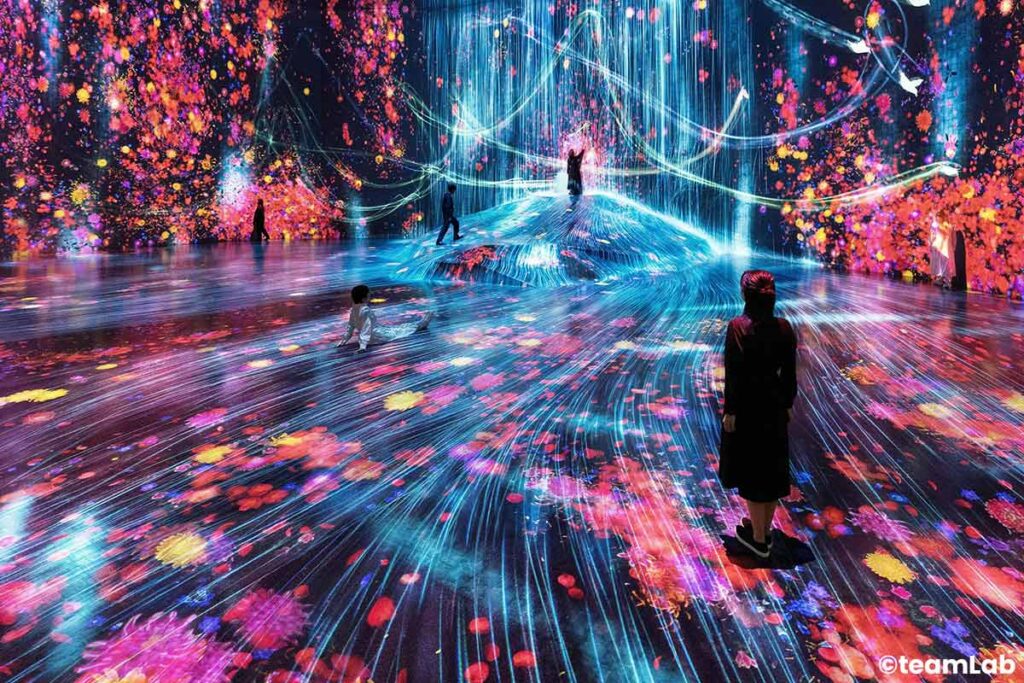
5. Experience Digital Art at teamLab Planets or teamLab Borderless
Odaiba is closely associated with immersive digital art from the creative collective teamLab. Their exhibitions use light, sound and interactive projections to create dreamlike spaces that respond to your movements.
Depending on current locations and dates, you may encounter a teamLab museum either in or near Odaiba, such as teamLab Borderless or teamLab Planets. These exhibits are extremely popular with international visitors and locals alike.
- Tickets: Advance reservations are strongly recommended, especially on weekends and holidays.
- What to expect: Dark rooms, vivid moving artwork, mirrored floors and occasionally water-filled spaces. Wear comfortable clothing and be prepared to remove shoes in some areas.
- Photo tips: Photography is usually allowed, but flash is discouraged. The exhibits are very Instagram-friendly, but remember to also slow down and simply enjoy the atmosphere.
6. Relax in an Onsen Theme Park
For a uniquely Japanese experience, consider visiting an onsen theme park in the Odaiba area. These sprawling facilities recreate the atmosphere of old Japanese towns, with lantern-lined streets, food stalls and indoor hot spring baths.
Inside, many visitors change into light cotton yukata robes, wander around trying snacks, play festival-style games and then soak in natural hot spring baths. This is a very enjoyable way to unwind after a day of sightseeing.
- Bath etiquette: Wash thoroughly before entering the bath, keep towels out of the water, and remember that full-body tattoos may not be allowed in some facilities.
- Tip: Bring a change of clothes and plan at least two to three hours if you want to relax properly.
7. Ride a Giant Ferris Wheel
Odaiba’s skyline is punctuated by a huge ferris wheel that lights up in vivid colors at night. A ride typically takes around 15 minutes and offers 360-degree views of Tokyo Bay, Rainbow Bridge and, on clear days, even distant mountains.
This is a popular evening activity for couples and families. Cabins are enclosed and move slowly, so it’s suitable even for those who are nervous about heights, though very sensitive visitors may prefer to admire it from below.
8. Discover Science and Technology Museums
One of Odaiba’s strengths is its cluster of science and technology-focused museums, which are ideal for curious travelers and families.
Exhibits often include interactive displays about space, robotics, transportation and environmental science. Although most explanations are in Japanese, many displays are visual and hands-on, making them enjoyable even if you don’t read the language.
Look for special exhibitions and workshops, which sometimes include English explanations or multilingual support.
Suggested Itineraries for Odaiba
Half-Day: Highlights and Views
If you only have an afternoon or evening, you can still cover several highlights:
- Take the Yurikamome Line from Shimbashi and enjoy the Rainbow Bridge crossing.
- Stroll around Odaiba Seaside Park, visit the Statue of Liberty replica and photograph the skyline.
- Explore one shopping complex, such as Aqua City or DECKS Tokyo Beach, and have dinner overlooking the bay.
- End with a ferris wheel ride or a night walk to watch Rainbow Bridge illuminated.
Full Day: Immersive Odaiba Experience
With a full day, you can enjoy Odaiba at a slower pace:
- Arrive by late morning via Yurikamome or water bus.
- Visit a science or technology museum first while you’re fresh.
- Have lunch in a mall food court or seaside restaurant.
- Spend the afternoon at a teamLab digital art museum or entertainment complex.
- Walk along Odaiba Seaside Park, stopping for photos at the Statue of Liberty replica.
- Dine with a bay view, then relax in an onsen theme park or ride the ferris wheel after dark.
Best Time to Visit Odaiba
Odaiba is a year-round destination, but the atmosphere changes with the seasons and time of day.
- Spring (March–May): Mild weather and clear skies make it pleasant for walking the waterfront. Trees in nearby parks start to bloom, and it’s comfortable to stay outside into the evening.
- Summer (June–August): Days can be hot and humid, but sea breezes offer some relief. This is a great season for evening visits, when the bay is cooler and night views are especially vivid.
- Autumn (September–November): Often the best combination of comfortable temperatures and clear views. Outdoor seating at restaurants is especially inviting.
- Winter (December–February): Colder, but with crisp air and often very clear views of the city. Winter illumination events add extra sparkle, and museums and onsen provide cozy indoor escapes.
Weekends and public holidays can be very busy, especially around major attractions and during school vacations. If you prefer a quieter experience, consider visiting on a weekday.
Cultural Tips and Etiquette in Odaiba
While Odaiba feels modern and relaxed, basic Japanese manners still apply.
- Queuing: Tokyoites form orderly lines for trains, elevators and popular attractions. Look for markings on platforms and floors and follow them.
- Onsen etiquette: If you visit an onsen facility, bathe naked (no swimsuits), wash thoroughly before entering the bath and speak quietly. Photography is not allowed in bathing areas.
- Trash: Public bins can be rare. Carry a small bag for your rubbish and dispose of it at your hotel or in designated bins in shopping centers.
- Food and drink: Eating while walking outdoors is not as common as in some countries. It’s fine at picnic areas or benches, but try to avoid messy street-side eating in crowded walkways.
- Photography: Odaiba is full of photogenic spots, but be mindful of people’s privacy. Avoid pointing cameras directly at strangers or at children without permission.
Practical Information for First-Time Visitors
- Language: Many signs in Odaiba are in both Japanese and English, especially in stations and shopping centers. Staff at major attractions often have at least basic English ability.
- Payment: Credit cards are widely accepted in malls, museums and large restaurants, but it’s still wise to carry some cash for smaller shops or vending machines.
- Wi-Fi: Free Wi-Fi is commonly available in large shopping complexes and some public areas, but coverage can be patchy outside. Consider a pocket Wi-Fi or SIM card for navigation.
- Luggage: If you’re visiting Odaiba on your way to or from the airport, look for coin lockers in major stations and malls so you can explore without heavy bags.
- Accessibility: Odaiba’s modern design means many facilities have elevators, ramps and barrier-free access. The area is generally stroller- and wheelchair-friendly.
Making Odaiba Part of Your Japan Journey
For many international visitors, Odaiba becomes a favorite memory of Tokyo: a place where sleek architecture meets playful imagination, where you can soak in an onsen after walking along a city beach, and where the neon of Rainbow Bridge reflects off the bay as boats glide quietly by.
Whether you dedicate a full day or drop by for an evening, Odaiba offers a relaxing yet vividly modern contrast to traditional temples and historic districts elsewhere in Japan. With easy access, plenty of multilingual support and attractions that appeal to all ages, it’s an ideal addition to any first-time Japan itinerary.

Access Map
Recommended spots in Tokyo
Shibuya Scramble Crossing

Hachiko Statue
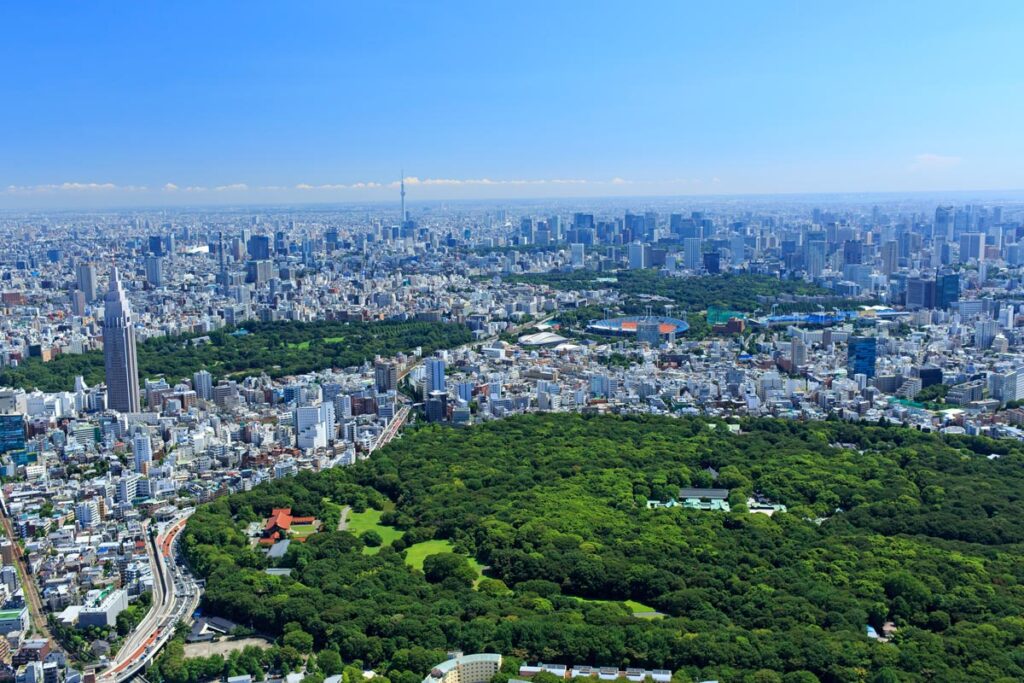
Shinjuku Gyoen
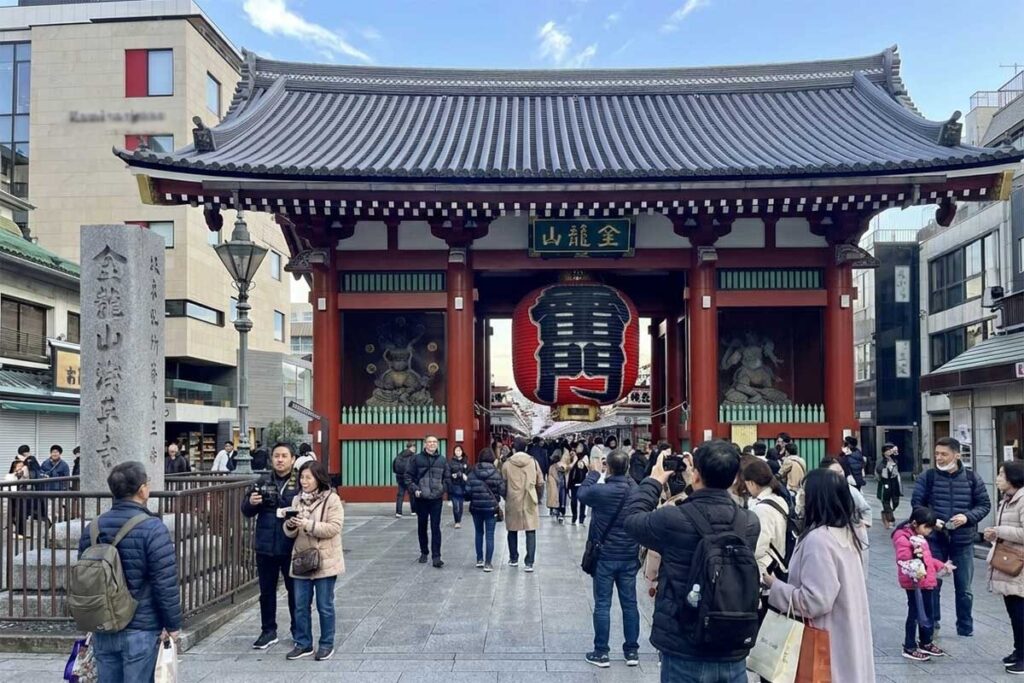
Asakusa
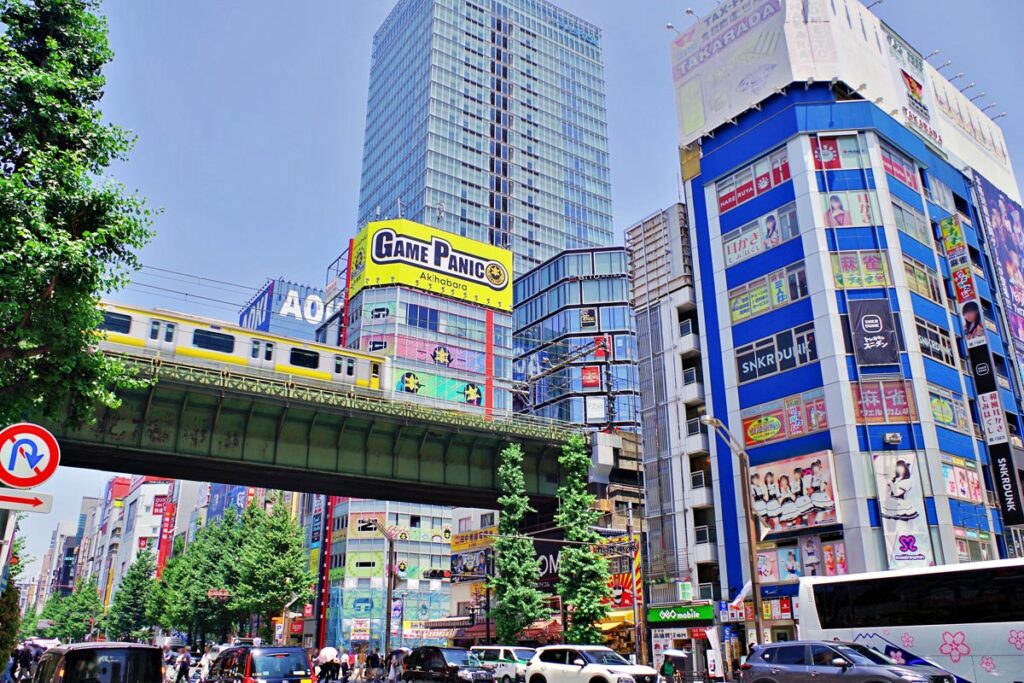
Akihabara
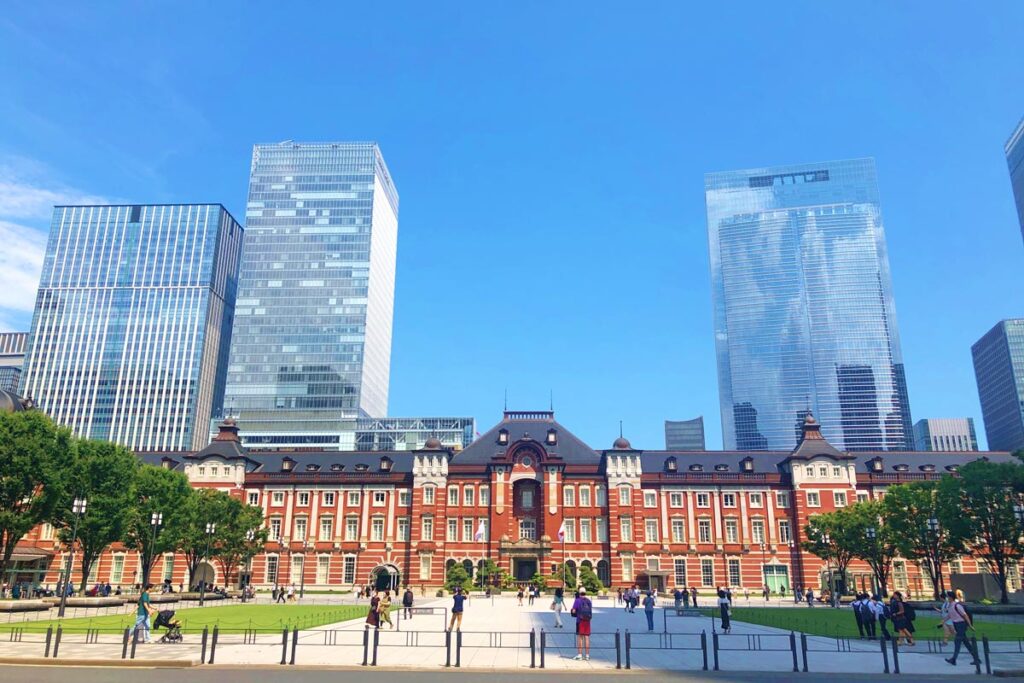
Tokyo Station
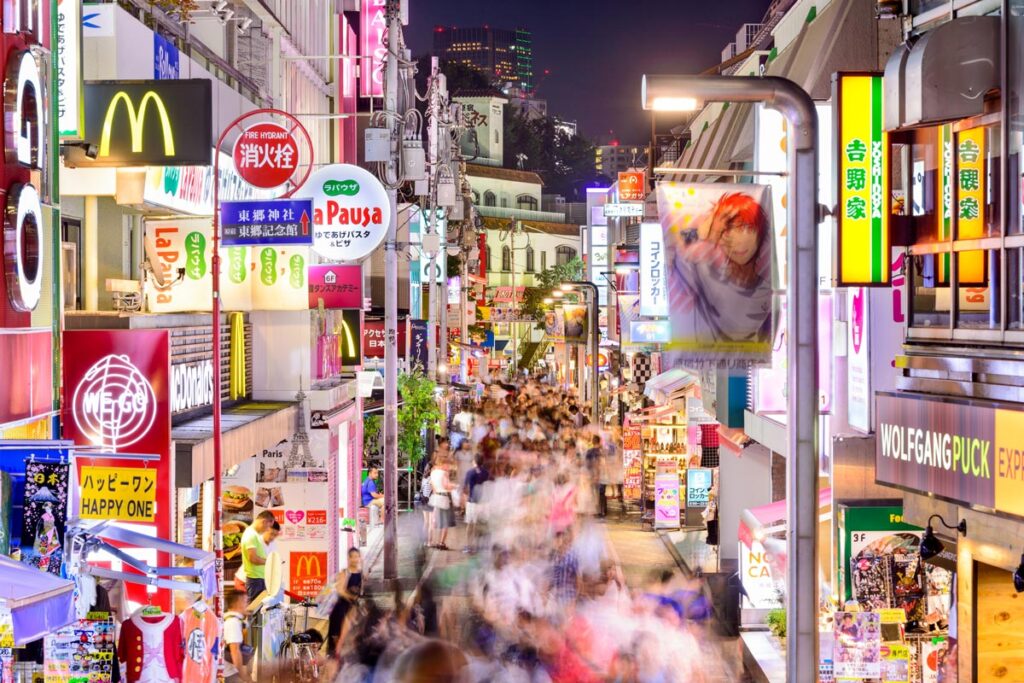
Takeshita Street (Harajuku)
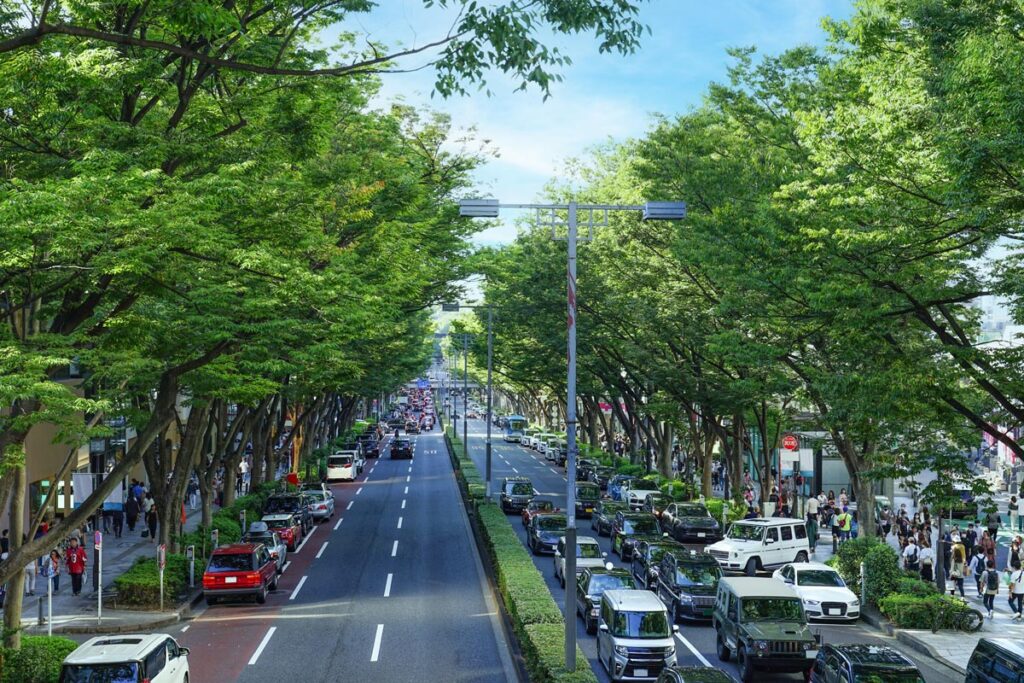
Omotesando

Ginza
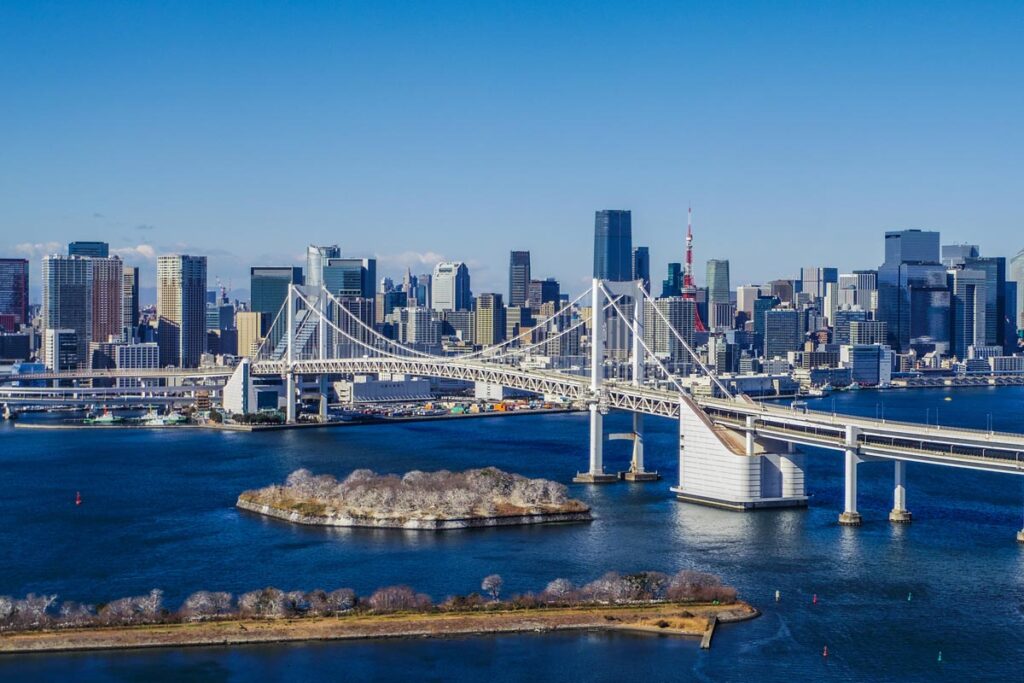
Odaiba
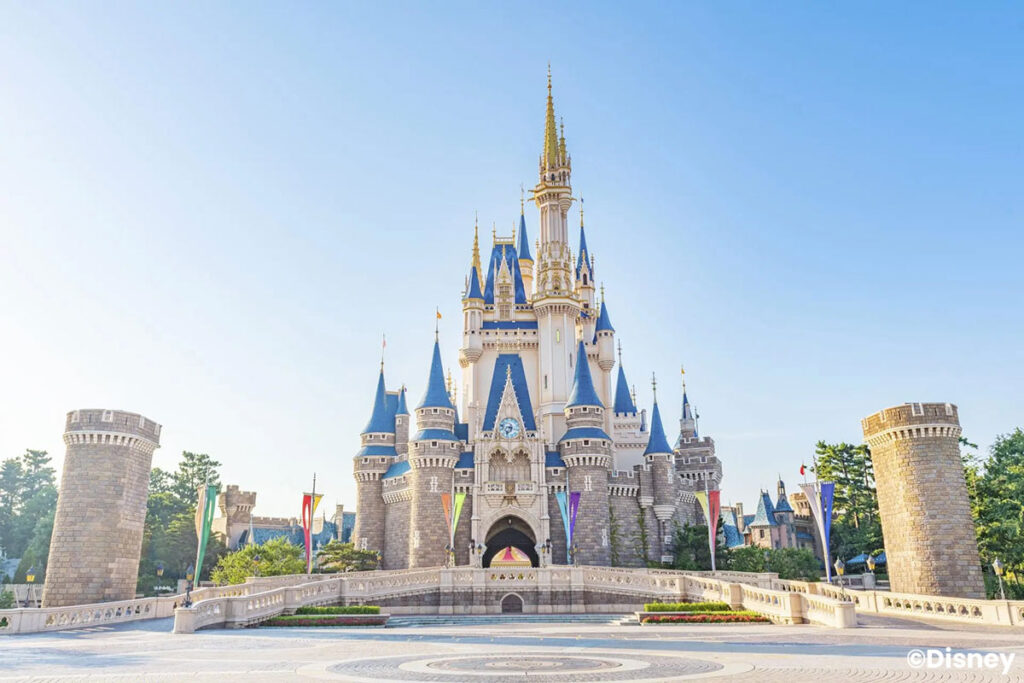
Tokyo Disneyland

Tokyo DisneySea

Toyosu Market

Tsukiji Outer Market
Ameyoko
Kabukicho (Shinjuku)
Ryogoku Kokugikan
teamLab Planets
Toyosu
Ueno Park
Other Top Cities
Mt. Fuji
Kyoto
Osaka