


Toyosu Market
Toyosu Market: How to Visit Tokyo’s High-Tech Fish Market
Toyosu Market is Tokyo’s state-of-the-art wholesale market and the successor to the world‑famous Tsukiji inner market. For first-time visitors to Japan, it offers a rare window into the early-morning world of tuna auctions, professional buyers, and some of the freshest sushi you’ll ever taste. Sleek, clean, and highly organized, Toyosu combines cutting-edge food logistics with deep-rooted Japanese food culture.
What Is Toyosu Market?
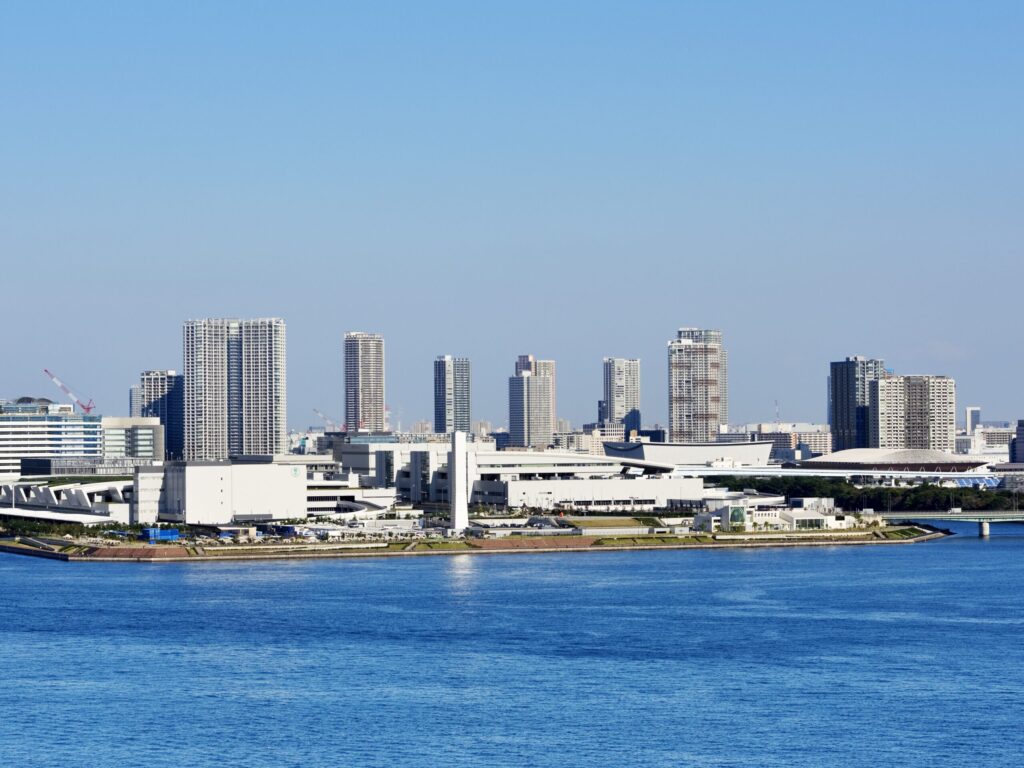
Toyosu Market is Japan’s largest wholesale market for seafood, fruits, and vegetables. Opened in 2018 on a man-made island in Tokyo Bay, it took over the wholesale role of Tsukiji while greatly modernizing hygiene and logistics standards. Unlike Tsukiji’s chaotic, open-floor atmosphere, Toyosu is enclosed, air-conditioned, and arranged around glass-walled observation corridors that allow visitors to watch the action without interfering with business.
The market is primarily a professional space where licensed brokers, chefs, and restaurant buyers bid on seafood and produce. However, Toyosu was designed with tourists in mind. Dedicated viewing areas, multilingual signage, and public restaurants mean international visitors can experience the atmosphere of a working Japanese market while still staying comfortable and safe.
Layout: The Three Main Buildings
Toyosu Market is spread across three main buildings connected by pedestrian walkways. Understanding the layout will help you plan your visit efficiently.
1. Fisheries Wholesale Market Building
This is the heart of Toyosu for most visitors. Here you’ll find:
- Bluefin tuna auction area with observation decks
- Seafood wholesale floor where professionals buy in bulk
- Visitor corridors overlooking the action through large glass panels
- Information corners with displays explaining auction rules, grading, and the history of tuna in Japan
2. Fisheries Intermediate Wholesale Market Building
This building hosts middlemen who break down large lots of seafood into smaller quantities and sell to restaurants and retailers. For tourists, its main appeal is:
- Sushi and seafood restaurants operated by professional market vendors
- Kitchenware and utensil shops selling items such as Japanese knives, chopsticks, and tableware
- Souvenir shops with food-related gifts, snacks, and packaged seafood
3. Fruit and Vegetable Market Building
Though less dramatic than the tuna auction, this building reveals another side of Japan’s food culture: the appreciation for beautifully presented produce. Here visitors can see:
- Wholesale produce auctions for seasonal fruits and vegetables
- Displays of premium fruit, such as carefully wrapped melons and perfect strawberries
- Explanations of how Japanese grading and packaging systems work
Planning Your Visit: Opening Hours and Best Time to Go
Toyosu Market is a working wholesale market, and its rhythm is very different from a typical tourist attraction. Visiting early is key.
Toyosu Market Hours
Wholesale activity starts in the very early morning and largely finishes by late morning. In general:
- Visitor corridors & observation areas: typically open from early morning (around 5:00–5:30) to early afternoon
- Restaurants: most open around 6:00–7:00 and close by mid-afternoon; some sell out early
- Shops: usually open by 8:00–9:00 and close early afternoon
The market is closed on Sundays, many Wednesdays, and on certain holidays. Before you go, check the latest official calendar for opening days, as the schedule can change and does not always align with typical tourist days off.
Best Time to Visit
For a first-time visitor, a good plan is:
- 05:00–07:00: Watch the tuna auction from the observation deck
- 07:00–09:00: Enjoy breakfast sushi at one of the market restaurants
- 09:00–11:00: Explore the visitor corridors, displays, and shops
If you don’t want to get up before dawn, arriving around 8:00 still allows you to see some market activity and enjoy fresh seafood, though you will miss the main tuna auction.
How to See the Tuna Auction
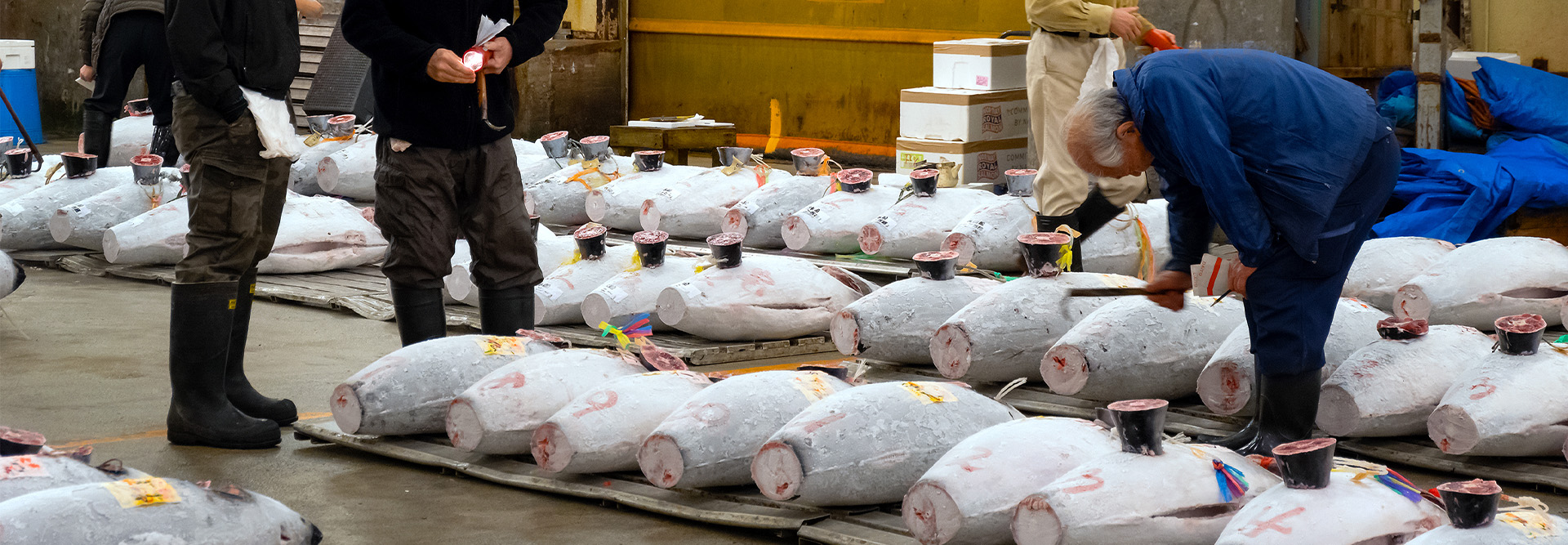
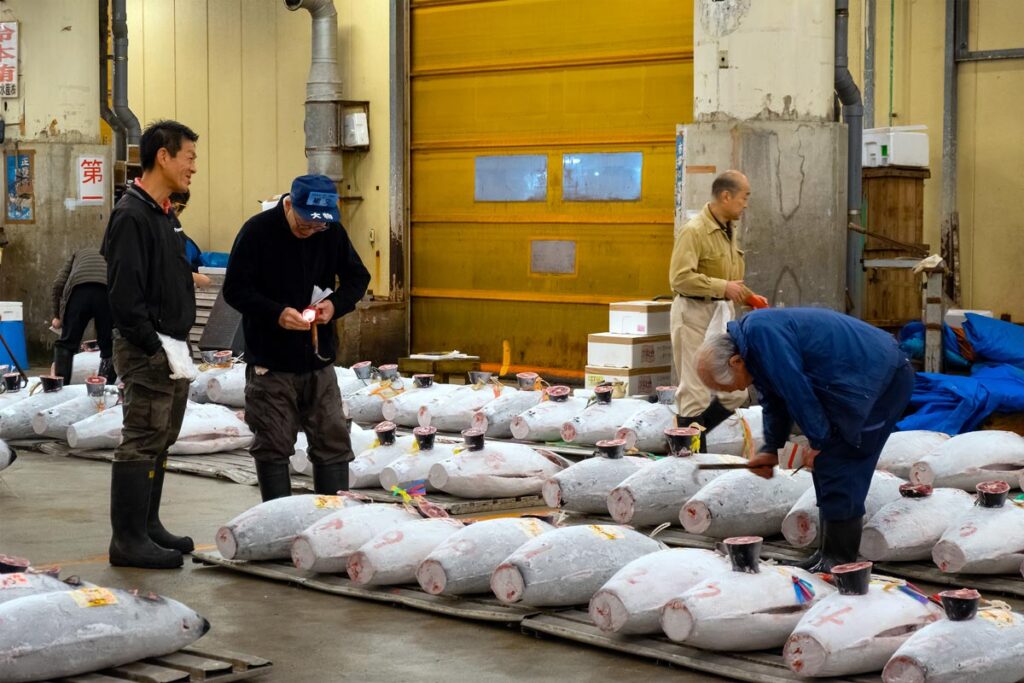
The bluefin tuna auction is Toyosu’s most famous spectacle. Buyers in waterproof boots circle enormous frozen tuna laid out on the floor, inspect color and fat content with flashlights, and signal bids in a rapid-fire series of hand gestures and clapper strikes. Even from behind glass, the energy is palpable.
Observation Decks and Reservations
There are two main ways to view the auctions:
- General observation windows: These are open to all visitors without reservation. From an upstairs corridor, you look down through large windows onto the tuna auction floor. You are a bit removed from the action, but still get a good sense of the atmosphere.
- Special auction observation area: A closer viewing deck is sometimes available by advance reservation and usually allows a limited number of visitors per day. Rules and application procedures can change, and demand is high, so it’s wise to check the latest information well before your trip.
Photography is generally allowed through the glass, but flash is prohibited. Be considerate of other visitors by not occupying the best viewing spots for too long.
Eating at Toyosu: Where to Find the Freshest Sushi
For many travelers, the highlight of Toyosu Market is breakfast or an early lunch at one of the on-site restaurants. These eateries are often run by families and vendors closely connected to the market, and they serve seafood that may have been auctioned just hours earlier.
Types of Restaurants
- Sushi counters: Small, traditional counters where chefs prepare nigiri right in front of you. Expect omakase-style (chef’s choice) sets, premium fatty tuna, seasonal specialties, and simple, exquisitely fresh fish.
- Donburi (rice bowl) shops: Chirashi (mixed sashimi on rice) and kaisendon (seafood rice bowls) piled with tuna, salmon, uni (sea urchin), ikura (salmon roe), and more. These are popular if you want variety at a slightly lower price than a full sushi course.
- Casual eateries: Places serving grilled fish, tempura, curry rice, or tamagoyaki (Japanese omelet) for visitors who prefer cooked food or want to mix seafood with something familiar.
Tips for Dining at Toyosu
- Go early: Popular counters can form lines from early morning. Arriving by 7:00–8:00 improves your chances of a shorter wait.
- Expect cash or IC cards: Many places accept major cashless payments, but having some yen on hand is still wise.
- Respect the pace: Seats are limited and there may be a queue; try not to linger unnecessarily once you’ve finished.
- Try seasonal items: Ask the staff, “Osusume wa nan desu ka?” (What do you recommend?) to discover what’s best that day.
Shops, Souvenirs, and Food Culture
Beyond watching auctions and eating sushi, Toyosu is a good place to deepen your understanding of Japanese food culture and pick up practical souvenirs.
Kitchenware and Professional Tools
Some shops cater to chefs and serious home cooks. You may find:
- Japanese knives (hocho), including sashimi knives and all-purpose santoku
- Bamboo sushi rolling mats and wooden hangiri bowls for rice
- Chopsticks, lacquerware, and small dishes ideal for gifts
If you buy knives, they must go in checked luggage on flights. Staff are usually accustomed to international visitors and may provide basic explanations in English or with simple diagrams.
Packaged Foods and Gifts
You can also purchase:
- Dried seaweed (nori, kombu) used for sushi and soup stock
- Seasoned fish flakes and furikake rice toppings
- Vacuum-packed seafood products and snacks that travel well
These items make convenient, food-themed souvenirs that reflect the market’s role in Japan’s culinary life.
Cultural Context: Why Fish Markets Matter in Japan
Japan is an island nation, and seafood has long been central to its cuisine and identity. Traditional diets emphasized rice, vegetables, and fish, while meat consumption remained limited until relatively recently. Markets like Toyosu are not just commercial hubs; they are vital arteries that connect fishermen and farmers to the nation’s dining tables.
The tuna auction in particular symbolizes Tokyo’s status in global seafood trade. Bluefin tuna from around the world—Japan, the Pacific, the Atlantic—are brought to Toyosu, graded with meticulous care, and shipped out to sushi counters worldwide. Each New Year, a highly publicized “first auction” sees a single fish sell for eye-watering sums, a mix of business, publicity, and cultural ritual.
By watching the market in action, you are seeing a behind-the-scenes chapter of Japanese cuisine that most restaurant diners never glimpse.
Practical Information: Access, Facilities, and Etiquette
How to Get to Toyosu Market
Toyosu Market is located on Toyosu’s waterfront, east of central Tokyo.
- By train: The most convenient route is the Yurikamome Line, an automated, elevated train that runs between Shimbashi and Toyosu. Get off at Shijo-mae Station, which is directly connected to the market buildings by covered walkways.
- From central Tokyo: From Tokyo Station, take the JR Yamanote Line or Keihin-Tohoku Line to Shimbashi, transfer to the Yurikamome Line, then ride to Shijo-mae.
- By taxi: Taxis or ride-hailing services can drop you at the market entrance, but early-morning rides may be more expensive due to distance and time.
Facilities for International Visitors
Toyosu is more comfortable than its predecessor Tsukiji and is generally easy for first-time visitors.
- Signage: Many signs are in Japanese and English, especially in visitor corridors.
- Restrooms: Modern toilets are available in all main buildings.
- Accessibility: Elevators, ramps, and wide corridors make it relatively wheelchair- and stroller-friendly.
- Information corners: Some areas feature displays, models, or videos explaining market operations, often with English text.
Etiquette and Visitor Rules
Toyosu is first and foremost a workplace. Following local rules ensures safety and shows respect for the professionals who rely on the market for their livelihood.
- Stay in designated areas: Visitors are not allowed on the wholesale floors; always remain behind railings and glass partitions.
- No flash photography: Flash can distract workers in a fast-paced environment. Also avoid obstructing walkways while taking pictures.
- Keep noise down: Excited chatter is natural, but try to speak softly near observation areas.
- Watch your step: Floors near entrances can be wet or slippery; wear comfortable shoes with good grip.
- No touching products: Never reach out to touch fish or produce, even if it appears unattended.
Toyosu vs. Tsukiji: Where Should You Go?
Many first-time visitors to Japan wonder whether they should visit Toyosu, Tsukiji, or both.
- Toyosu Market: This is where the professional auctions now take place. If you want to see tuna auctions, large-scale seafood logistics, and modern facilities, Toyosu is essential.
- Tsukiji Outer Market: Although the inner wholesale market moved, the surrounding outer streets remain full of small shops and eateries. It offers a more traditional, bustling street-market atmosphere, with tastings, skewers, and casual stalls.
If your schedule allows, a good combination is to experience the tuna auction and sushi breakfast at Toyosu, then head to Tsukiji Outer Market later in the morning for street snacks and shopping. If you must choose only one, Toyosu is the place to see the contemporary heart of Tokyo’s seafood trade.
Suggested Itinerary for First-Time Visitors
Here is a simple half-day plan that fits easily into a Tokyo itinerary:
- 05:30–06:00: Arrive at Shijo-mae Station and walk into the Fisheries Wholesale Market Building.
- 06:00–07:00: Watch the tuna auction from the observation windows.
- 07:00–08:30: Have a sushi or seafood rice bowl breakfast in the Fisheries Intermediate Wholesale Market Building.
- 08:30–10:00: Stroll through the visitor corridors in the fish and produce buildings, explore displays, and shop for kitchenware or packaged foods.
- 10:00 onward: Take the Yurikamome Line back toward Shimbashi and continue your Tokyo sightseeing, or transfer by subway to your next destination.
Final Tips for Enjoying Toyosu Market
Toyosu Market is an early-morning, behind-the-scenes experience that rewards travelers who are willing to adjust their schedule. To make the most of your visit:
- Check the market calendar before you go to ensure it is open.
- Arrive early if the tuna auction is a priority.
- Wear comfortable, warm layers: the buildings can feel cool in the early hours.
- Bring a small bag rather than large luggage, as storage options are limited.
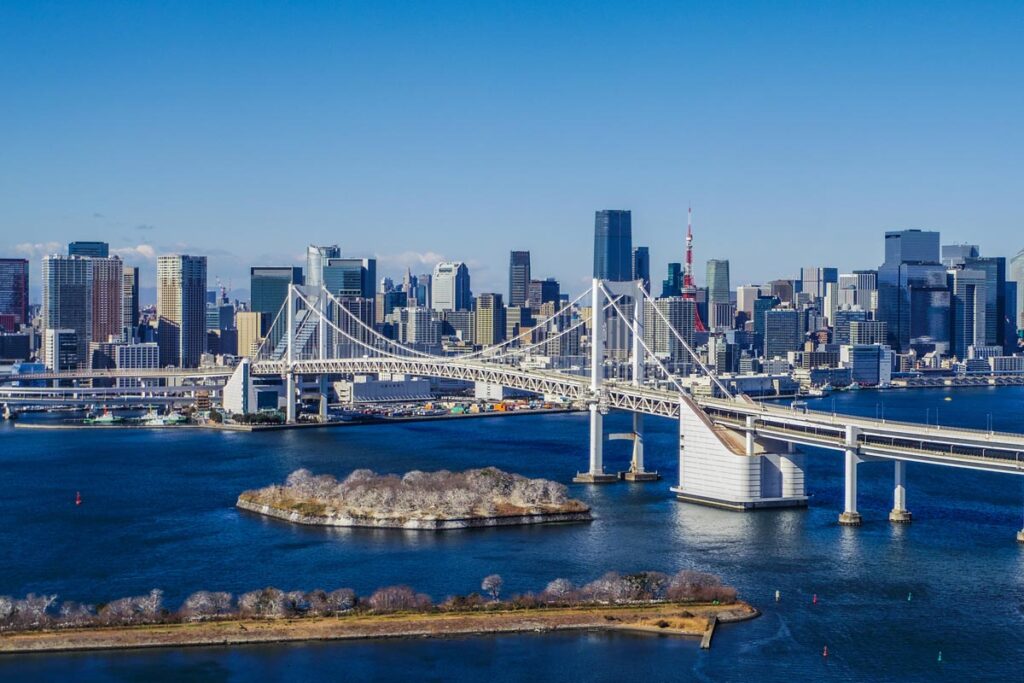
- Combine your visit with other attractions along Tokyo Bay, such as Odaiba, for an efficient use of time.
For first-time visitors to Japan, Toyosu Market offers a vivid introduction to the precision, passion, and quiet drama that underpin Japanese cuisine. From the thud of the auctioneer’s gavel to the first bite of pristine tuna, it is one of Tokyo’s most memorable early-morning adventures.

Access Map
Recommended spots in Tokyo
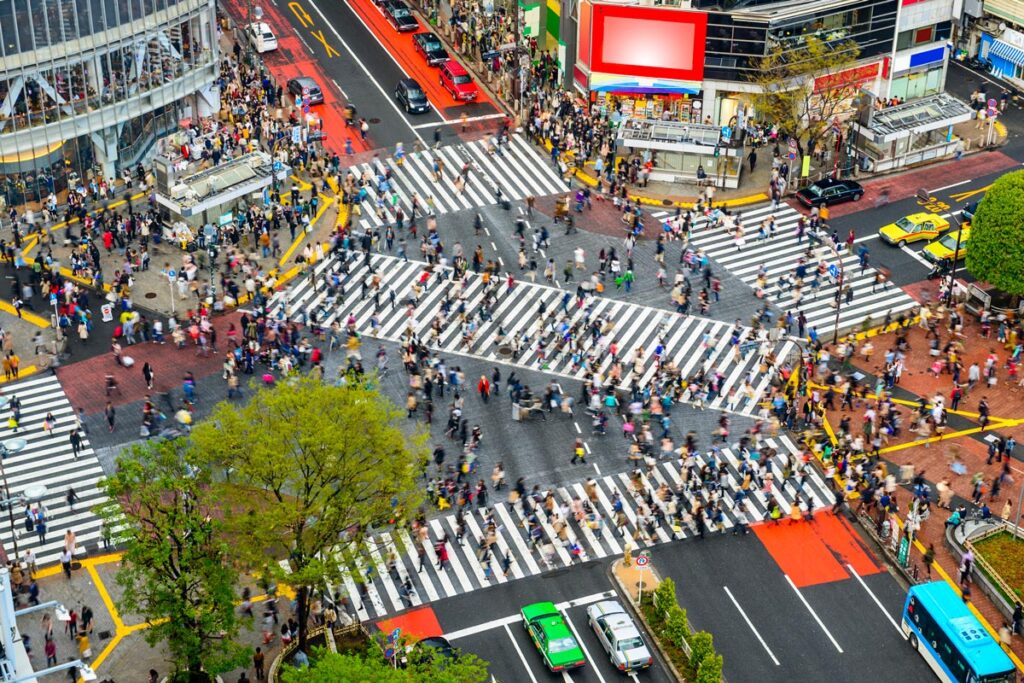
Shibuya Scramble Crossing
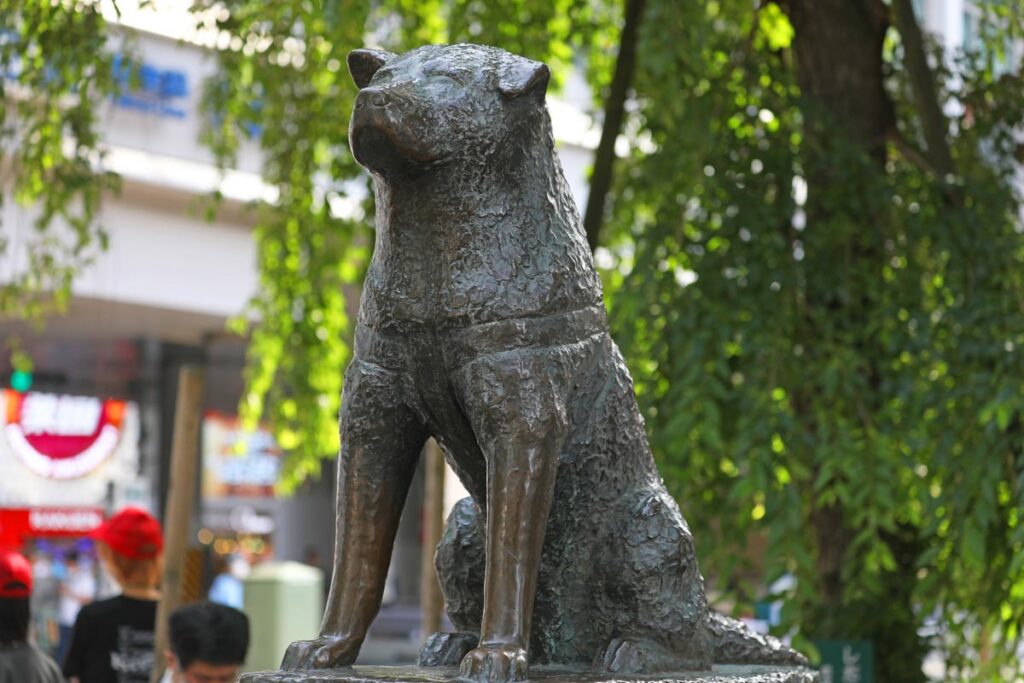
Hachiko Statue
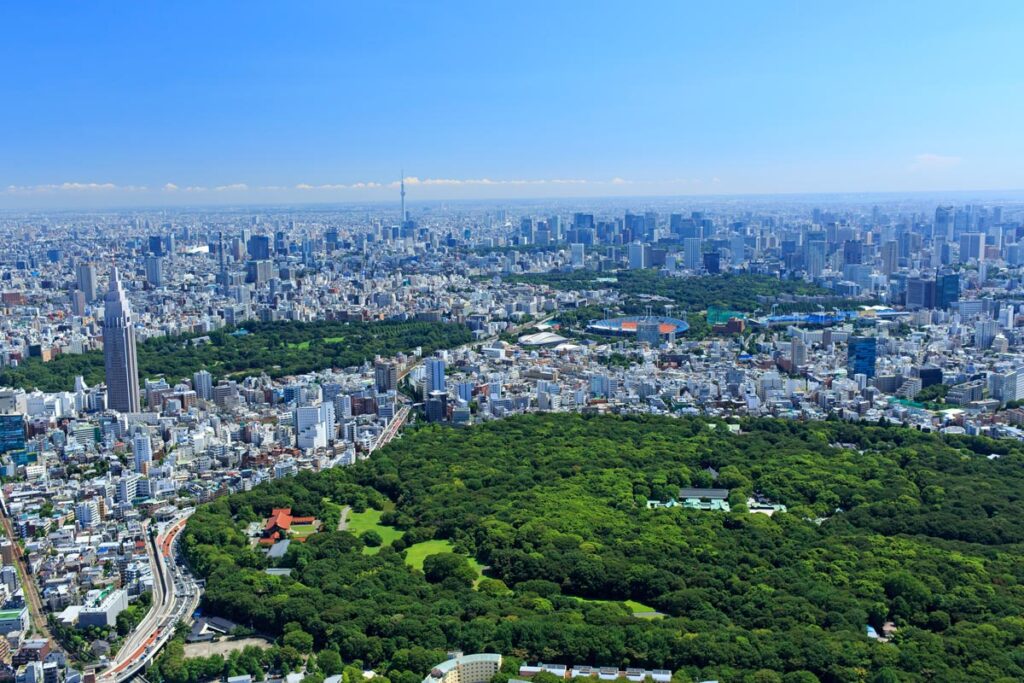
Shinjuku Gyoen
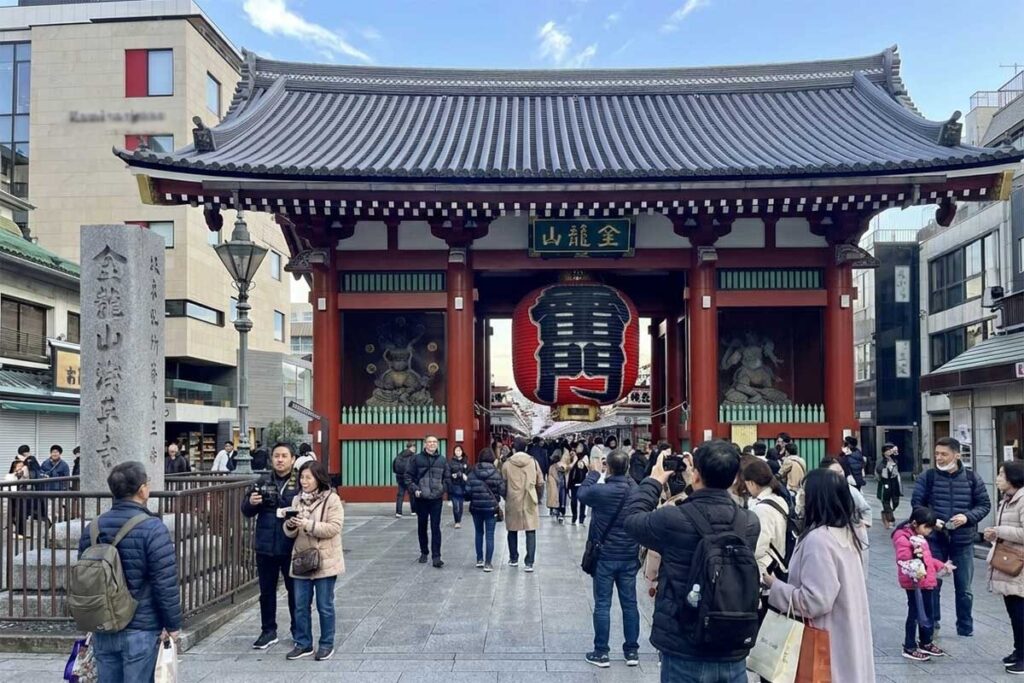
Asakusa
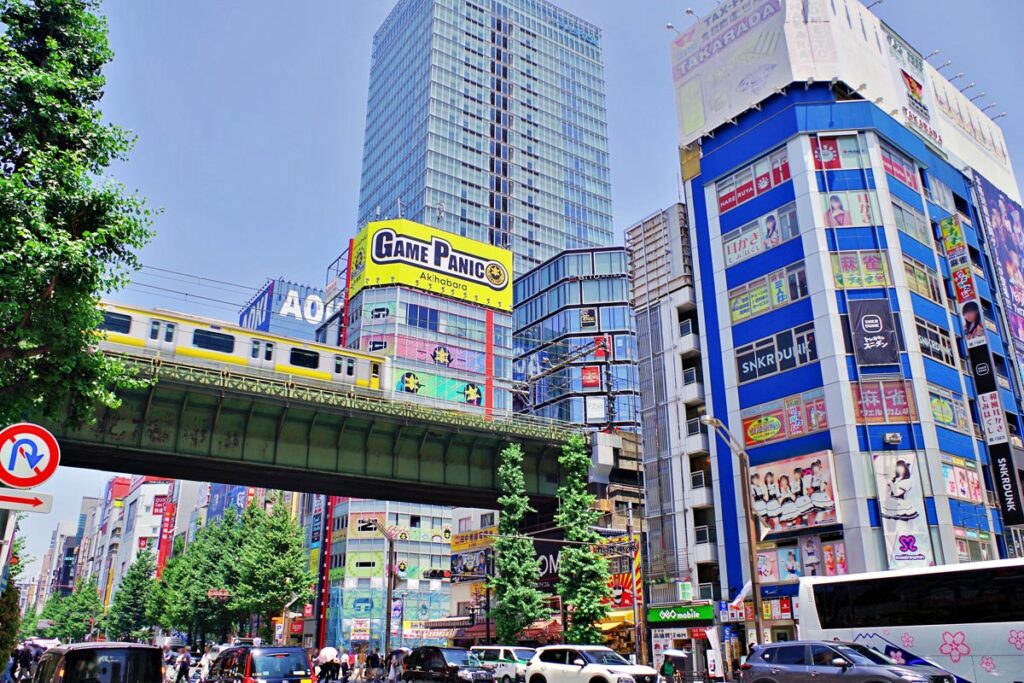
Akihabara
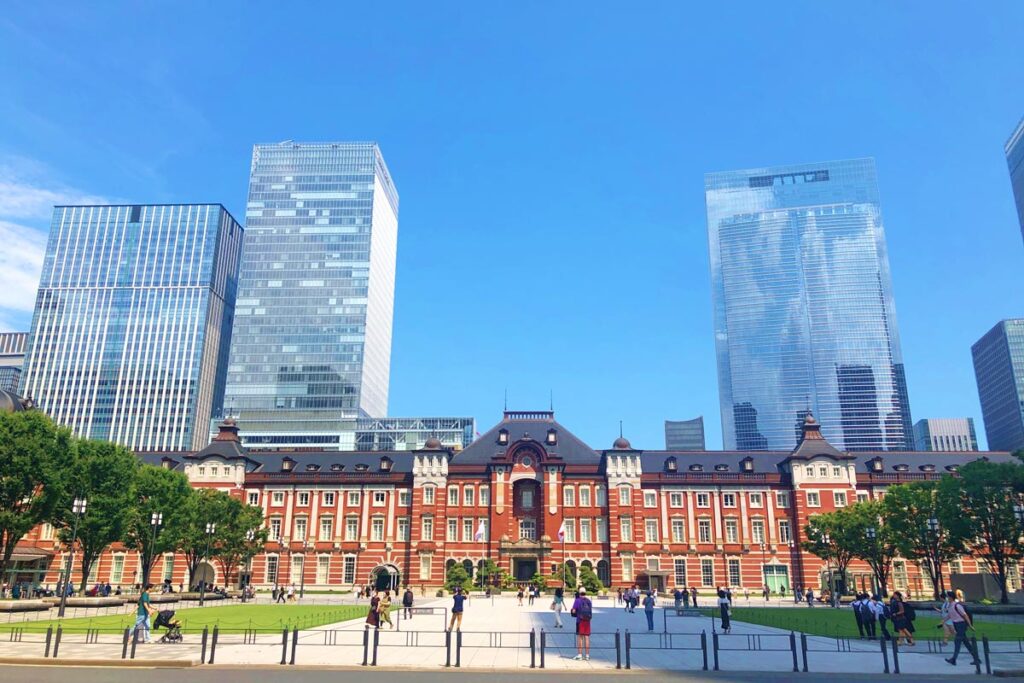
Tokyo Station
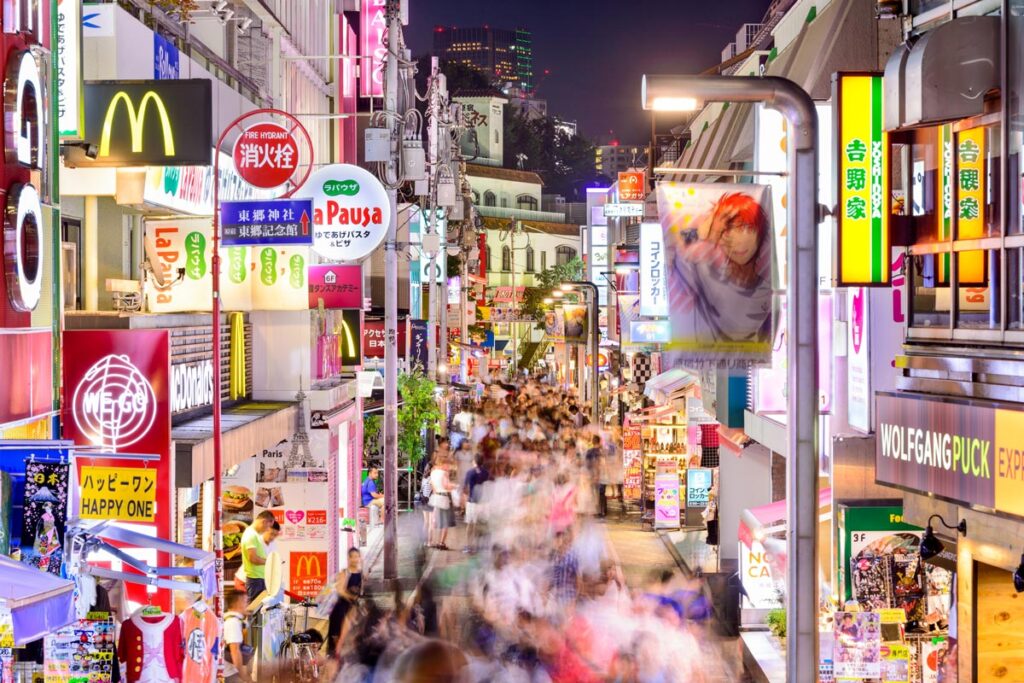
Takeshita Street (Harajuku)
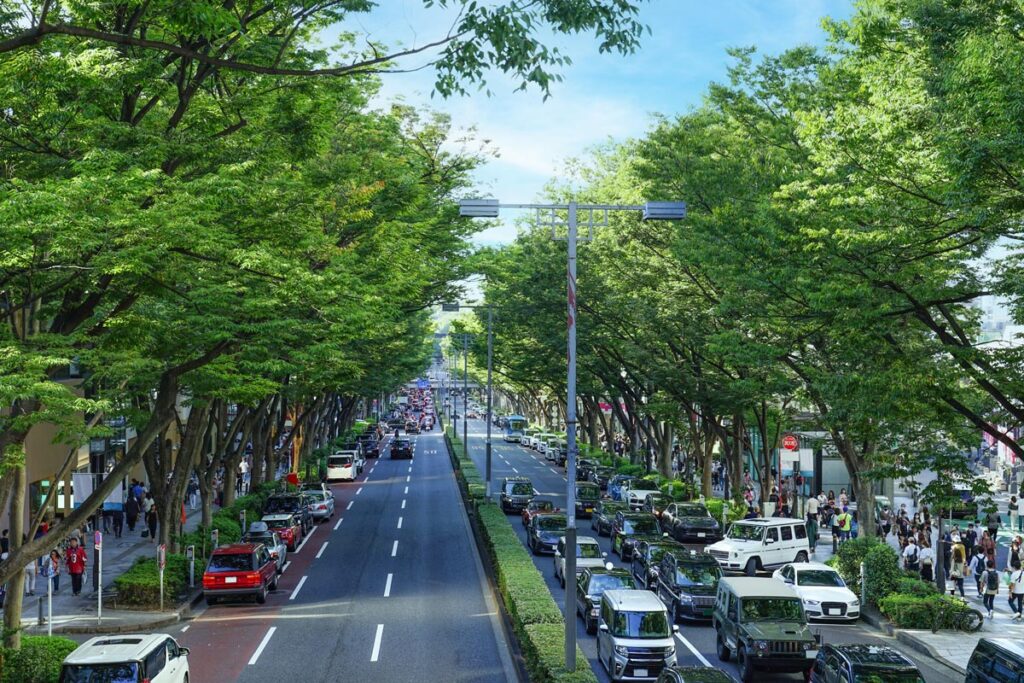
Omotesando
Ginza
Odaiba
Tokyo Disneyland

Tokyo DisneySea
Toyosu Market
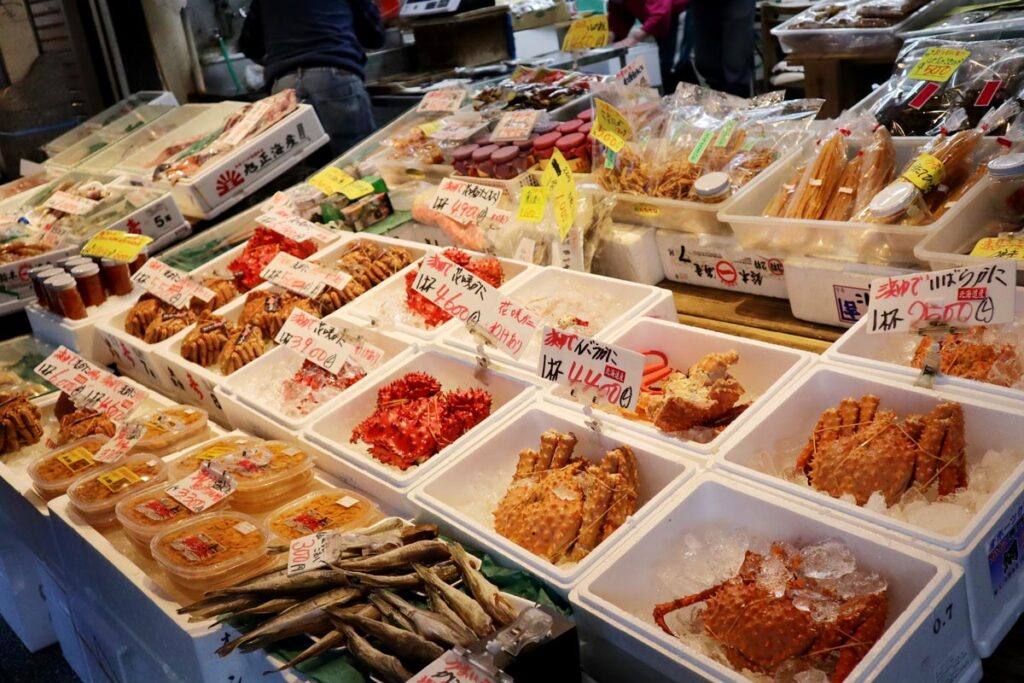
Tsukiji Outer Market
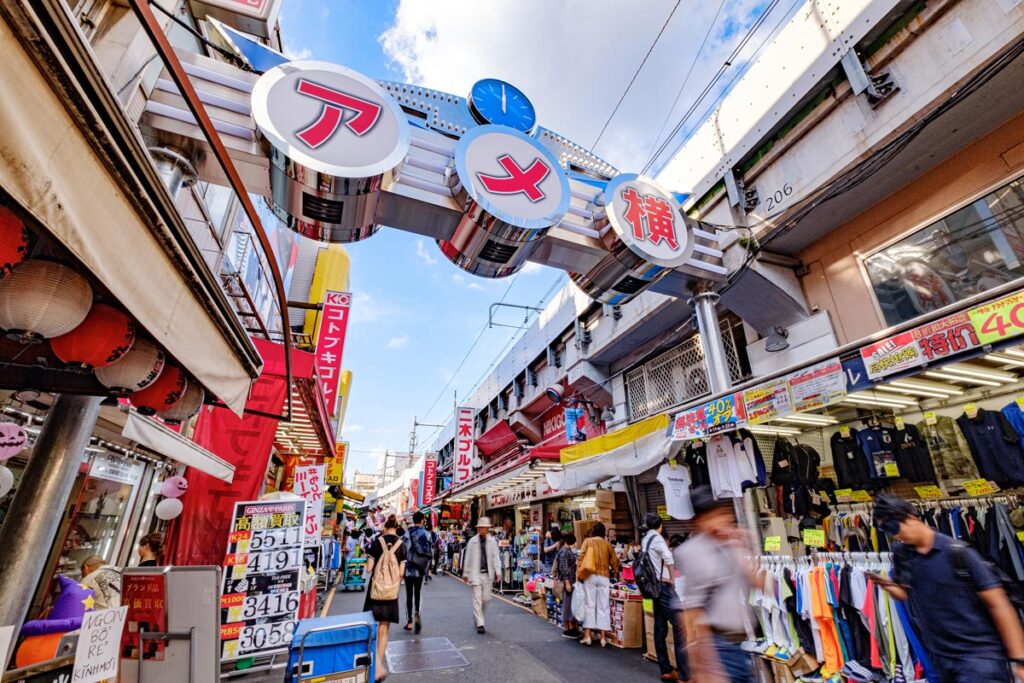
Ameyoko
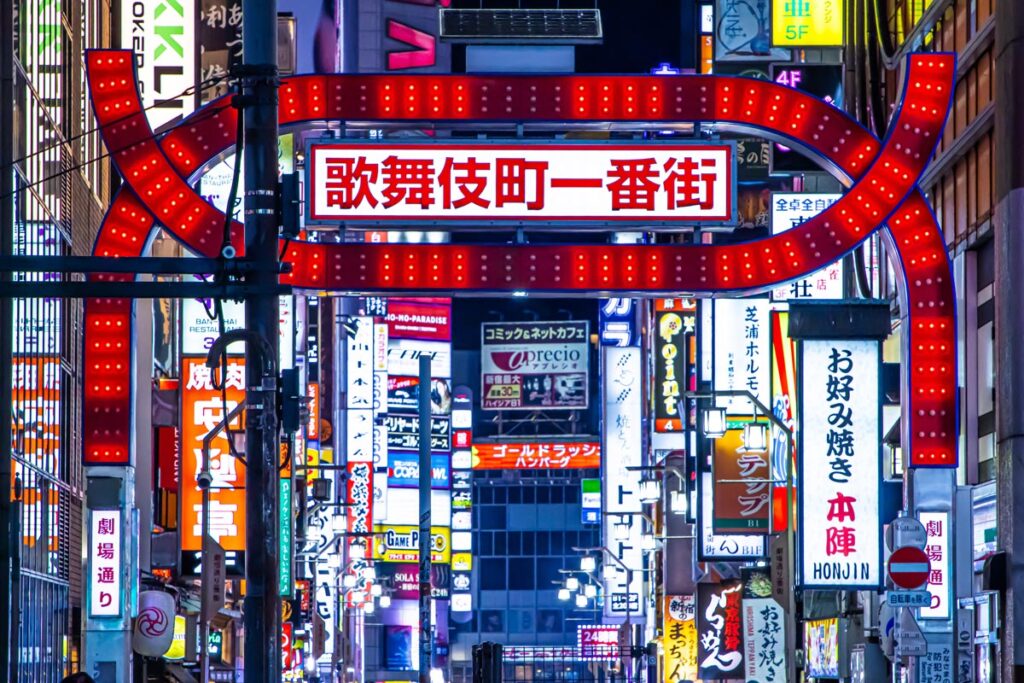
Kabukicho (Shinjuku)
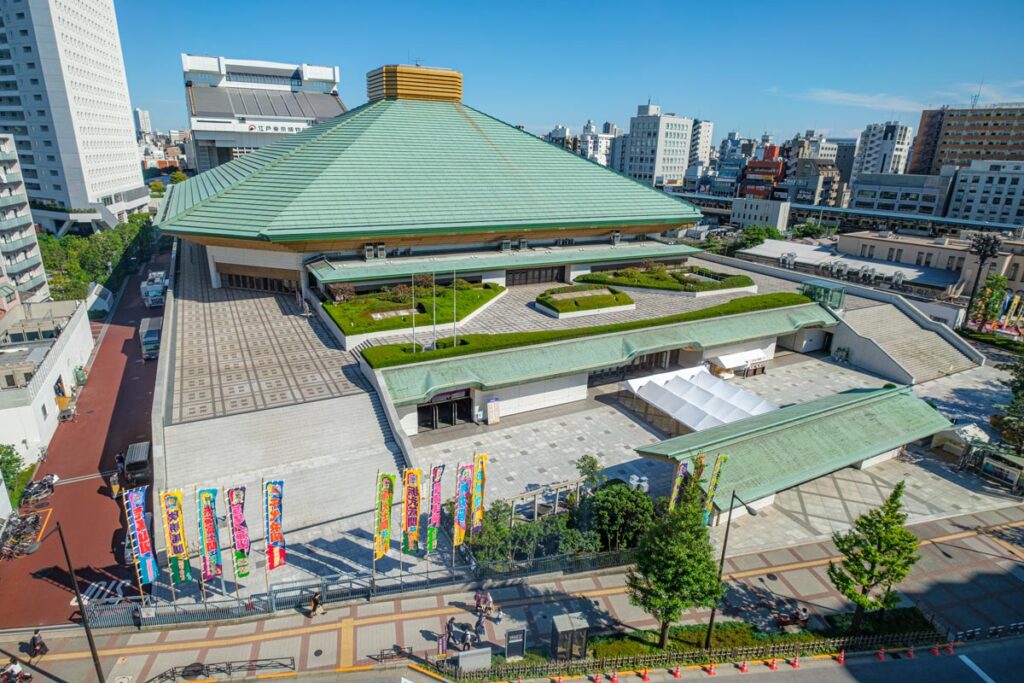
Ryogoku Kokugikan

teamLab Planets
Toyosu
Ueno Park
Other Top Cities
Mt. Fuji
Kyoto
Osaka