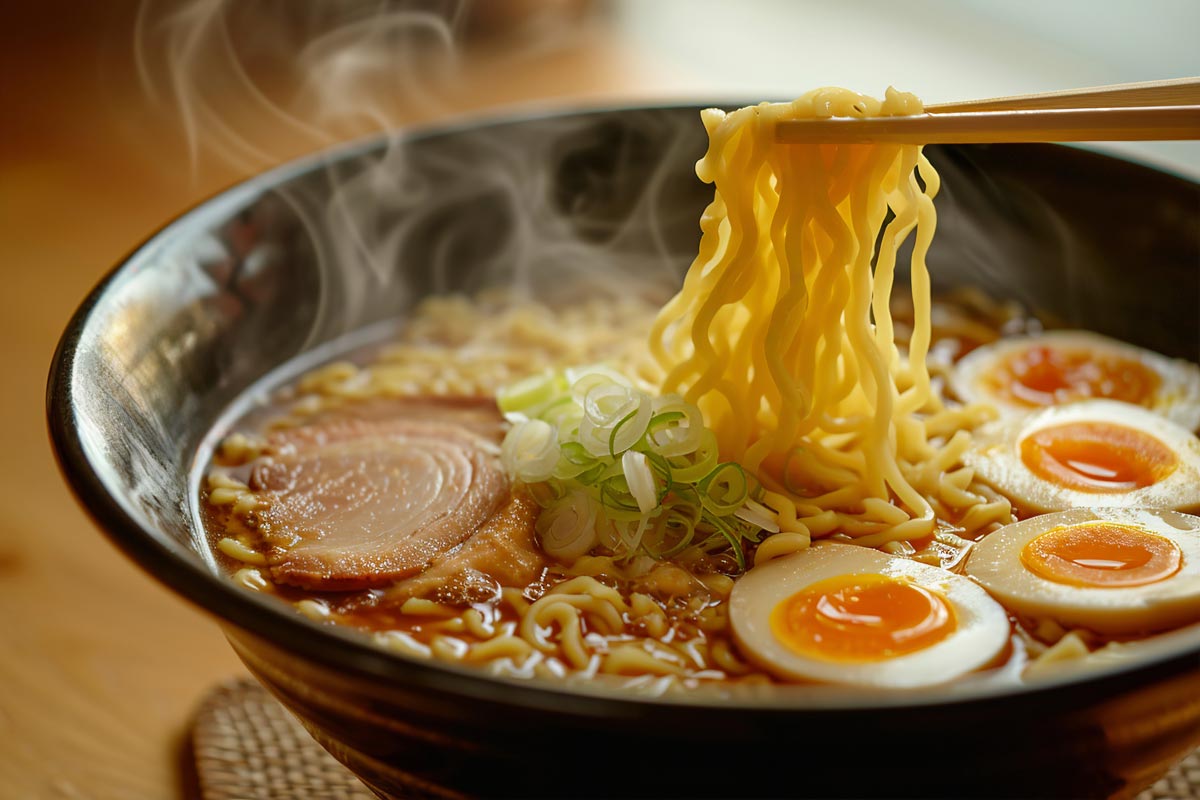
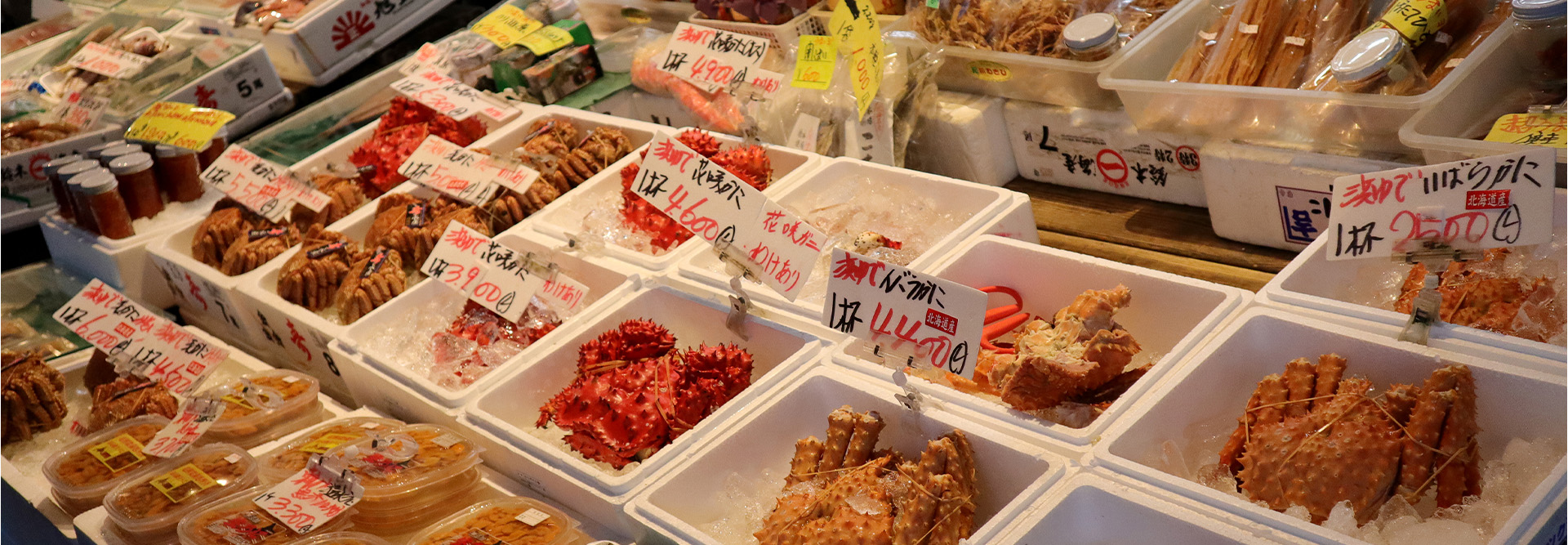
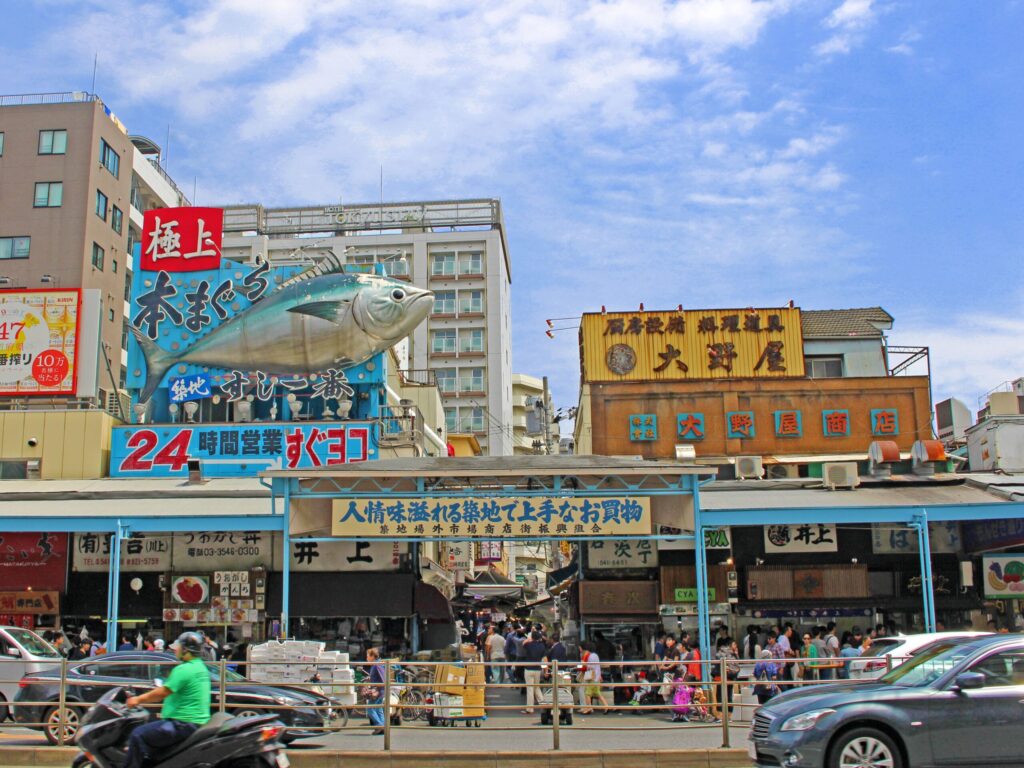
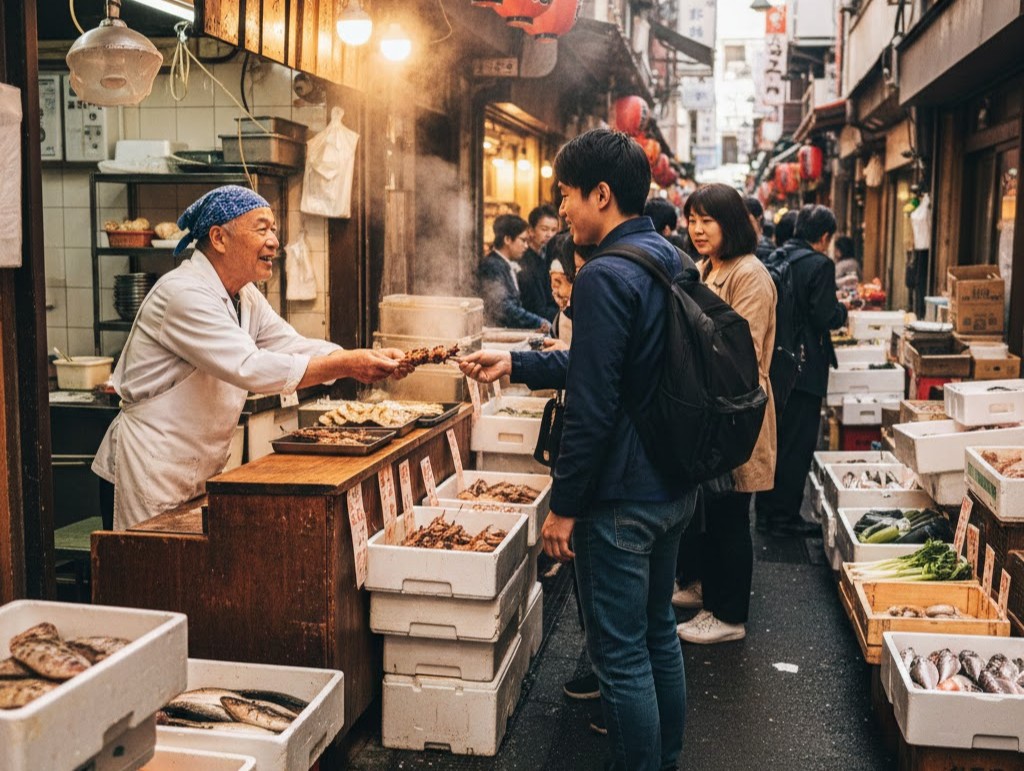
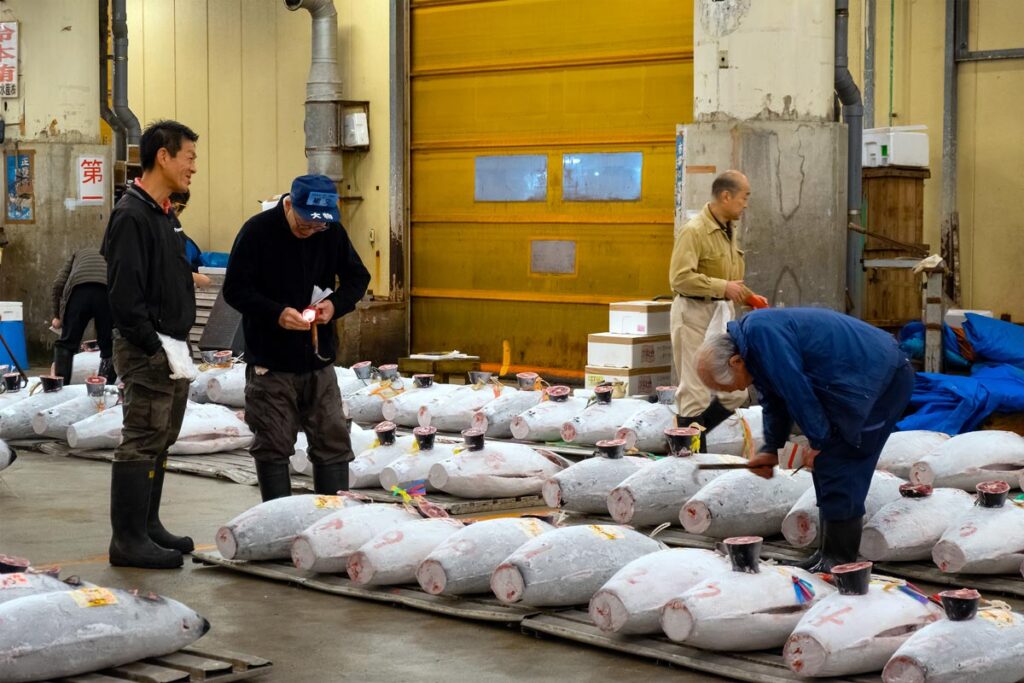
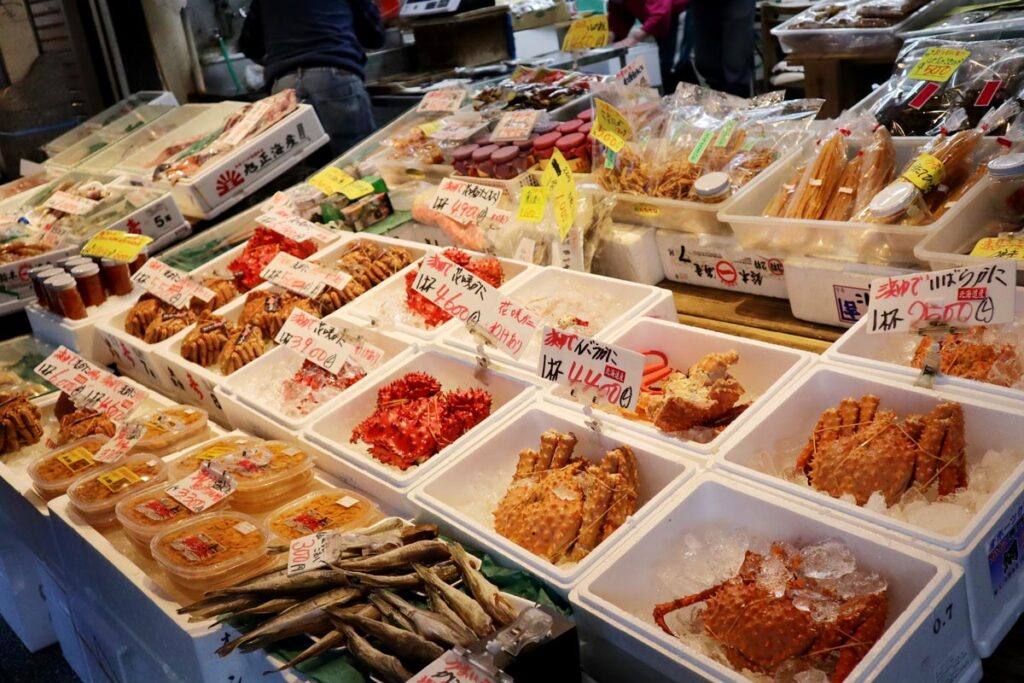
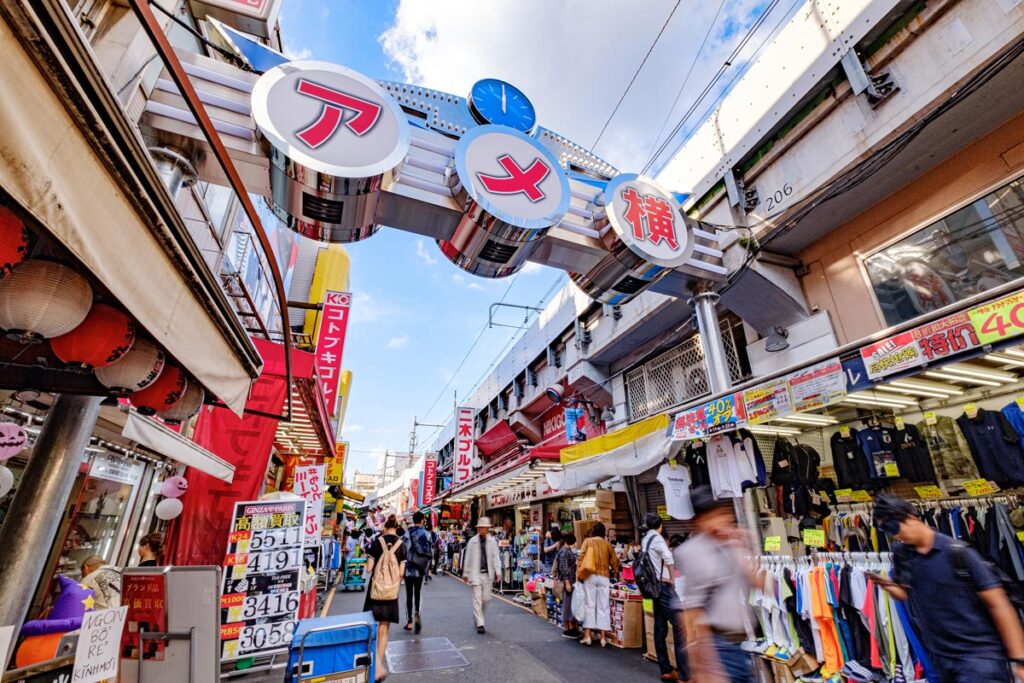
Tsukiji Outer Market is one of Tokyo’s most atmospheric places to experience everyday Japanese food culture. While the famous inner wholesale fish market moved to Toyosu in 2018, the surrounding streets of Tsukiji still hum with energy every morning: steaming bowls of ramen, sizzling skewers, gleaming displays of tuna and crab, and vendors calling out in cheerful Tokyo dialect.
For first-time visitors to Japan, Tsukiji Outer Market is an easy and unforgettable introduction to local flavors. Here is how to make the most of your visit, from when to go and what to eat, to cultural etiquette and useful phrases.
What Is Tsukiji Outer Market?
Tsukiji Outer Market (Tsukiji Jogai Shijo) is a network of narrow lanes filled with small shops, casual eateries, and wholesale stalls. It grew up around the old inner market, serving professional chefs and local residents in search of the freshest seafood, knives, and specialty ingredients. Even after the wholesale auctions moved away, the outer market remained—and today it blends local life with curious travelers from around the world.
Tsukiji is not a theme park or a polished shopping mall. It is a working food district. You will see chefs hunting for high-quality tuna, grandmothers picking out pickles for dinner, and office workers grabbing a quick bowl of sashimi before work. That mix of daily life and tourism is precisely what makes the area so compelling.
When to Visit Tsukiji Outer Market
Best time of day: Morning is ideal. Many shops open around 8:00 and start winding down by early afternoon. If you arrive between 9:00 and 11:00, you can enjoy the lively atmosphere and still have plenty of choices for breakfast or lunch.
Closing days: Many businesses close on Sundays, national holidays, and some Wednesdays. Because each shop chooses its own schedule, there is always something open, but visiting on a weekday morning gives you the fullest experience.
Seasonal differences: Japan’s seafood changes with the seasons. Winter brings rich, fatty tuna and snow crab; spring is known for shellfish; summer is lighter and fresher, with refreshing cold dishes; autumn is famous for sanma (Pacific saury) and other oily fish. Whenever you visit, you will find something seasonal on display.
How to Get to Tsukiji Outer Market
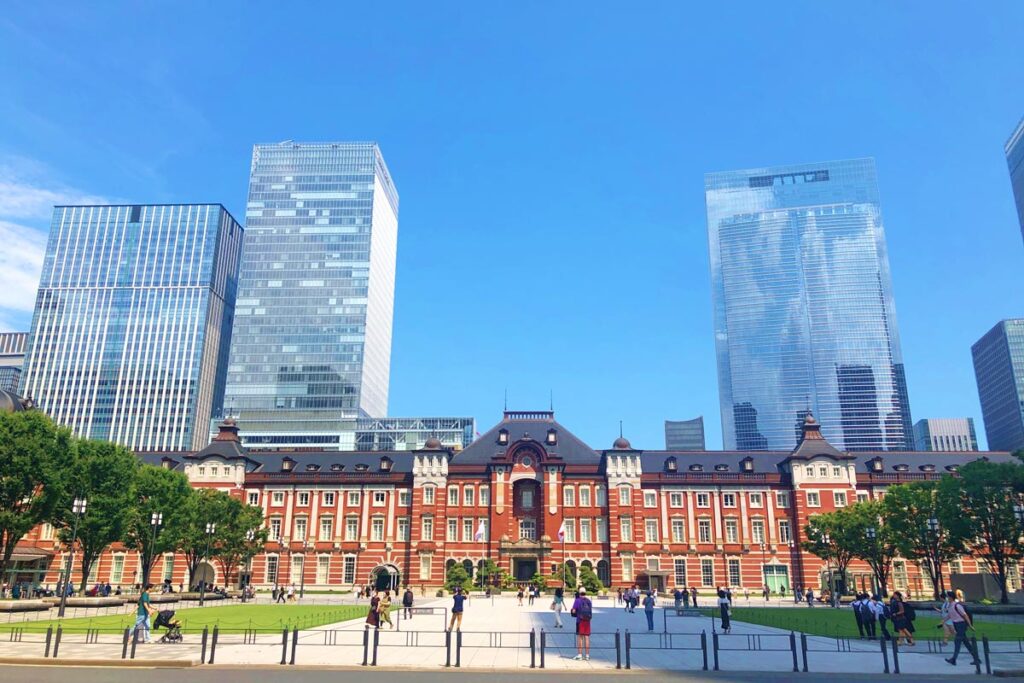
Tsukiji is in central Tokyo, just a few stops from major hubs like Ginza and Tokyo Station, making it straightforward even for first-time visitors.
By Subway
From Ginza: Tsukiji Station on the Tokyo Metro Hibiya Line is one stop from Higashi-Ginza. The market area is about a 5-minute walk from Exit 1 or Exit 2.
From Tokyo Station: Take the Marunouchi Line to Ginza, then transfer to the Hibiya Line for Tsukiji. Total travel time is usually around 15–20 minutes.
Nearby stations: You can also reach the area via Tsukijishijo Station on the Toei Oedo Line, a short walk from the market. This route is convenient if you are coming from Shinjuku.
Tips for First-Time Travelers
Stations are well signposted in English, and most station staff are used to helping visitors find Tsukiji. If you get lost, simply say “Tsukiji Market?” and show the name in writing; Tokyoites will usually point you in the right direction.
What to Eat at Tsukiji Outer Market
Food is the star of Tsukiji Outer Market. Allow yourself to snack as you go, but try to sit down when possible so you can properly enjoy each flavor and avoid contributing to sidewalk congestion.
Fresh Sushi and Sashimi Breakfast
A sushi breakfast at Tsukiji is a classic Tokyo experience. Many small counters serve set menus featuring tuna, salmon, sea bream, sweet shrimp, and seasonal specialties, often with miso soup and green tea.
Look for places that feel welcoming, with staff greeting guests at the door. The longest line is not always the best option—sometimes you will find excellent quality at quieter counters one or two streets back from the main road.
First-timers might enjoy a chef’s choice set menu (omakase), where the itamae (sushi chef) selects the best pieces of the day. If you are nervous about raw fish, many shops offer seared options, grilled fish, or bowls of seafood over rice (kaisendon), which can be easier to start with.
Street Food and Snacks to Try
As you wander, you will encounter a tempting array of snacks. A few staples include:
- Tamagoyaki (Japanese omelet): Lightly sweet, fluffy layers of egg, often served on a stick. Children and adults alike love this Tsukiji classic.
- Grilled seafood skewers: Scallops, squid, and sometimes crab legs grilled over charcoal and brushed with soy-based sauces.
- Oden (in colder months): A warming stew of radish, fish cakes, eggs, and tofu simmered in a gentle broth, perfect on a chilly morning.
- Onigiri (rice balls): Filled with salted salmon, tuna mayo, pickled plum, or other ingredients. A portable taste of everyday Japanese comfort food.
- Matcha and sweets: Green tea soft serve or dorayaki (red bean pancakes) offer a sweet break between savory bites.
Bring small coins and 1,000-yen bills; some of the smallest stalls may not accept credit cards, and paying efficiently keeps lines moving smoothly.
Beyond Seafood: Vegetarian and Non-Seafood Options
While Tsukiji is famous for fish, you can still enjoy a visit if you do not eat seafood. Look out for:
- Vegetable tempura and rice bowls
- Grilled mochi and rice crackers (senbei)
- Pickles, miso soups, and tofu dishes
- Fruit, juices, and desserts
Vegetarian or vegan visitors should know that dashi, a broth made from bonito fish flakes, is common in soups and sauces, even when no visible meat or fish is present. If this is a concern, ask staff or look for signs specifically mentioning vegetarian options.
Shopping at Tsukiji Outer Market
Tsukiji is not only about eating on the spot; it is also an excellent place to buy culinary souvenirs and kitchen tools that you can use long after your trip.
Japanese Knives and Kitchenware
Tsukiji is famous among professionals for its knife shops. You will find artisan blades from across Japan, from everyday stainless steel knives to high-end carbon steel crafted by traditional methods.
If you are considering a purchase, take your time. Staff often speak basic English and are used to international customers, so do not hesitate to explain your cooking style and budget. Many shops can even engrave your name on the blade in kanji or Roman letters.
Beyond knives, look for items such as:
- Small donabe (earthenware pots)
- Chopsticks and chopstick rests
- Bento boxes and onigiri molds
- Professional-grade graters and peelers
Specialty Ingredients
Food lovers will enjoy browsing the shelves of dried goods and condiments. Common finds include:
- Katsuobushi (dried bonito flakes)
- Kombu (kelp for making dashi)
- High-quality soy sauce and miso
- Green tea from different regions of Japan
- Dried seaweed snacks and furikake rice seasonings
Most dry goods are safe to bring home, but check your home country’s customs rules before buying fresh or frozen products.
Cultural Etiquette and How to Behave
Tsukiji Outer Market is a working environment. A little consideration goes a long way to keeping the atmosphere pleasant for both locals and visitors.
Be Mindful of Space
The lanes can be narrow and crowded, especially on weekends and during peak travel seasons. Avoid blocking paths by stopping in the middle to take photos or check your phone. If you need a moment, step to the side so people can pass.
Some stalls have clear signs asking that customers not photograph certain products or staff. When in doubt, a friendly question—“Photo OK?”—is appreciated.
Eating Etiquette
Japan generally discourages walking while eating, and Tsukiji is no exception. Many shops provide a small standing counter or a designated corner where you can finish your purchase. Use these spots where available, then dispose of trash in the provided bins or take it with you if there is no bin nearby.
While chopsticks are widely provided, some street snacks come on skewers or small plates. It is fine to eat with your hands if that is how the item is served. Just avoid dripping sauces on the ground or on other passersby.
Respect for Workers
Behind each counter is a team that often started work long before sunrise. A simple “arigatou” (thank you) or “gochisousama deshita” (a phrase used after a meal) is a small but meaningful way to show appreciation.
Practical Tips for First-Time Visitors
Money and Payment Methods
Cash is still important in Tsukiji, especially at small stalls. Larger restaurants and some knife shops accept credit cards and mobile payments, but you should bring enough cash for breakfast, snacks, and souvenirs. Conveniently, there are ATMs at nearby convenience stores where foreign cards are often accepted.
Language Support
Many menus feature photos or English translations, and staff are used to serving international customers. When language barriers arise, pointing at a picture, display, or menu item usually works well. You can also write a number to indicate quantity.
Useful phrases include:
- “Kore wa nan desu ka?” – What is this?
- “Osusume wa?” – What do you recommend?
- “Sumimasen” – Excuse me / I’m sorry / Getting someone’s attention
- “Oishii desu” – It’s delicious
Allergies and Dietary Needs
If you have allergies, write them down clearly in Japanese before visiting. Show the note to staff so they can advise you. Keep in mind that cross-contamination is common in small kitchens, especially with soy, wheat, and fish products.
Combining Tsukiji with Nearby Sights
Because Tsukiji Outer Market is a morning destination, you will likely have the afternoon free. The area connects easily with several other key Tokyo sights.
- Hamarikyu Gardens: A short walk away, this traditional garden features tidal ponds and a teahouse where you can enjoy matcha with a view.
- Ginza: Tokyo’s luxury shopping and dining district lies just to the north, ideal for wandering elegant department stores and boutiques.
- Tokyo Bay cruises: From nearby piers, you can board riverboats that travel up the Sumida River to Asakusa, offering a relaxed perspective on the city.
Planning Tsukiji as the first stop of your day allows you to enjoy the market at its liveliest and then move on as stalls begin to close in the afternoon.
Is Tsukiji Outer Market Still Worth Visiting?
Since the move of the inner wholesale market to Toyosu, some travelers wonder whether Tsukiji is still worth including in a Japan itinerary. For food lovers and first-time visitors, the answer is a clear yes.
At Tsukiji you can taste classic Tokyo flavors, observe how local residents shop and eat, and feel the layered history of a neighborhood shaped by the sea. It offers an accessible, walkable, and deeply sensory experience—sizzling grills, shouted greetings, the scent of dashi and soy—that no guidebook can fully capture.
Final Thoughts
Tsukiji Outer Market is more than a place to grab sushi. It is a window into Japanese daily life, where time-honored techniques meet modern tastes and where visitors are welcomed into the rhythm of Tokyo mornings. Come hungry, bring curiosity, and give yourself permission to wander—your best Tsukiji memories will likely be the ones you did not plan in advance.