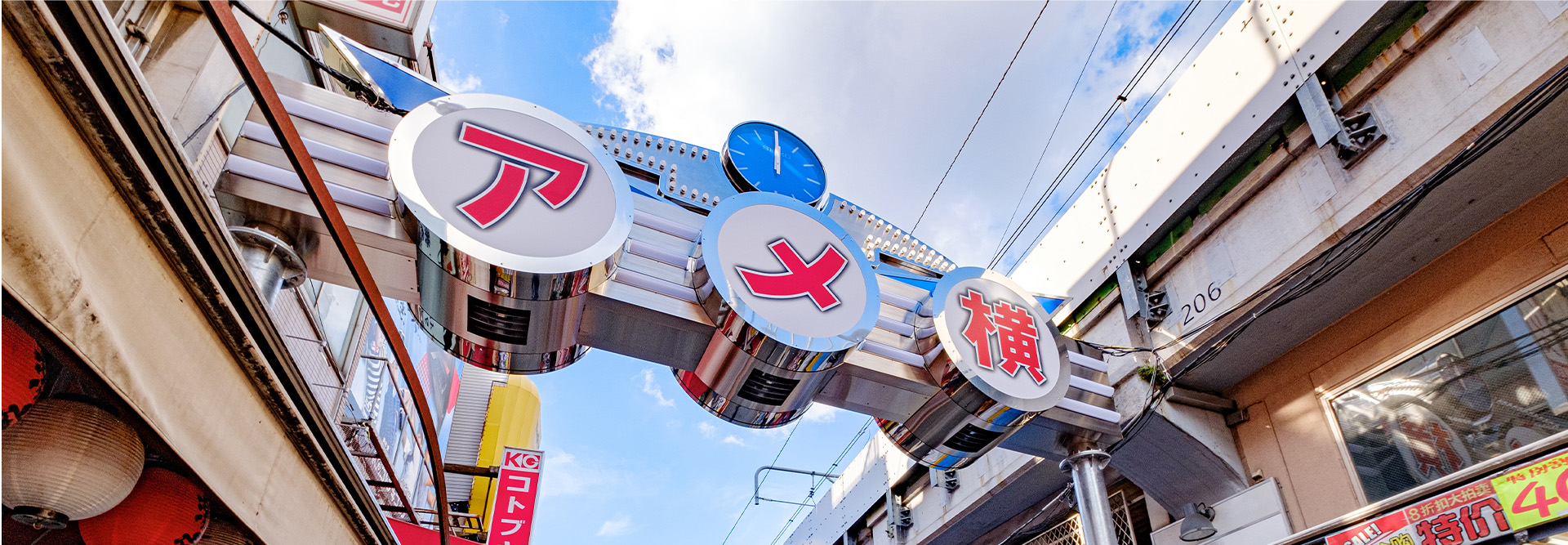
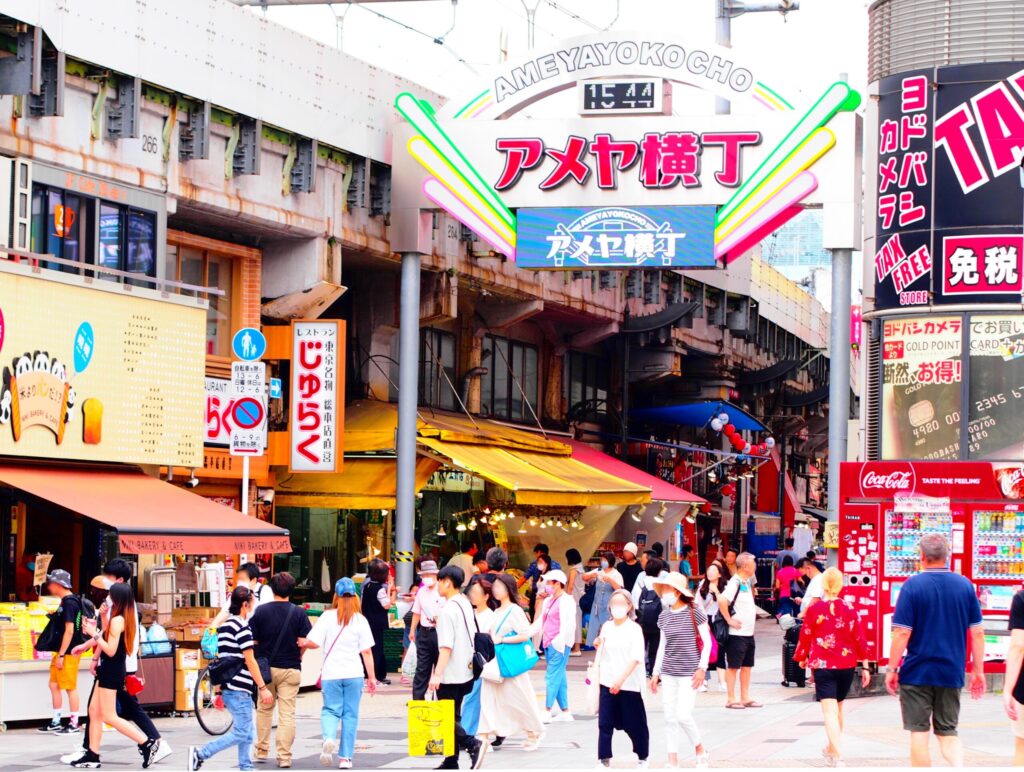
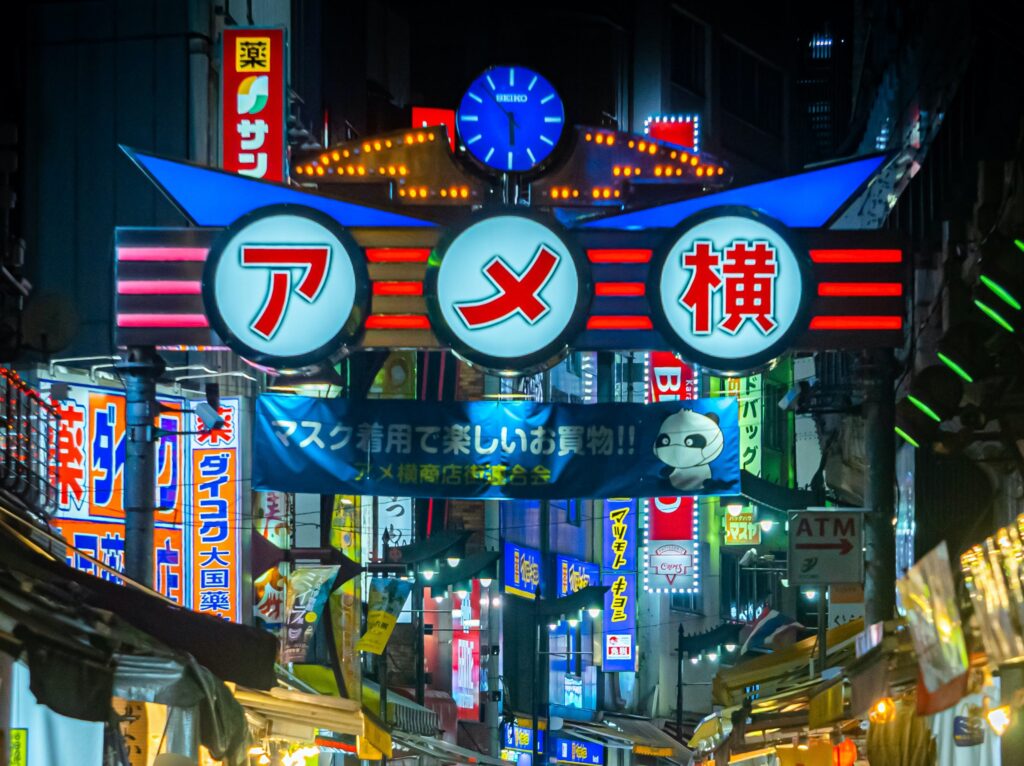
Ameyoko, short for Ameya-Yokocho, is one of Tokyo’s liveliest market streets and an ideal stop for first-time visitors to Japan. Running between Ueno and Okachimachi stations, this bustling shopping arcade is filled with food stalls, discount shops, seafood vendors, and casual eateries. It offers a rare blend of old Tokyo atmosphere and modern bargains, making it an easy and rewarding place to explore on foot.
What Is Ameyoko?
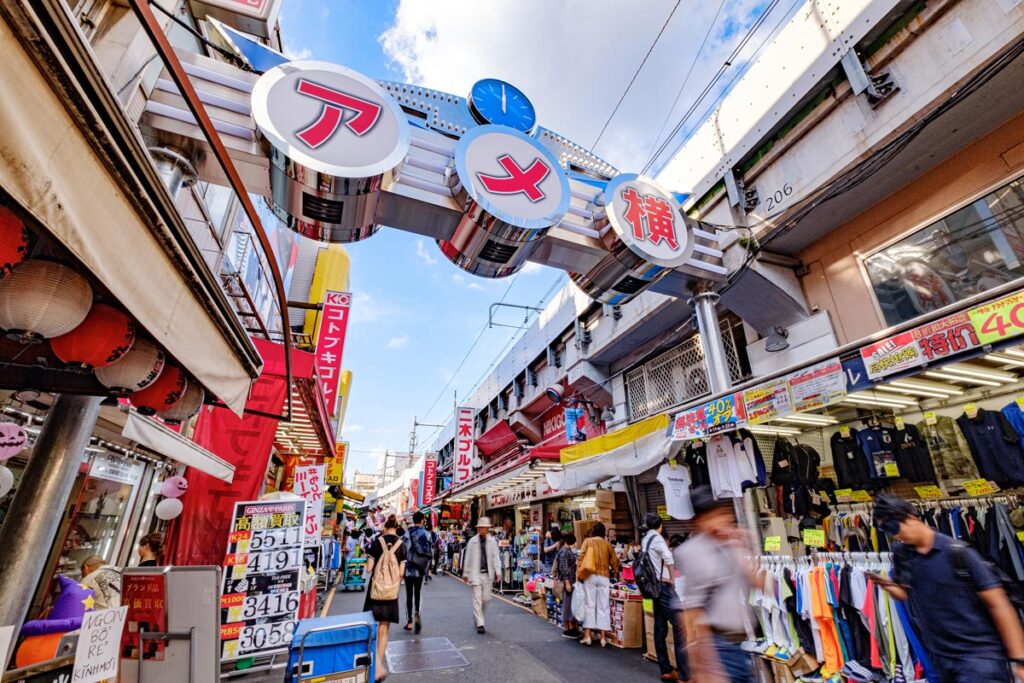
Ameyoko is a narrow, slightly chaotic shopping street that runs along the train tracks on the eastern side of JR Ueno Station. The name is often explained in two ways: “ame” from ameya (candy shops), which once lined the street, and from “America,” because many shops sold imported American goods in the postwar era. Today, you will find a mix of fresh food, snacks, cosmetics, clothing, shoes, watches, and souvenirs in a lively, open-air style that contrasts sharply with Tokyo’s sleek department stores.
For international visitors, Ameyoko is especially appealing because it is compact, easy to navigate, and full of visual and culinary surprises. You can stroll the entire length in 20–30 minutes, yet spend hours browsing, snacking, and people-watching.
Why Visit Ameyoko on Your First Trip to Japan?
Ameyoko is not just a shopping street; it is a slice of everyday urban life. Locals come to buy seafood, dried goods, and cheap clothing, while tourists hunt for souvenirs and snacks. Street vendors call out prices, trains rumble overhead, and the scent of grilled seafood drifts through the air. This sensory mix gives first-time travelers an accessible introduction to the atmosphere of traditional Japanese markets.
A Glimpse of Postwar Tokyo
After World War II, Ameyoko grew into a bustling black market where people could buy scarce goods such as sugar, chocolate, and American-made items. While the black-market edge is long gone, the street still retains a slightly retro feel. Narrow alleys, aging shop fronts, and handwritten signs add a rawness that you do not often see in modern Tokyo, making it an excellent counterpoint to polished districts like Ginza or Shibuya.
Easy to Combine With Other Ueno Attractions
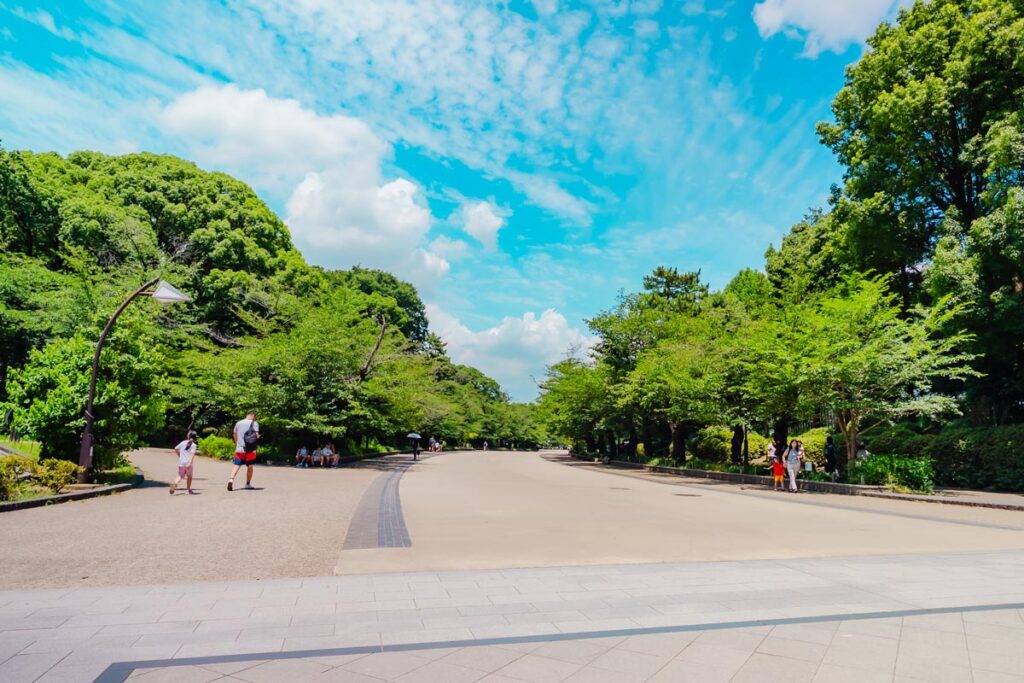
Ameyoko sits right next to Ueno Park, home to major museums, Ueno Zoo, and seasonal cherry blossoms. This convenient location means you can visit Ameyoko as part of a broader Ueno itinerary. Spend your morning in Ueno Park’s museums, then drop into Ameyoko for lunch and shopping before continuing south toward Akihabara or central Tokyo.
How to Get to Ameyoko
Ameyoko is extremely accessible, which makes it especially convenient for first-time visitors who may be nervous about navigating Tokyo’s transport system.
Nearest Stations
- JR Ueno Station: Take the Central Exit or the Shinobazu Exit. Ameyoko begins just across the street.
- JR Okachimachi Station: The southern end of Ameyoko is directly by this station.
- Subways: Ueno Station on the Tokyo Metro Ginza and Hibiya Lines, and Naka-Okachimachi Station on the Hibiya Line, also provide easy access.
Ueno is a major hub on the JR Yamanote Line, which circles central Tokyo. From popular areas like Shinjuku, Shibuya, or Tokyo Station, you can usually reach Ueno in under 25 minutes by train, often with no transfers.
When to Visit Ameyoko
Most shops in Ameyoko open from around 10:00 to early evening. The atmosphere is liveliest in the middle of the day and late afternoon, when both locals and tourists crowd the street.
Best Time of Day
- Late morning to mid-afternoon: Good for browsing, eating, and photography. Many food vendors are fully stocked at this time.
- Late afternoon: Some shops start discounting fresh items like seafood and fruit before closing, which can mean great deals if you do not mind crowds.
Evenings tend to be quieter as many shops close around 7:00–8:00 p.m., although izakaya (Japanese pubs) and small restaurants underneath the train tracks stay open later.
Seasonal Highlights
- New Year period: The days leading up to the New Year are famously hectic in Ameyoko, as locals stock up on ingredients for traditional celebrations. Expect packed streets and a charged, festive atmosphere.
- Spring and autumn: Combine a visit with cherry blossom viewing or autumn foliage in Ueno Park for an especially photogenic day.
What to Eat in Ameyoko
Food is one of the main reasons to visit Ameyoko. The area offers an approachable introduction to Japanese street snacks and casual meals, with prices that are often lower than in central tourist districts.
Street Snacks and Quick Bites
- Takoyaki: Round, grilled batter balls filled with pieces of octopus, topped with savory sauce, mayonnaise, and bonito flakes. A good choice for those wanting to try something distinctly Japanese yet accessible.
- Yakitori and grilled skewers: Stalls and small shops grill chicken skewers and other meats over charcoal, perfect with a cold beer in the evening.
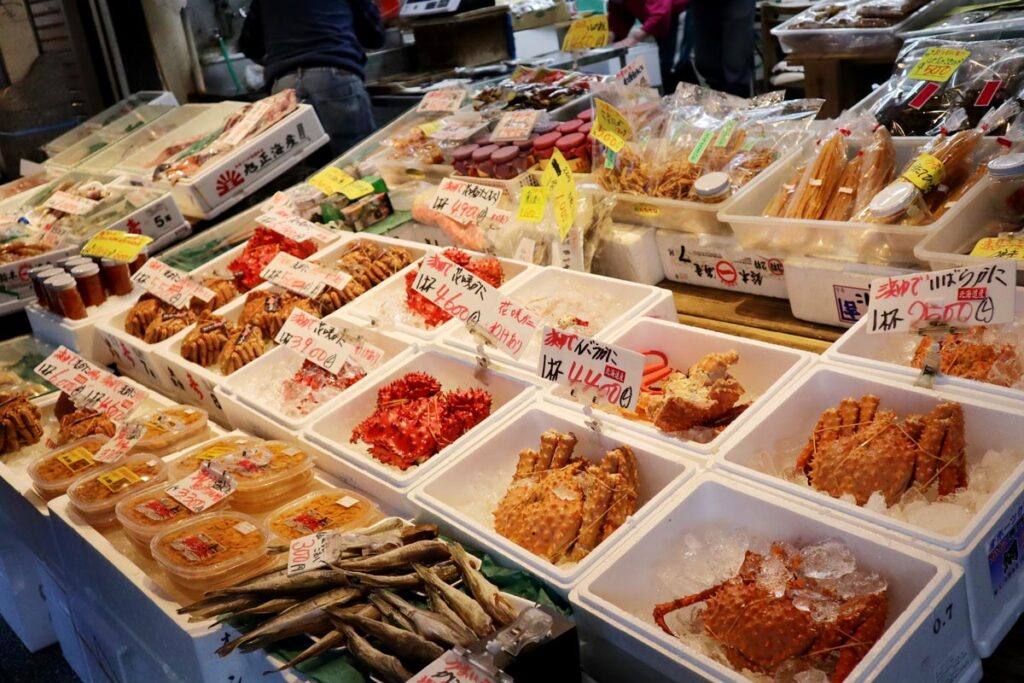
- Seafood on sticks: Grilled squid, shellfish, and fish skewers are popular, especially around stalls selling fresh seafood.
- Fresh fruit cups: Colorful cups of sliced melon, pineapple, and strawberries are easy to eat while walking and great in warmer months.
- Dango and traditional sweets: Skewered rice dumplings glazed with sweet soy or topped with red bean paste, along with other simple Japanese confectionery.
Sit-Down Meals
If you prefer to sit down and take a break from the crowds, look for these options:
- Sushi counters: Ueno is known for its access to quality seafood, and you will find reasonably priced sushi restaurants near or just off the main street.
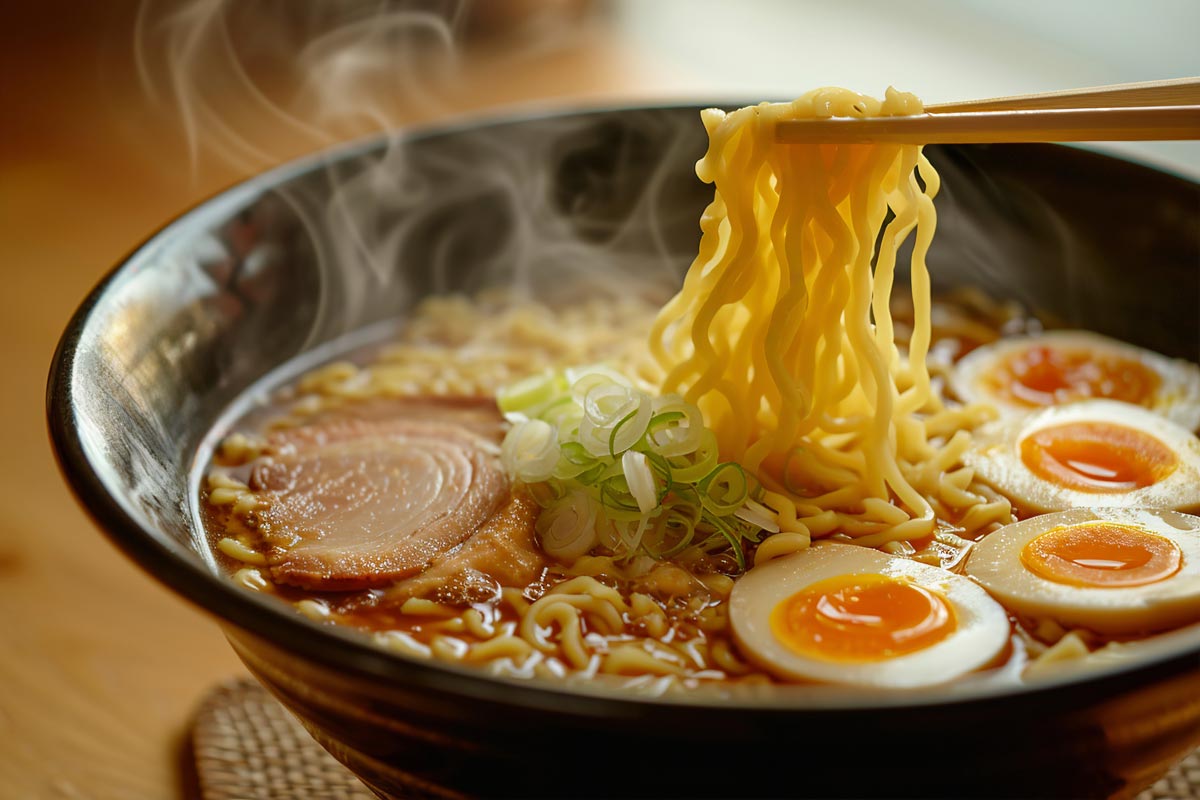
- Ramen shops: A steaming bowl of ramen is never far away in Ameyoko. You will see plastic food models or photos outside, so you can choose by sight.
- Izakaya (Japanese pubs): Underneath the train tracks, casual pubs serve small plates, beer, and highballs. They are lively but usually welcoming to first-timers, especially in the early evening.
Menus often include pictures, and many places display dishes in the window. Where there is a ticket machine, insert cash, press the button for the dish you want, and hand the ticket to staff inside.
Shopping in Ameyoko: What to Look For
Ameyoko is known for its bargains and variety. While not every deal is spectacular, prices for certain items can be very competitive compared with department stores or central Tokyo shopping districts.
Popular Items for Travelers
- Snacks and sweets: Bags of Japanese rice crackers, chocolates, dried fruit, and seaweed snacks are easy souvenirs. Shops often offer multi-bag deals.
- Dried seafood and nuts: Common ingredients in Japanese home cooking, and interesting gifts for food-loving friends. Some shops allow tasting before you buy.
- Cosmetics and drugstore items: Look for Japanese skincare, sheet masks, eye drops, pain relief patches, and other health and beauty products popular with overseas visitors.
- Sportswear and casual clothing: You may find discounted sneakers, T-shirts, and jackets. These stores can be hit-or-miss, but browsing is half the fun.
- Watches and accessories: Some shops sell Japanese watch brands and accessories at competitive prices. For anything high-value, compare prices and check authenticity.
Tips for Bargain Hunting
- Prices for fresh foods and snacks may be negotiable, especially later in the day. While bargaining is not widespread in Japan, some Ameyoko vendors are open to small discounts for bulk purchases.
- Cash is still widely used. Many shops now accept cards or digital payments, but carrying some yen notes and coins is wise.
- Check tax-free signs if you plan to buy cosmetics or packaged goods in bulk. You may be able to get the consumption tax refunded if you meet the conditions and show your passport.
Cultural Etiquette and Practical Tips
Ameyoko is informal, but basic Japanese etiquette still applies. Understanding a few simple points will make your visit smoother and more enjoyable.
Behavior and Manners
- Walking and eating: Unlike many parts of Japan where eating while walking is frowned upon, Ameyoko is more relaxed. Still, try to stand to one side near a stall rather than in the middle of the street.
- Trash disposal: Public trash cans are limited. Many stalls provide small bins for wrappers and skewers; use them when available and avoid littering.
- Photography: Ameyoko is photogenic, but not every vendor likes their goods or faces being photographed. If you are taking close-up shots of people or small stalls, a quick nod, smile, or simple “Shashin ii desu ka?” (Is a photo okay?) is polite.
Money, Language, and Safety
- Currency: Most stalls are cash-based, though larger shops increasingly accept cards. ATMs are available in convenience stores and station buildings around Ameyoko.
- Language: English ability varies. Many vendors know basic words like “cheap,” “discount,” and numbers. Pointing, showing on your phone, or using a calculator is common and perfectly acceptable.
- Safety: Ameyoko is generally very safe, even in the evening. As with any crowded area, keep an eye on your belongings and avoid blocking the flow of people when stopping to look at a stall.
How to Combine Ameyoko With a Ueno Itinerary
Because of its central location, Ameyoko fits easily into a one-day Ueno and northern Tokyo route that suits first-time travelers.
Suggested Half-Day Plan
- Morning in Ueno Park: Visit one of the major museums or simply stroll around the park, especially beautiful in cherry blossom or autumn foliage seasons.
- Late-morning or lunchtime at Ameyoko: Walk from the park to down to Ameyoko, sample street snacks, and enjoy a casual lunch.
- Afternoon shopping and wandering: Browse cosmetics, snacks, and souvenirs, then wander south toward Okachimachi Station.
- Evening izakaya under the tracks: Finish with a relaxed drink and shared plates at an izakaya beneath the JR train line before returning to your hotel.
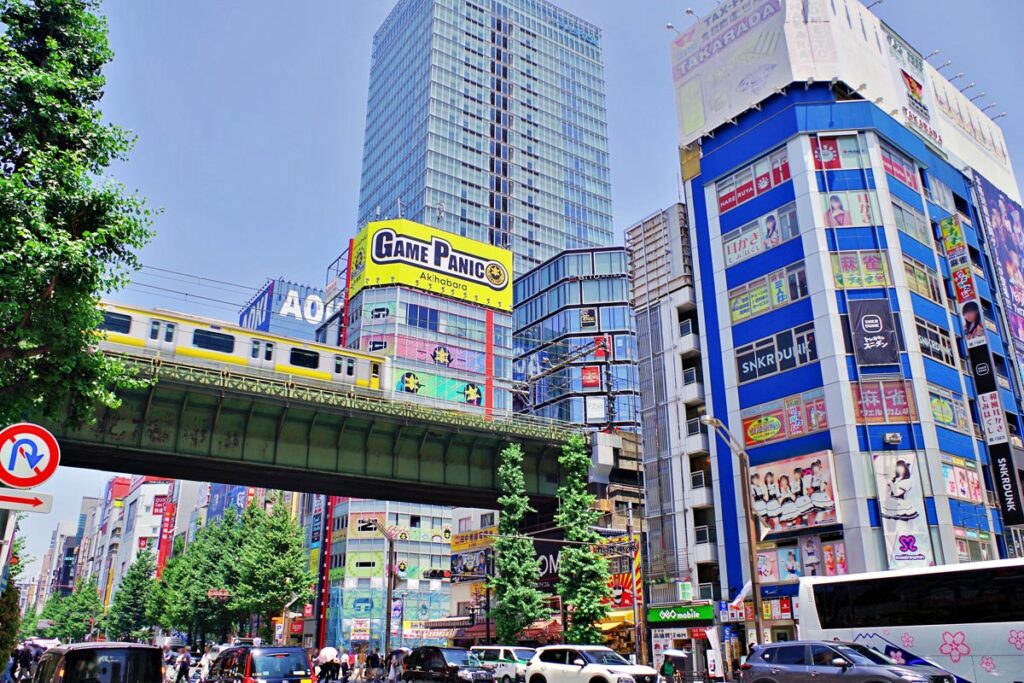
If you have more time, it is easy to continue on to nearby Akihabara for electronics and anime culture, or back through Ueno’s side streets to discover small temples and retro bars.
Is Ameyoko Worth It for First-Time Visitors?
For many first-time visitors to Japan, Ameyoko becomes a memorable highlight. It is energetic without being overwhelming, traditional but not intimidating, and full of small discoveries. You can eat well without spending much, find unique gifts to take home, and see a side of Tokyo that still feels rooted in local life rather than polished for tourism.
If your image of Japan is only futuristic neon and perfectly organized department stores, Ameyoko will show you a different, more down-to-earth side of the country. Set aside a few hours, bring some cash, and let yourself get happily lost among the shops, voices, and aromas of this classic Tokyo market street.