

Mt. Fuji
Mt. Fuji Japan Travel Guide for First-Time Visitors
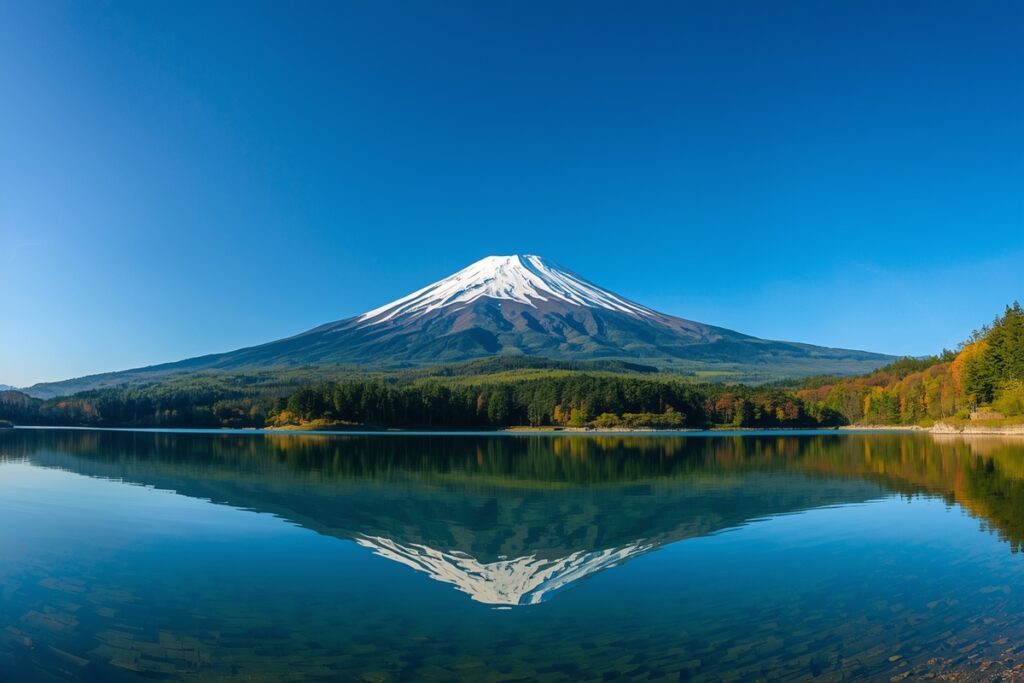
Photos are for illustrative purposes only.
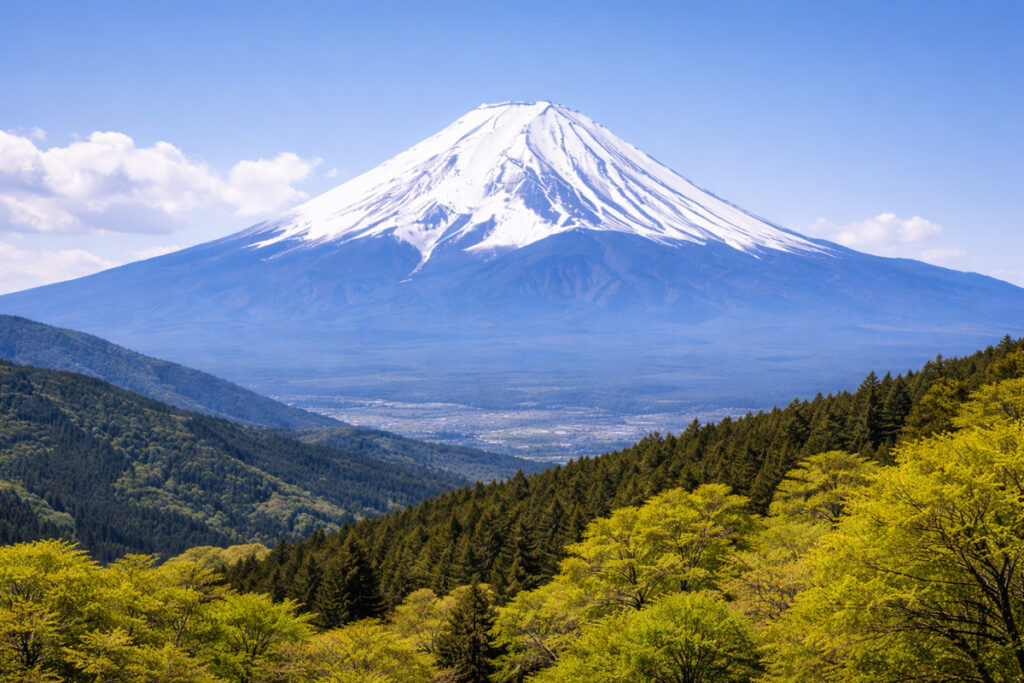
Mt. Fuji is more than a mountain. Rising 3,776 meters above sea level, Japan’s highest peak is a near-perfect cone that has shaped the country’s religion, art and identity for centuries. For many first-time travelers, seeing Mt. Fuji is a bucket-list moment—and with a little planning, you can experience it in a way that is both beautiful and comfortable, even on a short trip.
Why Mt. Fuji Matters in Japanese Culture
Known in Japanese as Fujisan, Mt. Fuji is considered one of Japan’s Three Sacred Mountains. For over 1,000 years, pilgrims have climbed its slopes in white robes as a form of spiritual training, and the mountain is deeply connected to Shinto and Buddhist traditions.
Mt. Fuji appears in countless woodblock prints, poetry and modern media. The famous ukiyo-e artist Katsushika Hokusai created the series “Thirty-Six Views of Mount Fuji,” which helped cement the mountain as a symbol of Japan both at home and abroad. Seeing the real Mt. Fuji after encountering it in art often feels like stepping into a living postcard.
For visitors, understanding this cultural weight helps explain why locals speak of the mountain with respect—and why etiquette and environmental protection are emphasized so strongly.
Where Mt. Fuji Is and How to See It
Mt. Fuji stands on the border of Yamanashi and Shizuoka prefectures, roughly 100 kilometers southwest of Tokyo. You do not need to climb it to enjoy it; in fact, most visitors are happy simply viewing it from lakes, onsen (hot spring) towns, or scenic trains.
From Tokyo
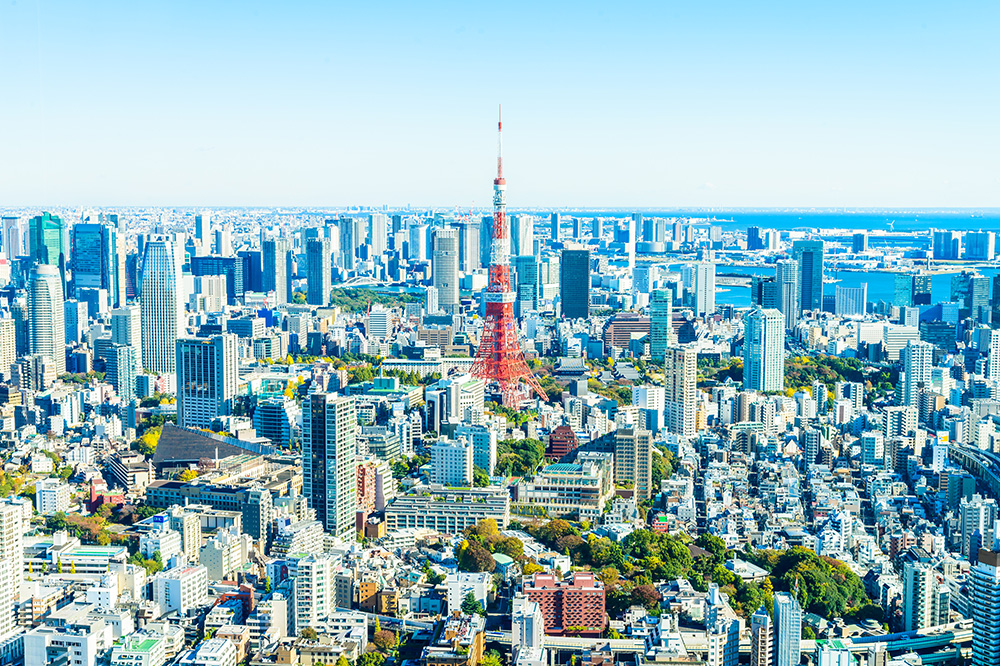
On a clear day in winter, you may glimpse Mt. Fuji from high-rise buildings in Tokyo or even from the Shinkansen bullet train between Tokyo and Osaka. But Tokyo is not the most reliable viewing base, as haze and tall buildings can easily obscure the mountain.
For a near-guaranteed experience, plan at least a day trip or one night in the Fuji area. Two of the most popular gateways are the Fuji Five Lakes region on the Yamanashi side and Hakone on the Shizuoka side.
Fuji Five Lakes (Fujigoko)
The Fuji Five Lakes area lies at the northern foot of Mt. Fuji and offers classic postcard views. The main bases are:
- Kawaguchiko (Lake Kawaguchi) – the most developed, with many hotels, ryokan, cafes and direct highway buses from Tokyo.
- Saiko (Lake Sai) – quieter, with camping and nature activities.
- Yamanakako (Lake Yamanaka) – popular for cycling and watersports.
Kawaguchiko is the easiest base for first-time travelers thanks to its English-friendly facilities and clear tourist infrastructure. From Tokyo’s Shinjuku Station, highway buses take around two hours. Trains via Otsuki Station are another option, though often slower and more expensive.
Hakone and the Shizuoka Side
Hakone, a famed onsen region, offers more varied sightseeing—volcanic valleys, museums and traditional inns—with occasional Mt. Fuji views on clear days. The mountain is slightly farther away than from Kawaguchiko, but you can often see it from Lake Ashi cruises or ropeways.
On the Shizuoka side, coastal cities such as Numazu or Shizuoka City offer views of Mt. Fuji with the sea in the foreground. These are less commonly visited by first-timers who are short on time but are excellent if you are traveling between Tokyo and Kyoto and wish to stop midway.
Best Time to Visit Mt. Fuji
Mt. Fuji can be visited year-round, but your experience will differ depending on the season—and what you hope to do.
For Viewing and Photography
For clear views, winter (December to February) is ideal. Cold, dry air makes the mountain stand out sharply against blue skies, often dusted in snow. However, it is also the coldest and windiest time around the lakes, so warm clothing is essential.
Spring (March to May) offers milder temperatures and, in some locations, cherry blossoms framing the peak. Around Kawaguchiko, early to mid-April is often the best time for sakura, though exact dates vary by year. Expect more crowds and higher accommodation prices during blossom season and national holidays such as Golden Week (late April–early May).
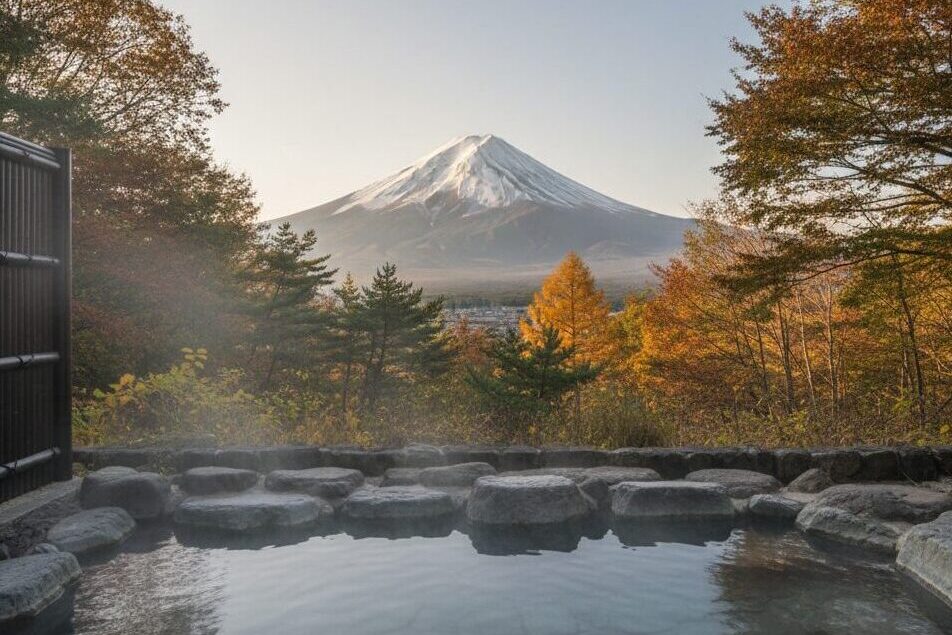
Autumn (late October to November) brings colorful foliage around the lakes and along mountain slopes. Skies can be relatively clear, making sunrise and sunset particularly vivid.
Summer (June to August) is more humid and cloudy. While this is the official climbing season, it is not necessarily the best time for distant views of the mountain, as cloud cover sometimes hides the summit for days.
For Climbing
The official Mt. Fuji climbing season typically runs from early July to early September. During this period, mountain huts, toilets and rescue services are open, and snow is largely gone from the main routes. However, please be sure to wear hiking boots or sneakers and avoid climbing in light clothing such as shorts or skirts. Outside this window, conditions can be dangerous, and climbing is strongly discouraged for non-experts Trails, mountain huts, and toilets are closed.
Experiencing Mt. Fuji Without Climbing
Many visitors assume they must climb Mt. Fuji to “truly” experience it. In reality, the majority of travelers appreciate the mountain from below, combining scenic views with hot springs, gentle walks and local food.
Kawaguchiko Highlights
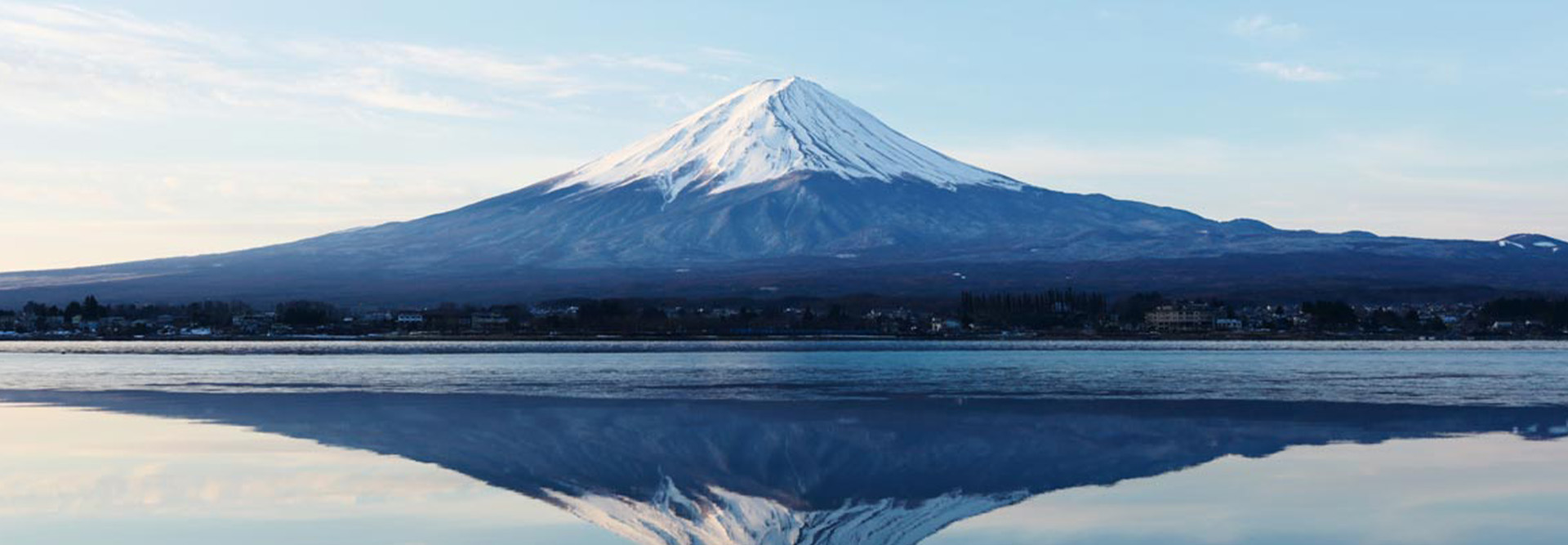
- Lake Kawaguchi waterfront: Stroll along the northern shore where the reflection of Mt. Fuji on calm days creates a mirror-like image. Early morning is best for still water and fewer tourists.
- Mt. Fuji Panoramic Ropeway: A short cable car ride takes you up Mt. Tenjo for elevated views over the lake and Mt. Fuji. On clear days you’ll see the full cone shape.
- Onsen with a Fuji view: Many ryokan and public baths in the region feature outdoor hot spring pools facing the mountain. Soaking in steaming water while gazing at Fujisan is one of Japan’s iconic travel experiences.
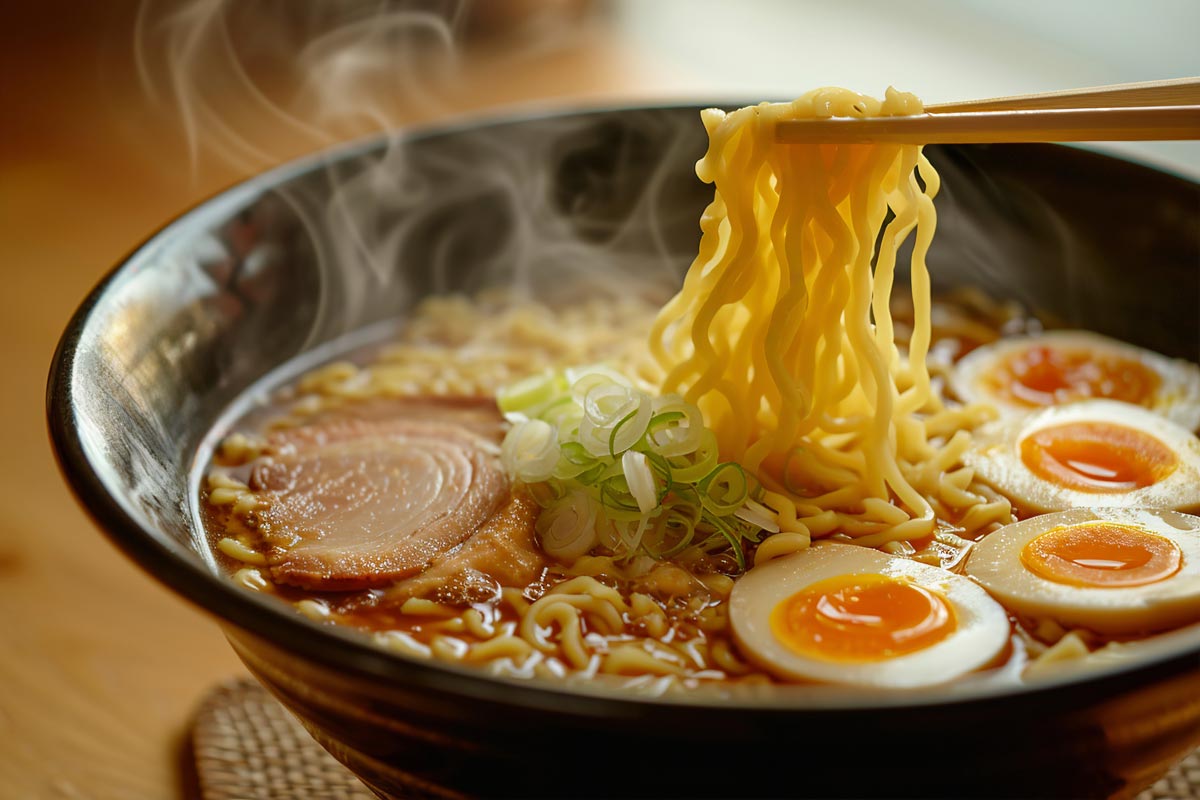
- Local food: Try hoto, a hearty miso-based noodle stew, and regional specialties sold at roadside rest stops and cafes.
Chureito Pagoda
The five-storied Chureito Pagoda, set on a hillside above Fujiyoshida, offers one of Japan’s most photographed vistas: a red pagoda with Mt. Fuji rising behind it. To reach the viewpoint, you climb around 400 steps from the base of the shrine.
Cherry blossom season and autumn foliage draw large crowds, so visit early in the morning on weekdays if you prefer a calmer atmosphere. Even without blossoms, the view remains impressive and gives a strong “classic Japan” feeling.
Hakone’s Scenic Routes
Hakone’s appeal lies in its variety. With a Hakone Freepass (a transport and discount pass), you can loop around the region using local trains, cable cars, a ropeway and even a pirate-style sightseeing boat on Lake Ashi. On clear days, look back across the water to see Mt. Fuji beyond the torii gate of Hakone Shrine.
Climbing Mt. Fuji: Should You Do It?
Climbing Mt. Fuji is a memorable but physically demanding experience. Before you commit, consider your fitness level, time, and what kind of trip you want.
Key Facts About the Climb
- Height: 3,776 m (12,389 ft)
- Main season: early July to early September
- Typical routes: Yoshida (most popular), Subashiri, Gotemba, Fujinomiya
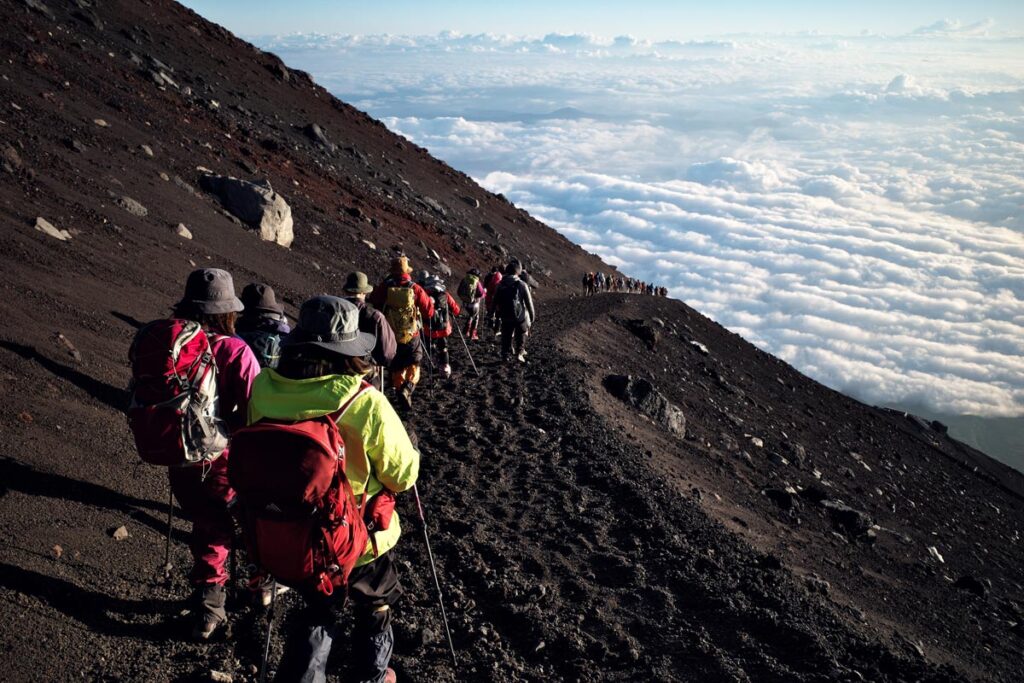
- Common pattern: Start from 5th Station in the afternoon, sleep at a mountain hut, then climb through the night to reach the summit at sunrise.
Altitude sickness is a real risk, even for fit travelers. The air becomes thin above 3,000 m, so pace yourself, drink water and rest frequently. Warm clothing, sturdy footwear, rain gear, a headlamp and cash (for toilets and mountain hut purchases) are essential. Weather on the mountain can change rapidly; temperatures near the summit can feel like winter even in August.
In recent years, crowding and environmental impact have become serious concerns. Some trails may limit visitor numbers or introduce fees; check official tourism or local government websites before you plan your climb. If you dislike crowds, consider avoiding weekends and holidays, or skip the summit climb and enjoy the mountain from lower altitudes instead.
Onsen Culture Around Mt. Fuji
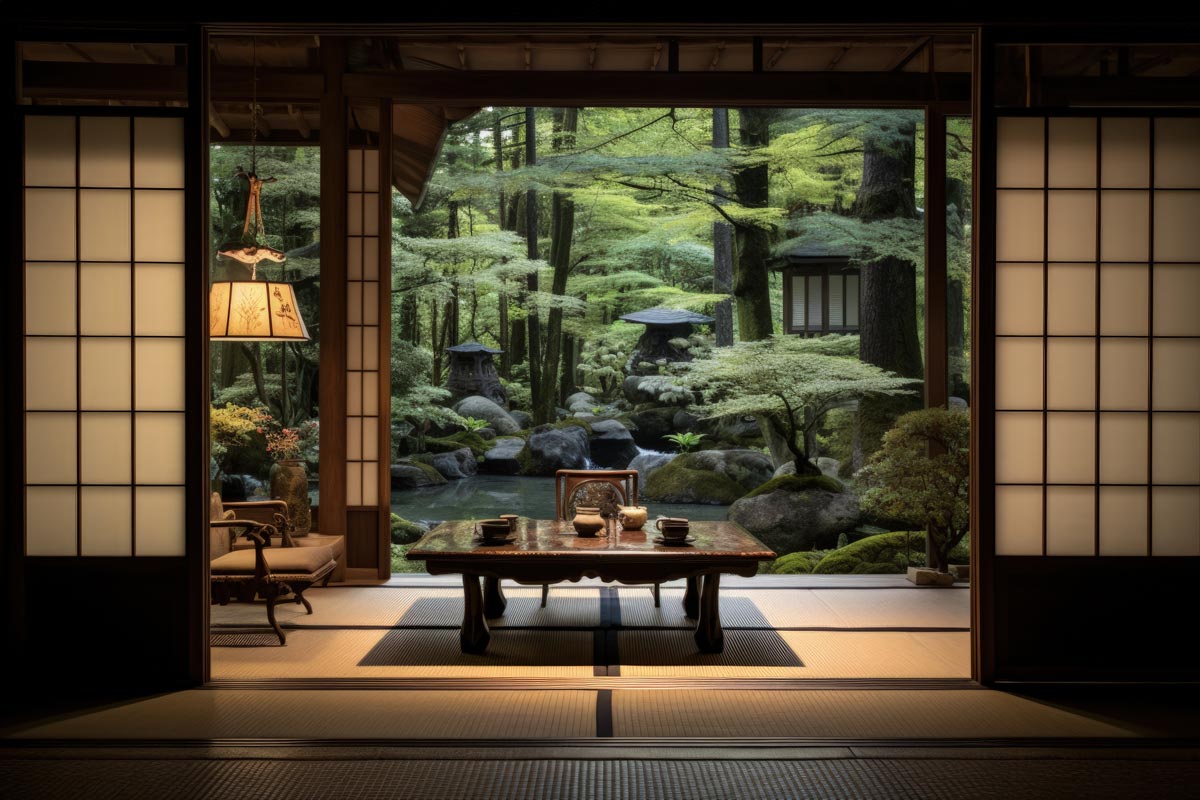
One of the joys of the Mt. Fuji region is relaxing in an onsen, or natural hot spring bath. Around Kawaguchiko and Hakone, many ryokan (traditional inns) and public bathhouses use mineral-rich waters from volcanic sources.
Onsens follow a few important etiquette rules:
- Wash your body thoroughly with soap before entering the bath.
- Enter the bath naked; swimsuits are generally not allowed.
- Do not let towels touch the bathwater; place them on your head or the side.
- Keep your voice low to maintain a calm atmosphere.
Some establishments now offer private family baths or rooms with en-suite open-air baths, which are perfect if you feel shy or are unfamiliar with communal bathing.
Practical Transport Tips
Getting to the Mt. Fuji Area
From Tokyo to Kawaguchiko:
- Highway bus: From Shinjuku Expressway Bus Terminal, around 2 hours, with frequent departures. Often the simplest choice for first-time visitors.
- Train: Take the JR Chuo Line from Shinjuku to Otsuki, then transfer to the privately operated Fujikyuko Line to Kawaguchiko. Travel time is about 2–2.5 hours, with one transfer.
From Tokyo to Hakone:
-
Odakyu Romancecar limited express: Direct from Shinjuku to Hakone-Yumoto in around 85 minutes.
Reserve seats on Klook → - JR and local lines: Take the Shinkansen to Odawara, then transfer to local trains or buses into the Hakone area.
Getting Around Locally
In the Fuji Five Lakes region, local buses connect train stations, lakes, museums and viewpoints. Day passes are available and useful if you plan to hop between several sights. Taxis are convenient but more expensive, and rideshare services are limited in rural Japan.
Timetables can be less frequent in the evening, so avoid planning late-night transfers, especially in winter. Always check the last bus or train time when you arrive at your destination.
Weather, Safety and Responsible Travel
Mt. Fuji’s beauty comes with a fragile ecosystem. As visitor numbers increase, so does the importance of traveling responsibly.
Weather Awareness
Even if you are only sightseeing from the foothills, pack accordingly:
- Layered clothing: Temperatures can be much cooler than in Tokyo, especially in the morning and evening.
- Rain protection: Sudden showers are common in the mountains; a compact umbrella or rain jacket is useful.
- Footwear: Comfortable, closed shoes are best, especially if you plan to walk trails or climb steps to viewpoints.
Leave No Trace
Trash bins are rare in many outdoor areas in Japan, including around Mt. Fuji. Carry a small bag and take your rubbish back to your hotel or a convenience store bin. Stick to marked paths to avoid damaging vegetation, and respect signs that limit access to certain areas.
Respect for Local Communities
The towns around Mt. Fuji are not theme parks—they are home to residents who live and work there year-round. Keeping noise down at night, following posted rules, and supporting local businesses by shopping and eating locally all help maintain a positive relationship between visitors and communities.
Suggested Itineraries for First-Time Visitors
One-Day Kawaguchiko Escape from Tokyo
- Morning: Depart Shinjuku by highway bus, arrive at Kawaguchiko Station. Take a local sightseeing bus to the lake shore.
- Late morning: Ride the Mt. Fuji Panoramic Ropeway, enjoy the view from the observation deck.
- Afternoon: Stroll along the lakeside, visit a cafe or small museum, and enjoy a simple local lunch.
- Late afternoon: Relax at a public onsen with a Fuji view before returning to Tokyo by bus.
Overnight Hakone and Mt. Fuji View
- Day 1: Travel to Hakone, ride the ropeway and cruise Lake Ashi. Visit Hakone Shrine, then check into a ryokan.
- Evening: Enjoy kaiseki-style dinner and soak in the onsen.
- Day 2: Wake early for possible Mt. Fuji views from your ryokan or nearby observatory, then slowly make your way back to Tokyo or onward to Kyoto by Shinkansen from Odawara.
Final Thoughts
Whether you glimpse Mt. Fuji from a quiet lakeside bench, a steaming onsen, or the summit at sunrise, the mountain has a way of staying with you long after your trip ends. For a first visit to Japan, planning one or two days around Fujisan offers a powerful combination of natural beauty, cultural depth and slow-paced escape from the big cities.
With realistic expectations about weather, a bit of flexibility in your schedule, and respect for local customs and nature, your time with Mt. Fuji can become a highlight of your Japan journey—and the backdrop to the memories you’ll carry home.

Access Map
Recommended spots in Mt. Fuji
Mt. Fuji Climbing
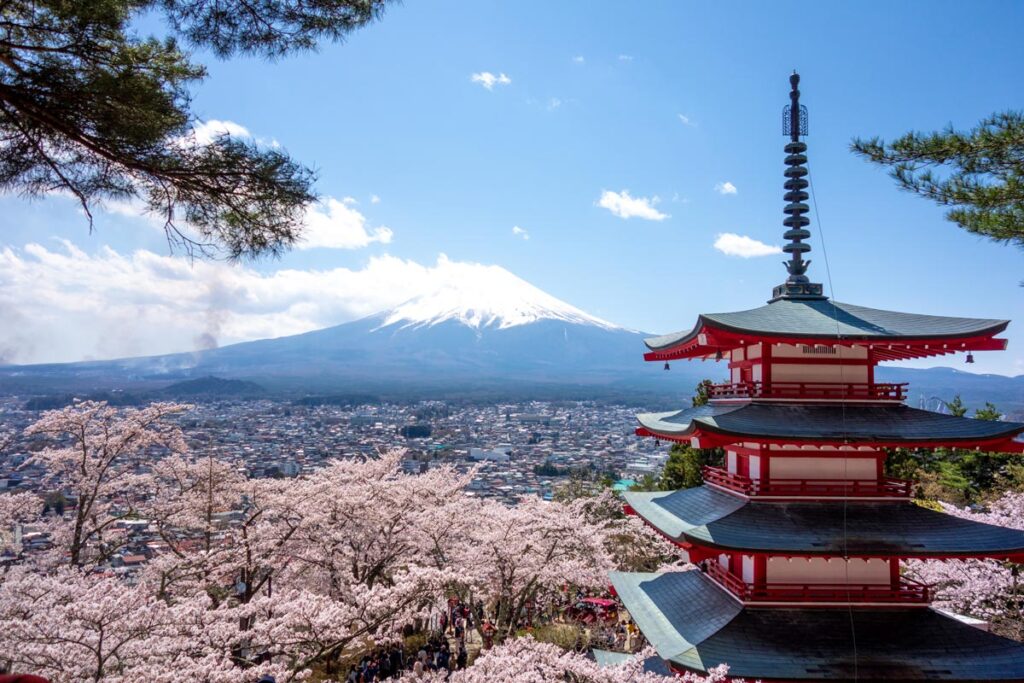
Arakurayama Sengen Park
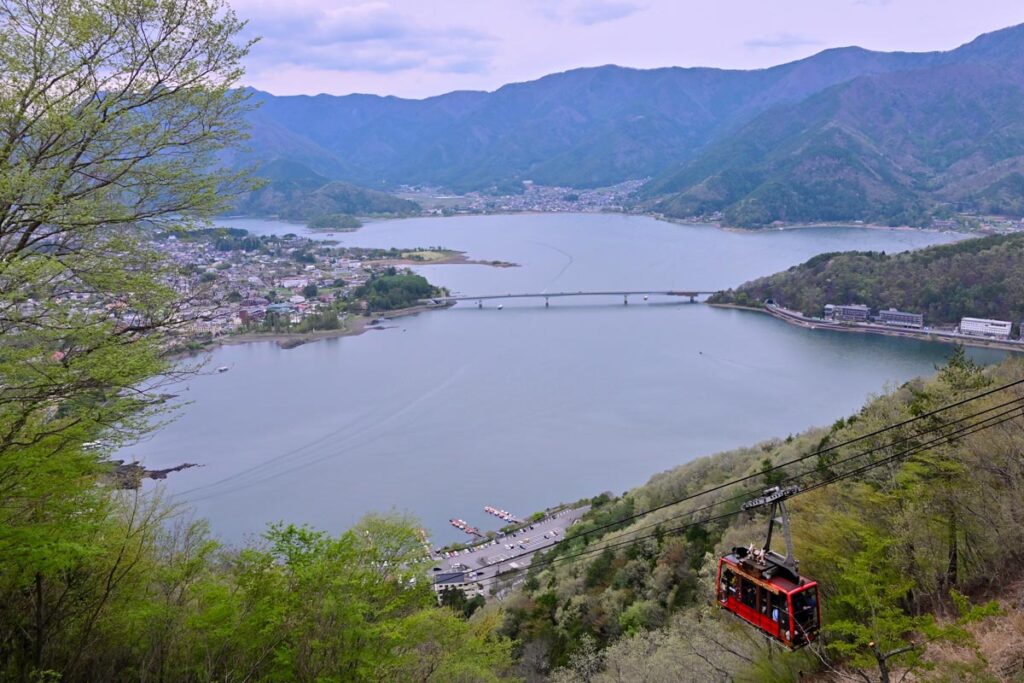
Mt. Fuji Panoramic Ropeway
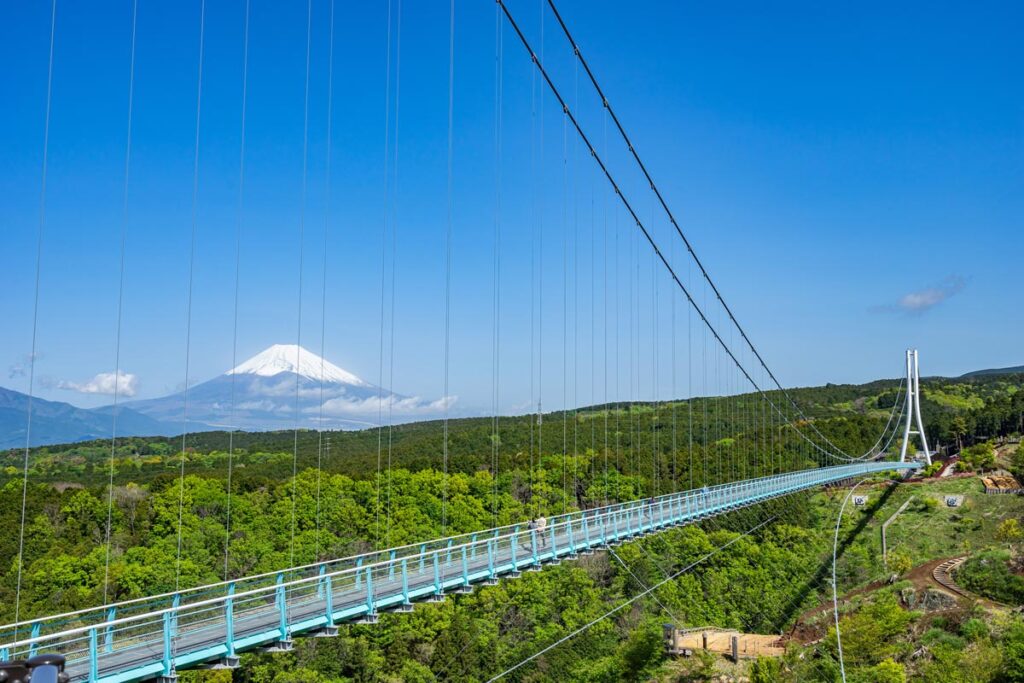
Mishima Skywalk
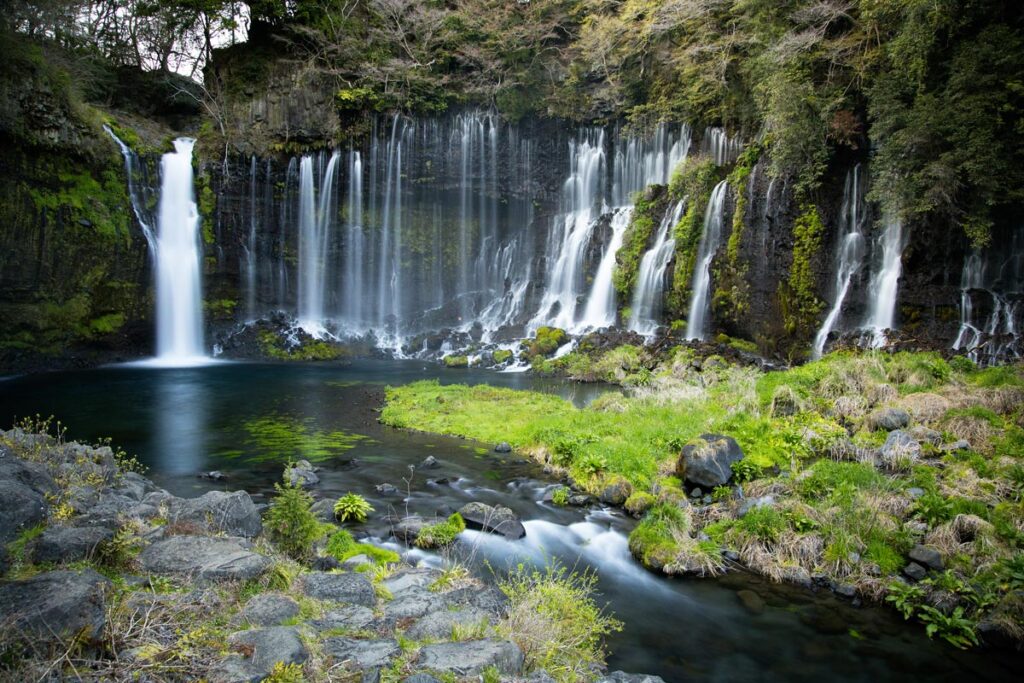
Shiraito Falls
Mt. Fuji Useful Links
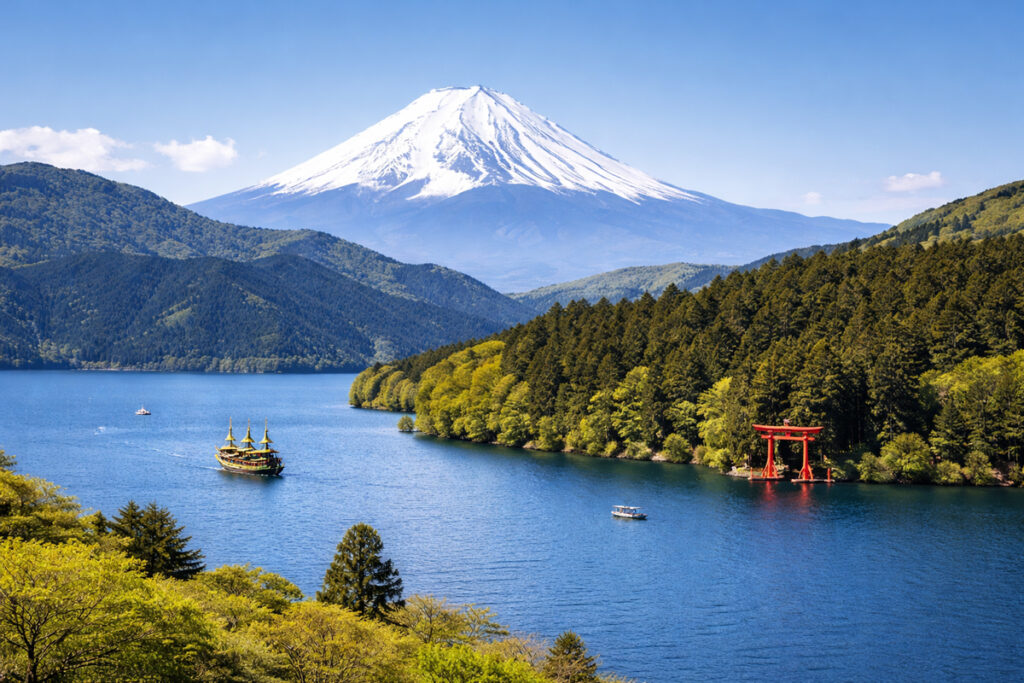
Mt. Fuji, Lake Ashi, and Hakone Day Tour from Tokyo
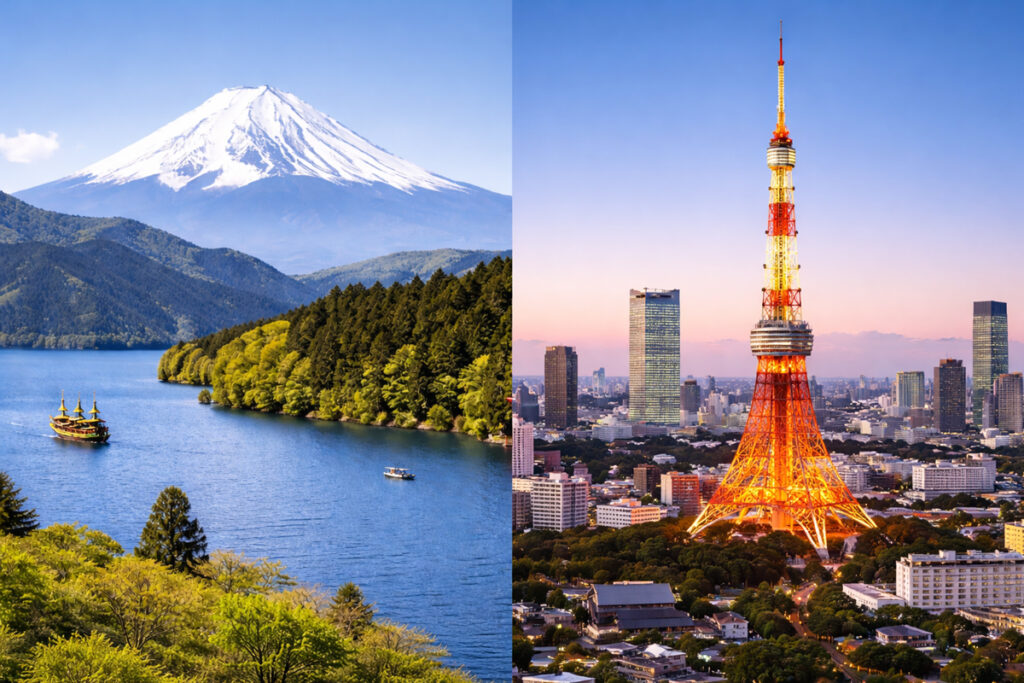
Tokyo - Mt.Fuji Highway Bus
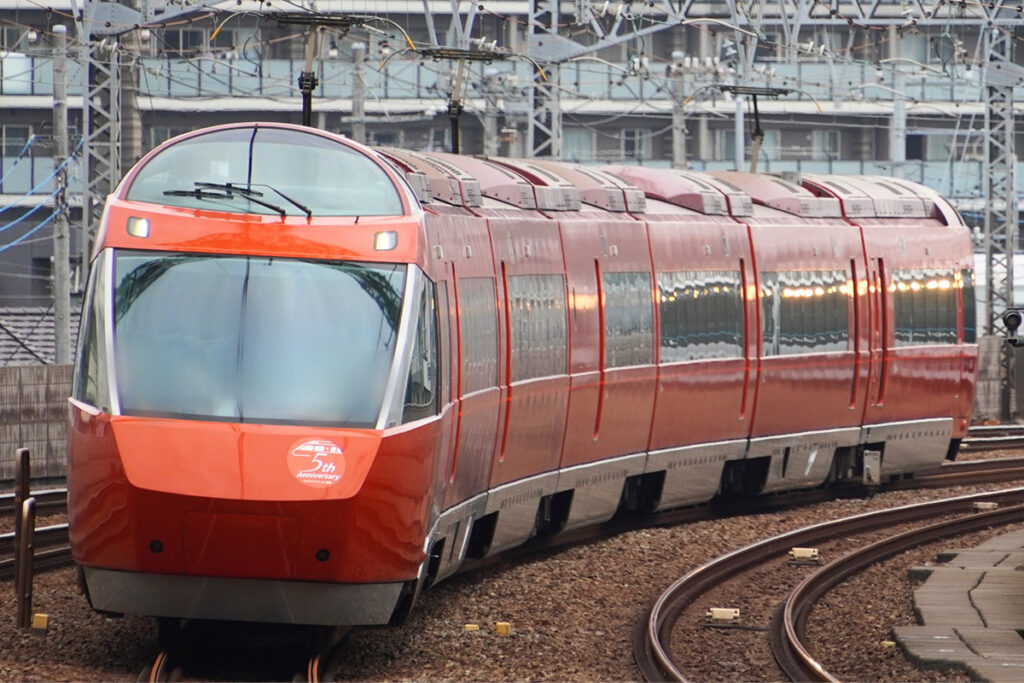
Odakyu Romancecar limited express
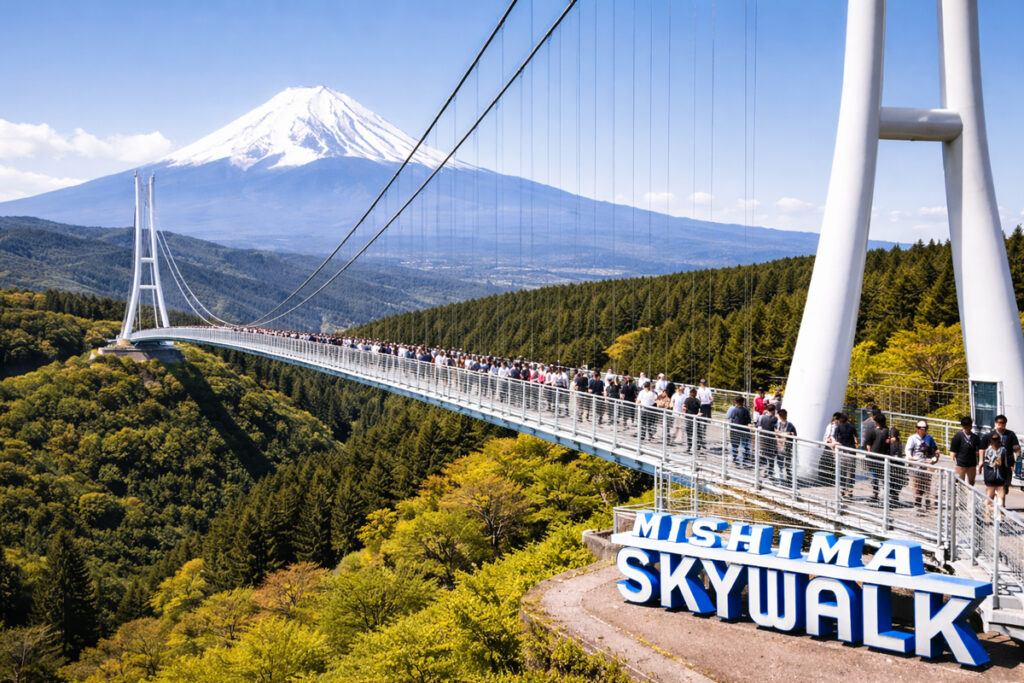
Mishima Skywalk