



Mishima Skywalk
Mishima Skywalk: A Scenic Gateway to Mt. Fuji and Suruga Bay
Photos are for illustrative purposes only.
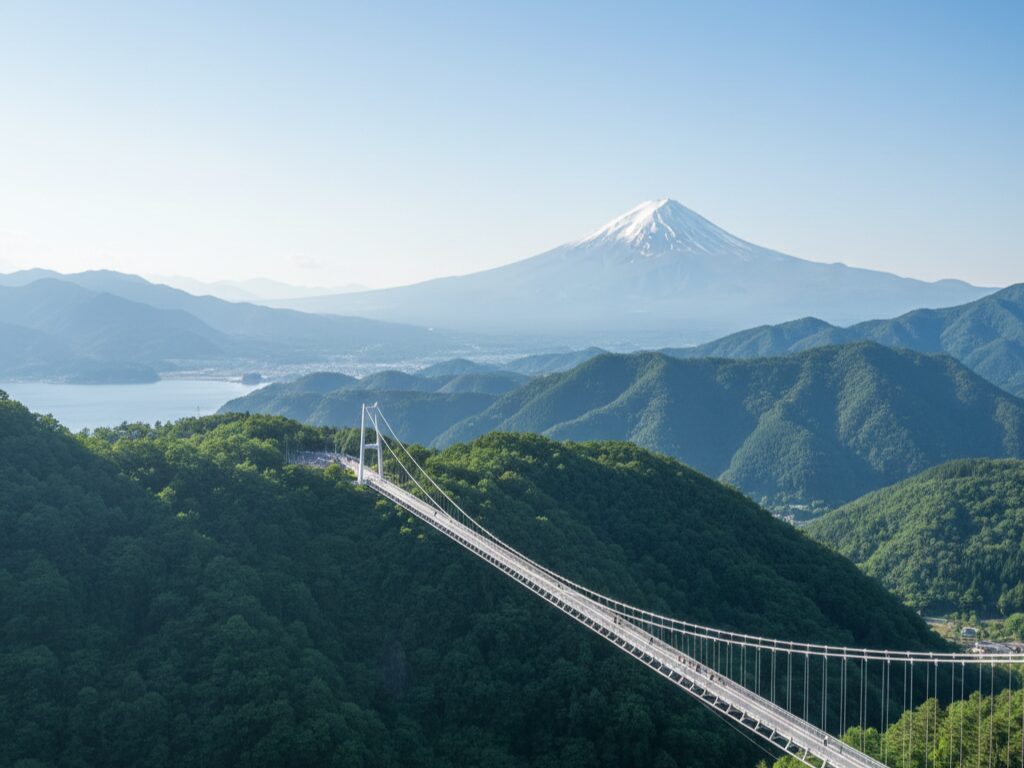
Mishima Skywalk is one of Japan’s most photogenic modern landmarks: a long, slender suspension bridge stretching across a lush valley, with panoramic views of Mt. Fuji on clear days. For first-time visitors to Japan, it offers an easy taste of Japanese nature, engineering, and outdoor fun in a single compact destination, reachable as a day trip from Tokyo or a stopover between Tokyo and Kyoto.
What Is Mishima Skywalk?
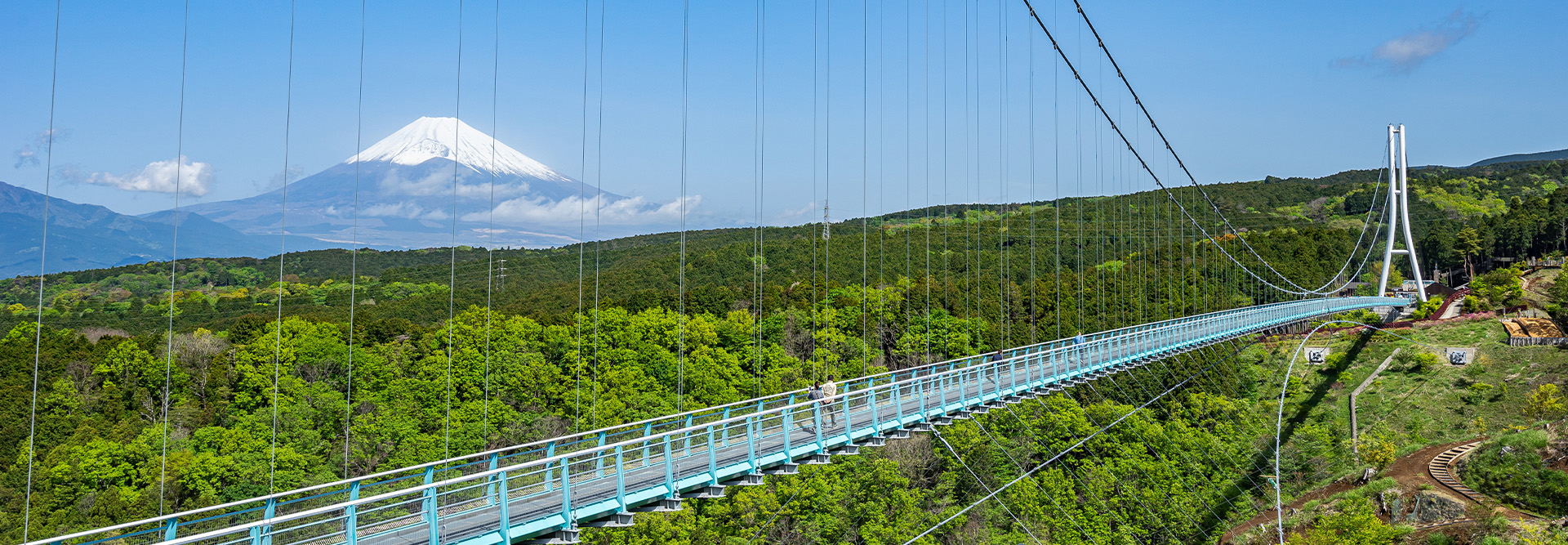
Mishima Skywalk is Japan’s longest pedestrian suspension bridge, spanning more than 400 meters across a forested ravine in Shizuoka Prefecture. The bridge connects two sides of a highland area near the city of Mishima, offering sweeping views of Suruga Bay, the surrounding mountains, and, when weather cooperates, the iconic silhouette of Mt. Fuji.
More than just a bridge, the site has grown into a compact adventure and leisure complex. Visitors can stroll across the sky bridge, relax in cafés, shop for local products, and take part in various outdoor activities such as ziplines and forest walks. The atmosphere is casual and family-friendly, with attractions designed for both domestic and international travelers.
Why Visit Mishima Skywalk on Your First Trip to Japan?
When planning a first-time Japan itinerary, many visitors focus on big-name cities and temples. Mishima Skywalk offers something different: a way to step into Japanese nature without needing heavy hiking gear or complex logistics. It’s a half-day or full-day escape that adds variety between urban sightseeing in Tokyo and cultural visits around Kyoto.
Iconic Views of Mt. Fuji
Fuji is one of Japan’s enduring symbols, and Mishima Skywalk is positioned directly along a famous viewing line toward the mountain. On clear days, especially in the cool, crisp air of autumn and winter, you can photograph Fuji rising behind layered green hills and deep blue waters of Suruga Bay. The bridge itself becomes a dramatic foreground, making for striking travel photos.
Weather conditions in Japan can change quickly. Even if Fuji is partially hidden by clouds, the surrounding scenery is still impressive, with seasonal colors in the forest below and the distant coastline stretching along the Pacific. The experience of crossing the swaying bridge over a 70-meter drop is memorable in any season.
An Easy Nature Break from the City
Japan’s countryside is beautiful, but reaching remote mountain spots can be challenging without a car and some language skills. Mishima Skywalk is a rare exception: it’s close to a major Shinkansen station, and the on-site facilities are well signed and visitor-friendly. Paved paths, clear signboards, and designated viewpoints make it accessible even for travelers not used to outdoor adventures.
Fun for Couples, Friends, and Families
The venue is designed for a wide range of visitors. Couples come for the romantic views; families appreciate the safe, contained setting and interactive attractions; solo travelers can enjoy a peaceful walk with plenty of space to pause and reflect. The activities beyond the bridge allow each person in a group to find something to enjoy, from strolling and photography to adrenaline-filled ziplines.
Highlights and Things to Do
Cross Japan’s Longest Pedestrian Suspension Bridge
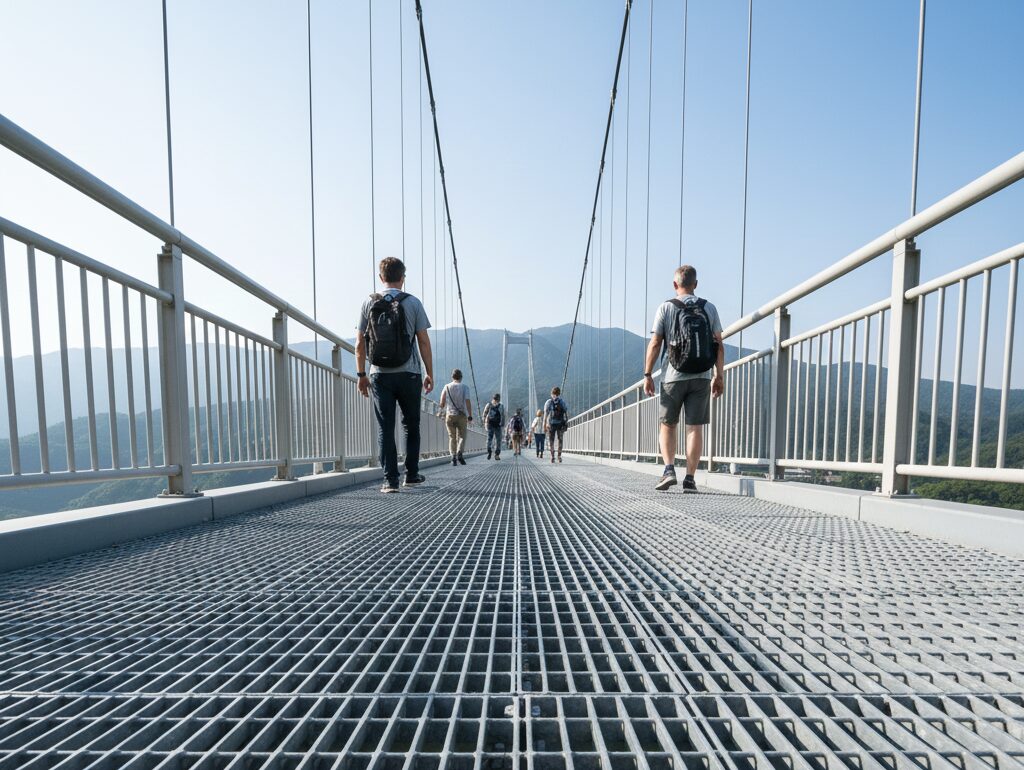
The main attraction is the long, elegant suspension bridge itself. As you step onto the metal grating and look through the gaps at the forest far below, you immediately feel the sensation of floating above the treetops. The bridge gently sways with the movement of visitors, adding a hint of thrill while remaining safe and secure.
Along the crossing, you’ll find designated photo spots and small viewing platforms. Take your time walking both ways: the perspective toward Mt. Fuji and Suruga Bay is different from the view looking back toward the inland mountains. If you’re nervous about heights, stay closer to the center of the walkway and focus on the horizon rather than looking straight down.
Enjoy Seasonal Scenery and Plant Life
Japan’s travel calendar is strongly shaped by the seasons, and Mishima Skywalk is no exception. In spring, you may find cherry blossoms and fresh greenery coloring the hills. Summer brings dense, rich foliage and bright blue skies. Autumn is particularly striking, with the valley below turning shades of red and yellow. Winter can be crisp and clear, often giving the best views of snow-capped Mt. Fuji.
The landscaping around the entrance area and the paths toward the viewpoints includes a variety of flowers and shrubs, many accompanied by small signs explaining the species. This quiet attention to detail is typical of Japanese gardens and parks and can make even a short stroll feel contemplative.
Try Adventure Activities and Forest Attractions
On the far side of the bridge, Mishima Skywalk offers additional attractions that change and expand over time. These may include:
- Zipline experiences that send you gliding over the valley for an exhilarating bird’s-eye view.
- Forest adventure courses such as elevated walkways or rope challenges, suitable for adventurous visitors and older children.
- Nature trails that lead through the surrounding woods, allowing you to experience the local ecosystem at ground level.
Activities usually require separate tickets or reservations. Safety harnesses, helmets, and guidance are typically provided, following the high safety standards common in Japanese leisure facilities. Staff may speak only limited English, but clear visual instructions and demonstrations help bridge the language gap.
Relax in Cafés and Food Stands
Once you’ve crossed the bridge and explored the other side, you can return to the entrance area to enjoy food and drinks. Expect a mix of light snacks and café fare: think soft-serve ice cream made with local milk, regional sweets, and hot drinks for colder days. Some menus may feature dishes created with ingredients from Shizuoka Prefecture, known for its green tea and fresh produce.
Seating areas often look directly toward the bridge and distant landscape, turning a simple coffee break into another chance to enjoy the view. Don’t rush; part of the pleasure of Japanese sightseeing is slowing down to take in your surroundings.
Browse Souvenir Shops
Gift shops near the entrance sell both Mishima Skywalk-branded goods and regional specialties. You may find small snacks, locally inspired sweets, keychains, stationery, and other easy-to-pack items. Japan places strong cultural importance on omiyage, the tradition of bringing back gifts for family, friends, or coworkers after a trip. If you’re traveling on to other cities, this can be a convenient place to pick up thoughtful souvenirs without carrying heavy items.
Planning Your Visit
Getting There from Tokyo and Beyond
Mishima Skywalk is located near the city of Mishima in Shizuoka Prefecture. For many travelers, the simplest way to reach it is to combine train and bus:
- By Shinkansen: Take a bullet train to Mishima Station from Tokyo, Shinagawa, or Shin-Yokohama. The journey from central Tokyo typically takes under an hour on faster services.
- By local transport from Mishima Station: From the station, local buses or taxis connect to Mishima Skywalk. Bus stops and information are usually signposted; look for buses heading toward the bridge or ask station staff using the English name “Mishima Skywalk.”
If you are renting a car and driving in Japan, the attraction is close to major expressways, and on-site parking is available. Keep in mind that toll roads are common, and international drivers need a valid International Driving Permit alongside their home license.
Opening Hours, Tickets, and Weather
Mishima Skywalk usually operates during daylight hours, opening in the morning and closing in the late afternoon or early evening depending on the season. Admission fees apply to enter the bridge area, and additional charges apply for adventure activities such as ziplines or forest courses.
Because the experience is so dependent on visibility, weather is worth checking before you go. Clear, dry days offer the best Mt. Fuji views. In rain or strong winds, the bridge may feel more dramatic and misty, but your view of the mountain could be limited. In severe weather, certain attractions may temporarily close for safety.
How Much Time Do You Need?
Allow at least one to two hours for a relaxed visit: walking the bridge both ways, taking photographs, and having a drink or snack. If you plan to join adventure activities, stroll forest trails, or linger in cafés and shops, your visit can easily stretch to half a day.
Many travelers pair Mishima Skywalk with nearby destinations in Shizuoka Prefecture or the Izu Peninsula. It can be a convenient stop when traveling between Tokyo and the hot spring towns of Hakone, Atami, or the seaside resorts further down the coast.
Tips for First-Time Visitors
What to Wear and Bring
The bridge is outdoors and exposed to the elements, so dress for the weather. A light jacket or windbreaker can be useful even on sunny days, as the altitude and open valley can make temperatures feel cooler. Comfortable walking shoes with good grip are recommended, especially if you intend to explore forest trails or participate in adventure attractions.
In summer, bring sun protection such as a hat and sunscreen; in winter, gloves and warm layers will help you stay comfortable while taking photos. A compact umbrella or foldable raincoat is handy in case of sudden showers.
Photography and Etiquette
Photography is a major reason people visit Mishima Skywalk. To make the most of it:
- Use the designated photo spots and side platforms rather than stopping abruptly in the center of the walkway.
- Be mindful of other visitors and avoid blocking the path, especially on busy weekends and holidays.
- If using a tripod or selfie stick, ensure it doesn’t create a hazard for others, particularly on windy days.
Japanese public spaces tend to emphasize harmony and mutual consideration. Keep noise levels moderate, avoid running or jumping on the bridge, and follow posted rules. Smoking is typically restricted to designated areas.
Language and Accessibility
Signage around Mishima Skywalk increasingly includes English, and the name itself is straightforward to pronounce. Some staff may speak basic English, though not all will be fluent. Simple phrases such as “ticket,” “bus,” or “toilet” are widely understood, and you can always show the written name on your phone if needed.
The entrance area and bridge are generally accessible for visitors with limited mobility, with smooth surfaces and minimal steps. Certain adventure activities and forest trails, however, may not be suitable for everyone. If accessibility is a concern, check the latest information in advance and allow time to move at a comfortable pace.
Combining Mishima Skywalk with Nearby Destinations
One advantage of visiting Mishima Skywalk is its convenient location relative to other popular spots in central Japan. With some planning, you can integrate it into a broader itinerary:
- Hakone: A classic hot spring and mountain resort area, accessible by train and bus from Mishima. Combine the bridge with a soak in an onsen and views of Fuji from lakeside cruises.
- Atami: A seaside city known for hot springs and early-blooming plum blossoms, reachable by Shinkansen or local train from Mishima.
- Izu Peninsula: A scenic coastline with beaches, rugged cliffs, and onsen towns. Mishima is one of the main gateways to this region.
For travelers using Japan Rail Passes, Mishima Station is on the Tokaido Shinkansen line, making it relatively easy to include as a stop between Tokyo and the Kansai region.
Is Mishima Skywalk Worth It on a Short Trip?
If your time in Japan is limited, you may wonder whether it’s worth adding a side trip to Mishima Skywalk. For travelers who value great views, light adventure, and a break from the urban intensity of Tokyo, the answer is often yes. The bridge offers a modern, accessible way to witness the natural beauty that shapes so much of Japanese culture, from ukiyo-e prints of Mt. Fuji to contemporary travel posters.
By combining engineering, landscape, and leisure in one compact site, Mishima Skywalk invites you to literally and figuratively step out over the edge and see Japan from a new perspective. Whether you come for a quick photo stop or a leisurely half-day escape, it can be a memorable highlight of your first journey through the country.

Access Map
Recommended spots in Mt. Fuji
Mt. Fuji Climbing
Arakurayama Sengen Park
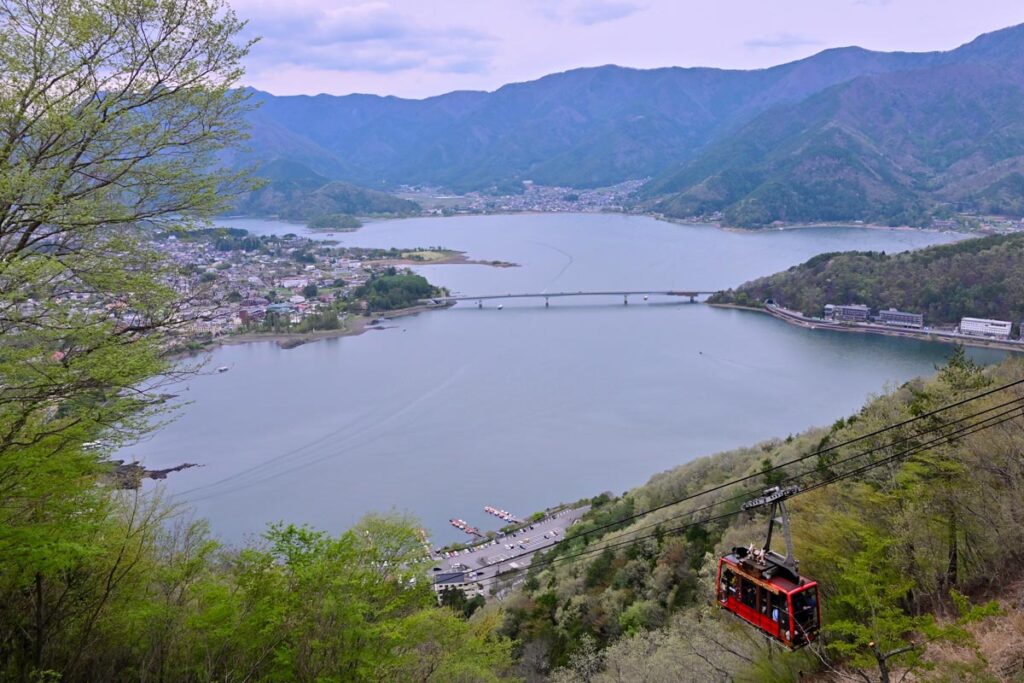
Mt. Fuji Panoramic Ropeway
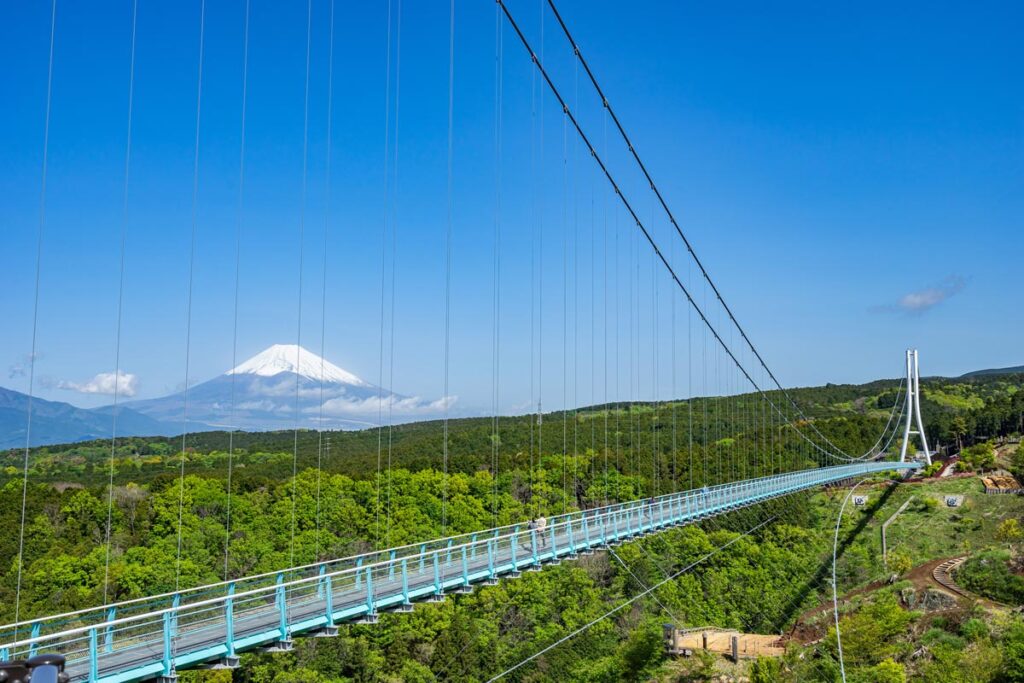
Mishima Skywalk
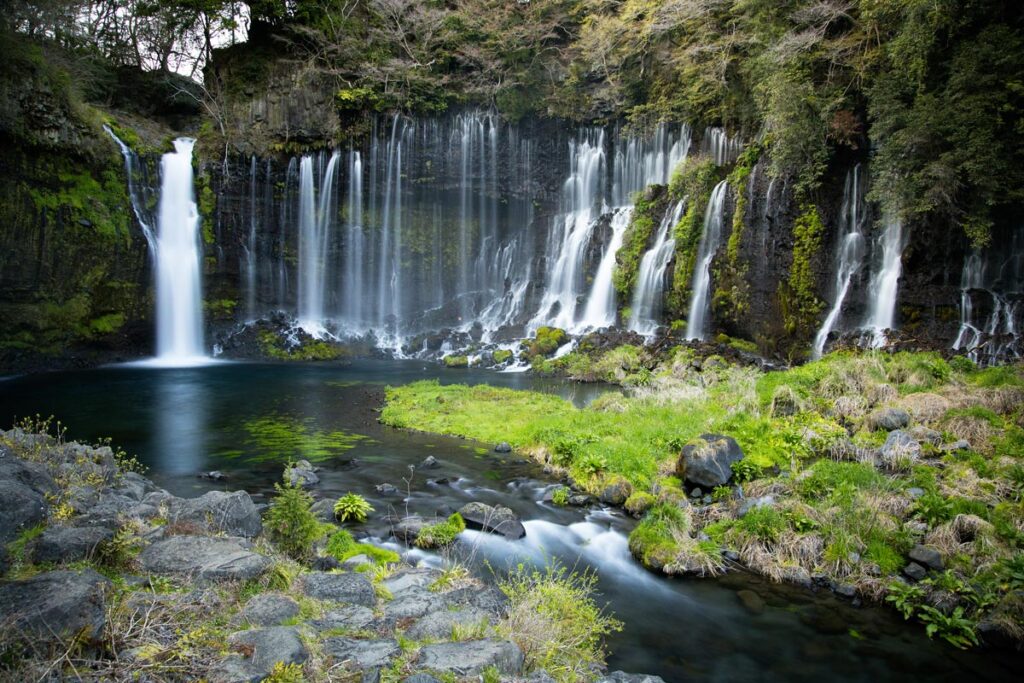
Shiraito Falls
Useful Link