




Shiraito Falls
Shiraito Falls Japan Travel Guide for First-Time Visitors
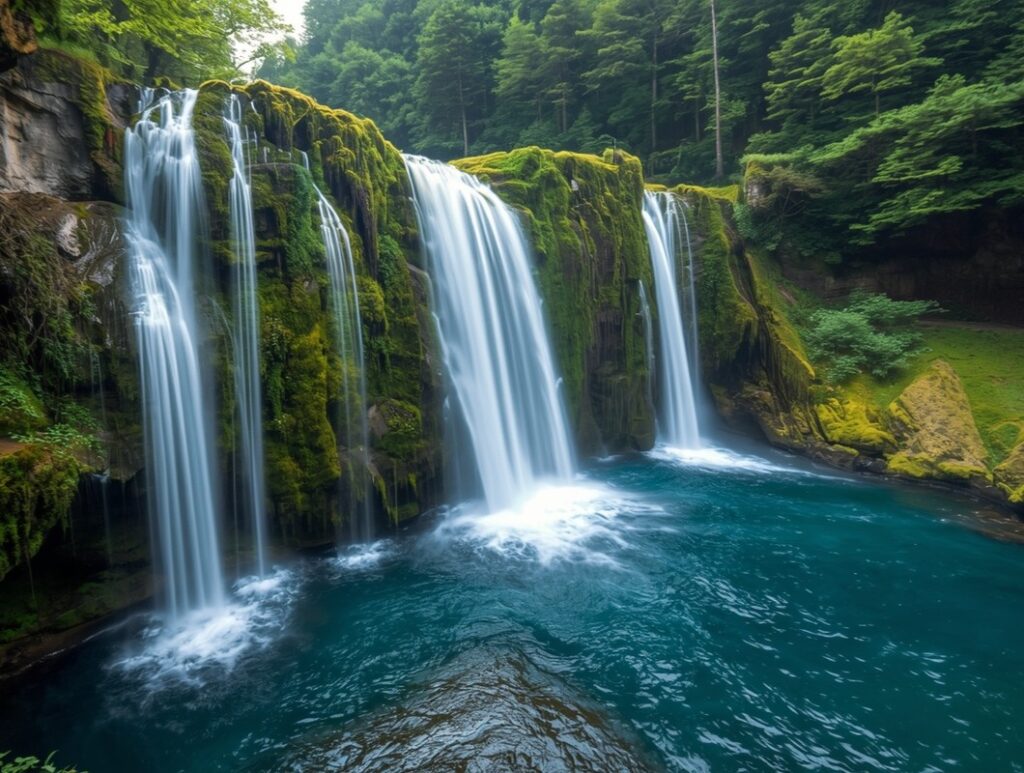
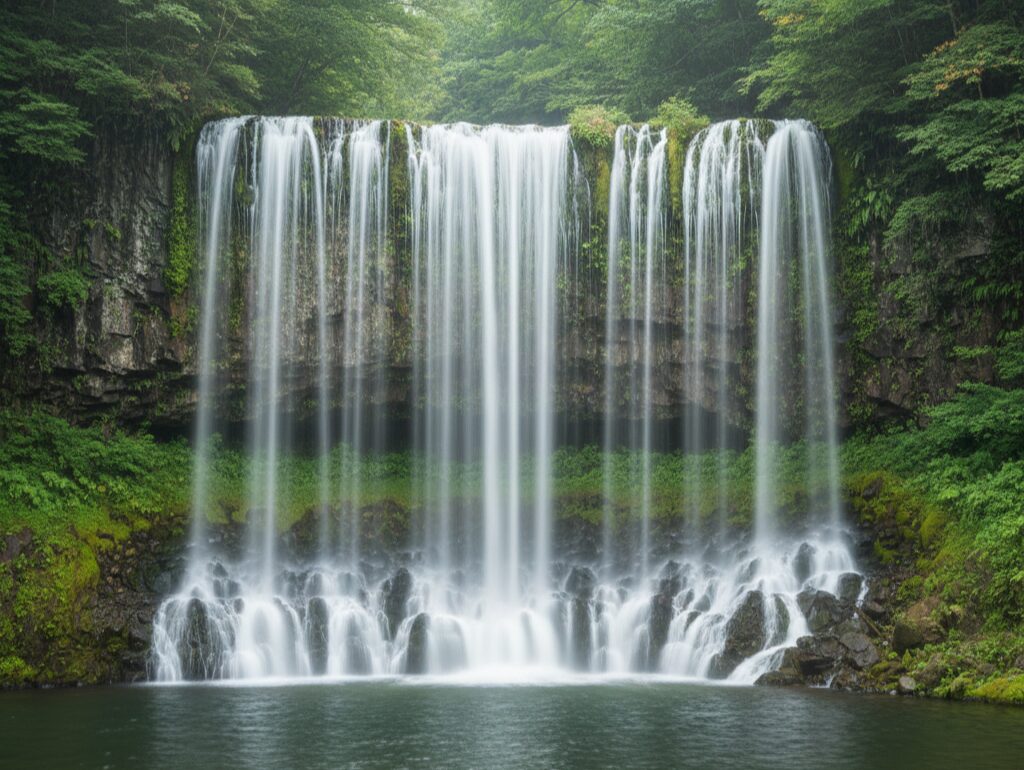
Photos are for illustrative purposes only.
Hidden in the foothills of Mount Fuji, Shiraito Falls is one of Japan’s most graceful waterfalls and a perfect escape from the crowds. Rather than one big plunge, the water spills like thousands of white silk threads over a lush, mossy cliff. For international visitors, this is an easy and rewarding day trip that combines dramatic scenery, gentle walking, and a taste of rural Japan.
What Makes Shiraito Falls Special
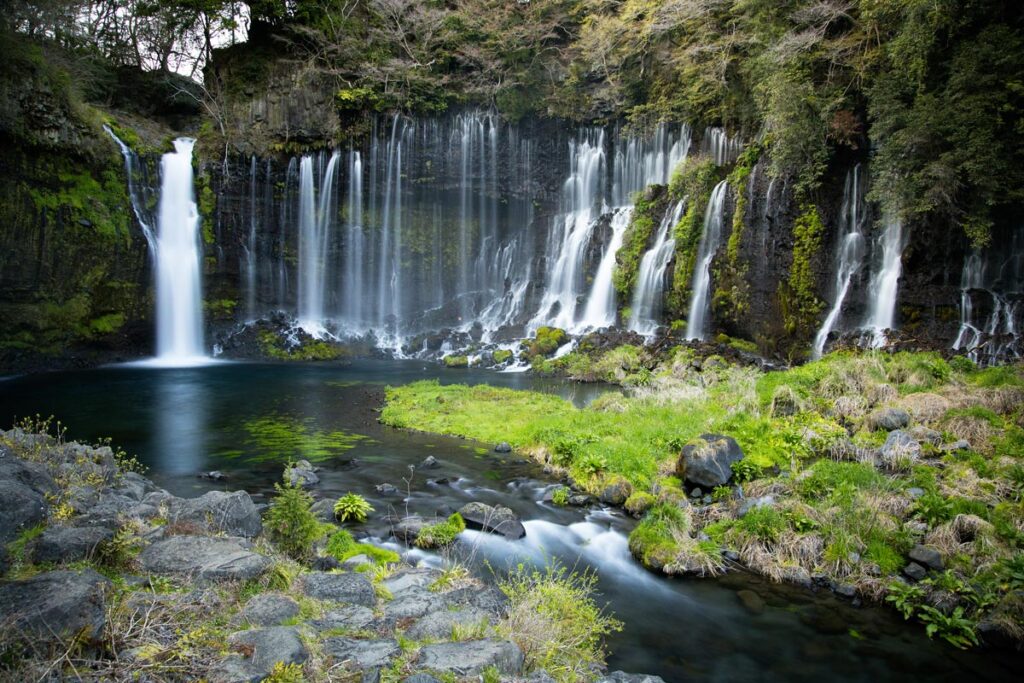
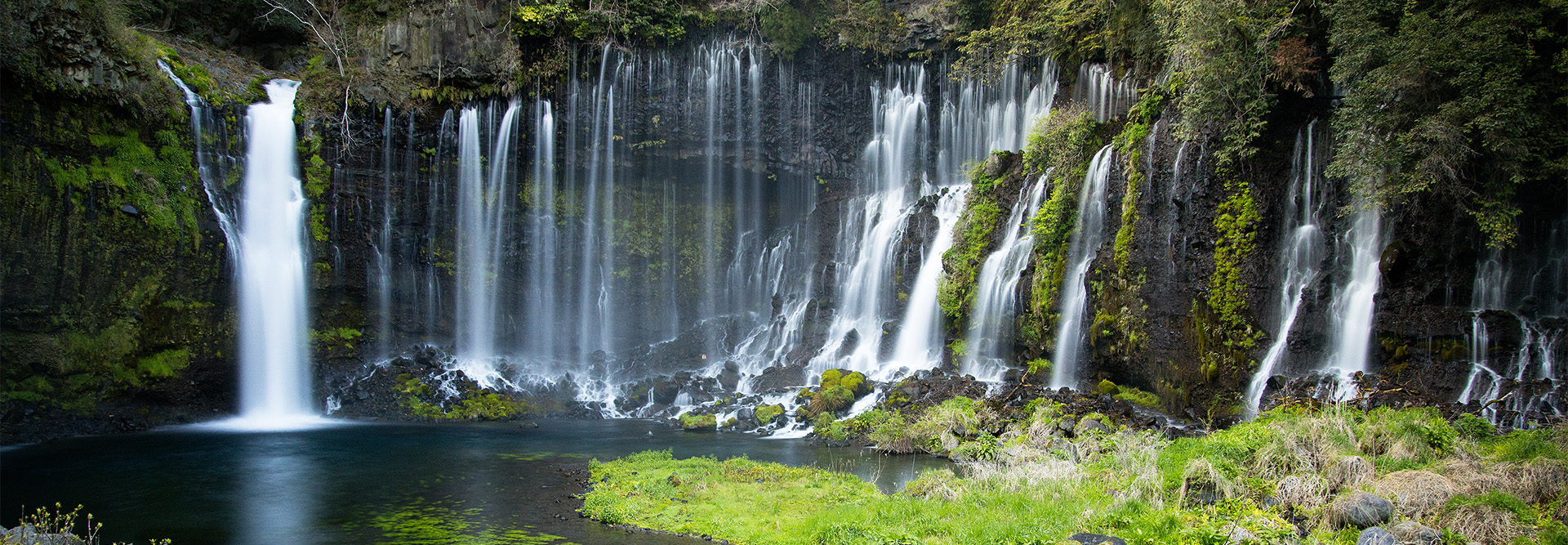
Shiraito Falls (Shiraito no Taki) literally means “White Thread Falls,” a name that makes immediate sense when you see it. Instead of roaring straight down, water seeps from the porous lava cliffs in countless thin streaks, forming a 150-meter-wide, 20-meter-high curtain of water. The setting feels surprisingly intimate compared to many of Japan’s famous waterfalls.
The falls are fed by the spring water of Mount Fuji, giving them a clear, almost glassy look. On a sunny day the mist catches the light, creating subtle rainbows over a deep emerald pool. In Japan’s culture of nature worship, springs and waterfalls like this are often seen as pure, sacred spaces where mountain deities are thought to dwell, and Shiraito Falls has long been admired by poets, artists, and pilgrims traveling in the Fuji region.
Shiraito Falls is also recognized as one of the “Top 100 Waterfalls of Japan” and forms part of the wider Mount Fuji area, which is a UNESCO World Cultural Heritage site. Yet it remains relatively relaxed and accessible, even in peak season.
Where Shiraito Falls Is Located
Shiraito Falls sits in Fujinomiya City, Shizuoka Prefecture, on the southwestern side of Mount Fuji. It is not far from the border with Yamanashi Prefecture and the Fuji Five Lakes area.
For planning purposes, Shiraito Falls is roughly:
- 30–40 minutes by bus from Fujinomiya Station
- About 1.5–2 hours from Tokyo by train and bus (one way)
- Within easy reach of other Fuji attractions such as Asagiri Highland and Fujisan Hongu Sengen Taisha Shrine
How to Get to Shiraito Falls
From Tokyo
By Shinkansen (fastest, most comfortable):
- Take a Tokaido Shinkansen from Tokyo or Shinagawa to Shin-Fuji Station (about 1 hour by Kodama or Hikari, depending on the train).
- From Shin-Fuji Station, transfer to a local bus bound for Shiraito no Taki. The ride usually takes around 60–70 minutes and drops you near the entrance.
By local train (more economical):
- Take a JR Tokaido Line train to Fujinomiya Station (if coming via Fuji Station, transfer to the Minobu Line).
- From Fujinomiya Station, board a bus toward Shiraito no Taki. The journey takes roughly 30–40 minutes.
Bus timetables can vary by season, and services may be less frequent in winter or on weekdays. Check schedules carefully and aim to arrive before midday so you have plenty of time for walking and taking photos.
By Car
If you are comfortable driving in Japan, Shiraito Falls is straightforward to reach by rental car. There is paid parking close to the entrance and the drive winds through beautiful countryside at the base of Mount Fuji. However, keep in mind:
- Japan drives on the left.
- Winter conditions may include snow or ice in the surrounding area.
- Parking lots can fill quickly during fall foliage season and on weekends.
What to Expect When You Arrive
The area around the main entrance feels like a small countryside resort, with souvenir shops, food stalls, and simple local restaurants. From here, a clearly marked walking path takes you down toward the falls. The walk is short and manageable for most visitors, but keep in mind that there are stairs and some slopes.
The Viewing Points
Along the route you will find several viewing platforms. The upper viewpoints give you a wide, panoramic look at the curtain of water spreading across the cliff. As you descend, the sound of the falls grows stronger and you can feel the cool, refreshing air rising from the pool below.
At the lowest main viewpoint, you are almost at water level, standing just across the river from the falls. This is where you can really see the countless white streams emerging from the rock and the way they interact with the mosses and ferns clinging to the cliff face.
Otodome Falls Nearby
Just a short walk away is Otodome Falls, a taller, more powerful waterfall on the same river. Legend says that during the age of samurai, warriors planning an important attack shouted their strategy to each other near this waterfall because its roar would drown out their voices, preventing enemies from overhearing. Otodome means “sound stopping,” a poetic reminder of this story.
Most visitors stroll to both waterfalls as part of the same visit. Signposts and maps make it easy to follow the short walking loop between the two.
Best Time to Visit Shiraito Falls
Shiraito Falls is beautiful year-round, but each season offers a different mood.
Spring (March–May)
Spring brings fresh green leaves and milder temperatures, making this one of the most comfortable times to visit. Depending on the year, you may still see snow on the upper slopes of Mount Fuji while enjoying new foliage around the falls below. Crowds increase during the Japanese school holidays and Golden Week (late April to early May).
Summer (June–August)
Summer in Japan can be hot and humid, but Shiraito Falls offers a natural escape with cool air and mist. The water flow is typically strong, and the vegetation is at its most lush. This is an excellent time for families and travelers who enjoy a break from city heat, though afternoon showers can occur during the rainy season (usually June to early July).
Autumn (late October–November)
Autumn is arguably the most photogenic season at Shiraito Falls. The surrounding trees transform into shades of red, orange, and gold, framing the white threads of water in vibrant color. This is also one of the busiest periods, especially on weekends, so arrive in the morning if you prefer a quieter experience.
Winter (December–February)
In winter, visitor numbers drop, and the falls take on a stark, peaceful beauty. In particularly cold spells, you may see icy patterns forming on the cliff and along the river. Some facilities may keep shorter hours in winter, and paths can be slippery, so wear shoes with good grip and bring warm clothing.
How Long to Spend at Shiraito Falls
Most travelers spend around 1–2 hours exploring the area. This allows time to:
- Walk the path between viewing points
- Visit both Shiraito Falls and Otodome Falls
- Take photos from different angles
- Enjoy a snack or light meal at the nearby shops
If you are traveling as a day trip from Tokyo, consider combining Shiraito Falls with another nearby site, such as Fujisan Hongu Sengen Taisha Shrine in Fujinomiya or a scenic drive through the Asagiri Highlands.
Cultural Background and Local Atmosphere
Mount Fuji’s slopes have long been a place of pilgrimage, and Shiraito Falls lies along historic routes used by those making spiritual journeys. The clear water emerging from the mountain is considered sacred, and you may notice small shrines and stone monuments around the area, quietly blending into the landscape.
For many Japanese visitors, the experience of Shiraito Falls is not just about taking photos but also feeling the refreshing atmosphere—listening to the water, breathing the cool air, and taking a moment to slow down. If you can, spend a few minutes simply standing by the water, without your camera, and soak in the surroundings.
Photography Tips
Shiraito Falls is very photogenic, but the wide curtain shape can be tricky to capture. Here are a few practical tips:
- Arrive early or late: Soft morning or late-afternoon light is more flattering than harsh midday sun.
- Use the rails as framing: Viewpoints have handrails that you can use for stabilization. A small travel tripod is helpful but must not block other visitors.
- Look for details: Don’t only shoot from the main platform. Zoom in on sections of the cliff, moss, and water streams for abstract, atmospheric shots.
- Mind the mist: Keep a lens cloth handy to wipe off water droplets, especially on windy days.
Food, Facilities, and Accessibility
Food and Souvenirs
Near the entrance, you will find small local restaurants and stalls serving simple dishes such as noodles, grilled fish, and regional snacks. Seasonal specialties might include items flavored with wasabi or green tea, reflecting Shizuoka’s reputation for tea and mountain produce.
Souvenir shops typically stock:
- Local sweets and snacks
- Green tea from Shizuoka
- Postcards and pictures of Mount Fuji and Shiraito Falls
These shops are convenient if you want to bring home something from the region or pick up a quick snack before or after your walk.
Restrooms and Basic Facilities
Public restrooms are available near the parking and entrance area. Vending machines are common, so you can easily buy drinks, but carrying a reusable water bottle is also a good idea. Trash bins can be limited; Japan expects visitors to take their rubbish with them, so keep a small plastic bag in your daypack.
Accessibility Considerations
The main viewpoint closest to the entrance area is relatively easy to reach for most visitors, but the paths down toward the lowest platforms involve stairs and slopes. If you or someone in your group has limited mobility, it may be best to enjoy the views from upper areas and avoid steeper sections during wet or icy conditions.
Etiquette and Useful Tips for International Visitors
Japan’s natural sites are generally clean and well looked after, and visitors are expected to help maintain this atmosphere. A few points to keep in mind at Shiraito Falls:
- Stay on the paths: Do not climb fences or go off trail, even for photos.
- Respect the quiet: Enjoy the sound of the water; keep voices low and avoid loud music.
- No swimming: The pool and river near the falls are not for bathing or wading.
- Carry your trash: Take any rubbish back with you if you cannot find a bin.
- Be mindful of tripods and selfie sticks: Do not block viewing areas, especially at busy times.
Most staff and shopkeepers in the area may speak only basic English, but they are generally friendly and used to international tourists. Simple phrases and gestures go a long way; showing your bus destination in writing (for example, “Shiraito no Taki”) can be helpful when asking for directions.
Suggested Itineraries Including Shiraito Falls
Day Trip from Tokyo
If you are visiting Japan for the first time and staying in Tokyo, Shiraito Falls makes a refreshing day trip when combined with other Mount Fuji viewpoints. A simple plan:
- Morning: Travel from Tokyo to Shin-Fuji or Fujinomiya.
- Late Morning to Early Afternoon: Visit Shiraito Falls and Otodome Falls, walk the paths, and have lunch near the entrance.
- Afternoon: Stop by Fujisan Hongu Sengen Taisha Shrine or enjoy views of Mount Fuji from Fujinomiya city or the surrounding highlands.
- Evening: Return to Tokyo by train.
Overnight near Mount Fuji
For a slower pace, consider spending a night in the Fuji area. You can combine Shiraito Falls with:
- Onsen (hot spring) stays with views of Mount Fuji
- Farm visits or dairy products in the Asagiri Highlands
- Scenic drives or cycling routes around the base of Mount Fuji
This approach lets you experience both the famous mountain and the quieter rural side of Japan that many travelers miss.
Why Shiraito Falls Belongs on Your Japan Itinerary
For first-time visitors to Japan, Shiraito Falls offers a chance to balance big-city energy with peaceful nature. It is dramatic yet gentle, easy to reach yet far enough from the major hubs to feel like a genuine escape. Whether you are fascinated by Japanese landscapes, drawn to Mount Fuji, or simply want a cool, quiet place to unwind, Shiraito Falls adds a memorable, soothing chapter to any Japan journey.
Build it into a day trip or a longer stay in the Fuji region, take your time walking the paths, and let the sound of countless “white threads” of water become part of your own travel story.

Access Map
Recommended spots in Mt. Fuji

Mt. Fuji Climbing
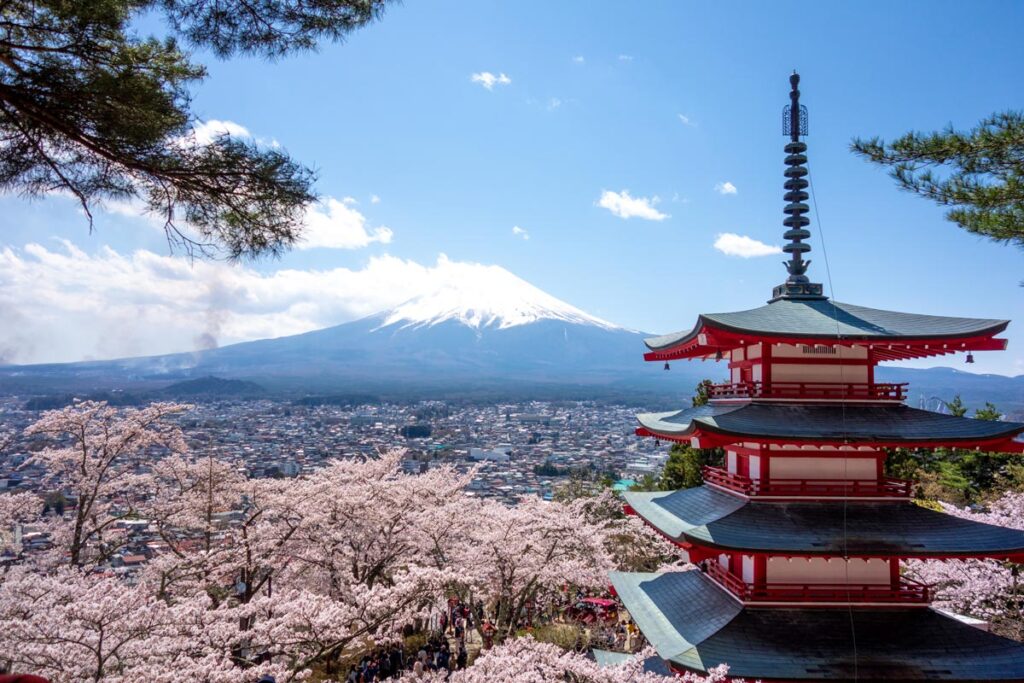
Arakurayama Sengen Park
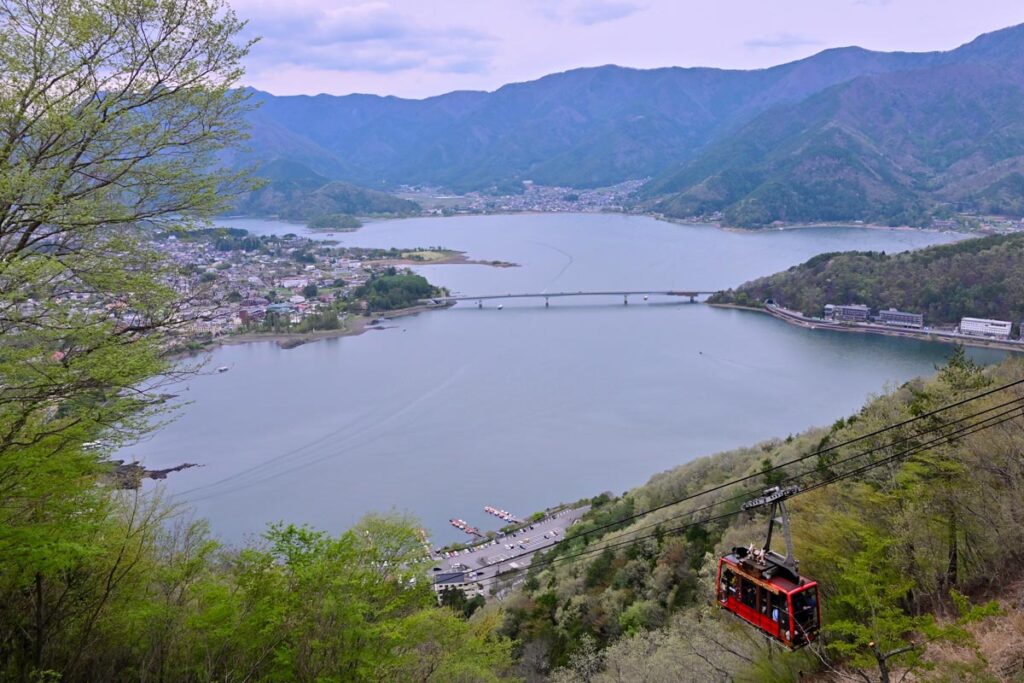
Mt. Fuji Panoramic Ropeway
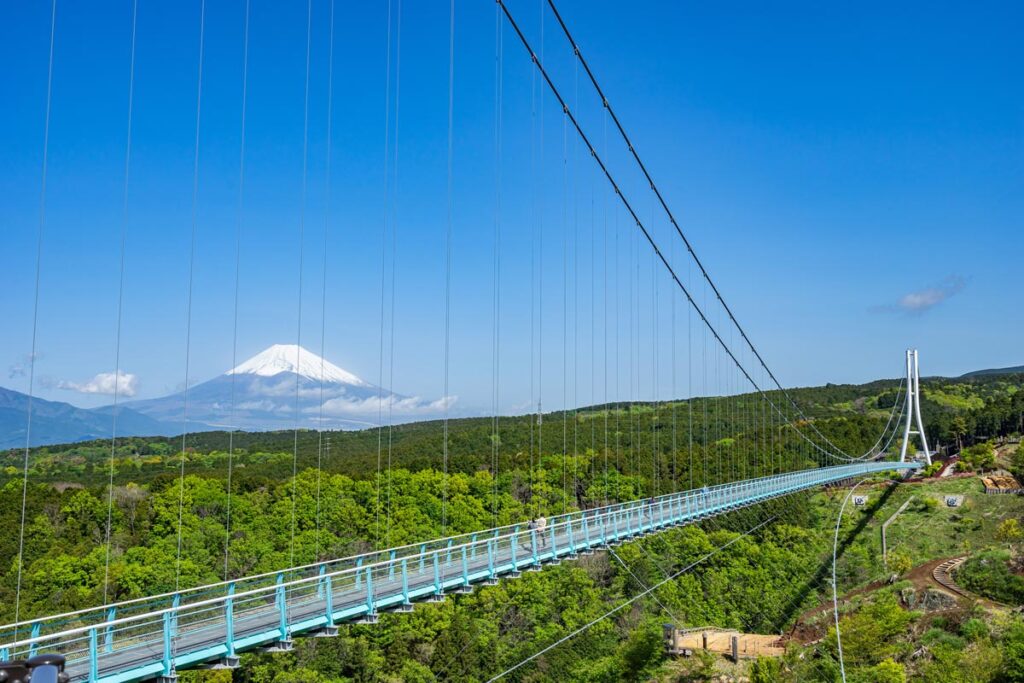
Mishima Skywalk