


Kiyomizu-dera
Kiyomizu-dera: A First-Time Visitor’s Guide to Kyoto’s Iconic Hillside Temple
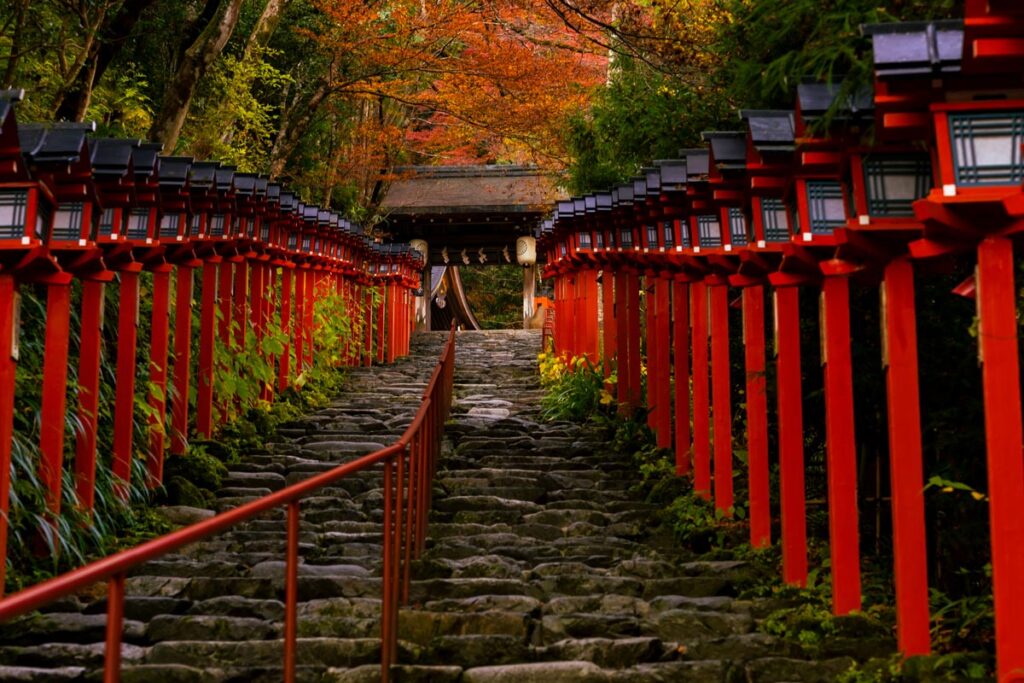
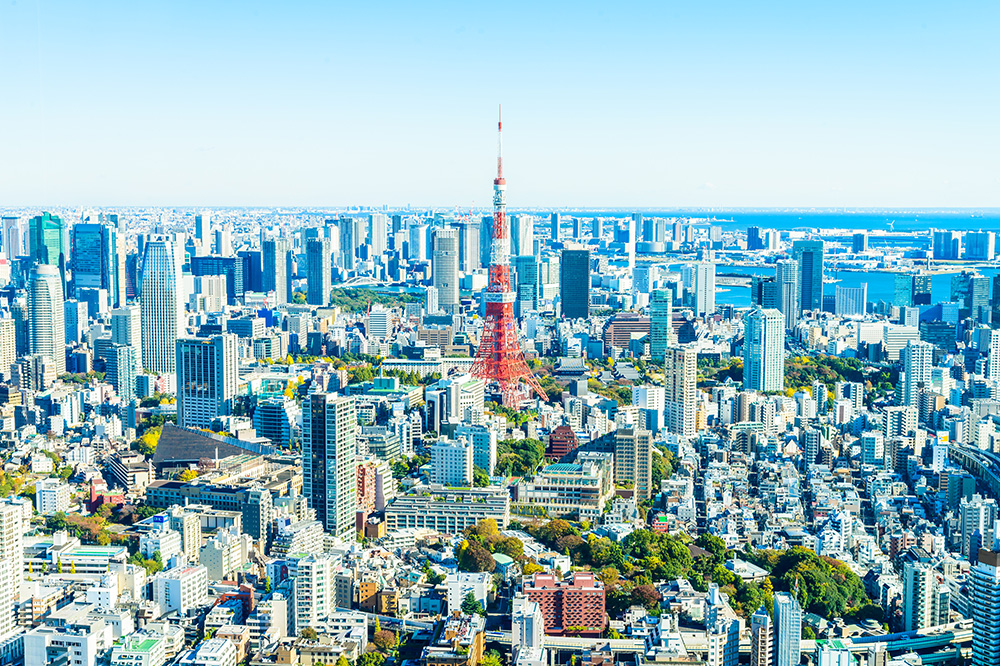
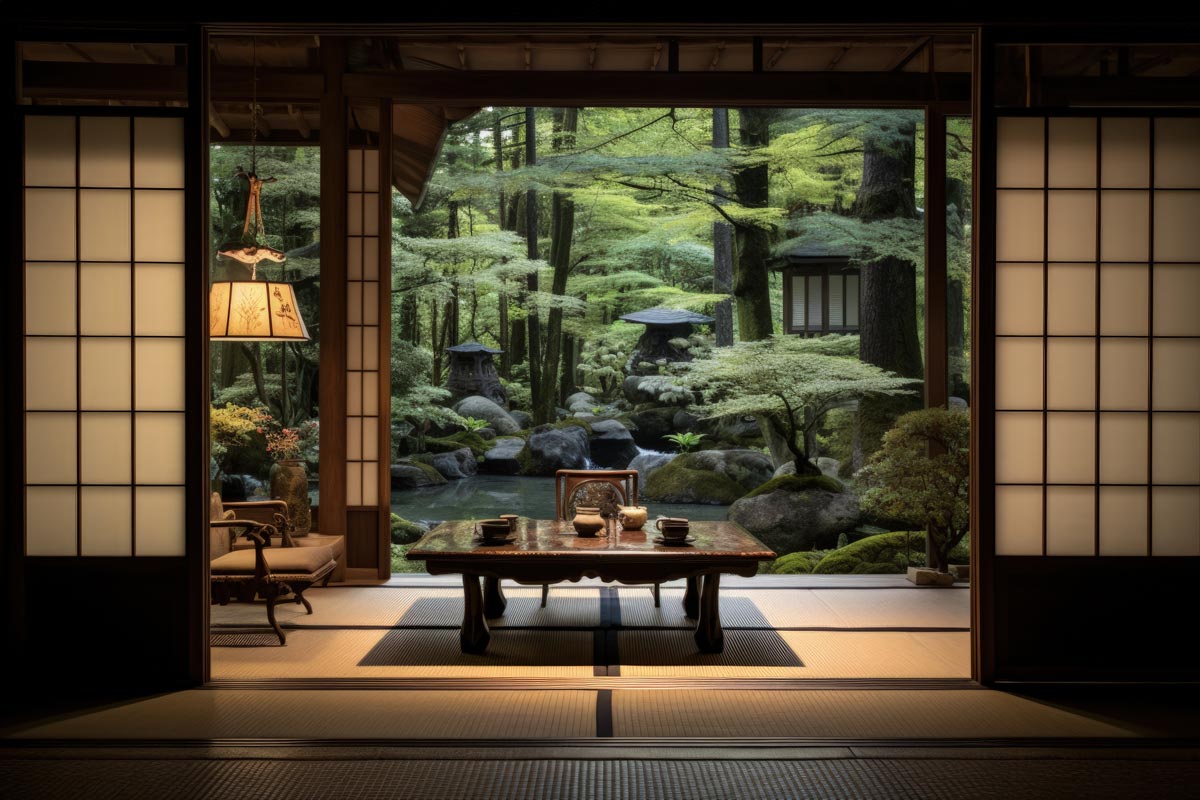
Photos are for illustrative purposes only.
Perched on a lush hillside in eastern Kyoto, Kiyomizu-dera is one of Japan’s most famous temples and a must-see for first-time visitors. With its vast wooden terrace overlooking the city, atmospheric lanes lined with teahouses and souvenir shops, and seasonal views of cherry blossoms and fiery autumn leaves, this UNESCO World Heritage Site encapsulates the romantic image many travelers have of Japan.
More than just a beautiful viewpoint, Kiyomizu-dera offers a window into Japanese religion, history, and everyday culture. This guide walks you through what to see, how to visit, and the small details that make a visit here unforgettable.
Why Kiyomizu-dera Belongs on Your Japan Itinerary
Kiyomizu-dera, whose name literally means “Pure Water Temple,” was founded in 778 and is dedicated to Kannon, the Buddhist deity of mercy. Over the centuries, it has survived fires, political turbulence, and changing religious attitudes, remaining one of Kyoto’s most beloved spiritual centers.
For travelers, the temple offers several key experiences:
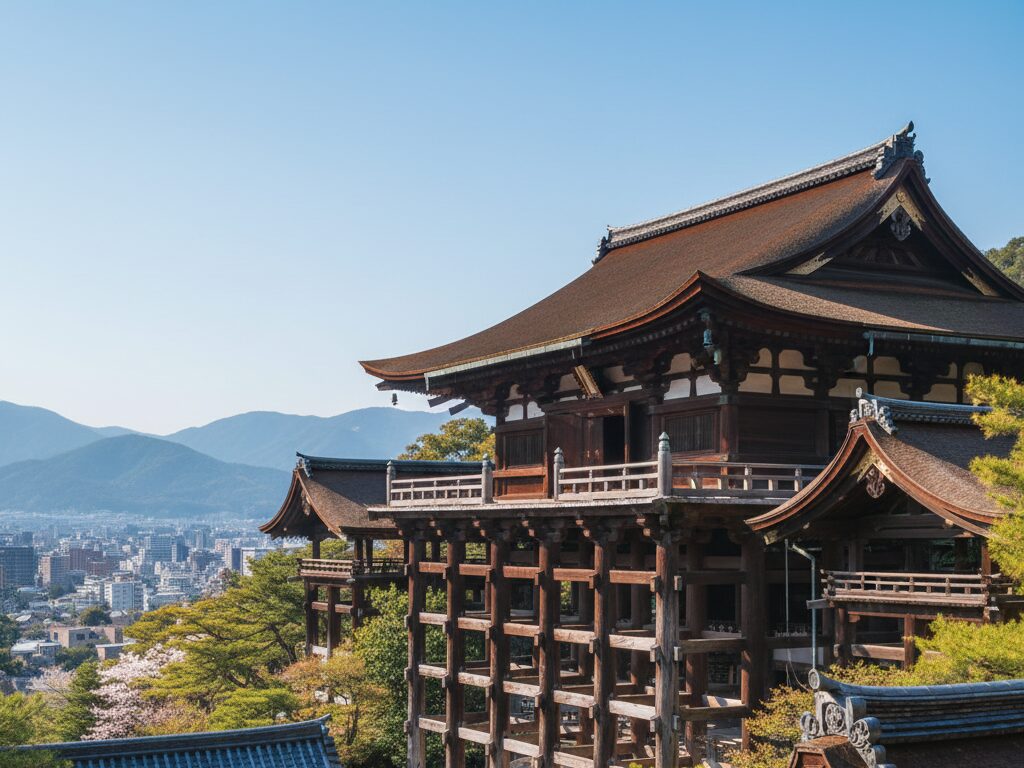
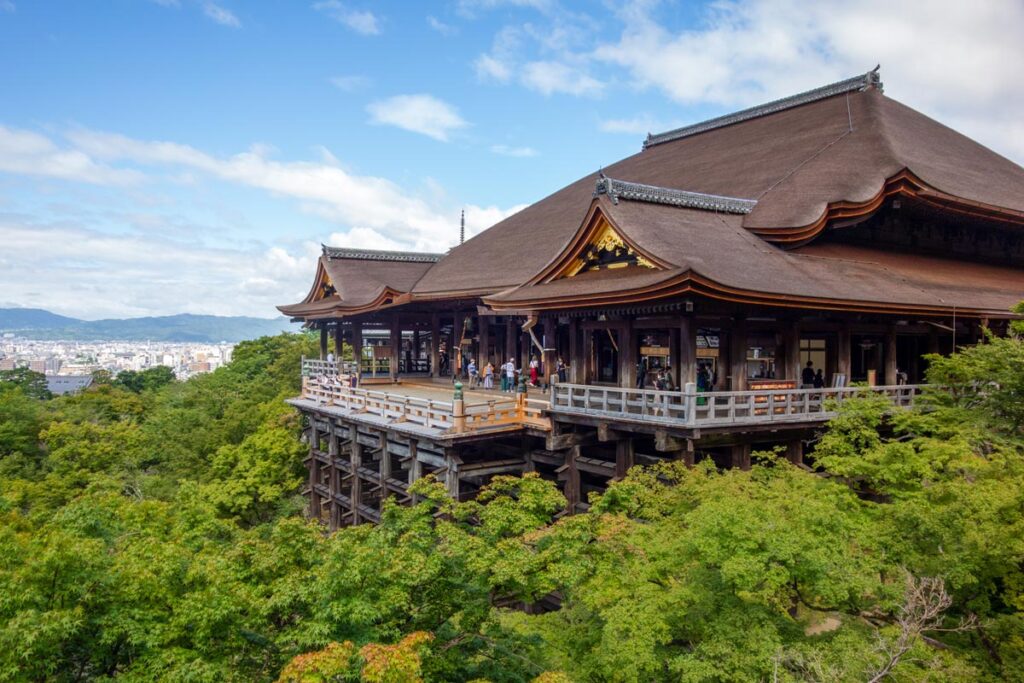
- Iconic wooden stage: The main hall’s balcony projects dramatically over the hillside, supported by a forest of wooden pillars without a single nail in its framework.
- Sweeping views of Kyoto: On clear days, you can see across the city to the mountains on the far side.
- Atmospheric approach streets: The walk up through the Higashiyama district is an attraction in itself, with traditional buildings, cafés, and craft shops.
- Living faith: You’ll see locals praying, drawing fortunes, and making offerings, giving a real sense of contemporary Japanese spirituality.
- Seasonal beauty: Cherry blossoms in spring and maples in autumn transform the entire hillside into a sea of color.
Understanding the Temple: History and Beliefs
While you don’t need to be religious to appreciate Kiyomizu-dera, knowing the basics adds depth to your visit.
A Temple of Pure Waters
The temple takes its name from the Otowa Waterfall, which still flows at its base. According to legend, a wandering monk discovered a sacred spring here, leading to the founding of the temple. Water has long symbolized purity in Japanese belief, and pilgrims have visited Kiyomizu-dera for over a thousand years seeking spiritual cleansing and good fortune.
Buddhism and Shinto Intertwined
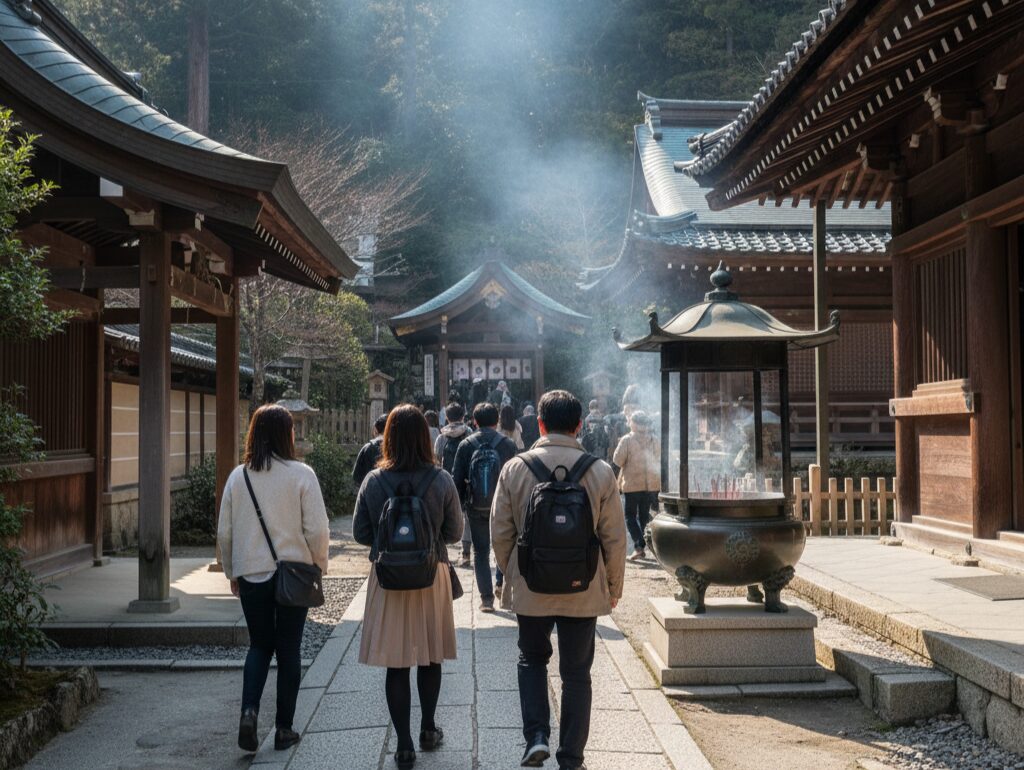
Kiyomizu-dera is a Buddhist temple, but like many historic sites in Japan, its grounds also contain Shinto shrines. This blending reflects Japan’s traditional approach to religion, where people comfortably mix Buddhist and Shinto practices. Don’t be surprised if you see visitors ringing bells, clapping hands, lighting incense, and bowing in different ways at different halls; these are all part of the complex religious landscape.
Highlights Inside Kiyomizu-dera
The temple complex is larger than many first-time visitors expect, with multiple halls, paths, and viewpoints. Allow at least 90 minutes, ideally two hours, to explore without rushing.
The Main Hall and Famous Wooden Stage
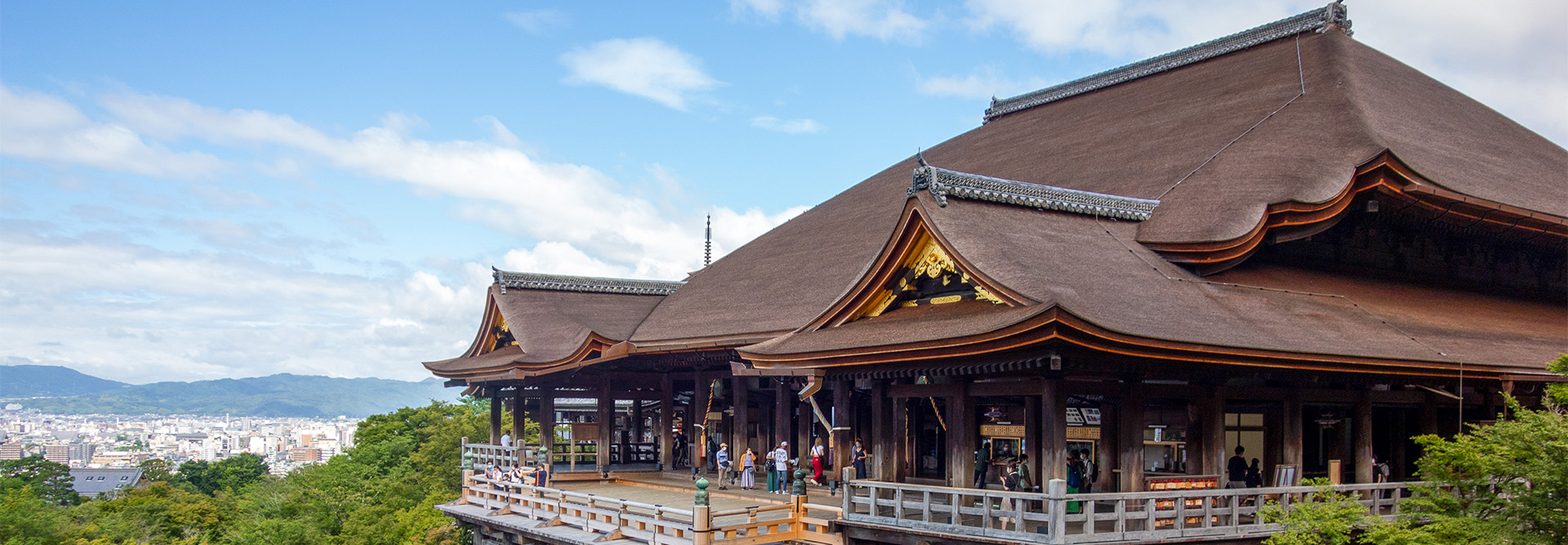
After passing through the vivid vermilion Niomon gate and climbing past several smaller structures, you’ll reach the main hall (Hondo). Its most striking feature is the large wooden terrace known as the Kiyomizu stage, jutting out over the hillside.
Built using a technique that relies on intricate interlocking joints instead of nails, the platform is supported by tall wooden pillars that rise from the slope below. Standing here, you’ll enjoy one of Kyoto’s most iconic views: the temple roofs and pagoda in the foreground, cityscape in the mid-distance, and encircling mountains beyond.
Inside the hall, the atmosphere is dim and smoky with incense. The principal image of Kannon is usually hidden from public view, but you’ll see other statues, lanterns, and offerings. Remember to move quietly and avoid flash photography if signs request it.
Otowa Waterfall: Drinking for Good Fortune
At the base of the temple’s main hall, you’ll find the Otowa Waterfall, divided into three separate streams. Visitors line up to drink the water using long-handled cups provided on site.
Each stream is said to grant a different blessing, often described as longevity, success in school or work, and good fortune in love. While the exact meanings vary by source, a common bit of local advice is to choose only one stream; drinking from all three is considered greedy. The water is purified and safe to drink, and staff regularly sterilize the cups.
Jishu Shrine: For Love and Relationships
Just behind the main hall is Jishu Shrine, dedicated to Okuninushi, a Shinto deity associated with love and matchmaking. This is one of Kyoto’s most popular spots for romantic wishes, especially among young Japanese visitors.
The shrine is famous for its pair of “love stones” placed roughly 18 meters apart. The idea is to walk from one stone to the other with your eyes closed. If you can reach the second stone without help, it is said your romantic wishes will come true. If someone guides you, your love may also rely on help from others.
You can also purchase ema (wooden prayer plaques) decorated with hearts and write your wishes or gratitude for relationships. Even if you’re not seeking a partner, it’s an interesting glimpse into how many Japanese people connect religion with everyday hopes.
Pagoda and Lower Grounds
On your way down from the main hall, you’ll pass through temple gardens and smaller halls, eventually reaching a three-storied pagoda. This area provides excellent photo opportunities looking back up at the main hall and stage, especially when the maple trees are in full color in November.
Walking paths circle the hillside, offering varied viewpoints and quieter corners away from the main crowds. If you enjoy photography, plan time to explore these side paths.
Best Time to Visit Kiyomizu-dera
The temple is open year-round and each season has its own charm, but timing can greatly influence your experience.
Seasonal Highlights
- Spring (late March to early April): Cherry blossoms frame the temple buildings and hillside. Expect large crowds; visiting early in the morning helps.
- Summer: Lush green foliage and often fewer international tourists, though it can be hot and humid. Morning and late afternoon visits are more comfortable.
- Autumn (November): The temple’s maple trees blaze red and orange, creating one of Kyoto’s most spectacular fall scenes.
- Winter: On snowy days, the temple feels serene and almost otherworldly. Even without snow, crisp air and thinner crowds make for a peaceful visit.
Daytime vs. Night Illuminations
On select evenings in spring, summer, and autumn, Kiyomizu-dera hosts special night illuminations. The temple buildings and trees are dramatically lit, and the atmosphere is very different from daytime visits.
Illumination periods attract heavy crowds but are memorable, especially if you enjoy photography. If possible, combine an afternoon visit to see the surrounding Higashiyama area in daylight with a separate evening visit for the lights.
Beat the Crowds
Kiyomizu-dera is one of Kyoto’s busiest attractions. To make your visit more comfortable:
- Arrive soon after opening, particularly during cherry blossom and autumn foliage seasons.
- Weekdays are generally less crowded than weekends and Japanese public holidays.
- Consider an evening visit during non-illumination periods, when many tour groups have departed.
How to Get to Kiyomizu-dera
Kiyomizu-dera is located in Kyoto’s eastern Higashiyama district, a picturesque area that’s easy to combine with other famous sights like Yasaka Shrine and Gion.
From Kyoto Station
- By bus: City buses run regularly from Kyoto Station toward the Kiyomizu area. Get off at a stop such as Gojo-zaka or Kiyomizu-michi. From there, it’s about a 10–15 minute uphill walk through narrow streets.
- By taxi: A taxi from Kyoto Station is convenient, especially if you’re traveling with luggage or a small group. It will drop you near the base of the hill, from where you’ll still walk up to the temple.
The Final Approach on Foot
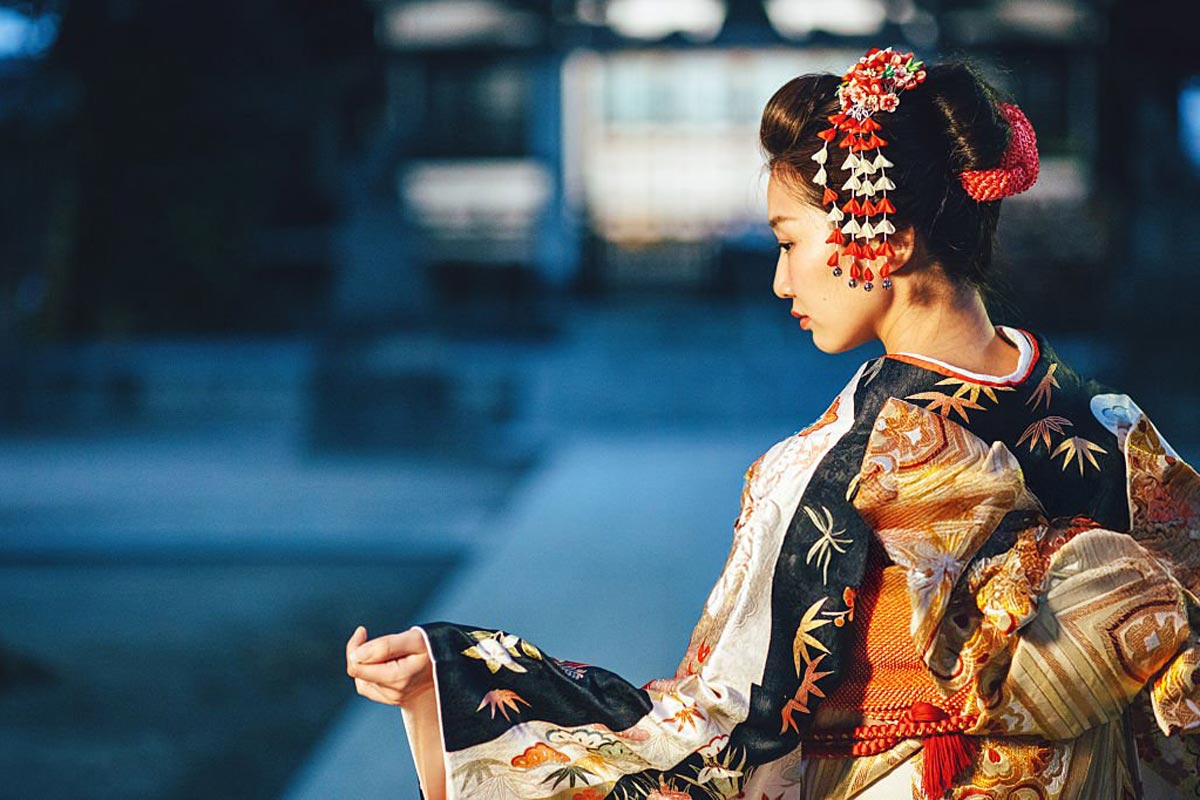
The last part of the journey is along steep, stone-paved streets like Sannen-zaka and Ninen-zaka. These historic lanes are lined with traditional shops selling Japanese sweets, ceramics, fans, and other crafts. Many visitors in rental kimono stroll here, adding to the old-Kyoto atmosphere.
Wear comfortable shoes, as the climb can be tiring, and the stones may be slippery in rain. Allow extra time if you like to browse or stop for matcha tea and snacks along the way.
Temple Etiquette and Practical Tips
Visiting Kiyomizu-dera is straightforward, but a few cultural tips will help you feel at ease and show respect.
Basic Etiquette
- Dress modestly: Shoulders and knees do not need to be fully covered, but avoid beachwear or overly revealing clothing.
- Stay quiet inside halls: Keep conversation low, especially near people who are praying.
- Follow purification rituals: If you use the waterfall or a purification basin, rinse hands and mouth lightly instead of drinking large amounts or splashing.
- Photography: Respect any no-photo signs and avoid flash in dark halls.
Tickets and Facilities
There is an admission fee to enter the main temple grounds and stage. Have some cash ready, as smaller temples and shops in the area may not accept cards. Ticket prices are modest and help maintain the historic buildings.
On-site you’ll find restrooms, small shops selling amulets and charms, and vending machines or simple stands for drinks. Drinking tap water in Japan is safe, so carrying a refillable bottle is convenient.
Accessibility Considerations
The approach to Kiyomizu-dera is steep, and many paths within the grounds involve stairs or uneven surfaces. While some sections are more accessible than others, visitors with limited mobility may find parts of the complex challenging. If this applies to you or your travel companions, allow extra time and check the latest access information before you go.
Make the Most of the Higashiyama Area
One of the pleasures of visiting Kiyomizu-dera is exploring the nearby Higashiyama district. Instead of visiting the temple in isolation, consider planning a half-day or full-day walk through the eastern hills of Kyoto.
Suggested Walking Route
A classic route for first-time visitors is:
- Start at Kiyomizu-dera in the morning.
- Stroll down Sannen-zaka and Ninen-zaka, exploring shops and cafés.
- Continue toward Yasaka Pagoda (Hokan-ji), a picturesque five-story pagoda.
- Head to Yasaka Shrine and then into Gion, Kyoto’s famous geisha district, by late afternoon or early evening.
This route gives a rich sense of traditional Kyoto and can be adjusted depending on your pace and interests.
Experiences to Try at Kiyomizu-dera
To deepen your visit beyond sightseeing and photographs, consider engaging with a few simple local experiences.
- Omikuji :Offer a small coin and draw a fortune. If the fortune is bad, tie it to a rack or tree branch at the temple, symbolically leaving the bad luck behind.
- Omamori (charms): Purchase small fabric talismans for safety, success in exams, health, or love. Many visitors keep them on bags or in wallets.
- Matcha and sweets: Try traditional Kyoto sweets and green tea at a teahouse along the approach streets. It’s a relaxing way to digest the experience.
- Kimono rental: If you’re interested in dressing up, the streets around Kiyomizu-dera are one of the most photogenic areas to wear kimono or yukata. Give yourself extra time and be careful on the steep, stone steps.
Tips for First-Time Visitors to Japan
Kiyomizu-dera is an excellent introduction to broader Japanese culture. Keep these general tips in mind as you explore Kyoto and beyond:
- Cash still matters: Cards are widely accepted in cities, but small shrines, older cafés, and buses often prefer cash.
- Public behavior: Speaking quietly and not eating while walking are appreciated courtesies, particularly in historic neighborhoods.
- Rubbish: Trash bins are rare; carry a small bag for your own rubbish until you find a proper place to dispose of it.
- Language: Basic English is understood at many tourist sites, but learning a few phrases like “sumimasen” (excuse me/sorry) and “arigatou” (thank you) goes a long way.
Planning Your Visit
Whether Kiyomizu-dera is your first stop in Kyoto or the grand finale of your trip, a bit of preparation will reward you with a richer experience. Aim to visit outside peak hours if possible, wear comfortable shoes for the hills and stone steps, and allow enough time to pause, observe, and simply absorb the atmosphere.
As you stand on the wooden terrace looking over Kyoto, listening to the distant city sounds below and the temple bells around you, you’ll understand why Kiyomizu-dera has captivated travelers and pilgrims for centuries. For a first-time visitor to Japan, it’s not just a sightseeing spot, but a gateway into the country’s layered history, living faith, and quiet beauty.
Access Map
Recommended spots in Kyoto
Kiyomizu-dera
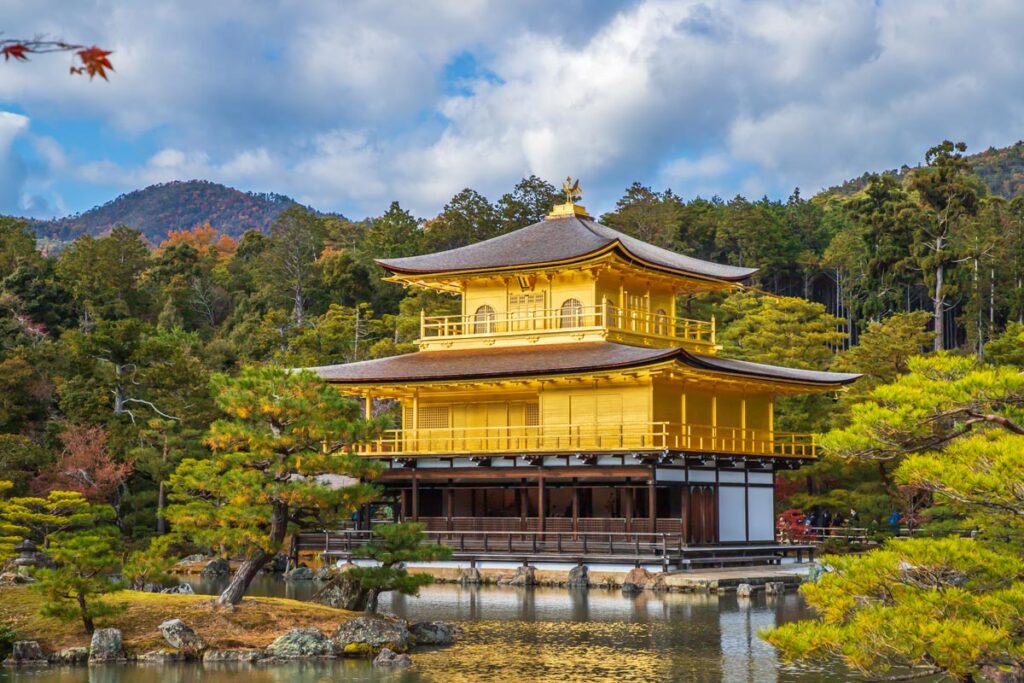
Kinkaku-ji (Golden Pavilion)
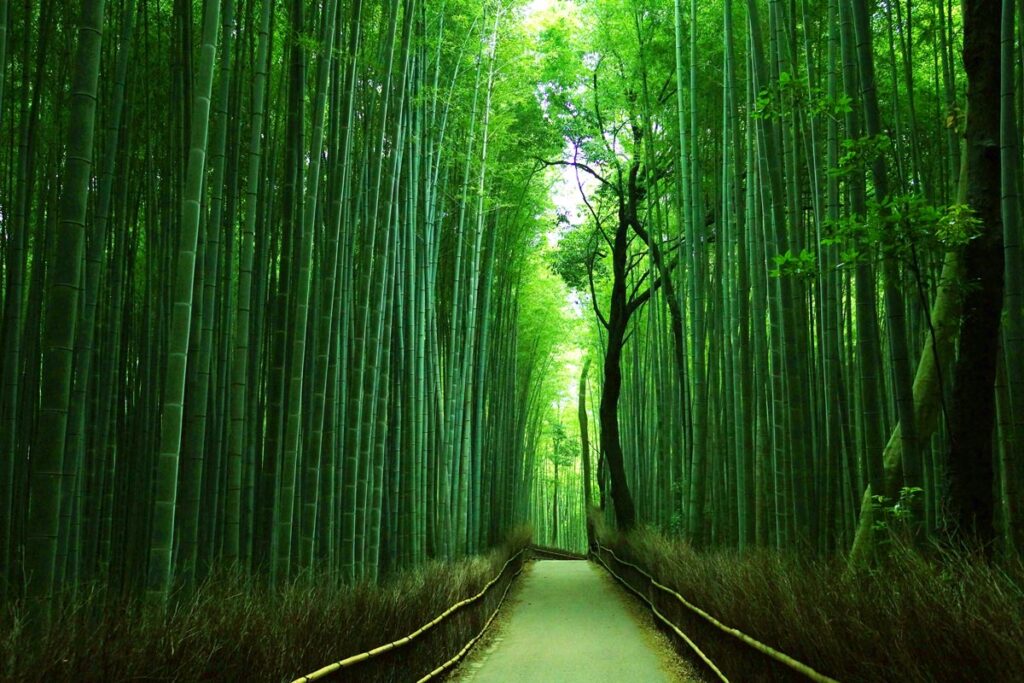
Arashiyama Bamboo Grove
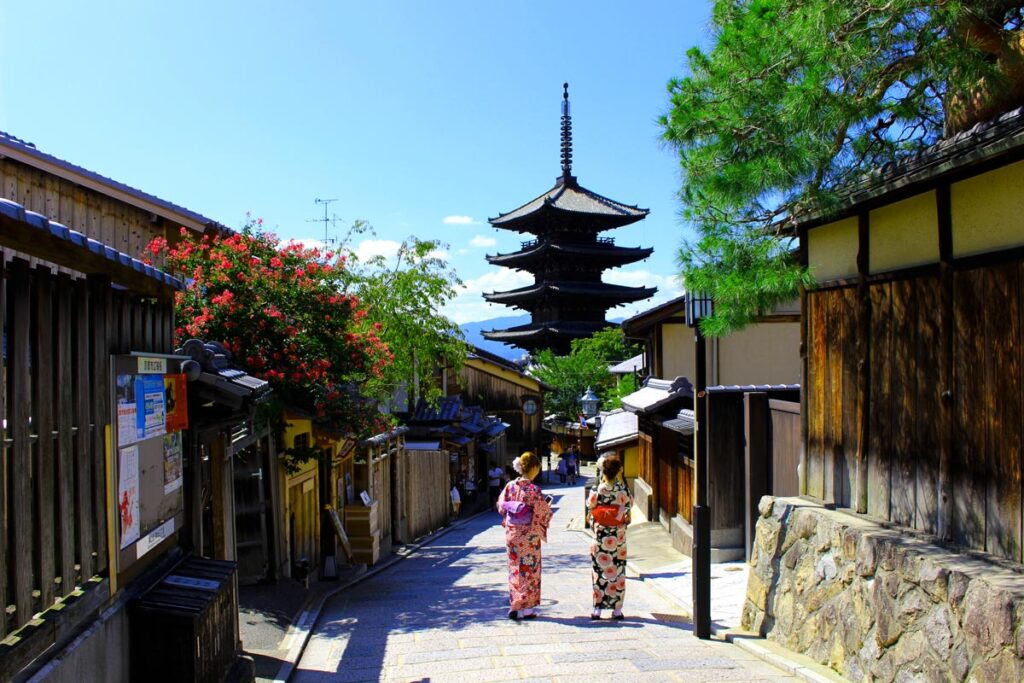
Gion
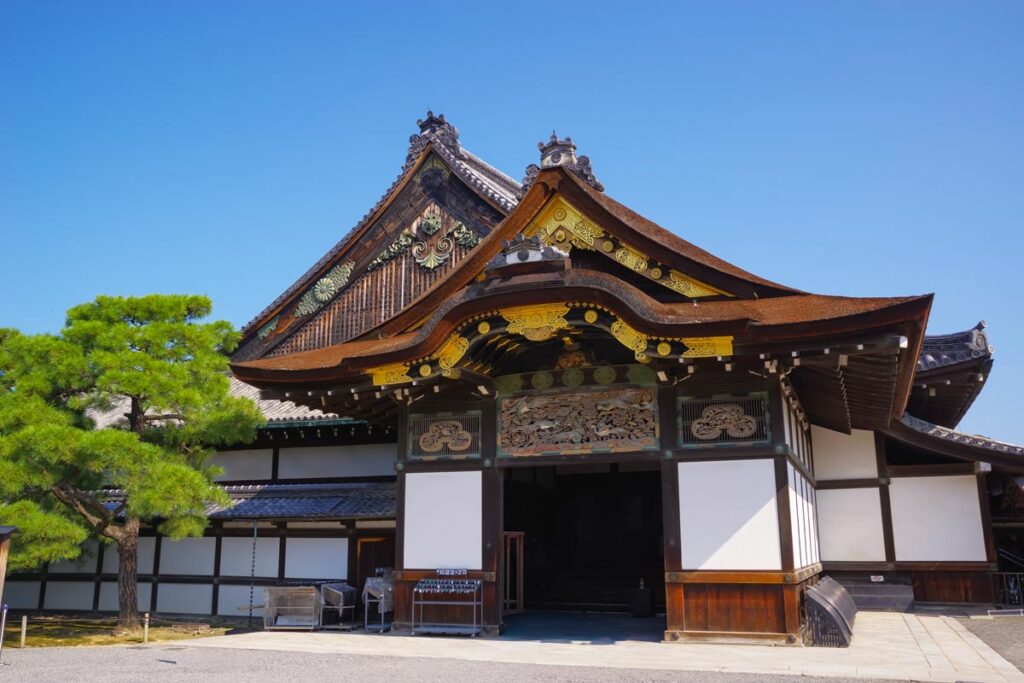
Nijo Castle
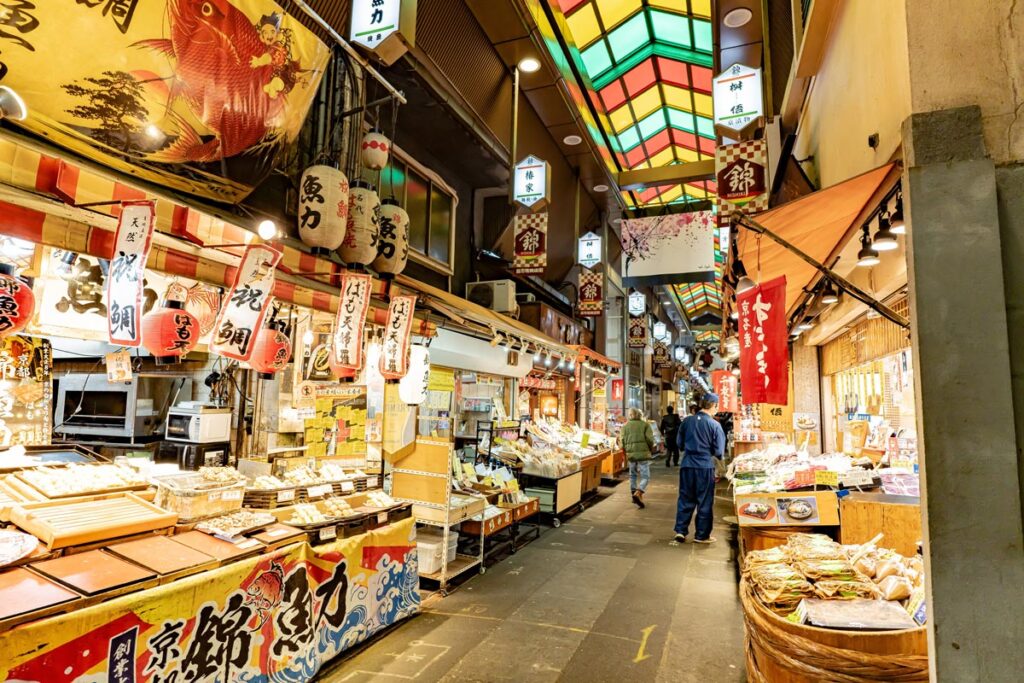
Nishiki Market
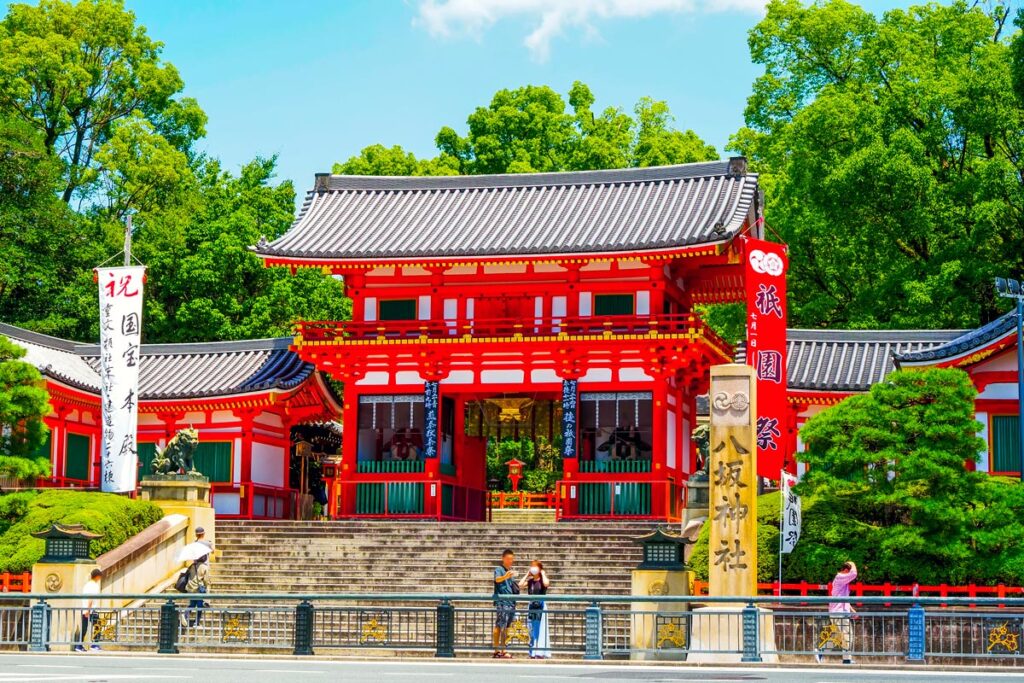
Yasaka Shrine
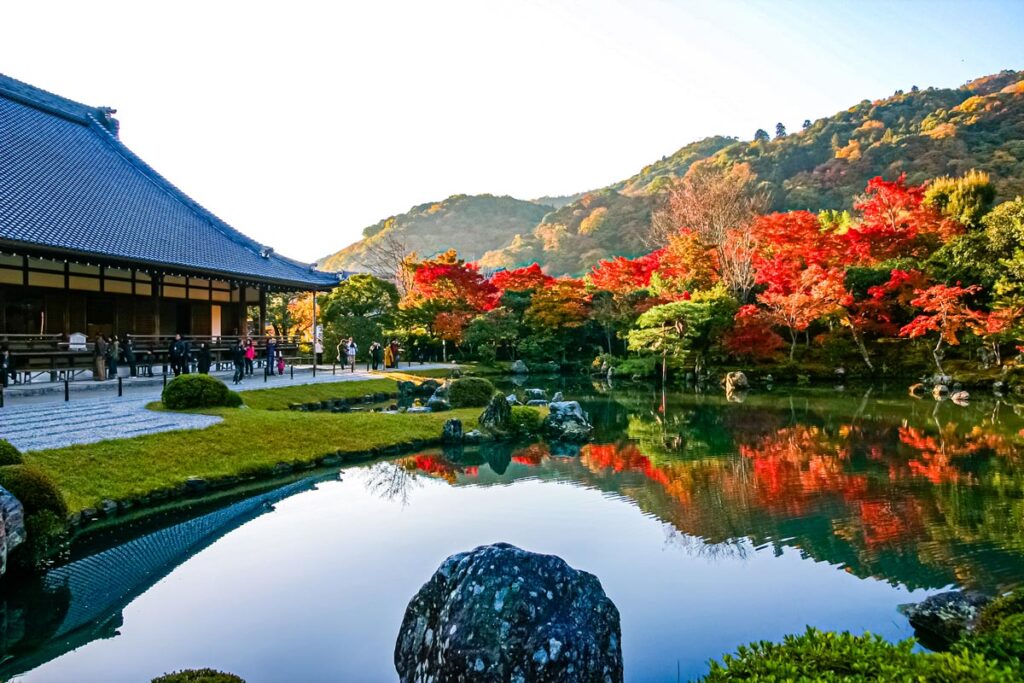
Tenryu-ji
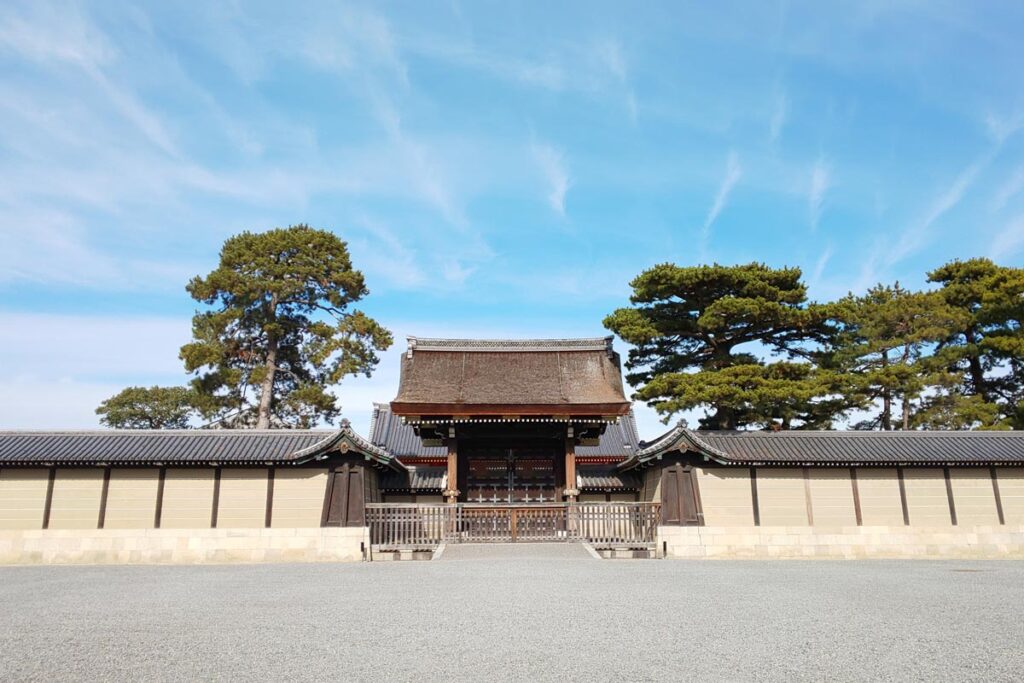
Kyoto Imperial Palace
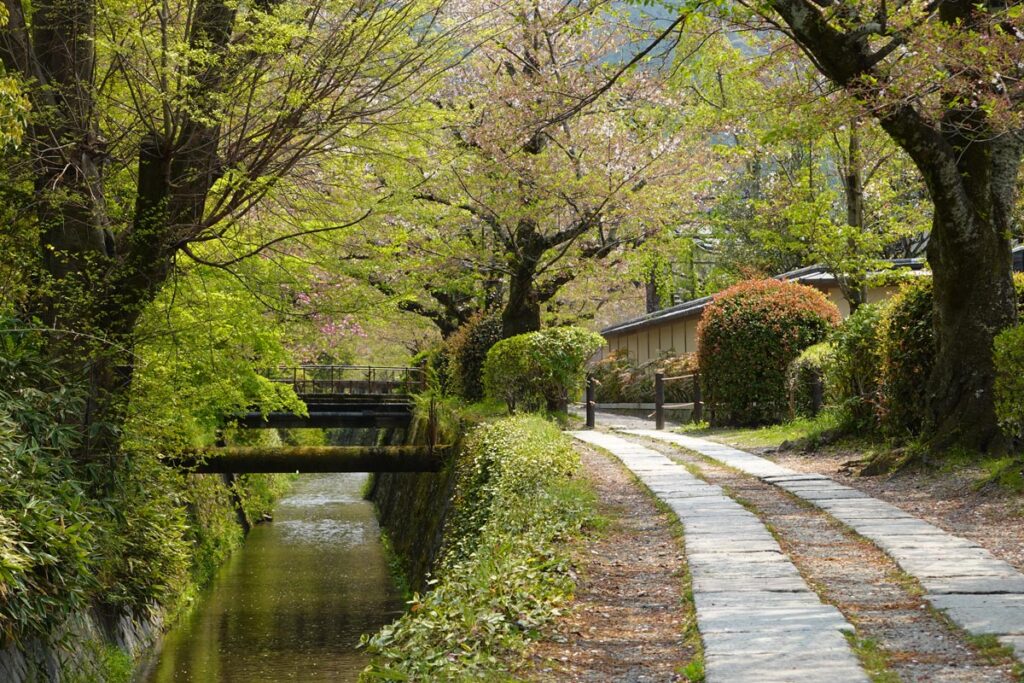
Philosopher's Path
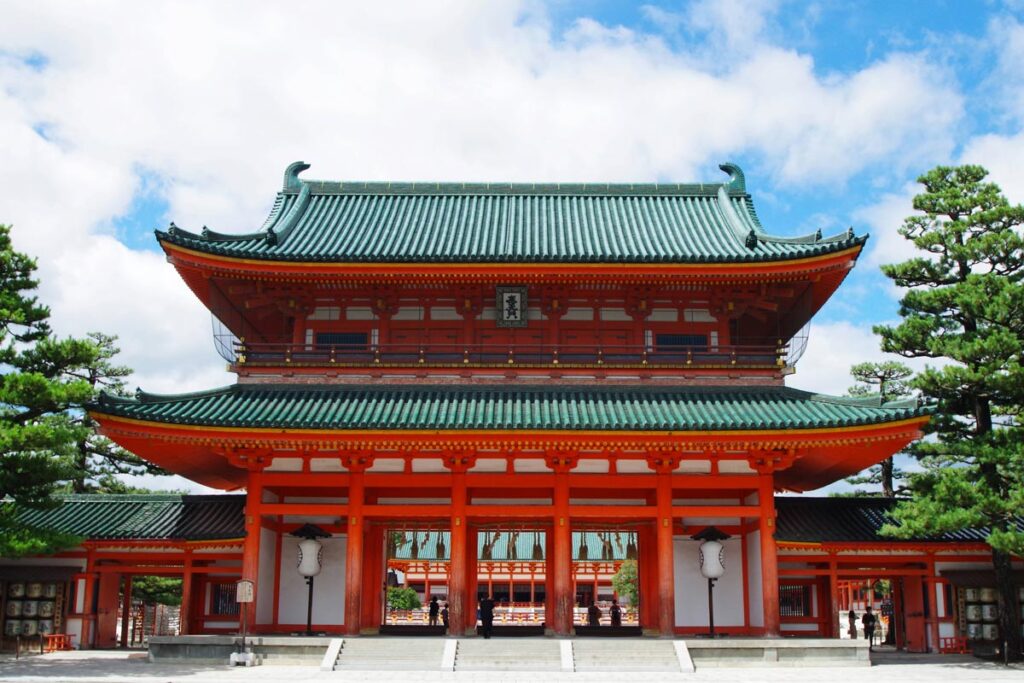
Heian Jingu
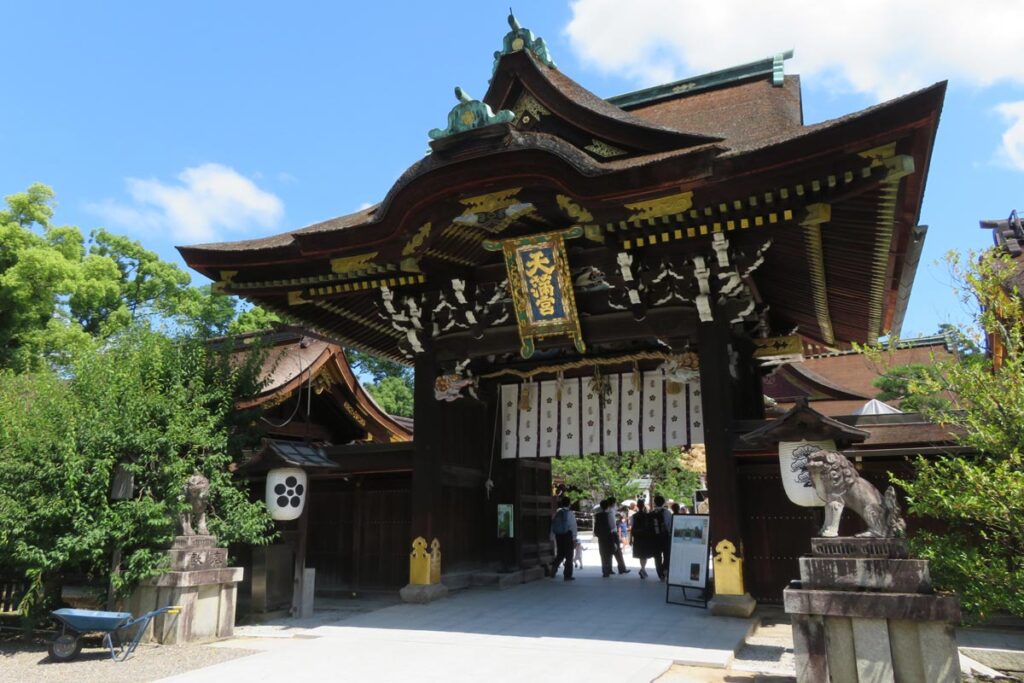
Kitano Tenmangu
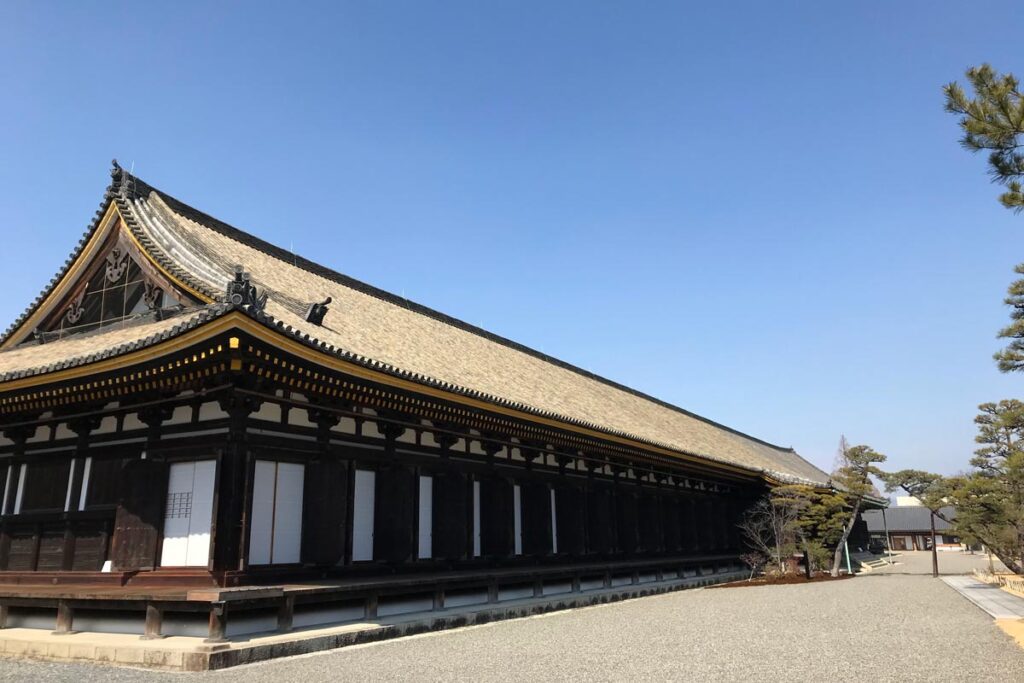
Sanjusangendo
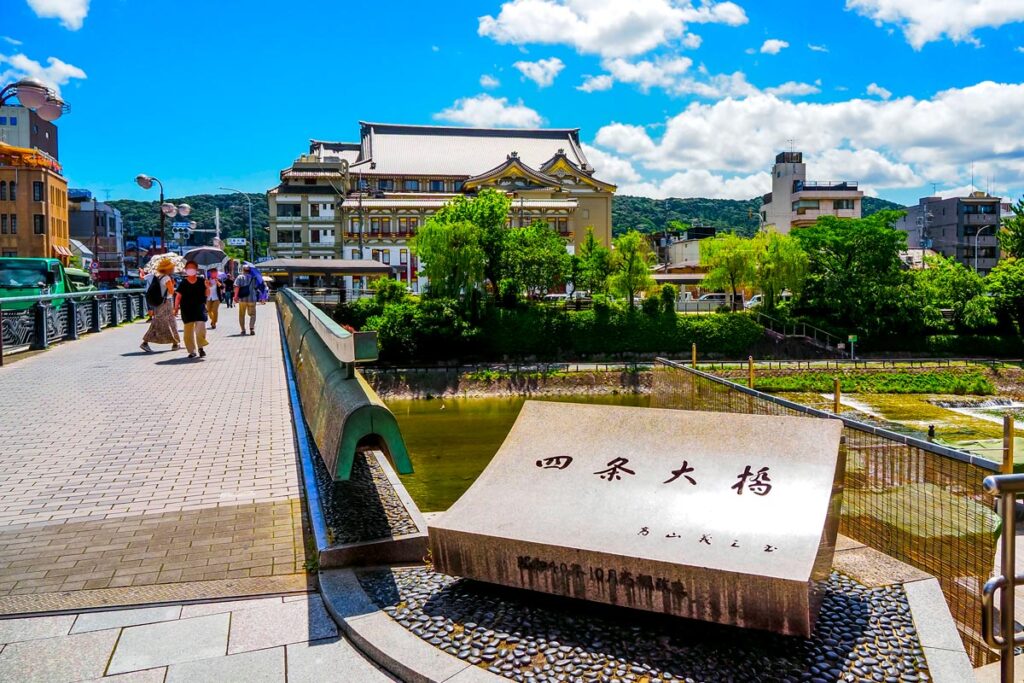
Kamo River
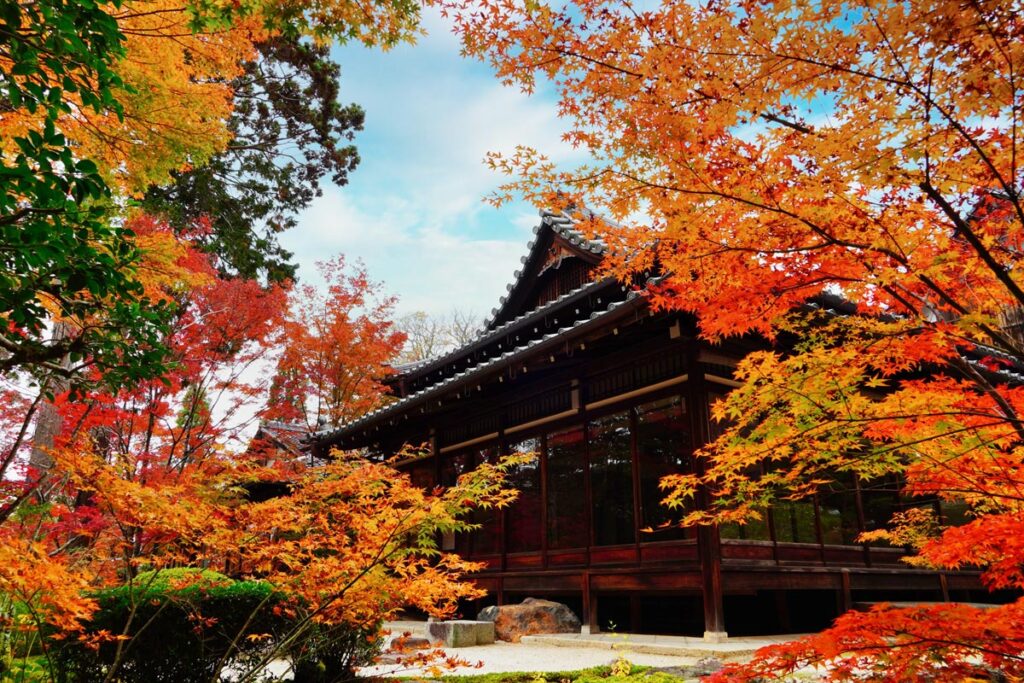
Nanzen-ji
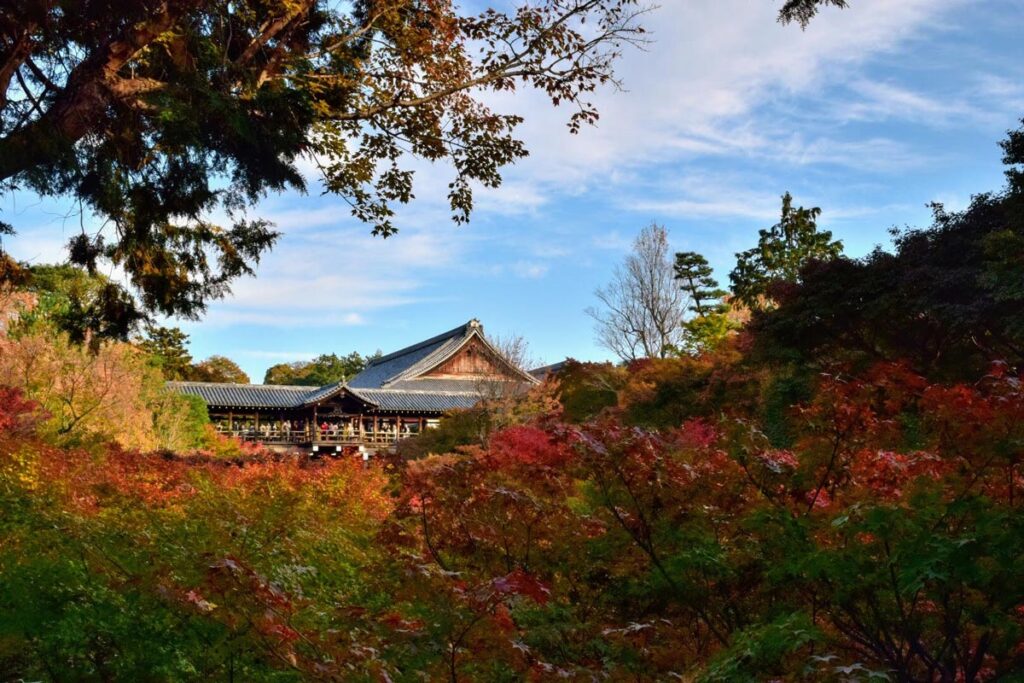
Tofuku-ji
Kyoto International Manga Museum