
Kinkaku-ji (Golden Pavilion)
Kinkaku-ji: How to Visit Kyoto’s Golden Pavilion in Japan
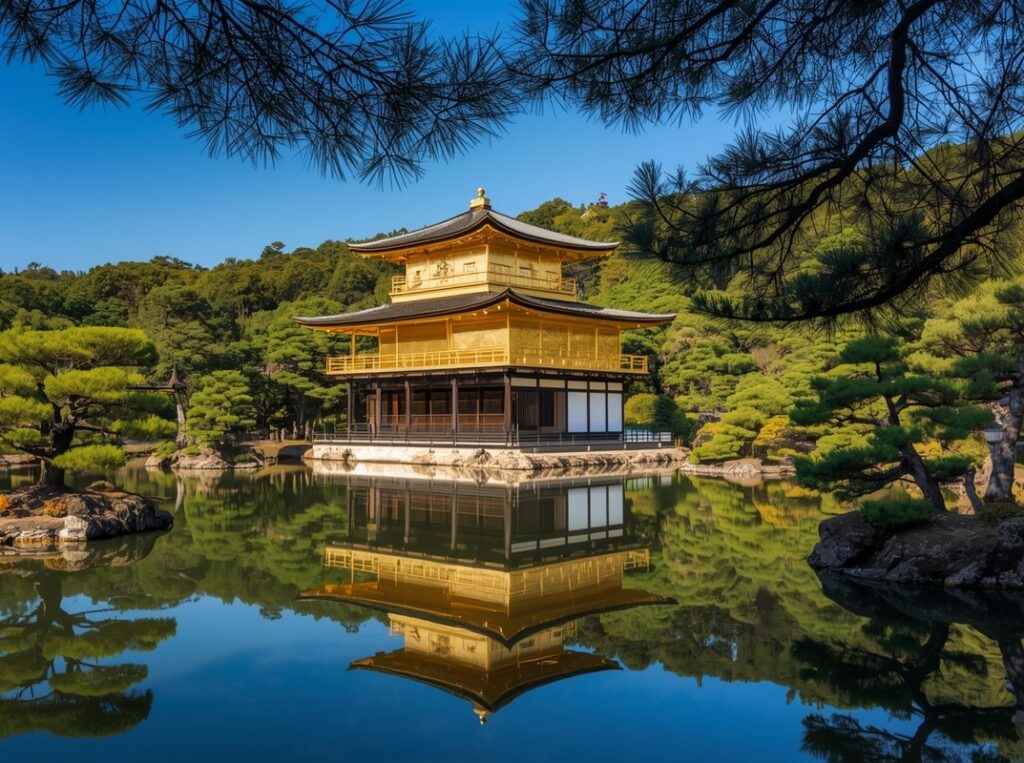
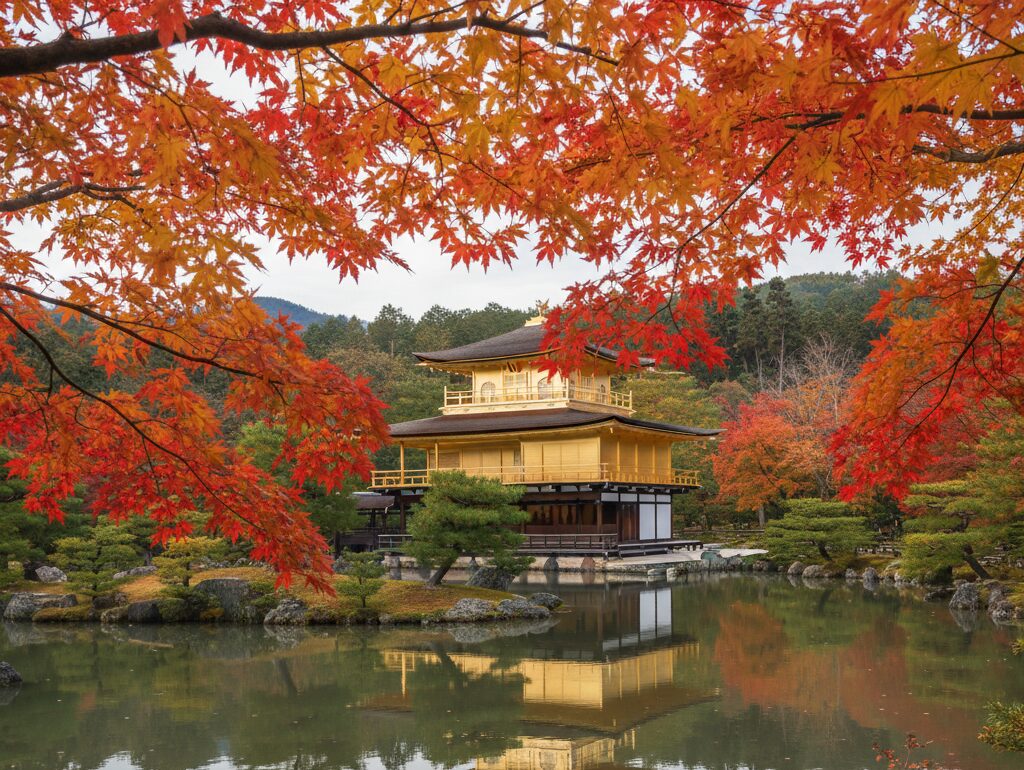
Photos are for illustrative purposes only.
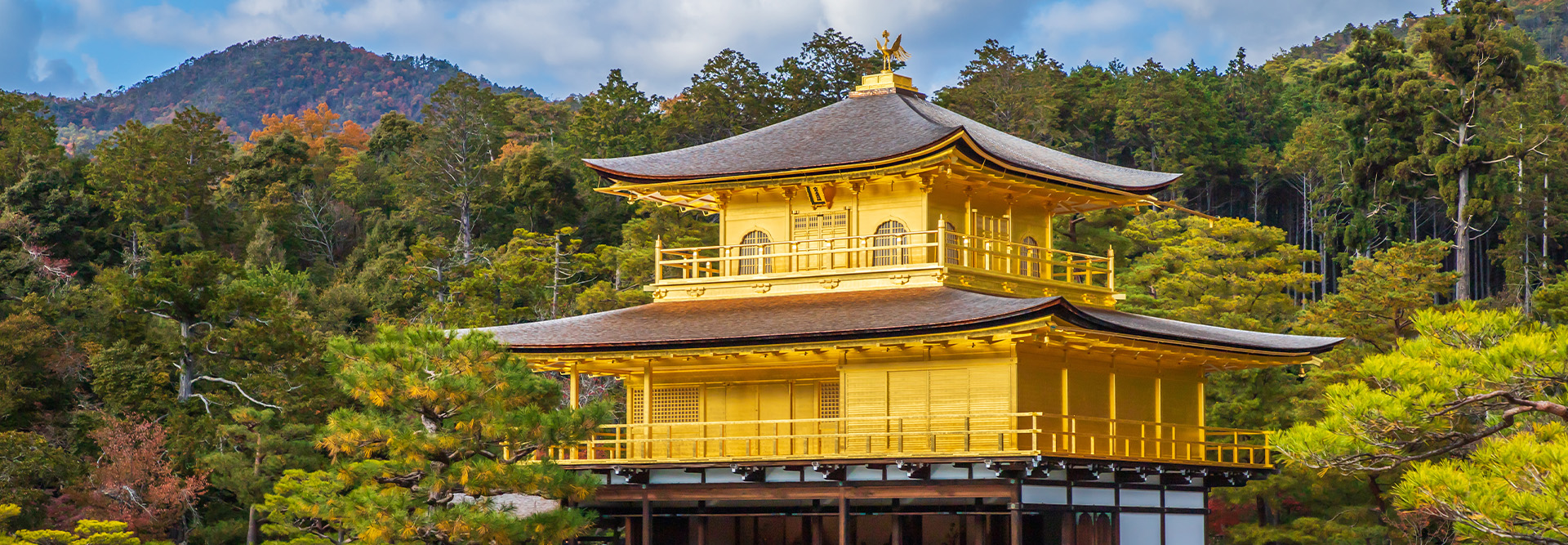
Kinkaku-ji, often called the Golden Pavilion, is one of Japan’s most iconic sights and a must-see for any first-time visitor. Set beside a mirror-like pond in northern Kyoto, this Zen Buddhist temple dazzles visitors with its upper floors covered entirely in gold leaf, framed by carefully composed gardens and pine trees. It is beautiful in photographs, but nothing compares to seeing the shimmering reflection with your own eyes.
This guide explains the story behind Kinkaku-ji, what to look for when you visit, the best seasons and times to go, how to get there, and practical tips to make the most of your trip to one of Japan’s most famous temples.
What Is Kinkaku-ji?
Kinkaku-ji (金閣寺) literally means “Temple of the Golden Pavilion.” It is the popular name of Rokuon-ji, a Zen Buddhist temple belonging to the Rinzai sect. The main attraction is the three-tiered Golden Pavilion itself, shining above Kyōko-chi (Mirror Pond), with small islands and stone arrangements carefully placed to create a classical Japanese landscape view.
Recognized as part of the UNESCO World Heritage Site “Historic Monuments of Ancient Kyoto,” Kinkaku-ji is one of the most visited cultural landmarks in Japan. Despite the crowds, it still offers moments of tranquility and stunning scenery, especially if you understand the background and symbolism woven into its design.
A Brief History and Cultural Background
From Samurai Villa to Zen Temple
The origins of Kinkaku-ji date back to the late 14th century. The site was once a villa owned by a powerful court noble, but in 1397 it was purchased by Ashikaga Yoshimitsu, the third shogun of the Ashikaga shogunate. He transformed it into an opulent retirement villa, expressing both political power and refined aesthetic taste. After his death, the complex was converted into a Zen temple, fulfilling his wishes.
The Golden Pavilion we see today is not the original building. The structure has survived wars and fires over centuries, but in 1950 it was destroyed in a notorious arson incident. The present pavilion is a careful reconstruction completed in 1955, faithfully following the original design and later refurbished to restore the brilliance of the gold leaf.
Three Architectural Styles in One
One of the most fascinating aspects of Kinkaku-ji is its layered architectural style. Each floor of the Golden Pavilion represents a different traditional style, reflecting a blend of Japanese and Chinese influences:
- First floor – Shinden-zukuri: Inspired by aristocratic palace architecture of the Heian period, this level is relatively simple, with white plaster walls and wooden pillars. It represents the world of court nobles and refined living.
- Second floor – Buke-zukuri: Modeled after samurai residences, this floor hints at Yoshimitsu’s warrior status. It is entirely covered in gold leaf on the exterior, with intricate details and a slightly more closed, dignified appearance.
- Third floor – Karayō (Zen style): Influenced by Chinese Zen temple design, the top floor is also covered in gold and topped with a shining phoenix ornament. This level symbolizes spiritual elevation and the world of Buddhist enlightenment.
This progression from worldly luxury to spiritual refinement mirrors the journey from earthly desires to inner awakening, a key theme in Zen Buddhism.
The Meaning of the Golden Shine
Gold leaf has long been used in Japan for religious structures and artworks. At Kinkaku-ji, the extensive use of gold symbolizes purity and the light of Buddha’s wisdom. It also reflects sunlight, changing dramatically with the time of day and weather. On bright days, the pavilion gleams vividly against a blue sky; on cloudy or snowy days, it glows softly, almost dreamlike.
Historically, the lavish use of gold was also a political statement. For Ashikaga Yoshimitsu, it was a way to demonstrate power, wealth, and cultural sophistication in an era when the shogun competed with the imperial court and regional warlords.
What to See on the Kinkaku-ji Grounds
The visit to Kinkaku-ji follows a one-way path through the temple grounds, guiding you from the famous viewing spot of the Golden Pavilion into quieter garden areas and sub-temples. You cannot enter the Golden Pavilion itself, but you can enjoy it from several angles.
The Classic Golden Pavilion View
As you enter the complex and pass through the main gate, the path soon opens onto the most famous viewpoint of Kinkaku-ji. Here you will see the Golden Pavilion rising from the edge of Mirror Pond, perfectly framed by trees and small islands. This is the shot that appears on postcards, guidebooks, and social media.
Take your time at this spot. The reflection changes with even subtle shifts in wind and light. In the stillness of early morning or late afternoon, the surface of the pond can be almost perfectly glassy, doubling the pavilion’s golden image.
Mirror Pond and Its Islands
Kyōko-chi, the so-called Mirror Pond, is not just a pretty backdrop – it is an essential part of the temple’s design. More than a dozen small islands and rock groupings are scattered across the water, each carefully positioned according to traditional garden aesthetics and, in some cases, Buddhist symbolism.
Look for:
- As the path curves along the pond, notice how the angle of the Golden Pavilion subtly changes. The garden was designed as a “stroll garden,” revealing new compositions as you walk.
- The pine trees leaning over the water, some shaped over years of careful pruning to echo the contours of distant mountains.
High Viewing Point and Side Angle
As you follow the trail uphill, you will reach a slightly elevated spot that offers a side view of the Golden Pavilion and a broader sweep of the pond. This is a good place to appreciate how the building sits within the landscape, backed by forested hills that form a natural green screen.
From here, the pavilion appears more integrated with the surrounding greenery, less like a solitary monument and more like part of an idealized natural world – a key goal of traditional Japanese garden design.
Anmintaku Pond and the Old Hermitage
Past the main viewing areas, the path leads you into the upper gardens, where the crowds thin and the atmosphere becomes more contemplative. One highlight is Anmintaku, a small pond surrounded by moss and stones. Local tradition says it never dries up, even in drought.
Nearby, you can see the site of a former hermitage where Yoshimitsu is said to have meditated. Although the original structure is gone, imagining a powerful shogun retreating to such a modest space helps you feel the tension between luxury and spiritual pursuit that runs through Kinkaku-ji’s history.
Tea Houses and Sub-Temples
Along the route you will encounter small tea houses and sub-temples that hint at the close connection between Zen Buddhism and Japanese tea culture. While most are not open for interior visits, their presence reflects how a place like Kinkaku-ji once functioned as a cultural hub, where monks, nobles, and artists gathered for tea ceremonies, poetry, and discussion.
Look for the simple wooden architecture and rustic thatched roofs of some structures, which contrast intentionally with the extravagance of the golden main hall. This contrast embodies a classic Japanese aesthetic principle: beauty in both opulence and simplicity.
Omikuji, Charms, and Souvenirs
Toward the end of the path, you will find areas where visitors can:
- Draw omikuji (paper fortunes) and tie them to racks or trees if the result is less than auspicious.
- Purchase omamori (good-luck charms) for health, safety, exams, or travel.
- Visit the gift shop for temple-branded sweets, postcards, and small mementos featuring the Golden Pavilion.
These customs are part of everyday temple life in Japan and provide a small but memorable way to connect personally with the site.
Best Time to Visit Kinkaku-ji
Kinkaku-ji is beautiful year-round, but each season offers a different mood:
Spring (March–May)
Spring brings fresh green leaves and, in early April, cherry blossoms in various parts of Kyoto. While Kinkaku-ji itself is not primarily a cherry blossom spot, the tender green foliage and mild weather make it a pleasant time to visit. Expect large crowds during school holidays and on weekends.
Summer (June–August)
Summer is lush and vibrant, with deep green trees surrounding the golden structure. It can be hot and humid, and the midday sun is strong, but occasional clouds and rain give the gold a softer sheen. Morning visits are more comfortable temperature-wise.
Autumn (Late October–Early December)
Autumn is one of the most popular times to visit Kyoto, and Kinkaku-ji is spectacular with fiery red and orange maple leaves as a backdrop. This is also the most crowded season, so consider weekday mornings or late afternoons. The contrast between red foliage, green pines, and shimmering gold is truly unforgettable.
Winter (December–February)
In winter, Kyoto occasionally sees snow, and when a light blanket settles on the Golden Pavilion and garden, the scene is magical. Snow days are unpredictable but rewarding. Even without snow, the crisp air and clear skies can offer excellent visibility and reflections.
Time of Day
Kinkaku-ji usually opens in the morning and closes in the late afternoon. Arriving as close to opening time as possible gives you a chance to enjoy the main view with fewer people, especially on weekdays. Late afternoon can also be beautiful, with warm light falling on the gold, but be aware of closing times and last entry.
How to Get to Kinkaku-ji
Kinkaku-ji is located in northern Kyoto, a bit removed from major train lines, but easily reached by bus or taxi.
From Kyoto Station
- By bus: Several city buses run from Kyoto Station to stops near Kinkaku-ji. The ride typically takes around 35–45 minutes, depending on traffic. Look for clearly marked stops and route maps in English. Buses can be crowded during peak hours and tourist seasons.
- By taxi: A taxi from Kyoto Station takes about 20–30 minutes, depending on traffic. This is more expensive than the bus but convenient if you are traveling in a group or with luggage.
Combining with Other Northern Kyoto Sights
Kinkaku-ji pairs well with other attractions in northern Kyoto. Many visitors create a half-day or full-day route including:
- Ryoan-ji: Famous for its minimalist rock garden, about a short bus or taxi ride away.
- Ninna-ji: A temple with spacious grounds and seasonal blossoms.
- Arashiyama: With more planning, you can continue west to Arashiyama’s bamboo grove and riverside scenery.
Tickets, Opening Hours, and Visitor Etiquette
Entrance Fee and Hours
Kinkaku-ji charges a modest entrance fee, which is paid in cash at the ticket gate. In return, you receive a beautifully printed admission slip that many visitors keep as a souvenir. The temple typically opens in the morning and closes in the late afternoon; hours can vary slightly by season, so check up-to-date information before you go.
There is no need for advance reservations for general visitors under normal conditions, but group tours may operate on separate arrangements.
Temple Etiquette for International Visitors
Even though Kinkaku-ji is a major tourist attraction, it remains an active religious site. Following local etiquette shows respect and helps preserve the calm atmosphere:
- Stay on the designated paths. Do not step into roped-off areas or onto moss, which is delicate and slow to grow.
- Keep voices low. Try to speak softly, especially near prayer areas and statues.
- No drones or tripods. Professional equipment is generally not allowed without permission, and drones are prohibited.
- Follow photography signs. Outdoor photography is allowed in most areas, but always respect posted restrictions.
- Do not touch structures. Refrain from leaning on buildings, lanterns, or fences.
Photography Tips at the Golden Pavilion
Capturing Kinkaku-ji on camera is part of the fun, but the best photos require a bit of patience and awareness:
- Use the first viewpoint wisely. This is where most people stop for photos. Step aside after taking a few shots to give others space, then move along the path for alternative angles.
- Focus on reflections. On calm days, include more of the pond in your frame to emphasize the mirror effect.
- Look for details. Try closer shots of the phoenix atop the roof, the interplay of gold and green pine needles, or the contrast between the pavilion and seasonal foliage.
- Be mindful of backlighting. Depending on the time of day, the sun may be behind the pavilion. Adjust your position slightly left or right to avoid glare and capture richer colors.
Travel Tips for First-Time Visitors to Japan
Kinkaku-ji is often part of a first-time Japan itinerary that includes Tokyo, Kyoto, and perhaps Osaka or Hiroshima. To enjoy your visit more comfortably:
- Carry some cash. Many temples, including Kinkaku-ji, traditionally accept cash for entrance fees and small purchases, though card payments are slowly becoming more common.
- Use a transit IC card. Cards such as Suica, PASMO, or ICOCA simplify bus and train travel in Kyoto. You can tap in and out instead of buying single tickets each time.
- Wear comfortable shoes. You will walk on gravel and gentle slopes throughout the grounds, and likely continue to other sites the same day.
- Check weather and layers. Kyoto’s seasons are distinct: hot, humid summers and chilly winters. A hat or umbrella for sun and rain can make the visit more pleasant.
Why Kinkaku-ji Belongs on Your Japan Itinerary
In a country full of temples and shrines, Kinkaku-ji stands out for its unforgettable visual impact and the layers of history and symbolism behind its glittering façade. It tells the story of a powerful shogun and his vision of beauty, of the blending of worldly splendor and Zen ideals, and of Japan’s enduring craftsmanship in architecture and garden design.
For first-time travelers to Japan, a visit to Kinkaku-ji is more than a photo opportunity. It is a chance to experience how Japanese culture combines art, nature, and spirituality in a single, carefully composed scene. Whether you visit in the quiet of a winter morning or the vibrant color of autumn, the golden reflection on Mirror Pond is likely to stay with you long after you leave Kyoto.

Access Map
Recommended spots in Kyoto
Kiyomizu-dera
Kinkaku-ji
(Golden Pavilion)
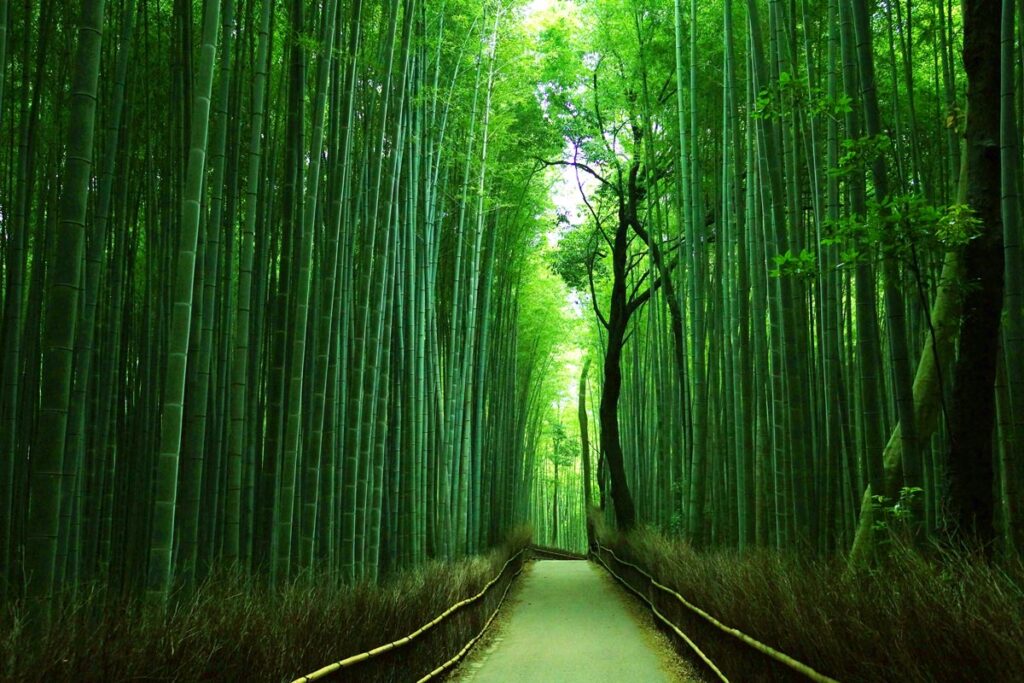
Arashiyama
Bamboo Grove
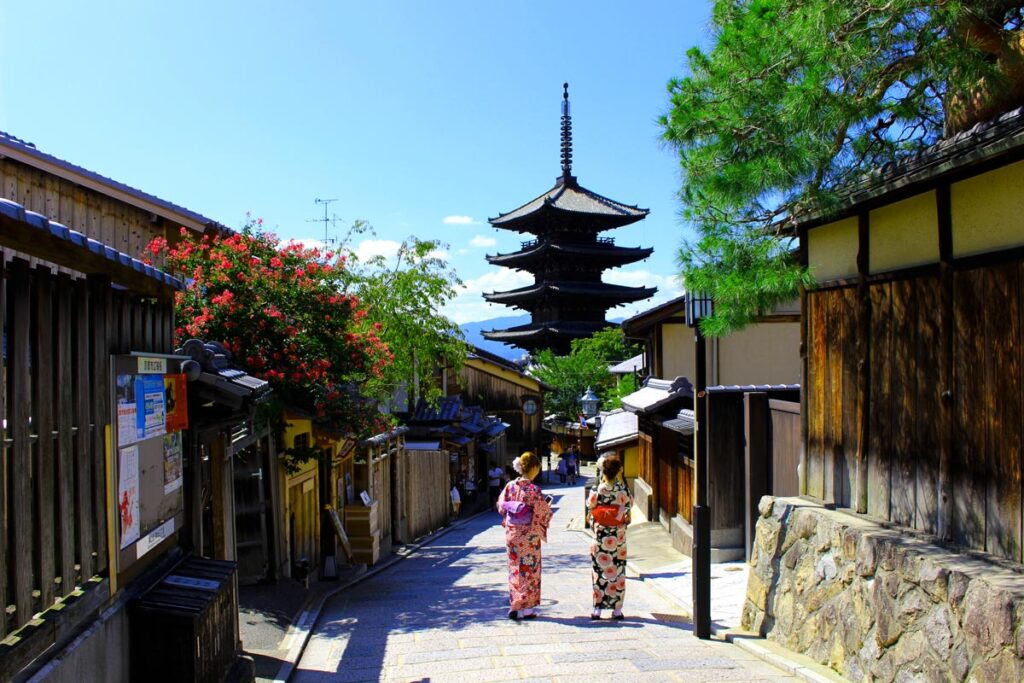
Gion
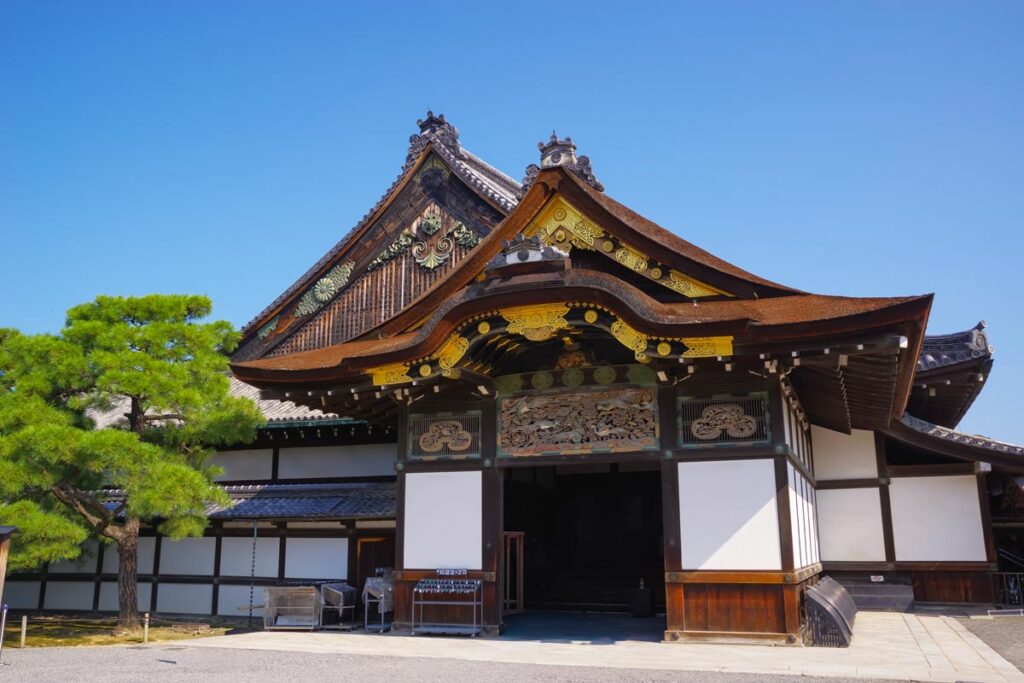
Nijo Castle
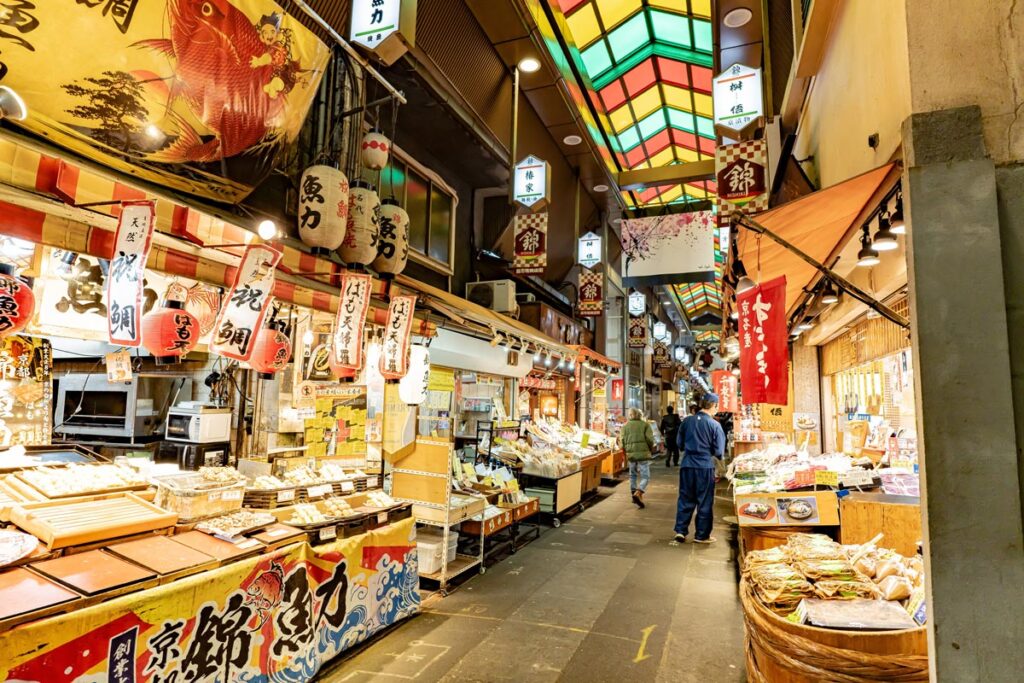
Nishiki Market
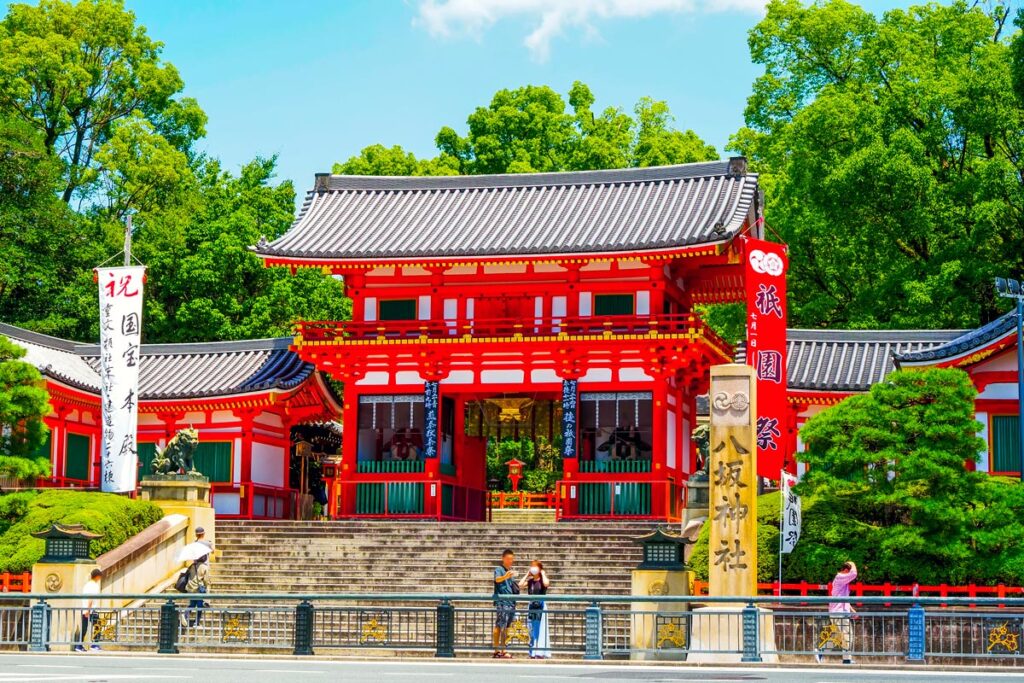
Yasaka Shrine
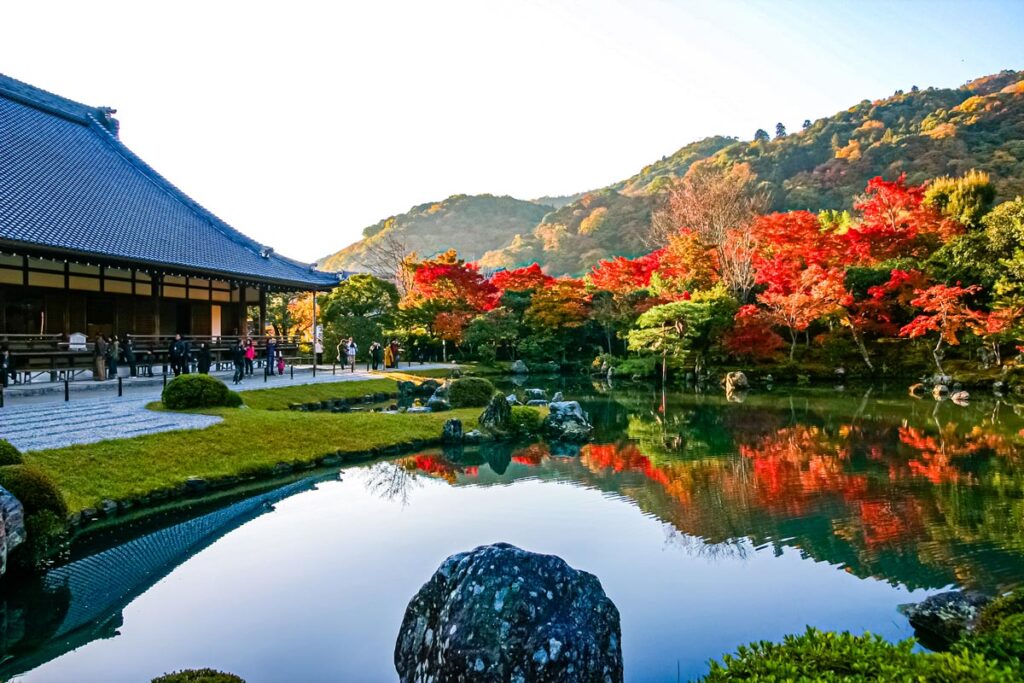
Tenryu-ji
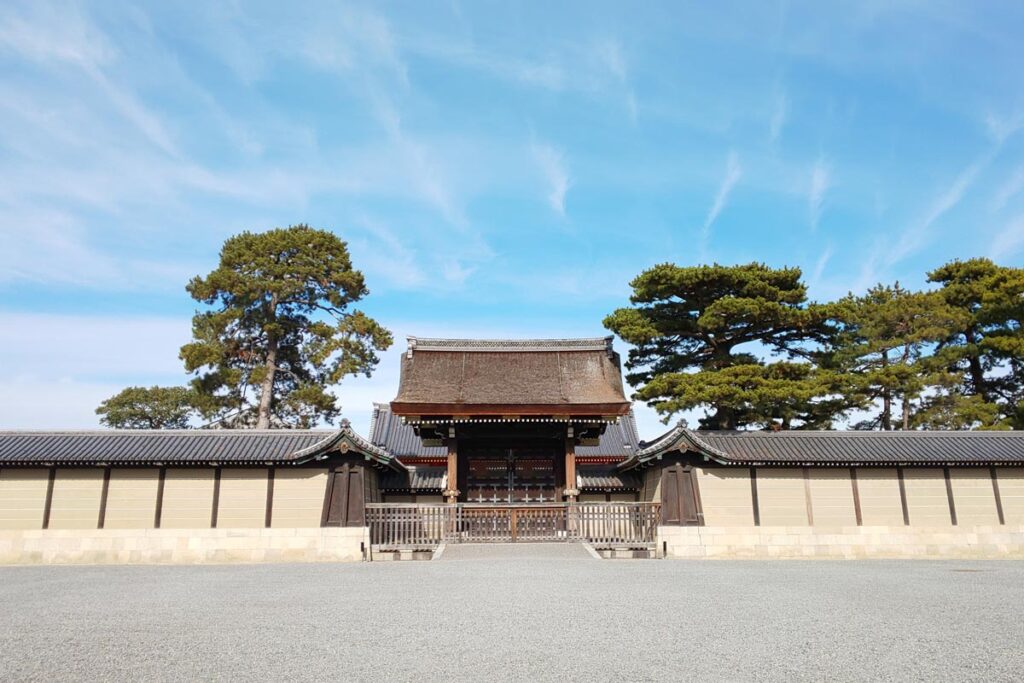
Kyoto Imperial Palace
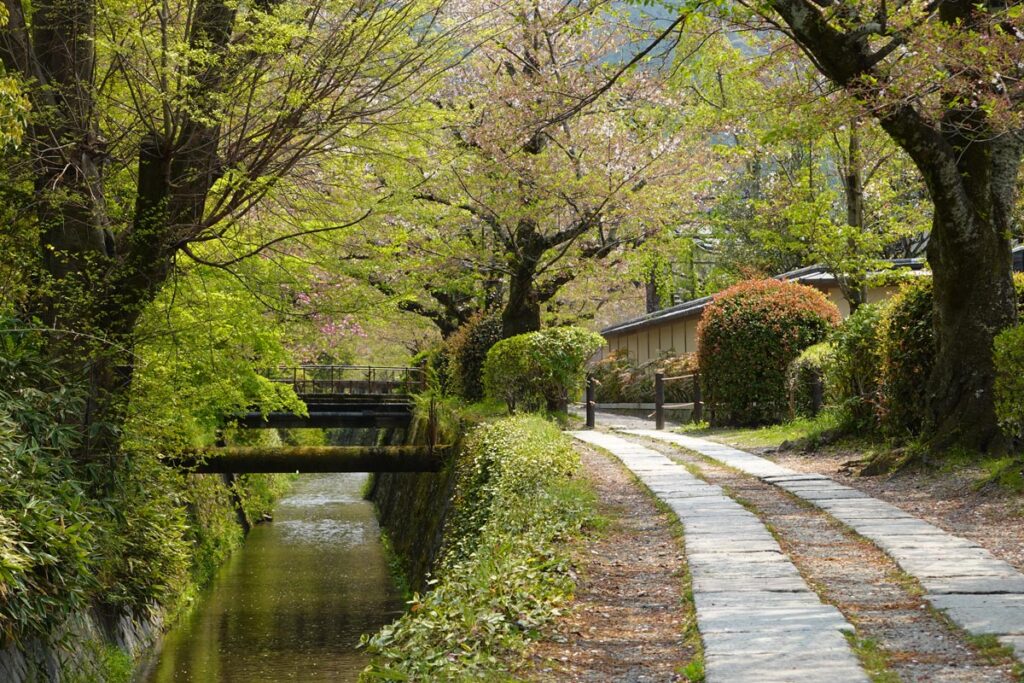
Philosopher's Path
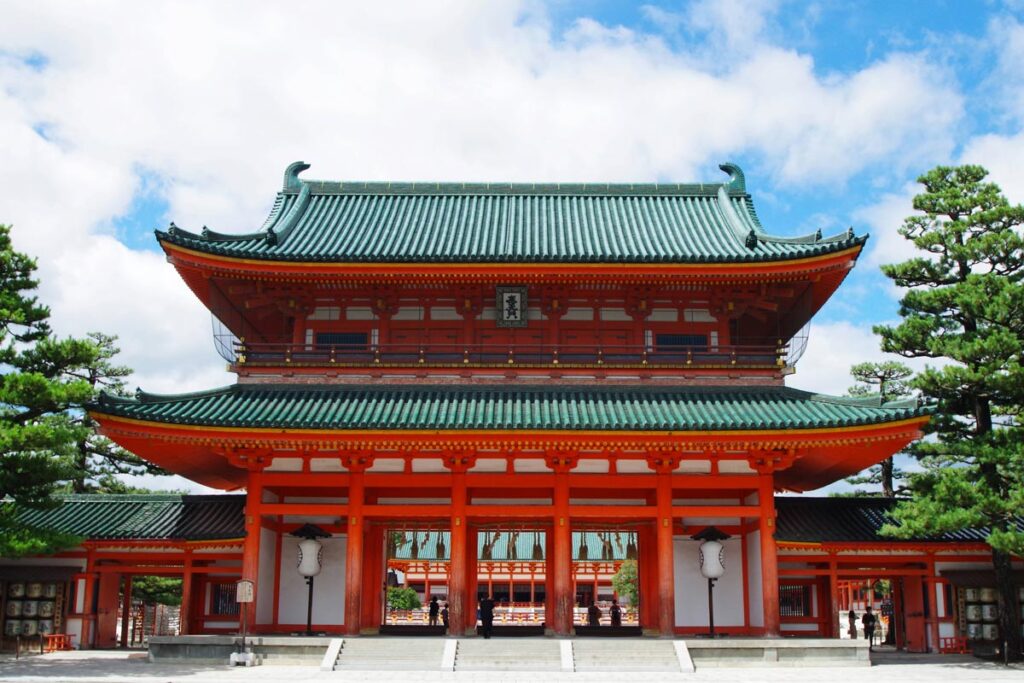
Heian Jingu
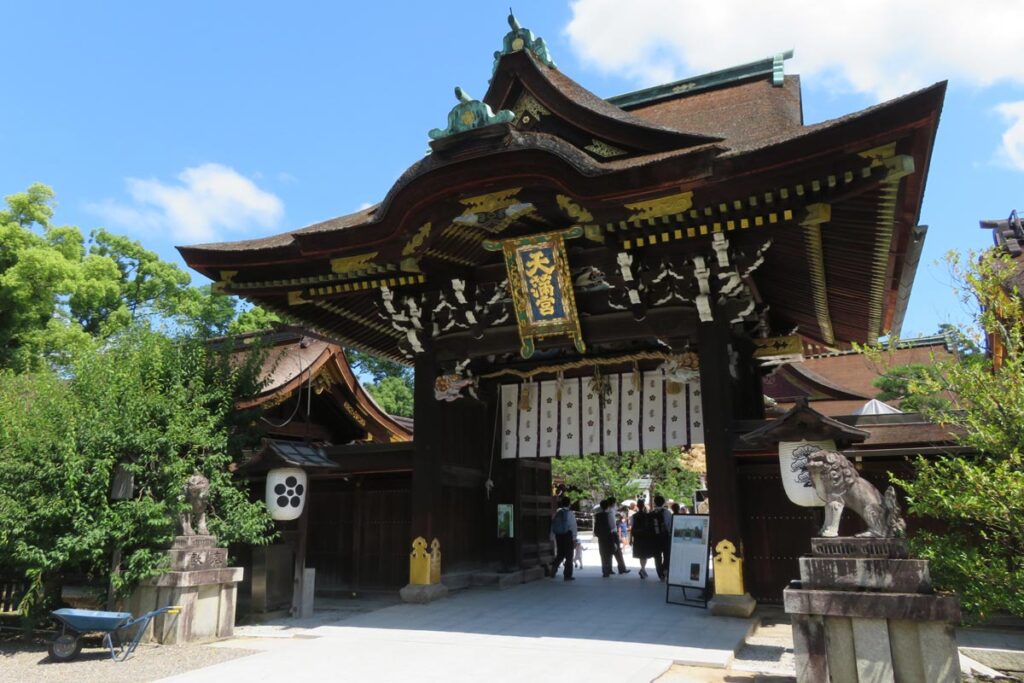
Kitano Tenmangu
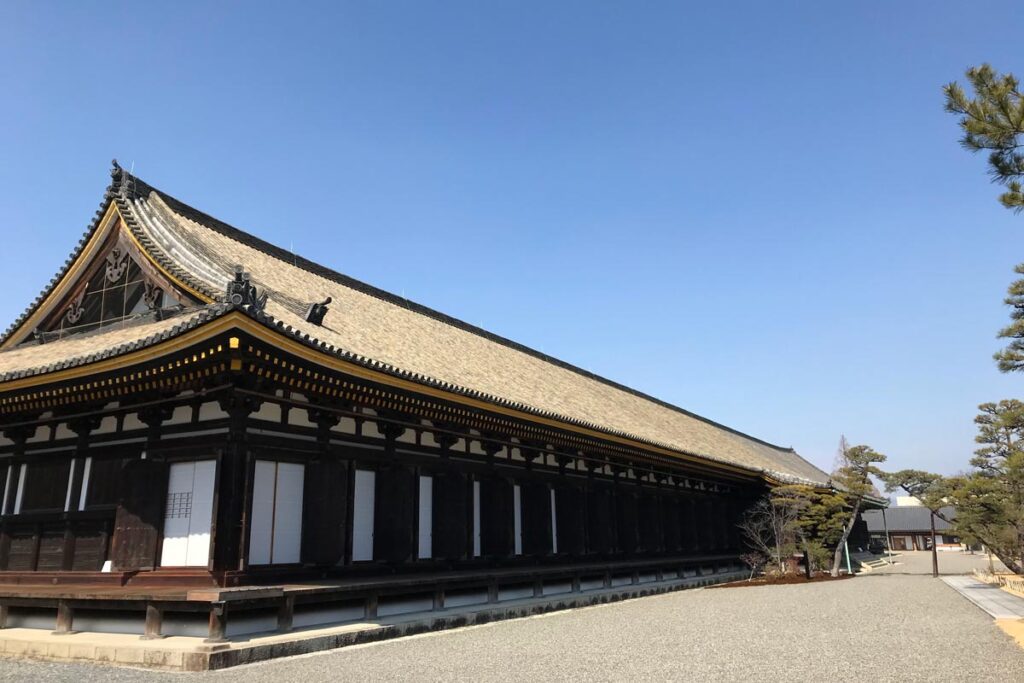
Sanjusangendo
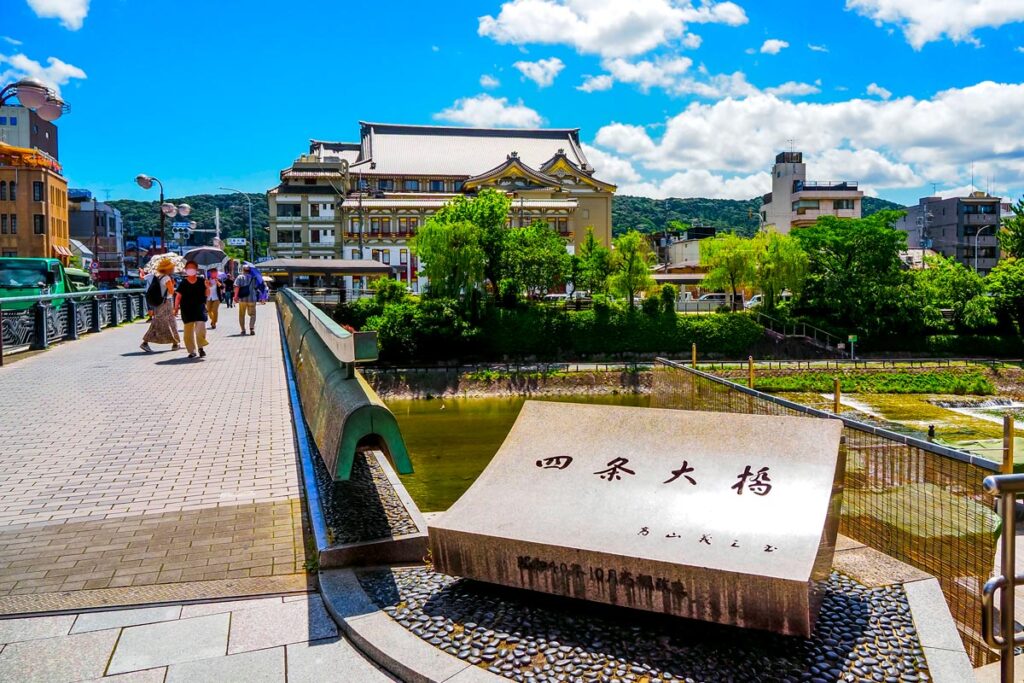
Kamo River
Nanzen-ji
Tofuku-ji
Kyoto International Manga Museum