
Arashiyama Bamboo Grove
Arashiyama Bamboo Grove Japan Travel Guide for First-Time Visitors
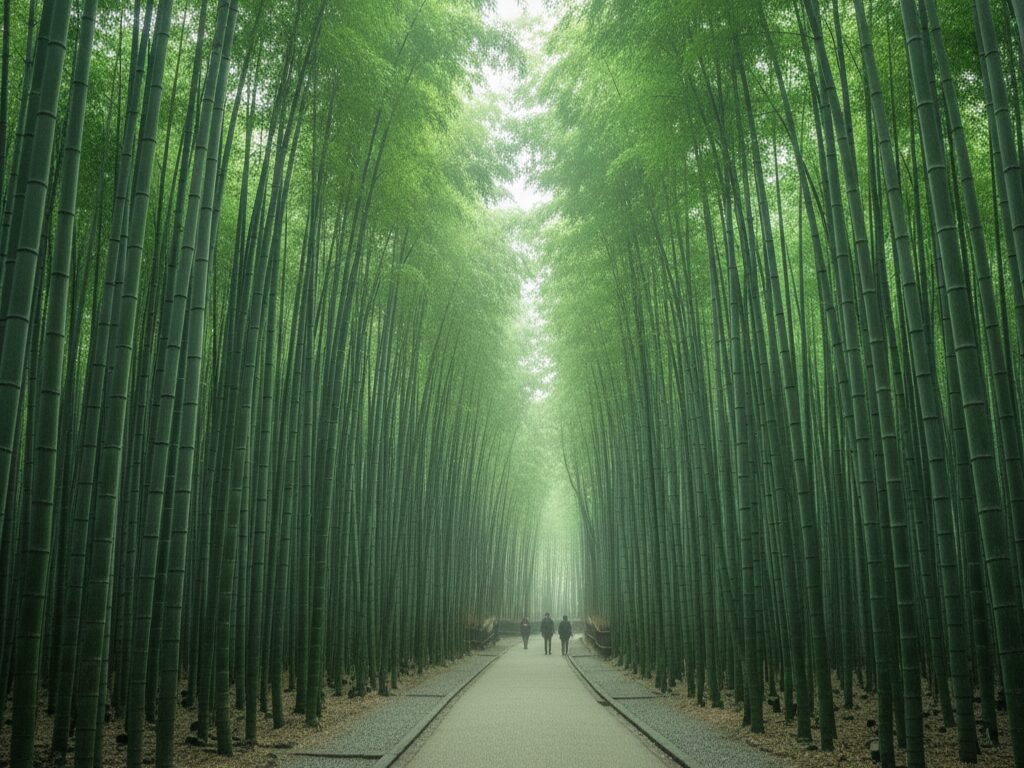
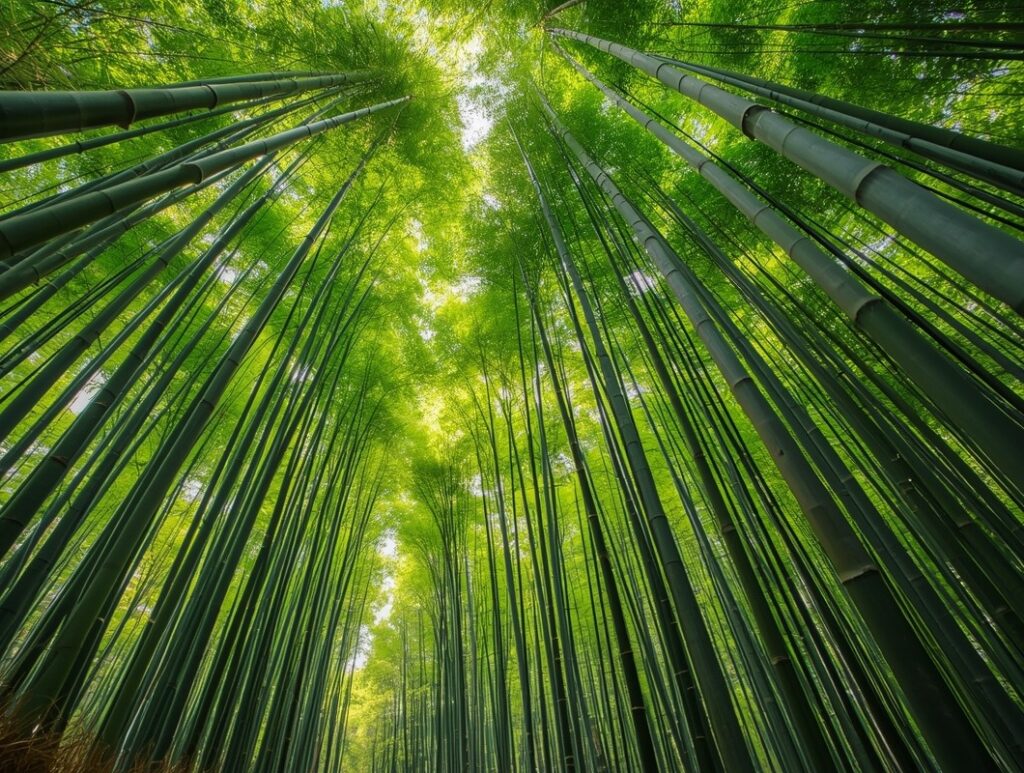
Photos are for illustrative purposes only.
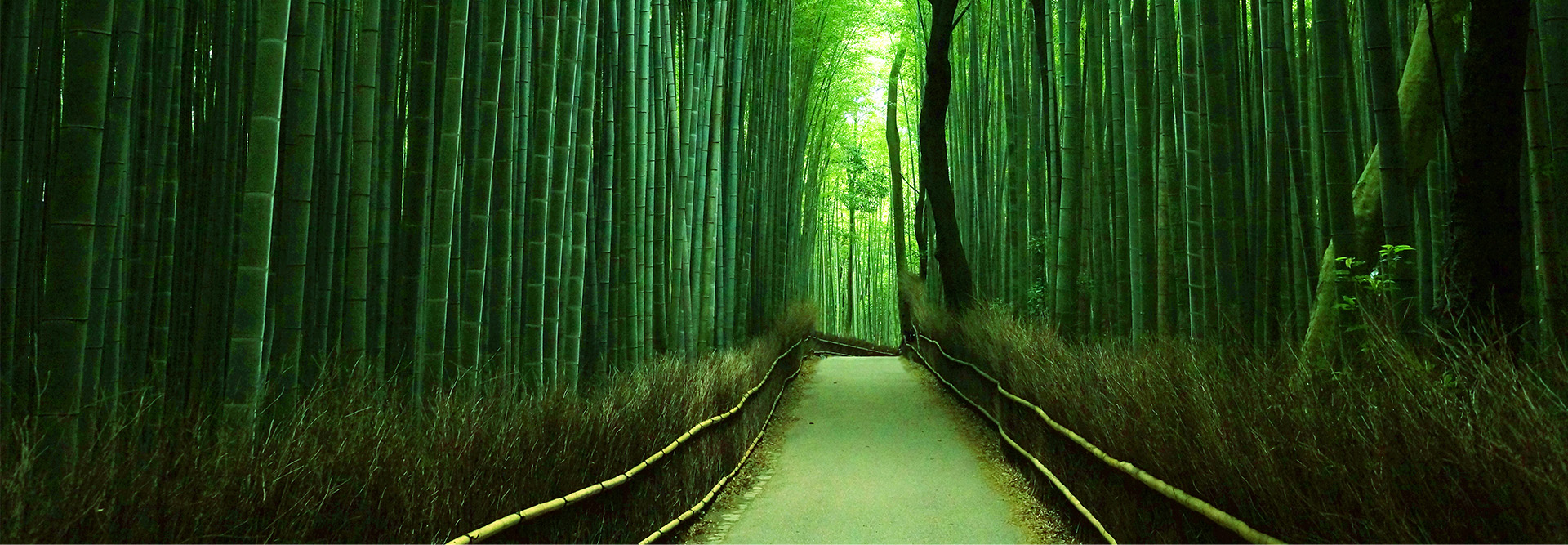
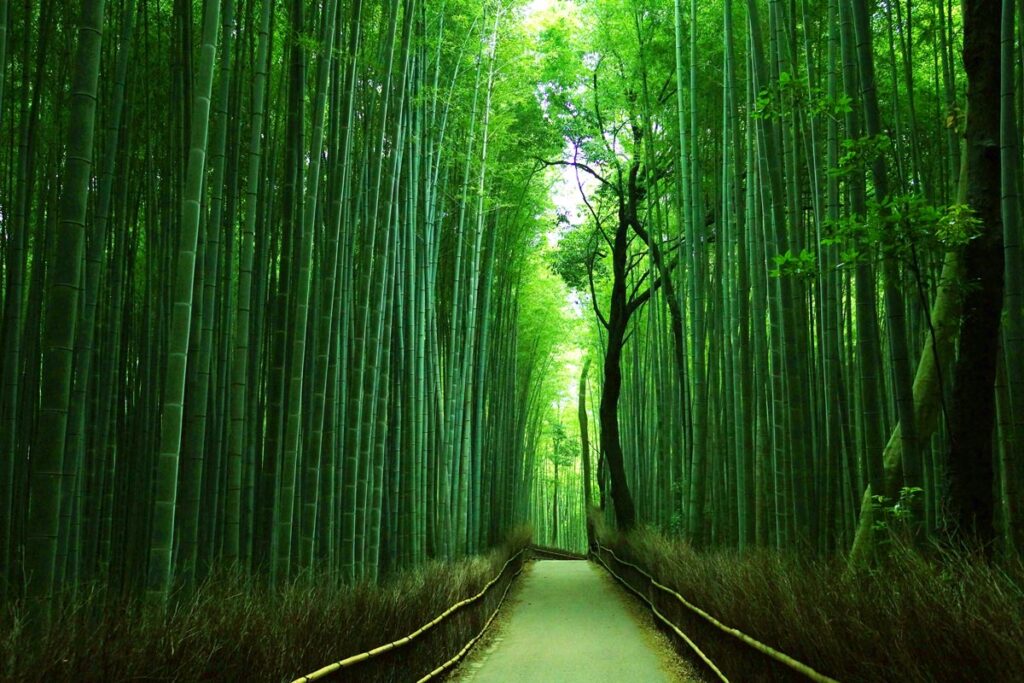
Arashiyama Bamboo Grove is one of Japan’s most iconic landscapes: a narrow path winding through towering green bamboo, the light shifting as the stalks sway and creak in the wind. For many visitors, this Kyoto landmark is the image that first inspired their trip to Japan. It is beautiful, but it is also busy, and expectations don’t always match reality if you arrive unprepared. This guide explains how to experience Arashiyama Bamboo Grove at its best, with practical tips tailored to first-time travelers to Japan.
Where Is Arashiyama Bamboo Grove?
Arashiyama is a scenic district on the western edge of Kyoto, set against low mountains and centered around the Katsura River. The bamboo grove itself is a small but atmospheric area of bamboo forest threaded by walking paths. It sits between Tenryu-ji Temple and the foothills that lead up toward the Okochi Sanso Villa.
While you may have seen photos that make the bamboo grove look like a vast, untouched forest, it is actually a compact, curated space surrounded by temples, gardens, traditional houses, and small shops. Think of it not as a standalone destination, but as the atmospheric heart of a wider Arashiyama day trip.
Why Arashiyama Bamboo Grove Is Famous
Japan has many bamboo forests, but Arashiyama’s grove became famous for its cinematic quality. The bamboo shoots rise straight up like living pillars, creating a vertical pattern that filters light into a soft green glow. When the wind blows, the stalks knock gently against each other, producing a distinctive, hollow, almost musical sound that the Japanese Agency for Cultural Affairs once listed as one of the “100 Soundscapes of Japan.”
In Japanese culture, bamboo symbolizes resilience and purity. It bends in strong winds but rarely breaks, and its rapid growth has long been associated with vitality and good fortune. Walking through a bamboo grove in Japan is not just a photo opportunity; it is also an encounter with a plant that appears in folk tales, seasonal celebrations, and traditional crafts.
When to Visit: Seasons and Best Time of Day
The Best Time of Day
If you want that serene, almost otherworldly atmosphere you see in photographs, timing is everything. The bamboo grove is open 24 hours and has no entry fee, but crowds build quickly.
- Early morning (around sunrise to 8:00 a.m.) – The best time to visit. Tour buses have not yet arrived, and the path is often quiet enough to hear the wind move through the bamboo.
- Late evening (after sunset) – The grove is dimly lit or dark, creating a different, mysterious mood. While atmospheric, it is less ideal for photos and not recommended if you are uncomfortable walking in low light.
- Midday and early afternoon – This is when Arashiyama is busiest. Expect tour groups, strollers, and a steady flow of visitors, especially during cherry blossom and autumn foliage seasons.
Best Season to Visit
The bamboo itself is evergreen, so the grove looks lush year-round. However, the overall Arashiyama experience changes with the seasons:
- Spring (March–May) – Cherry blossoms around the Katsura River and near temples can be spectacular, but crowds are intense. The air is mild, and early mornings are particularly pleasant.
- Summer (June–August) – The bamboo feels especially vibrant and green, and the shade offers some relief from Kyoto’s humidity. Expect occasional rain and bring an umbrella or raincoat.
- Autumn (November) – Arashiyama’s surrounding hills and temples are ablaze with reds and golds. The bamboo grove itself does not change much, but the district as a whole is stunning. This is one of the busiest times of year.
- Winter (December–February) – Quieter and colder, but if you are lucky enough to catch a dusting of snow on the bamboo and temple roofs, the atmosphere is unforgettable.
How to Get to Arashiyama Bamboo Grove
From central Kyoto, Arashiyama is easy to reach by train. For first-time visitors, these are the most straightforward options:
- JR Sagano Line from Kyoto Station – Take the JR Sagano (also called Sanin) Line to Saga-Arashiyama Station (about 15–20 minutes). From the station, it is a 10–15 minute walk through residential streets and temple areas to the bamboo grove.
- Hankyu Line from central Kyoto or Osaka – From central Kyoto, change at Kawaramachi or Karasuma to the Hankyu line for Arashiyama Station. From there, cross Togetsukyo Bridge and walk about 15–20 minutes toward the temple district.
- Local buses – Kyoto city buses also reach Arashiyama, but traffic can be slow, particularly during peak seasons. Trains are usually faster and more comfortable.
Signs in and around Arashiyama are generally bilingual (Japanese and English), and the main pedestrian routes between stations, the riverfront, Tenryu-ji Temple, and the bamboo grove are well marked.
Walking the Bamboo Grove: What to Expect
The most famous section of Arashiyama Bamboo Grove is a straight, gently sloping path lined with dense bamboo on both sides. You will likely enter near the back of Tenryu-ji Temple or from the side closer to Nonomiya Shrine and the Torokko Saga scenic railway area.
The main path is paved and relatively flat, suitable for most fitness levels. It takes only 10–15 minutes to walk slowly from one end to the other. The short distance often surprises visitors who expected a deep forest hike. To make the most of your visit, move slowly, look up frequently, and take breaks to absorb the sound and changing light rather than rushing from one photo spot to the next.
Tripods and drones are generally discouraged due to crowds and safety concerns. Large photo setups can obstruct the path, which is narrow; be considerate of other visitors who may also be seeking their moment of quiet in the grove.
Cultural Highlights Around the Grove
Arashiyama Bamboo Grove sits amid some of Kyoto’s most historically important temples and shrines. Combining the grove with nearby sites will give you a deeper sense of Kyoto’s culture and history.
Tenryu-ji Temple
Right next to the bamboo grove, Tenryu-ji is a Zen temple founded in the 14th century and a UNESCO World Heritage Site. Its garden is one of Kyoto’s classic landscape designs, featuring a central pond that reflects the surrounding mountains and seasonal foliage.
Many visitors choose to enter Tenryu-ji near the main street in Arashiyama, wander through the gardens, and then exit through the back gate that leads directly into the bamboo grove. This creates a seamless journey from traditional temple architecture into the green corridor of bamboo.
Nonomiya Shrine
Nonomiya Shrine, a small Shinto shrine near the grove, appears in classical Japanese literature, including “The Tale of Genji.” Dedicated to deities associated with matchmaking and good fortune, it is a popular place for visitors to pray for happy relationships, safe travel, or academic success.
The shrine grounds feature black wooden torii gates and a more intimate feel than larger, more famous shrines. Stopping here offers insight into daily religious practice in Japan, where people make small offerings, bow, clap, and sometimes draw omikuji (paper fortunes).
Okochi Sanso Villa
At the higher end of the bamboo path lies Okochi Sanso, the former villa of a famous Japanese film actor. Unlike the free bamboo grove, this villa has an admission fee, but it rewards visitors with carefully curated gardens, quiet walking paths, and views over Kyoto.
Tea and a small sweet are often included with admission, making it an excellent stop to rest and soak in the scenery after walking through the grove.
Nearby Experiences to Complete Your Visit
Togetsukyo Bridge and the Katsura River
Togetsukyo Bridge, meaning “Moon-Crossing Bridge,” spans the Katsura River and is one of Arashiyama’s most photographed landmarks. From the bridge, you can enjoy views of the river, boats drifting by, and the wooded hills behind the town.
Seasonal activities include boat rides in warmer months, and in autumn the hills surrounding the bridge are covered in fiery foliage. The atmosphere is especially peaceful early in the morning or around dusk once day-trippers begin to leave.
Sagano Scenic Railway
The Sagano Romantic Train runs along a former railway line through a forested gorge, especially beautiful in spring and autumn. The train is not essential for seeing the bamboo grove, but it adds a nostalgic countryside feel to an Arashiyama itinerary and appeals to travelers who want a slower-paced, scenic experience.
Traditional Streets and Local Snacks
Between the temples and the river, you will find narrow lanes filled with traditional wooden shopfronts. Here, you can sample local Kyoto sweets, pick up bamboo craft items, or enjoy casual bites such as:
- Matcha soft-serve ice cream
- Yuba (tofu skin) dishes
- Freshly made rice crackers
- Dango (chewy rice dumplings) glazed with sweet soy sauce
Eating while walking is becoming less common in central Kyoto, but in tourist areas like Arashiyama you will see many people doing so. When in doubt, follow local signage: some shops ask customers to eat at designated spaces in front of the store.
Etiquette and Responsible Travel in the Bamboo Grove
Arashiyama is not just a tourist site; it is also a neighborhood and a spiritual landscape. A few simple habits can help you enjoy the area respectfully:
- Stay on the paths – Avoid stepping into the bamboo or off marked walkways. This protects both the plants and the soil.
- Do not touch or carve the bamboo – Writing on stalks or breaking branches damages the grove and is considered disrespectful.
- Keep noise levels low – Speaking softly allows everyone to appreciate the natural soundscape.
- Dispose of trash properly – Public trash cans are limited; carry a small bag to take your rubbish with you until you find a bin.
- Be considerate with photography – Avoid blocking the entire path for long periods, and be aware that some locals use this route for daily life, not just sightseeing.
Accessibility, Facilities, and Safety
The main bamboo path is mostly level and paved, which is helpful for visitors with limited mobility. However, some side routes and nearby temple grounds may include stairs or uneven stone paths.
Public restrooms are available around Arashiyama Station, near major temples, and in some park areas, but not directly inside the bamboo grove itself. Plan accordingly, especially if traveling with children.
Japan is generally very safe, and Arashiyama is no exception. Petty crime is rare, but on crowded days, keep valuables securely stored. In summer, carry water and consider a hat or sun protection; while the bamboo offers shade, the wider walking routes and riverfront can be hot and humid.
Suggested Itinerary: Half-Day in Arashiyama
If you are visiting Kyoto for the first time, a half-day in Arashiyama works well, though many travelers choose to spend a full day. Here is a sample half-day plan focused on the bamboo grove:
- Early morning arrival – Take the JR Sagano Line to Saga-Arashiyama Station and walk toward Tenryu-ji.
- Visit Tenryu-ji Temple – Enter when it opens, explore the garden, and then exit via the back gate into the bamboo grove.
- Walk Arashiyama Bamboo Grove – Stroll slowly, pause for photos, and listen to the wind and creaking bamboo.
- Continue to Okochi Sanso Villa – Explore the gardens and enjoy tea if your schedule and budget allow.
- Return via Nonomiya Shrine – Stop to look around the shrine grounds and experience a tranquil Shinto space.
- Head to Togetsukyo Bridge and the riverfront – Enjoy views, snacks, and a relaxed walk before returning to central Kyoto around lunchtime.
Making the Most of Your Visit
Arashiyama Bamboo Grove is brief but unforgettable when experienced thoughtfully. Arriving early, slowing your pace, and pairing the grove with nearby temples, shrines, and river views will give you a more complete introduction to Kyoto’s blend of nature, spirituality, and everyday life.
For first-time travelers to Japan, a walk through the bamboo of Arashiyama is more than a photo opportunity. It is a gentle immersion into the country’s aesthetic values: appreciation of subtle sounds, filtered light, seasonal change, and the balance between human-made paths and the natural world that surrounds them.
Plan ahead, give yourself time, and let the tall green stalks frame your first memories of Kyoto—and perhaps inspire your return.

Access Map
Recommended spots in Kyoto
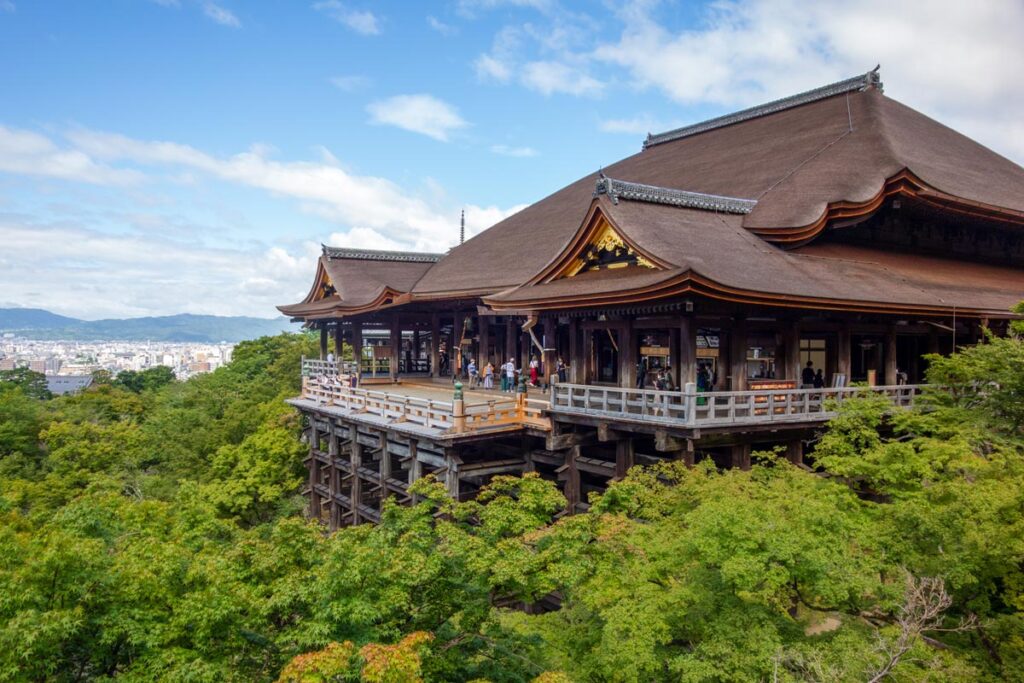
Kiyomizu-dera
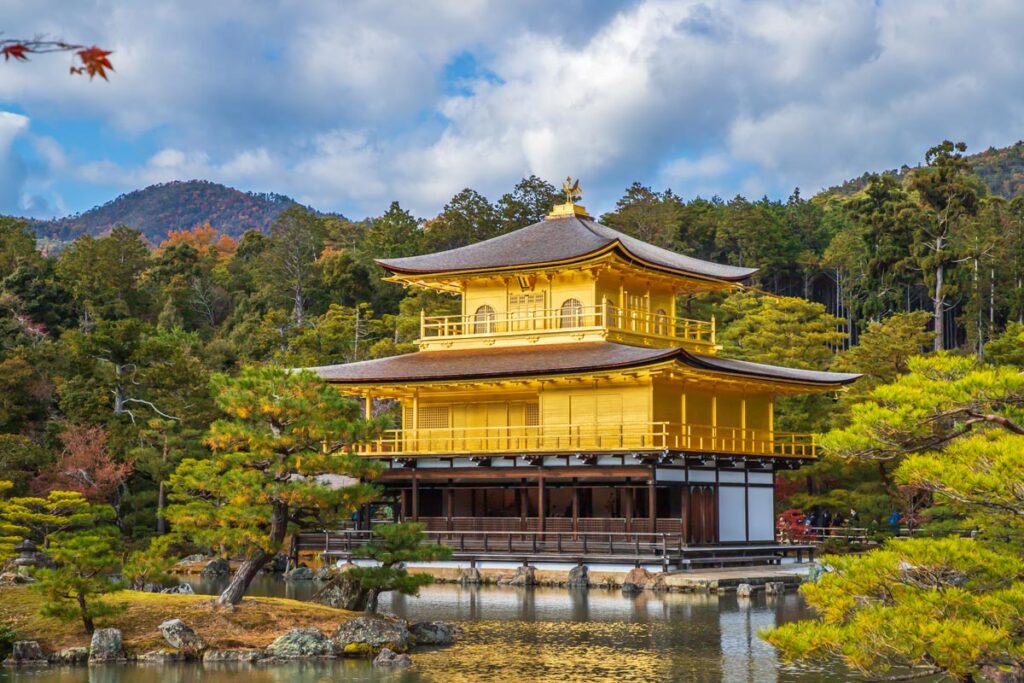
Kinkaku-ji
(Golden Pavilion)
Arashiyama
Bamboo Grove
Gion
Nijo Castle
Nishiki Market
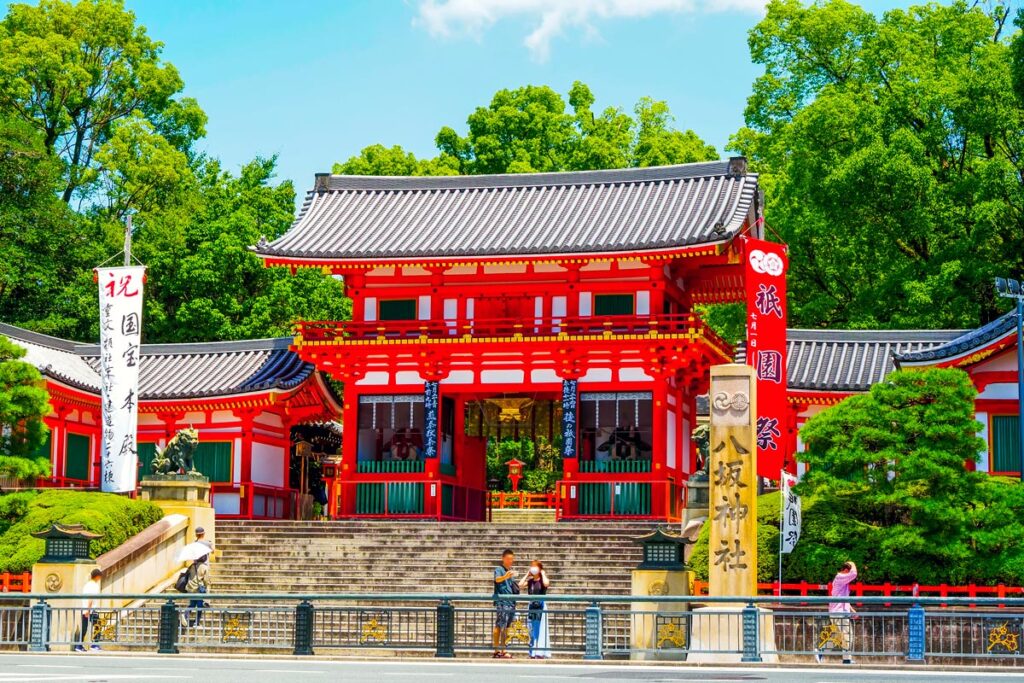
Yasaka Shrine
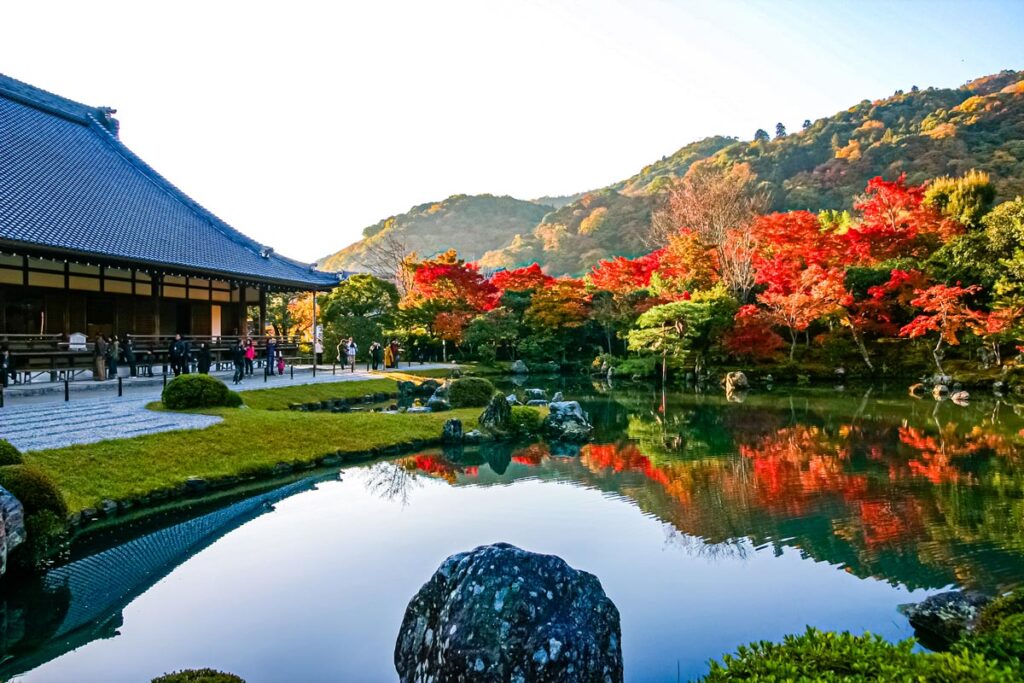
Tenryu-ji
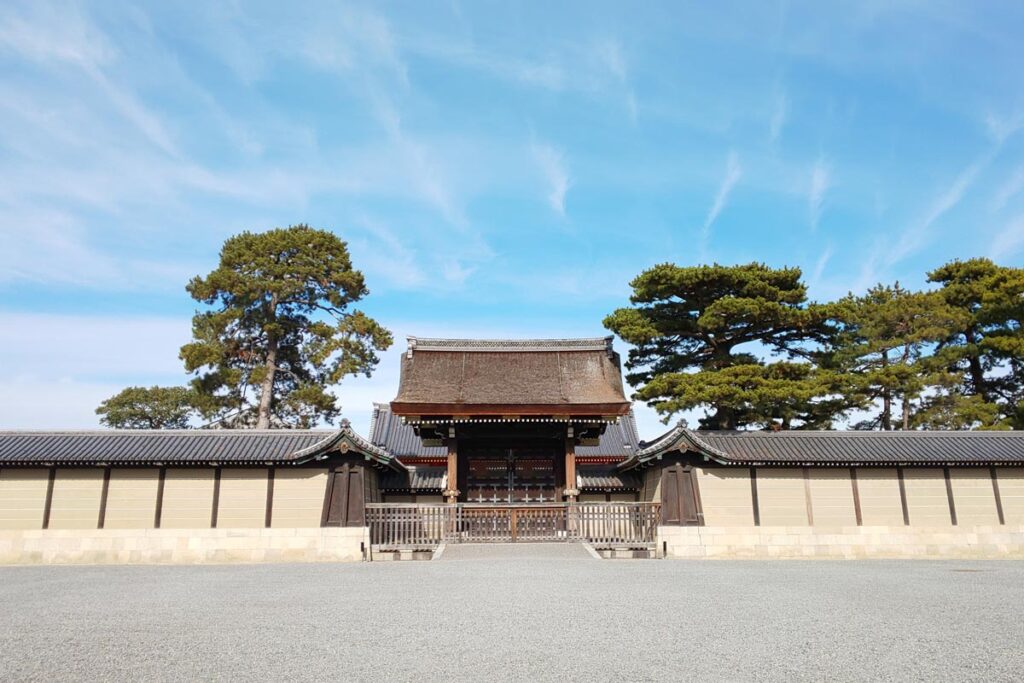
Kyoto Imperial Palace
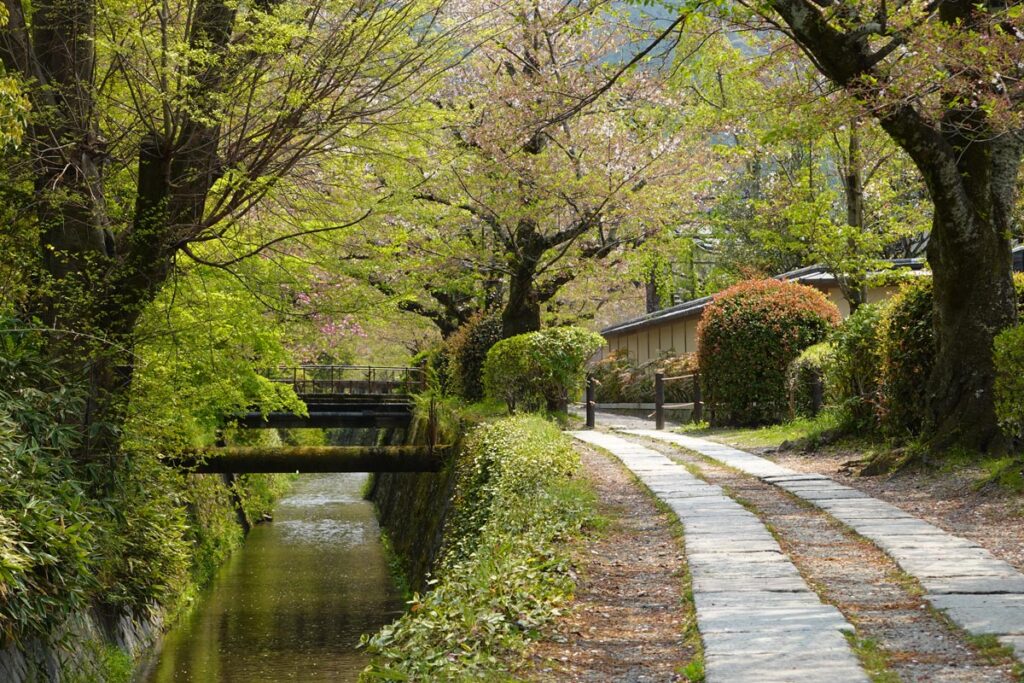
Philosopher's Path
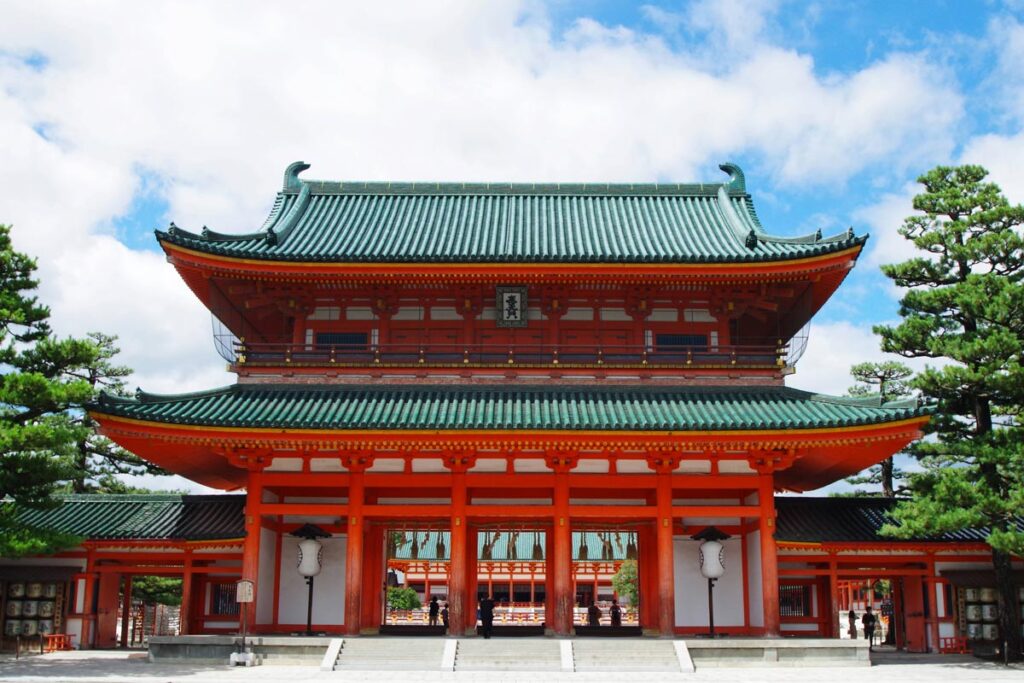
Heian Jingu
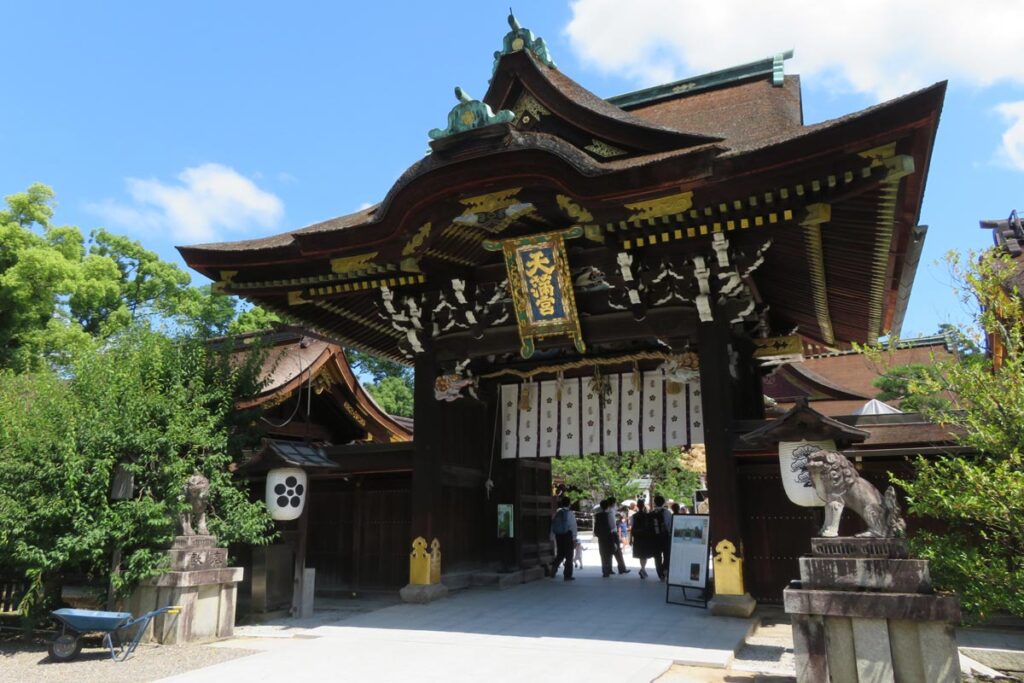
Kitano Tenmangu
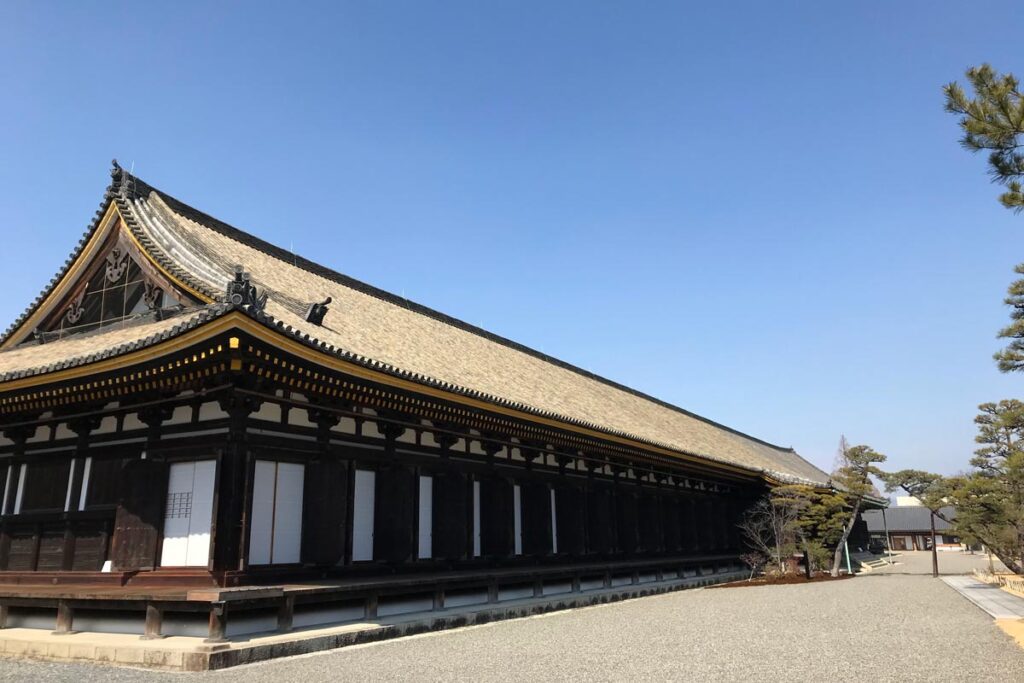
Sanjusangendo
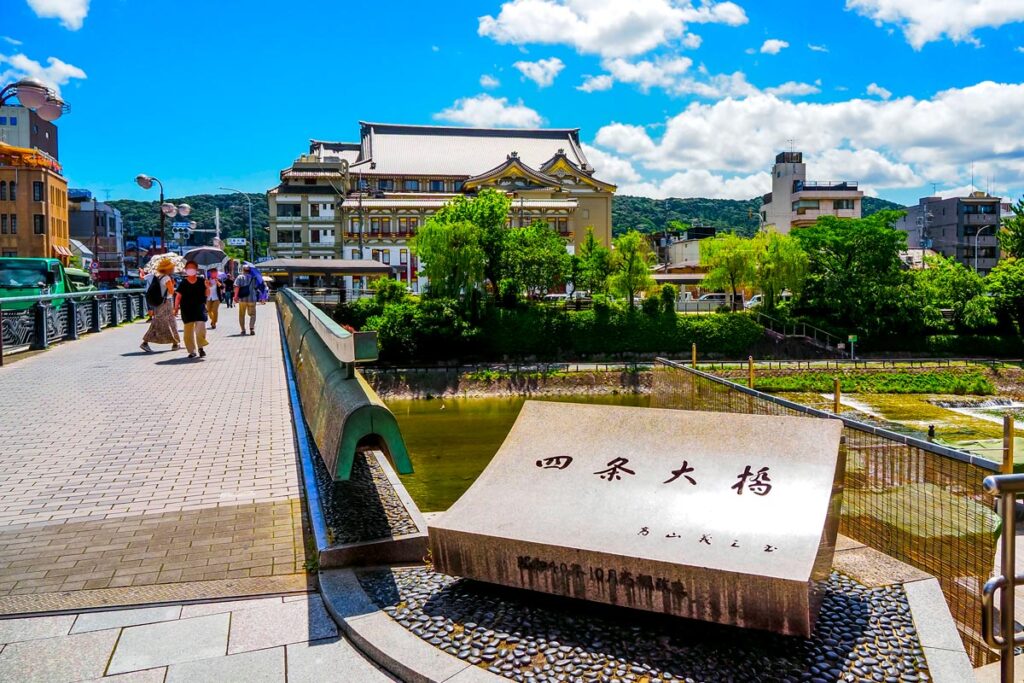
Kamo River
Nanzen-ji
Tofuku-ji
Kyoto International Manga Museum