

Yasaka Shrine
Yasaka Shrine Travel Guide for First-Time Visitors to Japan
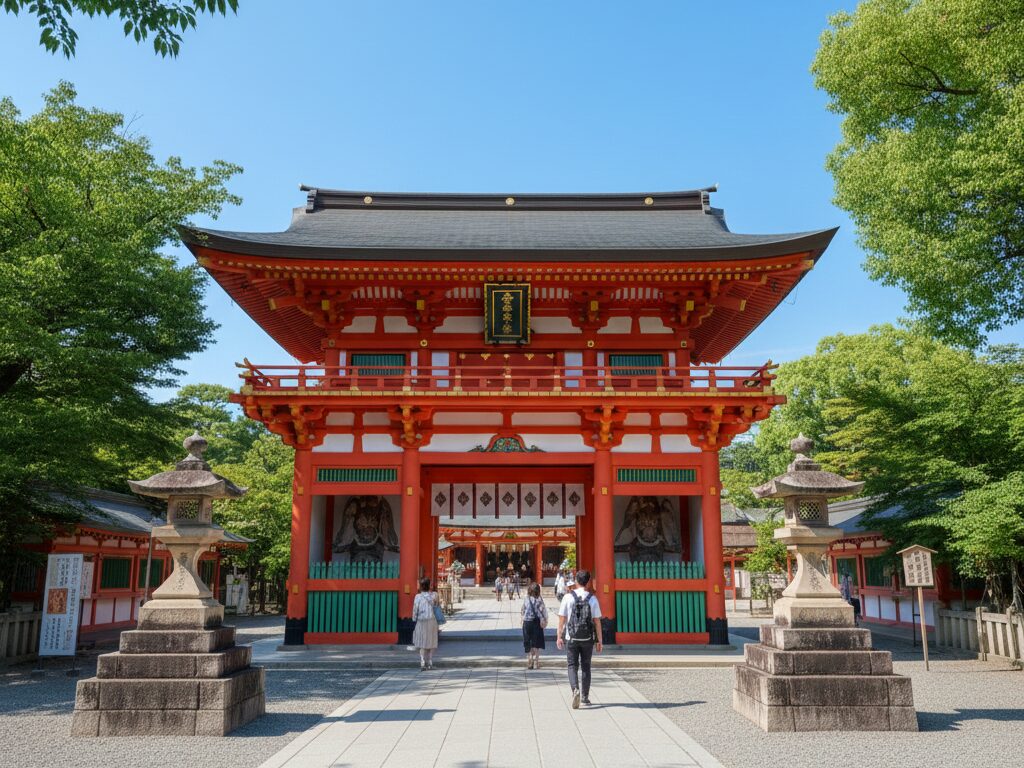
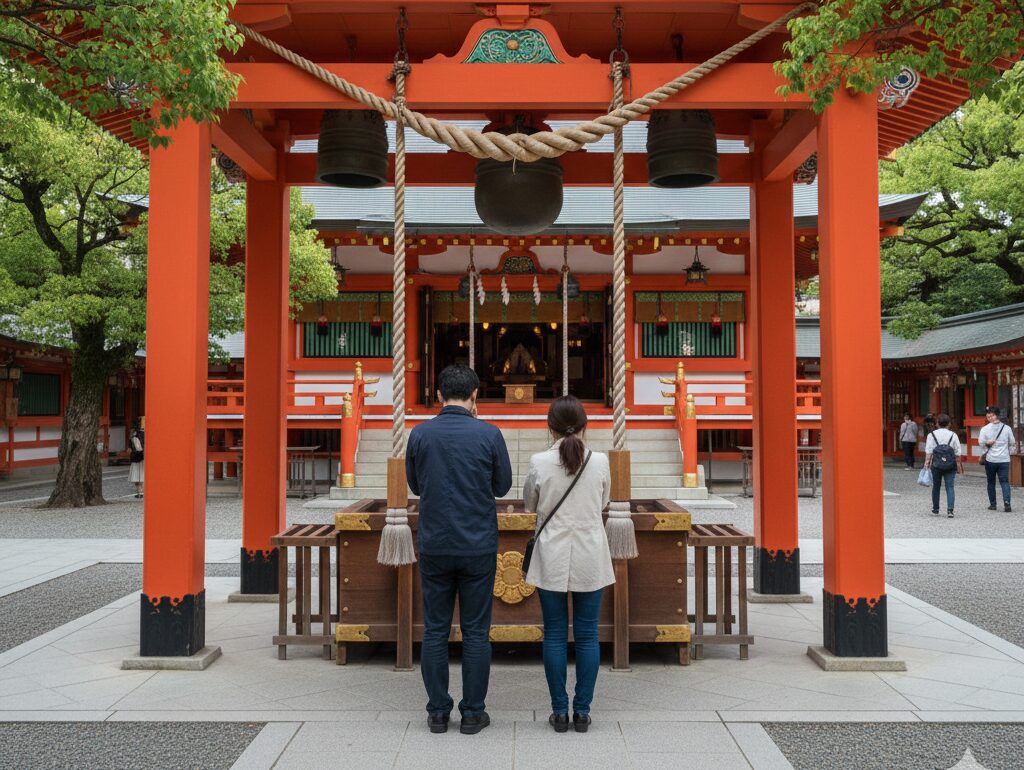
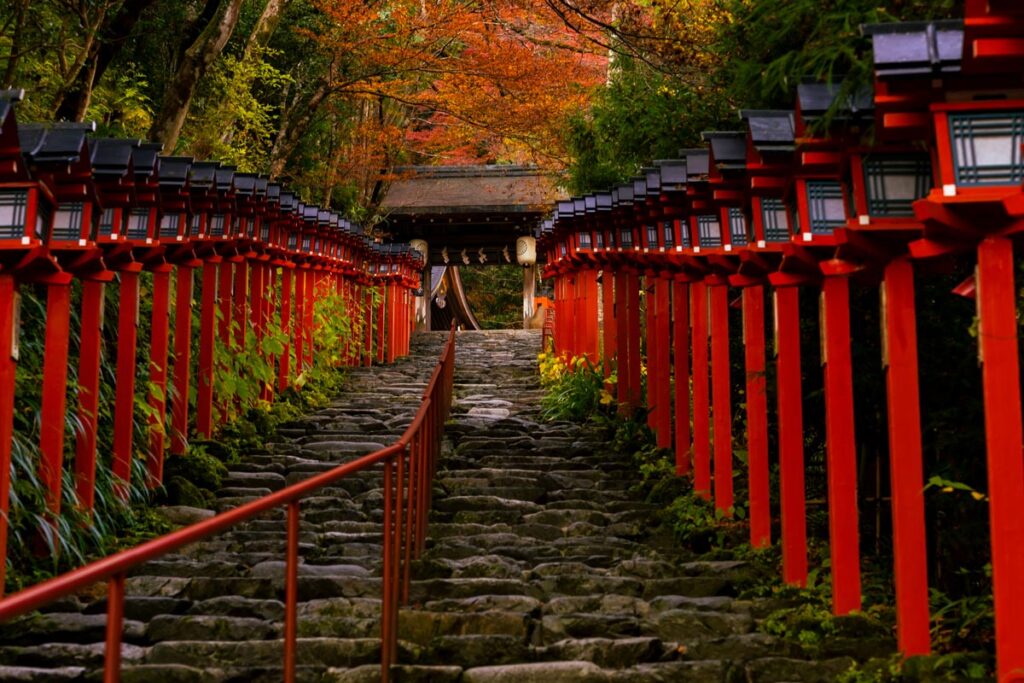
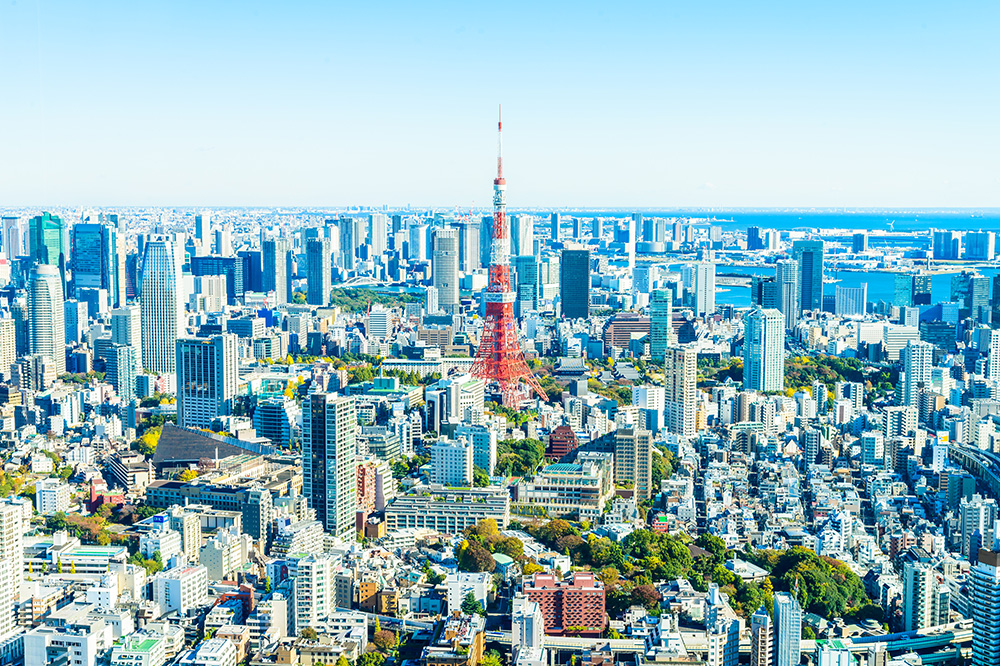
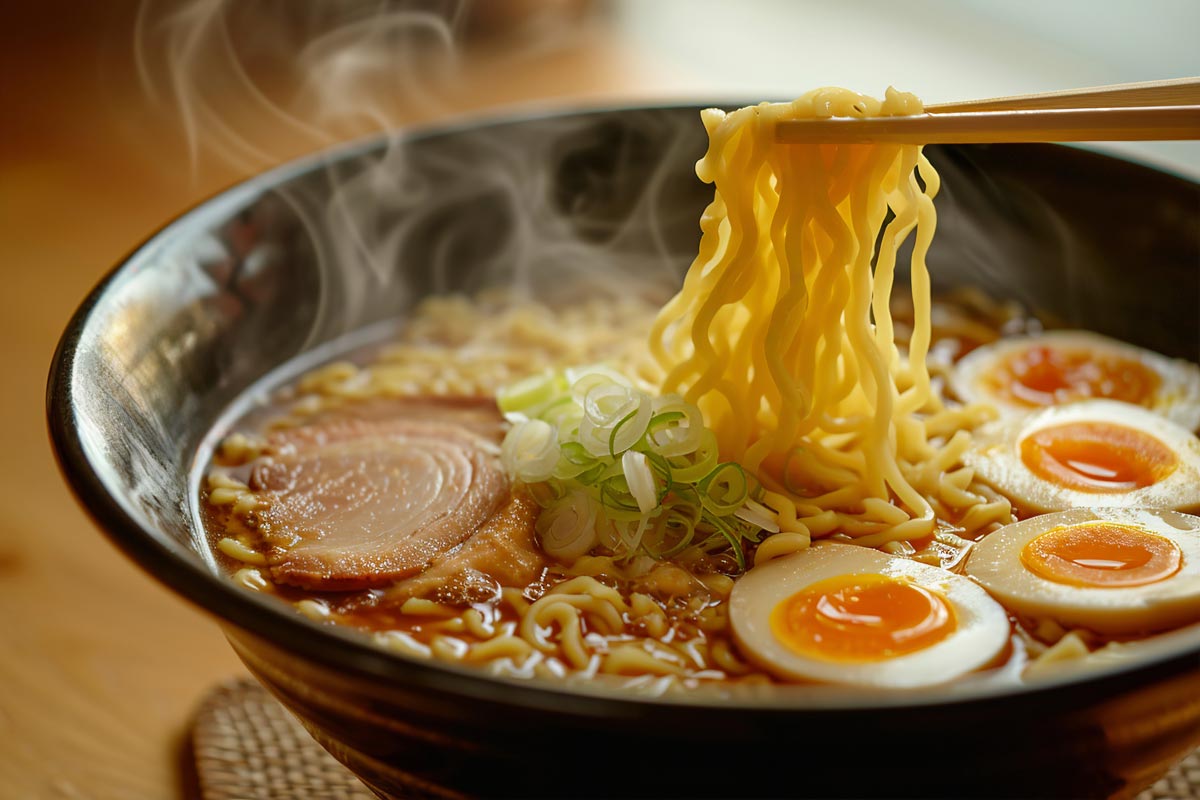
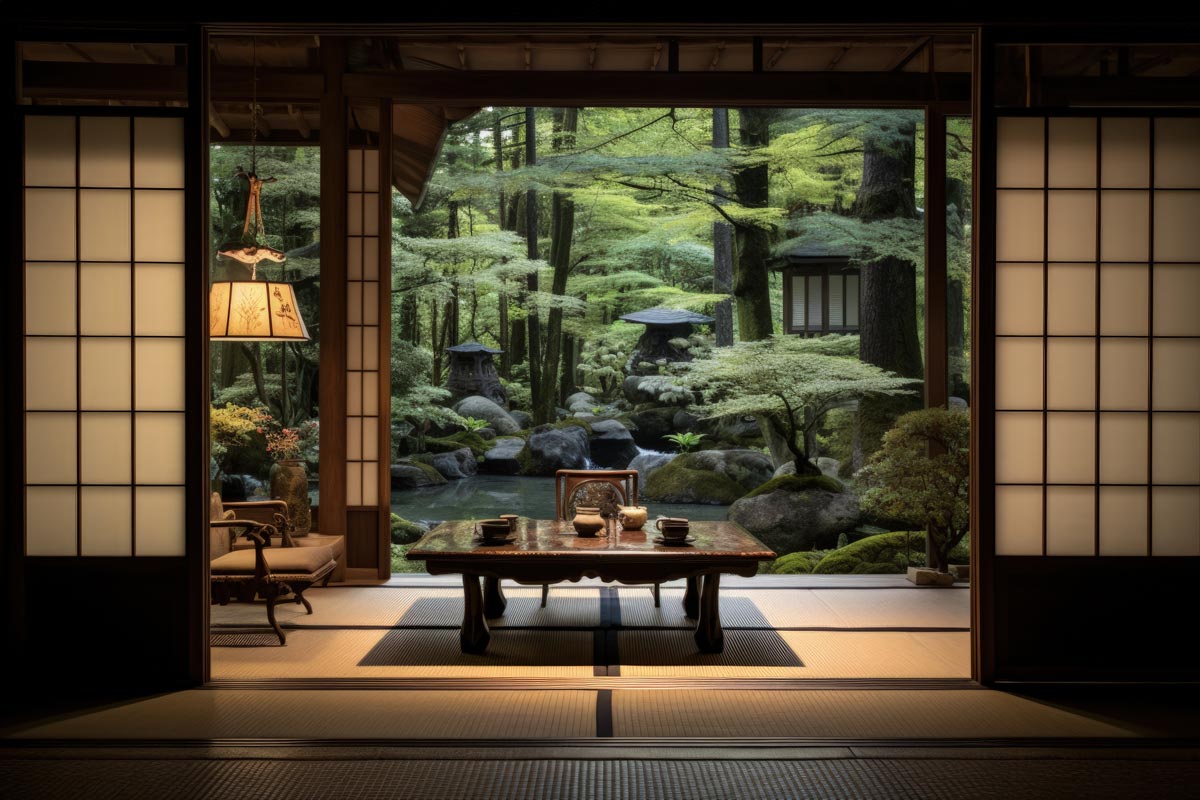
Photos are for illustrative purposes only.
In the heart of Kyoto, where traditional wooden townhouses meet lantern-lit streets, Yasaka Shrine stands as one of Japan’s most atmospheric and accessible Shinto shrines. For first-time visitors to Japan, it offers an ideal introduction to Japanese spirituality, local festivals, and the timeless charm of the old capital.
What Is Yasaka Shrine?
Yasaka Shrine is a major Shinto shrine located between Kyoto’s famous Gion district and the base of Higashiyama (Eastern Mountains). It is dedicated to several deities, especially Susanoo-no-Mikoto, a powerful storm god, and is considered a protector of Kyoto and its people. The shrine is open 24 hours and free to enter, making it a convenient stop at any time of day.
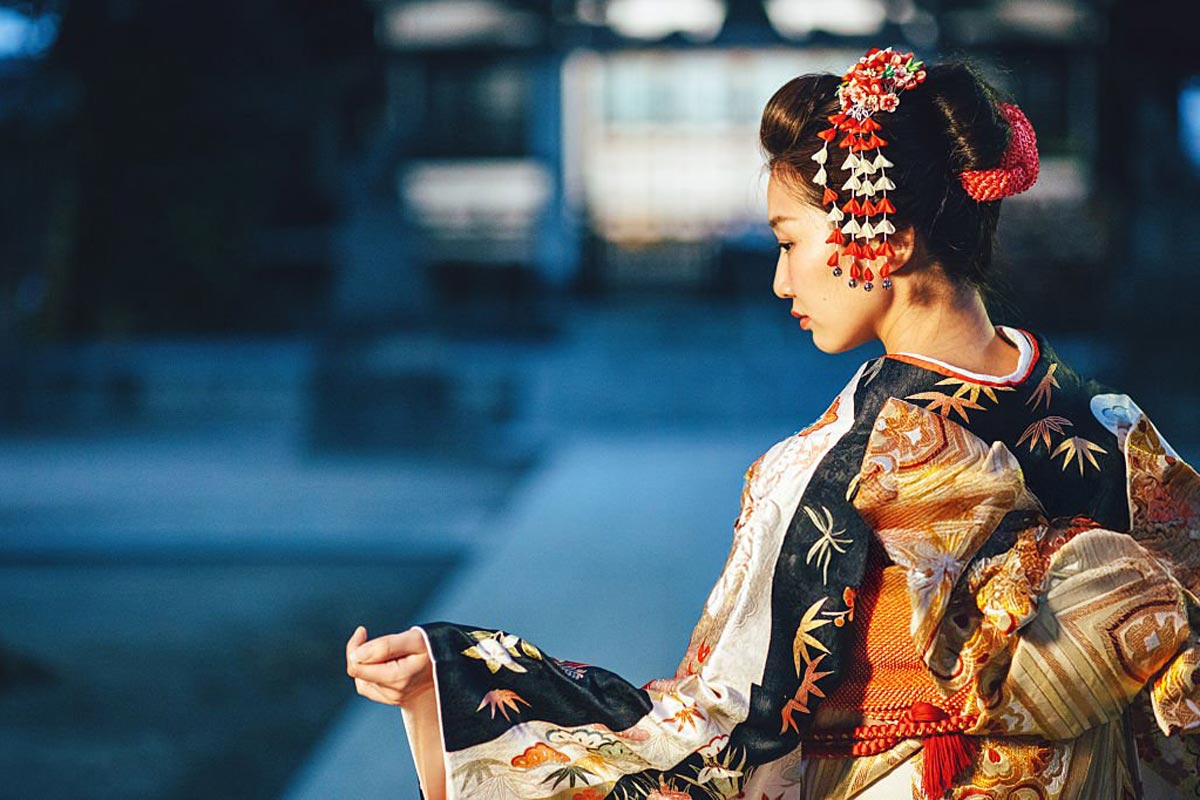
Unlike some temple complexes that feel removed from everyday life, Yasaka Shrine blends seamlessly into the city. Commuters cut through its grounds on their way home, students stop to pray for exam success, and brides in elaborate kimono pose for photos under brightly colored lanterns. This mix of the sacred and the everyday creates a vivid snapshot of contemporary Japanese culture.
Why Yasaka Shrine Belongs on Your Kyoto Itinerary
A Gateway Between Gion and Higashiyama
Yasaka Shrine sits at the eastern end of Shijō-dōri, one of Kyoto’s main streets, and at the western entrance of the Higashiyama sightseeing area. You can easily walk from the shrine into the narrow lanes of Ninen-zaka and Sannen-zaka, or head the other way into Gion, Kyoto’s famous geisha district. For first-time visitors with limited time, this location is extremely convenient.
Day and Night: Two Different Atmospheres
By day, Yasaka Shrine is bright and lively: prayer rituals, souvenir stands, and visitors taking photos of the vivid vermilion gates. By night, the shrine transforms. Hundreds of lanterns are softly lit, the crowds thin, and the main stage glows against the dark sky. This contrast makes Yasaka Shrine worth visiting both during the day and after sunset.
A Living Shrine, Not Just a Historic Site
Yasaka Shrine is more than a beautiful structure; it is an active spiritual center. Locals come for New Year prayers, business blessings, and seasonal festivals. If you are curious how Shinto, Japan’s indigenous belief system, fits into modern life, this is one of the easiest places to observe and respectfully participate.
History and Cultural Significance
Yasaka Shrine’s origins date back more than a thousand years. Over the centuries, it has played a central role in the protection of Kyoto, especially during times of disease and disaster. Its most famous event, the Gion Matsuri, began as a religious ritual to ward off epidemics in the 9th century and evolved into one of Japan’s grandest festivals.
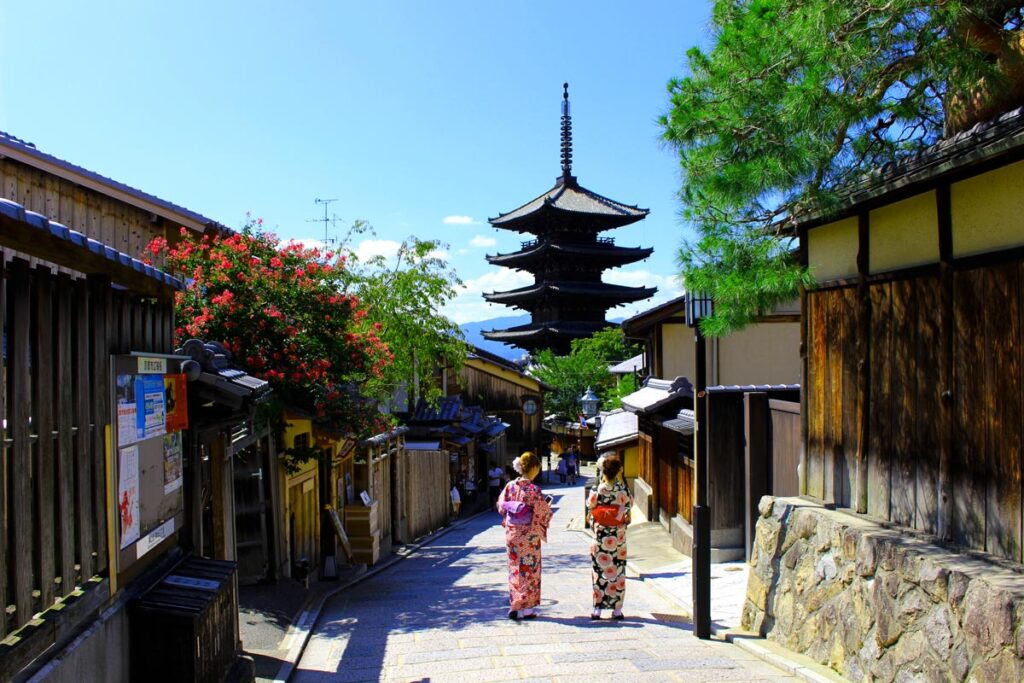
Historically, the shrine gave its name to the Gion district, which grew nearby as a neighborhood serving pilgrims and visitors. Tea houses, restaurants, and entertainment venues developed around the shrine’s approach, eventually becoming Kyoto’s renowned geisha area. When you walk between Gion and Yasaka Shrine today, you are literally following the path that linked worship, commerce, and performance for centuries.
Highlights of Yasaka Shrine
The Grand West Gate (Nishi-Romon)
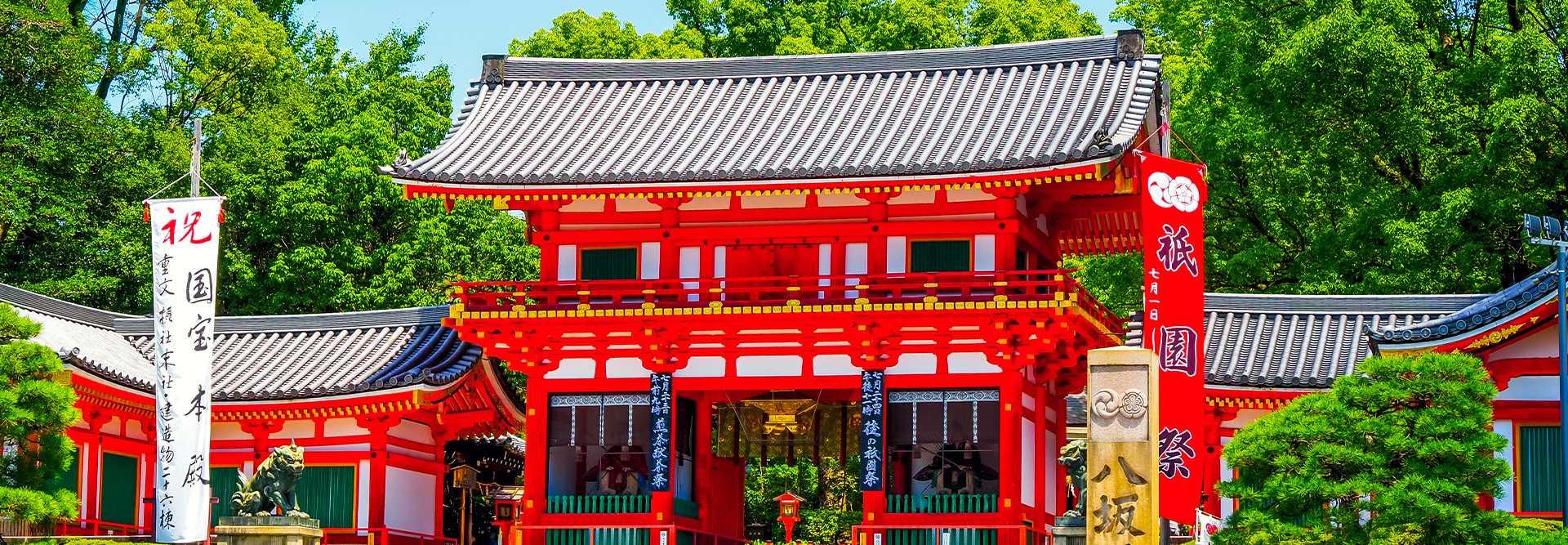
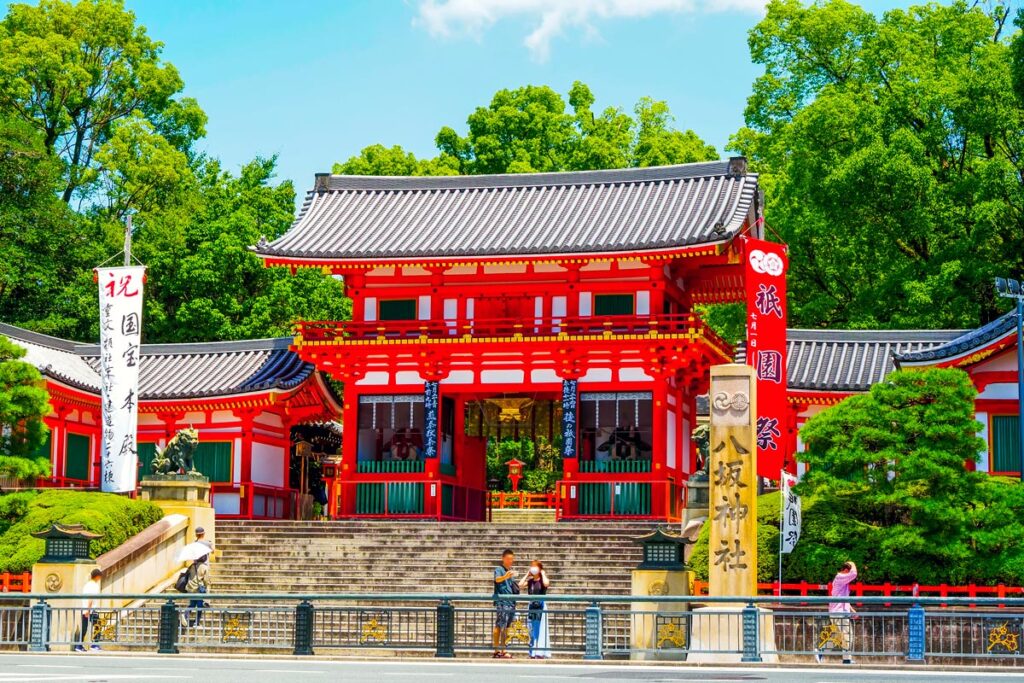
Most visitors enter the shrine through the impressive west gate at the end of Shijō-dōri. This bright vermilion gate is a popular photo spot and a symbolic threshold between the busy shopping street and the more tranquil shrine grounds. Before passing through, you may notice locals bowing lightly—a simple gesture of respect you are welcome to follow.
The Main Hall (Honden) and Offering Area
The main hall is where the shrine’s deities are enshrined. Visitors typically approach the front, toss a coin into the offering box, and perform a brief ritual:
- Bow twice
- Clap your hands twice
- Make a silent wish or prayer
- Bow once more
This simple act is a meaningful way to participate in Japanese spiritual practice, regardless of your own religious background. Keep your voice low and avoid blocking the offering area for too long.
The Lantern-Lit Dance Stage (Butai)
One of Yasaka Shrine’s most iconic features is the central stage surrounded by rows of lanterns. Each lantern is inscribed with the name of a sponsoring business, symbolizing the local community’s support. At night, this stage glows with warm light and creates one of Kyoto’s most photogenic scenes.
During festivals, traditional dances and performances are held here, adding music, chanting, and ceremonial movement to the already atmospheric setting.
Sub-Shrines and Small Corners
Beyond the main hall, paths lead to several smaller sub-shrines tucked among trees and stone lanterns. These may be dedicated to various aspects of life such as good health, matchmaking, or safe travel. Exploring these quieter corners gives you a deeper sense of the shrine’s complexity and the many ways people seek blessings in Japan.
Omikuji (Fortune Slips) and Omamori (Charms)
At stalls within the shrine, you can draw omikuji (fortune-telling paper slips) or purchase omamori (protective charms). Omikuji often include an English explanation; if you receive a bad fortune, it is customary to tie the paper to a designated rack or tree in the shrine, symbolically leaving the bad luck behind.
Omamori are small cloth pouches said to offer blessings for love, safe driving, health, or success in exams. They make meaningful souvenirs that reflect local beliefs more deeply than a typical keychain or T-shirt.
Festivals at Yasaka Shrine
Gion Matsuri (July)
Yasaka Shrine is the spiritual heart of Gion Matsuri, one of Japan’s most famous festivals. Throughout July, Kyoto hosts a series of events, parades, and rituals connected to the shrine. The highlight is the grand procession of enormous, elaborately decorated floats pulled through the streets.
For first-time travelers, experiencing even a small part of Gion Matsuri offers a powerful introduction to Japanese festival culture: drum rhythms, festival music, traditional yukata (light summer kimono), food stalls, and crowded nighttime streets glowing with lanterns.
New Year’s Visits (Hatsumode)
During the first few days of January, Yasaka Shrine becomes one of Kyoto’s busiest places as locals perform their first shrine visit of the year, known as hatsumode. Long lines form as people wait to pray for good fortune. Temporary food stands appear, selling grilled snacks, sweets, and warm drinks.
If you visit at this time, expect dense crowds but also a festive, hopeful atmosphere that reveals how deeply integrated shrines are in Japanese seasonal life.
Seasonal Events
Beyond Gion Matsuri and New Year, Yasaka Shrine holds rituals for Setsubun (early February, driving away bad luck), cherry blossom season, and summer purification rites. Even if you do not plan your trip around a specific date, you may stumble upon a ceremony, priests in traditional robes, or musicians performing gagaku (ancient court music).
How to Visit Yasaka Shrine
Location and Access
Yasaka Shrine is in Kyoto’s Higashiyama area, at the eastern end of Shijō-dōri. It is easy to reach from central Kyoto:
- By bus: Many city buses stop at “Gion” bus stop, from which it is a short walk to the shrine gate.
- By train: From Kyoto Station, take the subway or local train to Kawaramachi or Gion-Shijō station, then walk about 10–15 minutes east.
- On foot or by bicycle: If you are staying in central Kyoto, the shrine is within walking or cycling distance, making it a pleasant approach along the Kamogawa River and through the Gion area.
Opening Hours and Admission
The shrine grounds are typically open 24 hours, and general entry is free. Certain special areas or rituals may require a small fee, but most visitors can enjoy the main precinct without any charge. This makes Yasaka Shrine a flexible stop you can easily fit between other Kyoto sights.
Best Time of Day to Visit
- Early morning: Quieter, ideal for peaceful photos and a more contemplative experience.
- Late afternoon: Lively but not overwhelming; combines well with a walk up to nearby Kiyomizu-dera Temple.
- Evening/night: The lanterns are lit, the atmosphere turns romantic and mystical, and the nearby Gion streets are at their most evocative.
Etiquette and Tips for First-Time Visitors
Purifying at the Chōzuya
Before approaching the main hall, you may notice a stone basin with ladles. This is a chōzuya, used for symbolic purification:
- Take a ladle in your right hand and pour water over your left hand.
- Switch hands and pour water over your right hand.
- Pour a little water into your left hand and gently rinse your mouth (do not drink directly from the ladle).
- Spit the water discreetly beside the basin, not back into it.
- Rinse your left hand again, then let the remaining water run down the handle to cleanse it.
This simple ritual helps you connect with the shrine’s traditions and shows respect for local customs.
General Shrine Etiquette
- Speak quietly, especially near the main hall and during ceremonies.
- Do not walk through the exact center of gates or paths when possible; traditionally, the center is reserved for the deities.
- Follow any posted signs about photography, particularly if private ceremonies or blessings are taking place.
- Avoid eating and drinking as you walk through the sacred areas, though snacks are fine outside the main precinct.
Combining Yasaka Shrine with Nearby Sights
Gion District
Just outside the shrine’s west gate lies Gion, one of Japan’s most famous traditional entertainment districts. Its stone-paved streets, wooden teahouses, and flickering lanterns evoke a Kyoto from centuries past. You may glimpse geiko (Kyoto’s term for geisha) or maiko (apprentice geisha) walking between engagements in the early evening.
While it is tempting to take photos, be mindful of privacy and recent regulations: avoid blocking their path, do not touch their clothing, and respect any photography restrictions on small side streets.
Higashiyama and Kiyomizu-dera
From the shrine, walking uphill leads you into the preserved lanes of Higashiyama. Traditional shops line the slopes, selling pottery, sweets, tea, and local crafts. Continue along Ninen-zaka and Sannen-zaka to reach Kiyomizu-dera Temple, another of Kyoto’s iconic World Heritage sites, with expansive views over the city.
This walking route—Yasaka Shrine through Higashiyama to Kiyomizu-dera—is one of Kyoto’s classic half-day itineraries, perfect for first-time visitors who want a balance of culture, scenery, and shopping.
Maruyama Park
Behind Yasaka Shrine lies Maruyama Park, a popular local gathering place particularly famous in cherry blossom season. In spring, people spread picnic sheets under the trees for hanami (flower viewing), and food stalls appear. The park’s central weeping cherry tree is illuminated at night, creating a striking seasonal scene that pairs beautifully with an evening visit to the shrine.
Practical Travel Tips
- Footwear: Wear comfortable shoes; you will likely be walking on stone paths and gentle slopes if you continue into Higashiyama.
- Weather: In summer, Kyoto can be hot and humid; bring water and a hat. In winter, temperatures can drop below freezing at night, so dress warmly.
- Language: Basic English signage is common, and shrine staff are used to international visitors. A simple “sumimasen” (excuse me) and “arigatou” (thank you) go a long way.
- Cash: Small purchases like fortune slips, charms, and donations are typically cash-only. Keep some coins ready.
Experiencing Kyoto Through Yasaka Shrine
For many travelers, Yasaka Shrine becomes one of the most vivid memories of Kyoto: lanterns glowing softly at night, distant bells, the scent of incense, and the quiet rhythm of people bowing and clapping in prayer. It encapsulates much of what makes Japan so compelling: a blend of ancient ritual and modern life, beauty in everyday gestures, and a deep respect for seasonal change.
Whether you stop for a quick visit between sightseeing spots or linger into the evening after exploring Gion, Yasaka Shrine offers a rewarding, accessible way to experience the spiritual and cultural heart of Japan’s former capital.

Access Map
Recommended spots in Kyoto
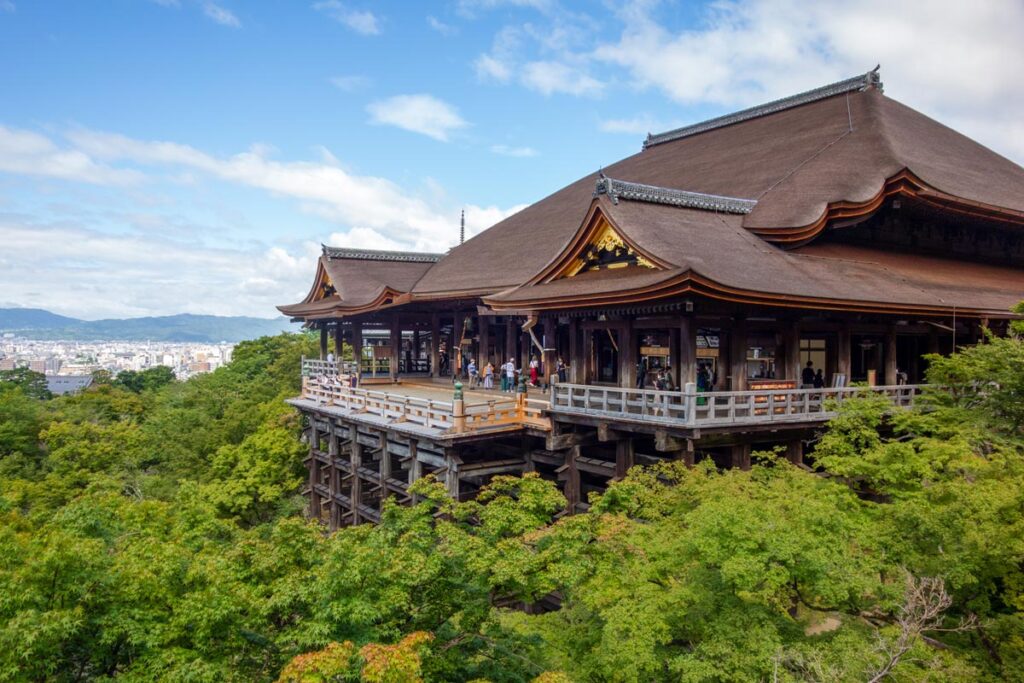
Kiyomizu-dera
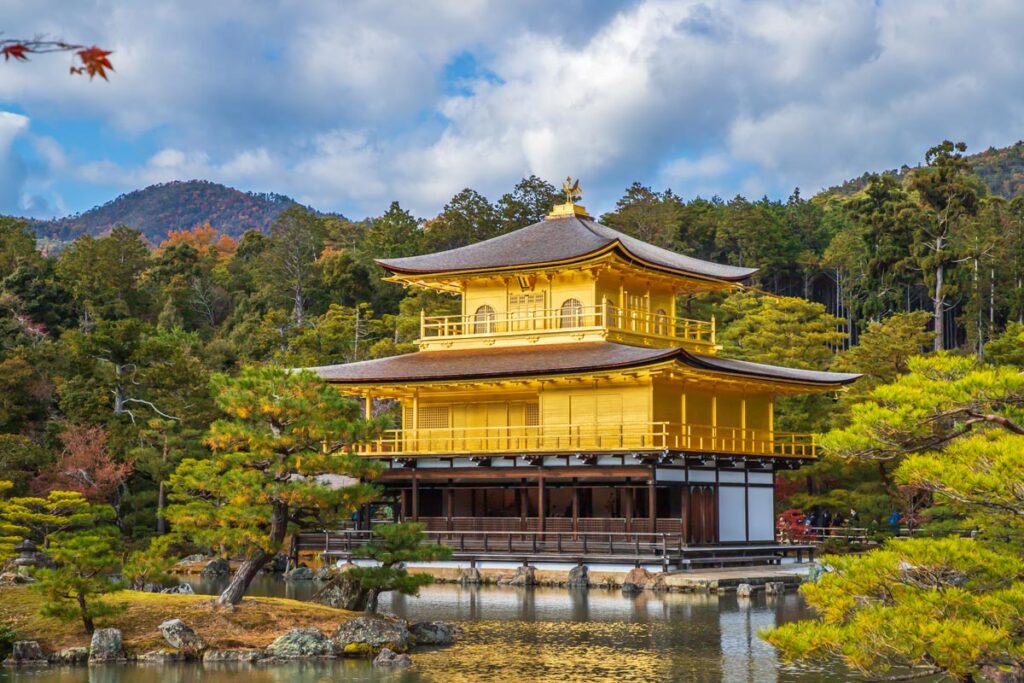
Kinkaku-ji
(Golden Pavilion)
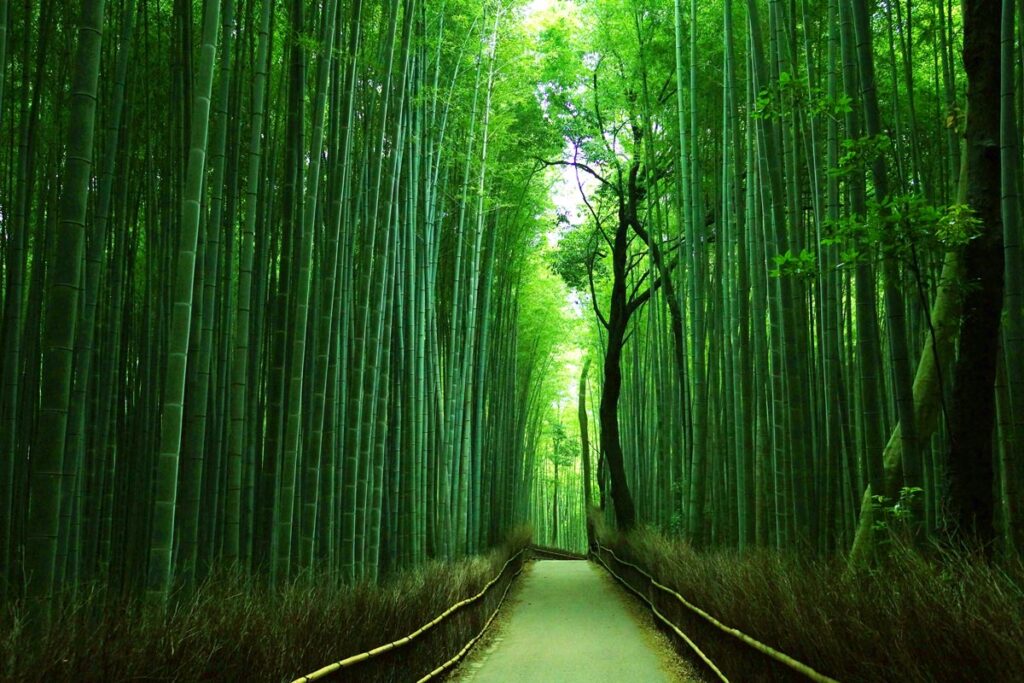
Arashiyama
Bamboo Grove
Gion
Nijo Castle
Nishiki Market
Yasaka Shrine
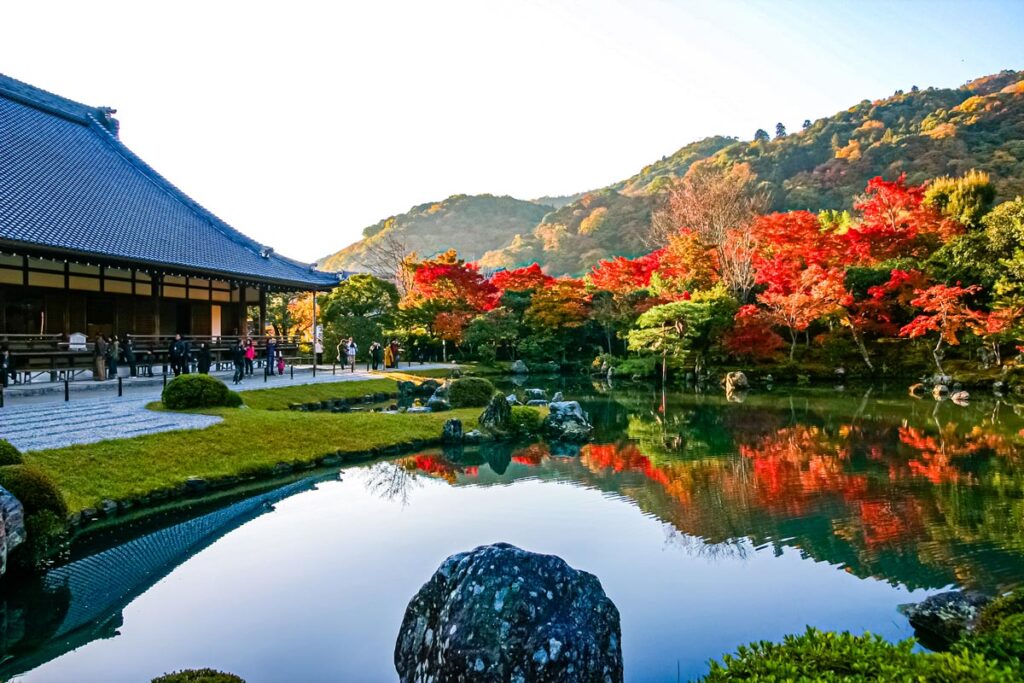
Tenryu-ji
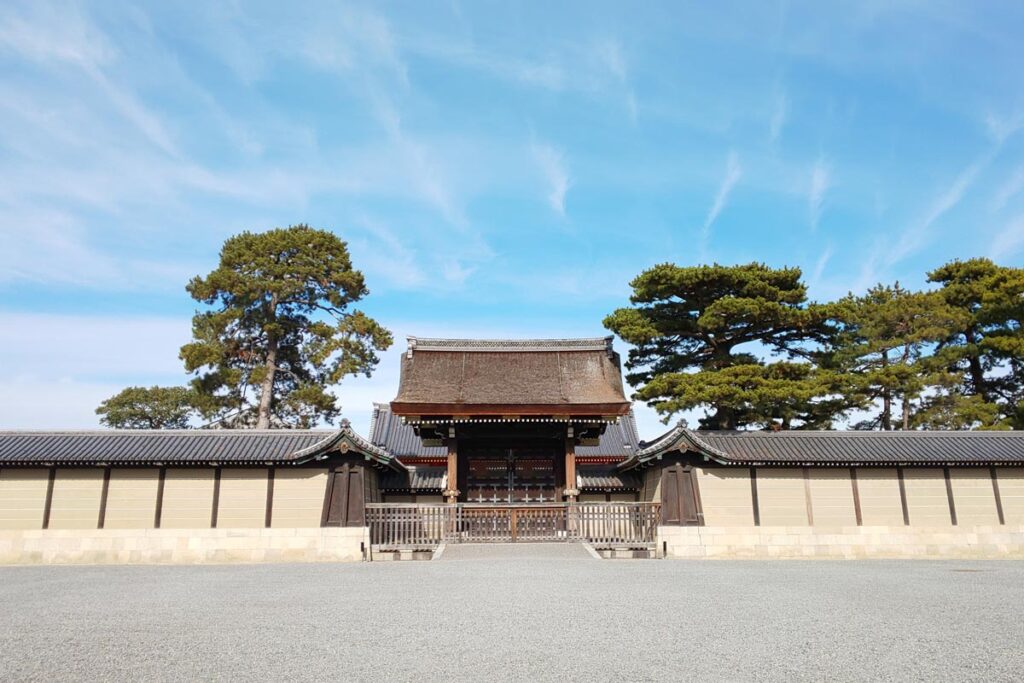
Kyoto Imperial Palace
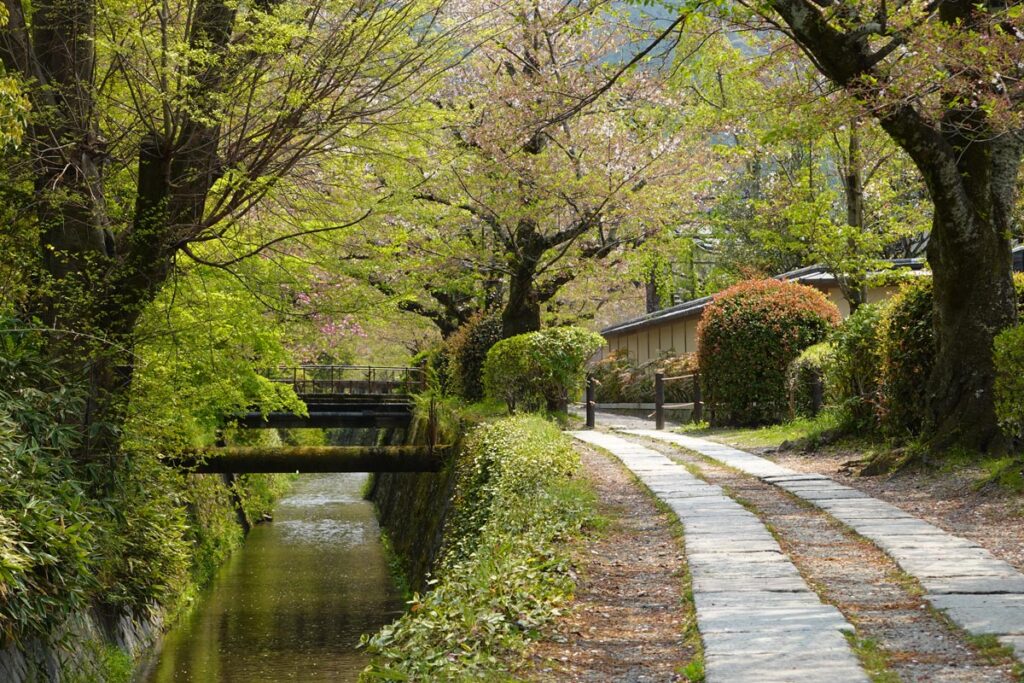
Philosopher's Path
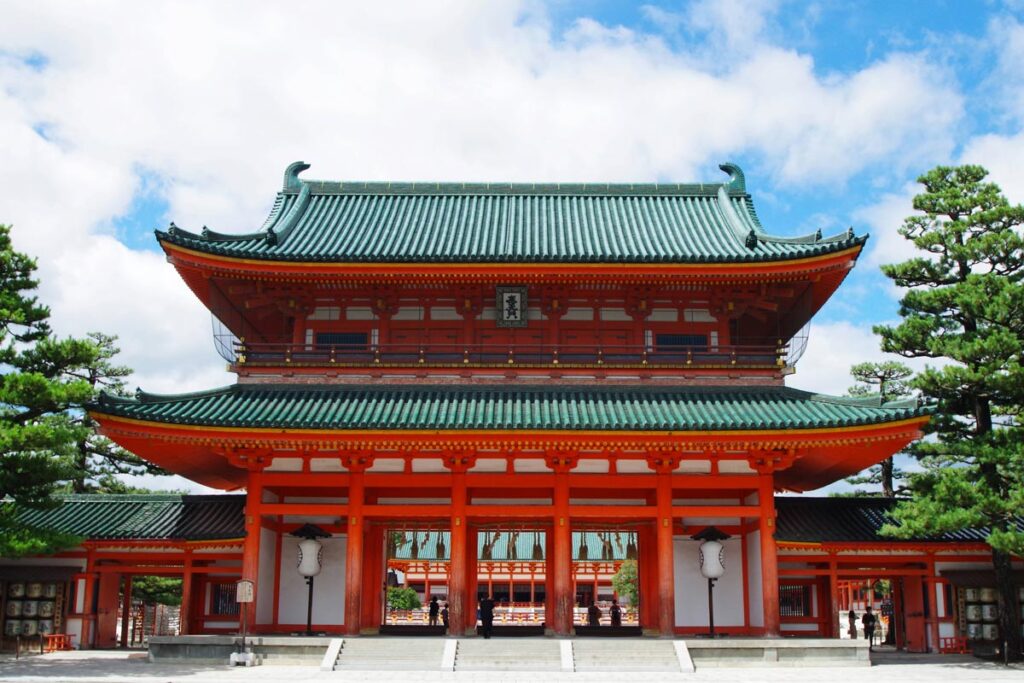
Heian Jingu
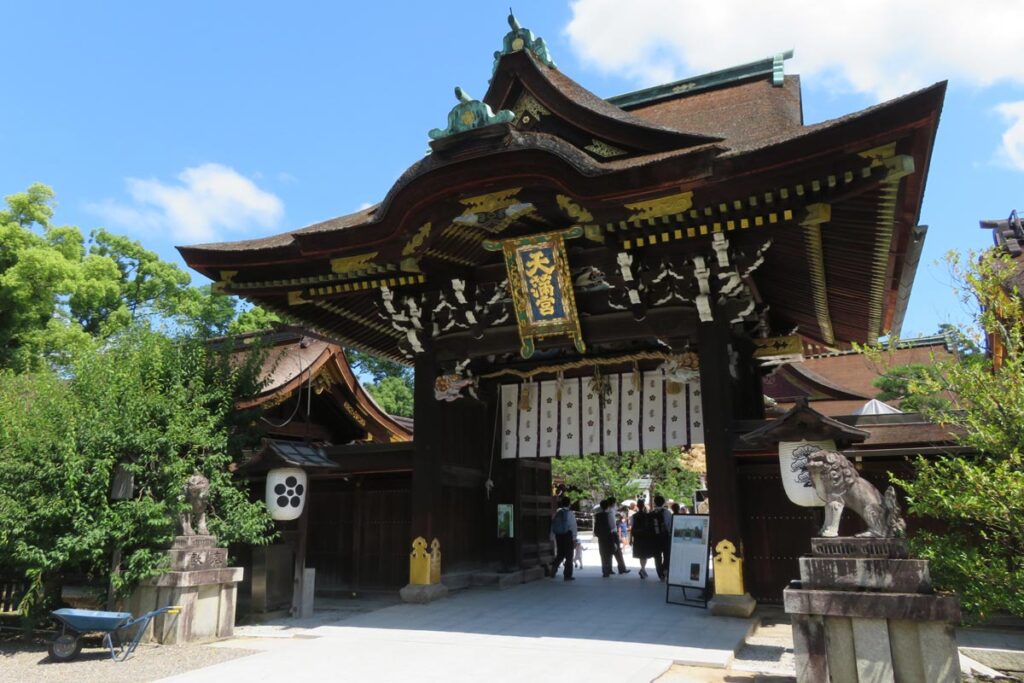
Kitano Tenmangu
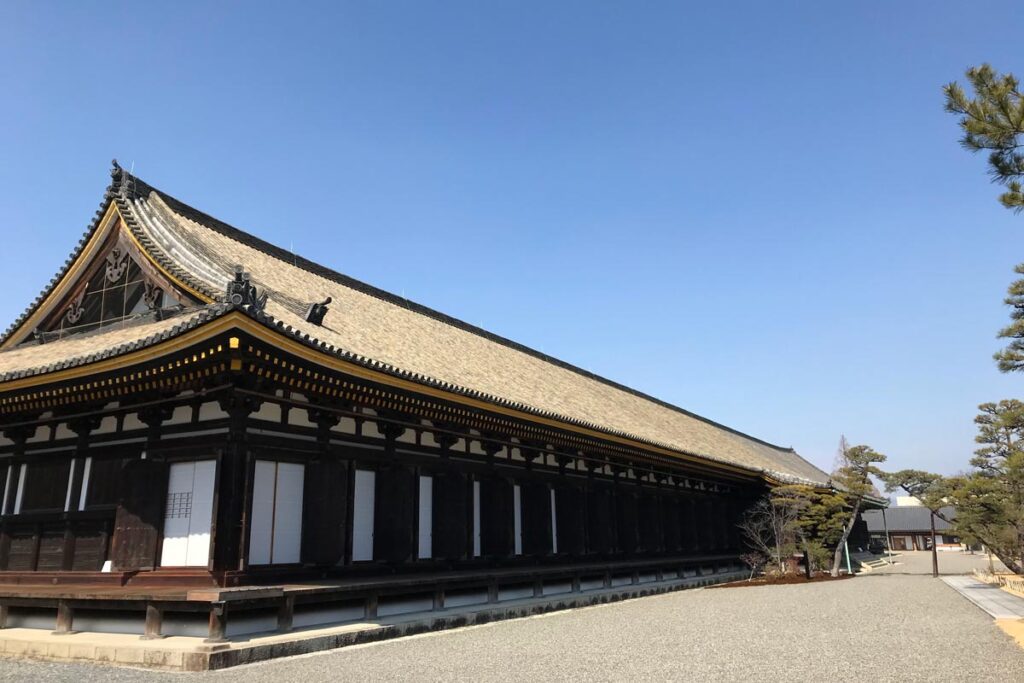
Sanjusangendo
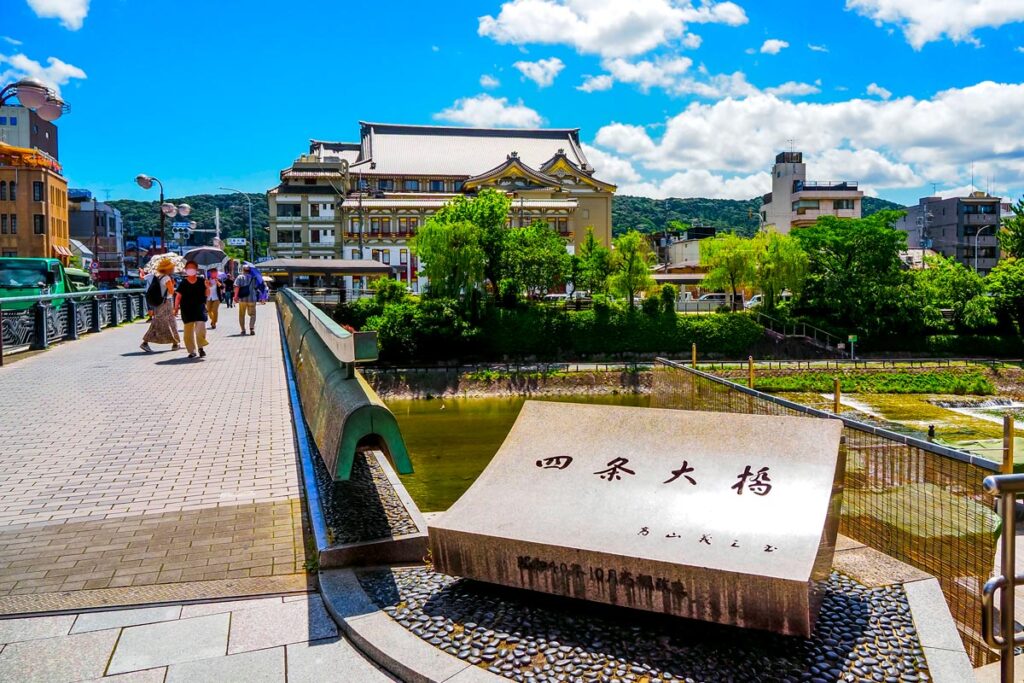
Kamo River
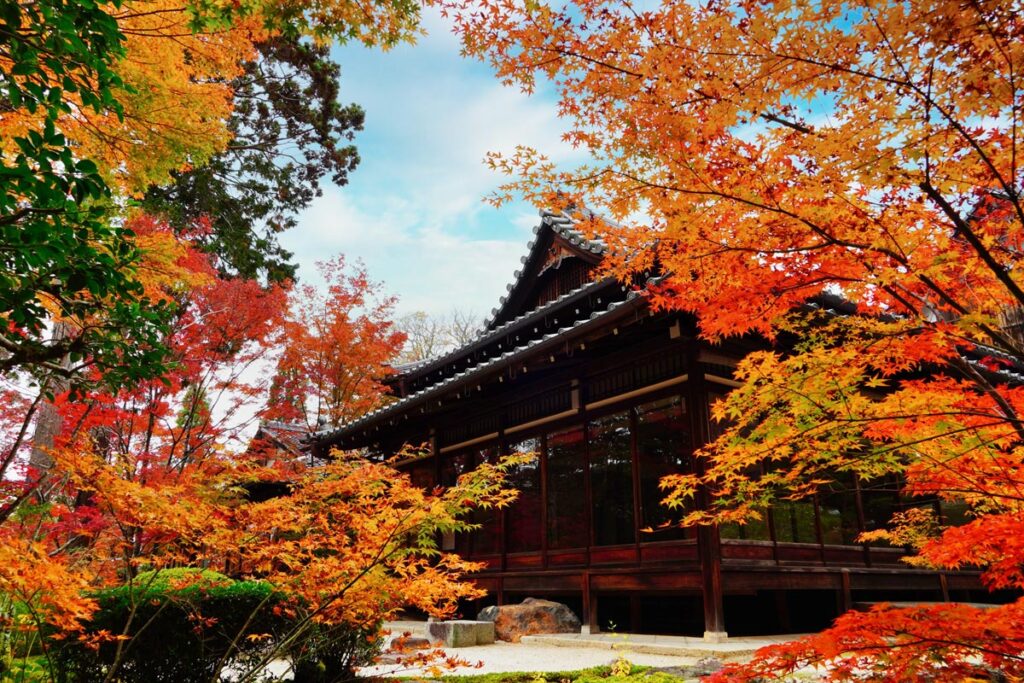
Nanzen-ji
Tofuku-ji
Kyoto International Manga Museum