
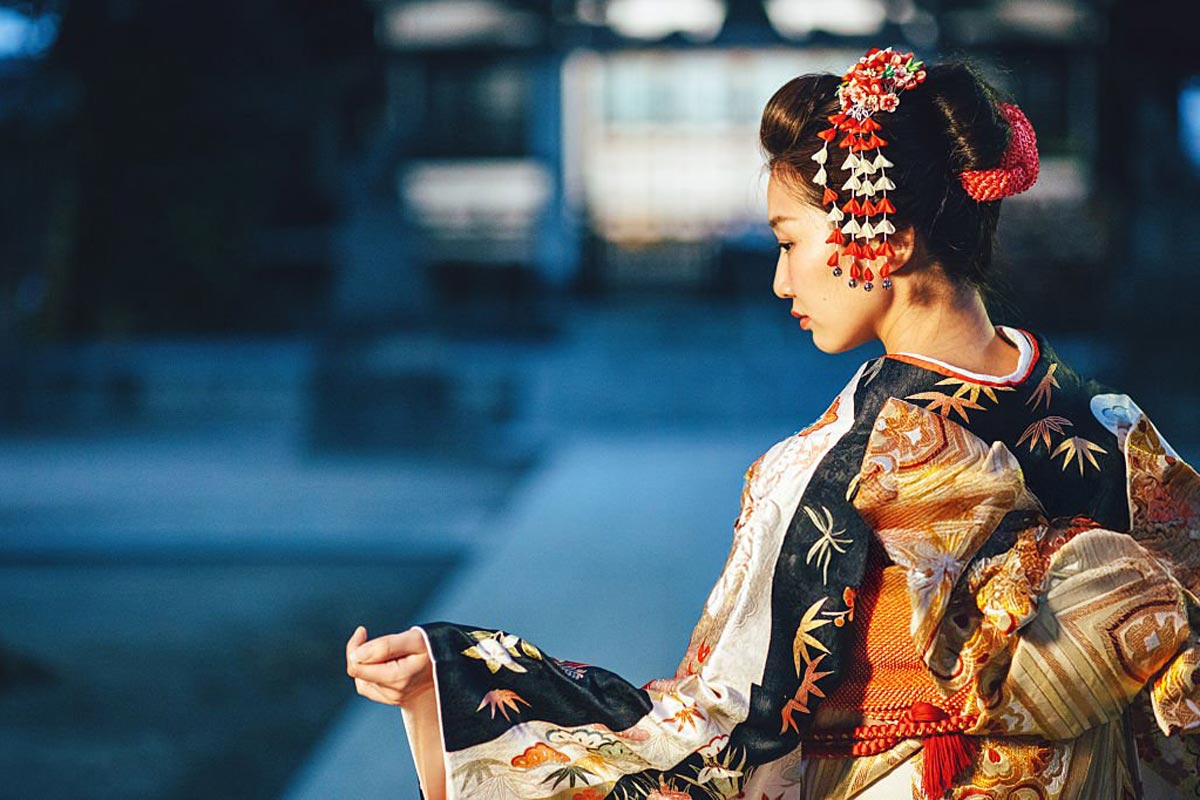

Kyoto Imperial Palace
Kyoto Imperial Palace (Gosho): A First-Time Visitor’s Guide
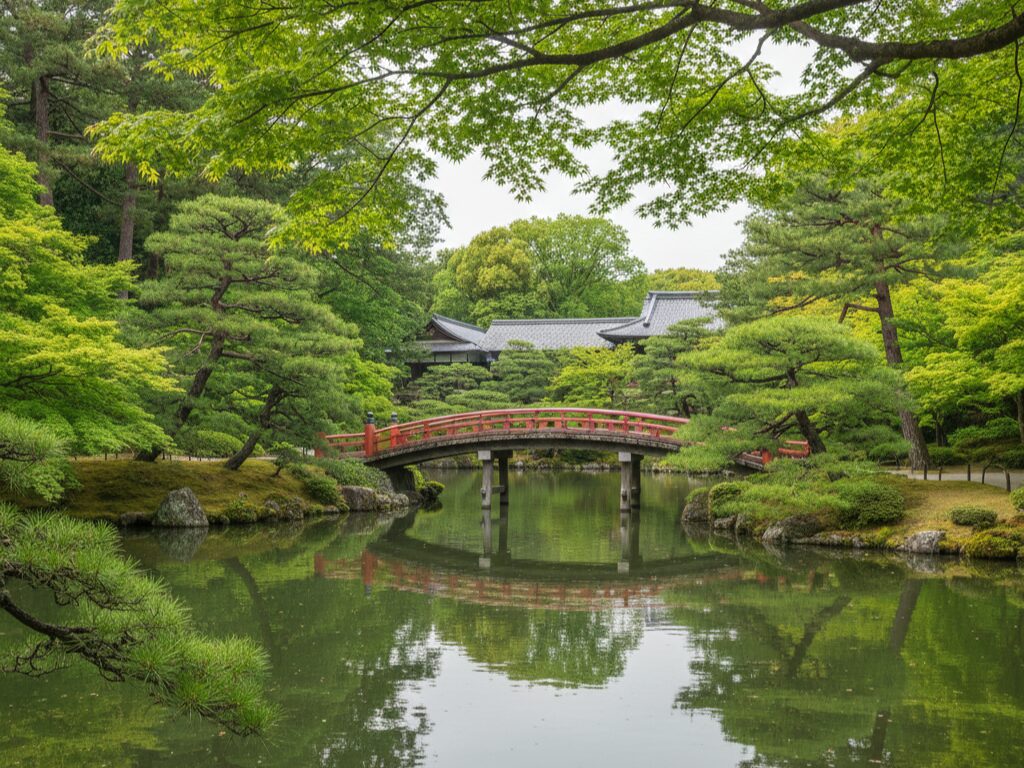
Photos are for illustrative purposes only.
The Kyoto Imperial Palace, known in Japanese as Kyoto Gosho, is one of the most atmospheric places in Japan to experience the world of emperors, courtiers and classical poetry. Set within a vast walled park in the heart of Kyoto, this former residence of Japan’s imperial family combines elegant wooden architecture, sweeping gravel courtyards and tranquil gardens that feel a world away from modern city life.
For first-time travelers to Japan, the palace is an ideal introduction to Japanese history and aesthetics. Entry to the grounds is free, access is straightforward, and most of the site can be enjoyed at your own pace, even if you don’t speak Japanese. This guide explains what to see, how to visit and how to make the most of your time at Kyoto Imperial Palace.
Why Visit Kyoto Imperial Palace?
Before Tokyo became Japan’s capital, Kyoto served as the imperial seat for more than a thousand years. The present Kyoto Imperial Palace complex dates largely from the 19th century, but it preserves the layout, rituals and atmosphere of much older times. You won’t find gold-covered halls or opulent thrones; instead, the beauty here lies in proportion, craftsmanship and understated elegance.
Reasons to include the palace in your Kyoto itinerary:
- Historical importance: Former home of Japan’s emperors until 1869, when the court moved to Tokyo.
- Calm, spacious grounds: A tranquil escape from busy streets, ideal for a gentle walk.
- Free entrance: The palace park is always free; guided tours of the inner precincts are often free or low-cost depending on current policy.
- Traditional architecture: Classic wooden halls, sliding doors and ornamental roofs showcase imperial taste.
- Beautiful gardens: Carefully composed ponds, bridges and pines that reflect centuries of garden design.
Understanding the Kyoto Gosho Complex
When people say “Kyoto Imperial Palace,” they often mean both the palace buildings themselves and the enormous surrounding park. It helps to distinguish the two:
Kyoto Gyoen National Garden
The palace sits inside Kyoto Gyoen, a vast rectangular park enclosed by walls but open to the public through multiple gates. This park once contained the mansions of court nobles; today it is a leafy central green space used by locals for jogging, walking dogs and seasonal strolls.
Wide gravel paths, rows of tall pines and open lawns create a surprisingly open landscape by Japanese standards. Within Kyoto Gyoen you will find not only the main palace but also smaller, historic residences such as the Sento Gosho (the former residence of retired emperors) and several Shinto shrines.
The Imperial Palace Precinct
At the core of the park lies the walled Kyoto Imperial Palace precinct, with formal gates leading into a series of courtyards and halls. Traditionally, only people with official business at the court could enter. Today, visitors can see the outer areas freely and, depending on current regulations, may join guided tours to view the inner courtyards and gardens more closely.
Much of what you see are ceremonial spaces. The emperor generally resided in more modest, private structures inside the compound, while the larger halls and courtyards were reserved for enthronements, audiences and New Year rituals.
Highlights Inside Kyoto Imperial Palace
Even if some interiors remain closed, walking through the palace grounds offers a rare glimpse into Japan’s classical court culture. Key features to look out for include:
Seishomon and Main Gates
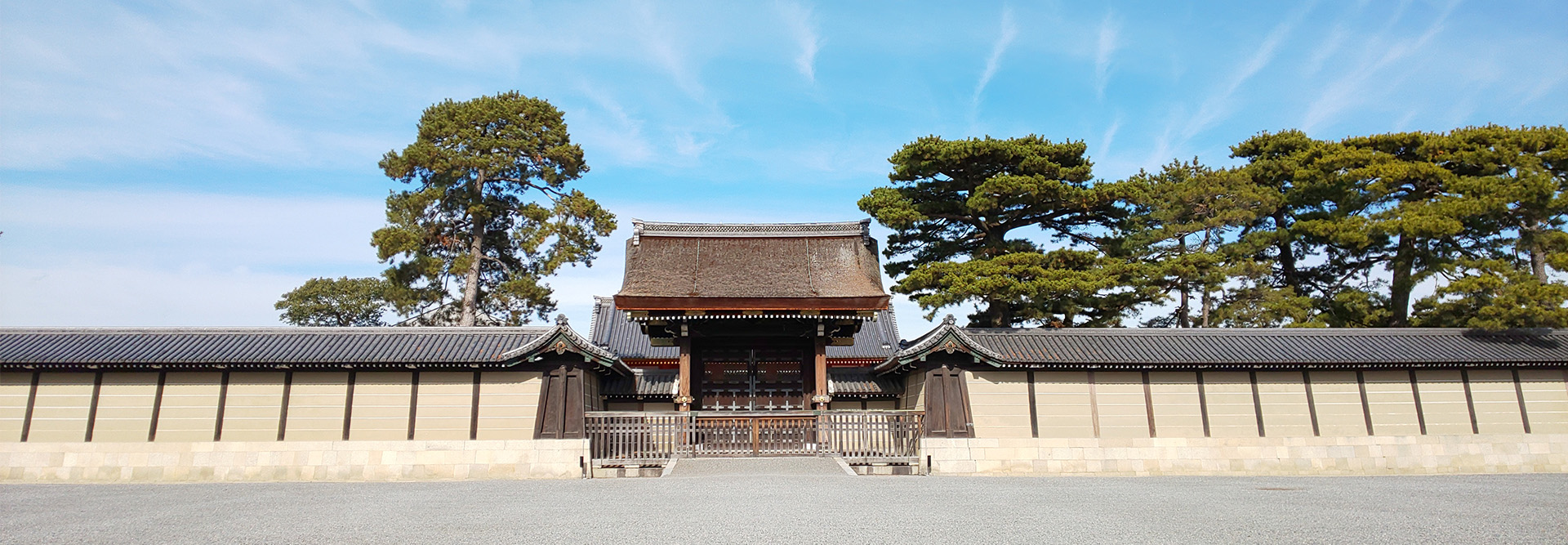
The large gates mark your transition from public park to imperial space. Their size and symmetry reflect a careful hierarchy of access: the larger and more ornate the gate, the higher the status of those who were once allowed to pass through.
Shishinden (Hall for State Ceremonies)
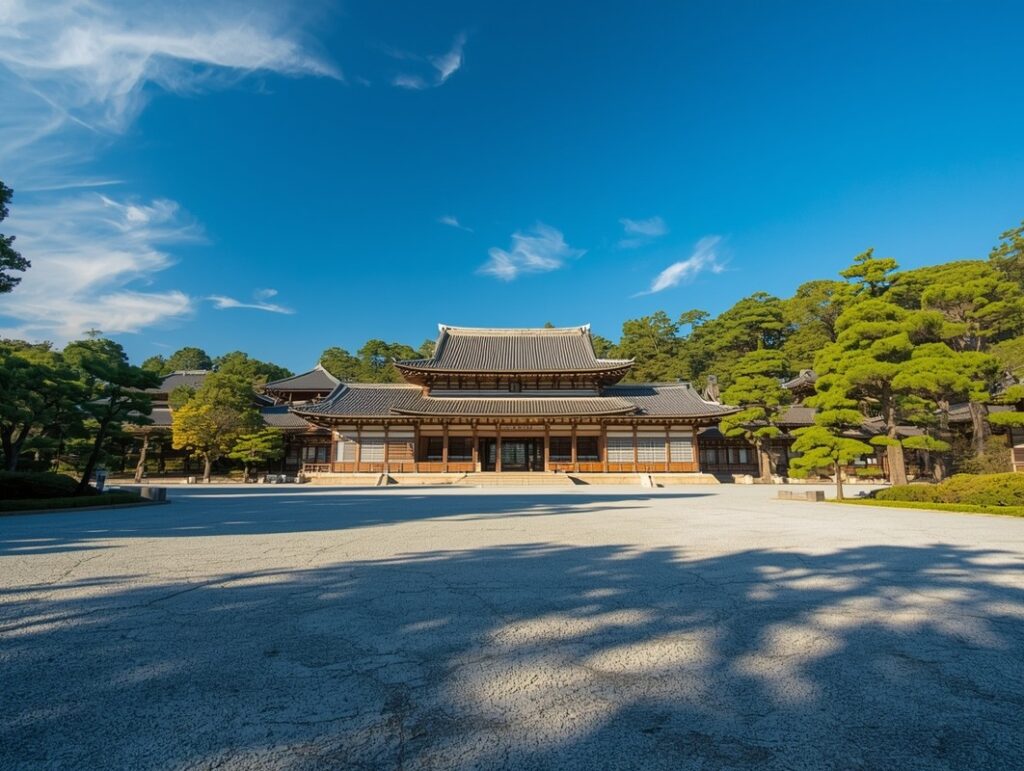
This is the symbolic heart of the palace. The Shishinden is a grand wooden hall set on a raised platform, fronted by a wide courtyard of white gravel that amplifies light and emphasizes formality. Historically, this is where emperors were enthroned and major national ceremonies took place.
From the outside, you can appreciate the cypress-bark roof, broad eaves and rhythmic lines of the pillars. On guided tours, you may be able to glimpse the interior from a distance, including the enthronement platform and embroidered curtains.
Inner Residential Areas
Surrounding the ceremonial halls are more intimate structures where the emperor and imperial family lived. While the innermost rooms are usually off-limits, their arrangement gives a sense of everyday life: quieter gardens, shaded corridors and small, carefully oriented verandas designed for catching breezes and views.
Imperial Gardens and Ponds
The gardens within the palace precinct are designed in the classic strolling style, encouraging you to move slowly and experience shifting compositions of water, stone and greenery. Features often include:
- Ponds with islands: Symbolic miniaturizations of ideal landscapes.
- Wooden bridges: Arched or flat, leading the eye across water.
- Pines and maples: Shaped over decades to frame key views.
- Gravel and moss: Contrasting textures that change with the light.
Each season offers a distinct mood—fresh green in early summer, fiery foliage in late autumn and quiet, monochrome beauty if you are lucky enough to visit on a snowy winter day.
Best Time to Visit Kyoto Imperial Palace
Kyoto can be very hot and humid in summer and quite cold in winter, so timing can greatly affect your experience.
Seasonal Considerations
- Spring (March–April): One of the most popular times. Cherry trees bloom in and around the park, especially along the paths in Kyoto Gyoen. Expect more visitors but gorgeous scenery.
- Early Summer (May–June): Fresh green foliage, manageable temperatures and often fewer crowds than cherry blossom season.
- Autumn (late October–November): Brilliant red and gold maple leaves in the gardens make this a photogenic time to visit.
- Winter (December–February): Quiet and atmospheric, with bare branches revealing architectural lines. Dress warmly; gravel and open courtyards can feel colder than the city streets.
Time of Day
Morning is usually the most pleasant, particularly in warmer months. Light is softer for photography and the broad gravel spaces are less crowded. Late afternoon can be beautiful too, with long shadows across the courtyards, but check closing times for the palace precinct in advance.
How to Get to Kyoto Imperial Palace
The palace lies almost exactly in the center of Kyoto, making access simple by public transport.
By Subway
- Karasuma Line: Take the subway to Imadegawa Station. The station is along the western side of Kyoto Gyoen; from Exit 3 or 4, it is a short walk to the park gates.
- Alternatively, you can use Marutamachi Station on the same line, which is closer to the southern edge of the park.
By Bus
Kyoto City Buses run frequently along major streets near the palace. Look for stops around Karasuma Imadegawa or Karasuma Marutamachi. Bus routes and numbers can change, so confirm using a current map app or at Kyoto Station’s tourist information center.
From Kyoto Station
- By subway: Take the Karasuma Line north from Kyoto Station to Marutamachi or Imadegawa (about 10–15 minutes).
- By taxi: A straightforward option if you have luggage or are in a group; the ride typically takes 15–20 minutes depending on traffic.
Admission, Tours and Opening Information
Regulations and access details can change, so always check the latest information before visiting. However, some general points are useful for planning:
- Kyoto Gyoen Park: Open to the public year-round and free of charge. You can enter the park from multiple gates and stroll without reservations.
- Palace Precinct: The inner palace grounds have designated opening hours and may close on certain days or for official functions.
- Tours: Guided tours, including English-language options, are often available at set times. Some periods require advance reservations; at other times, same-day registration may be possible.
Bring a passport or valid ID, as you may be asked to show it when registering for palace tours. Many visitors simply enjoy the palace from the outside and spend more time exploring the gardens, especially if their schedule is tight.
What to Expect During Your Visit
A typical visit to Kyoto Imperial Palace, including a relaxed walk through Kyoto Gyoen, takes around 1.5 to 2 hours. If you also tour nearby gardens or rest under the trees, you can easily spend half a day in the area.
Walking Surfaces and Accessibility
Much of the park and palace grounds are covered in fine gravel. This surface is gentle underfoot but can be tiring for some visitors. Wheelchairs and strollers can move on the main paths, though progress may be slower. Wear comfortable walking shoes and avoid narrow heels that sink into gravel.
Photography
Photography is generally allowed in outdoor areas of the park and palace, but flash and tripods may be restricted in certain zones. Signs will indicate any limitations; always follow staff instructions. Wide-angle shots work well for capturing the scale of the courtyards and halls.
Language Support
Information boards in the park and palace increasingly include English, and some tours are conducted in English or provide audio guidance. Even if you do not join a guided tour, simply walking the grounds offers a strong visual impression of Japan’s imperial past.
Cultural Etiquette and Tips
Although the emperor no longer lives here, the Kyoto Imperial Palace remains a deeply symbolic site. Observing simple etiquette will enrich your visit and show respect for local customs.
- Move quietly: Speak in low voices, especially near guided groups. The calm atmosphere is part of the experience.
- Follow paths: Stay on marked walkways and do not step into roped-off areas or onto manicured garden edges.
- Respect wooden structures: Avoid leaning on fragile railings or touching painted doors and carvings.
- No eating in sensitive areas: Picnics are fine in parts of Kyoto Gyoen, but not in the palace precinct itself. Use trash bins where provided or carry your rubbish with you.
- Dress modestly: There is no strict dress code, but covered shoulders and neat clothing feel appropriate for a former royal residence.
Combining the Palace with Nearby Sights
The central location of Kyoto Imperial Palace makes it easy to combine with other attractions in a single day.
Kamigamo and Shimogamo Shrines
To the north of the palace and park lie two of Kyoto’s oldest and most important Shinto shrines, both part of a UNESCO World Heritage listing. They are accessible by bus or a longer walk and allow you to compare courtly and religious architecture from similar eras.
Nijo Castle
Located to the southwest of the palace, Nijo Castle showcases the power and lifestyle of the shoguns who ruled alongside (and sometimes over) the imperial court. Visiting both sites gives insight into the dual structure of power in pre-modern Japan: symbolic authority at the palace and military authority at the castle.
Downtown Kyoto
From the palace, a short subway ride or walk takes you to central shopping and dining areas around Shijo and Kawaramachi. Many travelers visit the palace in the morning and then head downtown for lunch and a stroll along the Kamo River.
Practical Advice for First-Time Visitors
- Clothing: Wear comfortable shoes and bring a hat or umbrella for shade in summer; there is little shelter in the open courtyards.
- Water: Vending machines may be found in or near the park. Carry a drink, especially in warmer months.
- Restrooms: Public toilets are available in the park; use them before entering the palace precinct to avoid breaking up your visit.
- Children: The wide park paths are ideal for families. The historical buildings may be more appealing to older children interested in history or architecture.
- Weather: The palace is best enjoyed on dry days. In rain, the gravel can become slippery, and views are more limited, though the reflections on wet rooftops have their own charm.
Experiencing Kyoto’s Imperial Heritage
Kyoto Imperial Palace offers an accessible, unhurried way to connect with Japan’s long imperial story. Unlike more commercialized sites, it retains a quiet dignity: wide spaces, natural materials and a feeling of time layered gently over the landscape. For first-time visitors to Japan, walking through the palace grounds provides context for temples, shrines and gardens across Kyoto, revealing how deeply ideas of harmony, restraint and seasonal beauty run through Japanese culture.
Whether you join a guided tour or simply wander freely through Kyoto Gyoen, set aside a little extra time to sit on a bench, watch the play of light on gravel and rooftops, and imagine the lives of courtiers who once moved, silently and ceremonially, across the same ground.

Access Map
Recommended spots in Kyoto
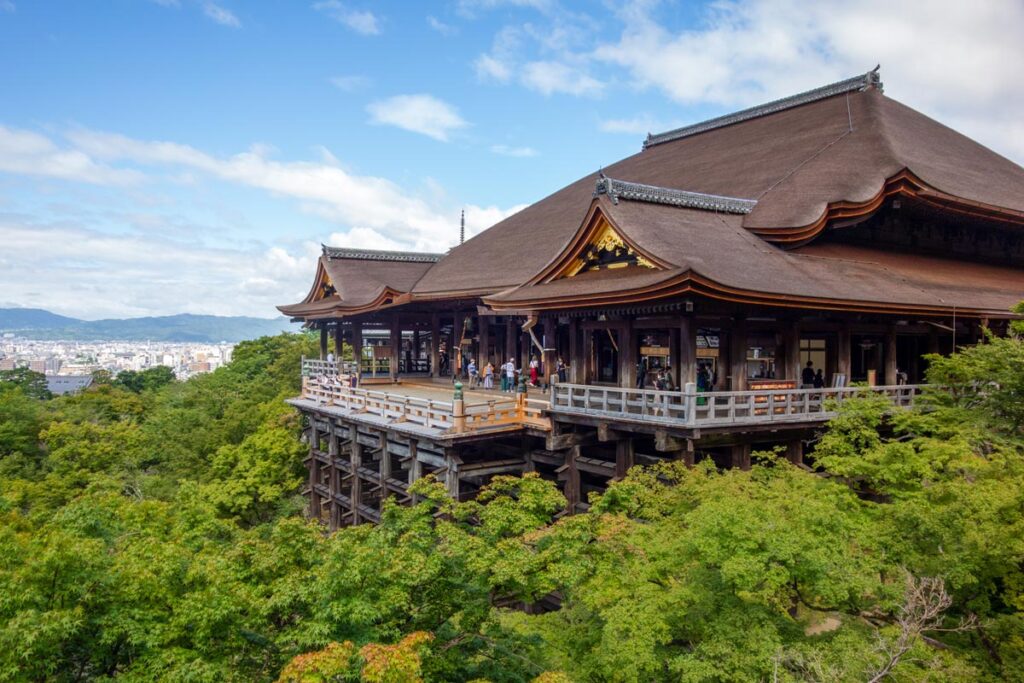
Kiyomizu-dera
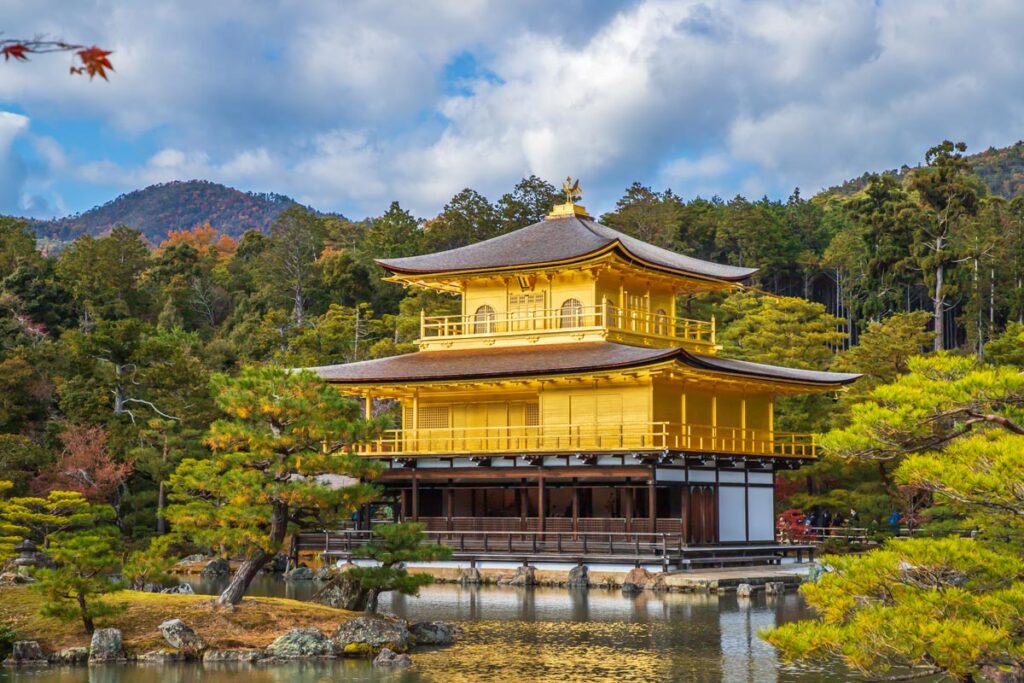
Kinkaku-ji
(Golden Pavilion)
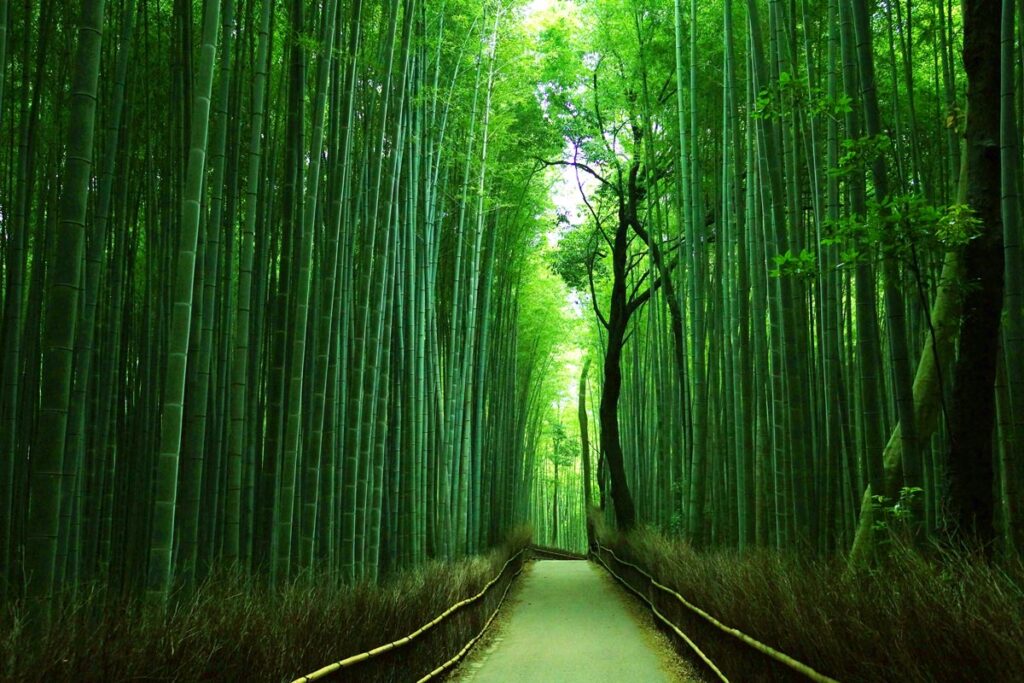
Arashiyama
Bamboo Grove
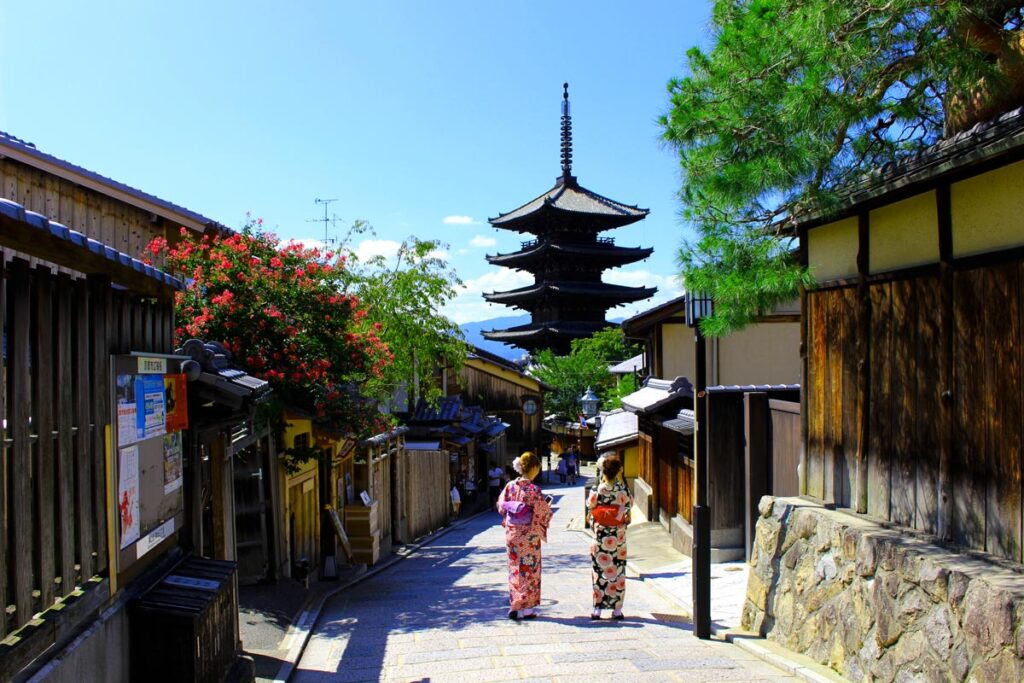
Gion
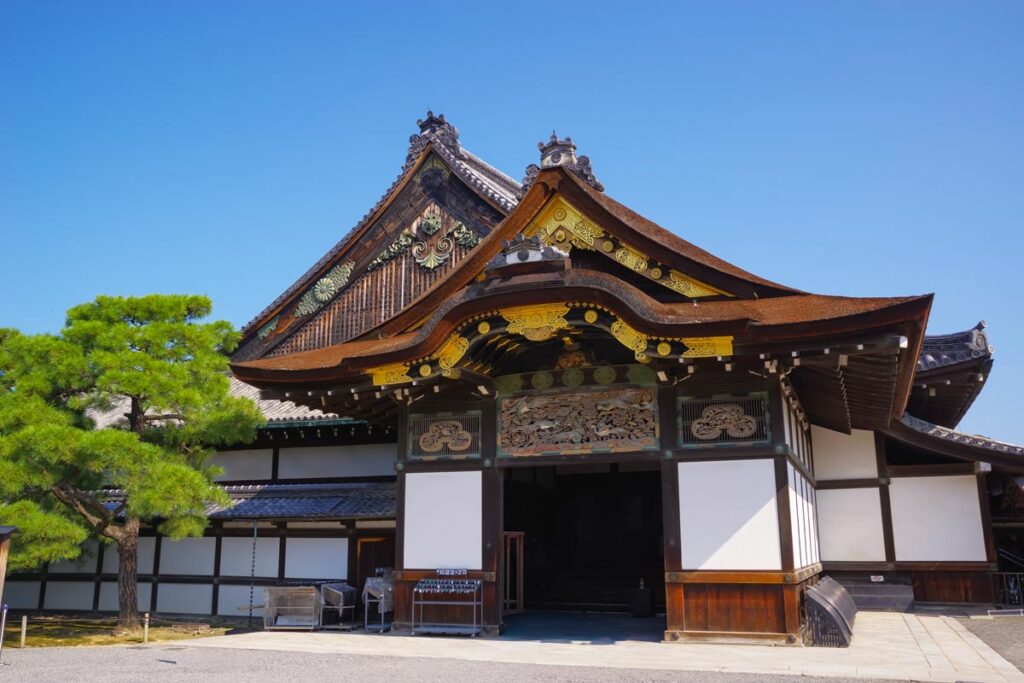
Nijo Castle
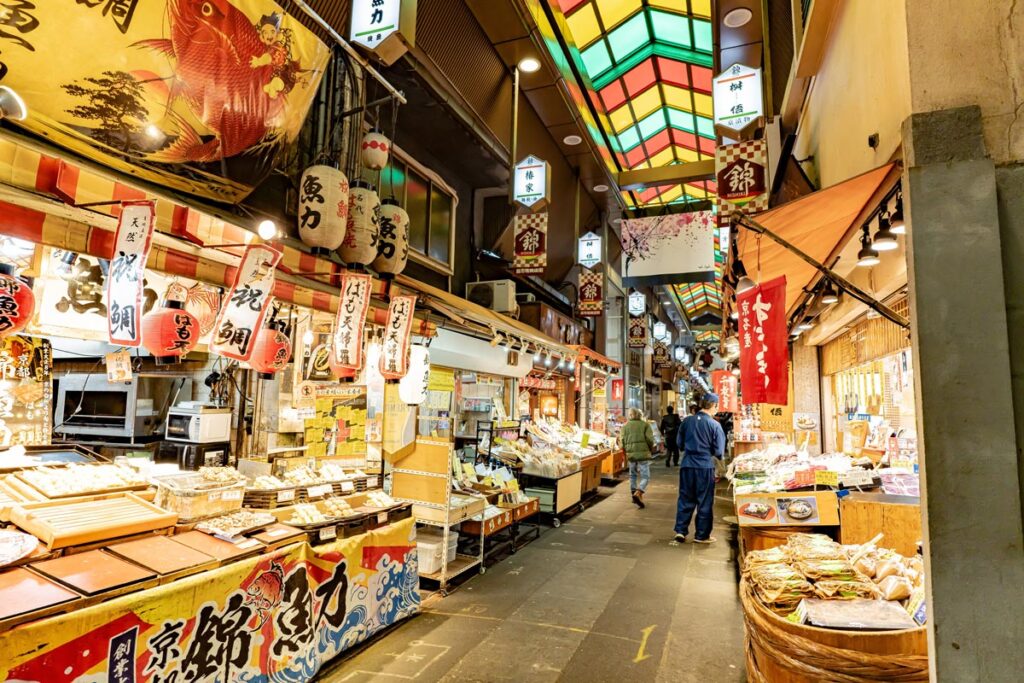
Nishiki Market
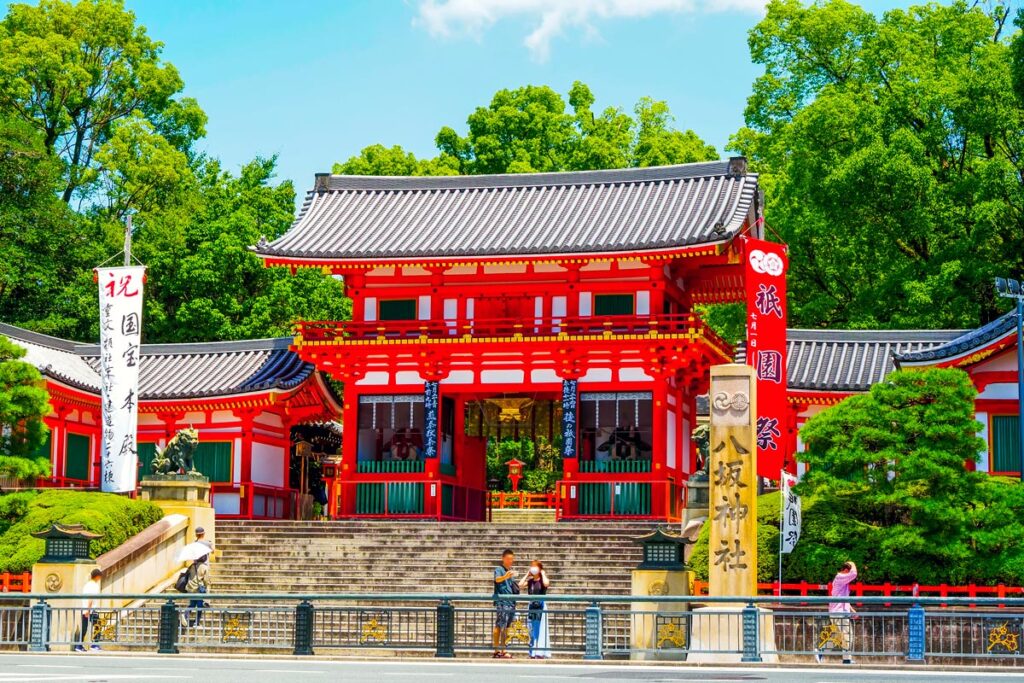
Yasaka Shrine
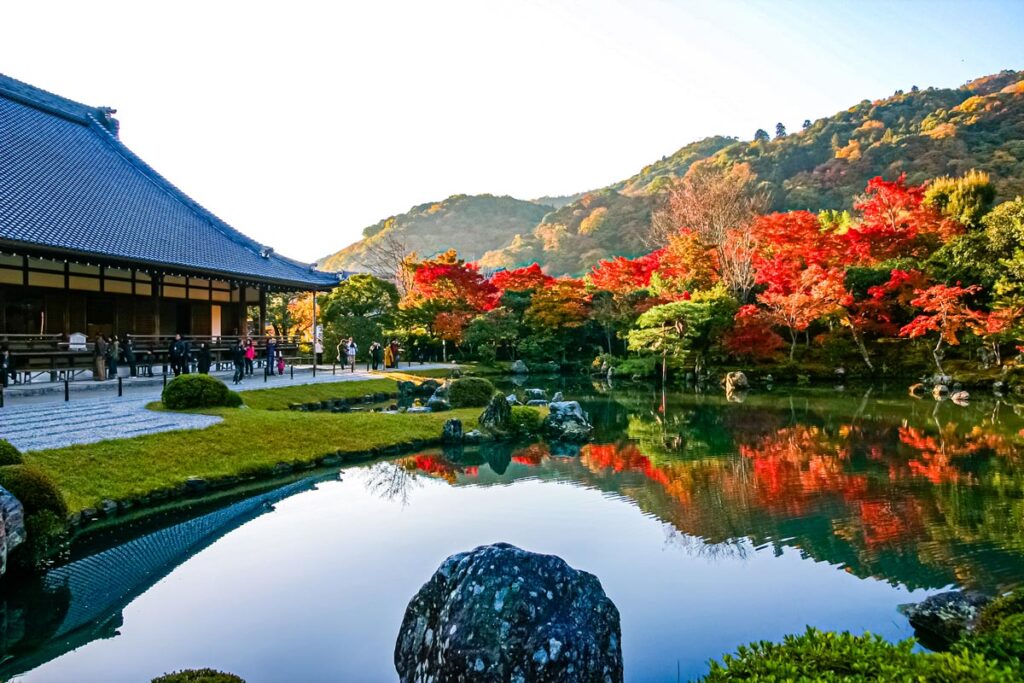
Tenryu-ji
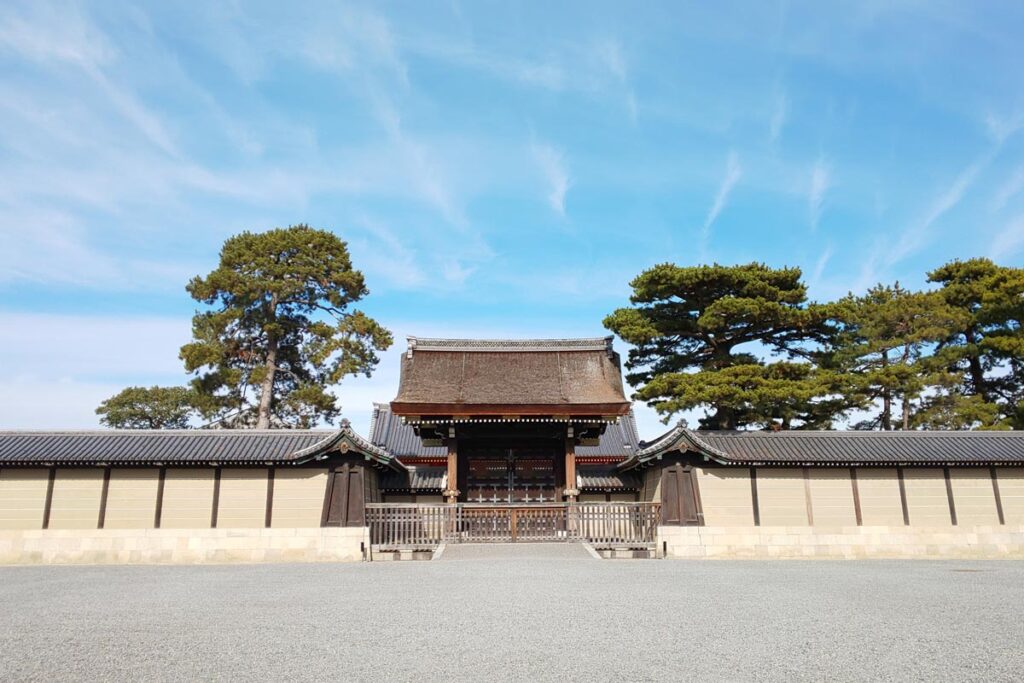
Kyoto Imperial Palace
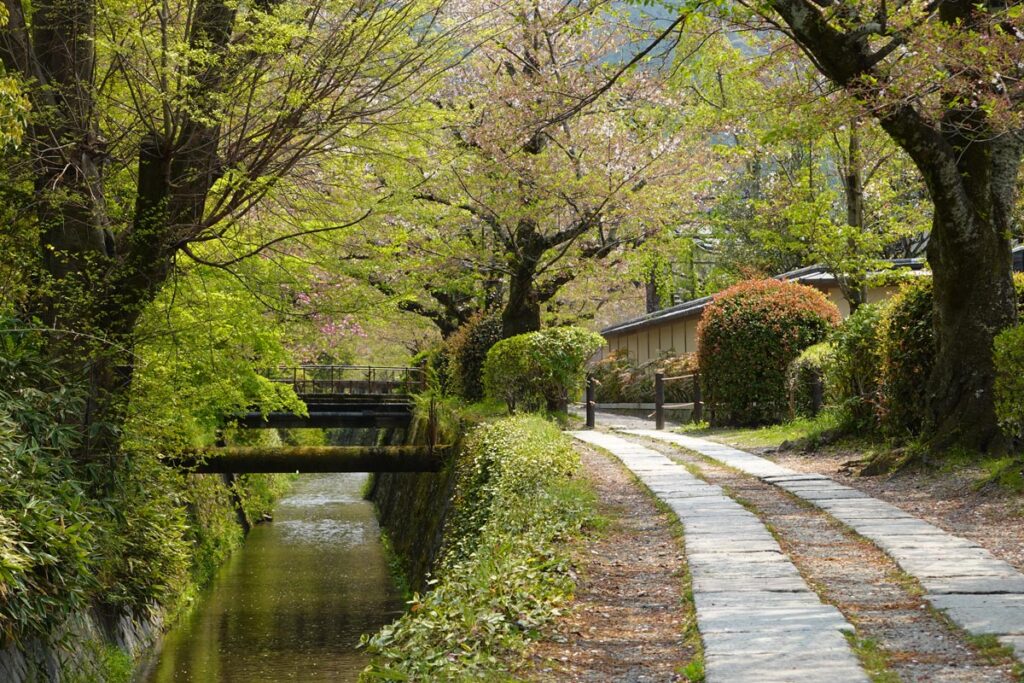
Philosopher's Path
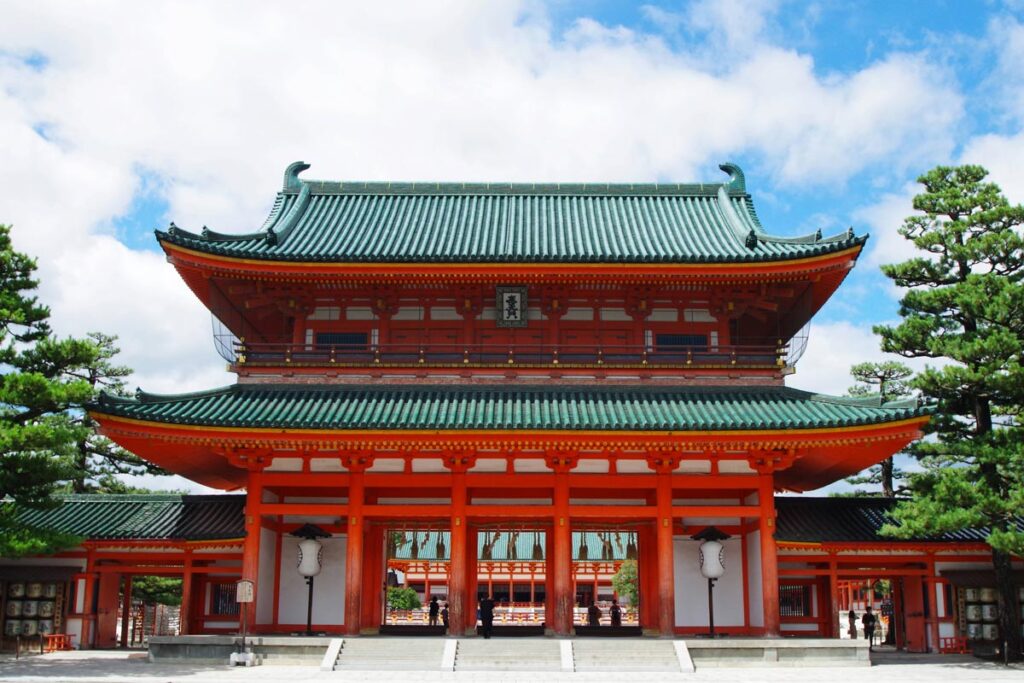
Heian Jingu
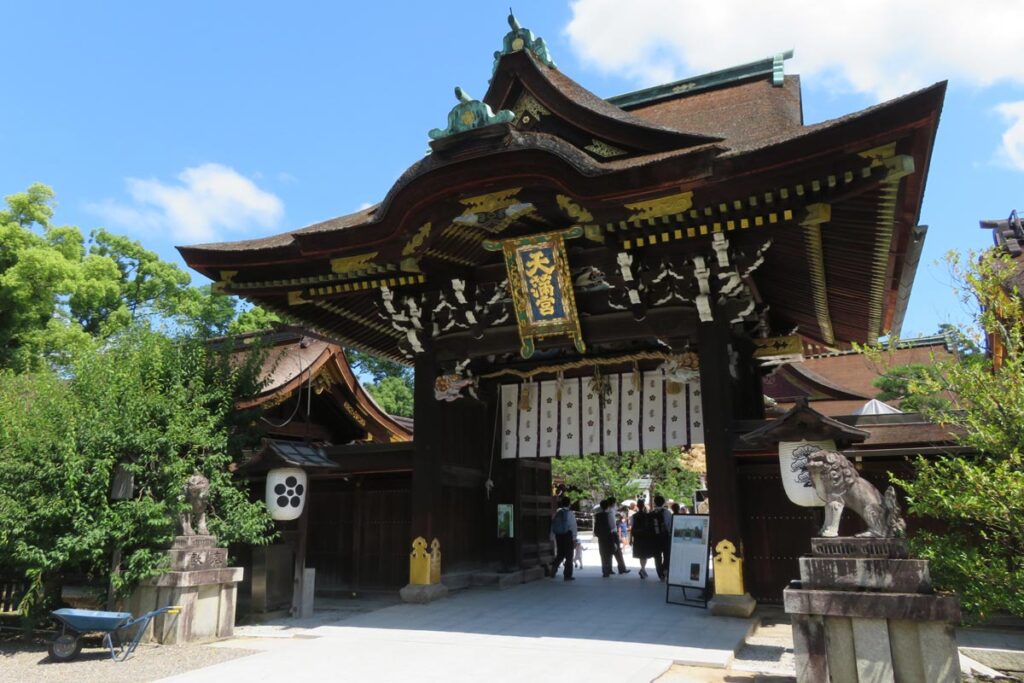
Kitano Tenmangu
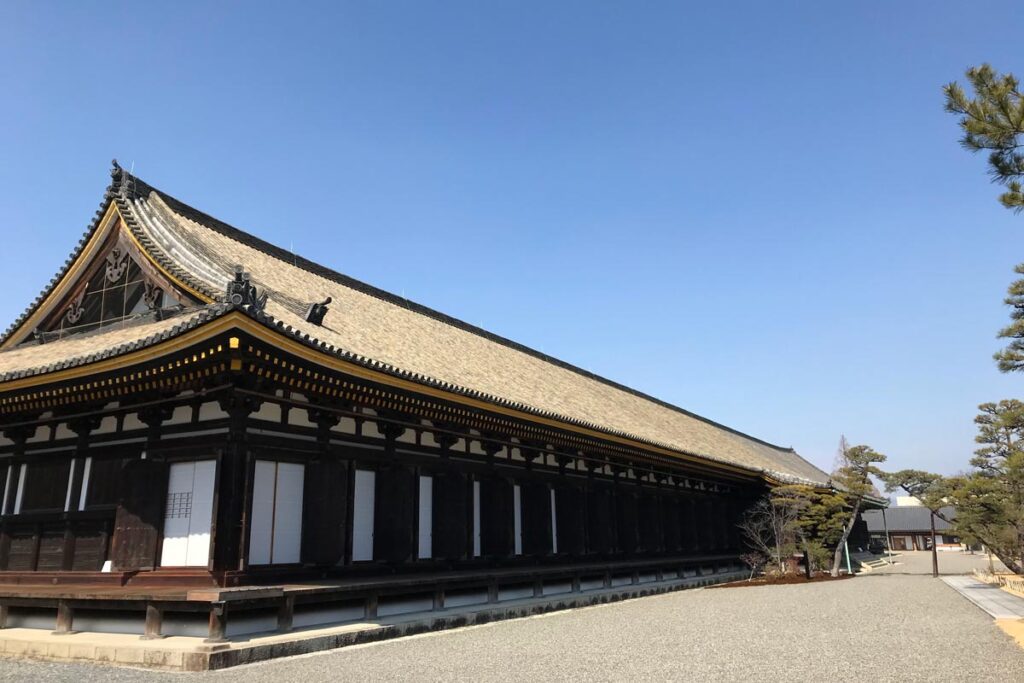
Sanjusangendo
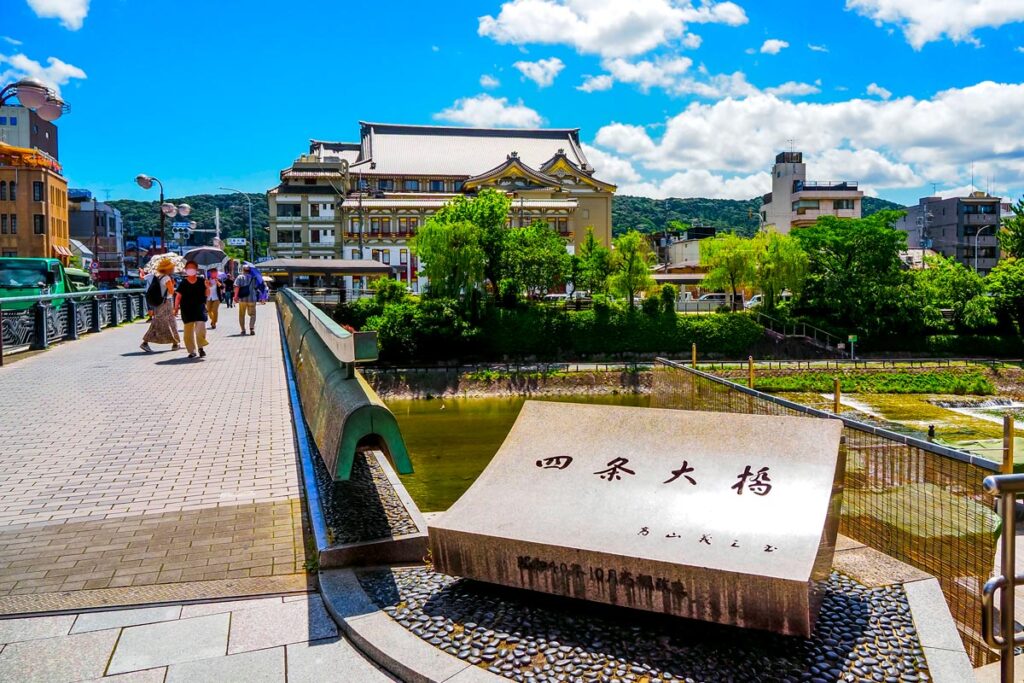
Kamo River
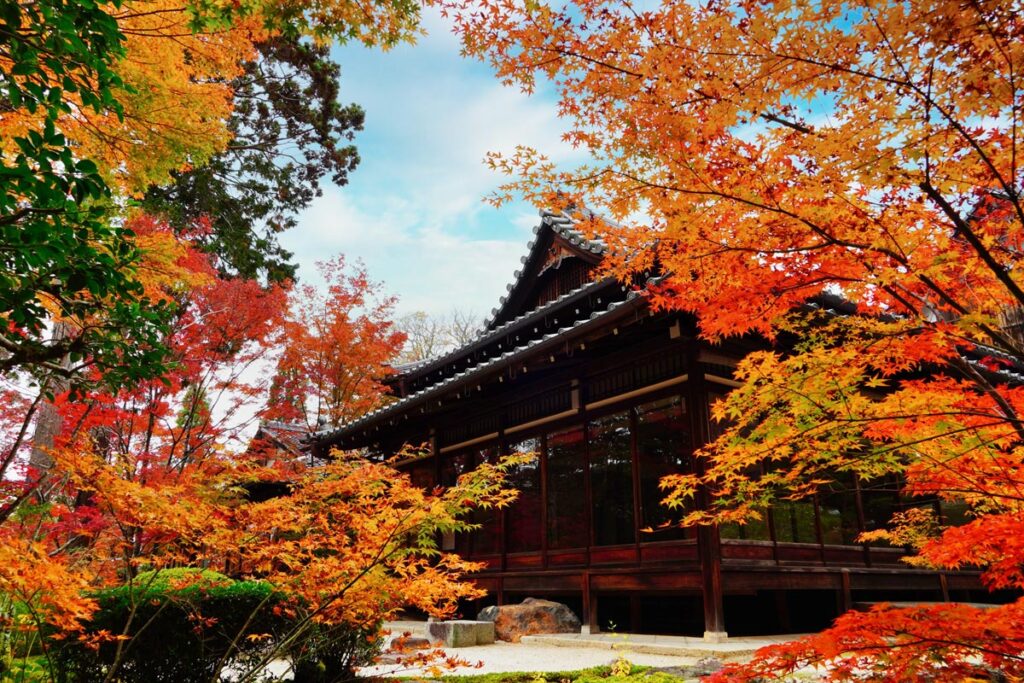
Nanzen-ji
Tofuku-ji
Kyoto International Manga Museum