
Heian Jingu
Heian Jingu Shrine: A First-Time Visitor’s Guide to Kyoto’s Imperial Heart
Photos are for illustrative purposes only.
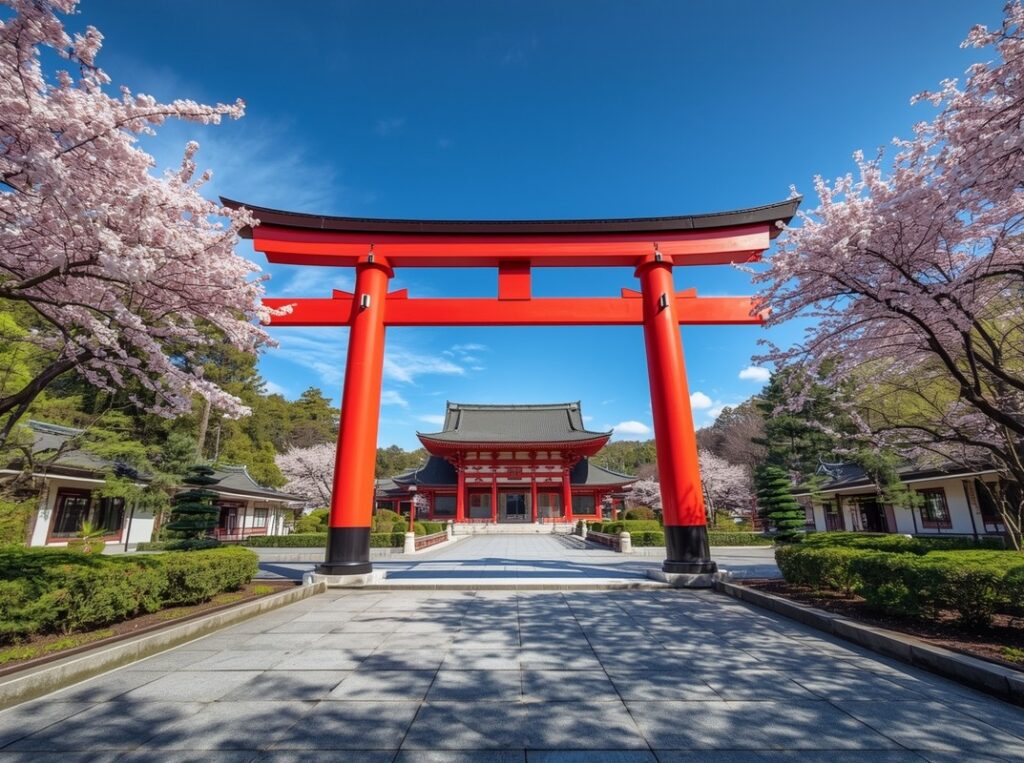
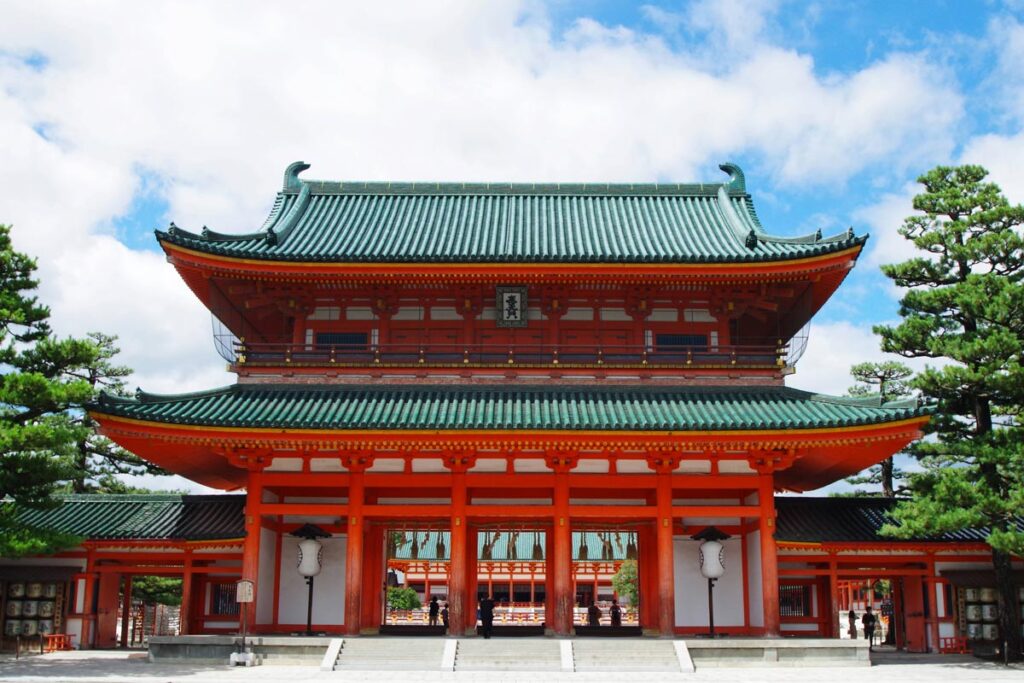
Heian Jingu is one of Kyoto’s most photogenic shrines: a vast vermilion complex with sweeping courtyards, elegant gardens, and a towering torii gate that seems to welcome you into another era. For first-time visitors to Japan, this shrine offers an easy and beautiful introduction to Kyoto’s imperial past, traditional architecture, and seasonal beauty.
What Is Heian Jingu?
Heian Jingu (平安神宮) is a Shinto shrine built in 1895 to commemorate the 1,100th anniversary of Kyoto’s founding as the imperial capital (then called Heian-kyo). Unlike many of Kyoto’s temples and shrines, it is relatively modern, yet it faithfully recreates the style of the ancient Imperial Palace from the 8th–12th centuries.
The shrine is dedicated to two emperors linked to Kyoto’s history: Emperor Kanmu, who moved the capital to Heian-kyo in 794, and Emperor Komei, the last emperor to reside in Kyoto before the capital shifted to Tokyo. Visiting Heian Jingu is therefore like walking through a symbolic gateway between Kyoto’s imperial past and modern Japan.
Why Visit Heian Jingu?
Heian Jingu is less crowded than some of Kyoto’s more famous shrines, yet it offers dramatic architecture and peaceful gardens. It’s also conveniently located near major museums and scenic walking routes, making it an ideal stop on a Kyoto day of culture and nature.
Highlights at a Glance
- Iconic giant vermilion torii gate marking the approach to the shrine
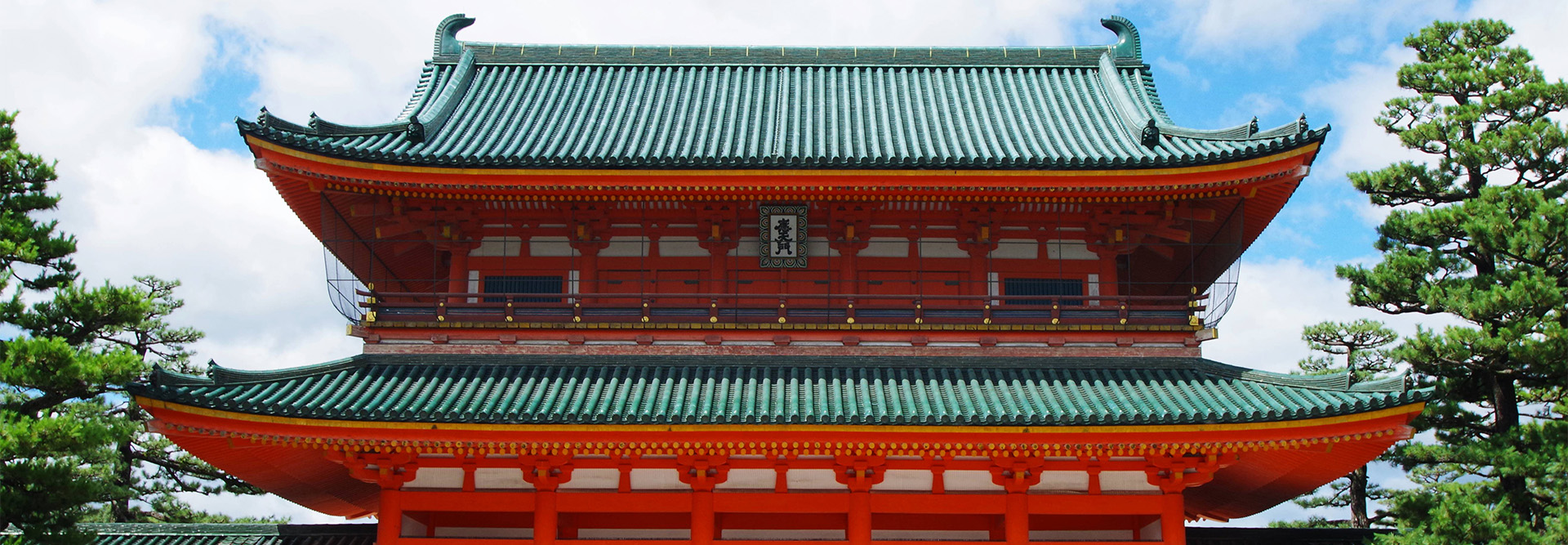
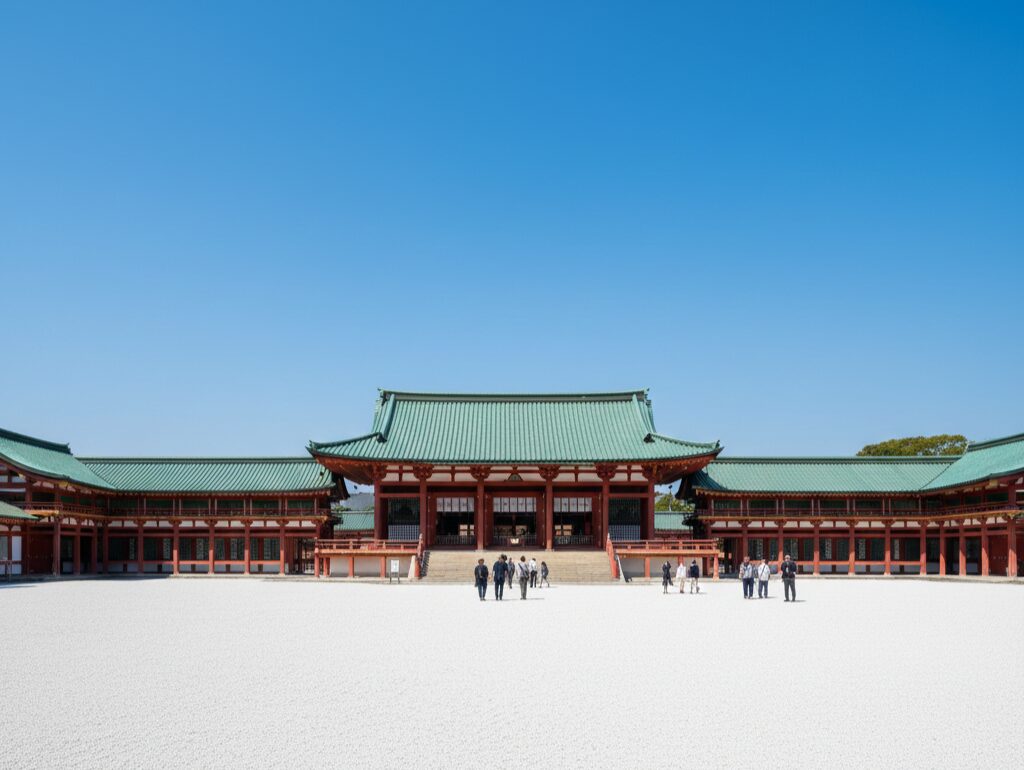
- Expansive courtyard and photogenic shrine buildings in distinctive green and orange
- Beautiful landscape gardens with ponds, stepping stones, and seasonal flowers
- Important cultural festivals, including the Jidai Matsuri historical procession
- Easy access from central Kyoto and close proximity to museums and the Philosopher’s Path
Approaching the Shrine: The Giant Torii Gate
Most visitors first encounter Heian Jingu via its towering torii gate, one of the largest in Japan. Standing over the broad Jingu-michi avenue, this vivid orange gate is unmissable and makes a striking photo spot.
Torii gates mark the border between the everyday world and sacred space. Passing beneath this immense gate, with the mountains in the background and the shrine straight ahead, creates a tangible sense of leaving the city behind and entering a calm spiritual zone, even though you are still in the middle of Kyoto.
Exploring the Main Shrine Grounds
After walking through the smaller front torii and stone approach, you will reach the main courtyard. This vast gravel space is framed by vermilion-pillared corridors and buildings. It is a partial replica of the ancient Imperial Palace’s main hall complex, built at about two-thirds of the original size.
Photographing the Courtyard
The view from the southern side of the courtyard, looking toward the main hall (Daigokuden), is one of Kyoto’s signature scenes. The white gravel, bold colors, and perfect symmetry make for dramatic photos in any season. For fewer people in your photos, try visiting early in the morning or toward closing time.
Respectful Shrine Etiquette
As a working Shinto shrine, Heian Jingu is not just a tourist attraction but a place of worship. When you visit, it is customary to:
- Walk to the side of the path rather than directly in the center, which is considered the “path of the gods.”
- Purify your hands and mouth at the chozuya (water basin) before approaching the main hall.
- At the main offering hall, toss a coin into the box, bow twice, clap your hands twice, pray silently, then bow once more.
Doing this is not mandatory, but it is a meaningful way to participate in local culture and observe how Japanese visitors pay their respects.
The Heian Jingu Gardens: A Tranquil Escape
Behind the main shrine complex lie Heian Jingu’s strolling gardens, collectively known as Shin-en. These beautifully designed gardens surround large ponds and are divided into four sections oriented toward the cardinal directions. They require a small additional entrance fee, but they are well worth the visit.
What to Expect in the Gardens
Inside the gardens, the atmosphere shifts from the open formality of the courtyard to a tranquil, enclosed world of greenery and water. Winding paths lead you past:
- Serene ponds with koi carp and turtles
- Stepping stones across the water, popular for photos
- Elegant bridges, including the famous Taigetsukyo Bridge
- Seasonal plantings such as cherry blossoms, irises, and maples
On calm days, the reflections of the bridges and trees in the water create an almost painterly scene. Benches and rest spots invite you to slow down and linger, an experience that can be rare on a packed sightseeing schedule.
Seasonal Highlights
Heian Jingu’s gardens are especially known for:
- Spring (late March–April): The gardens are famous for their weeping cherry trees (shidare-zakura), whose cascading blossoms form delicate pink curtains over the water. If you miss the main cherry blossom season elsewhere in Kyoto, Heian Jingu’s slightly later-blooming varieties can be a second chance to see sakura.
- Early Summer (May–June): Irises and fresh green leaves create a lush, cooling atmosphere, welcome as temperatures rise.
- Autumn (November): Japanese maples and other trees turn brilliant shades of red, orange, and gold. Reflections in the ponds make it particularly photogenic during koyo (autumn foliage) season.
Cultural Events and Festivals
Throughout the year, Heian Jingu plays host to several important cultural events. If your visit coincides with a festival, you’ll gain an even deeper sense of Kyoto’s traditions.
Jidai Matsuri (Festival of the Ages)
Held annually on October 22, Jidai Matsuri is one of Kyoto’s three great festivals. A grand historical procession of hundreds of participants in meticulously reproduced costumes—samurai, nobles, commoners, and even famous historical figures—leaves the Kyoto Imperial Palace and ends at Heian Jingu.
The parade is like a living timeline of Kyoto’s history, with outfits and accessories that have been carefully researched and recreated. Watching it offers a vivid lesson in Japanese history, even if you don’t understand the commentary. If you plan to attend, arrive early to secure a good viewing spot along the route.
Seasonal Ceremonies and Illuminations
At certain times of year, especially during cherry blossom and autumn foliage seasons, Heian Jingu sometimes hosts evening light-ups or special events in the gardens. These can be incredibly atmospheric, contrasting the historic architecture with modern lighting. Check local tourist information centers or official shrine notices in Kyoto for current schedules when you visit.
How to Visit: Location and Access
Heian Jingu is located in the Okazaki area of eastern Kyoto, a district known for its culture, museums, and riverside scenery. It is easy to reach by bus, subway, or taxi from Kyoto Station or central Kyoto.
Access by Public Transport
- From Kyoto Station: Take a city bus bound for the Okazaki or Higashiyama area (for example, buses that stop near “Okazaki Koen / Heian Jingu-mae”). The ride takes about 20–30 minutes depending on traffic.
- By Subway: Take the Tozai Line to Higashiyama or Keage Station. From either station, it is around a 10–15 minute walk to the shrine, along pleasant streets, canals, and park areas.
- By Taxi: Taxis are plentiful in Kyoto. A ride from Kyoto Station usually takes 15–20 minutes depending on traffic and is convenient if you are traveling with luggage or in a group.
Opening Hours and Admission
Heian Jingu’s main shrine grounds are generally open from early morning until late afternoon or early evening. The exact times can vary slightly by season, so confirm locally if you visit at the very beginning or end of the day.
Admission to the main courtyard and front shrine area is typically free. However, there is a separate entrance fee for the Shin-en gardens. The gardens have specific opening hours which can also vary seasonally, often closing earlier in winter when daylight is shorter.
It is wise to allocate at least 60–90 minutes for your visit if you plan to enter the gardens and walk the grounds at a relaxed pace.
What to Wear and Bring
Heian Jingu involves a fair amount of walking on gravel, stone paths, and garden trails, so comfortable walking shoes are essential. Most of the grounds are outdoors, with limited shade in the main courtyard, so consider:
- A hat or sun protection in summer
- A light jacket in spring and autumn
- Warm layers and gloves in winter, as the open courtyard can feel chilly
Photography is allowed in most outdoor areas, but refrain from using flash or entering clearly restricted zones. If you plan to take many photos of the gardens, visiting in the morning often provides softer light and fewer crowds.
Nearby Attractions and Suggested Itineraries
Heian Jingu is perfectly positioned for a full day of sightseeing in eastern Kyoto. You can easily combine your visit with museums, temples, and scenic walks.
Within Walking Distance
- Kyoto City KYOCERA Museum of Art: One of Japan’s oldest public art museums, located near the giant torii gate. Exhibits range from traditional Japanese art to contemporary works.
- National Museum of Modern Art, Kyoto (MOMAK): Features modern and contemporary art from Japan and abroad, ideal for art lovers.
- Okazaki Park and Canal: A pleasant area with tree-lined canals and boat rides in certain seasons, especially beautiful during cherry blossom time.
- Nanzen-ji Temple: A short walk to the southeast, this large Zen temple complex features a massive wooden gate, sub-temples, gardens, and an iconic brick aqueduct.
Connecting to the Philosopher’s Path
From Heian Jingu, you can walk northeast to reach the southern end of the Philosopher’s Path, a stone path that follows a narrow canal lined with cherry trees. This scenic route connects to Ginkaku-ji (the Silver Pavilion) and passes by small temples, cafes, and craft shops along the way.
Planning a route that includes Heian Jingu, Nanzen-ji, and the Philosopher’s Path makes for a classic Kyoto day combining shrines, temples, gardens, and local neighborhoods.
Cultural Tips for First-Time Visitors
Understanding a few cultural basics will make your visit to Heian Jingu more comfortable and respectful.
- Quietness and Behavior: Keep your voice low in shrine precincts. Avoid blocking paths or standing on areas that are roped off, even if it seems like a good photo spot.
- Food and Drink: Eating and drinking in the main worship areas is generally discouraged. Save snacks for outside the shrine grounds or designated rest areas.
- Offerings and Charms: Near the main hall, you can purchase omamori (protective charms), ema (wooden prayer plaques), and other shrine items. Writing a wish on an ema and hanging it at the shrine is a common practice among visitors.
- Language: Basic English is often understood at the information counters and by some staff, but not everywhere. Simple phrases like “sumimasen” (excuse me) and “arigato gozaimasu” (thank you) are appreciated.
Making the Most of Your Visit
For first-time travelers to Japan, Heian Jingu is a gentle introduction to Shinto traditions, Kyoto history, and Japanese garden design. To enjoy it fully:
- Visit the main courtyard, but also budget time and money for the gardens.
- Pause to observe how Japanese visitors pray and participate in rituals.
- Combine your visit with nearby art museums or a walk along the canal to experience Kyoto’s balance of culture and nature.
Whether you come during cherry blossom season, under the deep green of summer, or amid blazing autumn leaves, Heian Jingu offers a memorable, peaceful counterpart to Kyoto’s busier temples and streets. It is a place where Japan’s imperial past, spiritual present, and natural beauty all quietly meet.

Access Map
Recommended spots in Kyoto
Kiyomizu-dera
Kinkaku-ji
(Golden Pavilion)
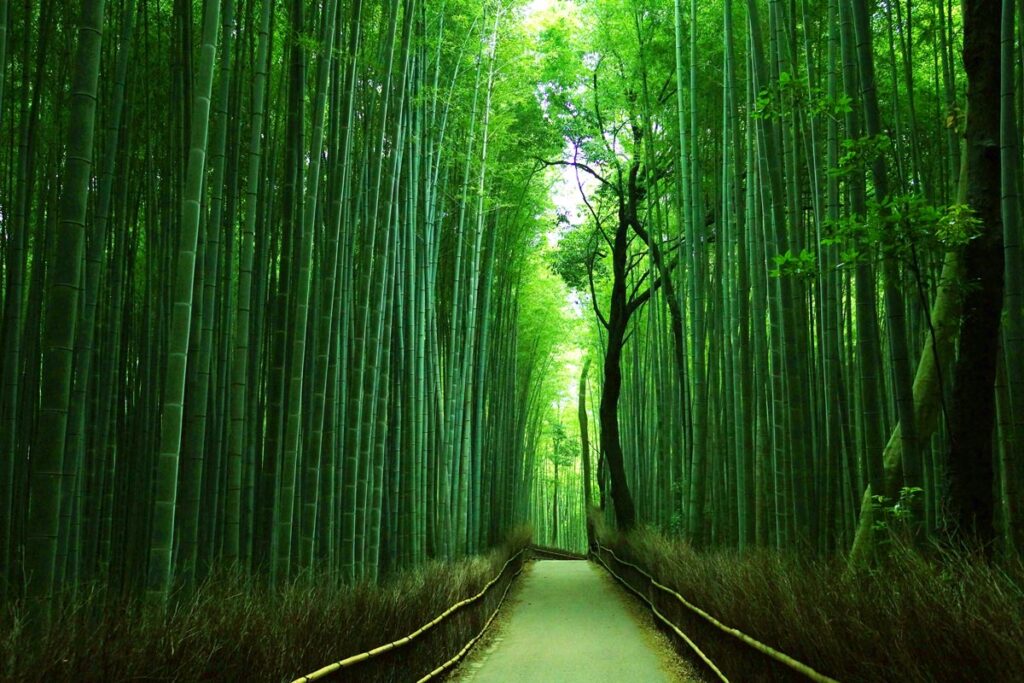
Arashiyama
Bamboo Grove
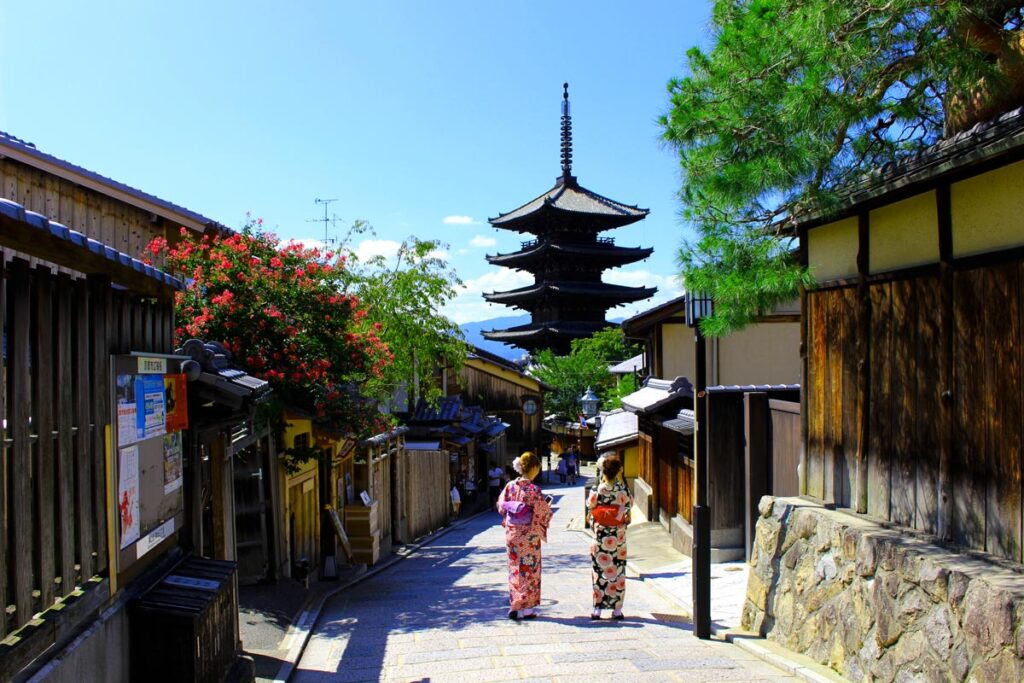
Gion
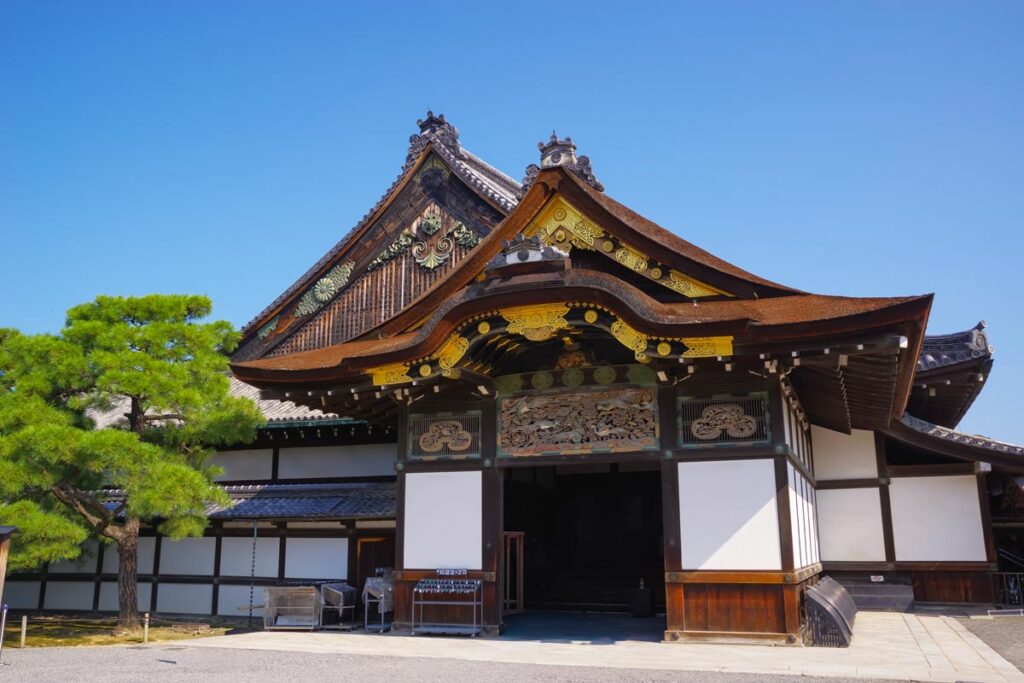
Nijo Castle
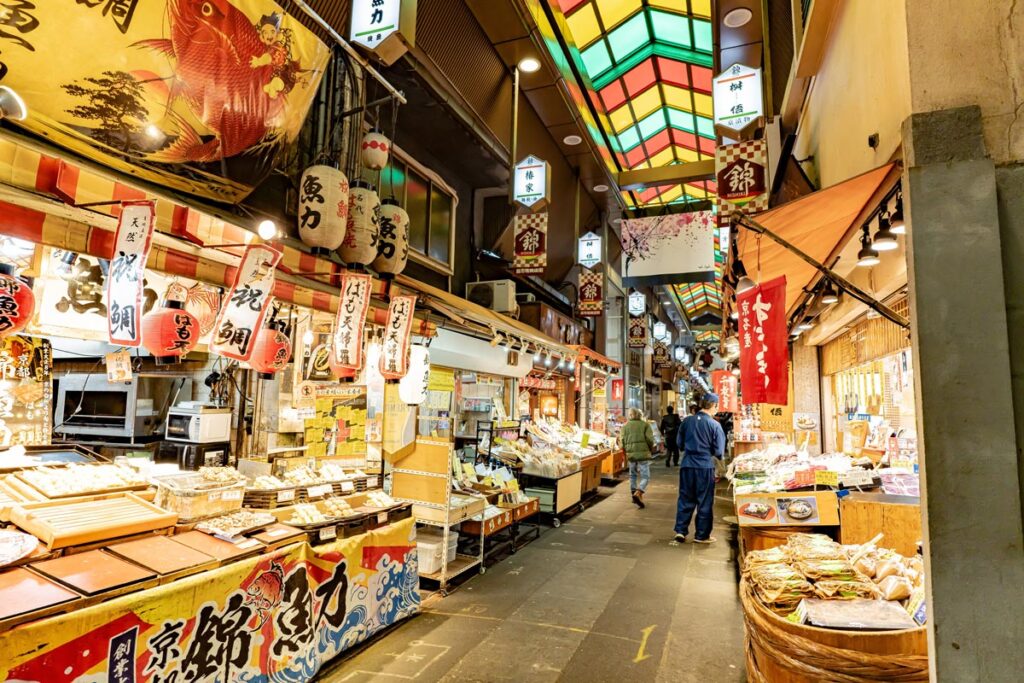
Nishiki Market
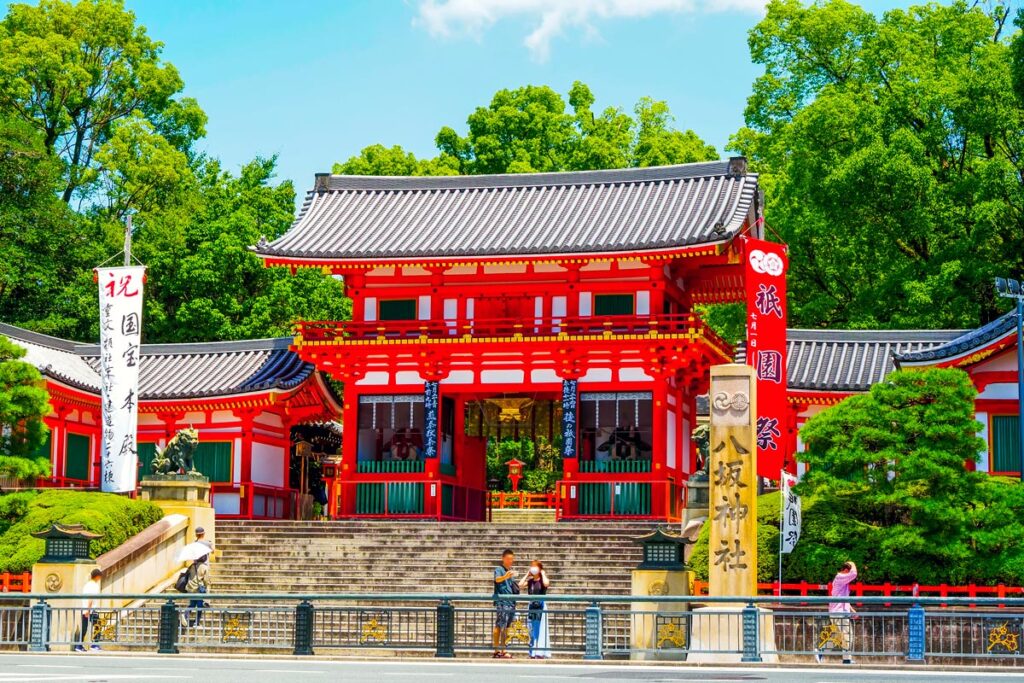
Yasaka Shrine
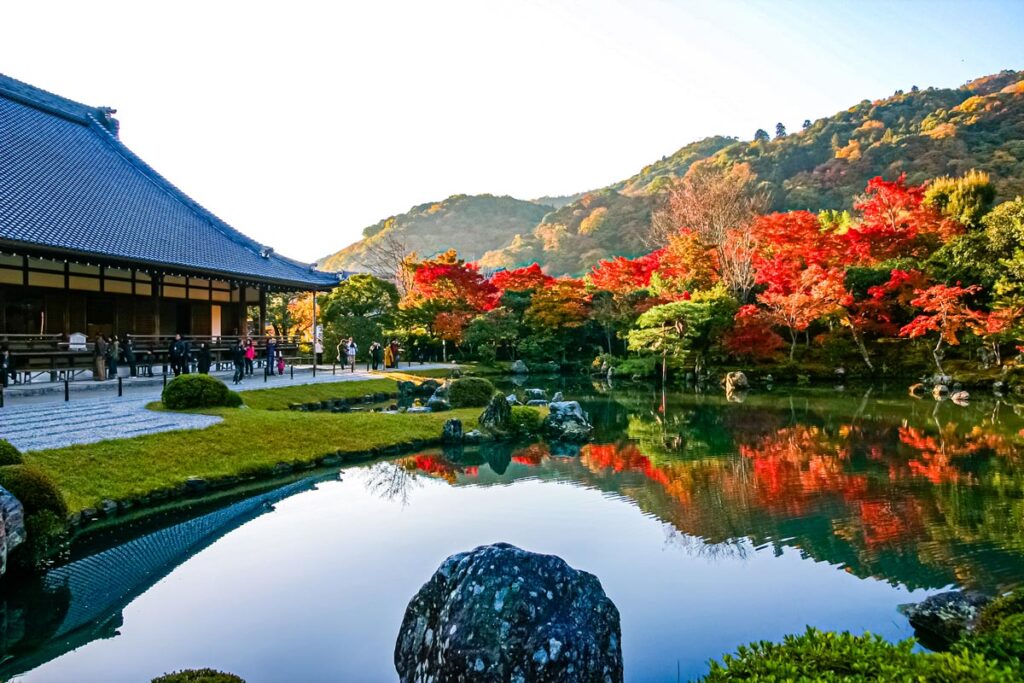
Tenryu-ji
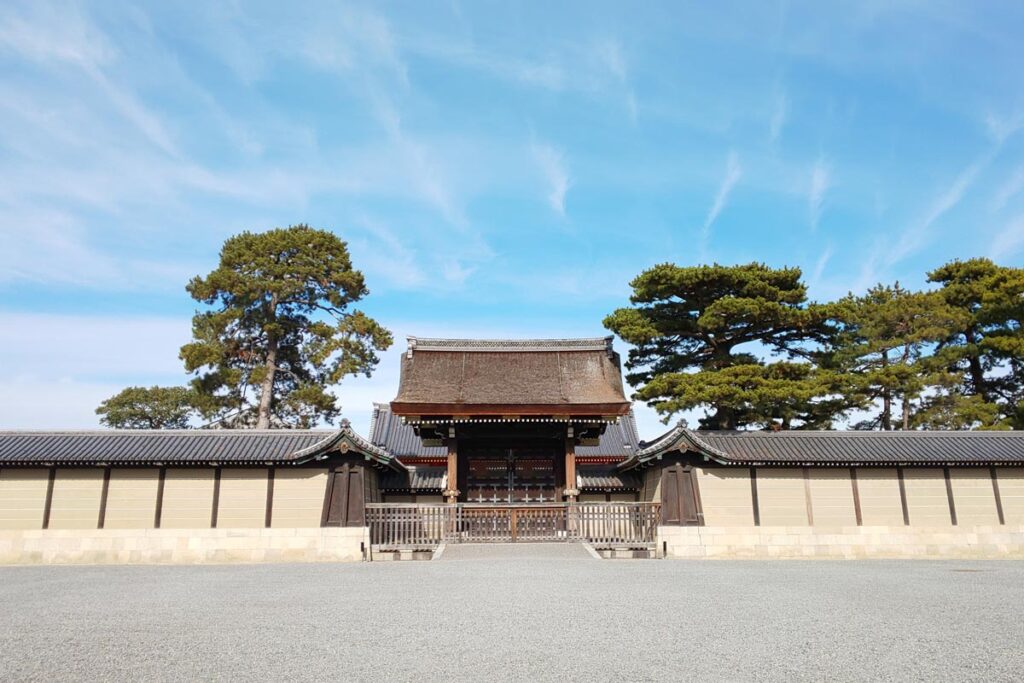
Kyoto Imperial Palace
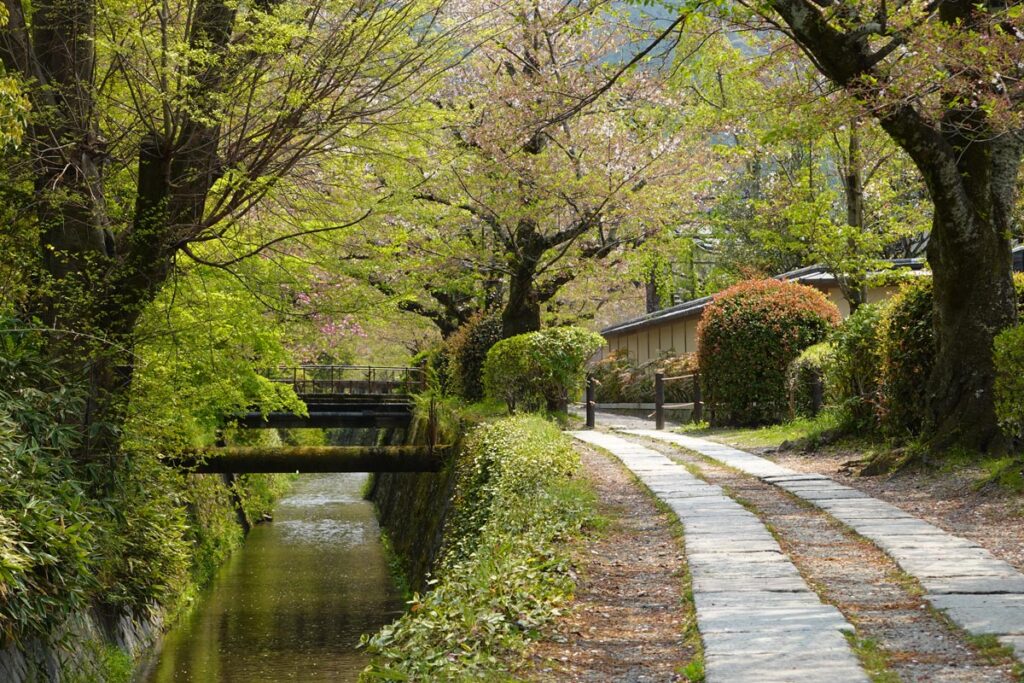
Philosopher's Path
Heian Jingu
Kitano Tenmangu
Sanjusangendo
Kamo River
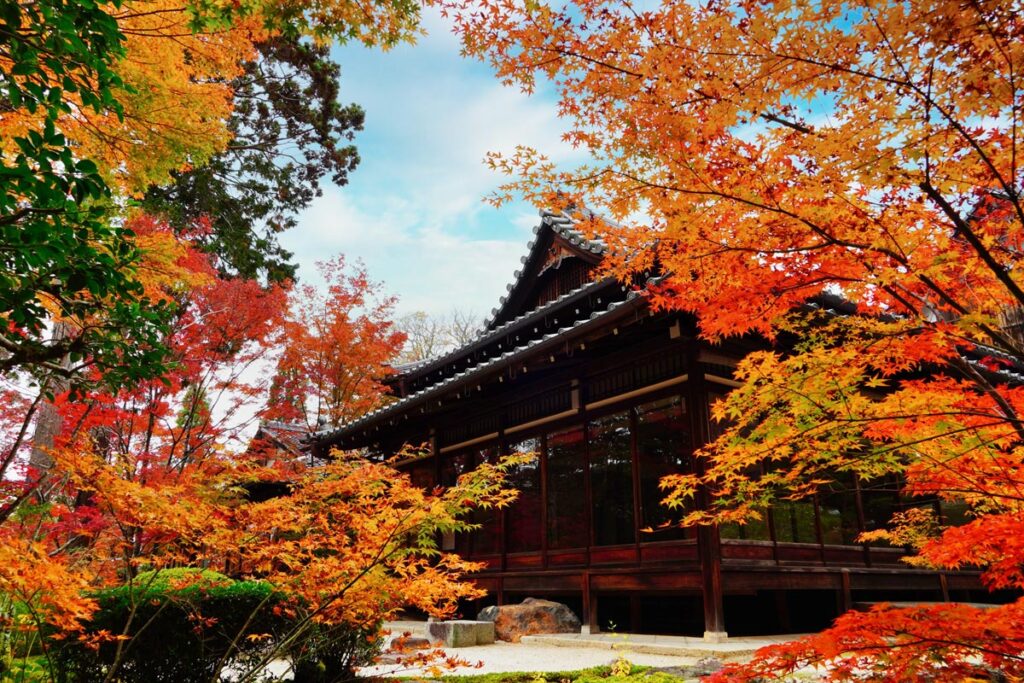
Nanzen-ji
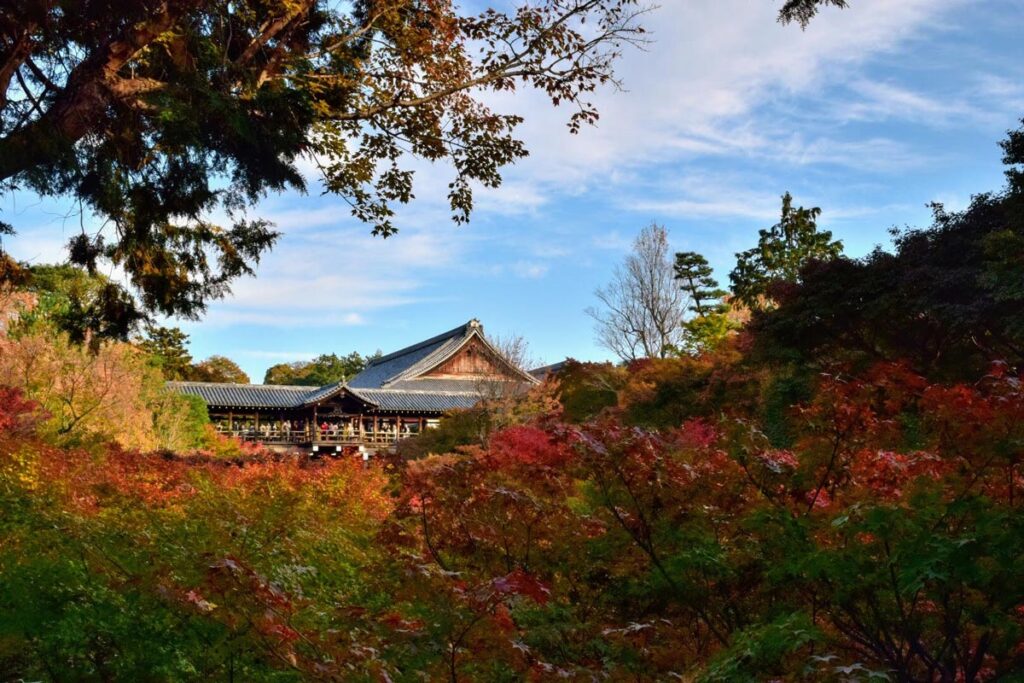
Tofuku-ji
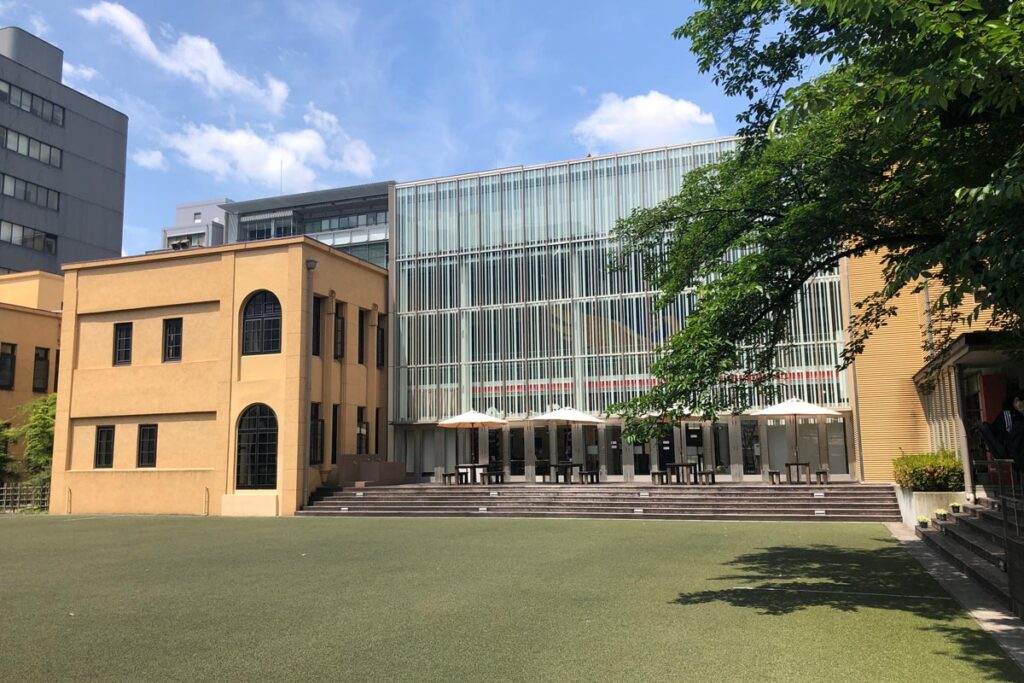
Kyoto International Manga Museum