
Kamo River
Kamo River & Shijo Bridge: A First‑Timer’s Guide to Kyoto’s Riverside Heart
Photos are for illustrative purposes only.
If you want to feel the everyday rhythm of Kyoto, start at the Kamo River and Shijo Bridge. Temples and shrines showcase the city’s history, but this riverside area reveals how locals actually live: students practicing music, couples watching the sunset, families picnicking under cherry blossoms, and office workers unwinding after work. For first-time visitors to Japan, it’s one of the easiest places to slip into local life within minutes of arriving.
Where You Are: Kyoto’s Natural Main Street
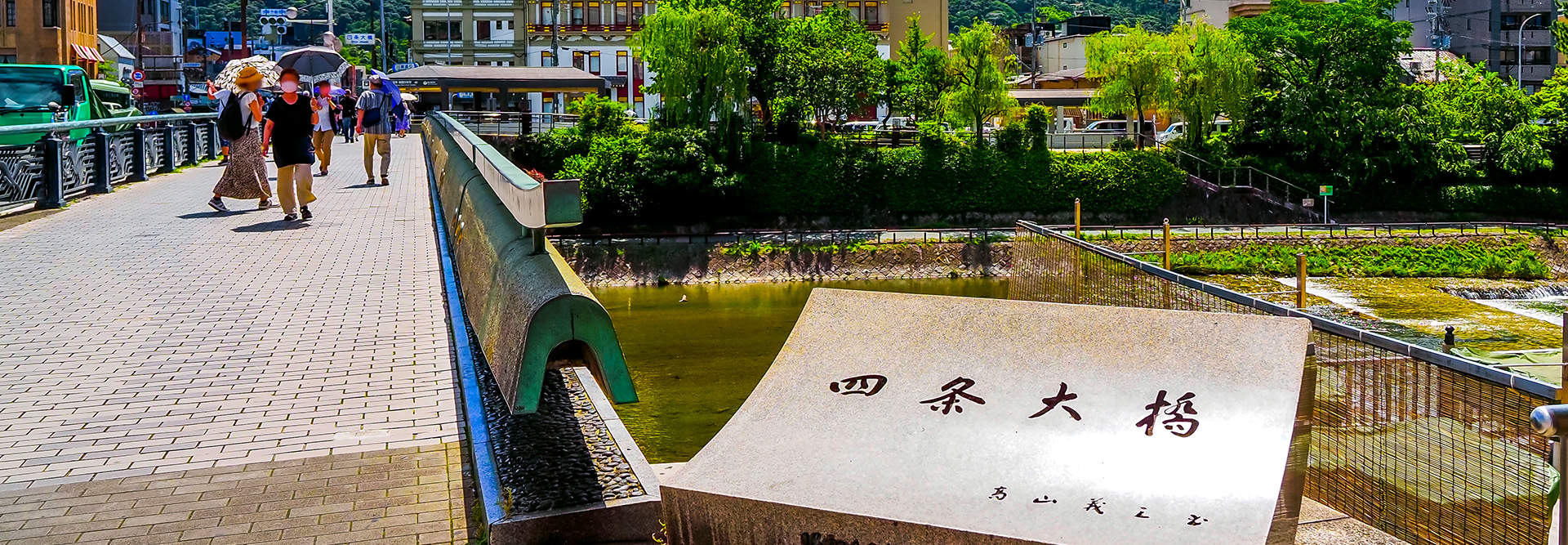
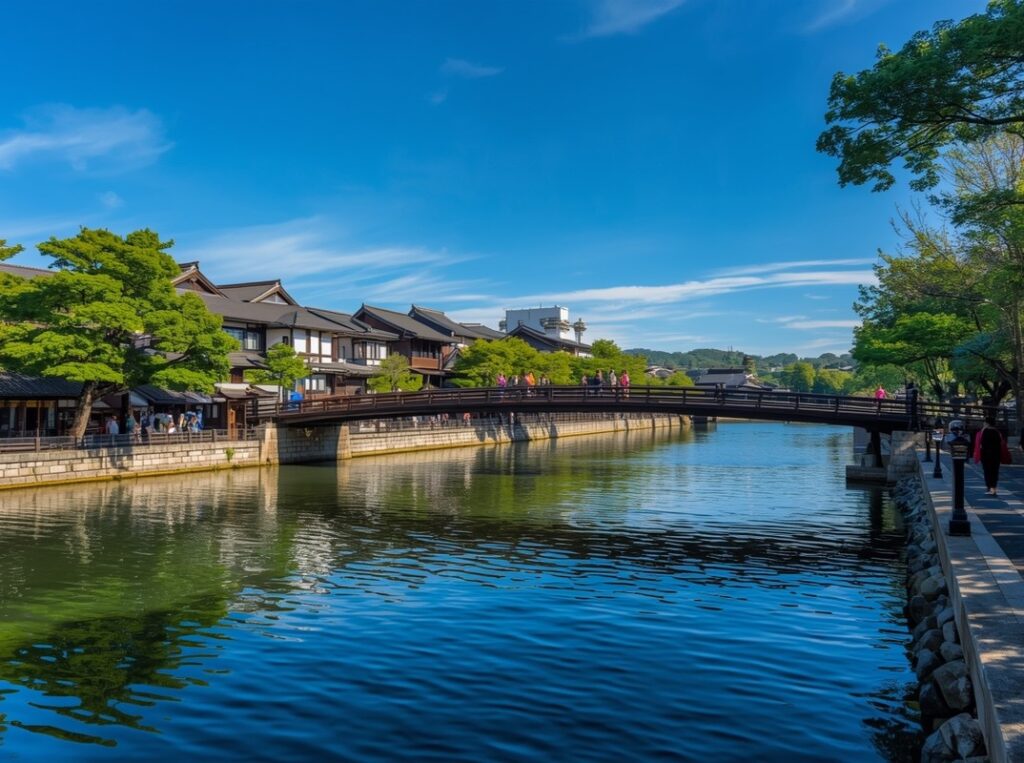
The Kamo River (often written as Kamogawa) runs north–south through Kyoto, just east of the city center. Shijo Bridge crosses the river at one of Kyoto’s busiest intersections, where traditional geisha districts and modern shopping streets meet. Stand in the middle of the bridge and you can look west to see the bright neon of downtown, then turn east to see mountains that frame the old capital.
Unlike many urban rivers, the Kamo is open and inviting. Wide pedestrian paths run along both banks, with grass, low trees, and easy access down to the water. The river is shallow, with visible stones and small islands where birds gather. Even in peak season, you can usually find a quiet space to sit, breathe, and watch Kyoto drift by.
How to Get to Kamo River and Shijo Bridge
Access is simple, especially if you are already exploring central Kyoto:
- From Kyoto Station: Take the JR Nara Line or Kintetsu Line to Tofukuji and transfer, or more simply, take Bus 4, 5, 17, or 205 to Shijo Kawaramachi. From the bus stop it is a short walk to Shijo Bridge.
- By subway: Ride the Karasuma Line to Shijo Station and walk east along Shijo Street (about 10–12 minutes).
- By train from Osaka: Take the Hankyu Line to Kawaramachi Station. You emerge almost directly at the west side of the bridge.
Once there, simply walk up onto Shijo Bridge. Stairs and ramps lead down to the river paths on both the north and south sides.
What Makes Shijo Bridge Special
Shijo Bridge is more than a way to cross the river; it is a public viewing platform and a cultural stage. Locals say that if you stand here long enough, you will eventually see someone you know. For travelers, it is a compact introduction to Kyoto’s contrasts.
Views in Every Direction
From the bridge, you get instant orientation:
- North: The river bends gracefully, framed by low buildings and distant mountains. In summer, riverside terraces extend from restaurants on the west bank.
- South: The water widens and quietens. Joggers and cyclists drift along the paths, especially at dawn and dusk.
- East: Beyond the river lies the entrance to the Gion district, Kyoto’s most famous geisha neighborhood.
- West: Streets lined with shops, department stores, arcades, bars, and cafes form the modern center of Kyoto.
Visit during the late afternoon for soft light and clear mountain silhouettes, then stay through sunset as the city lights come on and the river reflects the glow.
A Meeting Point for Old and New Kyoto
Walk off the bridge in any direction and you enter a different Kyoto:
- Toward Gion (east): Stone-paved lanes, wooden teahouses, lanterns, and occasional glimpses of maiko (apprentice geisha).
- Toward Kawaramachi (west): Fashion boutiques, game centers, izakaya pubs, and busy shopping arcades.
- Along the river (north or south): Quiet neighborhoods, small shrines, and local parks.
This proximity makes Shijo Bridge a convenient base: you can shop, sightsee, and then escape to the riverside in a matter of minutes.
Strolling the Kamo River: What to Do
The real charm of the Kamo River is not a single landmark but the experience of moving along it. Set aside at least an hour to walk or cycle between a couple of bridges, stopping whenever something catches your eye.
Walk the Riverside Paths
Paved paths run on both banks, making it easy for walkers and cyclists. From Shijo Bridge, two gentle routes are especially appealing:
- North to Sanjo and beyond: Walk 10–15 minutes to Sanjo Bridge, another historic crossing with a lively atmosphere. Continue further to see seasonal flowers, small stepping stones, and quieter stretches of river.
- South toward Gojo and Shichijo: This direction feels more residential. You pass families with children, people walking dogs, and locals using the river as their daily jogging route.
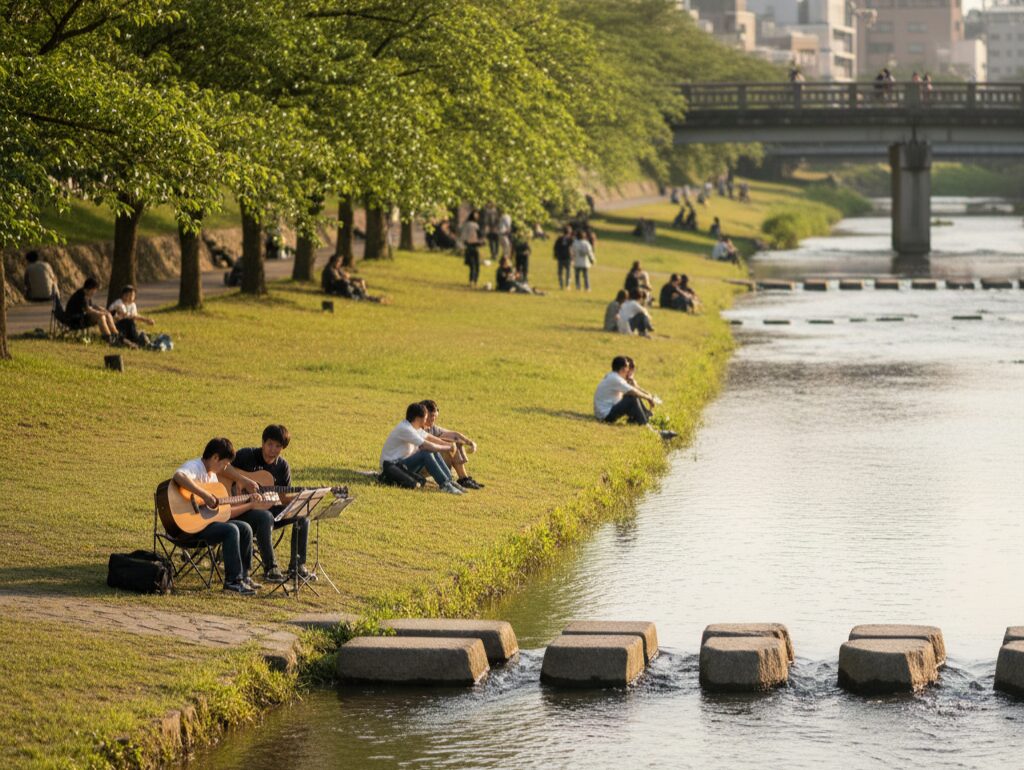
You will notice small islands of stones in the river, often forming patterns or playful stepping routes. In some spots, you can cross on foot using these stones, but be careful: they can be slippery, and water levels vary with the weather.
Join the Locals on the Grass
One of the simplest pleasures is to do exactly what Kyoto residents do: sit down and relax. Bring a drink or snack from a nearby convenience store and find a spot on the grassy banks.
Typical scenes along the river include:
- University students practicing musical instruments in the open air
- Friends chatting in small circles until late evening
- Couples sitting in a neat line along the water during summer nights, facing the softly lit river
- Children chasing pigeons and watching fish in the shallow water
Japan is generally safe, and the Kamo River area stays active until late, but keep an eye on your belongings and avoid leaving trash behind.
Cycle Along the River
If you are comfortable on two wheels, rent a bicycle from a shop near Kyoto Station or downtown and follow the river paths. Cycling is one of the easiest ways to reach more distant temples while enjoying the scenery.
Stay on the marked paths, ride slowly when it is busy, and yield to pedestrians. At night, keep your lights on; rental bikes in Japan are usually equipped with automatic or dynamo-powered lights.
Seasonal Highlights on the Kamo River
Kyoto is a city of four distinct seasons, and the Kamo River mirrors those changes beautifully. Your experience at Shijo Bridge will be very different depending on when you visit.
Spring: Cherry Blossoms and Gentle Weather
From late March to early April, cherry trees along sections of the river burst into bloom. Although some of Kyoto’s most famous cherry spots are in temples and gardens, the riverside offers a more relaxed, everyday version of hanami (flower viewing).
People spread picnic sheets on the grass, enjoy convenience store bentos or takeaway sushi, and sit for hours beneath the blossoms. Even if you are only passing through, pause on the bridge to look upstream at the soft pink clouds of flowers reflected in the water.
Summer: Terrace Dining and Festival Energy
From around May to September, many restaurants on the west bank build temporary wooden terraces, called yuka or kawadoko, out over the river. Dining here in the evening – with lantern light, cool breezes, and the sound of flowing water – is a classic Kyoto summer experience. Reservations are recommended, especially on weekends.
July brings the famous Gion Matsuri, one of Japan’s greatest festivals. While the main floats parade through nearby streets, the river area becomes a natural corridor for people moving between events. Expect crowds but also a powerful sense of celebration.
On warm evenings, you may see long lines of couples and friends sitting along the same level of the bank, facing the water. This scene is so iconic that it has become a symbol of Kyoto romance.
Autumn: Clear Air and Colorful Hills
From late October to late November, Kyoto’s maple and ginkgo trees reach peak color. The Kamo River itself has fewer trees than temple gardens, but the surrounding hills and nearby parks turn vivid red, orange, and gold.
On dry, sunny days, the air is crisp and visibility excellent. Stand on Shijo Bridge and look toward the mountains; you will see a natural backdrop of autumn color behind the city skyline. It is also an ideal season for longer walks or cycle rides along the river, thanks to the comfortable temperatures.
Winter: Quiet Beauty and Clear Nights
Winter along the Kamo River is calm and minimal. Grass turns pale, trees are bare, and the water seems colder and sharper. Crowds thin, giving you more space to contemplate the city’s structure.
Snow is not guaranteed, but if you are lucky enough to visit after a snowfall, the riverbanks take on a clean, monochrome beauty. Night skies are often very clear, making evening walks along the river surprisingly atmospheric, with reflections of city lights on the dark water.
Nearby Neighborhoods and Attractions
Another advantage of basing yourself around Shijo Bridge is the easy access to several major neighborhoods.
Gion: Kyoto’s Historic Entertainment District
Cross Shijo Bridge eastward and you quickly reach Gion, known worldwide for geiko (fully qualified geisha) and maiko. The streets around Yasaka Shrine and Hanamikoji are lined with traditional wooden townhouses and teahouses.
Remember to be respectful: do not block the narrow streets, do not touch or chase maiko for photos, and avoid using flash in their faces. Gion is not a theme park but a working cultural district.
Kawaramachi and Downtown Kyoto
West of the river lies Kawaramachi, the energetic shopping and entertainment core. You will find:
- Department stores and fashion brands along Shijo Street
- Covered shopping arcades offering souvenirs, food, and everyday goods
- Bars, izakaya, and cafes tucked into side streets near the river
It is easy to spend a full day alternating between temple visits, shopping, and restful breaks beside the Kamo River.
Practical Tips for First-Time Visitors
Best Times of Day to Visit
Morning: Calm and lightly populated, with joggers and dog walkers. Good for photos with fewer people and soft light.
Late afternoon to sunset: The most photogenic time, with golden light on the water and mountains. Locals gather after work and school.
After dark: Romantic and atmospheric, especially in summer. Streetlights and building signs reflect on the river, and temperatures are often more comfortable.
What to Bring
- Comfortable shoes: You will likely walk more than you expect.
- Light blanket or picnic sheet: Useful if you plan to sit on the grass, particularly in spring and autumn.
- Portable umbrella or raincoat: Weather can change quickly, and the riverside is quite exposed.
- Camera or smartphone with extra battery: Scenic views appear constantly as you move along the river.
Etiquette and Safety
Japan is generally very clean, and locals work hard to keep public spaces pleasant. Along the Kamo River and on Shijo Bridge, keep these points in mind:
- Take your trash with you: Public bins can be rare; carry a small bag to hold your rubbish until you find a proper disposal point.
- Keep noise moderate: Music practice is common, but group parties with loud music are discouraged, especially late at night.
- Watch your step near the water: Stones can be slippery, and the current, though usually gentle, still deserves respect.
- Share space: Cyclists, walkers, joggers, and families all use the same paths. Stay to one side and be aware of others around you.
Fitting Kamo River and Shijo Bridge into Your Kyoto Itinerary
For first-time visitors, the Kamo River area works well as a flexible anchor point:
- Morning: Visit nearby temples and shrines such as Kiyomizu-dera or Yasaka Shrine.
- Afternoon: Shop and explore downtown streets around Kawaramachi.
- Evening: Return to the river for a quiet walk, sunset photos from Shijo Bridge, and maybe dinner on a riverside terrace.
Because the river is so central, you can weave it naturally into each day instead of treating it as a standalone attraction. Use it as your calm corridor through the city: when crowds at major temples feel overwhelming, simply walk back to the water and let the open sky reset your sense of space.
Why the Kamo River Matters to Kyoto
The Kamo River is more than a scenic backdrop. Historically, it provided water, transport, and protection for the capital. Today it serves as a shared living room for the city – a place where strangers coexist comfortably, each absorbed in their own rituals of walking, talking, or simply watching the current.
Standing on Shijo Bridge at dusk, with the city glowing behind you and the river stretching into the distance, you may feel that you are briefly part of Kyoto’s daily story. For many travelers, that quiet, flowing connection becomes one of the most enduring memories of their trip to Japan.

Access Map
Recommended spots in Kyoto
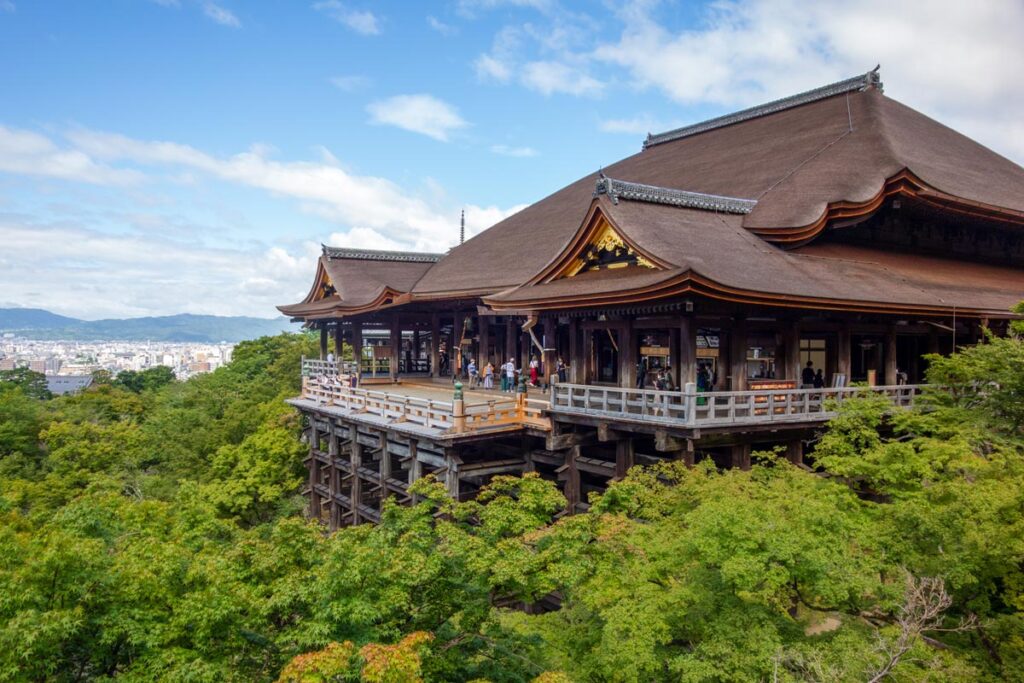
Kiyomizu-dera
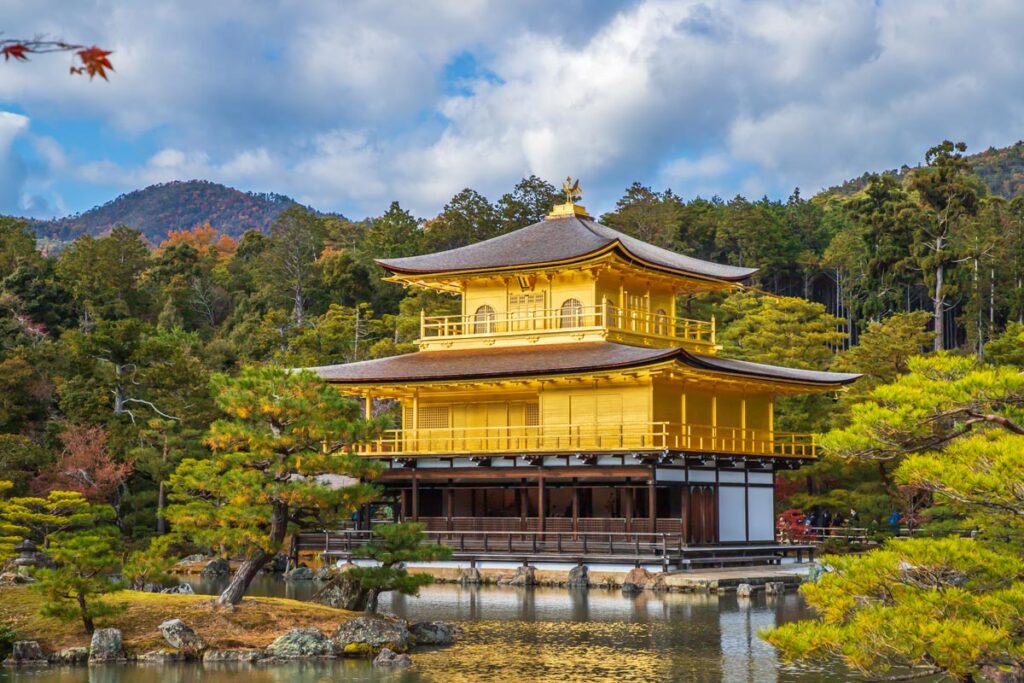
Kinkaku-ji
(Golden Pavilion)
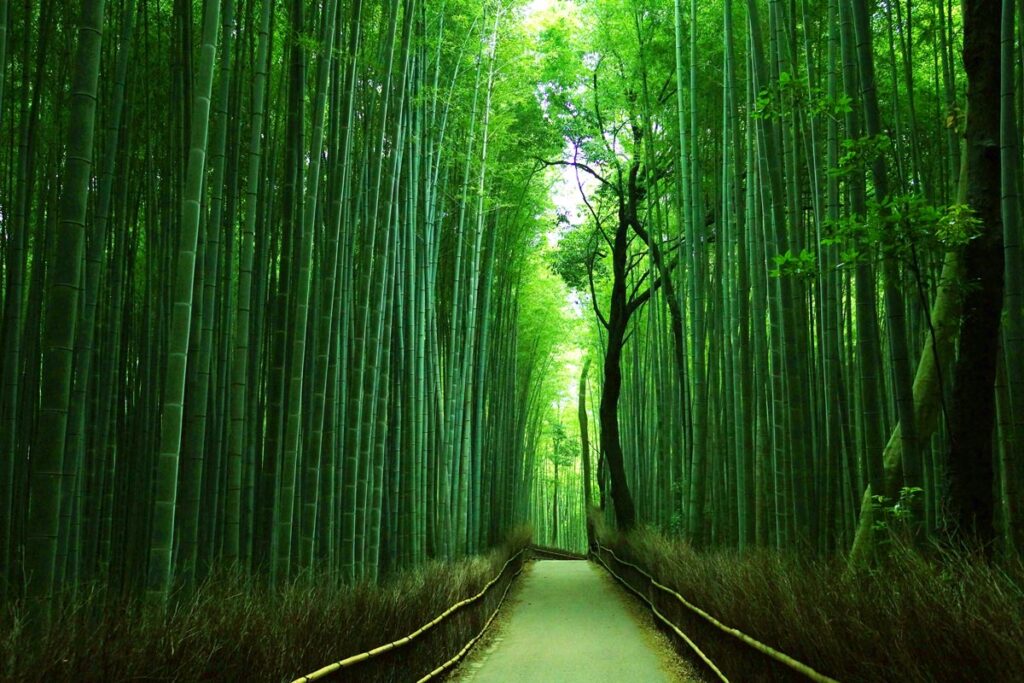
Arashiyama
Bamboo Grove
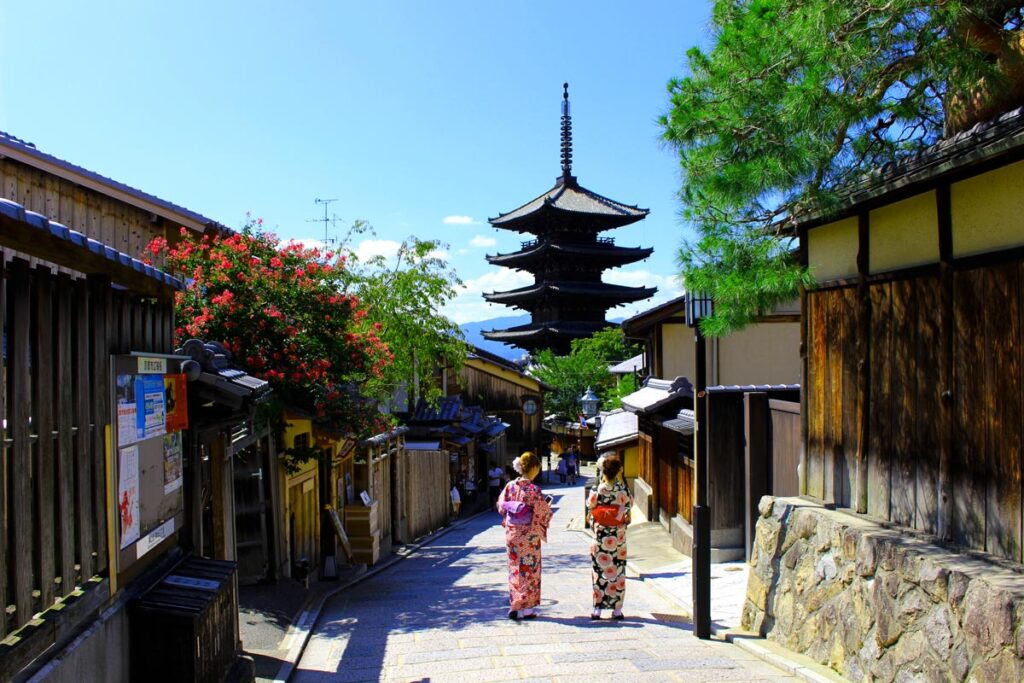
Gion
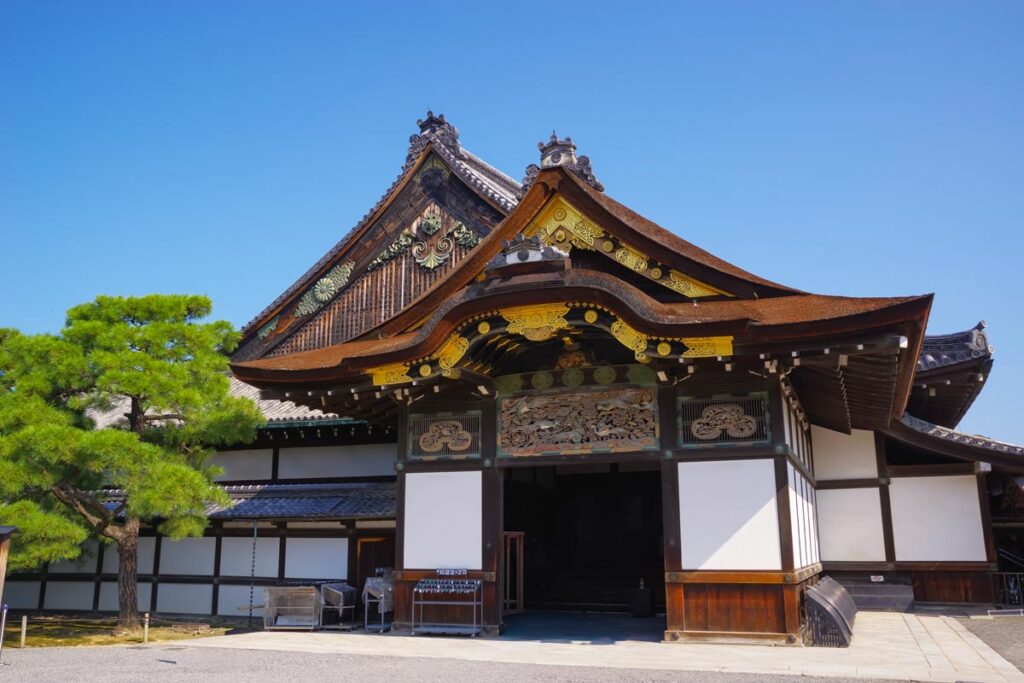
Nijo Castle
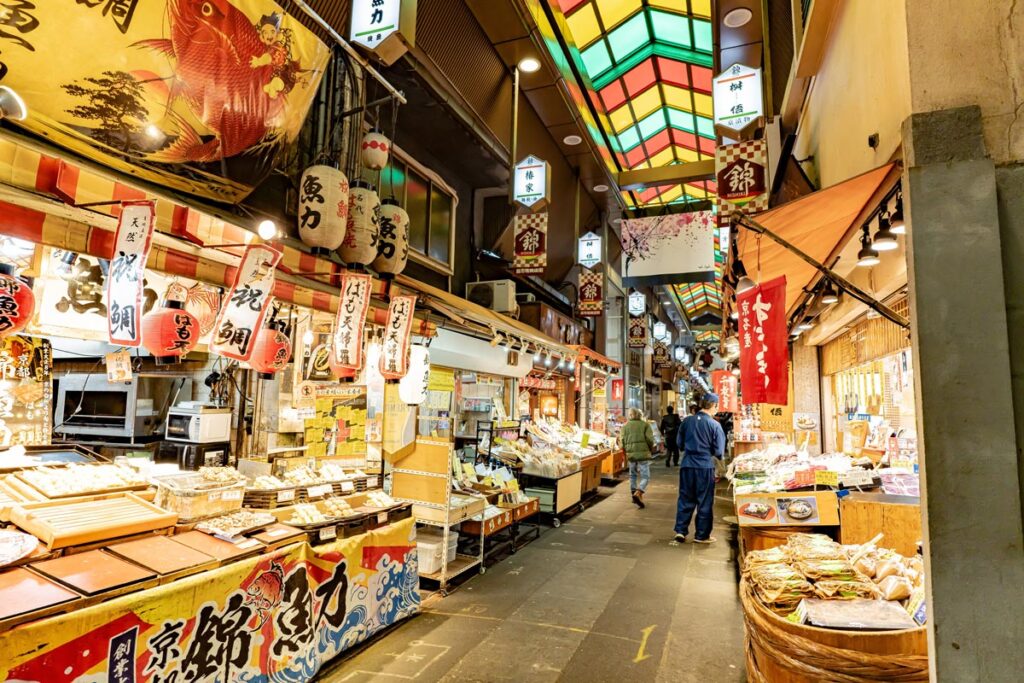
Nishiki Market
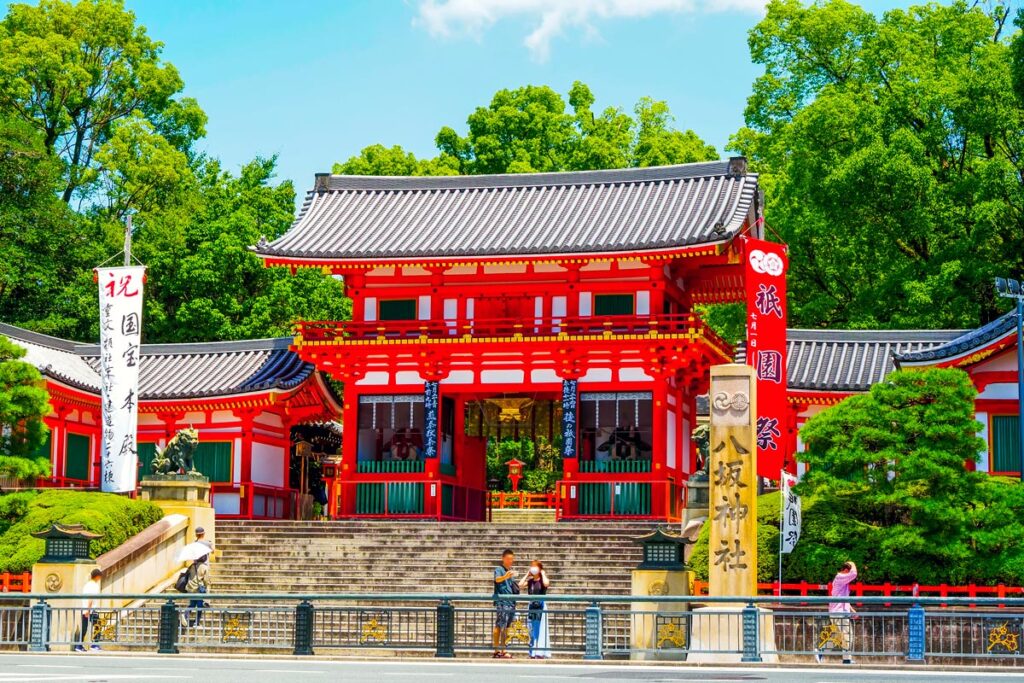
Yasaka Shrine
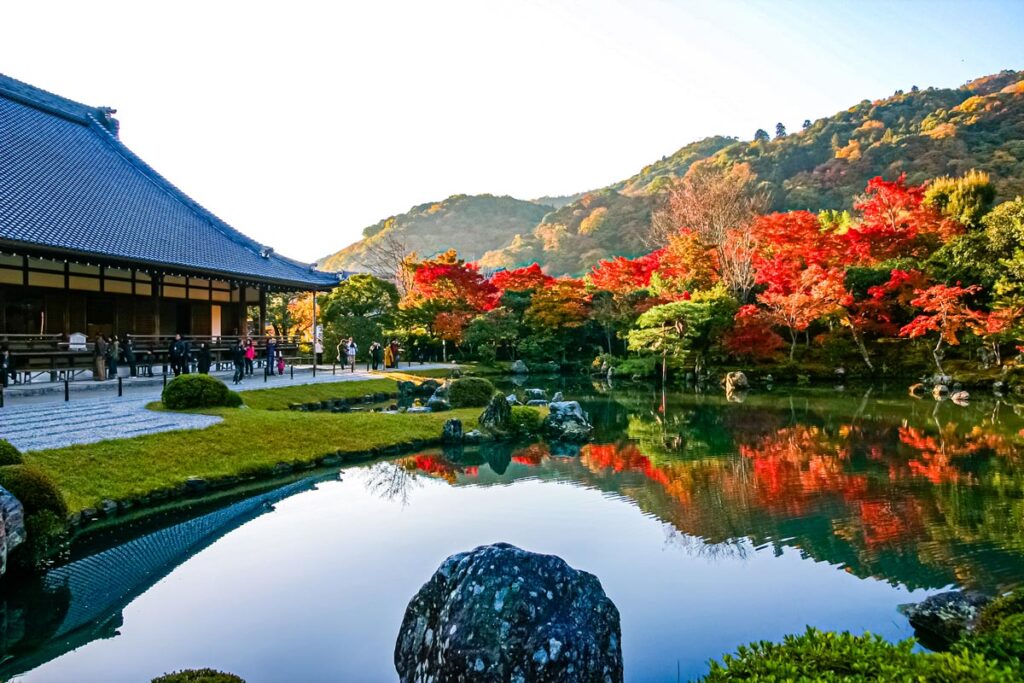
Tenryu-ji
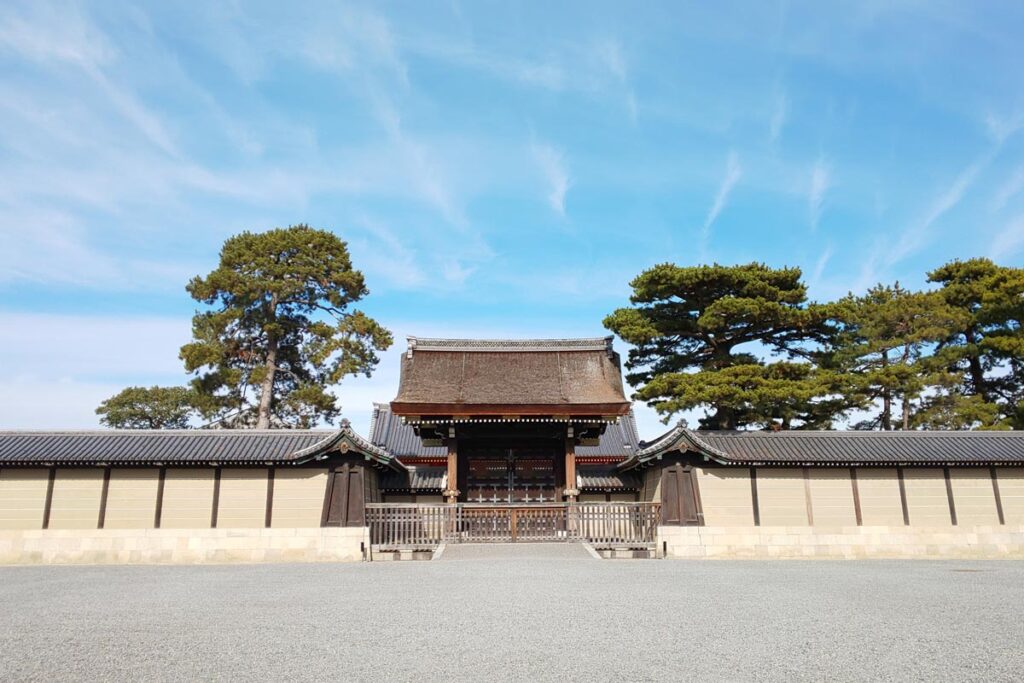
Kyoto Imperial Palace
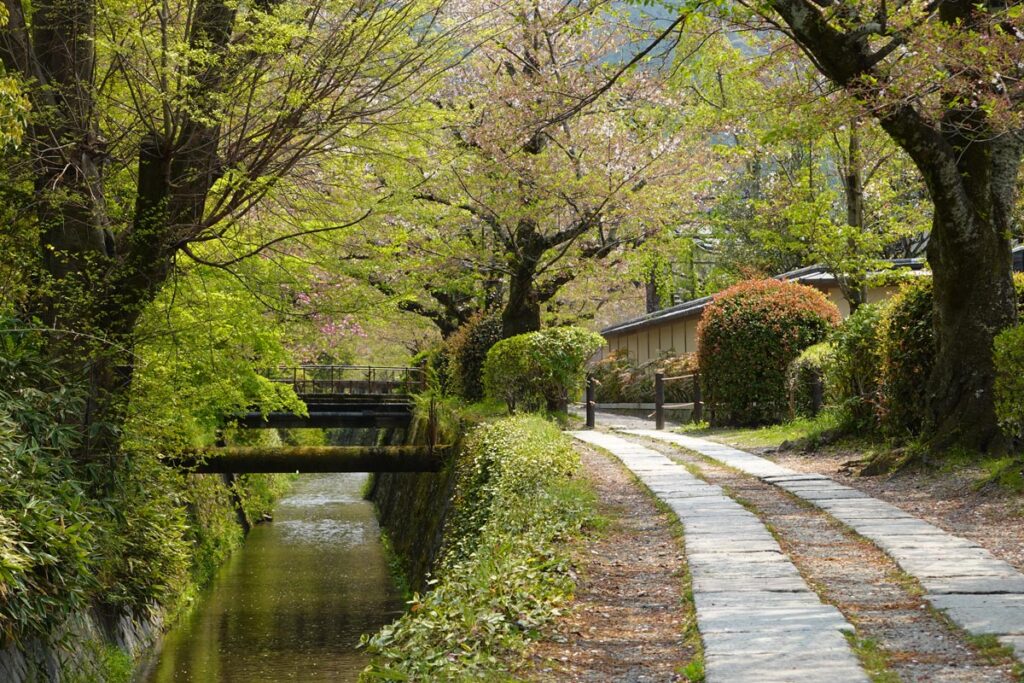
Philosopher's Path
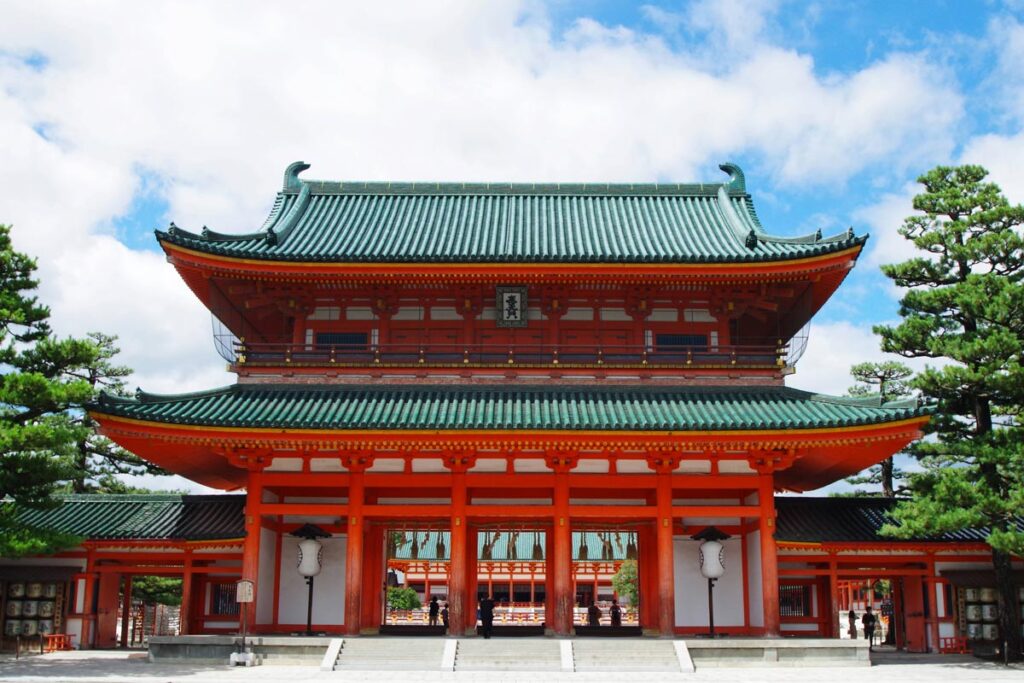
Heian Jingu
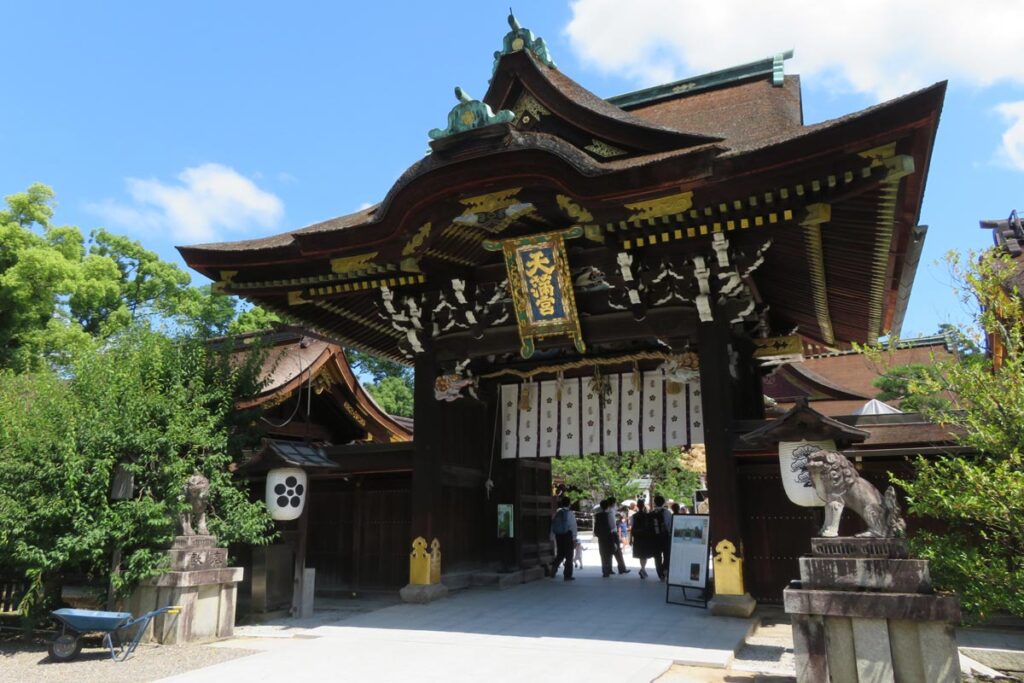
Kitano Tenmangu
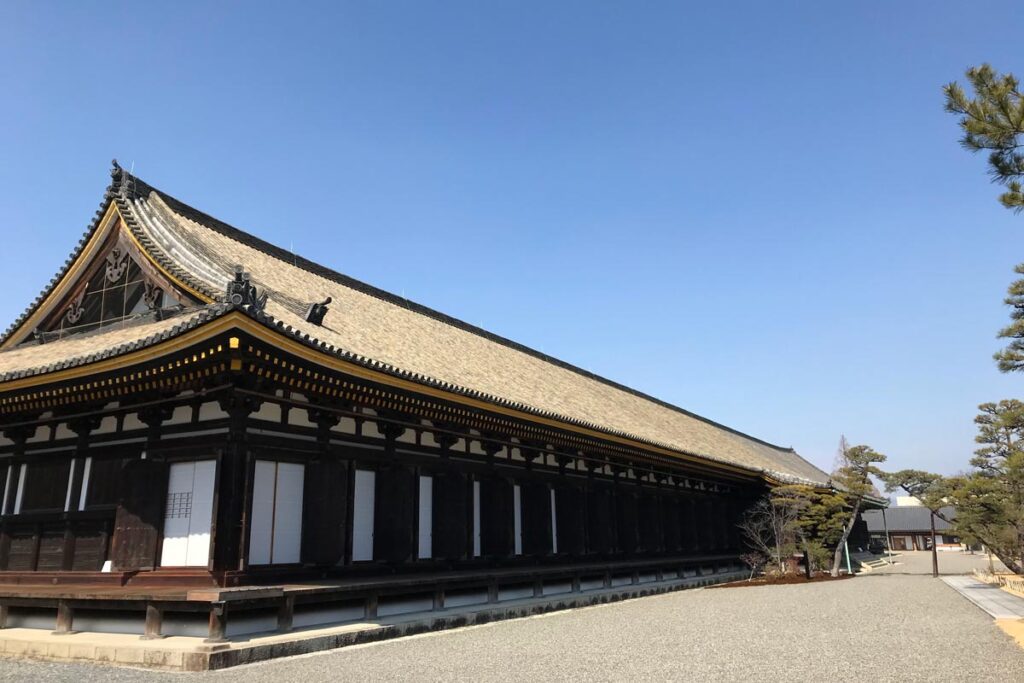
Sanjusangendo
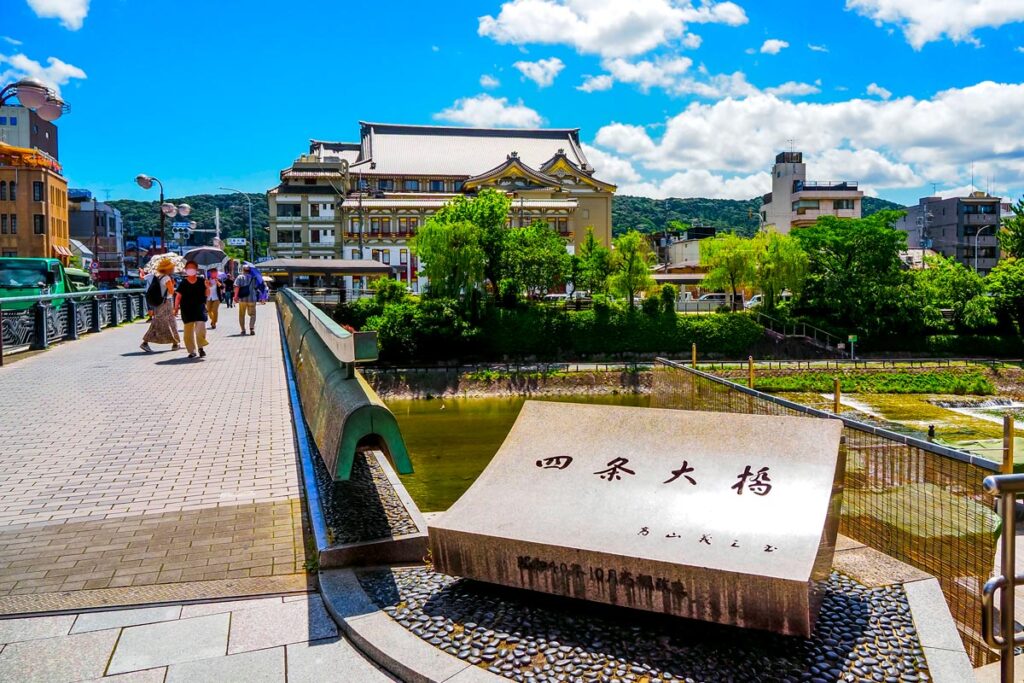
Kamo River
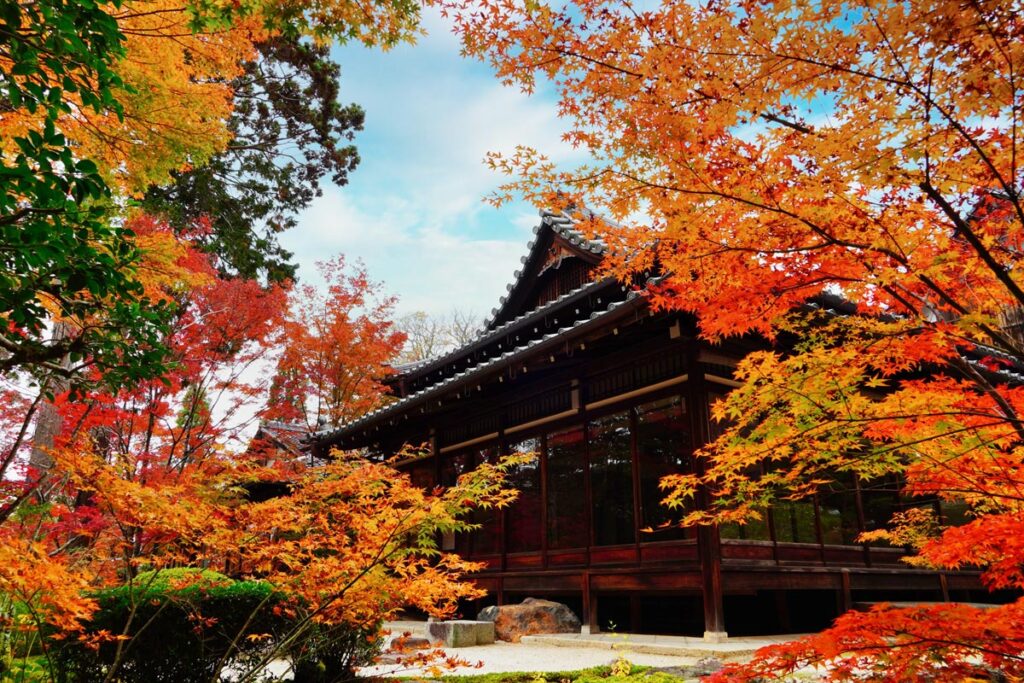
Nanzen-ji
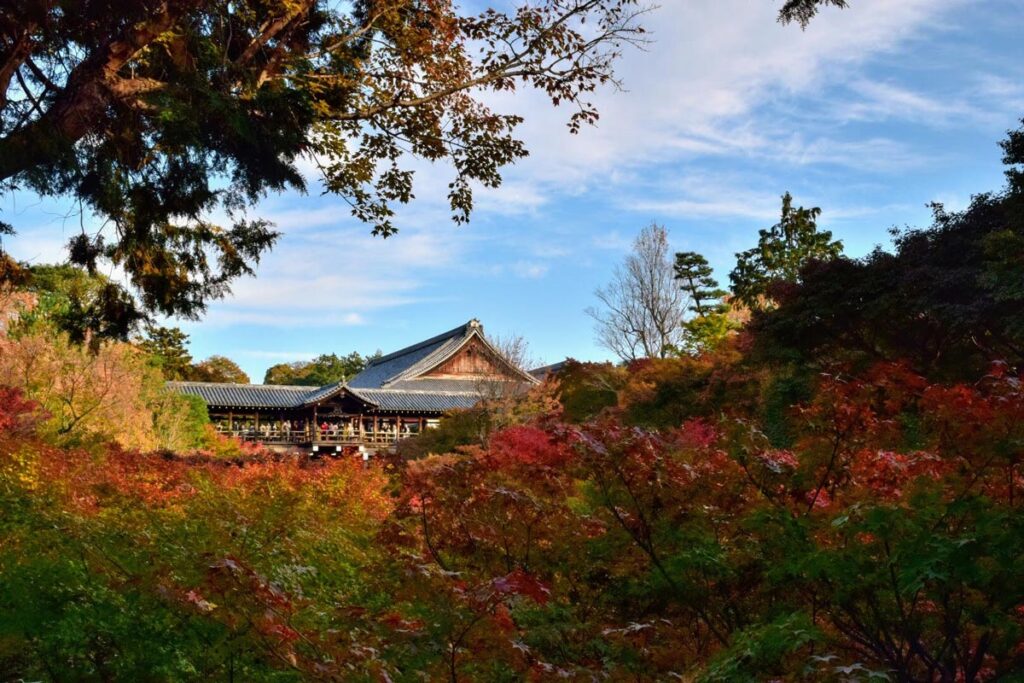
Tofuku-ji
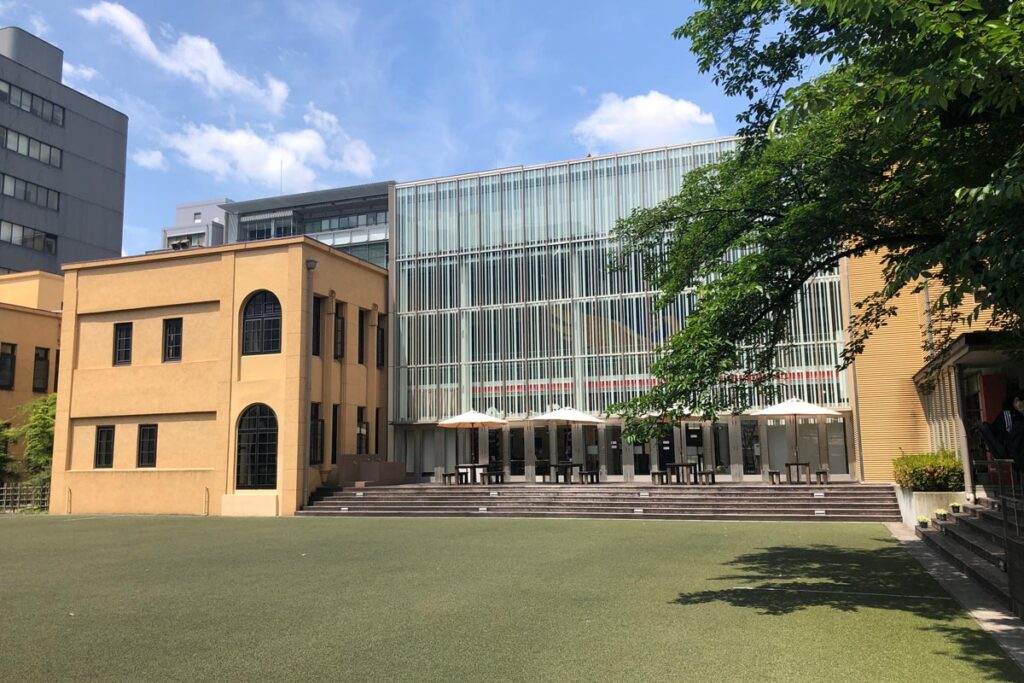
Kyoto International Manga Museum