




Nanzen-ji
Nanzen-ji Temple: A Serene Zen Escape in Kyoto, Japan
Photos are for illustrative purposes only.
Nestled at the base of the forested Higashiyama mountains, Nanzen-ji is one of Kyoto’s most atmospheric Zen temple complexes. It combines classic Japanese gardens, powerful Zen architecture, and an iconic red-brick aqueduct in a single, walkable site. For first-time visitors to Japan, it offers a gentle, contemplative counterpoint to Kyoto’s busier shrines and shopping streets.
This guide will help you understand Nanzen-ji’s cultural background, what to see, how to visit, and how to make the most of your time in the surrounding Higashiyama area.
Why Visit Nanzen-ji on Your First Trip to Japan
Nanzen-ji is not just a single temple building but a spacious complex of sub-temples, stone paths, and mossy gardens. Unlike some of Kyoto’s most famous sights, it rarely feels overcrowded, especially if you come in the morning.
First-time travelers often focus on the big names like Kiyomizu-dera or Fushimi Inari Taisha. Nanzen-ji belongs in the same league historically, but the experience is more peaceful and meditative. It is also conveniently located near the Philosopher’s Path and Ginkaku-ji, making it easy to weave into a one-day walking route through eastern Kyoto.
A Short History of Nanzen-ji
Nanzen-ji was originally a retirement villa for Emperor Kameyama in the 13th century. The emperor later converted the villa into a Zen temple, reflecting a broader trend at the time: the spread of Zen Buddhism among Japan’s political elite and warrior classes. Nanzen-ji eventually became one of the most important Zen temples in the country and still holds a high rank within the Rinzai school of Zen.
Like many wooden structures in Kyoto, Nanzen-ji has been damaged and rebuilt multiple times due to fires and conflicts. What you see today is a blend of different eras, with some structures several hundred years old and others more recent reconstructions faithful to traditional designs. This layered history gives the temple a living, evolving character.
Understanding Zen Culture at Nanzen-ji
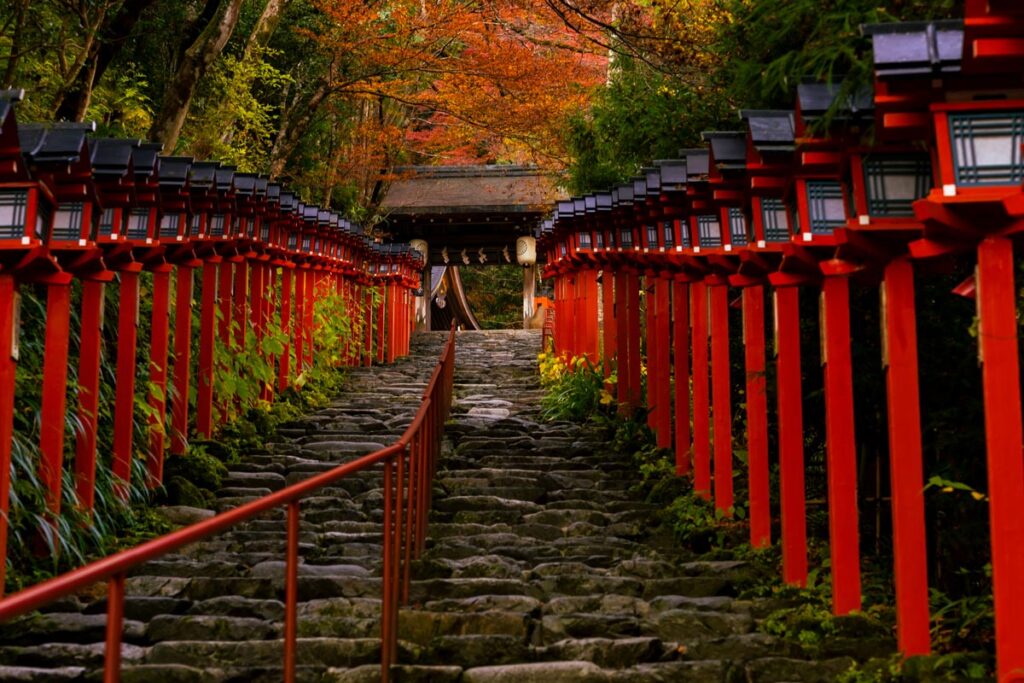
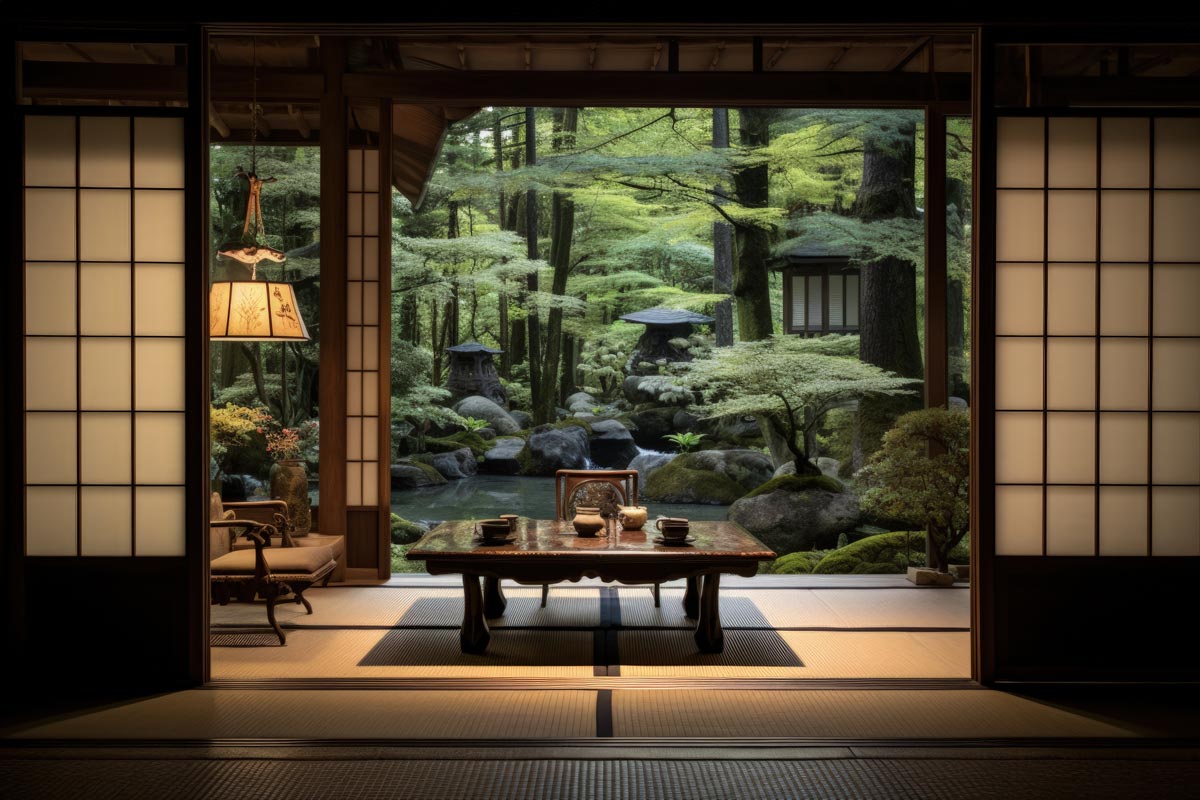
Zen Buddhism emphasizes direct experience, meditation, and simplicity. The architecture and gardens at Nanzen-ji are designed to support this practice. Stone and sand gardens encourage quiet reflection; wooden halls and wide verandas blur the boundary between inside and outside; moss and water elements help you notice subtle seasonal changes.
As you walk around, you may notice:
- Shoji screens and tatami mats that create fluid, minimal interiors.
- Asymmetry in gardens and pathways, encouraging you to slow down and look carefully.
- Borrowed scenery (shakkei), where distant mountains and trees are framed as part of the garden composition.
You do not need to know anything about Buddhism to appreciate Nanzen-ji, but understanding that the whole space is meant to calm the mind can help you experience it more deeply.
Main Highlights of Nanzen-ji
Sanmon Gate: A Panoramic View Over Kyoto
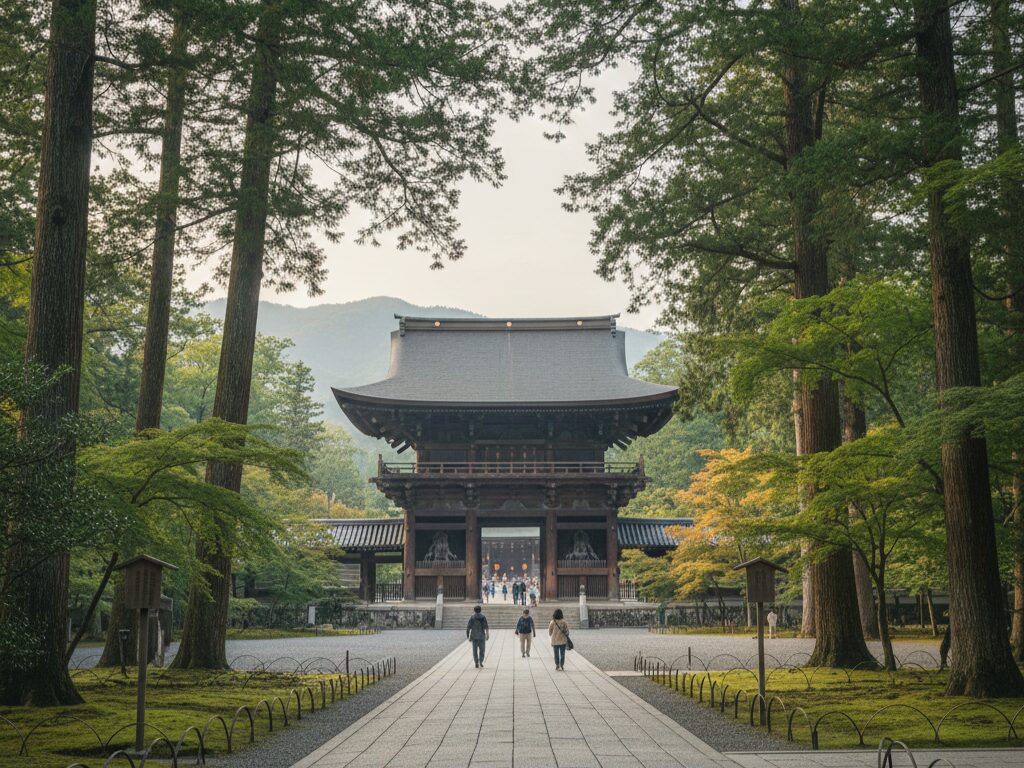
The first major landmark you encounter is the massive wooden Sanmon gate. This two-story gate is a powerful symbol of the temple’s status and has become a photogenic icon of Nanzen-ji.
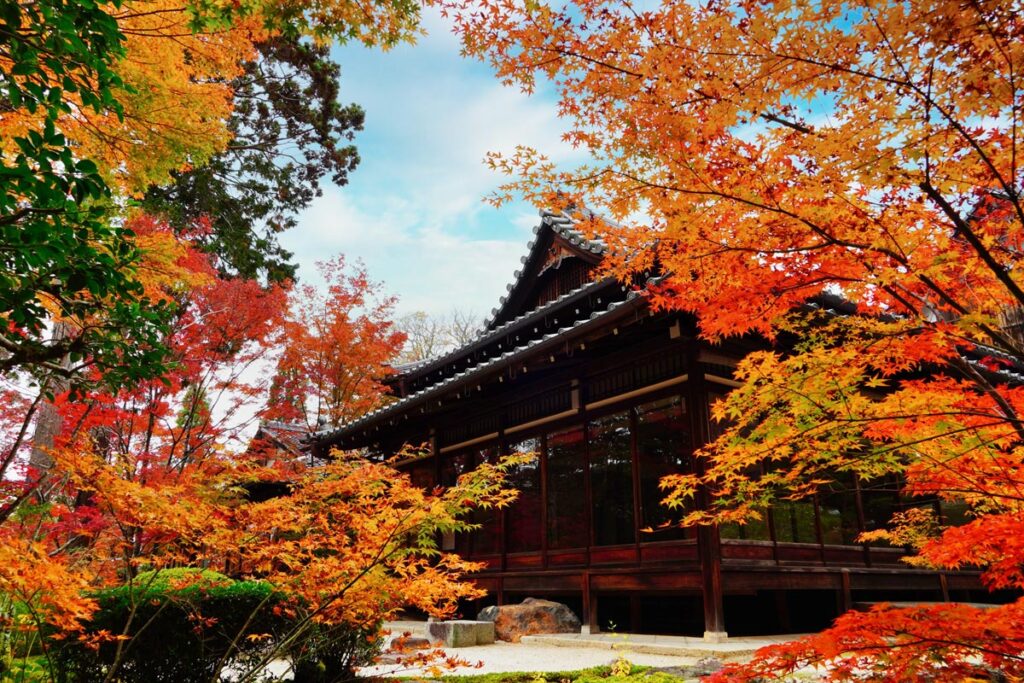
For an additional fee, you can climb up to the balcony level. The steep wooden stairs lead to a quiet platform with sweeping views over the temple grounds and the city beyond. In spring, you look out over soft clouds of cherry blossoms; in autumn, the hillside explodes with fiery red and gold maple leaves.
Remove your shoes at the entrance, walk softly along the aged floorboards, and take a moment to sit. The balcony is a wonderful place to pause your sightseeing and simply watch the light and wind move through the landscape.
Hojo (Abbot’s Quarters) and Zen Rock Garden
Behind the main temple buildings lies the Hojo, or abbot’s quarters, famous for its dry landscape garden. This is a classic karesansui garden: raked white gravel, carefully placed rocks, and minimal plant life. It may seem simple, but each stone and line of gravel is deliberate, designed to suggest mountains, islands, or flowing water.
Sit on the wooden veranda facing the garden and allow your eyes to soften. Zen gardens are not puzzles to be solved; the idea is to notice your own mind gradually becoming quieter. If you time your visit outside of major tour group hours, this can be one of the most serene spots in Kyoto.
The Hojo buildings themselves are also worth attention. Sliding doors often feature delicate paintings of tigers, landscapes, or seasonal plants, and the tatami rooms provide a textbook example of traditional Japanese interior aesthetics.
Tenjuan and Other Sub-Temples
The Nanzen-ji precinct includes several sub-temples, each with its own gate and garden. One of the most beloved is Tenjuan, noted for its intimate strolling garden around a reflective pond.
Pathways wind past stone lanterns, maples, and moss-covered stones. The pond mirrors the surrounding trees, making it especially beautiful in late afternoon light or during the autumn foliage season. Benches and verandas give you many chances to sit and enjoy the slow, layered scenery.
Other sub-temples may feature tea ceremony rooms, smaller dry gardens, or seasonal flower displays. They often have separate entrance fees and keep slightly different opening hours, but exploring at least one gives you a more personal sense of Kyoto temple life.
The Red-Brick Aqueduct: A Bridge Between Eras
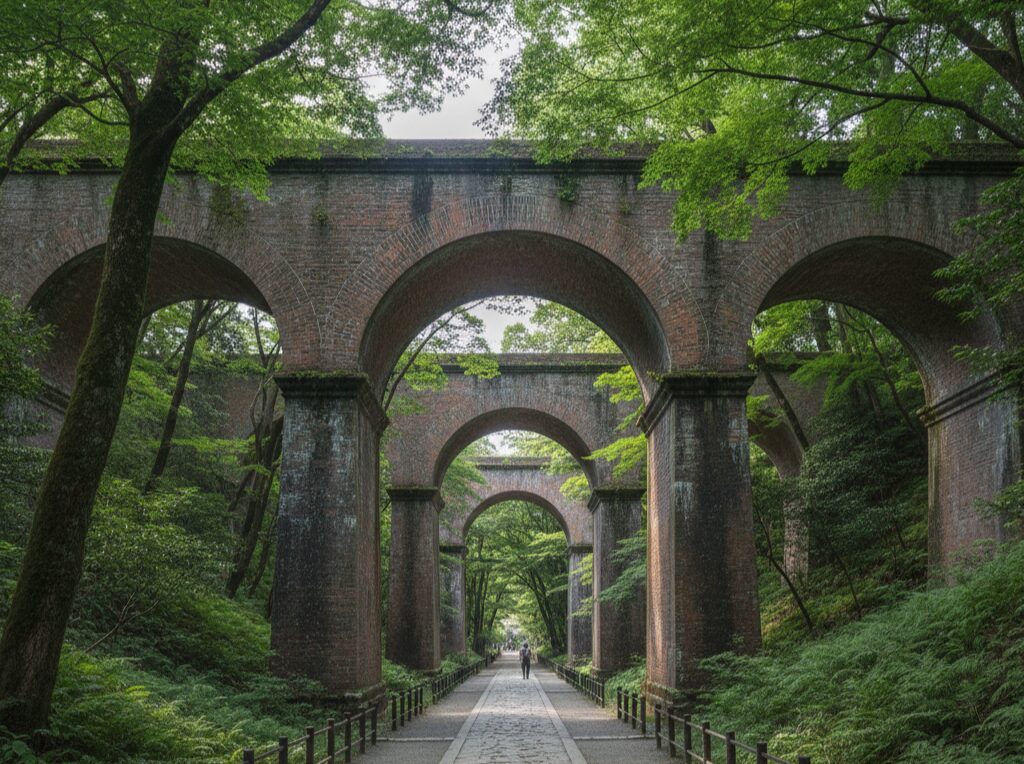
One of Nanzen-ji’s most surprising sights is its Meiji-era red-brick aqueduct. Built in the late 19th century as part of a project to bring water from Lake Biwa to Kyoto, this industrial structure cuts through the traditional temple grounds in a way that initially seems jarring.
Over the years, though, the aqueduct has been embraced as part of the landscape. Vines and moss soften its arches, and it has become a favorite backdrop for photos. The contrast between the Western-style brickwork and the surrounding Japanese architecture tells an important story about Japan’s rapid modernization while holding onto historical and spiritual traditions.
You can walk under the arches, follow the small path up the slope, and even hear the faint flow of water above. It is a reminder that sacred and practical spaces often overlap in Japanese cities.
Seasonal Beauty at Nanzen-ji
Nanzen-ji offers something special in every season, making it a rewarding stop no matter when you visit Japan.
Spring: Cherry Blossoms and Fresh Green
In late March to early April, cherry blossoms bloom around the Sanmon gate and along the approach roads. The temple is less intensely crowded than some of Kyoto’s biggest cherry blossom spots, making it easier to enjoy slow walks and casual photography. Soon after the blossoms fall, fresh green maple leaves create a vibrant, almost luminous atmosphere.
Summer: Cool Shade and Moss Gardens
Kyoto summers are hot and humid, but Nanzen-ji’s tall trees and stone paths provide relative cool. Moss thrives at this time of year, becoming brilliantly green and soft. The shady gardens and the sound of running water from streams and the nearby canal can bring welcome relief from downtown heat.
Autumn: Fiery Maples and Golden Light
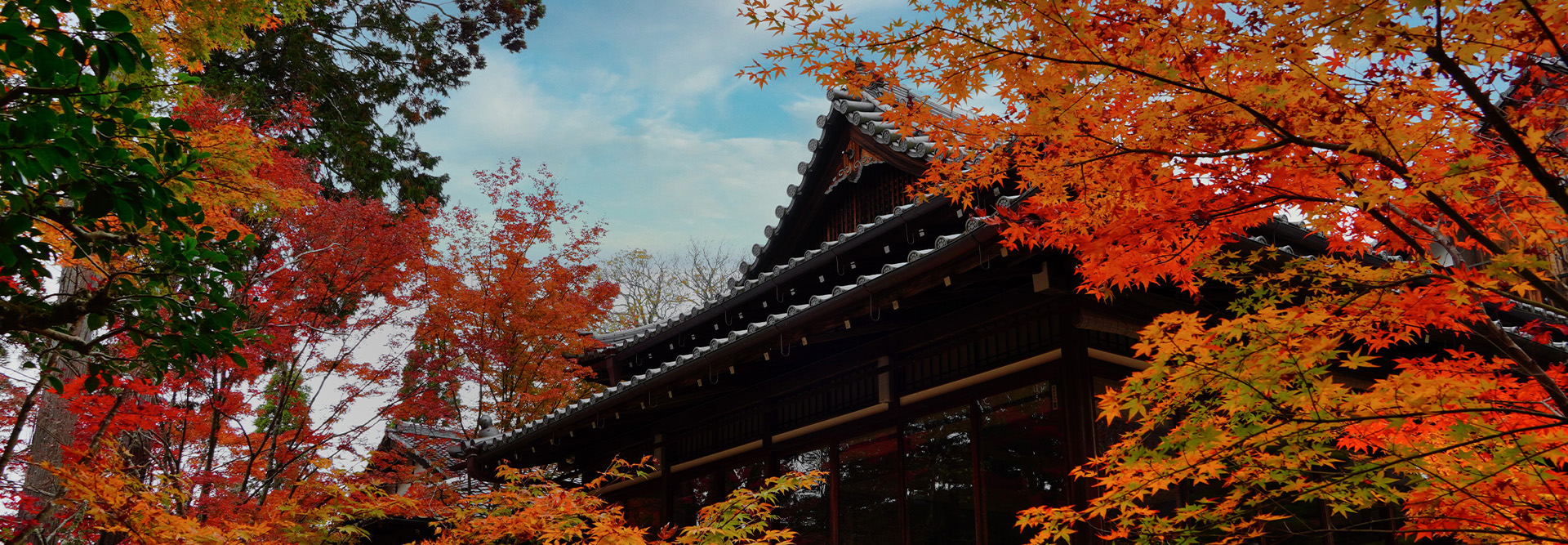
From mid-November to early December, Nanzen-ji’s maples light up the grounds in intense shades of red, orange, and yellow. The view from the Sanmon balcony is especially beautiful, and sub-temples like Tenjuan become popular for evening illuminations or late-afternoon foliage viewing. If you plan to visit in this season, try to come on a weekday morning to avoid the largest crowds.
Winter: Quiet Paths and Clear Air
Winter brings a quieter, more austere character. On rare snowy days, the dark wooden buildings and stone lanterns are dusted white, creating a monochrome scene that pairs perfectly with the minimalism of Zen gardens. Even without snow, the crisp winter air and bare branches highlight the architecture and the geometry of the gardens.
Practical Visitor Information
Location and Access
Nanzen-ji sits in eastern Kyoto, close to the southern end of the Philosopher’s Path and not far from Gion and central Higashiyama.
- From Kyoto Station: Take the subway Karasuma Line to Karasuma-Oike, then transfer to the Tozai Line and ride to Keage Station. From Keage, it is about a 10-minute walk to Nanzen-ji.
- By bus: Several city buses stop within walking distance, but traffic can be slow at peak times. The subway is usually more reliable.
- On foot: If you are exploring Higashiyama, you can walk to Nanzen-ji from nearby sites such as Heian Shrine or the Philosopher’s Path.
Opening Hours and Fees
The temple grounds themselves are typically open during daylight hours and are free to enter. Individual buildings, such as the Sanmon gate, Hojo, and sub-temples, usually require a small admission fee and have set opening hours that may vary by season.
It is wise to bring some cash in small denominations, as many temples still do not accept credit cards for admission. If you are visiting multiple sub-temples, fees can add up, so plan ahead which areas are most important to you.
How Much Time to Allow
To appreciate Nanzen-ji at a relaxed pace, allow at least 1.5 to 2 hours. This should give you enough time to:
- Walk the main approach and temple grounds
- Climb the Sanmon gate (if you wish)
- Sit for a while at the Hojo garden
- Visit one sub-temple such as Tenjuan
If you plan to combine Nanzen-ji with the Philosopher’s Path and Ginkaku-ji, consider dedicating half a day to the area.
Etiquette Tips for International Visitors
Nanzen-ji is both a historical site and an active religious space. Following a few simple guidelines will help you show respect and feel more comfortable.
- Move quietly: Keep voices low, especially inside buildings and near people who appear to be praying or meditating.
- Shoes off indoors: Remove your shoes whenever you see a sign or a raised tatami floor. Use the provided shelves or plastic bags for your footwear.
- Photography: Outdoor photography is generally welcome, but some interiors or specific artworks may prohibit photos. Look for signs and follow staff instructions.
- Do not touch artwork or garden elements: Sliding doors, painted panels, and garden stones are delicate and often centuries old.
- Stay on paths: Moss gardens and raked gravel are easily damaged. Walk only where paths are clearly established.
Combining Nanzen-ji With Nearby Sights
Nanzen-ji is ideally located for a scenic walking route through eastern Kyoto. Consider the following connections when planning your itinerary:
- Philosopher’s Path: Start or end your day at Nanzen-ji, then follow this canal-side path north toward Ginkaku-ji. In spring, cherry blossoms arch over the water; in other seasons, it is a calm residential stroll.
- Heian Shrine: A short walk or quick subway ride away, Heian Shrine offers a grand Shinto atmosphere and a spacious garden with ponds and seasonal flowers.
- Keage Incline and Lake Biwa Canal: Close to Keage Station, this former railway track for boats is lined with cherry trees and offers historical context for the aqueduct you see at Nanzen-ji.
Tips for a Meaningful Visit
To get the most from your time at Nanzen-ji:
- Come early or late: Early morning or late afternoon typically offers softer light and fewer people.
- Build in quiet time: Rather than rushing from spot to spot, choose one veranda or garden to sit at for at least 10–15 minutes. Let the space work on you.
- Notice small details: Look for patterns in roof tiles, water reflections, and the way trees are pruned. These subtle details reveal the Japanese dedication to craft.
- Dress for comfort: You will be walking and removing your shoes often, so wear socks in good condition and shoes that are easy to take on and off.
For first-time visitors to Japan, Nanzen-ji offers an accessible introduction to Zen aesthetics, Kyoto history, and the gentle beauty of Japan’s temple culture. Whether you are seeking the perfect photo, a peaceful walk, or a moment of quiet reflection, this hillside sanctuary in Kyoto’s east is well worth a place on your itinerary.

Access Map
Recommended spots in Kyoto
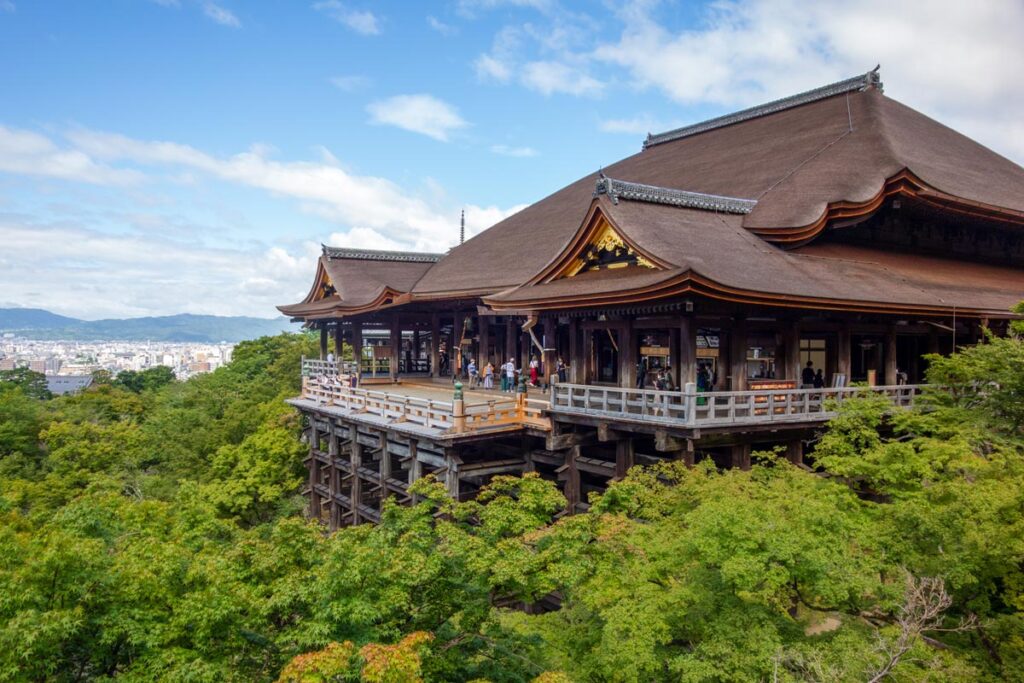
Kiyomizu-dera
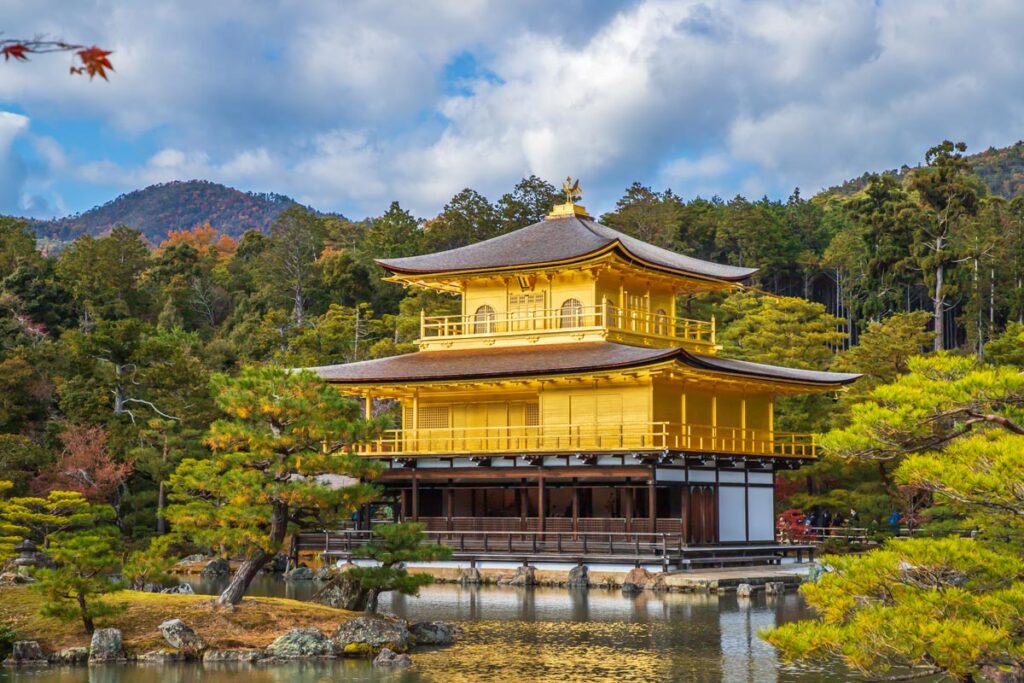
Kinkaku-ji
(Golden Pavilion)
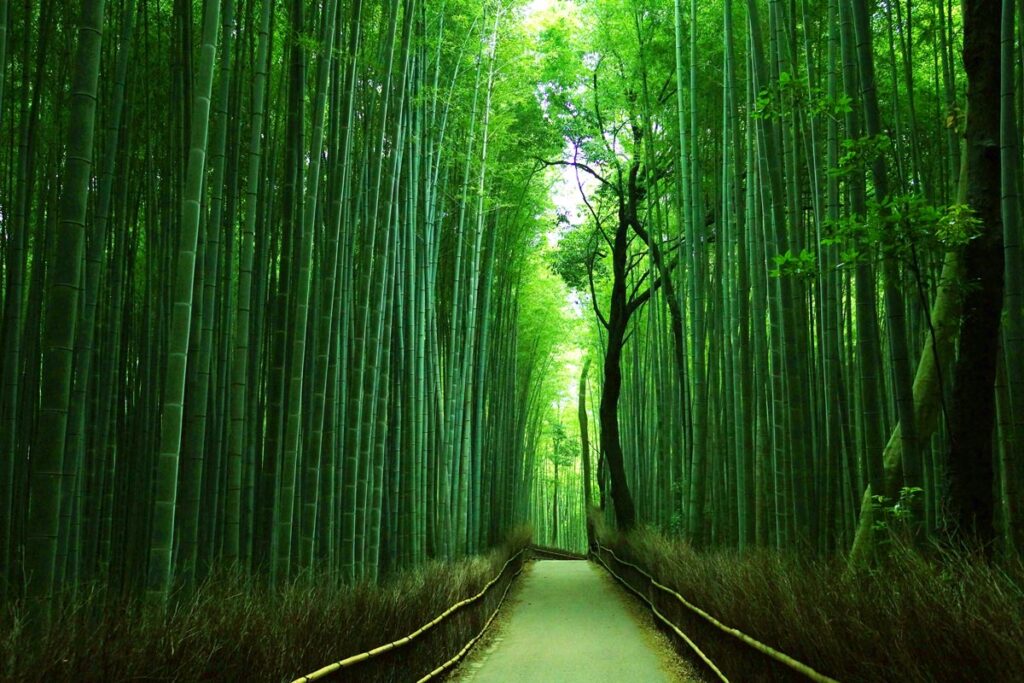
Arashiyama
Bamboo Grove
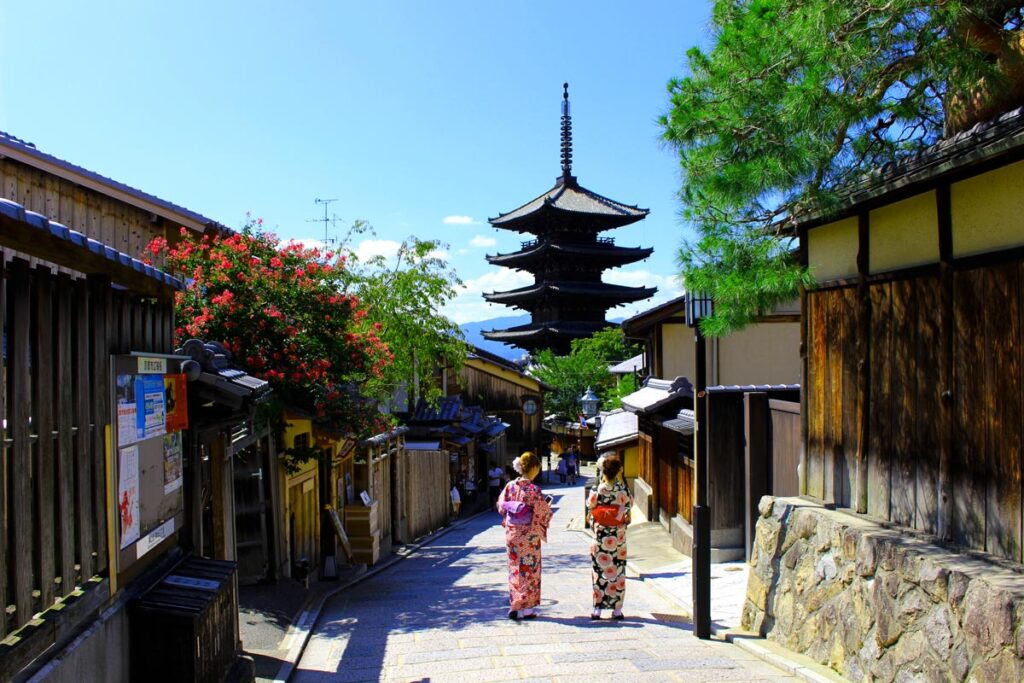
Gion
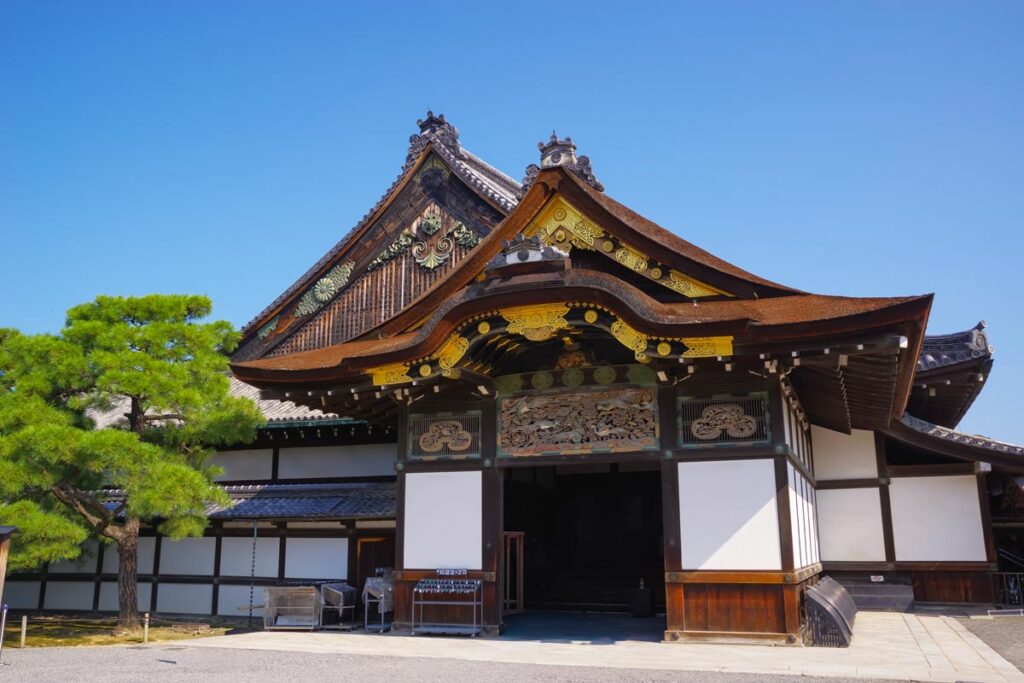
Nijo Castle
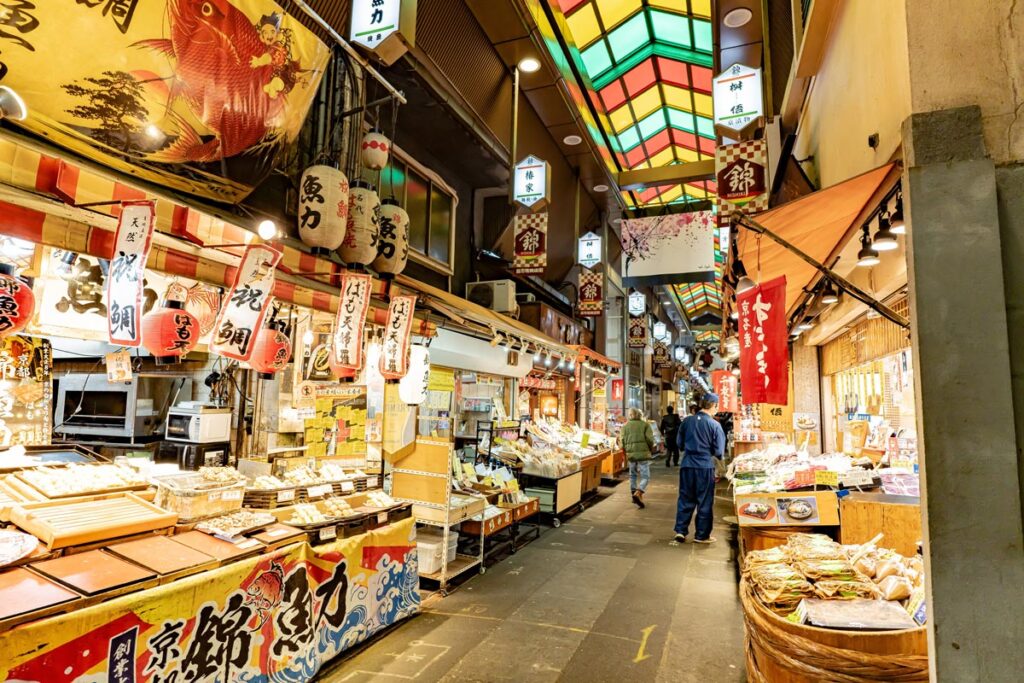
Nishiki Market
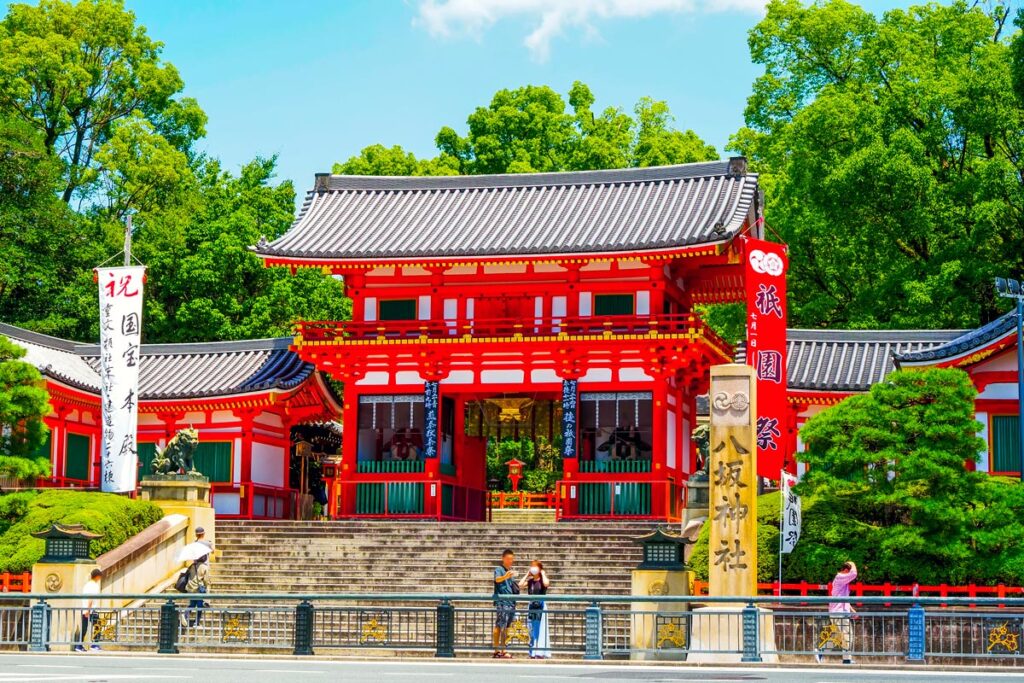
Yasaka Shrine
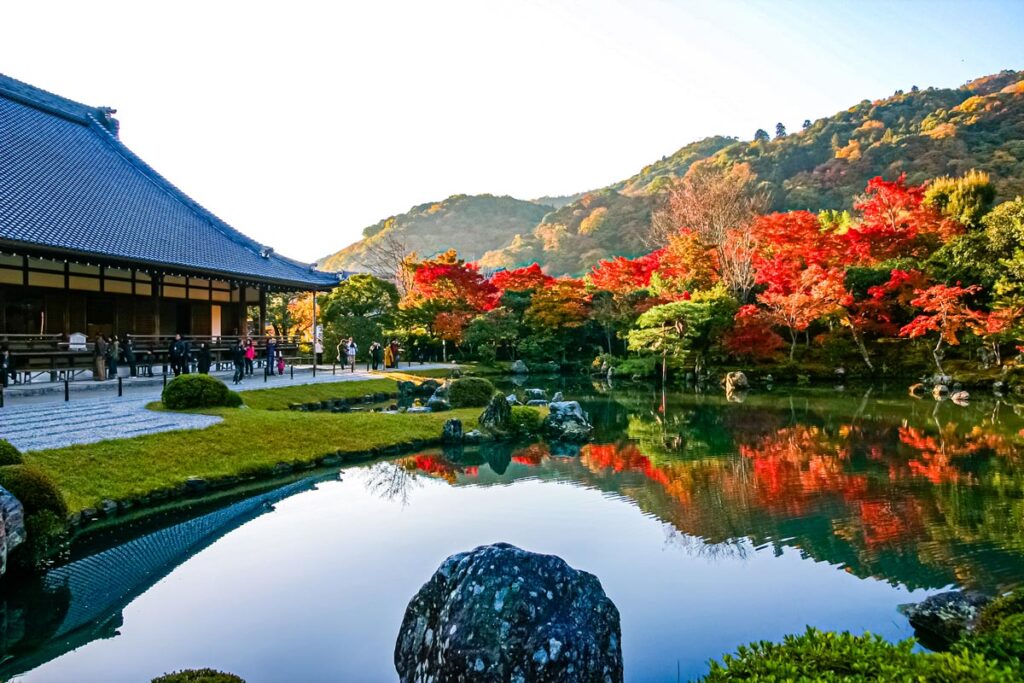
Tenryu-ji
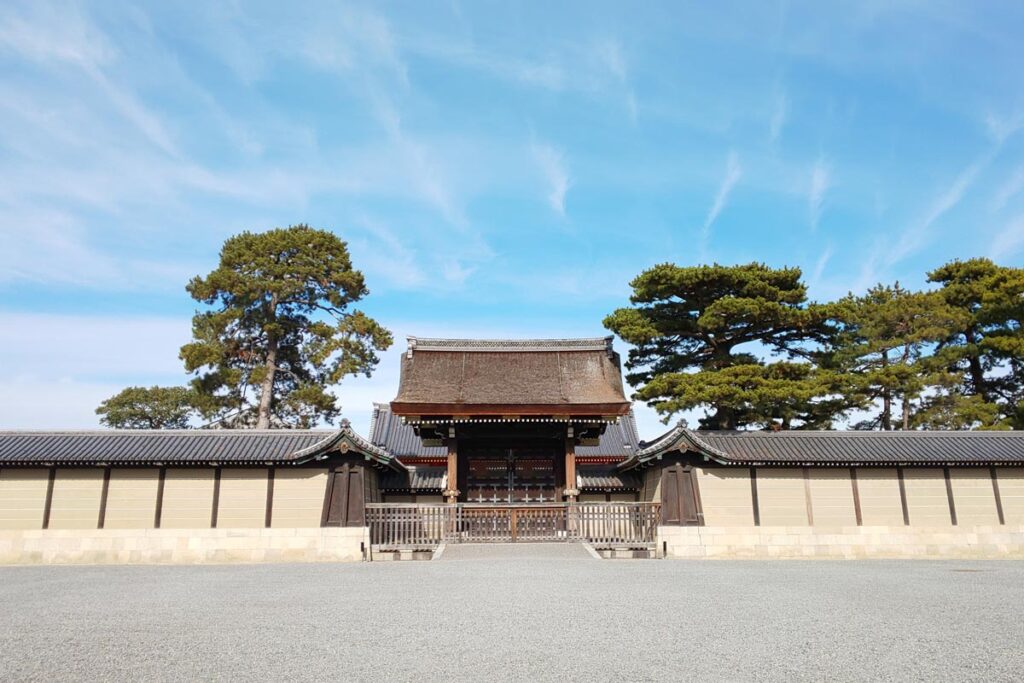
Kyoto Imperial Palace
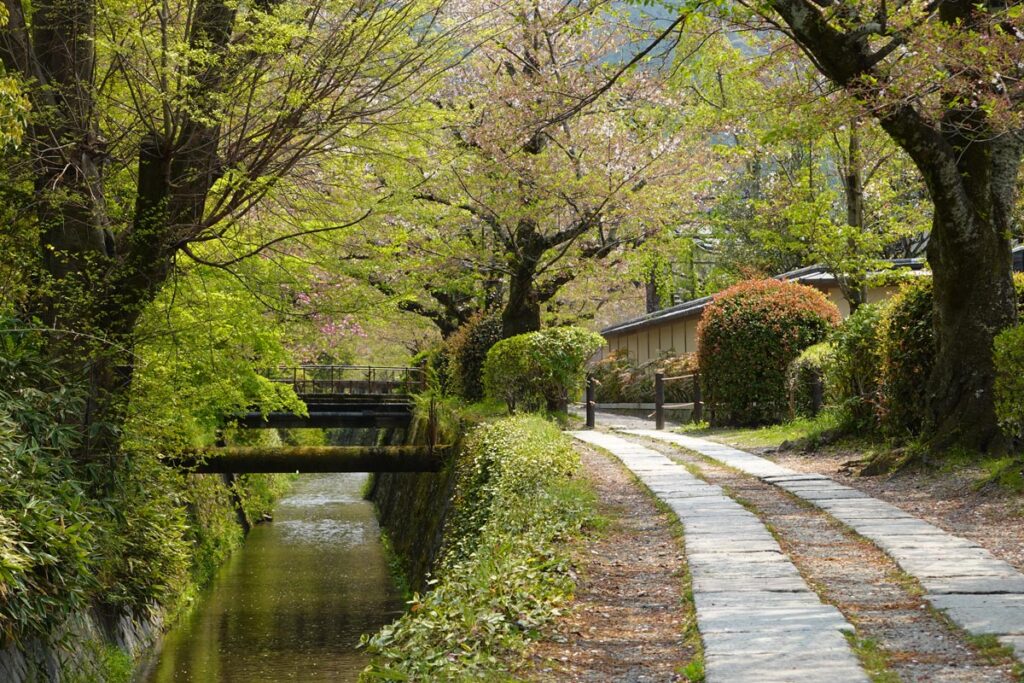
Philosopher's Path
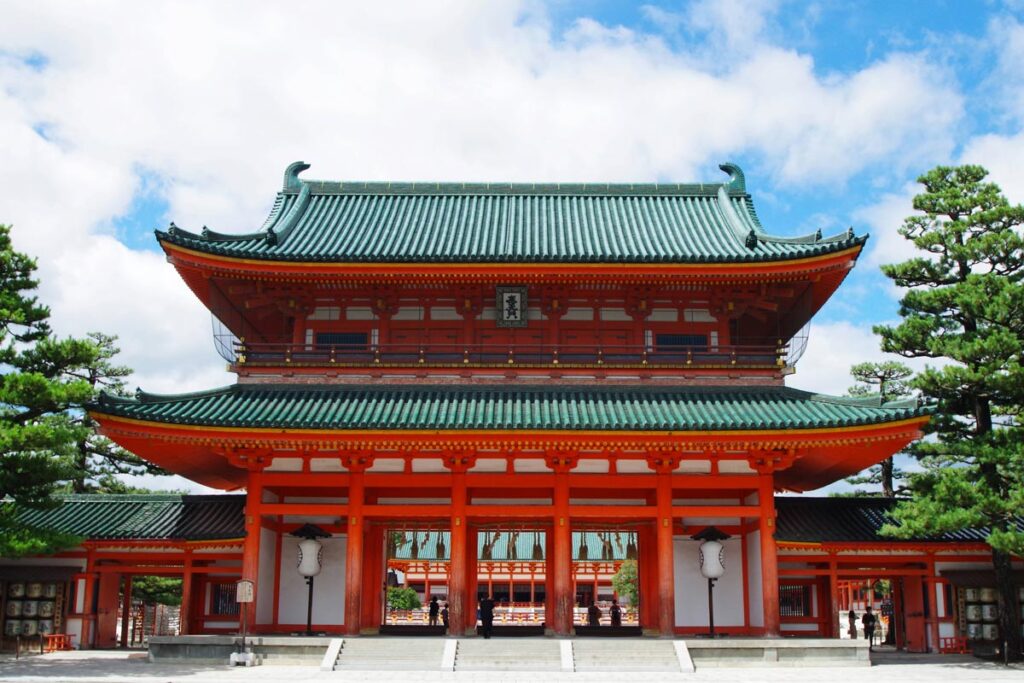
Heian Jingu
Kitano Tenmangu
Sanjusangendo
Kamo River
Nanzen-ji
Tofuku-ji
Kyoto International Manga Museum