




Tofuku-ji
Tofuku-ji Temple in Kyoto: A First-Time Visitor’s Guide
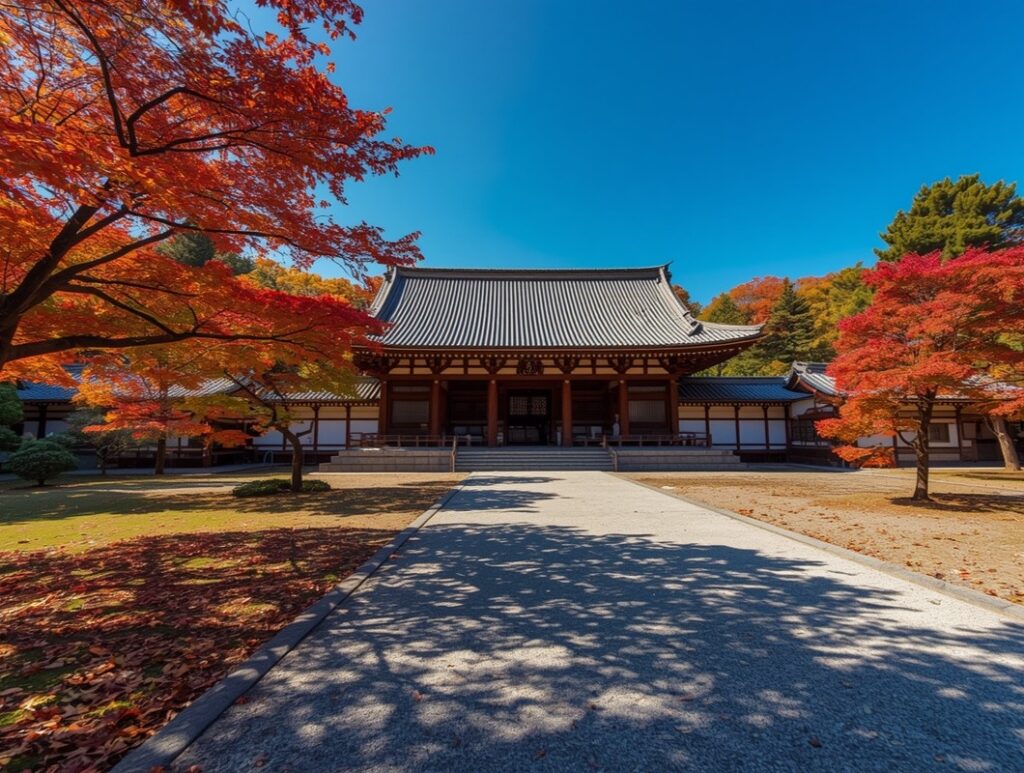
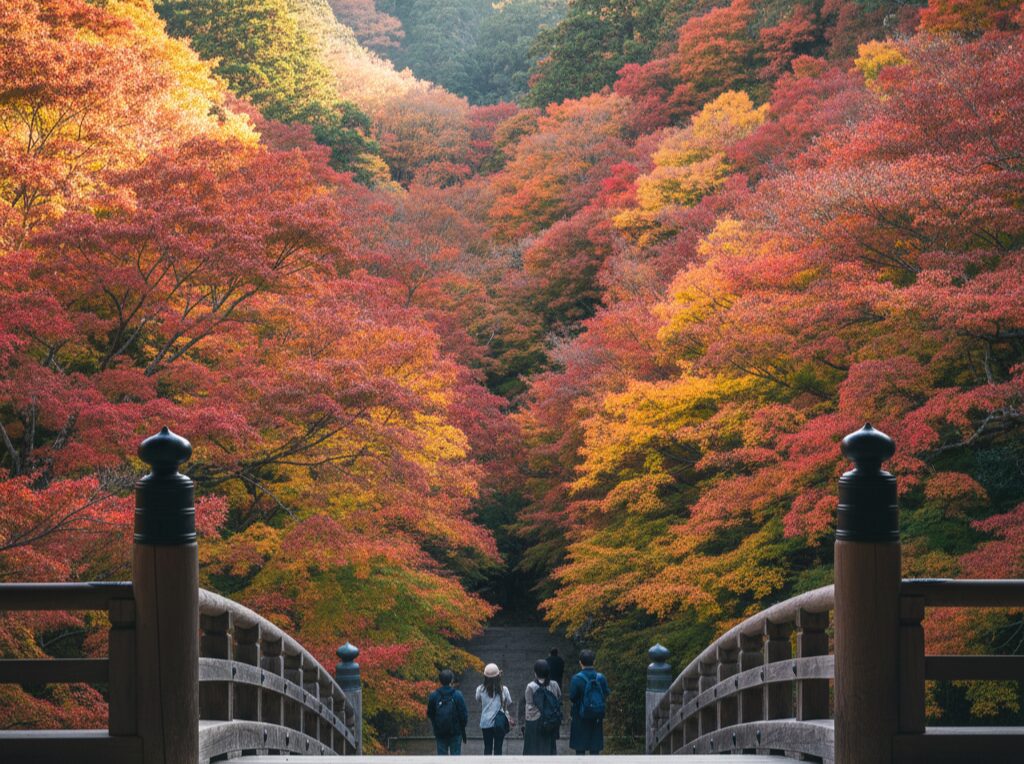
Photos are for illustrative purposes only.
On the southeastern side of Kyoto, away from the most crowded sightseeing streets, Tofuku-ji offers a quieter, more contemplative introduction to Japan. This major Zen temple is most famous for its spectacular autumn leaves, but its peaceful gardens, wooden bridges, and spacious grounds make it rewarding in any season. For first-time visitors to Japan, Tofuku-ji is an ideal place to feel the atmosphere of traditional Kyoto without rushing.
Why Visit Tofuku-ji?
Tofuku-ji is one of Kyoto’s great Zen temples, on the same scale of historical importance as more widely known spots such as Kinkaku-ji (the Golden Pavilion). Founded in the 13th century, it was designed to impress: its name combines characters from Todai-ji and Kofuku-ji in Nara, two of Japan’s most powerful temples at the time. Even today, its vast grounds, soaring wooden gates, and carefully composed gardens convey a sense of quiet authority.
For international visitors, the appeal of Tofuku-ji lies in three main experiences:
- Breathtaking valley views and maple leaves from the temple bridges
- Classic Zen architecture and a huge main gate that feels like a wooden mountain
- Beautifully designed gardens that encourage slow, mindful exploration
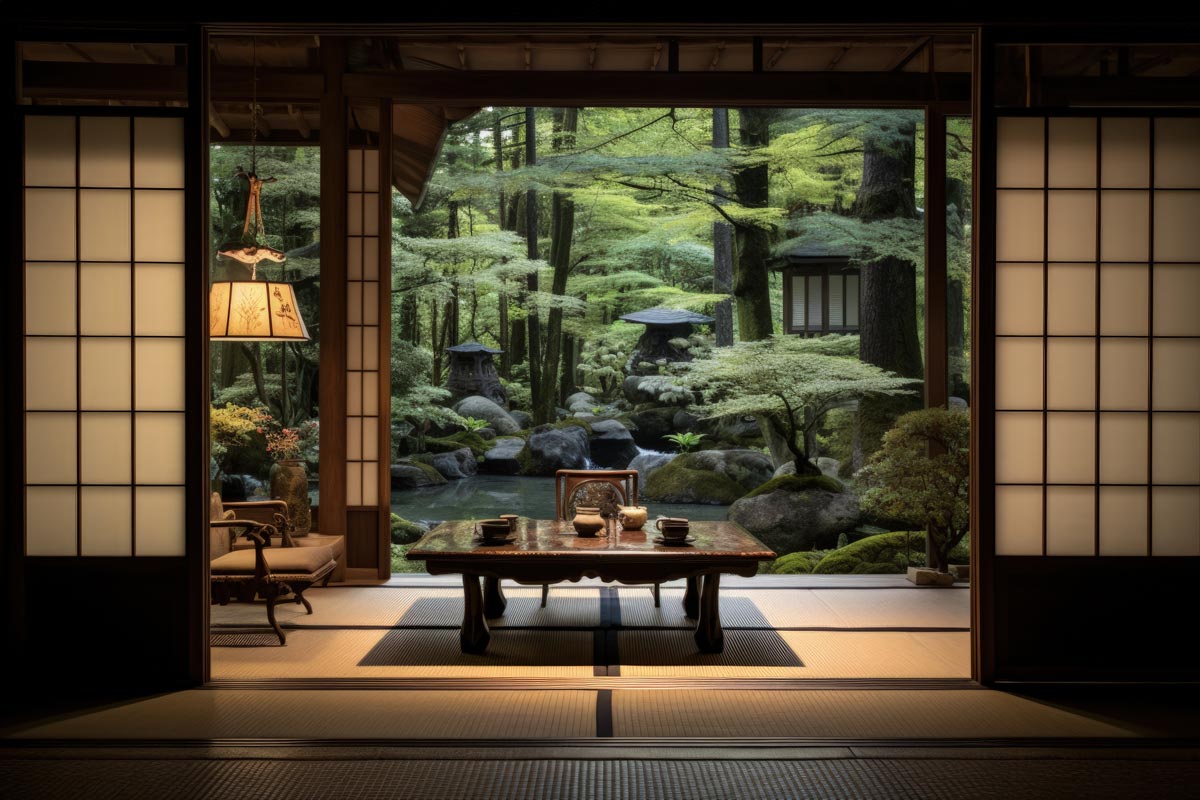
Unlike smaller, more crowded temples, Tofuku-ji invites you to walk, pause, and simply observe. It is a place where the classic images of Japan—tatami rooms, sliding paper doors, raked gravel, and moss gardens—come together in one setting.
A Brief History and Cultural Background
Tofuku-ji was founded in 1236 by the powerful Fujiwara family and completed in 1255 as a Rinzai Zen temple. During this period, Zen Buddhism was spreading from China to Japan’s warrior class, prized for its discipline, meditation practice, and simple aesthetics. Tofuku-ji became one of the “Five Great Zen Temples” of Kyoto, playing an important role in both religion and politics.
Like many major temples, Tofuku-ji suffered devastating fires several times over the centuries. The buildings you see today are mainly early modern reconstructions, but they faithfully follow older architectural styles. The temple still functions as a religious institution, so when you walk through the grounds, you are entering a living place of practice, not just a historical monument.
Zen temples such as Tofuku-ji are famous for integrating architecture and garden design. The goal is not just beauty, but also a setting that supports meditation. Gravel patterns, the placement of rocks, the emptiness of space—these are all considered carefully. As you explore, try to see the garden not as a “park” but as a three-dimensional painting meant to be viewed slowly from specific angles.
Main Highlights of Tofuku-ji
The Sanmon Gate: A Monumental Entrance
Your introduction to Tofuku-ji’s scale is the Sanmon Gate, one of the oldest and largest Zen temple gates in Japan. Standing before it, you may feel how different it is from modern buildings: massive wooden pillars, deep eaves, and a dark, weathered surface that has endured centuries.
Historically, such gates marked the transition from the everyday world into a sacred space. Pause here for a moment. Look up at the intricate wooden joinery—no nails are visible, only elaborately interlocking beams. The gate’s solid presence sets the tone for the quiet seriousness of the temple beyond.
Tsunen-bridge and Gaun-bridge: Crossing Maple Valley
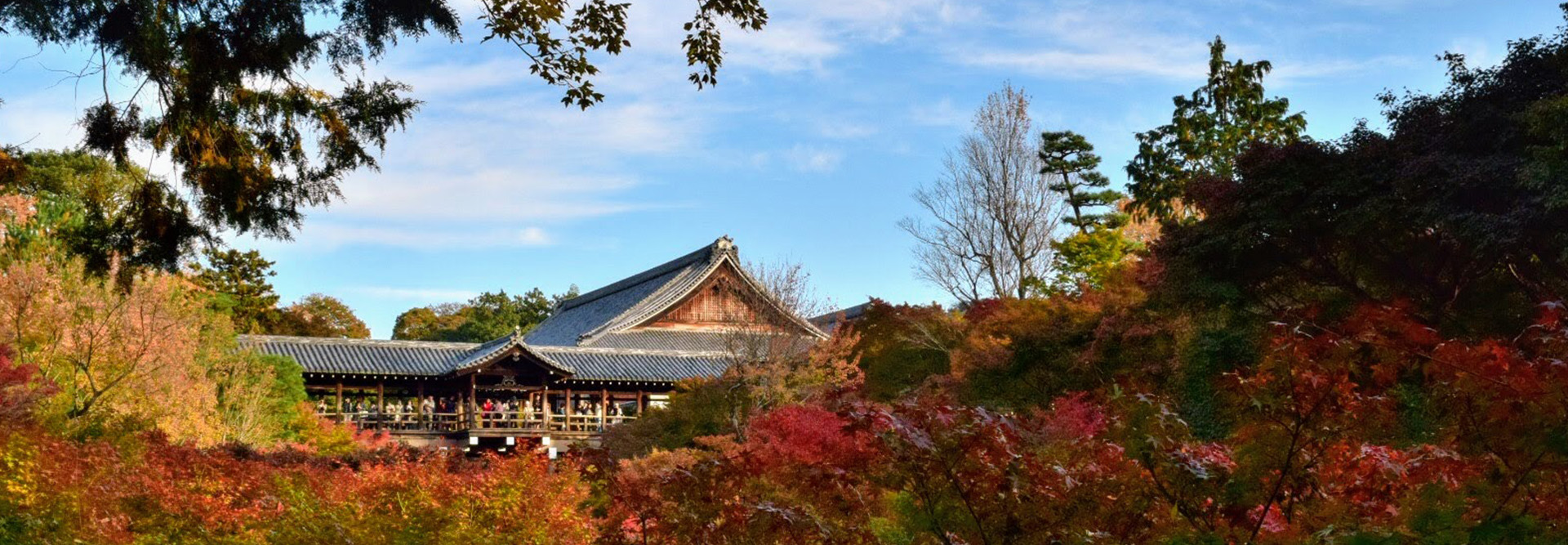
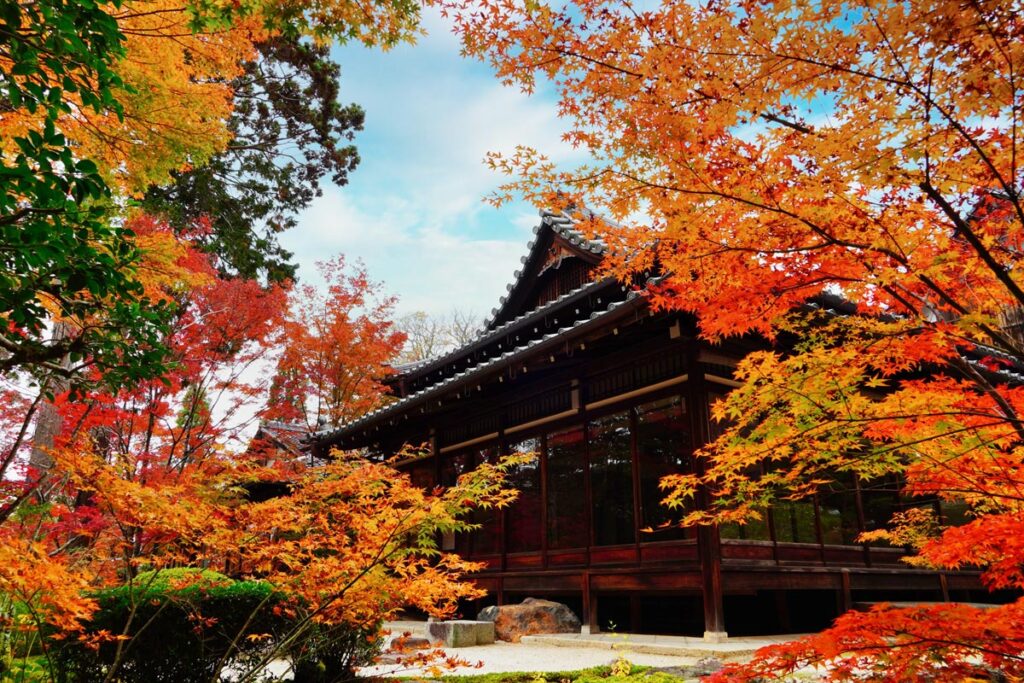
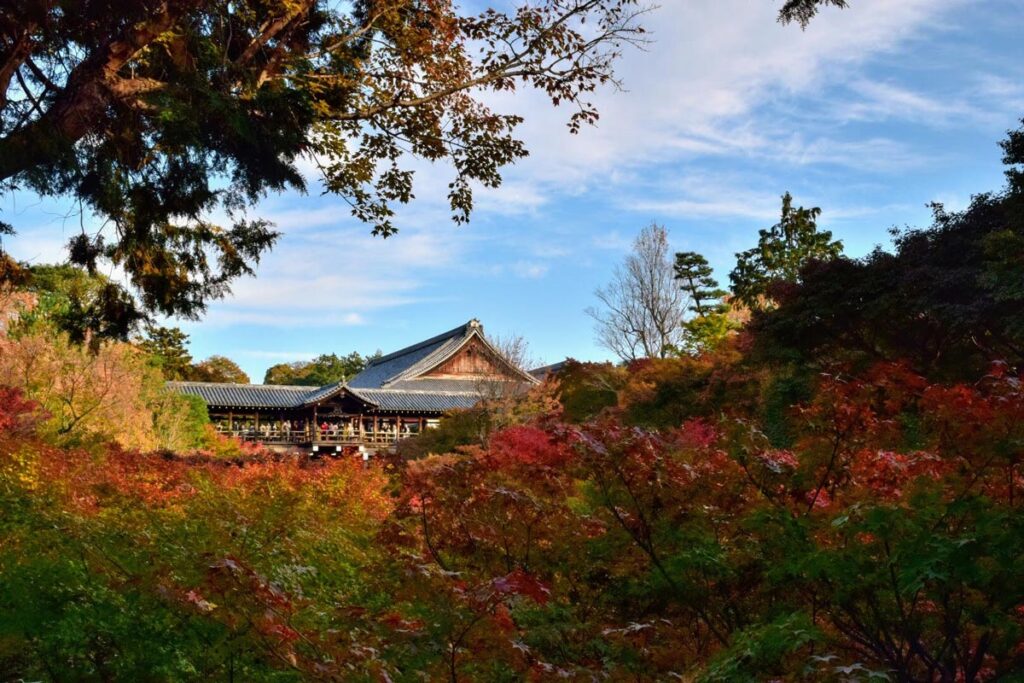
Inside the temple grounds, Tofuku-ji’s most famous feature is the series of wooden bridges that cross a small valley called Tsutenkyo, meaning “bridge to the heavens.” This ravine, filled with Japanese maples, becomes a sea of red, orange, and gold in November. In photos, you will often see the bridges framed by blazing autumn leaves.
The best-known viewpoint is along the Tsunen-bashi and Gaun-kyo bridges. Visitors line up here in peak season to photograph the maple canopy rolling away beneath them. Even outside autumn, the valley is quietly beautiful, especially in fresh spring green or dusted with winter snow.
Because the bridges are narrow and popular, they can be crowded in autumn. Walk slowly, follow staff instructions, and be patient—this is a spot where everyone wants a photo, but it is worth taking a moment to simply look without the camera.
Hojo and the Modern Zen Gardens
One of the unique aspects of Tofuku-ji is its combination of ancient buildings and relatively modern gardens. The gardens surrounding the Hojo (the former head priest’s residence) were designed in the 1930s by famed landscape architect Mirei Shigemori. Instead of perfectly imitating classic styles, he created a fresh interpretation of Zen aesthetics.
The Hojo is surrounded by four distinct gardens, one on each side:
- South Garden: A classic dry landscape with raked gravel and carefully placed rocks representing islands, mountains, and waves.
- North Garden: A checkerboard pattern of stone blocks embedded in moss, creating a striking, almost abstract composition.
- East Garden: A grid of stone pillars arranged to suggest a distant landscape.
- West Garden: Moss, stones, and shrubs arranged in circular patterns symbolizing the Buddhist concept of infinity.
Inside, tatami rooms open fully to the gardens, blurring the line between indoors and outdoors. Sit on the wooden veranda if possible, and experience the garden as it was intended: as a living painting that changes with light, season, and weather.
Sub-Temples and Quiet Corners
Tofuku-ji’s grounds are dotted with smaller sub-temples, many with their own compact gardens. Some are open to the public, others are not, and the openings may change by season. These sub-temples often feel far quieter than the main area, especially outside peak autumn.
If you have time, look for lesser-visited corners: a small cemetery, a quiet side path, or a simple stone lantern half-covered in moss. These details reveal the temple’s everyday life beyond the photogenic highlights.
When to Visit Tofuku-ji
Tofuku-ji is open year-round, and each season offers a distinct atmosphere. However, your experience will differ greatly depending on timing.
Autumn: Stunning but Crowded
From mid-November to early December, Tofuku-ji becomes one of Kyoto’s most popular spots for koyo (autumn foliage). During this time:
- The maple valley turns vivid red and orange.
- Special seasonal admission and one-way walking routes may be set up.
- Crowds are heavy, especially weekends and late mornings.
If you visit in autumn, go as early as possible, ideally right at opening time on a weekday. Expect lines at the bridges and be prepared to move slowly through certain areas. Despite the crowds, the view of the maple ravine from the bridges is unforgettable.
Spring, Summer, and Winter: Peaceful Beauty
Outside the peak autumn season, Tofuku-ji is much calmer:
- Spring: Fresh green maple leaves create a soft, luminous canopy. While cherry blossoms are not the main attraction here, the new foliage is soothing and photogenic.
- Summer: Deep green moss and shade under the trees make the temple feel cool and contemplative. This is a good time to appreciate the patterns of the gardens without distraction.
- Winter: On snowy days, the contrast between white roofs and dark wood is remarkable. Even without snow, the bare branches highlight the structure of the gardens.
First-time visitors who value a quieter experience may prefer these seasons, when it is easier to move at your own pace and sit quietly in front of the gardens.
How to Get to Tofuku-ji
Tofuku-ji is conveniently located just one train stop from Kyoto Station, making it easy to include in a day of sightseeing.
From Kyoto Station
- By JR Train: Take the JR Nara Line from Kyoto Station to Tofukuji Station (about 3 minutes). From Tofukuji Station, it is roughly a 10–15 minute walk to the temple entrance.
- By Keihan Line: If you are already near the Kamo River, you can use the Keihan Railway and get off at Tofukuji Station, then walk.
- By Bus: City buses also serve the area, but traffic in Kyoto can be slow, especially in peak seasons. The train is usually faster and more comfortable.
Signage from Tofukuji Station to the temple is fairly clear, and many visitors will be heading in the same direction. The walk passes through a quiet residential area, offering a glimpse of everyday Kyoto life.
Entrance, Tickets, and Opening Hours
Tofuku-ji’s outer grounds can usually be visited for free, but there are separate paid areas such as the Hojo gardens and Tsutenkyo Bridge. Fees and opening hours can change, especially during special seasons, but you can generally expect:
- Modest admission fees for the Hojo and bridge precincts, paid separately.
- Opening from morning to late afternoon, with last entry typically 30–60 minutes before closing.
- Extended or special hours during the autumn foliage period.
Some signs, ticket windows, and brochures may include English, but not all. It is helpful to have cash (Japanese yen coins and small bills) ready, as smaller ticket offices may not accept cards.
Cultural Etiquette and How to Behave
Tofuku-ji is a functioning Zen temple and a place of worship. Being mindful of local customs will help you and others enjoy the visit.
- Stay on paths: Do not step into gardens or onto moss, which is delicate and takes years to grow.
- Respect quiet: Speak softly, especially inside buildings and near meditation areas.
- Shoes off indoors: When entering temple halls or tatami rooms, remove your shoes and carry them in the provided plastic bags if required.
- Photography rules: Photography is generally allowed outside, but flash, tripods, or photography inside certain halls may be forbidden. Follow posted signs and staff instructions.
- No eating in sacred areas: Avoid eating or drinking inside buildings and formal garden viewpoints. Save snacks for outside the temple grounds or designated rest areas.
By observing these simple guidelines, you help preserve the temple and show respect for those who come to pray or meditate.
Tips for First-Time Visitors
To make the most of your visit to Tofuku-ji, consider the following practical tips:
- Arrive early: Visiting close to opening time reduces crowds and makes the atmosphere more serene, especially in autumn weekends.
- Wear easy-to-remove shoes: You will likely take off your shoes several times when entering temple buildings.
- Allow 1.5–2 hours: This gives you enough time to walk the grounds, cross the bridges, and sit quietly in front of the Hojo gardens.
- Bring a light layer: Interiors can feel cool in spring and autumn due to open verandas and stone floors.
- Combine with nearby sights: Tofuku-ji is close to Fushimi Inari Shrine by train, making it easy to visit both in a single day.
Above all, try not to rush from spot to spot. Zen temples are designed to be experienced slowly. Even a few minutes of stillness on a veranda can transform your impression of the place.
Suggested Itineraries Including Tofuku-ji
Because of its convenient location, Tofuku-ji fits well into various Kyoto sightseeing plans. Here are a few ideas:
Half-Day: Tofuku-ji and Fushimi Inari
Start in the morning at Tofuku-ji, enjoying the quieter atmosphere. Around late morning, take the JR Nara Line from Tofukuji Station to Inari Station (one stop) to visit Fushimi Inari Taisha with its thousands of red torii gates. This combination offers a good balance of temple calm and shrine energy.
Full-Day: Southern Kyoto Temples
For a deeper cultural day, begin at Tofuku-ji, then continue to other temples or districts in southern and eastern Kyoto, such as Sanjusangen-do or the Higashiyama area. This route builds an understanding of Kyoto’s religious heritage as you move from one historic site to another.
Experiencing Zen Through Space and Silence
For many first-time travelers to Japan, Tofuku-ji offers a more subtle kind of beauty than glittering golden halls or towering pagodas. Its strength lies in space, silence, and carefully framed views. Sitting on a wooden veranda overlooking raked gravel or a moss garden, you may begin to understand why Zen aesthetics have influenced Japanese art, architecture, and even everyday design for centuries.
As you leave the temple and walk back through the quiet neighborhood to the station, the memory that stays with you may not be a single famous photo spot, but the feeling of stillness within a city. In a journey through Japan’s temples and shrines, Tofuku-ji is a place where you can slow down, breathe deeply, and see how nature and architecture come together in harmony.

Access Map
Recommended spots in Kyoto
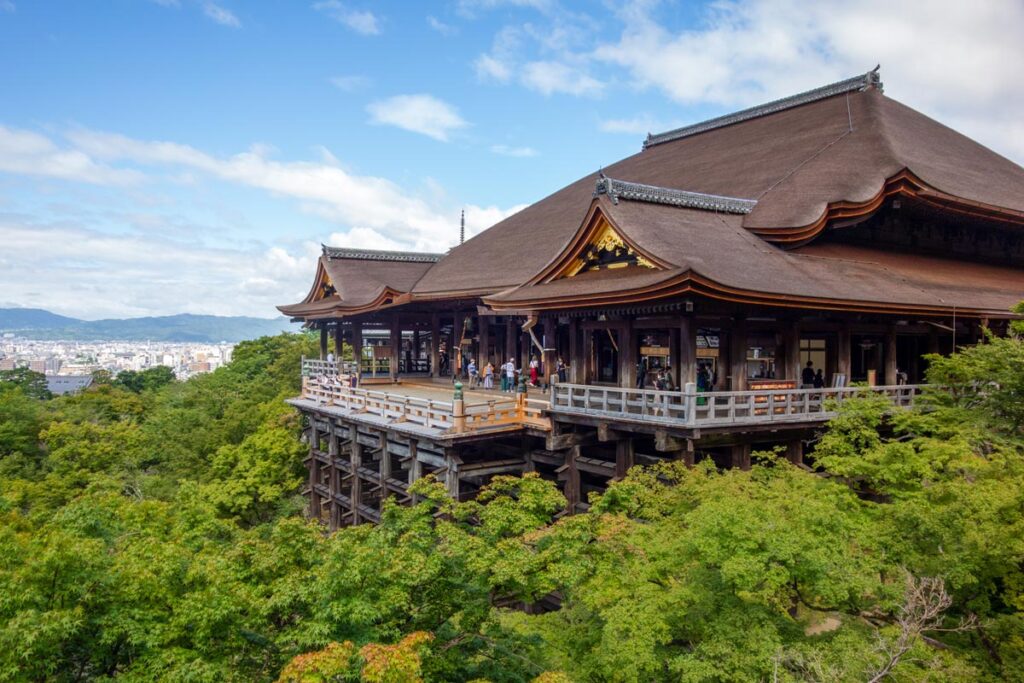
Kiyomizu-dera
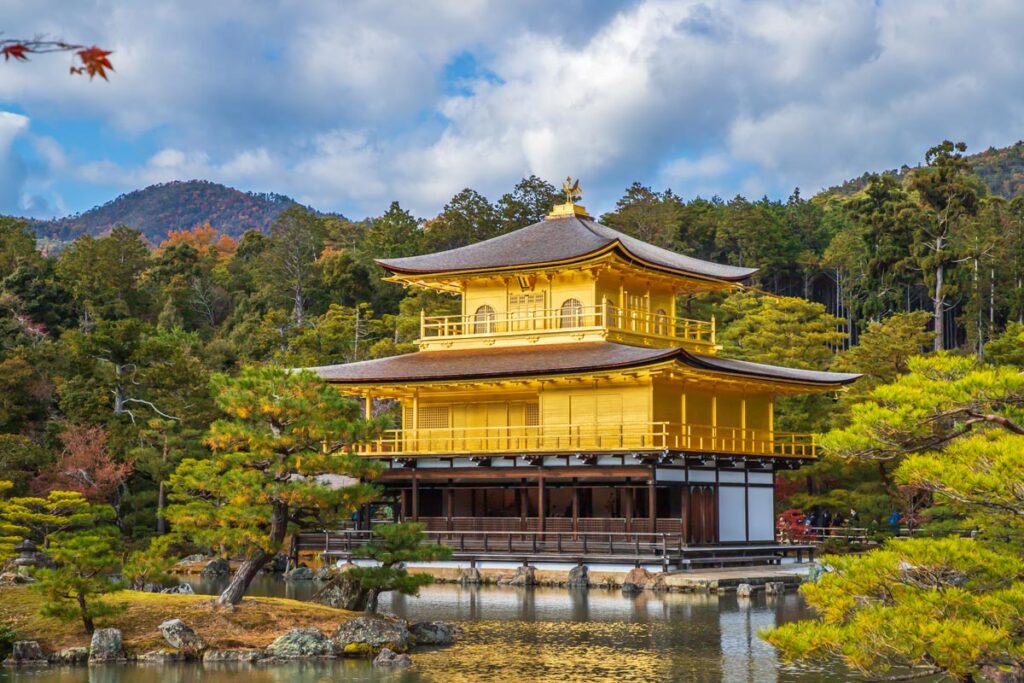
Kinkaku-ji
(Golden Pavilion)
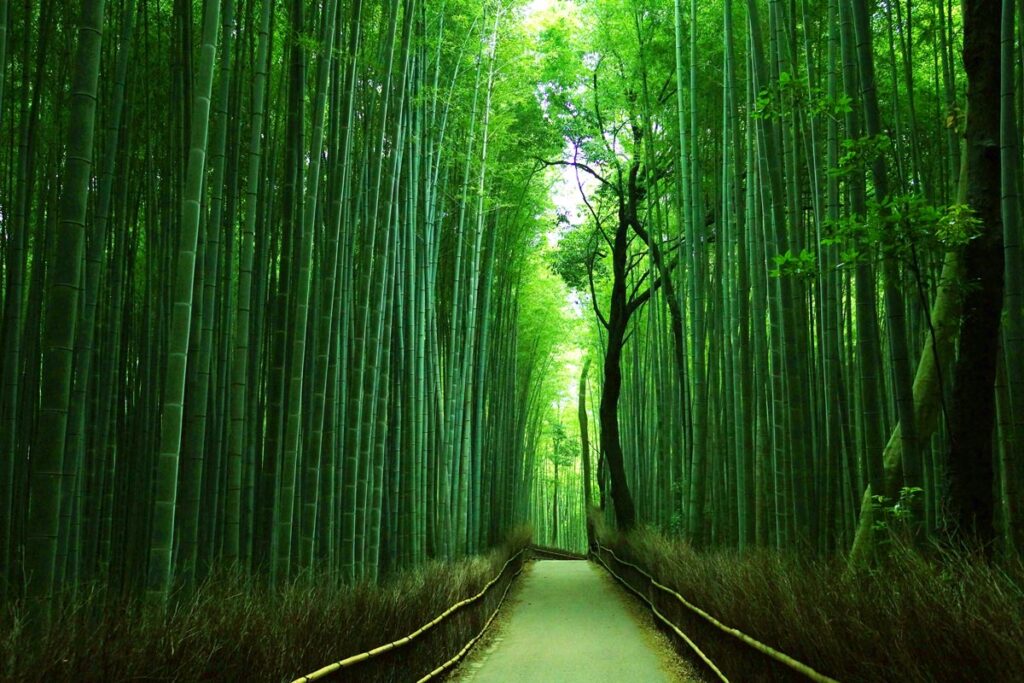
Arashiyama
Bamboo Grove
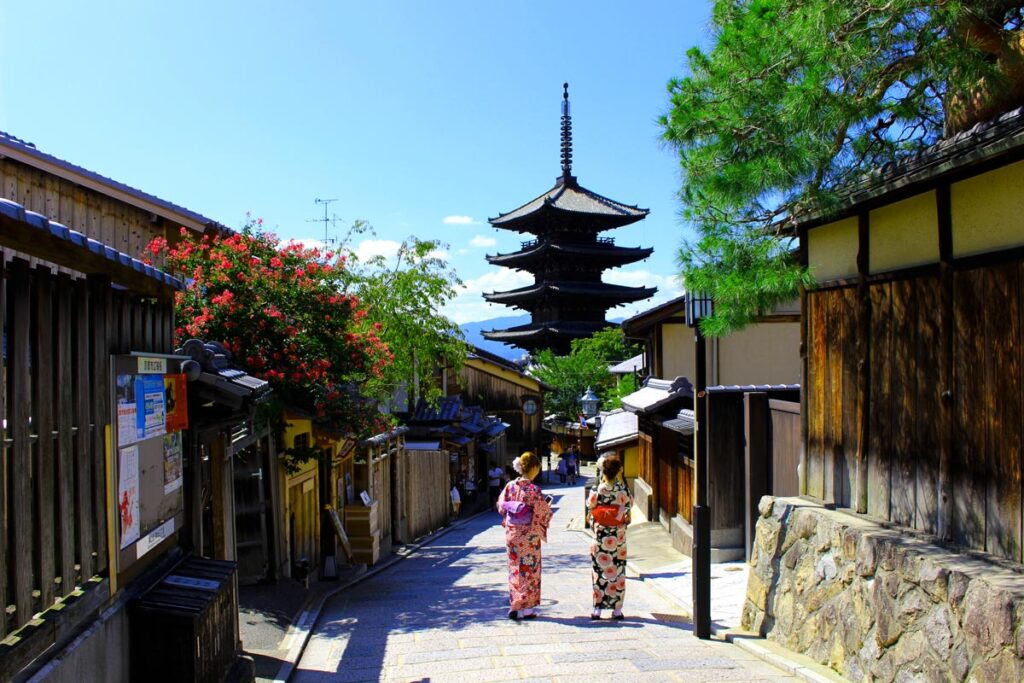
Gion
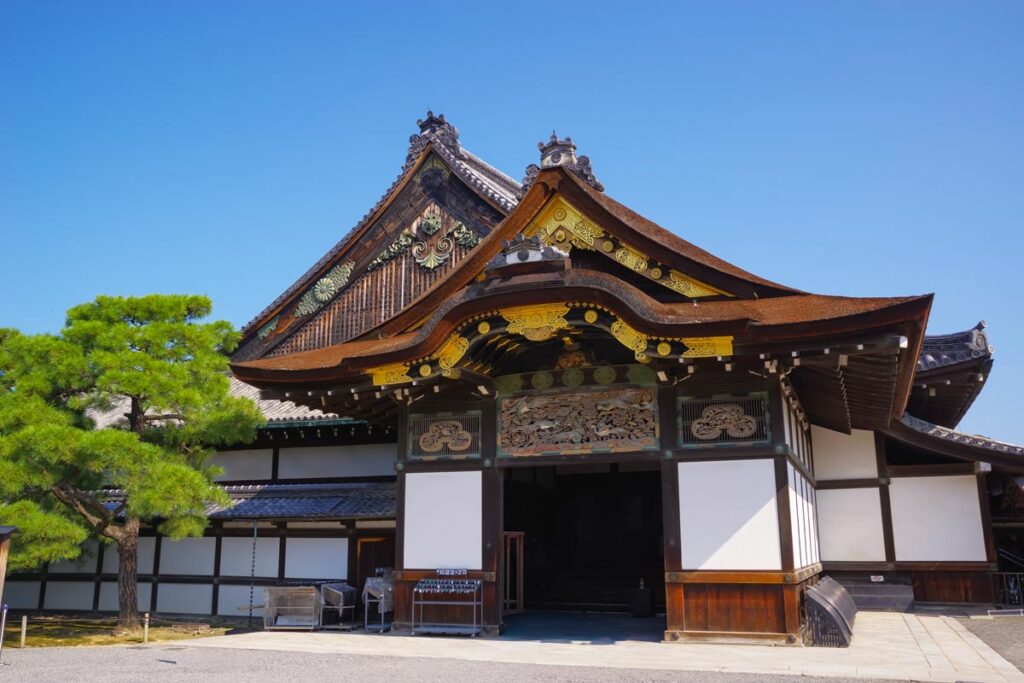
Nijo Castle
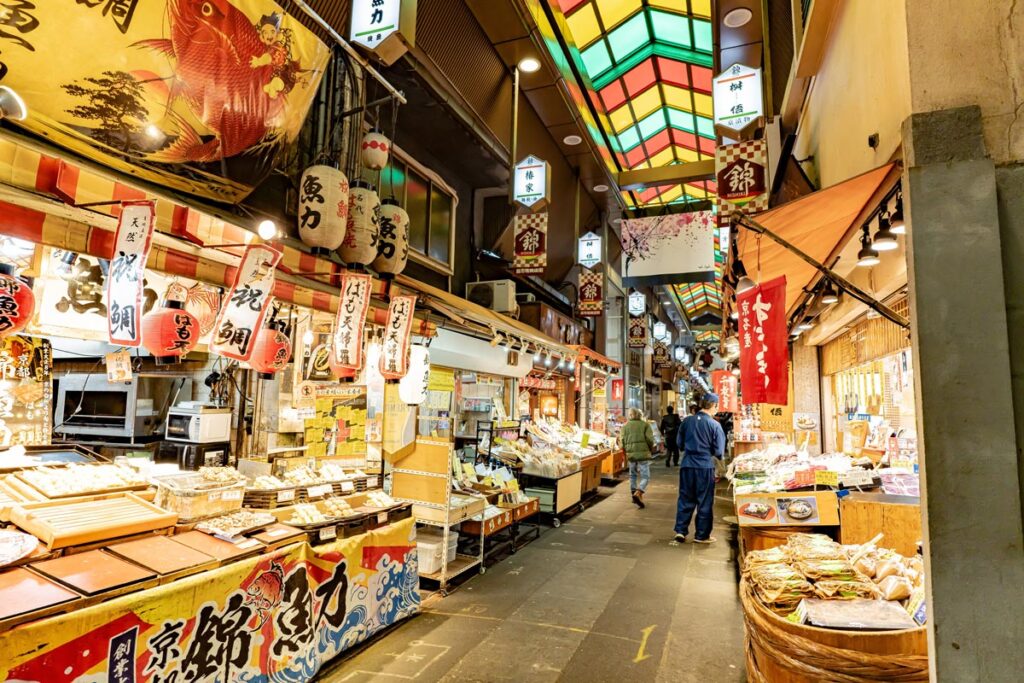
Nishiki Market
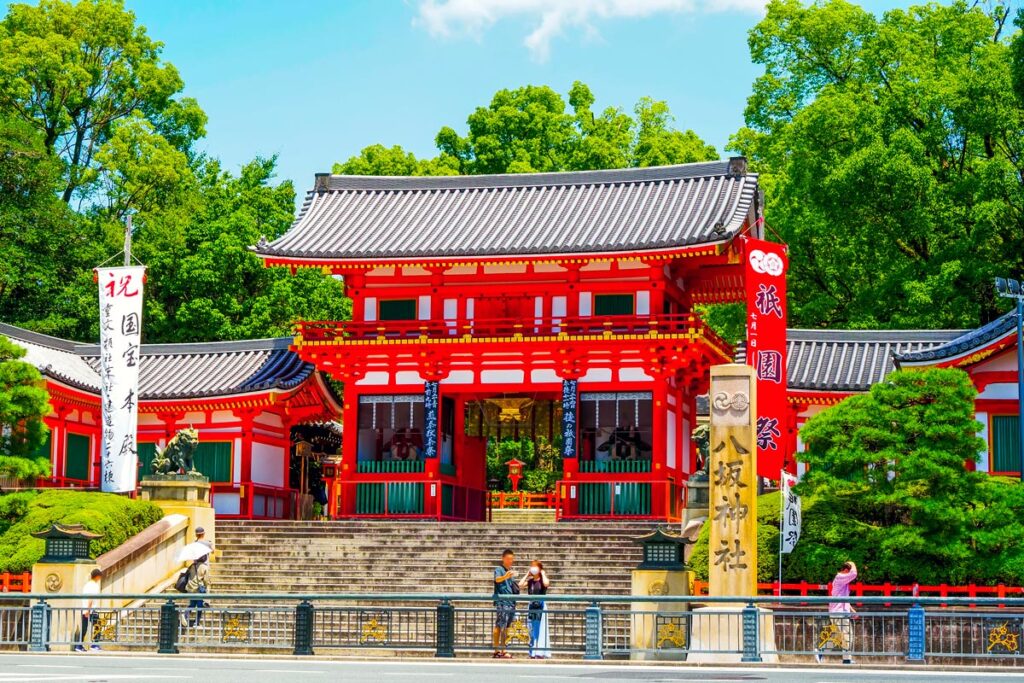
Yasaka Shrine
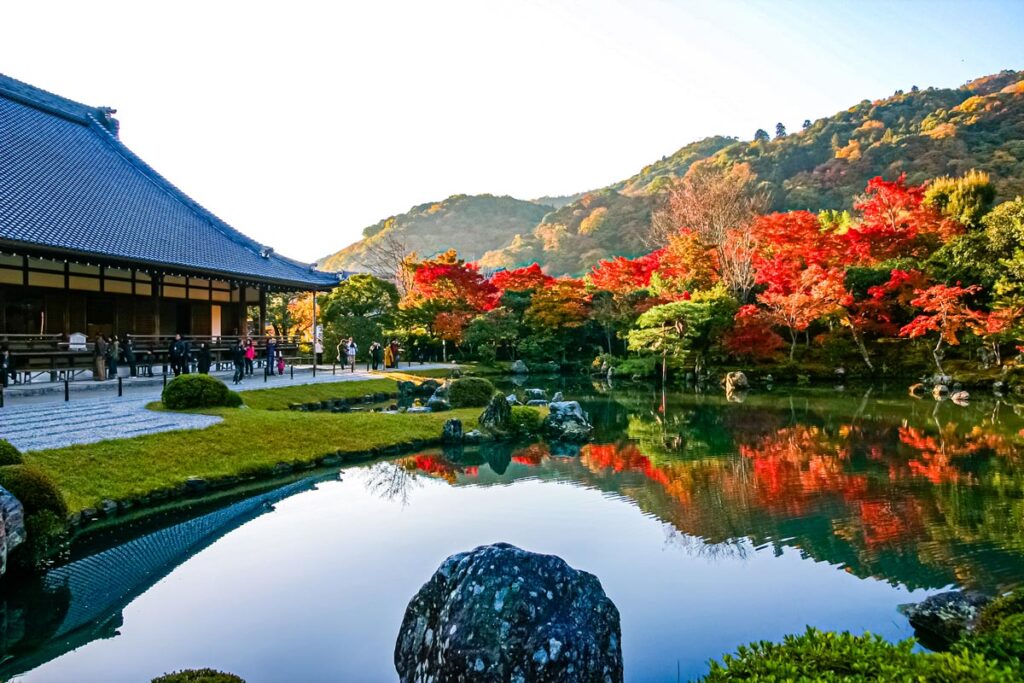
Tenryu-ji
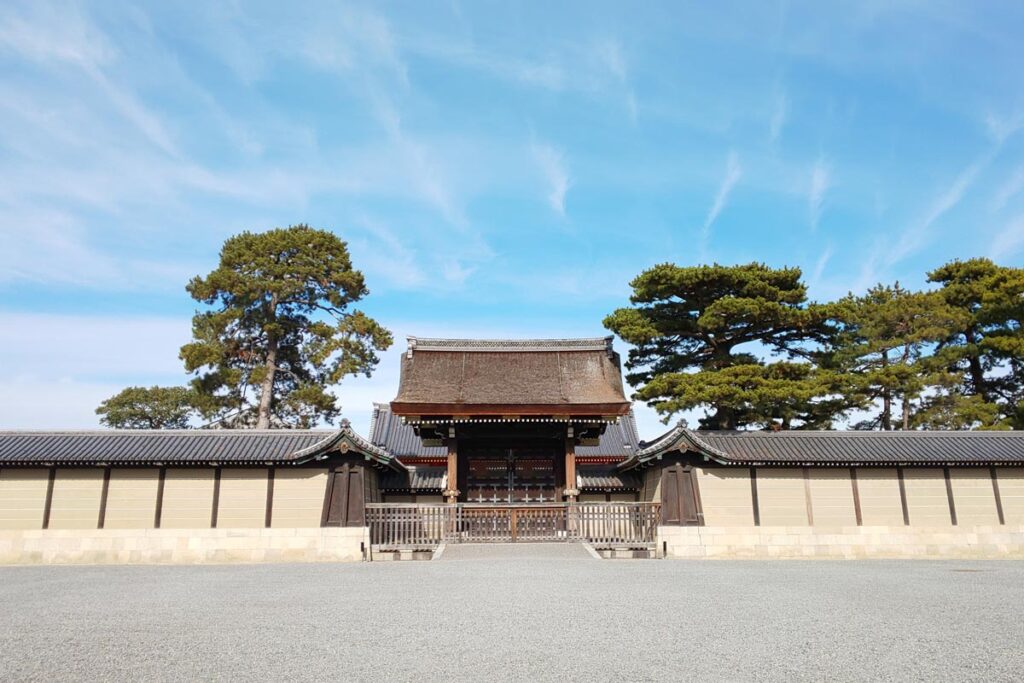
Kyoto Imperial Palace
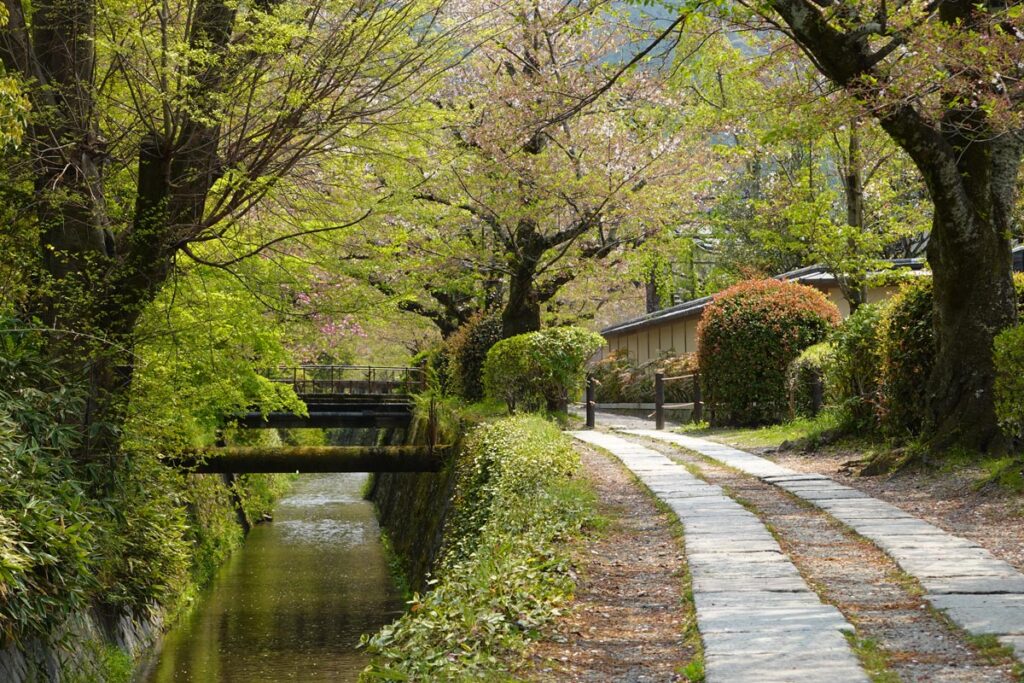
Philosopher's Path
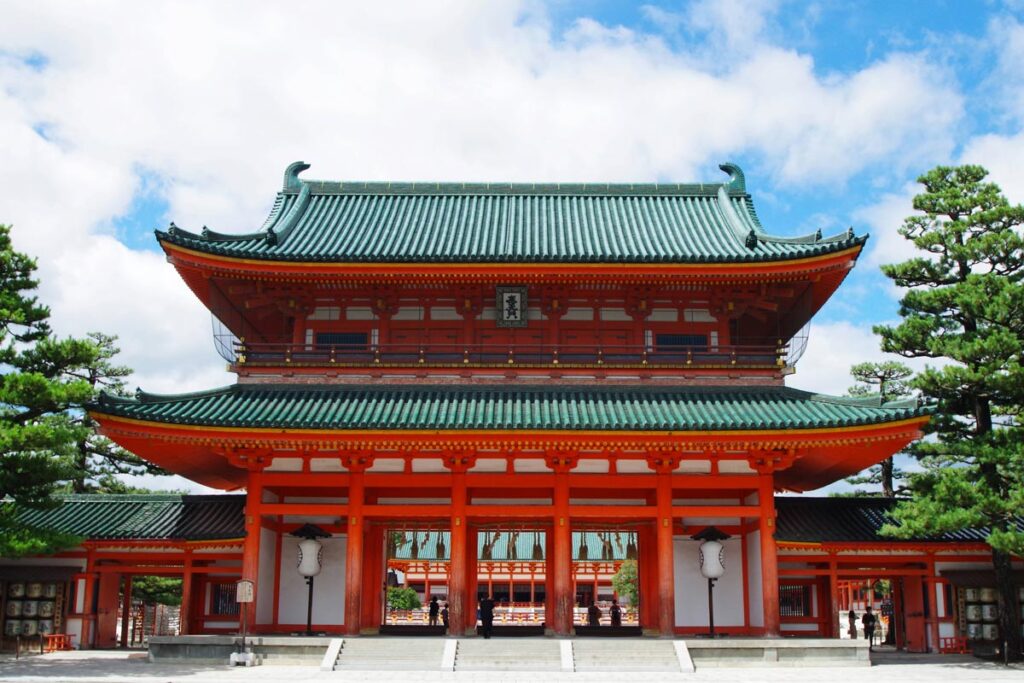
Heian Jingu
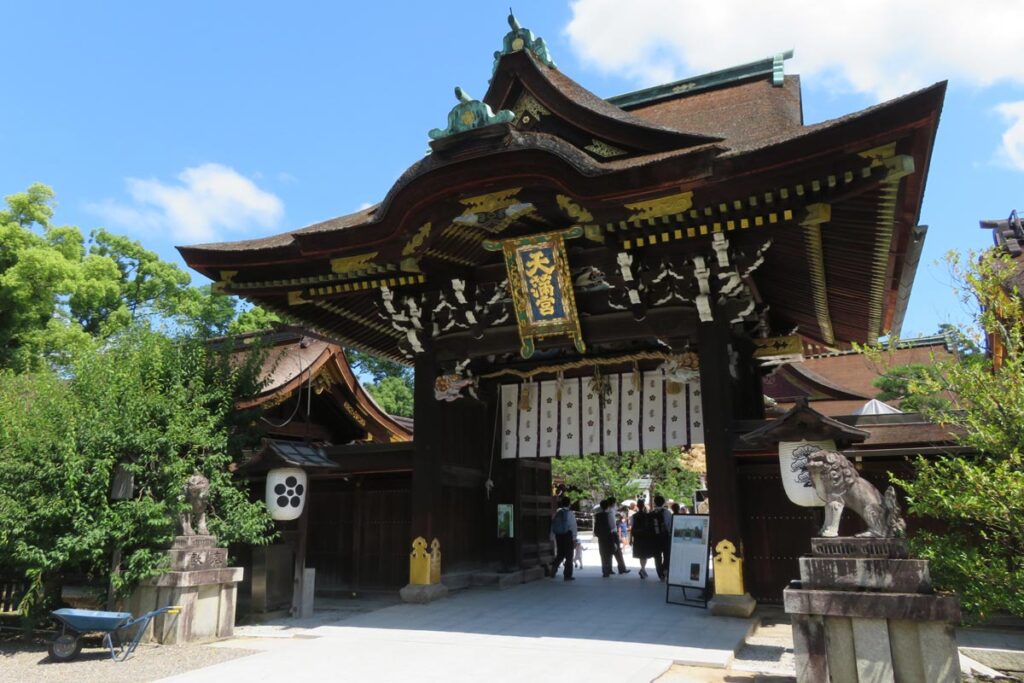
Kitano Tenmangu
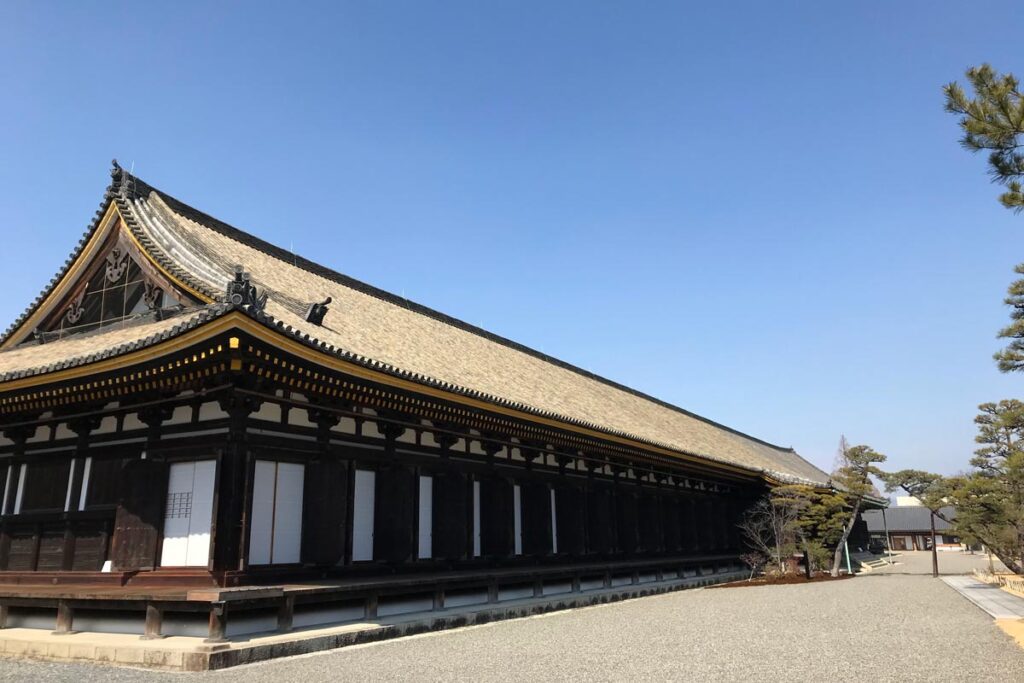
Sanjusangendo
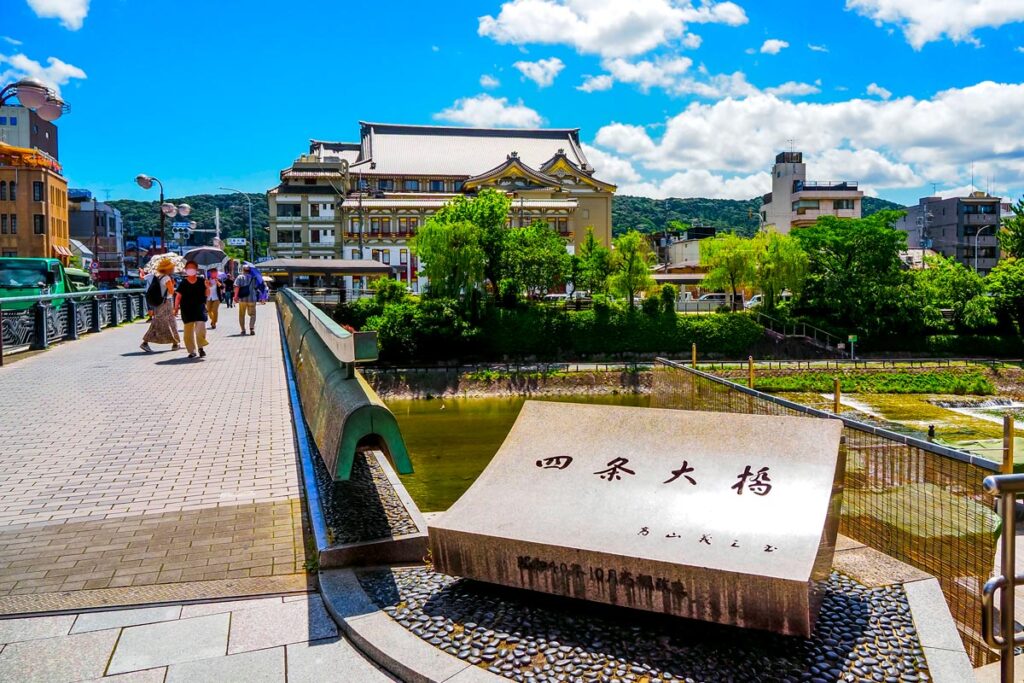
Kamo River
Nanzen-ji
Tofuku-ji
Kyoto International Manga Museum