
Kaiyukan Osaka Aquarium
Kaiyukan Osaka Aquarium: A First-Timer’s Guide for International Visitors
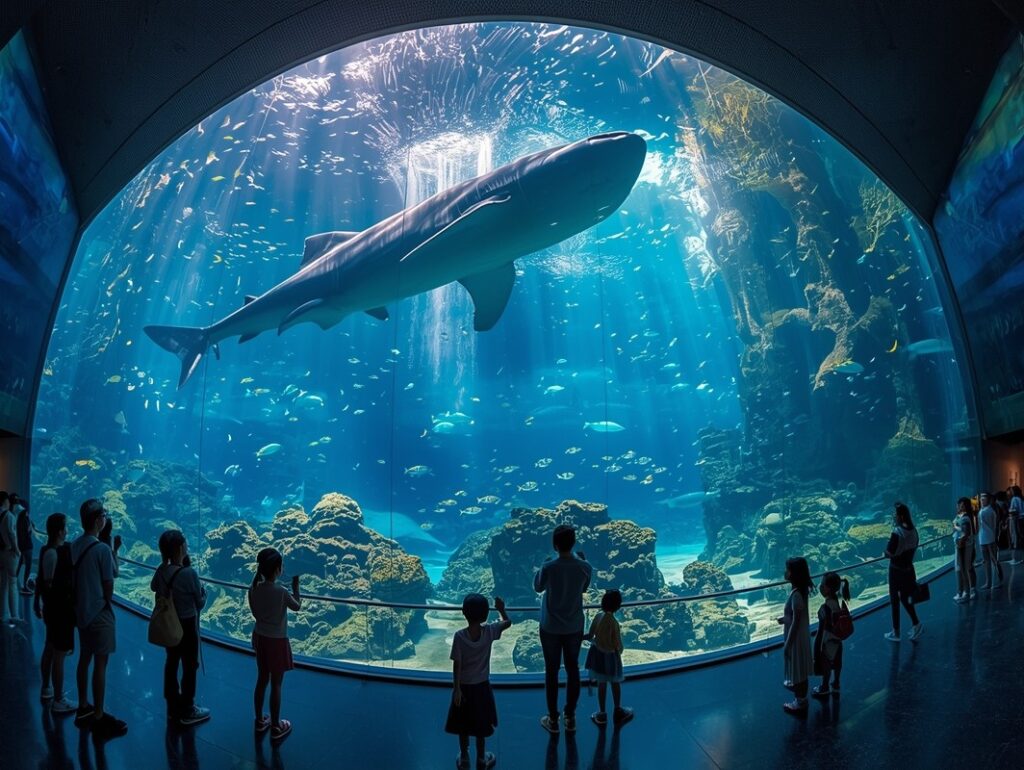
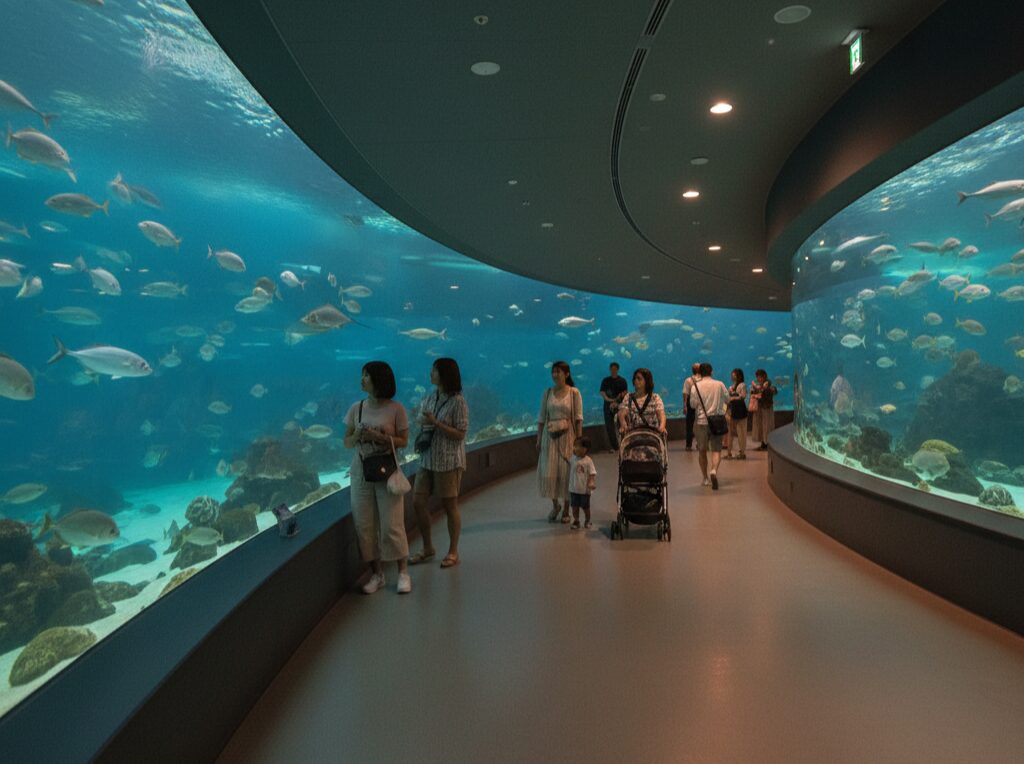
Photos are for illustrative purposes only.
Kaiyukan Osaka Aquarium is one of Japan’s most popular family attractions and one of the largest aquariums in the world. Located in Osaka’s bayside Tempozan Harbor Village, it combines immersive tank design, clever storytelling, and a distinctly Japanese sense of hospitality. For first-time visitors to Japan, Kaiyukan offers an easy, relaxed way to experience the country’s fascination with the sea, marine life, and detailed presentation.
Why Visit Kaiyukan on Your Japan Trip
Japan is an island nation, and the ocean shapes both daily life and traditional culture. From sushi and seafood markets to maritime myths, the sea is everywhere – and Kaiyukan is one of the best places to see this relationship up close. Rather than simply showing fish in tanks, the aquarium is designed as a journey around the Pacific Rim, highlighting marine environments that influence Japan and its neighbors.
For overseas visitors, Kaiyukan is especially appealing because it is:
- Easy to visit – clear signage, English-friendly facilities, and simple access by train.
- Great in any weather – perfect for rainy days, hot summers, or cold winters.
- Family-friendly – stroller-friendly route, engaging exhibits, and plenty of rest spots.
- Close to other attractions – including Universal Studios Japan and a large shopping and dining area.
Where Kaiyukan Is and How to Get There
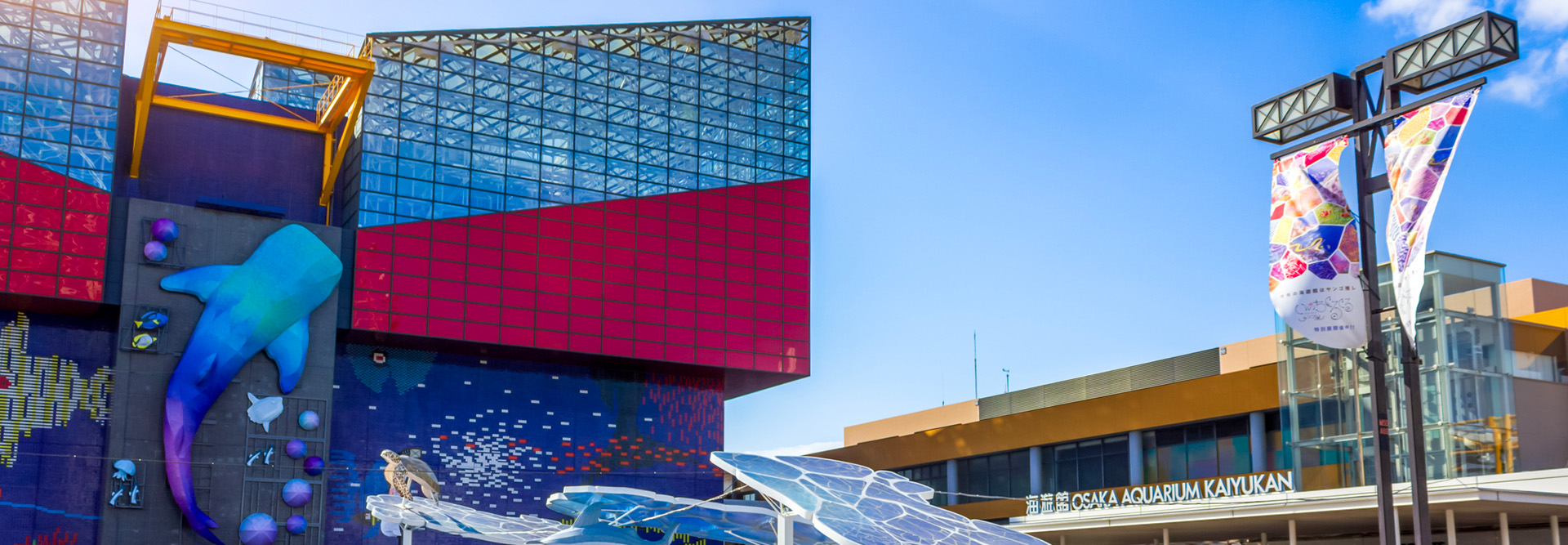
Kaiyukan sits in Osaka’s Tempozan Harbor Village area, right on Osaka Bay. The location offers scenic views of the water, the Tempozan Giant Ferris Wheel, and the red-trussed Tempozan Bridge. Even before you enter, the building’s bold, geometric facade covered in a colorful marine-themed mural sets the tone for what’s inside.
From Central Osaka
The easiest way to reach Kaiyukan is by train and subway:
- From Osaka Station / Umeda: Take the Osaka Metro Midosuji Line to Honmachi, then transfer to the Chuo Line and ride to Osakako Station. From Osakako, it’s about a 5–10 minute walk with clear signs in English.
- From Namba: Take the Osaka Metro Midosuji Line to Honmachi, then transfer to the Chuo Line to Osakako.
If you prefer a more scenic route, sightseeing boats connect the bay area around Kaiyukan with other parts of Osaka, and some visitors arrive via harbor cruises.
From Kyoto, Kobe, or Kansai Airport
- From Kyoto: Take a JR train or private railway to Osaka or Umeda, then follow the subway route above.
- From Kobe: Ride a JR or Hanshin train into central Osaka and transfer to the Osaka Metro.
- From Kansai International Airport (KIX): Take a train to central Osaka (JR or private lines), then transfer to the subway. Allow at least 1.5 hours from the airport.
Tickets, Opening Hours, and Practical Info
Kaiyukan is popular with both domestic and international travelers, so planning your timing can make your visit much smoother.
Opening Hours
Opening hours typically start in the morning and extend into the evening, with slight seasonal variations and extended hours during busy holiday periods. The last admission is usually one hour before closing. Hours can change during peak seasons or special events, so it’s wise to check the latest schedule before your visit.
Tickets and Passes
Admission is charged per person, with discounts for children, school groups, and sometimes seniors. You can usually buy:
- Same-day tickets at the on-site ticket counters.
- Advance tickets through official online channels or at partner outlets in Japan.
- Combination passes that cover nearby attractions such as the Tempozan Giant Ferris Wheel or transportation passes for Osaka city.
During weekends, national holidays, and school vacation periods, queues can be long. If you’re traveling with small children or on a tight schedule, consider visiting on a weekday or arriving close to opening time.
Language and Facilities
Kaiyukan is very welcoming to overseas visitors. You’ll find:
- Signage in Japanese and English (often with simple diagrams and icons).
- Free brochures with floor maps and exhibit explanations, generally available in multiple languages.
- Barrier-free access with ramps and elevators, making it convenient for strollers and wheelchairs.
- Lockers for bags, restrooms on multiple floors, nursing rooms, and benches for resting.
How the Kaiyukan Route Works
One of the most distinctive features of Kaiyukan is its visitor flow. Rather than wandering randomly between tanks, you follow a set route that tells a story. After entering, you begin by taking an escalator up to the upper floors. From there, you spiral slowly downward around a massive central tank, visiting smaller exhibits that represent different environments around the Pacific Ocean.
This design has two major advantages:
- You can see the same animals from multiple depths, from the surface to the deep sea level.
- You don’t miss any exhibits – simply follow the path downward.
Main Highlights of Kaiyukan Osaka Aquarium
The Pacific Ocean Tank
The centerpiece of Kaiyukan is an enormous tank representing the Pacific Ocean. Spanning multiple floors, it’s one of the largest aquarium tanks in the world. As you walk down around it, you’ll see different marine life that inhabits each layer of the sea.
Visitors often gather to watch the graceful movements of large pelagic species. Seeing these creatures slowly circling the tank from different viewpoints – sometimes right beside you, sometimes far below – is one of the most memorable moments of a visit.
Regional Habitats Around the Pacific Ring
Kaiyukan’s concept is to introduce environments around the Pacific Rim. Many exhibits highlight regions that are geographically or culturally connected to Japan. For example:
- Japan Forest – Showing freshwater species and amphibians from Japan’s lush forests and mountain streams. This helps explain how the country’s heavy rainfall and forest coverage create rich habitats.
- Japan Deep – Focused on mysterious species from the deep waters surrounding the Japanese archipelago, hinting at how the ocean floor and tectonic activity shape marine ecosystems.
- Great Barrier Reef – A colorful display of tropical fish and coral, emphasizing the diversity of life in warm waters and Japan’s connection, through ocean currents and trade, to other parts of the Pacific.
- Antarctica – An icy scene introducing cold-water species, showing the contrast between polar environments and temperate Japanese seas.
- Monterey Bay and other coasts – Exhibits representing the Americas and Asia, underscoring that many migratory species travel vast distances across the Pacific.
Each themed area uses lighting, sound, and set design to create an atmosphere. The goal is not only to show marine life, but to immerse you in its environment.
Interactive and Touch Exhibits
Toward the end of the route, Kaiyukan features a zone where visitors can observe and sometimes lightly touch certain species under staff guidance, such as rays or small sharks. Water temperature and hygiene are carefully managed, and staff often give short explanations about how to touch safely and respectfully.
For international visitors, this is an opportunity to see the Japanese emphasis on respect for animals in action. While the experience is hands-on, rules are clearly explained and visitors are reminded to be gentle and quiet around the creatures.
Special Seasonal Events
Depending on when you visit, you may encounter seasonal decorations, limited-time exhibits, or themed events. In winter, for example, the building and surrounding area may be illuminated with light displays, creating a festive evening atmosphere.
During Japanese school holidays (Golden Week in late April–early May, summer vacation, and New Year), special programs or extended opening hours are sometimes offered. These can be fun, but also mean larger crowds.
Best Time to Visit and How Long to Stay
Most visitors spend around 2–3 hours exploring Kaiyukan. If you’re traveling with children or stopping frequently to photograph the exhibits, allow at least half a day including transport and breaks.
Timing Your Visit
- Weekdays are generally quieter than weekends and national holidays.
- Mornings right after opening tend to be calmer, giving you better views at popular tanks.
- Evenings can feel atmospheric with lower lighting, and sometimes fewer school groups.
If you want more personal space at the main tank windows, avoid the middle of the day on weekends and during major holiday periods.
What to Expect Inside: Atmosphere and Etiquette
Like many Japanese attractions, Kaiyukan runs smoothly because visitors generally follow a shared etiquette. As an international traveler, you can enhance your experience – and that of others – by keeping a few points in mind:
- Move along gently – At popular windows, take your photos, then step aside so others can enjoy the view.
- Keep noise moderate – Excited voices are natural, but try to avoid shouting. The calm atmosphere makes it easier to observe animals’ behavior.
- No flash photography – Flash can disturb marine life and is usually prohibited.
- Hands off the glass – Leaning or hitting the glass can stress the animals and is discouraged.
Staff members are generally polite and helpful. Even if they don’t speak much English, simple words and gestures are usually enough to communicate.
Food, Shopping, and Services
Cafes and Snacks
Kaiyukan itself and the surrounding Tempozan Harbor Village area offer plenty of options for a meal or quick snack. Inside or nearby you can find:
- Casual cafes with sandwiches, light meals, and drinks.
- Ice cream stands and dessert shops, popular with families and couples.
- Restaurants ranging from Japanese-style set meals to international cuisine in the neighboring shopping complex.
In Japan, it’s not common to eat while walking through exhibits, so plan to enjoy your food in designated areas, cafes, or restaurants.
Souvenir Shops
No aquarium visit in Japan is complete without a visit to the gift shop. Kaiyukan’s shop sells:
- Plush toys of popular marine animals.
- Stationery, keychains, and small accessories.
- Snacks and sweets with marine-themed packaging.
These make convenient souvenirs or gifts to bring home, especially as many are easy to pack and relatively light. It’s common in Japan to bring back small omiyage (souvenirs) for family, friends, or colleagues, and the shop caters well to this custom.
Combining Kaiyukan with Nearby Attractions
The bay area around Kaiyukan is designed as a full-day leisure district. If you have more time, you can combine your aquarium visit with other nearby experiences:
- Tempozan Giant Ferris Wheel – Located right next to the aquarium, this large Ferris wheel offers panoramic views of Osaka Bay, the city skyline, and even Mount Rokko on clear days. Rides are calm and family-friendly.
- Tempozan Marketplace – A shopping and dining complex with a range of restaurants, casual eateries, and souvenir shops. It’s a practical place to eat before or after your aquarium visit.
- Harbor Cruises – Short sightseeing cruises depart from nearby piers, letting you see Osaka from the water and appreciate its maritime character.
- Universal Studios Japan (USJ) – Although not next door, USJ is also located in the bay area and is accessible by local trains or boats. Some travelers plan separate days for USJ and Kaiyukan, using the same general part of the city as a base.
Tips for Families and First-Time Travelers
Kaiyukan is often at the top of family itineraries in the Kansai region, and it’s also a comfortable destination for travelers new to Japan.
- Strollers and wheelchairs: The route is mostly smooth and accessible. Elevators help you move between levels if needed.
- Rest breaks: Benches and rest areas are scattered throughout, useful for young children or older relatives.
- Toilets and nursing rooms: Facilities are clean and clearly marked, in line with Japan’s high standards for public restrooms.
- Cash and cards: Many ticket counters and shops accept credit cards and transportation IC cards, but carrying some cash is always wise in Japan.
If you’re still adjusting to Japan’s public transport, Kaiyukan is a good “practice” trip: the route is straightforward, and staff around stations and the aquarium are used to helping visitors.
Making the Most of Your Kaiyukan Experience
To fully appreciate Kaiyukan, take your time at each major tank. Watch how the fish and other animals interact, notice how lighting and design evoke different climates, and imagine the vast distances these oceans cover. The aquarium isn’t just about individual species; it’s about how they fit into larger ecosystems that connect Japan to the rest of the Pacific.
For many international travelers, a visit here becomes more than just a rainy-day activity. It offers a gentle introduction to Japan’s relationship with the sea, Japanese-style presentation and hospitality, and the country’s love of detailed, immersive experiences. Combined with a stroll around Tempozan Harbor Village, a ride on the Ferris wheel, and a meal overlooking the bay, it can be a memorable highlight of your time in Osaka – and in Japan as a whole.
Access Map
Recommended spots in Osaka
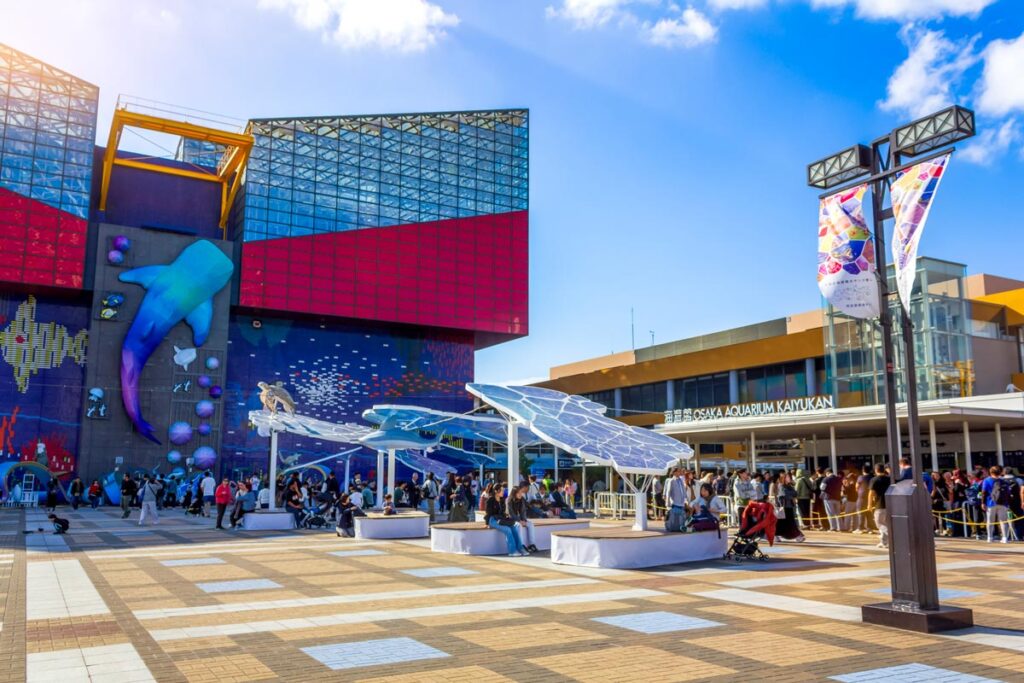
Kaiyukan Osaka Aquarium
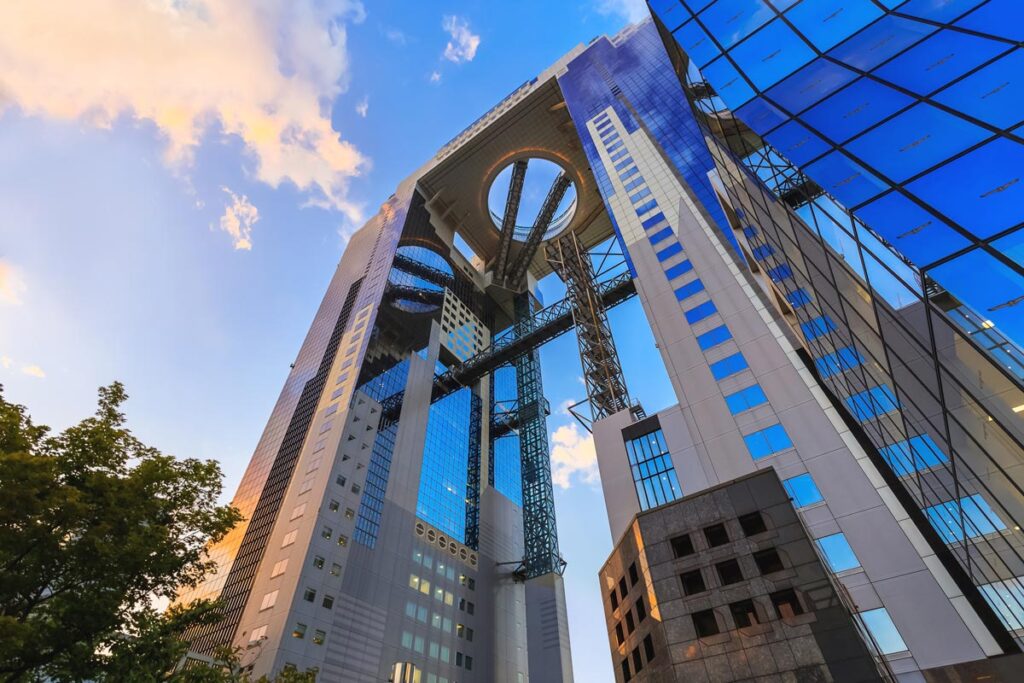
Umeda Sky Building (Floating Garden Observatory)
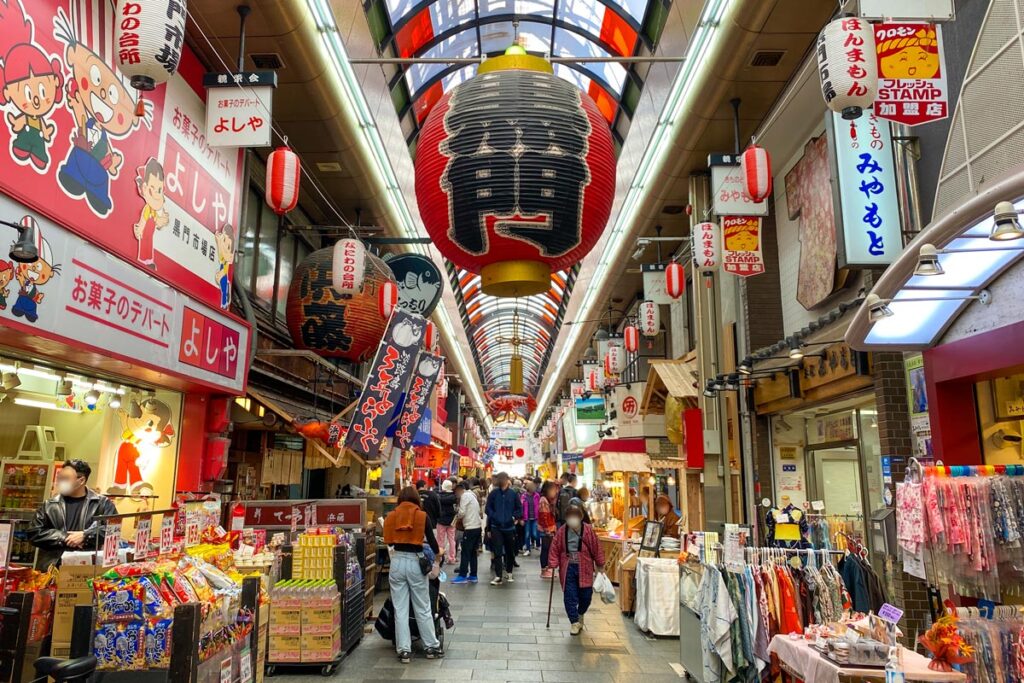
Kuromon Market
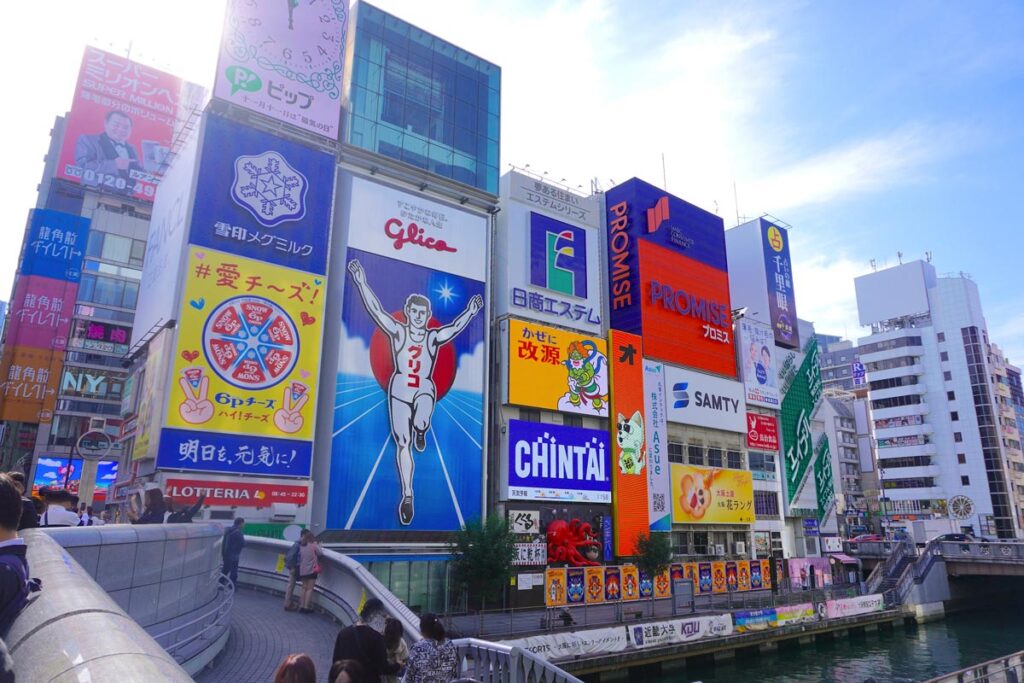
Shinsaibashi

America-mura
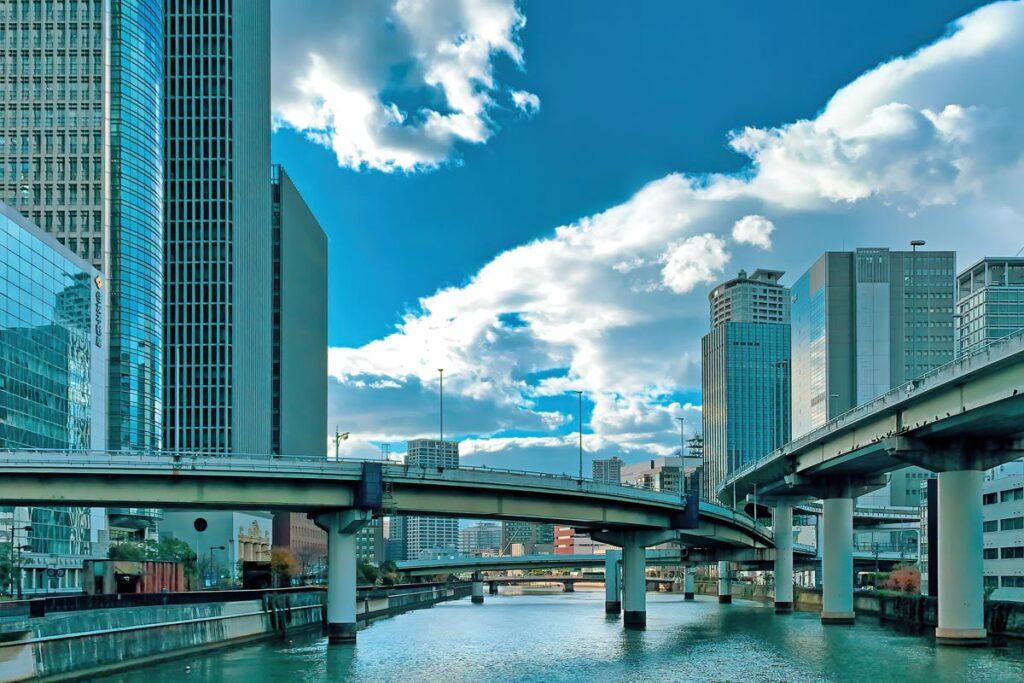
Nakanoshima
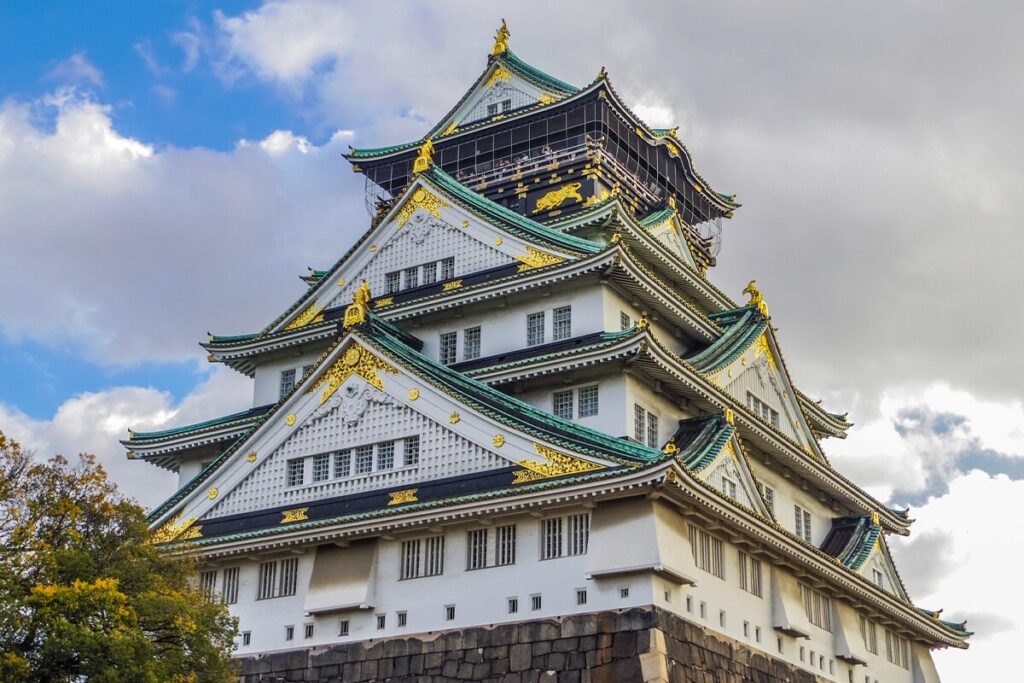
Osaka Castle
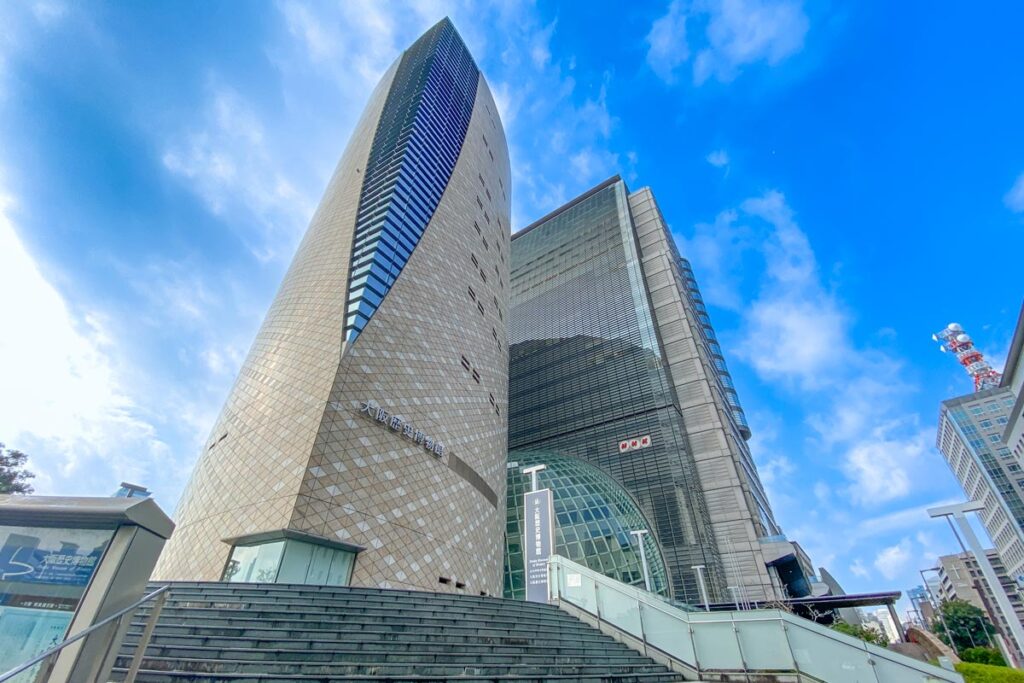
Osaka Museum of History
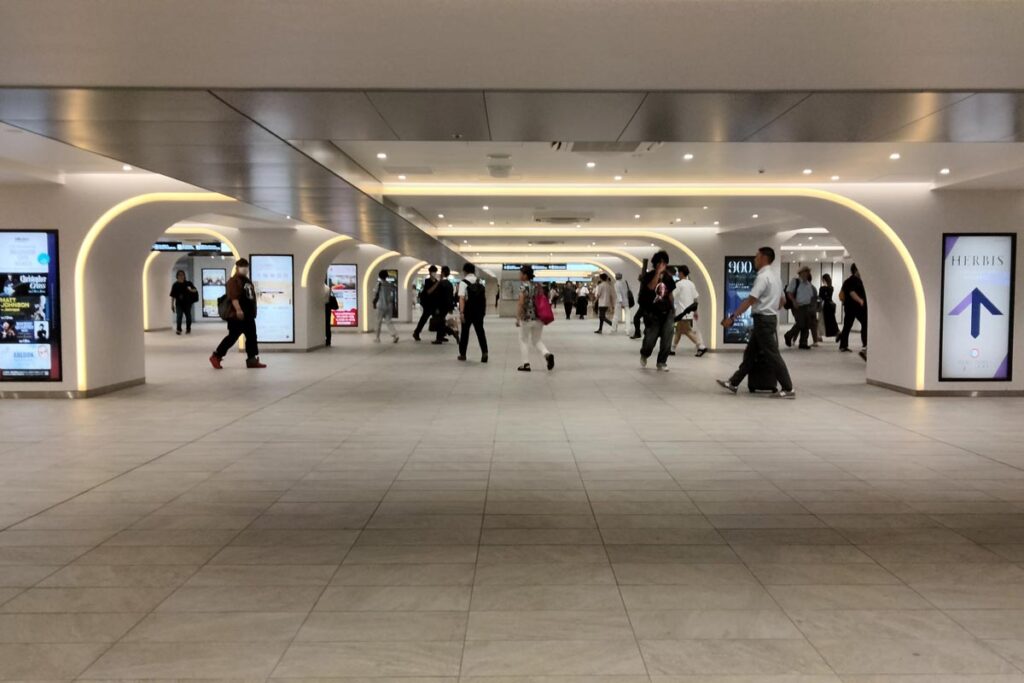
Umeda Dungeon
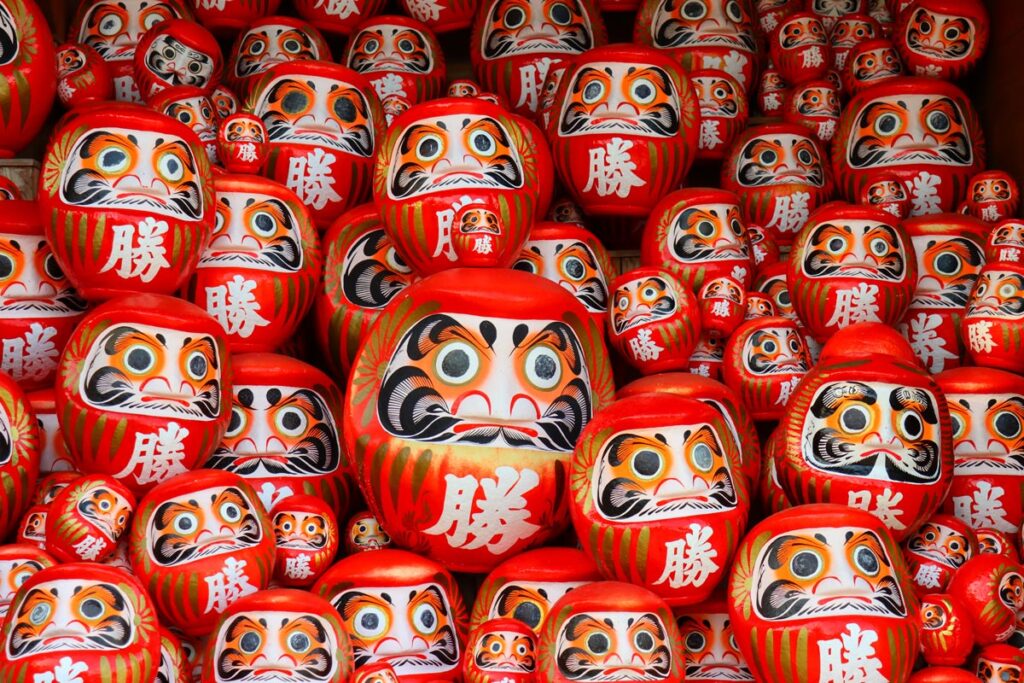
Katsuoji Temple