



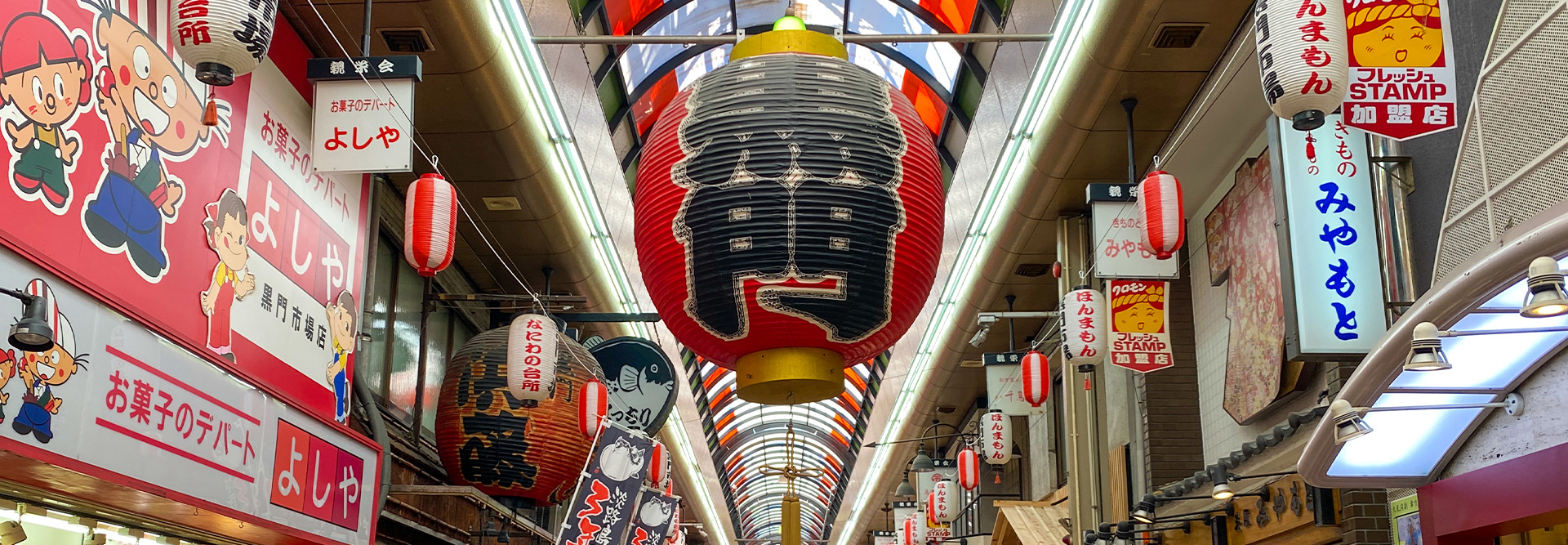
Kuromon Market
Kuromon Market: How to Enjoy Osaka’s Classic Food Street
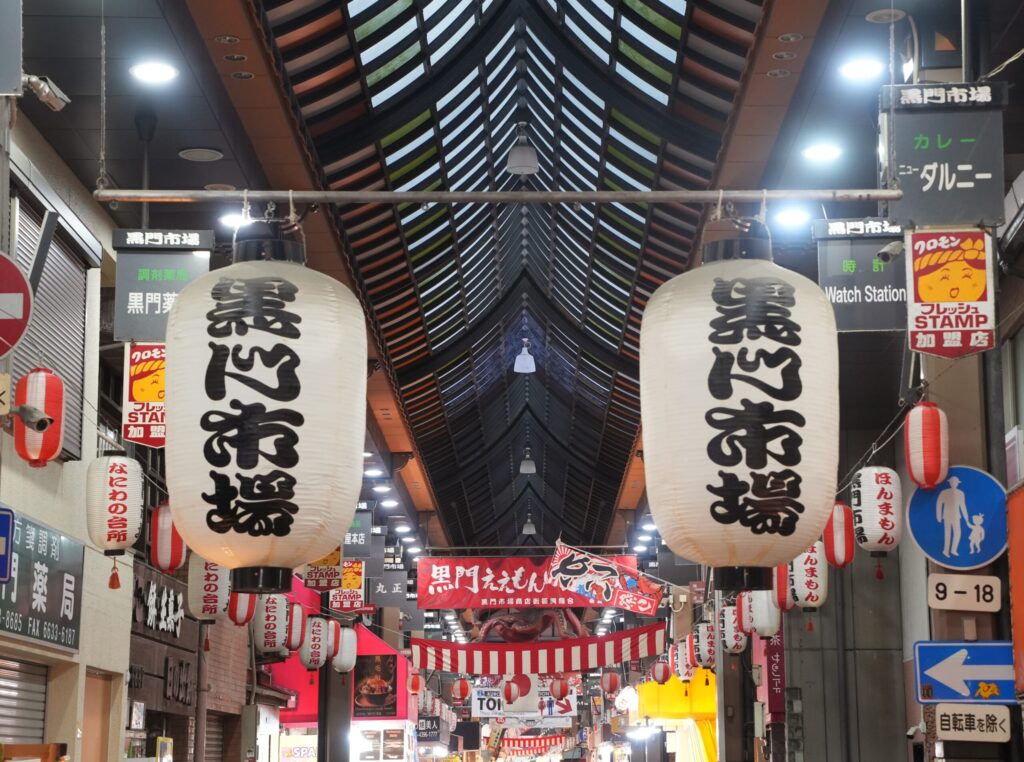
In the heart of Osaka, Kuromon Market offers a delicious crash course in Japanese food culture. Lined with family-run stalls and sizzling grills, this covered market is where locals shop for fresh ingredients and where visitors come to taste Osaka’s famous street food. If you are a first-time traveler to Japan, Kuromon Market is one of the easiest and most enjoyable places to discover what Japanese cuisine is really about.
What Is Kuromon Market?
Kuromon Market is a traditional marketplace stretching for about 600 meters through central Osaka. It is often called "Osaka’s kitchen" because many local restaurants, chefs, and home cooks have long relied on the market for high-quality seafood, meat, and produce. Unlike a purely tourist-oriented street, Kuromon still functions as a real neighborhood market, while also welcoming thousands of visitors every day.
The name "Kuromon" means "black gate" and comes from a temple gate that once stood nearby. Today you won’t see the original gate, but the name survives as a reminder that this has been a busy, lived-in part of Osaka for generations.
Where Kuromon Market Is and How to Get There
Kuromon Market is located in the Nippombashi area, just one subway stop away from Namba, one of Osaka’s central hubs. The market is easy to reach from most popular areas in the city.
By Subway
From Namba Station:
- Take the Osaka Metro Sennichimae Line (pink line) one stop east to Nippombashi Station.
- Use Exit 10 or Exit 5. From there, it is only a few minutes’ walk south to the market entrance.
From Umeda / Osaka Station:
- Take the Osaka Metro Midosuji Line (red line) to Namba Station.
- Transfer to the Sennichimae Line and ride one stop to Nippombashi Station.
The market runs roughly parallel to Sakaisuji Avenue. Once you approach, you will see a covered arcade with signs and banners advertising seafood, fruits, and snacks.
When to Visit Kuromon Market
Most shops at Kuromon Market open from around 9:00 to 10:00 in the morning and close by late afternoon, usually around 5:00 or 6:00 p.m. Some restaurants start a little earlier for breakfast or stay open later into the evening, but it is best to plan your visit for the daytime.
Morning (9:00–11:00) is ideal if you want a more local atmosphere and less crowding. You will see restaurant buyers selecting seafood and home cooks doing their daily shopping.
Midday to early afternoon (11:00–15:00) is the liveliest and most crowded time. This is when the grills are busiest, and the aroma of grilling seafood fills the arcade. If you want to sample lots of snacks and experience the market at full energy, this is the prime time window.
Many vendors close one day a week, and some take irregular holidays, so if you have a tight schedule it is wise to avoid visiting very late in the day. As a general rule, arrive before 3:30 p.m. to have good choices.
What to Eat at Kuromon Market
Food is the main attraction. Kuromon Market is a chance to try fresh Japanese ingredients in a casual way, without needing reservations or advanced knowledge of local restaurants. Here are some of the most popular things to look for.
1. Fresh Seafood and Sashimi
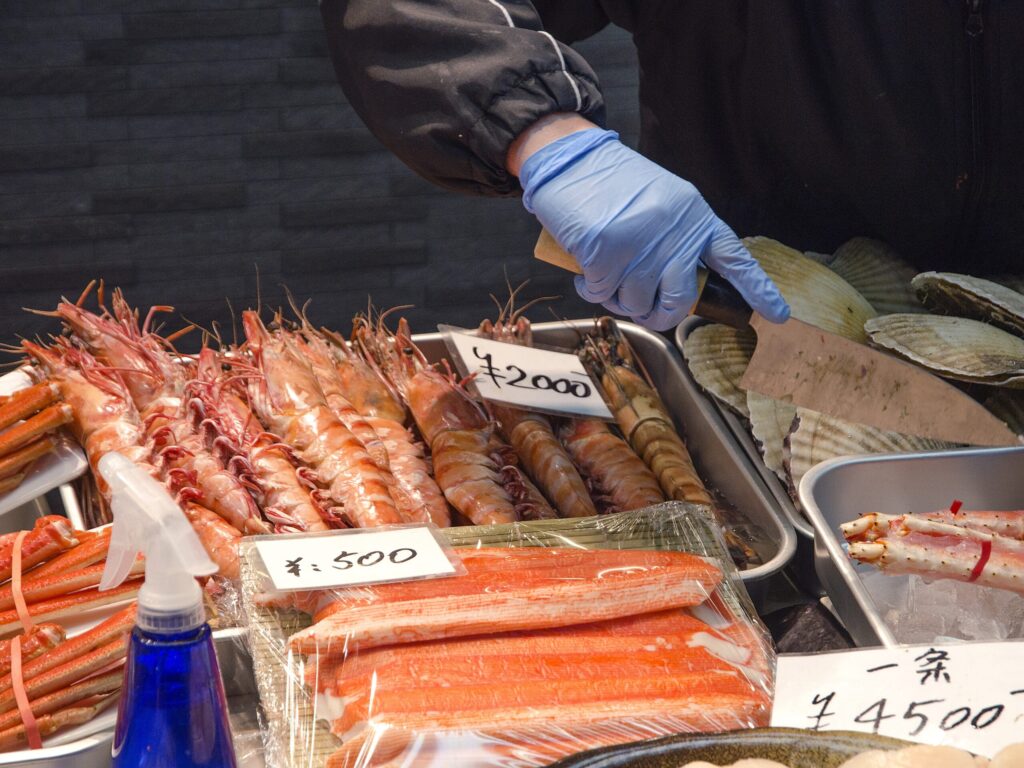
Seafood is the star of Kuromon Market. Many stalls display glossy rows of fresh fish, shellfish, and sushi-grade cuts. You will often find counters where you can order sashimi or sushi on the spot.
- Tuna (maguro): Look for thick, ruby-red slices of tuna sashimi. Some shops offer premium fatty tuna (toro), which is rich and buttery.
- Salmon and yellowtail: Common and beginner-friendly, with a mild flavor and soft texture.
- Sea urchin (uni) and salmon roe (ikura): Often sold in small bowls over rice for a luxurious snack.
Most sashimi stands have clear menus with pictures. If you are unsure how to order, you can point to what you want or say "kore onegaishimasu" ("this, please").
2. Grilled on the Spot: Scallops, Crab, and More
One of the pleasures of Kuromon Market is eating hot seafood straight off the grill. Vendors prepare what you choose right in front of you.
- Grilled scallops (hotate): Often grilled in the shell with butter and soy sauce. They are sweet, juicy, and very popular among visitors.
- King crab and snow crab: You may see generous crab legs grilled and served simply with a bit of seasoning.
- Oysters: Large oysters can be eaten raw with a squeeze of lemon or grilled until lightly smoky.
If you are new to Japanese seafood, grilled options are a great introduction. The flavors are straightforward and the heat brings out natural sweetness.
3. Classic Osaka Street Snacks
Osaka is known as "the nation’s kitchen" and as a city of comfort food. Kuromon Market is a good place to sample Osaka’s casual classics.
- Takoyaki: Small, round batter balls filled with pieces of octopus, topped with sauce, mayonnaise, and dried bonito flakes. They are very hot inside, so let them cool before biting.
- Kushikatsu: Skewers of meat, vegetables, or seafood, coated in breadcrumbs and deep-fried. While specialized kushikatsu neighborhoods exist in Osaka, Kuromon sometimes has stands or restaurants where you can taste a small selection.
- Tamagoyaki: Thick, slightly sweet omelets, cut into slices. This is a gentle, child-friendly option and an easy snack for people who prefer something mild.
4. Wagyu and Other Meats
Several stalls display beautiful cuts of beef, including Japanese wagyu. Some offer small, bite-sized portions grilled to order, making it easy to try without committing to a full restaurant meal.
Look for menus advertising "wagyu steak" or "wagyu skewers." Even a small portion can give you a sense of the famous marbling and rich flavor that wagyu is known for worldwide.
5. Fruits, Sweets, and Snacks to-Go
Fruit in Japan is often treated as a luxury item, and Kuromon Market gives you a chance to sample seasonal specialties.
- Strawberries: In spring, you may find bright, glossy strawberries sold by the pack or served on skewers.
- Melon: Japan’s premium melons are famously sweet and fragrant. Many stalls sell cut slices so you can try a small portion.
- Seasonal fruits: Peaches, grapes, and citrus appear depending on the time of year.
In addition, you will find typical Japanese snacks like rice crackers, dried seafood, and various sweets that make good souvenirs.
Understanding the Market Culture
Kuromon Market is not just a place to eat; it also offers a glimpse into everyday life in Osaka. To fully appreciate it, it helps to understand a little about how markets fit into Japanese culture.
Traditional markets have long provided a space where small, family-owned businesses sell specialized goods: one stall might focus on eel, another on pickles, another on tea. The knowledge of how to select, prepare, and present ingredients is often passed down through generations. Visiting Kuromon, you will see older shopkeepers working alongside younger family members, and regular customers chatting with owners they have known for years.
At the same time, Kuromon has adapted to modern tastes. Many stalls now offer ready-to-eat items and multilingual menus, reflecting the large number of international visitors. The balance between local market and tourist-friendly food street is part of what makes this place interesting to explore.
How to Order and Eat Politely
Japan is generally relaxed and welcoming toward visitors, but Kuromon Market is a working space, so it is helpful to follow basic etiquette.
Ordering Food
- Pay first: Many stalls ask you to pay when you order rather than when you receive your food.
- Use simple English or gestures: Many vendors are used to foreign visitors. If you speak slowly and clearly, basic English is often understood. Pointing at what you want also works.
- Cash is useful: More shops are accepting cards and digital payments, but having some yen in small bills and coins is still convenient.
Eating in the Market
In busy Japanese shopping streets, it is usually considered impolite to walk while eating. Kuromon Market is no exception, and some areas now have signs asking people not to eat as they walk.
- Look for designated eating areas or benches near the stall where you bought your food.
- Many vendors provide small standing tables so you can eat your snack right there and then move on.
- Return trays or dishes to the counter when you are finished, and dispose of trash in the bins provided.
If you are unsure where to stand, you can ask "Koko de tabete ii desu ka?" ("Is it okay to eat here?") and the staff will guide you.
Shopping for Souvenirs and Ingredients
Besides ready-to-eat foods, Kuromon Market sells many items you can take home or back to your accommodation.
- Seasonings and sauces: Bottles of soy sauce, ponzu (citrus soy), and local dipping sauces for grilled meat or hot pot.
- Pickles (tsukemono): Colorful pickled vegetables in jars or vacuum packs. They travel well and offer a taste of Japanese home cooking.
- Tea: Some shops sell green tea, hojicha (roasted tea), and matcha powder for drinking at home.
- Snacks: Dried squid, seaweed, rice crackers, and sweet treats can be fun gifts for friends and family.
When buying items to take out of the country, remember your home country’s customs rules, especially for fresh products, meat, or large quantities of food.
Tips for First-Time Visitors
To make the most of your time at Kuromon Market, keep these practical tips in mind.
1. Come Hungry, but Pace Yourself
It is easy to get excited and buy too many things at the first few stalls. Walk through the market once to see what is available, then choose what you truly want to try. Many foods are quite rich, so small portions add up quickly.
2. Bring Cash and a Small Bag
A small crossbody bag or daypack is useful for storing souvenirs and keeping your hands free. While Japan is increasingly cashless, market stalls are often small operations, so cash is still widely preferred.
3. Respect Photos and Personal Space
Taking photos of the colorful displays is tempting, but some shops may not want their products or staff photographed. If you see a "no photo" sign, please respect it. When in doubt, a simple gesture toward your camera and a questioning look usually gets a clear response.
4. Be Aware of Allergies and Dietary Needs
Allergens may not always be clearly labeled, and some sauces contain ingredients like soy, wheat, or fish. If you have serious allergies or specific dietary needs, it is wise to prepare a note in Japanese explaining what you cannot eat, or to choose simpler options such as grilled meat and plain fruit.
5. Combine with Nearby Sights
Kuromon Market is close to other key Osaka attractions. It is easy to combine a visit with:
- Namba and Dotonbori: A famous entertainment and dining area, about a 10–15 minute walk away.
- Shinsaibashi Shopping Street: A covered shopping arcade lined with fashion and lifestyle stores.
This makes Kuromon a convenient stop for brunch or lunch before exploring central Osaka.
Is Kuromon Market Worth It for First-Time Visitors?
For a first trip to Japan, Kuromon Market works well as a gentle introduction to Japanese food. English-friendly signs and picture menus lower the barrier to trying new dishes, while the informal setting means you do not need to worry about complex table manners or reservations.
At the same time, you are walking through a living market that locals actually use. You can observe how people choose their ingredients, notice seasonal changes in what is sold, and feel the everyday rhythm of Osaka life. Seeing these small details is often what makes a journey to Japan feel more authentic and memorable.
Whether you stay for an hour or linger through lunch, Kuromon Market offers flavors, sights, and sounds that capture the spirit of "Osaka’s kitchen"—a place where food is not just fuel, but a shared pleasure.
Final Thoughts
Kuromon Market is easy to reach, straightforward to navigate, and rewarding for curious eaters. If you are planning your first trip to Japan and want to experience local food culture in a relaxed, friendly environment, add Kuromon Market to your Osaka itinerary. Arrive hungry, bring an open mind, and let the stalls guide you through Japan’s seasonal tastes, one bite at a time.
Access Map
Recommended spots in Osaka

Kaiyukan Osaka Aquarium

Umeda Sky Building (Floating Garden Observatory)
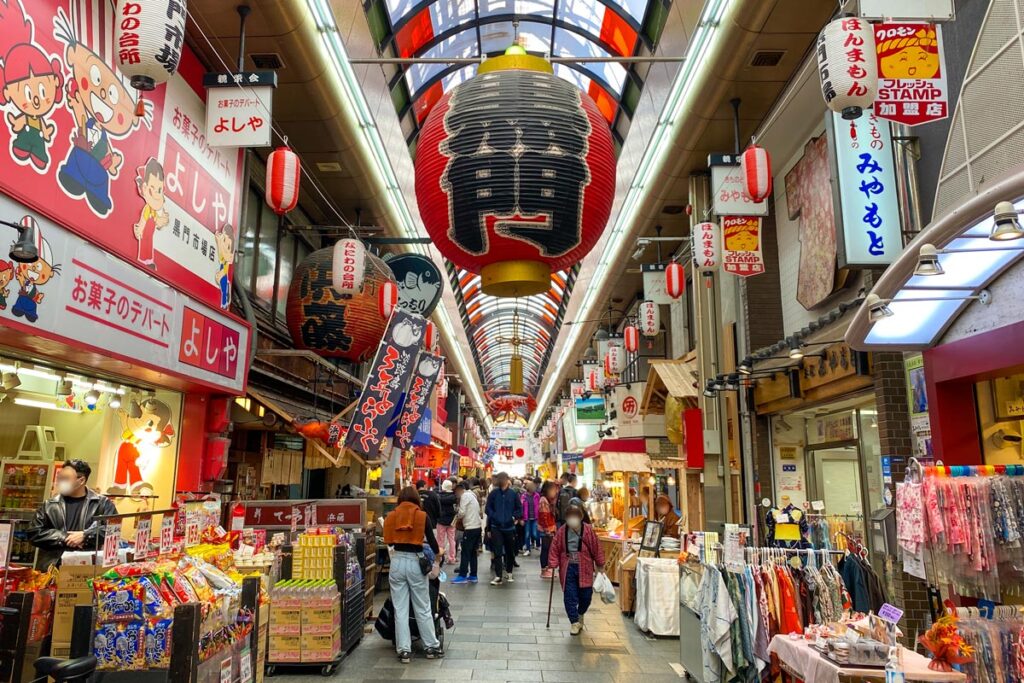
Kuromon Market
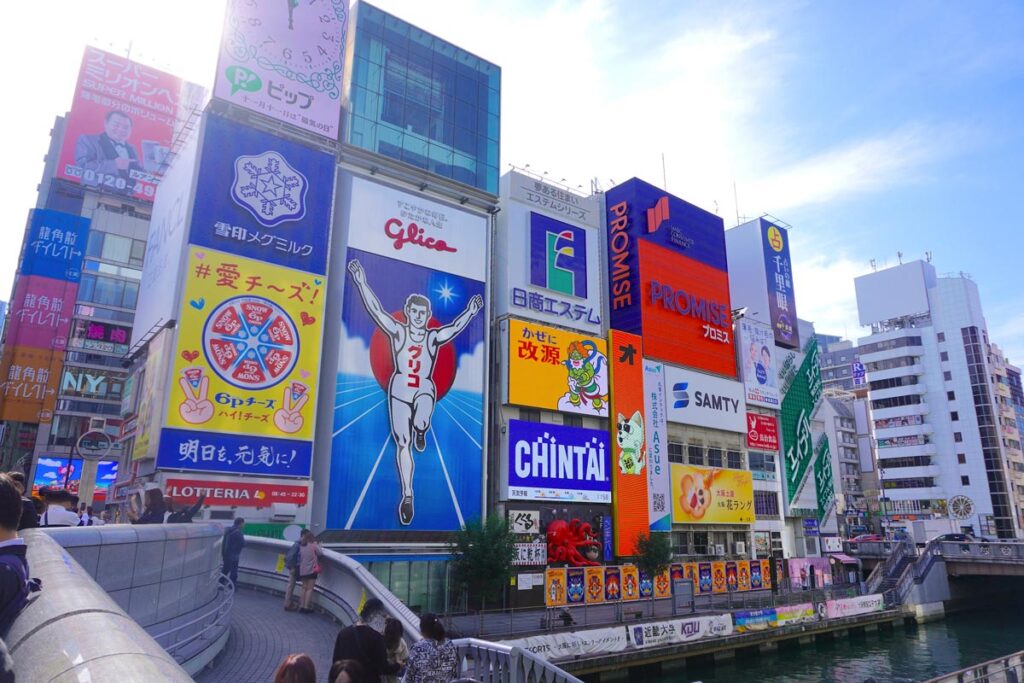
Shinsaibashi
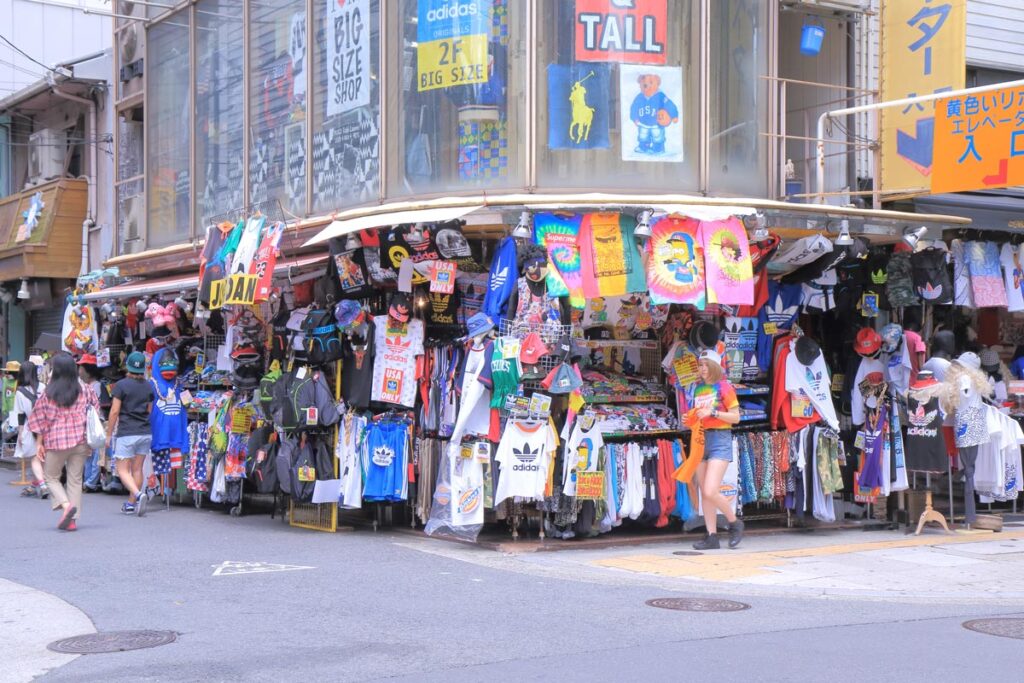
America-mura

Nakanoshima
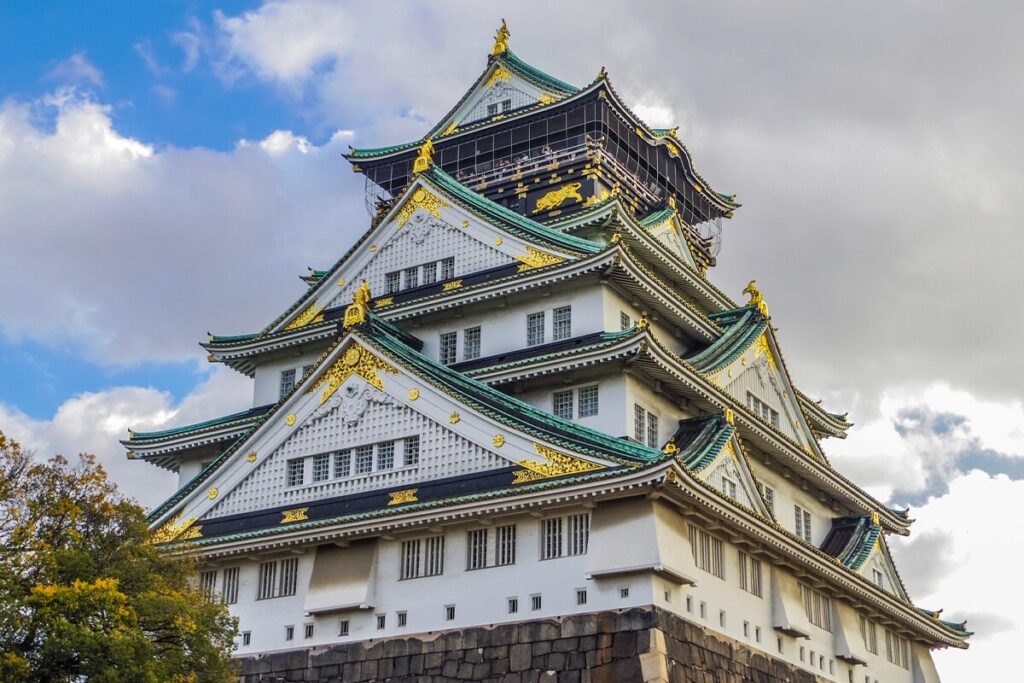
Osaka Castle

Osaka Museum of History
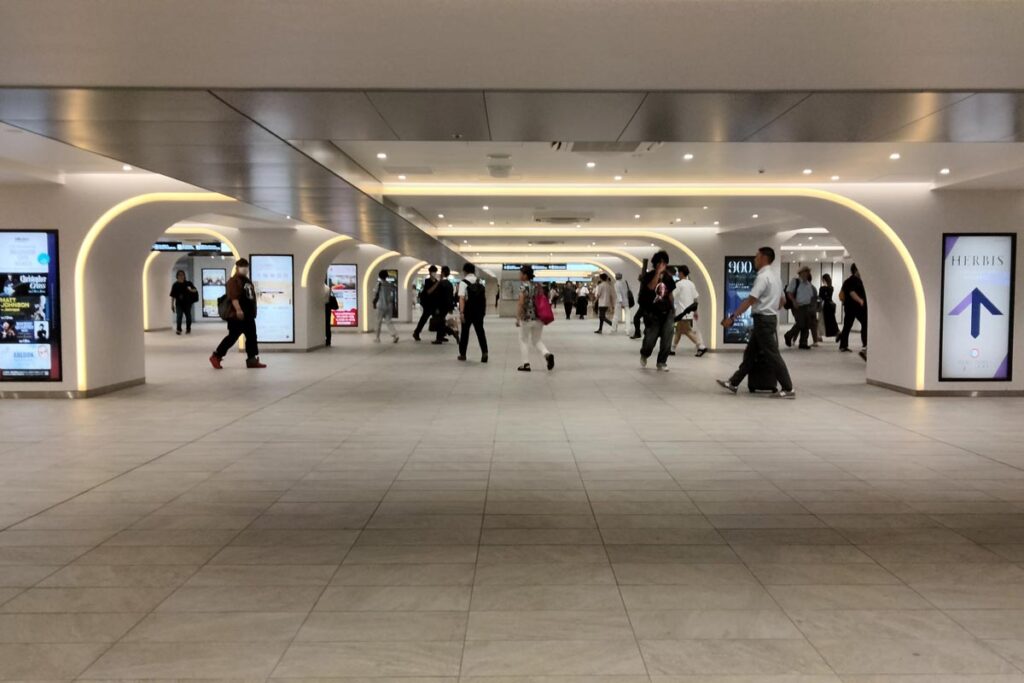
Umeda Dungeon
Katsuoji Temple