
Shinsaibashi
Shinsaibashi Osaka Travel Guide for First-Time Visitors to Japan
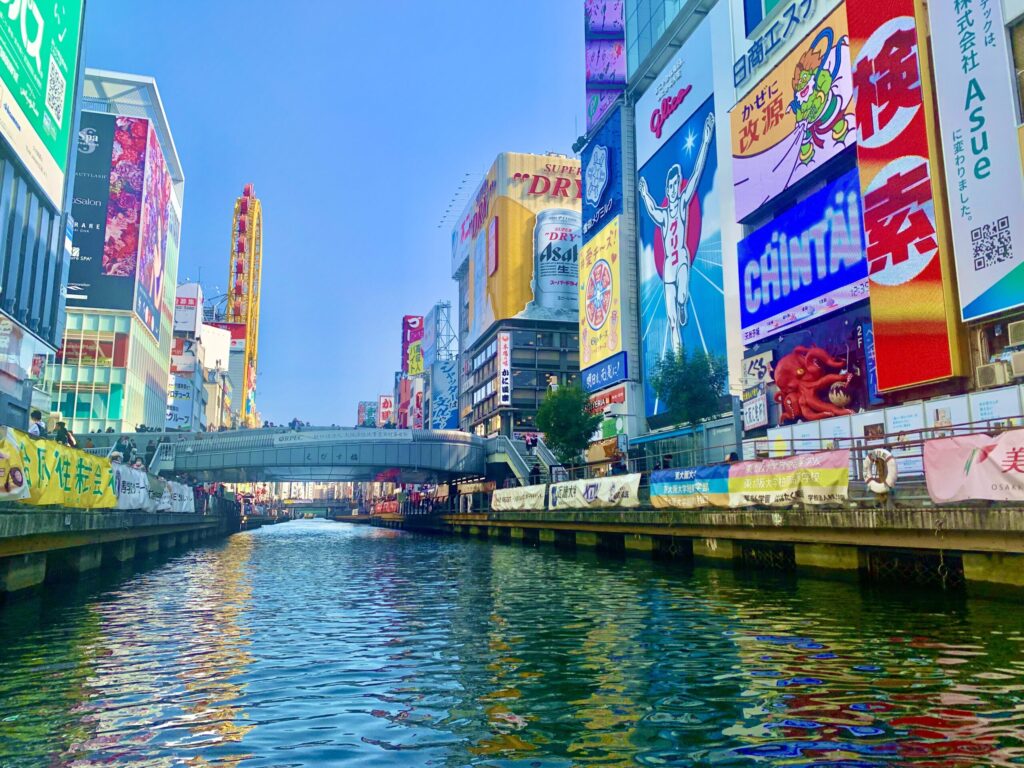
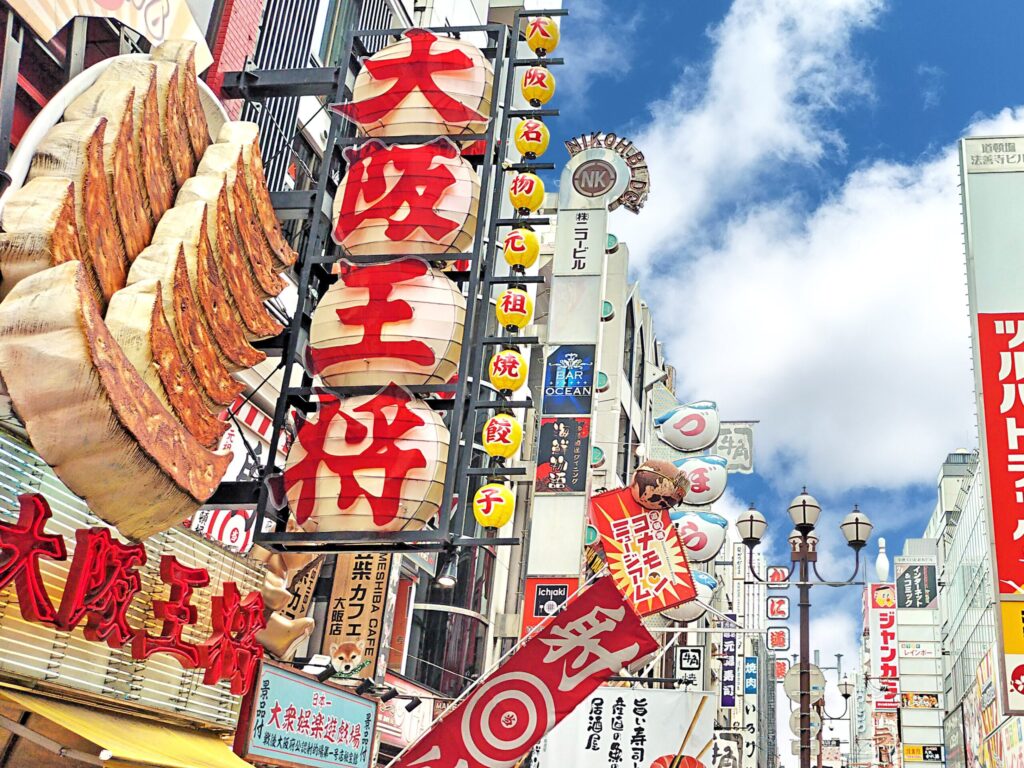
Shinsaibashi is one of Osaka’s most iconic neighborhoods, a lively mix of centuries-old shopping streets, neon-lit nightlife, and hidden local eateries. For many first-time visitors to Japan, this district becomes the base camp for exploring Osaka’s food culture and energetic city life. Located in the heart of the city, between Namba and Umeda, Shinsaibashi is easy to access, easy to navigate on foot, and full of classic “only in Japan” experiences.
What Is Shinsaibashi?
Shinsaibashi (心斎橋) refers both to a neighborhood in central Osaka and to its main attraction: Shinsaibashi-suji Shopping Street, a long covered arcade stretching for around 600 meters. The area grew up along an original bridge, once spanning a canal on the old trade route that connected Osaka’s merchant districts. Today, the bridge has disappeared, but the name remains, and the area has evolved into a modern shopping and entertainment hub.
Shinsaibashi is often mentioned together with nearby Dotonbori and Namba. Think of Shinsaibashi as the shopping and fashion side of southern Osaka, while Dotonbori is the famous food and neon area just a few minutes’ walk away. Many travelers stay in Shinsaibashi for the convenience, then walk south in the evening to enjoy the bright lights along the canal.
Why Visit Shinsaibashi?
For first-time visitors to Japan, Shinsaibashi offers an approachable, energetic introduction to urban Japanese life. You can browse traditional shops and global brands, try classic Osaka street foods, and dive into department stores and side alleys all in a single afternoon.
A Classic Osaka Atmosphere
Osaka is known as Japan’s kitchen and for its outgoing, humorous people. Shinsaibashi and the surrounding “Minami” (south) area embody this personality. Shop staff call out friendly greetings, restaurants display over-the-top signs, and the arcades are always buzzing with chatter. Compared with the more reserved vibe of Tokyo, this part of Osaka feels casual and welcoming even if you do not speak Japanese.
Perfect Base for Exploring the City
Shinsaibashi is centrally located and well-connected by subway, making it a convenient base for sightseeing. From here you can easily reach Osaka Castle, Umeda’s skyscrapers, the Kaiyukan Aquarium, and even take day trips to Kyoto, Nara, or Kobe. The neighborhood itself offers enough variety that you can fill a full day even if you never board a train.
How to Get to Shinsaibashi
Shinsaibashi is served by Shinsaibashi Station on the Osaka Metro Midosuji Line, the city’s main north–south subway line.
From Major Hubs in Osaka
- From Osaka/Umeda Station: About 8 minutes on the Midosuji Line, one direct train, no transfers.
- From Namba Station: About 1 minute on the Midosuji Line, or a 10–15 minute walk through the covered shopping arcades.
- From Shin-Osaka Station (Shinkansen): About 15 minutes on the Midosuji Line, one direct train.
From Other Cities
- From Kyoto: Take a JR train or Hankyu line to Umeda/Osaka, then transfer to the Midosuji Line.
- From Kansai International Airport (KIX): Take the Nankai line to Namba, then walk or transfer to the Midosuji Line for one stop.
Navigation tip: Osaka Metro stations often have multiple exits. For Shinsaibashi-suji Shopping Street, follow signs for Exits 5–8. Some exits lead you directly under or beside the main arcade.
Exploring Shinsaibashi-suji Shopping Street
The heart of the area is Shinsaibashi-suji, a long, covered shotengai (traditional shopping street). Shotengai arcades exist all over Japan and historically functioned as community high streets. Shinsaibashi-suji is one of the country’s most famous and busiest.
What You’ll Find Along the Arcade
As you walk under the glass roof, you’ll see a mix of:
- International fashion brands – Global clothing chains and sportswear labels line both sides of the street.
- Japanese boutiques – Smaller fashion stores, local designers, and accessory shops squeeze into the gaps.
- Cosmetics and drugstores – Popular with both locals and visitors, these stores stock Japanese skincare, cosmetics, and health goods.
- Souvenir and variety shops – Pick up character goods, snacks, and gifts to take home.
- Cafes and dessert stands – Ideal for a mid-shopping break, with bubble tea, crepes, and Japanese-style sweets.
The roof makes Shinsaibashi-suji ideal in any weather. On rainy days it can be especially crowded, as locals and tourists hide from the elements beneath the arcade.
When to Visit the Arcade
- Daytime (late morning to mid-afternoon): Best for shopping, browsing, and relaxed walking. Most stores open around 10:00–11:00.
- Evening: The atmosphere becomes livelier, with more street food and people heading towards Dotonbori for dinner.
- Weekends and holidays: Expect heavy crowds and slower walking; if you dislike crowds, visit on weekday mornings.
Nearby Streets and Districts
Shinsaibashi is not just one street. The charm of the area lies in the web of smaller lanes, backstreets, and connecting arcades. Step just a few meters away from the main path to find quieter corners and more local experiences.
Amerikamura: Osaka’s Youth Culture Hub
West of Shinsaibashi-suji lies Amerikamura (“America Village”), often shortened to “Amemura.” This creative district is filled with vintage clothing shops, streetwear boutiques, quirky cafes, and murals. For decades, it has been a trendsetting area for Osaka’s youth, influenced by American music, skate culture, and fashion.
- Visit during the afternoon to see street performers and local students hanging out in Triangle Park (Sankaku Koen).
- Browse second-hand stores for unique fashion finds.
- Look for art on walls, shutters, and building sides—Amemura is one of the best spots in Osaka for urban photography.
Midosuji Avenue: Osaka’s Grand Boulevard
To the west of Shinsaibashi-suji runs Midosuji Avenue, a broad, tree-lined boulevard that connects the southern and northern halves of Osaka. Along this street you’ll find luxury boutiques, stylish cafes, and imposing office buildings.
In autumn, the ginkgo trees that line the avenue turn bright yellow, creating a beautiful contrast with the modern architecture. The avenue is also illuminated with seasonal lights in winter, making an evening stroll particularly atmospheric.
Dotonbori: Neon and Food Just Steps Away
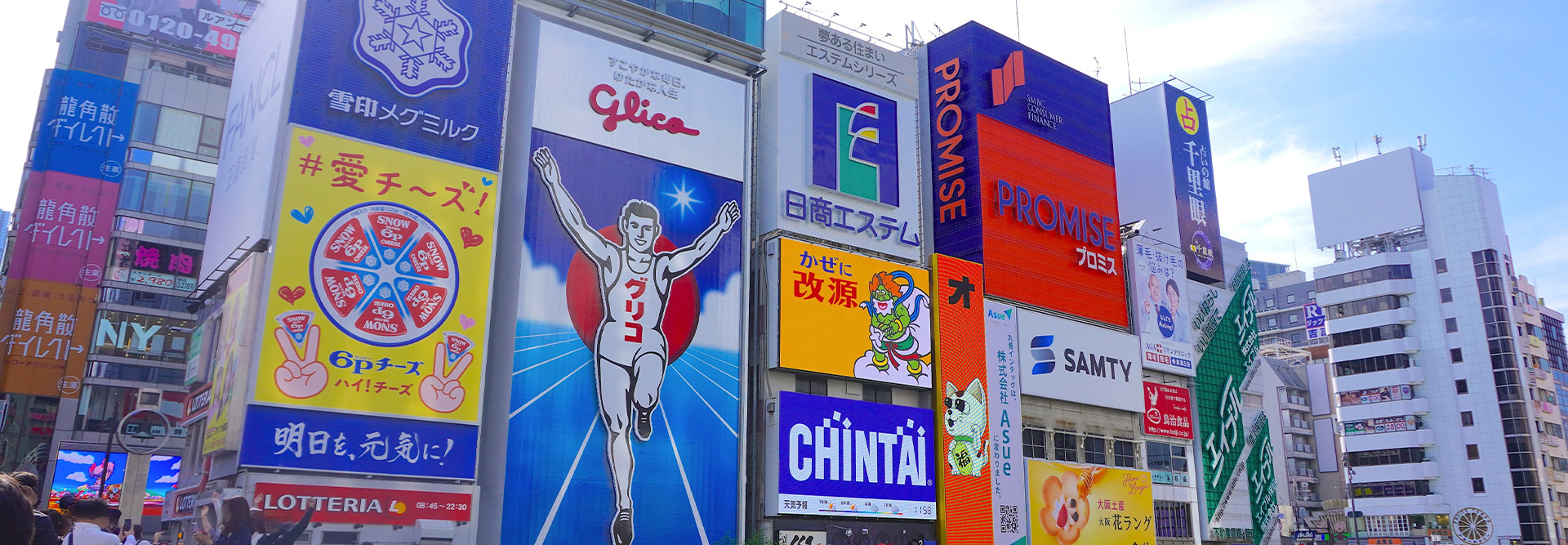
Walk south along the arcades for about 10–15 minutes and you’ll reach Dotonbori, famous for its huge neon billboards, mechanical restaurant signs, and riverside promenade. The route between Shinsaibashi and Dotonbori is completely walkable under covered arcades, so many visitors naturally drift between the two areas as they explore, shop, and eat.
What to Eat in and Around Shinsaibashi
Osaka’s nickname is kuidaore, roughly translated as “eat until you drop,” and Shinsaibashi is a perfect place to follow this local philosophy. From quick snacks to proper sit-down meals, there is plenty to sample.
Osaka Street Food Classics
- Takoyaki: Grilled octopus balls, crispy on the outside and soft inside, topped with sauce, mayo, dried bonito, and seaweed. Stalls around Shinsaibashi and towards Dotonbori often have queues—always a good sign.
- Okonomiyaki: A savory pancake of cabbage, batter, and various toppings (pork, seafood, cheese), cooked on a hotplate. Many restaurants near Shinsaibashi offer counter seats where you can watch the cooking.
- Kushikatsu: Deep-fried skewers of meat, vegetables, and seafood, dipped in a shared sauce. Remember the local rule: “no double-dipping” your skewer.
Cafes, Sweets, and Specialty Shops
As a popular shopping area, Shinsaibashi has an abundance of cafes and dessert spots:
- Japanese-style cafes serving matcha, traditional sweets, and light meals.
- Trendy dessert stands selling parfaits, bubble tea, and seasonal treats.
- Character or theme cafes occasionally appear in the vicinity, especially in Amerikamura.
If you have dietary restrictions, look for modern cafes and international restaurants along the side streets; menus are increasingly available in English, and some venues cater to vegetarian or halal requirements.
Shopping Tips for International Visitors
Shinsaibashi is one of Osaka’s most convenient places for souvenir and fashion shopping, but a few tips will help you make the most of it.
Tax-Free Shopping
Many larger stores in Shinsaibashi offer tax-free shopping for foreign visitors. Look for “TAX-FREE” signs at the entrance. To use this service, you will need to show your passport and meet a minimum purchase amount, which differs for consumable and non-consumable goods. Ask staff if you are unsure; most large stores have English-language instructions.
Payment Methods
Major credit cards are widely accepted in department stores, brand-name shops, and many restaurants. Smaller independent shops may be cash-only or accept only local digital wallets. It is wise to carry some cash, especially if you plan to buy from street stalls or tiny izakaya-style bars.
Popular Souvenirs
- Japanese cosmetics and skincare products, popular for quality and design.
- Local snacks featuring Osaka flavors, such as takoyaki-inspired crackers.
- Fashion items from Japanese brands you might not find at home.
- Stationery, character goods, and cute accessories.
When to Visit Shinsaibashi
Shinsaibashi is lively year-round, but your experience will differ depending on the season and time of day.
By Season
- Spring (March–May): Comfortable temperatures and cherry blossom season make this a pleasant time for walking between Shinsaibashi and nearby parks or Osaka Castle.
- Summer (June–August): Hot and humid, with occasional heavy rain. The covered arcades provide welcome shade and shelter. Evenings are active and festive.
- Autumn (September–November): Mild weather, with colorful ginkgo leaves along Midosuji Avenue. Excellent time for strolling and outdoor photography.
- Winter (December–February): Cold but usually dry. Seasonal illuminations brighten Midosuji and nearby streets, giving the area a cozy, festive feel.
By Time of Day
- Morning: Quiet, with fewer crowds. Ideal if you want to explore calmly or take photos without too many people.
- Afternoon: Peak shopping time; the arcades can be busy, especially on weekends and holidays.
- Night: The area between Shinsaibashi and Dotonbori comes alive with bright signs and the smell of grilled food in the air.
Practical Tips for First-Time Visitors
Language and Signage
Most major stores in Shinsaibashi have some English signage and may employ staff who speak basic English, Chinese, or Korean. In small restaurants or bars, English may be limited, but picture menus and plastic food displays are common and very helpful. Translation apps can smooth over any communication gaps.
Etiquette in Busy Arcades
Japanese shopping streets are busy but orderly. To blend in comfortably:
- Walk on the left-hand side when possible, and avoid suddenly stopping in the middle of the path.
- If you want to take photos, step to the side so you do not block foot traffic.
- Eating while walking is less formal here than in some parts of Japan, but it is still polite to stand near the stall where you bought your food or find a less crowded spot.
Safety and Security
Osaka is generally safe, and Shinsaibashi is no exception. Pickpocketing is rare but can happen in crowds, so keep valuables secure. Many shops stay open until late evening, and the streets remain lively; walking between Shinsaibashi and Namba is usually comfortable even after dark.
Restrooms and Convenience Stores
Larger department stores and some chain cafes provide public restrooms, usually very clean. Convenience stores (konbini) such as 7-Eleven, Lawson, and FamilyMart are scattered throughout the area and are useful for quick snacks, drinks, ATMs, and basic supplies.
Suggested Itinerary: Half-Day in Shinsaibashi
If you have limited time, this simple half-day plan works well for first-timers:
- Late Morning: Arrive at Shinsaibashi Station and start at Shinsaibashi-suji. Browse shops, pick up souvenirs, and get a feel for the shotengai atmosphere.
- Lunch: Choose a local restaurant in a side street for okonomiyaki or ramen. Avoid peak times if possible (around 12:00–13:00) to shorten your wait.
- Early Afternoon: Walk over to Amerikamura, explore vintage stores and cafes, and relax in Triangle Park.
- Late Afternoon: Return to the arcade for any final shopping or a coffee break.
- Evening: Walk south towards Dotonbori for street food, neon-lit photos, and the famous canal views.
Making the Most of Your Time in Shinsaibashi
Shinsaibashi is more than just a shopping district; it is a window into Osaka’s past and present. From traditional shotengai culture to modern youth fashion, from casual street snacks to long, unhurried cafe breaks, the area invites you to experience daily life at a local pace.
For first-time visitors to Japan, a visit to Shinsaibashi offers an easy and enjoyable way to dive into the country’s urban culture without feeling overwhelmed. Whether you come for the shopping, the food, or simply the atmosphere, Shinsaibashi will likely become one of the most memorable stops on your journey through Japan.
Access Map
Recommended spots in Osaka
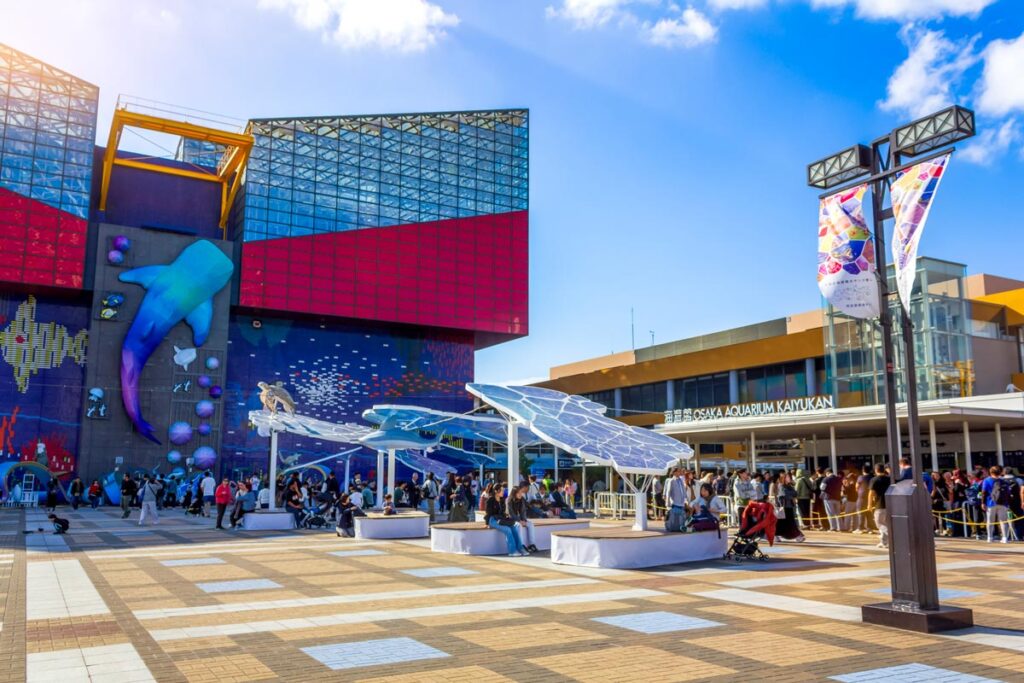
Kaiyukan Osaka Aquarium
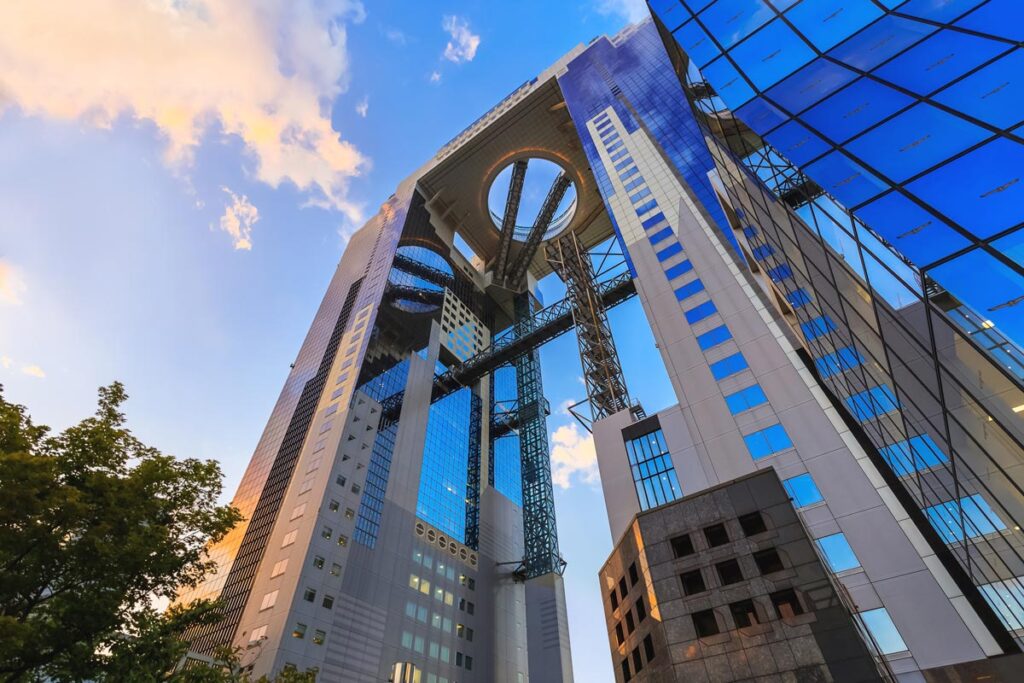
Umeda Sky Building (Floating Garden Observatory)
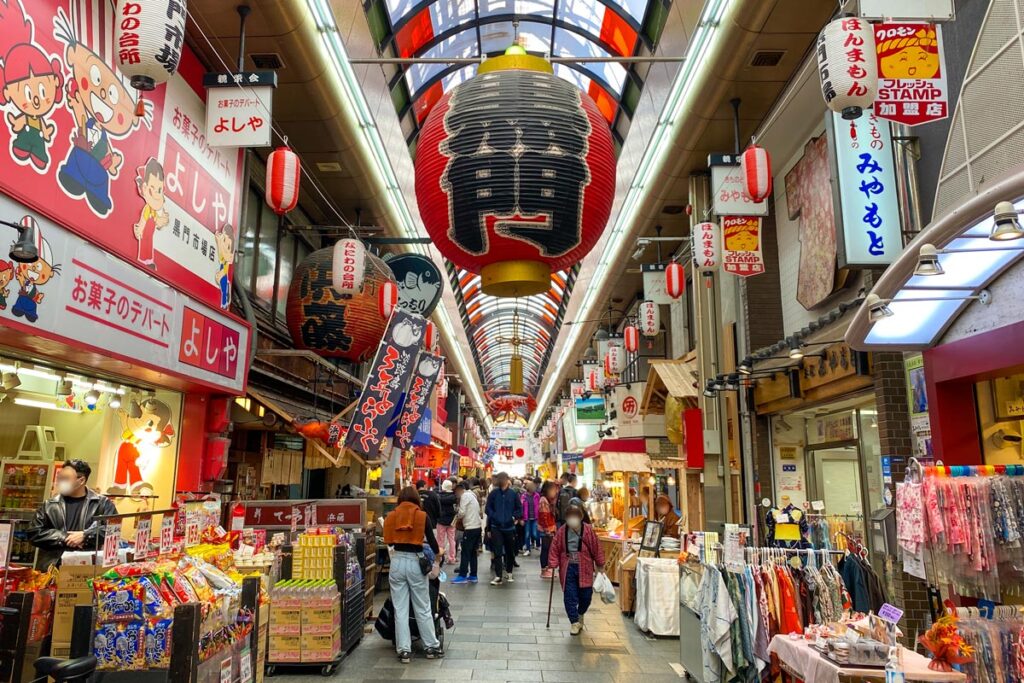
Kuromon Market
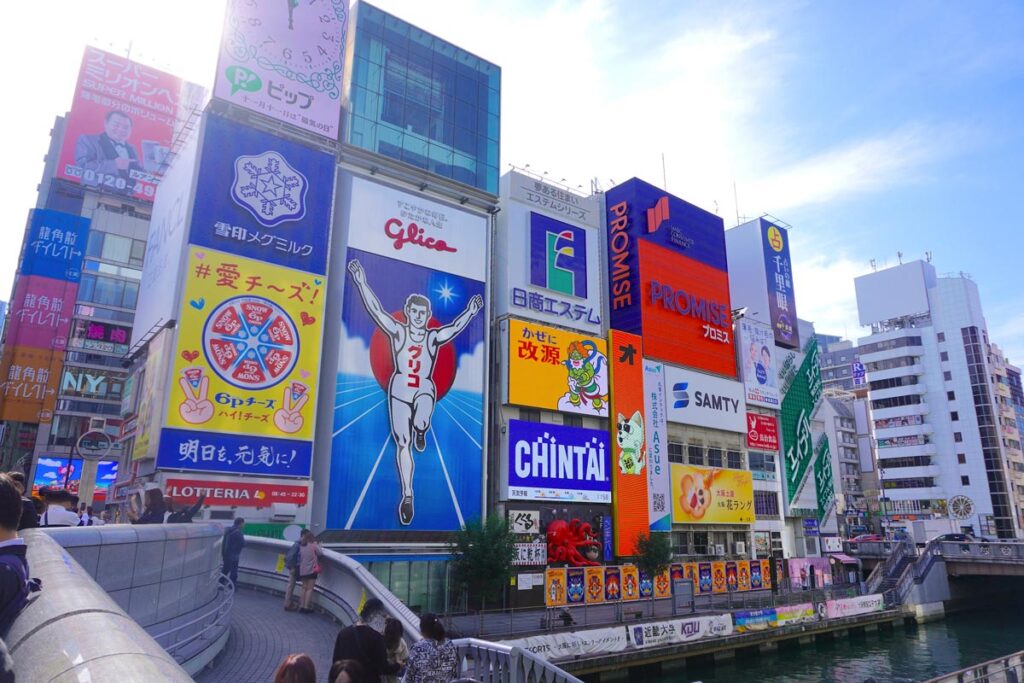
Shinsaibashi
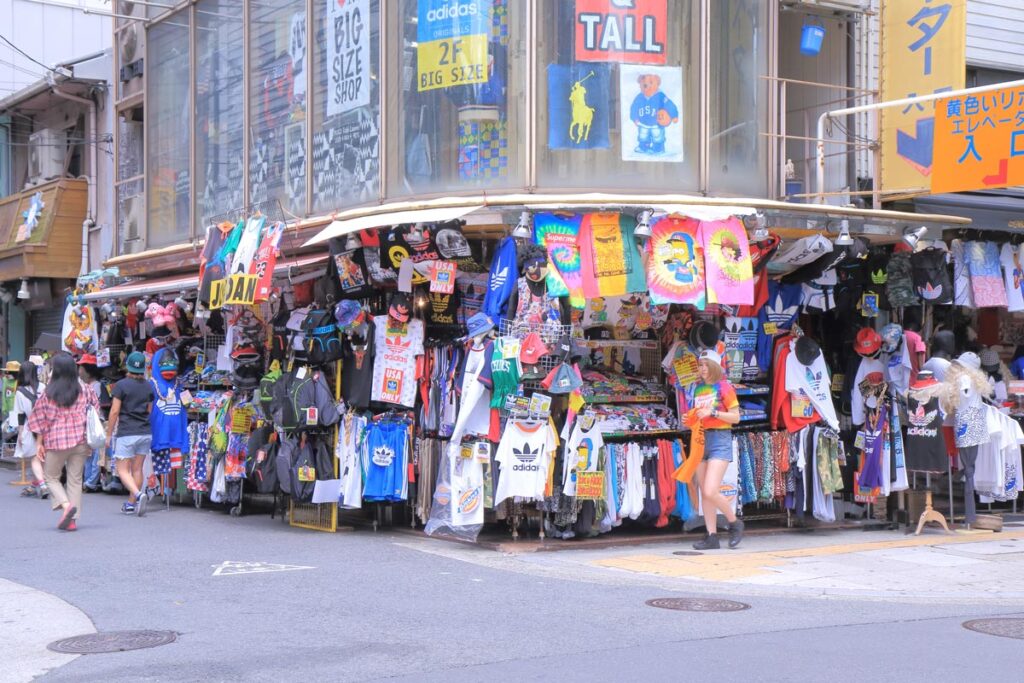
America-mura
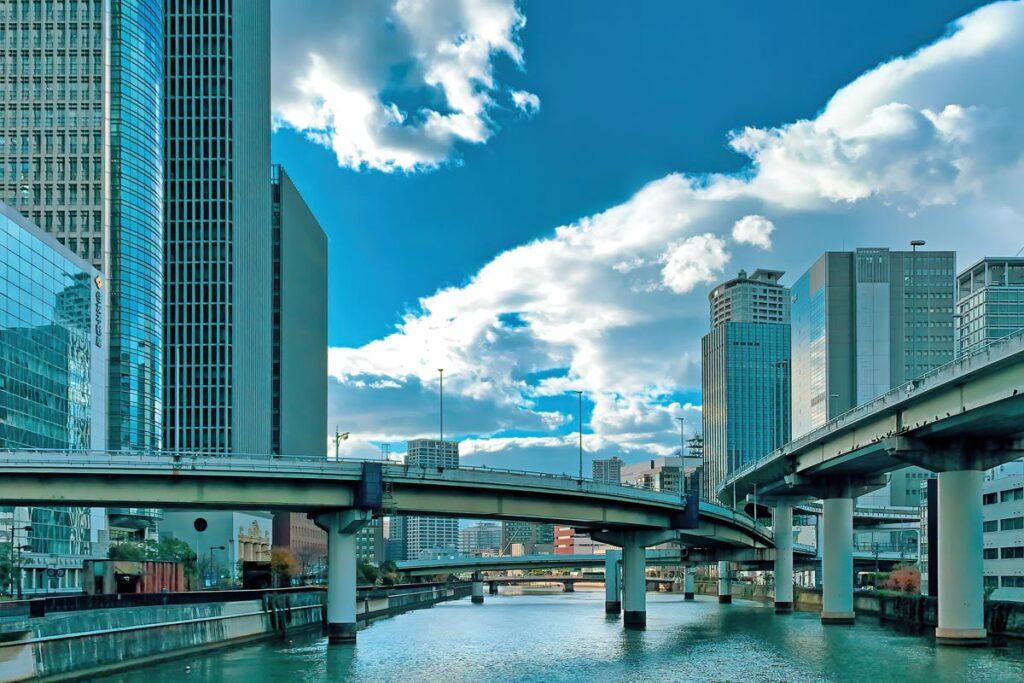
Nakanoshima
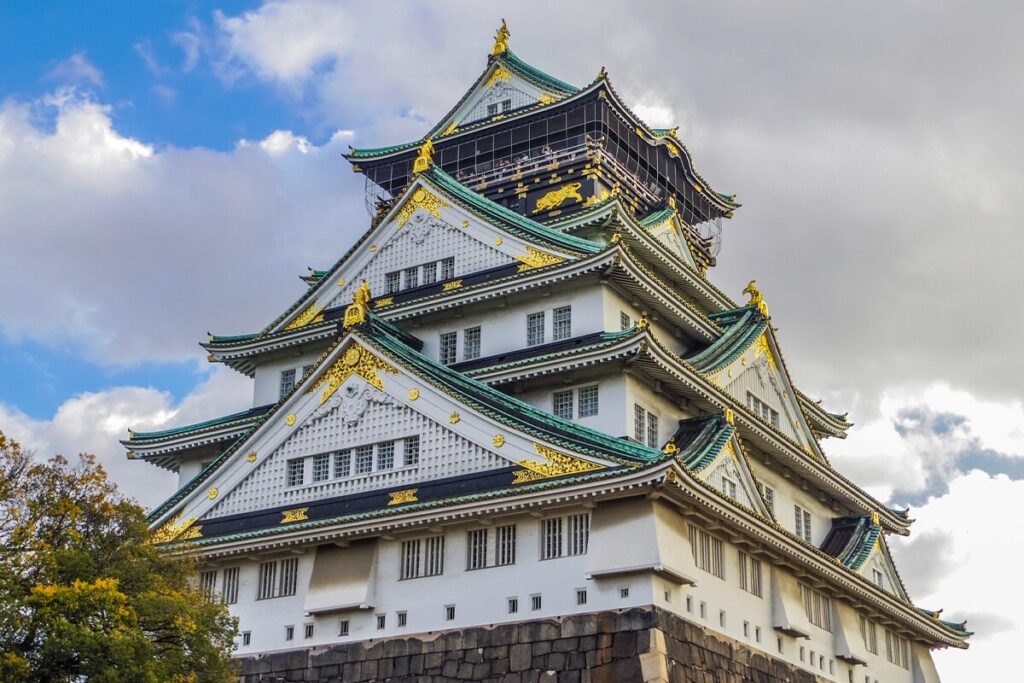
Osaka Castle
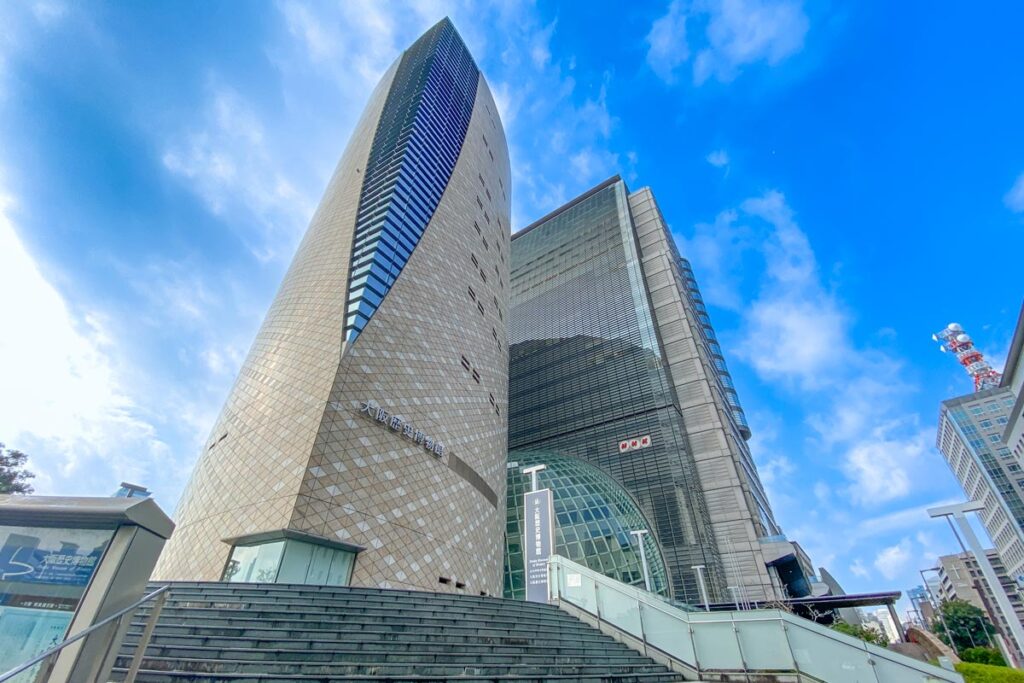
Osaka Museum of History
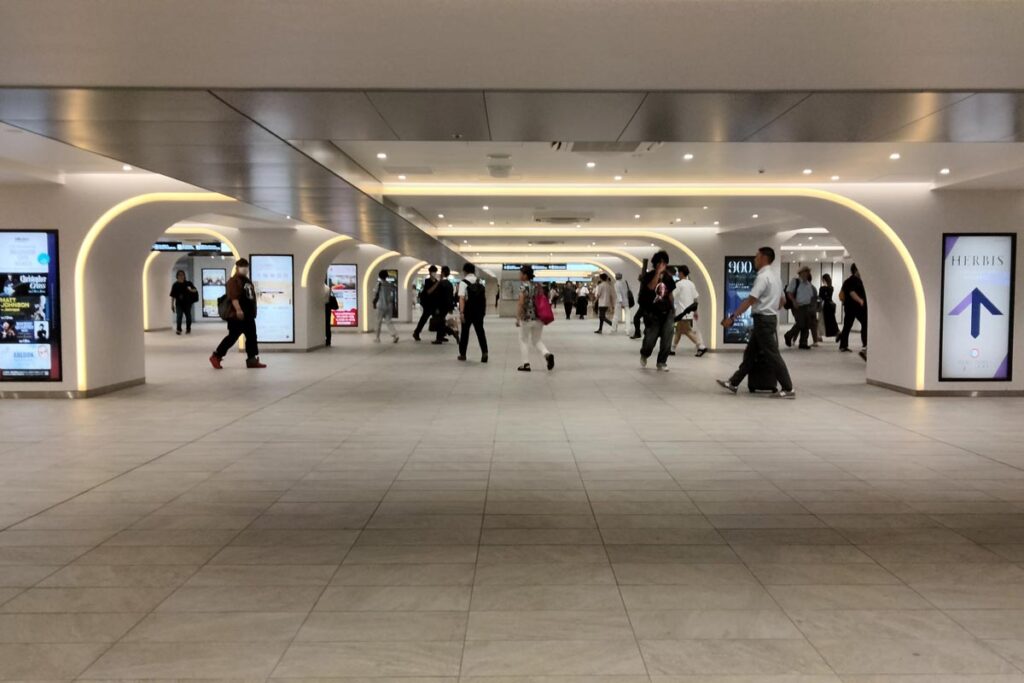
Umeda Dungeon
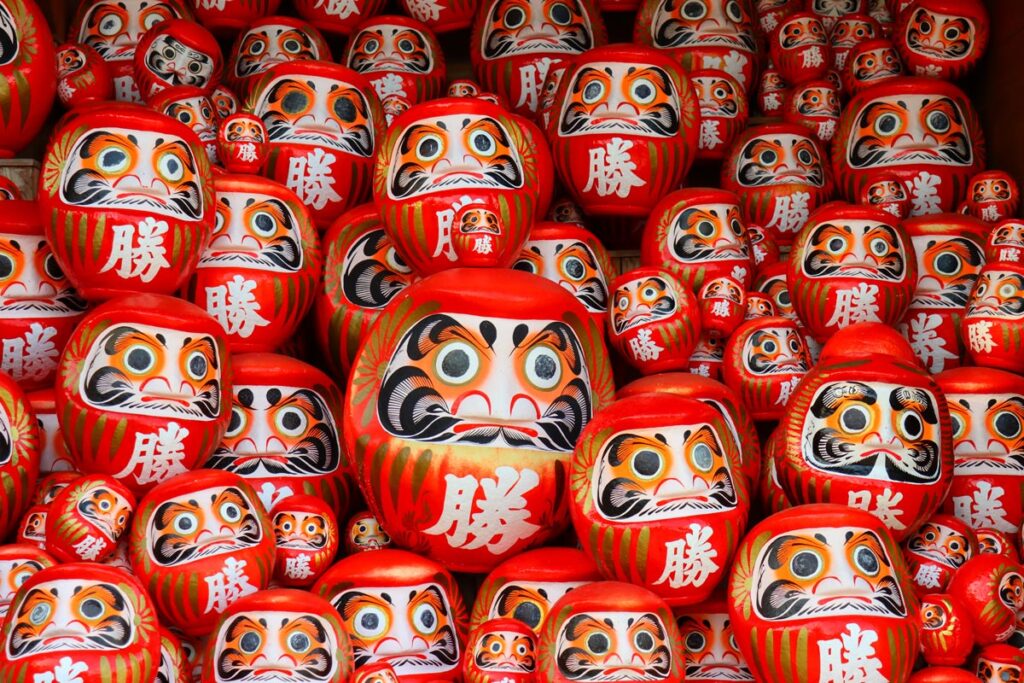
Katsuoji Temple