
Osaka Museum of History
Osaka Museum of History: A First-Time Visitor’s Guide
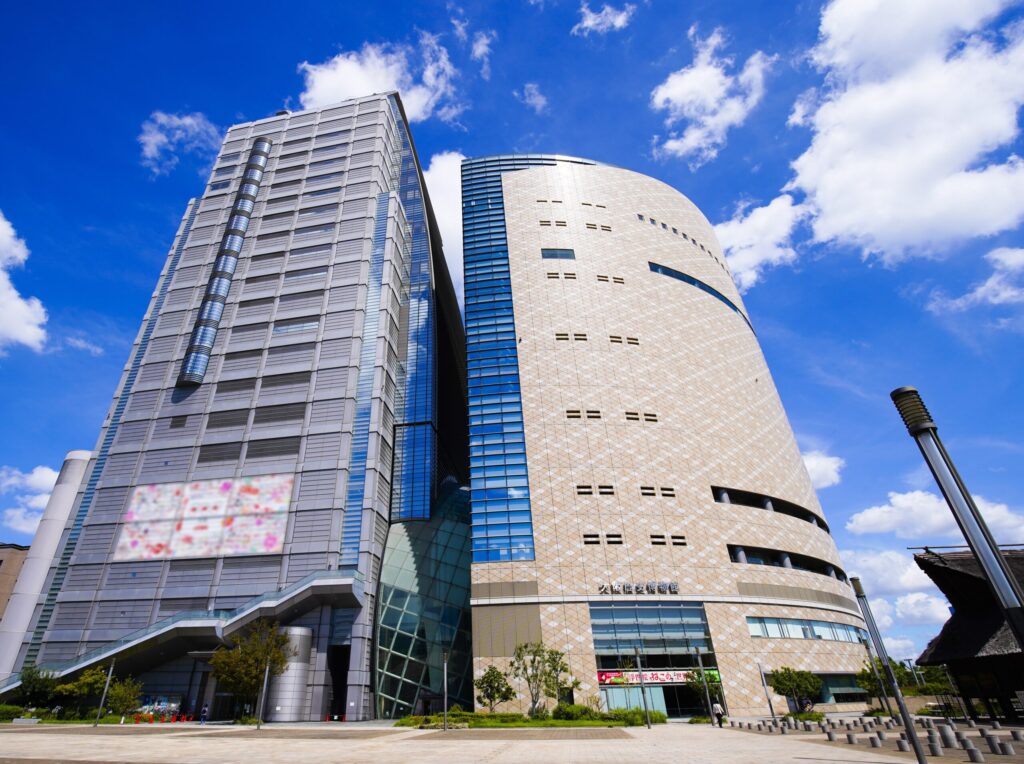
Photos are for illustrative purposes only.
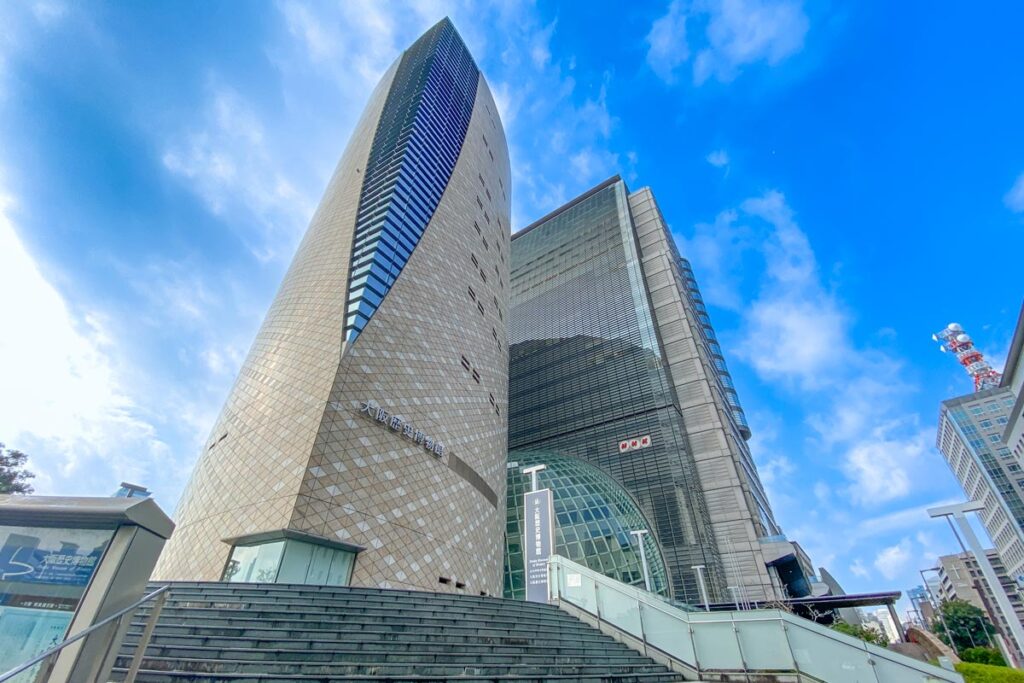
Just a short walk from Osaka Castle, the Osaka Museum of History is one of the best places in Japan to understand how a modern megacity grew from a riverside trading town. For first-time visitors to Japan, it offers a clear, visually engaging introduction to Japanese history, daily life, and architecture, all with fantastic views over Osaka.
Why Visit the Osaka Museum of History?
Many first-time travelers to Japan focus on shrines, castles, and shopping districts. The Osaka Museum of History brings all of those elements together into a single, easy-to-navigate experience. Through full-scale reconstructions, detailed models, and multimedia exhibits, you can see how Osaka developed from ancient times to the present day.
Located right beside the remains of the ancient Naniwa Palace and facing the sprawling Osaka Castle Park, the museum connects what you see outside with the stories behind it. The upper floors also offer some of the best panoramic views of Osaka Castle and its moats, especially beautiful during cherry blossom season.
Where the Museum Fits Into Your Japan Trip
For many international visitors, Osaka serves as a base for exploring the Kansai region, including Kyoto, Nara, and Kobe. The Osaka Museum of History is an ideal stop if:
- You want a quick but meaningful overview of Japanese history before visiting temples and castles.
- You’re traveling with family and looking for an educational but engaging indoor activity.
- You plan to visit Osaka Castle and want to add cultural depth to your visit.
- You’re interested in how Japanese cities evolved over more than 1,300 years.
Location and Access
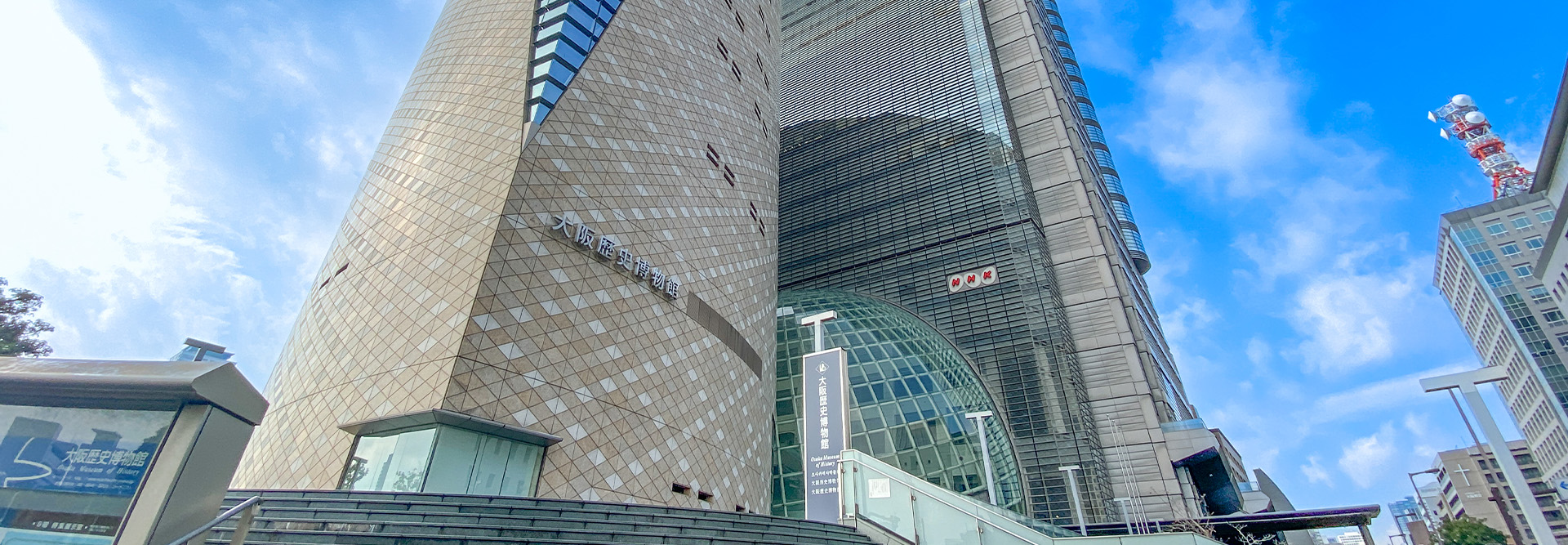
The museum stands in the central Chūō Ward of Osaka, beside the NHK Osaka Broadcasting Station and just across from Osaka Castle Park.
Nearest Stations
- Tanimachi 4-chome Station (Osaka Metro Tanimachi Line and Chūō Line): About 5 minutes on foot. Look for exits indicating the museum and NHK building.
- From Osaka Station / Umeda: Take the Tanimachi Line from Higashi-Umeda Station to Tanimachi 4-chome (about 10–15 minutes).
- From Namba: Take the Sennichimae or Midosuji Line to a transfer station and then connect to the Tanimachi or Chūō Line (around 15–20 minutes total).
Osaka’s subway is foreigner-friendly, with clear English signage. IC cards such as ICOCA, Suica, or PASMO work on all trains and are highly recommended for smooth travel.
Tickets, Hours, and Basic Information
Details may change, so always check shortly before your visit, but you can generally expect:
- Opening hours: Typically late morning to early evening. Last entry is usually 30–60 minutes before closing.
- Closed days: Most museums in Japan close on one weekday (often Tuesday) and around New Year’s. Verify current closures in advance.
- Admission fee: A modest fee for adults, with discounts for students and children. Combination tickets with nearby attractions are occasionally available.
Tickets are usually purchased at the counter on the ground floor. Staff are accustomed to international visitors, and simple English is understood. Major credit cards or IC cards are often accepted for payment, but it is wise to carry some cash just in case.
How the Museum Is Organized
One of the strengths of the Osaka Museum of History is its clear vertical layout. You typically take the elevator up to one of the top floors and then walk downward floor by floor, moving forward in time as you descend.
Top Floors: Ancient Osaka and Naniwa Palace
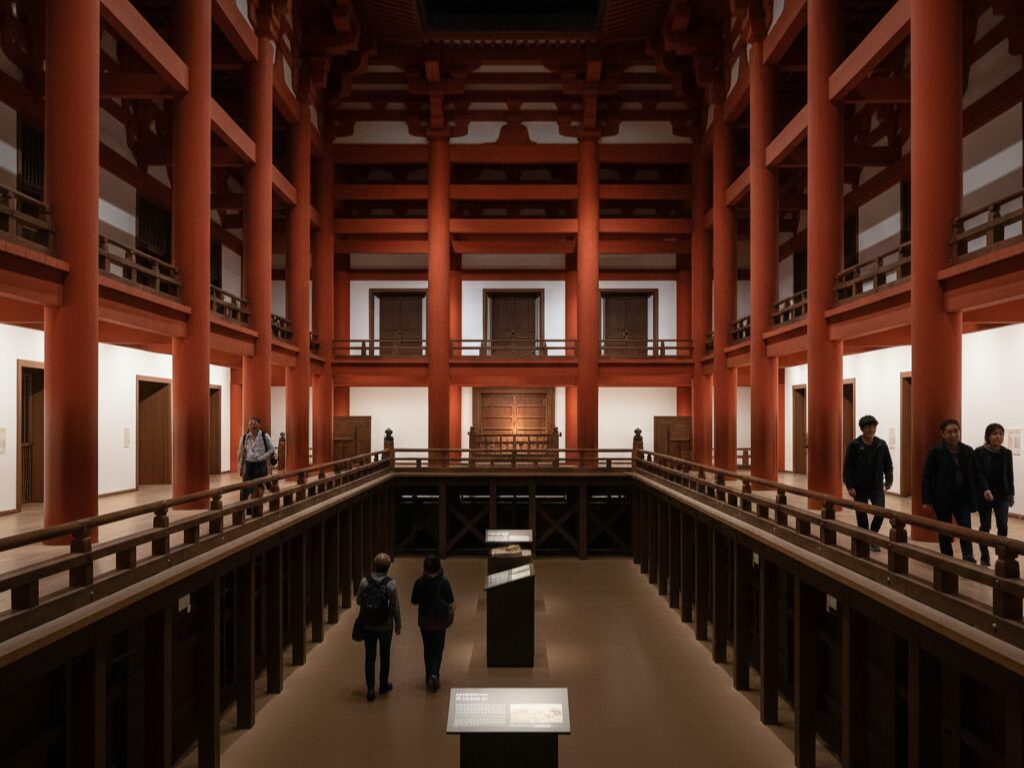
The uppermost exhibition floors transport you to the 7th–8th centuries, when Osaka (then known as Naniwa) served as an important political center. A highlight is the large-scale reconstruction of part of the ancient Naniwa Palace, with towering red columns and white walls suggesting the grandeur of Japan’s early imperial court.
This area explains how Osaka’s location on the Seto Inland Sea made it the gateway to continental Asia. The court received envoys from China and Korea here, and cultural influences—Buddhism, writing, architecture—flowed into Japan. For first-time visitors, this provides important context for understanding how Japanese civilization developed.
Look for:
- Recreated palace corridors and rooms you can walk through.
- Models showing how the palace complex once spread over a wide area.
- Large windows framing Osaka Castle and the former palace site, linking past and present.
Medieval to Early Modern Osaka: The Merchant City
As you move down, the exhibits shift toward Osaka’s growth as a commercial powerhouse during the feudal era. Under the Tokugawa shogunate (17th–19th centuries), Osaka became known as the “nation’s kitchen,” handling rice and goods from all over Japan.
Exhibits here often include:
- Detailed city models showing canals, warehouses, and lively merchant districts.
- Life-sized reconstructions of Edo-period townhouses, shops, and theaters.
- Displays about kabuki and bunraku (puppet theater), both deeply associated with Osaka’s urban culture.
Osaka’s people developed a reputation for being talkative, humorous, and direct, in contrast to the more reserved stereotype of Tokyo. This cultural character, which you’ll experience in local markets and restaurants today, has roots in the city’s bustling merchant quarters shown here.
Modern Osaka: Industry and Everyday Life
Further down, the museum focuses on Osaka’s transformation into a modern industrial and commercial city from the late 19th century through the 20th century. You can see how Western technology, clothing, and architecture influenced Japanese life.
Look out for:
- Exhibits on early railways, factories, and office buildings.
- Recreations of typical homes and shops from different decades.
- Displays documenting wartime bombing and the city’s reconstruction.
This section is particularly eye-opening for visitors who only associate Japan with ultra-modern skyscrapers and electronics. You can trace how quickly Japanese cities changed, and how daily life for ordinary people evolved in less than a century.
Temporary Exhibitions and Special Displays
In addition to the permanent displays, the museum often hosts special exhibitions on specific themes: traditional festivals, regional crafts, archaeology, or Osaka’s role in global trade. These usually require a separate ticket, but can be worthwhile if the topic interests you.
Navigating the Museum as a Non-Japanese Speaker
The museum is relatively friendly to international visitors. Main exhibit labels and overview panels frequently include English, and explanatory diagrams are clear even if some text is in Japanese. Audio guides or smartphone-based guides may be available in multiple languages; ask at the information counter on the first floor.
Even without deep language skills, the combination of large models, life-sized reconstructions, and visual storytelling makes the museum easy to enjoy. If you are traveling with children or teens, the hands-on elements and dioramas help keep them engaged.
Suggested Visit Plan
Plan to spend about 1.5–2 hours at the Osaka Museum of History, depending on your interest level.
Sample Itinerary
- Arrival and orientation (10–15 minutes)
Buy your ticket, pick up an English brochure if available, and check for any special exhibitions. - Ancient to medieval Osaka (30–45 minutes)
Start from the top floor, explore the Naniwa Palace area, and spend time looking out at Osaka Castle from the windows. - Early modern era and merchant Osaka (30–40 minutes)
Focus on full-scale reconstructions and the large city models to get a feel for daily life. - Modern city and wrap-up (20–30 minutes)
See how Osaka’s skyline, industries, and neighborhoods changed into the city you’ll explore today.
If you are short on time, prioritize the upper floors (ancient Naniwa Palace and Edo-period merchant city) and the castle views.
Combining the Museum with Nearby Sights
The Osaka Museum of History is best visited as part of a half-day or full-day exploration of the central city.
Osaka Castle and Osaka Castle Park
After the museum, walk to Osaka Castle Park to see one of Japan’s most famous castles up close. The current castle tower is a 20th-century reconstruction, but the stone walls and moats date back to the 16th and 17th centuries. Inside the castle tower is another museum focusing more specifically on feudal warfare, castle life, and the warlord Toyotomi Hideyoshi.
In spring, the park is a prime cherry blossom viewing spot. In autumn, the ginkgo and maple trees turn brilliant yellow and red. The historical background from the Osaka Museum of History deepens your understanding of the castle’s significance.
NHK Osaka and Surrounding Area
Right next to the museum is NHK Osaka, a broadcasting complex. Occasionally, there are public areas where you can learn about Japanese television production, especially if you are interested in dramas or historical series. The nearby streets offer casual dining options, convenience stores, and cafés where you can rest between sightseeing stops.
Practical Tips for a Smooth Visit
Best Time to Visit
- Weekdays are usually less crowded than weekends.
- Mornings often provide a quieter atmosphere, ideal for taking in the exhibits at your own pace.
- On rainy days, the museum is an excellent indoor alternative to outdoor sightseeing.
Accessibility
The museum is housed in a modern building with elevators, wide corridors, and accessible restrooms. This makes it suitable for visitors with mobility needs and for families using strollers. If you have specific requirements, ask at the information desk; staff are typically accommodating.
Photography
Photography policies can vary by area. In many Japanese museums, non-flash photography is allowed in certain zones but prohibited near sensitive artifacts. Always look for signs indicating whether taking photos is permitted, and be mindful of other visitors when shooting panoramic views.
Facilities and Amenities
- Lockers: Coin-operated lockers are usually available near the entrance for luggage and large bags.
- Restrooms: Clean, modern restrooms with Western-style toilets are provided on multiple floors.
- Shop: A small museum shop may offer books, souvenirs, and history-themed goods related to Osaka.
Understanding Osaka Through Its History
Visiting the Osaka Museum of History before exploring the city gives you a powerful sense of context. When you walk through the neon-lit streets of Dotonbori, ride the subway across town, or browse the shops in Shinsaibashi, you’ll realize you’re moving through layers of history built up over more than a millennium.
You’ll appreciate that:
- Osaka’s role as a trading hub shaped its food culture, giving rise to beloved local dishes like takoyaki (octopus balls) and okonomiyaki (savory pancakes).
- The city’s lively, humorous character is rooted in centuries of merchant culture and entertainment districts.
- Modern skyscrapers and rail lines stand atop ancient palace grounds and former waterways.
For first-time travelers to Japan, this museum serves as an accessible entry point into complex historical themes that might otherwise be difficult to grasp in a short trip. It offers a structured journey from the ancient palace of Naniwa to the dynamic metropolis of Osaka you experience today.
Final Thoughts
If your Japan itinerary includes Osaka, consider setting aside a few hours for the Osaka Museum of History. It is easy to reach by subway, suitable for visitors of all ages, and offers clear English support. Most importantly, it helps transform what you see in Osaka’s streets, parks, and castle grounds from a series of photo spots into a deeper story of a city that has continually reinvented itself.
Combined with a walk around Osaka Castle Park and a meal in a nearby neighborhood, a visit here can become one of the most rewarding days of your trip to Japan.

Access Map
Recommended spots in Osaka

Kaiyukan Osaka Aquarium
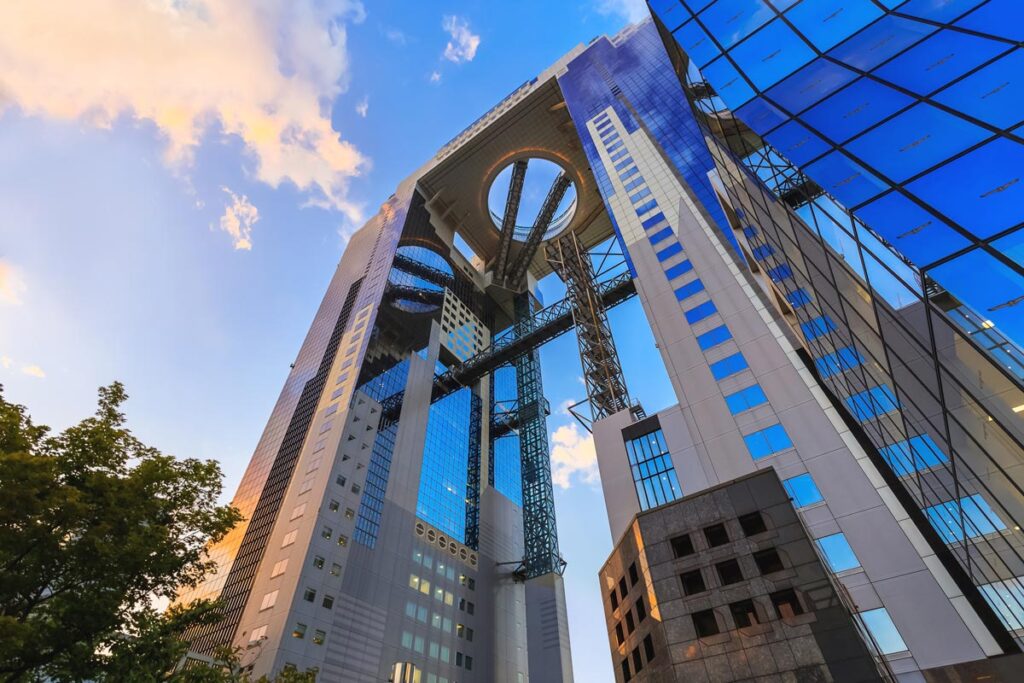
Umeda Sky Building (Floating Garden Observatory)
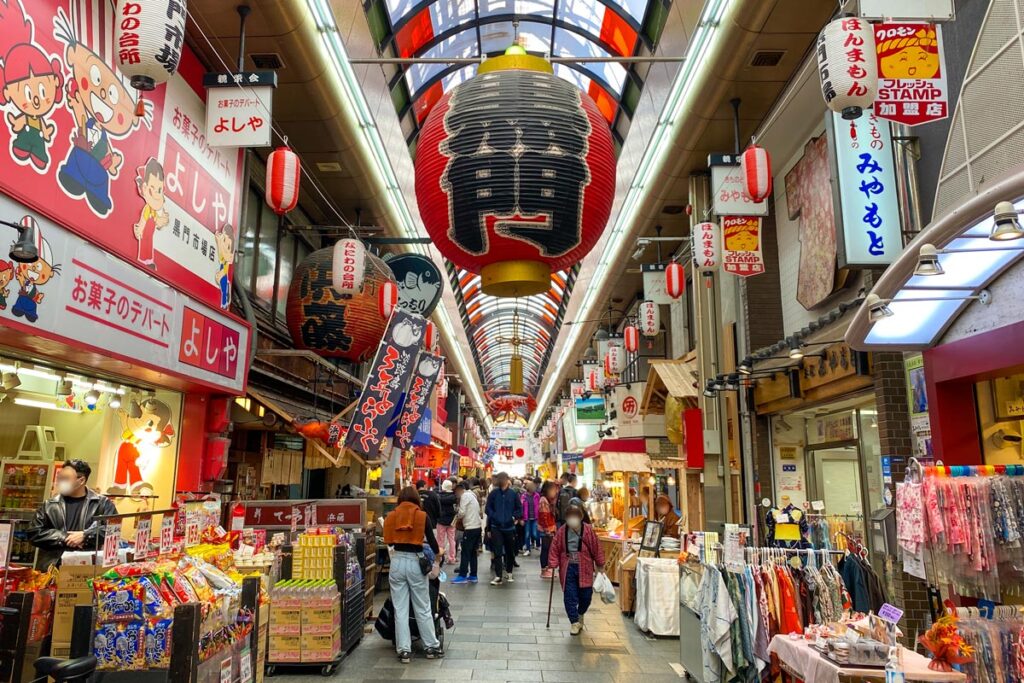
Kuromon Market
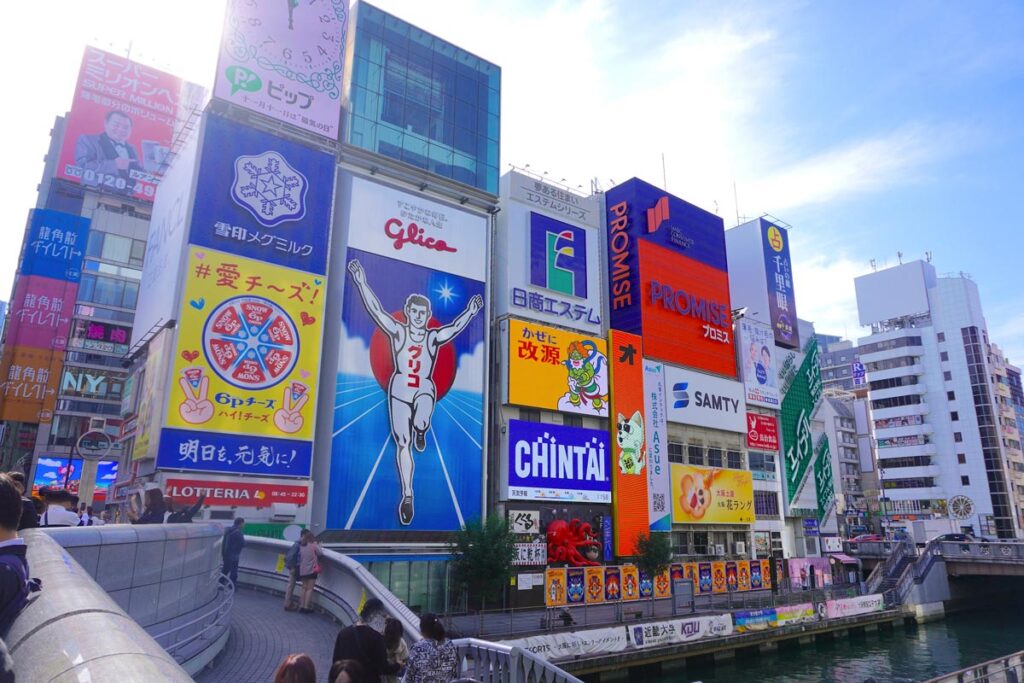
Shinsaibashi
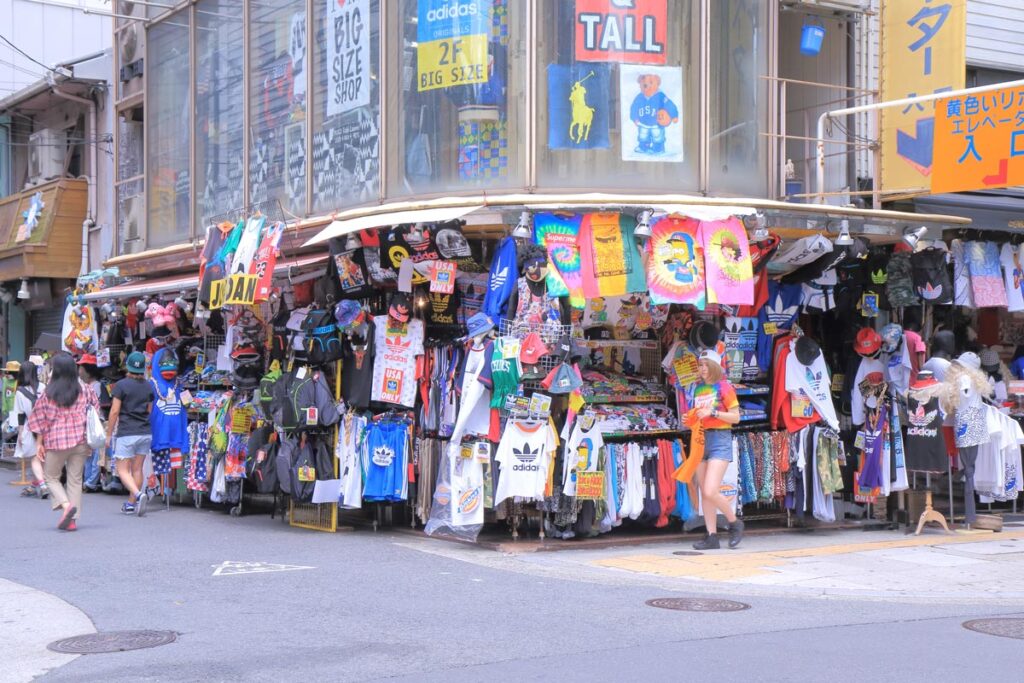
America-mura
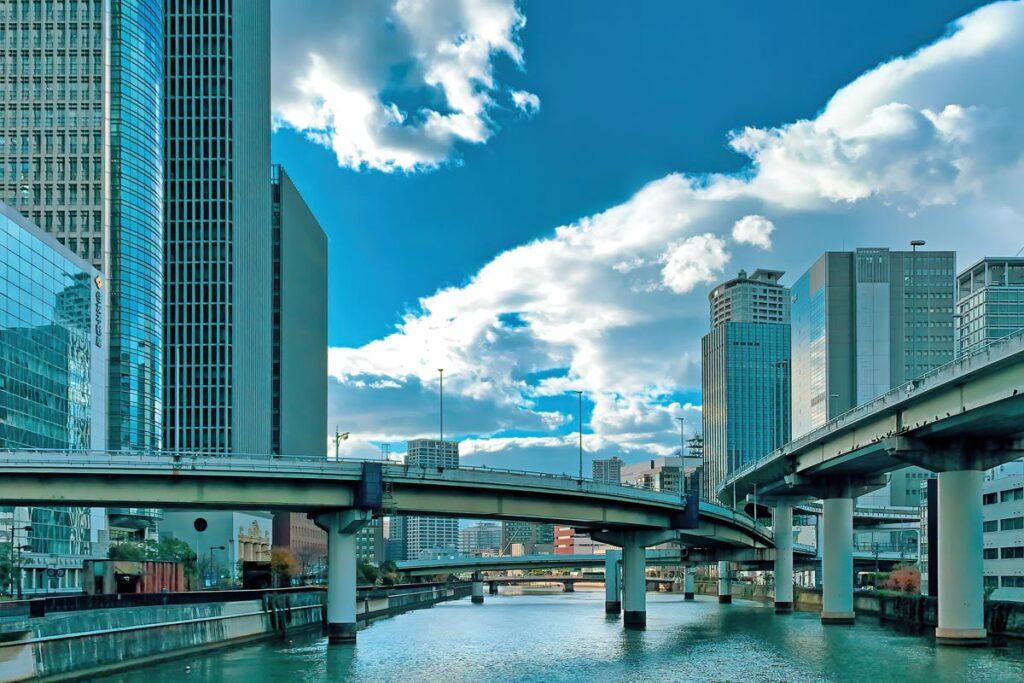
Nakanoshima
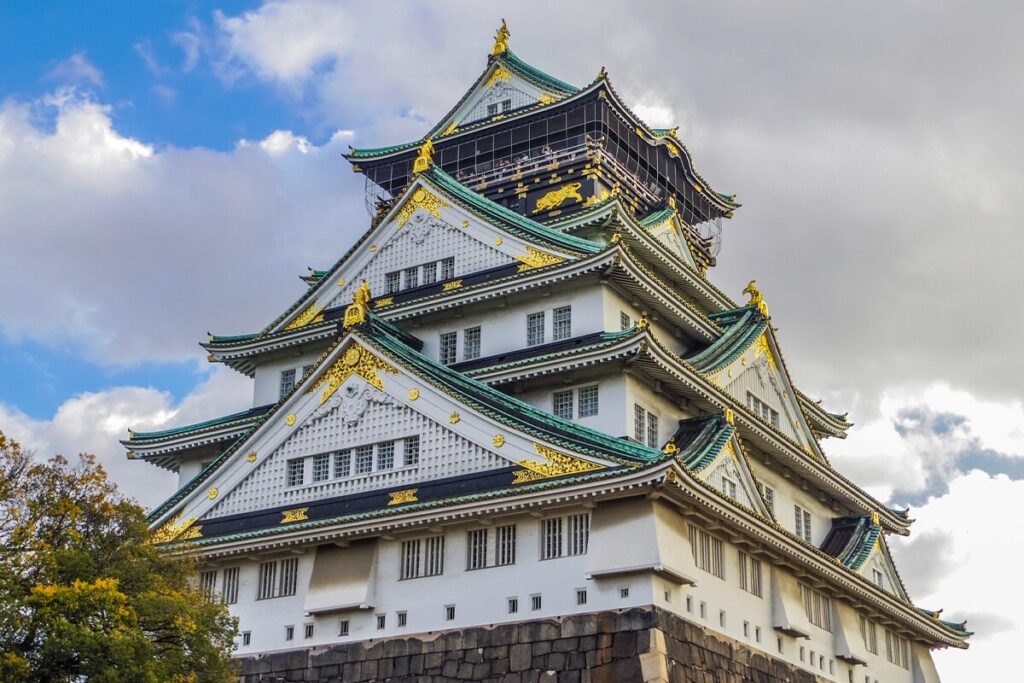
Osaka Castle
Osaka Museum of History
Umeda Dungeon
Katsuoji Temple