


Umeda Dungeon
Umeda Dungeon: How to Navigate Osaka’s Legendary Underground Maze
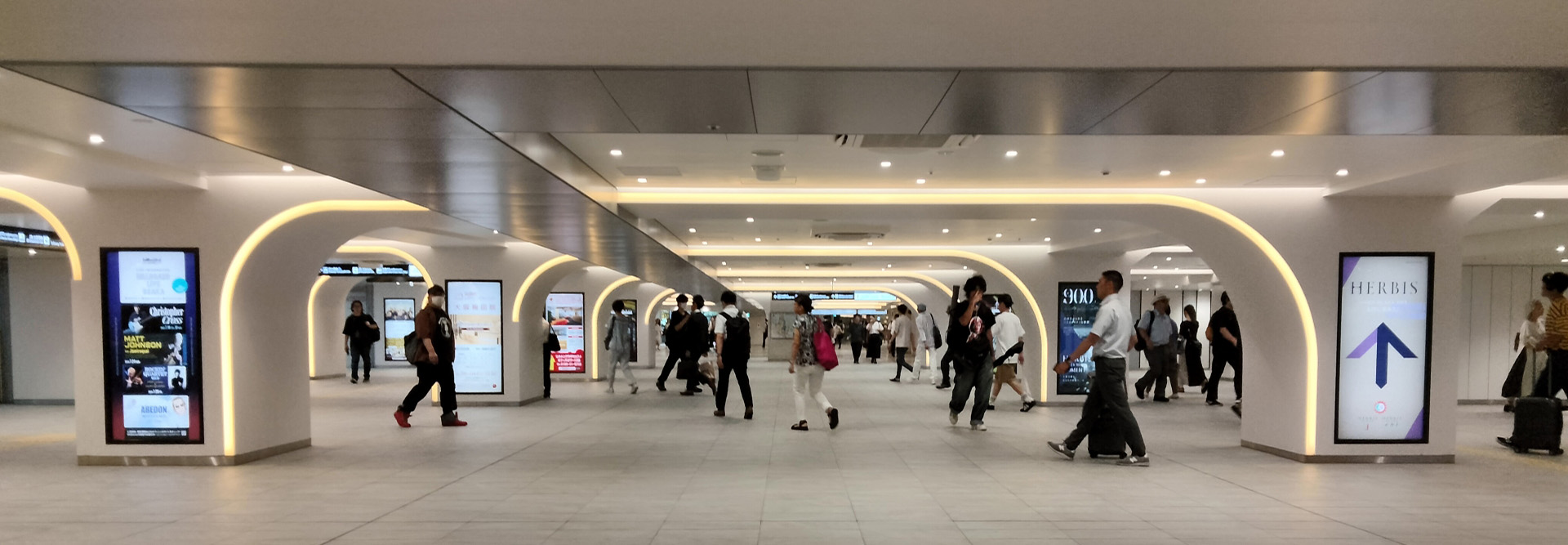
Hidden beneath the skyscrapers and neon billboards of central Osaka lies one of Japan’s most fascinating urban curiosities: the so‑called “Umeda Dungeon.” This is not an attraction with ticket gates or tour guides. Instead, it is the nickname locals give to the enormous, interconnected underground passageways and shopping malls beneath Osaka and Umeda Stations.
For first-time visitors to Japan, stepping into this underground world can feel like entering a modern labyrinth. Corridors seem to lead in every direction, stairways appear out of nowhere, and the same coffee shop pops up just when you thought you had escaped. Yet this maze is also one of Osaka’s most convenient and unique spaces, full of food, shopping, and surprising pockets of local life.
This guide explains what the Umeda Dungeon is, how to find your way around it, and how to actually enjoy getting a little “lost” underground in Osaka.
What Is the Umeda Dungeon?
“Umeda Dungeon” is an affectionate nickname, not an official place name. It refers to the huge underground network that spreads out beneath the Umeda and Osaka Station area in northern Osaka. Here you’ll find a tangle of subway lines, private railway stations, department store basements, and long passageways connecting them all.
At its core, the dungeon spans the area around:
- JR Osaka Station
- Hankyu Osaka-Umeda Station
- Hanshin Osaka-Umeda Station
- Osaka Metro Umeda, Higashi-Umeda, and Nishi-Umeda Stations
Between and beneath these stations stretch underground malls such as Whity Umeda, Diamor Osaka, Dojima Underground Center, and the maze of department store basements under Hankyu, Hanshin, and Daimaru. Collectively, they form a massive, multi-level underworld that allows locals to move across the district without ever going outside—very useful in Osaka’s humid summers and rainy seasons.
Why Locals Call It a “Dungeon”
When Osaka residents talk about the Umeda Dungeon, they usually mean one of two things: it’s confusing, and you can spend a long time wandering around inside. The nickname captures the experience of emerging from one station, walking underground for what feels like ages, and then surfacing somewhere completely different, sometimes without really knowing how you got there.
Several factors add to this sense of disorientation:
- Multiple rail companies: JR, Hankyu, Hanshin, and Osaka Metro all operate their own stations and signs.
- Curving passages: Corridors bend rather than run straight, making it hard to keep track of direction.
- Few obvious landmarks: Underground, you lose sight of towers, streets, and the sky.
- Similar-looking spaces: Many areas have similar tile, lighting, and shopfront styles.
Yet, for all its complexity, the Umeda Dungeon works remarkably well. It keeps millions of commuters moving efficiently every day, offers shelter from the weather, and hides an impressive concentration of restaurants, cafes, and shops. For travelers, it can be both a challenge and a delight.
Where the Umeda Dungeon Begins
If you arrive at JR Osaka Station on a Shinkansen connection from Shin-Osaka or from Kyoto, you are right on top of the dungeon. The northern side of the station connects to modern complexes like Grand Front Osaka and the Umekita area, but the true maze begins as you head south and east into the older underground passages.
Key gateways into the Umeda Dungeon include:
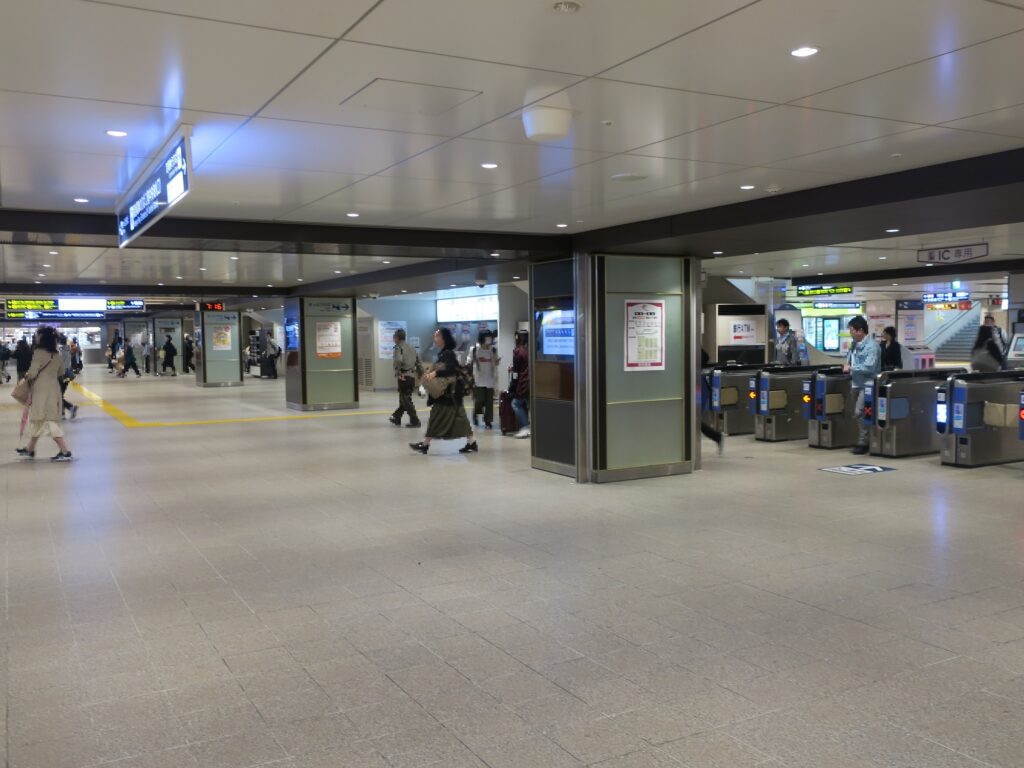
- JR Osaka Station Central and South Gates: Follow signs for Osaka Metro, Hankyu, or Hanshin and you’ll quickly descend into underground corridors.
- Hanshin Department Store basement: Food halls here lead directly into underground walkways and shopping arcades.
- Higashi-Umeda Station (Osaka Metro Tanimachi Line): This area, connected to Whity Umeda, is particularly maze-like.
- Nishi-Umeda Station (Yotsubashi Line): Underground tunnels from here connect back toward JR Osaka and beyond.
Unlike a typical “attraction,” there is no main entrance or official boundary. Think of the Umeda Dungeon as a dense web of passages that cover the area between all these stations and malls.
How to Navigate Without Panic
For first-time visitors, the scale of the Umeda Dungeon can be intimidating, especially if you are rushing to catch a train or just arrived from overseas with luggage. Fortunately, you can navigate it successfully by understanding a few basic principles.
1. Follow Line Colors and Logos
Japan’s rail systems rely heavily on colors and icons. In Umeda, this is especially helpful underground where text can blend together if you are not used to Japanese writing.
- Osaka Metro: Each subway line has a distinct color and letter (for example, the red Midosuji Line is “M”). Signs show the line letter in a colored circle.
- JR: Look for the familiar blue “JR” logo.
- Hankyu: Typically marked with maroon-colored signage, matching the color of the trains.
- Hanshin: Uses blue signs and the Hanshin tiger logo on some materials.
When in doubt, pick the sign that shows the color and symbol of the line you need, rather than trying to read every piece of text.
2. Learn the Cardinal Directions: North, South, East, West
Many signs include simple English such as “North,” “South,” “East,” and “West.” Above ground, you might ignore these and rely on landmarks. Underground, they become your compass.
For example:
- “North” often points toward Grand Front Osaka and the newer office towers.
- “South” typically leads toward Namba and Shinsaibashi connections (via Midosuji Line).
- “East” and “West” help you differentiate between metro stations like Higashi-Umeda (East) and Nishi-Umeda (West).
If you know whether you ultimately need to go north (toward Shin-Osaka or Kyoto) or south (toward Namba or Tennoji), these simple labels help you choose the right corridor at intersections.
3. Use Exits as Landmarks
Every underground complex in Umeda has numbered or lettered exits. You’ll see signs like “Exit 1,” “Exit 25,” or combined labels such as “M10” or “H-32.” At first, they can seem arbitrary, but they work like coordinates.
Before you head underground:
- Check your destination on a map app and note the nearest exit number if available.
- Look for that exit code on overhead signboards.
- Once you find the exit, you can surface and walk above ground if you are feeling overwhelmed.
Even locals will sometimes pop up to street level to reorient themselves, especially when visiting a new building or restaurant for the first time.
4. Don’t Be Afraid to Ask for Help
Osaka residents are famously friendly, and many are used to guiding lost travelers through Umeda’s maze. If you are unsure, approach a station staff member in uniform or a shop clerk in a calmer area.
Simple English phrases like “Excuse me, JR Osaka Station?” or “Hankyu Umeda, please?” plus a map on your phone are usually enough. People often respond by walking with you part of the way rather than just pointing.
5. Accept That Getting a Little Lost Is Part of the Fun
Unlike missing a Shinkansen, wandering for 10 or 15 minutes in the Umeda Dungeon is rarely a disaster. If you do not have a tight schedule, allow yourself time to explore. You may stumble upon a quiet coffee shop, an artfully designed side passage, or an under-the-radar restaurant that you would never have found otherwise.
What You’ll Find Underground
The Umeda Dungeon is not just a transportation network; it is also one of Osaka’s largest shopping and dining zones. Locals use it daily, especially during bad weather, and it offers an intriguing window into city life away from tourist hotspots.
Shopping and Souvenirs
Underground malls like Whity Umeda and Diamor Osaka are lined with fashion boutiques, cosmetic shops, lifestyle stores, and character goods.
For visitors, these are good places to pick up:
- Everyday Japanese cosmetics popular with locals
- Stationery and character goods from national chains
- Small homeware items that fit easily in a suitcase
Because the crowd is mostly local, prices and selection are geared to everyday life rather than souvenir hunting. This makes the Umeda Dungeon a refreshing contrast to more touristy shopping streets.
Food, Snacks, and Osaka Specialties
Food is where the Umeda Dungeon really shines. On nearly every corner, you will find eateries of all kinds, from standing noodle bars to dessert counters. Department store basements (known as depachika) are particularly appealing, offering rows of neatly arranged bento boxes, sweets, and deli-style dishes.
Look out for:
- Takoyaki: Osaka’s famous octopus balls, often sold from small counters or kiosks.
- Okonomiyaki and teppanyaki: While many famous shops are above ground, there are cozy underground spots too.
- Japanese curry and ramen: Quick, filling options ideal between trains.
- Bakeries: Japanese bakeries in underground malls sell imaginative pastries and savory breads.
This is also a good place to grab a reasonably priced lunch or dinner before heading back to your hotel or out toward nightlife districts like Umeda’s izakaya alleys and skyscraper bars.
Cafes and Rest Spots
Walking the tunnels can be surprisingly tiring. Fortunately, the Umeda Dungeon is dotted with cafes—from big chains where you can rely on Wi‑Fi and power outlets to independent coffee stands with personality.
If you start to feel disoriented, taking a short break at a cafe can help you reset. Use the downtime to check maps, plan your next move, or simply watch commuters flow past outside the window.
Cultural Insights: Underground Life in Japan
Japan’s large cities often shift parts of daily life below ground. Tokyo has similar underground networks in hubs like Shinjuku and Shibuya, but Osaka’s Umeda Dungeon has its own character.
Several cultural themes are visible here:
- Efficiency and comfort: In a country where many people rely on trains, underground passages allow commuters to transfer quickly while staying sheltered from rain, wind, and summer heat.
- Respectful flow: Even during rush hour, crowds tend to move in an orderly fashion. People naturally keep left or right depending on local custom, avoid blocking corridors, and line up neatly at ticket gates.
- Everyday fashion and trends: Because these spaces serve office workers, students, and shoppers, you can observe contemporary Japanese fashion and lifestyle trends up close, away from the more curated image of tourist districts.
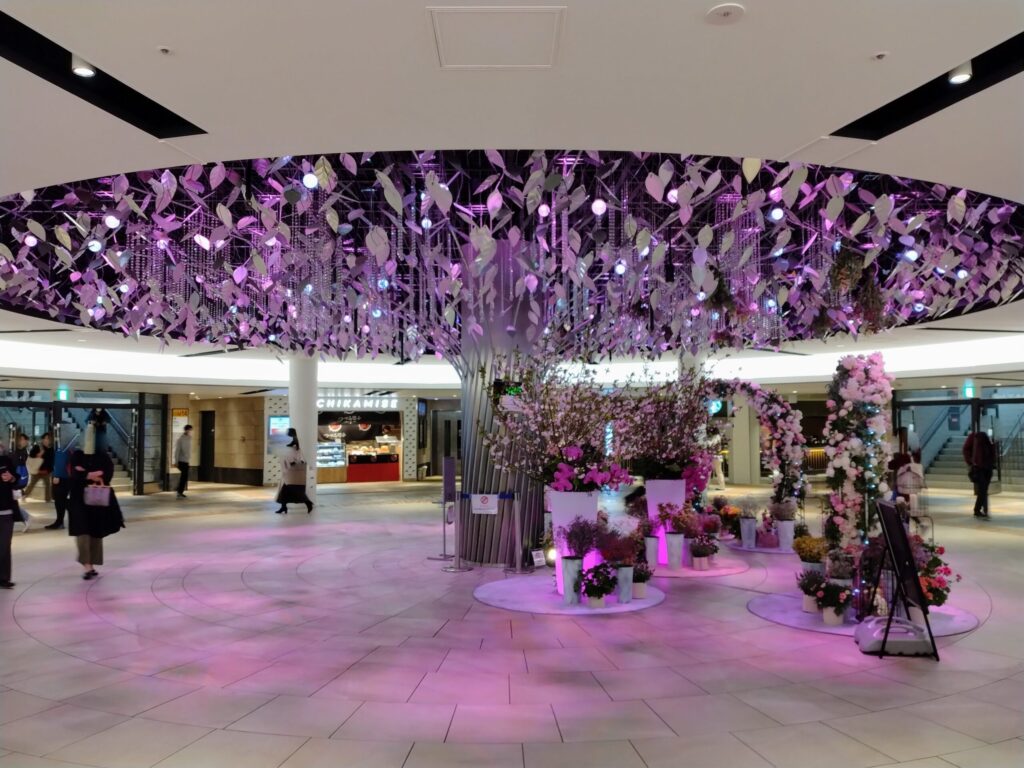
- Blending old and new: Some corridors feel almost retro, with older signage and long-standing shops, while others connect to sleek towers and brand-new developments.
Exploring the Umeda Dungeon offers a glimpse of how Japanese cities extend vertically—up into high-rise towers and down into multi-layered basements—rather than only spreading outward.
Practical Tips for First-Time Visitors
Best Time to Explore
If your goal is to observe everyday life without being overwhelmed, aim for late morning to mid-afternoon on weekdays. Rush hours (roughly 7:30–9:30 and 17:00–19:30) transform the Umeda Dungeon into a fast-moving river of commuters where it can be harder to stop and look around.
Weekend afternoons are livelier but more crowded, especially around popular eateries and fashion stores.
Use a Map App, But Don’t Rely on GPS Alone
GPS can become less accurate underground, sometimes placing your blue dot in the wrong corridor or even on the wrong street above. Instead:
- Download an offline map or take screenshots of the general layout before going underground.
- Use the app more for understanding which station or building you are heading toward, not for precise turn-by-turn directions.
- When you surface, re-check your location and adjust your route.
Traveling With Luggage
Navigating the Umeda Dungeon with suitcases can be challenging because not every route includes elevators or escalators. If you are carrying large bags:
- Follow signs for the main station gates—these routes are more likely to have elevators.
- Consider staying at a hotel around Umeda that offers direct access to a particular station, minimizing transfers.
- Use coin lockers at JR Osaka or Hankyu Umeda stations to store luggage while you explore luggage-free.
Accessibility Considerations
Osaka has been steadily improving accessibility, adding elevators, tactile paving for the visually impaired, and clearer signage. However, some of the older passages still rely heavily on stairs.
If you use a wheelchair or stroller, head toward newer station areas and department store basements, where accessible routes are usually better marked. Station staff can also guide you to barrier-free pathways between JR, subway, and private rail stations.
Turning a Maze into a Highlight of Your Osaka Trip
Many travelers hear about the Umeda Dungeon as a warning: “It’s so confusing—you’ll get lost!” But with the right mindset, this underground labyrinth becomes a memorable part of your Osaka experience.
Instead of treating it as an obstacle, think of it as:
- A living museum of urban design, showing how Japan manages huge numbers of commuters in tight spaces.
- A weatherproof playground, filled with food courts, shops, and people-watching opportunities.
- A local experience, where you can share the same corridors, eateries, and shortcuts that Osaka residents use every day.
Plan at least one unhurried walk through the Umeda Dungeon during your stay. Start from JR Osaka Station, pick a direction—perhaps following signs for Higashi-Umeda or Nishi-Umeda—and simply see where the underworld takes you. When you surface, you may find yourself in front of an unexpected shrine, a gleaming office tower, or a cozy backstreet bar you would never have encountered otherwise.
By embracing the maze rather than fearing it, you’ll discover a side of Osaka that most guidebooks barely touch—an everyday city beneath the city, pulsing with life just out of sight.
Access Map
Recommended spots in Osaka
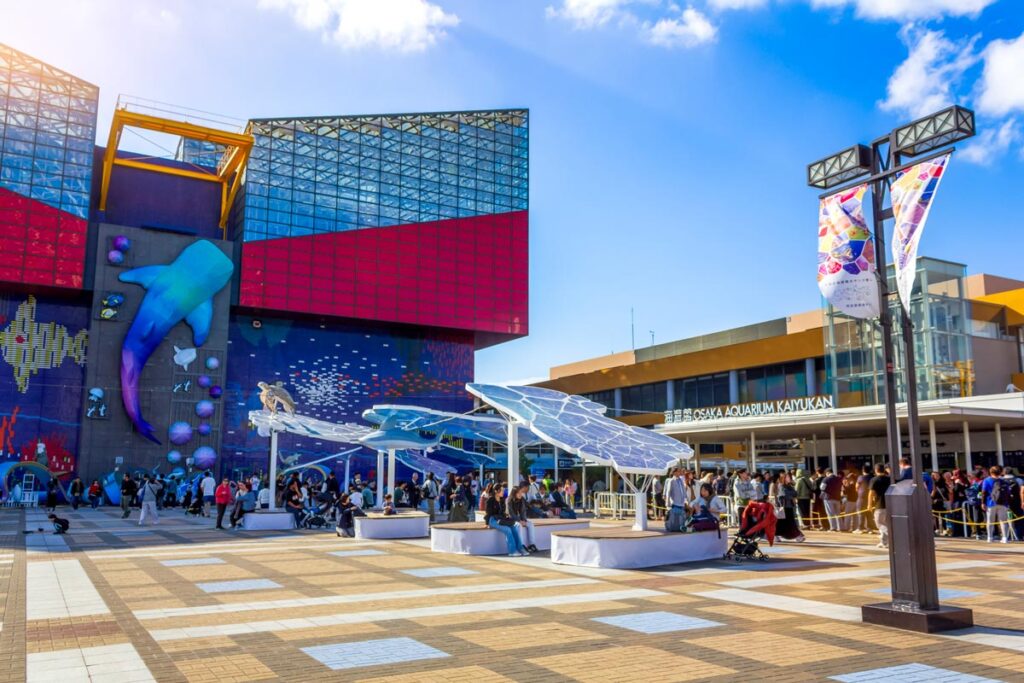
Kaiyukan Osaka Aquarium
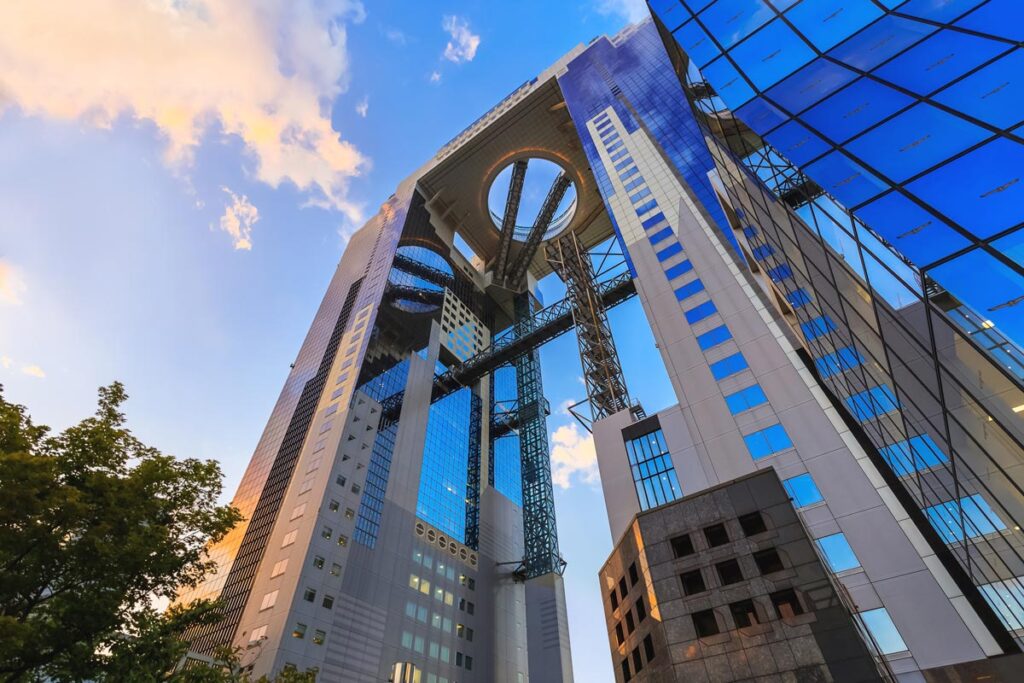
Umeda Sky Building (Floating Garden Observatory)
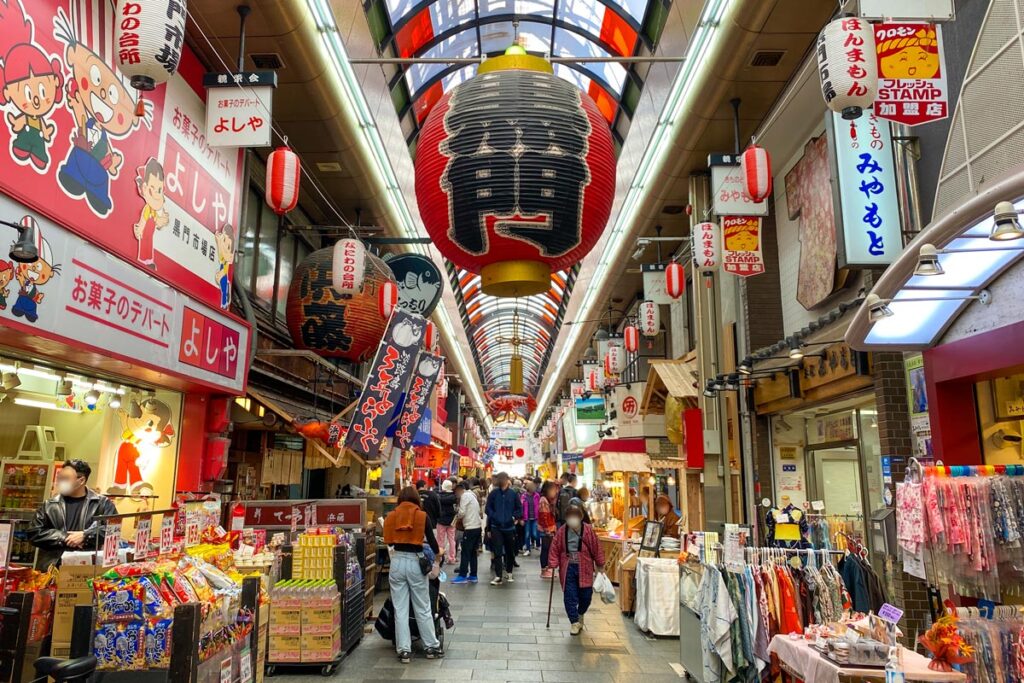
Kuromon Market
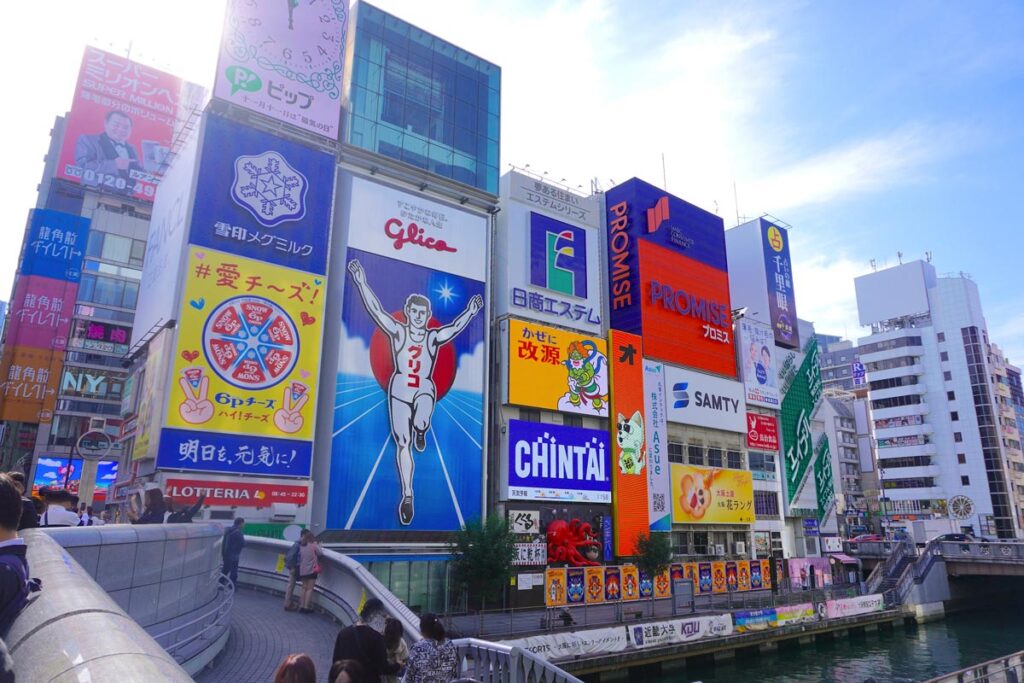
Shinsaibashi
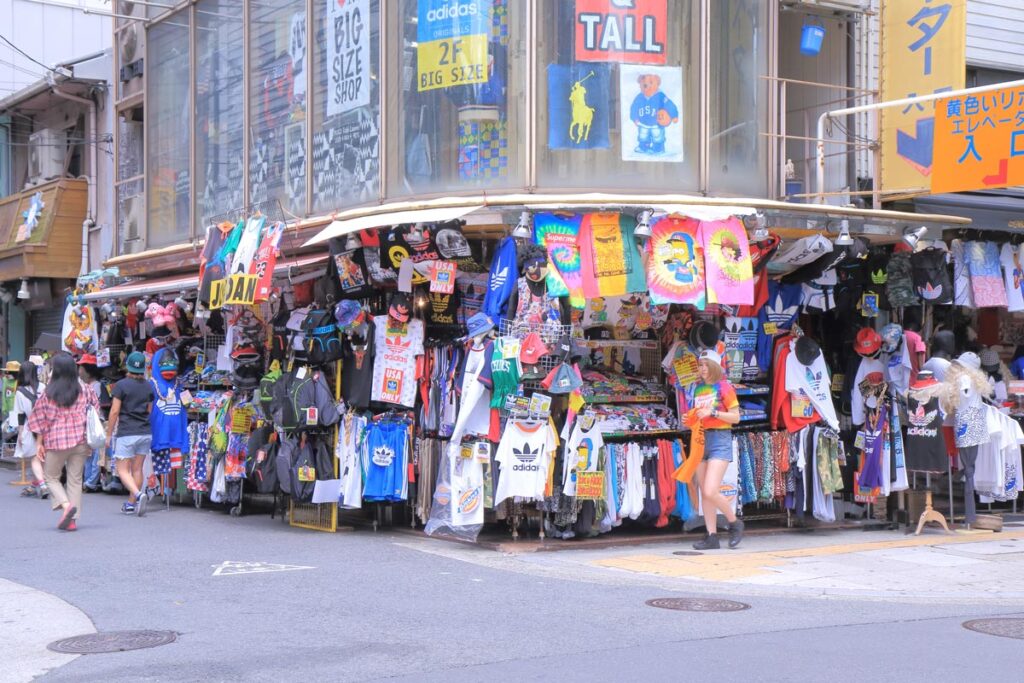
America-mura
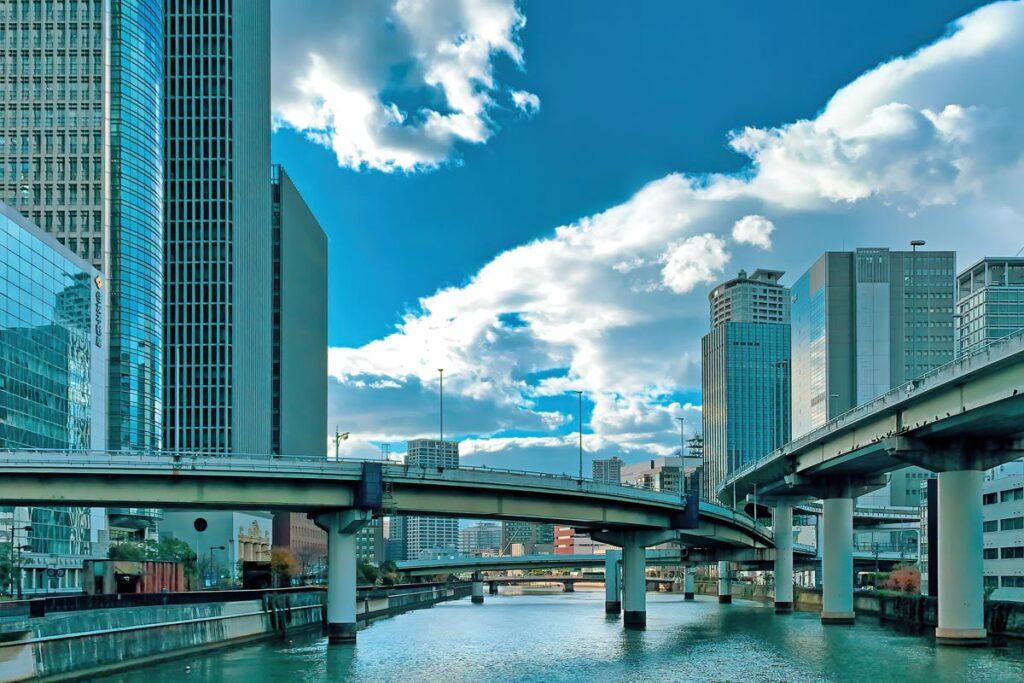
Nakanoshima
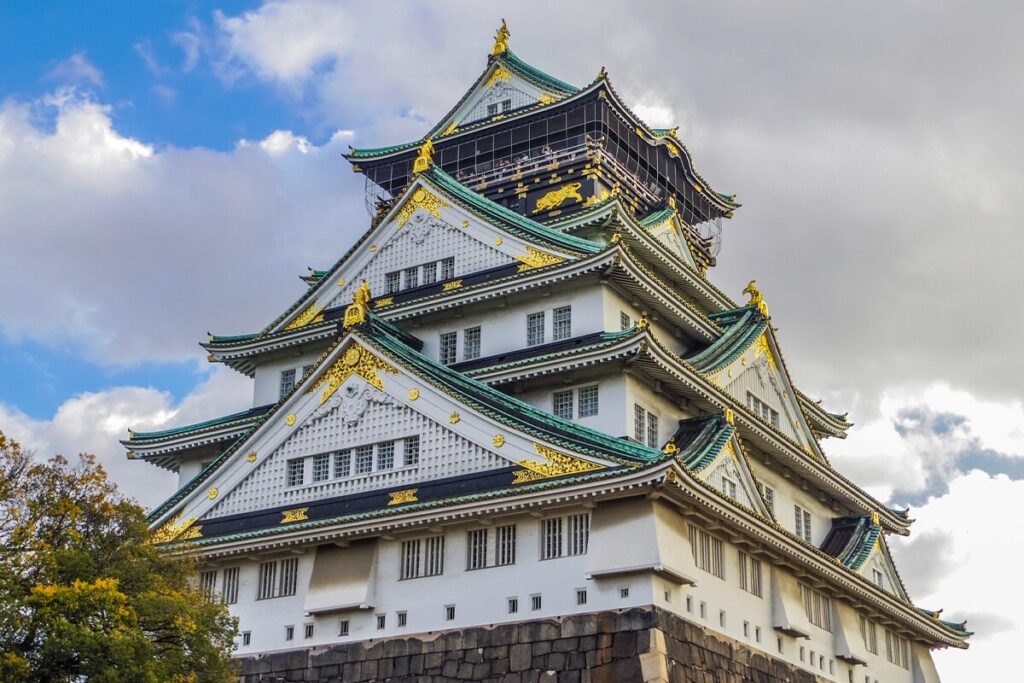
Osaka Castle
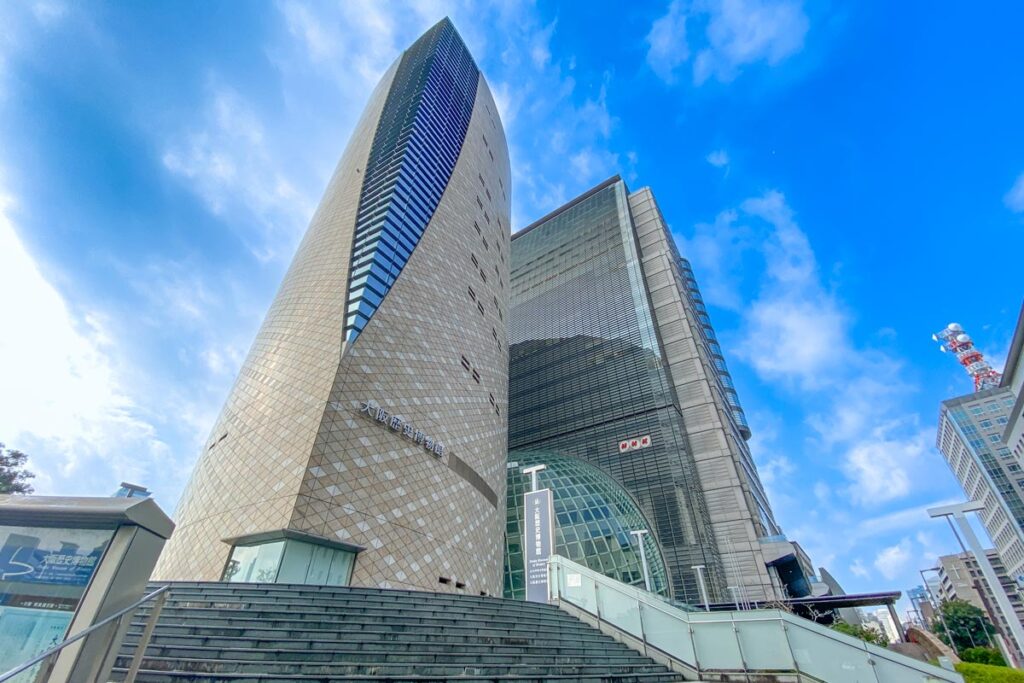
Osaka Museum of History
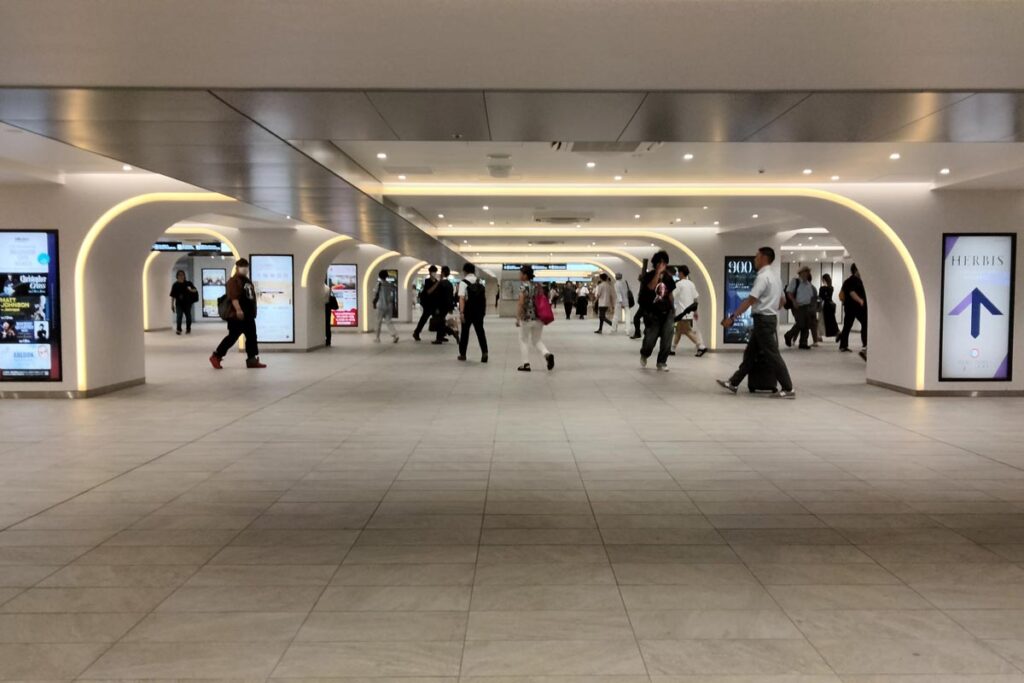
Umeda Dungeon
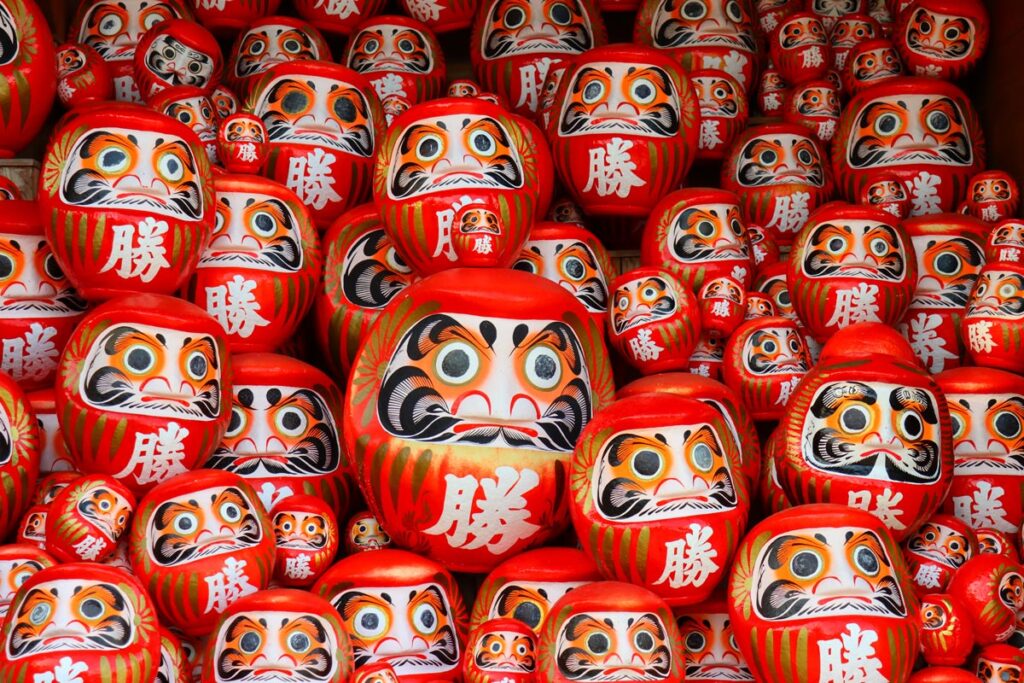
Katsuoji Temple