
Hiroshima
Hiroshima Travel Guide: History, Hope, and Island Beauty in Japan
Hiroshima is one of Japan’s most moving destinations. Known worldwide as the first city struck by an atomic bomb, it has rebuilt itself as a vibrant, welcoming place that actively promotes peace, culture, and innovation. For first-time visitors to Japan, Hiroshima offers a powerful balance of history, reflection, and natural beauty, especially when combined with nearby Miyajima Island.
Why Visit Hiroshima on Your First Trip to Japan?
Many first-time visitors focus on Tokyo, Kyoto, and Osaka, but adding Hiroshima to your itinerary gives essential context to modern Japan. Here, you can:
- Learn about the realities of war and the global movement for peace
- See how a city has transformed tragedy into a message of hope
- Enjoy excellent regional cuisine, including Hiroshima-style okonomiyaki and fresh oysters
- Take a scenic day trip to Miyajima, one of Japan’s most photographed islands
Hiroshima is compact, easy to navigate, and friendly to foreign visitors, making it an ideal addition to a first-time Japan itinerary.
Getting to Hiroshima
By Shinkansen (Bullet Train)
For most international travelers, the easiest way to reach Hiroshima is by shinkansen. Hiroshima lies on the main Sanyo Shinkansen line, connecting it to major cities across Japan.
- From Tokyo: Around 4 hours on the Nozomi (fastest) train, slightly longer on Hikari or Sakura services.
- From Kyoto or Osaka: Around 1.5–2 hours on the Sanyo Shinkansen.
- From Fukuoka (Hakata): About 1 hour.
If you have a Japan Rail Pass, you can use the Hikari/Sakura services and some other shinkansen, but not the Nozomi. Hiroshima Station is centrally located and well-connected by bus, streetcar, and taxi.
By Air
Hiroshima Airport handles domestic flights from major Japanese cities, plus some international routes in Asia. The airport is about 50 minutes by limousine bus from Hiroshima Station. For most visitors already traveling within Japan, the shinkansen is usually more convenient.
How Long to Stay in Hiroshima
If you are short on time, Hiroshima and Miyajima can be visited together as a long day trip from Osaka or Kyoto. However, staying at least one night in Hiroshima is recommended so you can explore at a relaxed pace and experience the city after day-trippers have left.
A typical stay might look like:
- 1 day: Hiroshima Peace Memorial Park and Museum, A-bomb Dome, Hondori shopping street, and local food.
- 2 days: Day one in central Hiroshima, day two on Miyajima Island.
Hiroshima Peace Memorial Park: The Heart of the City
Most visitors start at Hiroshima Peace Memorial Park, located near the epicenter of the atomic bombing of 6 August 1945. Today, the area is a carefully designed green space dedicated to remembrance and peace education.
A-Bomb Dome (Genbaku Dome)
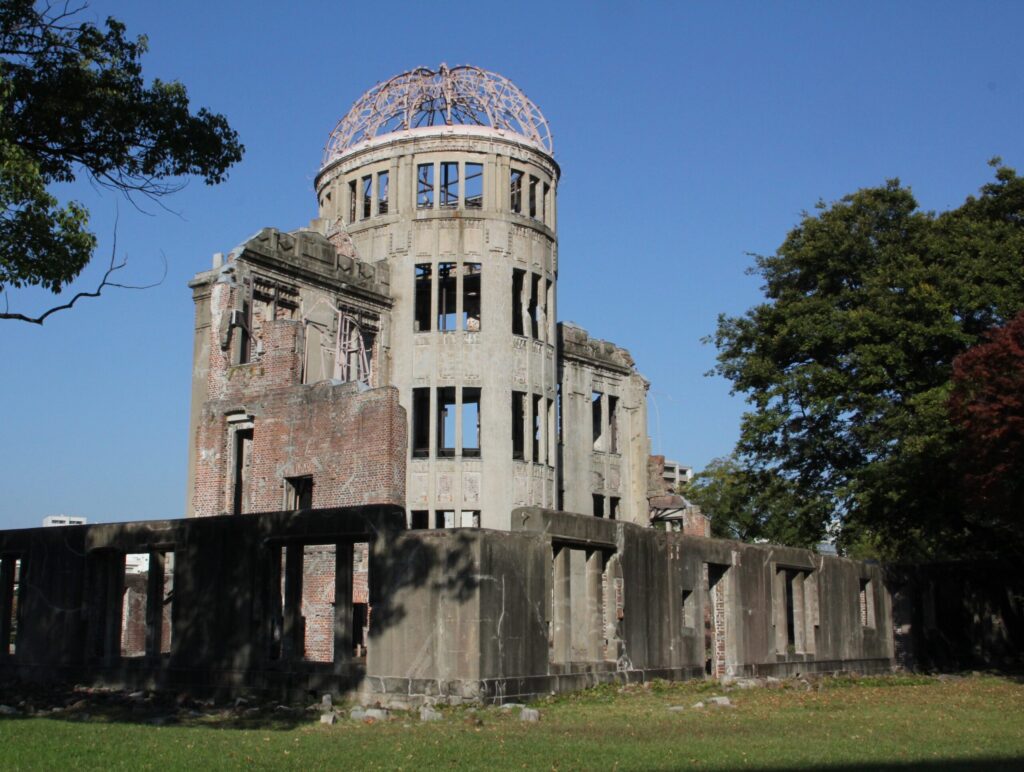
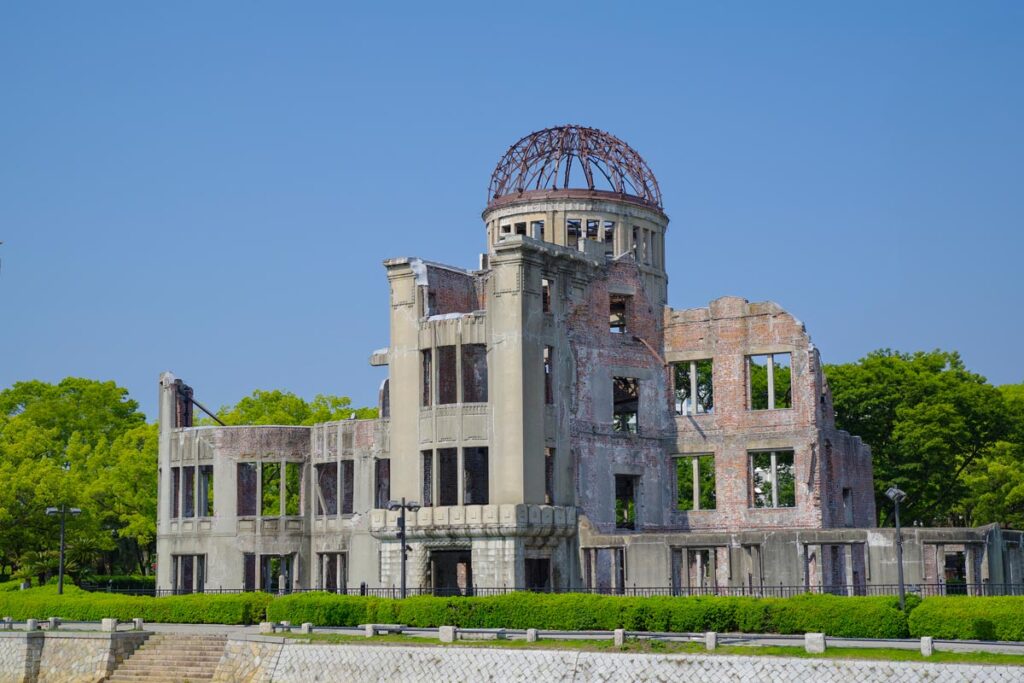
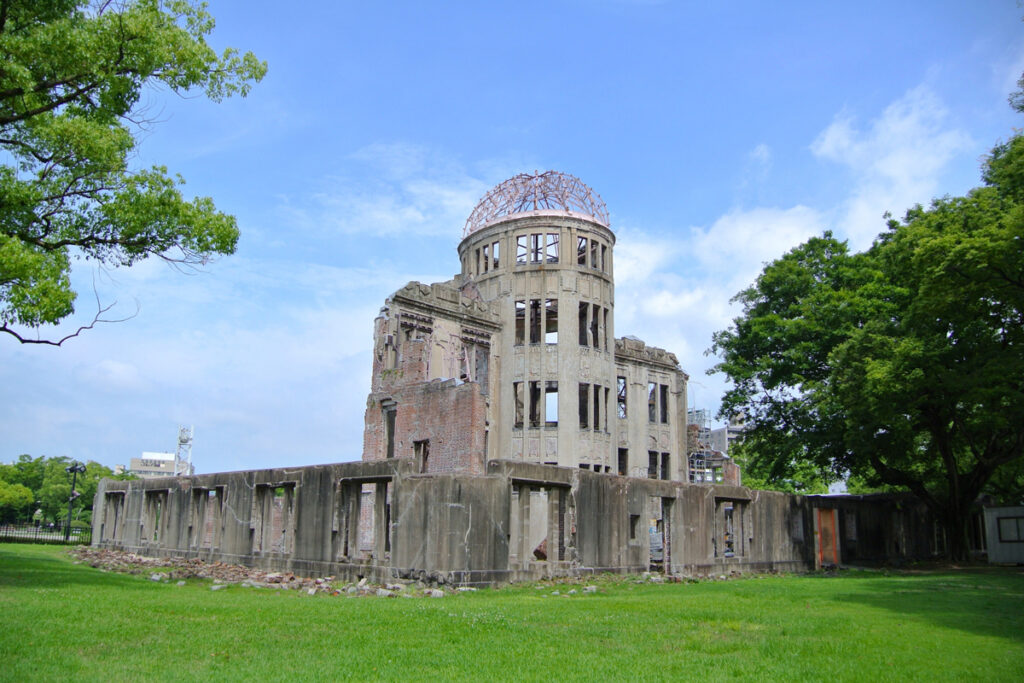
Officially called the Hiroshima Peace Memorial, the A-bomb Dome is the skeletal remains of the former Prefectural Industrial Promotion Hall. It stands almost directly beneath where the atomic bomb exploded. Preserved in its ruined state, it has become one of the world’s most powerful anti-war symbols and is a UNESCO World Heritage Site.
Visitors walk around the building and view it from across the Motoyasu River. Photographs are allowed, but it is important to behave respectfully—speak quietly, avoid climbing on barriers, and be mindful of people praying or reflecting.
Hiroshima Peace Memorial Museum
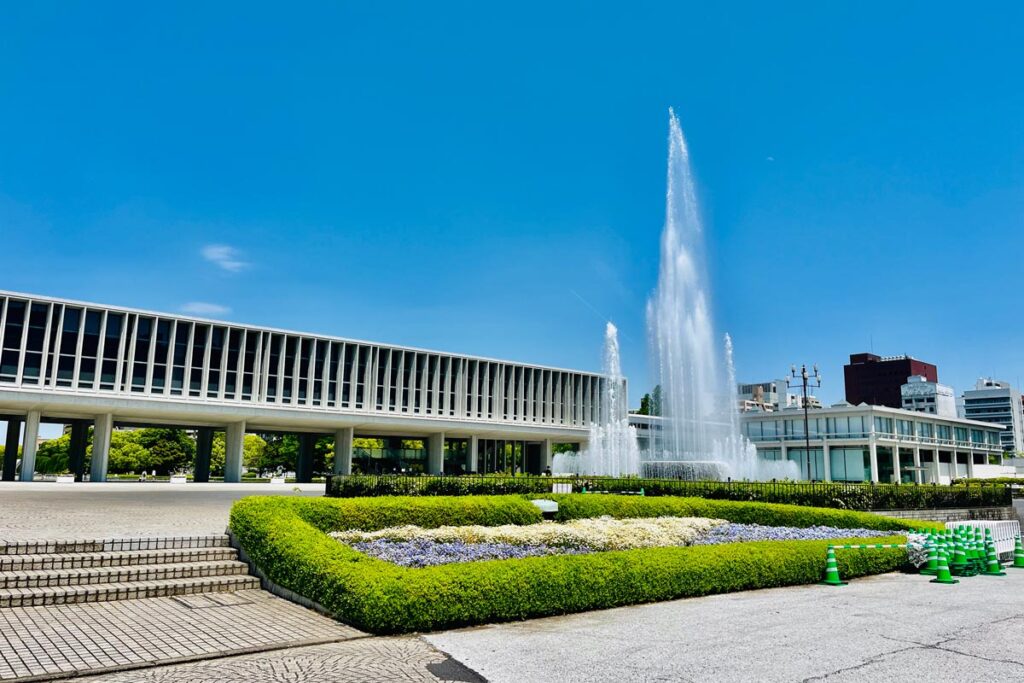
The Peace Memorial Museum is the most in-depth, and often emotional, part of a visit to Hiroshima. Modern exhibits explain the history of the city before the war, the development and use of the atomic bomb, and the immediate and long-term effects on the population and environment.
Displays include personal belongings of victims, photographs, and survivor testimonies. There is clear signage in English, and audio guides are often available. The content can be intense, so allow at least 1.5–2 hours and give yourself time afterwards to decompress in the surrounding park.
Monuments and Memorials in the Park
Scattered throughout the park are numerous monuments dedicated to the victims and to peace:
- Children’s Peace Monument: Inspired by Sadako Sasaki, a young girl who developed leukemia after the bombing and folded paper cranes in the hope of recovery. Today, schoolchildren from across Japan and the world send colorful origami cranes, symbolizing wishes for peace.
- Cenotaph for the A-bomb Victims: A concrete, saddle-shaped monument with a registry of the names of those who died as a result of the bombing. The inscription translates to “Let all the souls here rest in peace, for we shall not repeat the evil.”
- Flame of Peace: A flame that has burned continuously since 1964, pledged to remain lit until all nuclear weapons are abolished.
Walking through the park, you’ll see local students on school trips, volunteers offering explanations in various languages, and quiet moments of prayer. The atmosphere is solemn yet hopeful, emphasizing Hiroshima’s role as a global “City of Peace.”
Exploring Modern Hiroshima
Beyond its memorials, Hiroshima is a lively, modern city with broad boulevards, a tram network, riverside walks, and a relaxed regional character.
Hondori Shopping Street and Downtown Area
Hondori is a covered pedestrian arcade near Peace Memorial Park. It is lined with shops, cafés, arcades, and casual dining spots. This is a good area to:
- Grab a coffee or dessert after visiting the museum
- Pick up souvenirs such as local sweets and sake
- Experience everyday Japanese city life under one long roof, useful on rainy days
Nearby, you’ll find department stores, bookstores, and electronics shops. Streetcars and buses connect easily back to Hiroshima Station.
Hiroshima Castle
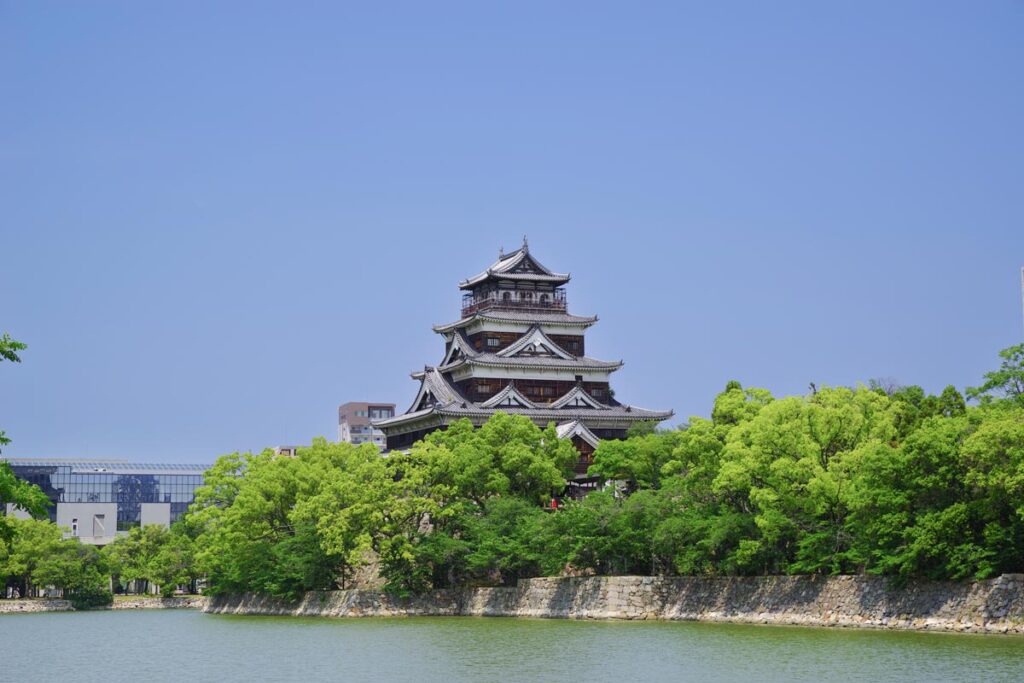
Also known as “Carp Castle,” Hiroshima Castle was originally built in the 16th century but was destroyed in 1945. The main keep has been reconstructed in traditional style and now houses a small museum covering samurai culture and the history of the city as a castle town.
The castle grounds are particularly attractive during cherry blossom season (late March to early April). Even outside sakura season, the moat, stone walls, and wooden structures offer a tranquil contrast to the downtown streets.
Shukkeien Garden
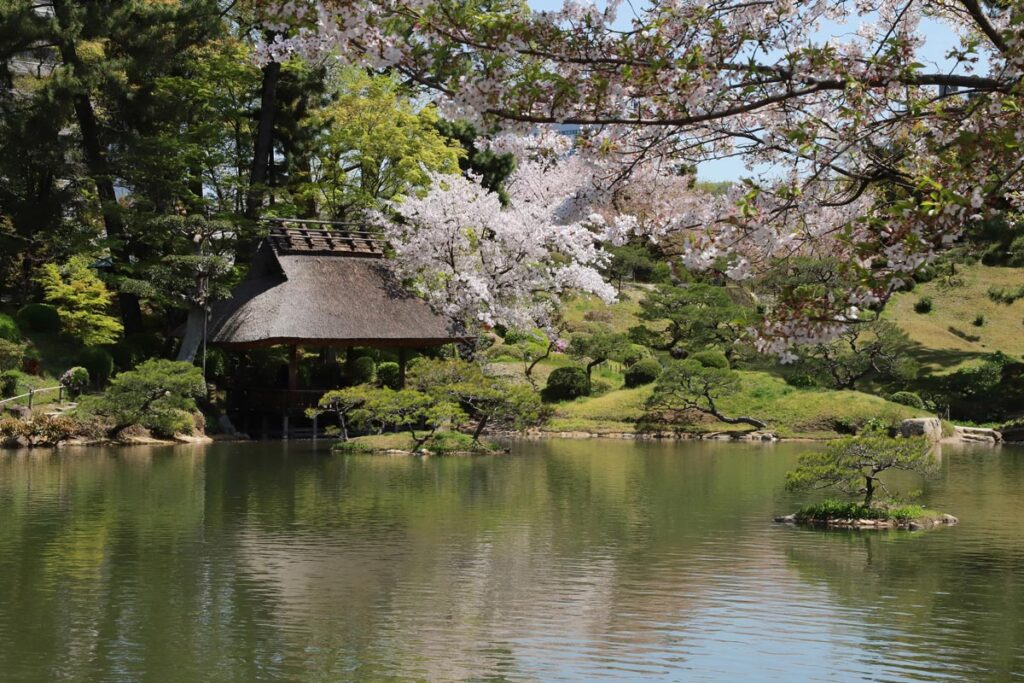
Shukkeien is a classic Japanese landscape garden dating back to the early Edo period. Designed to represent miniaturized landscapes, it features a central pond, arched bridges, tea houses, and carefully pruned trees.
It is a peaceful place to wander, sit with a matcha tea, and appreciate traditional Japanese aesthetics. Locals come here to enjoy seasonal changes: plum blossoms in late winter, lush greenery in summer, and vibrant foliage in autumn.
Miyajima Island: A Must-Do Side Trip
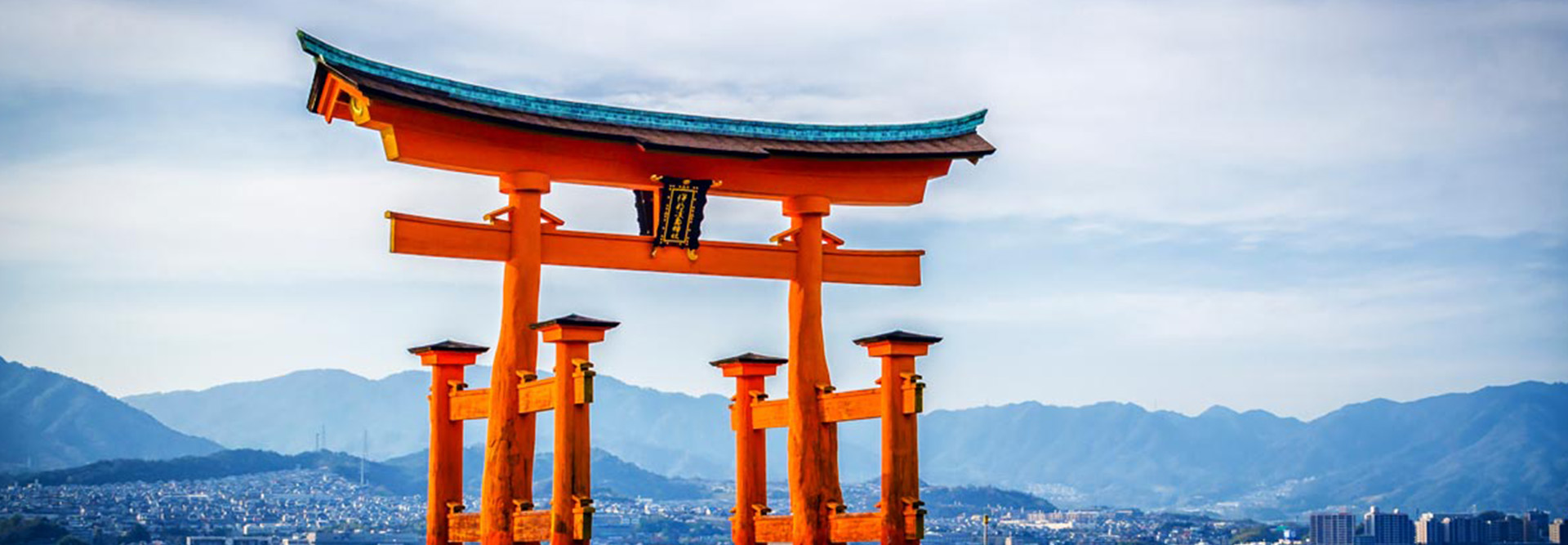
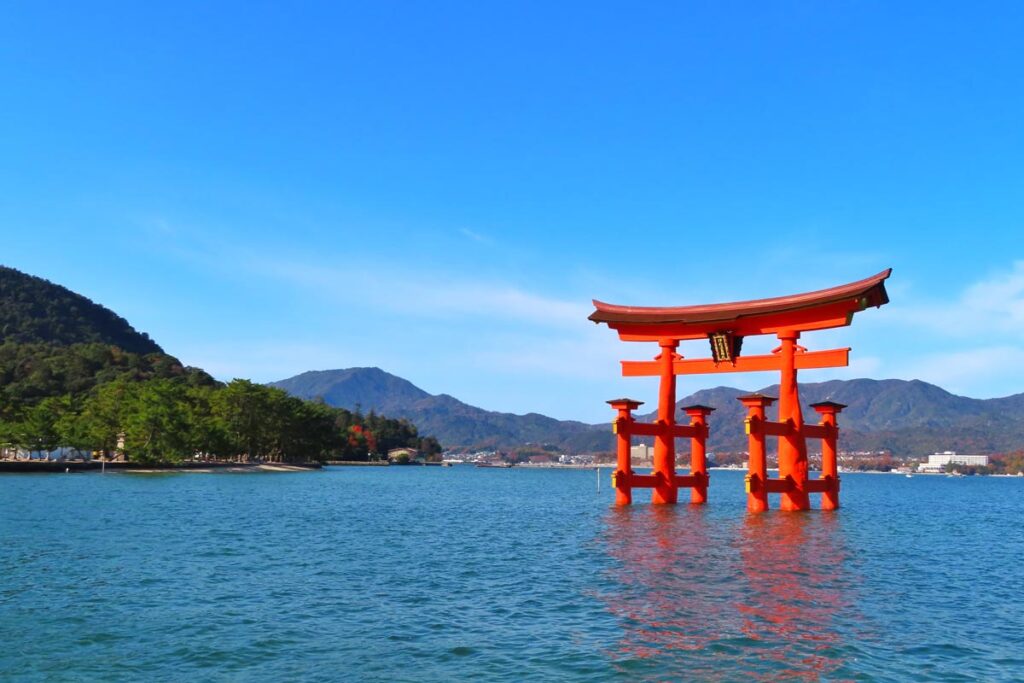
Many travelers combine Hiroshima with a visit to Miyajima (officially Itsukushima), a picturesque island in Hiroshima Bay. It is known throughout Japan for its iconic “floating” torii gate and shrine complex built over the water.
Getting to Miyajima from Hiroshima
From Hiroshima Station, take a JR Sanyo Line train to Miyajimaguchi Station (around 25 minutes). From there, it is a short walk to the ferry pier. JR and private ferries run frequently and take about 10 minutes to reach the island.
If you have a Japan Rail Pass, you can use the JR-operated train and ferry at no additional cost, making this an easy and economical day trip.
Itsukushima Shrine and the Floating Torii Gate
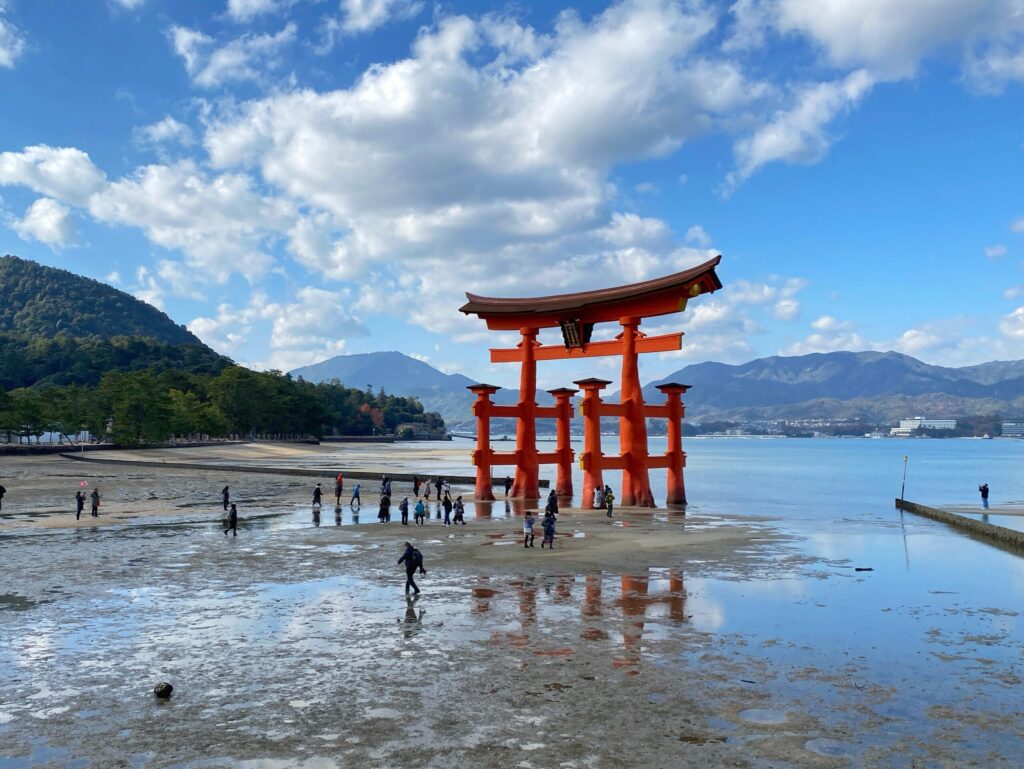
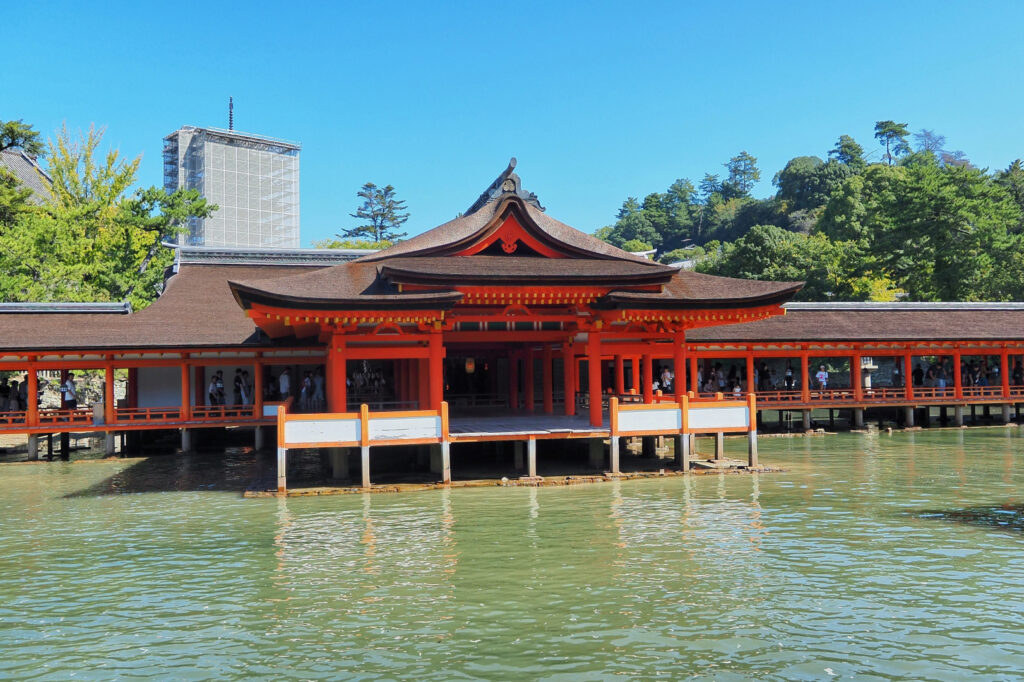
Itsukushima Shrine is a UNESCO World Heritage Site and one of Japan’s most famous Shinto shrines. Built on stilts above the tidal flats, its vermilion halls appear to float during high tide. The large torii gate in the bay becomes a dramatic silhouette at sunset.
Try to time your visit for both low and high tide if possible. At low tide, you can walk out on the sand to the base of the torii gate. At high tide, the shrine and gate seem to rise out of the water, creating the classic postcard view.
Exploring the Island
Miyajima is small enough to explore on foot. Apart from Itsukushima Shrine, you can:
- Stroll through traditional streets lined with souvenir shops and snack stalls
- Meet the island’s semi-tame deer (do not feed them and protect your maps and tickets—they sometimes nibble paper)
- Hike Mount Misen for sweeping views of the Seto Inland Sea
- Take a ropeway (cable car) partway up the mountain if you prefer less walking
Staying overnight on Miyajima in a ryokan (traditional inn) with a hot-spring bath can be a highlight of a trip to Japan. After the last daytime crowds leave, the island becomes quiet and atmospheric, with illuminated shrine buildings and starry skies.
What to Eat in Hiroshima
Hiroshima-Style Okonomiyaki
Okonomiyaki is a savory Japanese pancake, and Hiroshima has its own celebrated style. Unlike the mixed-batter Kansai version, Hiroshima okonomiyaki is layered: a thin crepe, heaps of shredded cabbage, bean sprouts, pork, noodles (yakisoba or udon), and egg, grilled on a hotplate and topped with a sweet-salty sauce.
For visitors, watching it cooked right in front of you is part of the experience. Many restaurants are counter-style, where you sit around the grill. Ask for an English menu if needed—tourist-friendly spots often have them.
Oysters and Seafood
The waters around Hiroshima and Miyajima produce some of Japan’s best oysters. They are served grilled on the shell, deep-fried (kaki fry), or raw in season. You’ll find oyster stands on Miyajima and specialized restaurants in Hiroshima city.
Other local specialties include anago (conger eel) served over rice, and momiji manju, maple-leaf–shaped cakes filled with sweet red bean paste, custard, or chocolate.
Local Sake
Hiroshima Prefecture, particularly the Saijo area, is a renowned sake-producing region. Soft local water helps create refined, aromatic sake. Many restaurants offer tasting sets, and sake fans may want to make a side trip to Saijo to visit sake breweries.
Getting Around Hiroshima
Hiroshima is easy to navigate thanks to its compact layout and well-organized public transport.
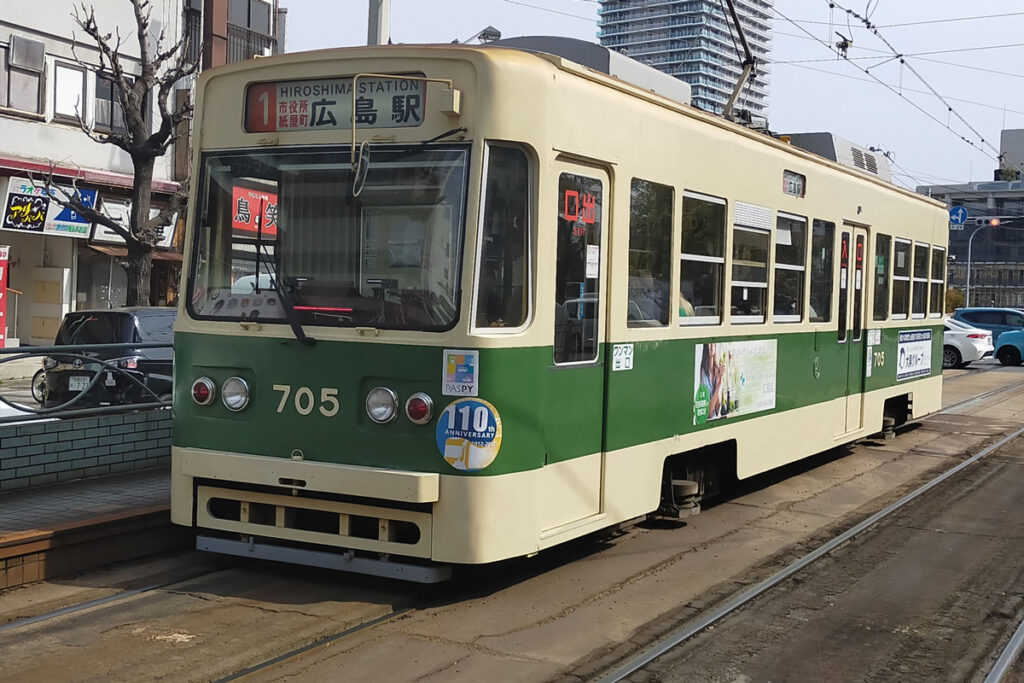
- Streetcars (Trams): Iconic vintage and modern trams run from Hiroshima Station through downtown to Peace Memorial Park and beyond. They are easy to use; fares are typically paid when you get off, and route maps usually have English.
- Buses: Local buses and a tourist-friendly loop bus link major sights. The Hiroshima Sightseeing Loop Bus (often free with certain rail passes) circles key attractions from Hiroshima Station.
- On foot: Many central attractions—Peace Memorial Park, Hondori, Hiroshima Castle—are within pleasant walking distance of each other.
Cultural Tips and Etiquette in Hiroshima
People in Hiroshima are generally warm and accustomed to visitors from around the world, but a few cultural pointers will help you show respect, especially at memorial sites.
- At Peace Memorial Park: Keep your voice low, avoid joking or posing insensitively in photos, and be mindful around people praying or leaving offerings.
- Shrines and temples: At places like Itsukushima Shrine, bow slightly before passing through the torii gate, avoid standing on the threshold of halls, and follow signs regarding photography.
- Shoes: You may need to remove shoes in castle interiors, some museum areas, and traditional accommodations. Wear socks without holes and be ready to use provided slippers.
- Trash: Public bins are limited. Carry a small bag to take your rubbish back to your hotel or a convenience store.
- Cash and cards: Credit cards are widely accepted in hotels and chain stores, but carry some cash for small eateries and local shops.
When to Visit Hiroshima
Hiroshima can be visited year-round, but each season offers a different experience:
- Spring (March–May): Mild weather and cherry blossoms, especially around Hiroshima Castle and Shukkeien Garden.
- Summer (June–August): Hot and humid, with occasional rains. 6 August, the anniversary of the bombing, sees memorial ceremonies and lantern-floating events in Peace Park.
- Autumn (September–November): Comfortable temperatures and beautiful autumn foliage, ideal for Miyajima and Mount Misen hikes.
- Winter (December–February): Chilly but usually not extreme; fewer tourists and crisp, clear views over the Inland Sea.
Suggested Hiroshima and Miyajima Itinerary
Day 1: Hiroshima City
- Morning: Arrive by shinkansen, drop luggage at your hotel, walk to Peace Memorial Park.
- Late morning–early afternoon: Visit Peace Memorial Museum, A-bomb Dome, and main monuments.
- Afternoon: Explore Hondori shopping street and surrounding downtown area; visit Hiroshima Castle or Shukkeien Garden.
- Evening: Enjoy Hiroshima-style okonomiyaki for dinner and a stroll along the rivers.
Day 2: Miyajima Island
- Morning: Take the train and ferry to Miyajima; visit Itsukushima Shrine.
- Midday: Sample grilled oysters and local snacks; wander island streets.
- Afternoon: Hike or take the ropeway toward Mount Misen, or relax by the waterfront.
- Evening: Return to Hiroshima or stay overnight on the island for a quieter, more atmospheric experience.
Hiroshima: A City of Memory and Renewal
Hiroshima is not only a place to learn about the past, but also a living, evolving city that has chosen to advocate for peace and international understanding. For first-time travelers to Japan, it adds depth to a journey that might otherwise be focused on temples, neon, and shopping.
By visiting Hiroshima and nearby Miyajima, you experience both the solemn lessons of history and the enduring beauty of Japan’s landscapes and traditions—an essential combination for understanding the country today.
Access Map
Recommended spots in Hiroshima
Miyajima (Itsukushima Shrine)
Atomic Bomb Dome
Hiroshima Peace Memorial Museum
Shukkeien Garden
Hiroshima Castle
Onomichi

Okonomi-mura
Kure

Okunoshima Island
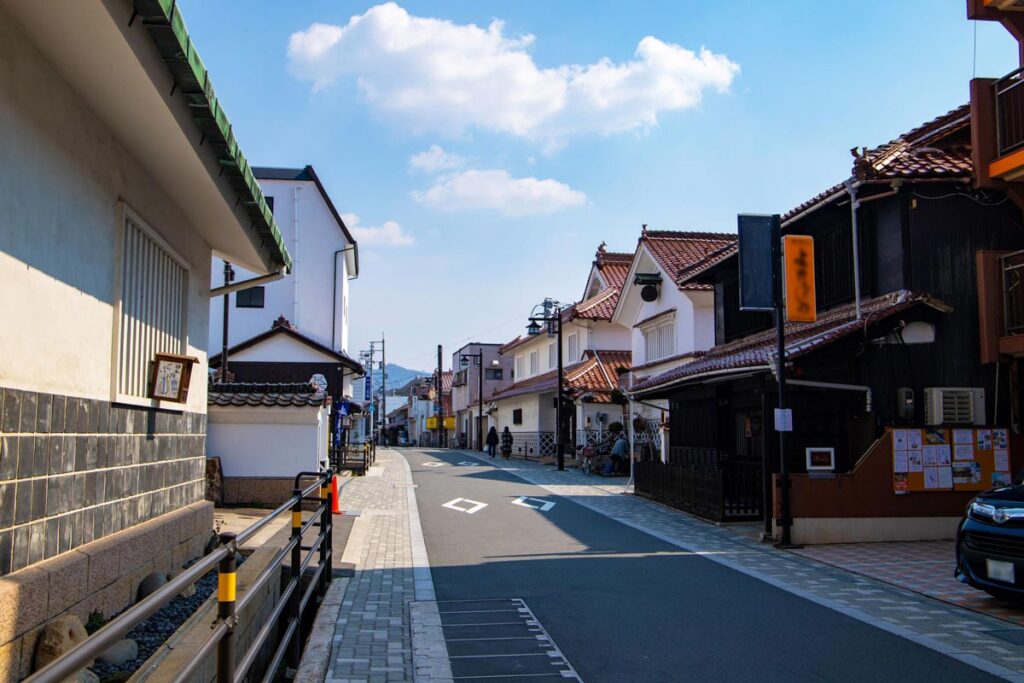
Saijo Sake Brewery Street
Hiroshima Useful Links
Hiroshima & Miyajima One Day Tour
Visit Hiroshima Tourist Pass
Hiroshima Peace (Heiwa) Walking Tour at World Heritage Sites