

Miyajima (Itsukushima Shrine)
Miyajima & Itsukushima Shrine: A First-Timer’s Guide to Japan’s Floating Torii
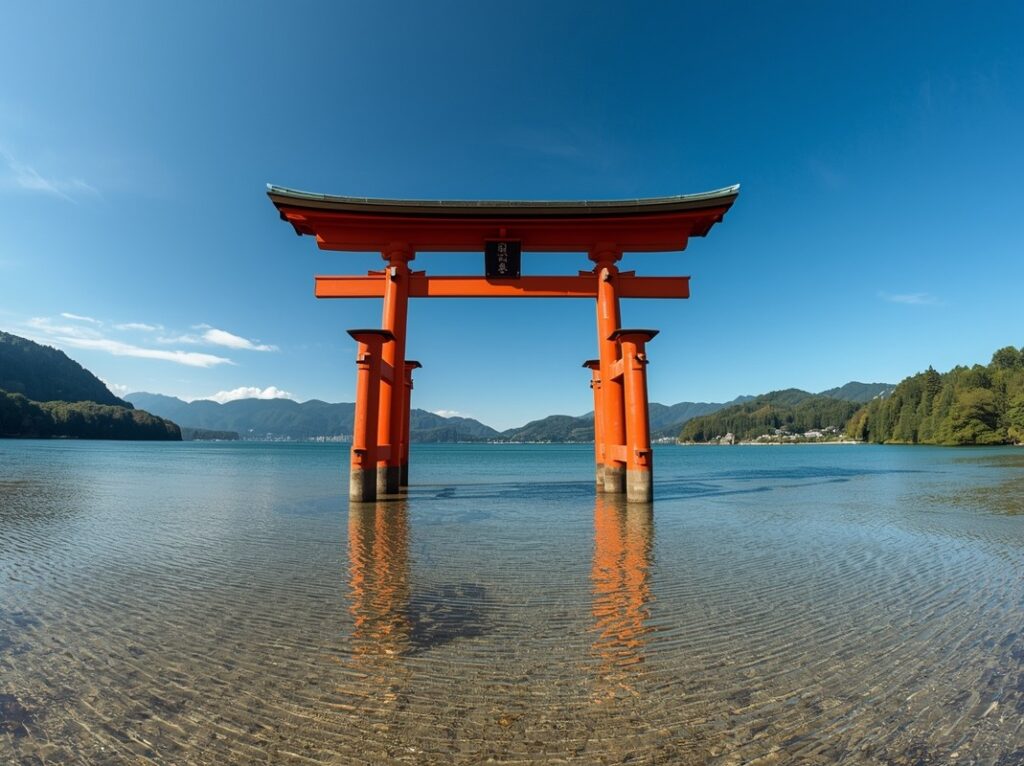
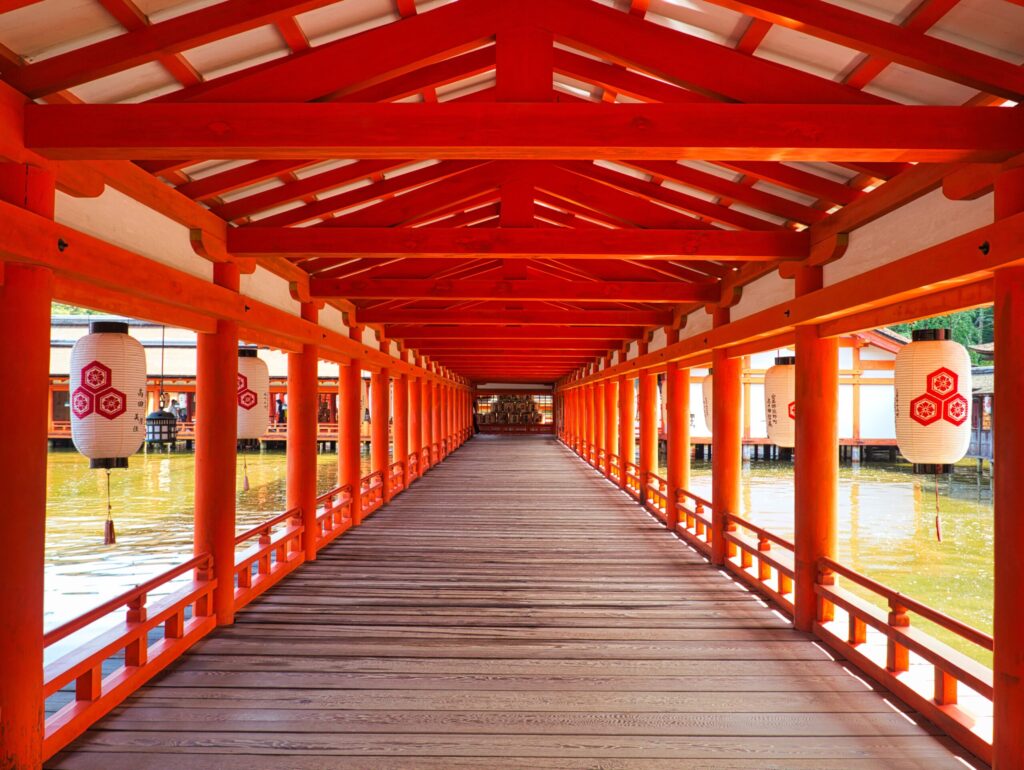
Photos are for illustrative purposes only.
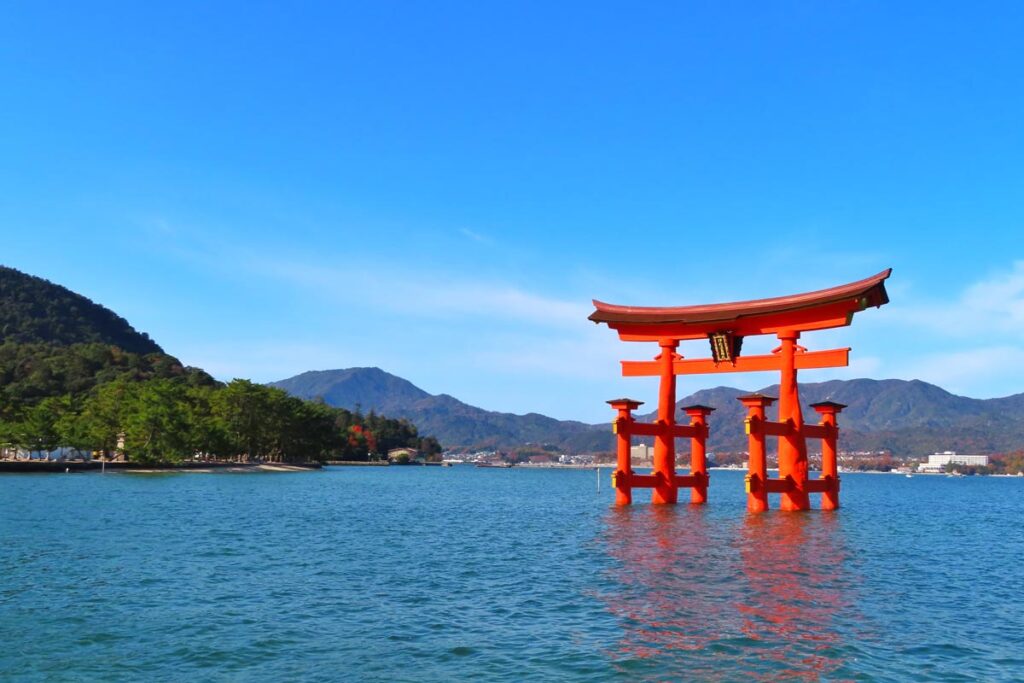
Miyajima, officially known as Itsukushima, is one of Japan’s most iconic and mesmerizing destinations. Just a short ride from Hiroshima, this small island is famous for Itsukushima Shrine and its giant vermilion torii gate that appears to float on the sea. For many international visitors, Miyajima is the moment when Japan’s poetic images – misty mountains, ancient shrines, and calm inland sea – suddenly become real.
This guide is designed for first-time visitors to Japan, offering practical tips, cultural context, and a suggested way to spend a perfect day on Miyajima.
Why Miyajima Belongs on Your Japan Itinerary
Miyajima has been considered sacred for over a thousand years. The island’s official name, Itsukushima, refers to the shrine dedicated to three Shinto deities of the sea and storms. In the past, common people were not allowed to set foot on the island, so the shrine complex was built over the water, and visitors entered through the sea by boat, passing under the torii gate.
Today, Miyajima combines deep spirituality with easygoing resort charm. You can:
- Marvel at the world-famous “floating” torii gate of Itsukushima Shrine
- Walk through atmospheric shrine corridors above the tide
- Hike or take a ropeway up Mt. Misen for sweeping views of the Seto Inland Sea
- Meet (and carefully avoid feeding) the island’s free-roaming deer
- Sample local specialties like grilled oysters and maple-leaf cakes
It’s an easy day trip from Hiroshima, but if your schedule allows, staying overnight lets you experience a quieter, more mystical side of the island after the daytime crowds leave.
How to Reach Miyajima from Hiroshima
Miyajima is very accessible, even for first-time visitors to Japan.
From Hiroshima Station
By JR train and ferry (Japan Rail Pass friendly)
- Take the JR Sanyo Line from Hiroshima Station to Miyajimaguchi Station (approx. 25 minutes).
- Exit the station and walk about 5 minutes to the ferry pier.
- Board the JR Miyajima ferry (about 10 minutes to the island). The route passes close to the torii gate, offering a great first view.
Both the JR train and JR ferry are covered by the Japan Rail Pass.
By tram and ferry
- Take the Hiroshima Electric Railway (streetcar) from central Hiroshima to Hiroden-Miyajimaguchi (around 60–70 minutes).
- Walk to the ferry pier (a few minutes) and take either the JR or private ferry.
If you are short on time, the JR train is faster and easier to understand for most visitors. Signs in English at Hiroshima Station and Miyajimaguchi make the route straightforward.
Understanding the Tides: When the Torii “Floats”
The famous torii gate stands in the sea directly in front of Itsukushima Shrine. Its appearance changes dramatically with the tide, so timing your visit is important.
- High tide: The base of the torii is submerged, making it appear to float on the water. This is the classic postcard view and especially beautiful around sunrise or sunset.
- Low tide: The sea recedes, and you can walk across the sand to the foot of the gate. You’ll see its massive wooden pillars up close and can look back to the shrine and island from the water’s edge.
Ideally, plan your visit to experience both. Check tide tables for “Miyajima tide” before you go; many local tourism websites offer daily times in English. If that’s not possible, don’t worry – the shrine and mountain scenery are impressive at any time of day.
Exploring Itsukushima Shrine
Itsukushima Shrine is the spiritual heart of the island and a UNESCO World Heritage Site. The shrine complex is built on stilts above the bay, connected by covered wooden corridors that seem to float when the tide is high.
Highlights Inside the Shrine Complex
- Main Shrine Buildings: Painted in bright vermilion, the halls and corridors are aligned to face the torii. As you walk the long corridors, notice the contrast between the vivid architecture and the soft colors of the sea and mountains.
- Stage and Pavilion: Itsukushima was historically known for bugaku (court dance) and noh theater performed on the shrine’s stages. Even when performances aren’t held, the open-air stage adds drama to the seascape.
- Viewpoints of the Torii: Several openings along the corridor frame the gate and the distant islands. These are perfect spots for photos.
Allow at least 30–45 minutes inside the shrine. If you don’t rush, you’ll notice the quiet details: the sound of water beneath the planks, the smell of old wood, and the way light changes as clouds move across the sky.
Etiquette at Itsukushima Shrine
Although it’s a major sightseeing spot, Itsukushima is still an active Shinto shrine. A few simple practices show respect:
- Purification: Before entering, you may see a stone basin with ladles. Locals use these to rinse their hands and mouth. If you try it, follow the illustrated guide often displayed nearby.
- Quiet Behavior: Keep your voice low, especially near the inner shrine areas where people pray.
- No Touching or Climbing: Do not touch sacred objects or step into roped-off spaces.
- Photography: Photos are generally allowed in outdoor areas, but avoid flash and respect any “No Photos” signs.
Beyond the Shrine: What Else to See on Miyajima
Miyajima is more than just the torii gate. A short walk from the main shrine takes you to temples, peaceful streets, and forest trails.
Daisho-in Temple
About a 15–20 minute walk uphill from Itsukushima Shrine, Daisho-in is a large Buddhist temple complex with a different atmosphere: intimate, leafy, and full of small details.
- Follow stone steps flanked by hundreds of small Jizo statues, each with a unique expression.
- Spin metal prayer wheels as you climb; in Buddhist belief, this is similar to reciting sutras.
- Enjoy views back over the town and sea, especially in autumn when the maple leaves turn bright red.
It’s less crowded than the shrine and offers a quiet counterpoint to the busy shoreline.
Mt. Misen: Miyajima’s Sacred Mountain
Mt. Misen rises above the island and has been considered sacred for centuries. The mountain is associated with the monk Kobo Daishi, who is said to have practiced ascetic training here in the 9th century.
Reaching the Summit
There are two main ways up:
- By Ropeway: From the Momijidani (Maple Valley) area, take the Miyajima Ropeway in two stages. After the top station, a 20–30 minute walk along forested paths leads to the summit. The ropeway is ideal if you’re short on time or not keen on steep hikes.
- On Foot: Several hiking trails lead up from near the town and Daisho-in Temple. The climb typically takes 1.5–2 hours and involves many stairs, but rewards you with changing forest scenery and a strong sense of satisfaction.
At the top, you’ll find:
- Panoramic Views: The Seto Inland Sea and its scattered islands stretch out in all directions. On clear days, it’s breathtaking.
- Misen Hondo and Reikado Hall: A small temple area where an “eternal flame” is kept burning. This flame was used to light the Peace Flame in Hiroshima’s Peace Memorial Park, symbolically connecting Miyajima to modern history.
Bring water, comfortable shoes, and a light jacket outside summer months. Ropeway operations can be suspended in bad weather, so check the latest information if skies look unstable.
Strolling the Town and Waterfront
The small town around the ferry pier and shrine is pleasant to explore on foot. Along the main shopping street you’ll find:
- Souvenir shops selling wooden rice scoops (a local symbol) and small torii replicas
- Street-side stands grilling oysters over charcoal
- Cafés and restaurants with views of the bay
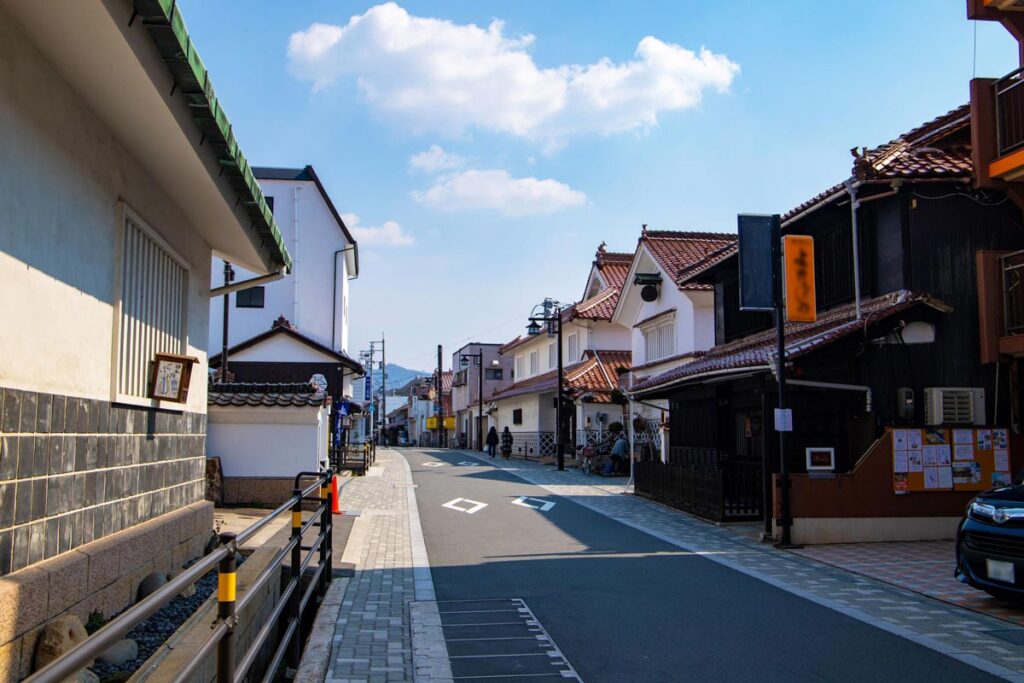
If you wander away from the central streets, you’ll discover quieter lanes, small shrines, and traditional houses that hint at the island’s past as a prosperous port and religious center.
Meeting Miyajima’s Deer (Politely)
Like Nara, Miyajima is home to semi-wild deer that roam freely through the streets and along the shore. In Shinto tradition, deer were once considered messengers of the gods, which is why they are allowed to wander unrestrained.
However, there are important rules:
- Do not feed the deer. Human food can make them sick and encourages aggressive behavior.
- Keep maps, tickets, and plastic bags out of reach – deer will try to eat them.
- Supervise children closely and avoid teasing or touching the animals.
Enjoy watching them from a short distance, and you’ll have a safe, memorable encounter.
Local Food & Island Specialties
Eating on Miyajima is very much part of the experience. Even if you’re on a day trip, plan at least one leisurely meal.
Oysters (Kaki)
The waters around Hiroshima and Miyajima are famous for oysters. On the island, you’ll see them everywhere:
- Freshly grilled on skewers at street stalls
- Served raw, baked with cheese, or deep-fried in restaurants
- As part of oyster rice bowls or curry dishes
If you enjoy seafood, this is a must-try. In colder months (roughly winter to early spring), oysters are especially plump and flavorful.
Momiji Manju
Momiji manju are small, maple-leaf-shaped cakes filled with sweet bean paste or other fillings like custard, chocolate, or cheese. They were invented in the Miyajima area and are now one of Hiroshima’s most beloved souvenirs.
Many shops bake them on-site, and you can watch the production line through glass windows. Freshly baked, still warm, they’re the perfect snack with tea or coffee.
Other Local Tastes
- Anago-meshi: Grilled conger eel served over rice, often seasoned with a sweet-savory sauce.
- Seto Inland Sea seafood: Various seasonal fish, clams, and shellfish appear on local menus.
Most restaurants and cafés have at least a basic English menu or photo menu, and staff are accustomed to helping international visitors.
Seasonal Highlights: When to Visit Miyajima
Miyajima is attractive year-round, but each season has a different mood.
- Spring (March–May): Mild weather, cherry blossoms in late March–early April, and fresh greenery on Mt. Misen. A popular, busy time.
- Summer (June–August): Lush vegetation and long days. It can be hot and humid, especially in July and August, so carry water and a hat.
- Autumn (October–November): Cooler temperatures and stunning maple leaves, especially in Momijidani Park and around Daisho-in Temple.
- Winter (December–February): Quiet and atmospheric, with a more contemplative feeling. Crisp air and fewer crowds; some facilities may have shorter hours.
Try to avoid major Japanese holidays such as Golden Week (late April–early May) and the New Year period, when crowds and accommodation prices spike.
Practical Tips for First-Time Visitors
How Long to Spend on the Island
Day trip from Hiroshima: Most travelers spend 4–7 hours on Miyajima. This is enough time to see the shrine, stroll the town, and either take the ropeway or walk partway up Mt. Misen.
Overnight stay: If you stay at a ryokan (traditional inn), you’ll experience Miyajima after day-trippers leave. The illuminated torii gate and quiet streets at night are unforgettable, and you can enjoy an onsen bath and multi-course kaiseki dinner if your inn includes them.
Money, Luggage & Connectivity
- Payment: Most larger shops and restaurants accept credit cards, but some smaller places remain cash-only. ATMs are limited, so it’s wise to bring enough yen for the day.
- Luggage: Coin lockers are available near the ferry terminal and on the Hiroshima side at Miyajimaguchi. Many visitors store large suitcases there and carry only a daypack.
- Wi-Fi: Public Wi-Fi access is improving, and some cafés and hotels provide free networks. For navigation and tide checks, consider a pocket Wi-Fi or eSIM.
General Etiquette and Comfort
- Shoes: You’ll walk a lot and may climb stairs, so comfortable footwear is essential.
- Trash: Rubbish bins are rare in Japan. Carry a small bag to take your trash with you until you find proper disposal.
- Respectful Dress: There’s no strict dress code, but modest clothing is appreciated at religious sites.
- Language: English signage is common in tourist areas. Even if staff speak only basic English, a few polite Japanese words like “arigatou” (thank you) go a long way.
Making Miyajima a Meaningful Stop on Your Japan Journey
Miyajima and Itsukushima Shrine offer more than a spectacular photo of a floating torii. The island reveals many layers of Japanese culture: the coexistence of Shinto and Buddhism, the reverence for mountains and sea, and the way ancient traditions sit alongside modern tourism.
Whether you wander the shrine’s red corridors at high tide, gaze across the inland sea from Mt. Misen, or simply enjoy a quiet moment on the beach as the sun sets behind the torii, Miyajima has a special way of slowing you down. For first-time visitors to Japan, it’s a place where the country’s spiritual and scenic beauty come together in one unforgettable scene.

Access Map
Recommended spots in Hiroshima
Miyajima (Itsukushima Shrine)
Atomic Bomb Dome
Hiroshima Peace Memorial Museum
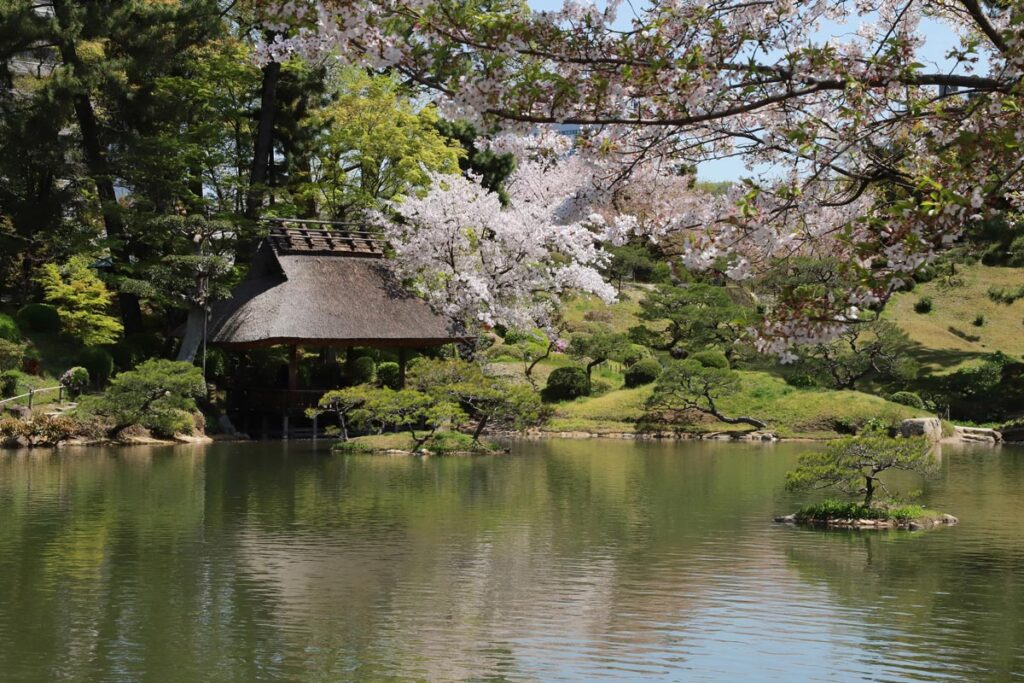
Shukkeien Garden
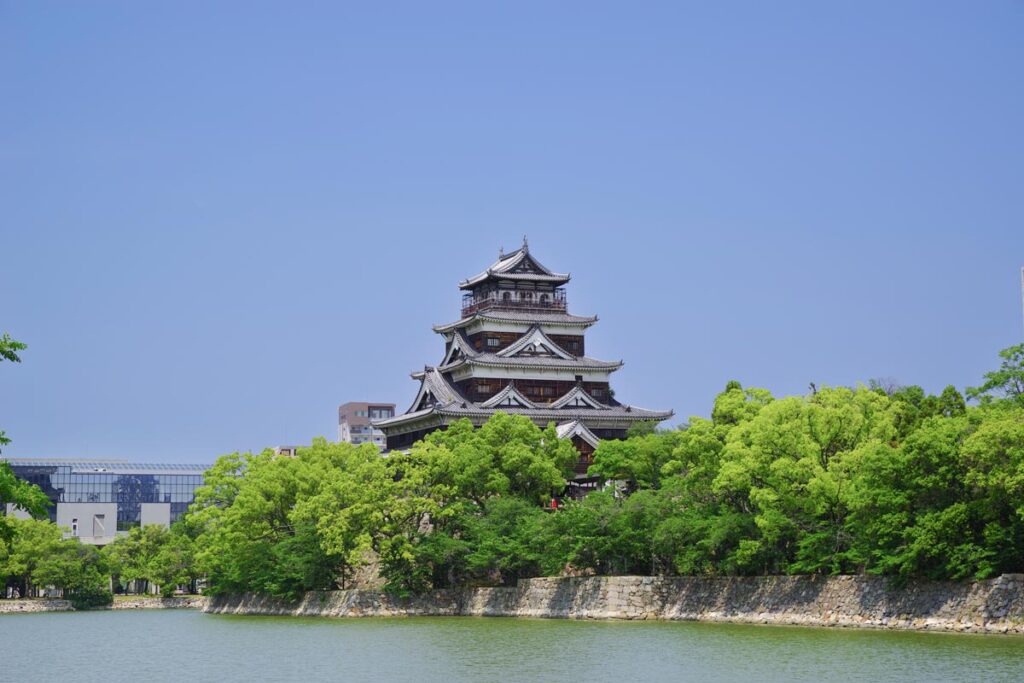
Hiroshima Castle
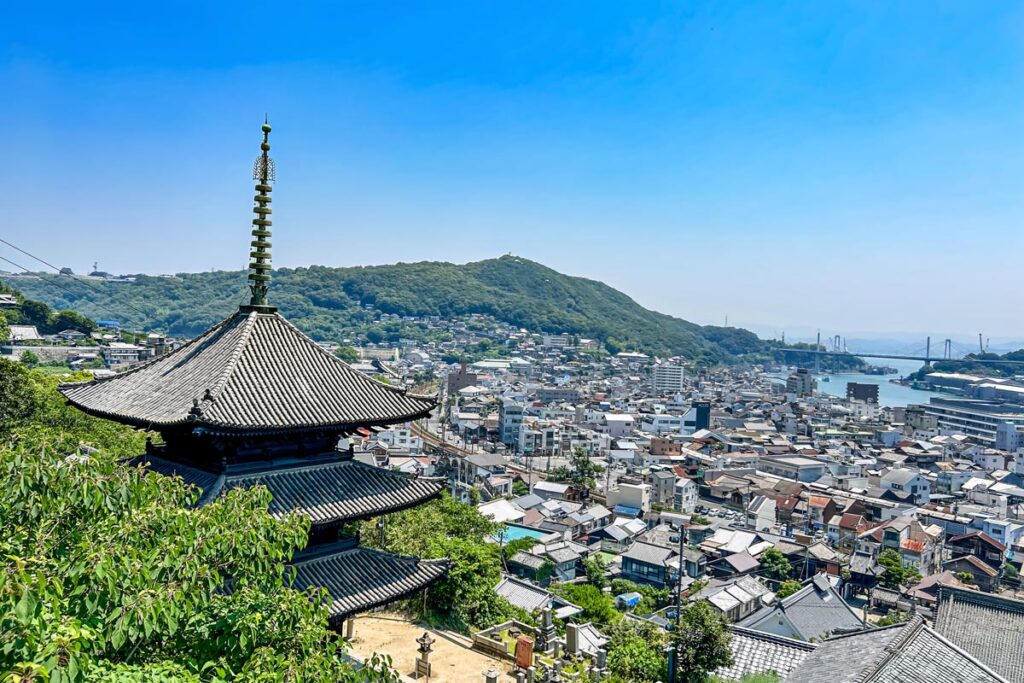
Onomichi

Okonomi-mura
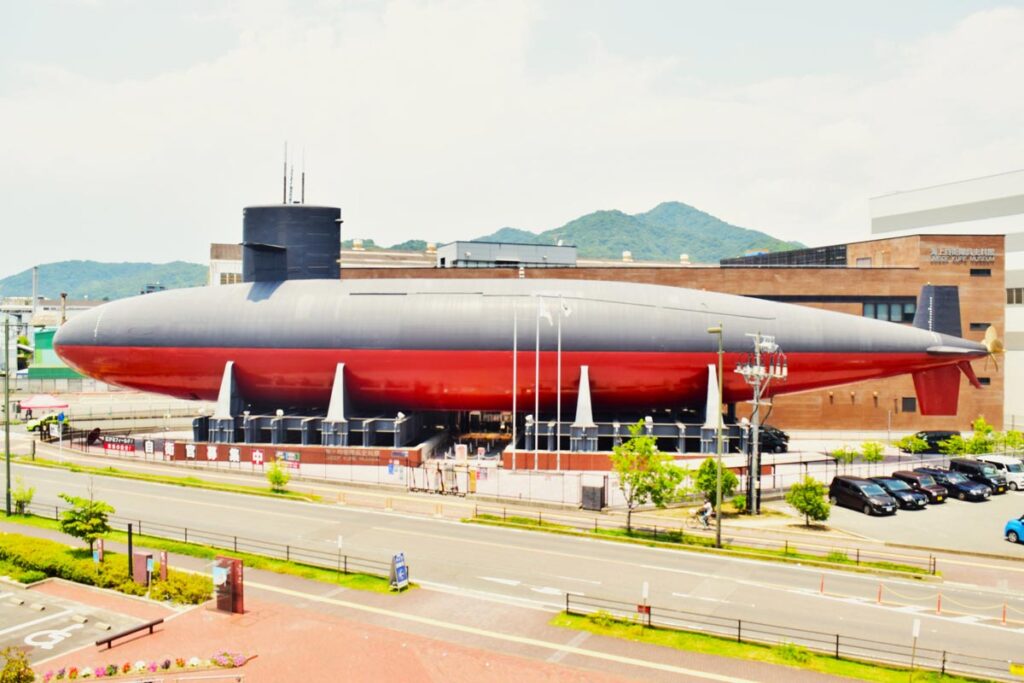
Kure

Okunoshima Island