


Shukkeien Garden
Shukkeien Garden: A Peaceful Hiroshima Escape for First-Time Visitors to Japan
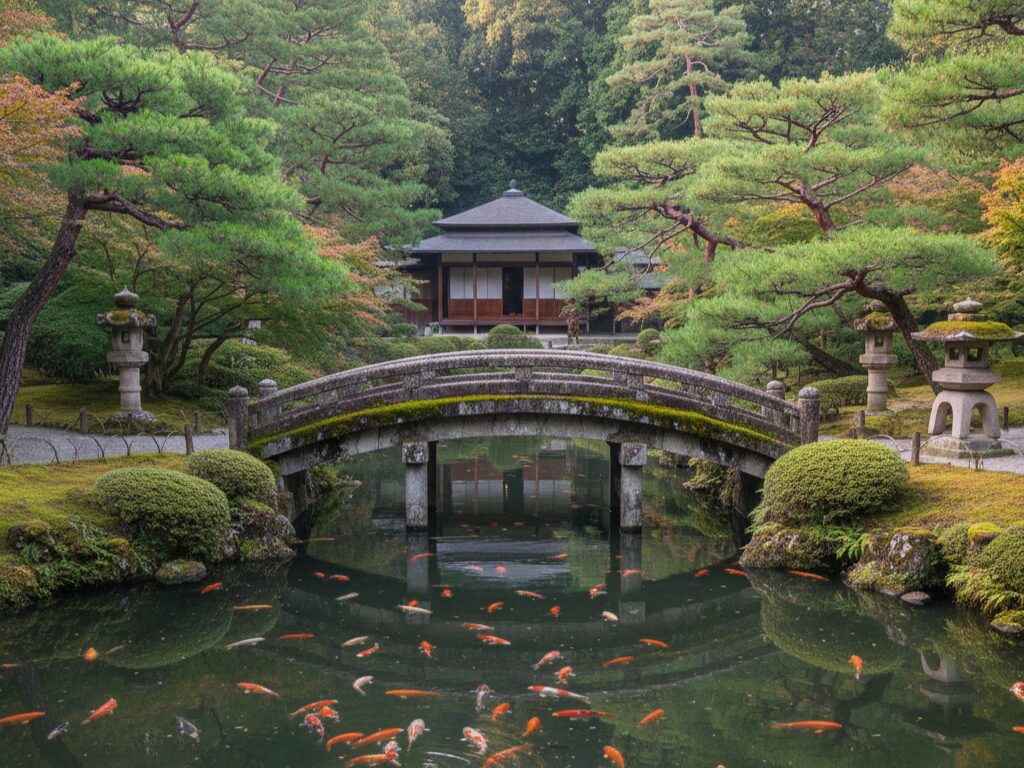
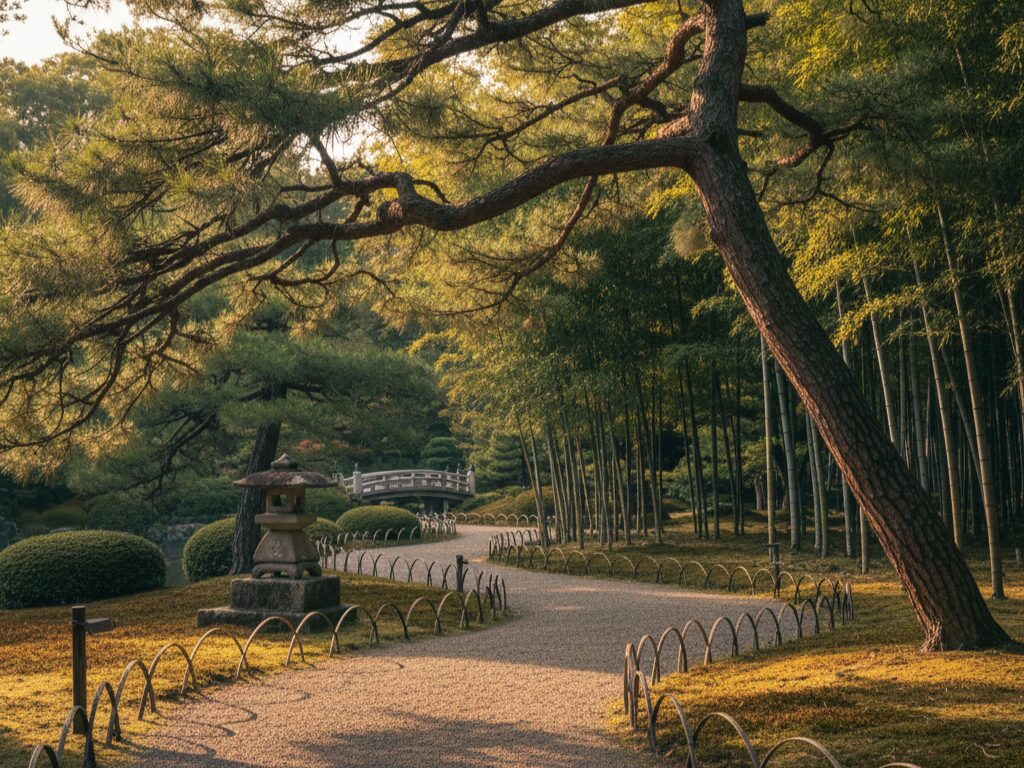
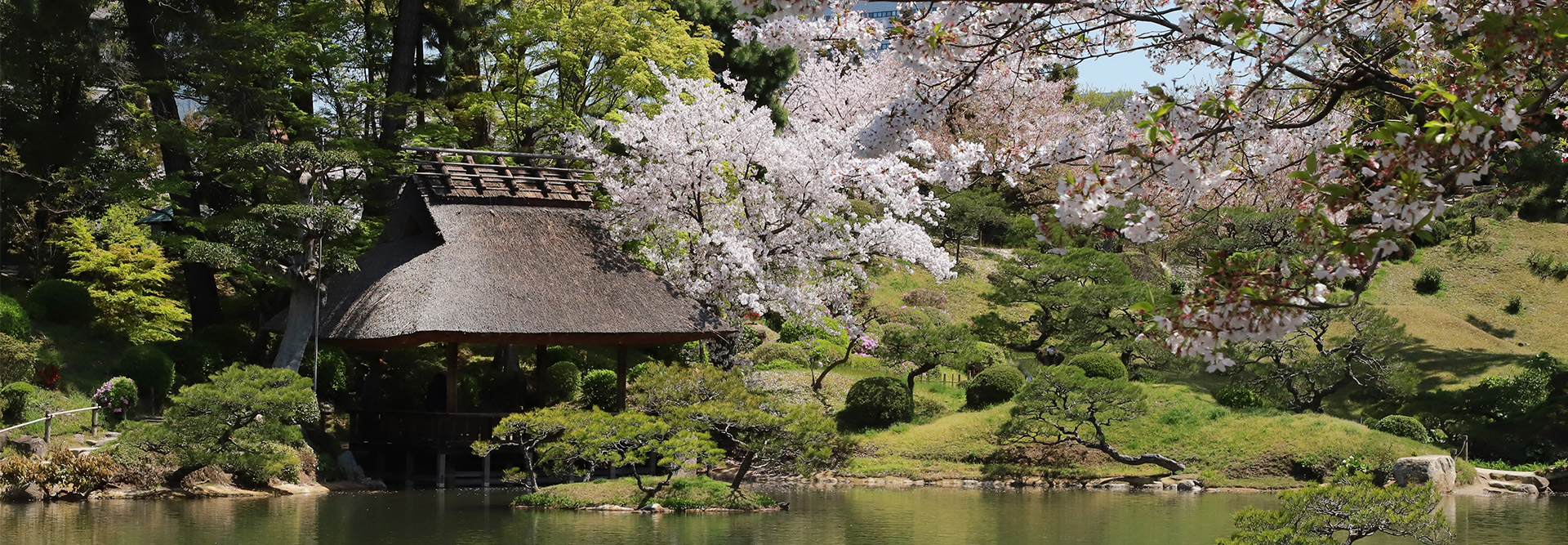
Photos are for illustrative purposes only.
Just a short walk from central Hiroshima, Shukkeien Garden offers a calm, classical counterpoint to the city’s modern streets and powerful history. For first-time visitors to Japan, it is an ideal introduction to traditional Japanese landscape design, tea culture, and the country’s deep respect for harmony between people and nature.
What Is Shukkeien Garden?
Shukkeien Garden is a historic Japanese strolling garden built in the early Edo period. Its name roughly translates to “shrunken scenery garden,” reflecting the idea that a wide variety of landscapes are compressed into one carefully designed space. As you walk the circular path around the central pond, you pass miniature mountains, valleys, rivers, and islands, each crafted to represent natural scenery from across Japan and China.
The garden was originally designed as a private retreat for Hiroshima’s feudal lord. Over the centuries it has been destroyed, rebuilt, and lovingly restored, most dramatically after the atomic bombing of Hiroshima in 1945. Today, Shukkeien is a public garden where locals and international visitors come to stroll, relax, and enjoy the changing seasons.
Why Visit Shukkeien on Your Japan Trip?
For first-time travelers to Japan, Shukkeien Garden offers several experiences in one compact, easy-to-enjoy setting:
An Accessible Introduction to Japanese Gardens
Japanese gardens can seem abstract at first glance. Shukkeien is small enough to explore in under an hour, but rich enough in design details that you’ll quickly start to notice the principles behind it: asymmetry, borrowed scenery, and carefully framed views. Every bridge, rock, and tree is placed for a reason.
A Quiet Counterpoint to Hiroshima’s Peace Memorial Park
Many visitors come to Hiroshima primarily to see Peace Memorial Park and the Atomic Bomb Dome. Shukkeien offers a different kind of reflection. Despite its calm appearance, the garden bears scars from the bombing and was used as a refuge for survivors. Walking its peaceful paths after visiting the museum can be a grounding way to process the city’s history.
Seasonal Beauty All Year Round
Unlike some attractions that are best in one particular season, Shukkeien is appealing year-round. Cherry blossoms, maple leaves, plum blossoms, and snowy pines each give the garden a completely different character. If you are planning a multi-city trip across Japan, Shukkeien is an easy place to experience seasonal beauty without venturing far from Hiroshima Station or the city center.
Highlights Inside Shukkeien Garden
While it’s enjoyable simply to wander, knowing a few key spots will help you appreciate the garden even more.
The Central Pond and Koi Carp
The heart of Shukkeien is its large central pond, encircled by a walking path. Several small islands dot the water, reachable via graceful stone and wooden bridges. Colorful koi carp glide below the surface; in some areas you can buy a small bag of fish food (usually sold at the entrance or nearby kiosks) and watch them gather in shimmering clusters.
Pause on the larger bridges to take in classic Japanese views: the curve of the bridge reflected in the water, pines leaning over the pond, and distant tea houses framed by willows.
Miniature Landscapes and Stone Bridges
Because Shukkeien is a shrunken landscape garden, you will see small “mountains” built of stones and earth, tiny ravines spanned by arched bridges, and carefully placed boulders that suggest cliffs or shorelines. Take your time on the main loop path, and don’t hesitate to follow side paths that climb slightly uphill for elevated viewpoints. From these spots, the garden truly feels like a miniature world apart from the city.
Tea Houses and Traditional Architecture
Several tea houses sit along the water’s edge, some historically used by feudal lords and important guests. Their simple wooden design and sliding paper doors reflect the understated elegance of traditional Japanese architecture. While not all are open for casual entry, they create picturesque scenes, especially when reflected in the pond at dawn or late afternoon.
On certain days, seasonal tea events may be held in or near the tea houses. Even if you do not attend a ceremony, observing the buildings from outside gives a feel for Japan’s long association between tea, contemplation, and gardens.
Shaded Paths and Hidden Corners
Beyond the central pond, the path winds through bamboo groves, beneath low branches of pine and maple, and past small stone lanterns half-hidden in moss. Look out for:
- Stone lanterns (tōrō): Often placed near water or at path junctions, they symbolize guidance and help balance the landscape composition.
- Bamboo groves: Listen for the gentle clacking of stalks in the wind—a characteristic soundscape of traditional Japan.
- Quiet benches: Many are positioned at viewpoints. Take a moment simply to sit; slowing down is part of the Japanese garden experience.
Seasonal Highlights at Shukkeien
Japan’s four distinct seasons are central to its culture, and Shukkeien is designed to showcase each one. If you have flexibility in planning your trip, it is worth considering how the garden changes throughout the year.
Spring: Plum and Cherry Blossoms
From late February to March, early-blooming plum trees (ume) scent the garden with their delicate fragrance. Their blossoms, often in shades of pink and white, are an early sign of the coming spring, cherished in Japanese poetry and art.
By late March to early April, cherry blossoms (sakura) usually reach their peak. Shukkeien’s paths become soft tunnels of pale pink, and petals scatter across the pond. This is one of the most popular seasons to visit, so expect more visitors but also a particularly magical atmosphere.
Summer: Lush Greenery and Cool Shade
In summer, the garden turns a vibrant green. Maple leaves form dense canopies, and the water features feel especially refreshing in the heat. Dragonflies skim the pond surface, and the sound of cicadas fills the air—an iconic soundtrack to Japanese summer.
If you’re visiting Hiroshima during the hotter months, Shukkeien provides shaded paths, gentle breezes off the water, and many benches where you can rest.
Autumn: Fiery Maple Leaves
From mid-November to early December, the garden’s maple trees (momiji) turn brilliant shades of crimson, orange, and gold. Bridges framed by fiery foliage are particularly photogenic. Many Japanese travelers plan their trips around autumn color (kōyō), and Shukkeien is a compact, easily accessible place to enjoy the spectacle.
Winter: Tranquil, Minimal Beauty
Winter in Shukkeien is hushed and contemplative. With leaves fallen from many trees, the shapes of rocks, trunks, and garden structures become more visible. If you are lucky enough to visit after a light snowfall, the scene of snow-dusted pines and lanterns around the pond is unforgettable.
Cultural Context and History
Understanding a bit of Shukkeien’s background can deepen your appreciation during your visit.
Edo-Era Origins
Shukkeien was originally constructed in the 17th century as the private garden of Hiroshima’s ruling family. The design draws inspiration from Chinese landscapes as well as famous scenic spots around Japan, all symbolically represented in miniature. This style of garden was a prestige project for feudal lords, reflecting wealth, power, and cultural sophistication.
War, Destruction, and Renewal
On August 6, 1945, the atomic bomb exploded only about a kilometer from the garden. Shukkeien was severely damaged, and many people sought refuge here in the aftermath. Today, the garden you see has been largely reconstructed, but its quiet atmosphere carries a sense of resilience and rebirth that mirrors the broader story of Hiroshima.
Spiritual and Aesthetic Principles
Traditional Japanese gardens often reflect Buddhist and Shinto concepts: impermanence, harmony with nature, and the beauty of imperfection. At Shukkeien, look for:
- Borrowed scenery: Views that subtly integrate trees, hills, or city buildings outside the garden, blurring the boundary between inside and outside.
- Asymmetry: Paths that curve, ponds with irregular shorelines, and plantings that feel balanced but not perfectly mirrored.
- Wabi-sabi: The quiet beauty of weathered stone, aged wood, and moss, celebrating time’s passage rather than hiding it.
Practical Visiting Tips for International Travelers
Location and Access
Shukkeien Garden is centrally located in Hiroshima, making it easy to include in most itineraries. It sits not far from Hiroshima Station and is also within reach of the Peace Memorial Park by tram or on foot if you enjoy walking.
From Hiroshima Station, you can:
- Walk in around 15–20 minutes, following signs toward the garden and the nearby art museum.
- Take a local tram or bus toward the city center and get off at a stop close to the garden; from there it’s a brief walk.
Entrance is via a main gate where you purchase tickets. Fees are modest by international standards and are usually posted in both Japanese and English.
Suggested Visit Duration
Plan for 45–90 minutes inside the garden, depending on your interest level and how many photos you take. It pairs well with a half-day itinerary that includes nearby museums or a stroll through central Hiroshima.
Best Time of Day to Visit
Early morning or late afternoon are ideal. Light is softer for photography, the garden is quieter, and reflections on the pond are often more vivid. Midday can be hotter and busier, especially during cherry blossom and autumn foliage seasons.
What to Wear and Bring
- Comfortable walking shoes: Paths are generally easy, but you’ll walk on gravel, stone steps, and small slopes.
- Season-appropriate clothing: A light jacket in spring and autumn, and sun protection in summer.
- Camera or smartphone: The garden is very photogenic, but remember to also put the camera away and simply enjoy the view.
- Small coins: Useful if you wish to buy koi food or use vending machines nearby.
Accessibility
Many main paths in Shukkeien are relatively level, but there are some narrow trails, uneven stone steps, and small bridges. Visitors with limited mobility may wish to focus on the areas around the main pond and near the entrance, which are generally easier to navigate.
Etiquette in the Garden
Japanese gardens are places of quiet appreciation. Even as an international visitor, following a few simple customs will help you fit in and protect the space:
- Speak in low voices to maintain a peaceful atmosphere.
- Stay on marked paths and do not step on the moss or into planted areas.
- Do not feed animals except in designated spots where koi food is sold.
- Take any trash with you if there are no visible bins.
Combining Shukkeien with Other Hiroshima Sights
Shukkeien fits naturally into a one- or two-day Hiroshima itinerary. Many visitors choose to:
- Visit the Hiroshima Peace Memorial Museum and Peace Memorial Park in the morning, then come to Shukkeien in the afternoon for a quieter, reflective experience.
- Combine the garden with a trip to Miyajima Island (with its famous floating torii gate), using Hiroshima as a base.
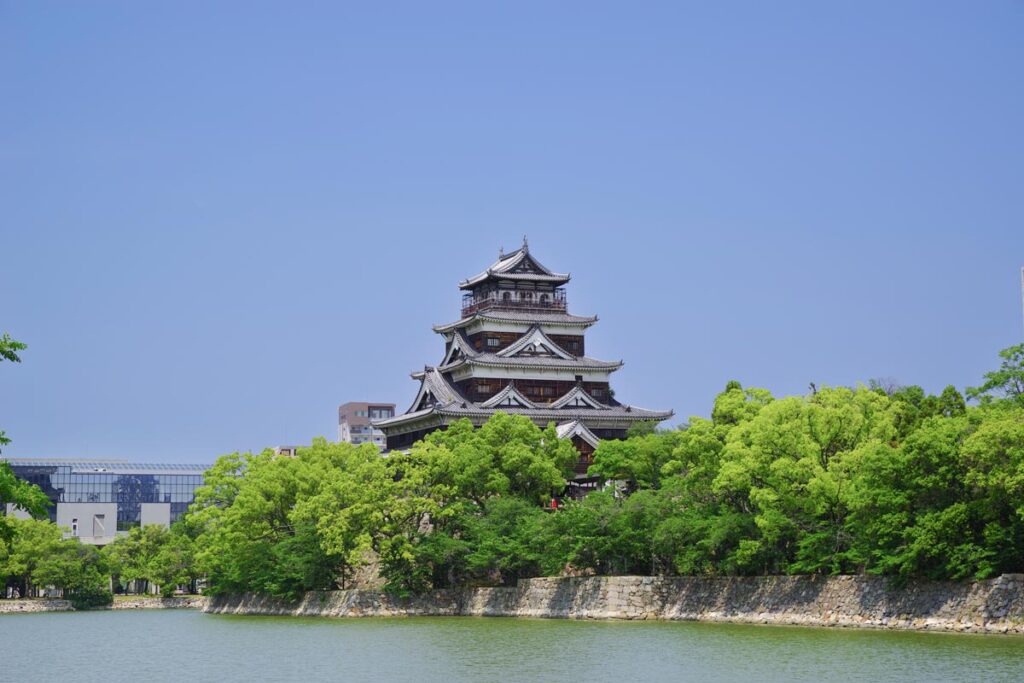
- Explore Hiroshima Castle and nearby museums, then end the day with a gentle stroll through the garden at sunset.
Making the Most of Your Visit
To fully enjoy Shukkeien Garden as a first-time traveler to Japan, slow down and let your senses guide you. Notice the sound of water trickling under small bridges, the scent of seasonal blossoms, the play of light on pine needles, and the subtle framing of each view as you turn a corner.
While the garden is not large, it encapsulates many of the values that make Japan such a rewarding destination: respect for nature, attention to detail, and the ability to find serenity even in the heart of a busy city. Including Shukkeien in your Hiroshima plans adds not just another attraction to your checklist, but a quiet, beautiful moment in your journey across Japan.

Access Map
Recommended spots in Hiroshima
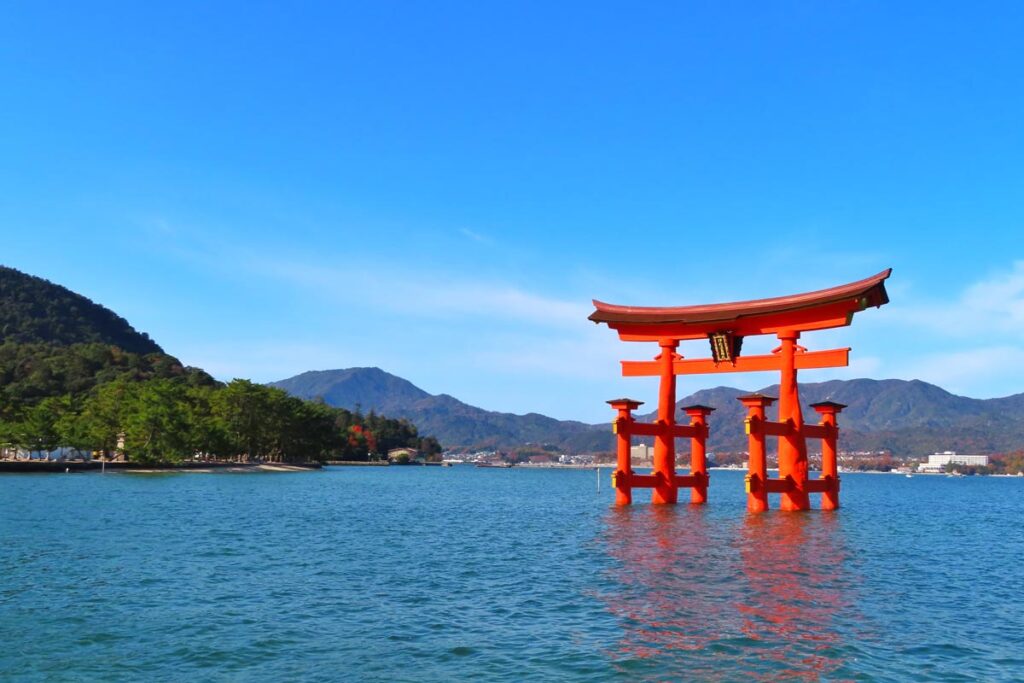
Miyajima (Itsukushima Shrine)
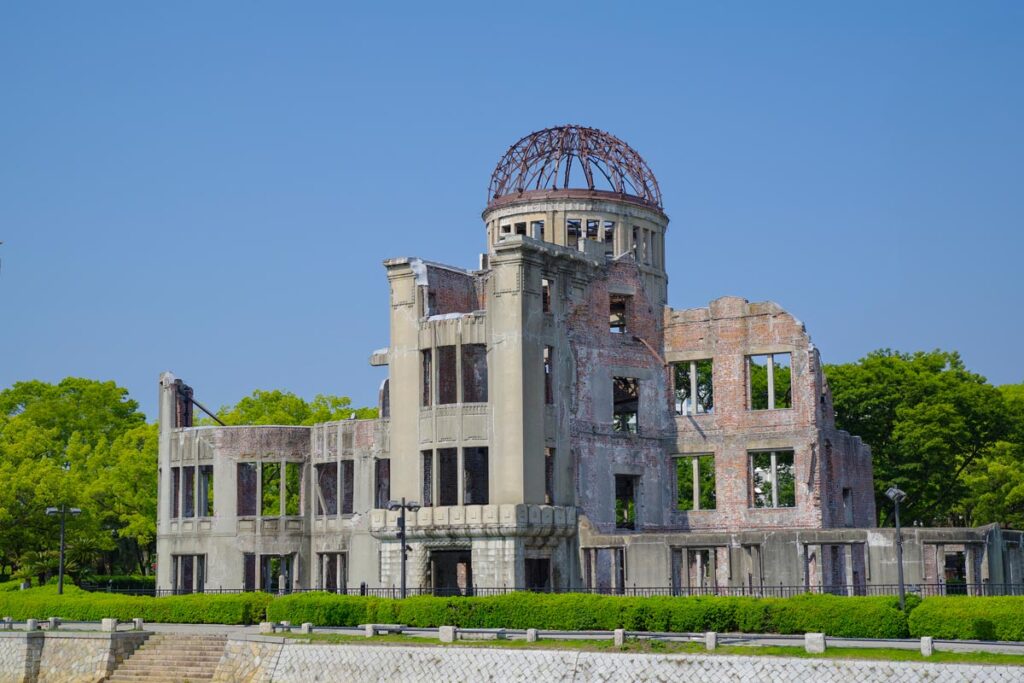
Atomic Bomb Dome
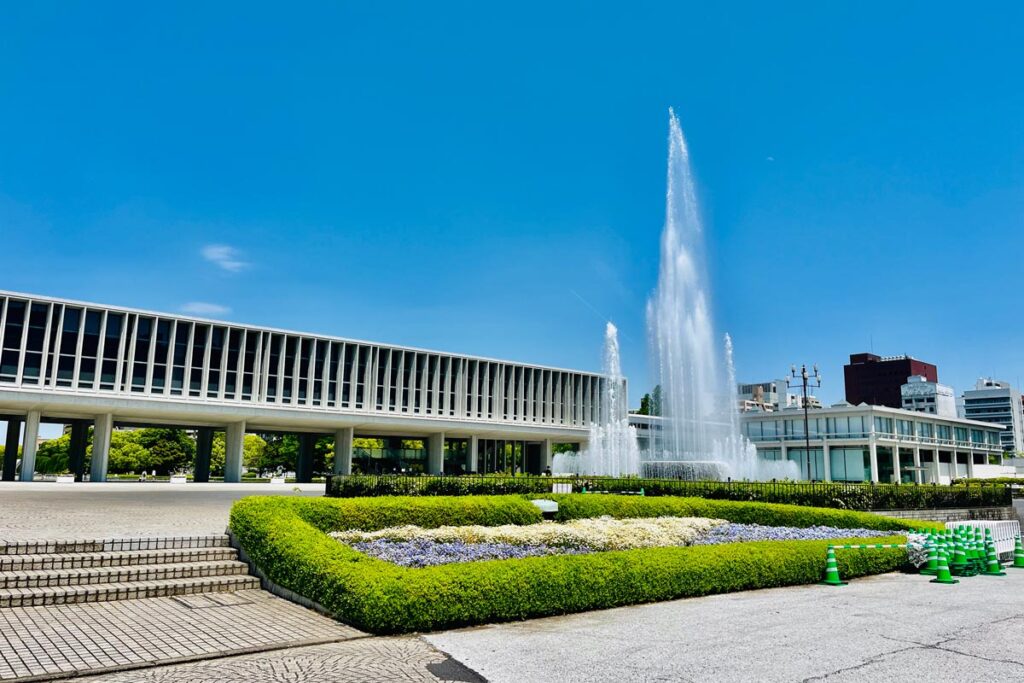
Hiroshima Peace Memorial Museum
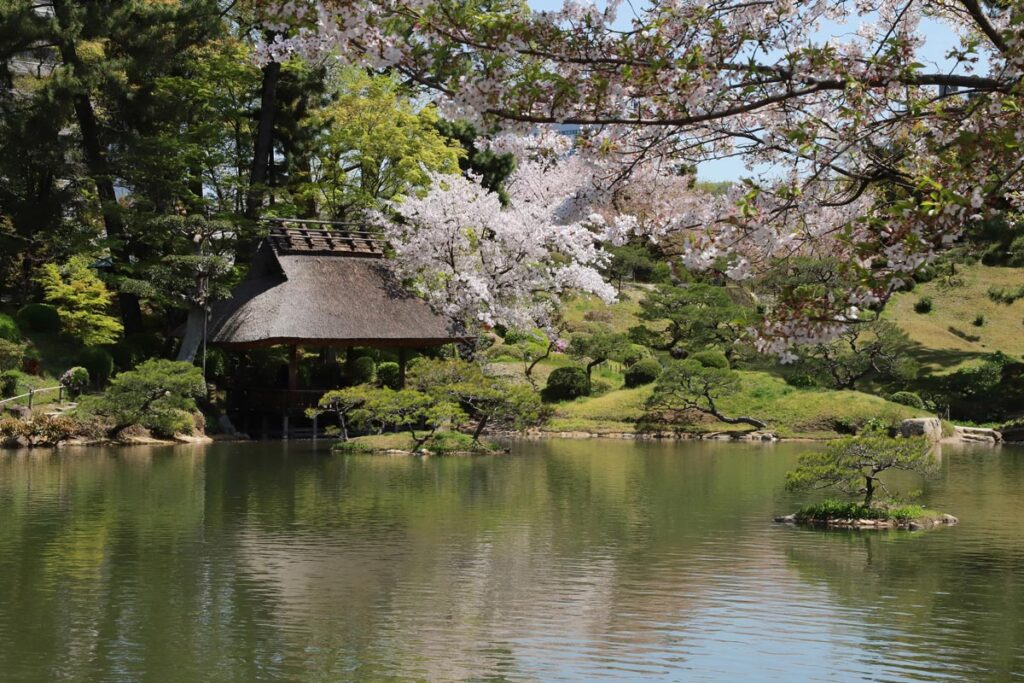
Shukkeien Garden
Hiroshima Castle
Onomichi

Okonomi-mura

Kure

Okunoshima Island