


Kure
Kure Travel Guide: Naval Heritage, Island Views and Quiet Charm
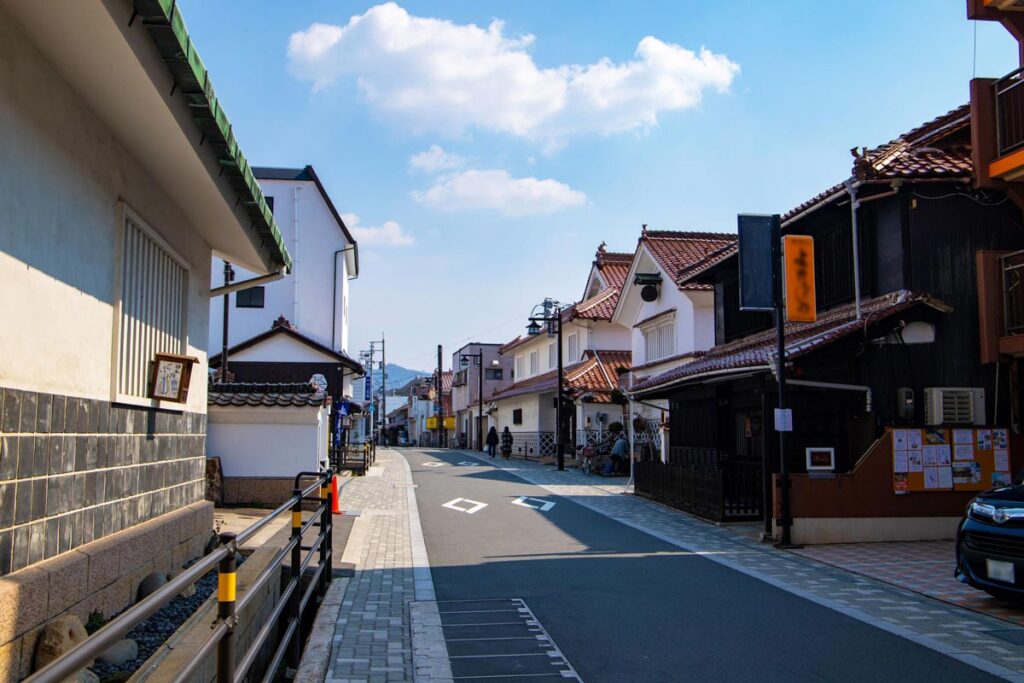
Photos are for illustrative purposes only.
Just 30 minutes by train from Hiroshima, Kure is one of Japan’s great historic port cities. Once the pride of the Imperial Japanese Navy and home to massive shipyards, it is now a relaxed coastal town where maritime history, quiet neighborhoods, and Seto Inland Sea scenery come together. For first-time visitors to Japan who want to go beyond the classic Tokyo–Kyoto–Osaka route, Kure offers an easy, atmospheric day trip or overnight escape.
Why Visit Kure on Your First Trip to Japan?
Kure is an ideal gateway to Japan’s maritime culture and the calm beauty of the Seto Inland Sea. It combines several experiences in a compact area:
- Naval and shipbuilding heritage you can walk through, touch, and photograph
- Excellent museums with English signage and interactive exhibits
- Harbor views, island ferries, and coastal walks without big-city crowds
- Regional comfort food like hearty navy-style curry and fresh seafood
Because Kure is small and flat around the harbor, it is easy to explore in half a day, but adding another half day gives you time to linger over the views, visit nearby islands, and enjoy local food at a slower pace.
Where Is Kure and How Do You Get There?
Kure lies on the coast of Hiroshima Prefecture, facing the Seto Inland Sea. It is south of Hiroshima City and well connected by local trains and buses.
From Hiroshima
- JR Kure Line: The most scenic route. Rapid and local trains run regularly from Hiroshima Station to Kure Station in around 30–40 minutes. The line follows the coastline, offering beautiful sea and island views on clear days.
- By bus: Express buses run from central Hiroshima to Kure, but most travelers prefer the train for its views and simplicity.
From Tokyo, Osaka, and Kyoto
- Shinkansen to Hiroshima: Take the Tokaido–Sanyo Shinkansen to Hiroshima (about 4 hours from Tokyo, 1.5 hours from Shin-Osaka). Then transfer to the JR Kure Line.
- Rail passes: If you are using a Japan Rail Pass or regional JR West pass, both the Shinkansen (except some premium services) and JR Kure Line are typically covered. Always confirm current conditions when you travel.
A Short History of Kure: From Naval Base to Port City
Kure’s identity is deeply tied to the sea. In the late 19th century, during Japan’s rapid modernization, Kure was chosen as a major naval base and shipbuilding center. Enormous dry docks, foundries, and arsenals were built along the bay. Warships built here once symbolized Japan’s industrial might.
After World War II, Kure transformed from a military stronghold into a peaceful port city. The shipyards continued for commercial ships, and much of the waterfront was opened to residents with parks, museums, and promenades. Today, visitors can walk the same docks where massive vessels were constructed, but in a relaxed, contemporary setting that reflects modern Japan’s focus on peace and remembrance.
Top Things to Do in Kure
1. Explore the JMSDF Kure Museum and the “Akishio” Submarine
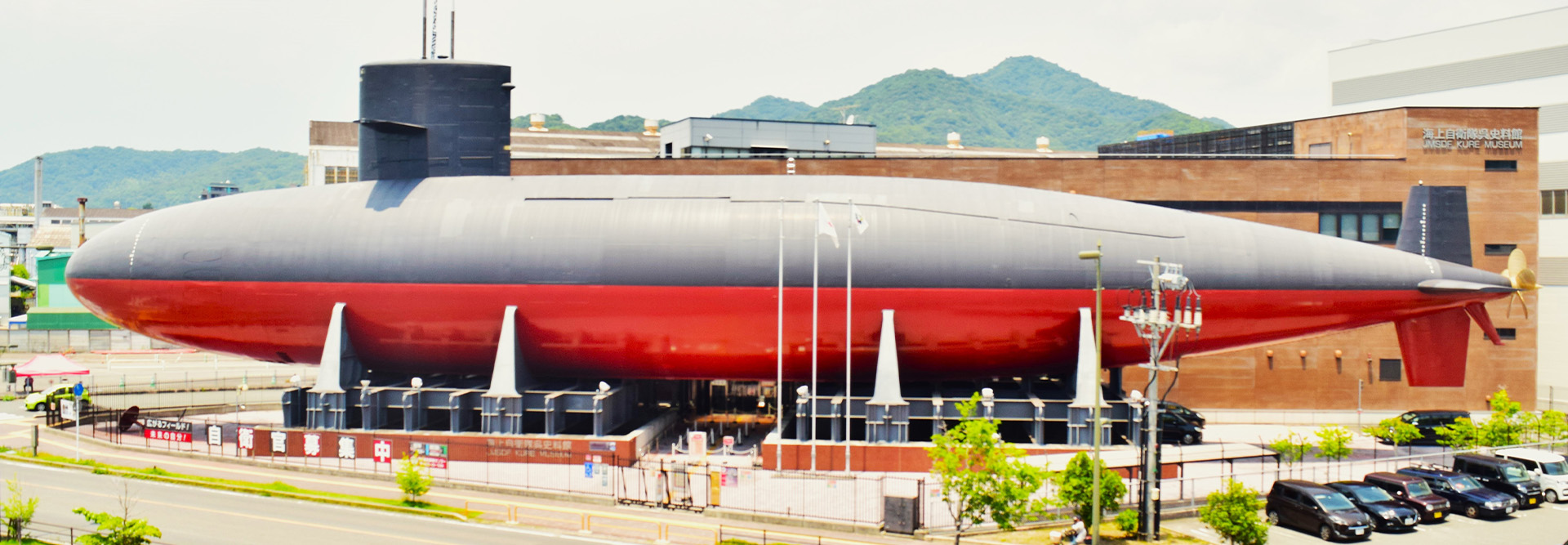
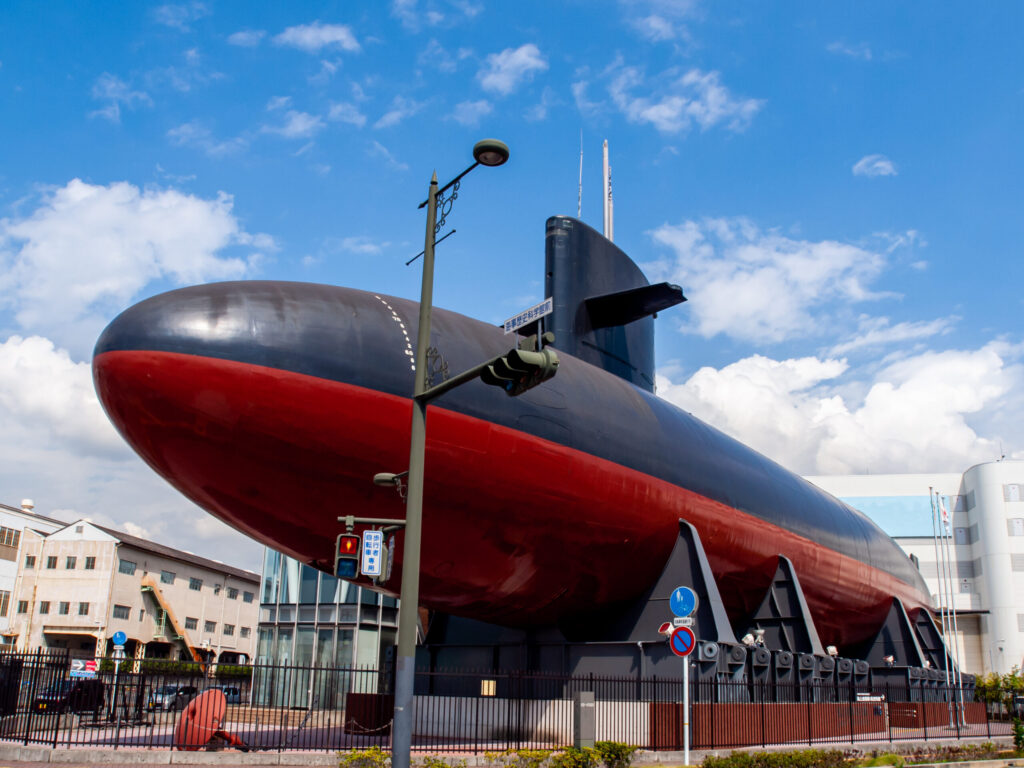
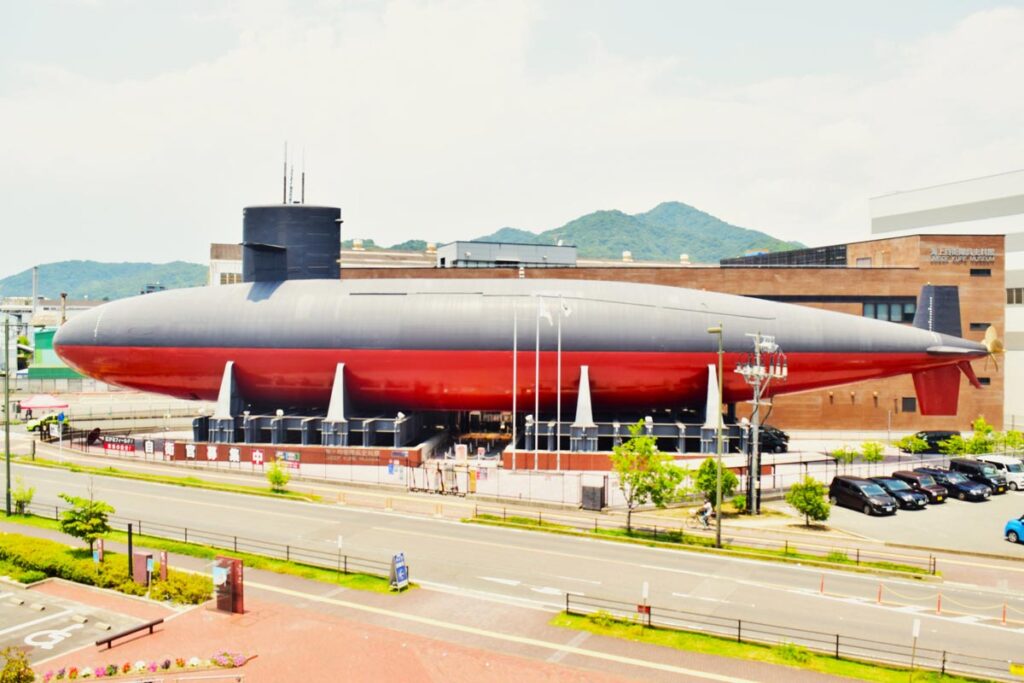
The most striking sight in Kure is the full-sized submarine displayed above ground across from the station area. This is the JMSDF Kure Museum, sometimes called the “Iron Whale Museum,” run by Japan’s Maritime Self-Defense Force.
Inside, you can learn how modern submarines are operated, see real torpedoes and equipment, and descend into the actual retired submarine Akishio. English explanations, diagrams, and models help first-time visitors understand the technology without any prior knowledge of naval science.
The museum’s tone is technical and educational rather than glorifying war. It offers a useful window into modern Japan’s complex relationship with its naval past and present-day defense forces.
2. Visit the Yamato Museum (Kure Maritime Museum)
Directly opposite the submarine museum stands the Kure Maritime Museum, best known by its popular name, the Yamato Museum. Its centerpiece is a detailed, 1:10 scale model of the battleship Yamato, once the largest battleship in the world, built in Kure’s shipyards.
The museum presents Kure’s history from multiple angles: the pride of shipbuilding, the realities of naval warfare, and the daily lives of citizens during wartime. Exhibits cover engineering techniques, navigation instruments, and the city’s postwar reconstruction. Many displays have English captions, and the museum is very accessible for international visitors.
For travelers interested in history, technology, or maritime culture, the Yamato Museum and JMSDF Museum together make a compelling half-day itinerary.
3. Stroll Kure’s Waterfront Promenade
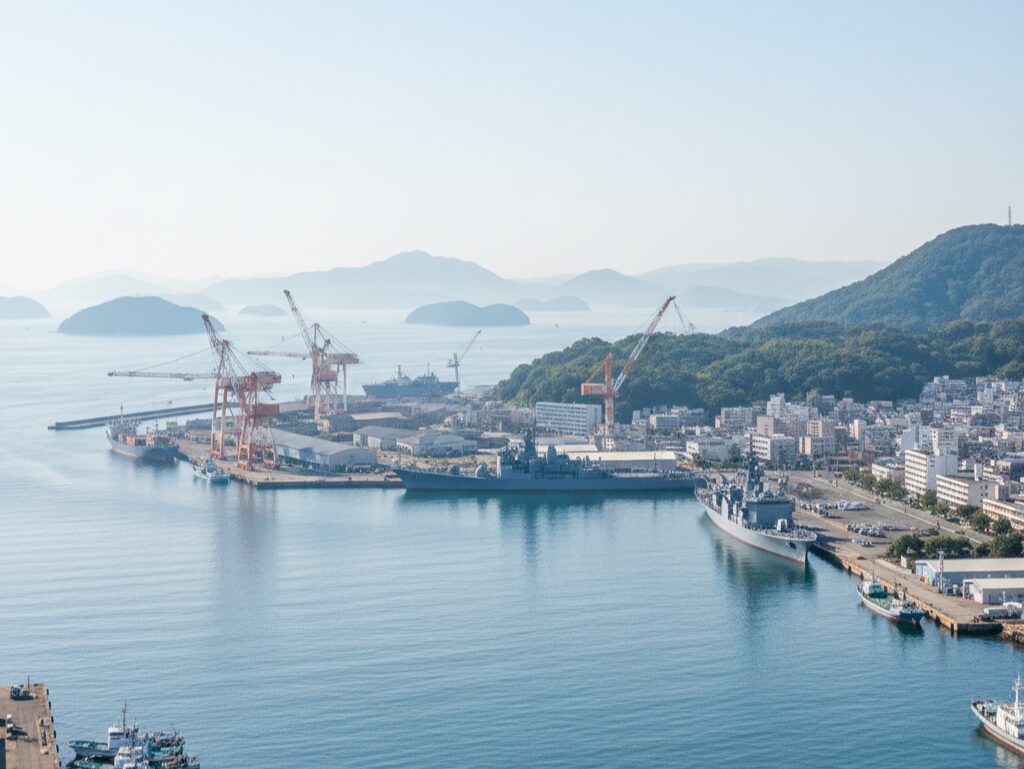
Between the museums and the harbor stretches a pedestrian-friendly waterfront with open views toward the Seto Inland Sea. The area typifies a modern Japanese port city: orderly, clean, and surprisingly quiet.
Walk along the promenade to watch ships entering and leaving the bay, see working docks in the distance, and sit under shady trees. On weekends and holidays, local families stroll here, children ride bicycles, and couples relax by the water. It is a good place to slow down after the more intense historical exhibits.
4. Discover Kure’s Shopping Streets and Local Life
From Kure Station, covered shopping arcades and side streets extend into the city. Exploring these compact neighborhoods helps you see everyday life beyond the touristic centers of Tokyo and Kyoto.
You will find small bakeries, family-run diners, retro snack shops, and local supermarkets. Many businesses are used to occasional international visitors, especially since the museums attract domestic tourists, but English menus may be limited. Pointing at displays, using simple phrases, and smiling goes a long way here.
5. Take a Harbor or Island Cruise
Kure’s bay is dotted with small islands and naval facilities. Short cruises sometimes operate from the waterfront, offering views of shipyards, piers, and anchored vessels. These tours give a sense of scale to the city’s industrial side and offer excellent photo opportunities of the coastline and hills.
Depending on the season and schedule, you might also take ferries toward nearby islands in the Seto Inland Sea. Even a short ride gives you a different perspective of Kure’s skyline and the narrow channels that characterize this maritime region.
6. Side Trips Around Kure
If you have a full day and want to explore further:
- Shimokamagari and nearby islands: Smaller islands accessible by road or ferry, where you can see quiet fishing villages and traditional shrines.
- Mountains behind Kure: Low hills rise behind the city. Look for local viewpoints or small shrines for panoramic views of the port and islands.
These side trips show the contrast between the industrial waterfront and the calm, residential areas that stretch back into the hills.
What to Eat in Kure
Navy-Style Kure Curry
One of Kure’s signature dishes is navy-style curry. In Japan, naval curry has a long tradition: it was served regularly aboard ships, and many port cities developed their own versions. Kure’s take tends to be rich, slightly sweet, and comforting, typically served with rice, a side salad, and pickles.
Restaurants around the station and museum area often advertise Kure curry, sometimes with sailor-themed branding. It is an easy and filling lunch option, especially if you are visiting multiple museums in one day.
Fresh Seafood from the Seto Inland Sea
Surrounded by calm, nutrient-rich waters, Kure has access to excellent seafood. Local eateries serve dishes such as grilled fish, sashimi, tempura, and seafood rice bowls. Look for restaurants that highlight ingredients from the Seto Inland Sea on their signs or menus.
If you visit a local market or small seafood restaurant, you may encounter seasonal specialties like small whitefish, octopus, or local shellfish. Even if you are new to Japanese cuisine, staff are usually happy to recommend something approachable.
Cafés and Bakeries
Kure’s quieter pace lends itself well to café-hopping. You can find modern coffee shops near the station and older-style kissaten (traditional coffee houses) down side streets. These spots are good places to rest and absorb the rhythm of the city between sightseeing stops.
Suggested Itinerary: One Day in Kure
Morning
- Take the JR Kure Line from Hiroshima, enjoying the sea views on the way.
- Arrive at Kure Station and walk to the waterfront museums (about 10 minutes).
- Visit the Yamato Museum, spending 1.5–2 hours on the historical and technical exhibits.
Lunch
- Eat Kure curry or seafood near the station or waterfront.
Afternoon
- Explore the JMSDF Kure Museum and step inside the Akishio submarine.
- Stroll along the waterfront promenade, taking photos of the harbor and distant islands.
- Spend time in the shopping arcades near the station, browsing local shops and picking up small souvenirs.
If you plan an overnight stay, you can fit in a harbor cruise or a side trip to nearby islands the following morning before returning to Hiroshima.
Practical Tips for Visiting Kure
Best Time to Visit
- Spring (March–May): Mild temperatures, clear air, and comfortable conditions for walking. Cherry blossoms in late March or early April can add charm to parks and riversides.
- Autumn (October–November): Cooler weather and pleasant sunshine. The hills behind Kure may show touches of autumn color.
- Summer: Warm and humid, but the sea breezes help. Be sure to carry water and sun protection.
- Winter: Generally mild for Japan, though windy by the water. Fewer crowds and a somewhat sharper, atmospheric light over the sea.
Getting Around Kure
Most sights for first-time visitors are clustered near Kure Station and the waterfront:
- Walking is the most convenient option; the museums and harbor are within approximately 10–15 minutes on foot from the station.
- Local buses serve residential and outlying areas, but you may not need them for a short visit centered on the port.
- Taxis are available at the station, useful if you have luggage or limited mobility.
Language and Signage
Kure does not receive as many international tourists as major cities, but its main attractions are prepared for overseas visitors. The museums typically offer:
- English signage and captions for key exhibits
- Occasional multilingual brochures or audio guides (availability may vary)
In local shops and restaurants, English may be limited, but most staff are patient and used to helping visitors. Simple phrases like “menu please” and “recommendation” combined with pointing at pictures are usually enough.
Respectful Behavior Around Naval Facilities
Kure is still an active base for Japan’s Maritime Self-Defense Force, and you may see uniformed personnel around the city. While the museums are designed for visitors, other naval facilities are restricted. Always follow posted rules and avoid photographing secured gates, security staff, or sensitive areas.
Japan treats its wartime history with a mix of reflection and technical interest. When visiting exhibits related to the war, many travelers find it helpful to approach them with openness and respect, recognizing that interpretations and emotions can differ between cultures.
Where to Stay in Kure
Many visitors experience Kure as a day trip from Hiroshima, but staying overnight lets you see a quieter, more local side of the city.
- Business hotels near Kure Station: Practical, clean, and compact, these hotels are ideal for one night. They typically offer Western-style beds, Wi‑Fi, and simple breakfasts.
- Guesthouses and small inns: Options may be limited, but if you find one, you can enjoy a more personal experience and local hospitality.
Booking ahead is recommended, especially during long weekends, national holidays, and peak travel seasons such as Golden Week or Obon.
Combining Kure with Other Hiroshima Attractions
Kure fits easily into a broader Hiroshima itinerary. Popular combinations include:
- Hiroshima City: Visit the Peace Memorial Park and Museum, Hiroshima Castle, and local neighborhoods. Kure provides a complementary perspective on the region’s history and reconstruction.
- Miyajima Island: Famous for its “floating” torii gate and sacred forests, Miyajima offers a spiritual and natural contrast to Kure’s industrial waterfront.
By pairing Kure with these better-known destinations, you can build a two- or three-day Hiroshima-based stay that includes history, modern culture, island scenery, and everyday city life.
Is Kure Right for Your First Trip to Japan?
If your image of Japan is limited to neon streets and ancient temples, Kure reveals another layer: a working port city shaped by the sea, industry, and a complicated 20th-century history. It is calm, approachable, and easy to navigate, yet rich in stories and local flavor.
For international visitors searching for destinations that feel authentic and not overwhelmed by tourism, Kure offers exactly that. Add it to your Japan itinerary for a day or two, and you will return with a deeper understanding of the country that extends far beyond the usual highlights.
Access Map
Recommended spots in Hiroshima
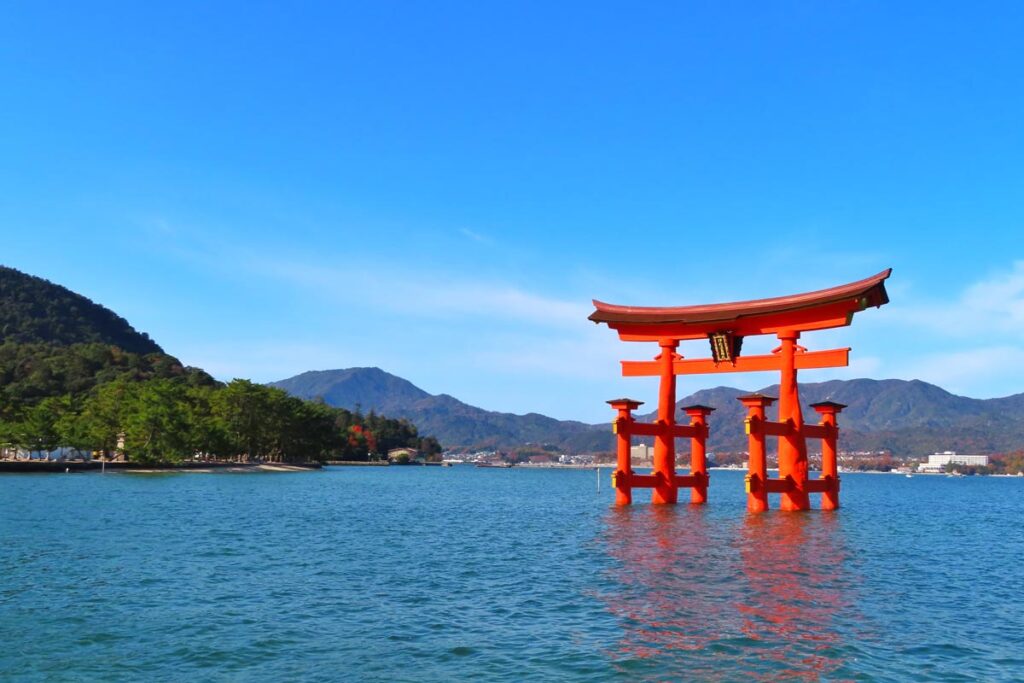
Miyajima (Itsukushima Shrine)
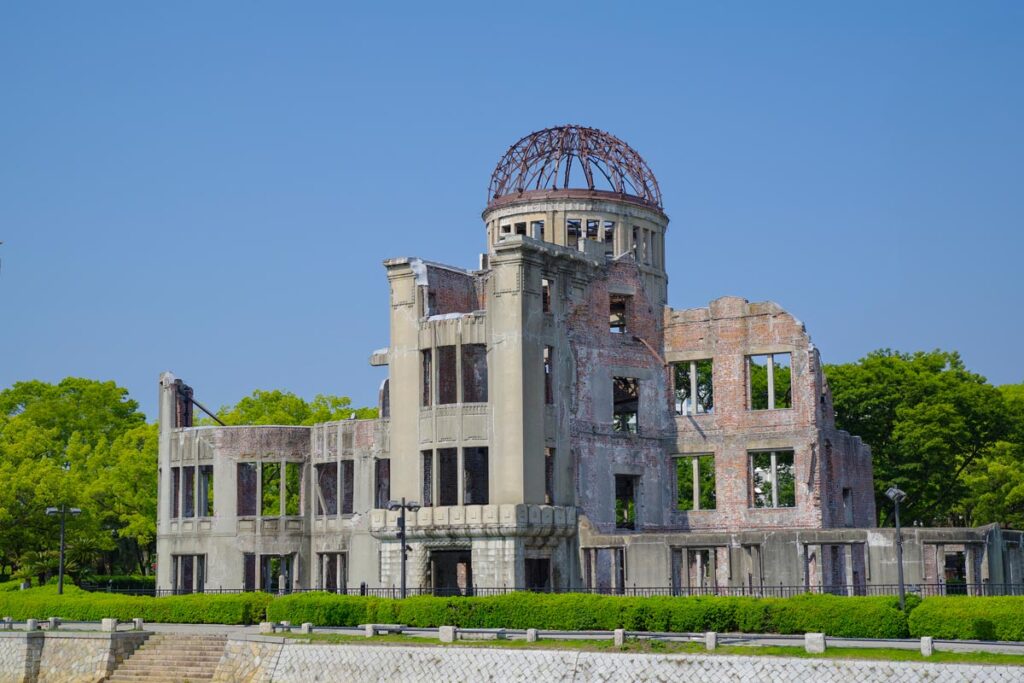
Atomic Bomb Dome
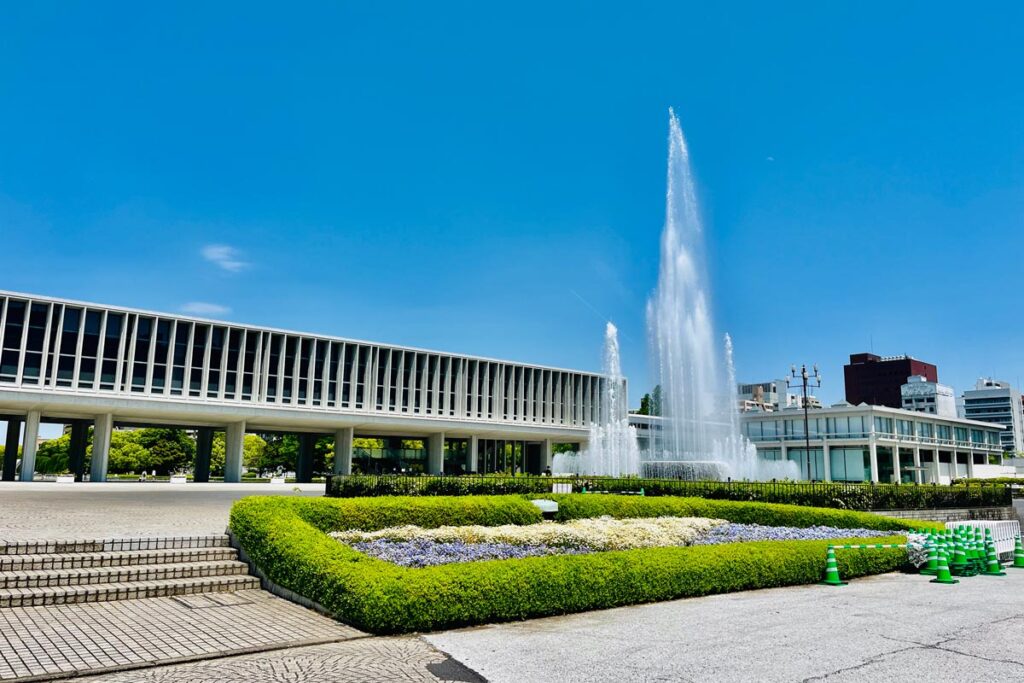
Hiroshima Peace Memorial Museum
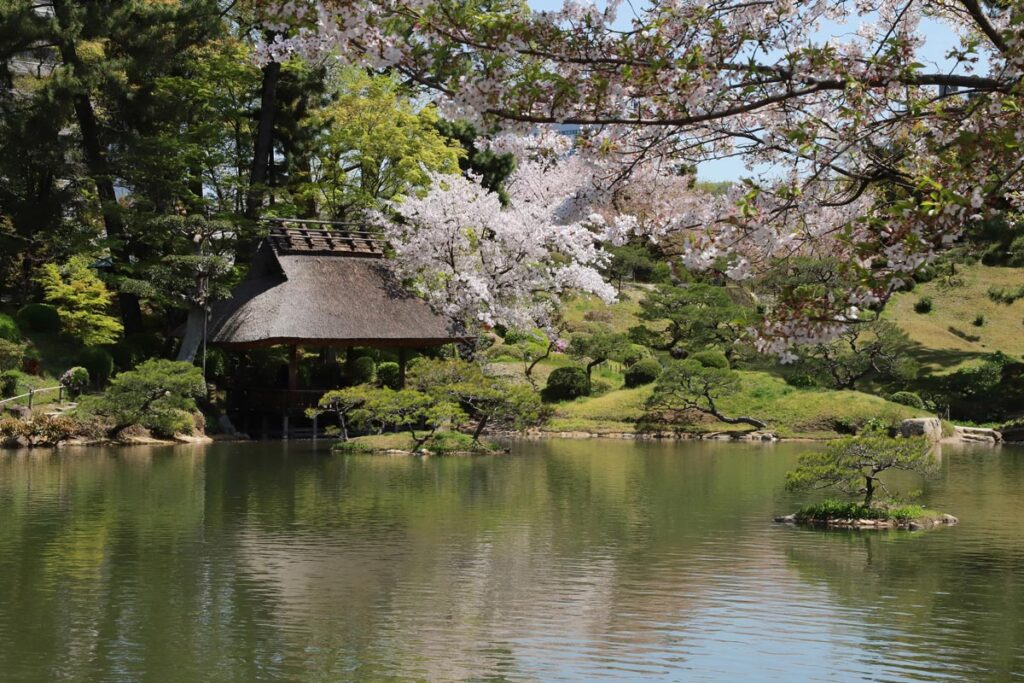
Shukkeien Garden
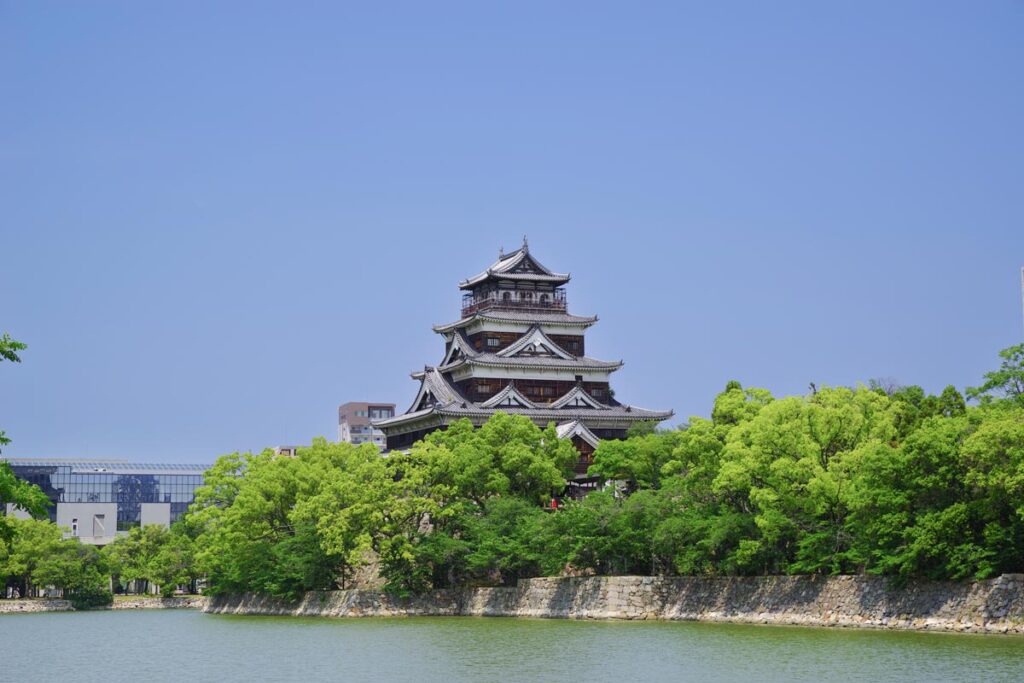
Hiroshima Castle
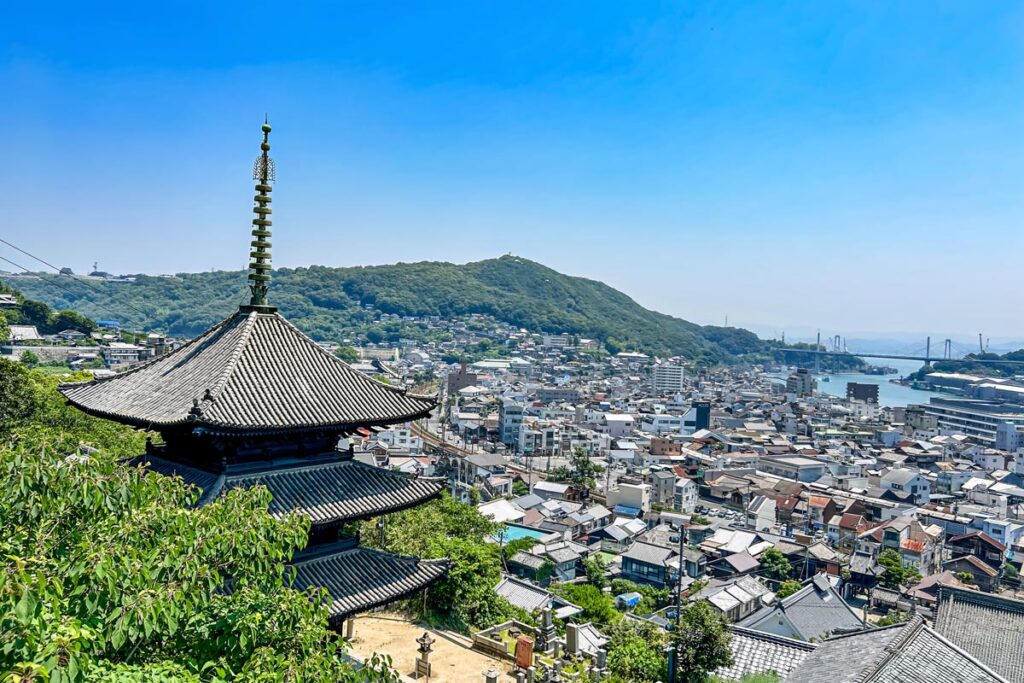
Onomichi
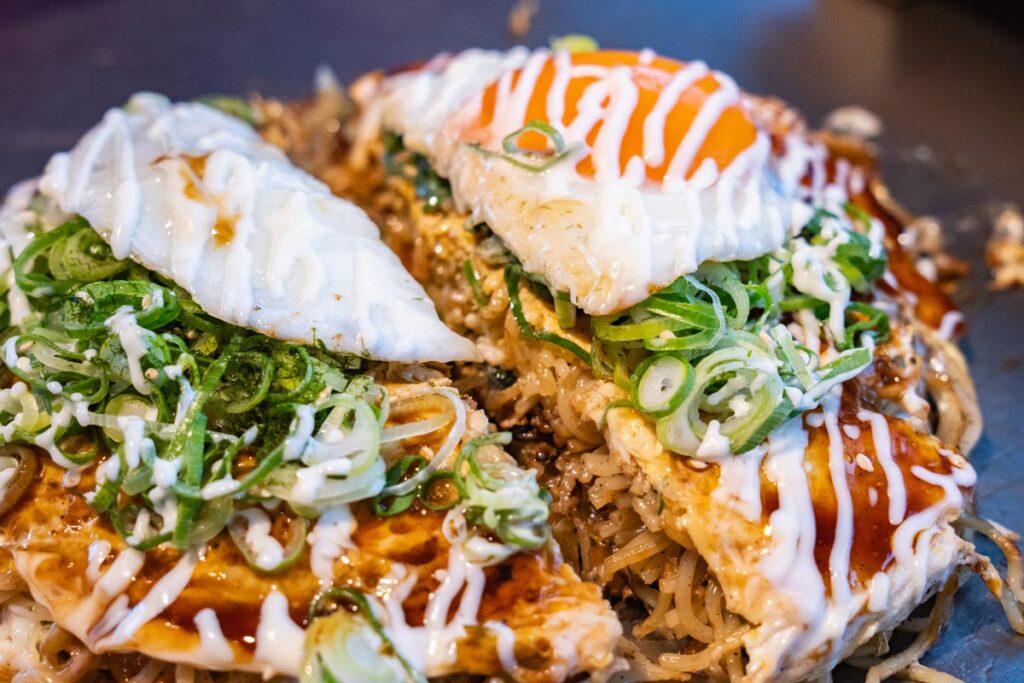
Okonomi-mura
Kure

Okunoshima Island