



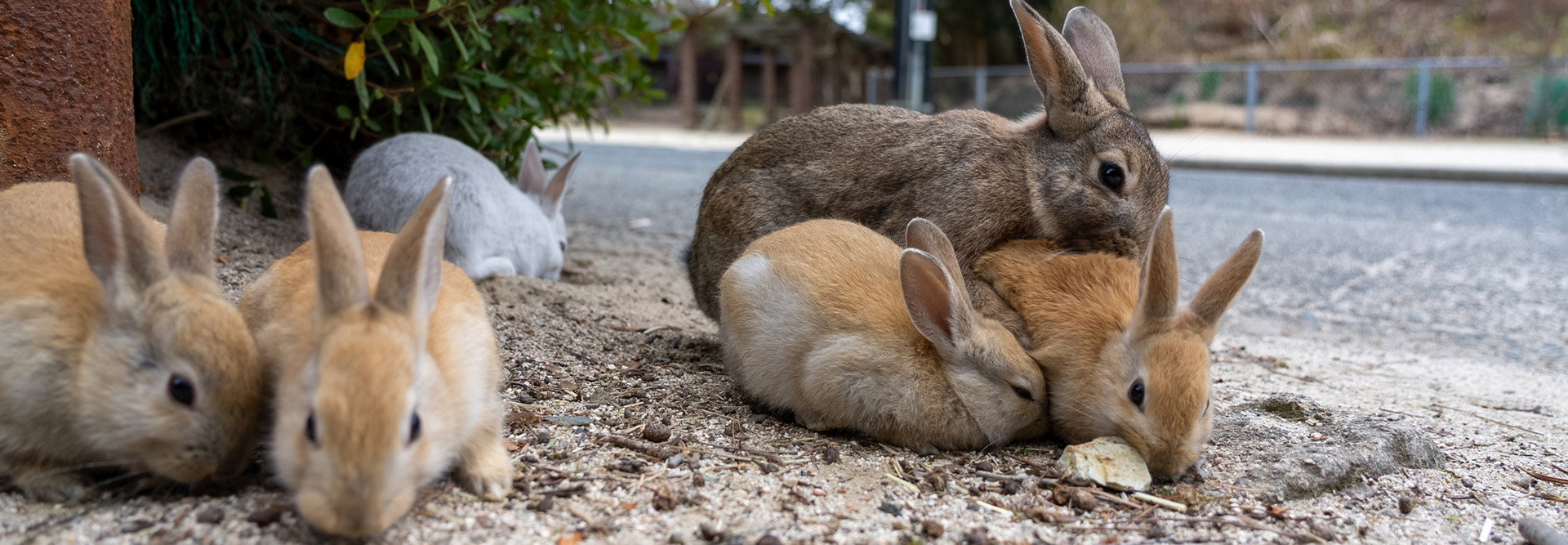
Okunoshima Island
Okunoshima Island: A Complete First-Timer’s Guide to Japan’s Rabbit Island
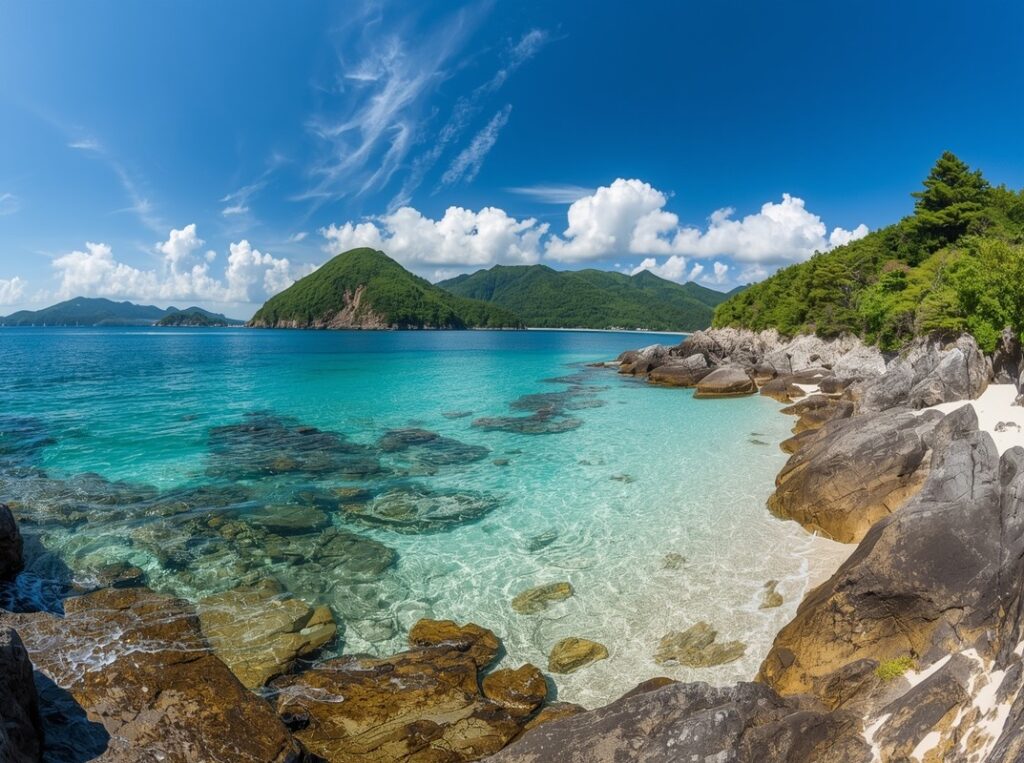
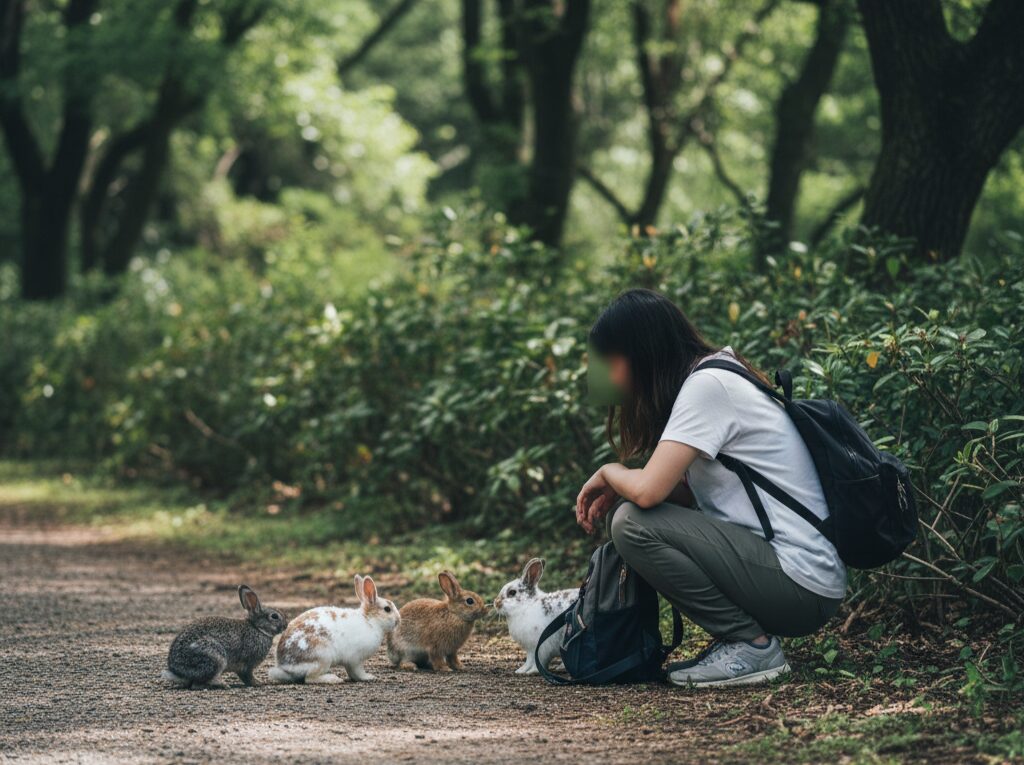
Photos are for illustrative purposes only.
Off the coast of Hiroshima Prefecture, a tiny island in the Seto Inland Sea has become an unlikely global star. Okunoshima, better known as “Rabbit Island,” is home to hundreds of free-roaming, friendly rabbits and offers a unique mix of cute encounters, seaside scenery, and sobering wartime history. For international visitors planning their first trip to Japan, Okunoshima makes for an unforgettable day trip or overnight escape.
What Is Okunoshima Island?
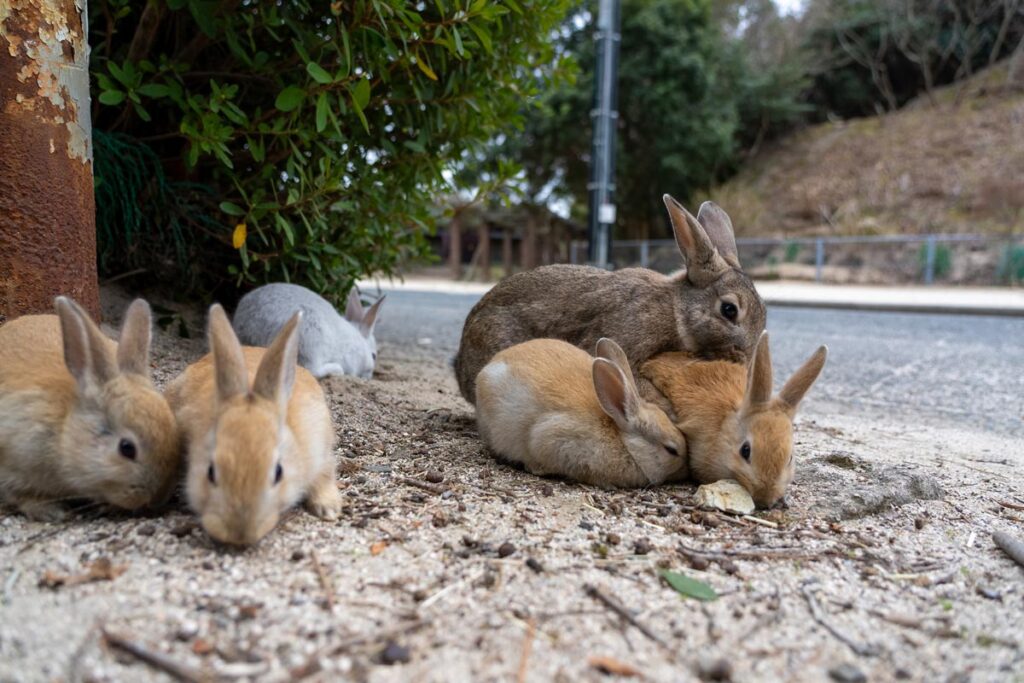
Okunoshima is a small island located in Takehara City, Hiroshima Prefecture. Despite its modest size (just over 4 km in circumference), it draws travelers from around the world thanks to its photogenic rabbit residents. The animals wander freely along paths, beaches, and even around the island’s hotel, often hopping over to greet anyone who rustles a bag of food.
Beneath the island’s cute image lies a serious past: during the 1920s–1940s, Okunoshima was home to a secret Japanese military facility producing chemical weapons. Today, the island has been transformed into a peaceful resort and nature spot, but remnants of that history remain, offering a rare opportunity to reflect on Japan’s 20th-century story while enjoying a tranquil landscape.
Where Is Okunoshima and How Do You Get There?
Okunoshima is set in the calm waters of the Seto Inland Sea, roughly halfway between Hiroshima and Okayama. The island has no bridge; access is by short ferry ride from the nearby mainland port of Tadanoumi.
Step-by-Step Access from Hiroshima
1. Hiroshima to Tadanoumi Station
- From Hiroshima Station, take a JR Kure Line or Sanyo Line train toward Tadanoumi or Mihara.
- Most visitors transfer at Mihara Station to the JR Kure Line for Tadanoumi if there is no direct train.
- Travel time: around 1.5–2 hours, depending on connections.
- The JR Pass usually covers this route on local and rapid trains.
2. Tadanoumi Station to Tadanoumi Port
- From Tadanoumi Station, it is about a 5–10 minute walk to the ferry terminal.
- Follow the signs for “忠海港” or look for rabbit-themed signboards pointing to the port.
- Near the port you will find a small shop selling rabbit food and snacks for visitors.
3. Ferry from Tadanoumi to Okunoshima
- The ferry ride to Okunoshima takes about 15 minutes.
- Boats typically run every 30–60 minutes during the day, with slightly reduced service early in the morning and late afternoon.
- Tickets are purchased at the ferry terminal; payment is usually in cash, so carry small bills and coins.
- Check the latest timetable on the day of travel, especially in winter when schedules may vary.
Okunoshima can also be reached from Sakari Port on the island’s northern side, but most international travelers use Tadanoumi due to easier train access.
When Is the Best Time to Visit Rabbit Island?
Okunoshima is enjoyable year-round, but your experience will change with the seasons.
- Spring (March–May): Mild temperatures and cherry blossoms make this an excellent time to visit. The island’s greenery is lush, and rabbits are usually active throughout the day.
- Summer (June–August): Days are hot and humid. The island’s beaches are inviting, but rabbits may rest in the shade during midday. Visit early morning or late afternoon, and bring sun protection and plenty of water.
- Autumn (September–November): Often considered the best season. Clear skies, comfortable weather, and autumn foliage create perfect conditions for walking and photography.
- Winter (December–February): Fewer crowds and a quieter atmosphere. Rabbits are still present, but the island can feel windswept and chilly. Dress warmly and watch ferry schedules, as daylight is short.
Weekends and Japanese holidays can be busy. For a calmer experience and more time with the rabbits, aim for a weekday visit and arrive on an early ferry.
Meeting the Rabbits: How to Interact Responsibly
The rabbits are the main reason most visitors come to Okunoshima. They are used to people, often hopping right up in search of food. Treating them kindly and responsibly ensures the island remains a safe haven for wildlife.
Buying Rabbit Food
Important: there is no rabbit food sold on the island itself. You should buy food before boarding the ferry.
- Near Tadanoumi Station and Tadanoumi Port, small shops sell pre-packed rabbit pellets specifically for feeding.
- Bring the food in a sturdy bag to avoid spills and rustling that may attract rabbits before you are ready.
- Avoid bringing your own vegetables unless you are sure they are safe for rabbits; some human foods can cause illness.
How to Feed and Approach the Rabbits
- Stay low: Squat or sit so you are closer to the rabbits’ eye level. This makes you less intimidating.
- Offer food on an open palm or place it on the ground in front of them. Avoid holding it high or teasing.
- Move slowly and quietly. Sudden movements can frighten them.
- Supervise children closely and remind them to be gentle.
- Do not chase or pick up the rabbits. This can cause stress and potential injury.
Rabbits are most active in the cooler parts of the day. Early morning and late afternoon are ideal for close-up encounters and photos.
What Not to Do
To protect both animals and environment, keep these rules in mind:
- Do not feed sweets, bread, or leftover human food.
- Do not feed rabbits on roads or near the ferry pier where cars and bicycles pass.
- Do not leave plastic bags, wrappers, or food pellets scattered on the ground.
- Do not bring dogs or other pets onto the island; they can disturb or harm rabbits.
The Island’s Dark Past: Okunoshima and Chemical Weapons
Beyond the adorable rabbits, Okunoshima holds powerful historical significance. In the early 20th century, Japan developed chemical weapons in secret, despite international treaties. The island was chosen for its remote location, and its existence and purpose were removed from official maps.
During the 1920s–1940s, a factory on Okunoshima produced poisonous gases such as mustard gas. Workers endured harsh conditions and limited protection. After World War II, much of the facility was destroyed, and many records were lost or hidden.
Today, Okunoshima is a place of reflection. Its transformation from a secret weapons site to a peaceful tourism spot symbolizes Japan’s post-war commitment to peace and transparency.
Poison Gas Museum
The Poison Gas Museum is small but impactful. Exhibits include historical photographs, equipment, and testimonies from former workers. Explanations are primarily in Japanese, but key information is usually available in English and other languages.
- Location: Near the island’s main port and visitor center.
- Time needed: Around 30–60 minutes.
- Content warning: Some exhibits, including photos and personal stories, can be emotionally heavy.
Visiting the museum adds important context to your trip, highlighting the contrast between the island’s past and its present image as a sanctuary for animals and nature.
Things to Do on Okunoshima Besides Meeting Rabbits
While the rabbits are the highlight, Okunoshima offers a variety of other activities that make it worth spending half a day or more.
Walk or Cycle Around the Island
A mostly flat, paved road circles the island, making it easy to explore on foot or by bicycle.
- Walking: A leisurely circuit takes around 60–90 minutes, not including time for photos and rabbit encounters.
- Cycling: Bicycles can often be rented from the mainland near Tadanoumi Station or, in some seasons, via accommodations. Confirm in advance if you plan to bike.
As you circle the island, you’ll pass pine forests, open grassy areas alive with rabbits, and quiet viewpoints overlooking the Seto Inland Sea.
Explore Wartime Ruins
Scattered across Okunoshima are atmospheric remains of its military past: concrete foundations, storage facilities, and power plant ruins. Overgrown with greenery, these sites create a striking contrast with the peaceful surroundings.
- Many structures can be viewed from the outside. Entering abandoned buildings is generally discouraged for safety reasons.
- Information boards (mostly in Japanese, sometimes with English) describe the original functions of each site.
- Respect signs and barriers and stay on marked paths.
Enjoy the Beaches and Sea Views
On warmer days, Okunoshima’s small sandy beaches invite you to relax by the water. Swimming areas may be designated in certain seasons. Even if you don’t swim, the combination of calm waves, distant islands, and sunset colors creates beautiful photo opportunities.
Soak in a Hot Spring (Onsen)
The island’s main accommodation, Kyukamura Okunoshima, includes an onsen (hot spring) with views of the sea. Even if you are not staying overnight, day-use bathing may be possible for a fee.
If it’s your first time in a Japanese bath, remember basic etiquette: wash thoroughly before entering the shared tub, do not wear swimsuits, and keep towels out of the water.
Staying on the Island vs. Day Trip
Most international travelers visit Okunoshima as a day trip from Hiroshima, but staying overnight offers a quieter, more immersive experience.
Day Trip Highlights
- Ideal if you are short on time and want to combine Okunoshima with Hiroshima City or Miyajima.
- Allows for a relaxed morning or afternoon with the rabbits, a visit to the Poison Gas Museum, and a walk around part of the island.
- Recommended: catch a morning train, spend 3–5 hours on the island, then return to Hiroshima or continue along the Sanyo line.
Overnight Stay at Kyukamura Okunoshima
Kyukamura Okunoshima is a resort-style hotel close to the island’s main port. Rooms often feature sea or island views, and rabbits occasionally gather around the grounds.
- Meals: Dinner and breakfast are typically served in buffet style, with Japanese and some Western dishes. Reservations are advised, especially in busy seasons.
- Atmosphere: After the last ferry leaves, the island becomes tranquil. You can watch the sunset, soak in the onsen, and enjoy early-morning walks with fewer crowds.
- Booking: Reserve well in advance during weekends, Golden Week, summer holidays, and autumn.
Practical Tips for International Visitors
What to Bring
- Cash: Small shops and the ferry terminal may not accept credit cards. Bring enough yen for transport, food, and souvenirs.
- Rabbit food: Purchase pellets before boarding the ferry.
- Weather-appropriate clothing: Hat, sunscreen, and water in summer; warm layers and wind protection in winter.
- Comfortable shoes: You’ll likely walk on a mix of paved roads and dirt paths.
- Reusable bag: For carrying trash and rabbit food without leaving waste behind.
Facilities on the Island
- Restrooms: Available near the port, museum, and hotel.
- Food and drink: A limited number of vending machines and the hotel restaurant or cafe. Choice is modest, so consider bringing snacks.
- Wi-Fi: May be limited; do not rely on stable, high-speed connections.
- Accessibility: The main road is relatively flat, but some ruins and forest paths may be challenging for wheelchairs or strollers.
Etiquette and Safety
- Stay on marked paths and respect signs around historical ruins.
- Do not litter; carry all trash back with you.
- Give space to other travelers when feeding rabbits; many visitors are trying to take photos.
- In summer, watch for heatstroke. Take breaks in the shade and drink water regularly.
Combining Okunoshima with Nearby Destinations
Okunoshima can easily be part of a wider itinerary along Japan’s Sanyo coast.
- Hiroshima City: Learn about peace and resilience at the Atomic Bomb Dome and Peace Memorial Museum, then enjoy local specialties like Hiroshima-style okonomiyaki.
- Miyajima (Itsukushima): Famous for the “floating” torii gate and friendly deer, this sacred island is one of Japan’s most iconic sights.
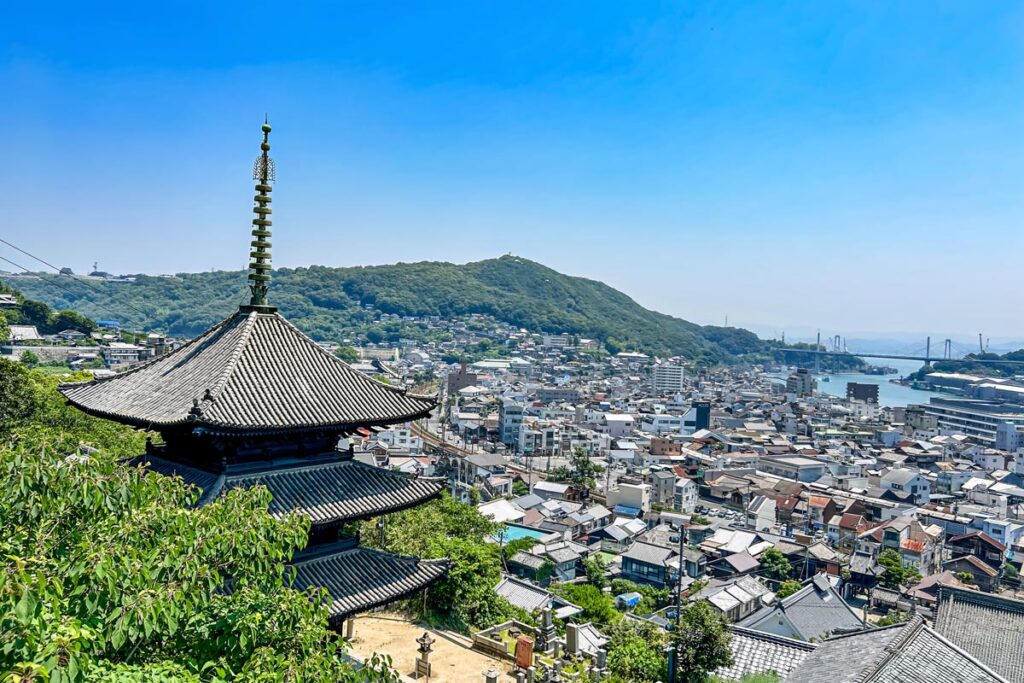
- Onomichi and the Shimanami Kaido: A charming port town and a spectacular cycling route connecting islands across the Seto Inland Sea.
- Kurashiki: A preserved canal district in Okayama Prefecture known for historic warehouses and galleries.
By including Okunoshima in your route, you can experience both Japan’s playful side and its deeper historical layers, all within a single coastal region.
Is Okunoshima Worth Visiting?
For first-time visitors to Japan, Okunoshima offers something that few destinations can match: a chance to meet hundreds of gentle rabbits in a natural setting while exploring an island that has transformed from a hidden weapons site into a symbol of peace and coexistence with nature.
If you have a day to spare in Hiroshima Prefecture, love animals, and are curious about Japan’s lesser-known history, Rabbit Island is more than a cute photo stop. It is a memorable, thought-provoking journey into the heart of the Seto Inland Sea — and a travel story you’ll be telling long after your trip to Japan ends.

Access Map
Recommended spots in Hiroshima
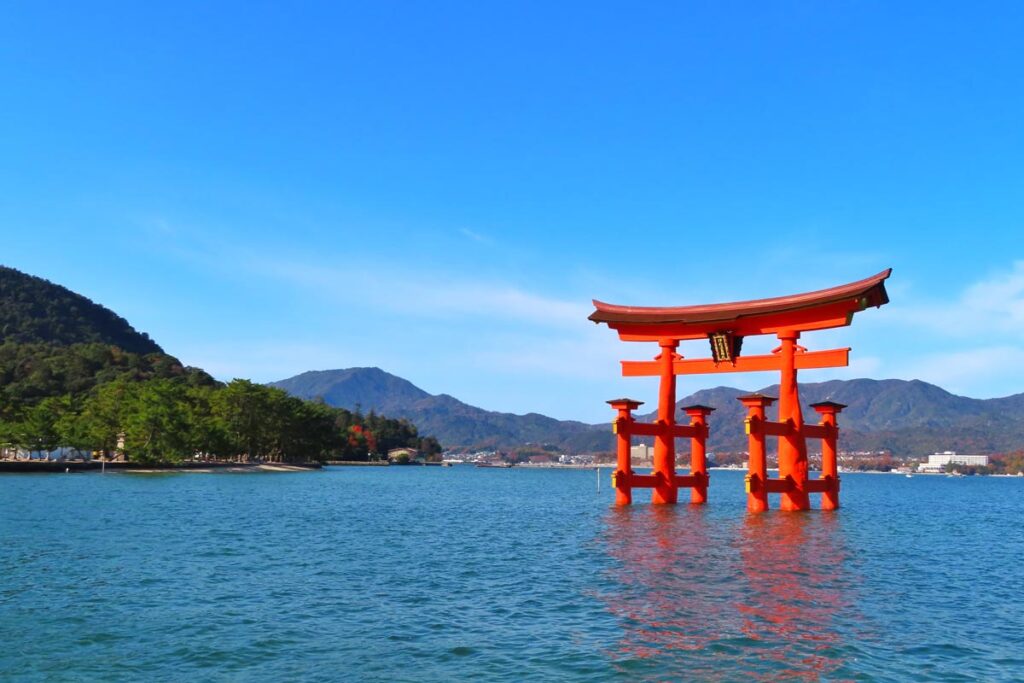
Miyajima (Itsukushima Shrine)
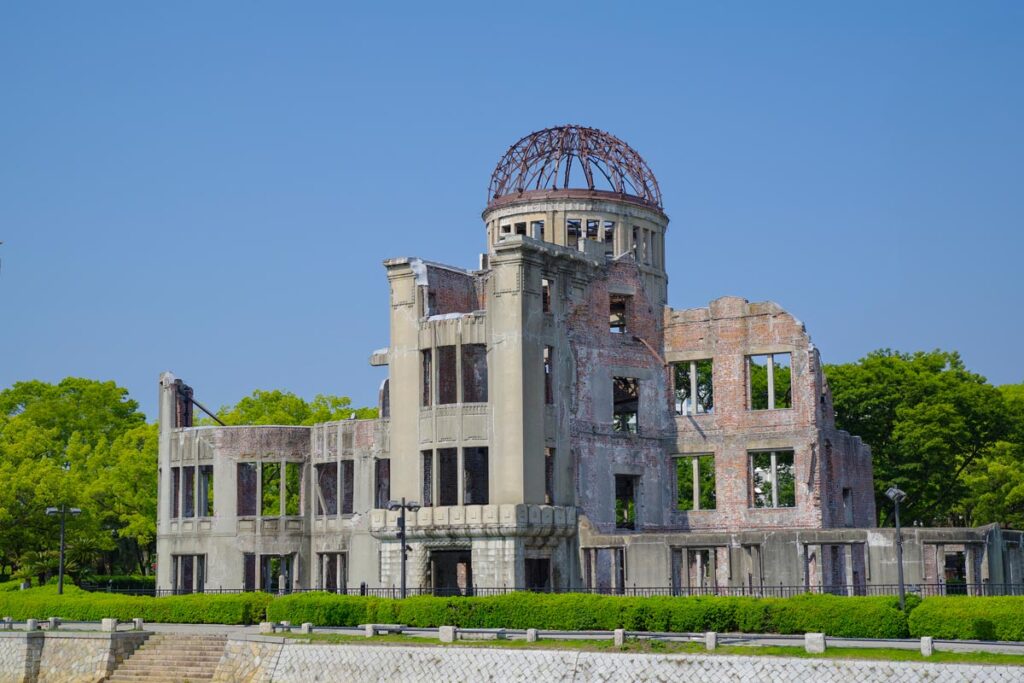
Atomic Bomb Dome
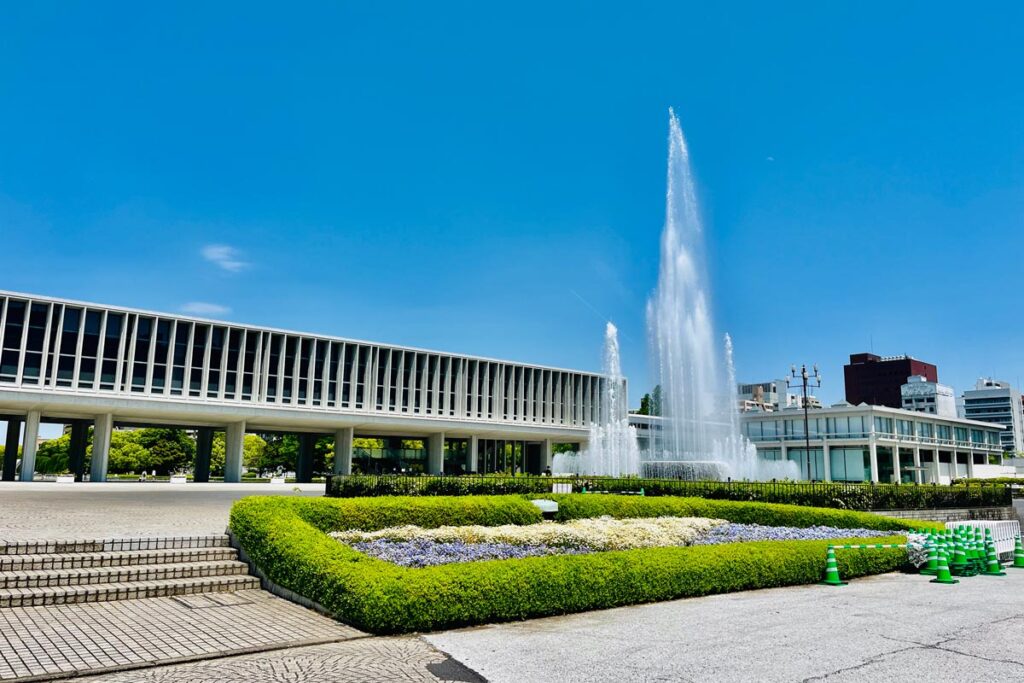
Hiroshima Peace Memorial Museum
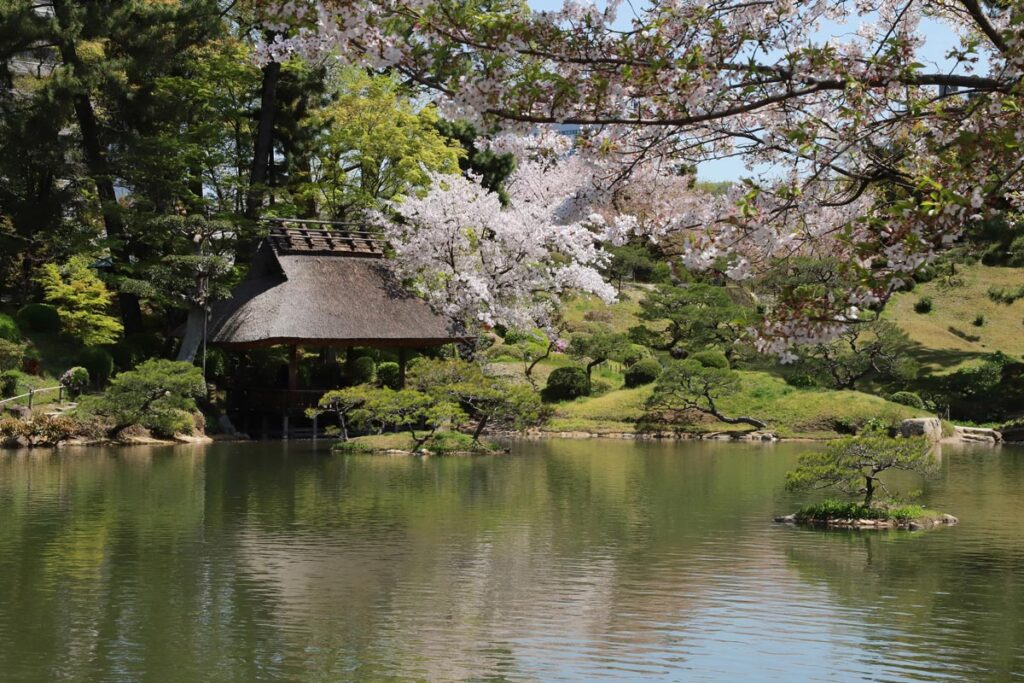
Shukkeien Garden
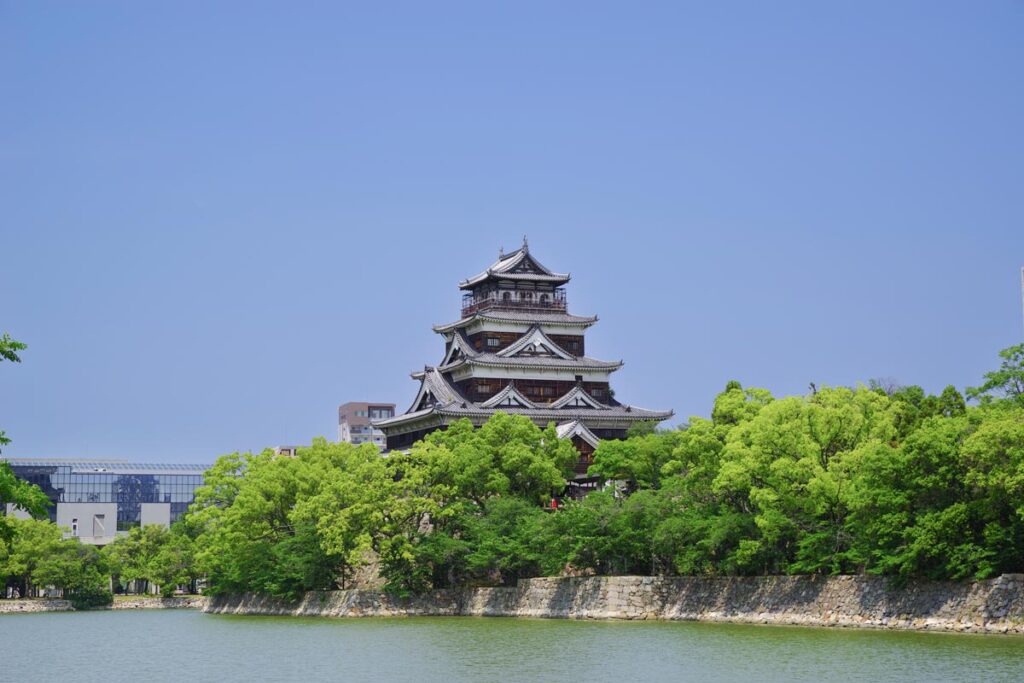
Hiroshima Castle
Onomichi

Okonomi-mura

Kure
Okunoshima Island