
Hokkaido
First-Timer’s Guide to Hokkaido, Japan: Nature, Food & Four Seasons
Photos are for illustrative purposes only.
Hokkaido, Japan’s northernmost main island, feels like a different country from Tokyo and Osaka. Wide open skies, sweeping farmland, rugged coastlines, and powdery snow make it a dream destination for nature lovers and food-obsessed travelers. For first-time visitors to Japan, Hokkaido offers a softer landing: less crowding, more space, and a slower, relaxed rhythm of life.
This guide introduces the essential places, seasonal highlights, and practical tips you need to plan your first trip to Hokkaido.
Why Visit Hokkaido on Your First Trip to Japan?
While many first-timers focus on Tokyo, Kyoto, and Osaka, adding Hokkaido gives you a completely different side of Japan:
- Four dramatic seasons – snow-blanketed winters, pastel flower fields in spring, mild summers, and fiery autumn colors.
- Less crowded travel – wide roads, spacious trains, and calmer sightseeing compared with Japan’s big urban centers.
- World-class outdoor activities – skiing and snowboarding, hiking, wildlife watching, cycling, and onsen (hot springs).
- Exceptional local food – ultra-fresh seafood, dairy, ramen, and local specialties that differ from the rest of Japan.
Hokkaido is ideal for travelers who love nature, good food, and a slightly slower pace, while still enjoying modern Japanese comfort and safety.
Understanding Hokkaido: A Quick Overview
Hokkaido is Japan’s second-largest island but has a relatively small population. Much of the land is forest, mountains, or farmland, dotted with compact cities and quiet coastal towns. Winters are long and snowy; summers are cooler than in most of Japan, making it popular with domestic travelers escaping the heat.
Historically, Hokkaido is also the homeland of the Ainu, an Indigenous people with their own distinct language and culture. Today, you can encounter Ainu arts, crafts, and performances in several areas, especially around Lake Akan and Shiraoi.
Best Time to Visit Hokkaido
Hokkaido is a true four-season destination, but what you experience depends heavily on when you go.
Winter (December–March): Snow, Skiing, and Illuminations
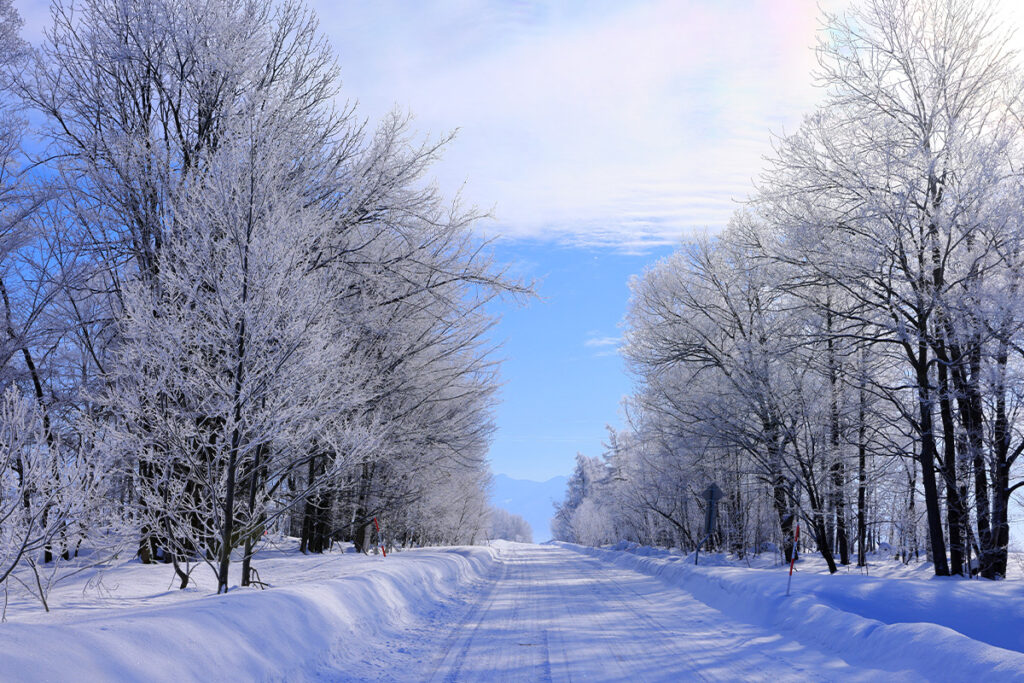
Hokkaido is legendary for its dry, fluffy “Japow” (Japan powder snow). Ski resorts attract visitors from all over the world, and even non-skiers can enjoy snow festivals and hot springs.
- Niseko, Furano, Rusutsu – international ski resorts with English-friendly facilities.
- Sapporo Snow Festival (early February) – enormous snow and ice sculptures, light displays, and food stalls.
- Otaru Snow Light Path Festival – candle-lit snow lanterns lining canals and old streets.
Temperatures are often below freezing, especially inland. Pack thermal layers, waterproof boots, a warm hat, and gloves. Many indoor venues and trains are heated, so dress in layers you can easily remove.
Spring (April–May): Late Cherry Blossoms and Thawing Landscapes
Cherry blossoms arrive later in Hokkaido than in Tokyo or Kyoto. In many cities, peak bloom is from late April to early May, making Hokkaido ideal if you missed sakura season in the rest of Japan.
- Matsumae Park – cherry blossoms surrounding an historic castle.
- Goryokaku Park in Hakodate – a star-shaped fort surrounded by cherry trees.
Spring weather can be changeable, with chilly mornings and evenings. Snow may still be visible in the mountains, while fields and forests start to turn green.
Summer (June–August): Flowers, Festivals, and Cool Escapes
Unlike humid central Japan, Hokkaido’s summer is pleasantly mild, especially in the highlands. It is the best time for hiking, cycling, and flower viewing.
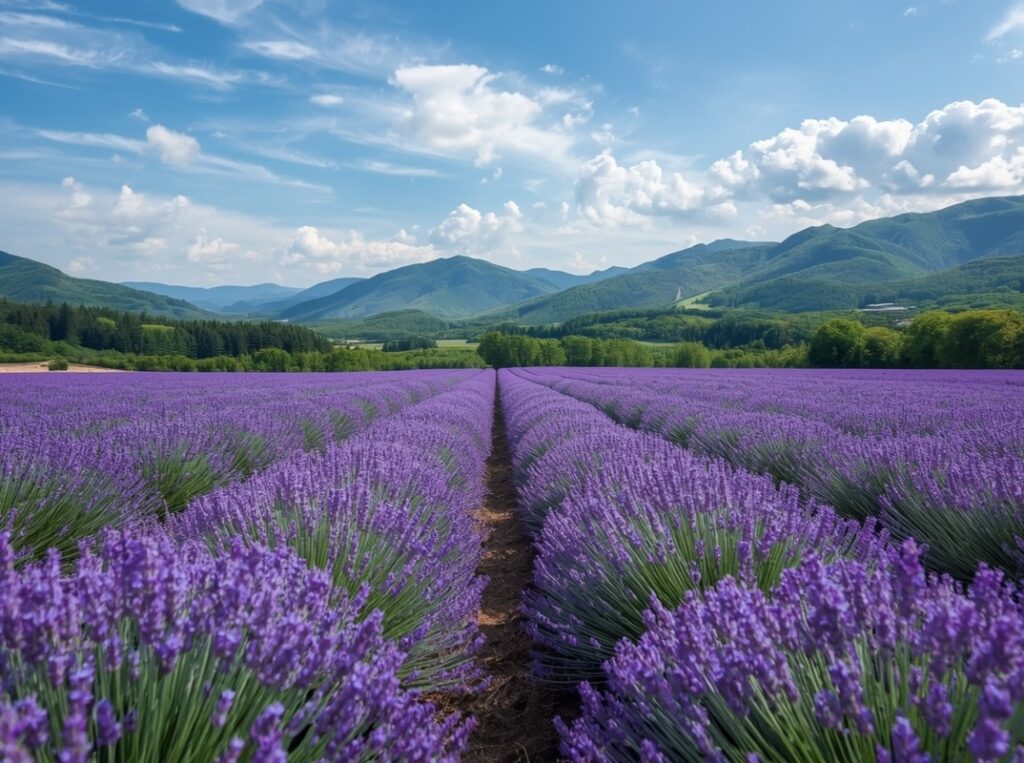
- Furano and Biei – famous for lavender fields, patchwork farms, and gentle rolling hills.
- Shiretoko and Daisetsuzan National Parks – wildlife, alpine scenery, and hiking trails.
- Summer festivals – fireworks, traditional dances, and night stalls selling yakitori, shaved ice, and local snacks.
Book accommodations early in July and August, as this is peak domestic travel season, especially during Japan’s school holidays and the Obon period.
Autumn (September–November): Colorful Leaves and Quiet Trails
Autumn in Hokkaido brings crisp air and spectacular foliage, often earlier than on the main island of Honshu.
- Early to mid-October – highlands like Daisetsuzan show brilliant reds and golds.
- Late October–early November – colors descend to lower elevations and city parks.
Autumn is excellent for hot springs and onsen stays: soak outdoors while surrounded by colorful mountains. Nights can be cold, so bring a warm jacket even if the days feel comfortable.
Key Destinations in Hokkaido for First-Time Visitors
Sapporo: Gateway City with a Relaxed Vibe
Sapporo, Hokkaido’s capital, is usually the starting point for international visitors, thanks to New Chitose Airport. The city is modern and neatly laid out, with a grid system that makes navigation easier for first-timers.
Highlights include:
- Odori Park – a long, green space that hosts seasonal events, from beer gardens in summer to snow sculptures in winter.
- Sapporo TV Tower – an observation deck with city panoramas and glimpses of surrounding mountains.
- Susukino District – nightlife, bars, izakaya, and ramen alleys.
- Historic Village of Hokkaido – an open-air museum displaying buildings from Hokkaido’s frontier era.
- Mt. Moiwa Ropeway – an easy-access viewpoint for city nightscapes.
Sapporo is also known for its local specialties: miso ramen, Sapporo beer, and jingisukan (grilled lamb). It is a convenient base for day trips to nearby Otaru or Jozankei Onsen.
Otaru: Canal Town with Vintage Charm
Just under an hour from Sapporo by train, Otaru is a small port city with a nostalgic atmosphere. Its stone warehouses, retro gas lamps, and preserved merchant buildings recall Hokkaido’s early development as a trade hub.
Things to enjoy in Otaru:
- Otaru Canal – take a stroll at dusk when gas lamps light up the water and historic warehouses.
- Sakaimachi Street – old merchant houses converted into glass studios, cafes, music box shops, and dessert boutiques.
- Fresh seafood – try sushi made with seasonal Hokkaido fish, or crab and uni (sea urchin) rice bowls.
Otaru is picturesque year-round, with snow-covered warehouses in winter and pleasant seaside breezes in summer.
Furano and Biei: Flower Fields and Rural Landscapes
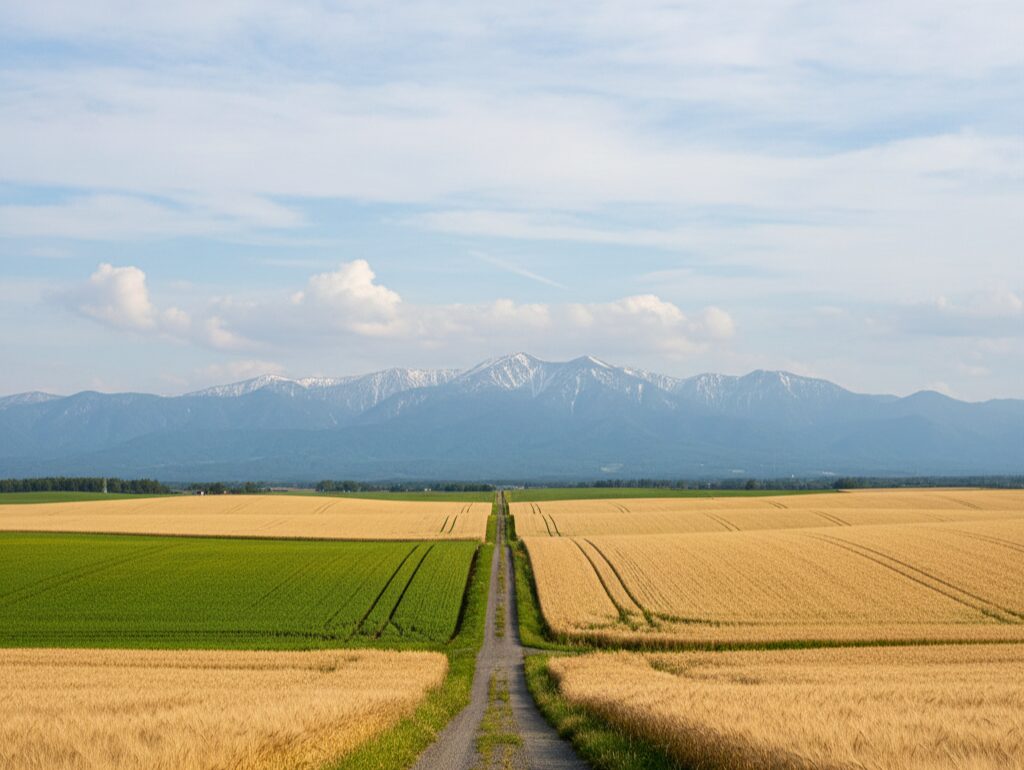
Furano and neighboring Biei are central Hokkaido towns known for colorful agriculture and cinematic landscapes. The area is particularly famous for lavender fields in early to mid-July, but flowers and crops create layered “patchwork” scenery from late spring through autumn.
- Flower farms – see sweeping rows of lavender, sunflowers, and other blooms.
- Scenic drives and cycling – explore rolling hills, lone trees, and farm vistas on quiet country roads.
- Winter activities – smaller ski resorts and snow-based experiences are available outside of the flower season.
The landscape here is open and peaceful, ideal for travelers wanting to slow down and enjoy wide horizons rather than city crowds.
Niseko and Other Ski Resorts: Powder Paradise
Niseko has become one of the world’s most famous ski destinations, especially popular among international visitors. The area offers multiple resorts, extensive slopes, and an active après-ski scene.
Why skiers and snowboarders love Niseko and other Hokkaido resorts:
- Reliable powder snow – frequent light snowfall creates deep, soft conditions.
- English support – rental shops, lessons, and many restaurants are prepared to serve international guests.
- Onsen culture – relaxing in a steaming hot spring after a day on the slopes is a classic Hokkaido experience.
Other ski areas like Furano, Rusutsu, and Kiroro are sometimes less crowded but still excellent, especially if you prefer quieter resorts.
Hakodate: Night Views and Historic Streets
Located in southern Hokkaido, Hakodate blends Japanese, Western, and historical influences. It is reachable by shinkansen (bullet train) from Tokyo, making it an attractive entry point to Hokkaido if you prefer to travel by rail.
Key attractions include:
- Mt. Hakodate – famous for its sparkling night view over a narrow strip of city between the ocean on two sides.
- Motomachi District – old churches, consulates, and Western-style buildings on sloping streets.
- Hakodate Morning Market – taste fresh seafood, including squid, crab, and ikura (salmon roe) rice bowls.
- Goryokaku Fort – a star-shaped fortress park known for cherry blossoms in spring and pleasant walks year-round.
National Parks and Wild Hokkaido
For travelers who want to go beyond cities, Hokkaido’s national parks showcase its wilder side.
- Daisetsuzan National Park – Hokkaido’s largest national park, featuring volcanic peaks, alpine meadows, and excellent hiking trails.
- Shiretoko Peninsula – a UNESCO World Heritage site with rugged coastlines, waterfalls, and potential wildlife sightings such as brown bears (viewed from safe distances).
- Akan-Mashu National Park – beautiful crater lakes, hot springs, and Ainu cultural experiences.
These areas require more planning and travel time but reward you with some of the most unspoiled landscapes in Japan.
Hokkaido Food to Try
Hokkaido is a culinary highlight of Japan, thanks to its cold seas, fertile farmland, and strong dairy industry. Be sure to try these regional specialties:
- Seafood donburi – rice bowls topped with fresh crab, salmon, scallops, sea urchin, and salmon roe.
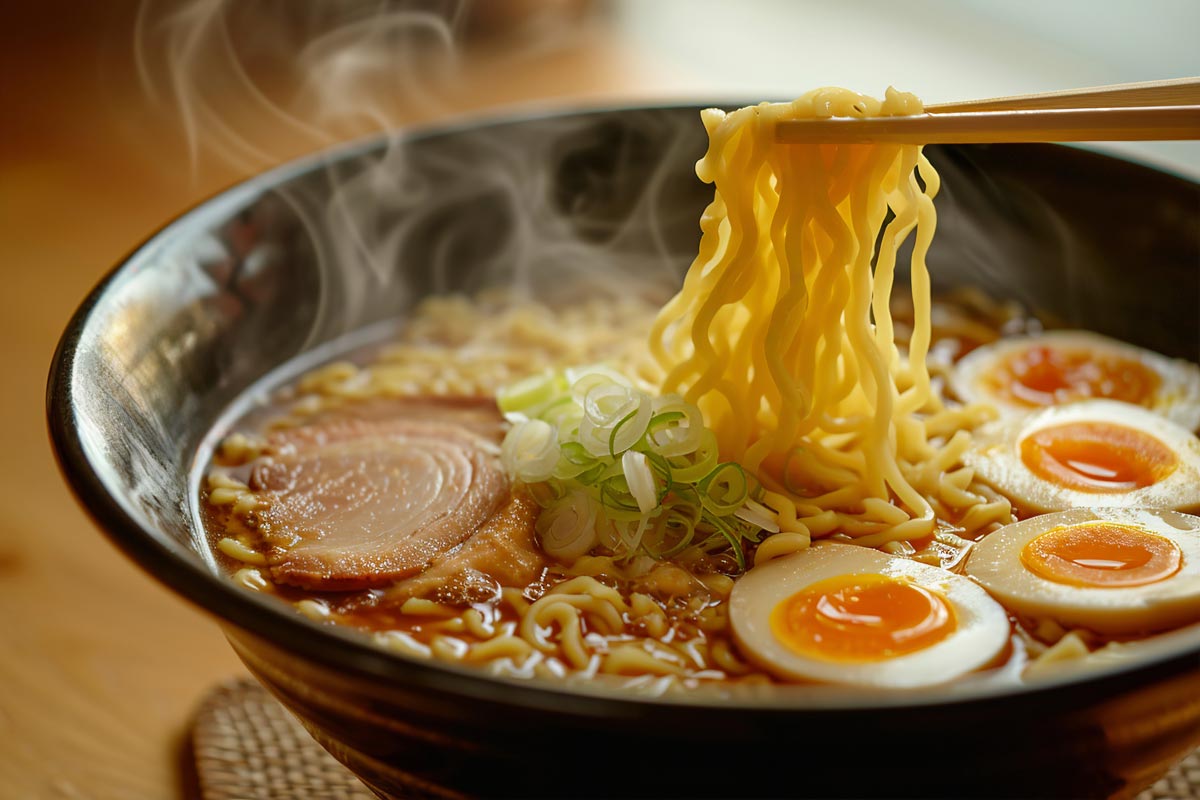
- Hokkaido ramen – Sapporo’s rich miso ramen, Hakodate’s lighter salt-based ramen, and Asahikawa’s soy-flavored style.
- Jingisukan – grilled lamb cooked on a special dome-shaped pan, often eaten with vegetables and dipping sauces.
- Dairy products – soft-serve ice cream, cheeses, and puddings made from local milk.
- Hokkaido crab – look for seasonal specialties such as king crab, snow crab, and hairy crab.
In many markets and train stations, you will also find beautifully packaged regional snacks, such as white chocolate biscuits and butter-based sweets, which make convenient souvenirs.
Getting to and Around Hokkaido
Arriving in Hokkaido
Most international visitors arrive via:
- New Chitose Airport (CTS) – near Sapporo, with direct flights from major Asian cities and domestic flights from Tokyo, Osaka, and other Japanese hubs.
- Hakodate by bullet train – shinkansen from Tokyo to Shin-Hakodate-Hokuto, then local trains into Hakodate and beyond.
If you plan to combine Hokkaido with other regions of Japan, consider whether domestic flights or the shinkansen fit better with your itinerary and rail passes.
Transport Within Hokkaido
Hokkaido is large, and distances between areas can be long. For first-time visitors, there are three main ways to get around:
- Train – JR Hokkaido operates lines connecting major cities like Sapporo, Otaru, Hakodate, Asahikawa, and Kushiro. Trains are comfortable and reliable but some rural areas have limited service.
- Intercity buses – useful for reaching ski resorts, national parks, and smaller towns not well served by trains.
- Rental car – popular for families and small groups, especially in regions like Furano, Biei, and eastern Hokkaido. Roads are generally well maintained and clearly signed, though winter driving requires experience with snow and ice.
In Sapporo and other cities, local subway and bus networks cover most tourist areas. IC cards (rechargeable transport cards) are widely accepted on public transport and in many shops.
Onsen Etiquette and Relaxing in Hot Springs
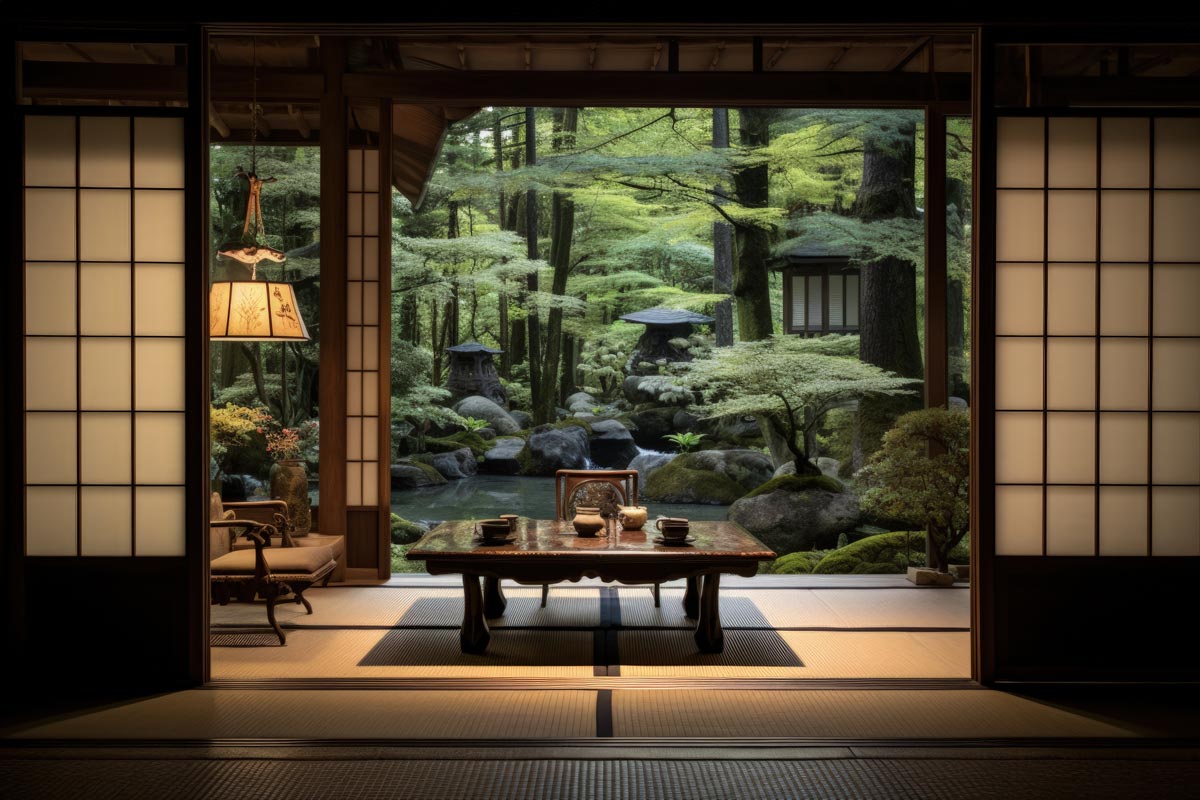
Hokkaido has many onsen (natural hot springs), from rustic baths hidden in forests to luxurious resort spas. Visiting an onsen is a cornerstone of Japanese travel culture and an excellent way to end a day of sightseeing or skiing.
Basic onsen etiquette:
- Wash thoroughly before entering – use the showers in the changing area to clean your body and hair.
- No swimsuits – most traditional onsen are nude, separated by gender.
- Keep towels out of the water – use a small towel for modesty outside the bath, but place it on the edge or on your head while soaking.
- Stay quiet and relaxed – onsen are places for calm, not for loud conversation or splashing.
If you have tattoos, some traditional onsen may restrict entry. Increasingly, however, facilities are becoming more accepting or offering private baths that can be reserved by individuals, couples, or families.
Practical Tips for First-Time Visitors to Hokkaido
- Language – English is less widely spoken than in central Tokyo, especially in rural areas, but hotel staff and tourist information centers are often prepared to assist. Translation apps and offline maps are extremely helpful.
- Cash and cards – major cities accept credit cards widely, but small shops and rural areas may still prefer cash. Convenience stores usually have ATMs that accept international cards.
- Clothing – pack according to season and consider layering year-round. Even summer nights can be cool in the mountains; winters require proper cold-weather gear.
- Advance bookings – reserve popular ski resorts, flower-season accommodations, and festival dates well in advance, as availability can be limited.
- Respect for nature – Hokkaido’s wild landscapes are beautiful but can be harsh. Follow local advice on hiking, wildlife, and winter conditions.
Planning Your Hokkaido Itinerary
For a first trip that includes other parts of Japan, many visitors spend around 3–7 days in Hokkaido. Here are a few simple patterns to consider:
- 3–4 days – Base in Sapporo, with time for city sights and food, plus a day trip to Otaru or a nearby onsen.
- 5–7 days – Combine Sapporo and Otaru with either a ski resort such as Niseko, a flower-focused trip to Furano and Biei, or a visit to Hakodate.
- 7+ days – Add national parks like Daisetsuzan or Shiretoko and explore more remote hot spring towns and coastal areas.
However you shape your journey, Hokkaido offers a refreshing balance to the temples, neon, and crowds often associated with Japan. Its open skies, seasonal beauty, and generous food culture leave many visitors planning a return trip before they have even left.
For first-time travelers, visiting Hokkaido is a chance to see another side of Japan—one that is spacious, quietly dramatic, and unforgettable in any season.
Access Map
Recommended spots in Hokkaido
Blue Pond
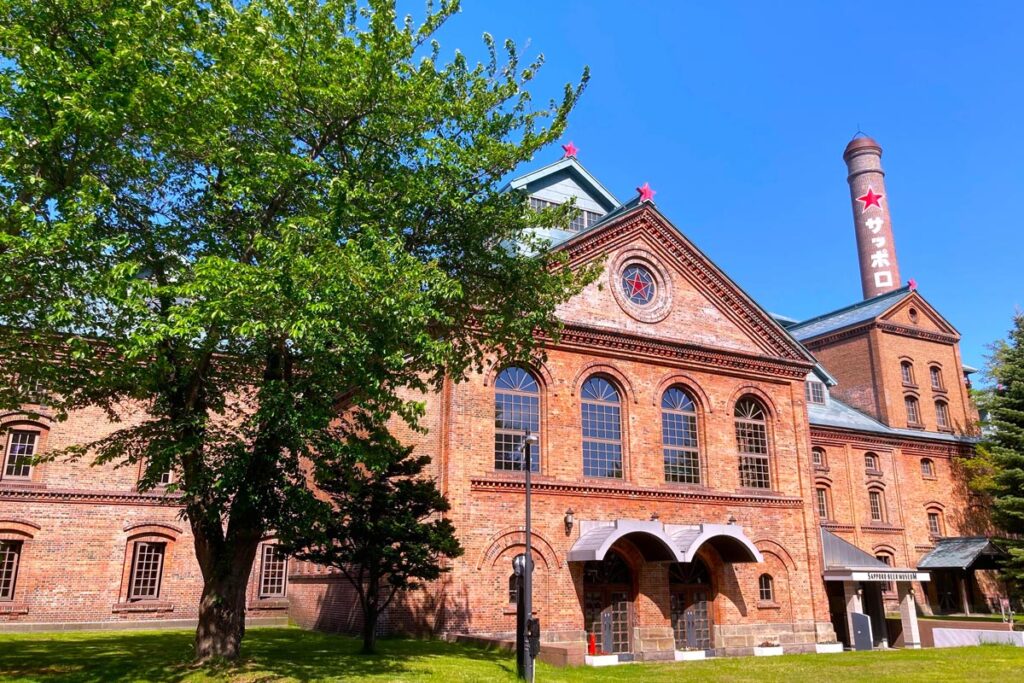
Sapporo Beer Museum
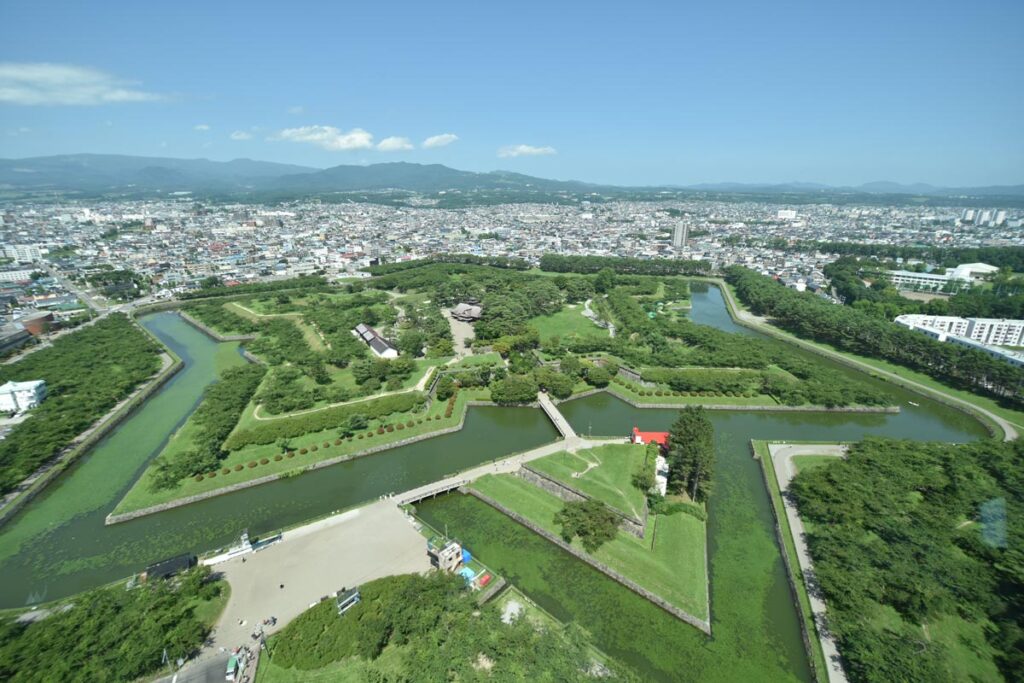
Goryokaku
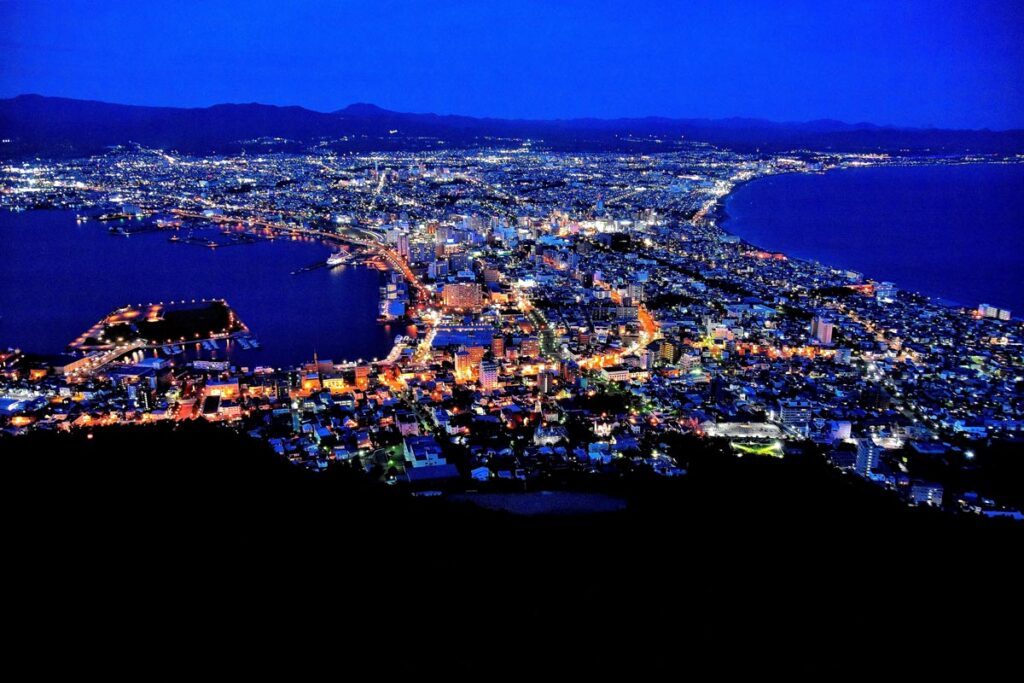
Mount Hakodate Night View
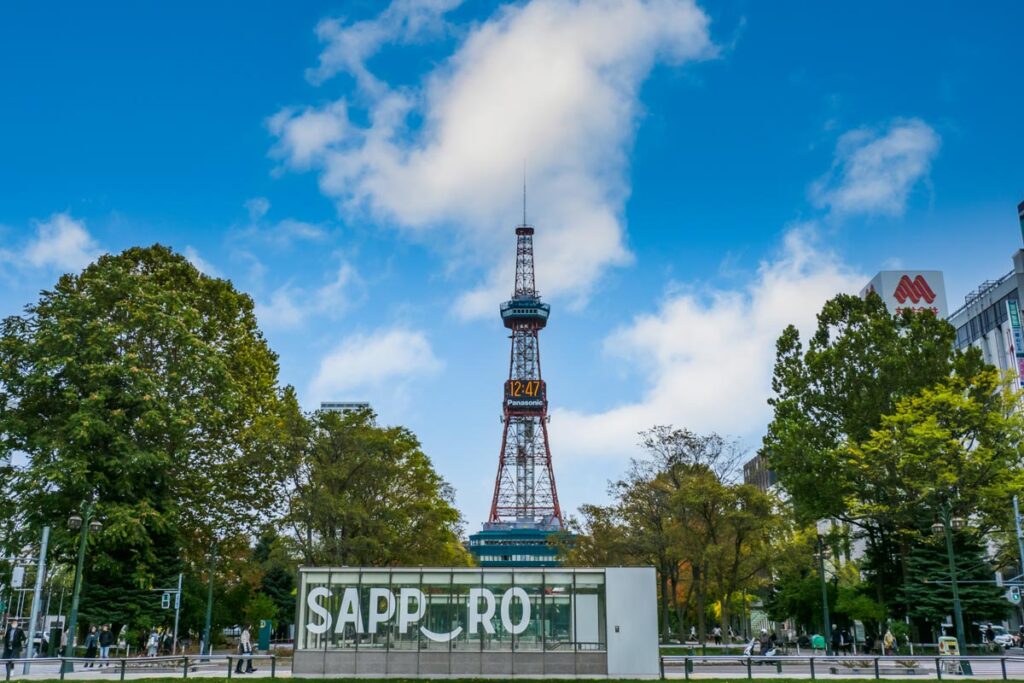
Odori Park
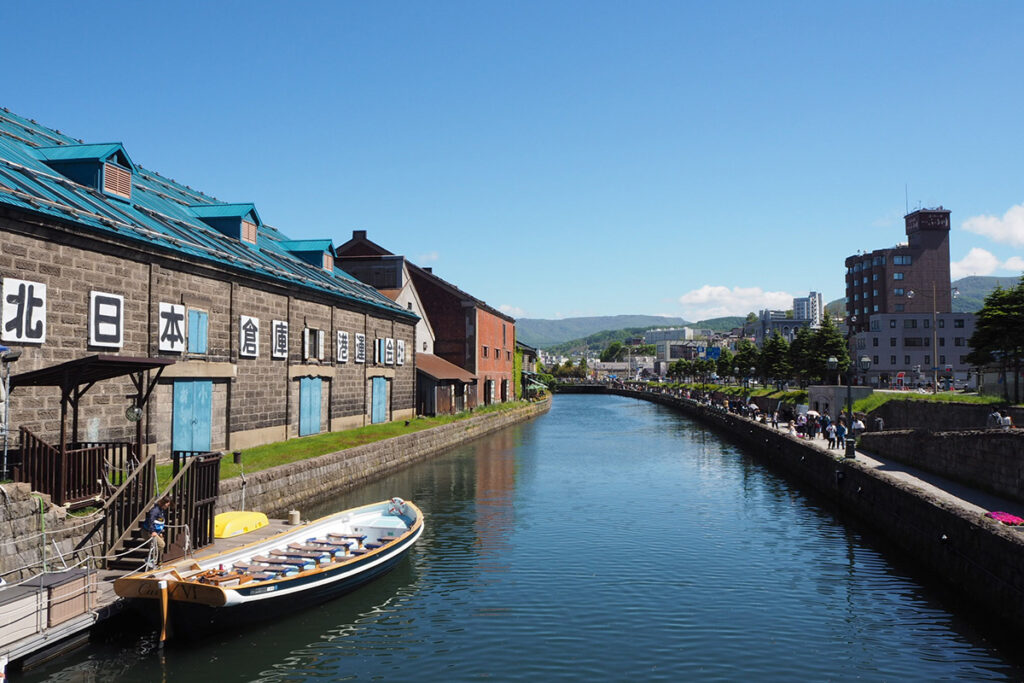
Otaru
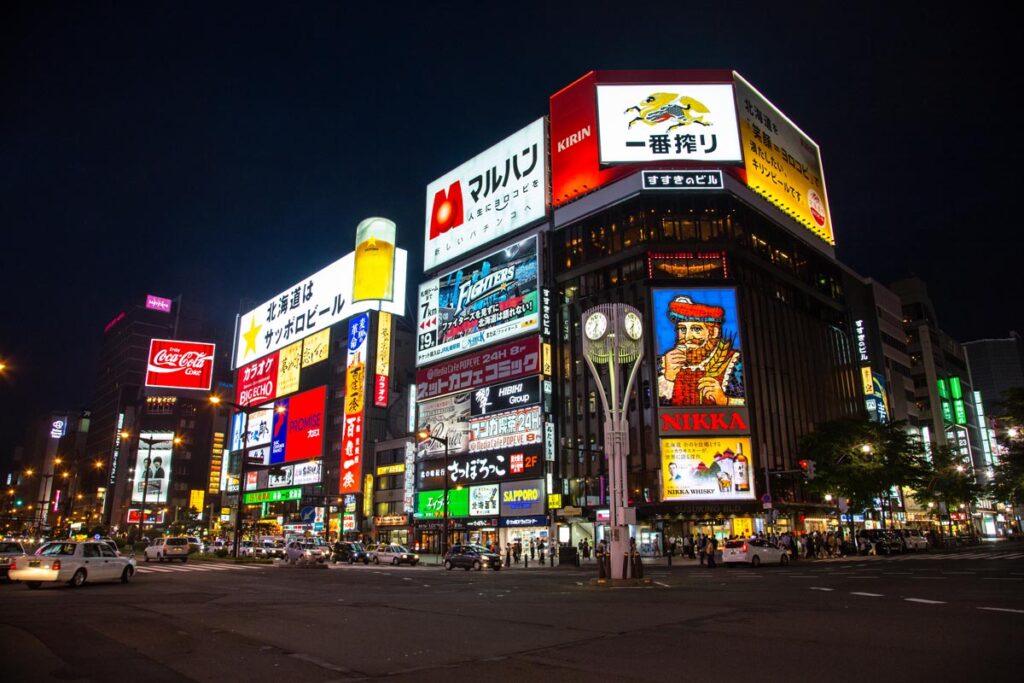
Susukino-Sapporo
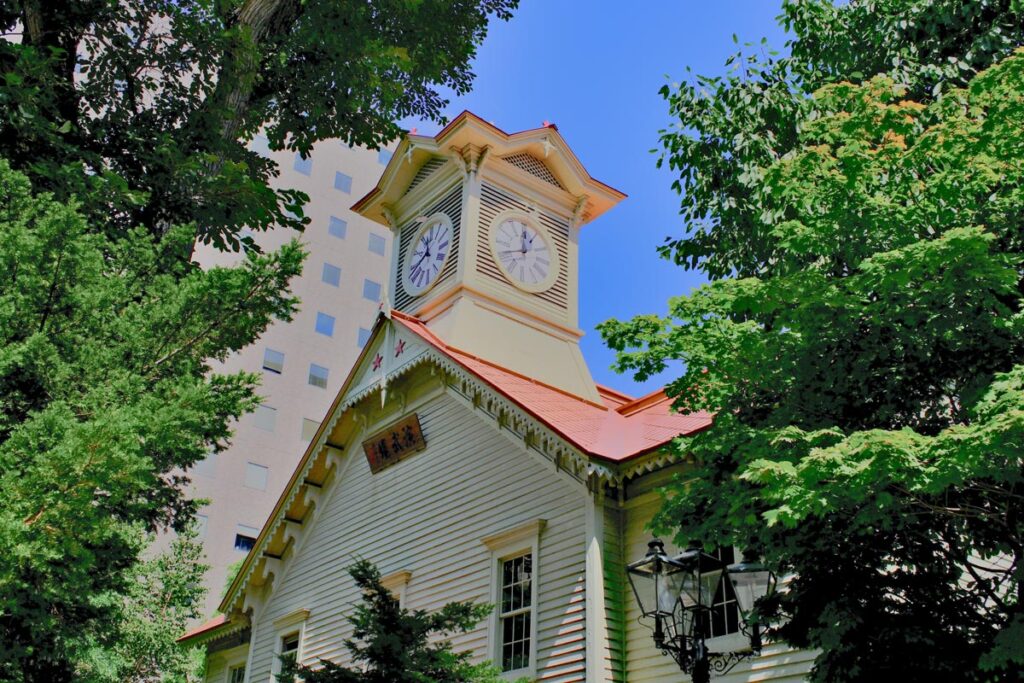
Sapporo Clock Tower
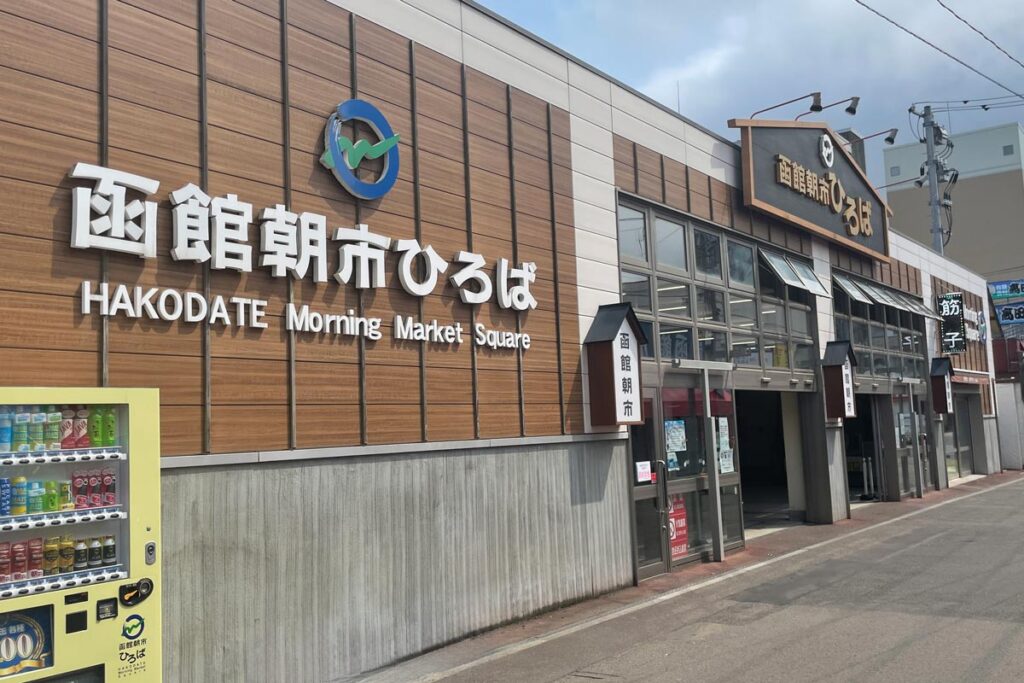
Hakodate Morning Market
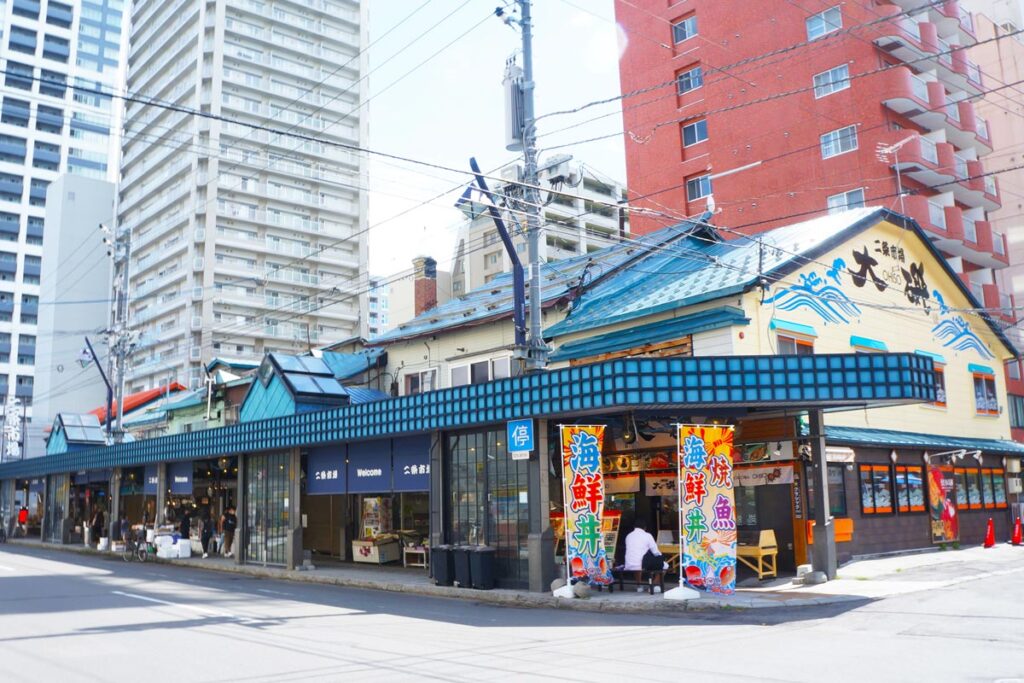
Nijo Market
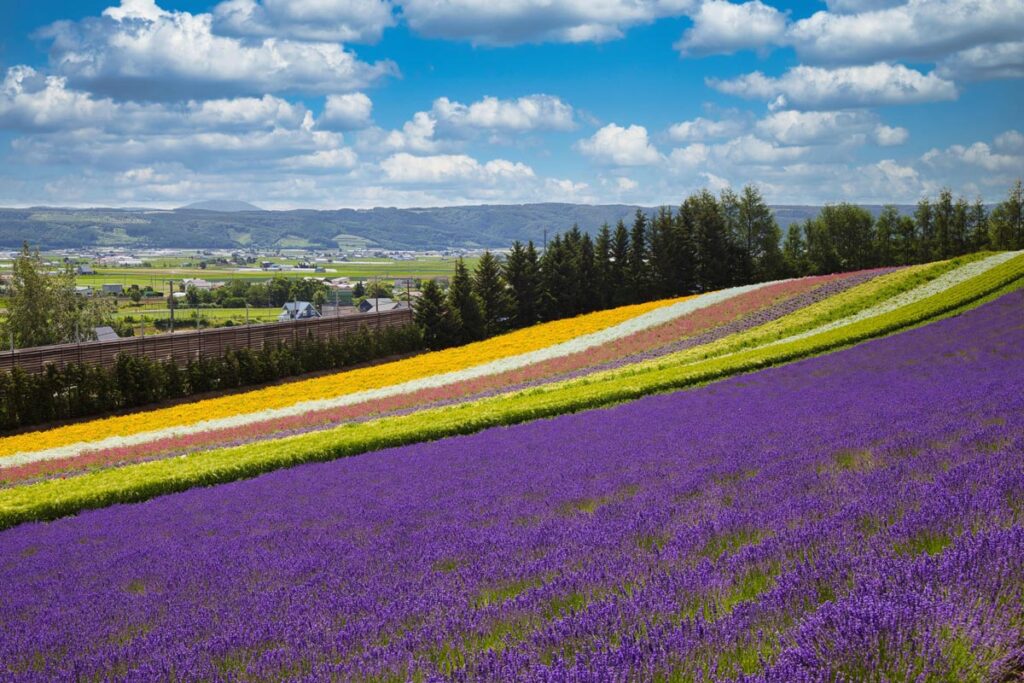
Farm Tomita
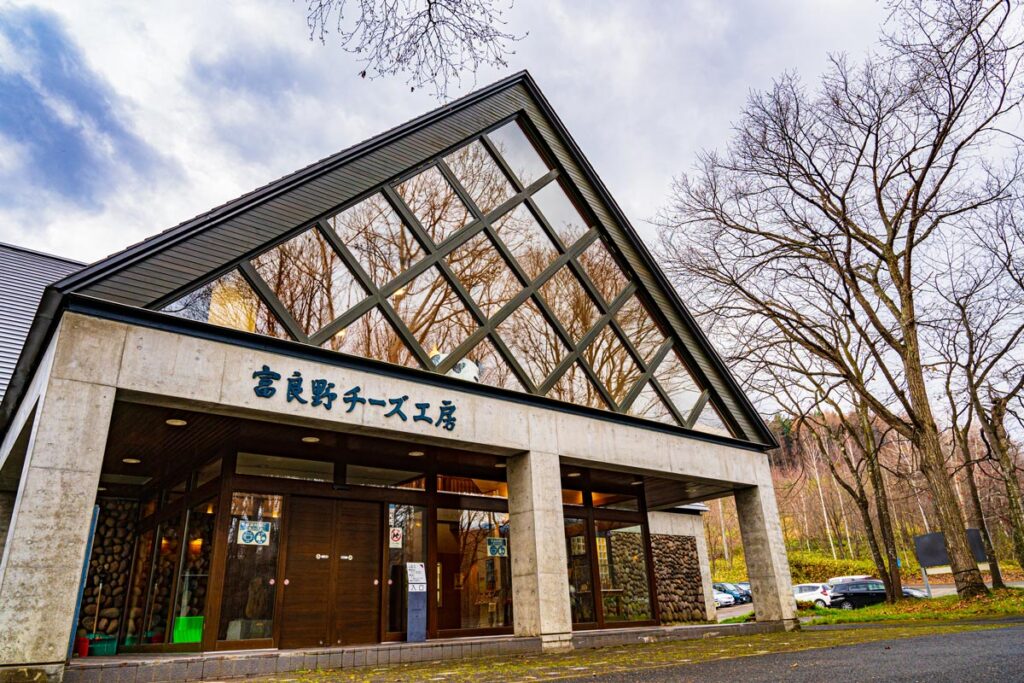
Furano Cheese Factory
Top destinations in Hokkaido & Tohoku
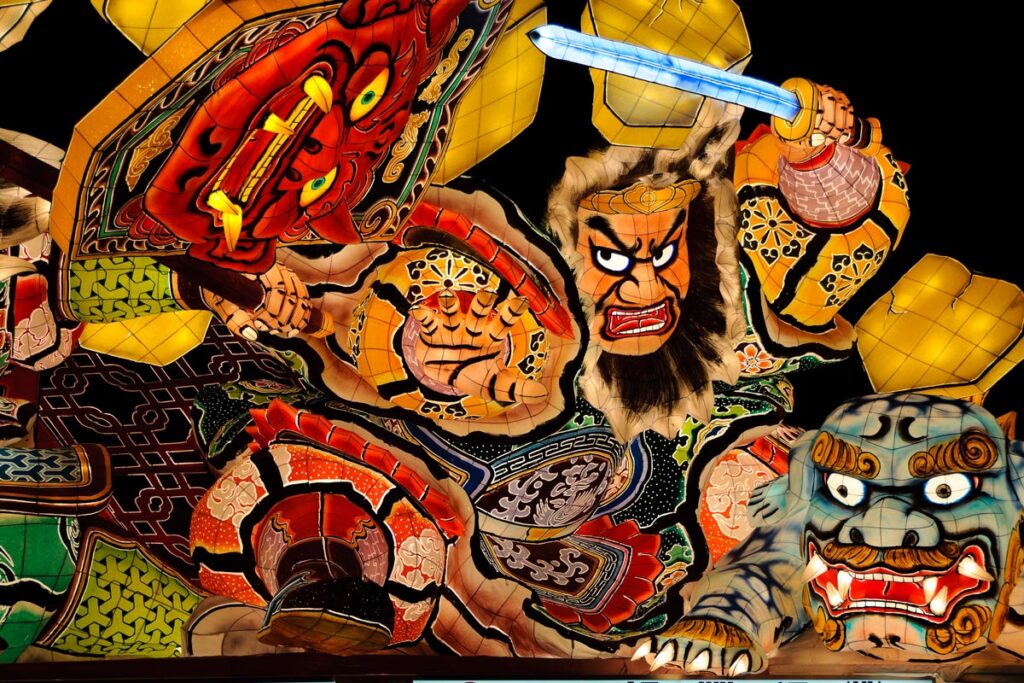
Aomori
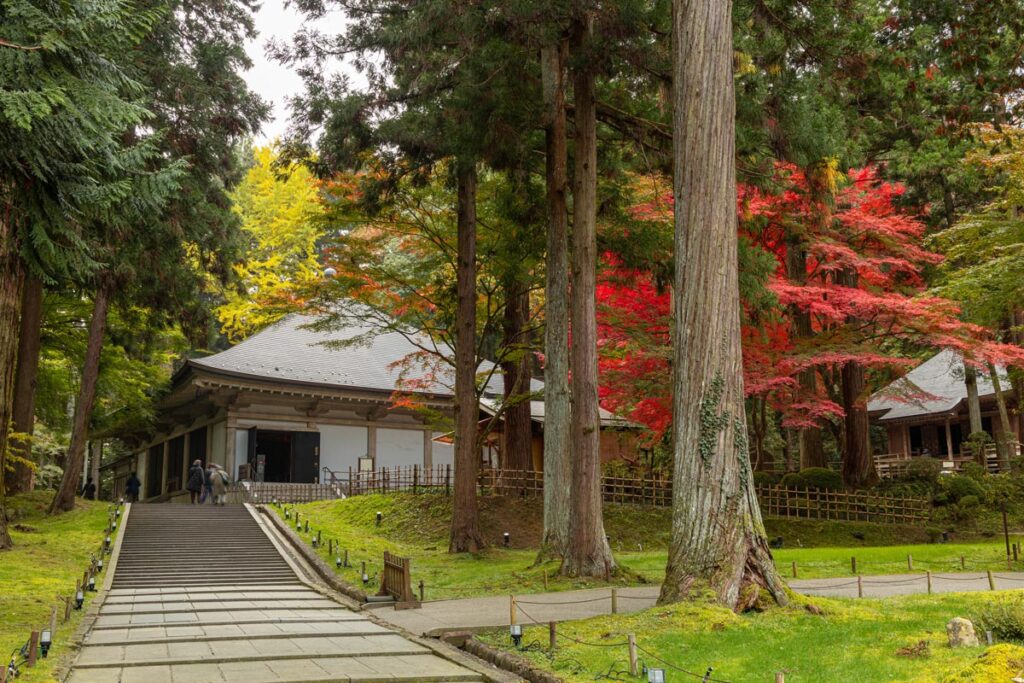
Iwate
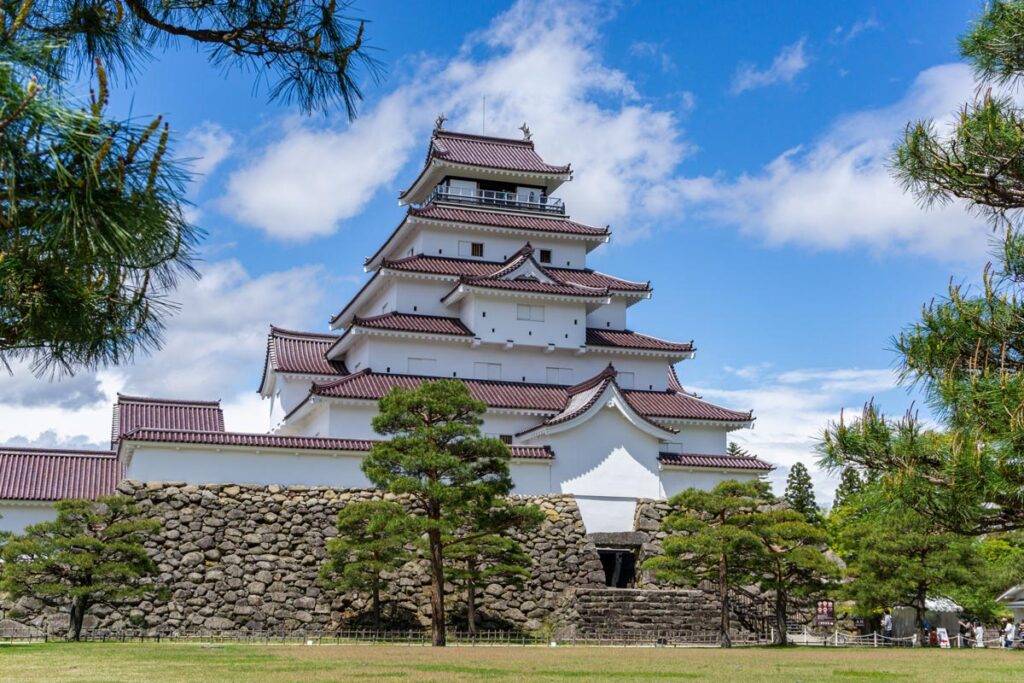
Fukushima
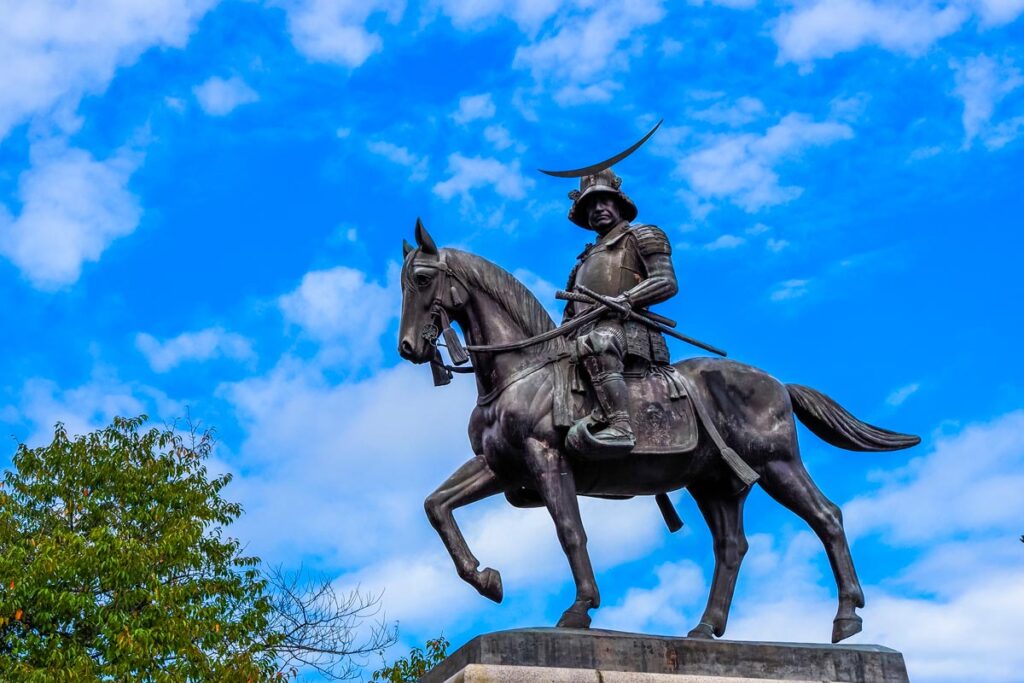
Miyagi
Hokkaido Useful Link