
Blue Pond
Blue Pond in Biei, Japan: A Dreamlike Pool in Hokkaido
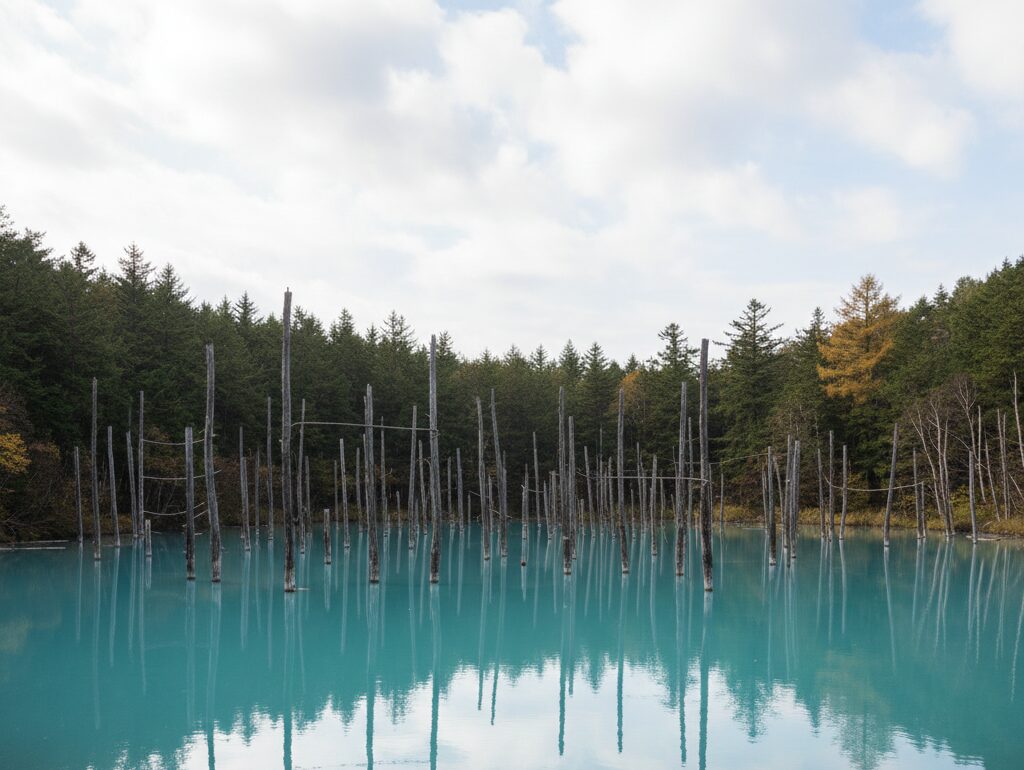
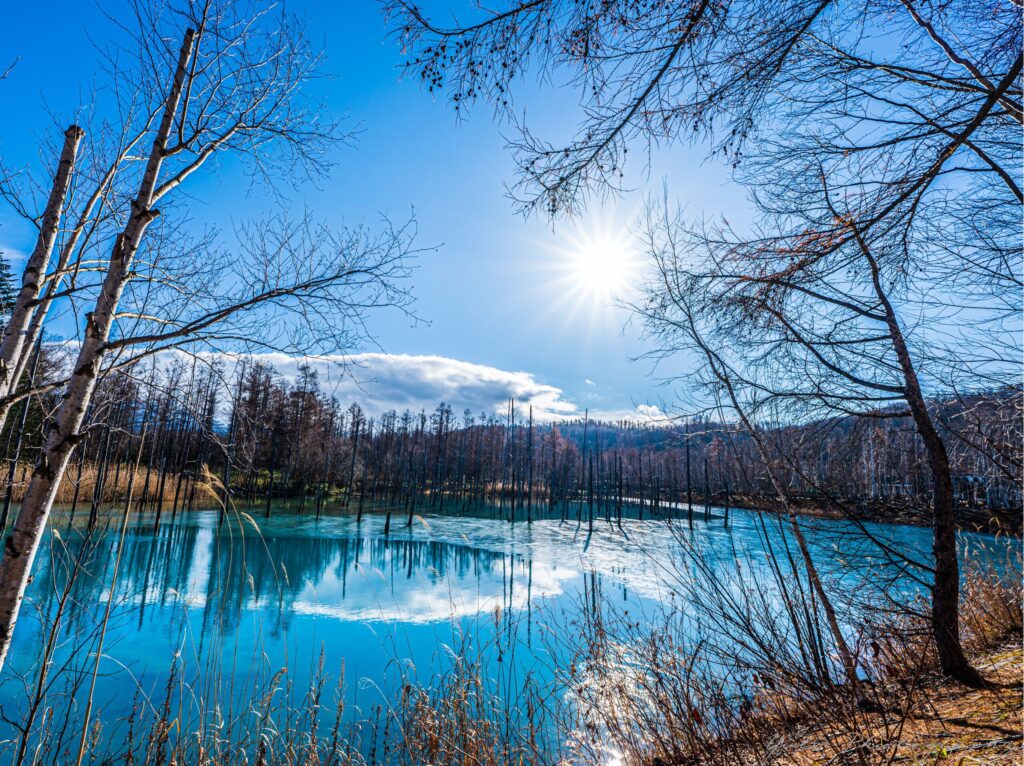
Photos are for illustrative purposes only.
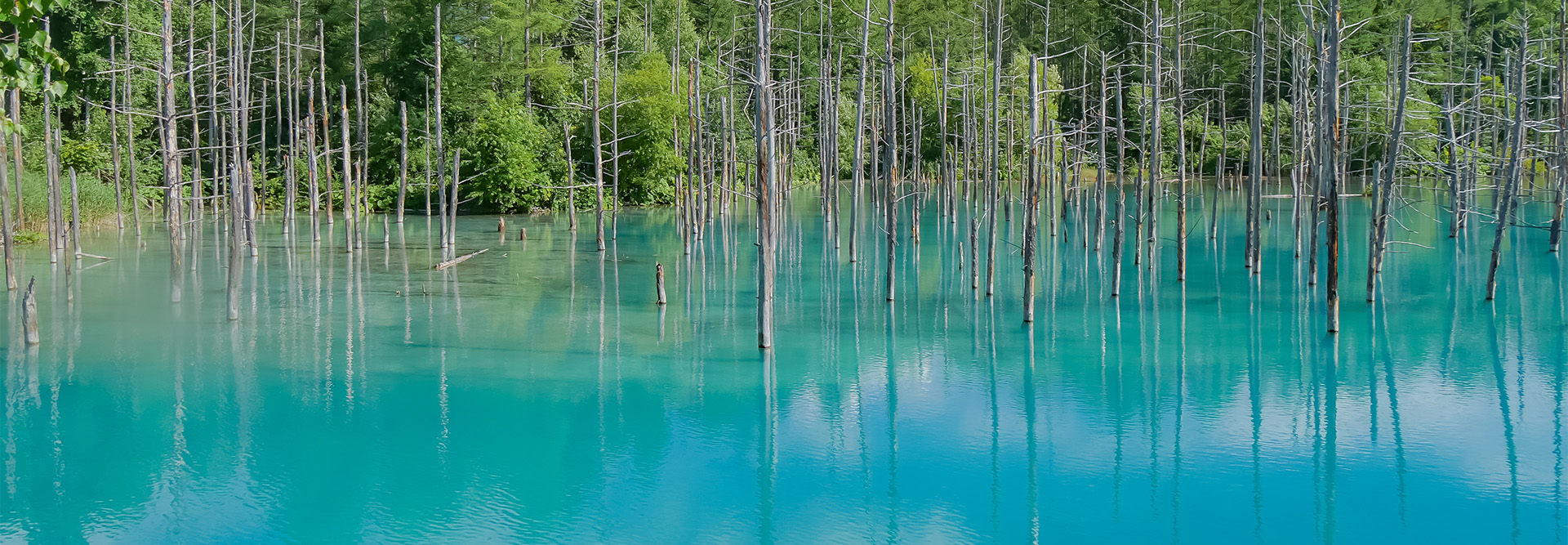
Hidden in the countryside of Hokkaido, the Blue Pond in Biei looks almost unreal: milky turquoise water dotted with pale tree trunks rising like delicate brushstrokes from the surface. On calm days, the pond becomes a natural mirror, reflecting sky and forest so perfectly that it feels like stepping into a painting. For first-time visitors to Japan, this is one of the country’s most photogenic and otherworldly landscapes.
What Is the Blue Pond?
The Blue Pond (Aoiike) is an artificial pond that formed as part of an erosion-control project on the Biei River, near the foot of Mount Tokachi in central Hokkaido. After a volcanic eruption in the late 1980s, engineers built a series of dams to protect the town of Biei from mudflows. One of the ponds created by this system gradually filled with water rich in natural minerals, and over time it took on its now-famous blue color.
Today the Blue Pond is one of Hokkaido’s most iconic sights. Its surreal hue changes subtly with the light, the season, and even the weather, ranging from soft pastel blue to deep cobalt. Standing dead Japanese larch and birch trees pierce the surface, adding an almost mystical atmosphere.
Why Is the Water So Blue?
The color of the Blue Pond is the result of a natural optical phenomenon. Water from nearby hot springs and the Biei River carries fine particles of aluminum hydroxide and other minerals. When sunlight hits these particles, they scatter shorter wavelengths of light—especially blue—back to our eyes. This is similar to how the sky appears blue.
Because the color depends on light conditions, the pond will not look the same twice. On overcast days it can appear softer and more milky; in bright sunshine it can glow with intense, almost neon tones. This constant change is part of its magic.
Where Is the Blue Pond?
The Blue Pond is located in the town of Biei, nearly in the center of Hokkaido, Japan’s northernmost main island. Biei is known for its rolling patchwork fields, wide skies, and panoramic landscapes that feel different from the rest of Japan, more like a rural European countryside with a distinctly Japanese sense of order and detail.
The pond itself sits a short drive east of Biei town, on the road that leads toward Mount Tokachi and the Shirogane Onsen hot spring area. It makes a great day trip from Asahikawa, Furano, or even Sapporo if you are willing to travel a bit longer.
How to Get to the Blue Pond
From Asahikawa
Asahikawa is the closest major city and a convenient base for exploring Biei.
- By Train + Bus: Take a JR train from Asahikawa Station to Biei Station (about 35 minutes on the local line). From Biei Station, seasonal buses run to the Blue Pond and Shirogane Onsen. Check current schedules at the station tourist information center.
- By Car: Renting a car is the most flexible option. The drive from Asahikawa to the Blue Pond takes about 1 hour. Roads are generally straightforward; in winter, allow extra time for snow and ice.
From Sapporo
If you are visiting on a day trip from Sapporo, expect a longer journey.
- By Train: Take a JR limited express train from Sapporo to Asahikawa (around 1.5 hours), then transfer to the local train to Biei and continue by bus or taxi.
- By Car: Driving from central Sapporo to the Blue Pond typically takes around 2.5–3 hours, depending on traffic and weather.
From Furano
Many travelers combine Biei with the flower fields of Furano.
- By Car: The drive from Furano to the Blue Pond takes about 1 hour, passing through scenic farmland.
- By Train + Bus: You can take a local train from Furano to Biei and then continue by bus, but overall it will be slower and less convenient than driving.
For those who prefer not to drive, several tour operators offer half-day or full-day bus tours from Asahikawa, Furano, or Sapporo that include the Blue Pond and other nearby attractions.
When to Visit: Seasons at the Blue Pond
The Blue Pond is a year-round destination, and each season gives it a completely different character. Choosing when to visit depends on the kind of atmosphere and photos you are hoping for.
Spring (April–June)
As the snow melts and the landscape slowly turns green, the Blue Pond tends to show gentle, pale blue tones. Early spring can still be chilly in Hokkaido, with patches of snow on the ground, while late spring brings fresh leaves on the surrounding trees. Crowds are moderate, and the weather is often clear, making this a pleasant time for first-time visitors.
Summer (July–August)
Summer is peak season in Biei, especially from late June through August when the surrounding fields burst into color. You can easily combine the Blue Pond with visits to flower parks, lavender fields, and farm cafés. The water can appear vividly blue in strong summer light. Temperatures are comfortable compared to much of Japan, but expect more visitors and tour buses during the day.
Autumn (September–November)
Autumn might be the most dramatic time to see the Blue Pond. The surrounding hills and forests turn shades of yellow, orange, and red, forming a colorful frame for the blue water. Early autumn is usually mild and clear; by late October and November it becomes colder, and you may see the first traces of snow on distant peaks.
Winter (December–March)
In winter, the Blue Pond is often partially or completely frozen, and its famous color can be hidden under snow. Instead, the scenery becomes monochrome and tranquil, with ice, snow, and the rising tree trunks creating a minimalist, almost abstract landscape. Roads can be icy, and you will need proper winter clothing, but on clear days the contrast between white snow and blue sky is spectacular. In some winters, the area features special evening illuminations, turning the snow-covered pond into a glowing night scene.
What to Expect When You Arrive
Entrance and Facilities
Access to the Blue Pond is free. A parking lot sits a short walk from the water, and a well-maintained path leads visitors along the shoreline. Facilities may include public restrooms and simple vending machines, but services are limited, especially outside peak season. There are no cafés or restaurants right by the pond, so eat beforehand or bring water and snacks.
The Walking Route
The viewing area consists of a compact loop alongside the pond, taking 15–30 minutes at a relaxed pace. The path is mostly flat and covered with gravel or boardwalk sections. Benches and viewpoints are placed at intervals so you can take time to enjoy the scenery rather than rushing to the most photographed spot.
While you cannot go down to the water’s edge or swim (and should never attempt to), you can see the pond clearly from multiple angles. On windy days, the surface ripples and the reflections blur; on calm days, the symmetry between sky, trees, and water is striking.
Photography Tips for the Blue Pond
The Blue Pond is a dream location for photographers, but a bit of planning helps you capture its best side.
- Time of Day: Morning and late afternoon generally offer softer light and fewer crowds. Midday sun can make the colors vivid but also increase glare on the water.
- Weather: Slightly overcast days can be ideal. Diffused light reduces harsh shadows and can bring out the pond’s milky color. After heavy rain, the water can look less clear, so allow a day or two if possible.
- Angles: Move along the path to find different compositions: close-ups of the tree trunks, wider shots including the surrounding forest, or symmetrical scenes emphasizing reflections.
- Equipment: A polarizing filter can help control reflections and deepen colors, but sometimes you will want to keep reflections for a mirror-like effect. If visiting in winter, keep batteries warm as the cold can drain them quickly.
- Respect Others: Tripods are popular here, but be mindful not to block the path or dominate a single viewpoint during busy times.
Etiquette and Environmental Care
Like many of Japan’s natural attractions, the Blue Pond is carefully protected. Responsible behavior keeps the landscape beautiful for everyone.
- Stay on the Path: Do not cross fences or barriers, even for a better photo. The banks are fragile and erosion can damage the ecosystem.
- No Swimming or Drones: Entering the water is prohibited, and drones are often banned or strictly regulated to protect both visitors and wildlife.
- Take Your Rubbish With You: Trash bins may be limited. Carry out everything you bring in.
- Keep Noise Low: Many visitors come for the peaceful atmosphere. Speak softly and avoid playing music out loud.
Nearby Attractions in Biei and Shirogane
To make the most of your trip, combine the Blue Pond with other scenic spots in the Biei area.
Shirogane Onsen
A short drive or bus ride beyond the Blue Pond, Shirogane Onsen is a small hot spring resort nestled in the forested foothills of Mount Tokachi. Several inns and hotels offer day-use baths, so you can soak in mineral-rich waters after your visit. Outdoor baths surrounded by trees are especially atmospheric in winter when snow piles up around the steaming pools.
Shirahige Falls
Close to Shirogane Onsen, Shirahige (“White Beard”) Falls cascade down a cliff into a turquoise river. Viewed from a bridge above, the falls and river form a striking scene, particularly in winter when icicles form along the rocks. The same mineral-rich water that colors the Blue Pond gives the river its unique hue.
Biei’s Scenic Hills and Viewpoints
The town of Biei is famous for its gently undulating hills and patchwork fields of wheat, potatoes, and seasonal flowers. Scenic viewpoints such as Panorama Road and Patchwork Road offer sweeping vistas, especially beautiful at sunrise and sunset. Iconic solitary trees scattered across the fields have become beloved photography subjects.
Furano’s Flower Fields
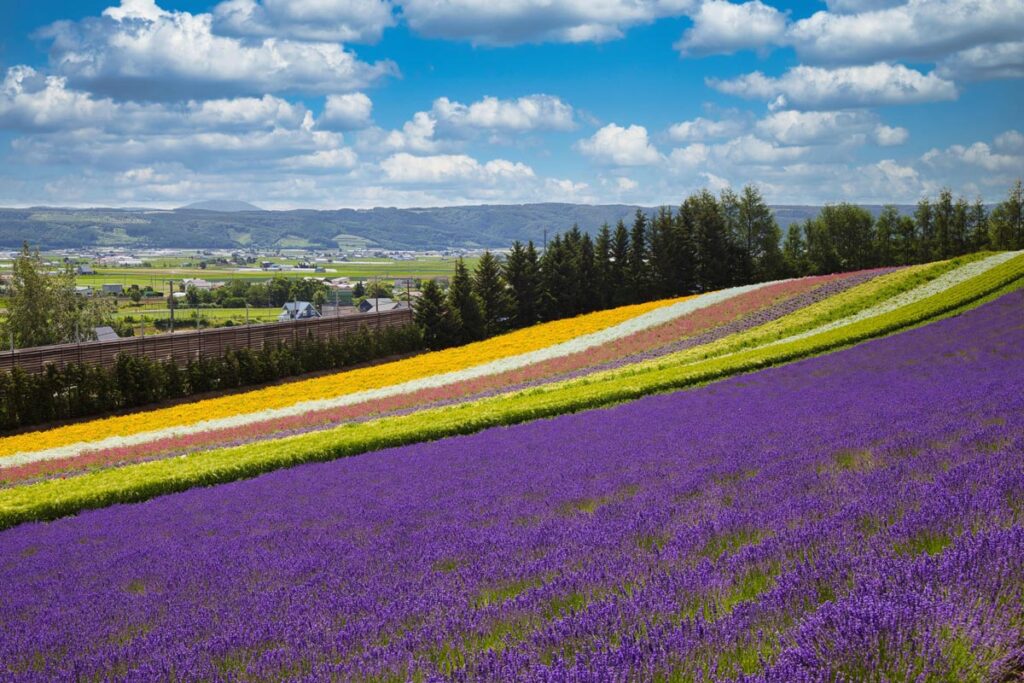
If you visit in summer, consider continuing to Furano, known for lavender, colorful flower gardens, and farm cafés serving lavender-flavored soft-serve ice cream. The combination of Furano’s bright fields and Biei’s Blue Pond makes for a full day of Hokkaido’s natural highlights.
Practical Tips for First-Time Visitors
- Clothing: Hokkaido’s weather is changeable. Even in summer, mornings and evenings can be cool. Bring layers and a light jacket. In winter, wear proper boots with good grip, gloves, and a hat.
- Footwear: The path around the pond can get muddy or icy. Comfortable, closed shoes with some traction are recommended year-round.
- Cash and Connectivity: Small rural facilities may not accept credit cards. Have some cash on hand, and do not assume constant mobile reception, though it is generally good around Biei.
- Language: Basic English information is often available on signboards, but staff at bus stops or small shops may speak limited English. Having your destination name written in Japanese (e.g., “青い池” for the Blue Pond) can help.
- Driving: If you rent a car, remember that Japan drives on the left. Winter driving in Hokkaido requires caution: snow tires are standard, but slow speeds and extra distance between cars are essential.
Suggested Itineraries Including the Blue Pond
Half-Day Trip from Biei
- Morning: Explore Biei’s hilltop viewpoints and countryside roads.
- Midday: Lunch at a local café or farm restaurant.
- Afternoon: Visit the Blue Pond and nearby Shirahige Falls.
Full-Day Circuit from Asahikawa or Furano
- Morning: Depart by car or tour bus, stopping at viewpoints in Biei.
- Late Morning: Visit the Blue Pond before peak crowds.
- Afternoon: Soak at Shirogane Onsen, then return via additional scenic stops or continue on to Furano’s flower fields (in summer).
Is the Blue Pond Worth It for First-Time Travelers?
For many international visitors, the Blue Pond offers a very different side of Japan from the temples of Kyoto or the neon streets of Tokyo. It showcases Japan’s northern landscapes, where volcanic mountains, hot springs, and quiet farming towns shape daily life. If your itinerary already includes Hokkaido, or if you love atmospheric nature photography and peaceful rural scenery, the Blue Pond is well worth adding to your journey.
Standing on the path, watching the wind ripple across blue water as slender trees rise from the surface, you may feel—as many visitors do—that Hokkaido reveals not only its beauty but also its calm, wide-open sense of space. The Blue Pond is small, but its quiet magic lingers long after you leave.

Access Map
Recommended spots in Hokkaido
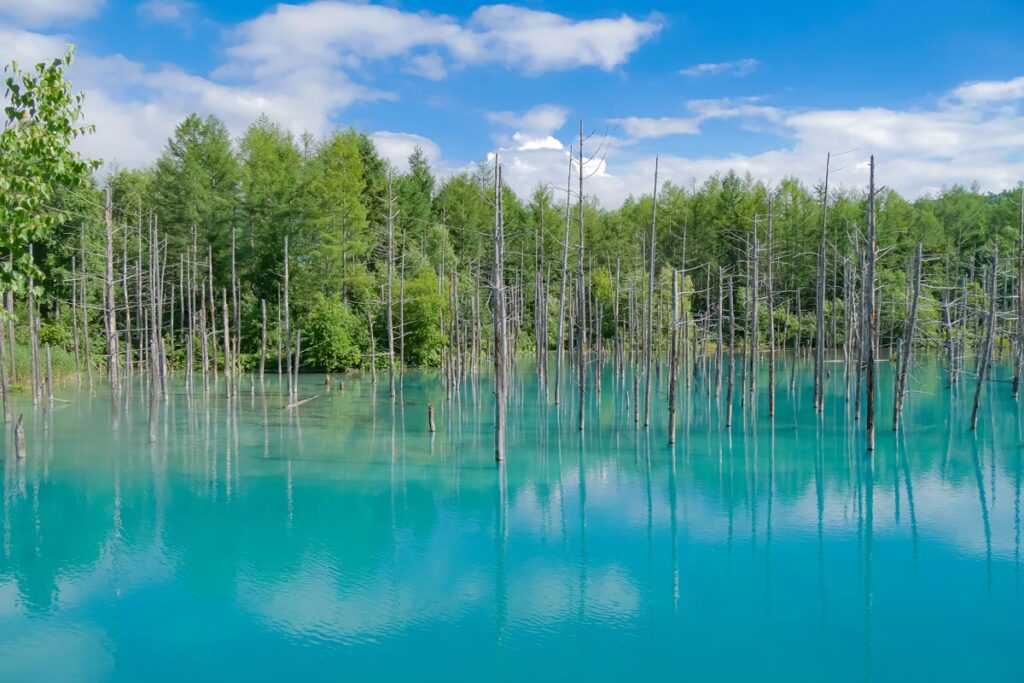
Blue Pond
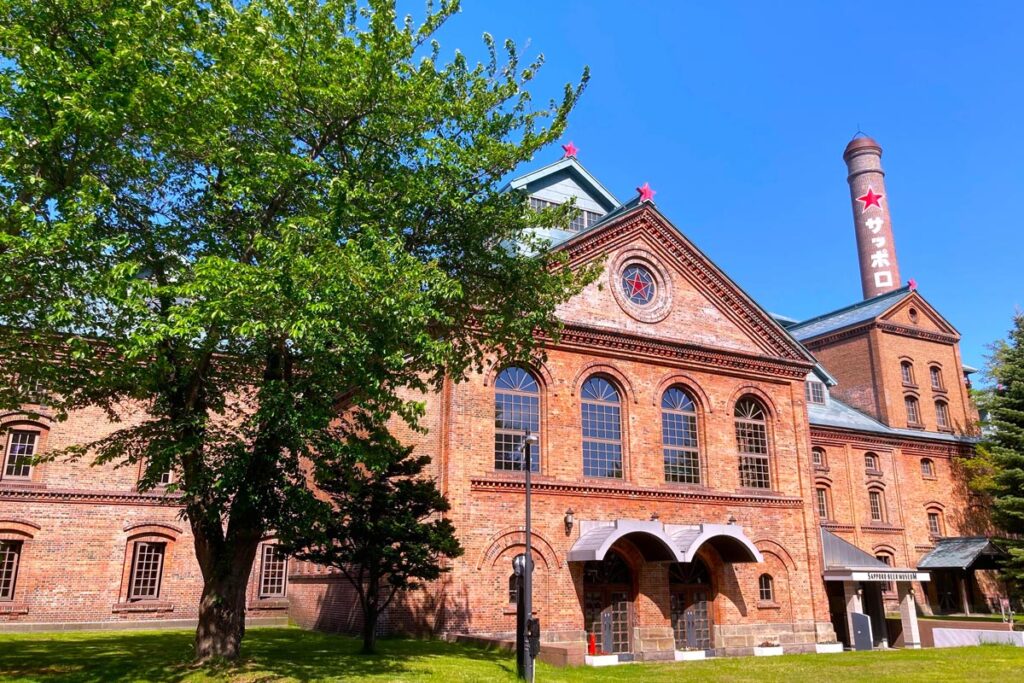
Sapporo Beer Museum
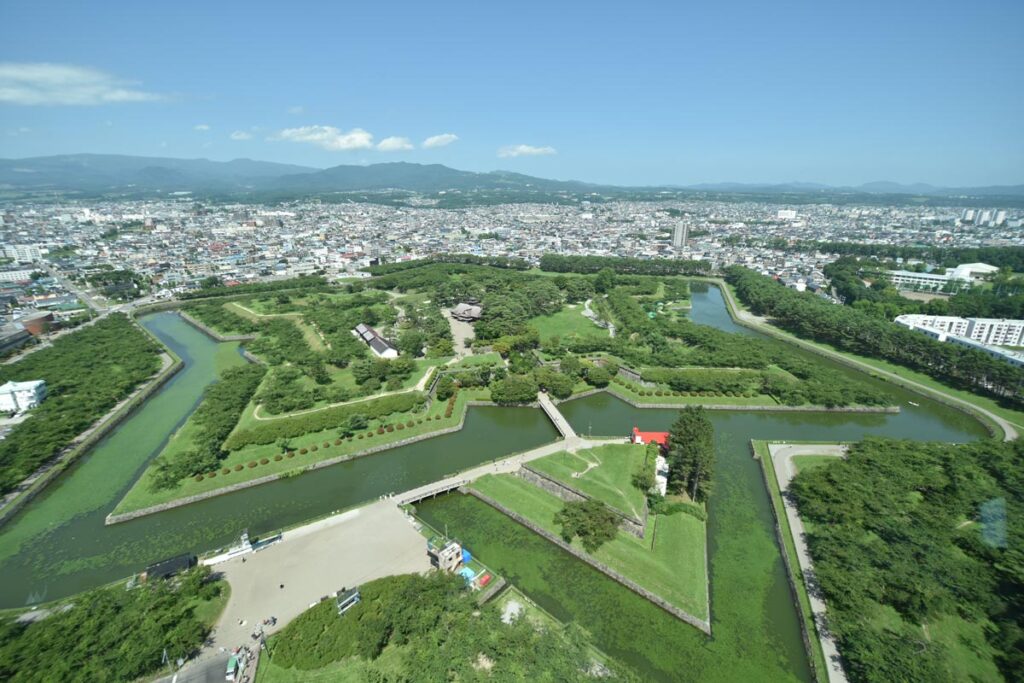
Goryokaku
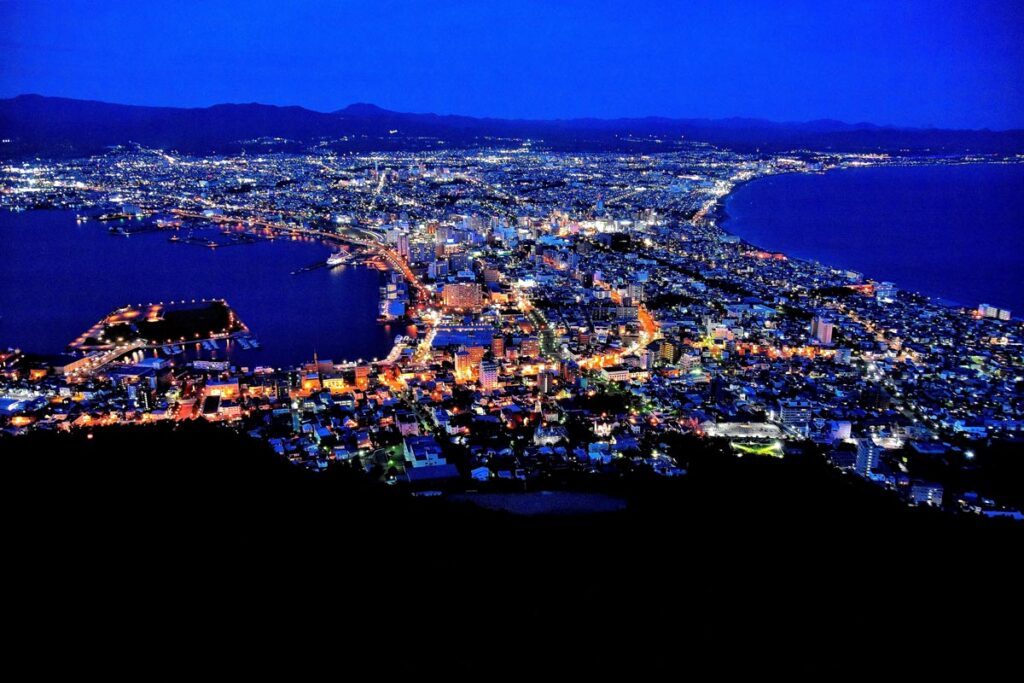
Mount Hakodate Night View
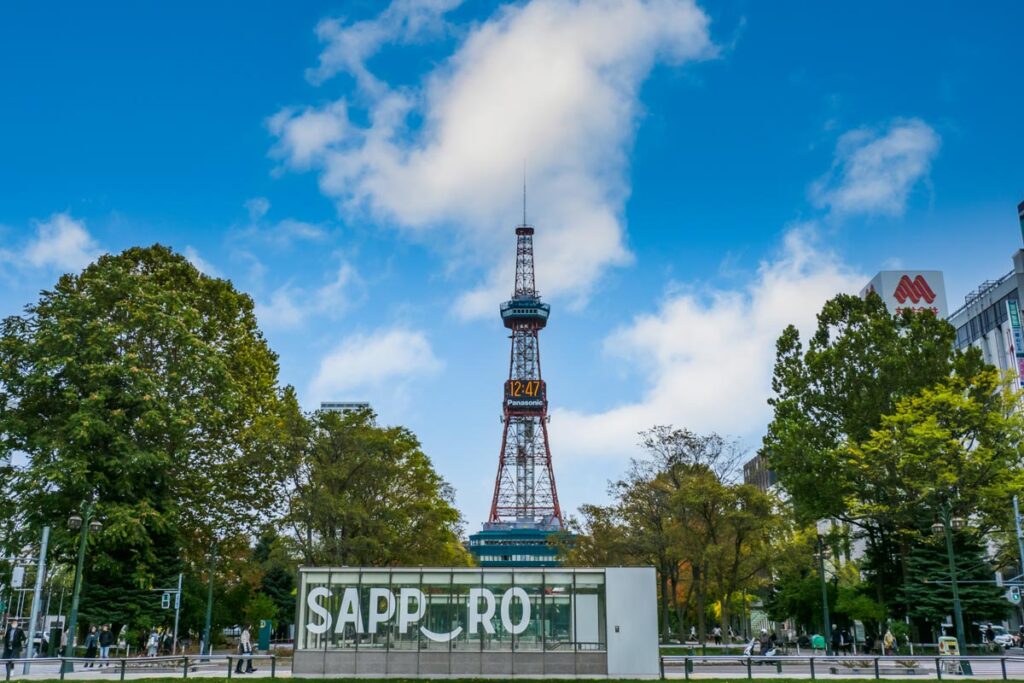
Odori Park
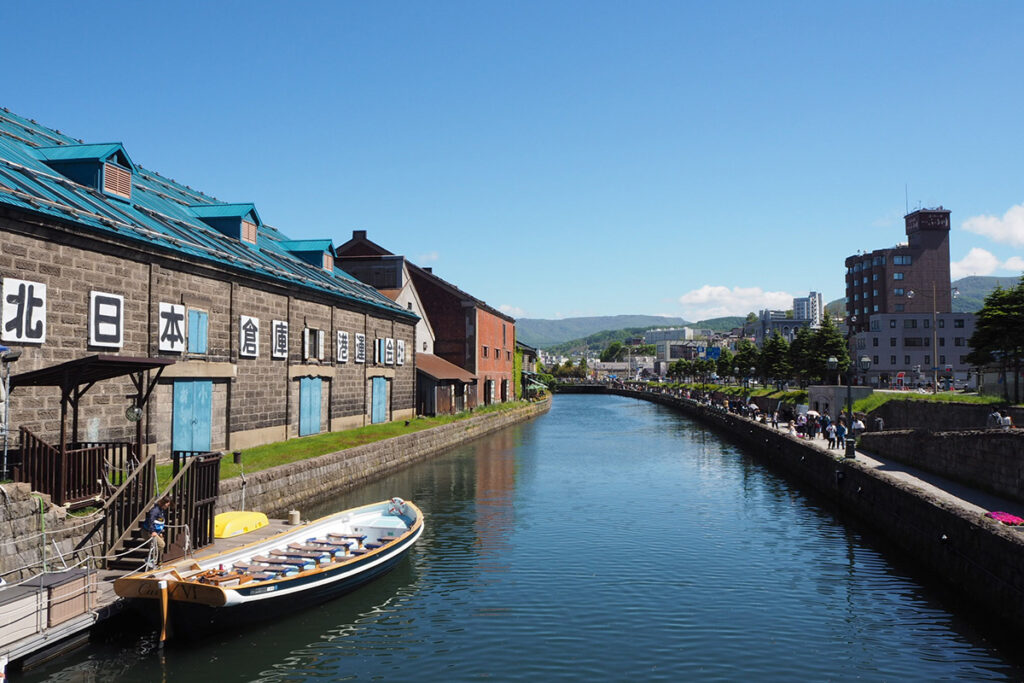
Otaru
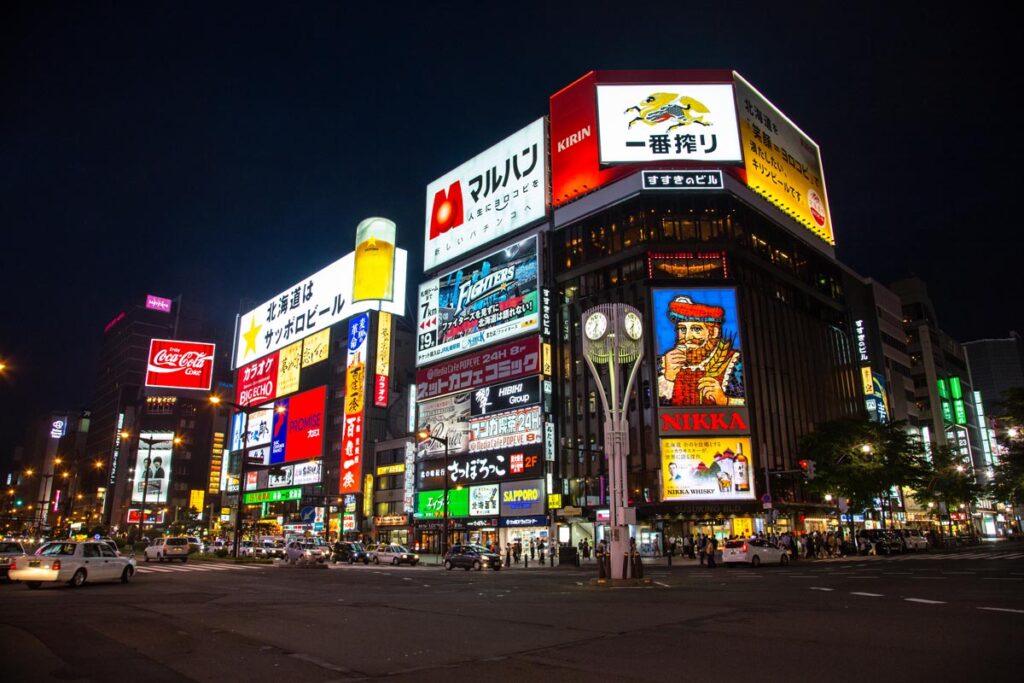
Susukino-Sapporo
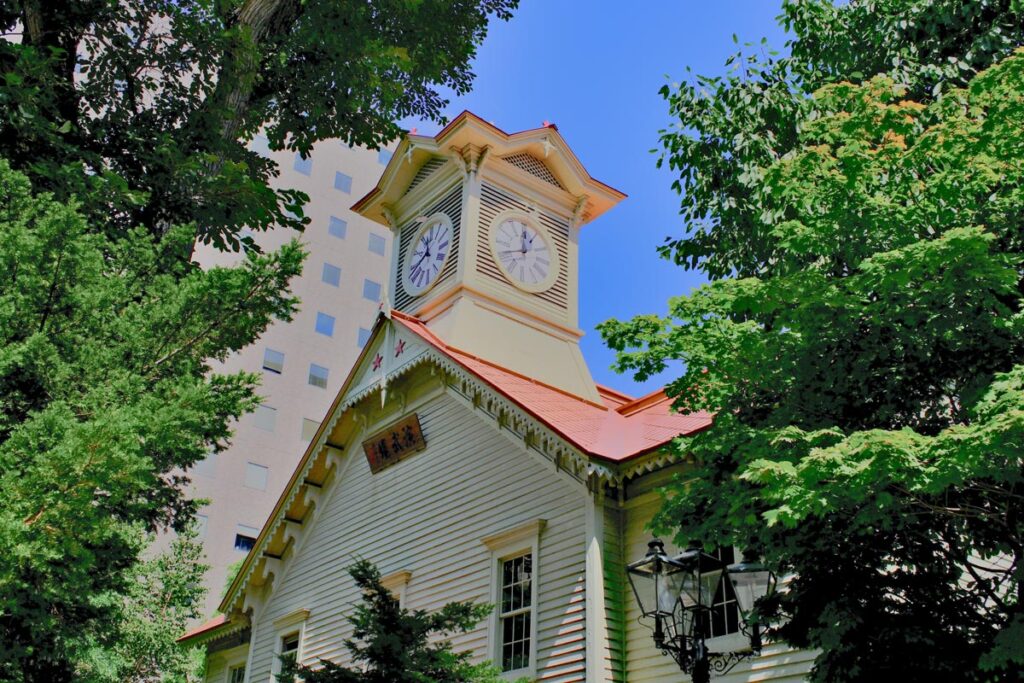
Sapporo Clock Tower
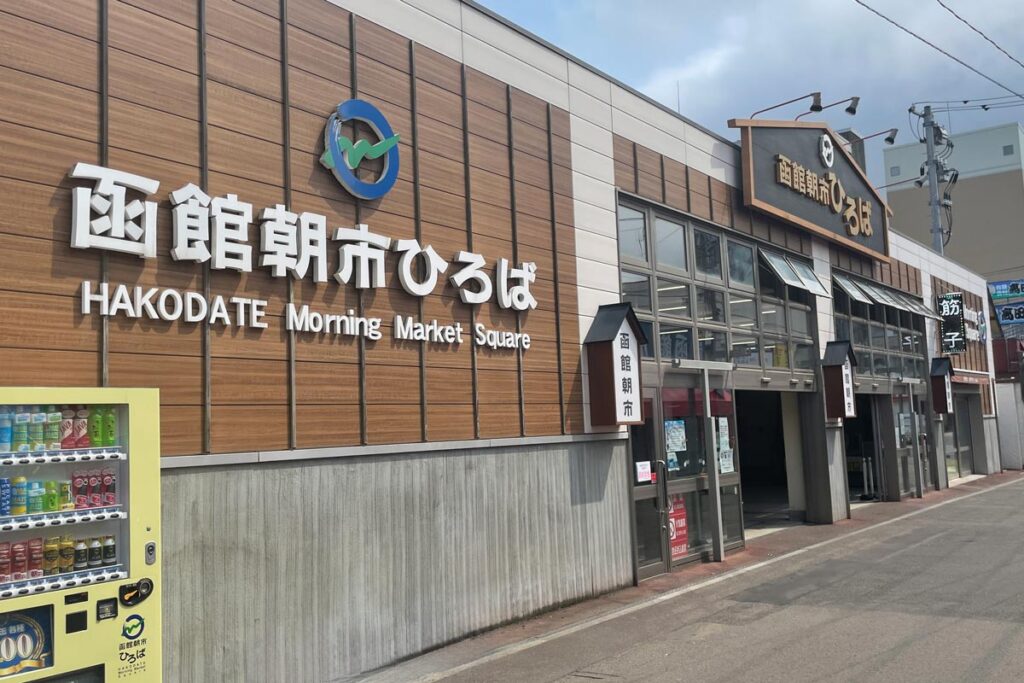
Hakodate Morning Market
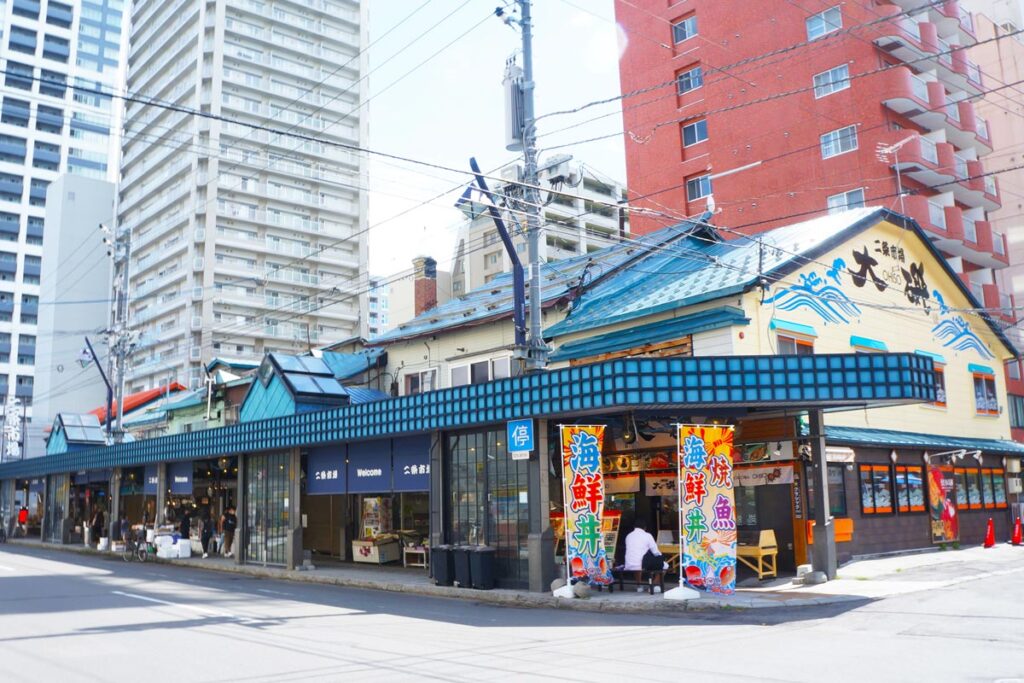
Nijo Market
Farm Tomita
Furano Cheese Factory
Top destinations in Hokkaido & Tohoku
Aomori
Iwate
Fukushima