
Goryokaku
Goryokaku Travel Guide: Hakodate’s Star-Shaped Fortress
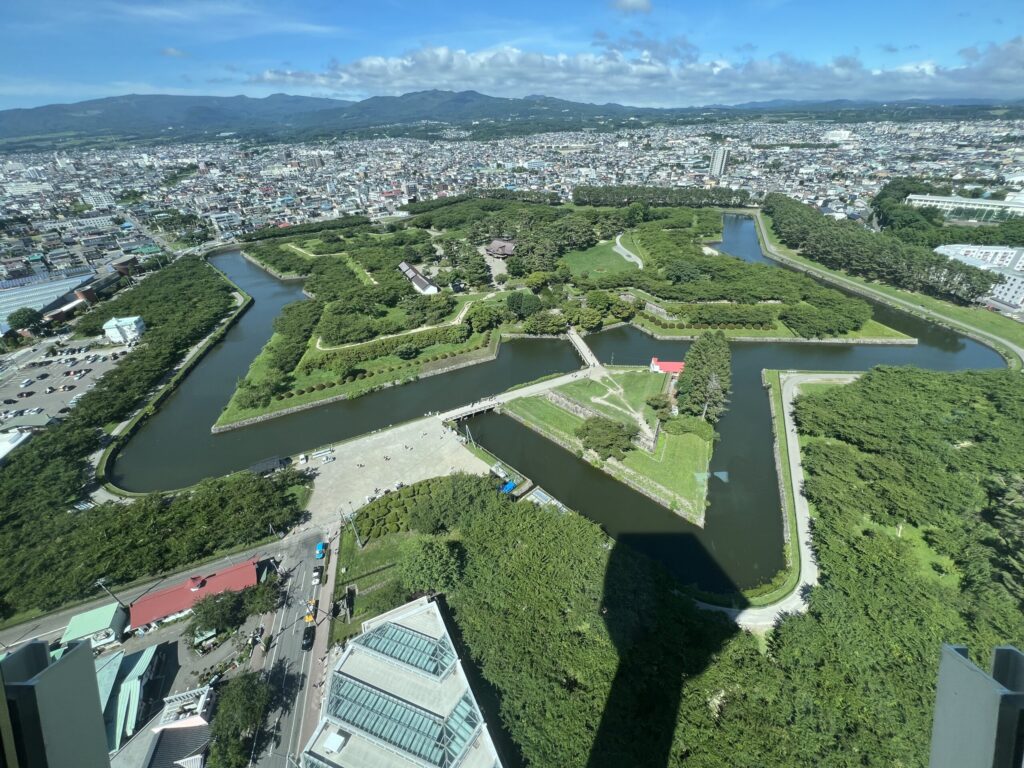
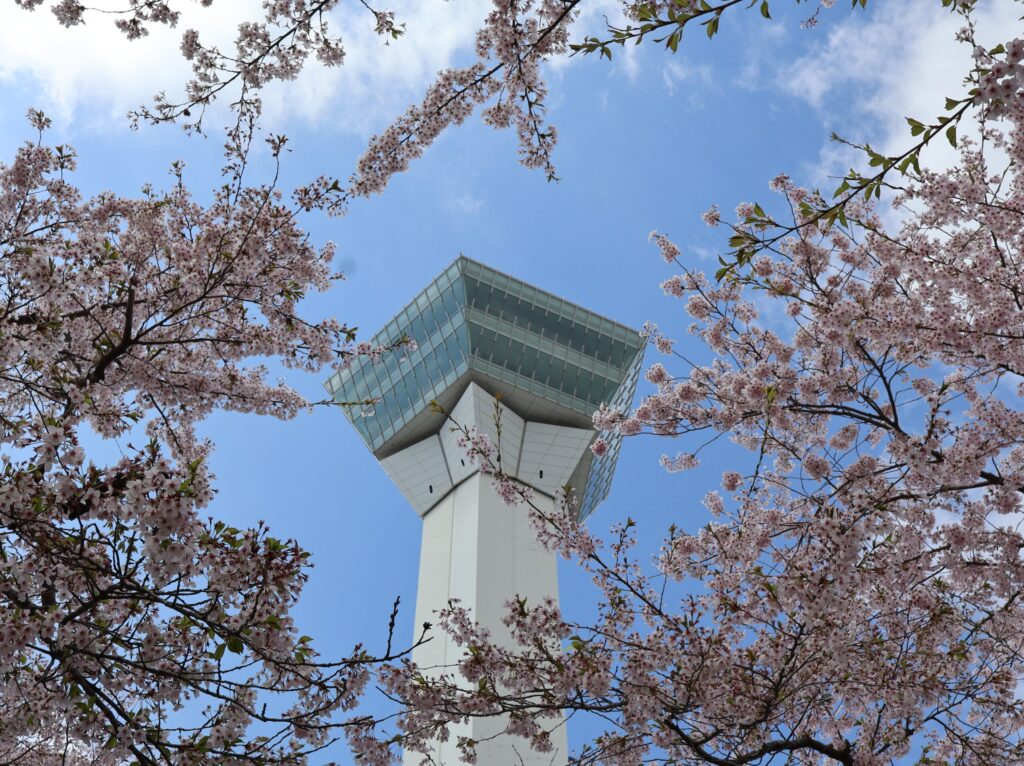
Photos are for illustrative purposes only.
In the northern port city of Hakodate, on Japan’s northernmost main island of Hokkaido, Goryokaku offers one of the country’s most distinctive blends of history, nature, and panoramic city views. This star-shaped fortress-turned-park is especially famous for cherry blossoms, but it is worth visiting in every season, particularly for first-time travelers who want a compact, easy-to-enjoy slice of Japanese history and culture.
What Is Goryokaku?
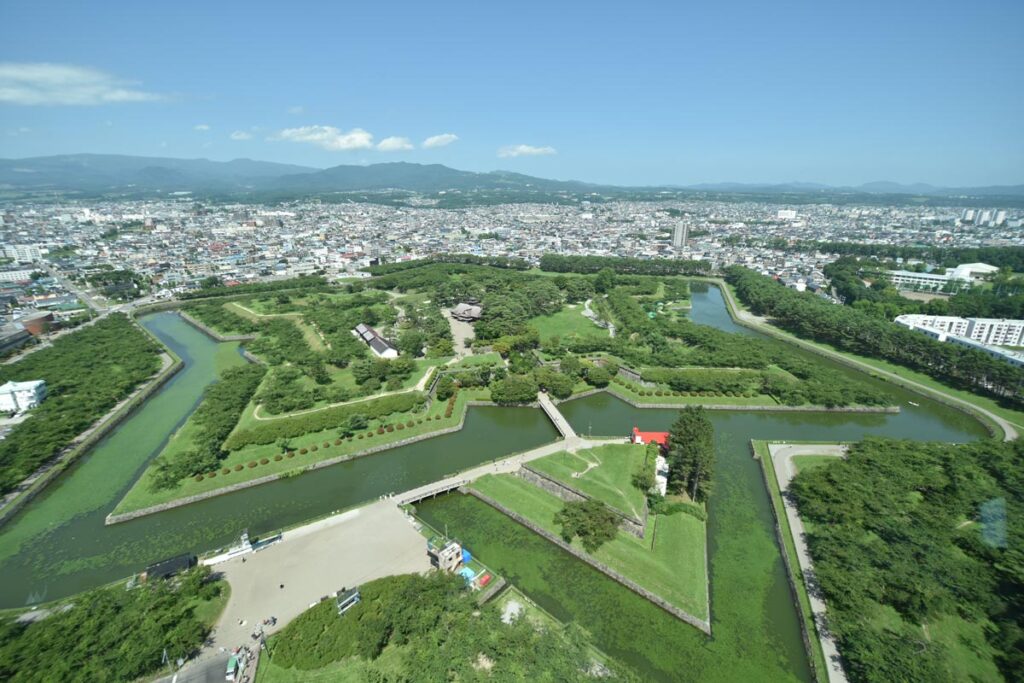
Goryokaku is a Western-style, star-shaped fort built in the mid-19th century during the late Edo period. At the time, Japan was emerging from centuries of isolation and urgently modernizing its defenses. Inspired by European military architecture, the shogunate constructed this five-pointed bastion to protect Hakodate, one of the first Japanese ports opened to foreign trade.
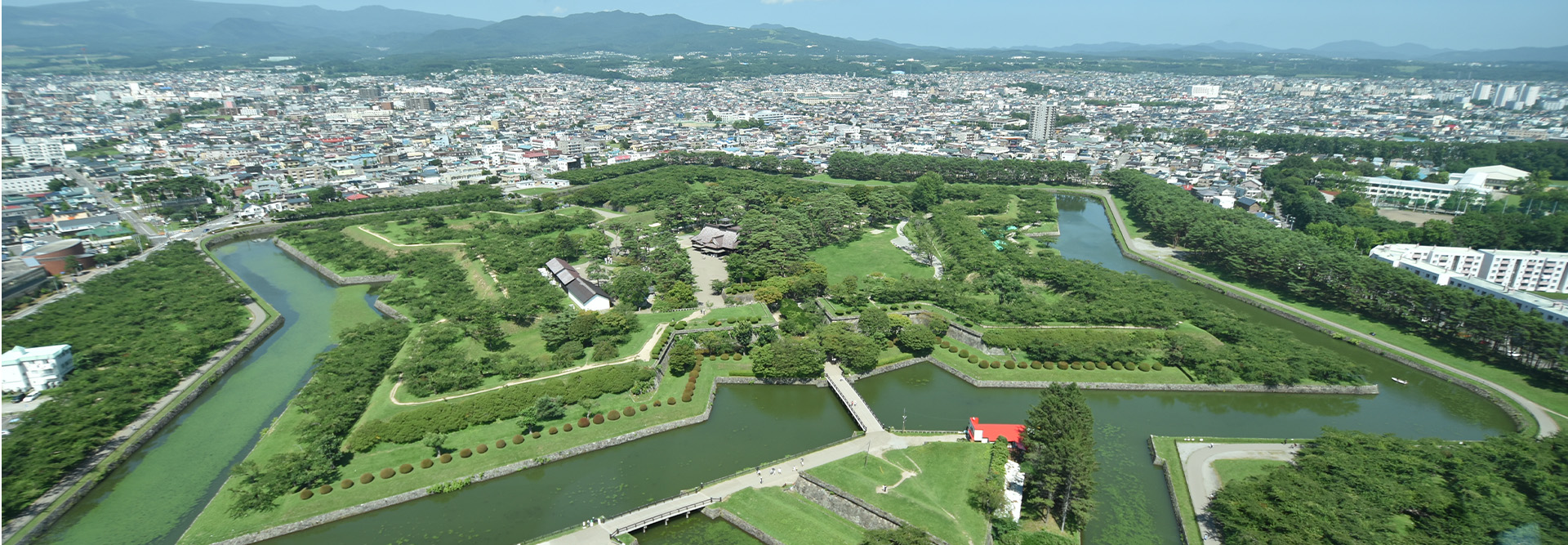
Today, the fort is no longer used for military purposes. The moats and ramparts have been transformed into Goryokaku Park, a spacious public garden filled with cherry trees, walking paths, and historic buildings. Overlooking it all, the sleek Goryokaku Tower offers an aerial view that reveals the fort’s iconic star shape in full, making it one of the most photogenic spots in Hokkaido.
Why Visit Goryokaku?
A Unique Star-Shaped Design
Most Japanese castles were built as hilltop or flatland castles with tall keeps and layered moats. Goryokaku is completely different. Seen from above, the site forms a perfect five-pointed star surrounded by broad moats. This design, common in European fortress cities, was meant to reduce blind spots and improve defense against artillery.
Walking around the grounds, you can trace the outline of this star by following the moats and stone embankments. For the full effect, head to Goryokaku Tower, where floor-to-ceiling windows reveal the fort’s geometry, the nearby cityscape, and the waters of Hakodate Bay.
Cherry Blossoms Over the Moat
Goryokaku is one of Hokkaido’s most beloved hanami (cherry blossom viewing) spots, famous across Japan. Around 1,600 cherry trees, mostly the pale pink Somei Yoshino variety, line the ramparts and moats. When they bloom in late April to early May, the entire star-shaped fort turns into a ring of soft pink reflected in the water below.
During peak bloom, locals spread picnic sheets under the blossoms, sharing food, drinks, and laughter. Visitors are welcome to join this casual, friendly atmosphere. If you go, buy bento lunchboxes or snacks at a convenience store or nearby shops before entering the park, as it enhances the hanami experience.
Key Role in Japan’s Last Samurai War
Goryokaku was a central stage for the Hakodate War (1868–1869), the final conflict of the Boshin War that ended Japan’s feudal era. Supporters of the Tokugawa shogunate briefly established the short-lived Republic of Ezo here, making Goryokaku its political and military headquarters. Eventually, imperial forces captured the fort, completing the Meiji Restoration and ushering in modern Japan.
For history enthusiasts, Goryokaku offers a rare chance to stand at the literal frontier between old and new Japan. The reconstructed government office inside the fort and the exhibits in Goryokaku Tower bring this story to life with models, artifacts, and easy-to-follow timelines.
Exploring Goryokaku Park
Strolling the Star-Shaped Grounds
The inner area of Goryokaku Park is flat, green, and spacious, with wide paths suitable for leisurely walks. It is a comfortable site even for visitors who are new to Japan and not yet used to crowds and complex train systems. Benches and open lawns invite you to slow down and take in the scenery.
You can circle the inner perimeter in roughly 30–45 minutes at a relaxed pace, longer if you stop for photos by the moats, bridges, and cherry trees. Look out for preserved stone ramparts, old gun emplacements, and the remains of the fort’s gates, which hint at its former military purpose.
The Hakodate Magistrate’s Office
At the heart of the park stands the meticulously reconstructed Hakodate Bugyōsho, or Hakodate Magistrate’s Office. This elegant building once housed senior officials of the shogunate who governed Ezo (Hokkaido) and managed foreign relations at the newly opened port.
Today, visitors can step inside to see:
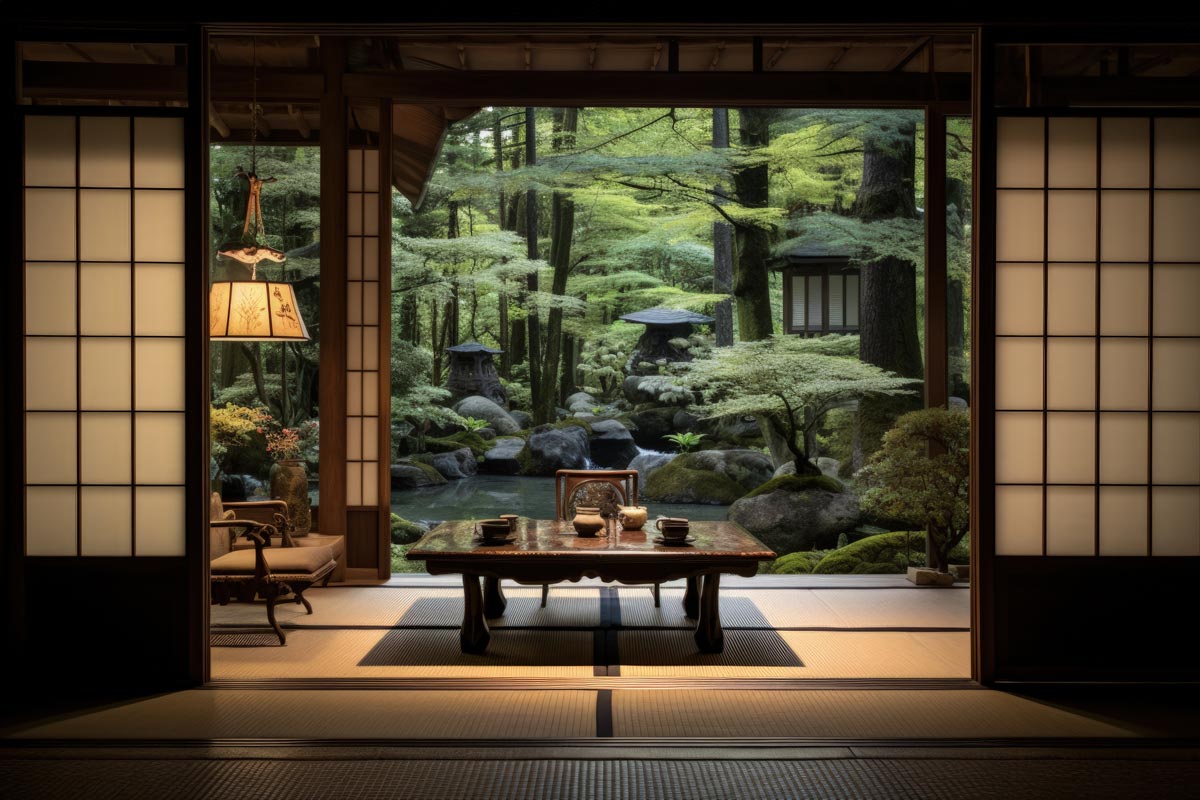
- Tatami-floored chambers used for meetings and official business
- Traditional Japanese carpentry and joinery, faithfully reproduced using historical techniques
- Displays on late Edo-era governance and the modernization of Japan
Shoes must be removed at the entrance, so consider wearing socks without holes for comfort. English explanations are usually available, and staff are accustomed to international guests.
Relaxing by the Moat
Several small bridges cross the moats, offering picturesque photo spots in every season. In spring, they are framed by blossoms; in summer, by lush green; in autumn, by red and gold leaves; and in winter, by snow-laden branches. The water adds a calm, reflective mood, especially early in the morning or near sunset.
Goryokaku Tower: Best Views in the City
Just outside the park stands the modern Goryokaku Tower, a 107-meter-tall observation tower that gives the most iconic view of the fortress.
Observation Decks and Exhibits
Elevators whisk you up to wide, glass-walled observation areas. From here, you can see:
- The complete star-shaped fort outlined by its moats
- Hakodate city spreading toward the sea
- Hakodate Mountain and, on clear days, distant volcanic peaks
Information panels and 3D models explain the fortress’s design and the Hakodate War. Even if you are new to Japanese history, the visual storytelling helps you understand why this site is so significant.
Cafés, Souvenirs, and Seasonal Displays
Inside the tower, you will find cafés where you can enjoy coffee, soft cream, or light snacks while gazing at the view. The souvenir shops stock a wide range of Goryokaku-themed items such as star-shaped cookies, local snacks, and character goods. This is a convenient place to pick up small gifts before moving on.
Depending on the season, special decorations and photo spots are set up, such as cherry blossom backdrops in spring or illuminated displays in winter.
Best Time to Visit Goryokaku
Spring (Late April–Early May): Cherry Blossom Season
This is the most popular time to visit. Hokkaido’s cherry blossoms bloom later than those in Tokyo and Kyoto, so Goryokaku can be an excellent option if you miss peak bloom in central Japan.
During this period:
- Expect crowds, especially on weekends and during Japan’s Golden Week holidays
- Evenings may feature light-ups, creating a romantic atmosphere along the moats
- Reservations for nearby hotels should be made well in advance
Summer: Green and Relaxed
Summer brings warm temperatures and lush greenery. It is less crowded than sakura season and ideal for relaxed walks or family visits. Hakodate’s climate is generally cooler than Tokyo’s, making it a pleasant escape from intense heat and humidity.
Autumn: Changing Leaves
From October to early November, some trees in and around Goryokaku turn shades of red and gold. While it is not as famous for autumn foliage as other regions, the combination of colored leaves, water, and the star-shaped design creates a quietly beautiful scene.
Winter: Snow-Covered Fortress
In winter, snow blankets the park and the star-shaped fort takes on a completely different character. Viewed from Goryokaku Tower, the white landscape outlined by the moat is striking. Dress warmly with proper footwear, as paths can be icy.
How to Get to Goryokaku
From Hakodate Station
Goryokaku is located a few kilometers north of central Hakodate and is easily accessible by public transport:
- Tram: From Hakodate Station, take a tram bound for Yunokawa and get off at Goryokaku-kōen-mae (about 15–20 minutes). From the tram stop, it is roughly a 10–15 minute walk to Goryokaku Park.
- Bus: Local buses also run toward Goryokaku, but the tram is simpler for first-time visitors.
- Taxi: A taxi ride from Hakodate Station takes about 10–15 minutes, convenient if you are traveling with luggage or a group.
From Hakodate Airport
Hakodate Airport is relatively close to the city center. Airport buses and taxis link the airport with central Hakodate, where you can connect to the tram or proceed directly by taxi to Goryokaku.
Practical Tips for First-Time Visitors
Tickets and Opening Hours
Goryokaku Park itself is open year-round and has no entrance fee. However, there are separate charges for:
- Goryokaku Tower: Paid admission for the observation decks
- Hakodate Magistrate’s Office: A modest entrance fee to explore the interior
Opening hours can vary by season, and the tower may have extended hours during special events or holiday periods. Check the latest information before visiting, especially if you plan to see night views.
Accessibility
The park’s paths are mostly flat and manageable for strollers and wheelchairs, though some areas may be unpaved. Goryokaku Tower provides elevators and barrier-free access to the observation floors. If mobility is a concern, the tower offers an excellent way to enjoy the site without extensive walking.
What to Wear and Bring
Goryokaku is primarily an outdoor attraction, so dress according to the season:
- Spring and autumn: Layered clothing; temperatures can change quickly.
- Summer: Light clothing, sunscreen, and a hat; Hokkaido is milder than Tokyo but can still be sunny.
- Winter: A warm coat, gloves, hat, and waterproof shoes with good grip.
Comfortable walking shoes are recommended at all times. Bringing a reusable water bottle is helpful, though vending machines are nearby.
Language and Signage
As a popular sightseeing spot in Hokkaido, Goryokaku is accustomed to international visitors. You will find multilingual signs in and around Goryokaku Tower and basic English explanations at major points of interest. Even if you do not speak Japanese, you should have little trouble navigating the site.
Nearby Attractions and Suggested Itinerary
Goryokaku fits smoothly into a one- or two-day Hakodate itinerary for first-time travelers.
Combine Goryokaku with Hakodate’s Famous Night View
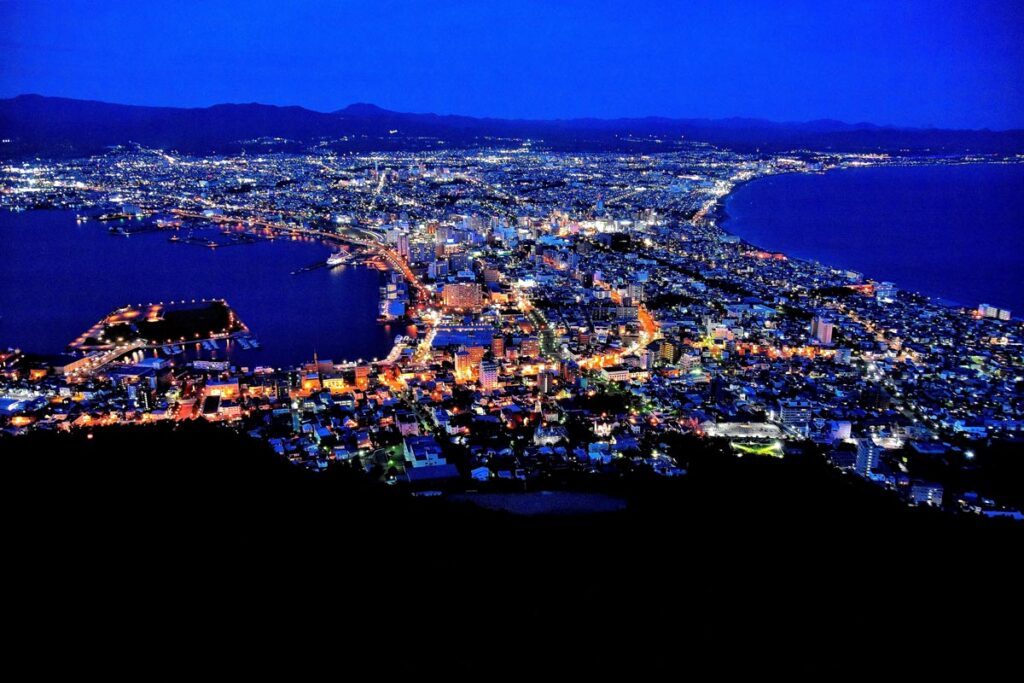
Many visitors spend a half-day at Goryokaku, then head to Mount Hakodate in the evening for the city’s famous nightscape. Known as one of Japan’s most beautiful night views, it offers a sweeping panorama of the city’s narrow peninsula framed by two bays.
Morning Market and Bay Area
In the morning, you can explore Hakodate Morning Market near the station, sampling local seafood such as squid, crab, and sea urchin. From there, make your way to Goryokaku by tram, explore the park and tower, then finish your day with the ropeway ride up Mount Hakodate.
Local Food Around Goryokaku
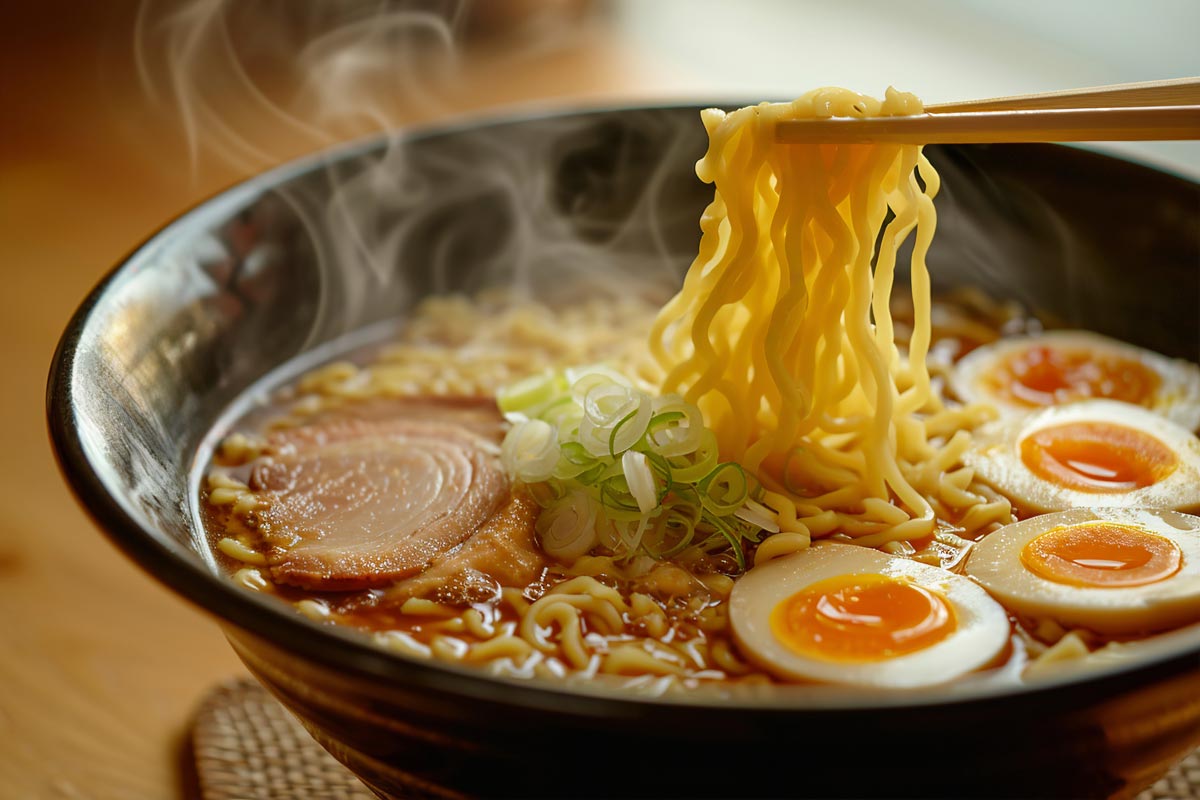
The area near Goryokaku-kōen-mae tram stop has restaurants and cafés popular with locals, including places serving Hakodate’s specialties like shio (salt-based) ramen and fresh seafood bowls. Taking a lunch break here before or after visiting the park is a pleasant way to experience Hokkaido’s regional flavors.
Is Goryokaku Worth It for First-Time Travelers?
Even if this is your first trip to Japan and your time is limited, Goryokaku is a rewarding destination if you include Hokkaido or Hakodate in your itinerary. It offers:
- A rare example of Western-style fortifications in Japan
- One of Hokkaido’s most beautiful cherry blossom spots
- Insight into the dramatic end of the samurai era
- Easy access and comfortable walking for visitors of all ages
Whether you visit for the blossoms, the history, or the panoramic views from Goryokaku Tower, this star-shaped fortress provides a memorable, photogenic, and approachable introduction to Japan’s northern landscapes and its journey into the modern age.
Access Map
Recommended spots in Hokkaido
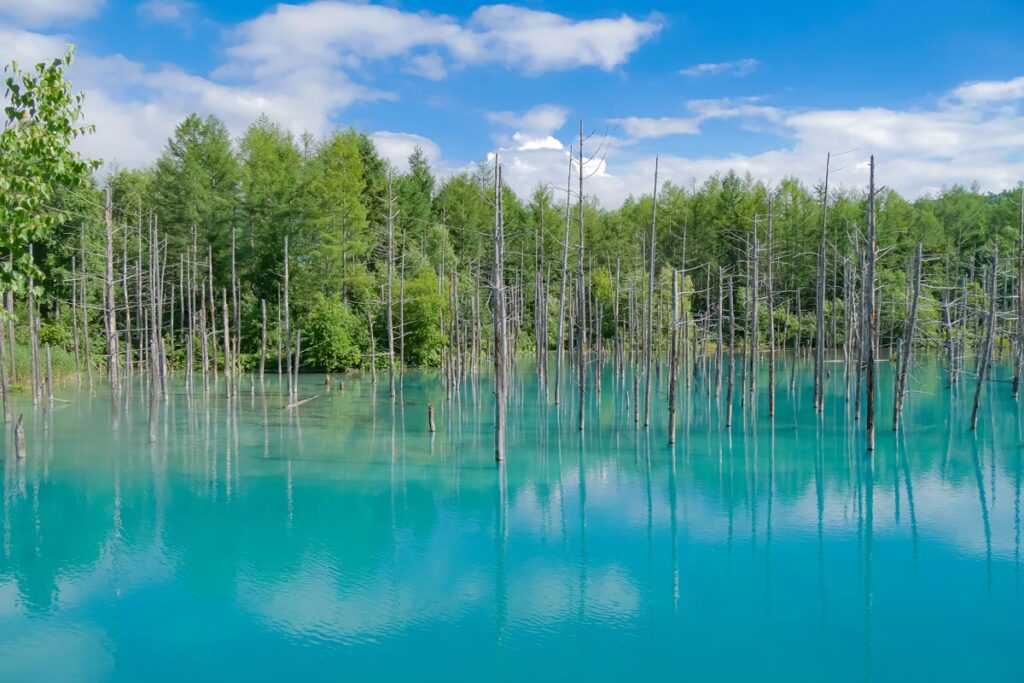
Blue Pond
Sapporo Beer Museum
Goryokaku
Mount Hakodate Night View
Odori Park
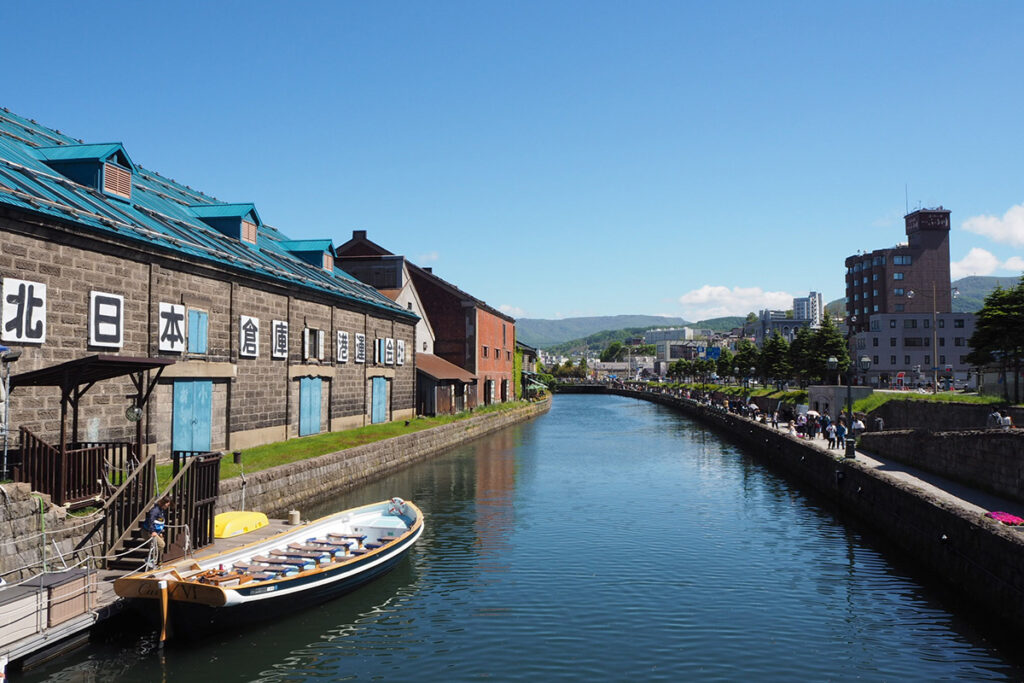
Otaru
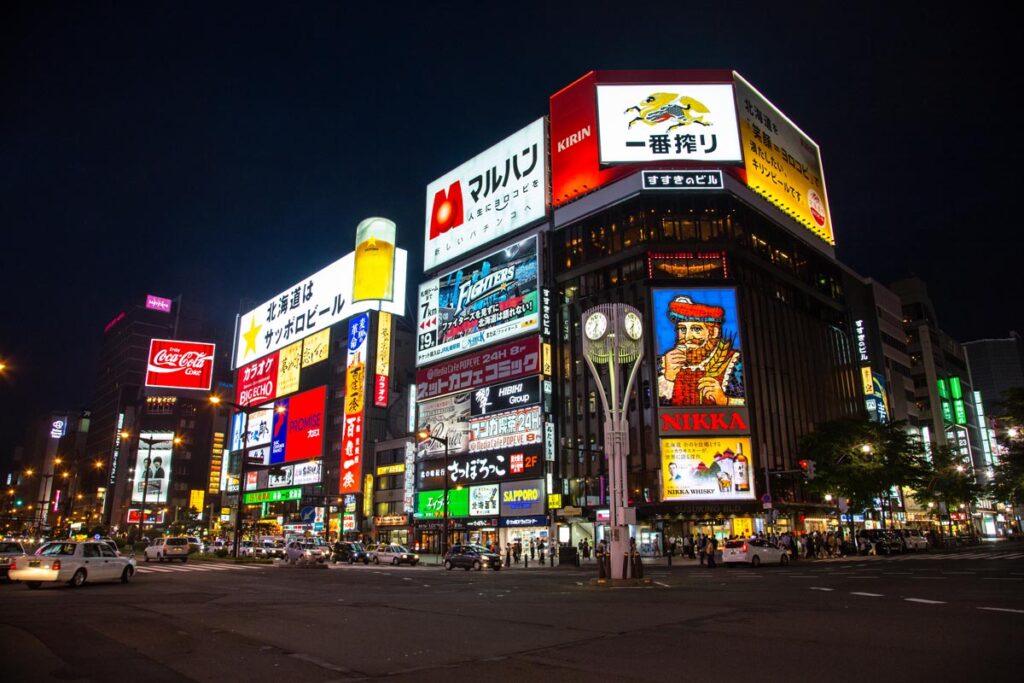
Susukino-Sapporo
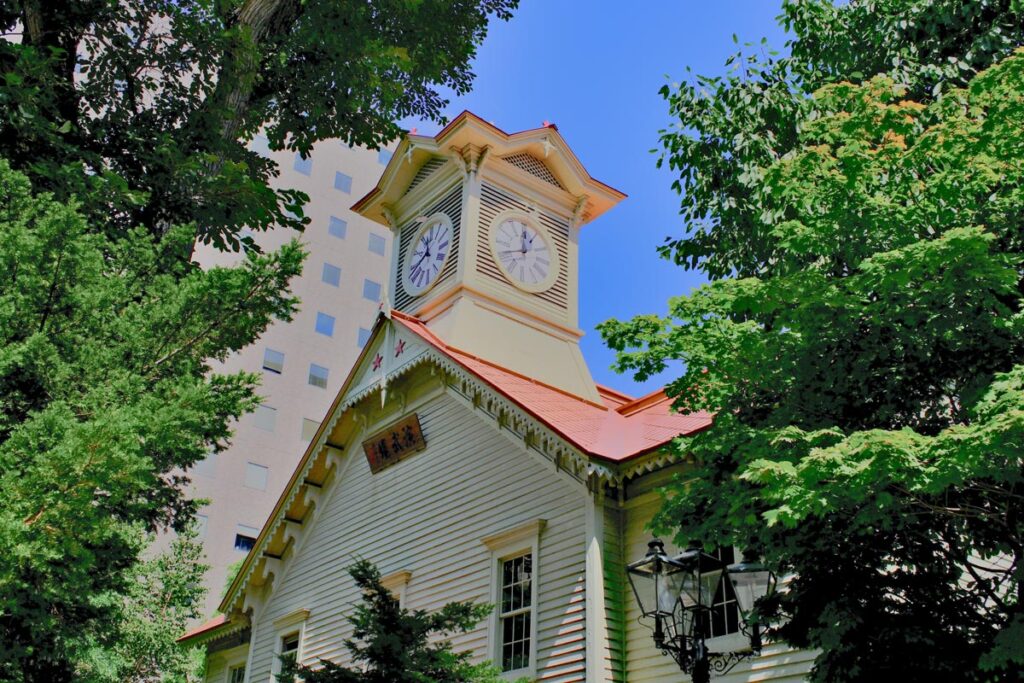
Sapporo Clock Tower
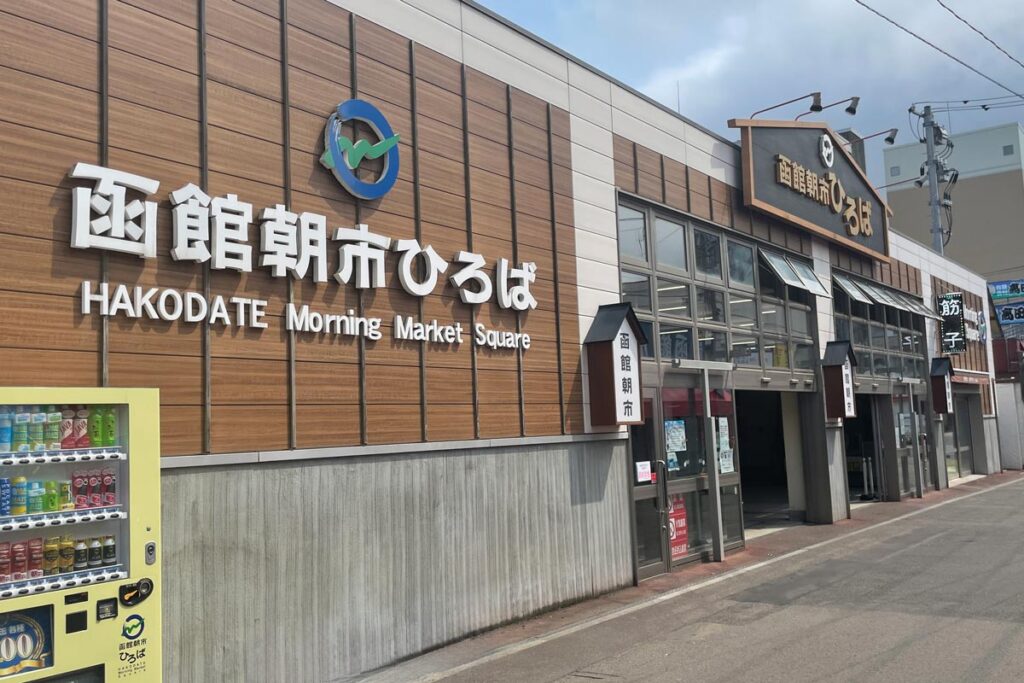
Hakodate Morning Market
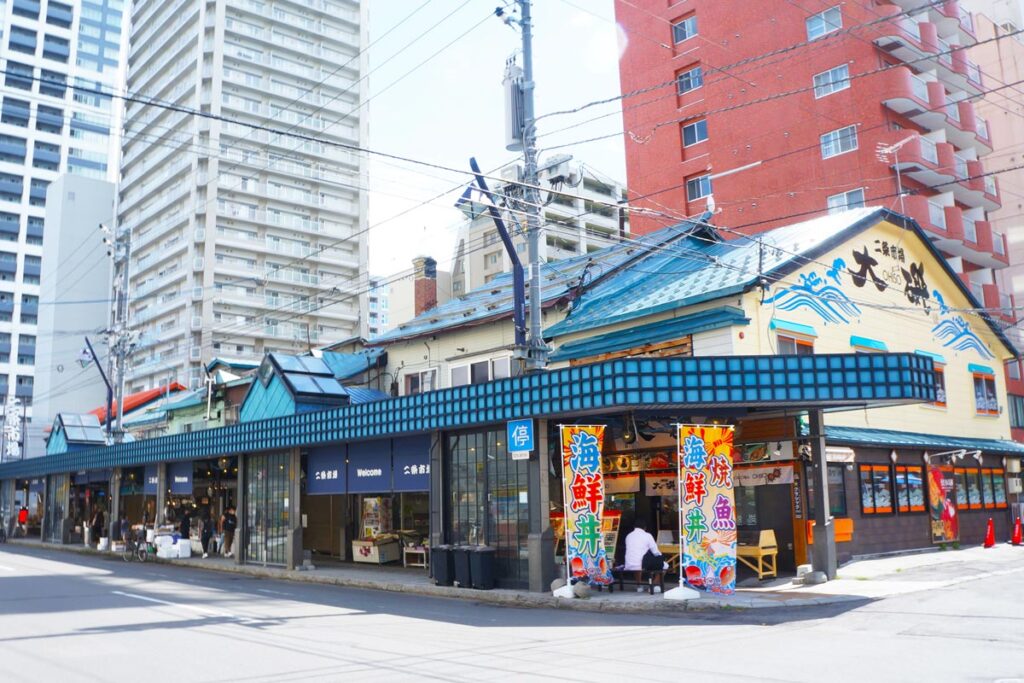
Nijo Market
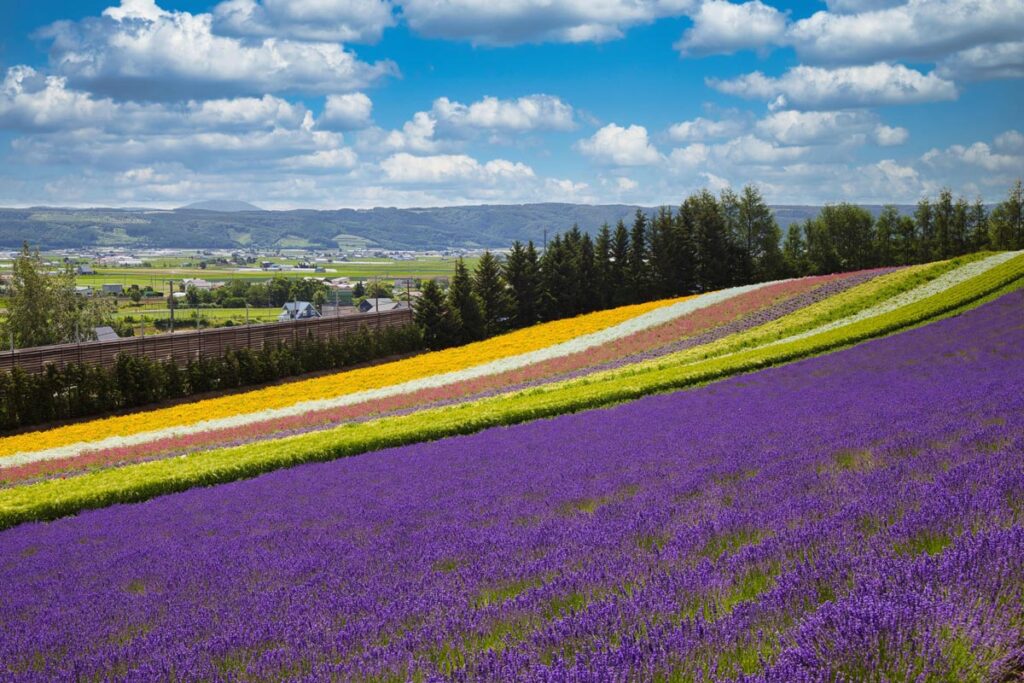
Farm Tomita
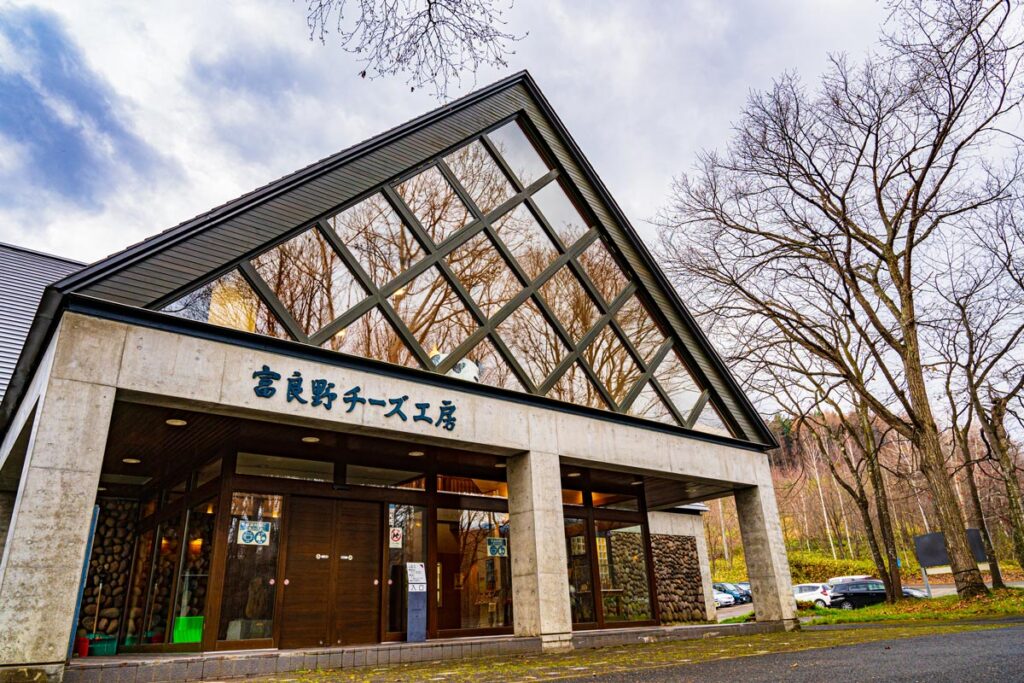
Furano Cheese Factory
Top destinations in Hokkaido & Tohoku
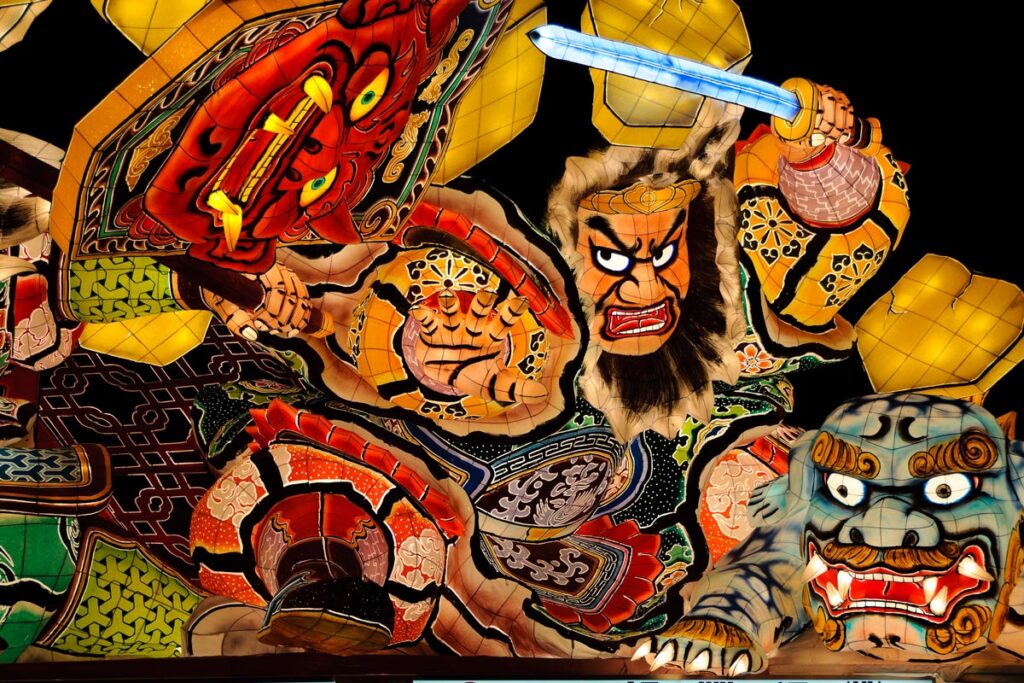
Aomori
Iwate
Fukushima