
Mount Hakodate Night View
Mount Hakodate Night View: A First-Timer’s Guide to Japan’s Dazzling Northern Skyline
Photos are for illustrative purposes only.
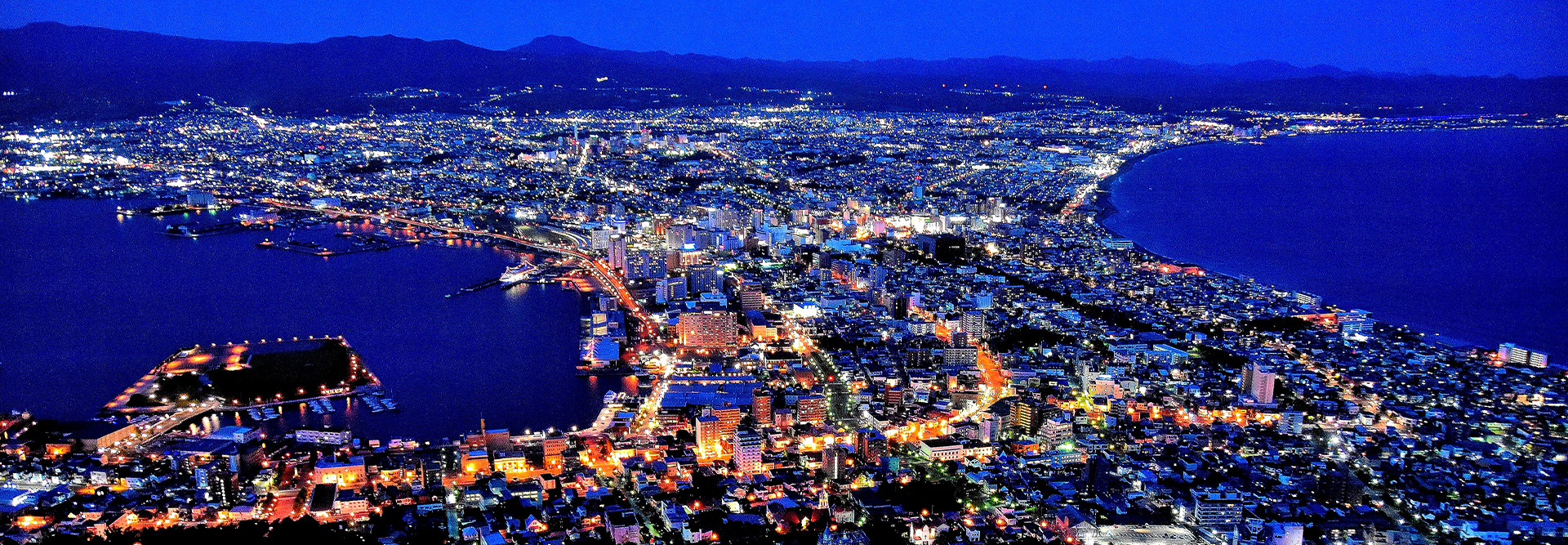
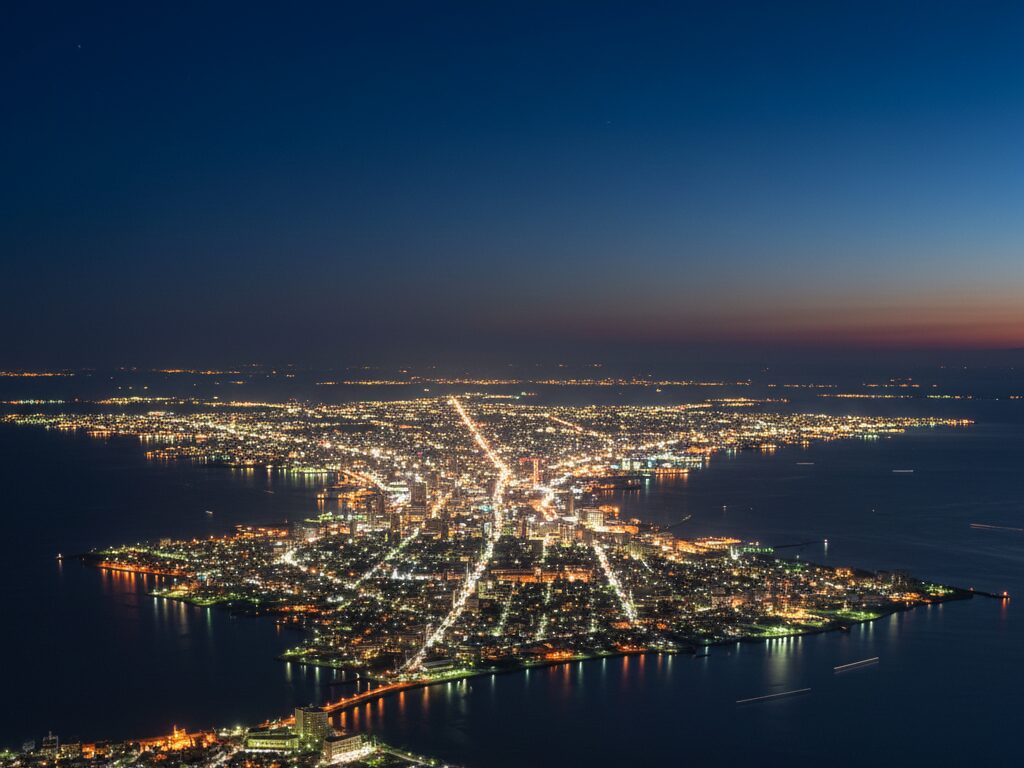
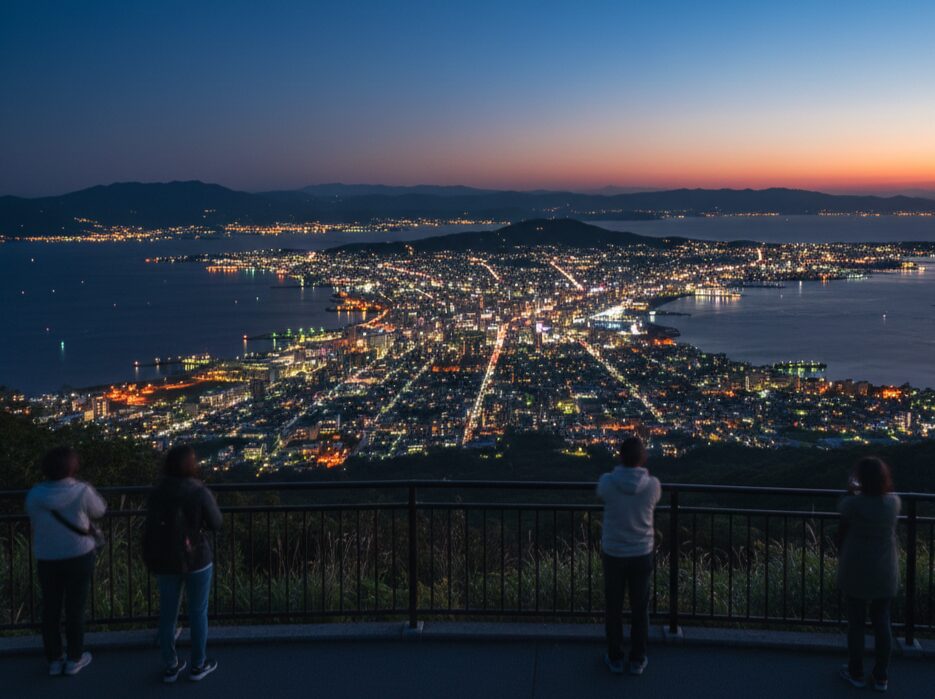
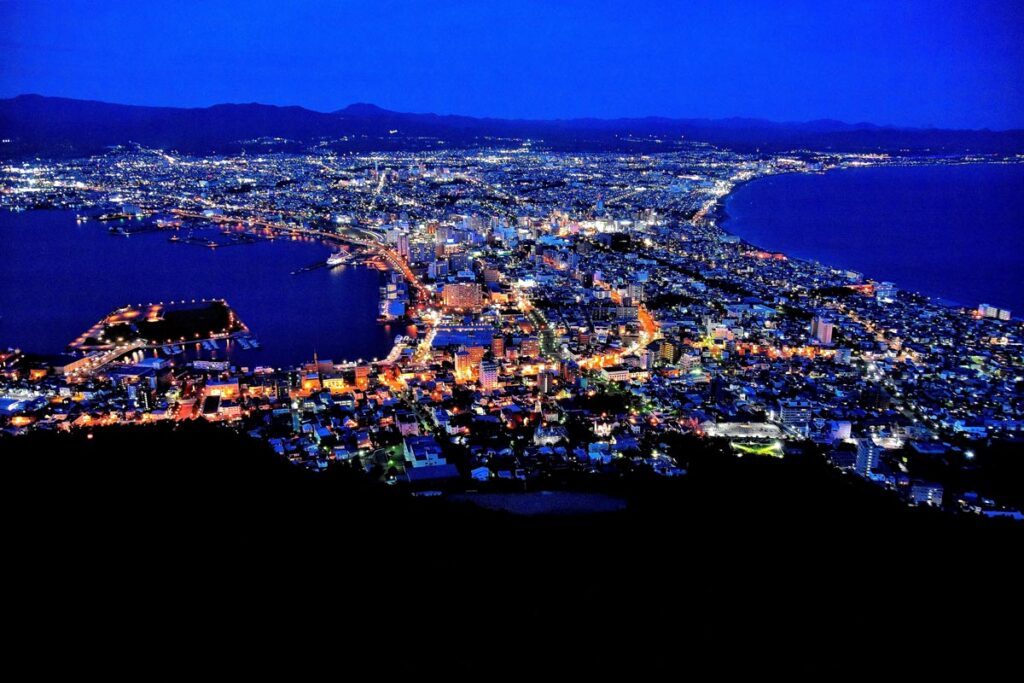
High above the port city of Hakodate on Japan’s northern island of Hokkaido, Mount Hakodate offers one of the country’s most celebrated night views. As the sun sinks behind the mountains and the harbor lights flicker on, the city below becomes a glittering strip of light framed by two dark bays. For many visitors, this moment becomes one of the unforgettable highlights of a trip to Japan.
This guide is designed for first-time travelers to Japan, with practical tips on how to visit Mount Hakodate, what to expect, and how to get the most out of your evening on the mountain.
Why Mount Hakodate’s Night View Is So Famous
Mount Hakodate (Hakodate-yama) rises modestly to about 334 meters, but its shape and position are perfect for panoramic views. Hakodate sits on a narrow isthmus jutting into the sea, with Hakodate Bay on one side and the Tsugaru Strait on the other. From the summit, the city lights form a bright hourglass shape sandwiched between the two dark bodies of water. It is a rare geographic combination that gives the night view its distinctive beauty.
For decades, Japanese guidebooks have praised the Mount Hakodate night view as one of the country’s top urban vistas. It is often mentioned alongside the nightscapes of Kobe and Nagasaki. For international visitors, it offers not only a romantic cityscape but also a glimpse into the character of Hokkaido: sea, mountains, and a compact, livable cityscape spread out like a map.
Where Is Mount Hakodate?
Hakodate is in southern Hokkaido, Japan’s northernmost main island. It is one of the first cities many travelers encounter in Hokkaido, especially if they arrive by shinkansen (bullet train) from Tokyo or by domestic flight from major cities like Tokyo, Osaka, or Sapporo.
Mount Hakodate itself is at the southwestern tip of the city, jutting out into the sea. The ropeway station at the base is close to Hakodate’s historic Motomachi district and the famous bay area, making it easy to combine sightseeing with a trip to the summit.
How to Get to Mount Hakodate
From Hakodate Station to the Ropeway
Most visitors start from JR Hakodate Station, the city’s main transport hub. From there, you have several convenient options to reach the Mount Hakodate Ropeway base station:
- By tram: Take the Hakodate City Tram bound for Yachigashira or Dokku and get off at Jujigai (about 5–10 minutes). From Jujigai, it is roughly a 10-minute walk uphill to the ropeway station.
- By bus or taxi: Taxis are easy from the station and take around 10–15 minutes, depending on traffic. This is a comfortable option if you are traveling in a group or visiting in colder months.
- On foot: If you have time and enjoy walking, it is possible to stroll from Hakodate Station to the base area in around 20–30 minutes, passing through the bay district and Motomachi neighborhood.
Taking the Mount Hakodate Ropeway
The easiest and most popular way to the summit is the Mount Hakodate Ropeway, an aerial cable car that whisks you to the top in about three minutes. Large glass windows allow you to watch the city recede beneath you as you climb, which can be especially lovely around sunset.
Ropeway operating hours typically extend into the late evening to accommodate night-view visitors, with more frequent departures during peak times. Services may be temporarily suspended during strong winds or severe weather, particularly in winter, so it is wise to check conditions earlier in the day.
Round-trip and one-way tickets are available; many visitors opt for a round-trip ticket. Cash and major cards are commonly accepted, and information at the station is usually available in English, Korean, and Chinese in addition to Japanese.
Alternative Ways to Reach the Summit
While the ropeway is the most convenient choice, there are other options:
- Bus: In some seasons there are direct buses from central Hakodate to the summit. Buses can be a good alternative when the ropeway is crowded or if you prefer to avoid heights.
- Car or taxi: If you are driving or take a taxi, there is a road that leads near the summit. Parking availability and road access can vary by season and time of day, especially in winter, so check locally.
- Hiking: During warmer months, local hiking trails lead up the mountain. These are best for experienced walkers with proper footwear, and are not recommended at night or during winter.
Best Time to Visit the Night View
Timing Your Visit Around Sunset
The most rewarding way to experience Mount Hakodate’s night view is to arrive before sunset and stay as the sky darkens. This allows you to see the city in three different moods: daylight, the soft colors of twilight, and finally the fully illuminated nightscape.
Sunset times vary by season, so check the expected time and arrive at the base station at least 30–60 minutes in advance, especially during weekends and holidays. Ropeway lines can grow long around sunset, and crowds at the summit increase quickly once the sun begins to set.
Seasonal Differences
- Spring (March–May): Cool evenings and clear skies are common. Cherry blossoms may appear in late April or early May in Hakodate, making the city beautiful by day and night.
- Summer (June–August): Nights are relatively mild, but this is peak domestic travel season, especially during school holidays. Expect larger crowds.
- Autumn (September–November): Autumn brings crisp air and often excellent visibility. The combination of fall colors on the surrounding hills and the night view is particularly attractive.
- Winter (December–February): The city can be dusted with snow, and the contrast between white rooftops and warm city lights is striking. However, temperatures are very cold, and strong winds or snow may affect visibility and ropeway operations.
What to Expect at the Summit
Observation Decks and Facilities
At the summit station, you will find several outdoor and indoor observation areas. The main terrace faces the city and provides the classic “postcard” view of Hakodate’s narrow strip of lights framed by both coasts. Railings and open spaces allow plenty of room to admire the panorama, though it can become busy at peak times just after sunset.
Inside the building, large windows provide shelter from the wind and cold while still offering impressive views. There are also restaurants, cafes, and shops where you can enjoy a meal, dessert, or a warm drink as you gaze out over the city.
Atmosphere After Dark
When the sky is fully dark, the city below appears like a sparkling necklace wrapped around the bay. Ferries and ships move across the water as tiny points of light, and the street grid becomes more defined. The mood is romantic, calm, and distinctly different from the energy of Tokyo or Osaka’s towering skyscraper skylines. Here, the lights are close enough to feel intimate but far enough away for a sense of peaceful distance.
Practical Tips for First-Time Visitors
What to Wear and Bring
Even in summer, the summit can be noticeably cooler and windier than the city below. In winter, temperatures can drop well below freezing, especially after dark.
- Bring a warm jacket or extra layer, even in warmer months.
- Wear comfortable walking shoes suitable for steps and potentially wet surfaces.
- Gloves, hats, and scarves are recommended in autumn and winter.
- If you plan to take photos, bring a camera with good low-light performance or a smartphone that handles night scenes well.
Avoiding the Biggest Crowds
If you prefer a quieter experience, consider visiting on a weekday outside of national holiday periods. Arriving slightly earlier than sunset or staying longer into the evening can also help you avoid the busiest window of time, which is typically 30 minutes before to 60 minutes after sunset.
Weather Considerations
The beauty of the night view depends heavily on clear skies. On misty, rainy, or snowy nights, city lights may be obscured. When planning your trip, try to remain flexible: if you are in Hakodate for several days, choose the clearest-looking evening for your visit. Locals and hotel staff can often advise whether the conditions are right.
Cultural Context: Understanding Hakodate from Above
Hakodate has a long history as one of Japan’s early ports to open to international trade in the 19th century. From the mountaintop, you can see the outline of the harbor that once welcomed foreign ships and merchants from Russia, Europe, and elsewhere. Down below, the streets of the Motomachi district, with their Western-style churches and former consulates, reflect this blend of influences.
In Japanese travel culture, night views (known as yakei) are often considered romantic and slightly nostalgic. For domestic travelers, visiting Mount Hakodate is not just about the scenery but also about the shared experience of quietly gazing at the city lights together. Couples, families, and friends gather at the observation deck, speaking softly while they take photos and simply stand side by side looking out over the bay.
Combining the Night View with a Day in Hakodate
Because Mount Hakodate is close to many of the city’s main attractions, it fits naturally into a full day of sightseeing.
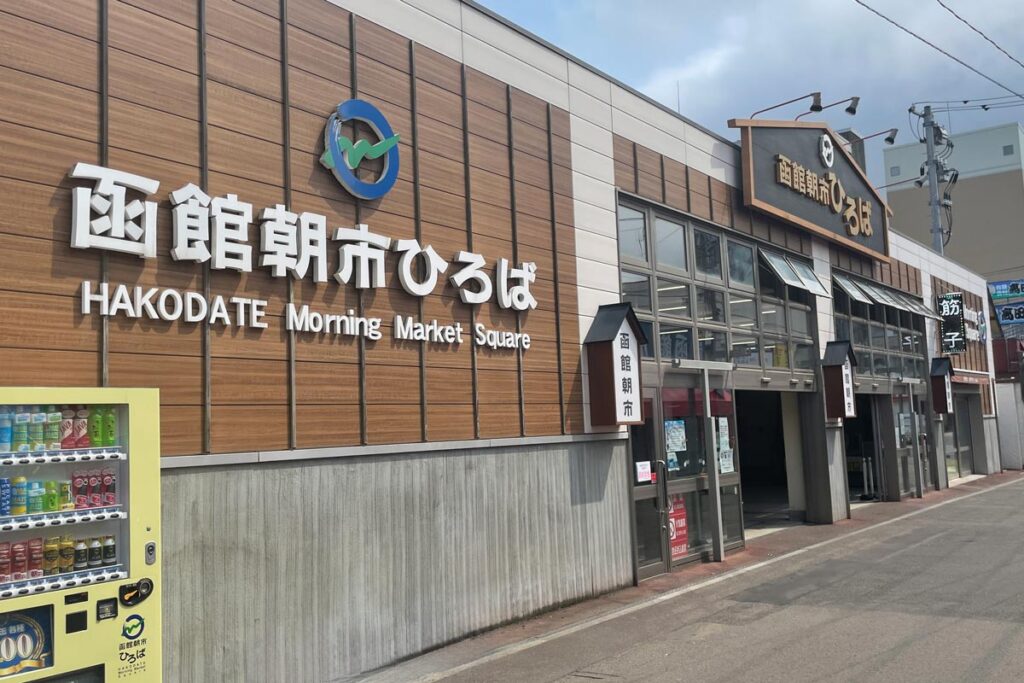
- Morning: Explore the bustling Hakodate Morning Market near the station, where you can taste fresh seafood, including Hokkaido’s famous squid and crab.
- Daytime: Stroll through the Motomachi district, visiting old churches, consulate buildings, and hillside streets with charming views of the port. The red brick warehouses in the bay area are also popular for shopping and dining.
- Evening: Make your way to the ropeway base in time for sunset and enjoy the night view from Mount Hakodate. After descending, you can have dinner in the city, perhaps sampling local specialties such as Hakodate-style salt ramen.
Photography Tips for the Mount Hakodate Night View
Capturing the night view on camera can be challenging but rewarding. Here are some simple tips for first-time visitors:
- Arrive before dark and experiment with shots during twilight, when the sky is still a deep blue and the city lights are already on. This often produces more balanced photos than complete darkness.
- Use railings or stable surfaces to steady your camera or phone to reduce blur.
- Avoid pointing your camera directly at the brightest lights; instead, compose your shot to include both coastline curves and the center of the city.
- Be patient and mindful of others around you; the observation deck can be crowded, and everyone is trying to enjoy the view.
Accessibility and Facilities
The ropeway stations and summit facilities are generally designed to be accessible, with elevators and ramps to assist visitors with limited mobility. Signage in multiple languages makes navigation easier for international visitors.
Restrooms, seating areas, and indoor spaces are available at the summit, which is particularly appreciated during colder months. Restaurants and shops provide opportunities to rest, warm up, and purchase souvenirs related to Hakodate and Hokkaido.
Making the Most of Your Visit
To fully appreciate the Mount Hakodate night view, approach it not only as a checklist sight but as an experience. Take time to step away from your camera and simply stand quietly at the railing, looking out over the harbor, ships, and distant lights. Notice how the city changes color as the last traces of sunset fade, and how the weather and season subtly shape the scene.
For first-time travelers to Japan, the view from Mount Hakodate offers a gentle contrast to the high-rise neon of big cities. It shows a different side of the country: a coastal town with deep historical roots, close to the sea and the mountains, glowing softly against the northern night.
With a bit of planning and a flexible eye on the weather, your evening on Mount Hakodate can become one of the defining memories of your journey through Japan.
Access Map
Recommended spots in Hokkaido
Blue Pond
Sapporo Beer Museum
Goryokaku
Mount Hakodate Night View
Odori Park
Otaru
Susukino-Sapporo
Sapporo Clock Tower
Hakodate Morning Market
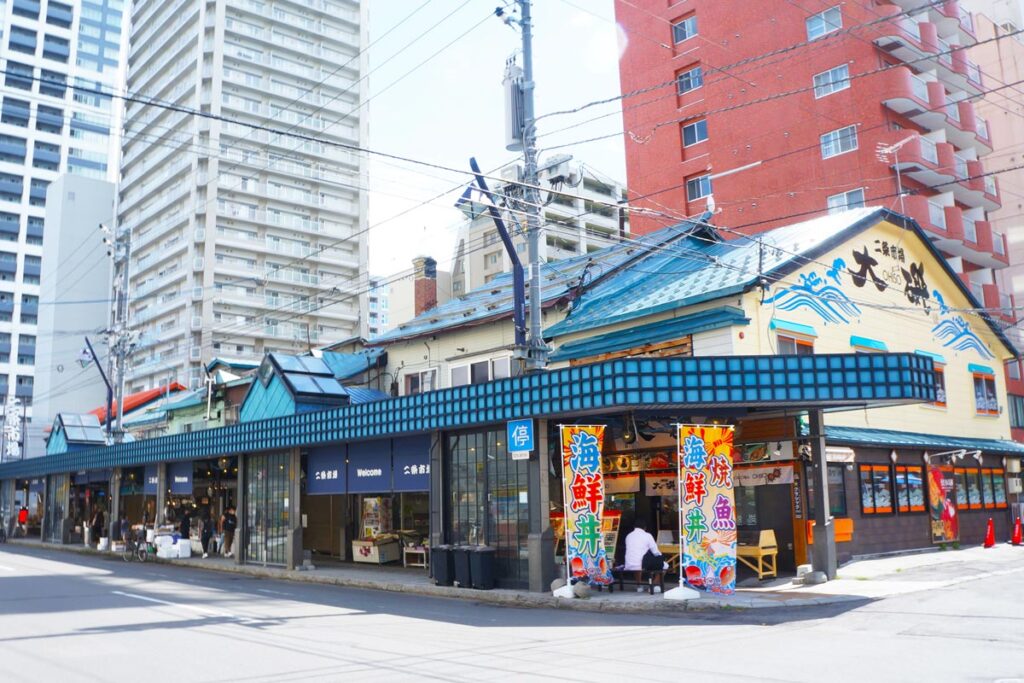
Nijo Market
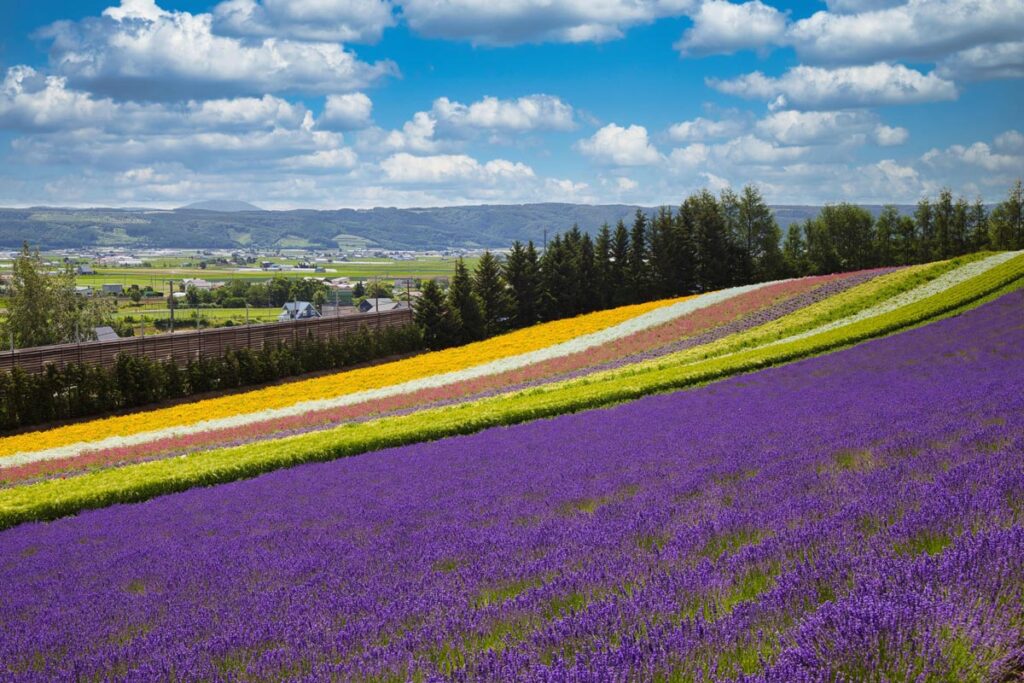
Farm Tomita
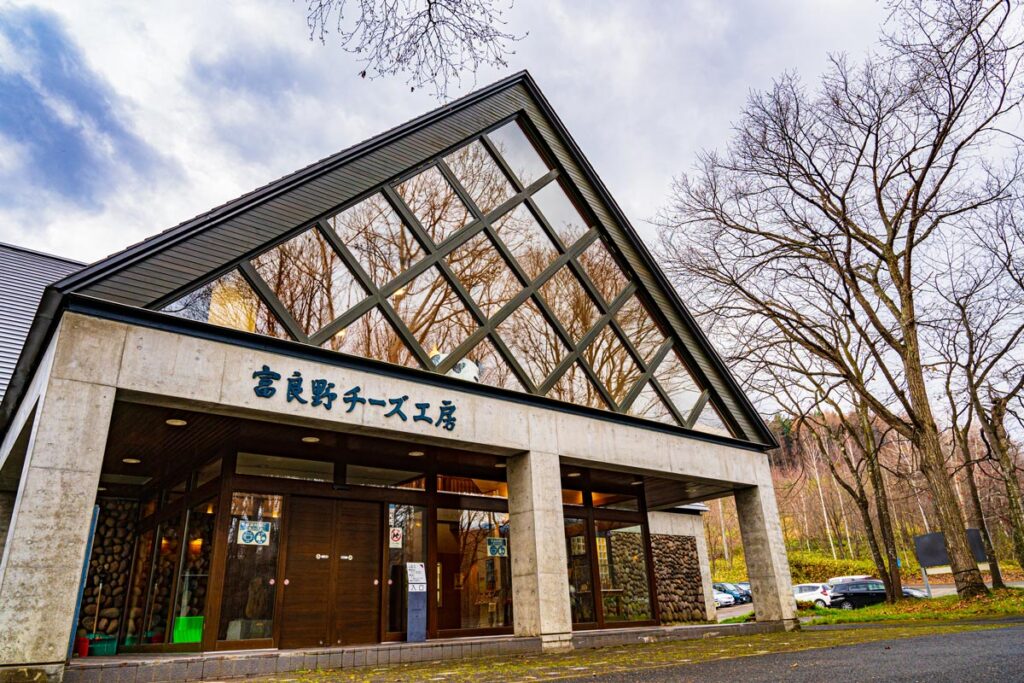
Furano Cheese Factory
Top destinations in Hokkaido & Tohoku
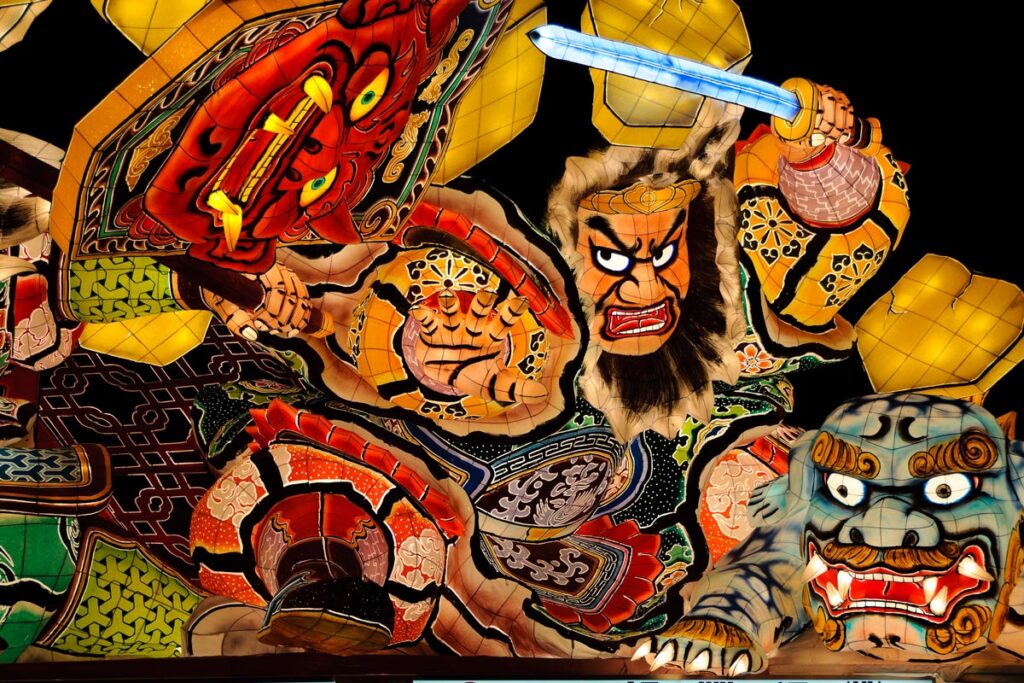
Aomori
Iwate
Fukushima