


Nijo Market
Nijo Market Sapporo Travel Guide for First-Time Visitors to Japan
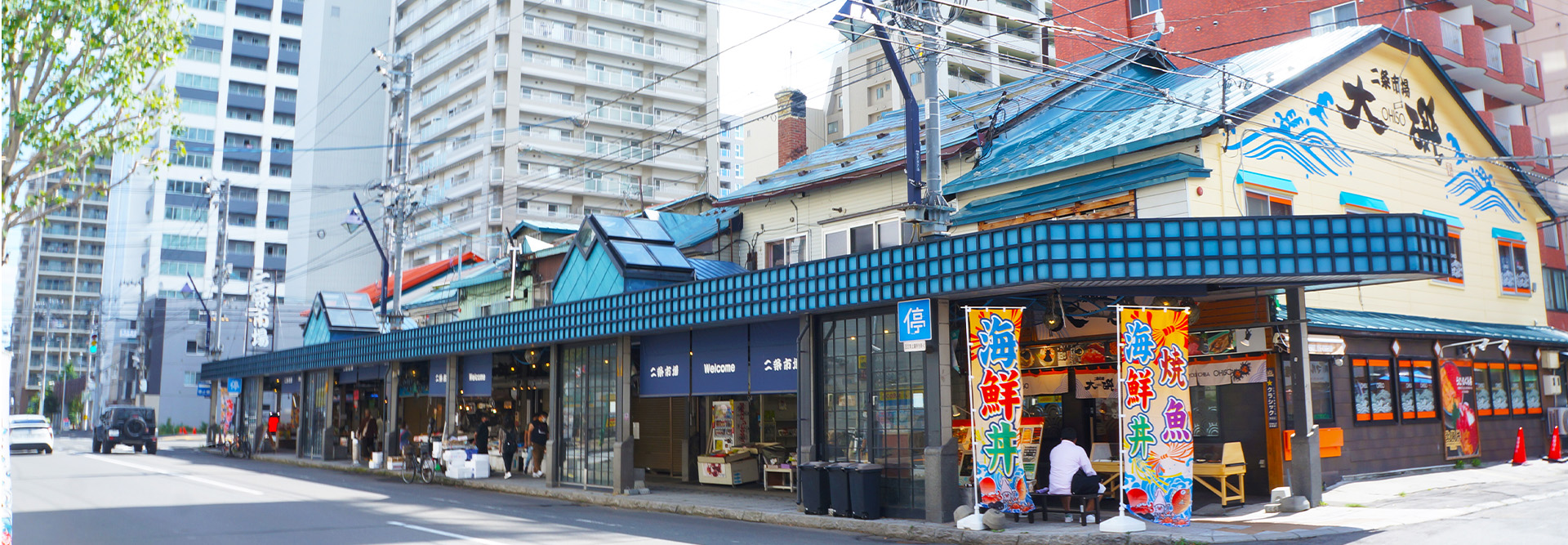
In the heart of Sapporo, just a short walk from the city’s main station and Odori Park, Nijo Market (Nijō Ichiba) offers an easy, delicious introduction to Hokkaido’s famous seafood. For first-time visitors to Japan, this compact local market is one of the most approachable places to taste seasonal crab, salmon roe, sea urchin, and sashimi in a relaxed, friendly atmosphere.
Why Visit Nijo Market?
Nijo Market is often called the “kitchen of Sapporo.” For over a century, local residents and restaurant chefs have come here for fresh fish, seasonal crab, and Hokkaido specialties. Today, it welcomes travelers as well, but it still feels like a working market rather than a theme park.
Compared with Japan’s huge wholesale markets, Nijo Market is small and walkable. You can stroll through in 20–30 minutes, then sit down for a seafood breakfast or early lunch without feeling rushed or overwhelmed. It’s a perfect first taste of Japanese market culture, especially if you are new to Japan and a bit unsure about language and customs.
What to Expect at Nijo Market
Layout and Atmosphere
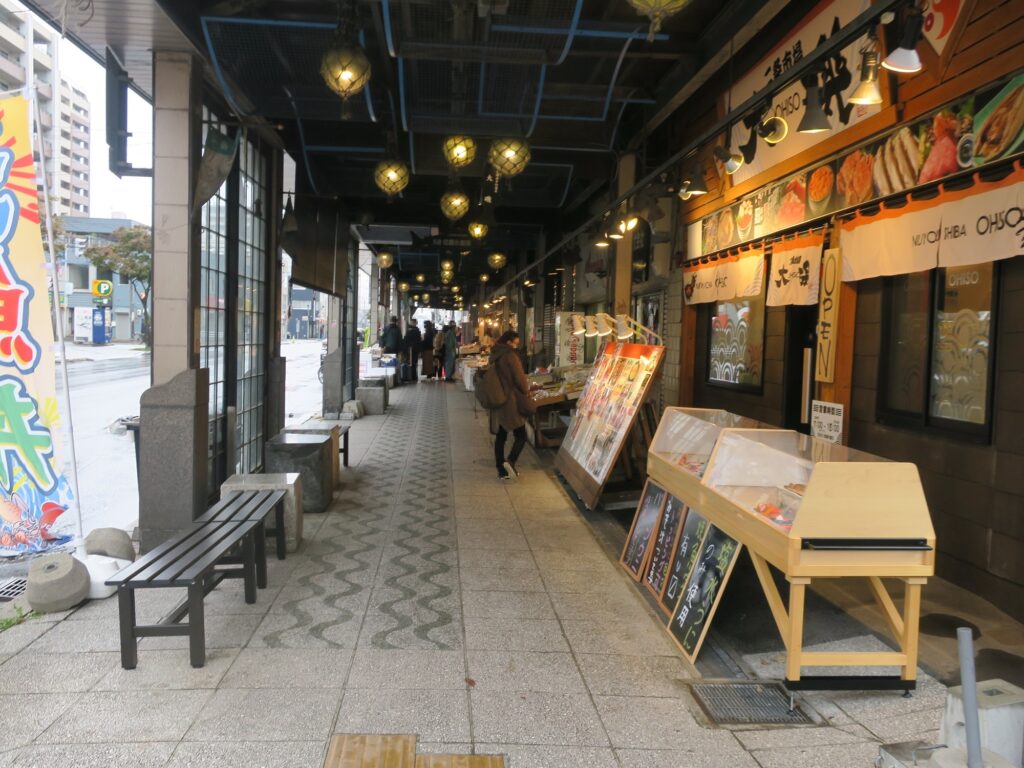
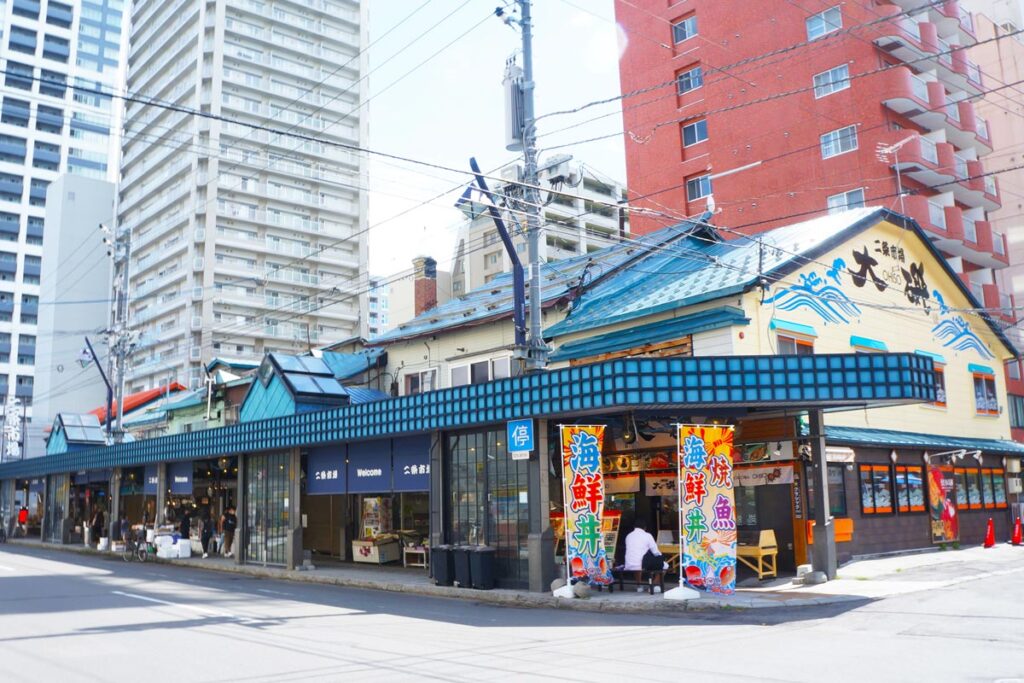
Nijo Market spans a few short streets of covered arcades filled with small stalls and shops. Most are seafood vendors, but you will also find fruit and vegetable stands, dried goods, and tiny restaurants tucked between the storefronts.
The atmosphere changes by the hour. Early morning is the quiet, “local” time, when shopkeepers set out styrofoam boxes packed with ice, weigh fresh fish on old-fashioned scales, and chat in the local Hokkaido dialect. By mid-morning, the aisles are livelier as visitors arrive, cameras come out, and the scent of grilled seafood drifts from tiny kitchens.
Stalls are open-fronted, with tanks of live crab, rows of glistening salmon fillets, sea urchin in their shells, and bright orange piles of ikura (salmon roe). Most prices are clearly displayed, and many shops have simple English signs and photos of what they sell.
Best Time to Visit
Most shops at Nijo Market open from around 7:00 or 8:00 in the morning and close by early afternoon, typically between 15:00 and 17:00. Individual shop hours vary, and the market is quieter on some weekdays and in the depths of winter, but it rarely feels crowded like major Tokyo attractions.
If you want a relaxed seafood breakfast or brunch, aim for 8:00–10:00. For a late breakfast or early lunch, 10:00–12:00 works well. After about 14:00, some vendors may begin to wind down, so do not arrive too late in the day if tasting seafood is your priority.
Top Things to Eat at Nijo Market
Hokkaido is Japan’s northernmost major island, known for cold seas and rich fishing grounds. Nijo Market showcases this regional abundance in a way that is easy to enjoy, even for seafood beginners.
Kaisendon – Seafood Rice Bowls
The signature meal at Nijo Market is kaisendon, a bowl of warm rice topped with a generous serving of raw or lightly cooked seafood. These bowls are usually eaten for breakfast or lunch.
Common toppings include:
- Ikura (salmon roe) – shiny orange pearls, slightly salty and rich
- Uni (sea urchin) – creamy, with a sweet, ocean-like flavor
- Kani (crab) – often snow crab or king crab, sweet and delicate
- Sake (salmon) – fresh, fatty slices of raw or lightly seared salmon
- Maguro (tuna) – lean or fatty cuts, depending on the shop
Most restaurants display photo menus with different combinations and prices. It is common to choose a set with two or three toppings, or to order the “omakase” (chef’s choice) bowl for the best seasonal selection. Prices vary, but expect to pay more for bowls with a lot of uni or king crab.
Hokkaido Crab
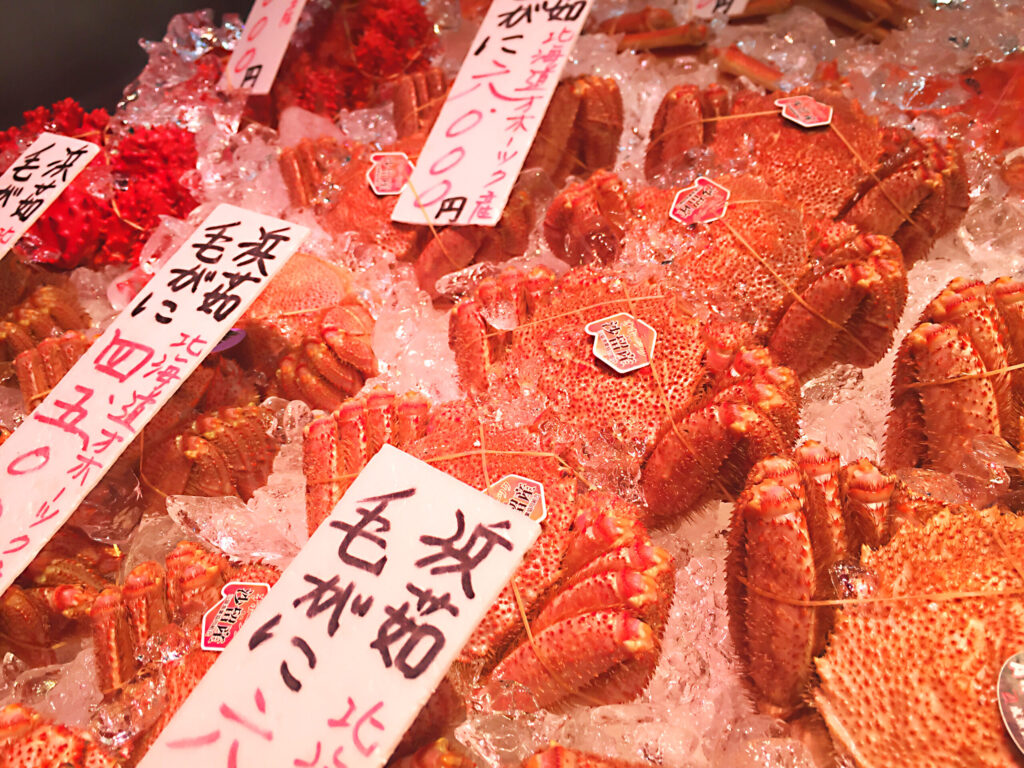
Crab is the star of Hokkaido’s winter cuisine, and Nijo Market is one of the easiest places for visitors to see and taste it. You will notice large tanks filled with spiny red king crabs, long-legged snow crabs, and squat hairy crabs.
You can buy crab to eat on the spot, usually boiled and pre-cut for easy handling, or ask vendors to ship it within Japan (for example, to your hotel in another city). Some stalls and restaurants offer simple crab meals: a portion of crab meat with rice, miso soup, and pickles, or grilled crab legs seasoned with a touch of salt or butter.
Grilled Seafood and Street-Style Snacks
If raw fish isn’t your first choice, there are plenty of cooked options:
- Grilled scallops with butter and soy sauce, charred at the edges
- Grilled squid on skewers, lightly seasoned
- Broiled fish, such as salmon or hokke (atka mackerel)
- Fresh oysters, served raw or lightly grilled, depending on the season and stall
These small bites are ideal if you want to sample flavors without committing to a full meal. Some stalls offer standing counters where you can eat quickly before moving on.
Seasonal Fruits and Local Products
Between the seafood stalls you will find Hokkaido produce: sweet melons in summer, apples and grapes in autumn, and sometimes strawberries in spring. There are also shops selling dried fish, kelp (konbu), miso, and bottled sauces that make good souvenirs.
Many of these items are vacuum-packed and suitable for travel, but always check customs rules for your home country before buying animal products.
How to Order and Eat Like a Local
Understanding Menus
Most restaurants in and around Nijo Market display sample dishes or color photos outside. Prices are typically listed in yen, with tax included or clearly noted. You can point to the dish you want and say:
- “Kore kudasai” – “This one, please.”
- “Osusume wa?” – “What do you recommend?”
Even if you do not speak Japanese, staff are used to visitors and will usually respond with simple English or gestures. Be patient and smile; communication is part of the fun.
Basic Table Etiquette
When eating at a sit-down restaurant in Nijo Market:
- You will often be given a wet towel (oshibori) – use it briefly to clean your hands.
- It is fine to slurp miso soup and noodles; this is considered normal in Japan.
- Do not stick chopsticks upright in rice or pass food from chopstick to chopstick, as both gestures resemble Japanese funeral customs.
- Payment is usually made at the register near the door after your meal, not at the table.
Most places accept cash, and some now accept credit cards or IC cards such as Suica, but do not rely on it. Carry some Japanese yen for small eateries.
Trying Raw Seafood Safely
Japan has long experience in handling raw seafood, and reputable vendors take hygiene seriously. If you are new to sashimi or sea urchin:
- Choose busy shops with a good turnover of ingredients.
- Start with milder flavors, such as salmon or tuna, before trying uni.
- Eat what you order; leaving large amounts of food feels wasteful in Japanese culture.
If you have allergies to shellfish or other seafood, explain clearly: “I have an allergy” in Japanese is “Arerugī ga arimasu.” Write down the specific food in English and, if possible, in Japanese to show staff.
Cultural Etiquette at the Market
Photos and Browsing
The colorful displays at Nijo Market are very photogenic, but they are also workplaces. As a visitor:
- Ask with a gesture or simple “Photo OK?” before taking close-up shots of people or products.
- Avoid blocking the narrow aisles when you stop to take pictures.
- Do not touch the seafood unless the vendor invites you to.
Browsing is welcome and you are not required to buy from every stall you look at. A nod, smile, or “arigatō” (thank you) when you move on is appreciated.
Eating While Walking
In many parts of Japan, eating while walking on the street is less common than in some other countries. At Nijo Market, some stalls allow you to eat small snacks while standing nearby, but try not to walk through crowded aisles with open containers or dripping seafood.
When you finish eating at a stand, return any trays or dishes to the shop and dispose of trash in the bins they provide. Public trash cans are rare in Japan, so you may need to carry small wrappers with you until you find one.
Practical Information for Visiting Nijo Market
Location and Access
Nijo Market is located just east of central Sapporo, within easy walking distance of major downtown landmarks:
- About 10–15 minutes on foot from Sapporo Station
- About 5–10 minutes on foot from Odori Park and central shopping areas
- Close to Bus Center-mae Station on the Sapporo Subway Tozai Line
If you are staying in central Sapporo, you can simply walk to the market following signs or a map app. The area is flat and easy to navigate. In winter, sidewalks can be icy, so wear shoes with good grip.
Opening Hours and Closures
Typical hours are:
- Shops: roughly 7:00–17:00
- Seafood restaurants and breakfast spots: often 7:00 or 8:00 until early afternoon
Some businesses may close one day per week or on certain holidays. If you have a specific restaurant in mind, check its individual hours in advance. In general, aiming for a morning visit is the most reliable.
Budget and Prices
Prices at Nijo Market are higher than a regular supermarket, but you are paying for freshness, location, and the experience of eating in a historic market. As a rough guide:
- Simple kaisendon: from around 1,500–2,000 yen
- Premium bowls with uni and crab: 3,000–4,500 yen or more
- Grilled scallop or squid snacks: a few hundred to around 1,000 yen each
- Whole crabs to take away: prices vary widely by size and type
Many visitors choose to splurge a little here on breakfast or lunch and then eat more casually later in the day.
Language and Accessibility
Staff at Nijo Market are used to international guests, especially from nearby Asian countries. English ability varies, but basic communication is usually possible with gestures, menu photos, and a few simple words.
The market streets are relatively flat, but can be narrow and crowded at times. If you use a stroller or wheelchair, it is easiest to visit early in the morning when aisles are less busy. In winter, snow and slush can collect at entrances, so take care when stepping inside.
Tips for First-Time Visitors to Japan
Cash, Cards, and Tax-Free Shopping
Japan is steadily becoming more card-friendly, but small market stalls often still prefer cash. ATMs that accept international cards are available at convenience stores (such as 7-Eleven and Lawson) around Sapporo’s city center.
Some shops selling packaged foods may offer tax-free shopping if you spend over a certain amount and show your passport. Look for “Tax Free” signs and ask at the counter if you are unsure.
Combining Nijo Market with Nearby Sights
Because of its central location and morning-oriented hours, Nijo Market fits well into a half-day itinerary. Many travelers:
- Enjoy a seafood breakfast at Nijo Market
- Walk to Odori Park for a stroll and city views
- Continue to the Sapporo TV Tower or Sapporo Clock Tower
- Explore downtown shopping streets and cafes in the afternoon
If you visit in February during the Sapporo Snow Festival, Nijo Market makes a convenient warm-up or cool-down spot between viewing ice sculptures in Odori Park and exploring the city’s winter lights.
Making the Most of Your Nijo Market Experience
For many first-time visitors to Japan, Nijo Market becomes one of the most vivid memories of their trip: the steam of miso soup on a cold morning, the snap of crab shells being cut open, the first taste of sea urchin or salmon roe over warm rice.
To make the most of your visit:
- Arrive early, especially on weekends or during peak travel seasons.
- Plan to eat at least one proper meal here, not just snacks.
- Be open to trying one new ingredient, even in a small amount.
- Take time to observe the rhythms of the market and interact politely with vendors.
Nijo Market is not only about food; it is a gentle introduction to everyday Japanese life in Hokkaido. With a bit of curiosity and respect, you will come away not just well fed, but with a sense of connection to the people who work the seas, supply the city, and welcome travelers from around the world.

Access Map
Recommended spots in Hokkaido
Blue Pond
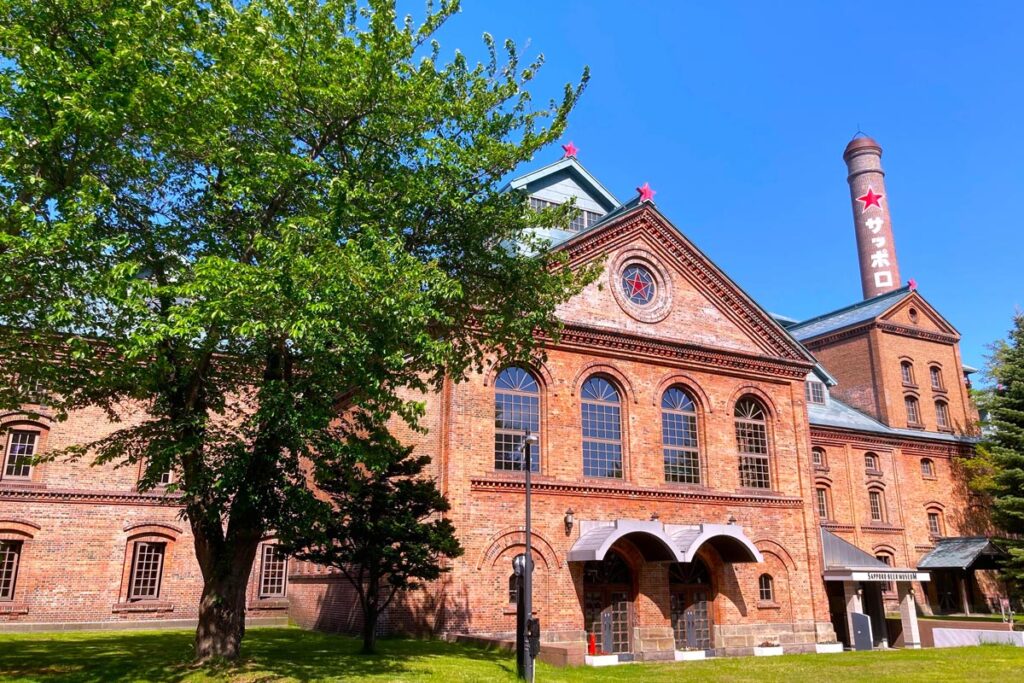
Sapporo Beer Museum
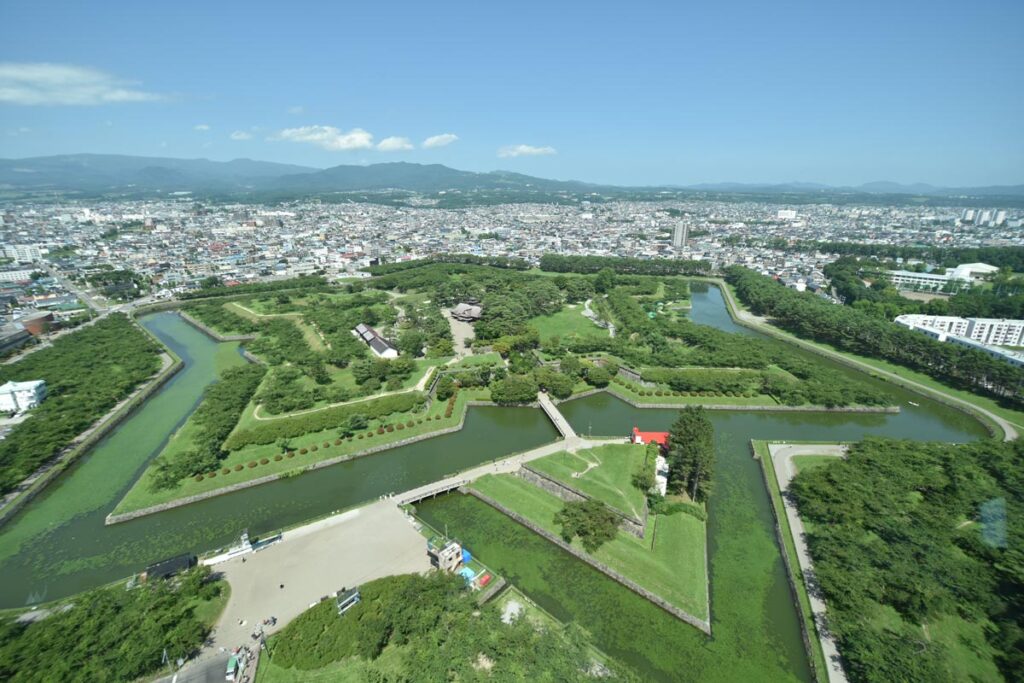
Goryokaku
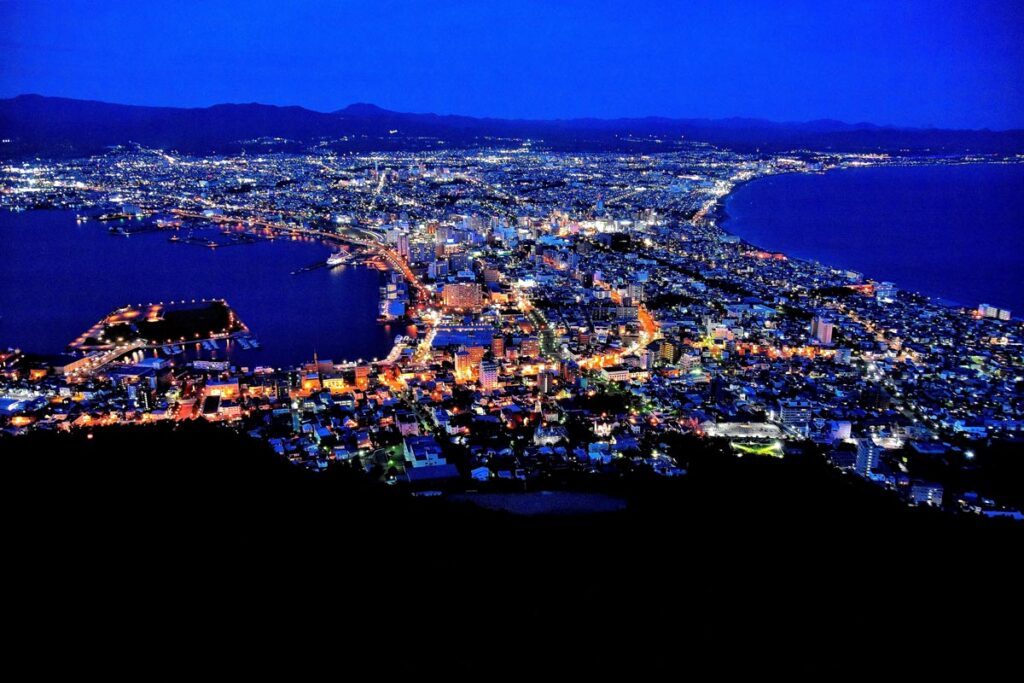
Mount Hakodate Night View
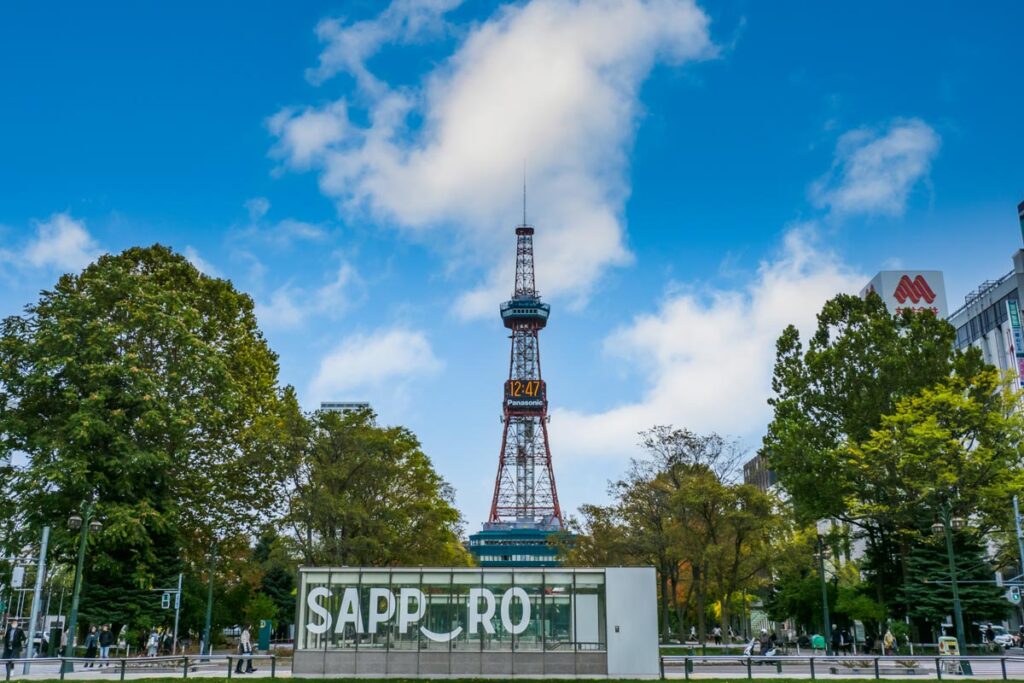
Odori Park
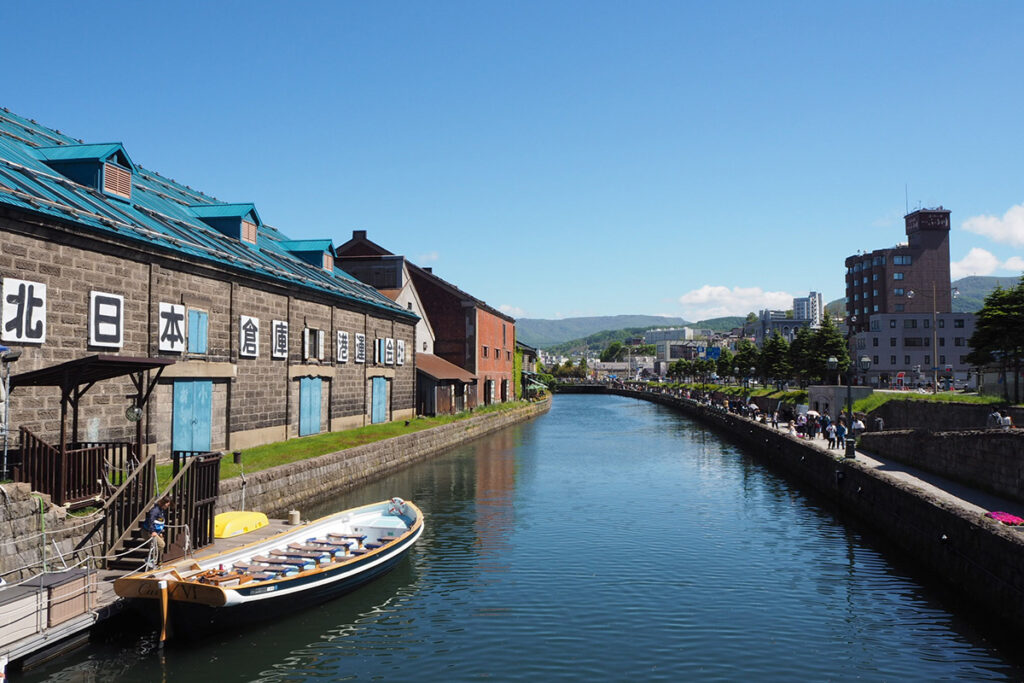
Otaru
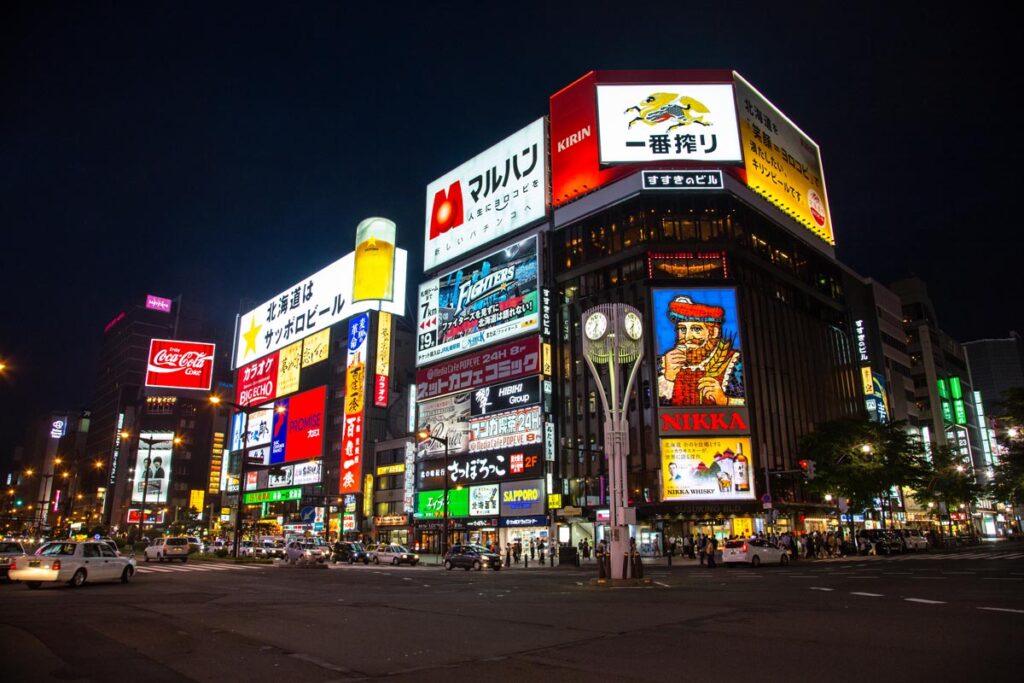
Susukino-Sapporo
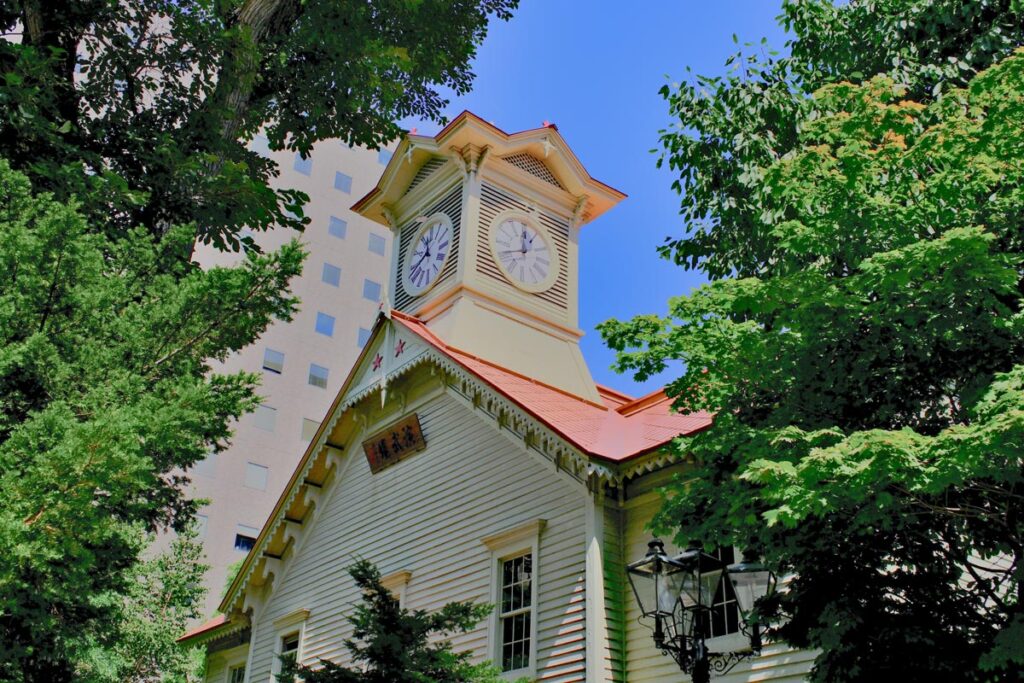
Sapporo Clock Tower
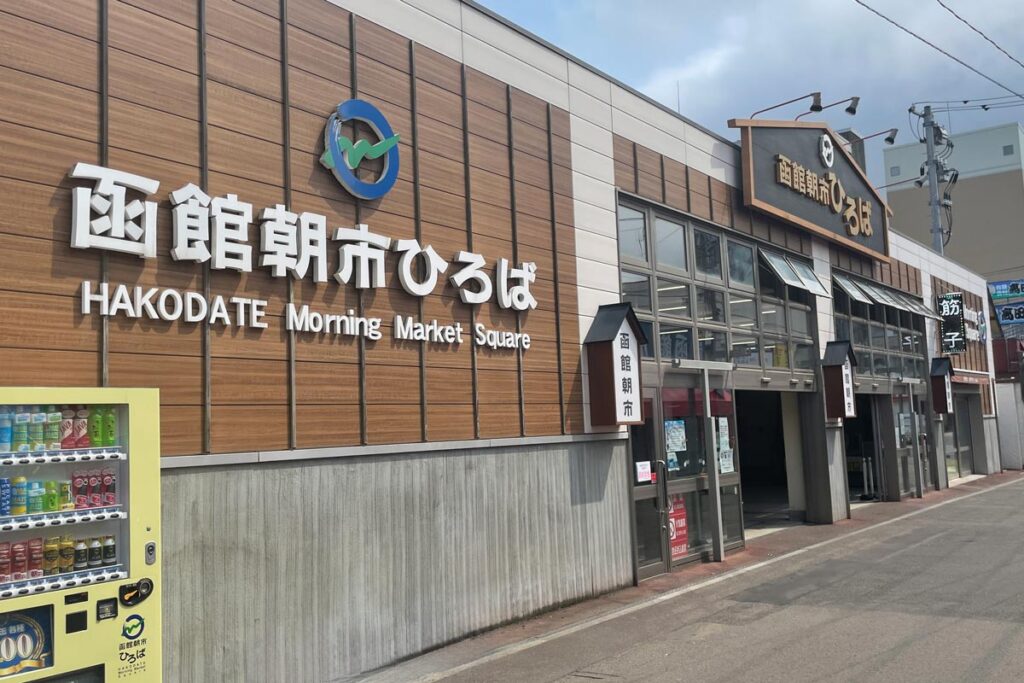
Hakodate Morning Market
Nijo Market
Farm Tomita
Furano Cheese Factory
Top destinations in Hokkaido & Tohoku

Aomori
Iwate
Fukushima