

Hirosaki Park
Hirosaki Park: A First-Time Visitor's Guide to Japan's Castle of Cherry Blossoms
For many first-time travelers to Japan, Tokyo and Kyoto immediately come to mind. Yet in the far north of Honshu, in Aomori Prefecture, there is a park that quietly steals the hearts of those who make the journey: Hirosaki Park. Centered around Hirosaki Castle, this vast public park is one of Japan’s most celebrated cherry blossom destinations and a rare place where you can feel samurai history, seasonal beauty, and small-city warmth all in one visit.
Why Hirosaki Park Belongs on Your Japan Itinerary
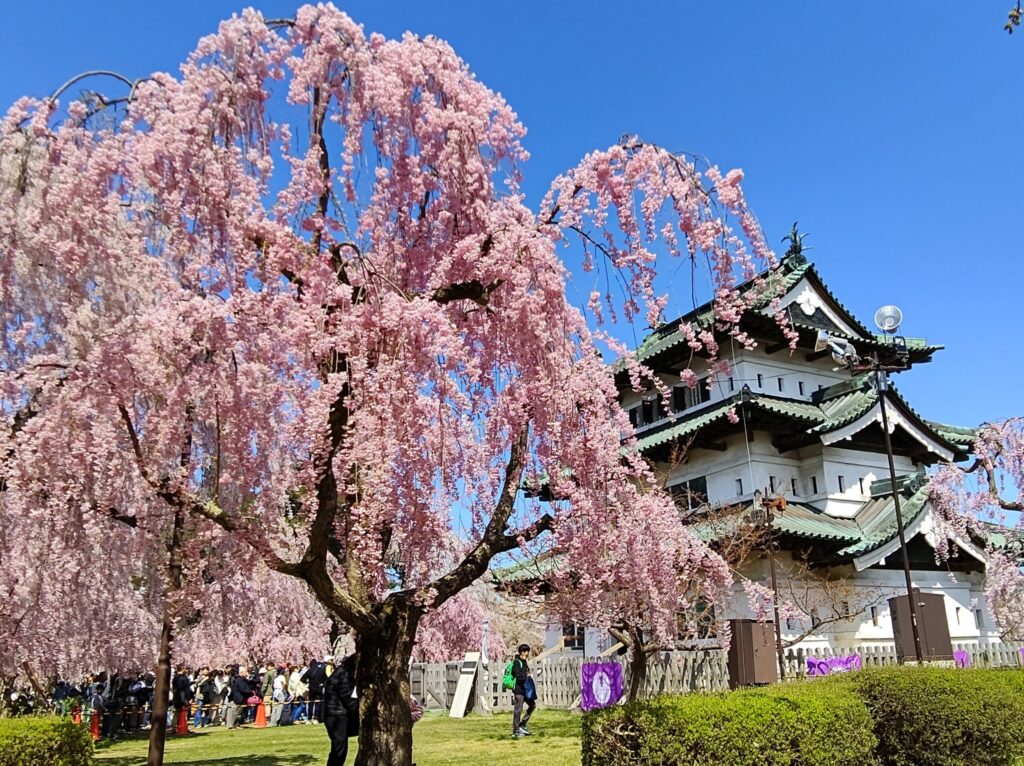
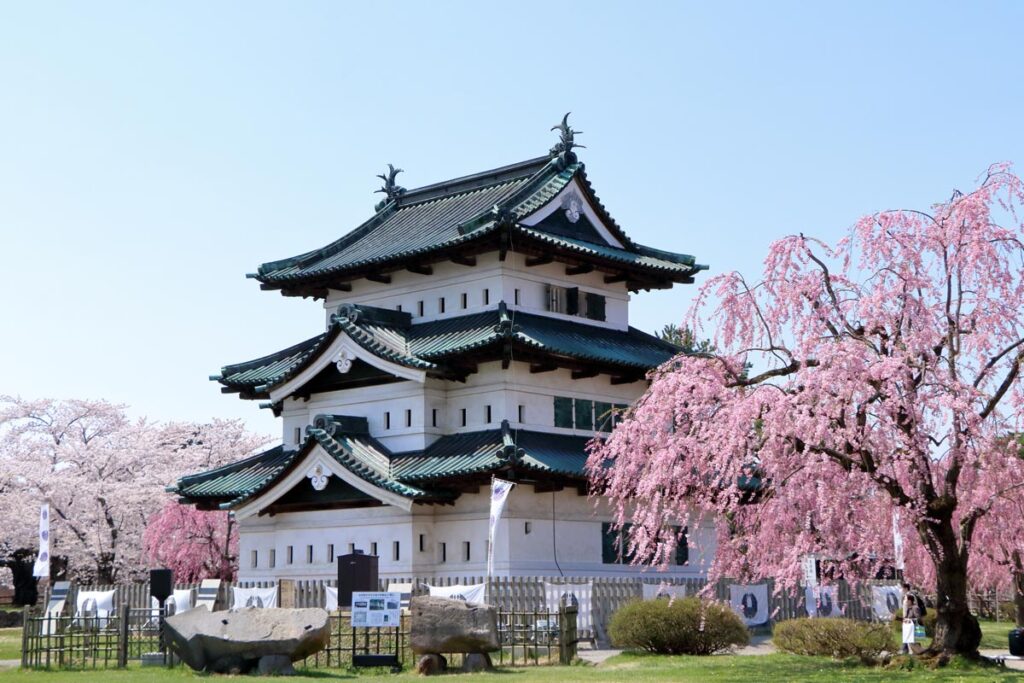
Hirosaki Park is best known for its spectacular sakura (cherry blossoms), but its appeal goes far beyond a single season. The park surrounds one of Japan’s few remaining original castle keeps, and its moats, gates, and stone walls create a living open-air museum of the Edo period. Unlike many Japanese castles that are concrete reconstructions, Hirosaki Castle retains an authentic wooden tenshu (main keep), making it especially atmospheric.
The park’s charm lies in its balance. You can wander through peaceful tree-lined paths, explore historical buildings, pause for matcha in a traditional garden, and join in lively seasonal festivals that locals genuinely enjoy—not just for tourists. For visitors coming to Japan for the first time, Hirosaki Park offers a more relaxed and intimate window into Japanese culture than the country’s bigger cities.
Getting to Hirosaki Park
Hirosaki is located in Aomori Prefecture, in the northern Tohoku region of Japan’s main island. Despite its distance from Tokyo and Osaka, it is relatively easy to reach by train and makes an excellent side trip or overnight stay.
From Tokyo
By Shinkansen (recommended):
- Take the Tohoku Shinkansen from Tokyo Station or Ueno Station to Shin-Aomori Station (about 3–3.5 hours).
- Transfer to the JR Ou Line or the local Aoimori Railway to Hirosaki Station (about 35–45 minutes).
From Hirosaki Station, Hirosaki Park is around 20–25 minutes on foot, or about 10 minutes by local bus or taxi. English signage is limited but station staff are accustomed to visitors during cherry blossom season, and basic help in English is often available.
From Aomori City
If you are staying in Aomori City, it is an easy day trip:
- Take the JR Ou Line or Aoimori Railway from Aomori Station to Hirosaki Station (approx. 35–45 minutes).
What to Expect Inside Hirosaki Park
Hirosaki Park is large but walkable, and its layout naturally guides you through different layers of history and scenery. The park is divided by moats and old fortifications into distinct areas: outer moats lined with cherry trees, middle grounds with open lawns and walking paths, and the central inner citadel where the castle keep stands.
You can enjoy much of the park for free, though there are small admission fees for the inner castle area, the botanical garden, and certain historical buildings. Tickets are inexpensive, and combination passes are often available, especially during peak seasons like spring.
Hirosaki Castle: A Rare Original Keep
At the heart of Hirosaki Park lies Hirosaki Castle, first completed in the early 17th century by the Tsugaru clan. Unlike many famous Japanese castles that were destroyed by fire, war, or modernization, Hirosaki’s three-story keep and several gates and turrets have survived in largely original form.
The castle keep itself is modest in size compared to giants like Himeji, but its compact wooden structure, slightly weathered white walls, and black-tiled roofs give it a quiet dignity. Inside, simple exhibits share the story of the Tsugaru clan, local samurai culture, and how the castle has been preserved over the centuries.
One unique aspect in recent years has been the temporary relocation of the castle keep. To repair aging stone walls, the entire structure was carefully moved away from its original foundation using modern engineering techniques—a rare and impressive example of Japan’s commitment to preserving historic architecture. Depending on when you visit, you may see the castle in a slightly different position within the inner grounds while restoration work continues.
Season by Season: When to Visit Hirosaki Park
Spring: One of Japan’s Finest Cherry Blossom Spots
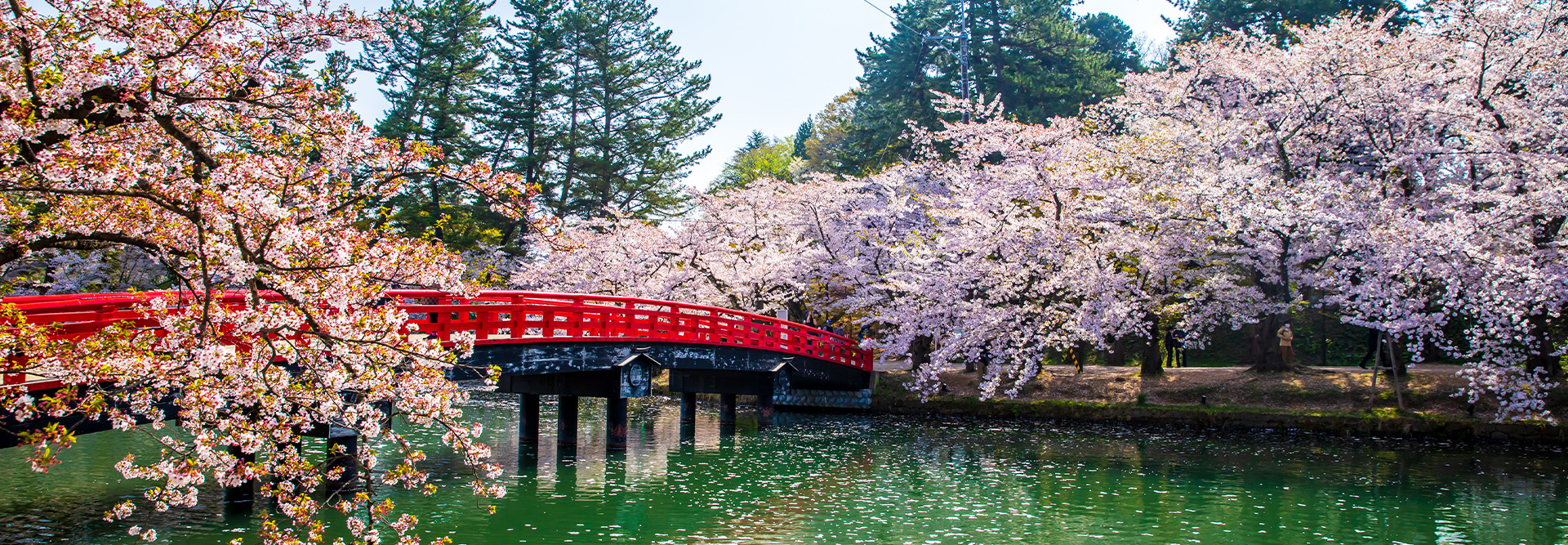
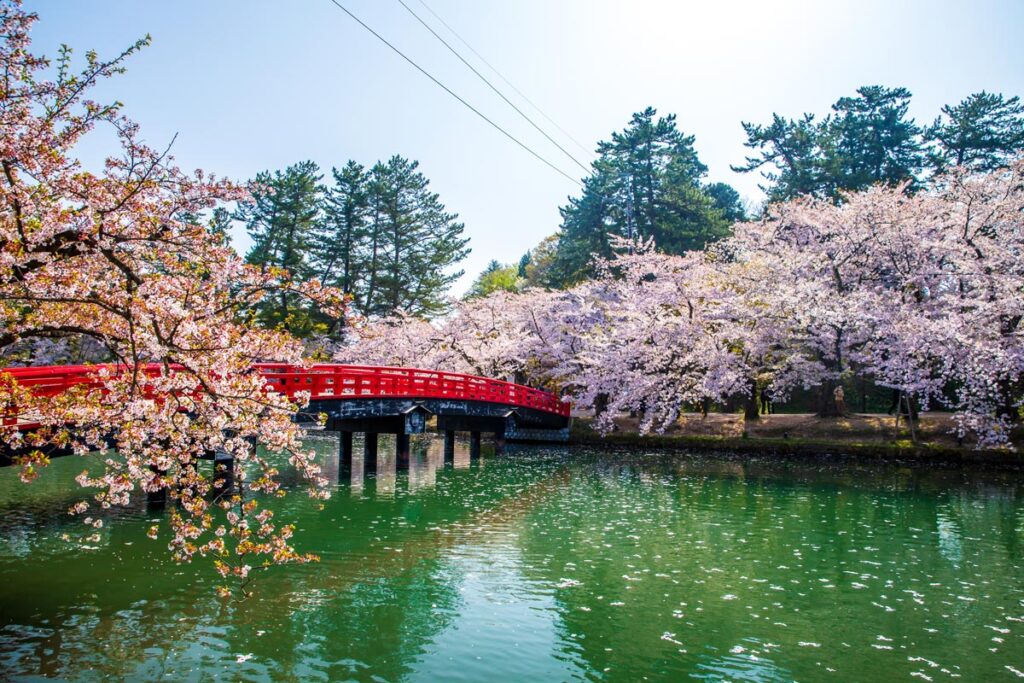
Late April to early May is when Hirosaki Park truly becomes world-famous. Over 2,000 cherry trees create clouds of blossoms along the moats, around the castle, and throughout the grounds.
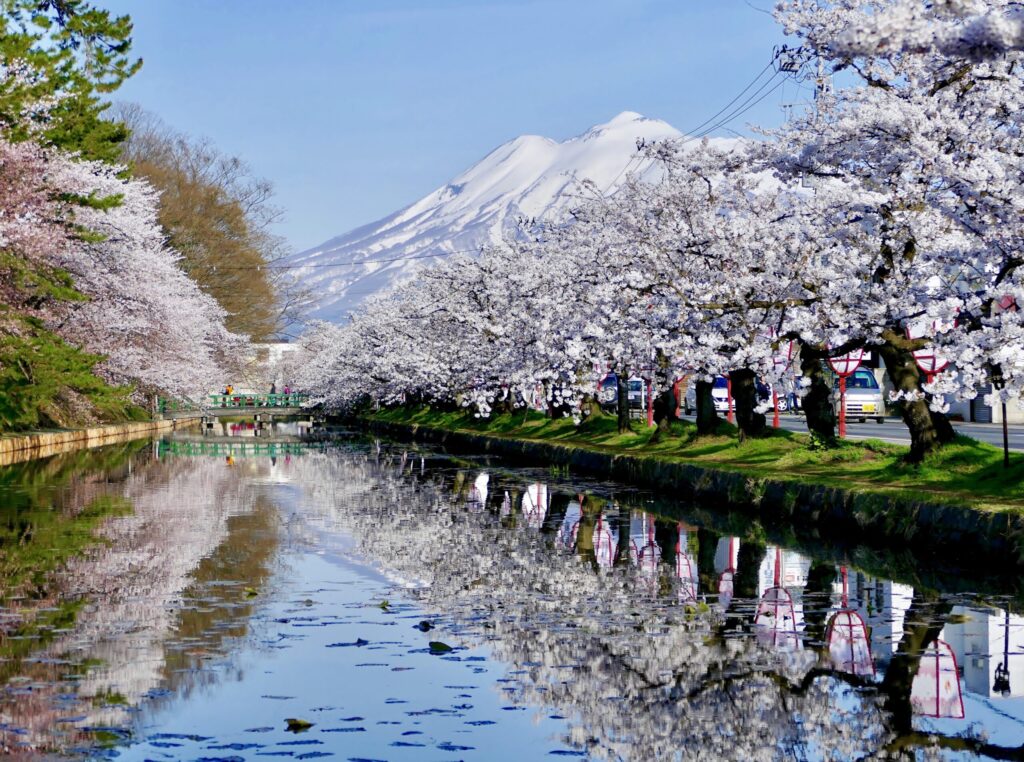
What makes Hirosaki’s cherry blossoms special is the combination of landscape and trees. Many are century-old somei yoshino cherries, carefully pruned to form arching tunnels over the paths and moats. When petals begin to fall, they carpet the water with a soft pink layer known as hanaikada (flower rafts), a scene that has become iconic in photographs.
During the Hirosaki Cherry Blossom Festival, the park stays open into the evening, with lanterns illuminating the trees. Food stalls line the paths, selling regional specialties like grilled squid, yakisoba, and Aomori’s famous apple sweets. You can also rent small rowboats to glide along the moat under the blossoms—a romantic and uniquely Japanese experience.
Because this is the busiest time of year, expect crowds and consider arriving early in the morning or staying into the evening to experience quieter moments. It is wise to book accommodation well in advance if you plan to visit during peak bloom.
Summer: Greenery and Local Festivals
In summer, Hirosaki Park is lush and deeply green. While not as internationally famous as spring, this is a relaxed time to enjoy the grounds without heavy crowds. The wide lawns, shaded paths, and cool breezes from the moats make it ideal for strolling.
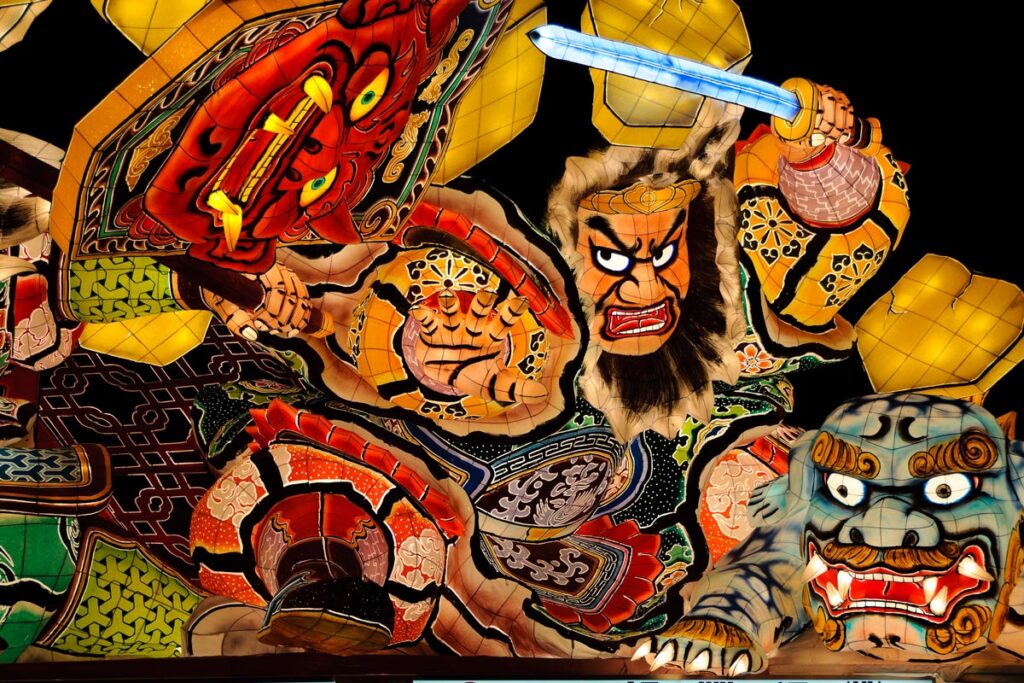
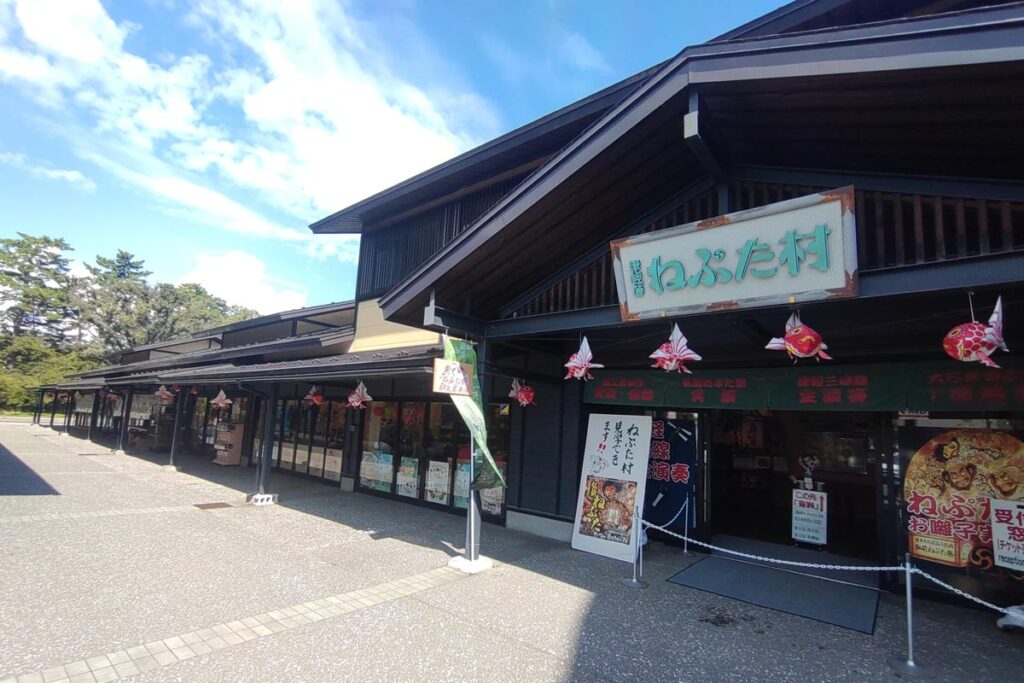
Hirosaki City also hosts summer festivals featuring traditional nebuta or neputa floats—illuminated lantern floats depicting heroic figures and mythical scenes characteristic of Aomori culture. While the most famous is the Aomori Nebuta Festival in nearby Aomori City, Hirosaki’s version has a more intimate, local feel. If your trip falls in early August, you can combine daytime exploration of the park with evening festival viewing in town.
Autumn: Fiery Maples and Crisp Air
Hirosaki Park is one of Tohoku’s best places to see autumn leaves. From late October to early November, the park’s Japanese maples, ginkgo trees, and cherry trees turn brilliant shades of red, orange, and yellow.
The Hirosaki Castle Chrysanthemum and Autumn Foliage Festival showcases elaborate chrysanthemum displays, including floral sculptures and traditional arrangements. After dark, illuminated maples cast reflections into the moats, creating a dreamlike atmosphere around the castle. Autumn is also apple season in Hirosaki—Japan’s “Apple Kingdom”—so you can taste freshly pressed juice, pies, and sweets made with local varieties.
Winter: Snow, Silence, and Snow Lanterns
Winter in Hirosaki is cold and snowy, transforming the park into a tranquil, white landscape. The castle and its stone walls capped with snow feel straight out of a historical drama. If you are prepared for winter weather, this is one of the most peaceful times to visit.
In February, the Hirosaki Castle Snow Lantern Festival lights up the park with snow sculptures and candlelit snow lanterns. The contrast between the warm glow of candles and the icy snow, with the castle in the background, provides a side of Japan few tourists experience on their first trip.
Key Sights and Experiences in Hirosaki Park
Castle Gates, Moats, and Turrets
As you approach from the main entrance, you will pass through impressive wooden gates and cross arched bridges over wide moats. Take time to notice the stone walls, defensive structures, and surviving turrets (yagura), which tell the story of how the castle was built to guard the Tsugaru domain.
Hirosaki Botanical Garden
On the south side of the park, the Hirosaki Botanical Garden showcases hundreds of plant species native to the region. In spring and summer, it offers a more peaceful counterpoint to the crowded cherry blossom areas, while in autumn you can enjoy a dense concentration of colorful trees and shrubs.
Traditional Teahouses and Rest Spots
Scattered around the park are small teahouses and rest areas where you can pause for refreshments. Some offer matcha green tea and Japanese sweets served in a simple, traditional style. This is a good chance to slow down and observe local visitors enjoying hanami (flower viewing) or simply spending time with family.
Historical Buildings and Museums
Near the park, you will find preserved samurai residences and Western-style buildings from the Meiji era, when Japan rapidly modernized. Hirosaki embraced Western architecture relatively early, and several brick and stone buildings remain, including a former library and public halls. These contrasts—samurai-era castle, Meiji modernity, and contemporary city life—are all within walking distance.
Local Culture and Etiquette Tips
Hirosaki Park is not just a tourist attraction; it is a beloved public space for local residents. Following a few simple guidelines will help you blend in and show respect.
- Hanami etiquette: During cherry blossom season, families and friends spread picnic sheets under the trees. Avoid stepping on other people’s picnic areas, and do not shake branches to make petals fall.
- Trash and recycling: Public trash cans are limited. Carry a small bag to take your rubbish with you, especially if you buy food from stalls.
- Quiet appreciation: While festivals can be lively, many parts of the park are peaceful. Keep voices moderate, especially near shrines or when others are taking photos.
- Shoes and indoor spaces: If you enter any traditional building or teahouse, you will likely be asked to remove your shoes. Wear socks without holes and follow staff instructions.
Food and Drink Around Hirosaki Park
Hirosaki is famous in Japan for its apples, and you will see apple motifs everywhere—from manhole covers to souvenirs. Around the park and in nearby streets, look for:
- Apple pie: Many cafes compete to serve the best apple pie, and maps sometimes list dozens of varieties around the city.
- Apple juice and cider: Freshly pressed juice and, in some places, alcoholic cider made from local apples.
- Local specialties: Try kenoshiru (a hearty vegetable soup), grilled seafood from Aomori’s coasts, and simple noodle dishes like ramen or soba popular with local residents.
During festivals, temporary food stalls offer an easy way to sample Japanese street food without Japanese language skills. Pointing and paying in cash is usually enough; stall staff are used to visitors and very welcoming.
Practical Tips for First-Time Visitors
- Language: English is less widely spoken in Hirosaki than in Tokyo or Osaka, but station staff and tourism offices often have basic English support and maps. A translation app is very helpful.
- Payment: Cash is still widely used at small shops and food stalls, though larger restaurants and hotels accept credit cards. ATMs at convenience stores typically accept international cards.
- Clothing: Weather in Aomori can be cooler than in central Japan. Bring layers, especially in spring and autumn, and warm boots in winter.
- Timing: For cherry blossoms, exact dates change each year with the weather. Late April is often peak, but check recent forecasts from official tourism sources as your trip approaches.
- Accessibility: Many paths in the park are flat and paved, though some historic areas have steps and uneven surfaces. Restrooms are available at several locations.
Combining Hirosaki with a Tohoku Journey
Hirosaki Park makes an excellent anchor for exploring the wider Tohoku region, which remains less crowded than Japan’s major tourist centers. From Hirosaki, you can venture to onsen (hot spring) towns, mountain temples, and rugged coastlines. Aomori’s Nebuta Museum, the nearby Shirakami-Sanchi World Heritage beech forests, and the hot springs of Owani and Tsuta Onsen are all within reach.
For first-time travelers looking to balance Japan’s famous cities with quieter, more authentic experiences, Hirosaki Park is an ideal starting point. Its castle, blossoms, seasonal festivals, and welcoming small-city atmosphere offer a richly layered introduction to Japanese culture—one that many visitors remember as the highlight of their trip.

Access Map
Recommended spots in Aomori
Nebuta Museum
Wa Rasse
Hirosaki Park
Hirosaki Castle
Tsugaru Neputa Village
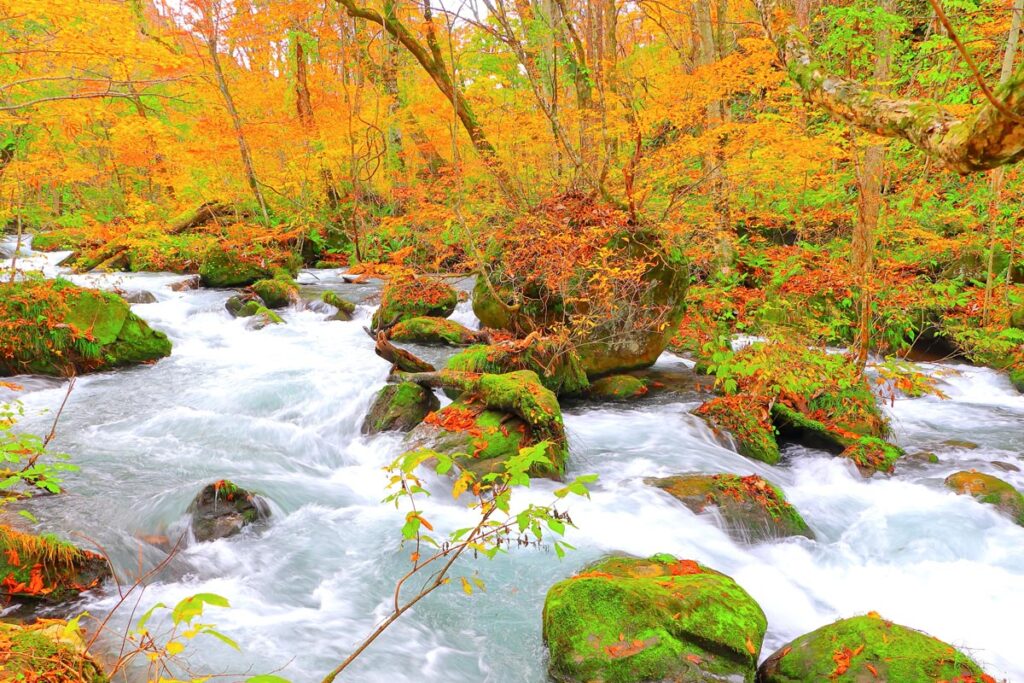
Oirase Stream
Top destinations in Hokkaido & Tohoku
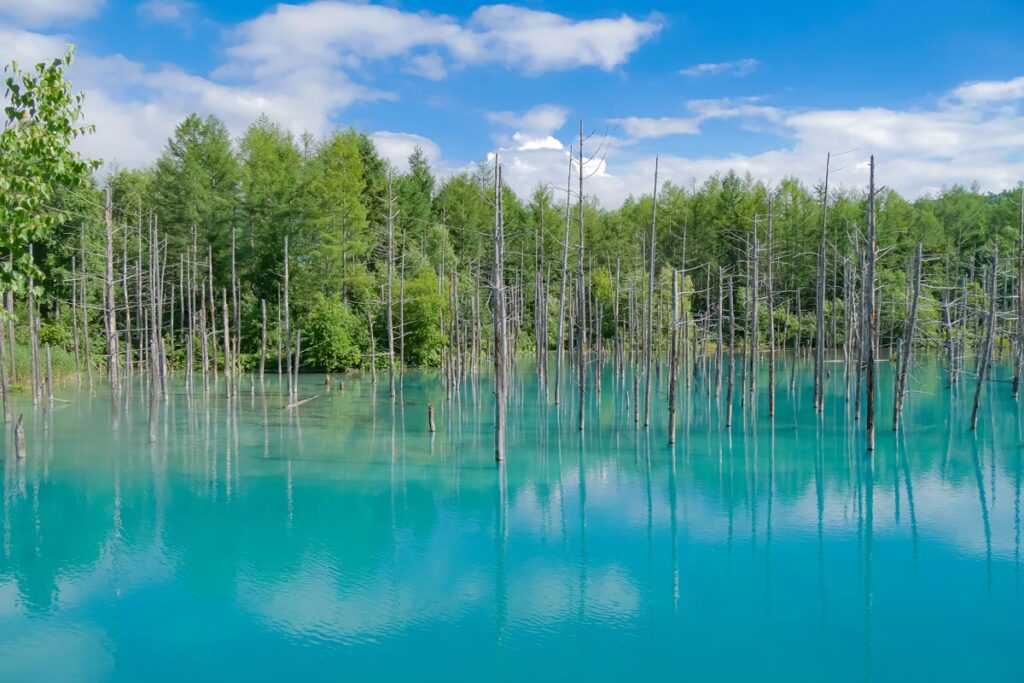
Hokkaido
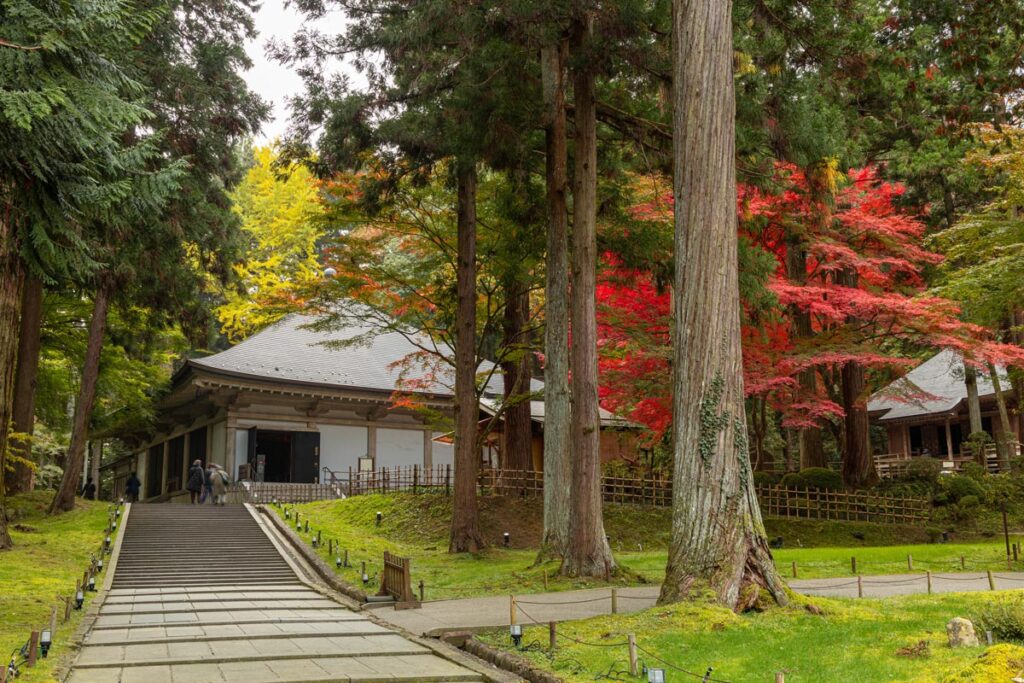
Iwate
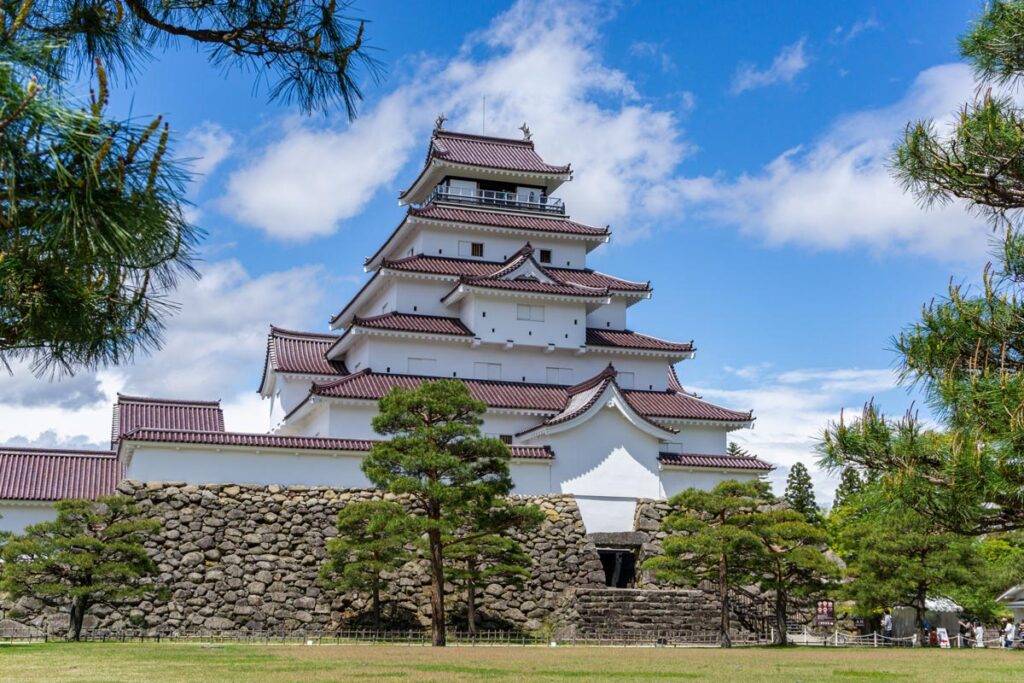
Fukushima