

Hirosaki Castle
Hirosaki Castle Travel Guide for First-Time Visitors to Japan
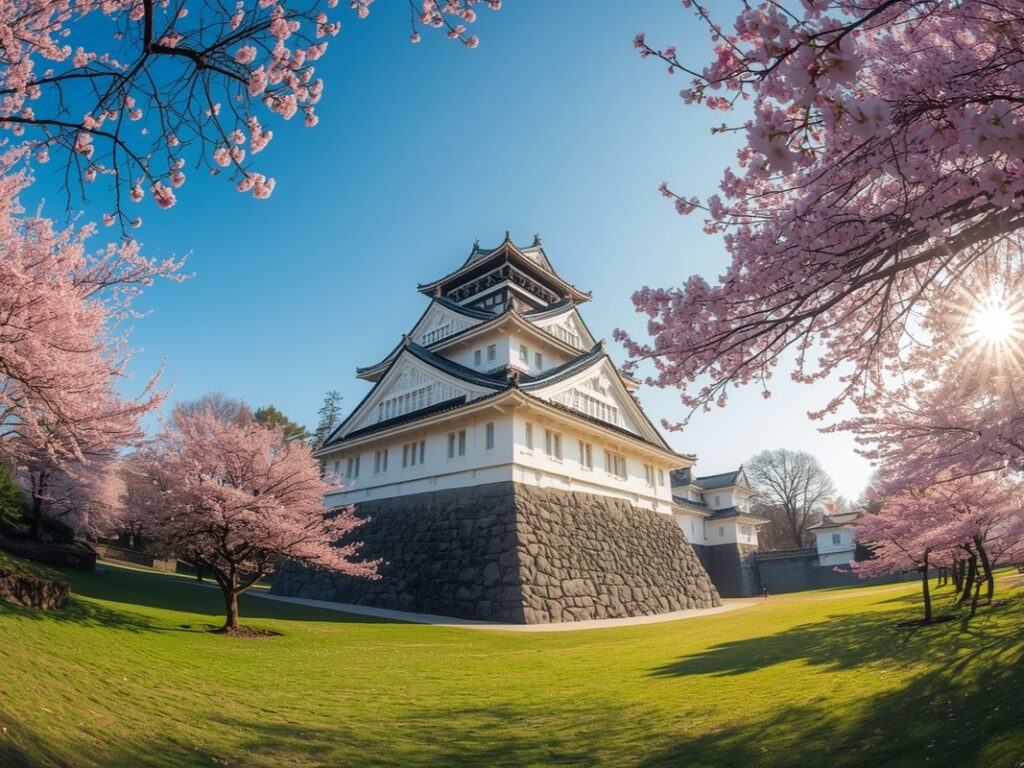
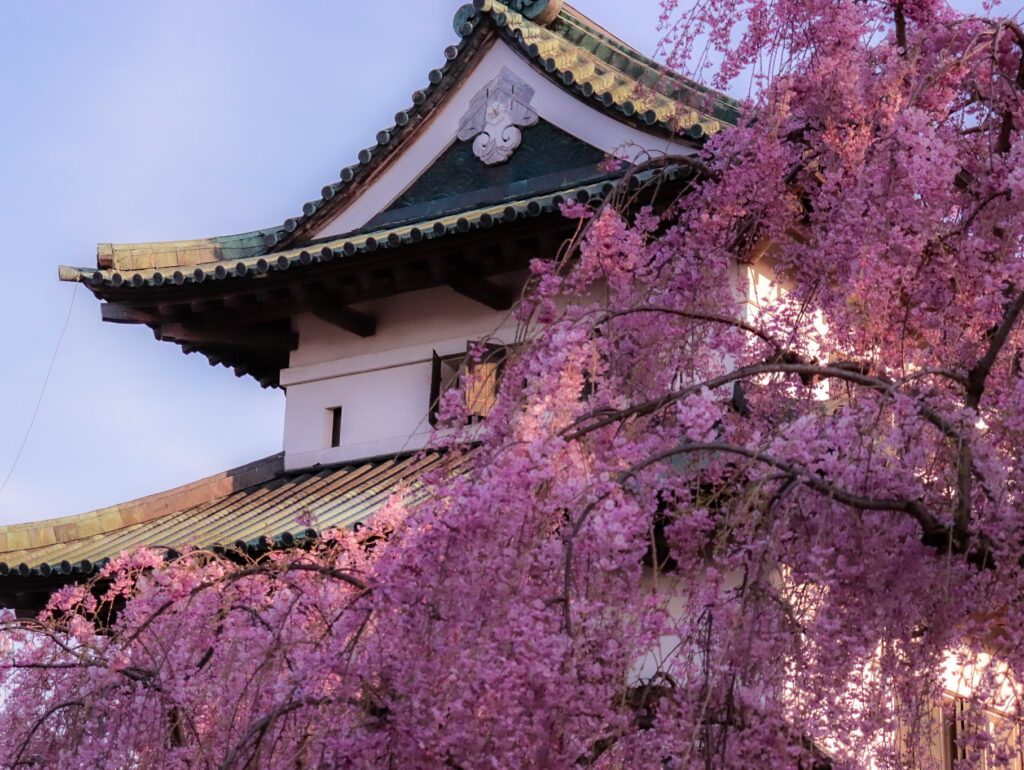
Photos are for illustrative purposes only.
Hirosaki Castle is one of northern Japan’s most atmospheric historical sites, famous for its spectacular cherry blossoms, elegant moats, and views of Mount Iwaki. Located in Aomori Prefecture at the northern tip of Honshu, it offers a quieter, more intimate castle experience than Tokyo or Kyoto, while still being easy enough to reach for international travelers.
This guide explains what to see, when to visit, how to get there, and practical tips to help you enjoy Hirosaki Castle on your first trip to Japan.
Why Visit Hirosaki Castle?
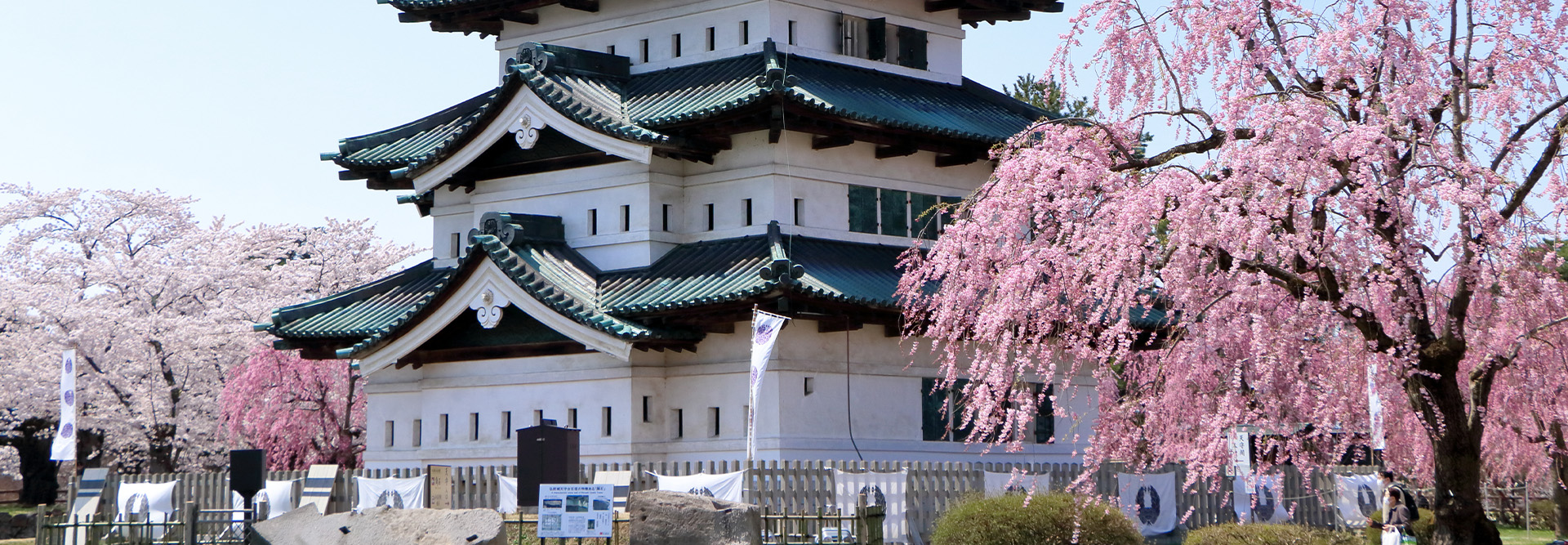
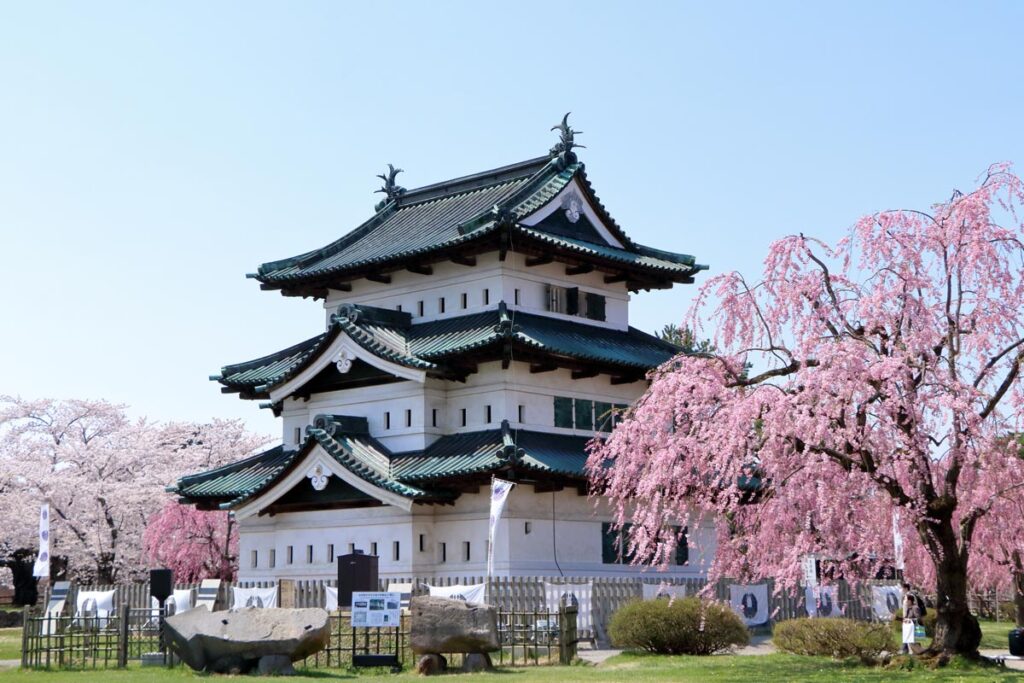
Hirosaki Castle (Hirosaki-jō) is one of Japan’s few remaining original castles with a historic keep, rather than a modern concrete reconstruction. First built in the early 17th century by the Tsugaru clan, it became the political and cultural heart of the region.
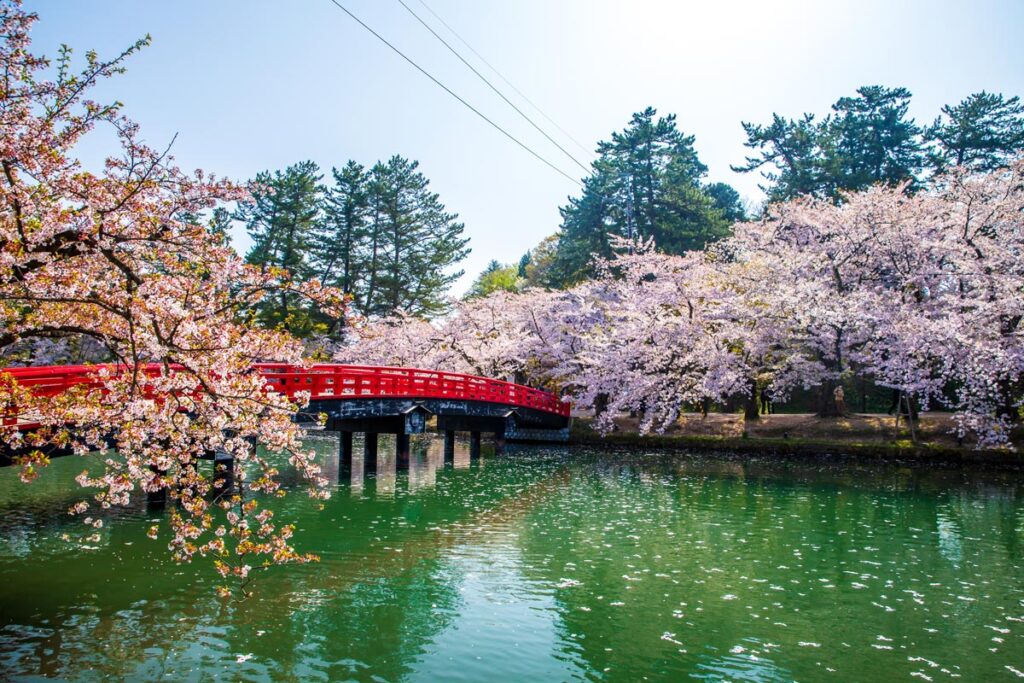
Today, the castle sits inside Hirosaki Park, a vast, beautifully maintained public garden with over 2,500 cherry trees, broad lawns, stone ramparts, wooden bridges, and peaceful moats. During spring, the entire area transforms into one of Japan’s most iconic hanami (cherry blossom viewing) spots, drawing visitors from across the country.
But Hirosaki Castle is worth visiting in every season. Unlike ultra-crowded urban attractions, it offers space, fresh air, and the chance to feel how a regional castle town once looked and functioned.
Highlights of Hirosaki Castle and Park
The Castle Keep
The current three-story keep dates back to the early 19th century and is relatively modest in size compared to castles like Himeji or Osaka. That smaller scale is part of its charm: the interior is wooden, creaky, and atmospheric, giving a genuine sense of age.
Inside, you’ll find exhibits on the Tsugaru family, samurai armor, weapons, and models that explain how the castle once looked in full. The staircases are steep and narrow, typical of Japanese castles, so take your time going up and down.
The upper floors offer views over the moats, stone walls, and, on clear days, the snow-capped silhouette of Mount Iwaki. This combination of architecture and landscape is one of the reasons photographers love Hirosaki.
Moats, Bridges, and Stone Walls
Hirosaki Castle is surrounded by a system of moats and thick stone walls, once key to its defense and now central to its beauty. Wooden bridges arch delicately over the water, reflecting the traditional aesthetics of Japanese garden and castle design.
Make time to walk the circular paths around the moats. You’ll see:
- Massive stone ramparts, carefully stacked without mortar
- Watchtowers and gates from the Edo period (1603–1868)
- Serene water views with carp and seasonal waterfowl
These details help you imagine how the castle looked when it was a living military and administrative center.
Hirosaki Park and Cherry Trees
Hirosaki Park is large enough to spend several hours exploring. Beyond the castle zone, you’ll find:
- Cherry tree tunnels that form pink archways in spring
- Open lawns where locals relax and have picnics
- Smaller shrines and stone monuments scattered along the paths
- Traditional-style buildings and rest spots
The park is also a place to observe daily life in a provincial Japanese city. Elderly residents stroll for exercise, families take weekend walks, and students gather under trees to chat and snack.
Seasonal Experiences at Hirosaki Castle
Spring: One of Japan’s Best Cherry Blossom Spots
Hirosaki Castle is consistently ranked among Japan’s top cherry blossom destinations. The park usually holds its cherry blossom festival (Hirosaki Sakura Matsuri) from late April to early May, although exact dates vary slightly each year depending on the blooming period.
What makes it so special:
- Sheer volume of blossoms: Over 2,500 trees, some more than 100 years old, line the moats and pathways.
- Petal carpets: When petals fall, the moats turn into vivid pink rivers, a scene known as “hana-ikada” (flower rafts).
- Night illuminations: After dark, lanterns and spotlights illuminate the castle and trees, creating a magical, almost theatrical atmosphere.
- Festival mood: Food stalls (yatai) sell local specialties, snacks, and festival treats; you’ll hear laughter, music, and clinking beer cans under the blossoms.
During the festival, expect crowds, especially on weekends and during Golden Week (a cluster of national holidays in late April and early May). If possible, visit on a weekday morning for more relaxed viewing.
Summer: Greenery and Festivals
In summer, the park shifts from pink to lush green. The moats are surrounded by dense foliage, and the shade makes walking pleasant even on warmer days. This is a good time to capture photos of the castle framed in deep greens against bright blue skies.
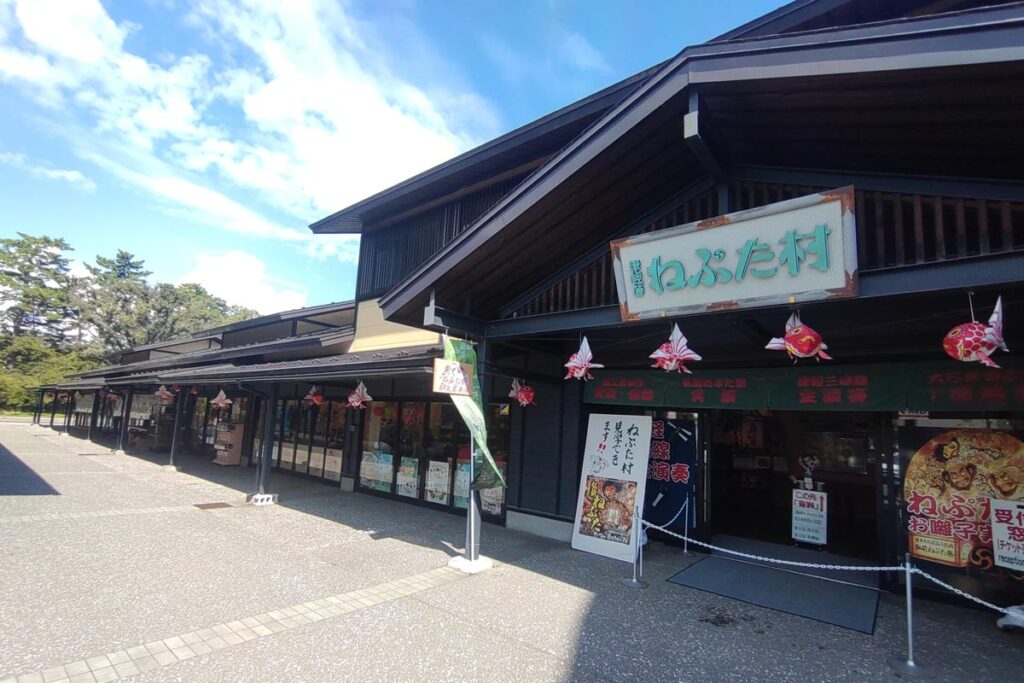
Hirosaki city and the wider Aomori area are also known for summer festivals, including nebuta-style parades with illuminated floats in nearby cities. While the castle itself is relatively calm, the region takes on a festive atmosphere.
Autumn: Colorful Leaves and Crisp Air
Aomori is famous for autumn foliage, and Hirosaki Castle is no exception. From late October to early November, the park’s maple and ginkgo trees turn fiery red, orange, and yellow. The park often hosts an autumn foliage festival with evening illuminations.
Compared to spring, autumn is less crowded but just as photogenic. The combination of red maples, golden leaves on the path, and the white castle tower makes this an appealing time for photographers and travelers who prefer quieter spaces.
Winter: A Snowy Castle Scene
Hirosaki lies in a heavy snowfall area. In winter, the castle, moats, and trees are covered in deep snow, creating a serene, monochrome landscape. Snow lantern festivals and illuminations are sometimes held, casting a gentle glow over the grounds.
Winter visits require proper clothing: warm layers, waterproof footwear with good grip, hat, and gloves. However, if you enjoy winter scenery, the contrast between the pure white snow and the dark stone walls is unforgettable.
Cultural Context and Local Flavor
The Tsugaru Domain and Aomori’s History
Hirosaki Castle was the seat of the Tsugaru clan, rulers of the Tsugaru domain. This northern domain was relatively remote from the political center in Edo (Tokyo), but it played a role in controlling trade routes and coastal defenses.
Life in this cold, snowy region demanded resilience and adaptation. You can still feel this in local culture: hearty cuisine, strong regional pride, and distinctive dialects. Visiting the castle is not only about architecture; it is a window into how people lived and survived in northern Japan.
Hirosaki as a Castle Town
The area around the castle developed as a castle town, with samurai residences, merchant districts, and temples. Today, you can still find traces of that urban layout in the grid-like streets and older neighborhoods.
Nearby, you may want to explore:
- Traditional streets: Pockets of older houses and shops that preserve local character.
- Temples and shrines: Smaller religious sites linked historically to the castle and its retainers.
- Cafés and sweet shops: Many serve apple-based desserts, reflecting Aomori’s status as Japan’s leading apple producer.
Local Food to Try
After exploring the castle, sample some regional dishes and snacks around Hirosaki:
- Aomori apples: Fresh apples, juices, pies, and sweets. Apple soft-serve ice cream is popular.
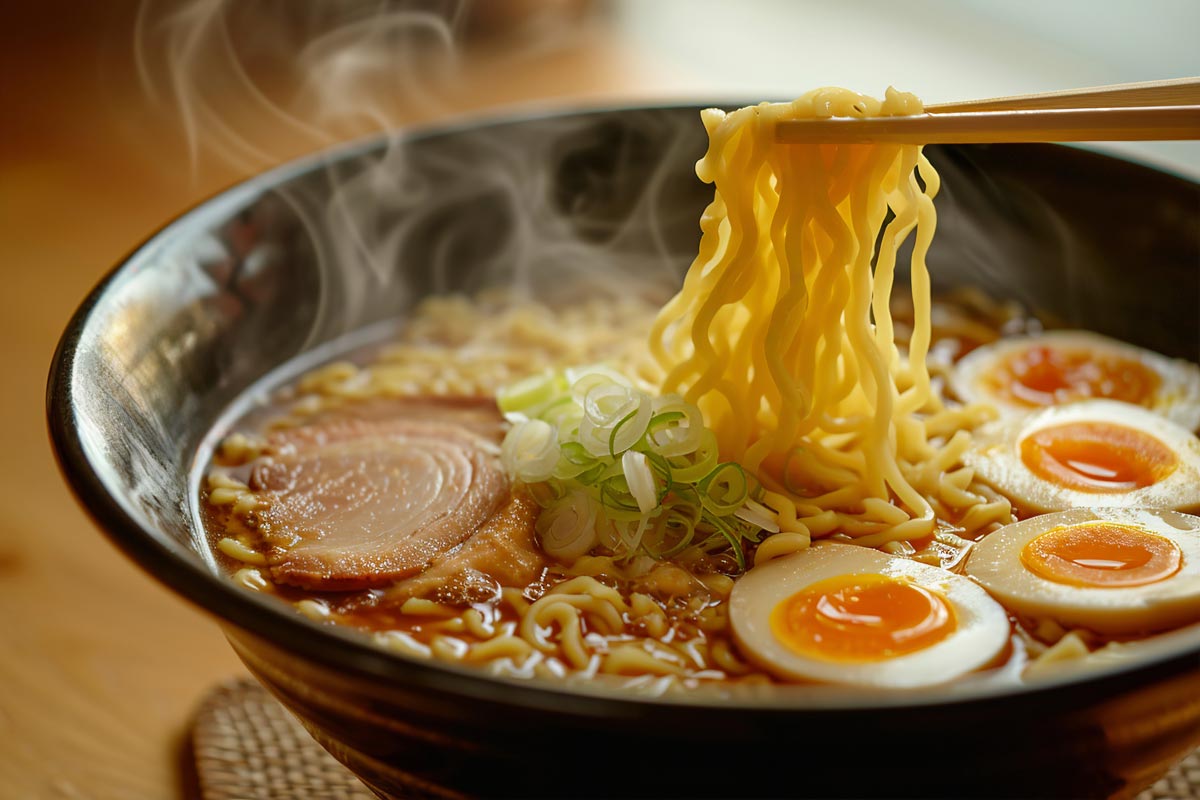
- Tsugaru ramen: Local ramen styles often feature soy-based broth, simple toppings, and comforting flavors.
- Hotpot dishes: Especially in cooler months, nabe (hotpot) featuring local vegetables and seafood is common.
Many restaurants have picture menus or plastic food displays, making ordering easier for international visitors.
How to Get to Hirosaki Castle
From Tokyo
Hirosaki is accessible from Tokyo by a combination of shinkansen (bullet train) and local train or bus:
- Take the Tohoku Shinkansen from Tokyo or Ueno Station to Shin-Aomori Station (about 3 to 3.5 hours, depending on service).
- From Shin-Aomori, transfer to a local JR train or a limited express to Hirosaki Station (around 35–45 minutes).
If you hold a Japan Rail Pass, this route is generally covered, but always confirm specific train eligibility when planning.
From Aomori City or Aomori Airport
From central Aomori city, JR trains connect to Hirosaki in roughly 45 minutes. From Aomori Airport, buses operate to Aomori Station, where you can transfer to the JR line for Hirosaki. Some limousine buses may connect directly to Hirosaki depending on the season and timetable.
Reaching the Castle from Hirosaki Station
Hirosaki Castle is about 2 km from Hirosaki Station:
- On foot: Around 25–30 minutes through the town, a pleasant walk if you are lightly packed.
- By bus: Local buses run from the station to stops near Hirosaki Park; signs and announcements often include English during tourist seasons.
- By taxi: A short ride, useful in bad weather or if you are traveling with luggage.
Tickets, Hours, and Practical Information
Opening Hours and Admission
The castle grounds within Hirosaki Park are generally open year-round, but access to the castle keep and certain inner areas is usually limited to the warmer months. Opening hours and specific dates can change, especially during restoration or seasonal events.
There is typically a small admission fee to enter the inner castle area and the keep. Combination tickets may be available, sometimes including nearby gardens or cultural facilities. Cash (yen) is widely accepted; some ticket booths may accept electronic payments, but do not rely on it.
Facilities and Accessibility
Facilities in and around Hirosaki Park are visitor-friendly:
- Public restrooms located at several points in the park
- Vending machines selling drinks
- Benches and rest areas under the trees
- Information boards, some with English explanations
Paths around the park are mostly flat and paved or well-maintained, but the interior of the castle keep has steep stairs and is not barrier-free. If mobility is an issue, you can still enjoy much of the park’s scenery without climbing into the tower.
Tips for First-Time Visitors
How Much Time to Spend
Plan at least 2–3 hours for a relaxed visit to the castle and main areas of Hirosaki Park. If you love photography, history, or slow travel, you can easily spend half a day wandering, taking photos, and enjoying snacks.
What to Wear and Bring
Hirosaki’s climate is cooler than Tokyo’s, especially in spring and autumn, and winters are very cold with heavy snow. Prepare accordingly:
- Spring: Light jacket; temperatures can be brisk during cherry blossom season.
- Summer: Light, breathable clothing; sun protection such as a hat and sunscreen.
- Autumn: Layers, as mornings and evenings can be cool.
- Winter: Warm coat, insulated boots, hat, gloves, and possibly anti-slip attachments for shoes.
Comfortable walking shoes are essential. A small umbrella or foldable raincoat is useful year-round, as weather in northern Japan can change quickly.
Etiquette and Local Customs
Hirosaki Castle and Park are both tourist attractions and everyday public spaces for local residents. A few basic courtesies will help you blend in:
- Do not pick flowers or break branches, especially during cherry blossom season.
- Keep noise to a moderate level, especially in early mornings and evenings.
- Dispose of trash properly; if bins are scarce, carry your rubbish with you until you find one.
- If you spread a picnic sheet under the trees, make sure you do not block pathways.
Respect any roped-off areas or signs indicating restoration work. These are in place to protect historical structures that have survived for centuries.
Combining Hirosaki Castle with Nearby Attractions
Hirosaki can work as a day trip from Aomori City or as a base for exploring more of northern Japan. Consider adding:
- Hirosaki’s historical streets and temples: Walk further into the city to find old temples, shrines, and nostalgic shopping streets.
- Apple orchards: Seasonal visits to local orchards offer apple picking and tastings.
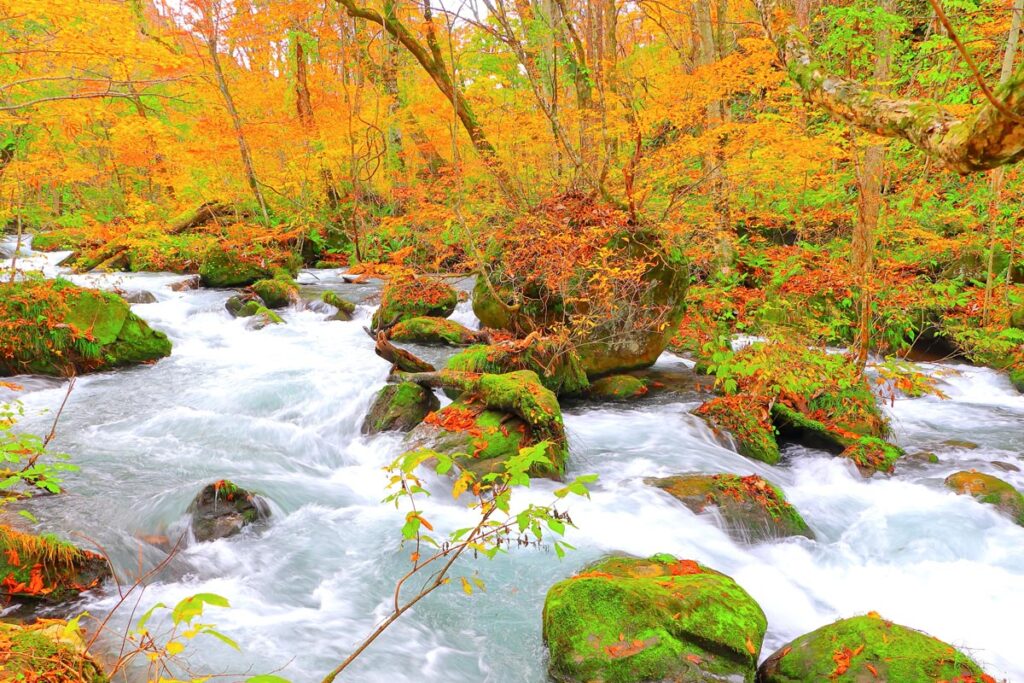
- Lake Towada or the Oirase Gorge: Beautiful natural spots reachable by bus or car, ideal for hikers and nature lovers.
By pairing the castle with surrounding nature or nearby towns, you can build a rich itinerary that balances history, culture, and landscapes.
Is Hirosaki Castle Worth the Journey?
For many first-time visitors, Japan’s main draws are Tokyo, Kyoto, and Osaka. Yet venturing north to Hirosaki Castle rewards you with quieter paths, authentic regional culture, and seasonal scenery that rivals anywhere in the country.
From the petals drifting across the moats in spring to the snow-covered ramparts of winter, Hirosaki Castle offers a deeper, slower experience of Japan’s past and present. If you are looking to go beyond the standard tourist circuit and see another side of Japan, this castle town in Aomori belongs on your itinerary.

Access Map
Recommended spots in Aomori

Nebuta Museum
Wa Rasse
Hirosaki Park
Hirosaki Castle
Tsugaru Neputa Village
Oirase Stream
Top destinations in Hokkaido & Tohoku
Hokkaido
Iwate
Fukushima