

Tsugaru Neputa Village
Tsugaru Neputa Village: A Colorful Gateway to Tsugaru Culture in Japan
Photos are for illustrative purposes only.
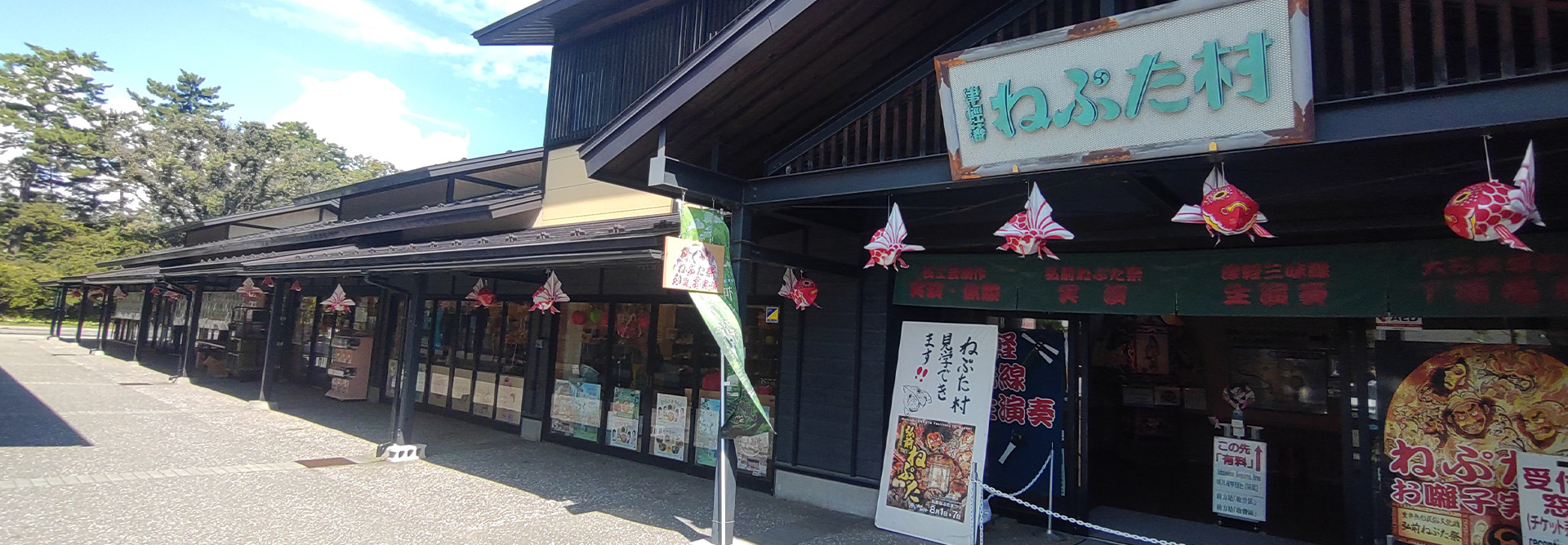
On the western side of Aomori Prefecture in northern Japan, Tsugaru Neputa Village offers first-time visitors an easy and fascinating way to step into local culture. Just a short ride from Hirosaki Station and Hirosaki Castle, this compact cultural theme park brings together lantern floats, music, craft traditions, and regional food under one roof. If you are curious about Japan beyond Tokyo and Kyoto, Tsugaru Neputa Village is an ideal introduction to Tohoku’s distinctive spirit.
What Is Tsugaru Neputa Village?
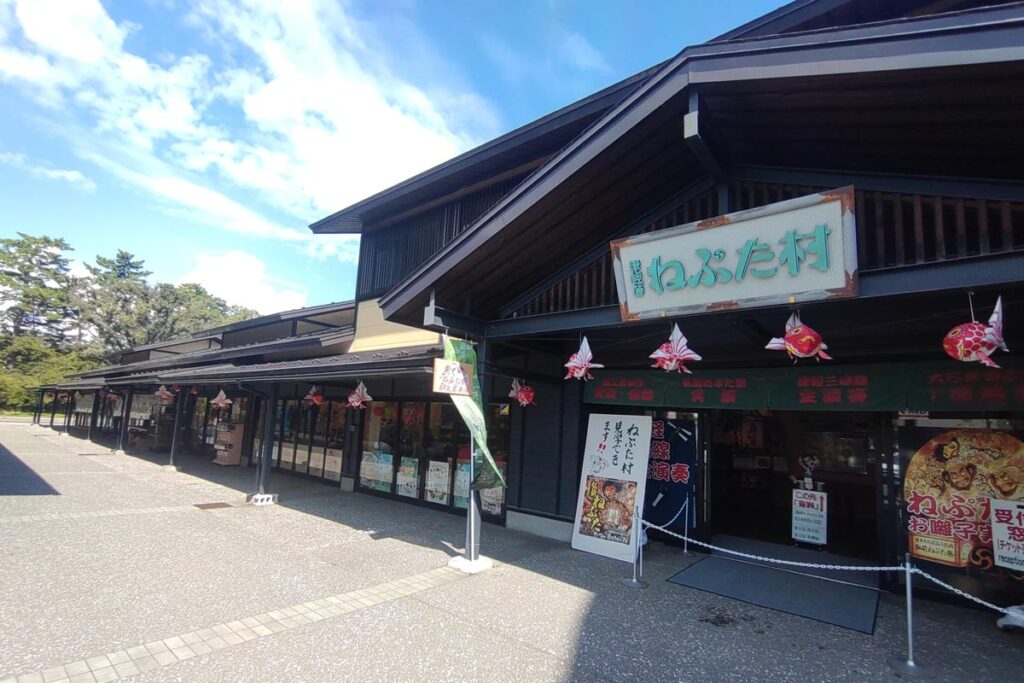
Tsugaru Neputa Village (Tsugaru Neputa Mura) is a cultural complex dedicated to the traditions of the Tsugaru region, especially the spectacular Neputa Festival of Hirosaki. Open year-round, it blends museum-style exhibits with live performances and hands-on workshops, so you can listen, touch, and even create, rather than just look.
The word “Neputa” refers to the illuminated festival floats that parade through Hirosaki each summer. Tsugaru Neputa Village preserves that festival atmosphere indoors, making it accessible no matter when you visit Japan. You will find towering lantern floats, the distinctive sound of Tsugaru shamisen, local handicrafts, and small eateries all gathered in a walkable space that is easy to navigate even for first-time travelers.
Highlights of the Neputa Floats
Step Inside a Summer Night Festival
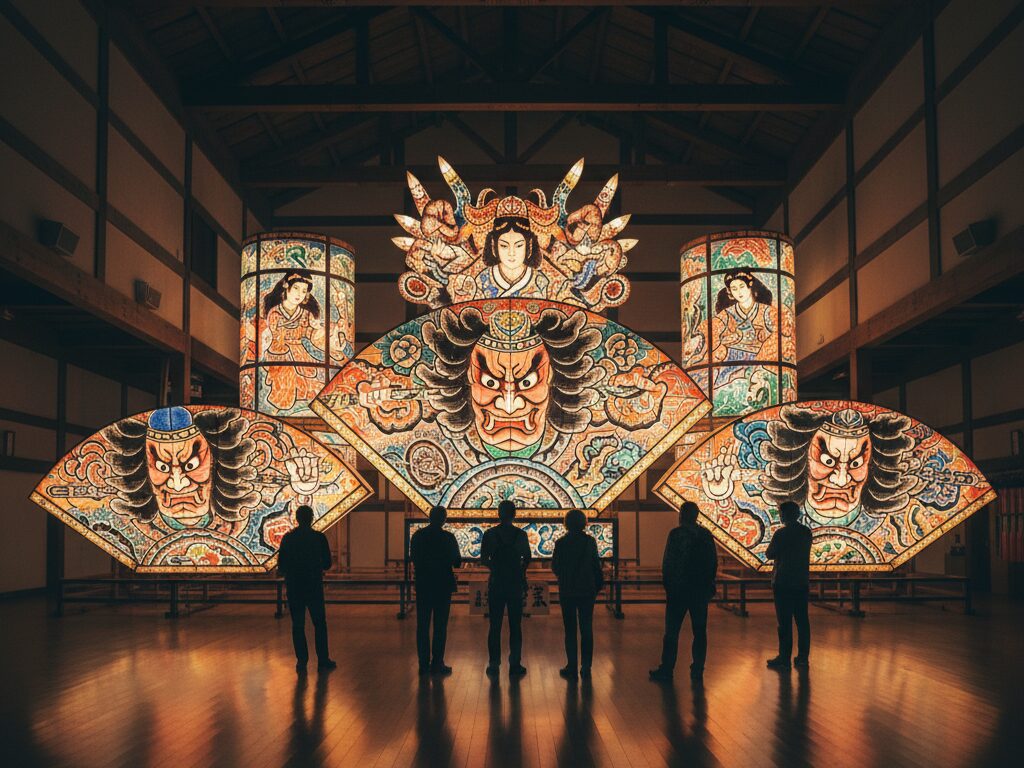
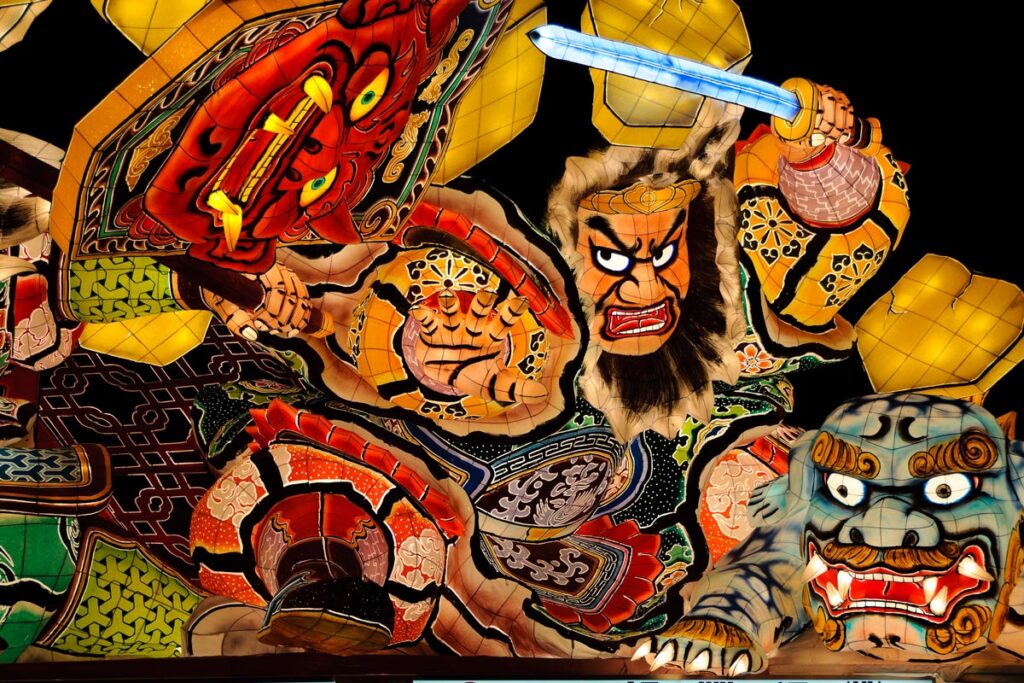
The heart of the village is the high-ceilinged hall where full-size Neputa floats are displayed. These floats are immense fan-shaped or cylindrical structures, painted with dramatic scenes from Chinese and Japanese legends. At night, during the real festival, they are lit from within, glowing with intense reds, blues, and golds as they roll through the streets accompanied by drums and flutes.
At Tsugaru Neputa Village, you can walk right up to the floats, admire the brushwork on the warriors’ fierce expressions, and study the delicate lines on the reverse side, which often show graceful female figures or calm landscapes. Explanations in English typically introduce the stories and characters, helping first-time visitors connect the images with broader Japanese and East Asian history.
Festival Music and Atmosphere
To recreate the feel of a summer evening, the hall is often filled with the recorded sound of festival chants and taiko drums. At set times, staff may demonstrate how the floats move or explain how they are constructed, layer by layer, from wooden frames and washi paper to the final coat of paint. This context makes it easier to appreciate that Neputa floats are not just decorations but community projects involving many local residents.
Tsugaru Shamisen: Powerful Music from the North
Live Performances You Can Feel
Another major attraction is the daily Tsugaru shamisen performance. The shamisen is a three-stringed Japanese instrument, but the Tsugaru style is unlike the delicate sounds many people imagine. Developed in the harsh winters of northern Japan, Tsugaru shamisen is fast, powerful, and improvisational, closer in spirit to jazz or flamenco than to a quiet classical recital.
At Tsugaru Neputa Village, performers sit on stage with a single shamisen and fill the hall with rich, percussive sound. You can watch their rapid picking techniques, see how they change rhythm and volume, and feel the vibrations through the floor. Even without any musical background, it is an exciting experience, and for many international visitors it becomes a highlight of their trip to Aomori.
Understanding the Music
Before or after the performance, displays explain how Tsugaru shamisen grew from itinerant street musicians into a respected art form. The instrument itself is shown up close, so you can inspect the tuning pegs, the plectrum (called a bachi), and the construction of the body. This context helps you appreciate that the intense, almost rock-like sound you hear is part of a living folk tradition, not a museum piece.
Hands-On Cultural Experiences
Try Traditional Craft Workshops
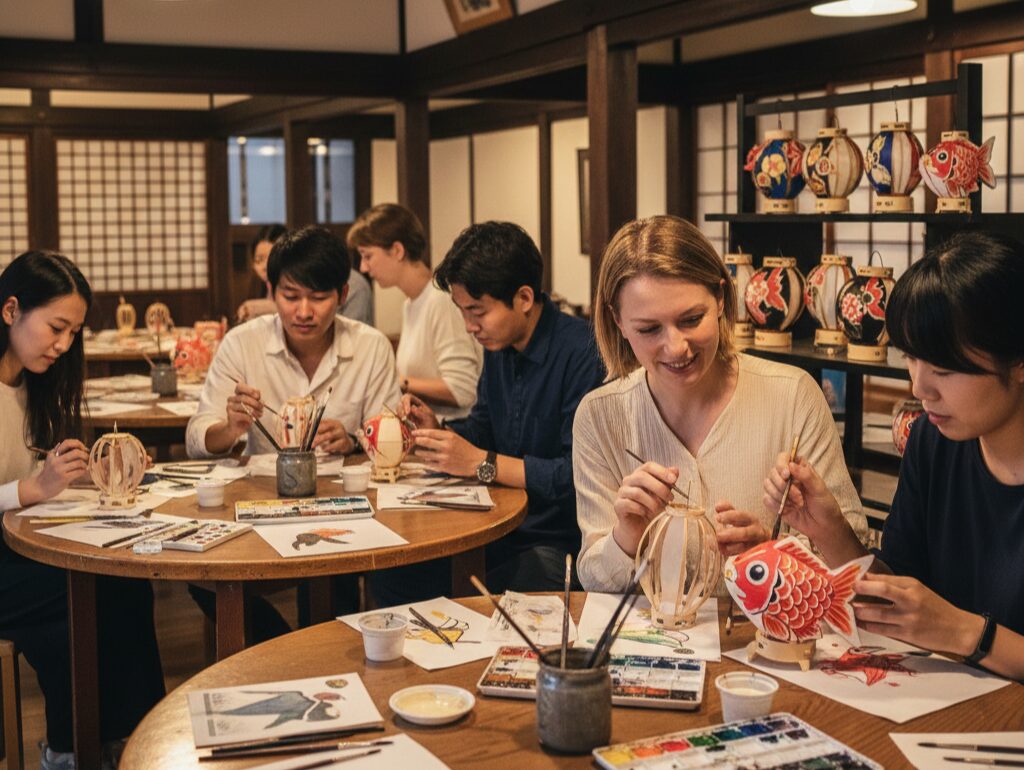
Tsugaru Neputa Village is not just for watching. A range of workshops lets you create your own small souvenirs with guidance from local artisans. Offerings may vary by season, but common activities include:
- Neriko or Kingyo Nebuta crafting: Paint or assemble small lantern ornaments shaped like goldfish or traditional motifs, inspired by the larger festival floats.
- Tsugaru-style painting: Decorate fans, coasters, or small wooden items using patterns and colors typical of the region.
- Simple musical experiences: Occasionally, you can try basic shamisen techniques or traditional percussion under staff supervision.
Workshops are designed with beginners in mind, including children and visitors who do not speak Japanese. Staff often provide demonstration sheets or gestures to guide you through the process. Reservations may be required for some sessions, especially during weekends and holidays, so it is wise to check at the entrance or in advance when possible.
Browse Local Crafts and Folk Art
A craft market area showcases goods from around Tsugaru and wider Aomori. Look for:
- Tsugaru-nuri lacquerware with layered, mottled patterns in deep reds, greens, and blacks.
- Apple-themed items, reflecting Hirosaki’s status as one of Japan’s major apple-producing regions.
- Woven and dyed textiles that suit both traditional and modern tastes.
- Miniature Neputa floats and lanterns as compact, eye-catching souvenirs.
Many items are made by local artisans, so your purchase directly supports regional craftspeople and preserves traditional skills.
Flavors of Tsugaru: Food and Sweets
Sample Local Specialties
Exploring culture also means tasting it. Within the village complex, you will find small eateries and stalls offering regional dishes and snacks. Among the items to look for:
- Apple-based treats such as pies, juices, and soft-serve ice cream, often featuring local varieties like Fuji and Jonagold.
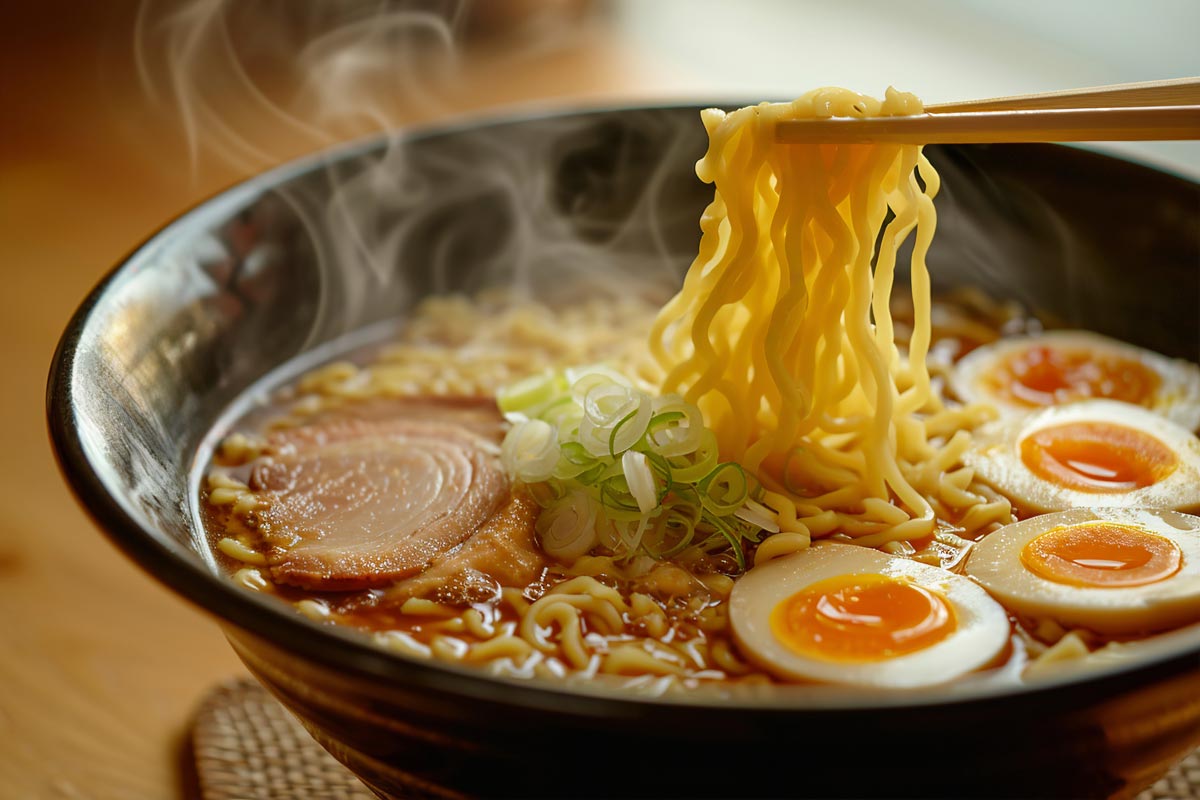
- Tsugaru soba and ramen made with locally produced ingredients or seasonings.
- Pickles and side dishes that showcase the preserved foods essential for surviving Aomori’s snowy winters.
Menus sometimes include simple English or photos, which helps first-time visitors order with confidence. If you are unsure, staff are typically happy to recommend something mild or vegetarian-friendly, though strict dietary requirements may require extra care and translation.
Take Home Edible Souvenirs
The souvenir shop stocks a wide range of packaged foods suitable for bringing home, including cookies, candy, jams, and bottled drinks. Apple products are especially popular as they are easy to pack and closely associated with Hirosaki’s identity. These make thoughtful gifts that introduce friends and family to the flavors of northern Japan.
Practical Information for First-Time Visitors
Location and Access
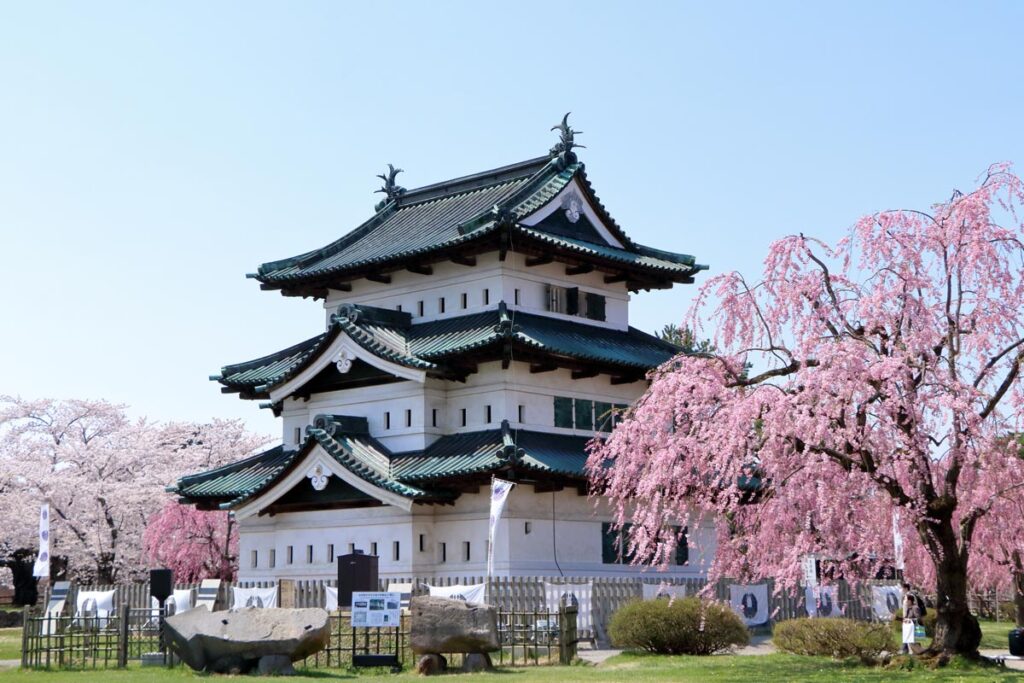
Tsugaru Neputa Village is located in Hirosaki City, in the western part of Aomori Prefecture. It makes a convenient half-day destination, especially when combined with a visit to nearby Hirosaki Castle and its famous cherry blossom park.
- From Tokyo: Take the Tohoku Shinkansen to Shin-Aomori Station (around 3–3.5 hours), then transfer to a local or limited express train to Hirosaki Station (about 40 minutes).
- From Hirosaki Station: Reach the village by local bus, taxi, or a pleasant walk, depending on your schedule and luggage. Local tourist information counters can provide updated route details in English.
Because services and schedules may change seasonally, it is best to confirm the latest access information through current timetables or local tourist offices once you arrive in Aomori.
Opening Hours and Tickets
Tsugaru Neputa Village is generally open daily, with shorter hours in winter and extended times during peak tourist seasons. There is an admission fee to enter the main exhibition and performance areas, with separate charges for certain workshops. Children and groups may benefit from discounted rates.
Most visitors spend between one and two hours in the village, but you can easily stay longer if you join workshops, watch multiple performances, or linger over a meal. If you are planning to see a specific shamisen show, check the performance schedule near the entrance and organize your visit around those times.
Language and Visitor Support
While Hirosaki is less international than major cities like Tokyo, Tsugaru Neputa Village is used to welcoming overseas guests. Expect:
- Basic English on many main signs and pamphlets.
- Staff who may speak some English or use gestures and simple phrases.
- Clear pictograms guiding you to restrooms, exits, and facilities.
Downloading an offline translation app can be helpful for workshop explanations or menu items, but most essential information is easy to understand with a bit of patience.
Tips to Enhance Your Visit
Combine with Seasonal Events
If you are visiting during summer, try to experience both the real Hirosaki Neputa Festival and the village exhibits. The festival usually takes place in early August, when illuminated floats parade through the streets accompanied by music and crowds of locals in light cotton yukata. The village deepens your understanding of what you see outdoors, explaining the symbolism, craftsmanship, and community roles behind each float.
In other seasons, Tsugaru Neputa Village pairs well with:
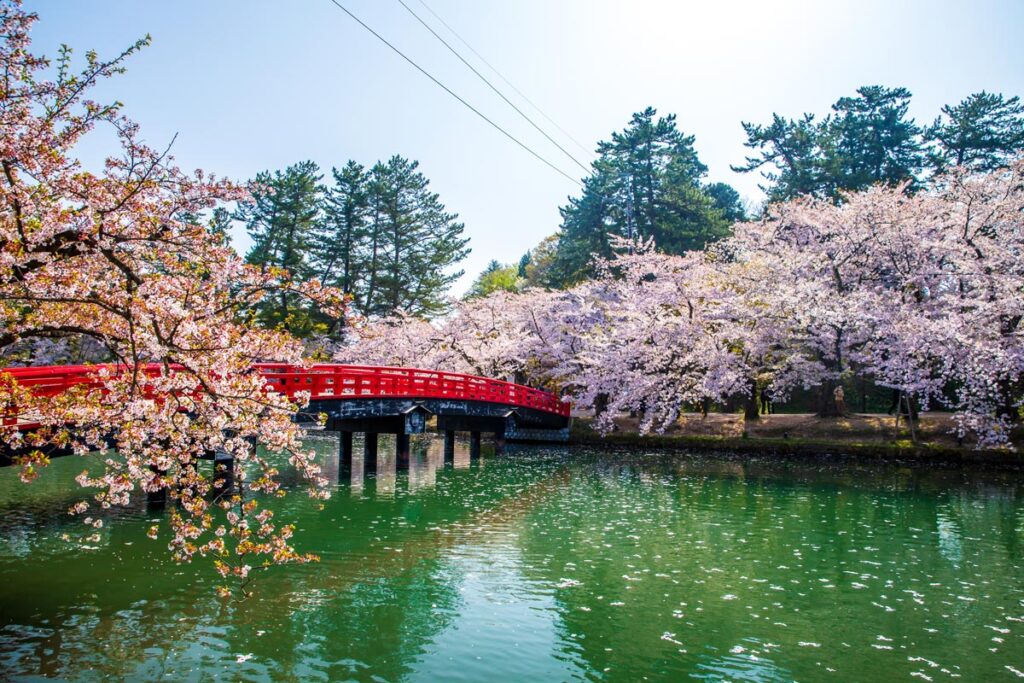
- Spring: Hirosaki Park cherry blossoms, among the most famous in Japan.
- Autumn: Colorful foliage around Hirosaki Castle and in nearby mountain areas.
- Winter: Snowy landscapes and hot springs in the surrounding region.
Travel Light and Take Your Time
The village is indoors and mostly flat, making it comfortable in any weather. However, it is easier to move around, join workshops, and shop if you are not carrying large luggage. Consider storing big bags at Hirosaki Station before visiting.
Arrive with enough time to sit through at least one full shamisen performance and wander slowly around the float hall. The exhibits reward close observation, and the atmosphere is more relaxing if you are not rushing to catch the next train.
Respectful Photography
Photography is usually allowed in most areas, especially around the floats, but flash may be restricted to protect delicate colors. Always check for signs or ask staff before photographing performances or workshops. When in doubt, a small gesture toward your camera and a questioning look will usually receive a clear “OK” or polite refusal.
Why Tsugaru Neputa Village Belongs on Your Japan Itinerary
For many first-time visitors, Japan’s regional diversity is a surprise. Tsugaru Neputa Village offers a concentrated introduction to the character of northern Japan: bold colors, powerful music, strong community bonds, and a deep respect for craft. It is manageable in scale, friendly to international travelers, and rich enough to leave a lasting impression.
Whether you are drawn by the glowing lantern floats, the driving rhythms of Tsugaru shamisen, or the chance to paint your own small piece of festival art, a few hours here will broaden your understanding of the country beyond the usual highlights. If your route through Japan takes you to Aomori or Hirosaki, make space in your plans for Tsugaru Neputa Village and experience the cultural heartbeat of the Tsugaru region for yourself.

Access Map
Recommended spots in Aomori
Nebuta Museum
Wa Rasse
Hirosaki Park
Hirosaki Castle
Tsugaru Neputa Village
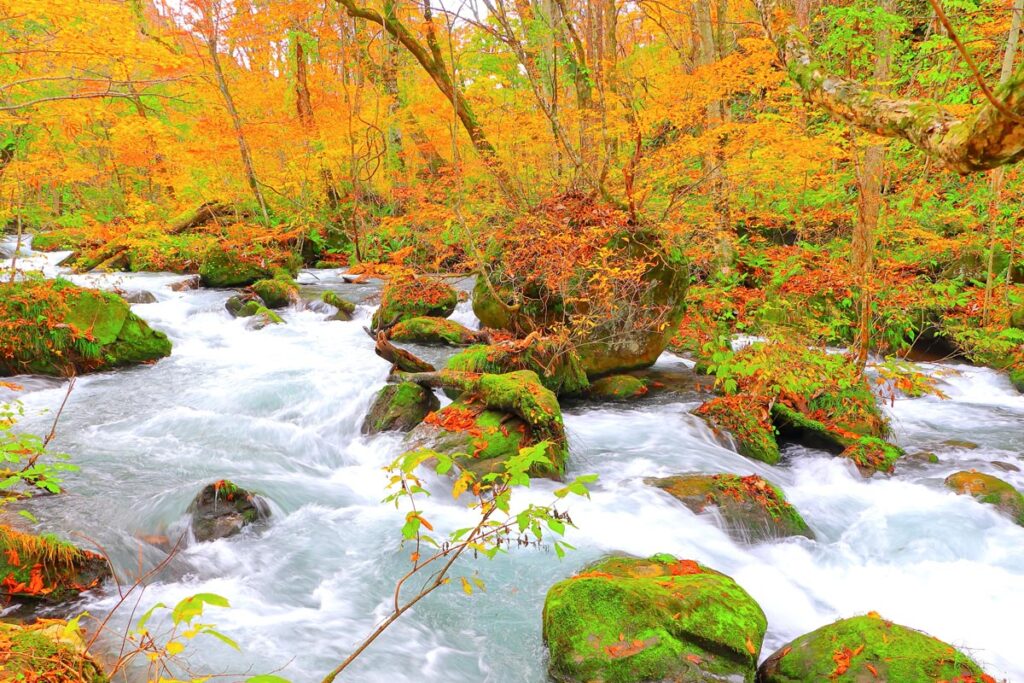
Oirase Stream
Top destinations in Hokkaido & Tohoku
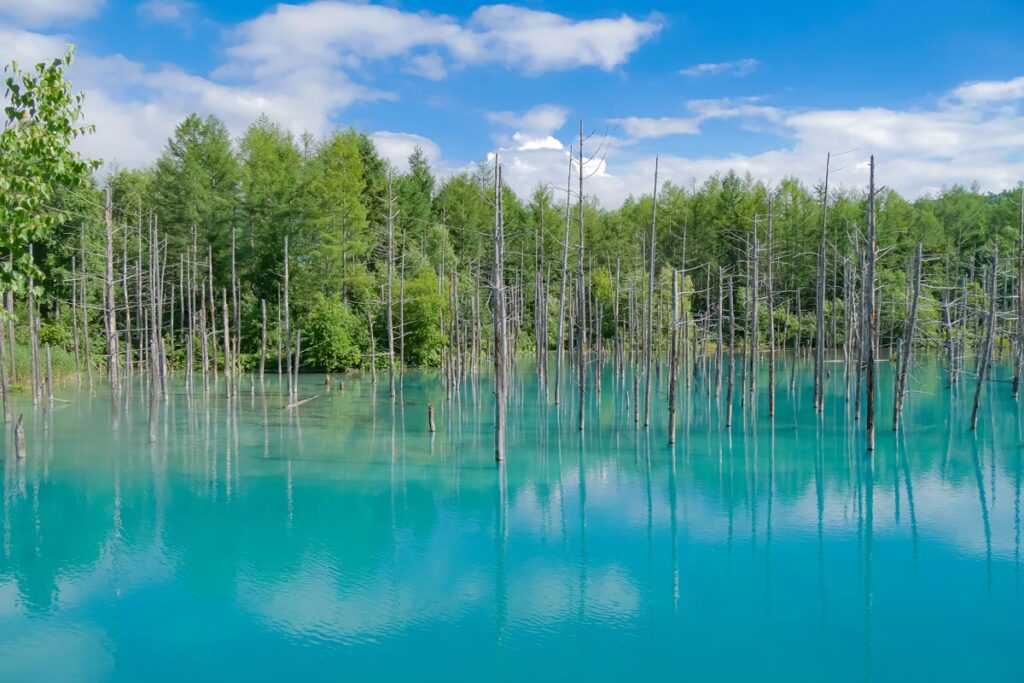
Hokkaido
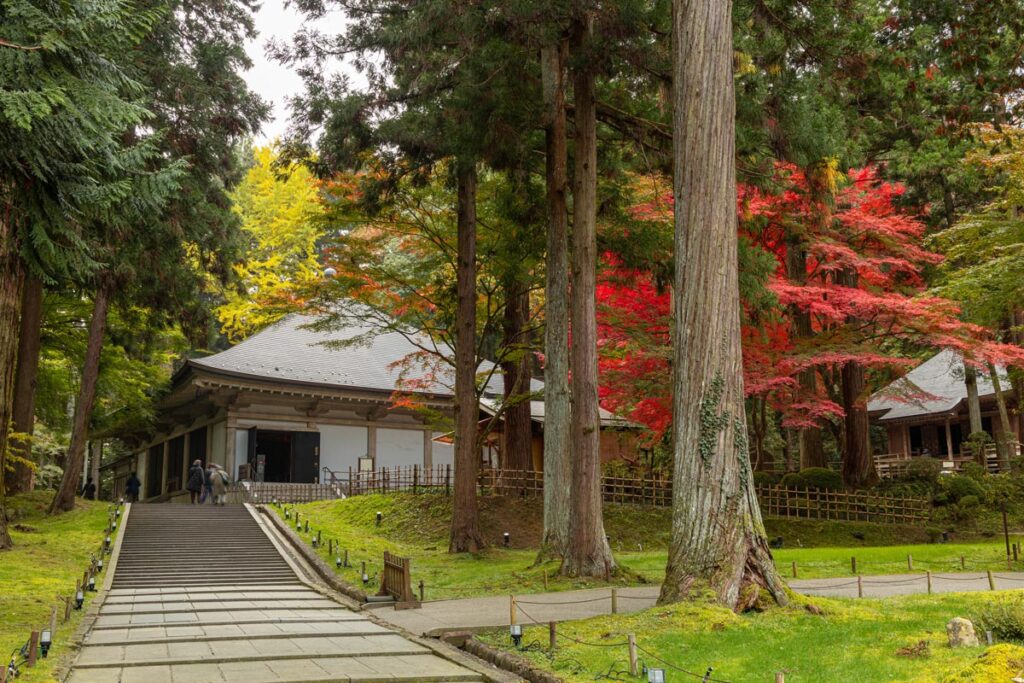
Iwate
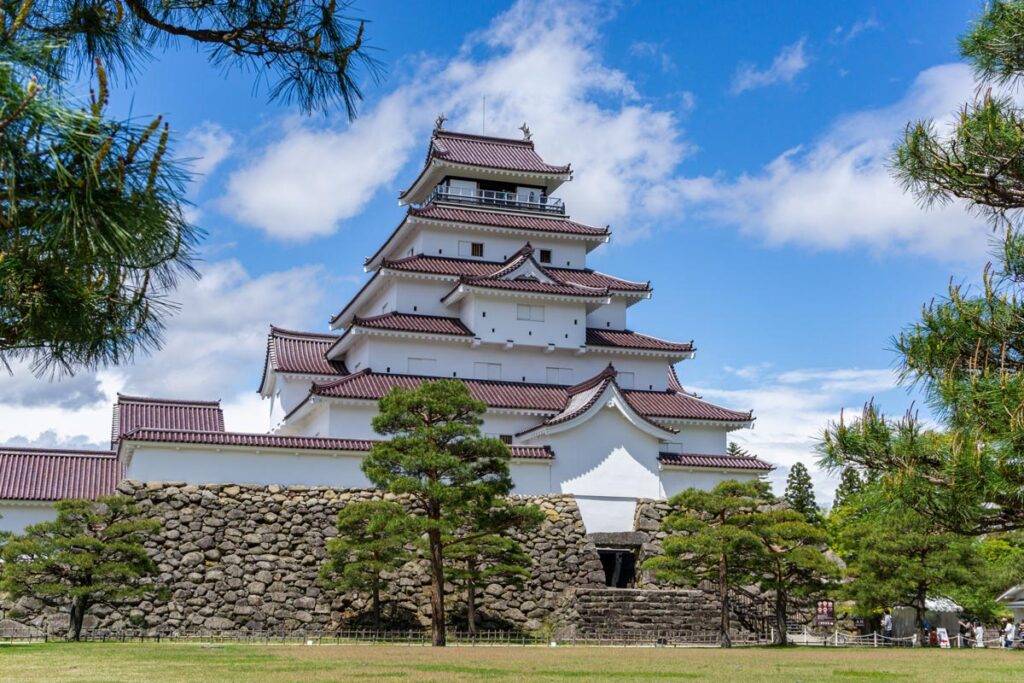
Fukushima