


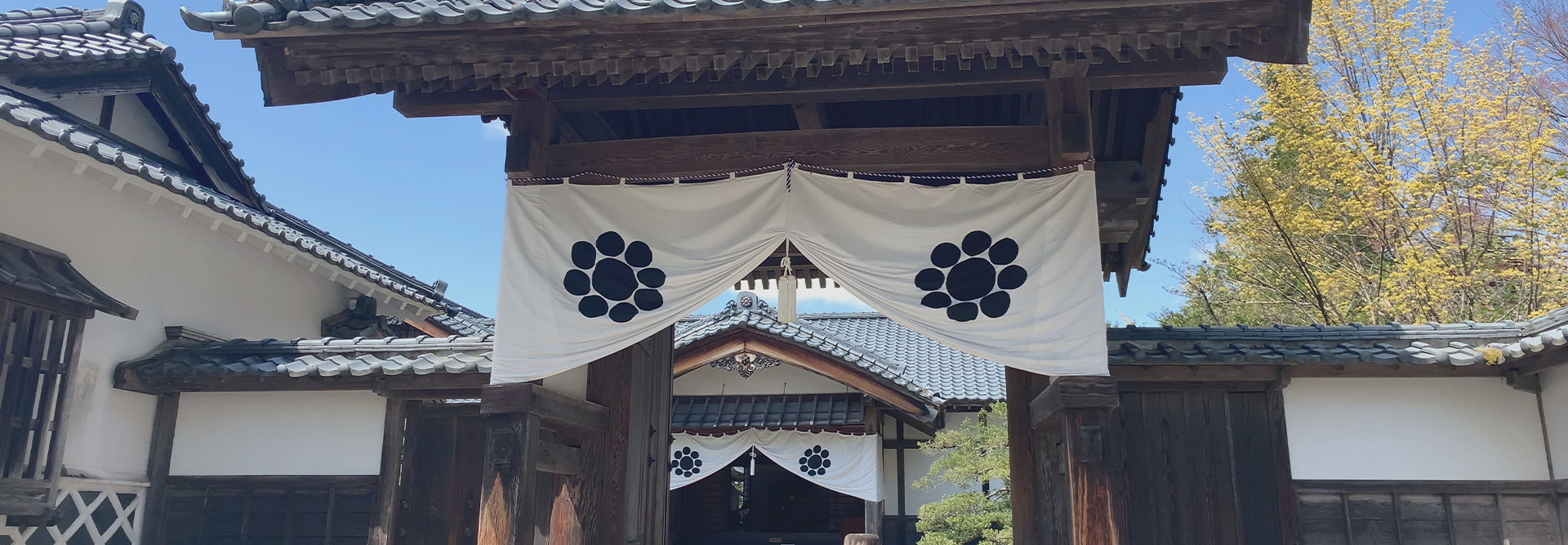
Aizu Bukeyashiki
Aizu Bukeyashiki: Step Into Samurai Life in Aizuwakamatsu, Japan
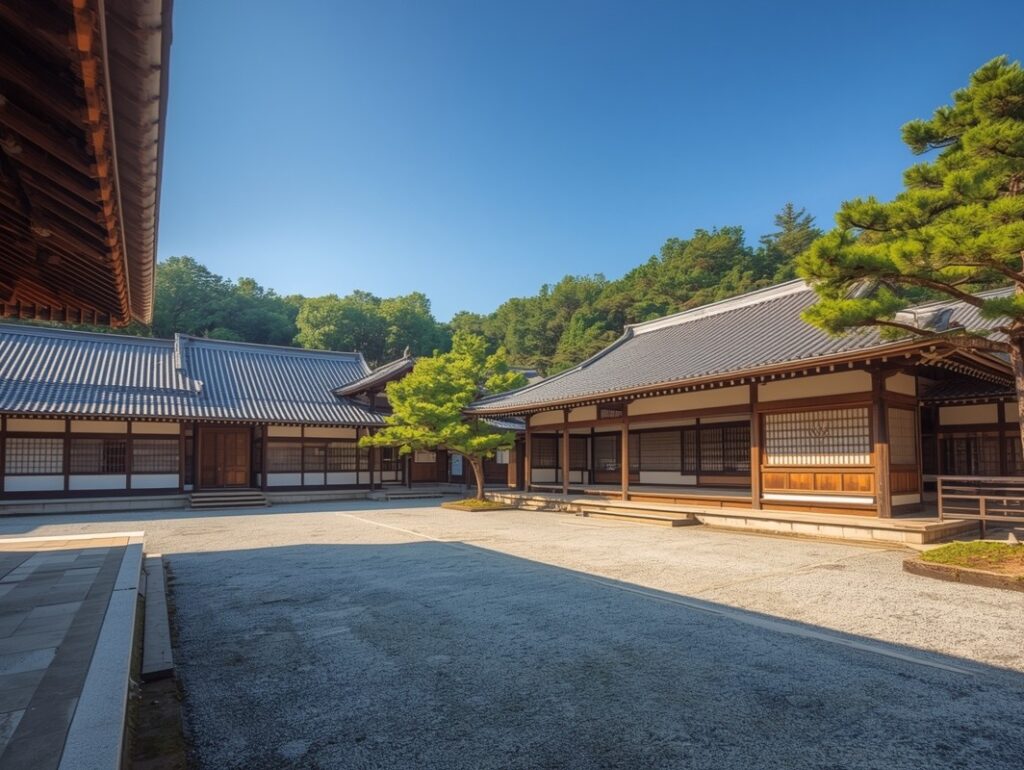
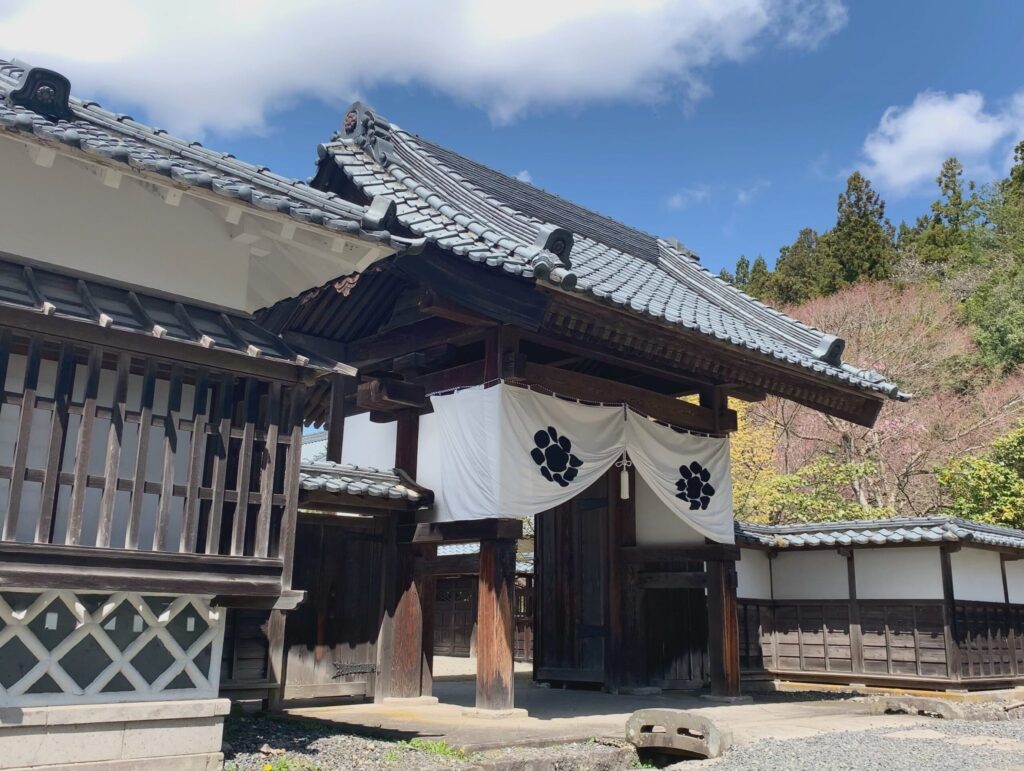
Photos are for illustrative purposes only.
For first-time visitors to Japan, Tokyo and Kyoto often steal the spotlight. Yet a few hours north of Tokyo, in Fukushima Prefecture, Aizuwakamatsu offers a quieter, deeply atmospheric window into samurai Japan. At the heart of this old castle town lies Aizu Bukeyashiki, a beautifully reconstructed samurai residence complex where history feels strikingly alive.
Part open-air museum, part cultural theme park, Aizu Bukeyashiki lets you wander traditional wooden buildings, try hands-on crafts, taste regional cuisine, and absorb the values of Aizu bushidō—the local samurai code of honor. It is an ideal half-day destination for international travelers who want a tangible experience of Edo-period Japan beyond the big cities.
What Is Aizu Bukeyashiki?
Aizu Bukeyashiki is a historical complex built around the former residence of Saigō Tanomo, a senior retainer (karō) of the Aizu Domain. In feudal times, Aizuwakamatsu was a powerful castle town, and Tanomo’s grand household was a symbol of the domain’s authority.
Today, the site presents itself as a “Museum of Moving History.” Rather than static displays behind glass, you walk through rooms, corridors, courtyards, and gardens that recreate the rhythm of daily life for high-ranking samurai and their families.
The main residence and surrounding structures span roughly 7,600 square meters. Many buildings have been faithfully reconstructed using traditional materials such as zelkova, cypress, and cedar, while other historical structures—like a former magistrate’s office—have been relocated here to create a compact but richly layered samurai quarter.
Within one ticketed area you can:
- Explore an expansive samurai residence and official offices
- See exhibits on the Aizu Domain and the Boshin War
- Try traditional craft workshops and archery
- Enjoy local Aizu dishes at an on-site restaurant
- Shop for regional crafts and foods to take home
Stepping Through the Samurai Gate
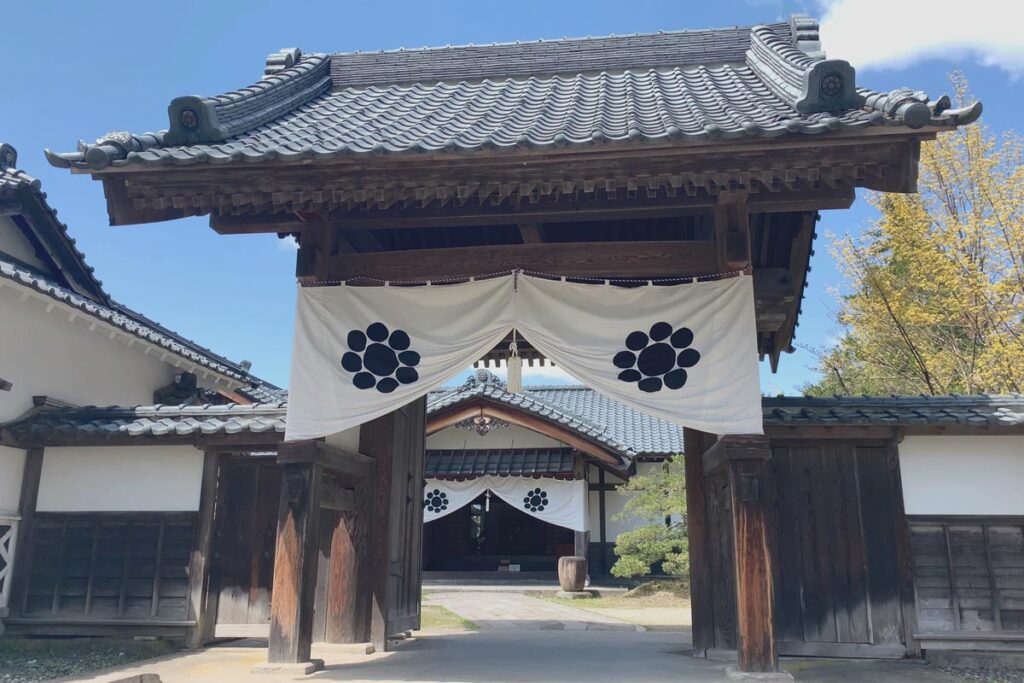
Your journey into samurai Aizu begins at the striking four-pillar front gate. In the Edo period, such gates were reserved for high-ranking retainers; simply passing through would have been a privilege limited to the elite. For modern visitors, it serves as a symbolic threshold between present-day Japan and the world of feudal lords, retainers, and castle-town politics.
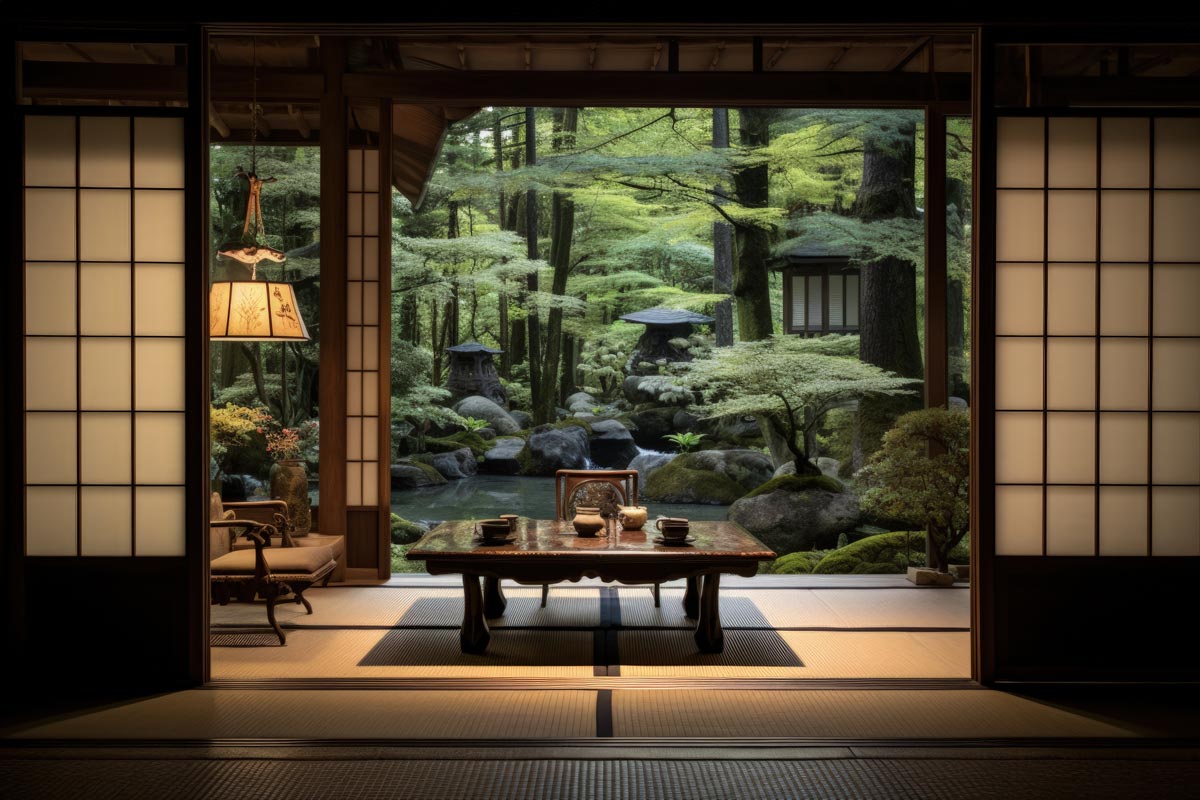
Once inside, the noise of the modern city recedes, replaced by the creak of wooden floors, the scent of tatami, and the sound of wind through the garden pines. The design of the grounds is intentional: wide verandas, sliding shōji screens, and carefully framed garden views all reflect the aesthetic sense and disciplined lifestyle of samurai society.
The Saigō Tanomo Residence: Daily Life of High-Ranking Samurai
The core of Aizu Bukeyashiki is the residence of Saigō Tanomo. As a top-ranking retainer, he held important responsibilities in domain politics and military affairs, and his home reflects that status.
Inside the Main House
Walking room to room, you see how space was carefully divided according to hierarchy, function, and gender. Public reception rooms used for receiving guests and conducting official business stand near the entrance, while private quarters for the family lie deeper inside. Servants’ areas, kitchens, and storage rooms are tucked away from the more formal spaces.
Displays of period household items—writing desks, armor stands, cooking tools, children’s toys, lacquerware, and textiles—show what daily life looked like for a samurai household accustomed to both formality and constant readiness for conflict. Simple, natural materials dominate, but the quality of craftsmanship speaks to the wealth and taste of the family.
In winter, the snow-covered gardens visible from the corridors provide a particularly atmospheric backdrop, and from around mid-December to early April, the interior of the chief retainer’s residence is often opened for special viewing. This combination of snowy landscape and warm, wooden interiors offers a quiet, reflective mood that many visitors find unforgettable.
Official Buildings, Tea House, and Samurai Governance
Aizu Bukeyashiki is not only about domestic life; it also reveals how the Aizu Domain was governed and how justice was administered.
Former Nakahata Jin’ya
One of the most significant structures on the grounds is the former Nakahata Jin’ya, a magistrate’s office from the Edo period designated as an Important Cultural Property of Fukushima Prefecture. Jin’ya served as local administrative centers, combining the functions of government office, courthouse, and sometimes military command post.
Inside, you can imagine the daily scene: officials drafting orders, peasants bringing petitions, and domain administrators balancing tax collection with regional stability. Exhibits explain the domain’s administrative structure and give context to Aizu’s role in national events, particularly the Boshin War of 1868–69, which marked the end of the shogunate and the rise of modern Japan.
Reinan-an Rinkaku: Tea House and Samurai Aesthetics
Another highlight is Reinan-an Rinkaku, a reconstruction of the Rinkaku tea house once located in the inner bailey of Tsurugajō Castle, Aizuwakamatsu’s iconic stronghold. The presence of a tea house within a samurai complex might seem purely aesthetic, but in fact, the tea ceremony was deeply connected to warrior culture.
For samurai, the tea room was a place to cultivate calm, self-discipline, and a refined sense of beauty—qualities that balanced their martial training. The building’s modest dimensions, natural materials, and carefully controlled light all express wabi-sabi, an appreciation of imperfection and transience that runs through Japanese culture.
The area around the tea house and nearby structures, including a rice mill and historical museum corners, forms a photogenic streetscape reminiscent of a small samurai town. It is a pleasant place to slow down, take photos, and imagine the world beyond the castle walls.
Aizu Bushidō: Loyalty, Honor, and the Samurai Spirit
The Aizu Domain is especially famous for its strict adherence to bushidō, the warrior code of loyalty and honor. During the Boshin War, Aizu forces fought fiercely—even in the face of inevitable defeat—guided by ideals of fidelity to their lord and obligation to their people.
Aizu Bukeyashiki introduces these values through architecture, objects, and explanatory displays rather than lectures. You see:
- The formal front gate, reserved for the elite, signaling a rigid class hierarchy
- Separate spaces for retainers, guests, women, and children, reflecting carefully ordered roles
- Rules of etiquette governing everything from seating position to how guests were received
While Aizu Bukeyashiki is not a religious site, it offers insight into the deeper ethical and spiritual framework that guided samurai behavior—ideas of duty, self-control, and responsibility that shaped both personal lives and political decisions.
Hands-On Experiences: Crafts, Costumes, and Archery
To make history more tangible, Aizu Bukeyashiki offers a variety of hands-on activities suitable for adults, families, and school groups. These workshops are a highlight for many international visitors.
Traditional Craft Workshops
Popular experiences include:
- Akabeko painting – Akabeko are bright red, bobble-headed cow figures associated with Fukushima and said to bring health and good fortune. Decorating one with your own patterns is both relaxing and rewarding.
- Okiagari koboshi painting – These round, weighted dolls always stand back up when knocked over, symbolizing resilience. Painting one makes for a meaningful, easy-to-pack souvenir.
- Glass engraving – Using simple tools, you can engrave designs onto glass tumblers, combining a modern material with hands-on craftsmanship.
Most workshops are designed so that even beginners and children can participate without Japanese language skills; staff often provide sample designs, and the process is intuitive.
Costume Photography and Archery
For a more immersive experience, visit the oshashin-dokoro, where you can dress in period-style costumes and have your photo taken against traditional backdrops. It is an entertaining way to commemorate your visit and makes a great memento of your time in Aizu.
From April to November, you can also try archery on an outdoor range. Visitors are usually given four arrows, and small prizes may be awarded if you hit the target. This simple activity offers a fun, physical connection to the martial side of samurai culture.
Audio Guides, Language Support, and Accessibility
Aizu Bukeyashiki is well prepared for international travelers. Free multilingual audio guides are available via your smartphone in Japanese, English, Traditional Chinese, and Simplified Chinese. QR codes or signage throughout the grounds allow you to access explanations for each area as you walk.
Tips for using the audio guide:
- Charge your phone before visiting; audio and photos can drain the battery.
- Check your mobile data plan, or connect to available Wi-Fi if provided.
- Bring earphones if you prefer not to play audio out loud.
The grounds involve a fair amount of walking and some uneven floors, steps, and level differences typical of historical wooden buildings. Completely barrier-free access is limited, but certain measures are in place:
- Multipurpose restrooms
- Wheelchair rental (ask at the entrance for current availability)
- Barrier-free areas in the shop and restaurant
Discounted admission may be available for visitors with disability certificates (typically including one companion). As policies can change, confirm details at the ticket counter or in advance by phone.
Eating and Shopping: Taste and Take Home Aizu
Restaurant Kuyōtei
When you are ready to rest, head to Kuyōtei, the on-site restaurant. Here you can try Aizu regional dishes, which are hearty and well suited to the area’s snowy winters. Menus often feature seasonal specials in the colder months, making it a comfortable stop on a winter visit.
Specialty Shop Gōkōbō Kokōn
The shop Gōkōbō Kokōn stocks a carefully curated selection of local products, including:
- Traditional crafts such as akabeko and okiagari koboshi
- Regional sweets and snacks
- Local agricultural products and processed foods
- Small gifts and souvenirs reflecting Aizu’s culture
Because many of these items are local specialties, the shop is a convenient place to find meaningful, region-specific souvenirs that you may not encounter in larger cities.
When to Visit: Seasons and Special Events
Aizu Bukeyashiki is open year-round, but each season offers a different atmosphere.
Spring to Autumn (April–November)
From spring through autumn, the weather is generally comfortable for exploring the large outdoor grounds. Lush greenery and blooming plants create a pleasing contrast with the dark wooden buildings, and this is the only period when the archery experience is available.
In autumn, the combination of fall foliage and traditional architecture is particularly photogenic. Special chrysanthemum displays may be held, and events such as “Aizu SAMURAI WEEK” sometimes take place, adding performances, exhibitions, or themed activities to your visit.
Winter (December–March)
Snow transforms Aizu Bukeyashiki into a quietly magical landscape. Thick white drifts on tiled roofs and garden pines highlight the clean lines of the architecture and evoke classic images of old Japan.
During this period:
- Opening hours are slightly shorter (usually 9:00–16:30).
- The interior of the chief retainer’s residence is typically open to the public from around mid-December to early April.
If you visit in winter, dress warmly, wear non-slip shoes, and allow extra time to move carefully along potentially icy paths.
Practical Information for First-Time Visitors
Opening Hours and Admission
Typical opening hours:
- April–November: 8:30–17:00
- December–March: 9:00–16:30
Approximate admission fees:
- Adults: 850–950 yen
- Junior high and high school students: 550–600 yen
- Elementary school students: 450–500 yen
Fees, categories, and hours can change, and special exhibitions or events may have different pricing, so check the latest information online or by phone before you go.
What to Wear and Bring
Because you will move between indoor and outdoor areas and walk on wooden floors, gravel, and stone paths, consider:
- Comfortable walking shoes
- Season-appropriate clothing (with layers in spring and autumn)
- Warm coat, gloves, and non-slip footwear in winter
- Portable battery pack for your phone if using audio guides extensively
Getting to Aizu Bukeyashiki
Aizu Bukeyashiki is located in Aizuwakamatsu City, Fukushima Prefecture, at:
1 Innai, Aza Ishiyama, Ōaza Higashiyama, Aizuwakamatsu City, Fukushima
By Public Transportation
From JR Aizuwakamatsu Station, the easiest way to reach Aizu Bukeyashiki is by sightseeing loop bus. The ride takes about 30 minutes and connects several of the city’s main tourist attractions, making it convenient to combine Aizu Bukeyashiki with visits to nearby sites such as Tsurugajō Castle.
By Car
If you are driving:
- About 15 minutes from the Aizuwakamatsu Interchange on the Ban-etsu Expressway
- Free parking on site for around 100 standard cars, plus buses
Self-driving can be a good option if you are exploring the wider Aizu region, which is known for hot springs, rural scenery, and sake breweries.
Planning Your Visit
Aizu Bukeyashiki works well as a half-day destination and can easily be combined with other Aizuwakamatsu highlights. Many visitors pair it with Tsurugajō Castle and the preserved samurai district of Higashiyama Onsen or use it as a cultural stop on the way to nearby hot spring resorts.
Because opening hours, admission fees, special events, and group or disability discounts can change, it is wise to confirm up-to-date information in advance. For inquiries from overseas, you can call the facility at +81-242-28-2525.
For first-time travelers to Japan seeking an accessible, deeply atmospheric introduction to samurai culture, Aizu Bukeyashiki offers exactly that: not a dry textbook lesson, but a place where you can walk through history, touch it, taste it, and take a piece of Aizu’s spirit home with you.

Access Map
Recommended spots in Fukushima
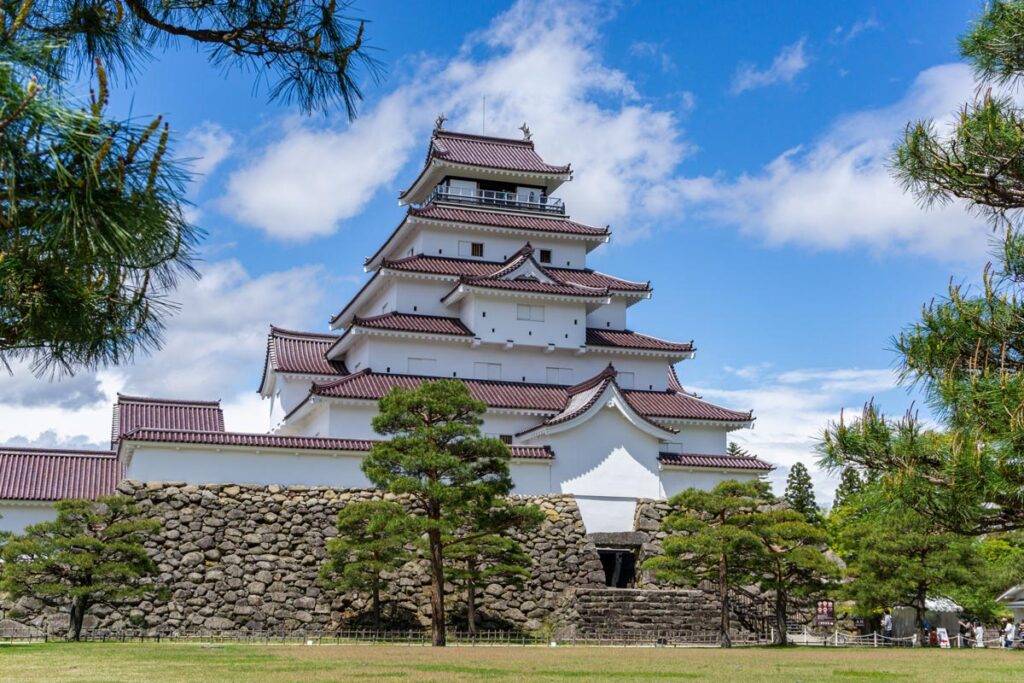
Tsuruga Castle
Aizu Bukeyashiki
Sazaedo Temple
Ouchi-juku Post Town
Top destinations in Hokkaido & Tohoku
Hokkaido
Aomori
Iwate