




Sazaedo Temple
Sazaedo Temple: Japan’s Spiraling Wooden Wonder in Aizu
On a forested hillside in Fukushima Prefecture, there is a small wooden temple that quietly breaks all the rules of traditional Japanese architecture. Sazaedo Temple in Aizu-Wakamatsu looks simple from the outside, but inside you step into a spiraling maze of sloping floors and wooden corridors that never double back on themselves. It is one of the most unusual religious structures in Japan, and a fascinating stop for first-time visitors who want to go beyond the classic Tokyo–Kyoto route.
What Makes Sazaedo Temple Special?
Sazaedo Temple (Official name: Entsū Sansōdō) was built in 1796 and is most famous for its unique double-helix interior. The design allows visitors to ascend and descend along different routes without ever passing the same spot twice, much like the structure of DNA. Long before modern science discovered that spiral, a Buddhist monk and a local carpenter had already created a living example in wood.
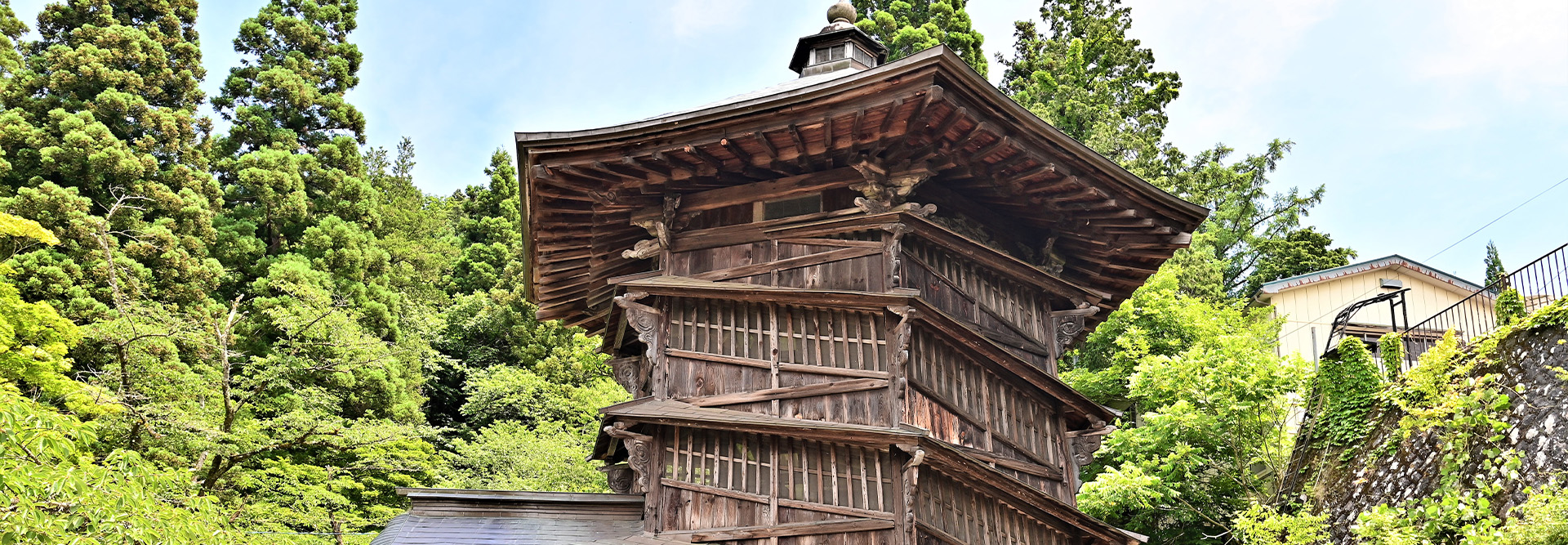
The temple’s nickname, “Sazaedo,” comes from the Japanese word sazae, meaning turban shell. If you look at a seashell from above, you’ll see the same kind of spiral that shapes the temple’s interior. The building is about 16.5 meters tall, entirely wooden, and has developed a charming tilt over the centuries, adding to its slightly surreal character.
Unlike many famous temples in Japan, Sazaedo is not grand or gilded. Its charm lies in its curious engineering, its weathered timbers, and its serene hillside setting above Aizu-Wakamatsu, a historic castle town with samurai roots.
A Temple for Pilgrims in One Building
In the Edo period, devout Buddhists embarked on long pilgrimages to visit the 33 sacred Kannon (Goddess of Mercy) temples scattered across the Saigoku region of western Japan. For people living far away in northern Japan, reaching all 33 sites was a difficult and expensive journey.
Sazaedo offered an ingenious solution. Inside its spiraling corridors, 33 images and statues of Kannon were enshrined, each one symbolically representing one of the faraway Saigoku temples. By walking the spiral route inside Sazaedo and paying their respects at each image, worshippers could gain spiritual merit equivalent to completing the full Saigoku pilgrimage, without leaving Aizu.
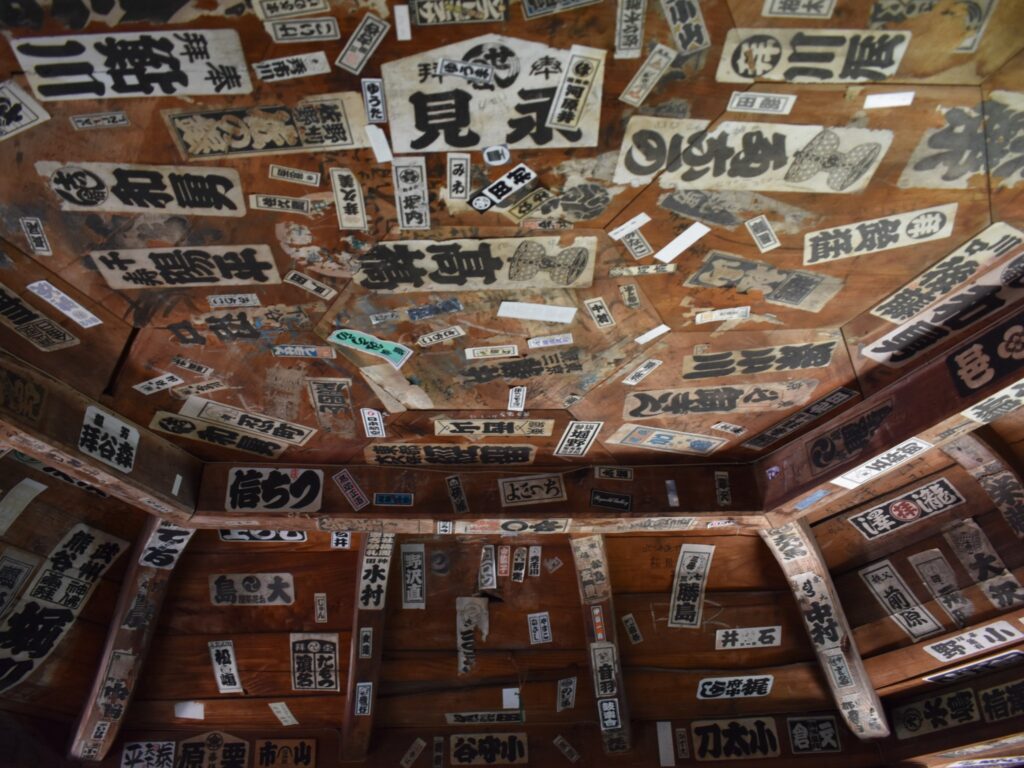
Today, most of these images are no longer in their original positions, but the spirit of pilgrimage remains. As you climb, you will pass wooden plaques, old votive offerings, and fading stickers left by worshippers over the generations. The sense of walking in the footsteps of countless visitors is palpable.
Exploring the Double-Helix Interior
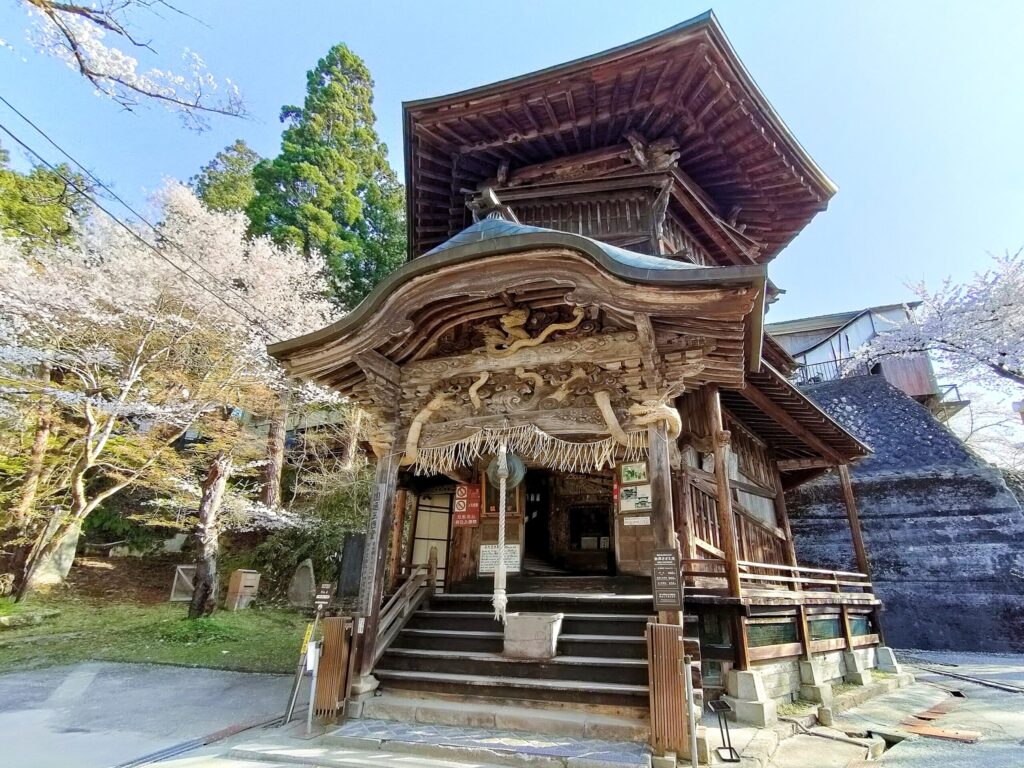
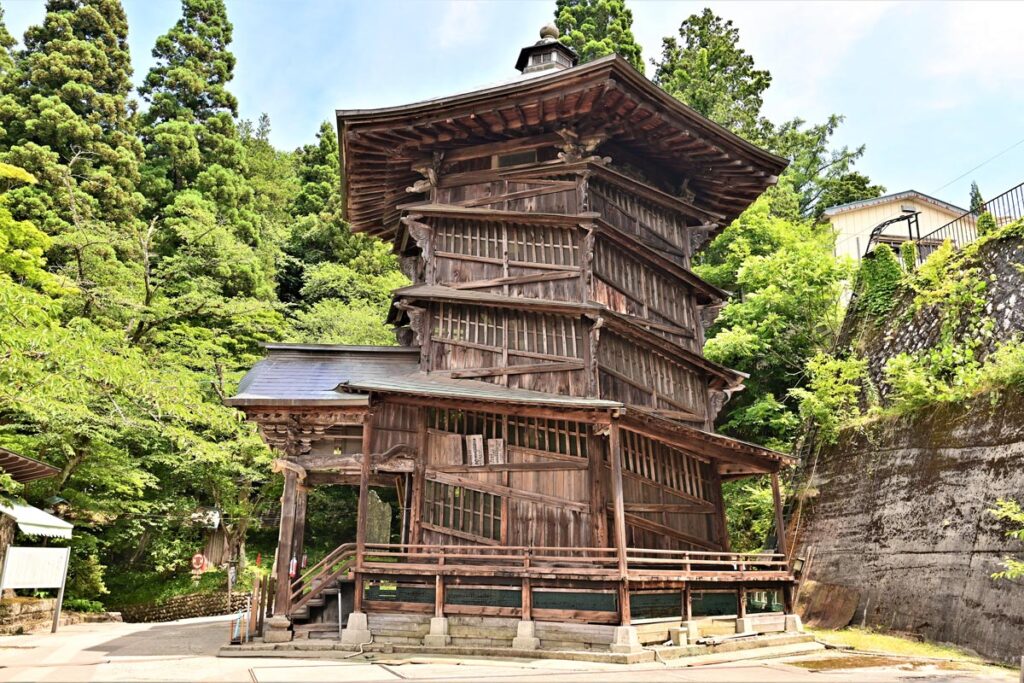
From the outside, Sazaedo looks like a slightly crooked, three-story pagoda with a high, sloping roof. Nothing prepares you for what awaits when you step inside: no central staircase, no conventional floors, and no straight corridors.
The One-Way Spiral Path
The brilliance of Sazaedo’s design lies in its two interlocking ramps. The path you walk on the way up never intersects the path you take on the way down. For Edo-period pilgrims, this meant a smooth, one-way flow of people: no awkward squeezing past one another in narrow corridors, no breaking the meditative rhythm of prayer.
As a modern visitor, you simply follow the narrow wooden slope upwards. It gently spirals around the inner core of the building. Light filters through small windows and gaps in the wooden walls, casting soft shadows on the aged planks beneath your feet. At certain points you can peek down through the structure and catch glimpses of other visitors walking a different path, with no clear understanding of how their route connects to yours.
When you reach the top, you emerge into a small, shrine-like space before beginning the descent. Then, without noticing the precise transition, you find yourself on the downward spiral. Only when you step back outside the entrance do you fully realize what has happened: you have completed a loop without ever retracing your steps.
A Wooden Time Capsule
The interior of Sazaedo has been left largely unpolished, preserving the patina of centuries. The walls are covered with senjafuda, small stickers or slips of paper printed with the names of pilgrims. In the Edo period, these were a way for visitors to leave a trace of their devotion. Today, the dense layering of names and calligraphy creates a living archive of belief, travel, and identity.
Instead of bright colors and ornate decorations, the beauty here lies in textures: worn handrails smoothed by countless hands, faint ink characters fading into the grain of the wood, and occasional carved details that appear suddenly in the dim light. It feels less like a museum and more like stepping into a quiet story still being written.
Cultural and Historical Context
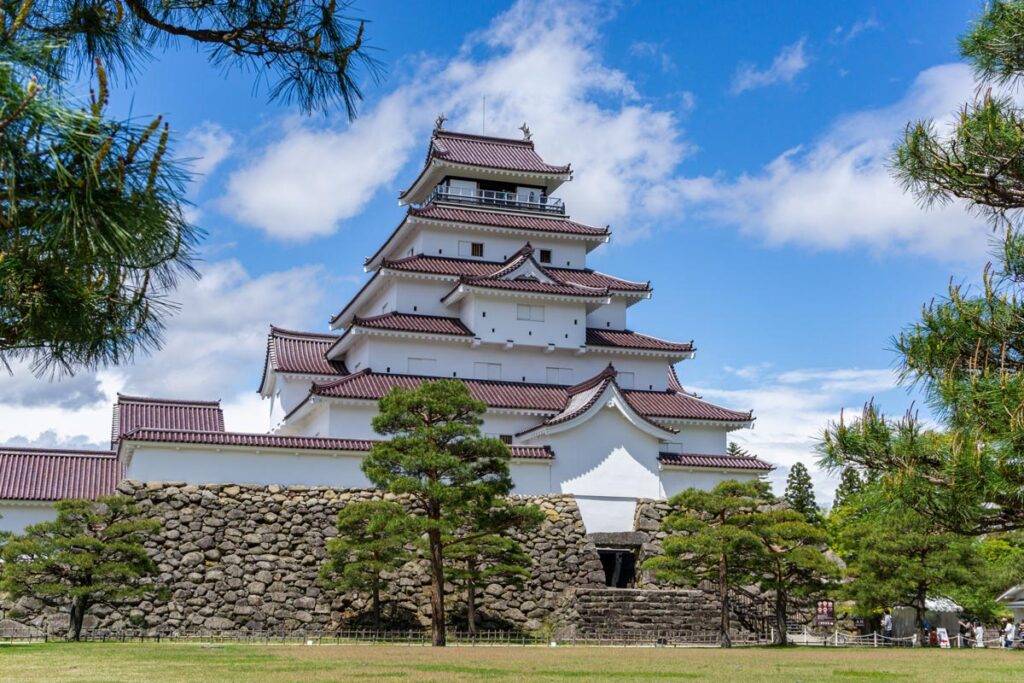
Aizu-Wakamatsu, the city that shelters Sazaedo, is famous for its samurai heritage. For centuries, Aizu was home to a powerful domain loyal to the shogunate. Nearby Tsuruga Castle and the memorials of the Byakkotai (the “White Tiger” teenage samurai corps) tell dramatic stories from Japan’s civil conflict in the 19th century.
Sazaedo belongs to a gentler side of that same history: the religious and spiritual life of the common people. Located on Iimoriyama (Mt. Iimori), the temple forms part of a broader hillside complex of shrines, monuments, and graves. For Edo-period residents of Aizu, coming here was both a pilgrimage and a small excursion, combining faith, walking, and quiet appreciation of the surrounding landscape.
In terms of architecture, Sazaedo is considered a rare surviving example of a wooden, double-helix structure. Similar experimental buildings once existed in other parts of Japan, but most have been lost through fire, modernization, or neglect. Sazaedo’s survival, despite earthquakes, harsh winters, and political upheavals, adds to its status as a cultural treasure.
Highlights of a Visit
While Sazaedo is modest in scale, there are several moments and viewpoints you will not want to miss.
The Approach Through Iimoriyama
The path to Sazaedo begins at the base of Iimoriyama. From the parking and bus drop-off area, you climb a series of stone steps lined with souvenir shops, sweets stalls, and small eateries. This approach has the atmosphere of an old pilgrimage route, where vendors have long served travelers and worshippers with snacks, tea, and charms.
As you rise, the buzz of the modern city falls away, replaced by rustling leaves, temple bells, and the soft murmur of visitors. Seasonal flags and lanterns sometimes decorate the path, especially during local events and holidays.
The Temple Exterior
Before entering, take a few minutes to walk around Sazaedo and appreciate its slightly off-kilter silhouette. The wooden exterior is simple and weathered, with a faint lean that gives it a whimsical, almost storybook quality. Traditional roof tiles curve gently above, and small shrines and stone statues dot the grounds nearby.
From the terrace area in front of the temple, you can often enjoy views across Aizu-Wakamatsu, with Tsuruga Castle and the townscape visible on clear days. This is a peaceful spot to pause for photos or simply breathe in the mountain air.
Inside the Spiral
Once inside, focus on the experience rather than rushing for photos. The slope can be a little uneven, and the lighting is intentionally subdued. Look out for old wooden plaques, Buddhist images, and historic printed posters affixed to the beams. Some of the artwork and inscriptions date back many decades, offering a sense of continuity between past and present visitors.
At the upper level, you may find small openings that reveal the temple’s intricate structural framework: beams, braces, and supports cleverly fitted together without modern metal fastenings. This is traditional Japanese carpentry at its most inventive.
Practical Information for Visitors
Location and Access
Sazaedo Temple stands on Iimoriyama in the city of Aizu-Wakamatsu, Fukushima Prefecture, in northeastern Honshu.
- Nearest station: Aizu-Wakamatsu Station (JR and local lines)
- From Tokyo: Take the Tohoku Shinkansen to Koriyama, then transfer to the Banetsu West Line to Aizu-Wakamatsu. Total travel time is usually around 3 to 3.5 hours, depending on connections.
- From Aizu-Wakamatsu Station: Local buses and tourist loop buses run to Iimoriyama; the ride typically takes about 15–20 minutes. Taxis are also available and convenient for small groups.
From the bus stop or parking area at the base of Iimoriyama, allow around 10–15 minutes on foot to reach Sazaedo, including the staircase approach.
Opening Hours and Admission
Opening times and fees can change, but Sazaedo generally operates during daylight hours, with shorter hours in winter. There is a small admission fee to enter the temple interior, which goes toward preservation and maintenance. Tickets are usually purchased at a booth near the entrance.
Because Sazaedo is a wooden structure, it may close temporarily in severe weather or for maintenance. If you are planning a tight itinerary, it is wise to check current information through local tourism offices or at Aizu-Wakamatsu Station’s tourist information center.
Facilities and Accessibility
The approach to Sazaedo includes a significant number of stone steps, and the temple interior consists of sloping wooden ramps. It is not wheelchair-accessible, and visitors with limited mobility or balance issues may find it challenging.
Inside, the corridors are narrow and can feel confined, especially when busy. If you are uncomfortable in tight spaces, you may wish to peek inside first to gauge your comfort level before committing to the full loop.
Restrooms, vending machines, and small restaurants are available near the base of Iimoriyama. Around the temple area, you will also find souvenir shops selling local crafts, sweets, and charms related to safe travel and academic success.
Best Time to Visit Sazaedo Temple
Sazaedo is open year-round, and each season offers a different atmosphere.
- Spring (March–May): Cherry blossoms dust Iimoriyama with soft pink, and the air is cool and fresh. This is an ideal season for combining a visit with Aizu-Wakamatsu’s other historical sites.
- Summer (June–August): Lush greenery surrounds the temple, and the interior feels pleasantly shaded. Afternoon heat and humidity can be high, so morning visits are more comfortable.
- Autumn (October–November): Fiery red and gold leaves frame the temple and the hillside paths. This is perhaps the most picturesque time to visit, but also one of the busiest.
- Winter (December–February): Snow settles on the roof and steps, creating a quiet, introspective mood. The paths may be slippery, so warm clothing and appropriate shoes are essential.
Weekday mornings tend to be quieter than weekends and holidays. Arriving early gives you a better chance to experience the spiral path at your own pace, without crowds.
Travel Tips for International Visitors
Etiquette Inside the Temple
Although Sazaedo is famous as a sightseeing spot, it remains a religious structure. Basic temple etiquette will help you show respect and feel more at home.
- Speak quietly and avoid loud conversations or phone calls.
- Do not touch or remove votive offerings, plaques, or stickers.
- Photography is usually allowed, but avoid flash and be mindful of other visitors’ privacy.
- If you encounter people praying, give them space and keep movements discreet.
What to Wear and Bring
The sloping wooden floors can be slightly slippery, especially in rainy or snowy weather. Wear comfortable, closed-toe shoes with good grip. Inside, temperatures generally follow the outside weather, so dress in layers during cooler months.
A small bag or backpack is preferable to large luggage, as space inside the temple is tight. If you are visiting as part of a wider tour of Aizu-Wakamatsu, consider using station lockers for any heavy items.
Combining Sazaedo with Nearby Sights
Sazaedo fits naturally into a half-day or full-day itinerary in Aizu-Wakamatsu. Popular nearby attractions include:
- Tsuruga Castle: Reconstructed samurai castle with a museum and panoramic views from the keep.
- Byakkotai Memorial Sites: Historical locations related to the young samurai of the Aizu domain, also on Iimoriyama.
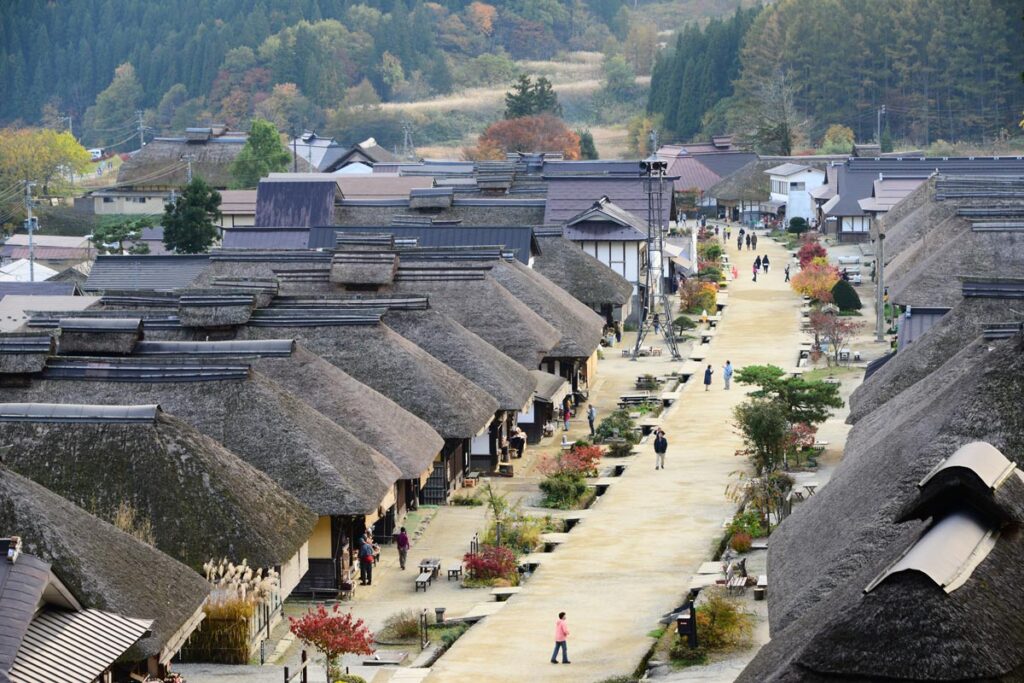
- Ouchi-juku: A preserved Edo-period post town, a scenic bus ride away, offering thatched-roof houses and traditional local cuisine.
Together, these sites reveal the layered history of Aizu: faith, warfare, everyday life, and the enduring skill of local artisans.
Why Sazaedo Belongs on Your Japan Itinerary
For first-time visitors to Japan, it is tempting to spend all your time in the big-name destinations. Yet some of the country’s most memorable experiences lie a little off that well-trodden path. Sazaedo Temple offers something rare: an intimate, hands-on encounter with Edo-period ingenuity that you can physically walk through and feel under your feet.
It is small enough to explore in under an hour, yet complex enough to linger in your memory long after you leave. The spiraling corridors, the handwritten stickers, the smell of old wood, and the foothills view across Aizu-Wakamatsu all combine into a quiet, distinctive experience of Japan’s spiritual and architectural heritage.
If you are looking for a destination that feels both authentic and quietly surprising, set aside time in your itinerary for Aizu-Wakamatsu and its spiraling shell of a temple on the hill. Sazaedo may not be as famous as the great temples of Kyoto or Nara, but for many travelers, it becomes the story they most enjoy telling when they return home.

Access Map
Recommended spots in Fukushima
Tsuruga Castle
Aizu Bukeyashiki
Sazaedo Temple
Ouchi-juku Post Town
Top destinations in Hokkaido & Tohoku
Hokkaido

Aomori
Iwate