




Zuihoden Mausoleum
Visiting Zuihoden Mausoleum in Sendai, Japan: A First-Timer’s Guide
Photos are for illustrative purposes only.
On a forested hillside just south of central Sendai lies Zuihoden Mausoleum, the lavish resting place of Date Masamune, the powerful feudal lord who founded the city. For many international visitors, Sendai is a quick stop on the way north to Tohoku’s hot springs and nature. Yet Zuihoden is reason enough to linger: a rare blend of ornate Momoyama-style architecture, tranquil cedar groves, and evocative samurai history.
This guide is designed for first-time travelers to Japan, explaining not only what you will see at Zuihoden but also how to visit respectfully, how to get there, and how to weave the experience into a wider Sendai itinerary.
Why Zuihoden Belongs on Your Japan Itinerary
Japan is filled with temples and shrines, but Zuihoden stands out for three main reasons:
1. The Story of Date Masamune
Date Masamune (1567–1636), sometimes called the “One-Eyed Dragon,” was a powerful daimyo (feudal lord) of the late 16th and early 17th centuries. Losing an eye to illness as a child, he became famous for his bold black armor and distinctive crescent-moon helmet. He founded Sendai and helped shape the political landscape of early Edo-period Japan, balancing loyalty to the Tokugawa shogunate with ambitious regional rule.
Visiting Zuihoden is not only about architecture; it is like walking into the personal chapter of a samurai warlord’s story. The mausoleum complex preserves the legacy of Masamune and his descendants, offering an accessible window into the era when Japan was transitioning from war-torn provinces to a more unified, peaceful society.
2. Dazzling Momoyama-Style Architecture
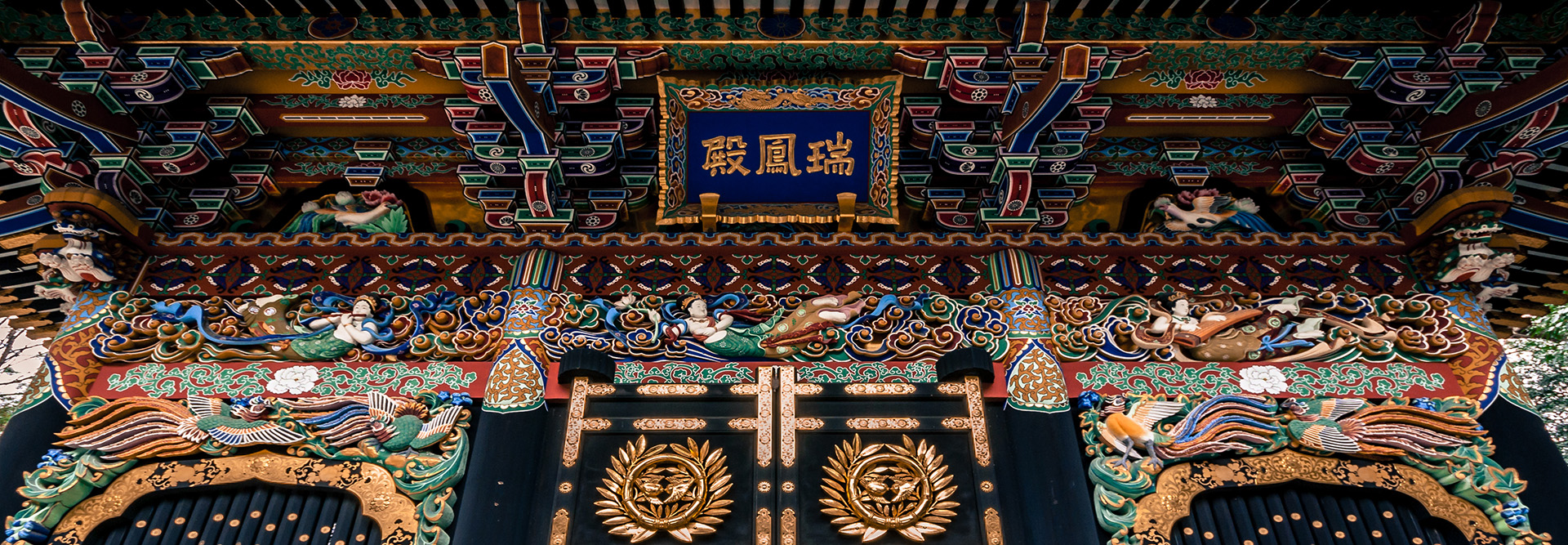
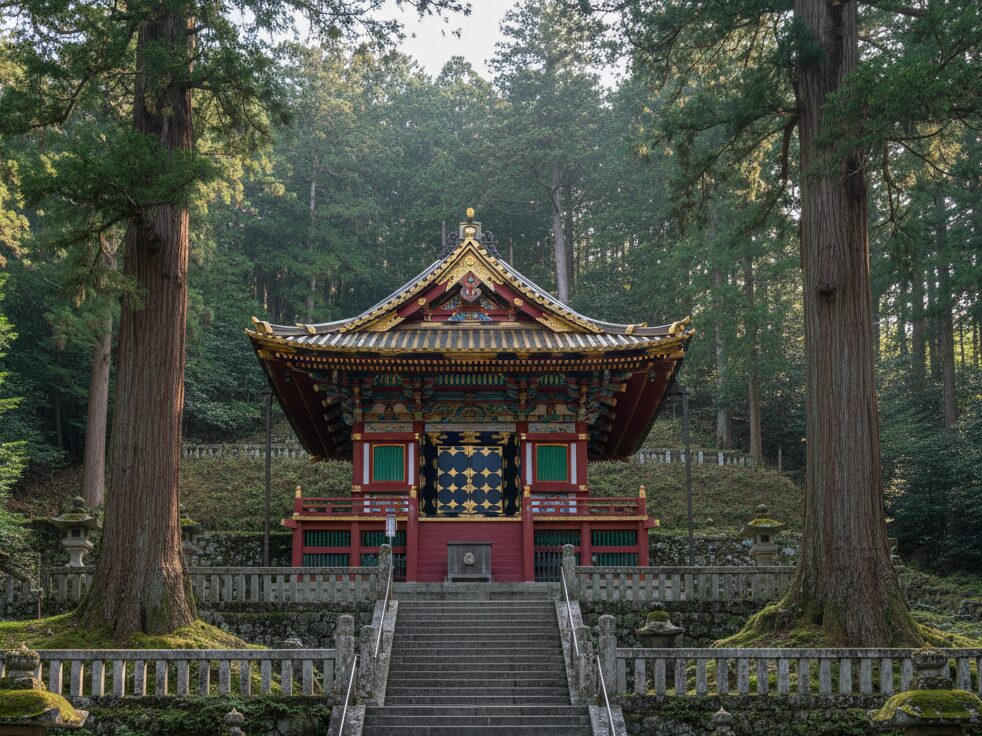
Zuihoden is built in an ornate version of Momoyama style, a decorative architectural and artistic trend that flourished from the late 16th to early 17th century. Expect vivid colors, gold leaf, and intricate carvings—not the plain wooden austerity many people picture when they think of Japanese temples.
Brightly painted beams and pillars are adorned with flowers, mythical creatures, and geometric patterns. The richness of the decoration symbolizes the power and prestige of the Date clan, and for photography lovers, the contrast between the vivid buildings and the deep-green forest is particularly striking.
3. A Quiet Cedar Forest in the Heart of the City
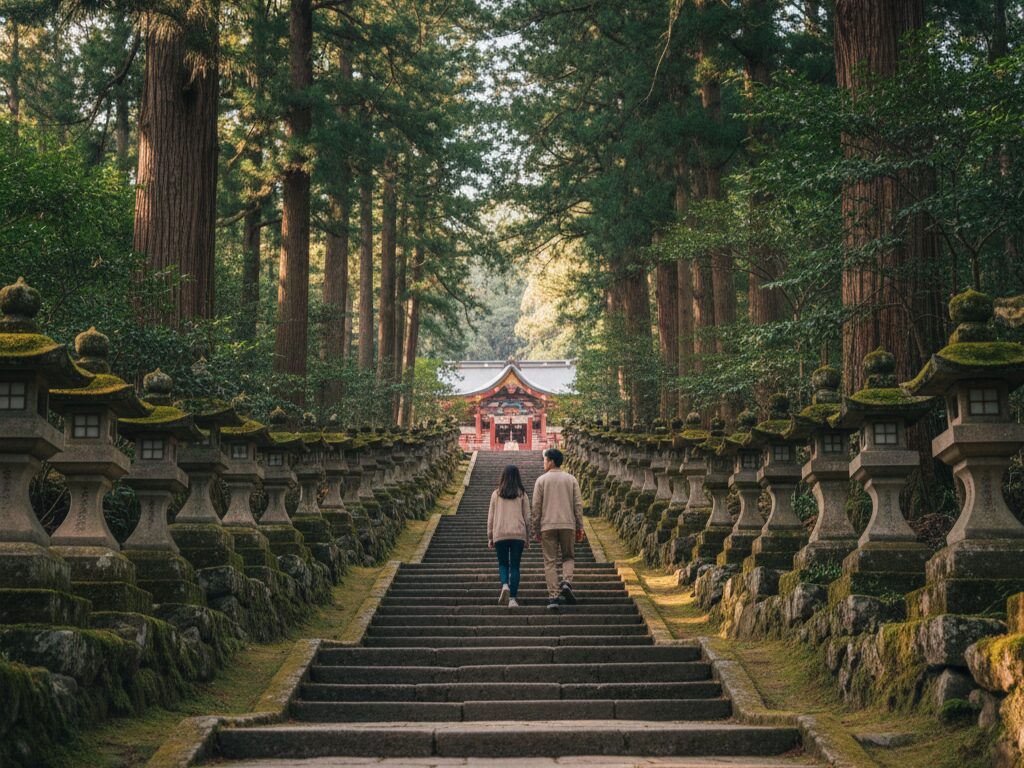
Though only a short bus ride from Sendai Station, Zuihoden feels worlds away. Tall, centuries-old cedar trees line the stairways and paths, and the sound of traffic fades into the distance. Even on busy days, the atmosphere is calm and contemplative, especially if you visit early in the morning or later in the afternoon.
For first-time visitors to Japan, this contrast—between urban energy and deep, wooded stillness—is one of the country’s great pleasures. Zuihoden lets you experience that without needing to travel far into the countryside.
What to See at Zuihoden Mausoleum
The Approach and Stone Stairways
From the entrance, a series of stone staircases leads you uphill through cedar trees. The climb is gradual but can be a little tiring if you are not used to stairs, so comfortable footwear is recommended. Stone lanterns and moss-covered retaining walls frame the path, giving a strong sense of age and continuity.
In Japanese culture, approaches to sacred sites are more than just practical paths; they are transitional spaces where you leave the everyday world behind. Many visitors naturally speak more quietly here, and you may notice locals bowing slightly as they pass gates and statues.
Zuihoden: The Main Mausoleum of Date Masamune
At the top of the climb, the first major highlight is the main mausoleum of Date Masamune. The gate and hall draw the eye with their elaborate woodwork and color. Look closely at the carvings along the eaves and doors: dragons, phoenixes, peonies, and other auspicious motifs carefully picked out in red, blue, green, and gold.
The original Zuihoden was completed in 1637 but was destroyed during World War II air raids. What you see today is a faithful reconstruction completed in the latter half of the 20th century, based on historical documents, photographs, and surviving fragments. The craftsmanship involved in recreating the designs is impressive, and ongoing restoration work keeps the colors vivid while still respecting traditional methods.
The actual grave site lies just beyond the decorative structures. It is simple, marked by stone and surrounded by more towering cedars, emphasizing the contrast between the lord’s grand life and the quiet finality of death.
Kansenden and Zennoden: Mausoleums of Masamune’s Successors
Within the same forested complex you will find Kansenden and Zennoden, the mausoleums of Masamune’s successors in the Date family. They are smaller and less ornate than the main hall, but they follow a similar decorative style and offer another layer to the clan’s story.
Strolling between Zuihoden, Kansenden, and Zennoden gives a sense of continuity—how power and responsibility passed from one generation to the next. Small signs (often with English explanations) help identify which lord is commemorated at each site and when they ruled.
The Museum and Archaeological Finds
Near the entrance area, a small museum displays artifacts excavated during the reconstruction of the mausoleums. These include fragments of lacquerware, personal belongings, and in some cases, items associated with funeral rites.
The museum also includes information boards (usually with English summaries) explaining the excavations and the Date family’s role in Sendai’s development. Even if you are not a history expert, taking 15–20 minutes to browse the exhibits gives deeper context to what you see outside.
Seasonal Beauty: When to Visit
Zuihoden is worth visiting year-round, but each season offers a slightly different atmosphere:
- Spring (March–May): Fresh green leaves spread through the forest, and some flowering trees bloom along the paths. Temperatures are comfortable, ideal for walking.
- Summer (June–August): The cedar forest is lush and deeply shaded, providing welcome relief from the city’s heat. Expect occasional rain showers during the June–July rainy season.
- Autumn (late October–November): Autumn foliage around the site can be spectacular, with red and gold leaves contrasting against the evergreen cedars and colorful buildings.
- Winter (December–February): On snowy days, the mausoleum takes on a particularly atmospheric, almost monochrome look, with the bright colors standing out against white roofs and pathways. Paths can be slippery, so tread carefully.
How to Get to Zuihoden from Sendai Station
Zuihoden is conveniently close to central Sendai, making it an easy half-day excursion.
By City Bus
From JR Sendai Station, several local buses run toward the Zuihoden area. Look for buses heading in the direction of “Zuihoden” or check the route maps at the bus terminal. In many cases, destinations are written in both Japanese and English, and digital signboards show upcoming stops.
The ride typically takes about 10–15 minutes, depending on traffic. Get off at the stop nearest to Zuihoden (often labeled with the mausoleum’s name), then follow signs up the hill for about 5–10 minutes on foot. Staff at the station tourist information center can point you to the current recommended route and bus number.
By Taxi
A taxi from Sendai Station to Zuihoden takes around 10 minutes in normal traffic. Even if you do not speak Japanese, simply show the driver the words “瑞鳳殿 (Zuihoden)” on your phone or a piece of paper. This is a convenient option if you are traveling in a small group or carrying luggage.
On Foot
Confident walkers can reach Zuihoden on foot in about 30–40 minutes from the station area. The route gradually climbs uphill through residential neighborhoods before arriving at the wooded mausoleum complex. This can be a pleasant way to get a feel for everyday Sendai life, but keep in mind the additional stairs once you reach the site.
Tickets, Opening Hours, and Practical Tips
Opening hours and fees can change, so always double-check the latest information on arrival in Sendai, but the following guidelines will help you plan:
- Opening hours: Typically from morning to late afternoon. Last entry is usually 30 minutes before closing time.
- Admission fee: There is a small entrance fee, often with discounted tickets for children. Combination tickets including the museum and additional areas are sometimes available.
- Time needed: Plan around 60–90 minutes for a relaxed visit, including the museum.
Facilities near the entrance usually include restrooms and sometimes vending machines. There may not be extensive food options on-site, so eating a light meal before or after at Sendai Station or in the city center is a good idea.
Etiquette and Cultural Tips for First-Time Visitors
Zuihoden is both a tourist attraction and a burial site, so a few basic courtesies go a long way:
- Speak quietly: Keep voices low, especially near the mausoleums and grave areas. Many visitors come to pay respects.
- Follow photography rules: Photography is usually allowed outdoors, but some interiors or museum exhibits may prohibit flash or photos altogether. Always check for signs.
- Stay on paths: Do not step into roped-off areas or onto grave platforms. Paths and stairs are designed to guide you respectfully through the complex.
- No eating or drinking near mausoleums: Save snacks and drinks for designated rest areas, away from the graves.
Unlike some temples, there is typically no strict dress code, but modest, respectful clothing is appreciated. Shoulders and knees do not need to be covered by religious rule, but avoid overly revealing outfits in recognition of the site’s solemn nature.
Combining Zuihoden with Other Sendai Attractions
Zuihoden can easily fit into a wider Sendai sightseeing day. Consider adding one or more of the following:
Sendai Castle Site (Aoba Castle Ruins)
On a hill overlooking the city, the former site of Sendai Castle offers expansive city views and statues of Date Masamune in his trademark helmet. Although the original castle structures were lost, the site includes reconstructed gates, stone walls, and a small museum. Visiting both the castle site and Zuihoden in one day provides a satisfying overview of the Date clan’s presence in Sendai.
Osaki Hachimangu Shrine
This important Shinto shrine, also linked historically to the Date family, features striking black lacquered buildings with gold decorations. Architecturally distinct from Zuihoden yet equally impressive, it gives another angle on the spiritual and political life of the era.
Downtown Sendai and Local Food
After the calm of the forest, explore central Sendai for shopping streets and local cuisine. The city is renowned for gyutan (grilled beef tongue), zunda (sweet mashed edamame) desserts, and hearty Tohoku-style ramen. Many restaurants near Sendai Station offer English menus or picture menus, making it relatively easy for first-time visitors.
Tips for First-Time Travelers to Japan Visiting Sendai
Sendai is a comfortable base for travelers new to Japan. A few general tips will help your visit to Zuihoden and the city go smoothly:
- Language: English is not universally spoken, but transport signs and many tourist facilities provide English. Polite, simple phrases such as “sumimasen” (excuse me / sorry) and “arigatou” (thank you) are appreciated.
- Payment: Credit cards are increasingly accepted, but always carry some cash (yen) for small entrance fees, buses, and vending machines.
- IC Cards: Rechargable IC cards such as Suica or PASMO (and their regional equivalents) are convenient for buses and trains, including those around Sendai.
- Shoes: Wear comfortable shoes suitable for walking on stone steps and potentially uneven forest paths. In wet weather, watch for slippery surfaces.
Is Zuihoden Mausoleum Worth a Trip?
If you are intrigued by samurai history, traditional architecture, or simply want a serene break from city crowds, Zuihoden is absolutely worth your time. It is manageable for first-time visitors, accessible from Sendai’s transport hub, and rich in cultural meaning without requiring specialized knowledge to appreciate.
Standing among the cedar trees, with the colorful mausoleums glowing against the forest, it is easy to imagine the world of Date Masamune and the early Edo period. For many travelers, Zuihoden becomes one of those unexpectedly memorable places—quiet, atmospheric, and deeply rooted in the story of Japan.
Consider adding a visit to Zuihoden Mausoleum to your Japan itinerary, especially if you plan to travel through the Tohoku region. It offers a rare combination of history, beauty, and tranquility within easy reach of a modern, welcoming city.

Access Map
Recommended spots in Miyagi

Sendai Castle Ruins
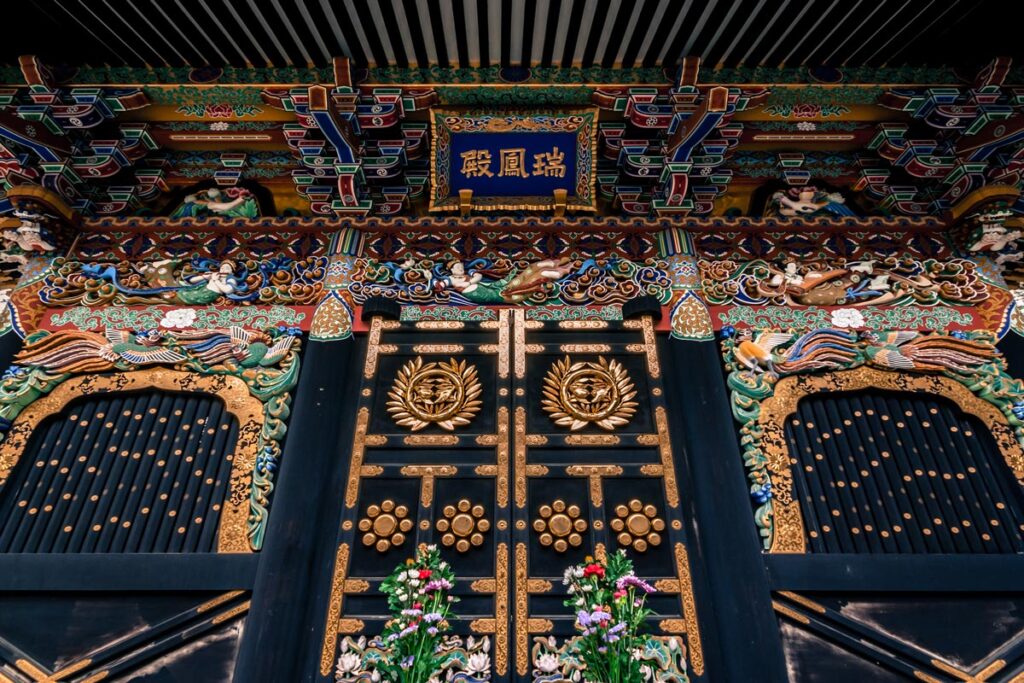
Zuihoden Mausoleum
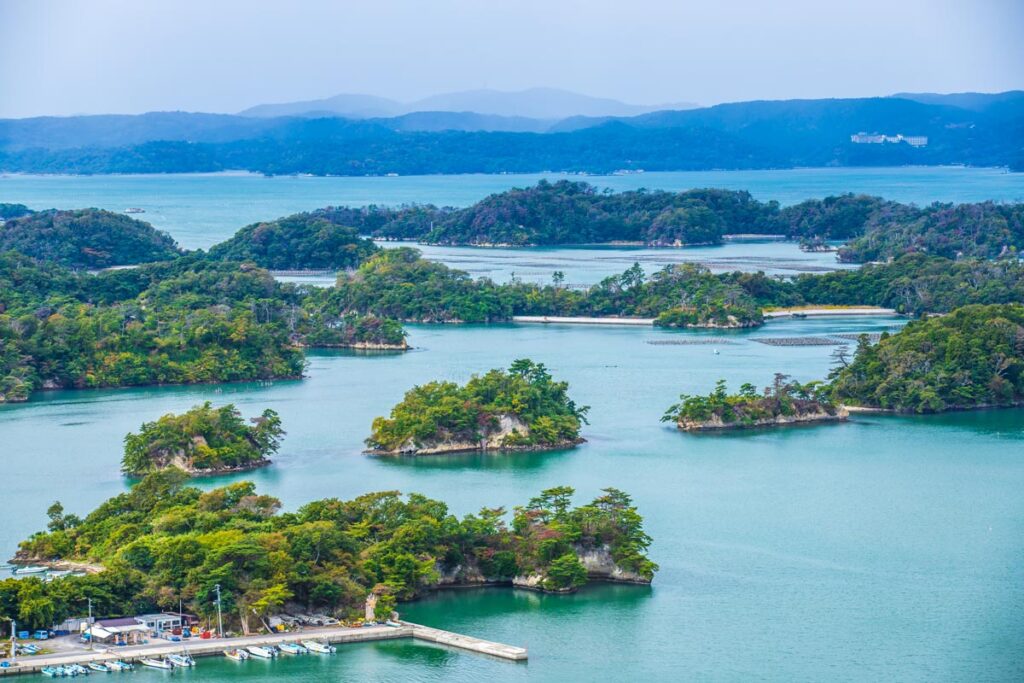
Matsushima Bay
Top destinations in Hokkaido & Tohoku
Hokkaido
Aomori
Iwate