

Matsushima Bay
Matsushima Bay Travel Guide for First-Time Visitors to Japan
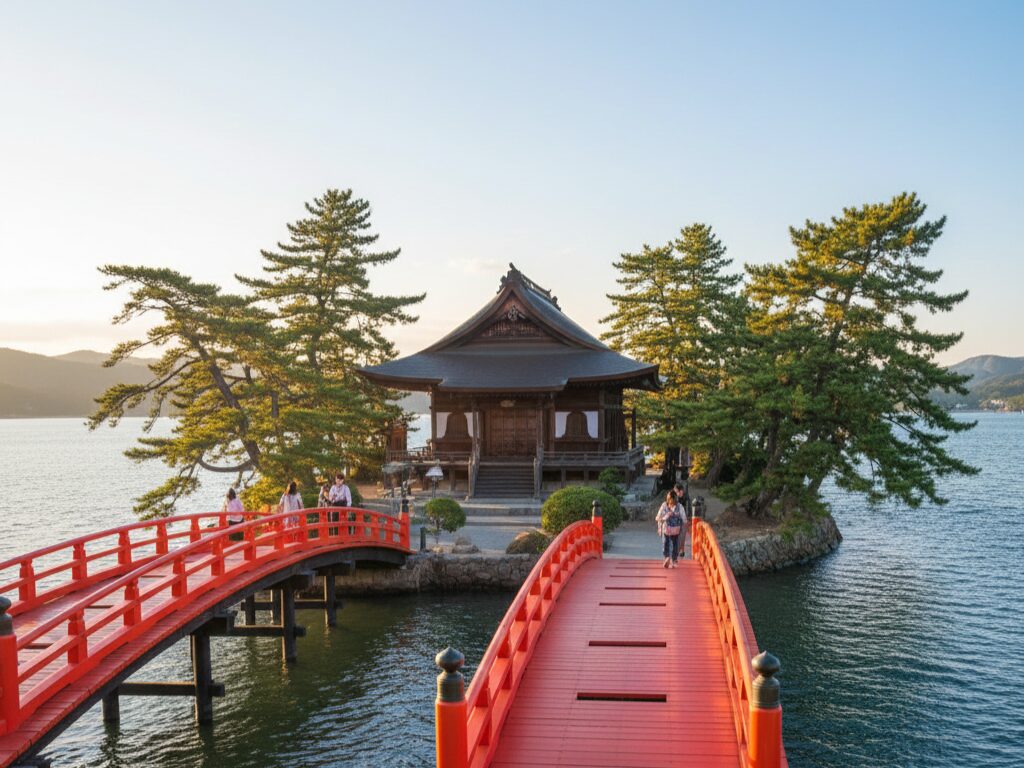
Photos are for illustrative purposes only.
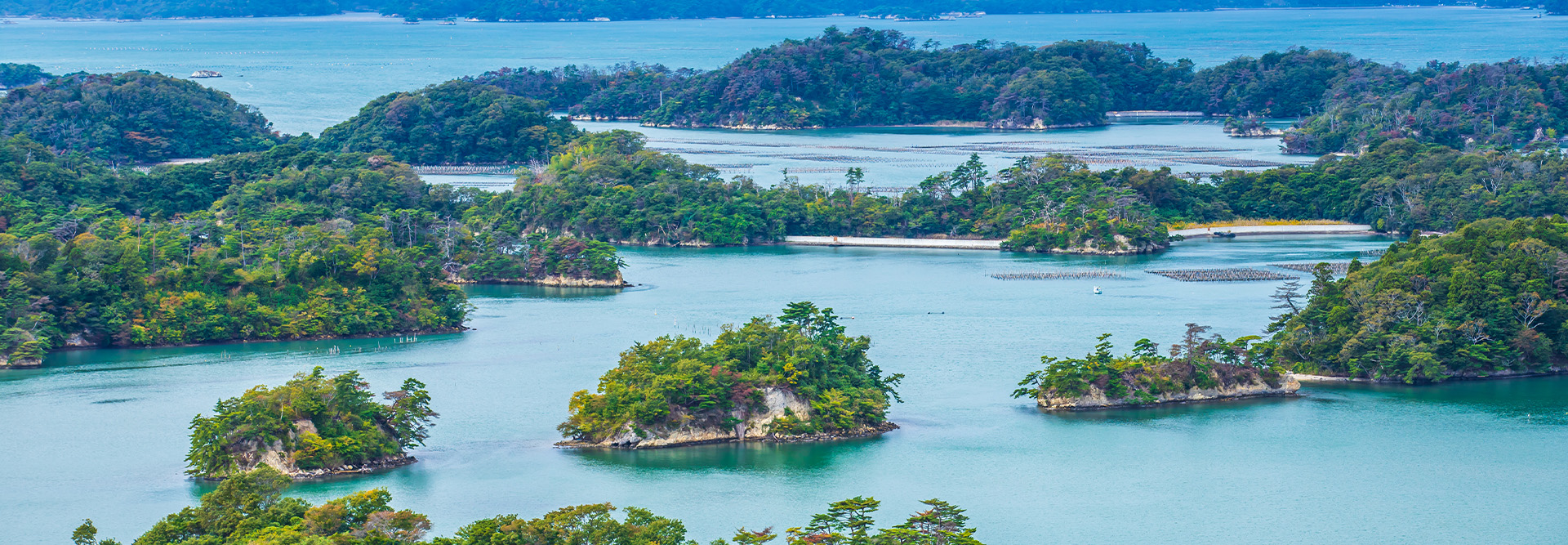
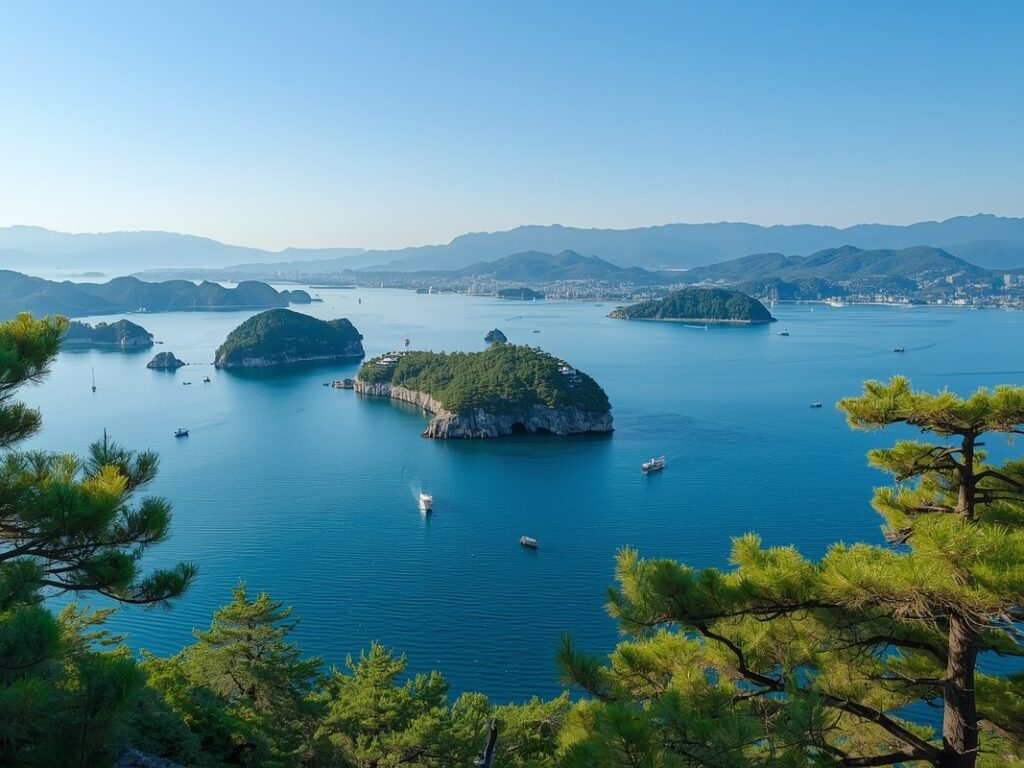
Matsushima Bay, often praised as one of Japan’s three most scenic views, is a calm, island-dotted bay on the northeast coast of Honshu. Pine-covered islets float in deep blue water, small fishing boats glide across the surface, and temple bells echo from nearby hills. For first-time visitors to Japan, Matsushima combines classic Japanese scenery with easy access and relaxed, small-town charm.
Why Visit Matsushima Bay?
Matsushima’s beauty has been admired for centuries by poets, painters, and monks. The writer Matsuo Basho was famously left speechless by the landscape, simply noting, “Matsushima, ah Matsushima.” The bay is dotted with around 260 small islands, each crowned with windswept black pines that give Matsushima (“pine islands”) its name.
Unlike Tokyo or Kyoto, Matsushima offers a slower pace. It is a place to stroll along the waterfront, take a sightseeing cruise, wander through historic temples, and enjoy fresh seafood with sea views. It also makes an excellent day trip or overnight stop from Sendai, the largest city in the Tohoku region, and is straightforward to reach by train.
Getting to Matsushima Bay
From Tokyo
Most international visitors will travel to Matsushima via Tokyo. The easiest route is to take the Tohoku Shinkansen (bullet train) from Tokyo Station to Sendai Station.
- Tokyo to Sendai: Around 90 minutes on the Hayabusa or Yamabiko Shinkansen.
- JR Rail Pass: If you have a Japan Rail Pass, the trip is covered on eligible trains.
From Sendai, you have two main local train options to reach the bay:
- To Matsushima-Kaigan Station: Take the JR Senseki Line (about 40 minutes). This station is closest to the main tourist area, ferry pier, and temples.
- To Matsushima Station: Take the JR Tohoku Line (about 25 minutes). This station is a bit farther from the waterfront and requires a longer walk.
For most visitors, Matsushima-Kaigan Station is the better choice. Once you arrive, the waterfront and major sights are within comfortable walking distance.
From Sendai Airport
If you fly into Sendai Airport, transfer to Sendai Station by train (about 25 minutes on the Sendai Airport Access Line), then continue by local train as above. Signs and announcements are available in English, and station staff are generally helpful if you need directions.
Best Time to Visit Matsushima
Matsushima Bay is beautiful year-round, but the atmosphere changes with the seasons. Your experience will differ depending on when you visit:
- Spring (March–May): Mild temperatures, cherry blossoms, and clear skies make this one of the best times. Sakura bloom at nearby temples and along walking paths, framing the bay in soft pink.
- Summer (June–August): Green pines, bright blue water, and lively festivals. However, it can be hot and humid, with occasional rain. Cruises offer cool sea breezes that are especially welcome.
- Autumn (September–November): Another ideal season. Autumn foliage around hilltop viewpoints and temple gardens contrasts beautifully with the bay’s deep blues and greens.
- Winter (December–February): Quiet, crisp, and atmospheric. On clear days, visibility can be excellent, and light snow on the islands adds a touch of magic. Dress warmly for boat cruises.
Top Things to Do in Matsushima Bay
1. Take a Matsushima Bay Sightseeing Cruise
The classic way to appreciate Matsushima is from the water. Sightseeing boats depart regularly from the pier near Matsushima-Kaigan Station and navigate among the bay’s rocky islets.
Most cruises last about 50 minutes. As you glide past the islands, you’ll notice weathered cliffs, sea caves, and pines clinging to the rock in improbable shapes. Each island has a name, often based on a legend or appearance, and announcements on board usually include simple English explanations.
Some key tips for the cruise:
- Seating: Boats generally have indoor seating protected from the weather and an open-air upper deck. The upper deck is best for photos, though it can be windy.
- Tickets: Tickets are sold at the pier counters. You can usually buy on the day without advance reservations outside major holidays.
- Timing: Mid-morning or late afternoon cruises provide softer light for photography. In busy seasons, allowing extra time before departure is wise.
2. Explore Godaido Hall
Just a short walk from the pier stands Godaido, a small temple hall on its own tiny island. Reached by a pair of picturesque red bridges, it is considered a symbol of Matsushima.
The current structure dates back to the early 17th century, though the site’s religious history is much older. Look closely at the wooden carvings under the eaves; they depict the twelve animals of the Chinese zodiac. Godaido is often closed to the public interior-wise, but the exterior and views from the surrounding walkway are the main attraction.
Culturally, Godaido represents the fusion of Buddhism and local beliefs. Historically, it housed important statues only shown during special ceremonies. Today, it is a scenic and spiritual focal point for visitors.
3. Visit Zuiganji Temple
Zuiganji is Matsushima’s most important Zen temple and a key cultural attraction. Founded over a thousand years ago and rebuilt in the early Edo period, it served as the family temple of the powerful Date clan, lords of the Sendai domain.
As you approach, you pass along a cedar-lined avenue flanked by mossy stone lanterns and meditation caves carved into the rock. These caves were once used by monks for ascetic training and are an evocative reminder of Matsushima’s religious past.
Inside the temple grounds, highlights include:
- Main Hall (Hondo): A classic example of early Edo architecture, with sliding doors, tatami rooms, and golden interiors that reflect the power and wealth of the Date family.
- Painted Screens: Elaborate fusuma (sliding door) paintings depicting landscapes and seasonal themes. These artworks offer insight into the aesthetic tastes of the samurai elite.
- Temple Museum: Exhibits of armor, calligraphy, and religious artifacts connected to the Date clan.
Respect temple etiquette by speaking quietly, removing shoes where required, and following the marked paths. Photography rules may vary depending on the area, so check the signs.
4. Stroll Through Entsuin Temple and Gardens
Near Zuiganji, Entsuin is a smaller temple renowned for its serene gardens. It was built as a memorial for a young Date family member, and the atmosphere is contemplative rather than grand.
You’ll find different garden styles within the grounds: a moss garden shaded by maples, a rock garden that invites silent reflection, and seasonal flower beds. In autumn, Entsuin is especially popular for its illuminated night-time foliage events, when red and gold leaves are mirrored in the ponds.
Entsuin is a peaceful counterpoint to the busier waterfront and a good place to slow down and absorb the mood of northern Japan.
5. Walk to the Islands via Red Bridges
Several of Matsushima’s small islands can be reached by pedestrian bridges, each with its own character and view.
- Fukuura Island: Connected by a long, red footbridge, this island has walking trails, quiet viewpoints, and small bays. It is ideal for a leisurely walk, picnics, and birdwatching. There is usually a small fee to cross the bridge.
- Oshima Island: Once a retreat for monks, Oshima has rocky paths, meditation caves, and quiet corners with views of the bay. It gives a sense of the spiritual traditions that grew from this landscape.
Wear comfortable shoes, as some paths can be uneven, and keep an eye on opening hours and weather conditions, which may affect access.
Cultural Background and Local Atmosphere
Matsushima lies in Miyagi Prefecture, part of the broader Tohoku region. Historically, this was samurai country, controlled by regional clans whose castles, temples, and traditions still shape local culture.
Life in Matsushima has long been tied to the sea. Fishing boats still operate alongside tourist cruises, and the bay is known for oysters and seaweed. Walking along the shore in the early morning, you may see local fishers working quietly among the moored boats.
The area also carries memories of the 2011 Great East Japan Earthquake and tsunami. While Matsushima was partially shielded by its islands and recovered relatively quickly, the wider region’s experience has shaped local resilience and hospitality. Visiting Matsushima supports regional communities that have rebuilt with care and pride.
Food and Local Specialties
One of the pleasures of visiting Matsushima is enjoying fresh seafood with a view of the bay. Many small restaurants and stalls line the waterfront and the streets around Matsushima-Kaigan Station.
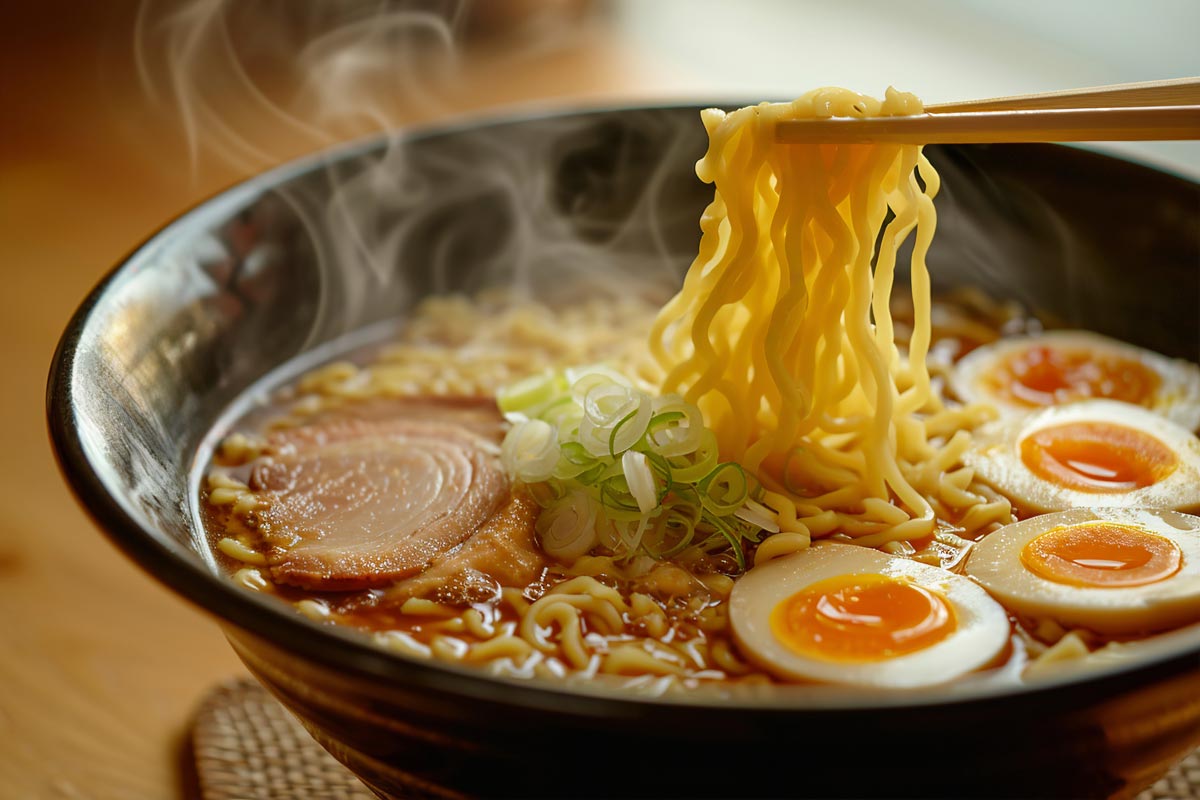
- Oysters: Matsushima is famous for its oysters, available grilled, fried, or raw in season. Oyster huts and simple eateries serve generous portions, often with rice and miso soup.
- Grilled Seafood Skewers: Stalls may offer skewers of squid, shellfish, and fish, easy to enjoy as a quick snack while walking.
- Zunda Sweets: Zunda (sweet mashed edamame) is a specialty of the Sendai area. Look for zunda mochi (rice cakes) or zunda-flavored soft-serve ice cream.
- Local Sake: Miyagi Prefecture produces well-regarded sake. Some restaurants offer tasting sets; try pairing sake with seafood for a regional experience.
Most menus have pictures, and some include simple English. If you have dietary restrictions, it is useful to prepare a short note in Japanese explaining them, as staff may not always be fluent in English.
Suggested Itinerary: One Day in Matsushima
If you are visiting Matsushima Bay as a day trip from Sendai or as part of a longer journey through Tohoku, the following simple itinerary works well for first-time visitors:
- Morning Arrival: Travel by train to Matsushima-Kaigan Station. Walk to the waterfront, enjoy the sea air, and get your bearings.
- Bay Cruise: Take a 50-minute sightseeing cruise to experience the islands up close and see the bay from multiple angles.
- Godaido and Waterfront Walk: After the cruise, visit Godaido via its red bridges and stroll along the shore.
- Lunch: Choose a waterfront restaurant for oysters or other local seafood specialties.
- Zuiganji and Entsuin: Spend the early afternoon exploring these neighboring temples and their grounds.
- Island Walk: Cross the red bridge to Fukuura Island, if time permits, and enjoy the views from the walking trails.
- Return to Sendai: Head back by train before dinner, or stay overnight to enjoy a quieter evening by the bay.
Practical Tips for First-Time Visitors
Language and Signage
Basic English is available at major attractions and on many signs, especially around stations, ferry terminals, and temples. In smaller shops and restaurants, staff might speak limited English, but gestures, maps, and polite patience go a long way. Having your destination written in Japanese can be helpful when asking for directions.
Cash, Cards, and Tickets
Large stations and many hotels accept credit cards, but smaller restaurants and souvenir shops may prefer cash. Convenience stores near the station have ATMs that work with international cards, and you can also use IC cards (such as Suica or PASMO) on local trains and some vending machines.
Buy train tickets from machines with an English option, or show your destination to the station staff at the counter. For boat cruises, tickets are typically purchased at the pier before boarding.
Clothing and Footwear
You will be walking on a mix of paved paths, temple grounds, and occasionally uneven island trails. Comfortable, closed-toe shoes are recommended. In cooler months, bring a warm layer for boat trips, as the wind on deck can be strong even on sunny days.
Respectful Behavior
Matsushima is both a tourist destination and a living community with active temples. Keep these points in mind:
- Speak quietly in temple precincts and on narrow residential streets.
- Follow photography rules, especially inside temple buildings.
- Do not feed wild animals or birds around the islands.
- Take all your trash with you if bins are not available.
Staying Overnight in Matsushima
While many travelers visit Matsushima as a day trip, staying overnight offers a different, more tranquil experience. Evenings are quiet once day visitors depart, and you can watch the changing light over the bay from your lodging.
Accommodation options include:
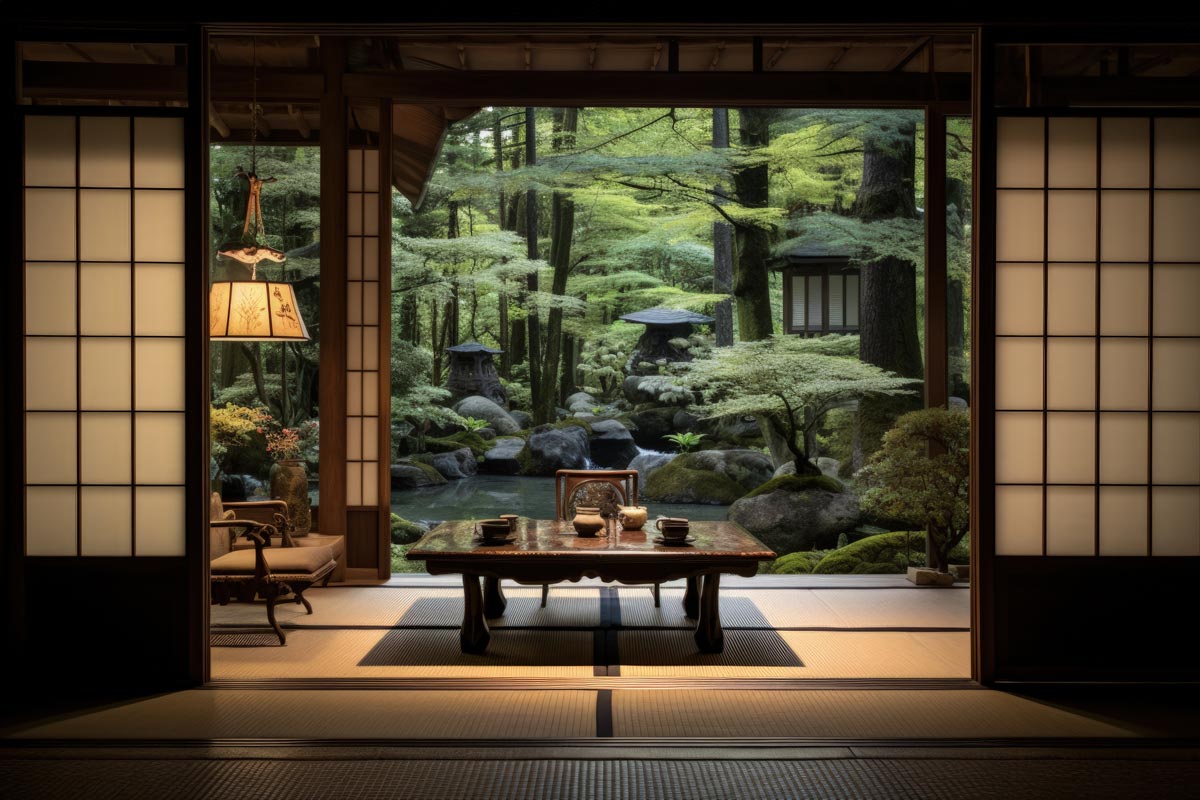
- Ryokan (Traditional Inns): Some offer rooms with tatami floors, futon bedding, and kaiseki-style dinners featuring local seafood. Japanese-style baths (onsen or public baths) are common and provide a relaxing end to the day.
- Small Hotels and Guesthouses: These provide simple comfort and are often located within walking distance of the station and waterfront.
Booking in advance is recommended during peak seasons such as spring cherry blossom time and autumn foliage. When staying at a ryokan, check whether dinner and breakfast are included, as meal times are often fixed.
Combining Matsushima with Other Destinations
Matsushima fits naturally into a Tohoku or northern Japan itinerary. From Sendai, you can continue on to destinations such as:
- Sendai City: Explore urban Tohoku, with its shopping streets, modern dining, and the historical remains of Sendai Castle.
- Yamadera: A mountain temple complex built into steep cliffs, reachable by train and a climb of over 1,000 stone steps.
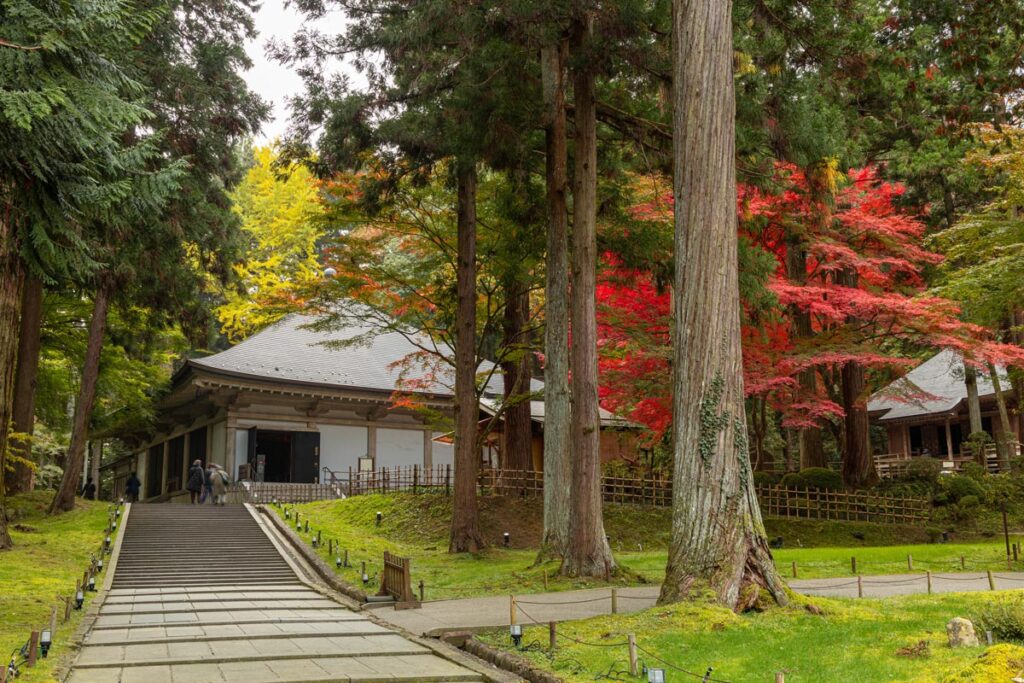
- Hiraizumi: Another historic site with World Heritage temples and gardens, reflecting the Buddhist Pure Land vision.
For first-time visitors to Japan who want to see more than the standard Tokyo–Kyoto route, Matsushima provides an accessible glimpse of the country’s scenic and spiritual heart, shaped by sea, pine, and centuries of quiet contemplation.
Whether you come for a day or linger for longer, the islands of Matsushima Bay leave a lasting impression, inviting you to slow down, listen to the waves, and experience a side of Japan where nature and culture are woven together in every view.
Access Map
Recommended spots in Miyagi
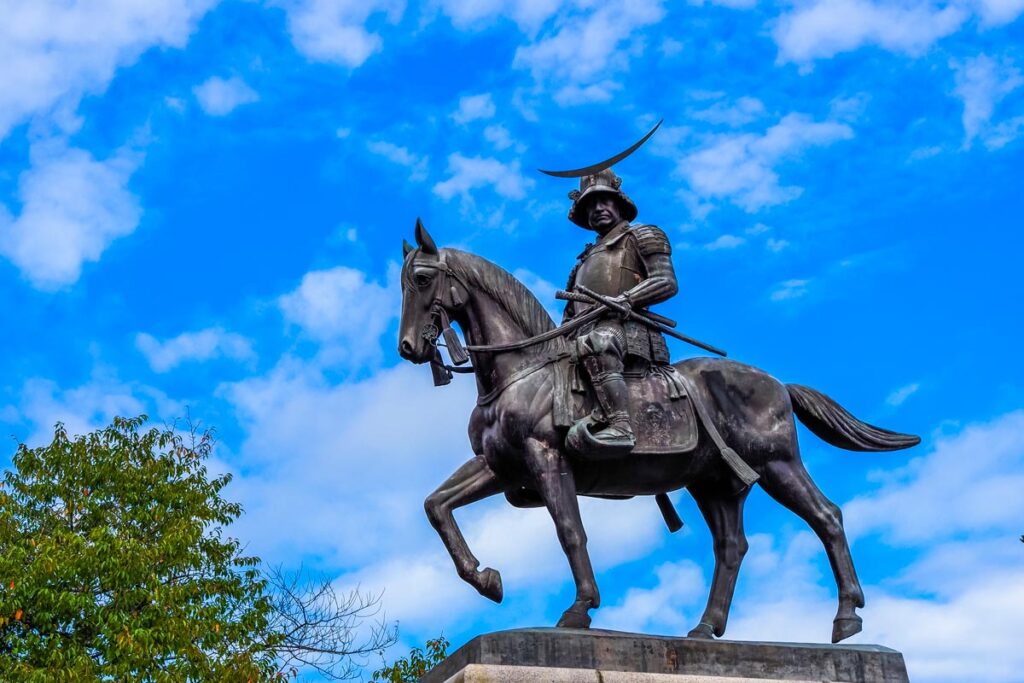
Sendai Castle Ruins
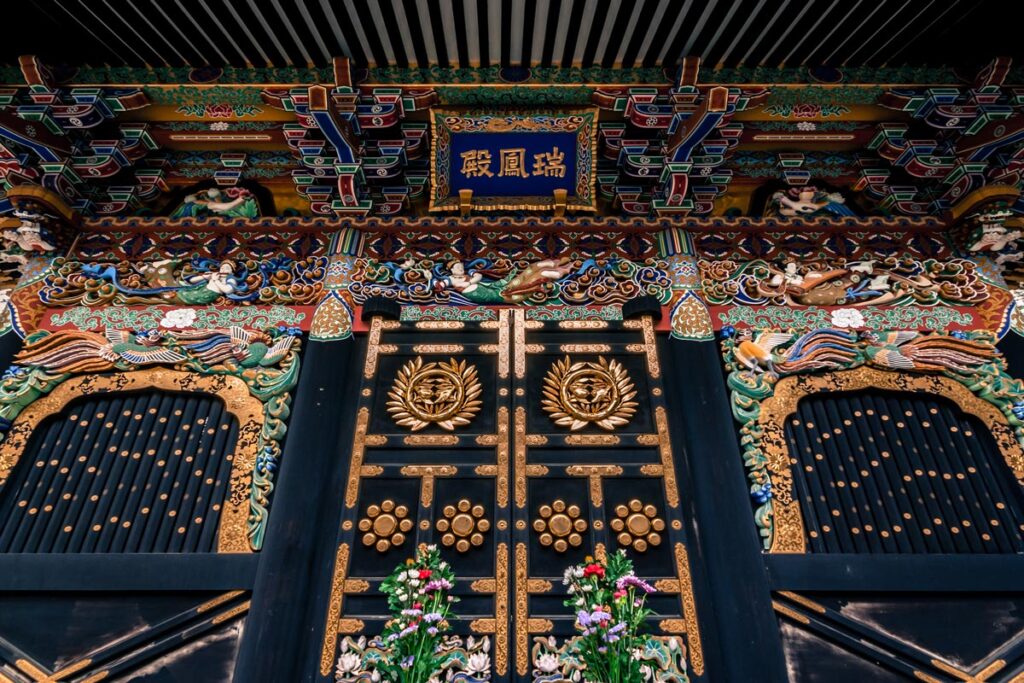
Zuihoden Mausoleum
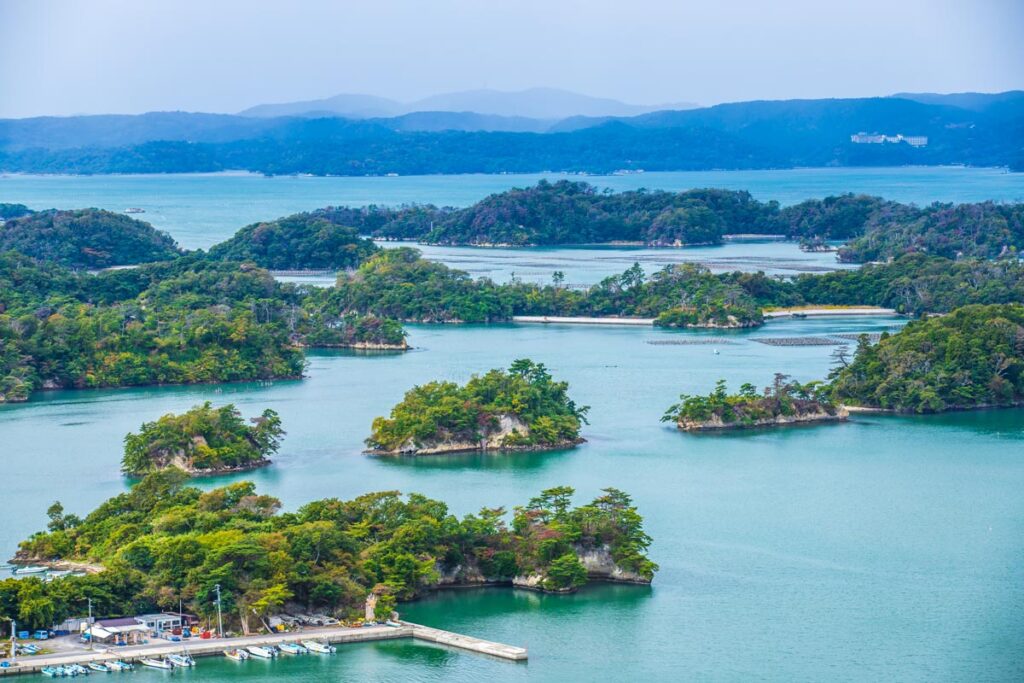
Matsushima Bay
Top destinations in Hokkaido & Tohoku
Hokkaido
Aomori
Iwate