

Tochigi
Tochigi Travel Guide: Temples, Nature and Onsen Near Tokyo
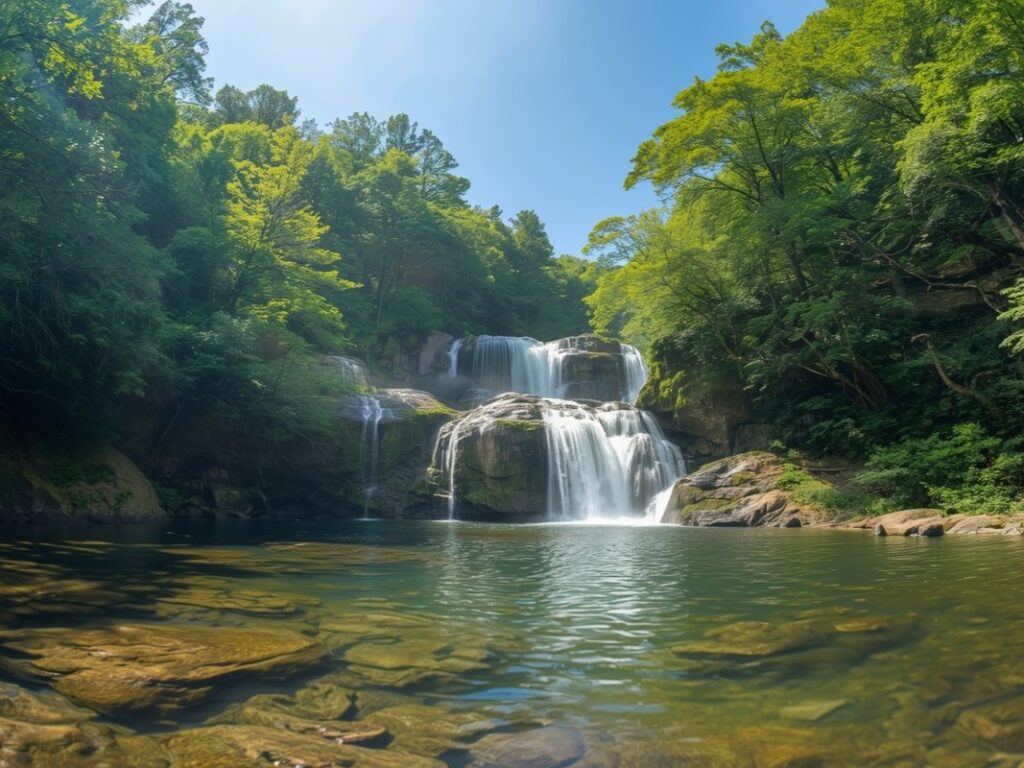
Photos are for illustrative purposes only.
Just north of Tokyo, Tochigi Prefecture offers a compact version of what many travelers come to Japan to see: ornate shrines, misty cedar forests, hot spring towns, traditional streets, and seasonal flower fields. It’s close enough for a day trip, yet rewarding enough for a longer stay, especially if this is your first time in Japan.
This guide introduces the best places to visit in Tochigi, how to get there, and what to expect through the seasons, with practical tips designed for international visitors.
Why Visit Tochigi on Your First Trip to Japan?
Tochigi is often overshadowed by Tokyo and Kyoto, but it makes an ideal addition to a first-time Japan itinerary because it combines several classic experiences in one region:
- UNESCO World Heritage temples and shrines in Nikko
- Historic townscapes in Kanuma, Tochigi City and Ashikaga
- Onsen (hot spring) resorts like Kinugawa and Nasu
- Seasonal flower displays at Ashikaga Flower Park and beyond
- Easy access from Tokyo by train or highway bus
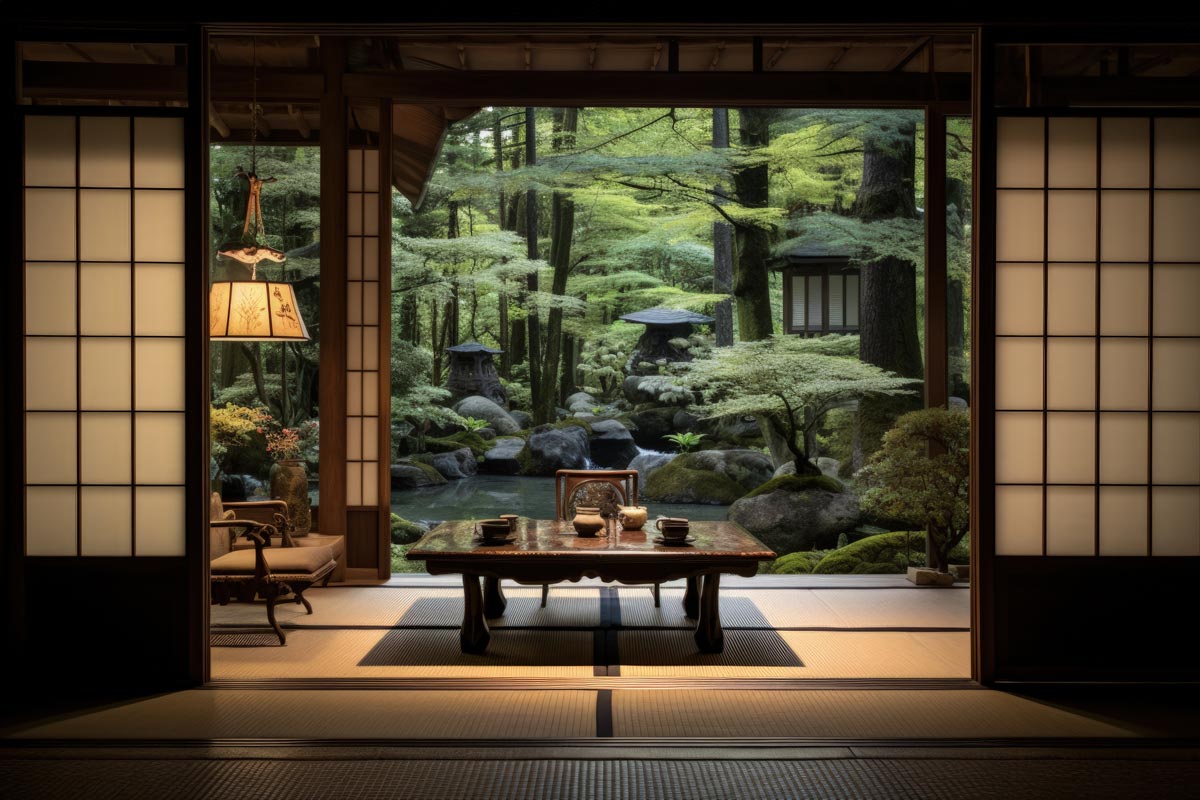
Compared with Japan’s biggest cities, Tochigi feels relaxed and spacious. You can walk along rivers lined with willows, stay in a ryokan with traditional tatami rooms, and experience the countryside without traveling too far from the capital.
Nikko: Sacred Mountains and Shogun Legacy
For most international visitors, Nikko is the main reason to visit Tochigi. Nestled in forested mountains, this small town is famous for its elaborate shrines, waterfalls and lakes. It has been a center of worship for over 1,200 years, where Shinto and Buddhist traditions intermingled.
Nikko’s World Heritage Shrines and Temples
The collective site known as the “Shrines and Temples of Nikko” is listed as a UNESCO World Heritage Site. The complex is dense, so plan at least half a day to wander slowly and appreciate the details.
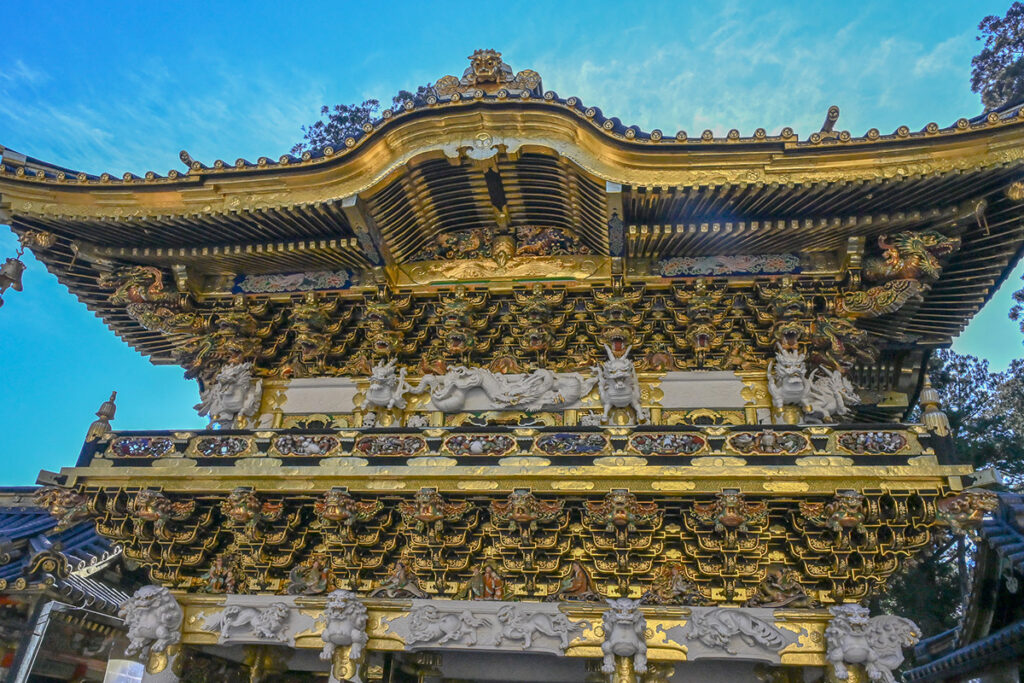
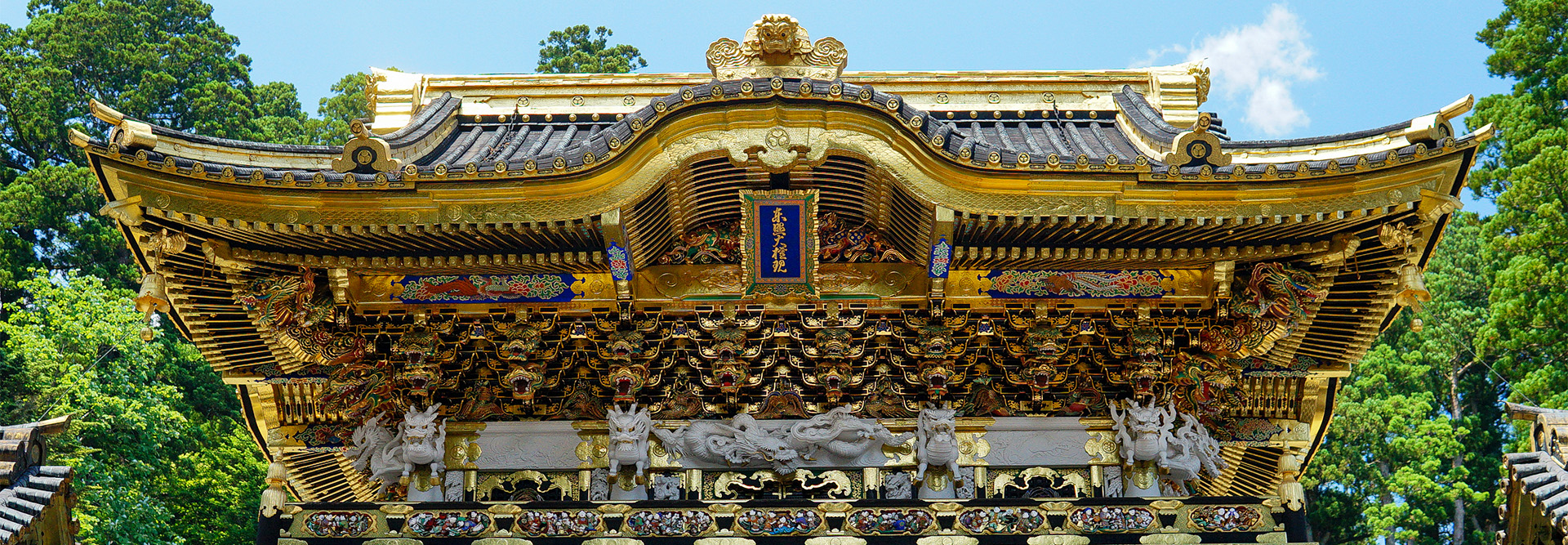
- Toshogu Shrine: The lavish mausoleum of Tokugawa Ieyasu, founder of the Tokugawa shogunate, is the star attraction. Unlike the typically minimalist aesthetics of Japanese shrines, Toshogu is richly decorated in gold leaf, vibrant colors and intricate carvings. Look for the famous three wise monkeys (“see no evil, hear no evil, speak no evil”) and the sleeping cat motif, both symbols created to convey moral lessons through art.
- Rinno-ji Temple: Established in the 8th century, this Buddhist temple preserves Nikko’s origins as a mountain pilgrimage site. The Sanbutsudo Hall enshrines three large gilded statues, manifestations of Buddhist deities connected to the surrounding mountains.
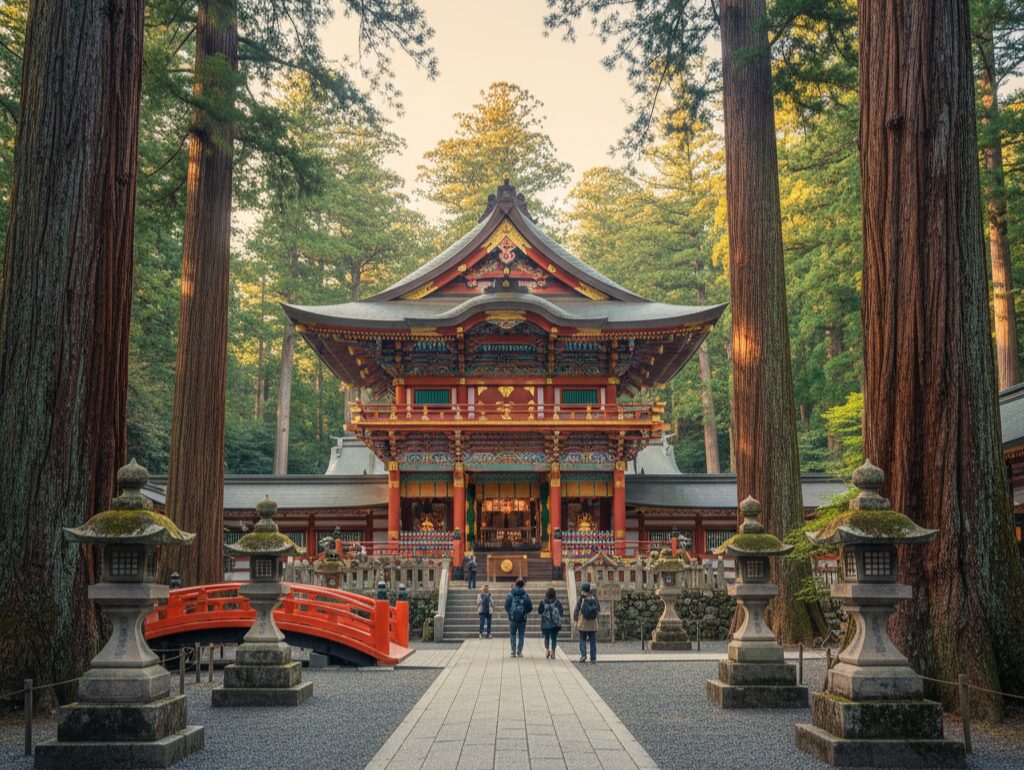
- Futarasan Shrine: Dedicated to Nikko’s three sacred mountains, this older Shinto shrine feels quieter and more rustic. Its vermilion bridges and lanterns create striking contrasts with the surrounding cedar forest.
These sites are connected by stone paths lined with towering cedar trees, some hundreds of years old. In autumn, the mix of evergreens and fiery maples creates an especially dramatic atmosphere.
Lake Chuzenji and Kegon Falls
Beyond central Nikko, the scenery becomes more wild and alpine. A winding mountain road, the Irohazaka, climbs in switchbacks to the Okunikko (“inner Nikko”) area.
- Lake Chuzenji: This crater lake at the foot of Mount Nantai was once a cooler summer retreat for foreign diplomats. Today it’s popular for lakeside walks, small cruises, and lakeside cafes with views of the water and surrounding peaks.
- Kegon Falls: One of Japan’s most celebrated waterfalls, Kegon-no-taki plunges nearly 100 meters from the edge of Lake Chuzenji. An elevator leads down to a lower viewing platform where you can feel the mist on your face, especially powerful in early summer when snowmelt swells the flow.
In October, the area erupts in autumn colors, making it one of the most popular foliage spots in the Kanto region. Conversely, winter is quiet and atmospheric, with icy formations around the falls.
Onsen Experiences in Nikko
Nikko is also a gateway to hot spring areas such as Yumoto Onsen and Kinugawa Onsen. Traditional ryokan offer kaiseki (multi-course) dinners and communal baths fed by natural spring water. If it’s your first time in a Japanese hot spring, remember that baths are usually entered naked, with strict rules on cleanliness: you wash and rinse thoroughly at the washing stations before entering the shared bath.
Tochigi City: Canal Town of Storehouses and Festivals
While Nikko showcases sacred architecture, Tochigi City presents the charm of a former merchant town. Once a prosperous commercial hub along an inland waterway, it retains rows of old storehouses and elegant residences.
Strolling the Uzuma River
The Uzuma River winds through the city with willow trees hanging over the water. Traditional kura (earthen-walled storehouses) line the banks, some converted into cafes, galleries and small museums. Relaxing boat rides offer a slow way to see the townscape, especially pleasant in spring and autumn.
Tochigi City is also known for its beautiful old streets of Kaemoncho and the Yokoyama Family Museum, among other old merchant houses that retain the refined architectural style of the Edo period. Visiting these preserved homes gives a sense of how wealthy merchants lived, balancing business spaces with private gardens and tatami rooms.
Cultural Events and Local Flavors
The city hosts festivals that echo its trading past, with decorated floats, music, and traditional performances. Food-wise, look for local soba noodles and sweets made with seasonal fruits. Small, family-run shops often have limited English, but staff are usually welcoming and patient, and menus sometimes include photos to help you order.
Ashikaga: Wisteria, History and Night Illuminations
In southern Tochigi, Ashikaga blends history with spectacular flower displays. It makes an easy side trip if you’re traveling between Tokyo and other northern regions.
Ashikaga Flower Park
Ashikaga Flower Park is one of Japan’s most famous seasonal gardens, especially renowned for its wisteria (fuji) tunnels. The park transforms throughout the year:
- Late April to May: Wisteria season, when enormous trees drape curtains of purple, white, and pink blossoms. The air is sweet with fragrance, and evening illuminations turn the blossoms into an otherworldly scene.
- Early spring: Tulips and other colorful blooms create vibrant, European-style beds.
- Summer and autumn: Roses, hydrangeas and seasonal flowers ensure there is always something in bloom.
- Winter: One of Japan’s most impressive illumination events, with millions of LED lights forming tunnels, flower shapes and glowing landscapes.
The park is extremely popular on weekends during peak seasons, so consider visiting on a weekday or in the late afternoon, then staying into the night to enjoy the lights.
Ashikaga’s Historical Sights
Beyond the flower park, Ashikaga is home to one of Japan’s oldest academic institutions, the Ashikaga School. The simple wooden buildings and garden evoke a quiet, scholarly atmosphere, reflecting the region’s role as an intellectual center in medieval Japan. Nearby temples and shrines provide peaceful spots away from the crowds.
Kanuma and Rural Tochigi: Everyday Countryside Japan
If you want to experience daily life in regional Japan, smaller cities like Kanuma and farm towns across Tochigi offer a glimpse of the countryside that many visitors miss.
Kanuma’s Traditional Craftsmanship
Kanuma is known for traditional wooden floats used in its autumn festival. These festival floats, often intricately carved and decorated, are stored and displayed between events, showcasing the area’s excellent woodcarving skills. In local markets you may also find wooden crafts and household items that make practical, lightweight souvenirs.
Farm Stays and Seasonal Harvests
Tochigi is an agricultural heartland, famous for strawberries, pears and other fruit. Depending on the season, you may be able to join fruit-picking experiences, especially in areas around Utsunomiya and Nasu. Some rural accommodations and guesthouses offer farm stays where you can help with light activities and enjoy truly local meals sourced from nearby fields.
Onsen and Highlands: Nasu and Kinugawa
Tochigi’s mountainous north is dotted with hot spring towns and highland resort areas. These are ideal places to unwind after sightseeing in Tokyo or Nikko.
Nasu Highlands
The Nasu Kogen area is a highland plateau known for cool summers, hiking trails, family-friendly attractions and numerous onsen. Many Tokyo residents escape here on weekends to enjoy fresh air, dairy farms, and open views of Mount Nasu’s volcanic peaks.
Trails range from gentle walks to more challenging climbs, and in autumn the hillsides turn brilliant shades of red and gold. After hiking, soaking in an outdoor rotenburo bath with mountain views is a highlight.
Kinugawa Onsen
Located along the Kinugawa River valley, Kinugawa Onsen developed as a modern hot spring resort town. Today, it has a mix of large hotels and smaller ryokan, plus family attractions like theme parks and river cruises.
Even if you don’t stay overnight, some ryokan offer day-use onsen, allowing you to enjoy the baths for a few hours for a modest fee. Check times and rules in advance, as separate hours may be set for men and women.
Food to Try in Tochigi
Tochigi’s cuisine is hearty and often shaped by its cooler climate and agricultural heritage. When traveling around the prefecture, look out for these regional flavors:
- Gyoza in Utsunomiya: The prefectural capital, Utsunomiya, is famous across Japan for pan-fried dumplings. Numerous specialty shops serve gyoza in every style, from crispy and classic to cheese-filled or with creative twists.
- Soba (buckwheat noodles): Served hot or cold, soba made with local buckwheat is a staple, especially in mountain areas. Cold zaru soba with dipping sauce is particularly refreshing in summer.
- Nasu and dairy products: In the Nasu highlands, fresh milk, cheese and soft-serve ice cream are specialties, often sold at roadside stands or farm shops.
- Seasonal fruits: Tochigi strawberries, especially the “Tochiotome” variety, are prized for their sweetness. In season, you’ll find them in parfaits, cakes and as stand-alone treats.
Many restaurants now display picture menus or plastic food samples in windows, making it easier for non-Japanese speakers to order. Paying in cash is still common in smaller establishments, so it’s wise to carry some yen.
When to Visit Tochigi
Tochigi can be visited year-round, but its character changes with the seasons:
- Spring (March–May): Cherry blossoms bloom from late March to early April in lowland areas, while Nikko’s blossoms come a bit later due to higher elevation. Ashikaga’s wisteria typically peaks from late April to early May.
- Summer (June–August): Lush greenery and cooler mountain temperatures make Nikko, Nasu and Lake Chuzenji pleasant escapes from Tokyo’s heat. Expect higher humidity and occasional rain.
- Autumn (September–November): One of the best times to visit. Autumn foliage in Nikko and Nasu is spectacular from October to early November, drawing many domestic travelers.
- Winter (December–February): Snow dusts the mountains, and onsen towns feel especially cozy. Ashikaga Flower Park’s winter illuminations are a standout event. Some highland roads may close during heavy snow, so check access in advance.
Getting to and Around Tochigi
Tochigi’s biggest advantage for first-time visitors is its accessibility from Tokyo.
From Tokyo to Tochigi
- To Nikko: From Tokyo or Ueno Station, take the JR Tohoku Shinkansen to Utsunomiya, then transfer to the JR Nikko Line (about 1 hour 40 minutes total on fast connections). Alternatively, private railway lines from Asakusa (Tobu Railway) run direct limited express trains to Tobu-Nikko.
- To Utsunomiya: Shinkansen trains from Tokyo Station reach Utsunomiya in about 50 minutes. This is a convenient base for exploring central Tochigi.
- To Ashikaga: Regular JR trains connect from Tokyo via Oyama, or from Asakusa via private rail. Travel times typically range from 1.5 to 2 hours depending on the route.
Japan Rail Pass holders can use JR routes, though some private lines in Tochigi are not covered. Regional passes specifically for Nikko and its surroundings can also offer good value if you plan intensive sightseeing.
Local Transport
Within Tochigi, transport options include:
- Trains: JR and private rail lines connect main cities and some tourist spots.
- Buses: Essential for reaching Nikko’s World Heritage sites, Lake Chuzenji and rural attractions. Tourist information centers often provide English bus maps and can help you plan routes.
- Taxis: Readily available in cities and at major stations; more limited in rural areas, so it’s wise to note your accommodation’s phone number to arrange pickups.
Rental cars are another option if you are comfortable driving in Japan, particularly useful for exploring Nasu and remote onsen. Roads are generally well maintained, but be cautious in winter when snow and ice are possible.
Practical Tips for International Visitors
- Language: English is less widely spoken than in central Tokyo, but key tourist facilities often have English signage. Carrying the name of your destination written in Japanese can help when asking for directions.
- Cash and cards: Major stations and larger stores accept credit cards, but many small restaurants and ryokan prefer cash. ATMs that accept international cards can be found in convenience stores such as 7-Eleven and Lawson.
- Etiquette at shrines and temples: At entrances, you may see a purification basin. Rinse your left hand, right hand, then your mouth lightly (do not drink from the ladle) before approaching the main hall. Bow once before and after praying.
- Onsen manners: Tattoos may still be an issue at some public baths, though attitudes are slowly changing. If you have visible tattoos, check policies in advance or look for tattoo-friendly onsen or private baths.
- Luggage: Coin lockers are available at larger stations like Nikko and Utsunomiya. For multi-day trips, consider using luggage delivery services so you can move more freely.
Planning Your Tochigi Itinerary
For a first visit to Japan, consider including Tochigi in one of these ways:
- Day trip from Tokyo: Visit Nikko’s World Heritage shrines and Kegon Falls, or spend a full day at Ashikaga Flower Park during wisteria or illumination seasons.
- Overnight stay: Combine Nikko sightseeing with a night in a nearby onsen town such as Kinugawa, enjoying traditional ryokan hospitality.
- Multi-day regional trip: Spend several days exploring Nikko, Tochigi City, Ashikaga, and Nasu, experiencing both cultural heritage and rural life.
However you structure your journey, Tochigi adds depth and variety to a first-time Japan itinerary. It offers an approachable mix of iconic sites and quieter discoveries, all within easy reach of Tokyo.

Access Map
Recommended spots in Tochigi
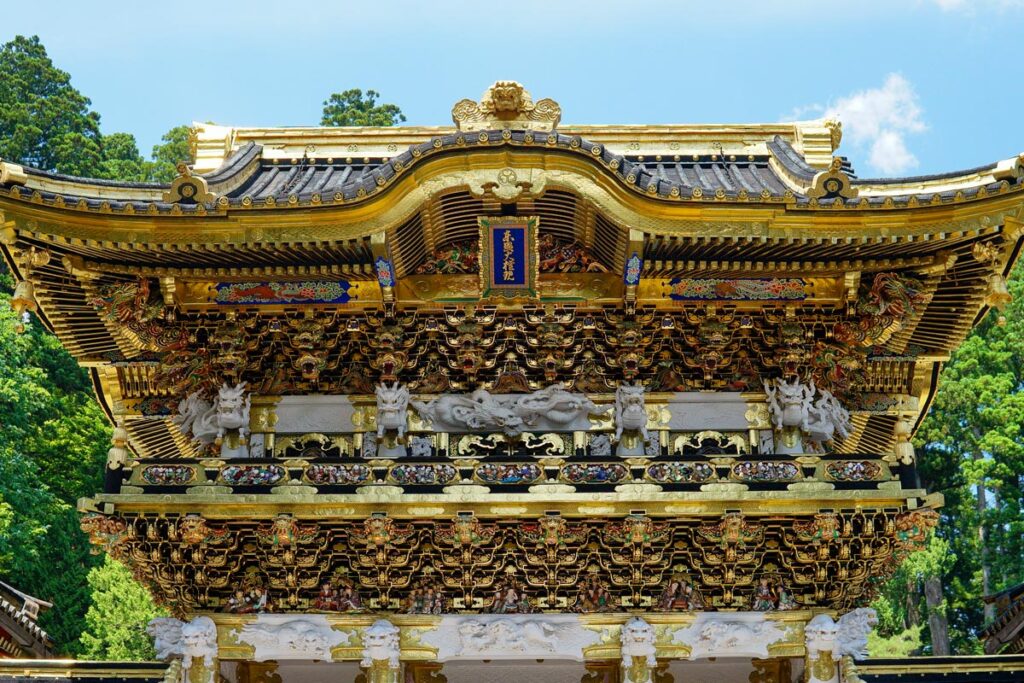
Nikko Toshogu Shrine
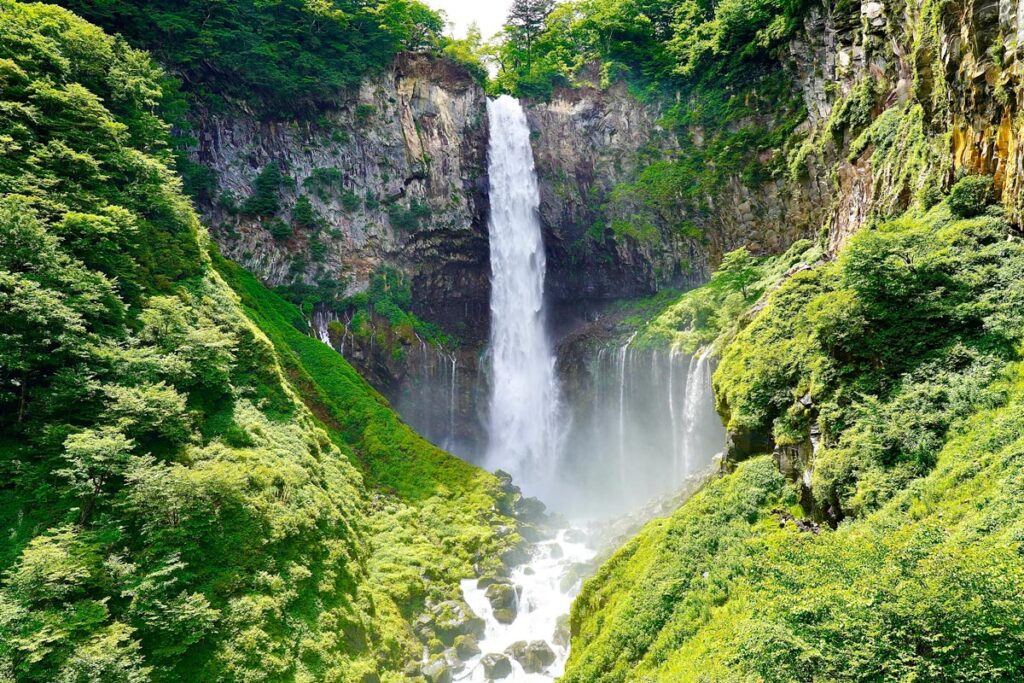
Kegon Falls
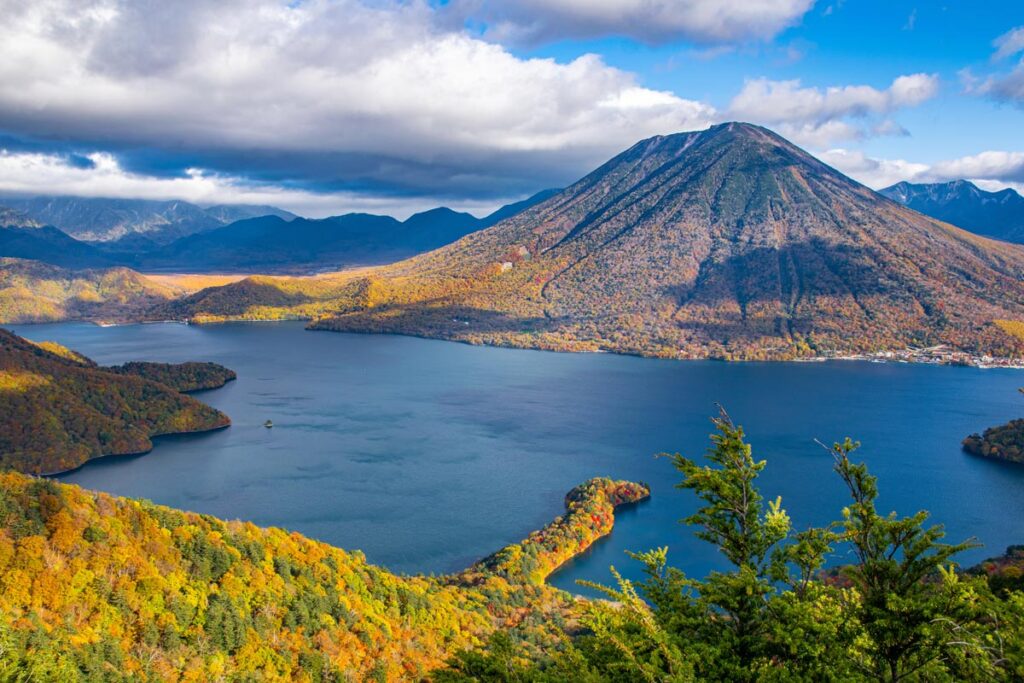
Lake Chuzenji
Top destinations in Kanto Region
Kanagawa
Saitama
Chiba
Tochigi Useful Links
Nikko Pass