
Nikko Toshogu Shrine
Nikko Toshogu Shrine: A First-Time Visitor’s Guide to Japan’s Most Ornate Sanctuary
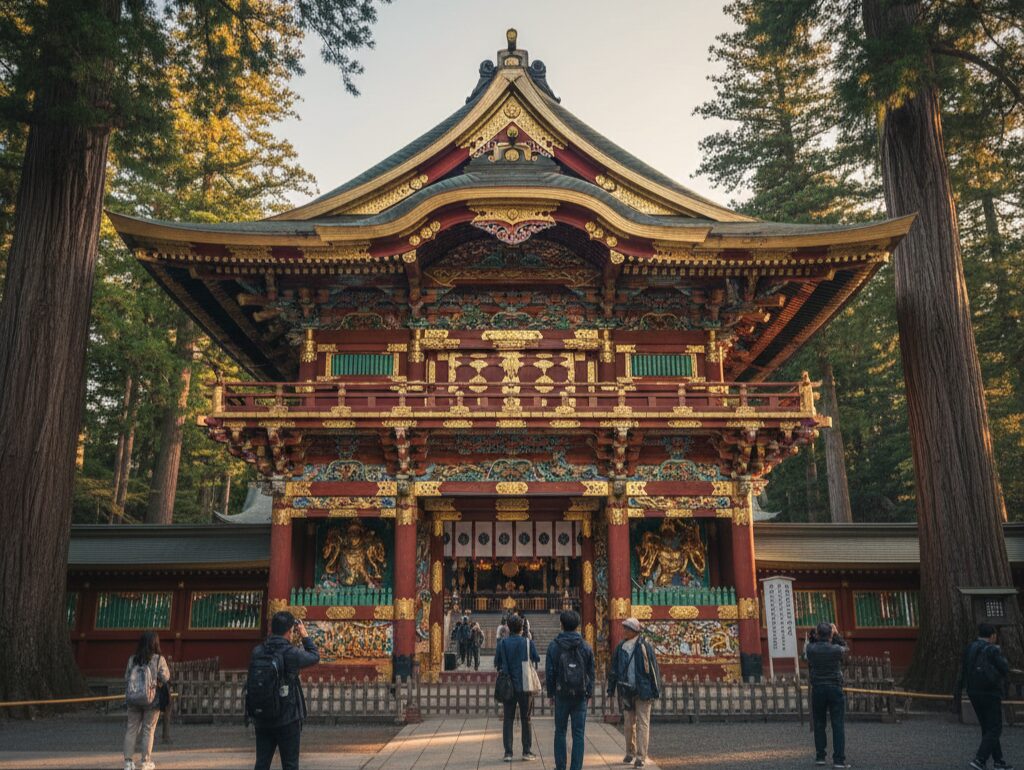
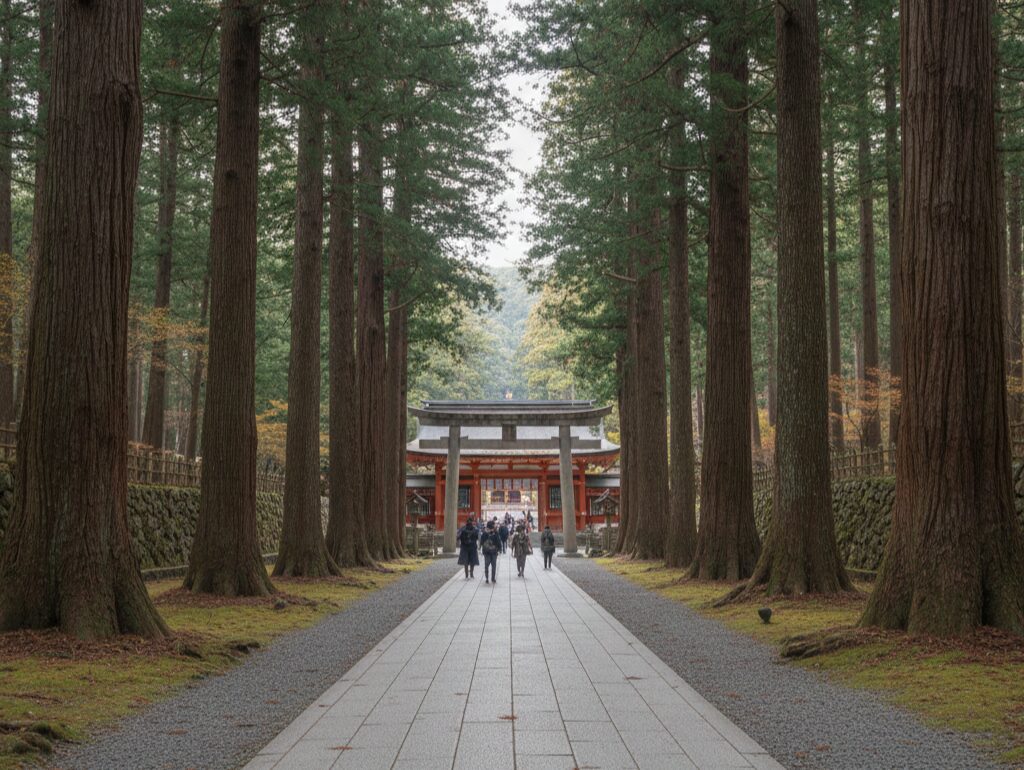
Photos are for illustrative purposes only.
Nestled in the cedar-clad mountains of Tochigi Prefecture, Nikko Toshogu Shrine is one of Japan’s most dazzling and spiritually significant sites. For many first-time visitors, it offers a perfect blend of history, architecture, and nature in a single day trip or overnight escape from Tokyo.
This guide explains the story behind Nikko Toshogu, what to see, how to get there, how to behave respectfully, and how to make the most of your visit in any season.
Why Nikko Toshogu Shrine Belongs on Your Japan Itinerary
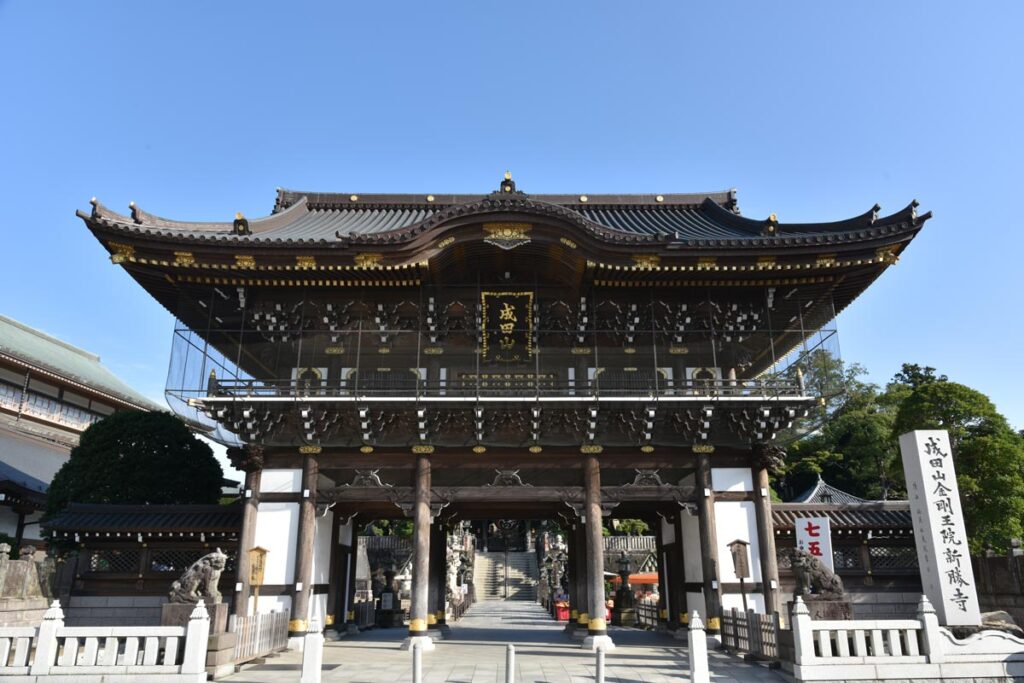
Nikko Toshogu is a Shinto shrine complex dedicated to Tokugawa Ieyasu, the founder of the Tokugawa shogunate that ruled Japan for over 250 years. Unlike many of Japan’s minimalist temples and shrines, Toshogu is famous for its riot of color, intricate carvings, and lavish gold leaf. It feels almost like a Baroque palace set in a deep, mossy forest.
Beyond the visual spectacle, Toshogu is part of the “Shrines and Temples of Nikko” UNESCO World Heritage Site. The complex beautifully reflects how Japan’s spiritual traditions—Shinto and Buddhism—have intertwined over centuries. Visiting Toshogu is not just about taking photos; it is about stepping into the political, religious, and artistic heart of early modern Japan.
A Brief History and Cultural Background
Tokugawa Ieyasu died in 1616 and was initially enshrined in Nikko as a relatively modest deity of protection. His grandson, Tokugawa Iemitsu, transformed the original shrine into the opulent complex you see today during the 1630s. The goal was both religious and political: to honor Ieyasu as a divine guardian of Japan and to showcase the shogunate’s unshakable authority.
Artisans from all over Japan were brought to Nikko to build and decorate Toshogu. The result is a rich fusion of local craftsmanship, imported Chinese motifs, Buddhist iconography, and Shinto symbolism. Over 500,000 workers are said to have taken part in the expansion, a staggering figure for the 17th century.
Even today, Toshogu plays a living role in Japan’s cultural calendar. Seasonal festivals featuring samurai processions, traditional music, and rituals continue to honor Ieyasu and keep the site’s spiritual legacy alive.
Exploring the Shrine Complex: Main Highlights
Nikko Toshogu is a large complex with multiple gates, halls, carvings, and smaller shrines. Plan at least two to three hours if you want to explore at a relaxed pace. Below are the key spots that first-time visitors should not miss.
1. The Sacred Cedar Avenue and Approach
As you walk from central Nikko up toward Toshogu, you will pass along an avenue lined with towering Japanese cedars. These ancient trees, some several centuries old, create a cool, shadowy tunnel that naturally quiets conversation. In Japanese tradition, such avenues act as a spiritual filter, helping visitors leave everyday life behind as they approach the kami (deities).
2. The Omote-mon (Front Gate) and Stone Torii
Your journey through the shrine begins at the stone torii gate and Omote-mon. The torii marks the symbolic boundary between the secular and the sacred. At Toshogu, the torii is made of stone rather than the red-painted wood you may see elsewhere in Japan, setting the tone for a grand and solemn entrance.
Just before entering, you will usually find a temizuya, a water basin used for ritual purification. Use the ladle to rinse your left hand, then right hand, and finally pour water into your left hand to rinse your mouth (spit beside the basin, not back into it). This simple act prepares you to enter respectfully.
3. The Famous Three Wise Monkeys
One of Toshogu’s most iconic carvings decorates the stable building where sacred horses were once kept. Here you will find the trio of monkeys representing the maxim “see no evil, speak no evil, hear no evil.” In Japanese, they are known as mizaru (covering his eyes), kikazaru (covering his ears), and iwazaru (covering his mouth).
The carving is part of a longer sequence that tells the life of a human from birth to adulthood, using monkeys as stand-ins for people. It originally carried a moral message: guard children from negative influences while they are young. For visitors, it has become a must-see and a fun introduction to Toshogu’s storytelling through wood.
4. The Five-Story Pagoda
Just inside the complex, you will see a striking red and gold five-story pagoda. Each level represents one of the five classical elements in Buddhist cosmology: earth, water, fire, wind, and void (or sky). The pagoda is traditionally associated with Buddhist temples, illustrating how Toshogu blends Shinto and Buddhist architecture on a single site.
During certain times of the year, you may be able to enter the pagoda’s interior on a special ticket, but even when closed, it is a beautiful subject for photographs—especially when framed by cedar branches or snow.
5. Yomeimon Gate: The Gate of Sunlight
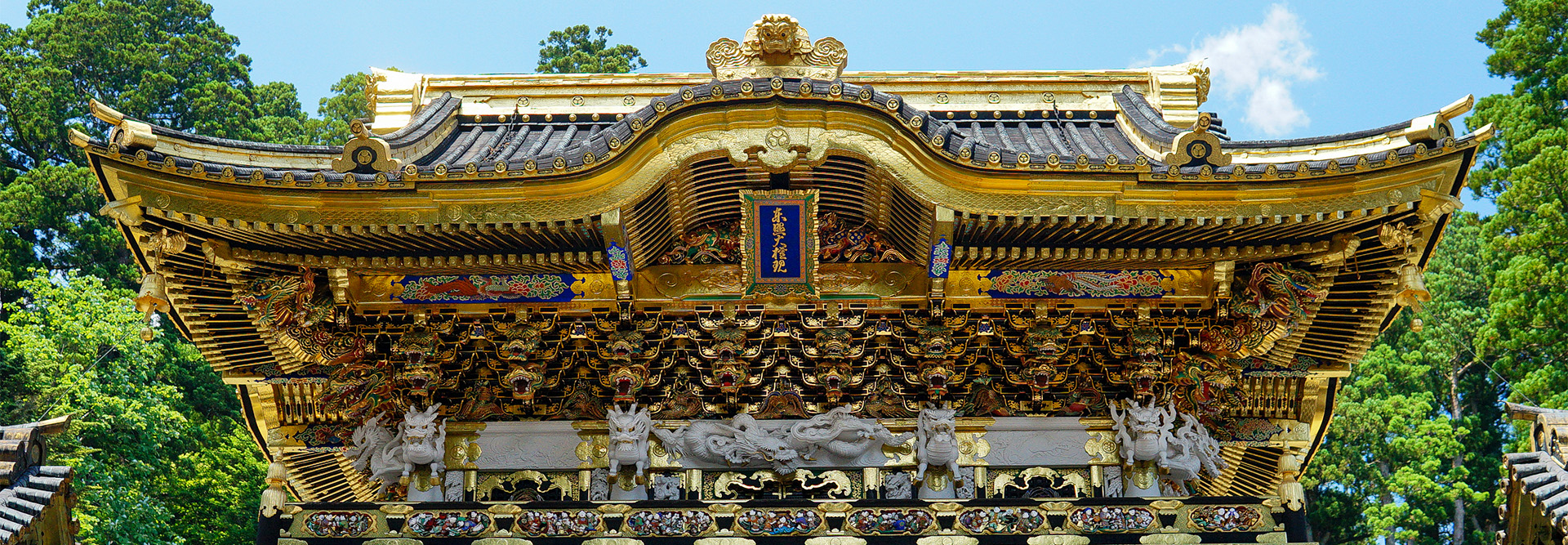
Considered Toshogu’s masterpiece, Yomeimon is an explosion of carving, color, and gold leaf. Known as the “Gate of Sunlight,” it is said that one could stare at it all day and never tire of its details. Over 500 figures—mythical creatures, sages, children, and animals—adorn the structure.
Many of the motifs come from Chinese legends and Confucian ideals, reflecting the intellectual world of the early Edo period. Look up toward the eaves to see dragons and lions, and along the pillars for tiny scenes of daily life. While it is tempting to rush through with the crowds, pause here to appreciate the artistry and the symbolic messages of peace, prosperity, and good governance.
6. The Main Shrine Buildings
Beyond Yomeimon lies a compact cluster of richly decorated halls, including the Haiden (worship hall) and Honden (main sanctuary), which are connected under a single roof. In Shinto architecture, this arrangement underscores the unity of worship and the sacred presence of the deity.
The interior—where photography is usually restricted—features lacquered pillars, painted ceilings, and ornate metal fittings. You will typically remove your shoes and proceed quietly over the tatami or wooden floors, following the staff’s instructions. This is where prayers for protection, success, and safe travels are offered.
7. The Nemuri-Neko (Sleeping Cat) and the Long Staircase
To the side of the main complex, a smaller gate features another of Toshogu’s celebrated carvings: the Nemuri-Neko, or Sleeping Cat. At first glance, it is charmingly simple—a cat curled up in a beam of sunlight. But in the 17th century, this carving was read as a symbol of peaceful rule. Legend says that in an era of true peace, even the guardian cat can sleep.
Passing under the sleeping cat, you will climb a long stone staircase of over 200 steps leading to the inner mausoleum of Tokugawa Ieyasu. The climb is steep but shaded by cedars, and the atmosphere becomes noticeably more solemn as the crowds thin out.
8. Tokugawa Ieyasu’s Mausoleum
At the top of the stairs stands a simple yet powerful space: the small, cylindrical tomb of Ieyasu surrounded by stone lanterns and moss-covered stonework. Compared with the lavish decoration below, the mausoleum’s understatement delivers a quiet emotional impact. It is a place to pause, catch your breath, and reflect on the man whose policies shaped much of early modern Japan.
Etiquette and How to Visit Respectfully
Nikko Toshogu is both a heritage site and an active place of worship. Following a few simple guidelines will help you show respect and feel more comfortable:
- Dress modestly: Shoulders and knees covered is ideal, especially if you plan to enter inner areas. Comfortable shoes are essential for all the steps.
- Keep noise down: Conversations should be quiet, especially inside halls and near prayer areas.
- Follow photo rules: Many outdoor areas allow photography, but interiors often do not. Look for signs and listen to staff.
- Purify at the basin: Use the ladle ritual before approaching main halls.
- At the offering box: Toss a coin (5 yen is considered lucky), bow twice, clap twice, offer a silent prayer, and bow once more.
Practical Information: Tickets, Hours, and Facilities
Information can change, but below is a general overview to help you plan:
- Opening hours: Typically from early morning (around 8:00) to late afternoon (around 17:00), with last entry slightly earlier. Winter hours may be shorter.
- Admission: A combined ticket covers the main shrine complex and sometimes additional areas such as the museum. Children’s discounts are common.
- On-site facilities: Restrooms, small shops selling amulets, and places to buy light snacks are available within or near the complex.
- Accessibility: The main approach and some areas are relatively accessible, but many of the highlight spots, including the mausoleum, require climbing stone stairs.
Consider arriving early in the morning or mid-afternoon on weekdays to avoid the heaviest crowds, especially during peak foliage and holiday seasons.
How to Get to Nikko Toshogu from Tokyo
Nikko is one of the easiest major day trips from Tokyo, with direct rail connections and simple transfers.
By Tobu Railway (Asakusa)
- From Asakusa Station: Tobu Railway runs limited express services directly to Tobu-Nikko Station in about 2 hours.
- Tickets: Seat reservations are required on many limited express trains. Look for tourist passes that combine round-trip fares with local bus discounts.
By JR (Tokyo or Ueno)
- To Utsunomiya: Take a Tohoku Shinkansen (bullet train) from Tokyo or Ueno to Utsunomiya.
- To Nikko: Transfer to the JR Nikko Line for a local train to JR Nikko Station.
- Rail passes: JR Pass holders can use the Shinkansen and JR Nikko Line without extra charge (seat reservations recommended).
From Nikko Stations to Toshogu
Both Tobu-Nikko and JR Nikko stations are close to one another.
- By bus: Local buses depart frequently from in front of the stations, taking around 10–15 minutes to reach the Toshogu area.
- On foot: If you do not mind walking, it is about 30–40 minutes uphill through town and along the cedar-lined approach.
Best Seasons to Visit Nikko Toshogu
Nikko is beautiful year-round, but each season offers a different atmosphere:
Spring (March–May)
Early spring can still be chilly in the mountains, but as temperatures rise, the cedars take on a vibrant deep green against bright blue skies. Cherry blossoms bloom later than in Tokyo, usually in April, and may be scattered around the town and along the river rather than inside the shrine itself, making Nikko a quieter alternative to the famous sakura hotspots.
Summer (June–August)
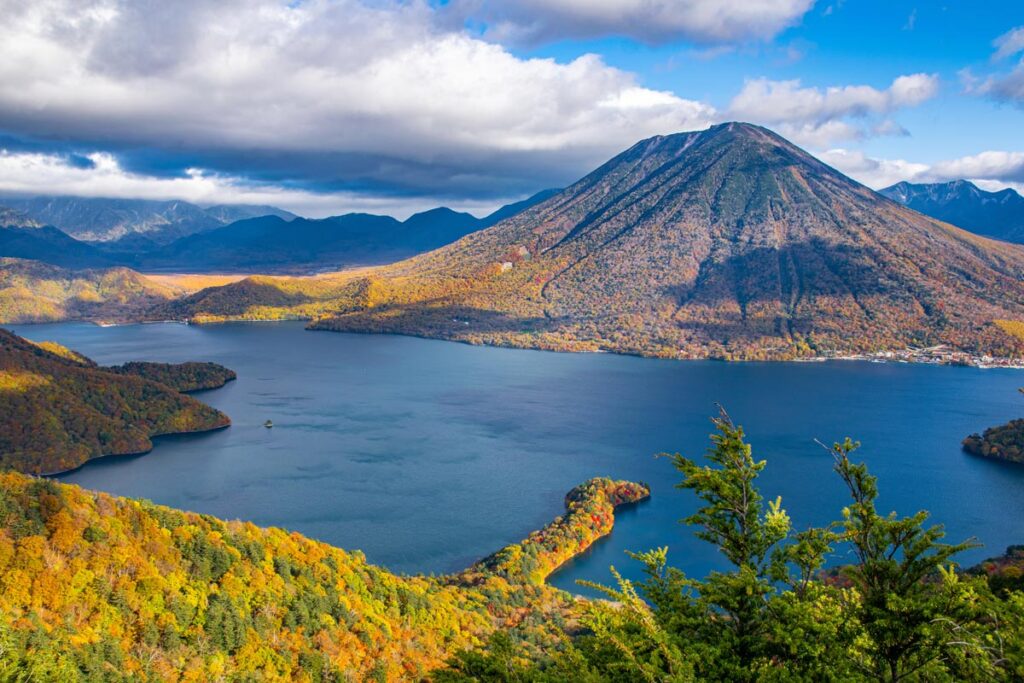
While Tokyo sweats through humid summer days, Nikko’s higher elevation offers cooler air. The forest feels lush and almost tropical after rainfall. This is a good season to combine Toshogu with nearby waterfalls such as Kegon Falls or a boat trip on Lake Chuzenji.
Autumn (Late October–November)
Autumn is Nikko’s superstar season. Maple and ginkgo trees turn brilliant shades of red, orange, and gold, framing the shrine buildings in fiery color. It is one of Japan’s most popular foliage destinations, so expect crowds and consider arriving early in the day. Even with many visitors, the combination of crisp air, colored leaves, and Toshogu’s gold detailing is unforgettable.
Winter (December–February)
In winter, Nikko can be quite cold and occasionally snowy. When snow settles gently on the pagoda eaves, stone lanterns, and cedar branches, Toshogu feels like a hidden mountain sanctuary. Some paths may be slippery, so wear good shoes and warm layers. The reward is a more contemplative, less crowded experience.
Combining Toshogu with Other Nikko Attractions
If you have a full day or more, it is easy to include nearby sights in your itinerary:
- Rinno-ji Temple: A major Buddhist temple with large wooden statues and a beautiful garden, reflecting the Buddhist side of Nikko’s heritage.
- Futarasan Shrine: An older Shinto shrine dedicated to the local mountain deities, often quieter and more rustic in feel.
- Shinkyo Bridge: The iconic red-lacquer bridge crossing the Daiya River, considered the entrance to Nikko’s sacred mountains.
- Chuzenji Lake and Kegon Falls: A bus ride up the dramatic Irohazaka road takes you to alpine scenery, lakeside trails, and powerful waterfalls.
Tips for First-Time International Visitors
To make your visit smoother and more rewarding, keep these additional points in mind:
- Language: Basic English signage is available at major points, but carrying a translation app helps with deeper explanations and bus timetables.
- Cash vs. cards: Shrine admission and many shops now accept cards, but it is still wise to carry some cash for smaller purchases, offerings, and local buses.
- Weather preparation: Mountain weather changes quickly. Bring a light rain jacket or umbrella, and in colder months, gloves and a hat.
- Time management: If visiting as a day trip from Tokyo, aim to depart early in the morning to allow for travel time, sightseeing, and a relaxed meal before heading back.
Experiencing the Spirit of Nikko Toshogu
Nikko Toshogu Shrine is more than a checklist of famous carvings. It is a place where Japan’s stories of war and peace, faith and power, nature and artistry all converge. As you trace the path from the bustling gates to the quiet of Ieyasu’s tomb, you can feel how the site was designed to move both body and mind—from worldly splendor to forest stillness.
For first-time travelers to Japan, a visit to Toshogu offers a vivid lesson in the country’s history and spiritual traditions, framed by the cool shade of ancient cedars. Whether you come for a day or linger longer in Nikko’s mountains, this remarkable shrine complex is likely to stay with you long after you return to Tokyo’s neon lights.

Access Map
Recommended spots in Tochigi
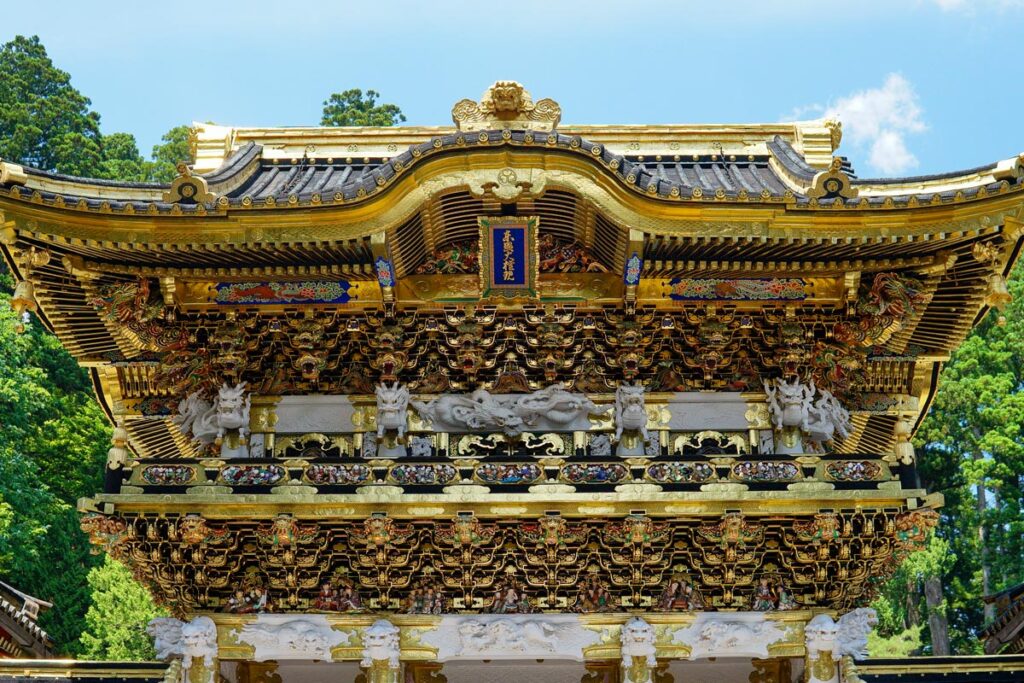
Nikko Toshogu Shrine
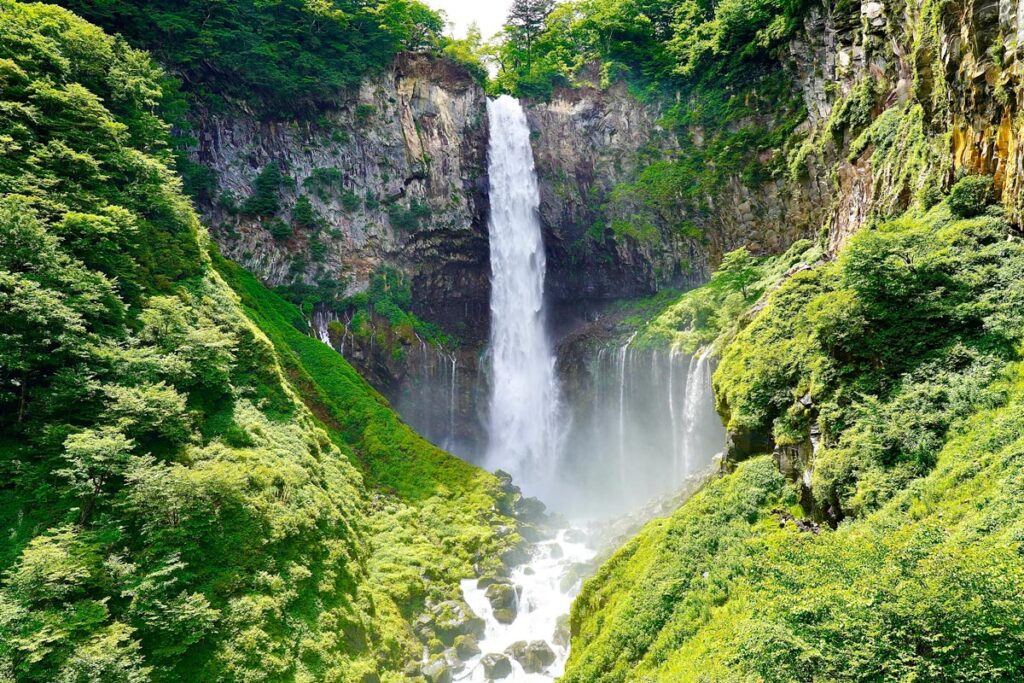
Kegon Falls
Lake Chuzenji
Top destinations in Kanto Region
Kanagawa
Saitama