
Lake Chuzenji
Lake Chuzenji Travel Guide: A Peaceful Alpine Escape in Japan
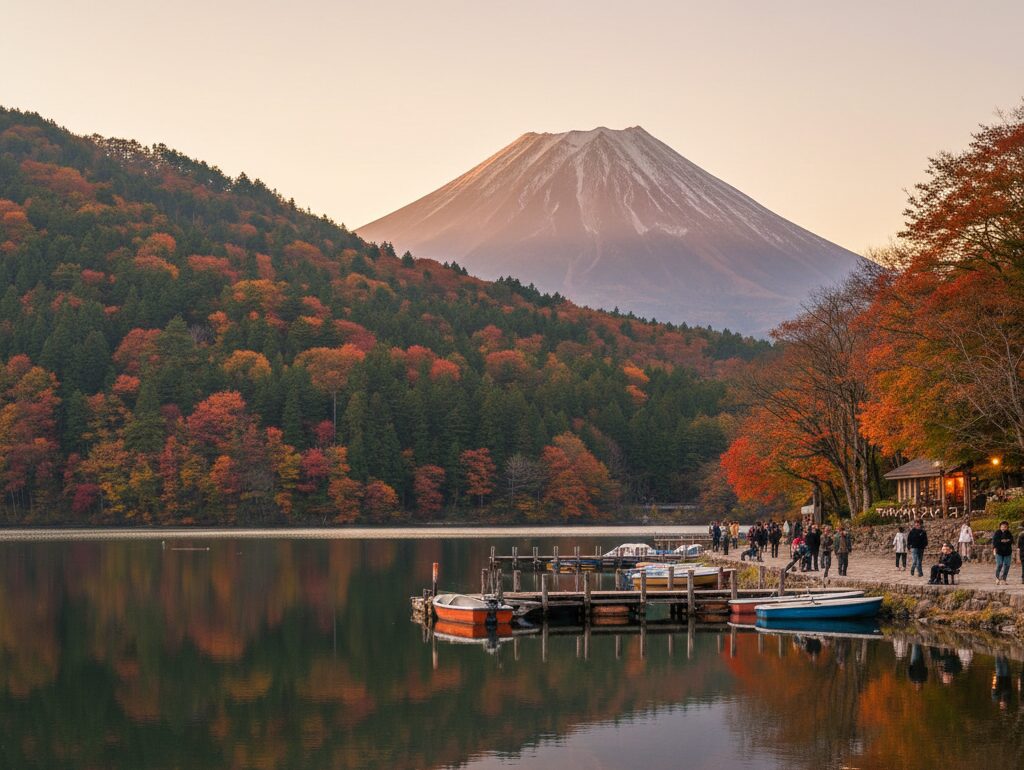
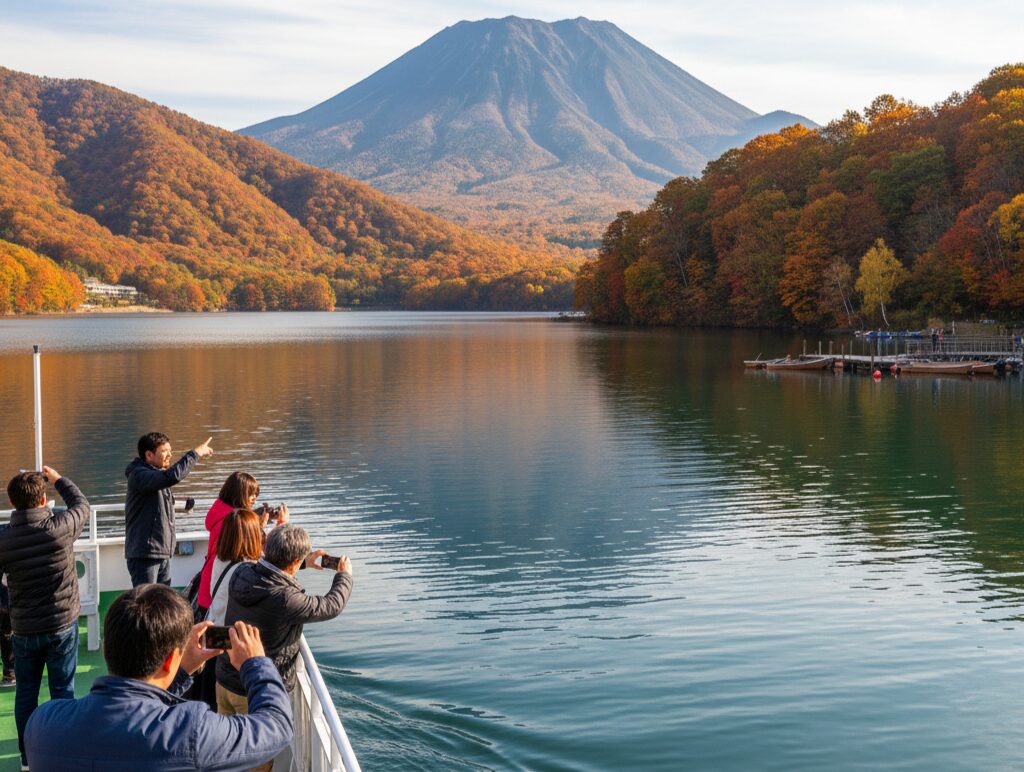
Photos are for illustrative purposes only.
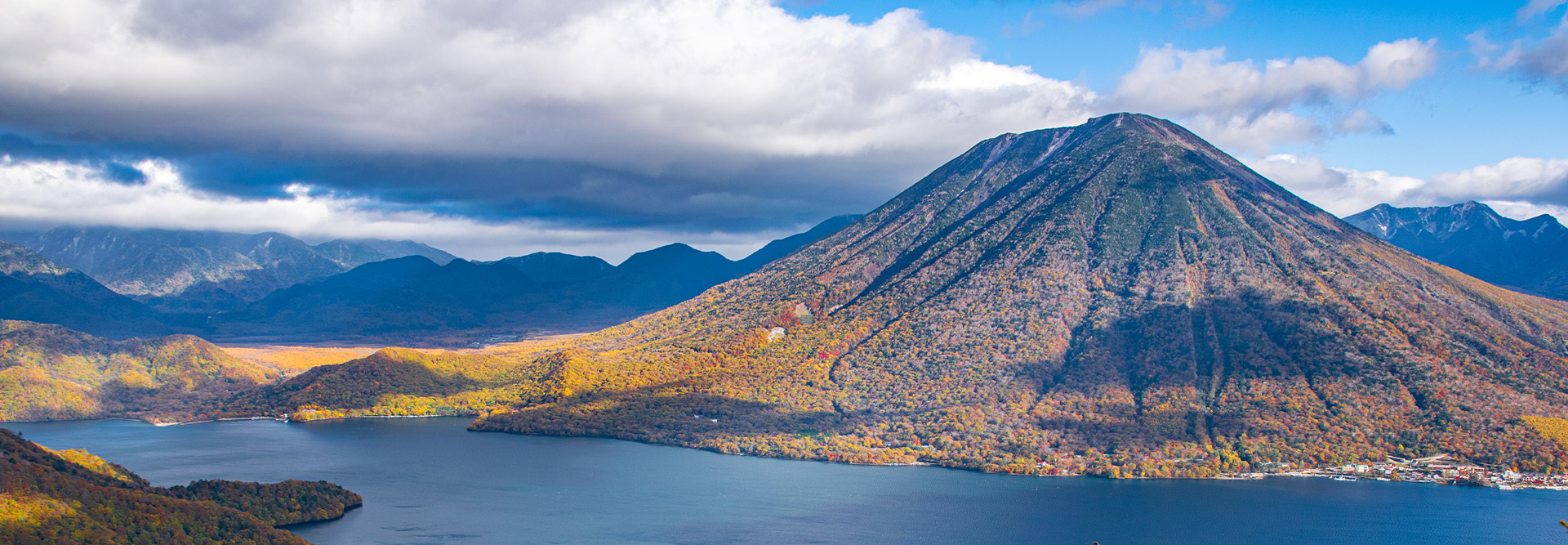
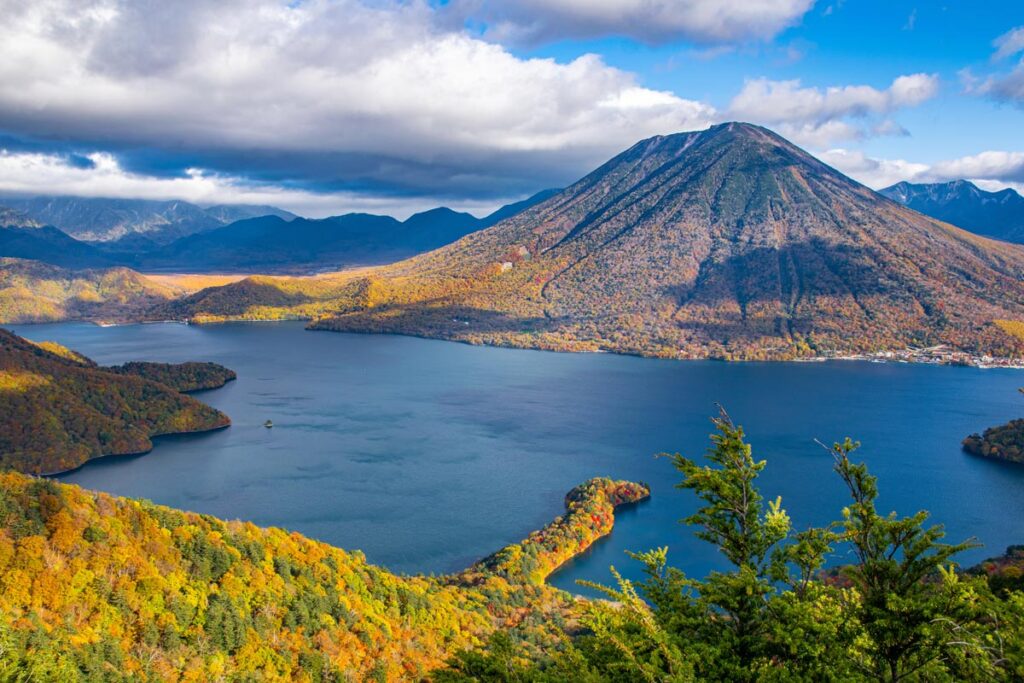
High in the mountains above the historic temple town of Nikko, Lake Chuzenji (Chuzenji-ko) offers a cool, tranquil escape from Japan’s busy cities. Ringed by forested slopes and overlooked by sacred Mount Nantai, this volcanic lake blends natural beauty, spiritual heritage, and easy outdoor adventures, all within striking distance of Tokyo.
Why Visit Lake Chuzenji?
Lake Chuzenji is one of Japan’s classic highland resorts, beloved since the late 19th century when foreign diplomats and Tokyo elites began building summer villas along its shores. At about 1,269 meters above sea level, the air is fresh, summers are pleasantly mild, and autumn colors are some of the most spectacular in the country.
For first-time visitors to Japan, the lake is an ideal addition to a Nikko day trip or an overnight escape, offering:
- Dramatic mountain and lake scenery without strenuous trekking
- Easy access from Tokyo via Nikko
- Cultural highlights such as lakeside shrines and historic villas
- All-season activities: boat cruises, hiking, hot springs, snow views, and more
Where Is Lake Chuzenji?
Lake Chuzenji lies in Tochigi Prefecture, within the Nikko National Park area. It sits about 20 kilometers west of central Nikko, the town famous for its lavish UNESCO World Heritage shrines and temples, including Toshogu Shrine.
From Tokyo, most visitors travel first to Nikko, then continue up the winding Irohazaka mountain road to the lake. The change in scenery is striking: cedar-lined temple avenues give way to sweeping mountain vistas and crisp alpine air.
Highlights and Things to Do at Lake Chuzenji
1. Enjoy the Views from the Lakefront
The main settlement is Chuzenji Onsen, a small resort town clustered around the eastern end of the lake. From here, walking paths follow the shoreline, offering open views across the water to Mount Nantai and the surrounding hills.
It’s worth simply strolling the lakefront, especially in the early morning when mist sits low over the water, or at sunset when the last light catches the peaks. Wooden piers, bobbing rental boats, and small cafés give the area a relaxed, old-fashioned resort atmosphere.
2. Take a Sightseeing Cruise
One of the easiest ways to appreciate the scale of Lake Chuzenji is from the water. Sightseeing boats operate from the pier near Chuzenji Onsen, following circular routes around key points of interest. Commentary is typically in Japanese, but route maps make it easy to follow along.
On clear days, you’ll get panoramic views of Mount Nantai, secluded bays, and forested shorelines that are otherwise difficult to reach. In autumn, when the hillsides burn red and gold, cruises become particularly popular, so arrive a little early to secure your seat.
3. Visit Kegon Falls, One of Japan’s Great Waterfalls
Just a short walk or bus ride from Chuzenji Onsen, Kegon Falls channels the waters of Lake Chuzenji into a dramatic 97-meter drop. It is considered one of Japan’s three most beautiful waterfalls and is especially striking when framed by fresh green leaves in spring or crimson maples in autumn.
An elevator (paid) takes visitors down to a lower viewing platform for a face-to-face view of the cascade and the rocky gorge. For a free, wider panorama, an upper observation deck near the road lets you see the falls, the gorge, and surrounding forest in a single sweep.
4. Explore Lakeside Shrines and Spiritual Heritage
The entire Nikko region has deep spiritual roots, and Lake Chuzenji is no exception. The lake itself was formed at the foot of the sacred volcano Mount Nantai, long worshipped by monks and pilgrims.
One of the most atmospheric spots along the shore is the small Futarasan Shrine Chuzenji (a branch of Nikko’s Futarasan Shrine). Facing the water, with its bright vermilion buildings and torii gate, it reflects the traditional Shinto belief in the sacredness of natural landscapes. Stepping into the grounds offers a quiet contrast to the more crowded main shrine complex in central Nikko.
5. Discover the Former Italian and British Embassy Villas
In the late 1800s and early 1900s, foreign diplomats based in Tokyo began escaping the summer heat by retreating to Lake Chuzenji. The cool climate and serene setting reminded them of European alpine lakes, leading to a cluster of grand villas along the shore.
Today, two of the most notable residences are open to the public:
- Former Italian Embassy Villa Memorial Park: A beautifully restored lakeside villa with elegant wood interiors and wide windows that frame sweeping views of the water. The design blends Western and Japanese styles, and the surrounding grounds include a walking path along the shore.
- Former British Embassy Villa: Now a museum, this villa showcases historic photographs and documents that trace the early days of foreign tourism in Nikko. The tearoom, overlooking the lake, is an atmospheric place to pause for refreshments.
These villas offer a window into a different era of travel in Japan, when journeys to the mountains were limited to diplomats, missionaries, and adventurous explorers.
6. Hike the Lakeshore and Nearby Trails
Lake Chuzenji is ringed by walking paths and hiking routes, many of them manageable for first-time visitors with basic fitness. Popular options include:
- Lakeshore Walks: Short, mostly flat paths around Chuzenji Onsen and along the northern and eastern shores let you enjoy the scenery without committing to a long hike. Benches and viewpoints invite stops along the way.
- Senjo-ga-hara Marshland (nearby): A high plateau wetland accessible by bus from Lake Chuzenji. Boardwalk trails cross open marsh with wide views of mountains and sky, especially beautiful in autumn when grasses turn golden.
- Mount Nantai (for experienced hikers): A challenging climb from Futarasan Shrine on the lakeshore to the 2,486-meter summit. This is a sacred mountain and the trail is steep, so it is best reserved for fit, experienced hikers; check the climbing season and required fees at the shrine.
Trails can be slippery after rain or in late autumn, so proper footwear and weather-appropriate clothing are essential.
7. Relax in Hot Springs at Chuzenji Onsen
The name “Chuzenji Onsen” says it all: this lakeside town is built around hot springs. Many ryokan (traditional inns) and hotels draw geothermally heated water from the area, offering indoor and open-air baths with mountain or lake views.
Even if you’re not staying overnight, some properties offer day-use onsen for a fee, allowing you to soak for an hour or two after sightseeing. Onsen etiquette is important in Japan: bathe and rinse thoroughly before entering the shared baths, leave swimsuits outside (most baths are nude, separated by gender), and speak quietly to maintain a peaceful atmosphere.
Best Time to Visit Lake Chuzenji
Each season at Lake Chuzenji has its own charm, and your ideal timing will depend on what you want to experience.
Spring (April–May)
Spring arrives later at Lake Chuzenji than in Tokyo, thanks to the higher elevation. In April, there can still be a chill in the air, but fresh green leaves begin to unfurl on the hillsides. Cherry blossoms may bloom around Nikko earlier, making a combination of temple sightseeing in town and fresh greenery at the lake a pleasant contrast.
Summer (June–August)
While much of Japan swelters in humidity, Lake Chuzenji remains relatively cool. This is a popular season for boating, hiking, and escaping the city heat. Afternoon showers can pass through, especially during the rainy season in June and early July, so a light rain jacket is useful.
Autumn (Late September–Early November)
Autumn is the most celebrated season at Lake Chuzenji. From late September, the slopes begin turning shades of yellow, orange, and crimson. By October, the area around the lake and Kegon Falls is awash in color, drawing large crowds on weekends and holidays.
Traffic on the Irohazaka road and around the lake can be heavy at peak foliage times, so consider visiting on a weekday or staying overnight to enjoy the early morning calm.
Winter (December–March)
In winter, Lake Chuzenji is much quieter. Snow may blanket the surrounding mountains, and views of frosty forests and a still, steel-blue lake can be beautiful. Some facilities and boat services reduce hours or close for the season, and roads may be icy, so check conditions before traveling.
How to Get to Lake Chuzenji from Tokyo
Step 1: Tokyo to Nikko
First, travel from central Tokyo to Nikko. The two main options are:
- By JR (Japan Rail): From Tokyo or Ueno Station, take a shinkansen (bullet train) to Utsunomiya, then transfer to the JR Nikko Line to JR Nikko Station. This route is convenient for Japan Rail Pass holders.
- By Tobu Railway: From Asakusa Station, limited express trains run directly to Tobu Nikko Station. Tobu offers discount passes that can include transport between Nikko and Lake Chuzenji.
Step 2: Nikko to Lake Chuzenji
From either JR Nikko Station or Tobu Nikko Station, frequent buses operated by Tobu Bus head to Chuzenji Onsen and beyond. The ride up the Irohazaka road takes around 40–50 minutes and is scenic, with curves that open onto mountain and valley views.
Look for buses bound for Chuzenji Onsen or Yumoto Onsen; both stop at Lake Chuzenji. In high season, buses can become crowded, and seats may fill quickly, so give yourself extra time if you have a tight schedule.
Where to Stay Around Lake Chuzenji
For first-time visitors, staying near Chuzenji Onsen is the most convenient option. You’ll be within walking distance of the lake, Kegon Falls, bus stops, restaurants, and boat piers.
Accommodation Types
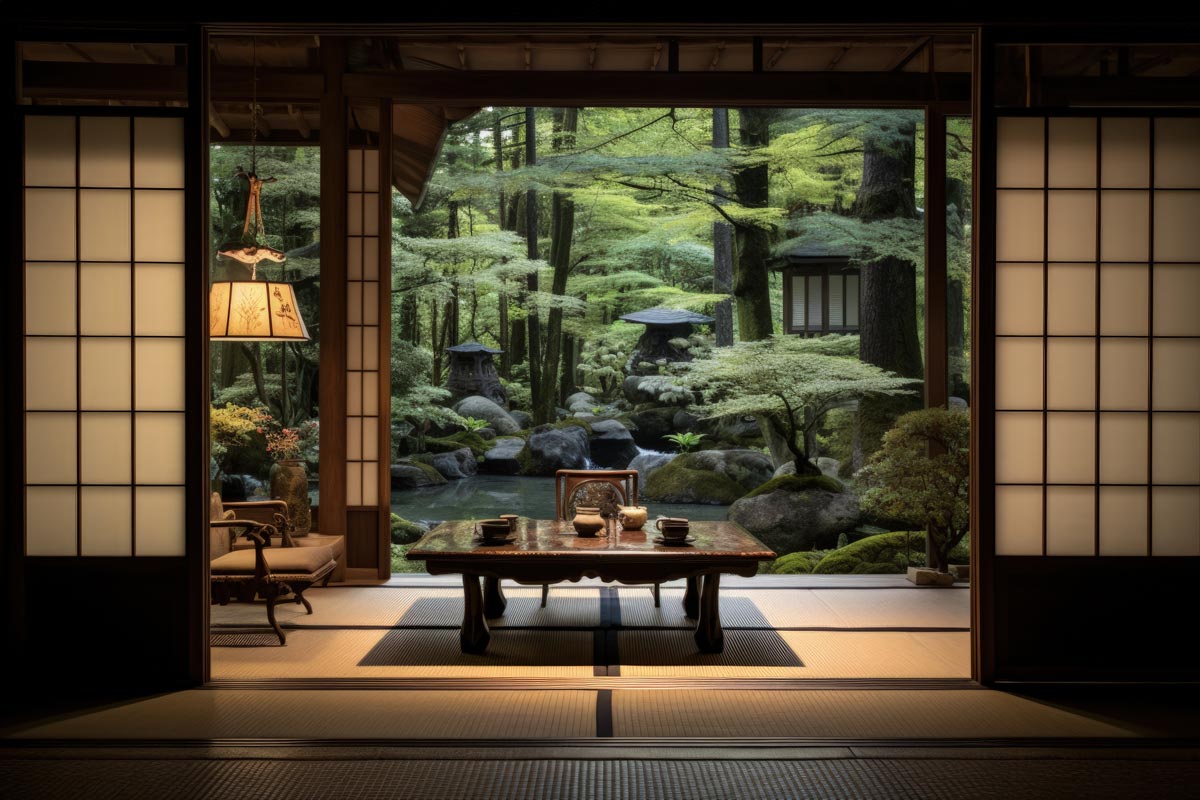
- Ryokan (traditional inns): Often featuring tatami-mat rooms, futon bedding, and kaiseki-style dinners. Many have onsen baths, making them ideal if you want a full Japanese-style stay.
- Western-style hotels: Ranging from simple lodges to larger resorts, these appeal to travelers who prefer beds and more familiar room layouts.
- Guesthouses and pensions: Smaller, homely options that are good for budget-conscious travelers or those seeking a casual atmosphere.
Booking ahead is recommended during weekends in autumn foliage season and national holidays, when both domestic and international tourists flock to the area.
Food and Dining Around the Lake
While the dining scene at Lake Chuzenji is relatively small compared to major cities, you’ll find a selection of local restaurants, cafés, and hotel eateries around Chuzenji Onsen. Typical offerings include:
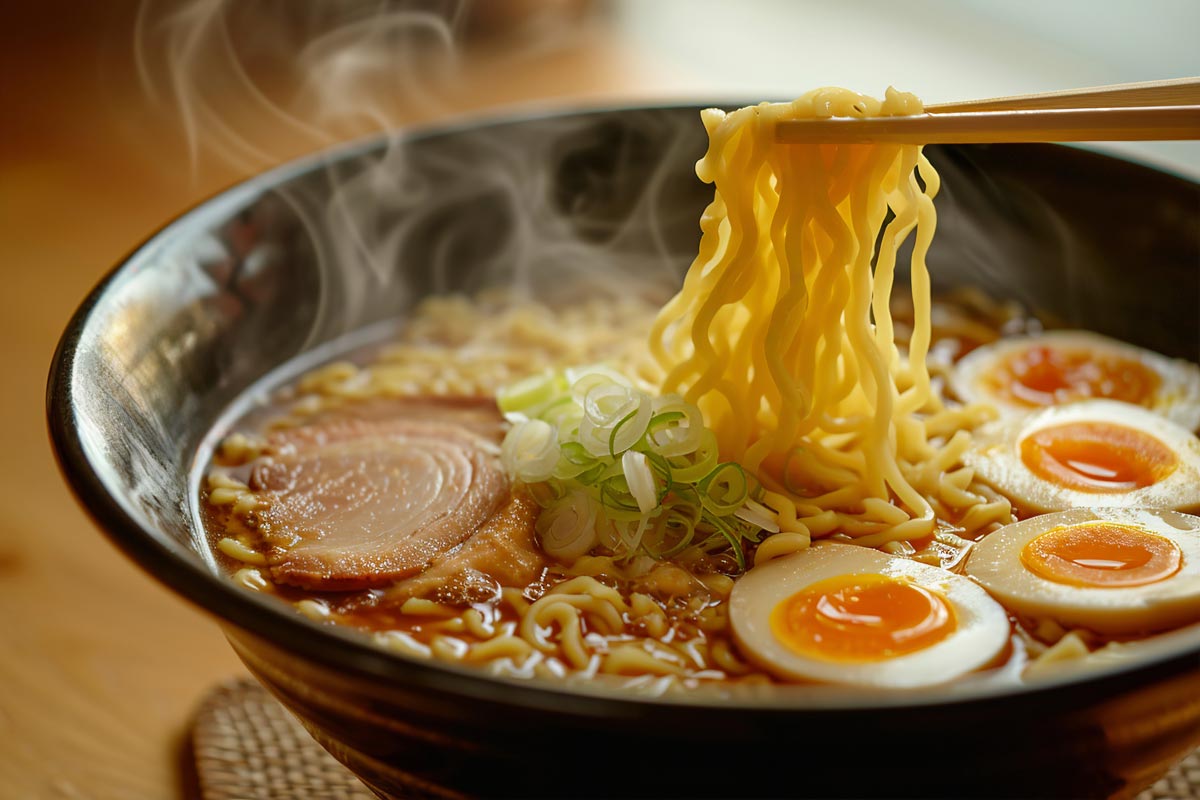
- Soba and udon noodles: Hearty bowls of hot noodles are especially satisfying after a day of walking.
- Yuba dishes: Yuba (tofu skin) is a Nikko specialty, often served over rice, in soups, or as part of a set meal.
- Lake fish: Some places serve grilled or fried trout-style fish sourced from local waters.
- Cafés and bakeries: Light meals, coffee, and pastries, many with lake views.
Lunch options are easier to find than dinner, particularly outside peak seasons. If you plan to stay out late, confirm your hotel’s meal options or check restaurant closing times in advance.
Practical Tips for First-Time Visitors
- Weather and clothing: Temperatures at Lake Chuzenji are often several degrees cooler than in Tokyo. Bring layers, even in summer, and a warm jacket in spring and autumn.
- Cash and cards: Larger hotels and some restaurants accept credit cards, but smaller shops may be cash-only. Carry some yen for bus fares, entrance fees, and snacks.
- Language: English signage exists around main attractions and bus stops, but simple Japanese phrases and a translation app will be helpful.
- Time planning: A fast-paced traveler can visit from Tokyo as a long day trip, but staying overnight in Nikko or at Lake Chuzenji provides a more relaxed experience and allows you to enjoy the early morning and evening calm.
- Respect for nature and culture: Stay on marked trails, carry out your trash, and keep noise to a minimum at shrines and onsen. The appeal of the lake lies largely in its peaceful atmosphere.
Combining Lake Chuzenji with Nikko’s Temples and Shrines
For a well-rounded introduction to Japan, pair a visit to Lake Chuzenji with Nikko’s historic heart. Many travelers spend the morning exploring Toshogu Shrine, Rinno-ji Temple, and Futarasan Shrine in town, then head up to the lake for afternoon nature and cooler air.
Alternatively, reverse the order: start at the lake to beat the crowds at Kegon Falls and enjoy a tranquil cruise or hike, then return to the temples in the late afternoon when tour groups thin out.
Whether you have a single day or a full weekend, Lake Chuzenji adds a refreshing mountain dimension to any Japan itinerary, showcasing how spiritual heritage and natural beauty coexist in one quietly spectacular landscape.

Access Map
Recommended spots in Tochigi
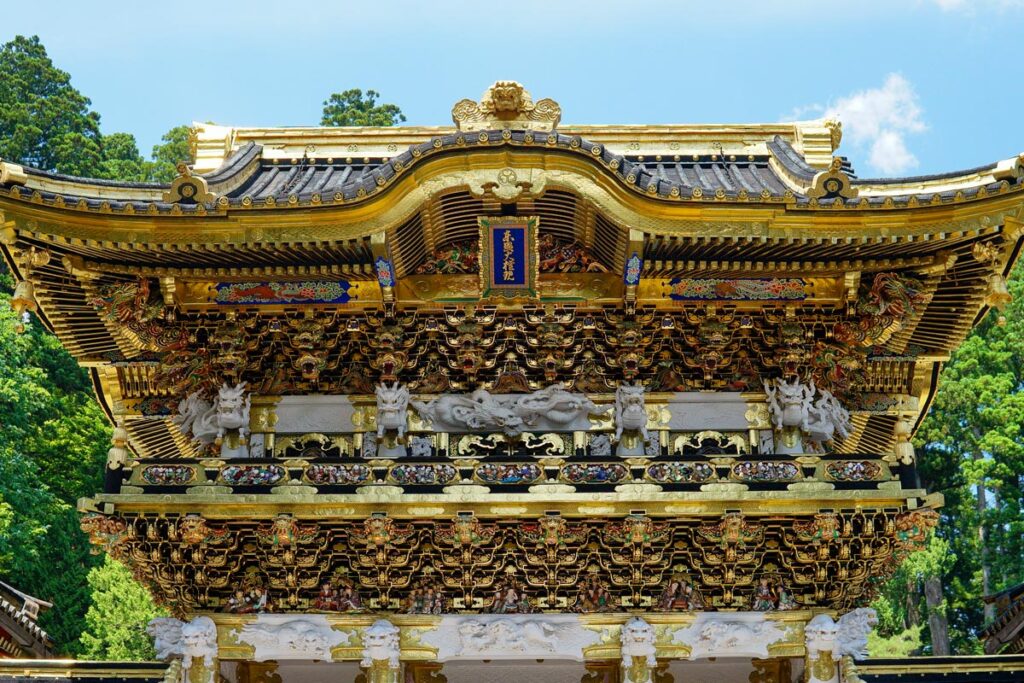
Nikko Toshogu Shrine
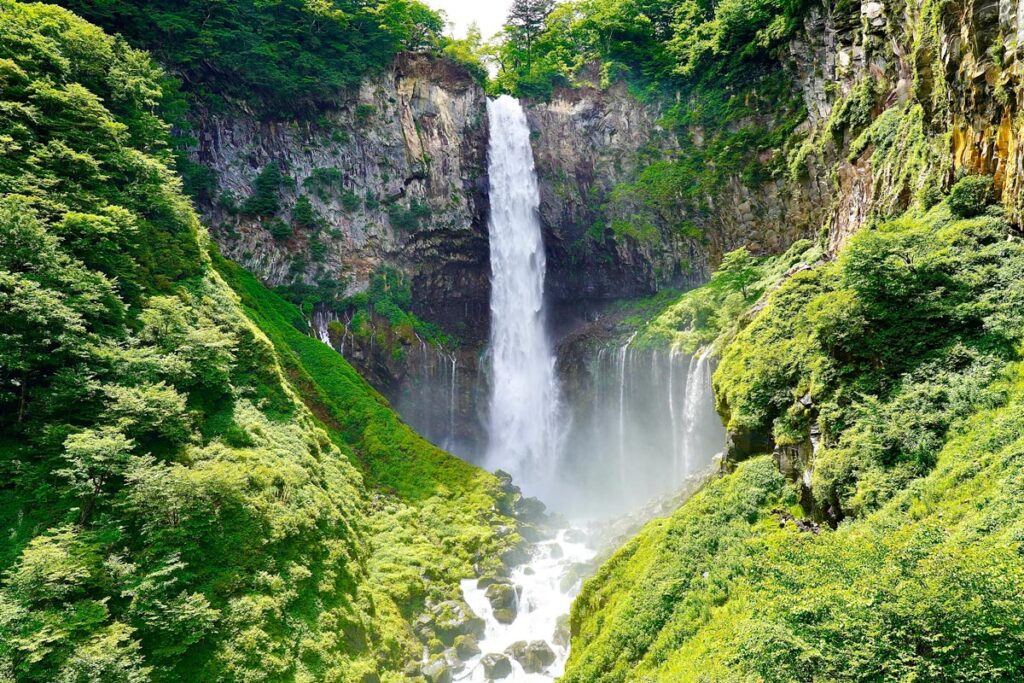
Kegon Falls
Lake Chuzenji
Top destinations in Kanto Region
Kanagawa
Saitama