

Great Buddha of Kamakura
Visiting the Great Buddha of Kamakura: A First‑Timer’s Guide
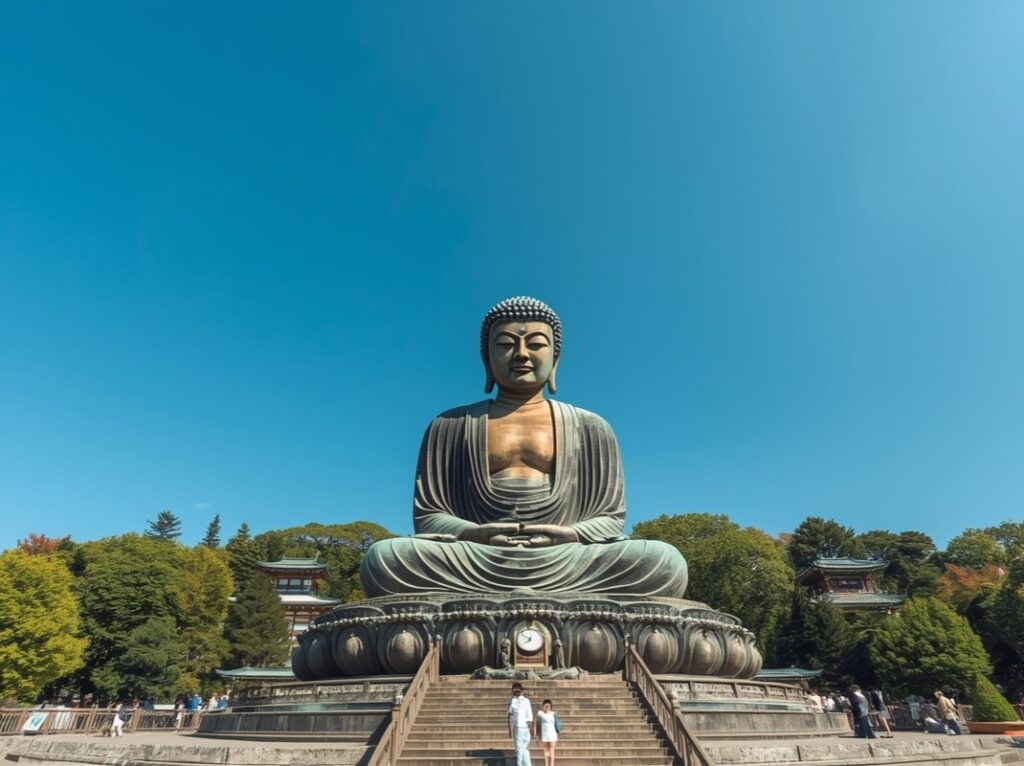
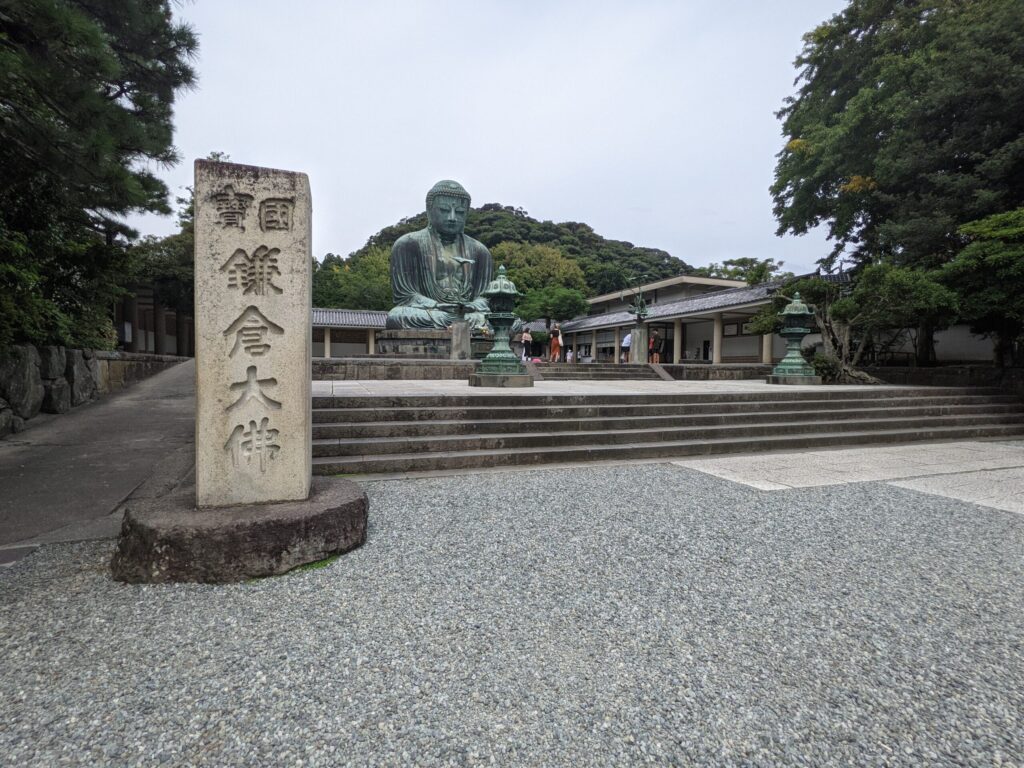
Photos are for illustrative purposes only.
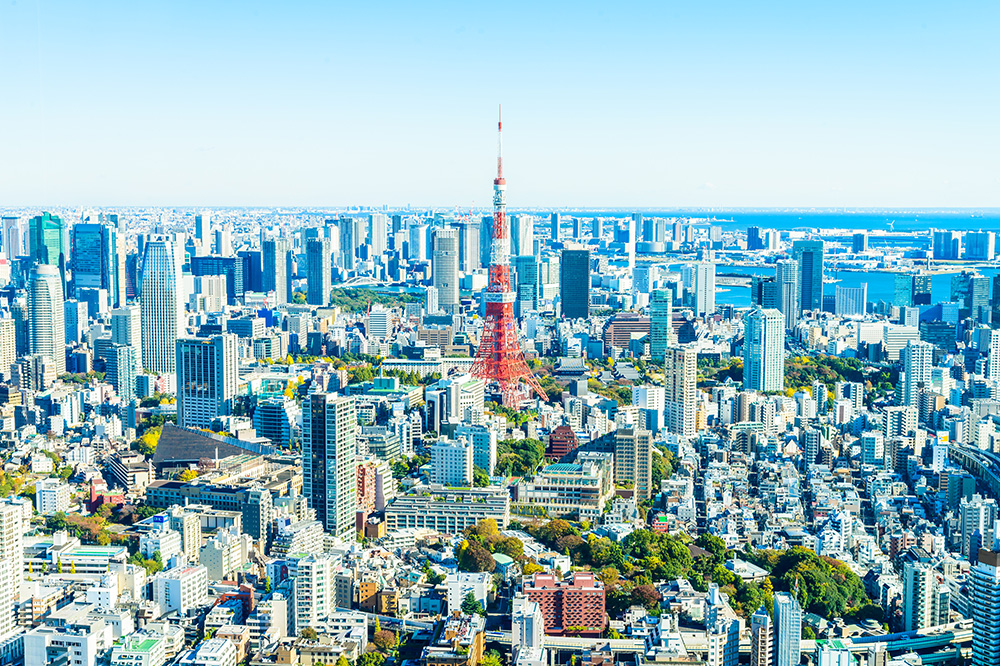
Just an hour south of Tokyo, the Great Buddha of Kamakura offers a calm, coastal contrast to the neon rush of the capital. This massive bronze statue, seated in quiet meditation under the open sky, is not only one of Japan’s most iconic images, but also an easy, rewarding day trip for first‑time visitors.
Known in Japanese as Kamakura Daibutsu, the Great Buddha sits within Kōtoku‑in Temple and has watched over this former samurai capital for more than 750 years. Whether you are curious about Japanese Buddhism, love photography, or simply want a peaceful escape, this is one of the most memorable places to experience traditional Japan.
What Is the Great Buddha of Kamakura?
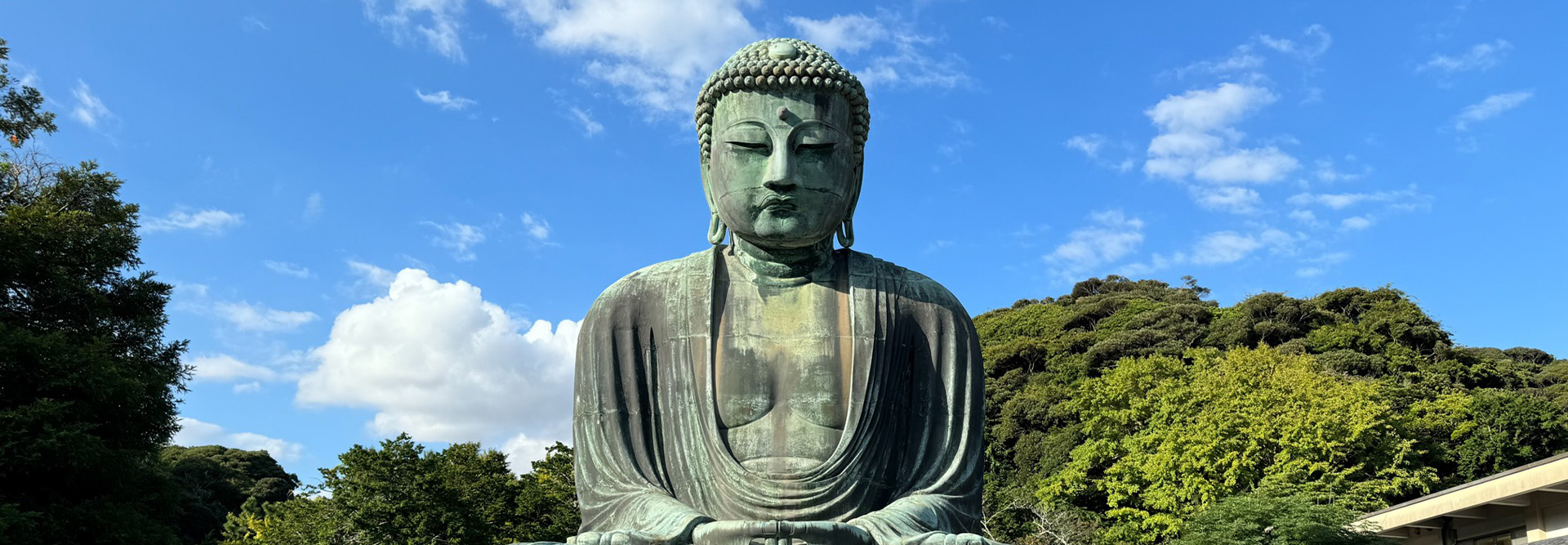
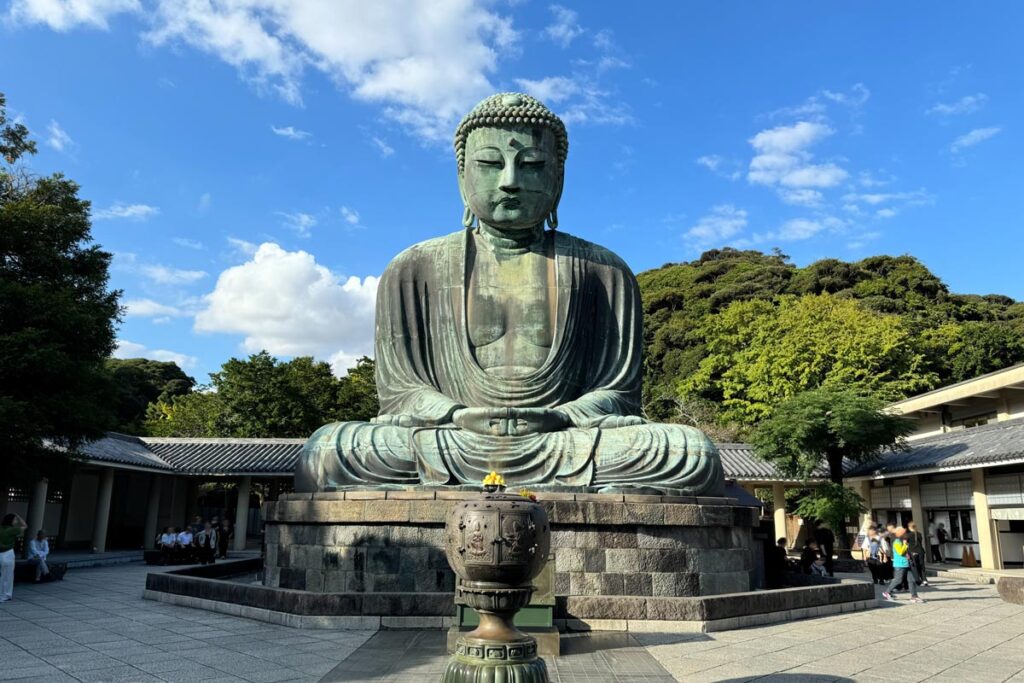
The Great Buddha of Kamakura is a 13.35‑meter‑tall (about 44 feet) bronze statue of Amida Buddha, the Buddha of Infinite Light in Pure Land Buddhism. Weighing around 121 tons, it sits in a lotus position with a gentle half‑smile and downcast eyes, symbolizing compassion and inner peace.
Unlike many large Buddha statues in Japan, the Kamakura Daibutsu sits outdoors. For centuries it has endured wind, rain, and even tsunamis, giving the statue an elegant weathered patina that changes subtly with the light. On clear days, the contrast of bronze against blue sky and surrounding greenery makes for striking photos.
A Brief History and Legends
The story of the Great Buddha is closely tied to Kamakura’s past as the seat of samurai power. During the Kamakura period (1185–1333), the shogunate government ruled Japan from this coastal city, and Buddhism flourished alongside the emerging warrior class.
Origins in the Kamakura Period
The current bronze statue was cast in the mid‑13th century, around 1252, replacing an earlier wooden version. Originally, the Great Buddha was housed inside a large temple hall. That building was destroyed multiple times by typhoons and a tsunami in the 14th and 15th centuries. After the last disaster, the hall was never rebuilt, leaving the Buddha open to the elements.
This open-air setting is part of what makes the Kamakura Daibutsu unique. Standing before it, you can easily imagine pilgrims and warriors making the same journey centuries ago, seeking blessings or solace before battles and long travels.
Symbolism of Amida Buddha
The statue represents Amida Nyorai (Amitābha), the central figure of Pure Land Buddhism, a school that became especially popular among common people in medieval Japan. Pure Land teachings emphasize faith and the simple recitation of Amida’s name as a path to rebirth in a pure realm, free from suffering.
Even if you are not religious, understanding this background adds depth to your visit. The calm expression, gently folded hands, and lotus throne all reflect ideals of compassion, enlightenment, and escape from worldly concerns.
Where Is the Great Buddha and How Do You Get There?
The Great Buddha is located at Kōtoku‑in Temple in the western part of Kamakura city, in Kanagawa Prefecture. It is very accessible from Tokyo and Yokohama, making it a classic day‑trip destination.
From Tokyo
- From Tokyo Station: Take the JR Yokosuka Line to Kamakura Station. The ride takes about 55–60 minutes and is covered by the Japan Rail Pass.
- From Shinjuku: Take the JR Shōnan‑Shinjuku Line (toward Zushi) and get off at Kamakura Station. The journey is roughly one hour.
From Kamakura Station to the Great Buddha
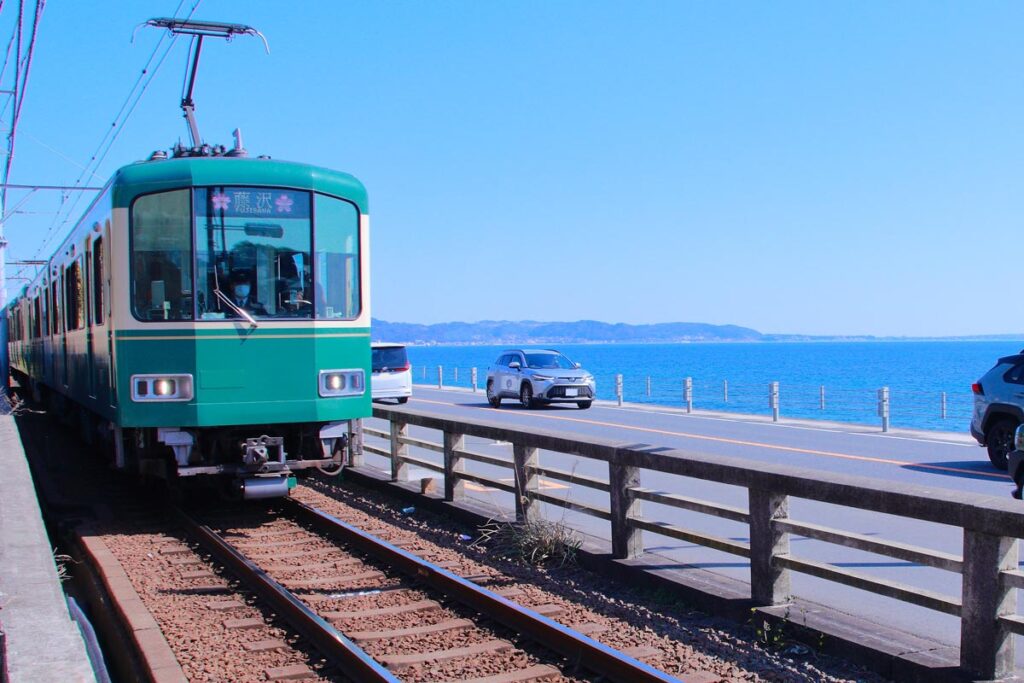
- By Enoden train: From Kamakura Station, transfer to the Enoshima Electric Railway (Enoden) and ride two stops to Hase Station (about 5 minutes). From Hase, it is a 7–10 minute walk to Kōtoku‑in.
- On foot: You can also walk from Kamakura Station to the Great Buddha in about 25–30 minutes, passing through residential neighborhoods and small shops.
The walk from Hase Station to the statue is well signposted in English, with small cafés, souvenir shops, and traditional sweets stores along the way.
What to Expect When You Visit
Kōtoku‑in is a modest temple complex with the Great Buddha as its main attraction. This is not a sprawling temple like Kyoto’s larger complexes, but rather an intimate space focused on one powerful image.
Temple Grounds
After passing through the main gate and buying your ticket, you will walk along a short path lined with trees and stone lanterns before the Great Buddha suddenly appears ahead of you. The first view is often impressive, especially if you have only seen it in photos before.
The statue sits in a courtyard, surrounded by low buildings, a few smaller statues, and viewing areas. Benches and stone steps offer places to rest, and signs in English provide brief explanations about the statue’s history and restoration.
Going Inside the Statue
For a small additional fee, visitors can enter the interior of the bronze statue. Inside, you can see the casting seams and metalwork that hold this enormous figure together. The space is narrow and can feel warm in summer, but many visitors find it fascinating to stand inside such a historic structure.
The interior visit is short, so you will likely spend most of your time outside, circling the statue, photographing it from different angles, and pausing to take in its expression.
Best Time of Day to Visit
- Morning: Arrive soon after opening to enjoy a quieter atmosphere and gentler light for photography.
- Late afternoon: The warm, slanting light can bring out the texture of the bronze. It is also a relaxing time after exploring other Kamakura sights.
Weekends, national holidays, and the cherry blossom and autumn foliage seasons are busiest. If you are visiting during these times, consider starting your day here before moving on to other attractions.
Etiquette and Cultural Tips
While the Great Buddha is a popular tourist spot, it is also a religious site. A few simple customs will help you show respect and feel more comfortable.
- Keep your voice low: People may be praying or meditating. Try to speak quietly and avoid loud phone conversations.
- Photography is allowed outside: You are free to take photos around the statue, but avoid blocking pathways or climbing on structures.
- Observe at the purification basin: If you see visitors rinsing their hands with ladles at the water basin, you are welcome to try it respectfully. This is a symbolic purification ritual.
- Dress comfortably and modestly: There is no strict dress code, but out of respect for the temple, avoid beachwear or very revealing clothing.
No special footwear rules apply here, as you will remain outdoors unless entering small halls. If you enter a building or a smaller hall that requires shoe removal, you will see clear signs and shelves to store your shoes.
Practical Information for Visitors
Opening hours and fees can change, but these general guidelines will help you plan:
- Opening hours: Typically from morning to late afternoon. Aim to arrive well before closing time, especially in winter when days are shorter.
- Admission fee: There is a modest entrance fee for the temple, with a separate small charge if you want to go inside the statue.
- Facilities: Basic restrooms are available on site. Vending machines and small shops can be found just outside the temple grounds.
- Language: Signage includes English, and temple staff are used to international visitors, though English ability may be limited.
It is wise to carry some cash, as smaller temples, local cafés, and buses in Kamakura may not always accept credit cards.
Combining the Great Buddha with Nearby Sights
One of the advantages of visiting the Great Buddha is its location in Hase, an area with several other attractions within walking distance. You can easily create a full day itinerary combining culture, views, and the sea.
Hase‑dera Temple
Just a short walk from Kōtoku‑in, Hase‑dera is famous for its large wooden statue of Kannon, the goddess of mercy, and its hillside views over Kamakura and the ocean. The temple grounds feature ponds, seasonal flowers, and a scenic lookout.
Many visitors choose to visit Hase‑dera either before or after the Great Buddha. In hydrangea season (June) and during autumn foliage, the temple is especially picturesque.
Yuigahama Beach and the Coast
From the Great Buddha, it is a pleasant stroll down to Yuigahama Beach. On warm days you might see surfers, families, and couples enjoying the sea breeze. While swimming is seasonal, the shoreline is a relaxing place to walk, watch the waves, and see a different side of Japan.
Other Kamakura Highlights
If you have more time in Kamakura, consider adding:
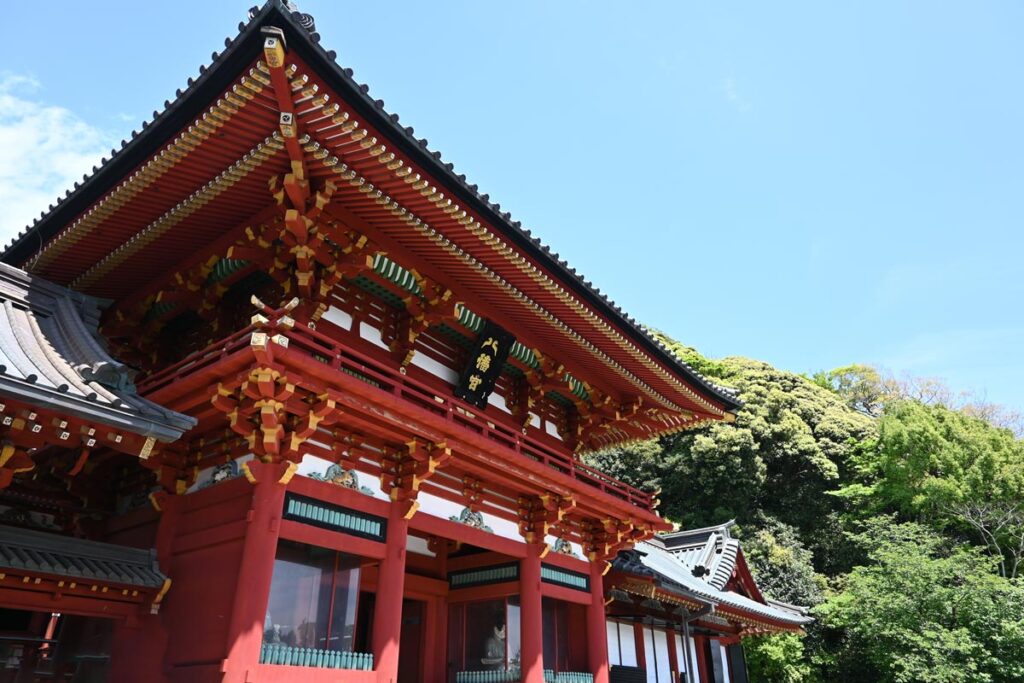
- Tsurugaoka Hachimangū Shrine: The city’s grandest shrine, located near Kamakura Station, with a long approach lined with cherry trees.
- Komachi‑dori shopping street: A lively pedestrian street offering snacks, local crafts, and souvenir shops.
- Bamboo temples: Several smaller temples in northern Kamakura feature atmospheric bamboo groves and quiet walking paths.
With good planning, you can see the Great Buddha, Hase‑dera, the beach, and central Kamakura’s main shrine in a single relaxed day.
When to Visit Kamakura and the Great Buddha
Kamakura is enjoyable year‑round, but each season offers a different atmosphere.
- Spring (March–May): Mild weather and cherry blossoms make this one of the most popular times to visit. Expect more crowds on weekends.
- Summer (June–August): Hot and humid, but the nearby beaches give Kamakura a laid‑back, seaside holiday feel. Be prepared for sudden showers during the rainy season.
- Autumn (September–November): Comfortable temperatures and colorful foliage create beautiful photo opportunities around temples and hills.
- Winter (December–February): Cooler and quieter, with clear skies that often provide crisp views and soft light on the statue.
If you prefer fewer people, weekday mornings outside peak cherry blossom and autumn periods are ideal.
Tips for First‑Time Visitors to Japan
For many international travelers, Kamakura is one of the first excursions outside Tokyo. A few practical points can make your visit smoother:
- Use IC cards: Prepaid transport cards such as Suica or PASMO work on JR lines, the Enoden railway, and many buses, removing the need to buy individual tickets.
- Carry a small bag: Temples and trains can become crowded. A compact daypack is easier to manage than large luggage.
- Respect queues: Lines at ticket machines, restrooms, and photo spots are usually orderly. Join at the end and move forward calmly.
- Trash disposal: Public trash bins are rare in Japan. Carry a small bag for your own rubbish and dispose of it back at your hotel or at designated bins.
Even with limited Japanese, simple words like “sumimasen” (excuse me / sorry) and “arigatō” (thank you) go a long way in daily interactions.
Why the Great Buddha of Kamakura Belongs on Your Itinerary
The Great Buddha of Kamakura brings together much of what makes travel in Japan so memorable: deep history, spiritual calm, coastal scenery, and everyday local life. It is grand yet approachable, iconic yet easy to visit in a single day from Tokyo.
Standing at the foot of this centuries‑old statue, you can feel both the weight of time and a sense of quiet stillness that contrasts vividly with the modern city. For first‑time visitors to Japan, it offers a powerful introduction to the country’s religious traditions, seasonal beauty, and welcoming atmosphere.
Whether you come for the photographs, the history, or a moment of reflection beneath the open sky, the Great Buddha of Kamakura is a destination that lingers long after you return home.

Access Map
Recommended spots in Kanagawa
Great Buddha of Kamakura
Tsurugaoka Hachimangu Shrine
Enoshima Area
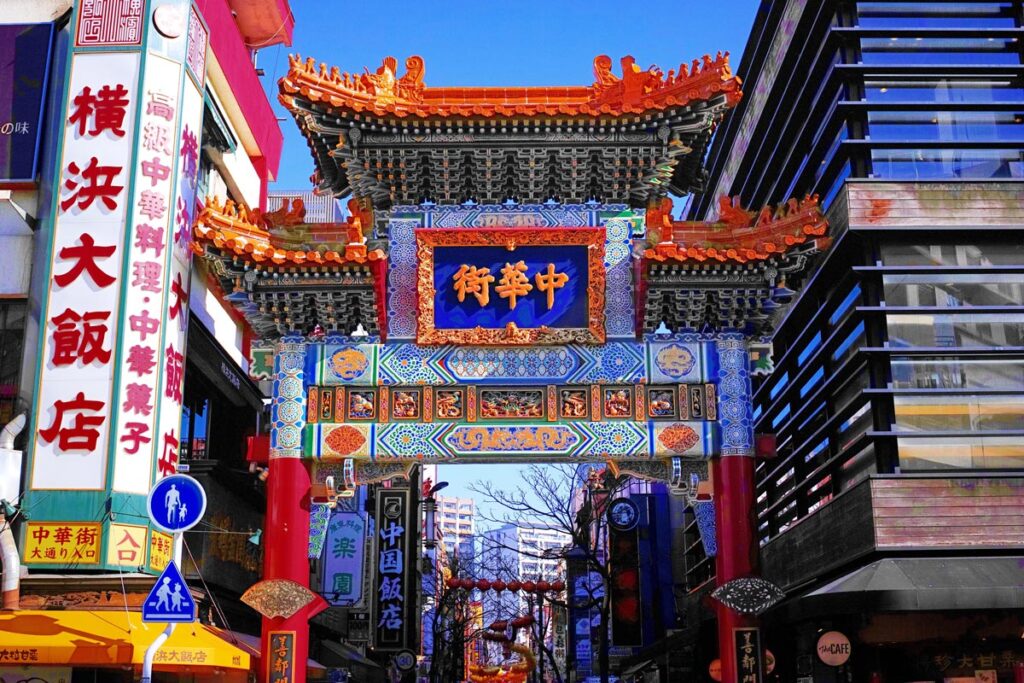
Chinatown Yokohama
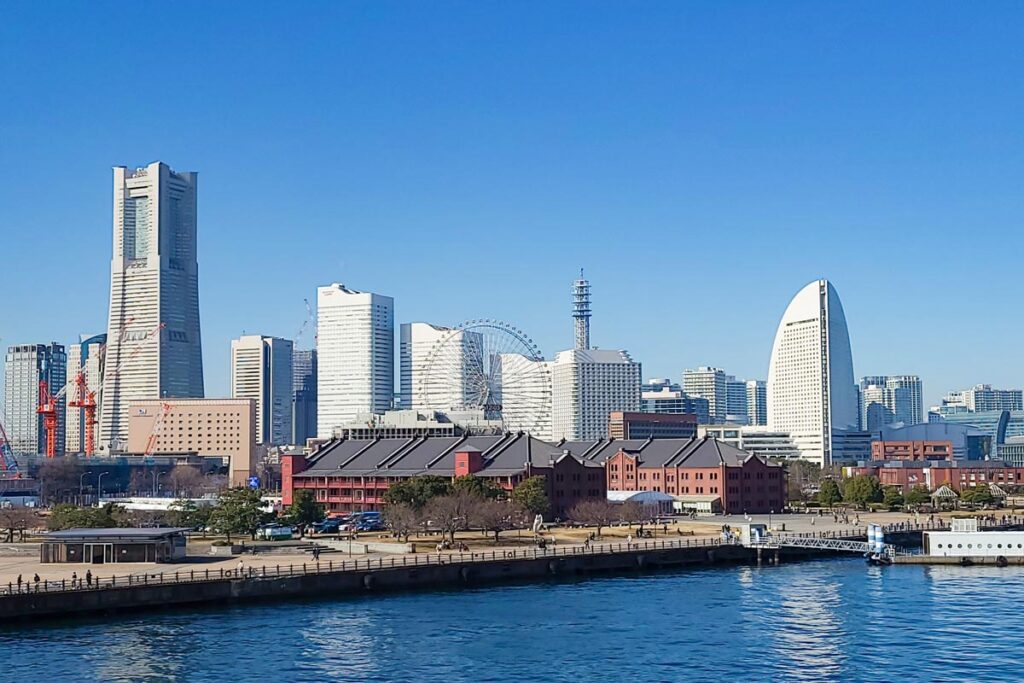
Yokohama Red Brick Warehouse
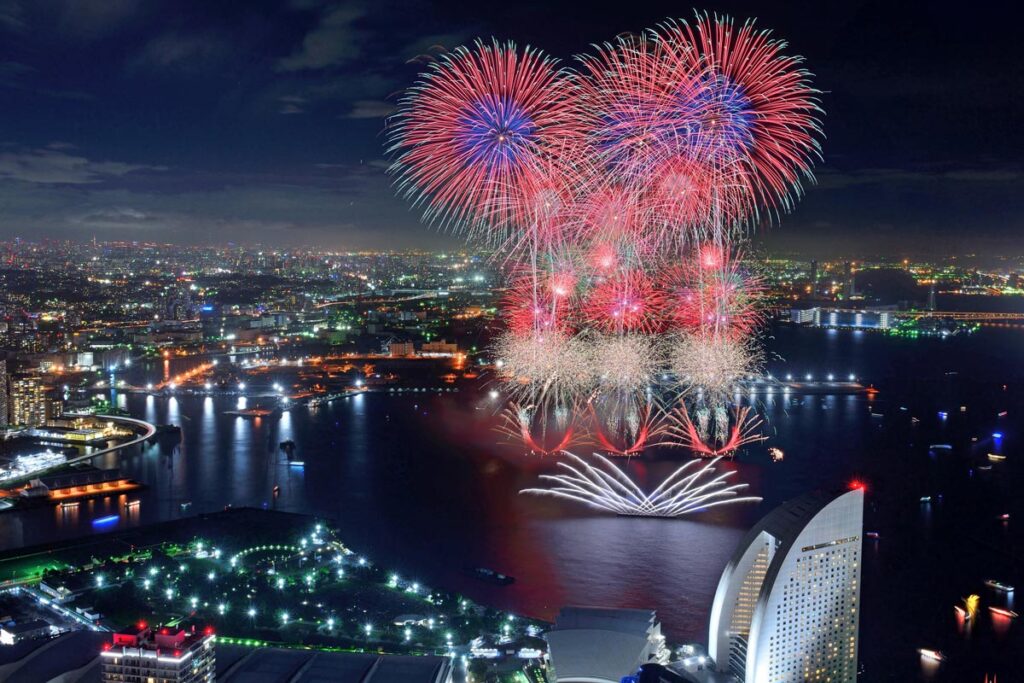
Yokohama Landmark Tower & Sky Garden

Cupnoodles Museum
Top destinations in Kanto Region
Tochigi
Saitama